Unlocking the Worth Discover the Vintage Charm and Value of Antique Louis Vuitton Trunks: appraisal and value basics
Unlocking the Worth Discover the Vintage Charm and Value of Antique Louis Vuitton Trunks research should start with identification, condition, provenance, and item-specific market evidence. Use this guide to compare the signals that matter before paying for a formal appraisal or deciding whether to sell.
Antique Louis Vuitton trunk appraisal checklist
Antique Louis Vuitton trunks sit at the crossroads of design history, luxury craftsmanship, and collecting culture. They tell stories of steamships, grand hotels, and custom-made ingenuity—yet they also reward careful scholarship. For appraisers and enthusiasts, understanding how to date, document, conserve, and value these trunks turns admiration into confident decision-making. This guide distills the key markers and market drivers so you can evaluate a trunk with professional rigor.
From Workshop to World Stage: Origins and Iconic Models
Louis Vuitton founded his Paris atelier in 1854 and changed travel forever by 1858 with the flat-topped, stackable Trianon grey canvas trunk. The brand’s evolution tracks broader shifts in travel and taste:
- Trianon (c. 1858–1870s): Grey, lightweight, water-resistant “toile Trianon” canvas on a flat-topped trunk was revolutionary, replacing the rounded, rain-shedding lids of earlier luggage.
- Rayée (Striped) Canvas (c. 1872–1888): Bold beige-and-brown or red-and-beige stripes signaled progress and style, and began to build Vuitton’s visual identity.
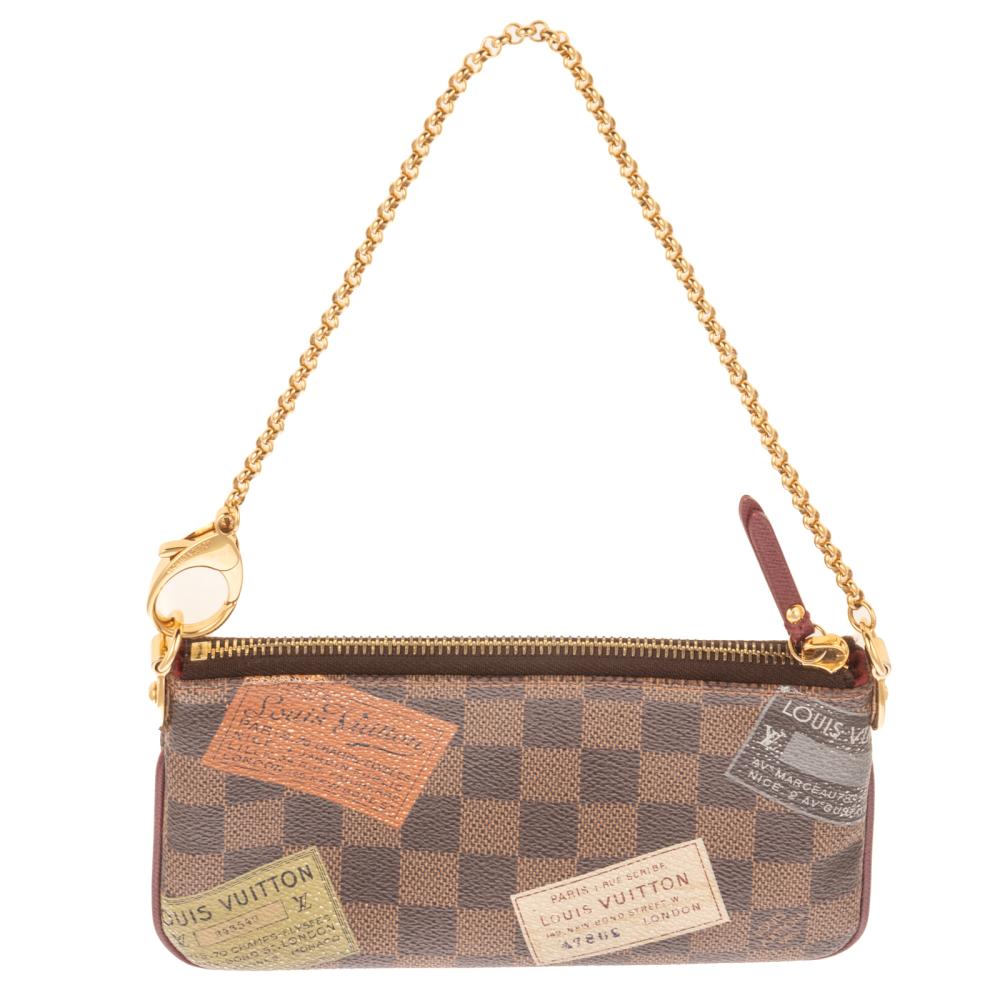
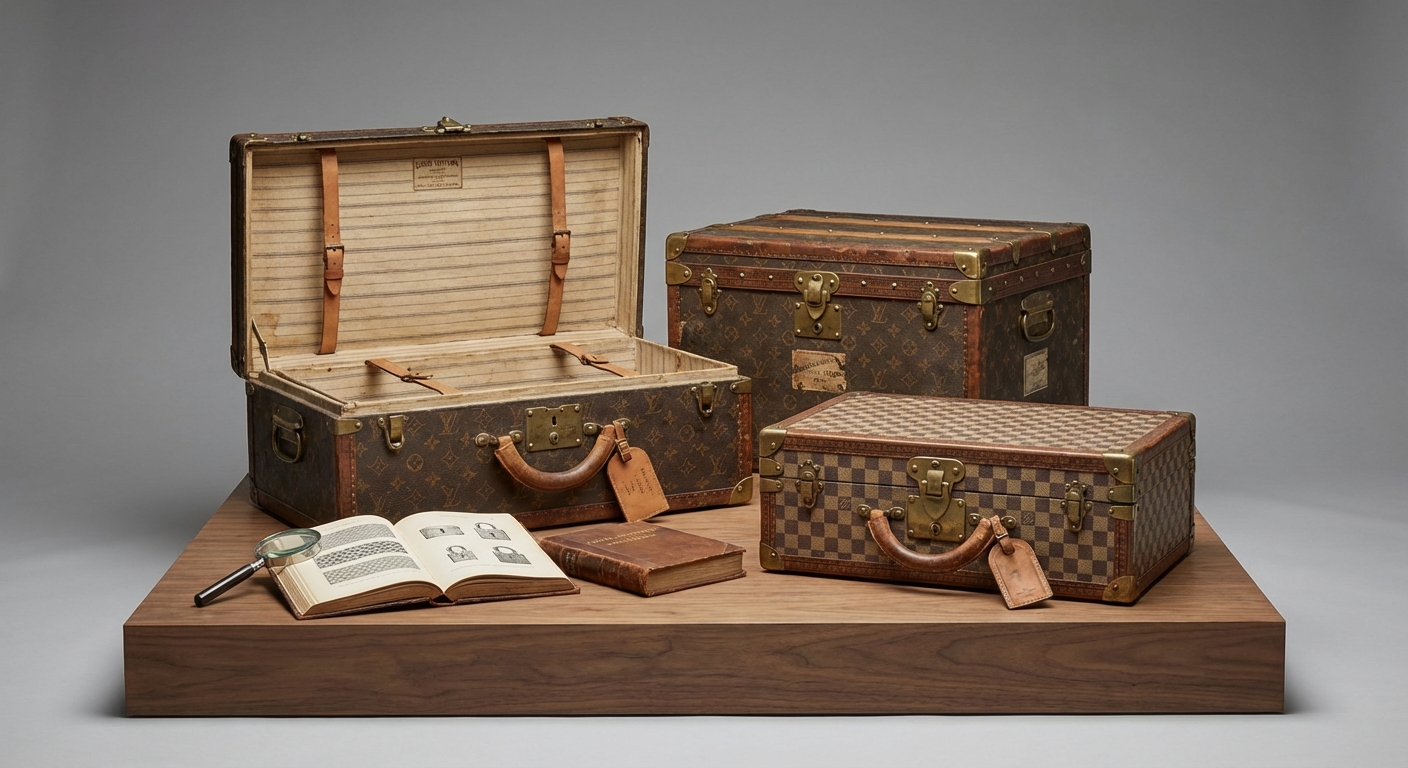
- Damier (Check) Canvas (c. 1888–early 1900s): The checkerboard (often brown and beige) offered a refined alternative and helped combat counterfeiting.
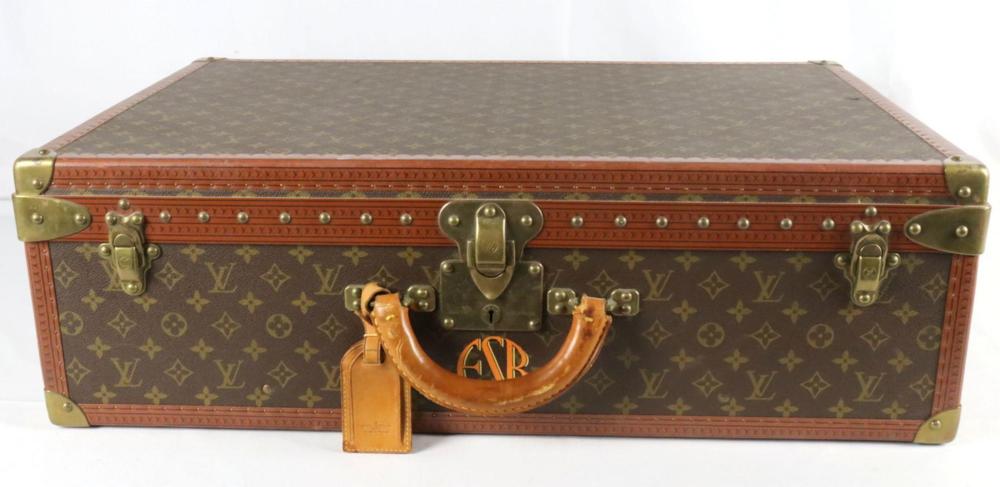
- Monogram Canvas (from 1896 onward): The now-classic LV monogram with quatrefoils and flowers became the brand’s definitive statement from the late 1890s into the 20th century.
Accompanying the canvases were increasingly specialized forms:
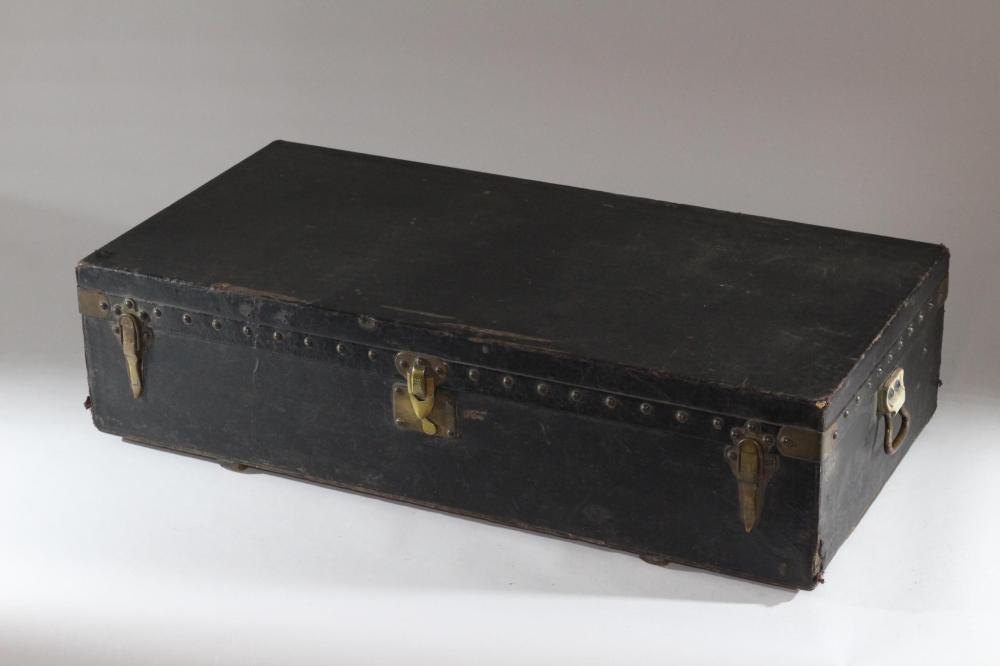
- Malle Courrier (steamer trunk): The archetypal flat-topped trunk with exterior slats for protection.
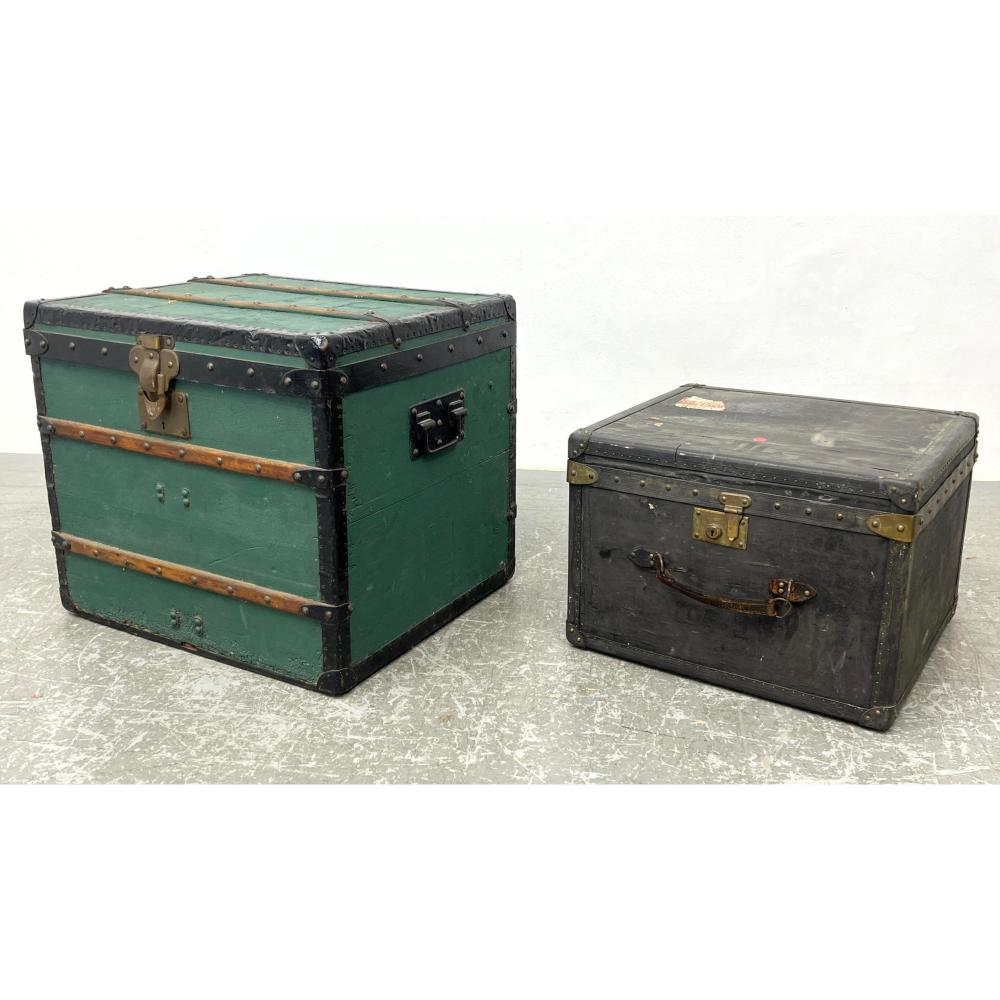
- Malle Cabin (cabin trunk): Lower profile to fit under ship berths; prized today for ease of display as coffee tables or low consoles.
- Malle Armoire (wardrobe trunk): A traveling closet with hangers and drawers; theatrical and highly decorative in interiors.
- Specialty trunks: Hat trunks, shoe trunks, library or secrétaire trunks, bed-trunks for expeditions—bespoke orders that can command premium prices today when genuine.
Hardware innovations defined quality. The 1886 patented pick-proof lock system—still a signature—combined strength with a branded aesthetic. Brass corners, reinforced wood slats, and later “lozine” (a tough vulcanized fiber) edging protected the structure through decades of use.
How to Date and Document: Patterns, Locks, Labels, and Construction
No single feature proves age or originality in isolation. Instead, look for coherent evidence across canvas, hardware, construction, and labels.
Canvas chronology:
- Trianon grey: earliest flat-tops; scarce and desirable.
- Rayée (striped): roughly 1870s–1880s; earlier than Damier and Monogram.
- Damier: debuted 1888; look for nuanced color aging and correct alignment.
- Monogram: from 1896 onward; early monogram can look softer, with less sheen than later coated versions.
Locks and keys:
- The patented LV lock (introduced 1886) often bears the Louis Vuitton name, sometimes a patent mention, and a unique lock number. Period keys are stamped with a matching number. A period-appropriate lock with a correctly matching key strengthens originality, but unmatched keys are common and not fatal to value.
- Cheap, modern replacement locks or non-LV locks are red flags.
Labels and stamps:
- Interior paper labels list the brand and locations (e.g., Paris and other boutiques). Typography, layout, and store lists evolved; experts use these variations to bracket date ranges.
- Labels are often pasted inside the lid or near trays. Beware of freshly aged, misaligned, or crudely glued labels.
- Some trunks have stenciled numbers or retailer tags (for department stores or agents) that help narrow provenance.
Construction details:
- Frame: typically light but strong wood (commonly poplar), with external wooden slats and brass tacks (“clous”).
- Edging: early trunks used leather; lozine (vulcanized fiber) edging became widespread by the early 20th century. Consistency of edging with other clues matters.
- Interior: fabric linings (striped, floral, or plain canvas) with fitted trays, hat compartments, or drawers in wardrobe trunks. Excessively modern linings or foam indicate later refurbishment.
- Handles: leather side handles often deteriorate; period handles are thick, stitched, and riveted. Replacements are common but should be noted in appraisal.
Cohesion test:
- Does the canvas type, lock style, label typography, edging material, and interior finish all align within a plausible time window? A Damier canvas with a late-20th-century lock or a Monogram trunk carrying a much earlier label warrants scrutiny.
If in doubt, consult a specialist with experience in Louis Vuitton trunks; high-quality reproductions and “marriages” (mismatched parts) exist.
Condition and Originality: What Matters, What Doesn’t
Condition and originality drive value more reliably than almost any single feature. Appraisers weigh:
Canvas condition:
- Tears, significant losses, or heavy water-staining depress value. Small punctures and worn corners are common and tolerated.
- Refinished or over-varnished monogram can look unnaturally glossy; over-restoration often lowers value with serious collectors.
Hardware and locks:
- Complete, working locks with matching keys are a plus; missing keys are acceptable but note it.
- Missing or replaced brass corners, slats, or studs are negative, but professional, historically correct replacements mitigate the impact.
Trims and edging:
- Original lozine or leather edging with honest wear is desirable. Brittle, cracked edging can be stabilized; heavy replacement should be disclosed.
Interiors:
- Intact, original trays, hangers, and compartments add value and functionality. Relined interiors may make a trunk practical but reduce historical integrity.
Structural integrity:
- Solid frame, no active woodworm, and square geometry are essential. Warped lids, spongy baseboards, and major frame repairs reduce value.
Patina:
- The accumulated surface character—from travel labels to softened brass—contributes to charm. Most advanced collectors prefer patina over aggressive polishing.
Provenance:
- Documented ownership, monogrammed initials tied to an archive record, or notable hotel/liner labels can enhance value when verifiable.
What Drives Value: Rarity, Form Factor, and the Current Market
Values fluctuate with fashion, supply, and condition. As a snapshot for informed expectations:
- Entry-level smalls:
- Hat trunks and compact Monogram pieces in fair, original condition: roughly a value that must be established from current, topic-matched sales.
- Steamer (Malle Courrier) trunks:
- Common Monogram examples in good, largely original condition: approximately a value that must be established from current, topic-matched sales; premium examples with excellent interiors and provenance may stretch higher.
- Cabin trunks:
- Often command a premium for display-friendly proportions: generally a value that must be established from current, topic-matched sales depending on canvas, condition, and originality.
- Wardrobe trunks:
- Highly decorative; value typically a value that must be established from current, topic-matched sales with earlier canvases and complete interiors at the upper end.
- Damier and Rayée:
- Rarer than Monogram; good examples often a value that must be established from current, topic-matched sales+.
- Early Trianon and special orders:
- Scarce survivors, notable premiums: a value that must be established from current, topic-matched sales+ for historically important or exceptional condition pieces; rare bespoke forms and exceptional provenance can exceed that.
Notes:
- Regional variations exist. Top-tier dealers may price above auction levels for best-in-class, fully vetted examples.
- Over-restored pieces often languish. Documented patina, correct parts, and documented history tend to convert better.
Care, Restoration, and Display: Preserving Value
A conservation mindset protects both aesthetics and market value.
Environment:
- Keep in stable, moderate humidity (at a material-appropriate relative humidity) and temperatures away from direct sunlight. Avoid damp basements and hot attics.
Surface care:
- Dust gently with a soft brush. Use slightly damp microfiber sparingly on canvas; avoid solvents and aggressive cleaners.
- Brass: prefer dry polishing cloths or microcrystalline wax for a soft sheen; avoid harsh metal polishes that strip patina or bleed onto canvas.
Edging and leather:
- Lozine becomes brittle; cracks can be consolidated by a professional. Leather handles may be humidified and conditioned carefully; do not saturate.
Interiors:
- Vacuum with a low-suction brush. Spot-clean linen with minimal moisture. Avoid fragrances or deodorizers that linger and stain.
Restoration choices:
- Replace missing parts with period-correct or high-quality reproductions, but document all interventions.
- Relining should be a last resort; original interiors, even with wear, are usually preferred.
- Costs vary widely—from a few hundred dollars for stabilization to several thousand for comprehensive restoration. Always weigh cost against likely value uplift.
Display and function:
- As furniture (coffee table, console), use a protective glass or acrylic top with soft pads. Do not overload; trunks were designed for clothes, not heavy electronics.
Buying and Selling: Due Diligence and Strategy
Before purchase:
- Ask for clear, natural-light photos of all sides, the lock and key, interior label, hinges, base, and any damage or repairs.
- Request measurements and weight. Cabin dimensions differ from steamer dimensions, which affect display plans and shipping costs.
- Confirm whether the key matches the lock number; note any non-LV replacement parts.
Where to buy:
- Established specialists and reputable auction houses provide condition reports and reduce risk.
- Private sales may offer value but require deeper due diligence.
Negotiation and logistics:
- Restoration needs are leverage but factor realistic costs. A trunk requiring edging work, handle replacements, and interior stabilization can add significant expense.
- Plan for professional packing and insured shipping. Large wardrobe trunks may require crating and two-person delivery.
Selling:
- Present the trunk clean, stable, and well-lit. Provide a detailed, accurate condition description and declare any restoration.
- Include close-ups of label, lock, and interiors; if provenance exists, present documentation.
Quick Appraisal Checklist
- Identify canvas: Trianon grey, Rayée (striped), Damier, or Monogram; does it align with other features?
- Examine lock: LV-marked, circa-appropriate, with number; is there a matching key?
- Check label: period-consistent typography and store list; properly aged and correctly placed?
- Inspect edging: leather or lozine; original vs. replaced; condition and cracks.
- Assess hardware: brass corners, studs, hinges—complete and original, or replaced?
- Review interior: original trays/hangers vs. relined; cleanliness; odors or staining.
- Test structure: lid alignment, frame solidity, no active woodworm or severe warp.
- Note dimensions: cabin vs. steamer proportions for display desirability.
- Evaluate patina: honest wear vs. over-polished surfaces or fresh varnish.
- Confirm coherence: do all elements date within the same plausible period?
- Record provenance: initials, travel labels, bills of sale, archival confirmations.
- Estimate restoration: cost, effect on originality, and likely value impact.
Frequently Asked Questions
Q: How can I roughly date a Louis Vuitton trunk without expert tools? A: Start with the canvas pattern (Trianon, Rayée, Damier, or Monogram), then cross-check the lock style and interior label typography. Consistency across those three usually places a trunk within a workable time window.
Q: Do missing keys drastically reduce value? A: Not drastically, but they matter. A working, matching key is a plus, especially for collectors who display trunks closed. Missing keys are common and often acceptable if the lock is original and the trunk is otherwise strong.
Q: Is it better to restore or leave a trunk as found? A: Light conservation generally beats heavy restoration. Stabilize structure, clean gently, and replace only missing essentials with period-correct parts. Over-restoration (revarnished canvas, new linings) can harm value.
Q: Are travel labels on the exterior helpful? A: Yes, they add character and can hint at provenance. They rarely add large monetary premiums unless they tie to notable owners or historic voyages and are backed by documentation.
Q: How do I avoid a fake or “married” trunk? A: Look for coherence: canvas era, lock and key numbering, label style, edging material, and interior fittings should align. Inconsistencies—like an early Damier canvas with a late modern lock—warrant further verification by a specialist.
Antique Louis Vuitton trunks reward a careful eye: when canvas chronology, lock technology, labels, and construction harmonize—and condition is honest—you’re likely looking at a piece whose charm is matched by enduring value. With the right approach to assessment and care, these icons of travel can anchor a collection and a room for generations.