Unlocking the Worth a Comprehensive Guide to Determining Old Bottle Values: appraisal and value basics
Unlocking the Worth a Comprehensive Guide to Determining Old Bottle Values research should start with identification, condition, provenance, and item-specific market evidence. Use this guide to compare the signals that matter before paying for a formal appraisal or deciding whether to sell.
Old bottle appraisal checklist
Antique bottles occupy a sweet spot in the collecting world: they are tangible pieces of social history, visually striking, and—when the right factors align—surprisingly valuable. Yet “old” does not automatically mean “worth a lot.” Value results from a mix of age, scarcity, demand, condition, color, form, and locality. This guide walks you through a proven approach to identification, dating, and pricing, with practical cues, typical ranges, and a concise checklist for quick fieldwork.
What Drives Value In Antique Bottles
- Rarity versus demand
- Scarcity matters, but only when collectors actively want the category. Figural bitters, historical flasks, Western whiskeys, pictorial sodas, and true poisons with skull-and-crossbones consistently draw demand. Some categories (common clear medicines, machine-made pantry jars) are abundant and low-value unless color, embossing, or provenance is exceptional.
- Age and manufacturing era
- Early free-blown and pontiled bottles (roughly pre-1860) tend to outpace later machine-made examples, all else equal. That said, a rare 1930s-40s ACL (applied color label) soda with iconic graphics can outperform a plain 1870s medicine.
- Color
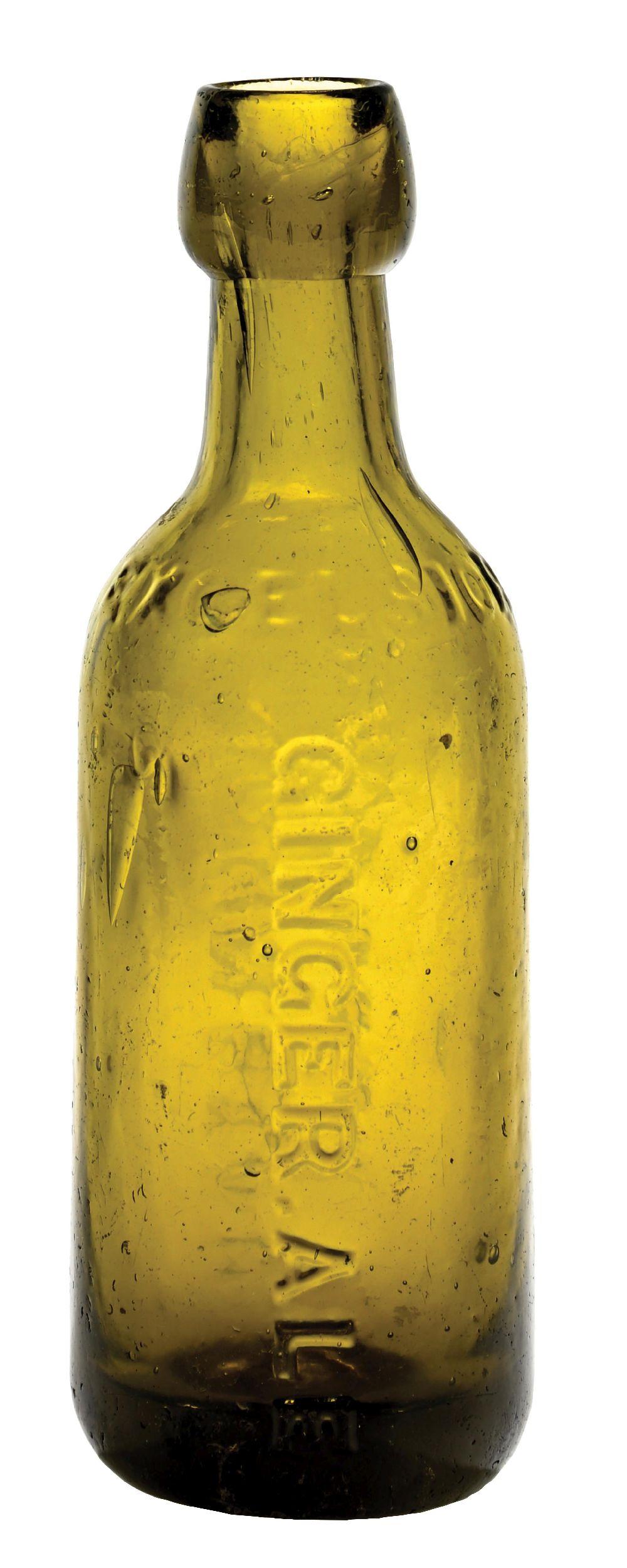
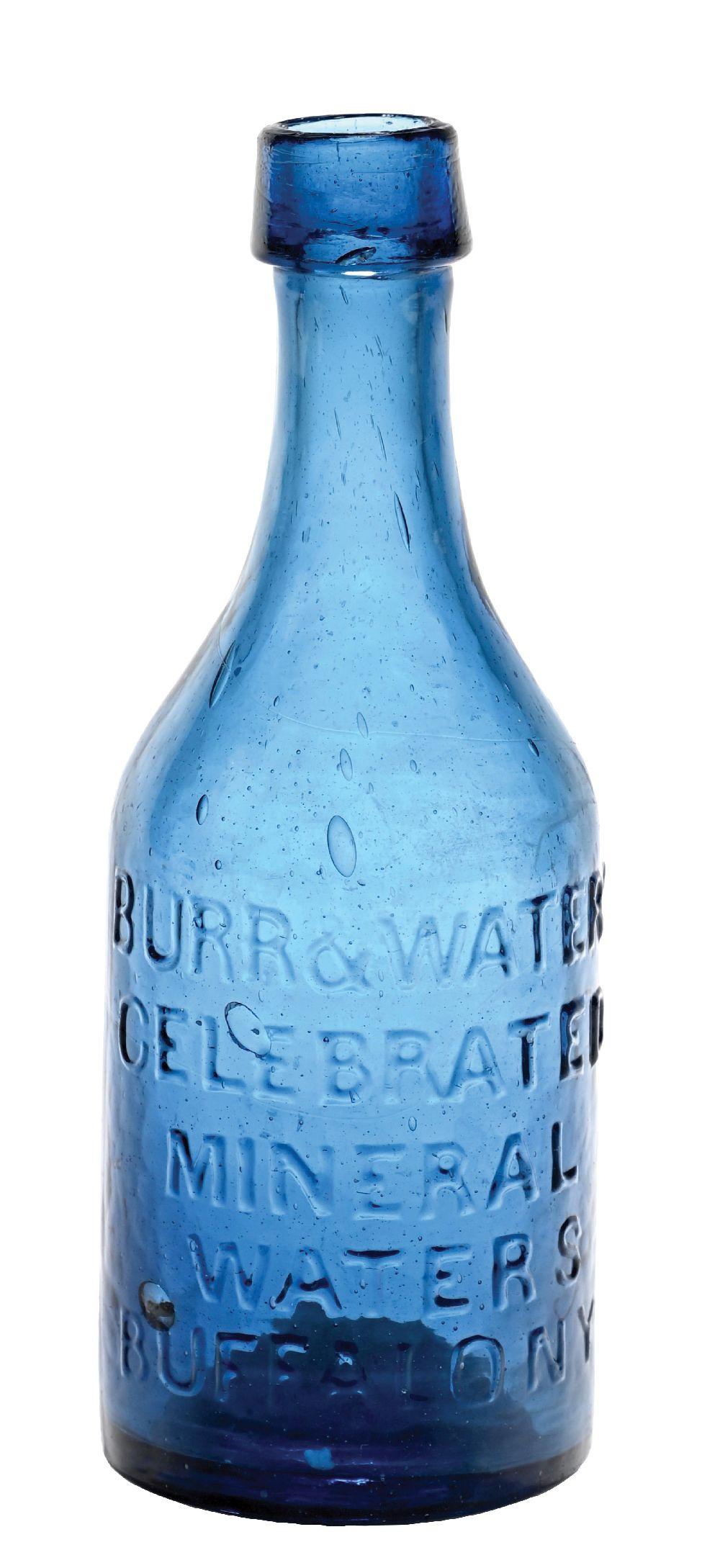
- Color ranks among the strongest multipliers. From most common to more desirable: clear and aqua (common), light amber and olive, deeper ambers and greens, cobalt and deep emerald, rarer citron/yellow-olive/saffron/yellow, puce, and certain unusual shades. Black glass (very dark olive/blackish) wine or ale bottles are collectible, but value varies by form and stamp. Beware artificially irradiated purple glass masquerading as rare color (more on that below).
- Form and features
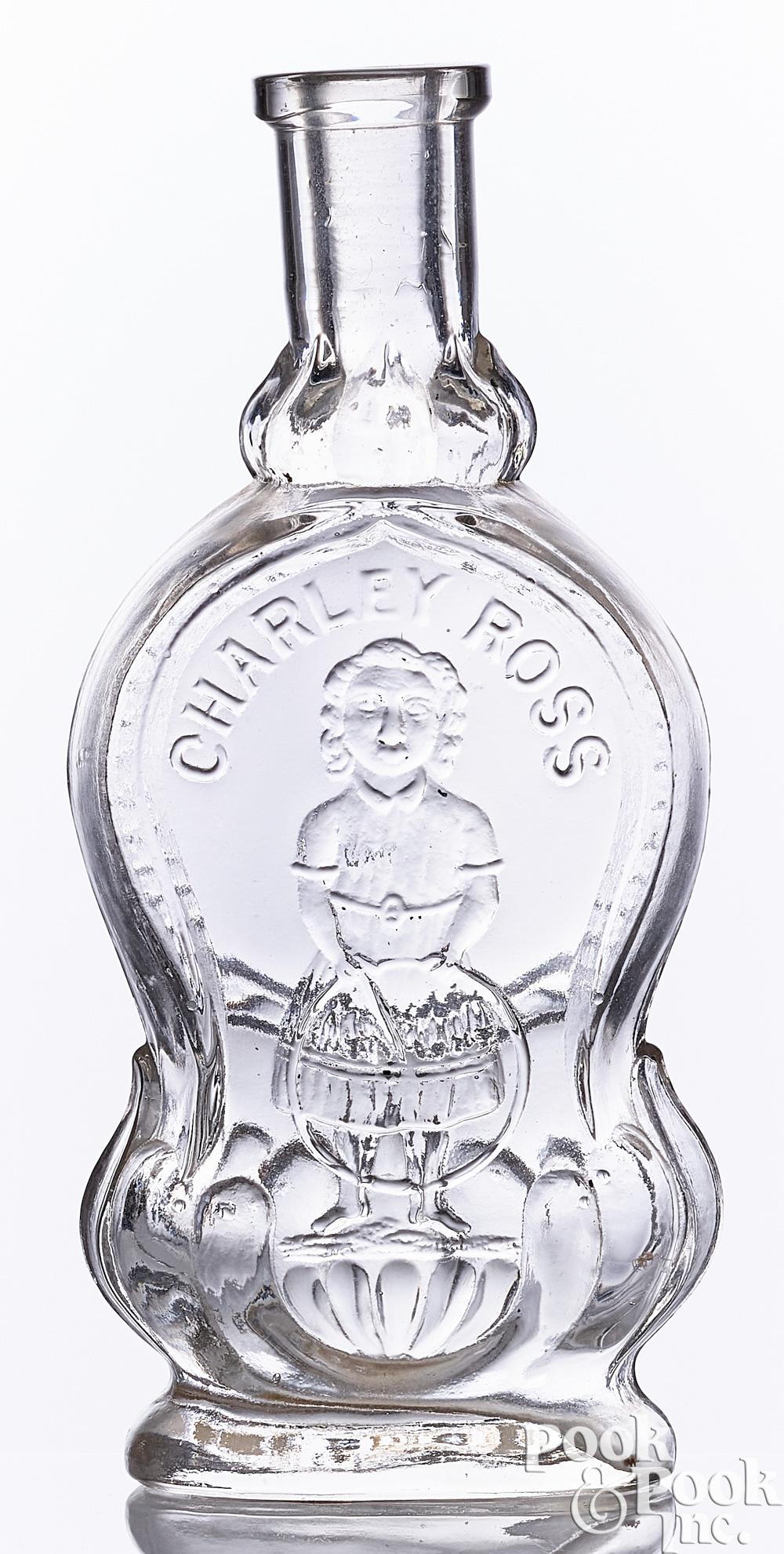
- Embossing (especially pictorial or with desirable place names), applied seals, unusual closures (torpedo, Hutchinson, blob-top, lightning), figural forms (barrels, eagles, log cabins), and skull/triangular poison forms add interest and value. Size plays a role: extreme sizes (miniatures and giant demijohns) can attract attention.
- Locality and provenance
- Bottles embossed with a specific town, railroad, mine, or famous enterprise can carry strong local premiums. Documented provenance—particularly for early flasks, Western bitters, and sealed wines—adds credibility and value.
Identification And Dating Essentials
Correctly identifying how a bottle was made—and when—creates the spine of any valuation.
- Pontil scars (pre-1860, with overlap)
- Open pontil: a rough, glassy, sometimes concave scar where the pontil rod detached; common on early 19th-century bottles.
- Iron pontil: circular residue of iron/blackish disc; often seen on mid-19th-century sodas and medicines.
- Sand pontil: granular, wide scar with sand impression. Presence of an documented pontil generally signals earlier manufacture and often higher value.
- Mold seams and construction
- Free-blown: no mold seams; typically earlier.
- Dip or two-piece molds: vertical seam lines, often stopping short of the lip on mouth-blown examples.
- Three-piece “shoulder” molds and hinge molds: base clues (a “hinge” line) can indicate mid-19th century.
- Machine-made (ABM): mold seams run through the finish/lip; typically 1905 onward. The Owens suction scar (a circular, off-center base scar) appears on many 1904+ machine-made bottles.
- Lip/finish types
- Applied lip (globby, with a distinct glass application line): common c. 1840s–1880s.
- Tooled lip (neater, formed by tooling the hot glass): c. 1870s–1910s.
- Closures: blob-top beers (1860s–1910s), Hutchinson sodas (c. 1879–1912), lightning stoppers (1870s onward), crown tops (patented 1892; widespread by 1900s), early screw threads (19th century onward).
- Maker’s marks and embossing
- Base/heel marks like W.T.&Co. (Whitall Tatum), IGCo (Illinois Glass), or date/plant codes on later pieces can bracket a decade. Embossed patent dates, city/state names, and proprietors narrow identification to a specific variant—key for value.
- Color and clarity cues
- Heavy “solarized” amethyst indicates manganese-decolorized glass exposed to UV; natural amethyst is usually subtle, not intensely saturated. Crude bubbles, stretch marks, and whittle (wavy) surfaces are hallmarks of mouth-blown manufacture and can enhance appeal when original.
- Fast dating cheat sheet
- Pronounced pontil scar: typically pre-1860.
- Applied lip with smooth base: c. 1850s–1880s.
- Tooled lip, air vent marks, smooth base: c. 1880s–1910s.
- Seam through the lip: machine-made, generally 1905+.
- Crown top beers/sodas: mostly 1900s onward.
- Hutchinson: c. 1879–1912.
- Owens suction scar: c. 1904–1920s+.
Condition, Originality, And Originality
Condition is the sharpest lever on value. Two identical bottles can differ by multiples based on damage or alteration.
- Grading and common flaws
- Mint/Near-mint: no cracks or chips; light base wear consistent with age.
- Haze/“sick” glass: interior etching from ground minerals; can reduce value by a condition-specific range depending on severity.
- Stain: removable mineral deposits are less serious than etched sickness.
- Chips: lip or base chips typically reduce value by a condition-specific range depending on size and placement.
- Bruises/“fishtails” and starbursts: impact marks in the glass; often significant.
- Cracks: severe; usually a condition-specific range value loss for advanced collectors.
- Open bubbles: often tolerated if small and stable; large ruptured bubbles near lip are more penalizing.
- Polishing and tumbling
- Professional tumbling can improve appearance by removing haze and light scratches, but it also removes original surface. Some categories (e.g., high-end flasks and early beers) command more if unpolished. Always disclose any tumbling or repair; undisclosed restoration undermines confidence and value.
- Spotting alterations
- Irradiated “nuked” amethyst: often an even, too-intense purple; can exhibit odd fluorescence. Natural solarization is typically lighter and uneven. Irradiation is considered an alteration and usually lowers desirability.
- Ground lips and bases: look for flattened, overly perfect planes, softened embossing, or micro-grinding tracks.
- Acid cleaning: can leave unnatural sheen or etched residue—another red flag, especially when paired with sharp embossing that oddly looks dulled.
- Reproductions and fantasy pieces
- Historical flasks saw waves of reproductions (particularly during centennial/bicentennial eras). Telltales include overly uniform glass, lack of wear, modern fonts, wrong color, and incorrect base tooling or pontil style.
- “Poison” fantasy bottles and whimsical skulls made recently in lurid colors are common. Verify period-correct molds, closures, and embossing.
- Care and storage best practices
- Clean gently with warm water, mild detergent, and soft bottle brushes. Avoid dishwashers, harsh acids, and abrasives.
- Air dry; do not oven-dry. Avoid corking with fresh corks for long-term storage—off-gassing can stain.
- Keep out of direct sunlight (prevents further solarization and label fade). Use padded shelves and stable stands. Maintain moderate humidity to avoid labels lifting.
- Legal and ethical considerations
- Get permission before digging on private land. Avoid protected archaeological sites and shipwreck salvage without permits. Respect local cultural heritage laws; provenance matters for both legality and value.
Reading The Market: Market evidence, Venues, And Typical Price Ranges
Valuation is ultimately comparative—what similar examples sold for recently in similar condition.
- Where to find and how to use market evidence
- Monitor major and regional auctions, bottle shows, and reputable dealer price lists. Tag details precisely: variant (mold), color shade, embossing style, lip/closure, base type, condition, provenance, sale date, and fees.
- Adjust market evidence for condition using category evidence; consider regional premiums (local sodas/whiskeys sell stronger near their origin) and overall market temperature.
- Heuristic adjustments
- Haze: minus ~a condition-specific range.
- Small lip/base chip: minus ~a condition-specific range.
- Crack: usually unsalable to advanced collectors; for display-only examples, deep discount.
- Exceptional color: can double or triple common-color values; spectacular hues can be order-of-magnitude multipliers.
- Provenance/publication: modest premium.
- Typical value ranges by category (very general; exceptions abound)
- Common aqua or clear medicines (machine-made): a value that must be established from current, topic-matched sales; earlier mouth-blown with good embossing: a value that must be established from current, topic-matched sales.
- Figural bitters (e.g., barrel/log cabin): a value that must be established from current, topic-matched sales+, depending on color, variant, and condition.
- Historical flasks (eagles, Masonic, portraits): a value that must be established from current, topic-matched sales in common colors; rare colors/variants a value that must be established from current, topic-matched sales+.
- Western fifths/whiskeys (embossed pictorials): a value that must be established from current, topic-matched sales; top pictorials and rare towns a value that must be established from current, topic-matched sales+.
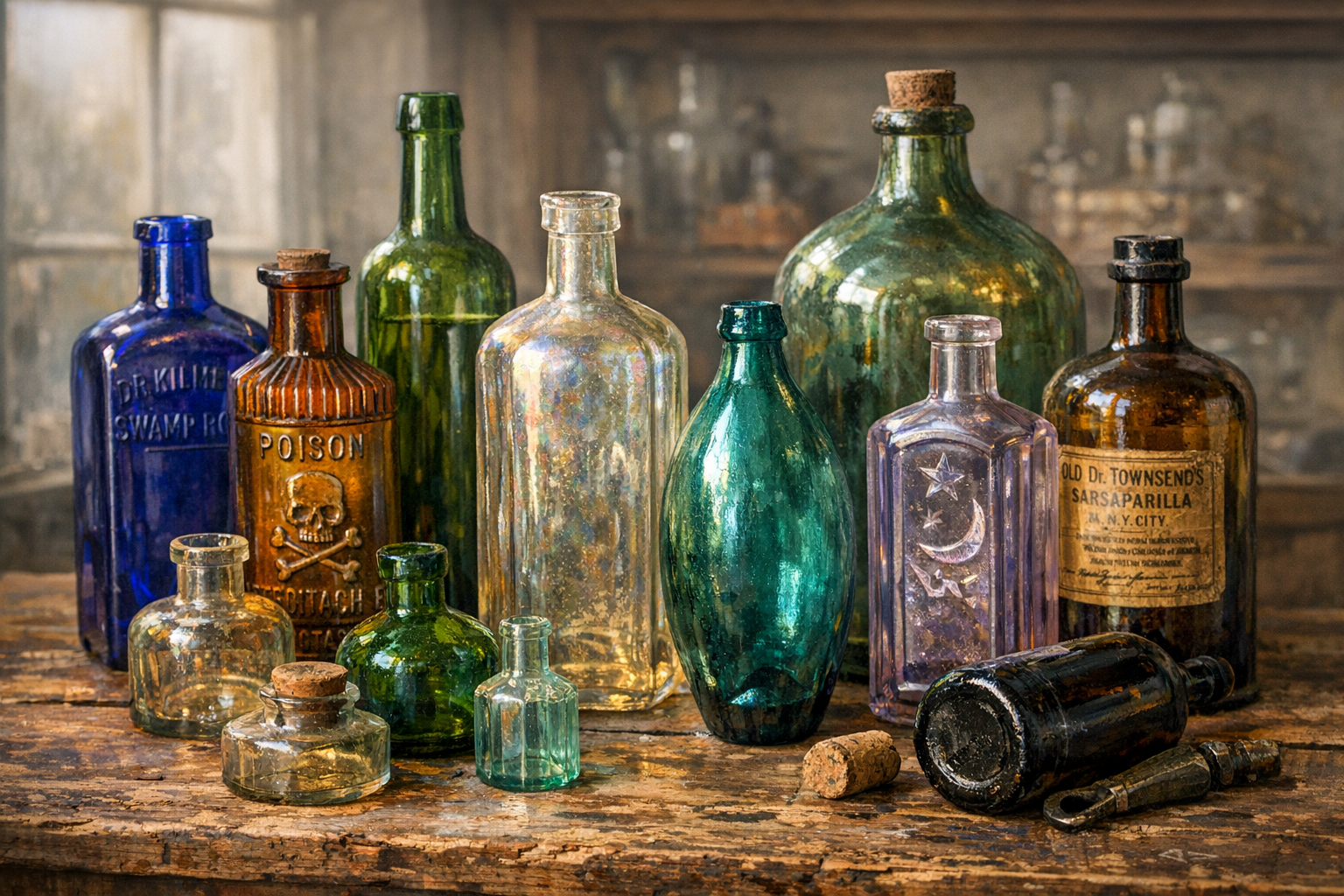
- Poisons (true skull/triangular, cobalt/emerald): a value that must be established from current, topic-matched sales typical; dramatic forms/colors a value that must be established from current, topic-matched sales; iconic skulls can reach several thousand.
- Sodas: Hutchinsons and blob-tops a value that must be established from current, topic-matched sales common; rare Western/pictorials and unusual colors a value that must be established from current, topic-matched sales+.
- Beers: blob-tops a value that must be established from current, topic-matched sales; early embossed Western or rare towns higher; crown-tops generally modest.
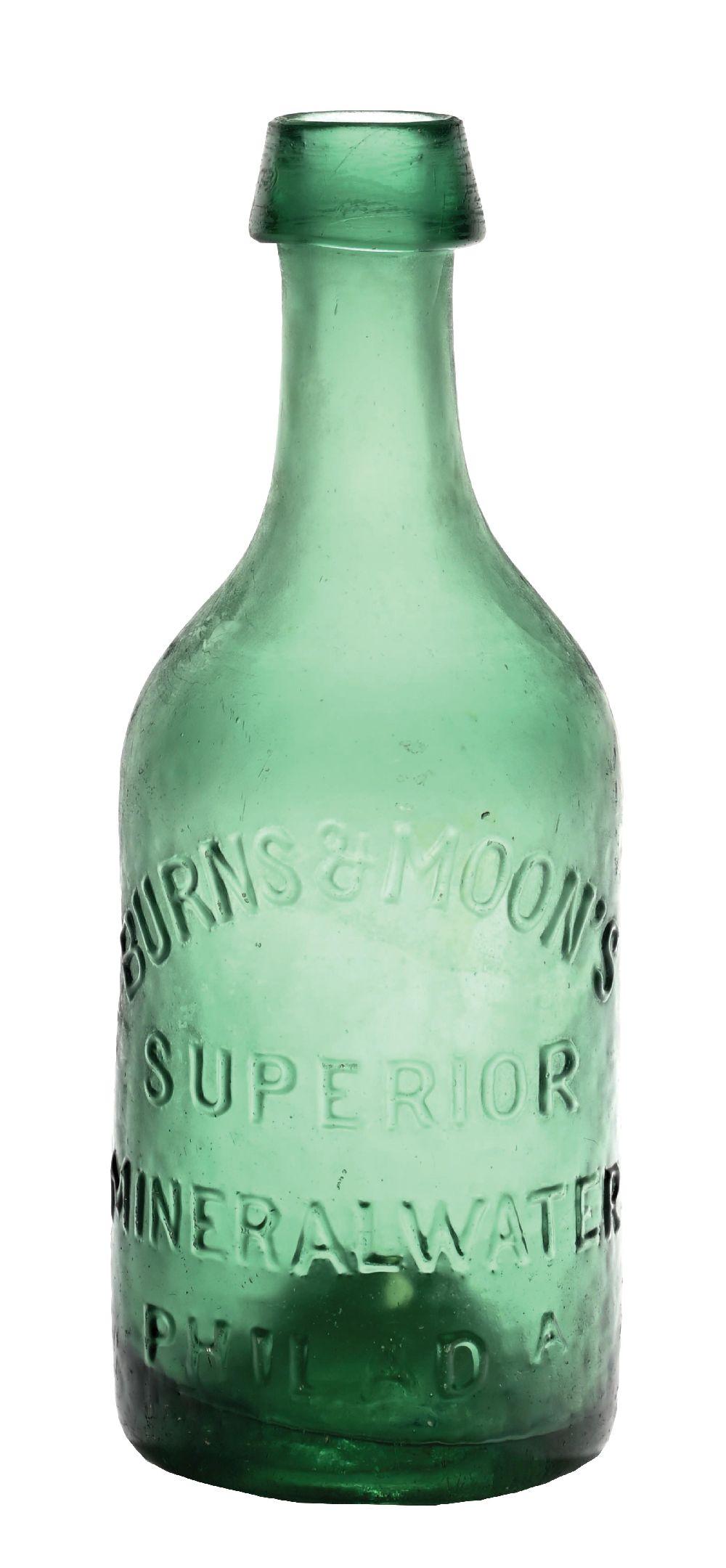
- Mineral waters (Saratoga, Congress): a value that must be established from current, topic-matched sales; scarce colors/variants higher.
- Torpedo/syphon: a value that must be established from current, topic-matched sales; pictorial/rare towns higher.
- Target balls: a value that must be established from current, topic-matched sales+ depending on color, pattern, and integrity.
- Case gin/“black glass” wines: a value that must be established from current, topic-matched sales common; applied seals or rare forms a value that must be established from current, topic-matched sales+.
- Demijohns: a value that must be established from current, topic-matched sales common; large colored examples and sealed pieces much higher.
- ACL sodas (1930s–50s): a value that must be established from current, topic-matched sales common; rare regionals or iconic graphics a value that must be established from current, topic-matched sales.
- Documentation and insurance
- Maintain a collection log with photos, measurements, condition notes, and acquisition sources. Consider itemized insurance for pieces above ~a value that must be established from current, topic-matched sales each; appraisals and purchase records support claims.
Quick Valuation Checklist
- Identify the category: medicine, bitters, soda, beer, whiskey, flask, poison, mineral water, case gin, wine/ale, demijohn, target ball, etc.
- Note construction clues: pontil scar, mold seams, base style, lip/finish (applied vs tooled), presence of Owens scar or machine seams.
- Date the piece to an era band (e.g., pre-1860 pontiled; 1870s–1910 mouth-blown; 1905+ machine-made).
- Record embossing: exact wording, pictorials, town/state, proprietor, patent dates, maker’s marks.
- Assess color precisely: not just “green,” but “yellow-olive,” “deep emerald,” “puce,” “cobalt,” etc.
- Grade condition: haze, stain, chips, bruises, cracks; note base wear and originality (unpolished vs tumbled).
- Flag red flags: overly intense purple (possible irradiation), ground lip, modern fantasy shapes, suspiciously crisp replica flasks.
- Photograph in natural light against neutral background; include base, lip, and embossing close-ups.
- Pull recent market evidence for the exact variant and color; adjust for condition, region, and market strength.
- Decide venue: specialty auction for rare forms/colors; local shows or dealers for common items; bundle low-value bottles for lot sales.
FAQ
Q: My bottle turned purple in a window—does that make it rare? A: Probably not. Natural solarization of manganese-decolorized glass produces a light to medium amethyst. It’s common and adds minimal value. Intensely saturated purple often indicates artificial irradiation, which collectors usually penalize.
Q: Are bubbles and “whittle marks” good or bad? A: In mouth-blown bottles, scattered bubbles and a textured “whittled” surface are documented manufacturing traits and can be desirable. However, large open bubbles near the lip or structural stress lines can be negatives. In machine-made bottles, heavy bubbles may signal later novelty glass.
Q: Should I have a bottle tumbled before selling? A: Only if haze is severe and the category tolerates polishing. Tumbling improves appearance but removes original surface—some high-end collectors prefer untouched examples and will pay more for them. If you do tumble, disclose it.
Q: How can I tell if a pontil is genuine? A: Inspect the base: look for an irregular, sharp-edged or glassy scar with appropriate wear, consistent with the bottle’s age and surface. A crisp, perfectly machined “pontil” on a modern bottle is suspect. Cross-check form, lip type, and embossing era; everything should align.
Q: Where can I sell antique bottles? A: Consider specialty bottle auctions, regional bottle shows, and reputable dealers who handle your bottle’s category and region. Rare, high-value pieces usually perform best in venues with targeted collectors.
With a disciplined eye for manufacture, form, color, and condition—backed by recent comparables—you can separate genuinely valuable antique bottles from merely old glass. Keep good notes, learn the variants in your chosen niche, and let the market’s past results guide your pricing.