Vintage Fisher-Price toys value quick checks
Start with the exact set name, set number, figure type, accessory inventory, litho or decal condition, working features, box, inserts, and date marks. Compare nearby guides for value of old toys, how to tell if old toys are valuable, and free vintage toy appraisal online before pricing or appraising the collection.
Vintage Fisher-Price toys value checklist
Vintage Fisher-Price has crossed the line from childhood nostalgia to serious collectible, with certain sets commanding three and sometimes four figures when condition and completeness align. For appraisers and devoted collectors, the brand offers something rare in the toy world: consistent manufacturing identifiers, long-running lines with definable variations, and a vast, passionate buyer base that keeps demand resilient.
Below, you’ll find a pragmatic guide to identifying, valuing, and caring for Fisher-Price classics—from prewar wood pull toys through the Little People era and into the 1970s–1980s Adventure People line—plus current market tendencies to help you price and sell confidently.
Why Fisher-Price Endures With Collectors
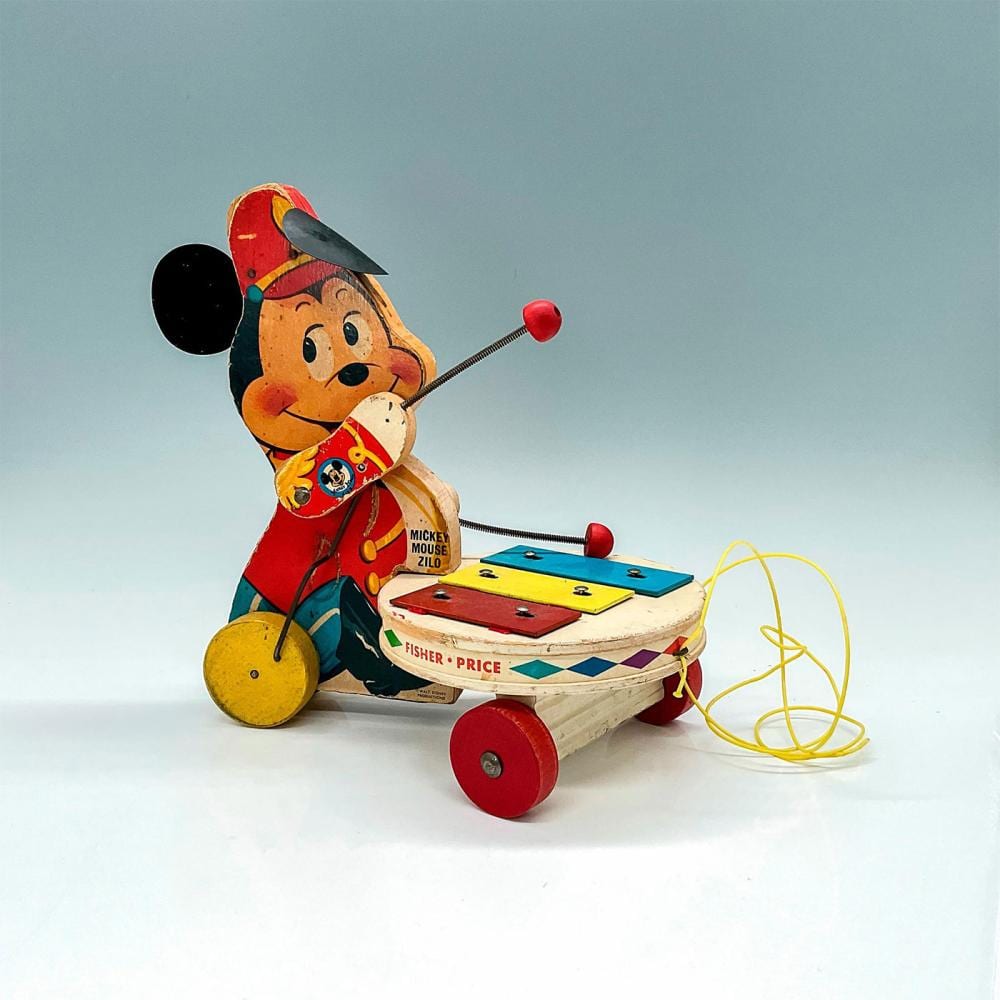
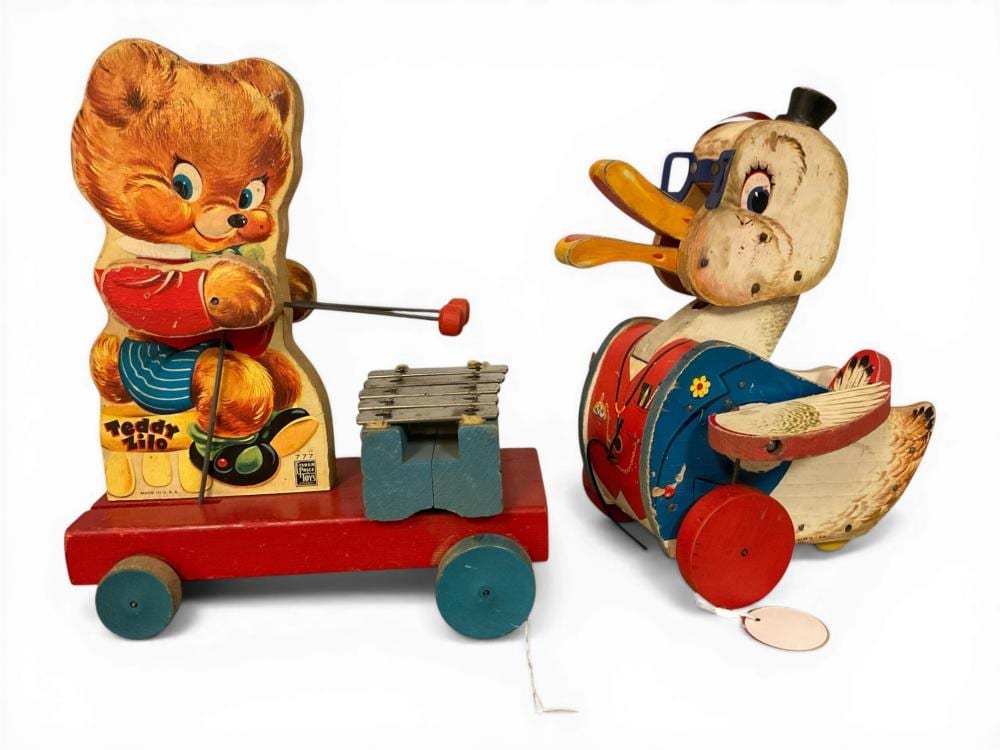
- Design and durability: Early toys combined solid wood, printed paper “litho” graphics, and clever mechanics (mooing barns, elevators, xylophone chimes). Later plastics kept functional charm while broadening themes.
- Clear lineages: Anchors like Little People playsets and pull toys allow collectors to build runs, complete series, and chase variants.
- Generational nostalgia: Buyers who grew up in the late 1960s–1990s are now in peak collecting and purchasing years, energizing demand for higher-grade examples.
For appraisers, the brand’s long production arc and relatively consistent labeling mean many toys can be identified and dated within a workable range, producing credible comp-based valuations.
The Identification Toolkit: Dating, Line, and Variations
Accurate identification underpins accurate valuation. Use the following cues:
Logos and marks:
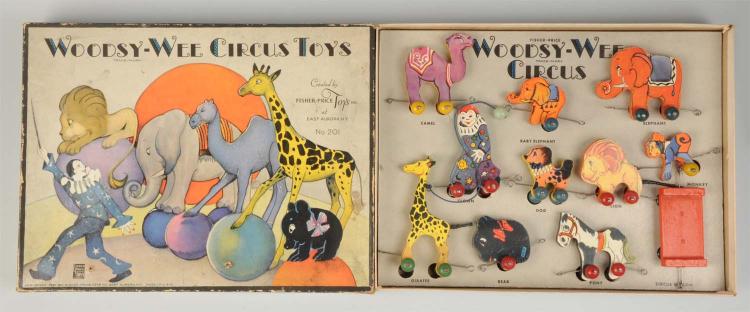
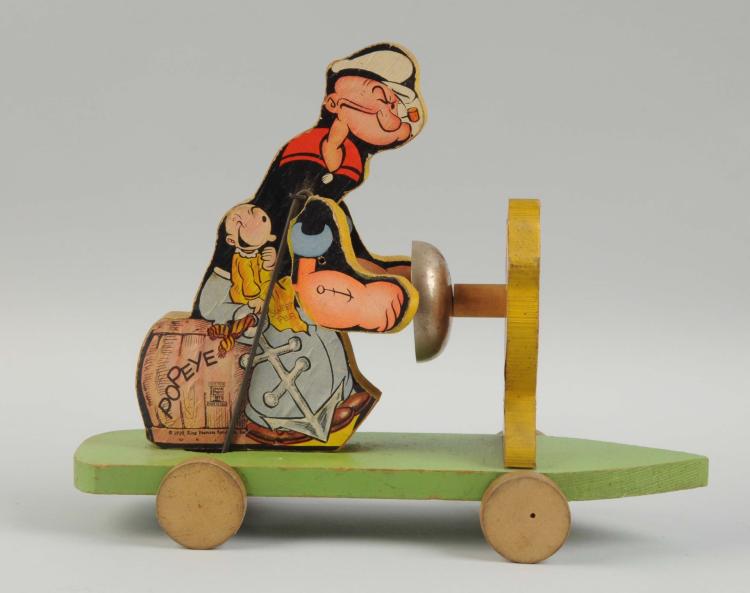
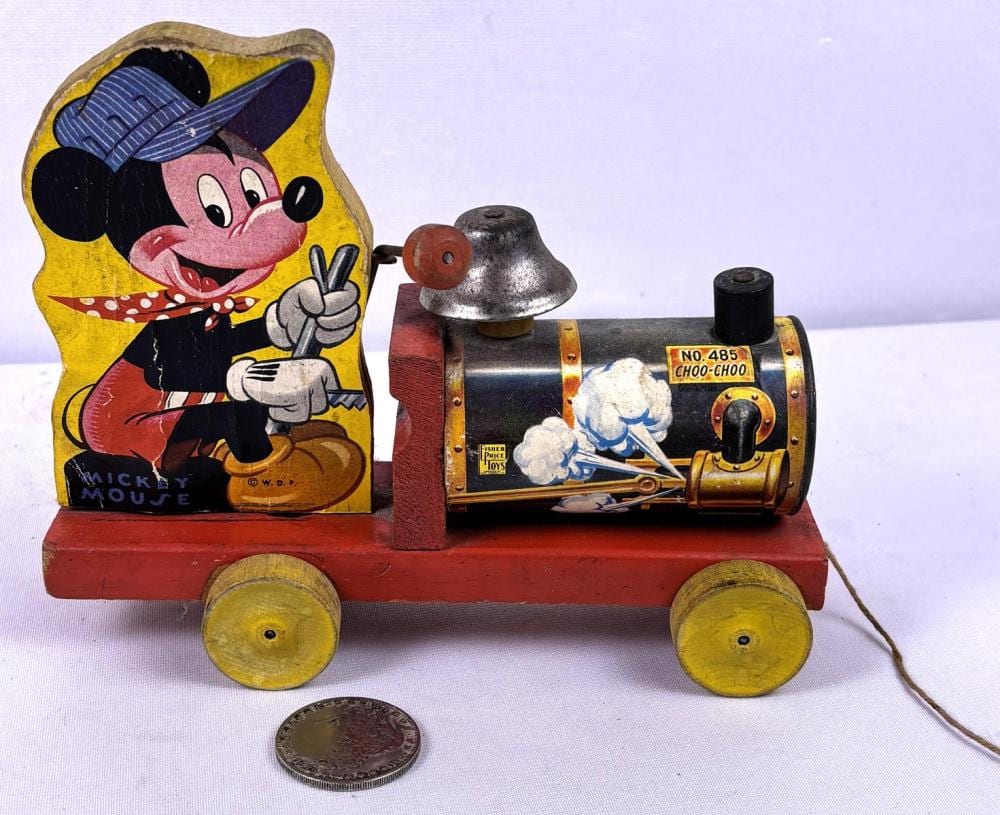
- Early wooden pull toys (1930s–1950s) feature “Fisher-Price Toys” with East Aurora, N.Y. callouts on the toy or box.
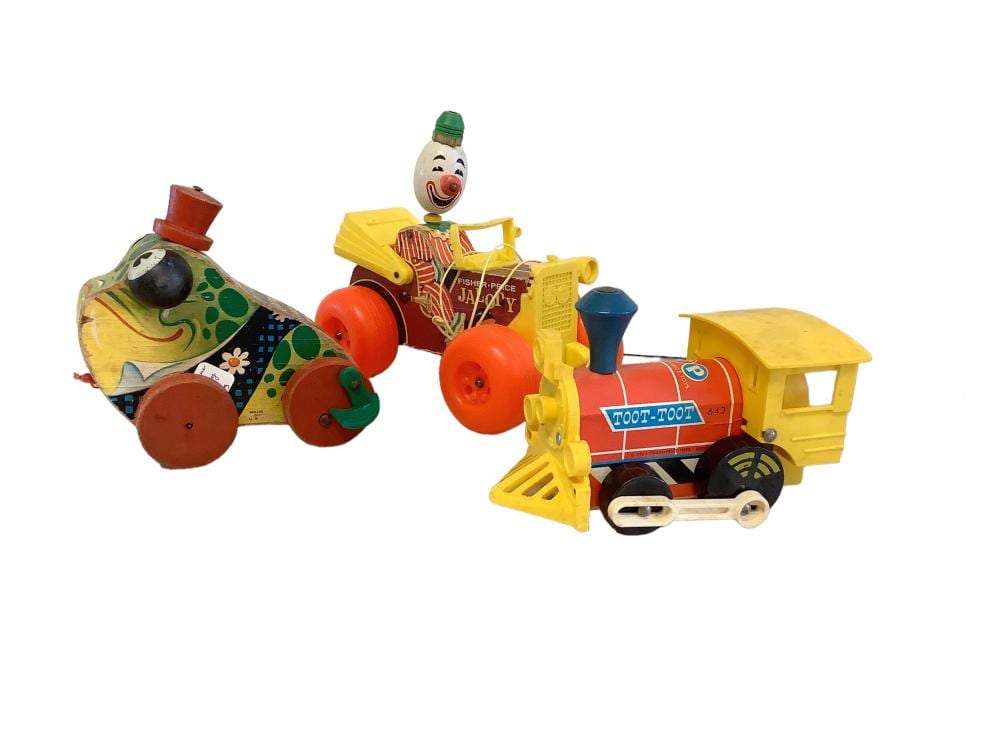
- 1960s–1980s pieces often include a set name, sometimes a set number, patent information, and “Made in U.S.A.” on the base or litho.
- Later shifts may show production in Mexico or Asia; U.S.-made examples often carry a premium among collectors.
Materials timeline:
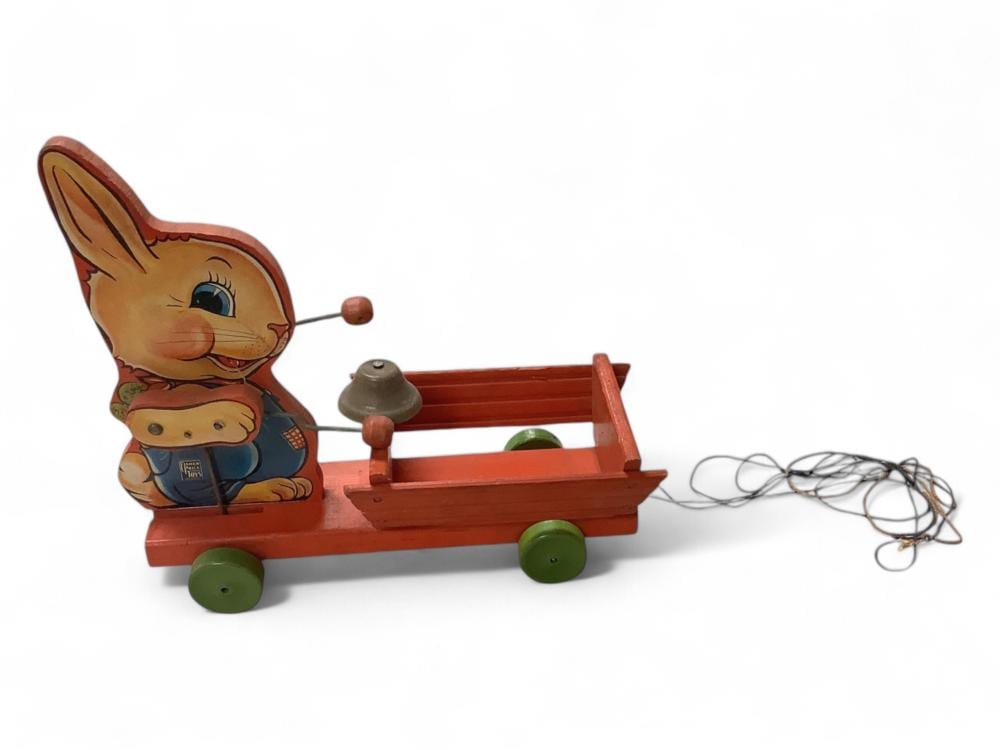
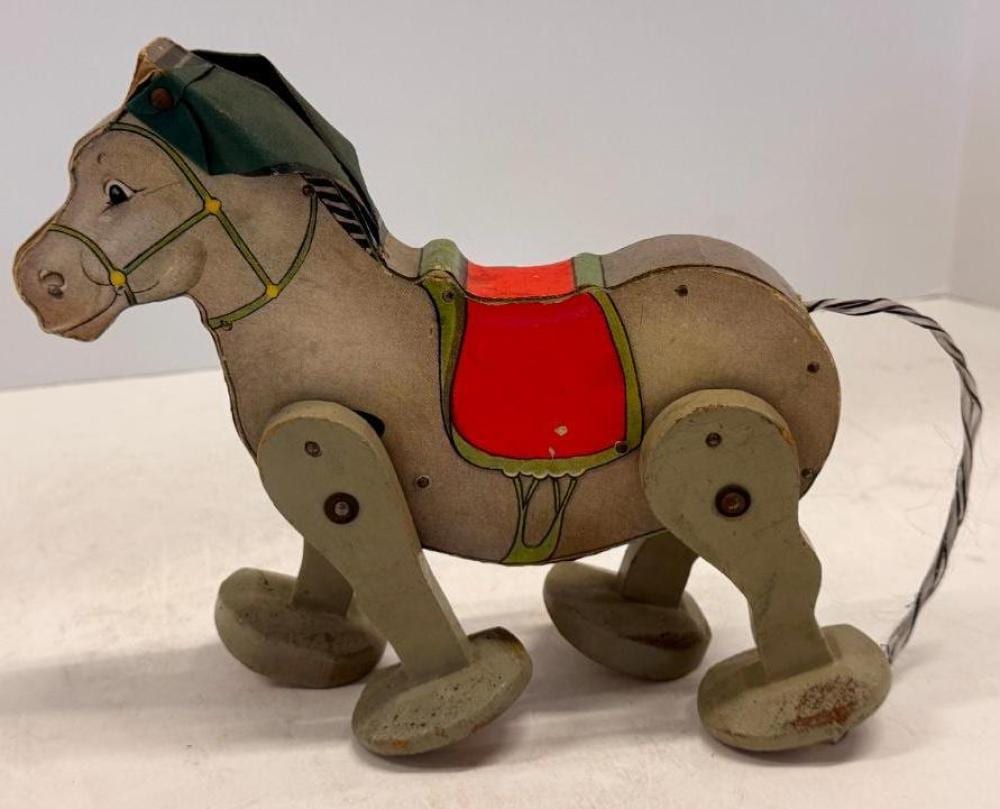
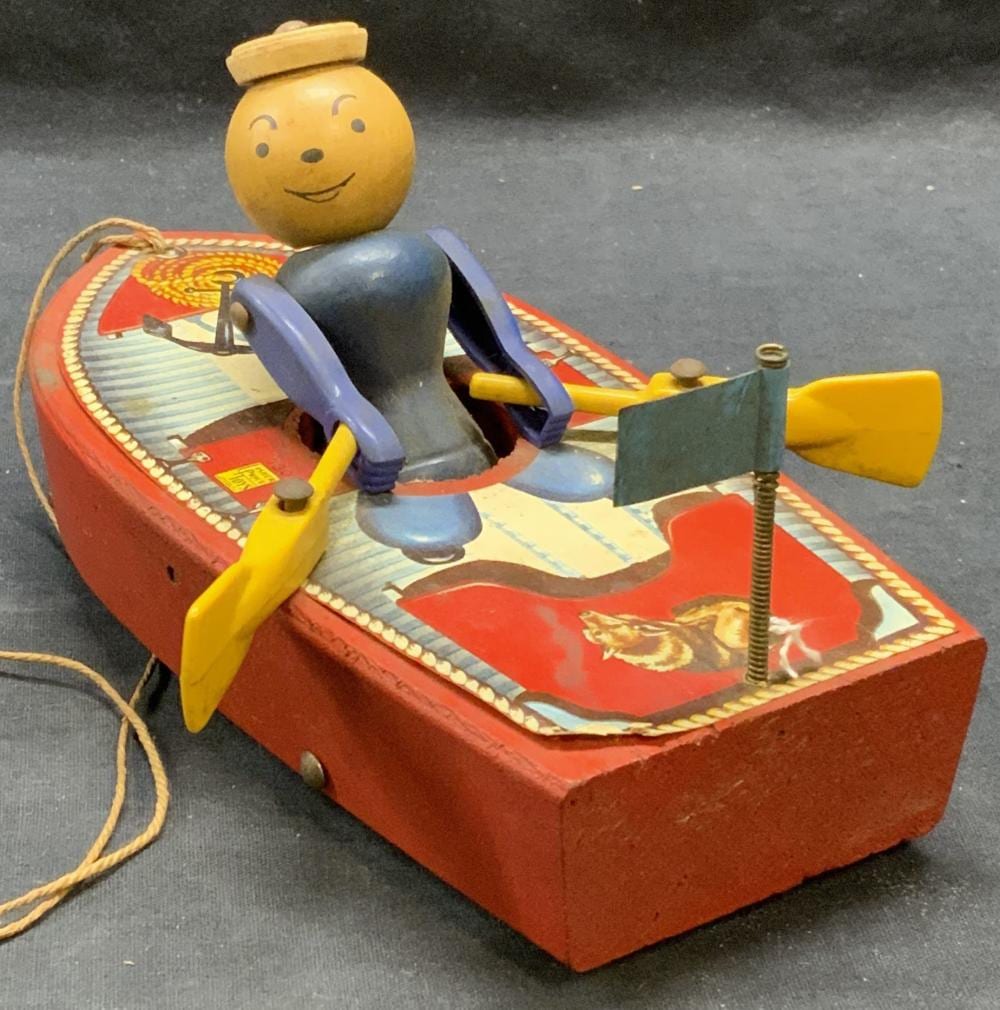
- 1930s–1950s: Largely wood bodies with nailed/riveted wheels and paper litho graphics; pull cords and bells/chimes common.
- 1960s–early 1970s: Transitional era—wood bases with lithos plus early plastics; introduction and expansion of Little People.
- Mid-1970s–1980s: Predominantly plastic playsets; Adventure People action-figure line launches.
- Early 1990s: “Chunky” Little People for safety; generally less collectible than earlier “pegged” figures.
Little People figures:
- Wood-bodied, straight-sided “pegs” command higher prices than later all-plastic pegs.
- Character colorways, hats, and prints help determine era and set origin. Mismatched figures reduce completeness value.
Set components:
- Most playsets have canonical inventories. Missing smalls (ladders, hoses, flags, record discs, figure accessories) often account for the largest value deltas.
- Original inserts, catalogs, and instructions can materially improve value; sealed bags or factory ties can be major completeness signals compared to loose examples.
Boxes:
- Window-box or flap-box packaging with correct graphics and matching set numbers are major multipliers. Condition of box panels, flaps, and inner trays matters.
When in doubt, cross-validate: materials + logo style + component list consistency usually narrows production to a 3–8 year window—good enough for defensible comps.
What Drives Value: The Three Multipliers
Think in terms of scarcity x condition x demand.
Scarcity:
- Short-run sets, early production pulls, and region-specific packaging are inherently harder to find.
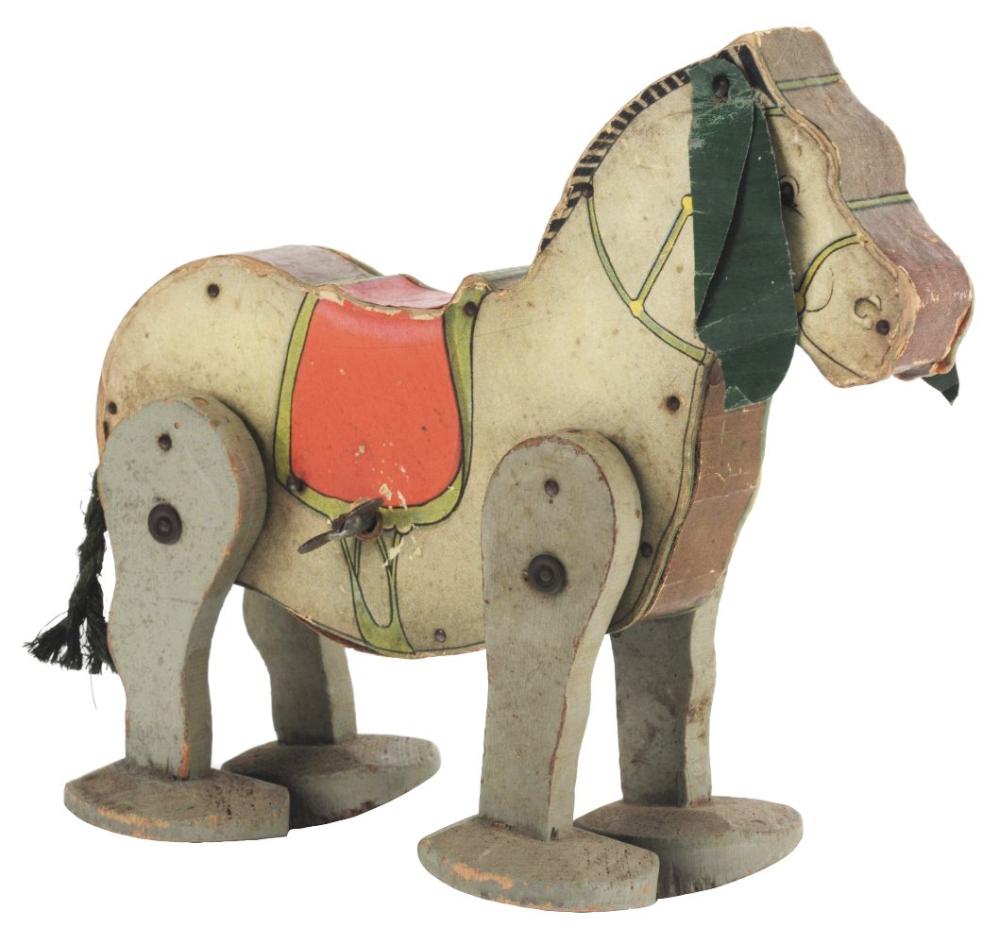
- Wooden prewar and immediate postwar pull toys show lower survival rates in high grade.
- Certain Adventure People vehicles and figures had limited distribution and now outpace common playsets.
Condition:
- Grade across three planes: toy body (scratches, cracks), litho/decals (fading, tears, bubbling), and mechanics (moo box, telephones, elevators, music boxes).
- “Mint in box” (MIB) and “new old stock” (NOS) dramatically outstrip loose examples. Even excellent boxed sets can be worth 2–5x loose.
- Replaced parts and reproduction decals reduce collector value, sometimes significantly.
Demand:
- Marquee names—Play Family Farm, Parking Garage, Castle, House, School Bus, and Music Box Record Player—attract broader bidding pools.
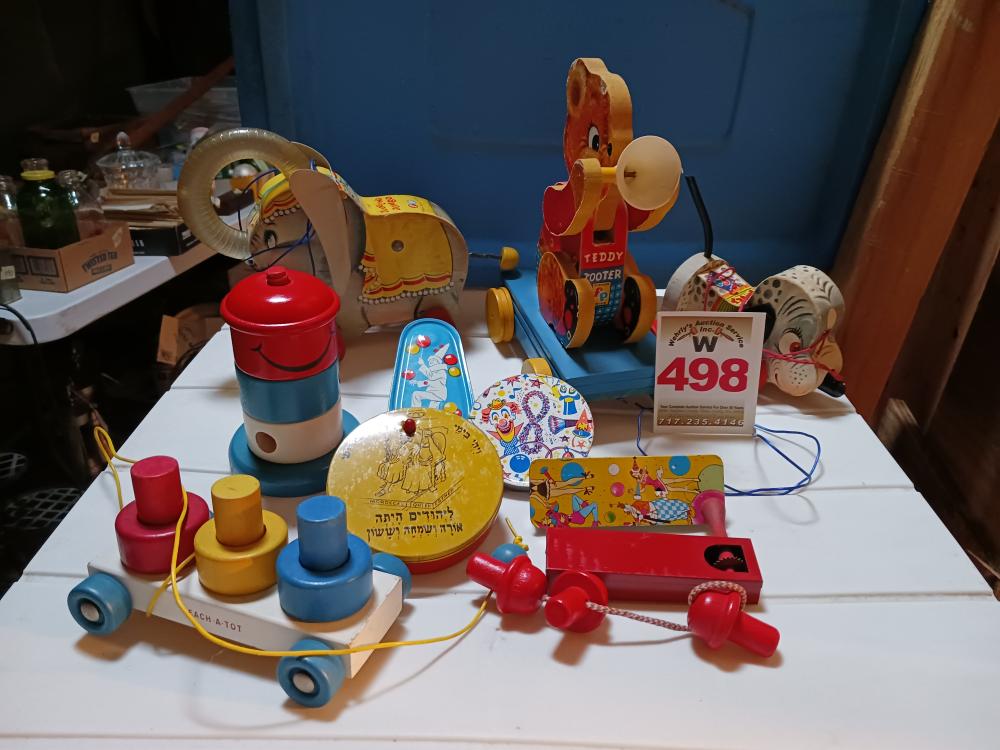
- Nostalgia spikes around figure-based storytelling sets (castle, town, airport) and iconic pull toys (Chatter Telephone, Snoopy Sniffer, Buzzy Bee).
Value ranges and market expectations
Use completed sales only after the toy is sorted into the right category: early wooden pull toy, Little People playset, Music Box Record Player, Adventure People set, boxed new old stock, or loose accessory group. Fisher-Price values move heavily with completeness and condition, so broad guide prices are less useful than matched comps.
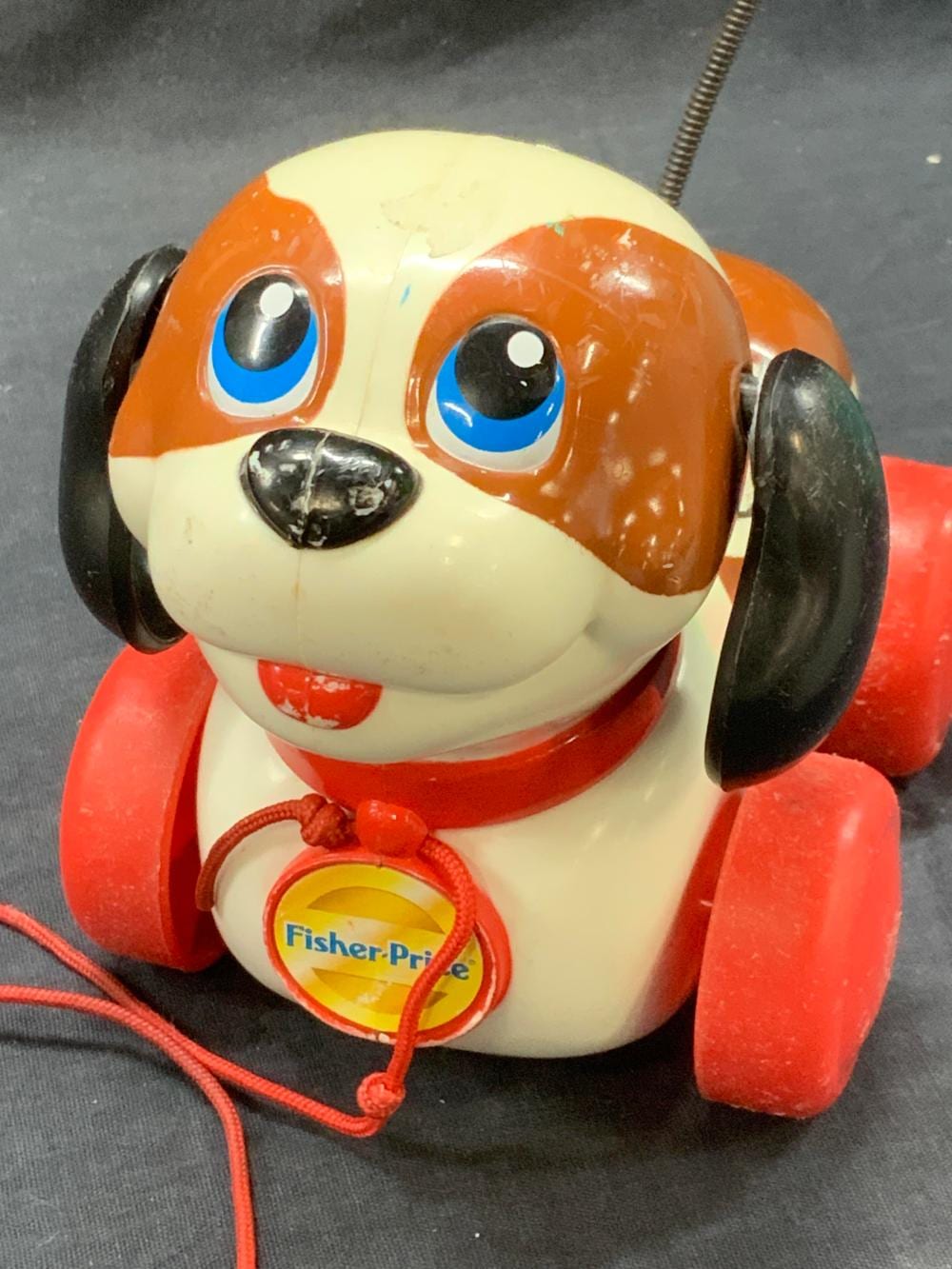
- Early wooden pull toys depend on litho preservation, wheel and cord condition, character demand, and whether the box survives.
- Little People playsets depend on correct figures, small accessories, working features, and whether the box and inserts match the set number.
- Music Box Record Players and other standalones need complete records, working mechanisms, clean decals, and intact packaging to compete with top examples.
- Adventure People sets are strongest when figures, helmets, vehicles, paperwork, and boxes stay matched rather than mixed across lots.
- Later chunky Little People and common plastic sets usually need unusual completeness, sealed packaging, or short-run themes to rise above ordinary resale levels.
Adjust for selling venue, shipping risk, box grade, reproduction decals, replaced parts, lead-paint handling concerns, and whether the buyer pool is nostalgia collectors, toy specialists, or parents buying display pieces.
Condition, Cleaning, And Preservation
Inspect methodically:
- Plastics: hairline cracks at stress points, yellowing, melted spots.
- Lithos: edge lifts, bubbling, missing chips, water staining, ink rubs.
- Mechanics: test moo boxes, pull-cord sounds, elevators, hinges, music box movements.
Cleaning without harm:
- Dry dust first. Use barely damp microfiber with a drop of mild soap; avoid soaking, which lifts lithos and weakens adhesives.
- For adhesives already lifting, prefer gentle re-flattening and archival tape internally rather than overt glues; visible repairs hurt value.
- Never use solvents on lithos or printed plastics; they smear or remove inks.
Restoration ethics:
- Replacement decals and 3D-printed parts should be disclosed; good for display but they reduce collector value versus original.
- Color touch-ups are risky; mismatched sheen or hue is more damaging than honest wear.
Storage:
- Climate control with moderate humidity; avoid attics/basements.
- Acid-free tissue between parts to prevent rubs; bag tiny accessories and label them.
- Keep cords, hoses, and plastic parts relaxed—not under tension—to prevent deformation.
Safety note: Older lithos and paints can contain lead. Treat them as collectibles for display, not play, and wash hands after handling if surfaces are deteriorating.
Market Trends And Selling Strategies
Demand baseline remains strong:
- Pandemic-era spikes cooled, but high-grade Fisher-Price still sells briskly. Buyers are increasingly selective about completeness and originality.
Completeness is the new scarcity:
- Extra value increasingly accrues to sets with every small accessory, inserts, and a matching-era box. Consider parting out only when a set is far from complete.
Price segmentation:
- Loose, incomplete: fastest-moving at lower price points; great for figures and accessory lots.
- Loose, complete: the core market; comp with sold listings within the past 6–12 months for accuracy.
- Boxed: verify box and contents match era; unmatched pairings erode trust and price.
Where to sell:
- General online marketplaces reach the largest audience; time auctions for weekend endings.
- Specialty toy auctions excel for sealed/NOS or high-grade multiples; fees are higher but hammer prices can justify the route.
- Local shows work for bulky sets and to avoid shipping risk; bring an inventory checklist and photos.
Shipping considerations:
- Double-box boxed sets. Immobilize moving parts (garage elevators, doors) with soft wrap.
- Keep paperwork flat in poly sleeves; don’t tape directly to boxes or lithos.
Red Flags And Authentication Tips
- Mismatched era tells: 1990s chunky figures in a 1970s house, or vice versa; misfit accessories are common.
- Reproduction decals: colors too saturated, edges too crisp, modern adhesive smell. Originals show period dot patterns in print and moderate aging at edges.
- Over-restoration: overly glossy finishes, hand-painted edges, or replaced rivets/screws where factory used a different fastener type.
- Function swaps: music boxes replaced with modern mechanisms; “moo” sounds that are too clean or lack period wear.
Keep detailed photos of litho logos, underside markings, and key mechanics to support authentication in appraisals.
A Concise Appraiser’s Checklist
- Identify the line and era (pull toy, Little People, Adventure People).
- Confirm the set name and likely production window; note materials and logo style.
- Inventory every component against a trusted checklist; bag and label small parts.
- Grade body, lithos/decals, and mechanics separately; note any repairs or replacements.
- Evaluate packaging: correct box, inserts, and paperwork; photograph all panels and flaps.
- Research recent sold comparisons for the same version and condition tier.
- Adjust for completeness premiums and boxed multipliers; document rationale.
- Clean gently only as needed; avoid actions that risk litho lift or color loss.
- Decide selling venue based on value tier (boxed/high-grade vs loose).
- Prepare safe storage or shipping: climate control, acid-free materials, immobilized moving parts.
Short FAQ
Q: Are early wooden Fisher-Price toys always worth more than plastic-era sets? A: Not always. Scarcity helps wood toys, but demand for certain 1970s Little People playsets and early Music Box Record Players can outprice many wooden pulls in comparable condition.
Q: Do reproduction decals ruin value? A: They reduce value for purist collectors, especially if not disclosed. Well-done repros can make a display piece presentable, but originals in honest wear typically sell for more.
Q: How much does the box matter? A: A lot. Clean, correct boxes can double or triple value versus loose. Inserts, catalogs, and price tags from the era add incremental premiums.
Q: Should I part out an incomplete set? A: If major pieces or many small accessories are missing, parting out can net more. If the set is near-complete, it usually sells better intact, especially if boxed.
Q: Is it safe for children to play with vintage Fisher-Price toys? A: Treat them as collectibles. Older paints and lithos may contain lead, and small parts pose hazards. Preserve and display rather than reintroduce into play.
With a careful eye for completeness, originality, and condition—and a disciplined approach to research—you can confidently unlock the real value in Fisher-Price’s long-running toy chest, whether you’re appraising, buying, or preparing a collection for sale.