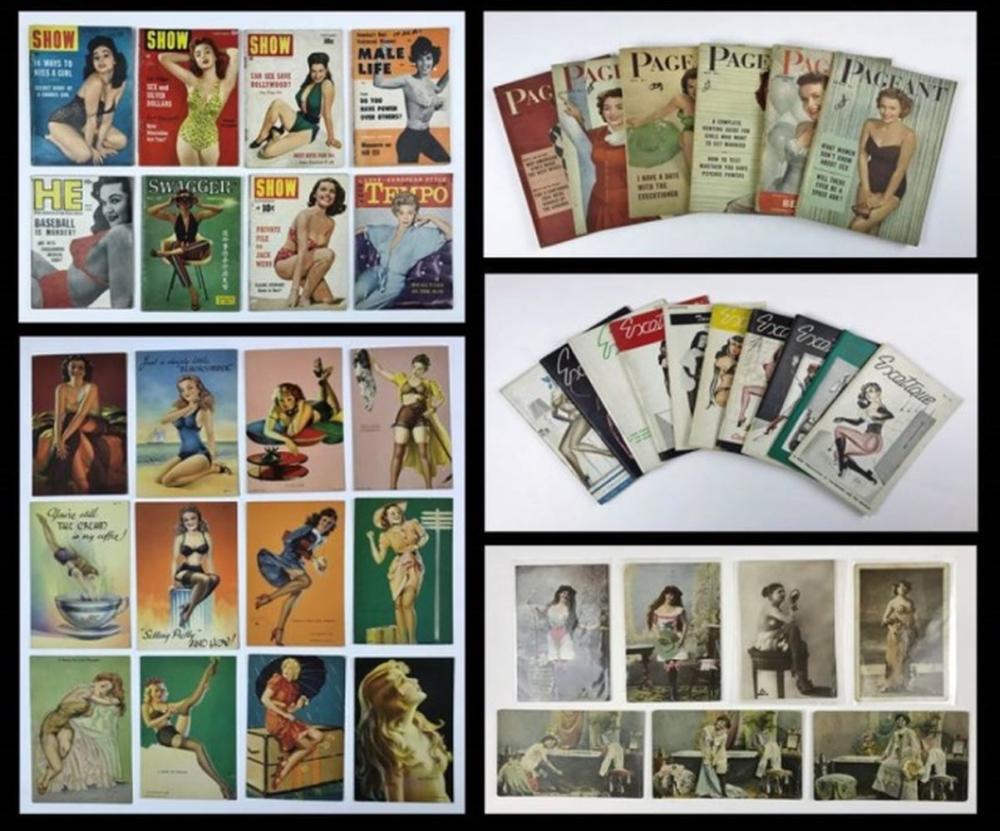
Unlocking the Hidden Worth the Surprising Value of Old Playboy Magazines: appraisal and value basics
Unlocking the Hidden Worth the Surprising Value of Old Playboy Magazines research should start with identification, condition, provenance, and item-specific market evidence. Use this guide to compare the signals that matter before paying for a formal appraisal or deciding whether to sell.
For many estates, attics, and private libraries, stacks of old Playboy magazines are an overlooked cache of cultural history—and sometimes, real value. Beyond their adult branding, Playboy served as a platform for major illustrators, photographers, and interviews with influential figures. For antiques and art appraisal enthusiasts, these magazines sit at the intersection of ephemera, celebrity memorabilia, and pop-culture timelines. This guide explains where the money is, how to identify key issues, how to grade condition accurately, what realistic prices look like, and how to sell and store them for maximum return.
Why Old Playboy Magazines Still Attract Collectors
- Cross-collectibility: Playboy intersects with multiple collecting categories—celebrity covers and pictorials, cultural/political interviews, design and photography, and even cartooning and illustration (including work by notable artists).
- Cultural record: From the 1950s forward, Playboy’s interviews and long-form features documented changing social attitudes and included voices of major political, literary, and entertainment figures. Issues featuring high-profile interviews can attract collectors who don’t otherwise buy adult magazines.
- Nostalgia and scarcity: Early runs (1950s–1960s) were printed in smaller quantities and many copies were heavily read, cut, or discarded. High-grade survivors are uncommon. Select 1970s–1990s issues also draw demand for specific covers, models, or features.
- Display appeal: Newsstand copies without address labels and with vivid covers present well framed or displayed, appealing to design-forward collectors.
Key Issues And Features That Drive Value
While thousands of issues were printed, not all are equal. Focus your appraisal on these value drivers:
- First issue (December 1953): Marilyn Monroe cover. This is the marquee Playboy, with strong demand across conditions. Authentic first printings can command several thousand dollars in solid collectible grade, with exceptional, certified examples achieving five figures.
- Early 1950s–1960s runs: Lower print runs, formative editorial years, and key interviews. Many issues from this period outperform later decades—especially in high grade and without labels.
- Celebrity covers and notable pictorials: Issues featuring major celebrities (for example, Marilyn Monroe, Madonna, Pamela Anderson, Anna Nicole Smith, Farrah Fawcett, Drew Barrymore, and others) can carry premiums. Cross-check exact cover dates and model names; demand centers on the most recognized figures or first appearances.
- Historic interviews: Playboy’s “Interview” series is a serious collecting lane. Examples include significant political, music, or literary figures. Depending on the subject and timing, certain interviews command added interest beyond the magazine’s usual audience.
- Anniversary and milestone issues: The 25th and 50th anniversary editions and select year-end specials often sell better than adjacent issues, especially if unopened in original polybag and complete with inserts.
- Art and illustration: Features and foldouts by prominent illustrators and photographers can attract specialized collectors. Playboy also published work by well-known cartoonists and illustrators, which broadens its audience.
- Limited distribution or special editions: Some editions had variant covers, regional/international versions, or special inserts. U.S. newsstand editions generally lead the market, but scarce international variants can surprise.
- Signatures and provenance: Authentic signatures from cover models, photographers, or Hugh Hefner can elevate an otherwise average copy. Provenance or reputable authentication is crucial.
What doesn’t usually drive high value:
- Common 1980s–2000s issues in average condition, especially with mailing labels.
- Later “Special Editions” (e.g., Book of Lingerie and similar spin-offs) are often abundant and bring modest prices unless a specific model or signature changes the equation.
- Bulk “reader copies” with heavy wear, missing centerfolds, or cut-outs.
Condition, Completeness, And Grading
Condition is often the single biggest determinant of price. Use a disciplined grading approach, adapted from comics and magazine collecting:
- Mint/Near Mint (9.4–10.0): Crisp, bright, flat gloss; sharp corners; tight spine; no creases; no writing or stickers; centerfold and inserts intact and attached. Rare for vintage Playboy. Strong premiums.
- Very Fine (8.0–9.2): Light handling, minimal spine stress, no major defects. Clean, tight copy with full completeness. These are excellent for display and hold strong value.
- Fine (6.0–7.5): Some wear, small creases, mild discoloration, a few spine ticks. Still presentable, complete, and good value for older decades.
- Very Good (4.0–5.5): Noticeable wear, soft corners, small tears, moderate spine stress, light soiling or minor label ghosting. Must be complete.
- Good (2.0–3.5): Heavy wear, writing, significant creases, label residue, small chips, detached centerfold or loose pages but still present; heavy tanning.
- Fair/Poor (0.5–1.8): Major defects—missing pages, clipped coupons, detached covers, water damage. Typically only key issues justify resale in this grade.
Completeness checklist:
- Centerfold intact and still attached to the staples. A detached centerfold reduces value sharply.
- All pages present; no cut-outs or clipped coupons, no removed ads or posters.
- All inserts present: posters, cards, catalog supplements, and original polybag where applicable for specials.
- No subscription address label (newsstand copies are preferred). If a label is present, don’t attempt removal; it often causes surface loss and lowers grade further.
Authentication and edition notes:
- Reprints/facsimiles of early issues exist. Look for modern barcodes, “facsimile” or “collector’s reprint” notations, glossy stock differences, and modern copyright lines. When value matters, documentation or third-party verification is wise.
- International editions and bookstand specials may have different page counts, language, or barcode formats. These can be collectible but usually lag U.S. first editions unless unusually scarce.
Pricing And Selling Strategies
Pricing fluctuates with demand, condition, and item-specific market evidence. The following ranges are typical as of 2024–2025 for correctly identified U.S. editions; exceptional signatures, provenance, or third-party grades can exceed these:
December 1953 (Marilyn Monroe):
- Poor to Good: a value that must be established from current, topic-matched sales
- Fine: a value that must be established from current, topic-matched sales
- Very Fine to Near Mint: a value that must be established from current, topic-matched sales+ Scarcity in top condition drives dramatic premiums.
Early/Mid-1950s to early 1960s (non-first issue):
- Good to Fine: a value that must be established from current, topic-matched sales depending on cover, interview, and scarcity
- Very Fine+: a value that must be established from current, topic-matched sales+ for standouts
Late 1960s–1970s:
- Common issues: a value that must be established from current, topic-matched sales in Fine to Very Fine
- Notable celebrity/interview issues in VF+: a value that must be established from current, topic-matched sales
- 25th Anniversary and standout covers in sealed or high grade: often a value that must be established from current, topic-matched sales+
1980s:
- Typical: a value that must be established from current, topic-matched sales in Fine to Very Fine
- Key celebrity covers/signatures or sealed specials: a value that must be established from current, topic-matched sales+
1990s–2000s:
- Common: a value that must be established from current, topic-matched sales in Fine to Very Fine
- High-demand celebrity covers or milestone issues in top grade/sealed: a value that must be established from current, topic-matched sales+
Multipliers and caveats:
- Newsstand vs subscriber: Newsstand copies without address labels often command a 20–60% premium over identical condition subscriber copies.
- Completeness: Missing centerfold/inserts can slash value by 40–80%.
- Matching sets: Complete annual runs in consistent high grade can sell at a set premium, especially 1950s–1960s years.
- Signatures: Authenticated signatures from major figures can multiply value; uncertain or poorly placed signatures may not add much.
Selling strategies:
- Sell individually when value is concentrated in key issues. Grouping valuable issues into lots often leaves money on the table.
- Lot up common decades (e.g., 1990s) to reduce listing overhead and shipping cost per unit.
- Present condition transparently with clear photos of cover, spine, centerfold staples, and any defects. Note presence/absence of labels and inserts.
- Time your listings: Celebrity anniversaries, obituaries, or renewed media attention can spike demand for related issues.
Where to sell:
- Online auction marketplaces: Best for top-tier keys and to let market demand set the price.
- Specialist auction houses and consignment: Useful for high-dollar early issues; they can provide authentication, grading advice, and wider reach.
- Local estate or vintage shops: Efficient for bulk runs of modest value; expect wholesale pricing.
- Private collectors: If you identify a collector focused on a model or era, direct sale can be smooth and fair.
Shipping considerations:
- Many platforms have policies for adult content; check listing rules and use discrete, compliant packaging.
- Use rigid mailers or well-boxed packages with corner protection; bag-and-board issues to prevent spine roll.
- Insure shipments for high-value items and require signature on delivery.
Preservation And Storage Best Practices + Practical Appraisal Checklist
Whether you’re appraising to sell now or to hold for the future, preservation matters.
Storage environment:
- Temperature and humidity: Aim for ~65–70°F (18–21°C) and 40–55% RH. Avoid attics, basements, or garages.
- Light: Keep out of direct sunlight to prevent cover fade.
- Air quality: Avoid smoke and odors, which can permeate paper.
Materials:
- Use archival (acid-free, lignin-free) magazine bags and backing boards sized properly for Playboy.
- Store upright like books, supported to prevent spine lean, or flat in shallow archival boxes with interleaving.
- Consider deacidification only if you’re experienced or consult a paper conservator for high-value early issues.
Handling:
- Clean, dry hands or cotton gloves; support the spine when opening.
- Do not attempt to remove address labels; it typically causes surface tears.
- Avoid tape repairs; if stabilization is needed for a valuable issue, consult a conservator.
Practical appraisal checklist:
- Identify the issue: Month/Year, U.S. vs international edition, special/anniversary status.
- Confirm completeness: Centerfold attached, all pages and inserts present, no cut-outs.
- Assess condition: Note spine ticks, creases, tears, stains, gloss, page color, and label presence.
- Look for signatures/provenance: Photograph and document any autographs; consider authentication for high-value items.
- Research comparables: Check recent sales of the same issue and condition; adjust for label and completeness.
- Choose a selling path: Individual vs lot, platform policies, fees, and shipping logistics.
- Pack properly: Bag and board, rigid support, moisture barrier, insurance for valuable shipments.
Fast value estimator (use before you list)
These ranges are intentionally conservative and assume ungraded copies. Key issues, clean newsstand presentation, and complete inserts can push results higher; missing centerfolds, heavy creases, stains, or odor can drop value dramatically.
| Era / type | Typical range (per issue) | Premium triggers | Big discounts |
|---|---|---|---|
| 1950s key issues | a value that must be established from current, topic-matched sales+ | Verified first prints, high grade, newsstand copy | Missing centerfold, tape repairs, heavy staining |
| 1950s–early 1960s (non-key) | a value that must be established from current, topic-matched sales | Notable covers/interviews, strong grade, no label | Address label, spine split, staple rust |
| Late 1960s–1970s common issues | a value that must be established from current, topic-matched sales | Celebrity cover, anniversary/special, sealed inserts | Creases with color breaks, writing, odors |
| 1980s–1990s common issues | a value that must be established from current, topic-matched sales | Top-demand cover models, unopened polybag, complete inserts | Lots with mixed condition, incomplete runs |
Photo checklist + quick grading flow
If you want an appraiser (or buyer) to take your listing seriously, photograph the same spots every time. This prevents underpricing a strong copy and helps you catch the defects that collectors actually pay attention to.
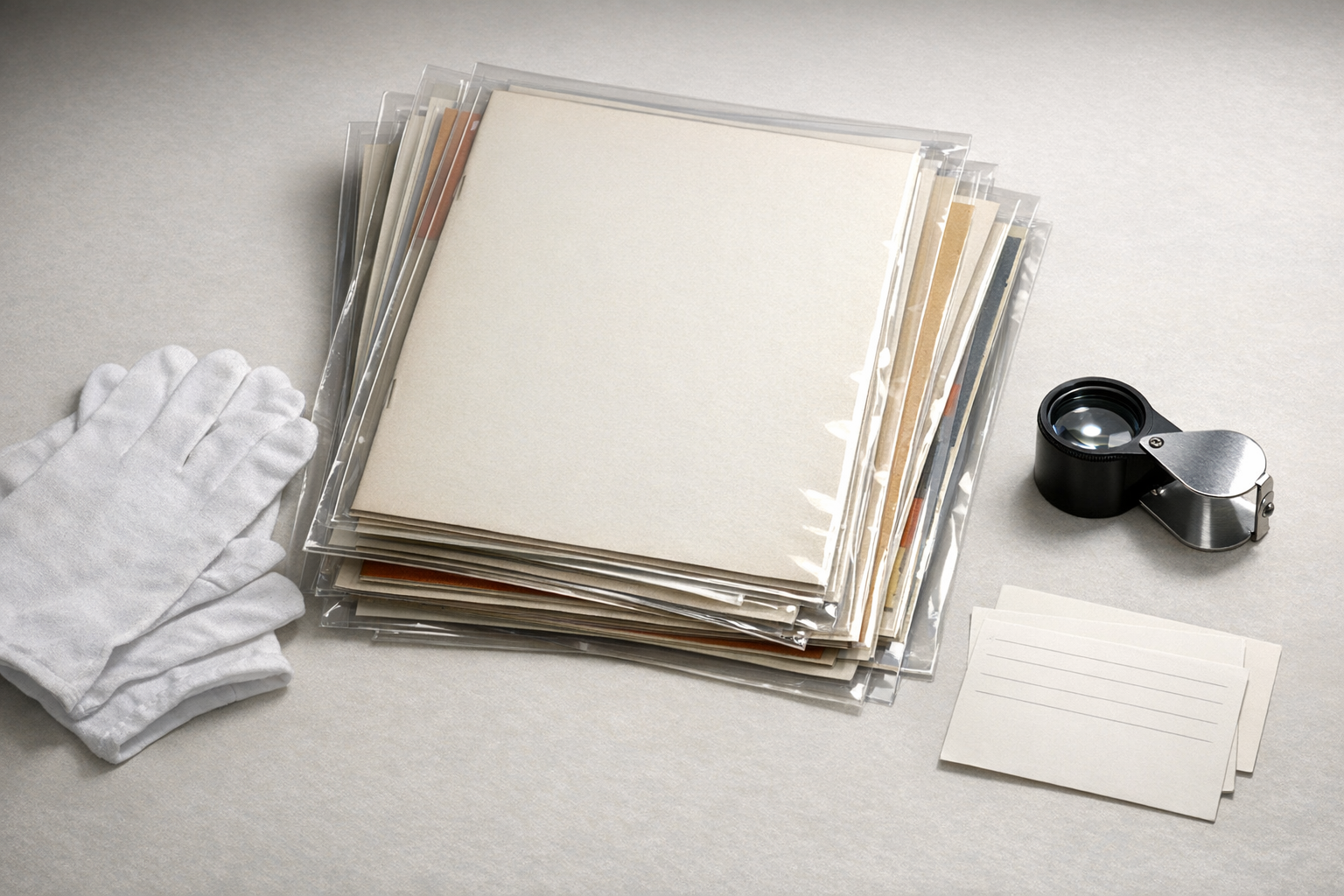
Photo gallery: condition cues (illustrative examples)
These close-ups show the exact features buyers use to grade magazines: label area, spine staples, centerfold attachment points, cover gloss, paper tanning, and safe shipping.
FAQ: Old Playboy Magazines
Q: Are magazines with subscription address labels worthless?
A: Not worthless—just discounted. Expect 20–60% less than a comparable newsstand copy. Rare or key issues still sell well even with labels, especially in clean, high grade.
Q: Does removing the label increase value?
A: Usually no. Mechanical or chemical label removal often lifts ink and finish, creating a worse defect than the label itself. Leave it in place and grade accordingly.
Q: How do I verify a valuable early issue isn’t a reprint?
A: Examine the indicia (publication details), paper stock, presence of modern barcodes, and any “facsimile” markings. Compare dimensions and binding style to known originals. When the stakes are high, seek expert verification or third-party grading/authentication.
Q: Are international editions collectible?
A: Yes, but values typically trail U.S. newsstand editions unless a foreign issue is unusually scarce or features a unique cover/model. Identify language, country, and publisher clearly in listings.
Q: Do bound volumes or library bindings help or hurt value?
A: They usually hurt single-issue value because covers can be trimmed or permanently bound. However, a professionally bound run can have decor and reference appeal. For top-dollar resale, loose, complete, high-grade originals are preferred.
Search variations collectors ask
Readers often Google:
- how much is a December 1953 Playboy magazine worth
- old Playboy magazines value by year (1950s vs 1970s vs 1990s)
- newsstand vs subscription Playboy magazine price difference
- does a missing centerfold ruin the value of a Playboy magazine
- best way to sell a large lot of vintage Playboy magazines
- how to grade magazines (spine roll, staple rust, cover creases)
- should I remove an address label from a vintage magazine
- how to ship magazines safely without corner dings
Each question is answered in the valuation guide above—use the photo checklist to document condition clearly.
By recognizing key issues, grading with discipline, and presenting copies thoughtfully, appraisers and collectors can unlock real value in old Playboy magazines—while preserving artifacts that chronicle art, design, and the cultural currents of their time.