Old Playboy magazine selling checklist
Sort issues by date, cover star, centerfold completeness, inserts, mailing label, spine splits, stains, page odor, storage history, and duplicate runs before deciding whether to sell individually or as a lot. Compare condition factors with the Playboy value factors guide, broader magazine pricing with the old magazine value guide, and related ephemera in the old magazine appraisal guide.
For many collectors, old Playboy magazines sit at the intersection of pop culture, mid-century design, and literary history. They also remain one of the most liquid segments of vintage periodicals—easy to recognize, actively traded, and surprisingly resilient in price. Whether you’re an appraiser, a dealer, or the inheritor of a stash in pristine Mylar, this guide will help you assess value, grade condition, price with confidence, and choose the right selling strategy to maximize net proceeds.
Below you’ll find a clear framework: how the market behaves, what drives premiums, how to evaluate condition like a pro, what market evidence to use, and where to sell. You’ll also get a practical checklist and a brief FAQ for quick decisions.
Two-step intake
Get a collector-grade value range for your magazines
Tell us the month/year, condition, and whether the centerfold is attached. We’ll route your photos and questions to the right specialist and send next steps in under 24 hours.
Secure intake. Routed to the right specialist. Checkout only if you decide to proceed.
The Market for Old Playboy: What’s Hot and Why
Playboy’s market is driven by a combination of cultural relevance and collectible fundamentals:
- Cross-category appeal: Buyers include pop culture collectors, magazine and ephemera specialists, design aficionados (for illustration and advertising), autograph collectors, and fans of specific cover stars.
- Brand recognition: It’s one of the few magazine titles where non-collectors recognize key issues instantly, which supports demand and liquidity.
- Abundant supply…with scarcity pockets: Many later issues were saved in bulk, but early years (1953–1960), celebrity-driven covers, and high-grade, newsstand copies without subscription labels can be scarce.
Macro trends:
- Early era premiums: 1950s issues consistently outpace later decades in both sell-through and price, with the December 1953 Marilyn Monroe first issue at the apex.
- Quality bifurcation: Low-grade, common 1980s–2000s issues trade in lots at modest prices; truly high-grade examples of earlier decades command strong individual sale prices.
- Celebrity cycles: Renewed interest in a cover subject (biopics, anniversaries) can create short, tradable waves of demand.
- Condition sensitivity: Spine stress, split folds, detached centerfolds, and subscription labels materially change price outcomes.
Bottom line: The market rewards scarcity, condition, and cultural importance. Identifying those three elements quickly triages what’s worth individual listing versus grouping into box lots.
Value Drivers: Issues, Icons, and Anomalies
While every collection is unique, these are the most consistent value levers to evaluate first.
- Key issues and early years
- December 1953 (Vol. 1 No. 1, Marilyn Monroe): The market’s benchmark piece. Bright, unrestored copies with intact spine and strong gloss can achieve several thousand dollars; top examples stretch much higher.
- 1954–1959: Early volumes tend to outperform later decades. Sought covers and limited high-grade supply drive premiums.
- Celebrity factors
- First or iconic covers: Marilyn Monroe, Jayne Mansfield, Brigitte Bardot, Farrah Fawcett, Pamela Anderson, Anna Nicole Smith, Madonna, and other cultural icons can elevate price.
- Cross-collectibility: Actors, musicians, athletes, and notable public figures increase buyer pools. Issues featuring high-profile interviews—think future presidents, major musicians, or controversial figures—can see durable demand.
- Literary and interview significance
- Playboy published notable interviews and fiction from major authors. Issues tied to landmark interviews or first appearances of recurring features can appeal to literary collectors, broadening demand beyond typical buyers.
- Condition-related attributes
- Newsstand vs. subscription: Newsstand copies (no mailing label) are generally preferred. Subscription labels lower value, and removal attempts often cause damage—disclose rather than attempt removal.
- Centerfold integrity: A complete, attached, undamaged centerfold is essential for top value.
- Inserts and premiums: Keep any original posters, supplements, calendars, or promotional pieces with the issue. Missing inserts or clipped coupons noticeably reduce price.
- Scarce variants and anomalies
- Printing errors and unusual regional variations can bring premiums, but require proof and comparator sales. Treat “error” claims conservatively until you can substantiate them with market evidence.
- Signatures and provenance
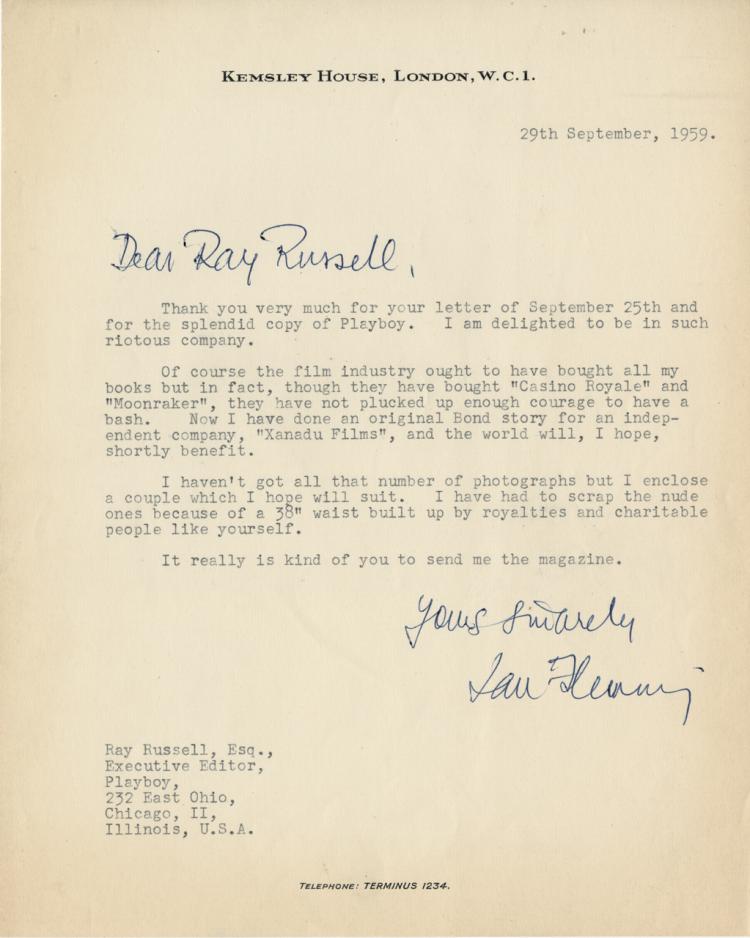
- Documented autographs from cover subjects or major contributors can add significant value, particularly with third-party attribution review. Clear provenance, event photos, or certificates from reputable specialists support stronger pricing.
Guiding principle: Rarity plus relevance plus condition. If an issue ticks two of those three—but especially all three—you likely have a strong individual listing candidate.
Grading and Originality: How Appraisers Evaluate Condition
Playboy magazines are graded much like comic books and other periodicals: a 10-point scale (or descriptive equivalents) anchored by objective defects and eye appeal. Many transactions rely on self-grading, augmented by high-quality photos and complete disclosure. Third-party encapsulation is less common than in comics, but professional appraisal reports and documented autographs can still drive confidence.
Key inspection points:
- Cover gloss and color: Fading, color lift, or surface wear reduces grade. Gloss retention is a strong positive in early issues.
- Spine: Look for rolls, splits at staples, stress lines, or rusted staples. Staple rust can migrate, staining paper.
- Corners and edges: Blunting, creases, chips, and tears are critical condition markers.
- Centerfold: Confirm it’s present, fully attached at both staples, and free from tears, tape, or writing.
- Interior pages: Uniform color, minimal tanning or brittleness, no water waves, mold, or odors. Smoky or musty odors deter buyers and can be difficult to remediate.
- Subscription label: If present, disclose. Do not attempt removal; abrasions and color lift will hurt value more than the label itself.
- Writing or stamps: Owner names, store stamps, or price notes lower grade but are common in older periodicals.
- Restoration: Glue repairs, color touch, trimmed edges, tape mends—note these transparently. Undisclosed restoration can kill a deal.
Photography that sells:
- Natural light, no harsh glare.
- Full front and back covers, close-ups of spine and staples, corners, any defects, the centerfold attachment (tastefully framed), and any insert.
- If signed, include a close-up and any attribution review paperwork.
Preservation basics:
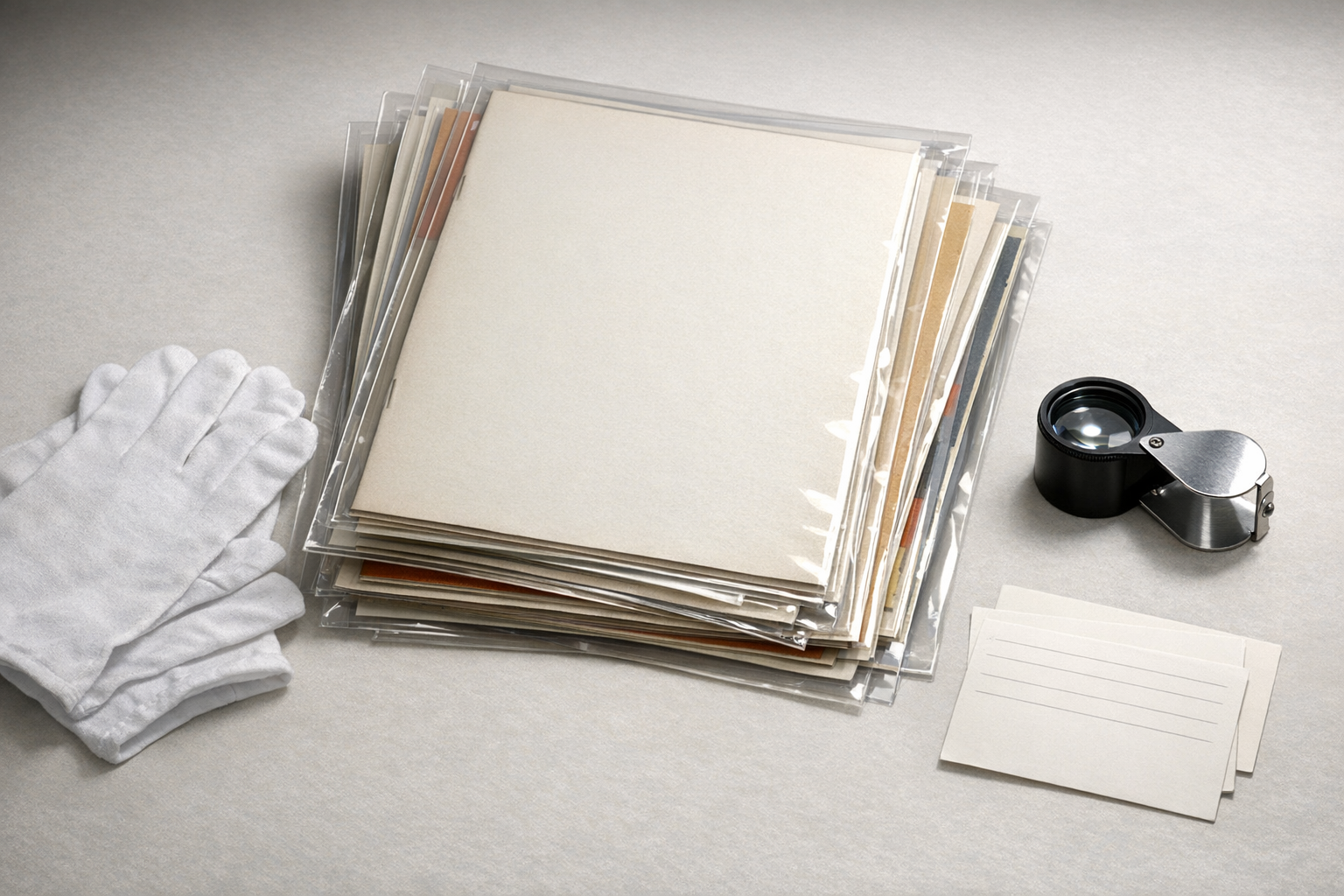
- Store vertically in acid-free magazine bags with backing boards; avoid tight compression that induces spine stress.
- Keep in a cool, dry, dark environment (roughly 60–70°F, a condition-specific range RH). Avoid attics and basements.
- Do not laminate or use pressure-sensitive tape on tears; archival solutions or professional conservation are preferable for valuable pieces.
Value triage (what to check first)
If you’re staring at a box of magazines, don’t start by Googling random asking prices. Start by triaging: pull the few that deserve individual listing (or auction), then lot the rest efficiently.
| What to check | Why it moves price | What to photograph |
|---|---|---|
| Exact month/year + edition | Key issues and early years carry the biggest premiums; edition differences affect desirability. | Front cover, back cover, spine, masthead/date line. |
| Completeness | Missing pages, clipped coupons, or a detached centerfold can drop value dramatically. | Centerfold staple area (attachment), any insert/coupon area, page count if uncertain. |
| Spine + staples | Spine roll, splits, stress lines, and staple rust are the fastest “grade killers.” | Macro of spine edge, staples, and fold line (use raking light). |
| Subscription label / sticker damage | Labels reduce eye-appeal; removal attempts can be worse than the label. | Label area close-up (before/after, if removed), plus overall cover shot. |
| Odor + moisture waves | Smoke/must and water warp are hard to fix and deter buyers. | Side profile of page edges (waves), corner tide lines, any wrinkling. |
| Autographs / attribution review | Documented signatures can lift demand; unsupported signatures can scare buyers. | Signature macro + any COA / attribution review label/paperwork. |
When in doubt, pull anything from the 1950s–1960s, any iconic cover subject, and any copy that grades Very Fine or better with a fully attached centerfold.
Condition photo gallery (what to document)
These examples show the specific photos that reduce buyer uncertainty and help your listing sell at the right price tier.
Pricing and Selling Strategies: From Market evidence to Close
Accurate pricing starts with market evidence. Because condition and completeness vary widely, you need multiple data points—not just list prices.
How to build a pricing picture:
- Use sold results, not asking prices: Compare like-for-like on issue, edition, condition, and presence of subscription label or inserts.
- Segment by decade: Typical single-issue ranges (assuming complete, average collectible condition, individual sale, and excluding true keys):
- 1950s: often a value that must be established from current, topic-matched sales with premium covers higher; top-grade copies can exceed this.
- 1960s: commonly a value that must be established from current, topic-matched sales spikes for notable covers/interviews.
- 1970s: a value that must be established from current, topic-matched sales for common issues; higher for special covers or events.
- 1980s: a value that must be established from current, topic-matched sales for common issues; celebrity spikes exist but supply is deep.
- 1990s–2000s: a value that must be established from current, topic-matched sales common; consider bulk lots for efficiency.
- Identify key-issue outsized values: December 1953 can command several thousand dollars; other marquee celebrity or historic interview issues may rise into high hundreds or more based on condition.
Price positioning:
- Aim slightly above the midpoint of comparable solds if your copy is equal or better, with a best-offer option to allow negotiation.
- For rare or top-condition examples with thin comp history, consider auction with a reserve or a high BIN plus make-offer and patience.
- For large runs, pull out premium issues to sell individually; lot the rest by decade or year to move volume efficiently.
Choose the right venue:
- Specialty auctions: Best for marquee issues, documented signatures, or pristine early runs. Expect higher fees but strong marketing and bidder pools.
- General online marketplaces: Excellent reach and liquidity for both single keys and mixed lots. Know and follow adult-content listing rules.
- Dealers and show floors: Faster cash-out; margins are lower but risk is reduced. Useful for wholesale disposal of later decades.
- Consignment: Dealers or auction houses may net more after fees for top-tier items due to better presentation and bidder competition.
Listing optimizations:
- Title that converts: “Playboy December 1953 Marilyn Monroe – First Issue – Complete – Centerfold Attached – No Label” (adjust to your exact facts).
- Lead with completeness and condition; disclose defects clearly to minimize returns.
- Use 8–12 clear photos for individual issues; 3–5 per bundle plus representative defect shots.
Shipping and handling:
- Sandwich in cardboard, use a backing board and an archivally safe bag, then a rigid mailer or box with corner protection. “Do Not Bend” helps, but structural rigidity is what saves the spine.
- Avoid extreme heat/cold. For high-value issues, use insured, trackable shipping and signature confirmation.
- International shipments may face customs restrictions on adult material. Verify destination rules before listing or shipping.
Legal and platform considerations:
- Adult-content policies vary. Many platforms require cover-only images in the main gallery, with interior photos placed in secondary slots or provided on request.
- Age-restricted materials: Comply with buyer age requirements and any jurisdictional restrictions on adult publications.
Practical Checklist: From Appraisal to Sale
- Identify decade and issue: Confirm exact month/year and edition.
- Triage for keys: Pull early 1950s–60s, iconic covers, major interviews, and any signed items.
- Check completeness: Centerfold attached, no missing pages or clipped coupons/inserts.
- Inspect and grade: Note spine/staples, cover gloss, corners, odors, stains, tears, and restoration.
- Separate newsstand vs. subscription copies.
- Photograph thoroughly: Front/back, spine, staples, centerfold attachment, defects, inserts, signatures.
- Research market evidence: Use sold prices for the same issue and similar condition.
- Set strategy: Auction for thin-supply keys; BIN/Best Offer for common or well-comped issues; lot later decades.
- Write clear listings: Accurate titles, full disclosures, plain-language condition notes.
- Choose materials: Acid-free bag and board, rigid mailer/box, corner protection, insurance for high-value items.
- Know the rules: Follow platform adult-content and image policies; verify international restrictions.
- Preserve the rest: Store unsold copies in archival materials in a climate-stable, dark space.
FAQ
Q: Are my 1980s–2000s Playboy magazines worth selling individually? A: Usually only if tied to a notable cover star, event, or in exceptional condition. Otherwise, bundle by year or decade to reduce fees and time and to attract volume buyers.
Q: How much is the first Playboy (Marilyn Monroe, December 1953) worth? A: It depends heavily on condition and completeness. Expect several thousand dollars for strong, unrestored copies; high-grade examples can reach substantially more. Attribution review and high-quality presentation matter.
Q: Does a subscription label ruin the value? A: It does reduce value versus a newsstand copy, especially on earlier issues, but does not make an issue unsellable. Disclose the label and avoid removal attempts that can damage the cover.
Q: What matters more: centerfold condition or cover condition? A: Both are critical. A missing or detached centerfold disqualifies many top buyers. Significant cover damage or spine splits can be equally value-limiting. For top-tier prices, you need both in strong shape.
Q: Should I get magazines professionally graded or encapsulated? A: Third-party grading is less common for Playboy than for comics. For marquee issues or signed copies, a professional appraisal and reputable autograph attribution review can help. Otherwise, accurate self-grading plus clear photos is sufficient for most sales.
By focusing first on key issues, grading precisely, pricing from sold market evidence, and choosing the right sales channel, you’ll unlock the highest net for your Playboy collection while keeping the process efficient and compliant.
Search variations collectors ask
Readers often Google these when they’re sorting a stack or pricing a key issue:
- are old Playboy magazines worth anything without the centerfold
- how to tell newsstand vs subscription Playboy magazines
- Playboy December 1953 first issue value range
- best way to sell a box of 1970s Playboy magazines
- does a mailing label reduce value on vintage Playboy magazines
- how to ship collectible magazines without spine damage
- what condition grade is “Very Fine” for vintage magazines
- should I get an autograph documented on a Playboy issue
- where to sell old Playboy magazines locally vs online
Each question is answered in the valuation guide above.
References (starting points)
- Appraisily Editorial policy (methodology + updates)
- Library of Congress: caring for paper-based collections
For high-value issues, consider a written appraisal so condition and provenance are documented for buyers or insurance.