
Art appraisal cost at a glance
For one item, expect three broad price levels. A photo-based first look can be free. Online screening or compact report services in this market are commonly advertised around $25–$150 per item, although the deliverable varies. Formal purpose-specific reports are commonly $500+ because they assign a value type, effective date, intended use, and documented research.
| Level | Typical cost | What it gives you | What it does not give you |
|---|---|---|---|
| Free first look | $0 | Preliminary category or identity read, visible evidence gaps, rough market signals, and a next-step recommendation | A signed value conclusion or purpose-specific formal report |
| Online screen or compact report | Often advertised around $25–$150 per item | A provider-defined opinion or report; scope can range from brief guidance to documented comparable research | Formal insurance, estate, or donation suitability unless the provider states that scope clearly |
| Formal purpose-specific appraisal | Commonly $500+ | Defined value type, effective date, intended use, scope of work, research, assumptions, and signed documentation | A promise that every assignment costs the same; complexity and item count still move the quote |
The practical question is not, “Who has the lowest number?” It is, “Which deliverable will the person relying on this value accept?” If you only want to know whether an item deserves more attention, start free. If an insurer, executor, donor, buyer, or family member needs documentation, compare written scope.
Compare the three levels before you compare prices
Search results often put unlike offers beside one another. An auction house may offer a free opinion because it is deciding whether the work fits a sale. An online service may price a concise market report per item. An independent appraiser may bill for research, analysis, photographs, disclosures, and a signed conclusion written for one formal use. The labels can sound similar while the work is not.
A free screen is triage
A free photo-based screen helps answer an early question: is there enough visible evidence to keep going? It can flag missing views, unclear dimensions, uncertain attribution, or a category that needs specialist review. That is useful. It is not a free formal appraisal, and it should not be described as one.
An online report is only as useful as its deliverable
At the $25–$150 market tier, compare the actual output. Is it a short opinion, a written report, or a sale estimate? Does it name the value basis, show comparable evidence, state limitations, and identify who prepared it? Our deeper guide to online art appraisal explains how photos and documentation shape that review. A low price can be perfectly sensible for a narrow decision; it becomes a poor bargain only when the reader expects a different product.
A formal report defines the assignment
A formal appraisal costs more because the report must be useful beyond the conversation that produced it. It identifies the item, states the intended use and value type, fixes an effective date, explains research and assumptions, and records the conclusion. Those elements are the product. The extra fee is not a surcharge for a more impressive number.
See what makes the quote move
Price depends on object complexity, the number of items, and whether the report is for ordinary market guidance, insurance, an estate, or donation support. The fastest way to get a useful quote is to define those inputs before asking for a number.
| Quote driver | Why it changes the work | What to send first |
|---|---|---|
| Object complexity | An attributed painting with incomplete history may need more research than a well-documented edition. | Whole-object photos, back and frame views, dimensions, medium, and known artist information |
| Number of items | Ten similar works can create efficiencies; ten unrelated works may require different markets and specialists. | A numbered inventory with one thumbnail and basic facts per item |
| Intended use | Market guidance, insurance, estate, and donation work can require different value definitions and documentation. | The exact decision, recipient, deadline, and any form or carrier requirement |
| Condition and access | Unclear damage, inaccessible backs, travel, or direct inspection can add time. | Honest condition photos and a note on whether remote review is sufficient |
| Documentation | Invoices, prior reports, exhibition records, and ownership history can reduce avoidable research. | Readable copies, separated from unverified family stories |
A typical collection decision starts by separating “everything we own” from “items another person needs to rely on.” That single edit can shrink the formal scope without weakening the useful result. For a broader fee checklist, see what affects an art appraisal fee.
Why show auction records in a cost guide? They demonstrate the sale evidence a report may need to interpret. They do not show what an appraiser charges, and the five oil-painting examples below are not estimates for your item.
What similar items actually sold for
To help ground this guide in real market activity, here are recent example auction comps from Appraisily’s internal database. These matched sales are market context only, not an object estimate or identification, and they do not guarantee a price for your specific item.
Shown USD range: USD 550-USD 6,000. Median of these 5 USD examples: USD 1,601.
| Comparable | What sold | Auction house | Date | Lot | Source-reported amount |
|---|---|---|---|---|---|
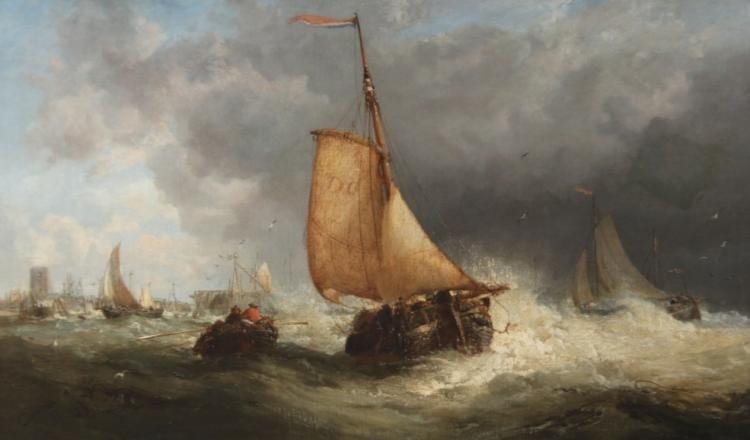 |
JAMES WEBB, 19TH C. OIL ON CANVAS PAINTINGSource blocked; provenance matched | Clements | 2015-01-18 | 142 | USD 6,000 (buyer’s-premium treatment unknown) |
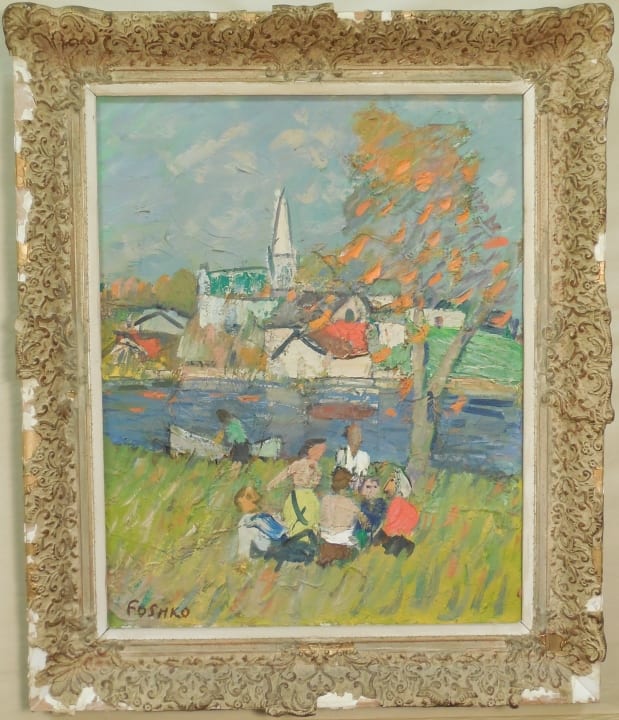 |
Josef Foshko Oil on Canvas PaintingSource blocked; provenance matched | Greenwich Auction | 2015-01-01 | 243 | USD 550 (buyer’s-premium treatment unknown) |
 |
Rene Lelong (1871-1938) oil on canvas paintingSource blocked; provenance matched | Antiques Supermarket | 2015-01-13 | 232 | USD 1,601 (buyer’s-premium treatment unknown) |
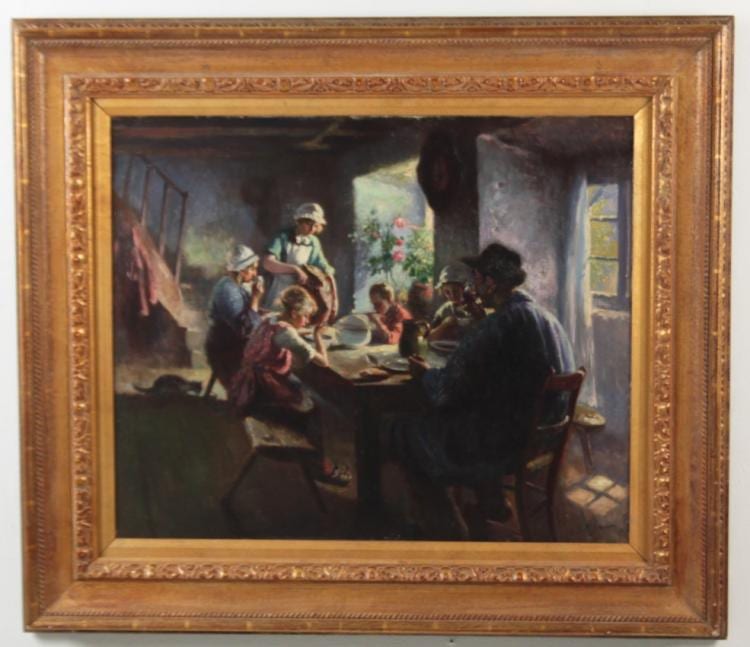 |
M. SILBERT, 19TH C. INTERIOR SCENE OIL ON CANVAS PAINTINGSource blocked; provenance matched | Clements | 2015-01-18 | 172 | USD 1,600 (buyer’s-premium treatment unknown) |
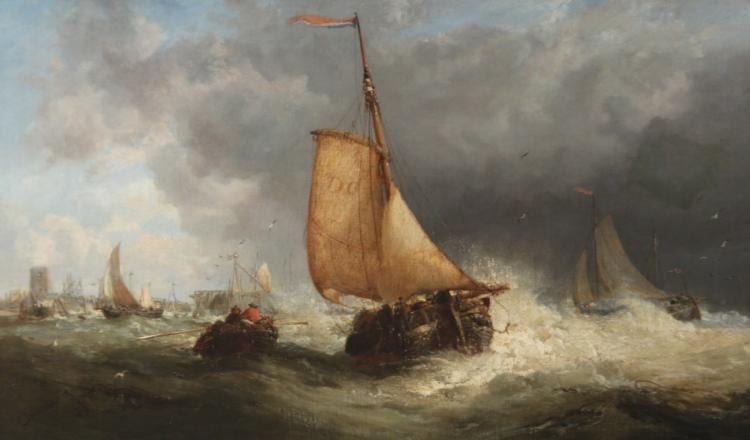 |
JAMES WEBB (1825-1895); OIL ON CANVAS PAINTINGSource blocked; provenance matched | Clements | 2018-04-08 | 172 | USD 4,500 (buyer’s-premium treatment unknown) |
How these auction records were verified
Each row retains its exact source URL, lot identity, retrieval time, access result, and immutable record hash. Live source access was blocked; the exact record matched Appraisily's immutable pipeline provenance. Inspect the public comparable provenance record.
Disclosure: prices are shown as reported by auction houses and are provided for appraisal context. Learn more in our editorial policy.
Free first look
Not sure whether this item needs an appraisal?
Upload one clear photo before paying for documentation. Results usually appear within a few minutes; complex items can take longer.
Upload a photo for a free first lookFree. No card needed. The photo upload usually takes about two minutes.
Ask five questions before you accept a quote
- What is the exact intended use? A useful proposal names the decision and recipient, not just “valuation.”
- What will I receive? Ask whether the deliverable is a verbal opinion, brief market report, or signed purpose-specific appraisal.
- Which research and evidence are included? Confirm whether comparable sales, photographs, condition limits, and assumptions appear in the report.
- What could change the quoted fee? Item additions, travel, specialist consultation, poor documentation, or a rushed deadline should be visible before work starts.
- Is the provider independent of the outcome? A fee should pay for the stated scope, not for producing a higher number or winning the right to buy the item.
Send the same inventory and intended-use note to every provider. That turns three vague prices into three comparable proposals. If local inspection matters, search by service and location, then confirm credentials, scope, fees, and availability directly with the provider.
Frequently asked questions
How much should an art appraisal cost?
A free photo screen can be enough for early triage. Market-advertised online screening or compact report services commonly sit around $25–$150 per item, while formal purpose-specific reports are commonly $500+. Compare the deliverable, intended use, and evidence—not the number alone.
Is there an app to appraise art for free?
There are free photo-based screening tools, including Appraisily’s Screener. They can give a preliminary read and show what evidence is missing. They do not replace a signed insurance, donation, estate, or other purpose-specific value conclusion.
How can I get a painting appraised for free online?
Start with a clear whole-object photo and basic context in a free Screener. Treat the result as triage. If another person must rely on the value, ask for a written proposal that states the report purpose, evidence, and limitations.
Is it worth getting art appraised?
It is worth paying when the decision is larger than the fee or when you need documented support. If you are simply curious, a free first look may be enough. If the evidence is weak, spending more does not guarantee a stronger conclusion.
Does a local visit cost more than an online art appraisal?
Often yes. A local inspection is commonly $300–$600+ because travel and time are billed. A signed online art appraisal from photos starts at $59. This page compares fees; the online art appraisal service is on /art. For an in-person specialist, use the appraiser directory.
Search variations
These questions map to the same decision: choose the report scope before comparing the price.
- How much does it cost to appraise one painting?
- How much should an art appraisal cost online?
- Free art appraisal versus a paid written report
- What is included in an art appraisal fee?
- Does an insurance art appraisal cost more?
- How much is a certified art appraisal?
- Is a free art appraisal app accurate enough?
- Does a local art appraisal cost more than an online report?
Method and sources
The fee ranges in this guide use the approved market facts supplied for this article and distinguish advertised screening prices from formal report scope. The auction table is generated from exact retained lot records and is included as an example of value evidence, not as evidence of appraisal fees.
Need in-person or specialist help?
Find a local art appraiser
Search available specialists by location and service. Confirm current credentials, scope, fees, and availability directly with the provider.
Independent provider directory
Browse art appraisers by location
Use the directory when the assignment may need local inspection or a category specialist.