Silver fish serving knife: appraisal and value basics
Silver fish serving knife research should start with form, hallmarks, metal content, condition, provenance, and recent comparable sales. Use this guide to compare the signals that matter before paying for a formal appraisal or deciding whether to sell.
Fish servers are a common “mystery silver” find: they show up as single pieces in mixed flatware boxes, in family sideboards, or in estate lots where the rest of the set is long gone. The question is usually the same: is it sterling, silverplate, or something else?
With late 19th-century fish knives the answer is not always obvious because marks can wear down on high-touch handles and some patterns place hallmarks in spots most owners never check. This guide focuses on practical steps you can take without damaging the piece.
You’ll learn how fish serving knives were made, where makers typically stamped hallmarks, how to separate sterling from plate safely, and what a realistic value range looks like in today’s market.
Free photo check
Check whether your fish server is worth a full appraisal
Upload a few photos for a free first read on likely metal, maker clues, and whether the auction comps support paid documentation.
Free photo check · Private upload · No checkout required to start
What is a fish serving knife (and why it looks different)
A fish serving knife is a specialized tableware piece used to lift and portion cooked fish without tearing delicate flesh. Unlike a dinner knife, many fish servers have:
- A broad, flat blade (often with a rounded or spatula-like tip) so you can slide under fillets.
- A dull or lightly serrated edge—it is more a lifter than a cutter.
- Decorative engraving on the handle (Victorian and Edwardian examples commonly use scrollwork, shells, or neoclassical motifs).
Late 19th-century examples are commonly found as single knives because they were part of multi-piece fish sets (knife + fork, sometimes in a case). When sets are separated, the knife is the piece most likely to be saved.
Where hallmarks usually hide on fish serving knives
On many fish knives, hallmarks are not on the obvious “pretty” side of the handle. Common locations include:
- Back of the handle near the end or along the spine (especially on English sterling).
- At the heel of the blade (where the blade meets the handle/ferrule).
- Inside the handle for hollow-handled pieces (sometimes revealed only when the blade is removed, which we do not recommend without a conservator).
- On the ferrule (the collar between blade and handle), particularly on continental examples.
Use a bright raking light and a jeweler’s loupe. A hallmark can be shallow, partially polished away, or hidden in an engraved cartouche.

Sterling vs silverplate: a safe, non-destructive checklist
The market difference between sterling and plate is huge. Before you consider any test that scratches metal, run these low-risk checks:
- Look for worn-through spots. On silverplate, high points can show a warmer yellow tone (brass) or grey base metal beneath the plating.
- Check the blade separately from the handle. It is common for a knife to have a sterling handle but a stainless or plated blade. This is normal and does not mean the handle is fake.
- Search for standard stamps. Sterling marks can be full hallmarks (UK) or simple stamps like “STERLING,” “925,” or maker initials (US/continental).
- Weigh and feel. Sterling-handled knives tend to feel more substantial than thin plate, but weight alone is not proof.
If you still cannot confirm, the best next step is a non-destructive XRF scan (many jewelers and bullion buyers offer this). Acid tests can work, but they can permanently spot the metal if used carelessly.
Dating cues for late 19th-century fish knives
If you’re trying to sanity-check a “late 19th century” claim, focus on construction and design rather than just pattern names:
- Hollow handles with a seam line along the back are common. A perfectly seamless, cast-looking handle may indicate later manufacture.
- Engraved cartouches (blank shields meant for monograms) were popular in Victorian tableware.
- Blade shape often becomes broader and more spatula-like as you approach 1900, matching changing dining fashions.
Remember: style can be revived. The most reliable evidence is a hallmark date letter (UK) or a well-documented maker’s production period.
Value guide: what a single fish serving knife is usually worth
For a single late 19th-century fish serving knife, value typically comes from one of three buckets: (1) sterling weight, (2) maker/pattern demand, and (3) whether it is part of a matched set. If the knife is truly unmarked and cannot be verified as sterling, value often collapses to “decorative” levels.
Typical retail and resale ranges (single piece)
| Scenario | What to expect | Approx. range |
|---|---|---|
| Silverplate (no sterling marks) | Sold as vintage tableware; demand depends on pattern and condition | $10–$35 |
| Sterling handle + non-sterling blade | Common construction; value tracks handle weight and condition | $40–$90 |
| Fully sterling + clear maker marks | Better resale to collectors; premiums for British/US makers and crisp engraving | $90–$250 |
| Matched knife + fork (or cased set) | Sets sell better than singles; cases and monograms influence demand | $150–$400+ |
These are broad market ranges, not a guarantee. If you want a defensible insurance value, you need metal confirmation, dimensions/weight, clear photos of marks, and recent comparable sales for similar makers and patterns.
What similar items actually sold for
Real auction sales of items like your fish serving knife. Open a sale to see the original listing.
Shown USD range: USD 20-USD 1,250. Median of these 28 USD examples: USD 150.
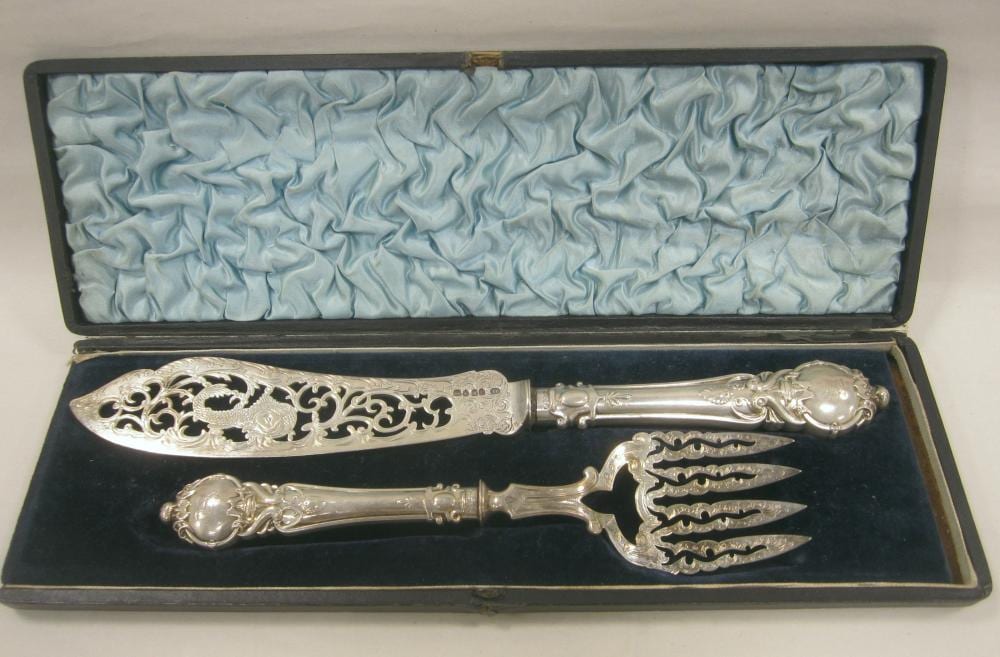
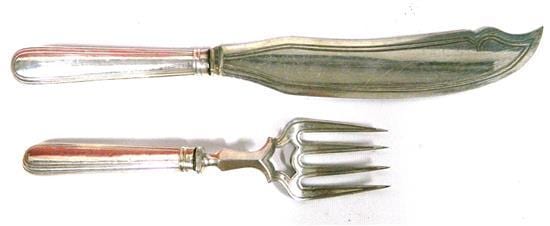
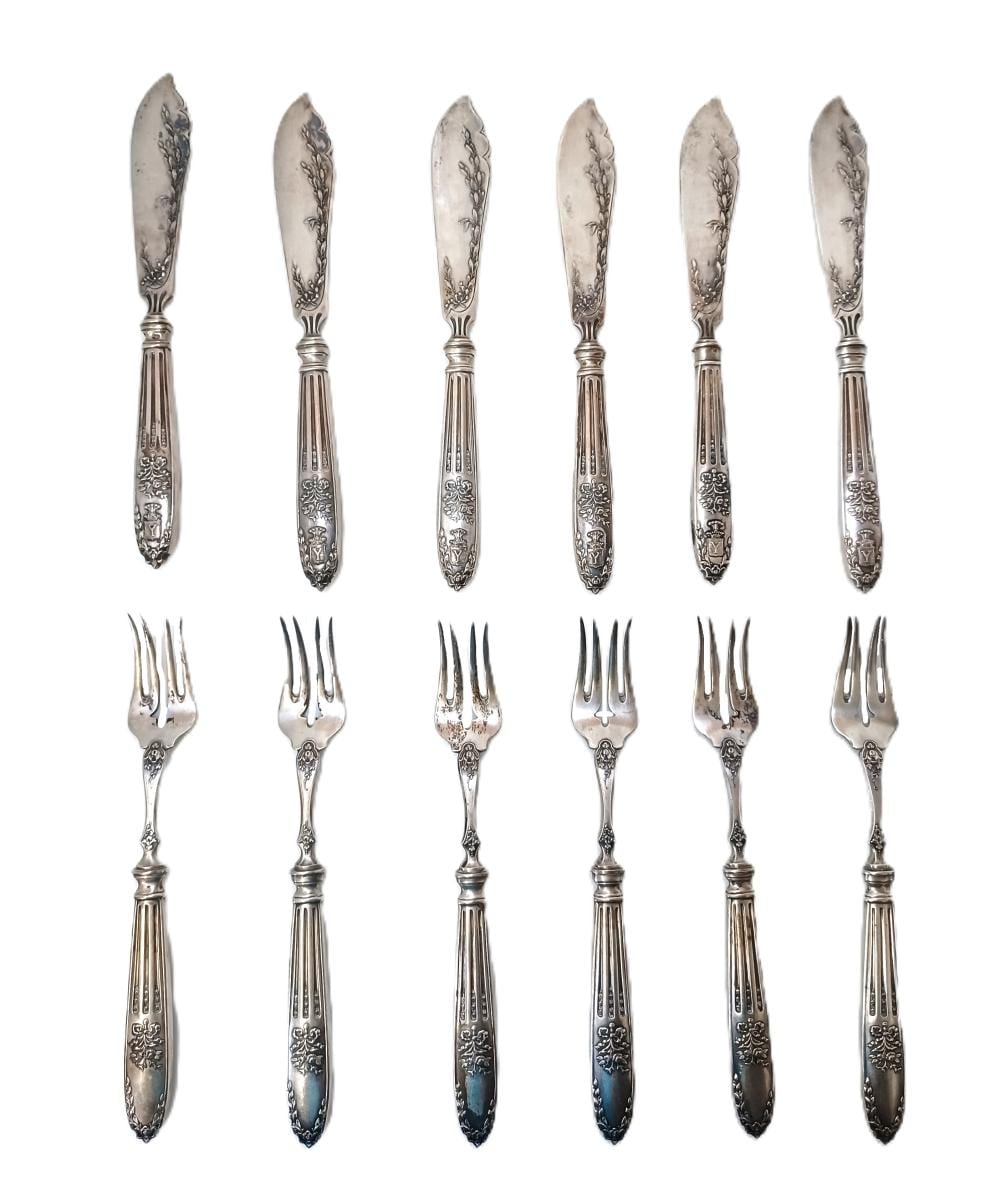
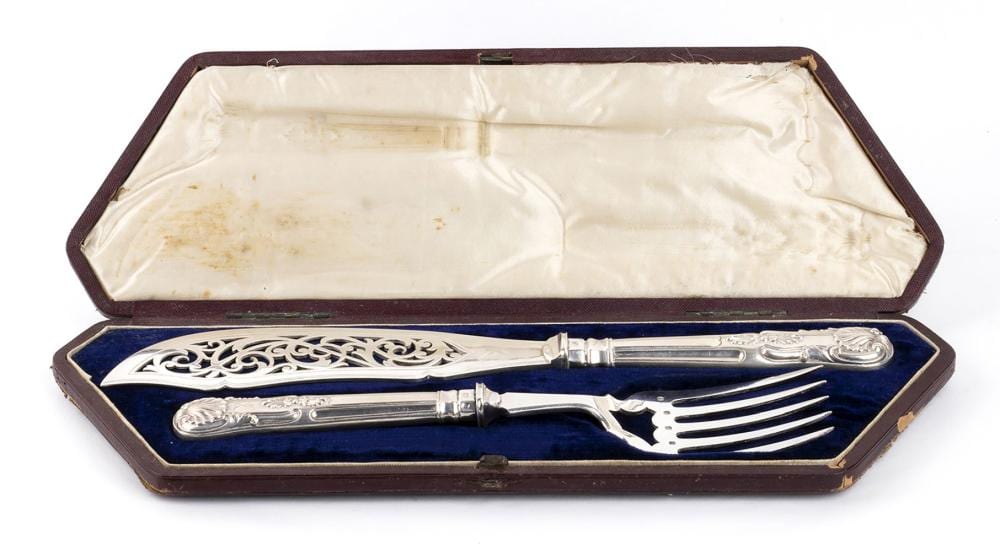
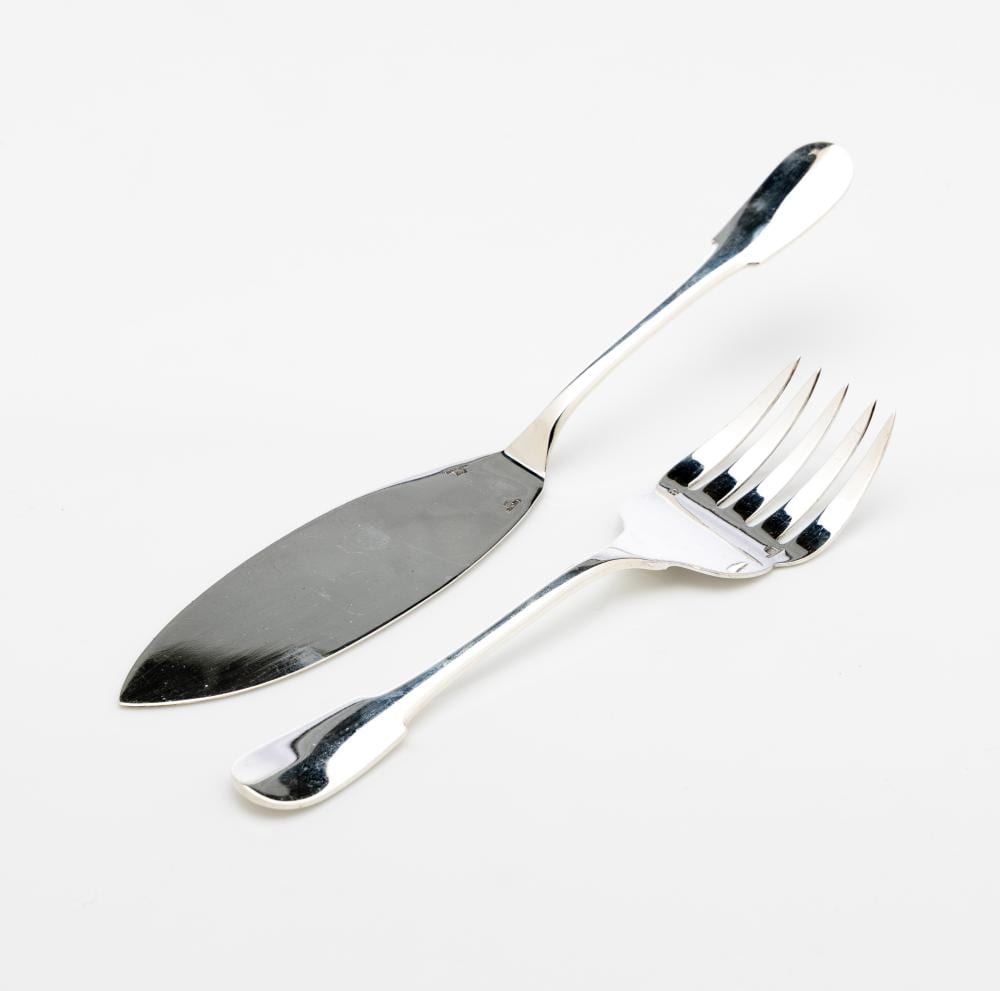
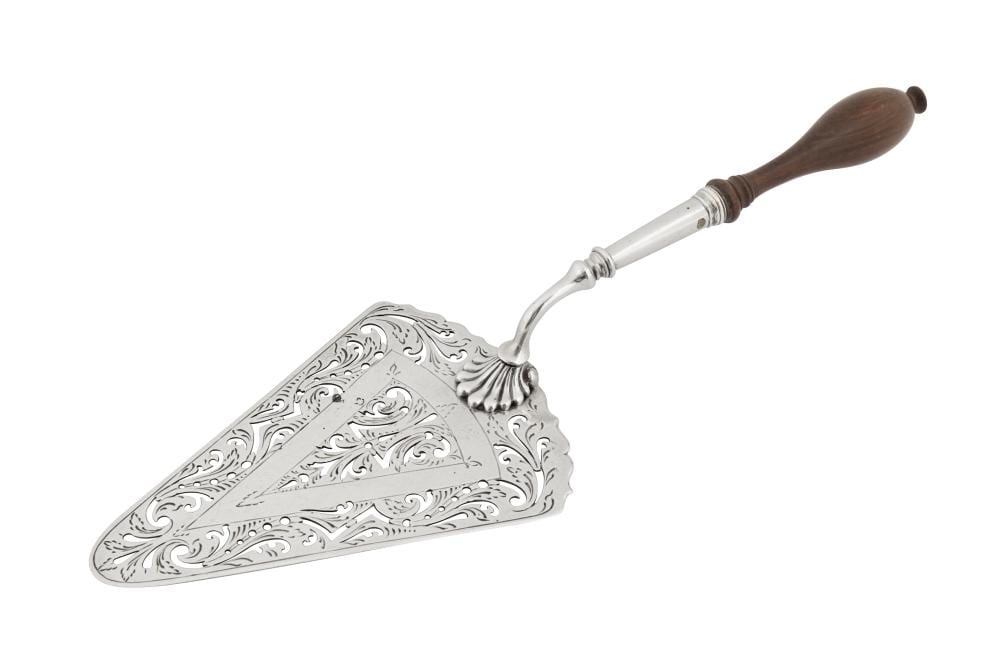
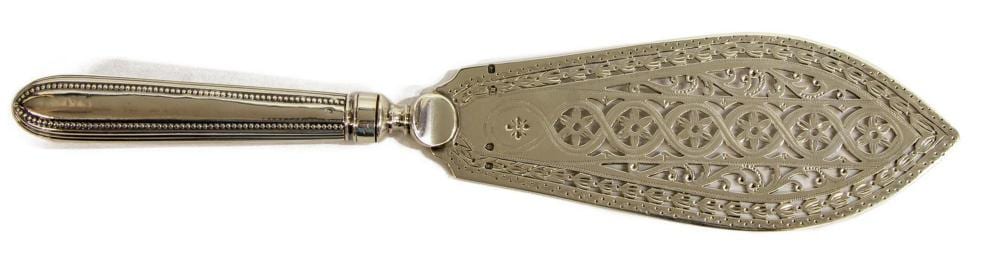
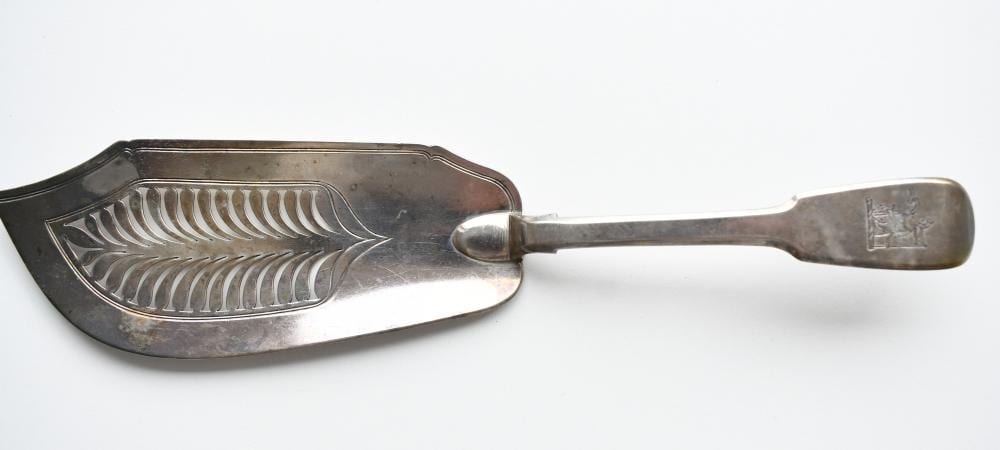
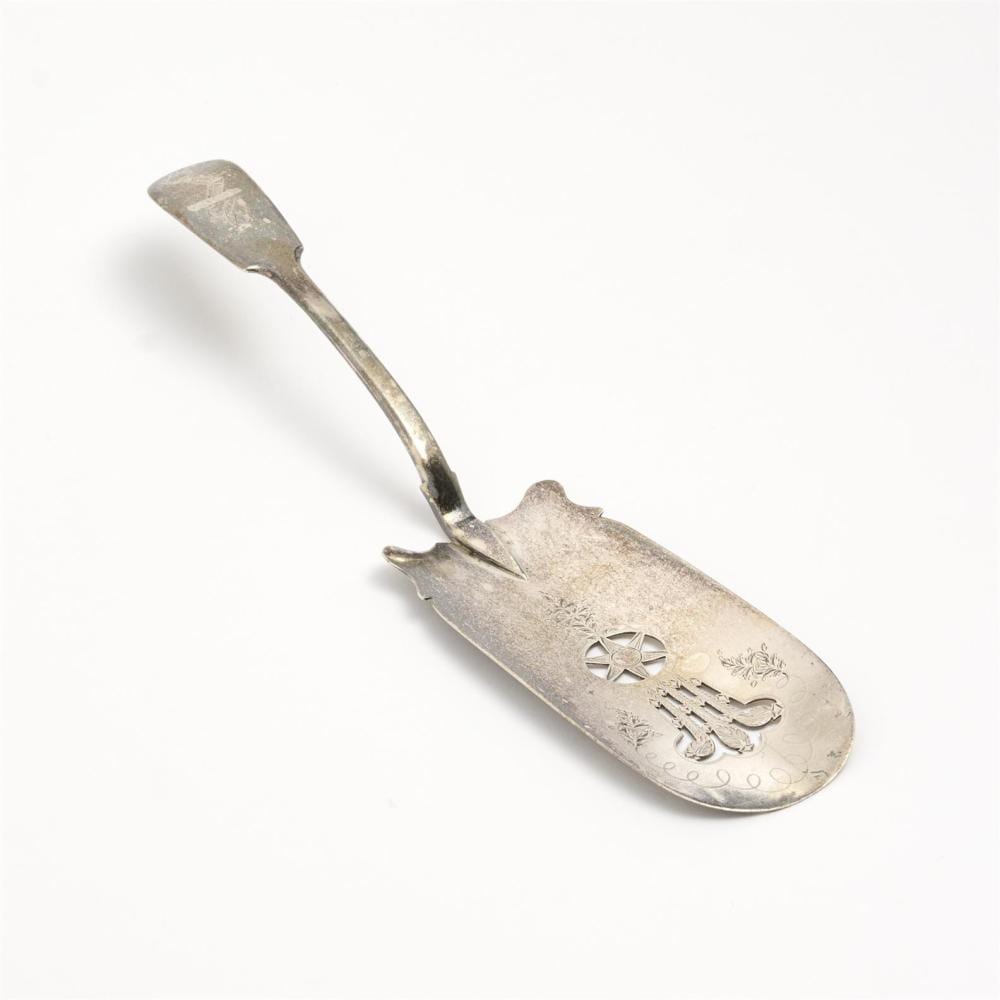
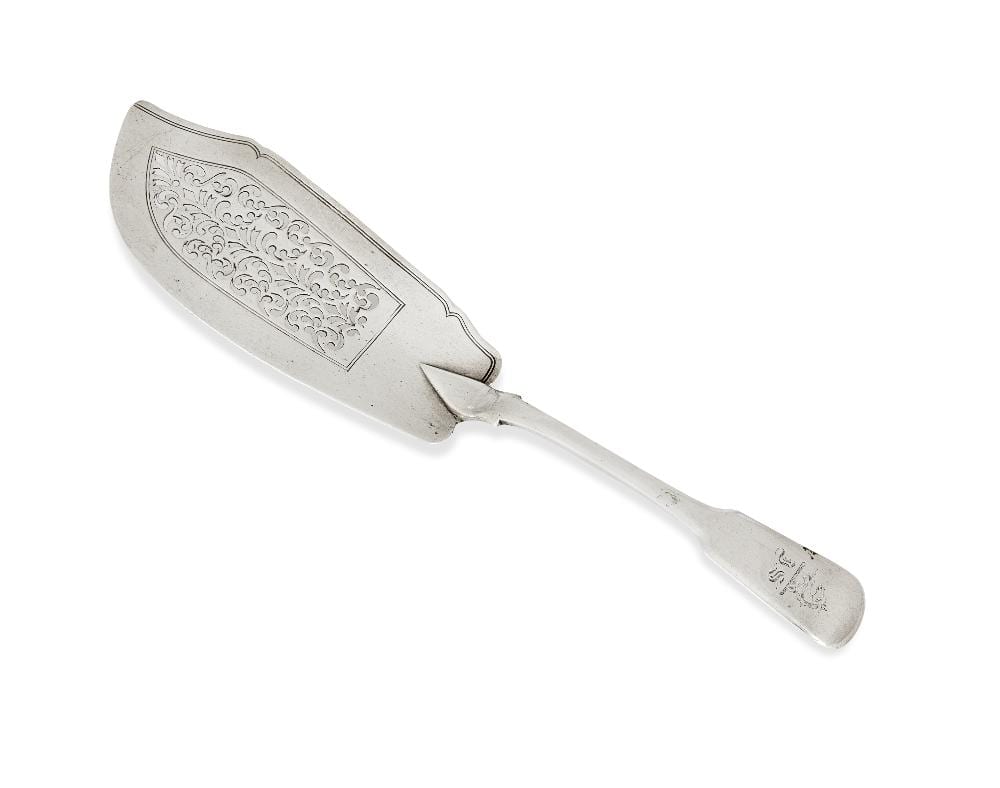
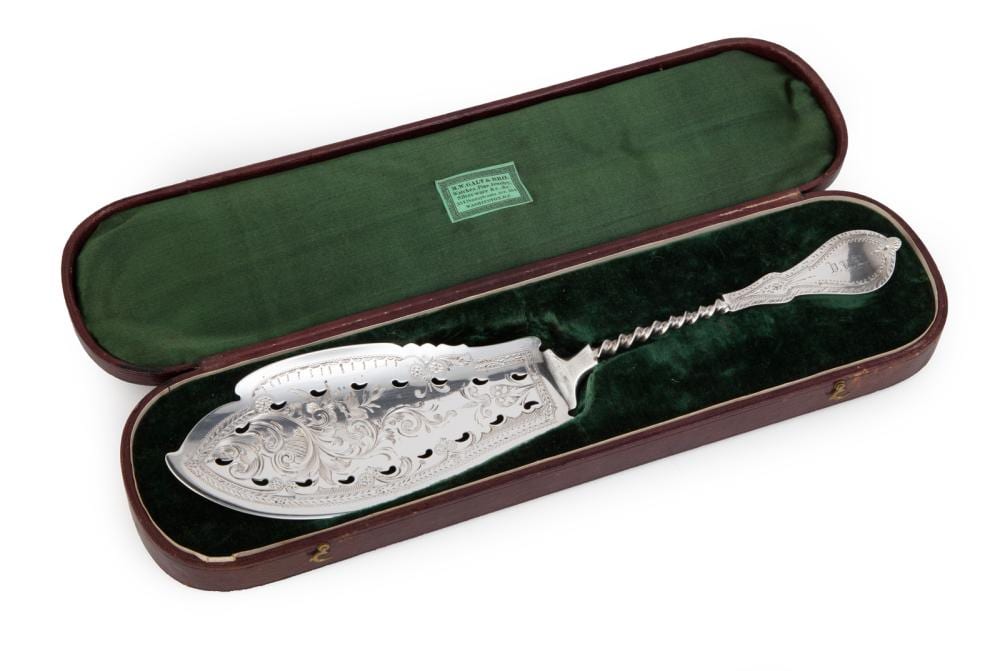
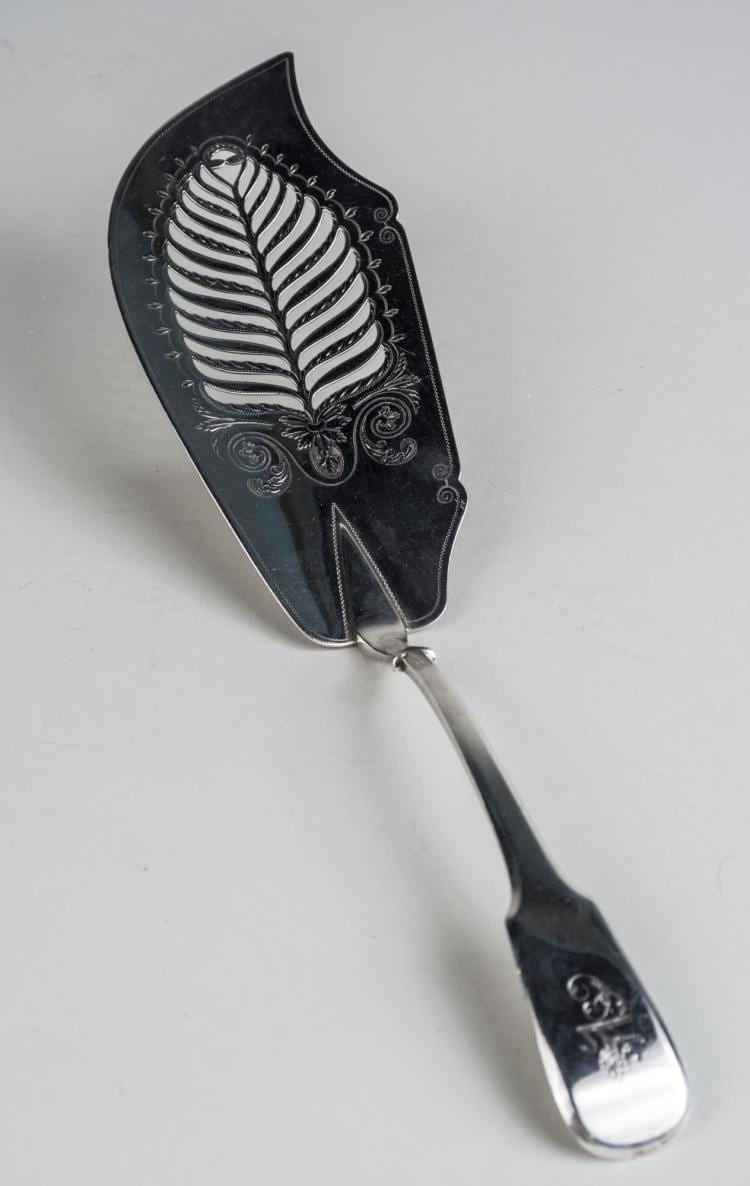
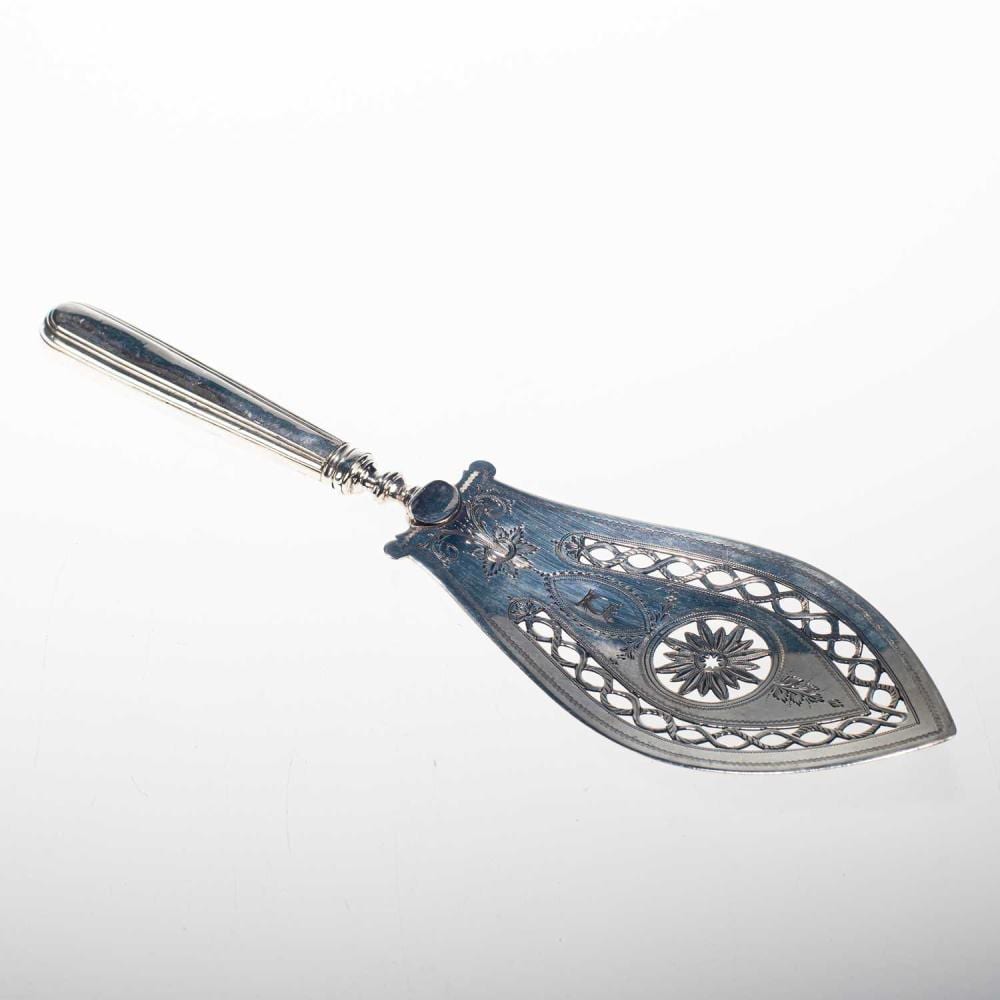
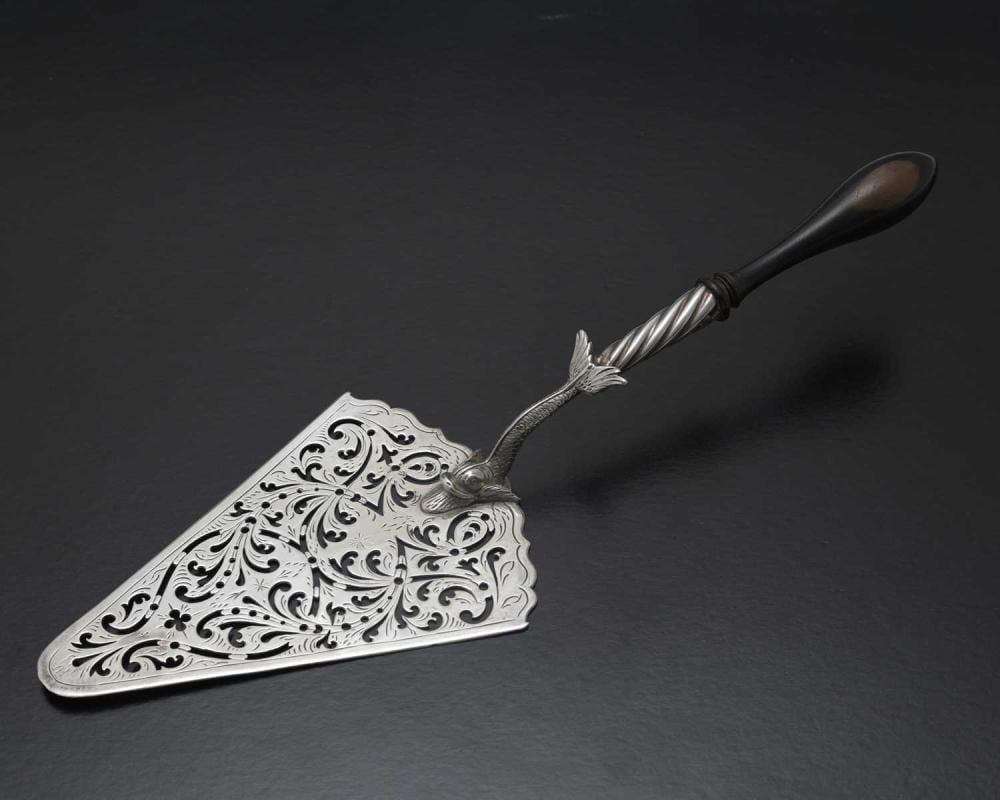
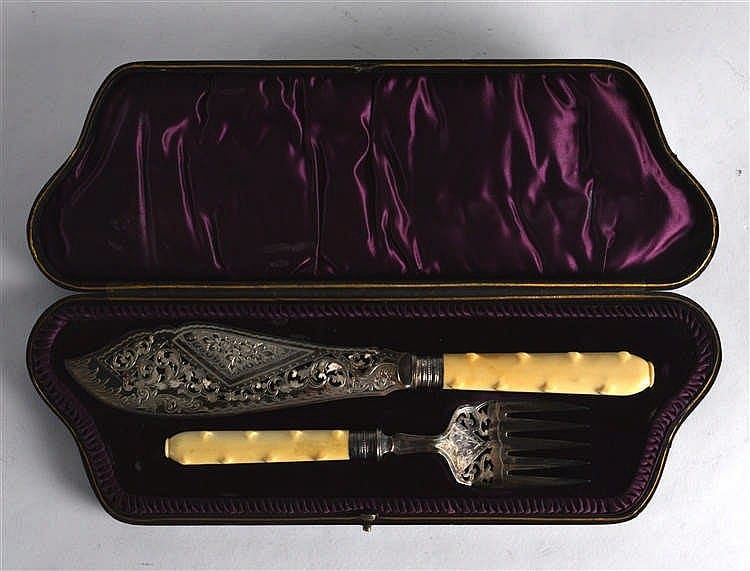
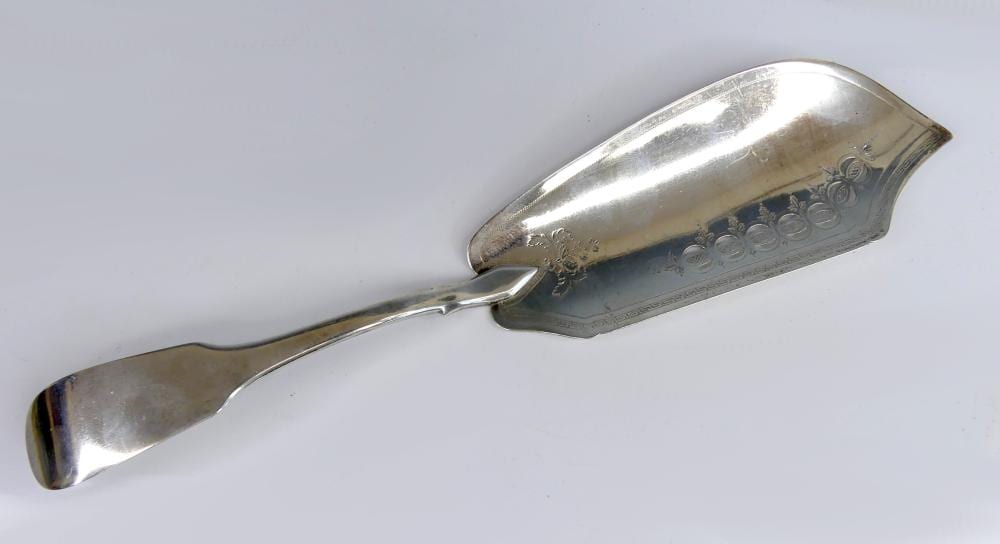
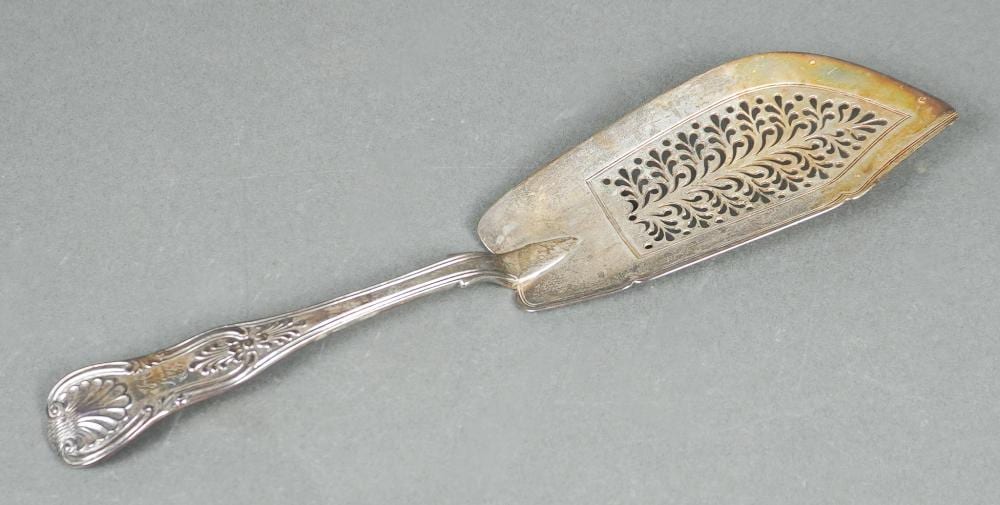
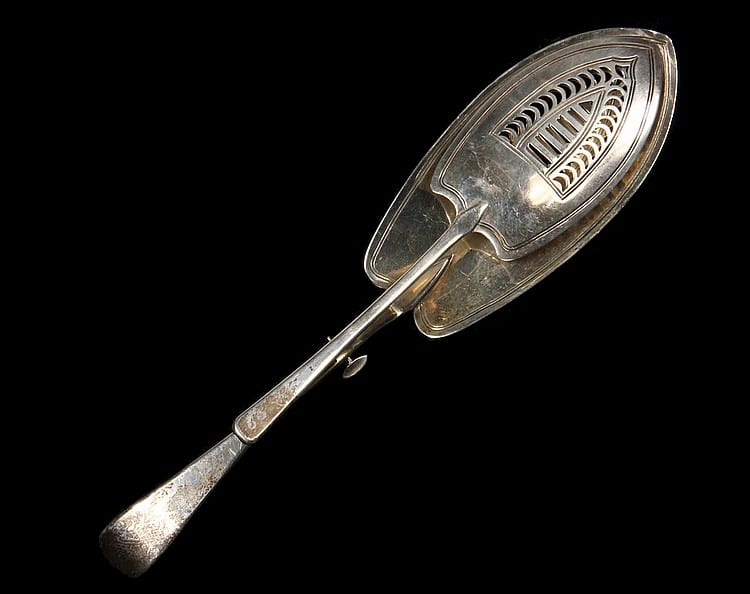
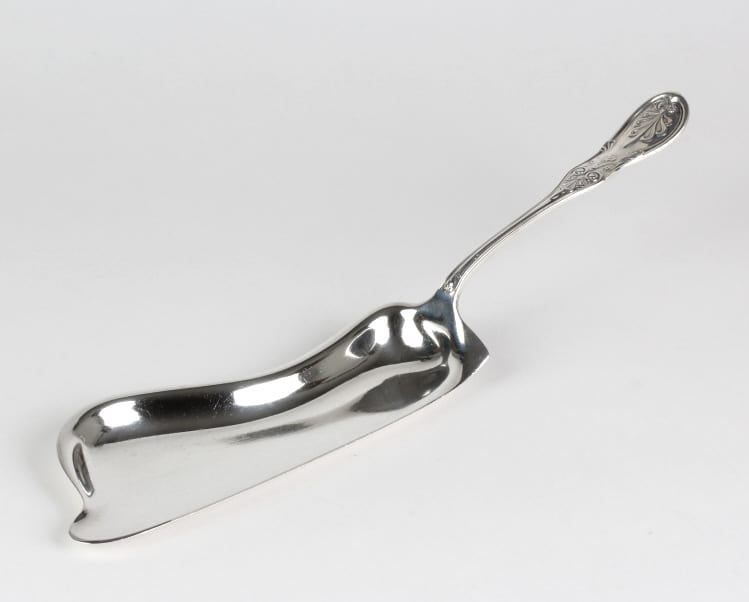
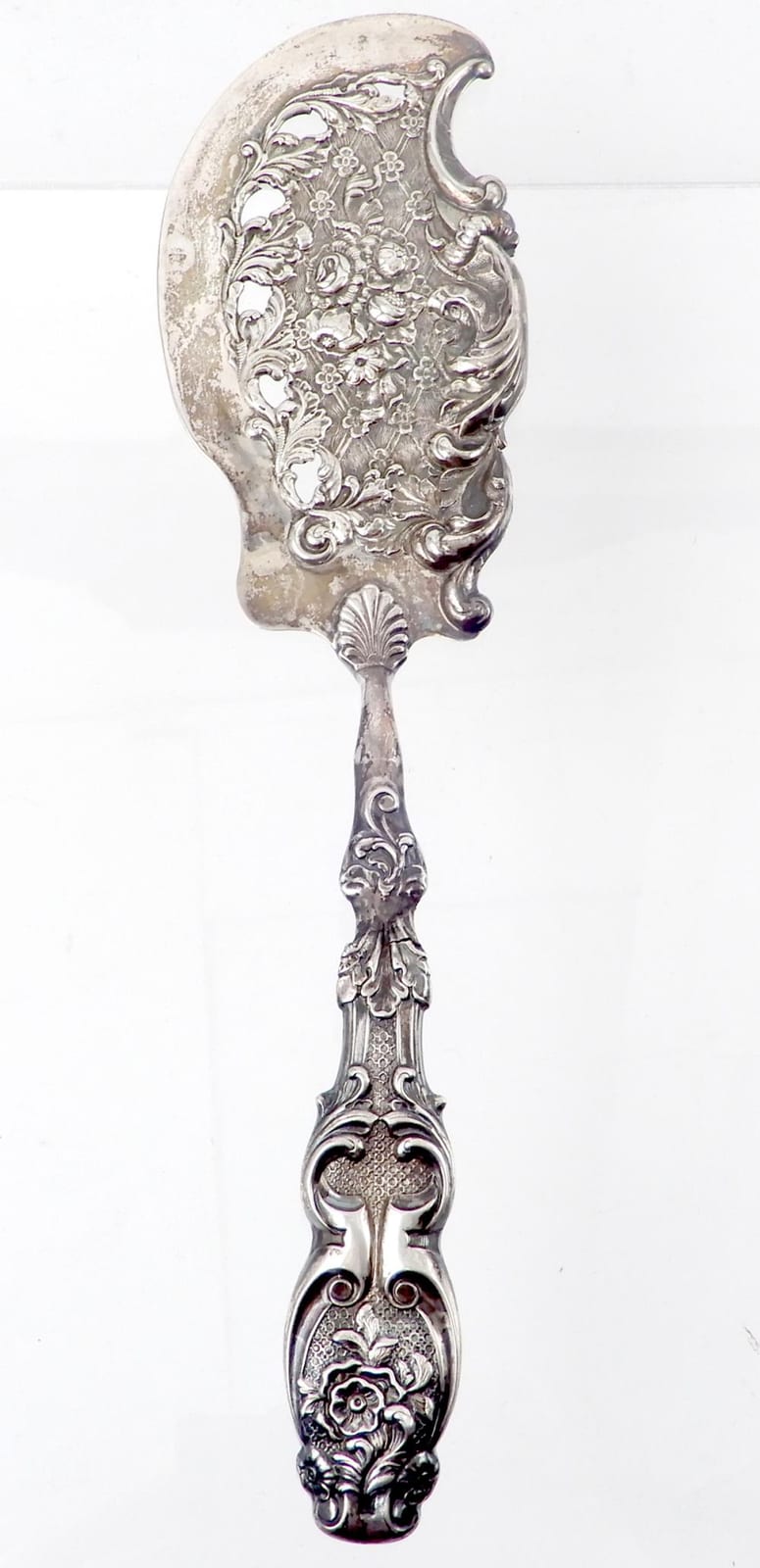
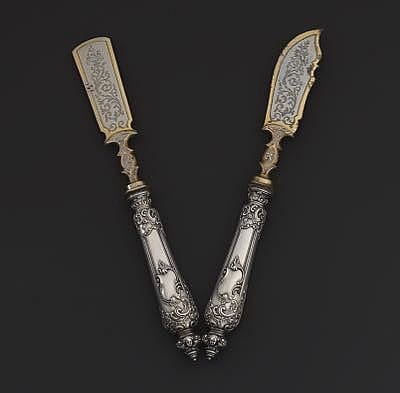
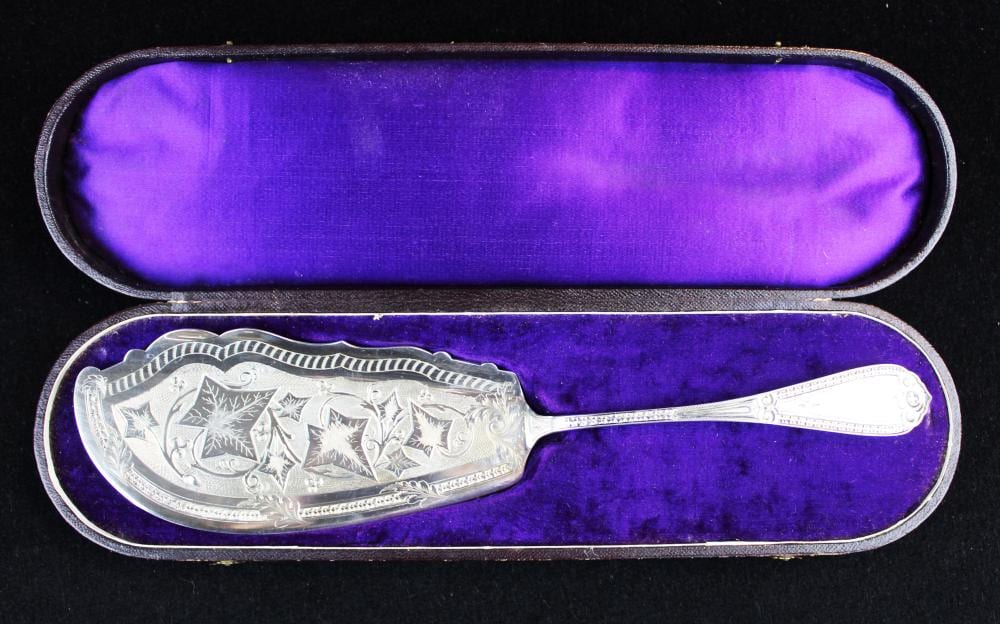
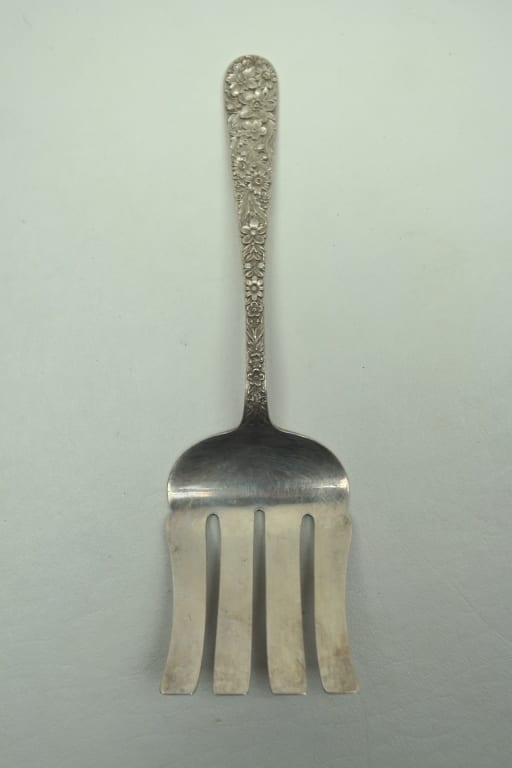
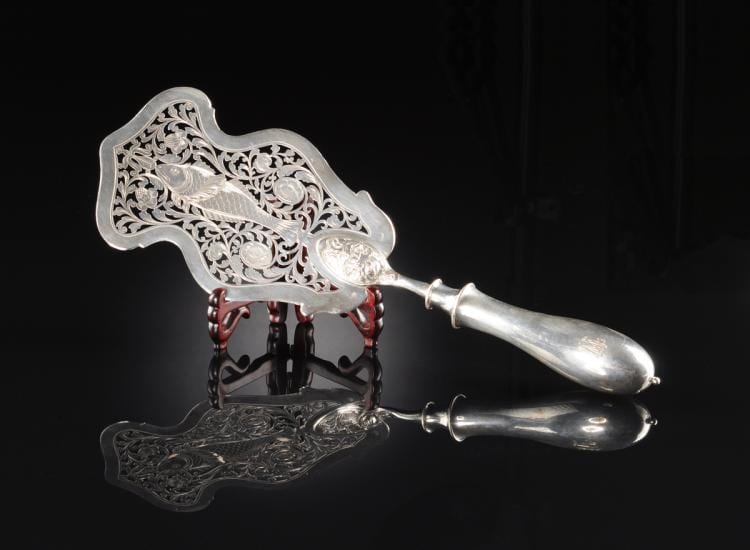
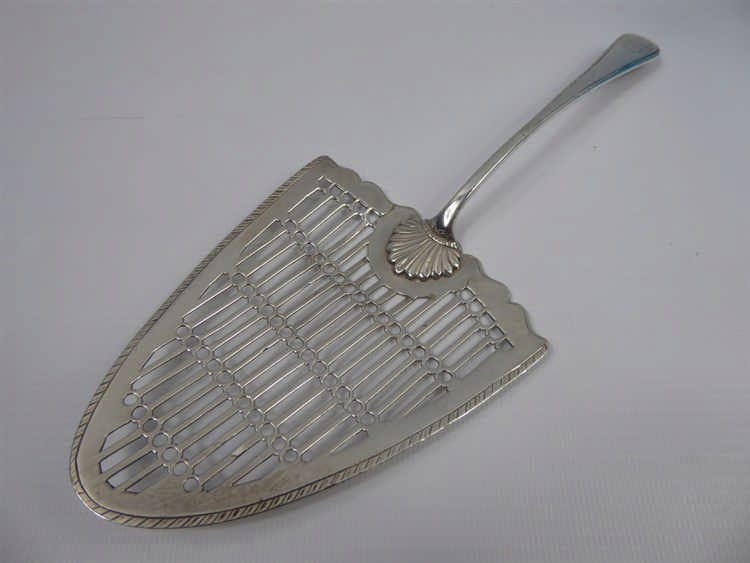
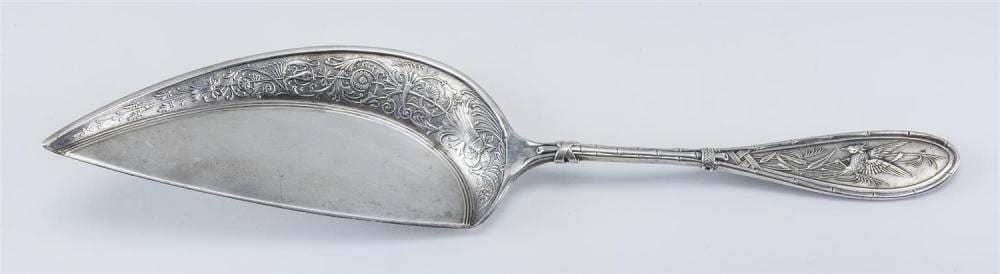
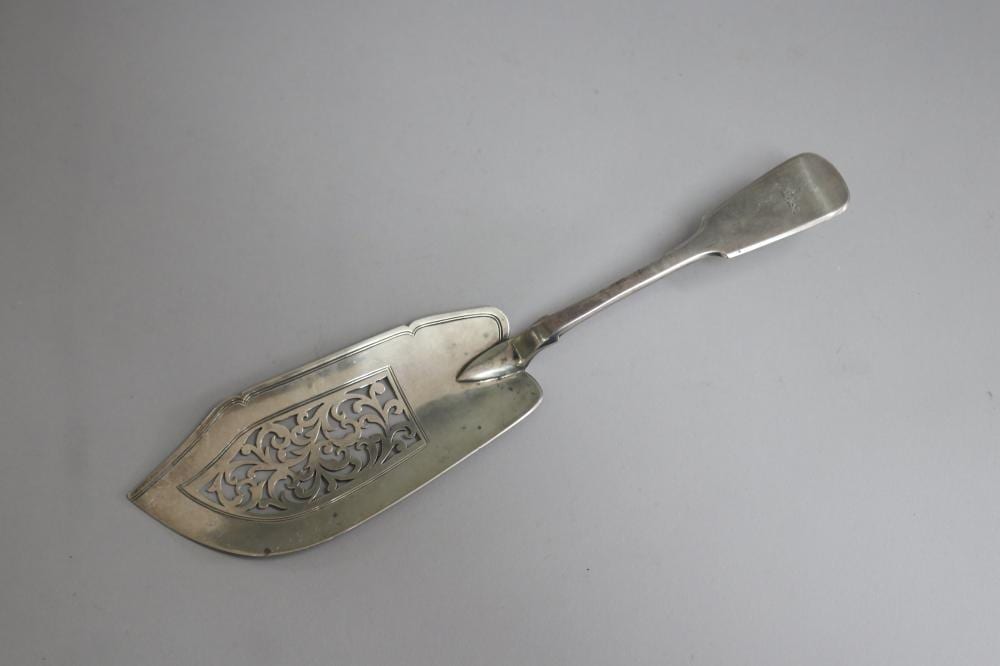
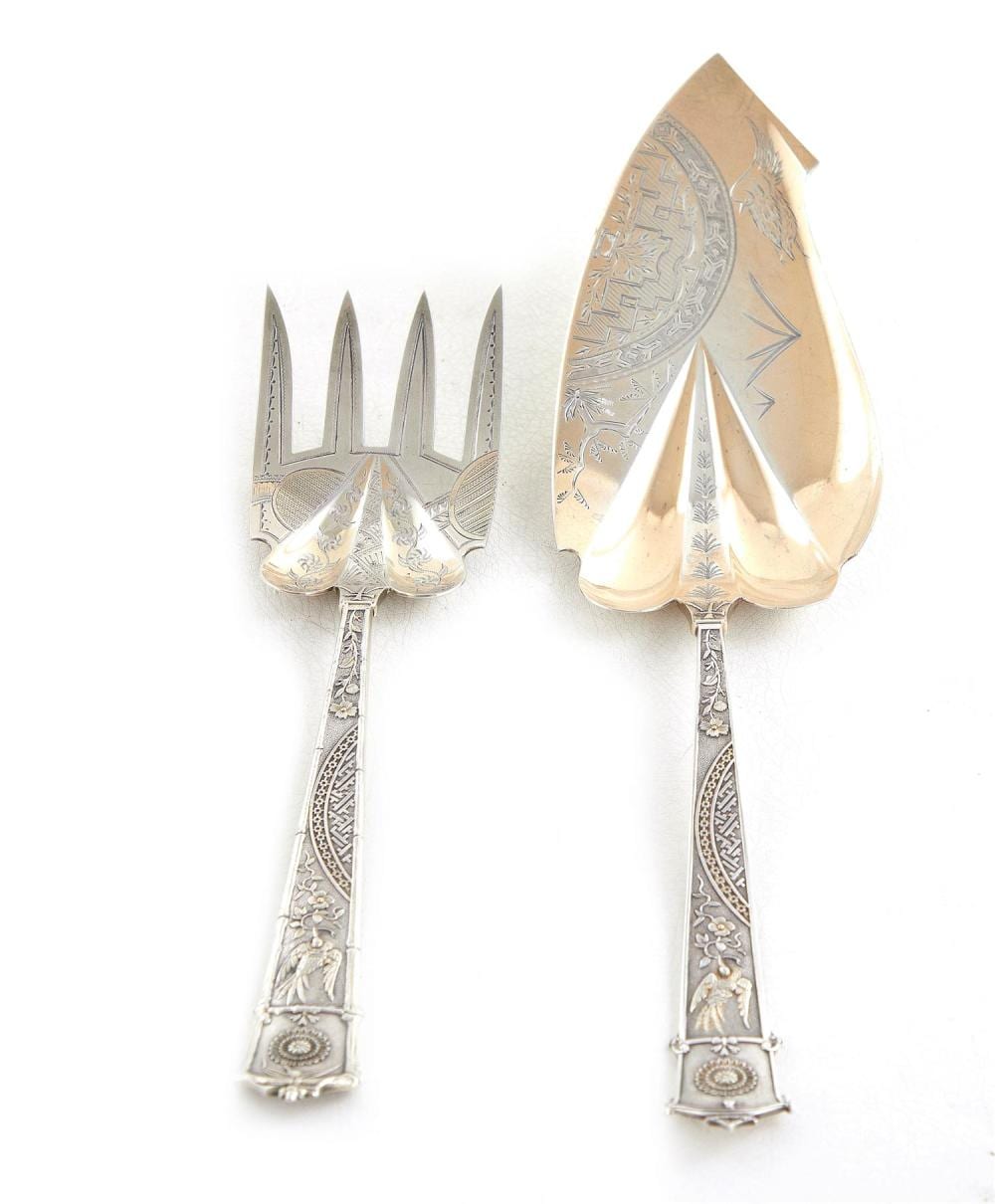
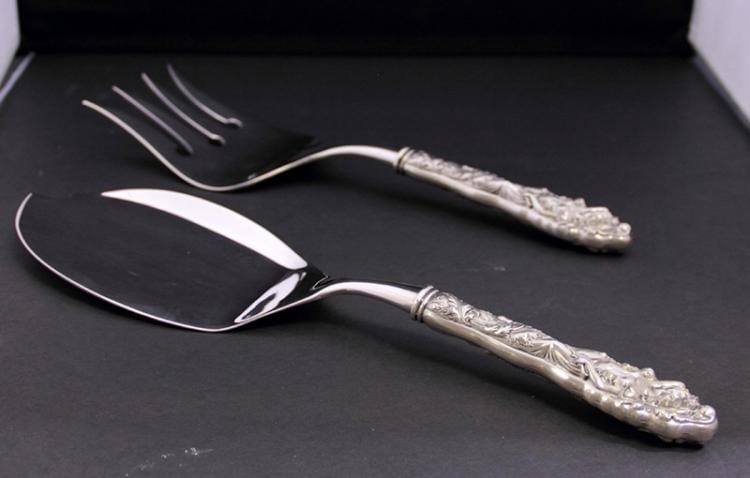
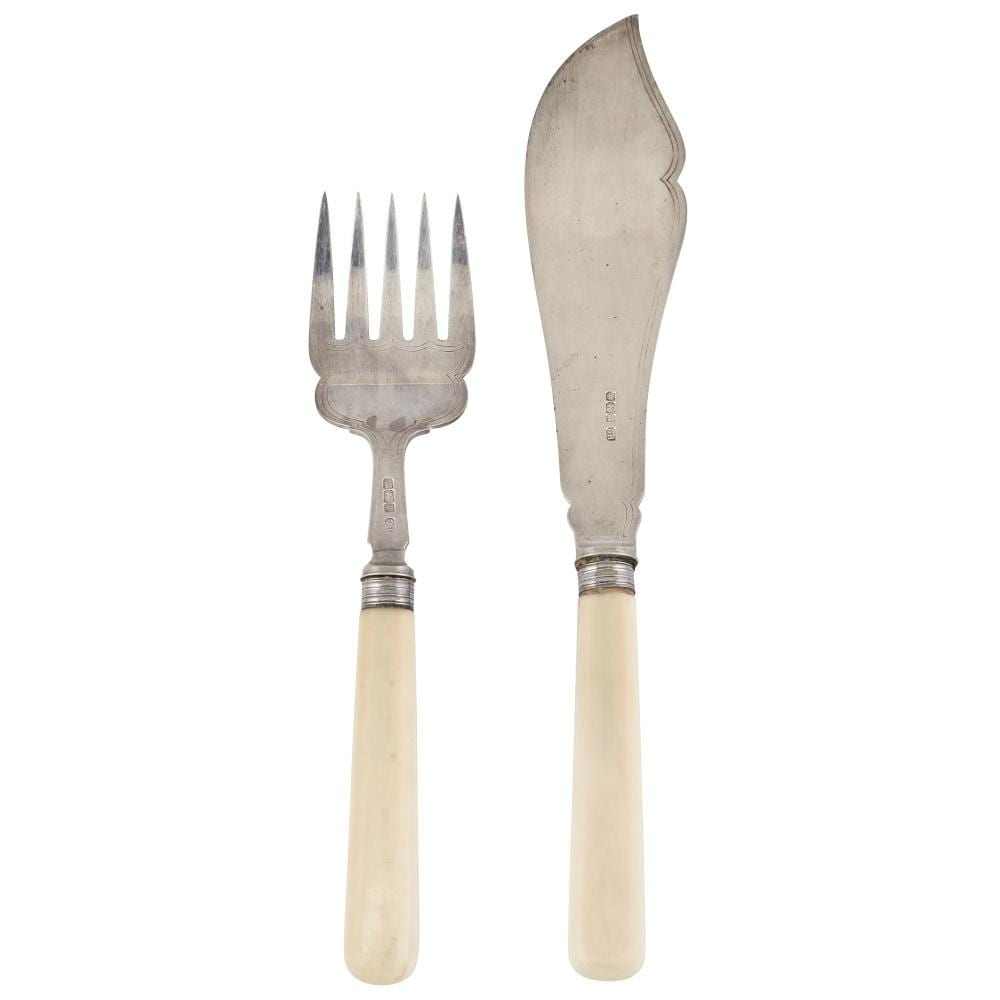
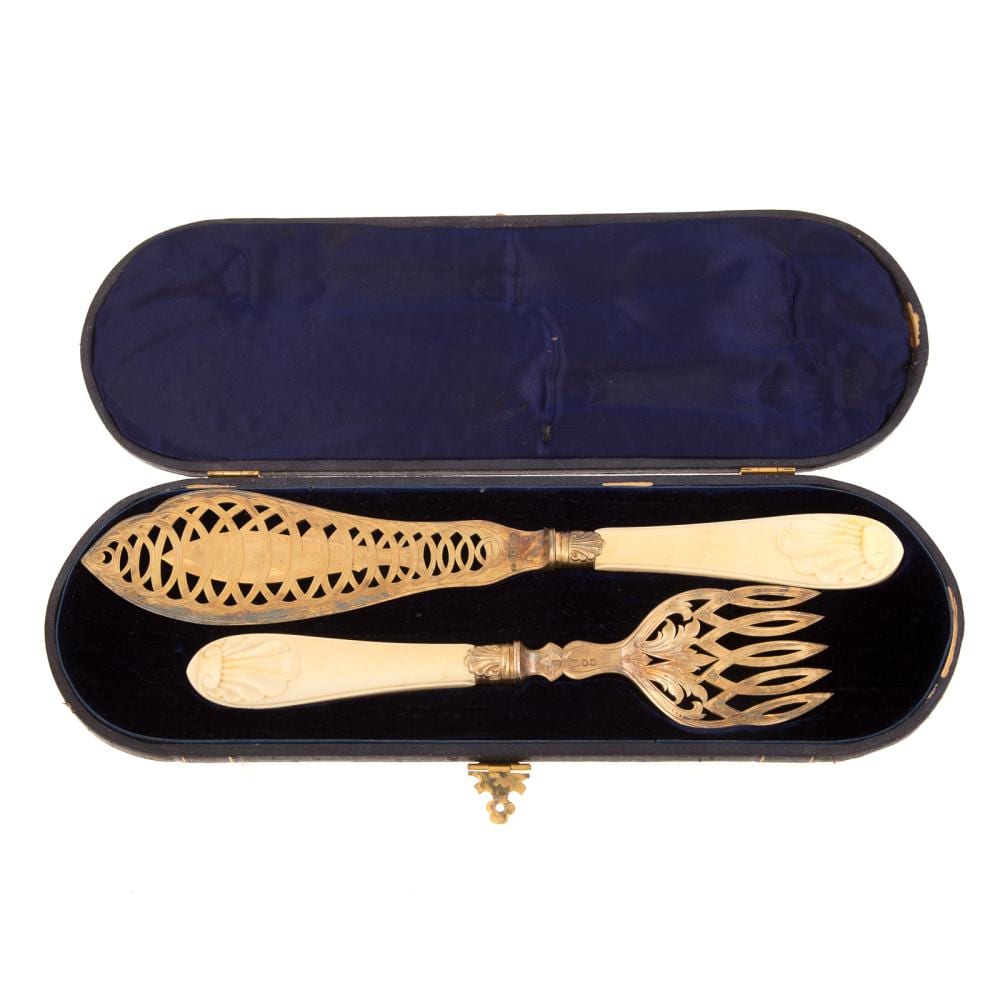
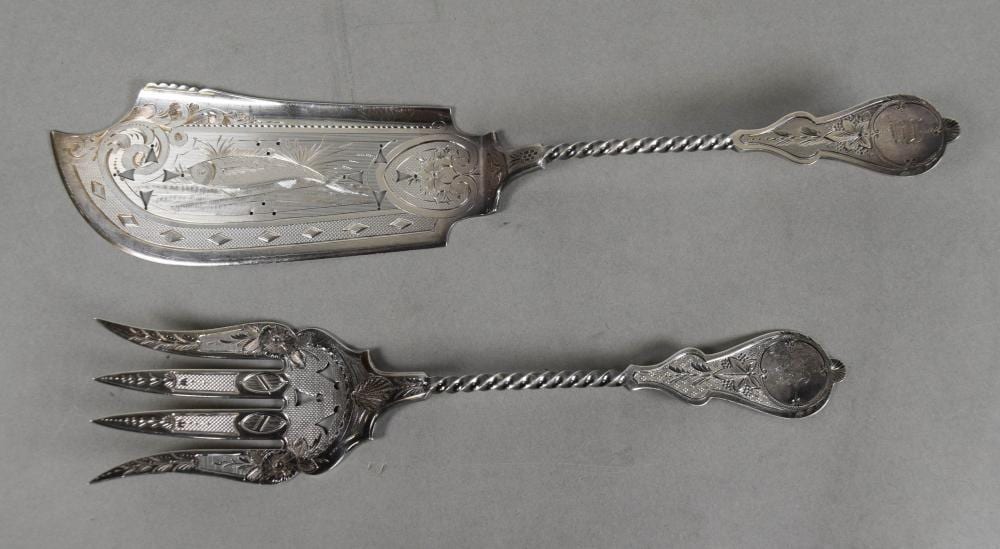
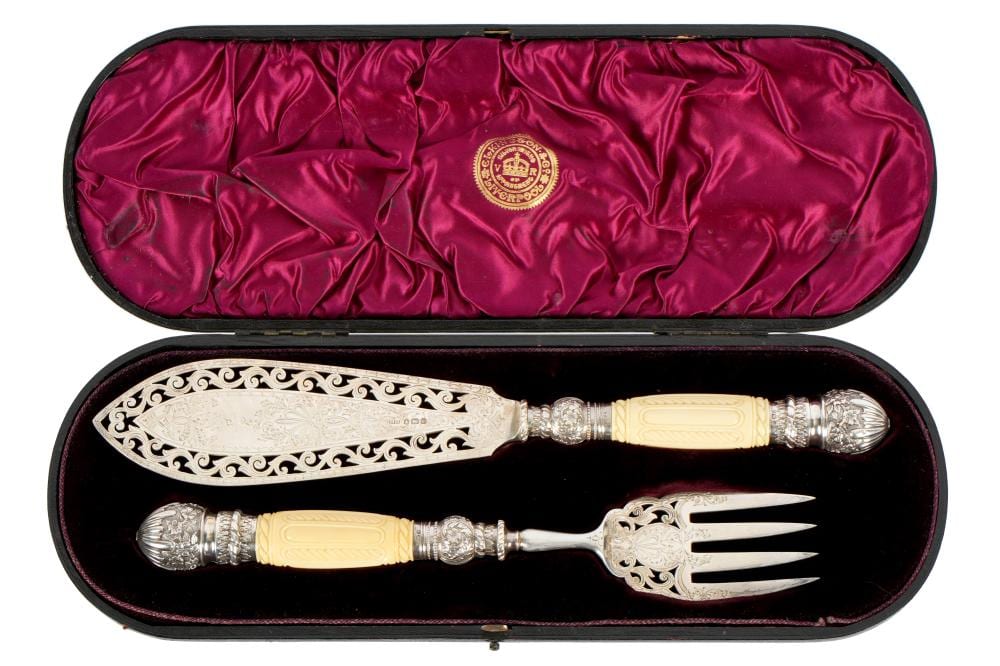
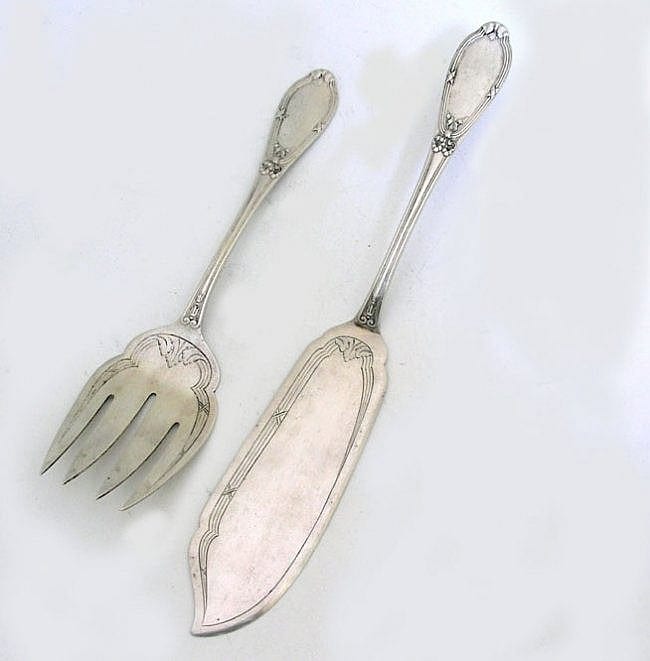
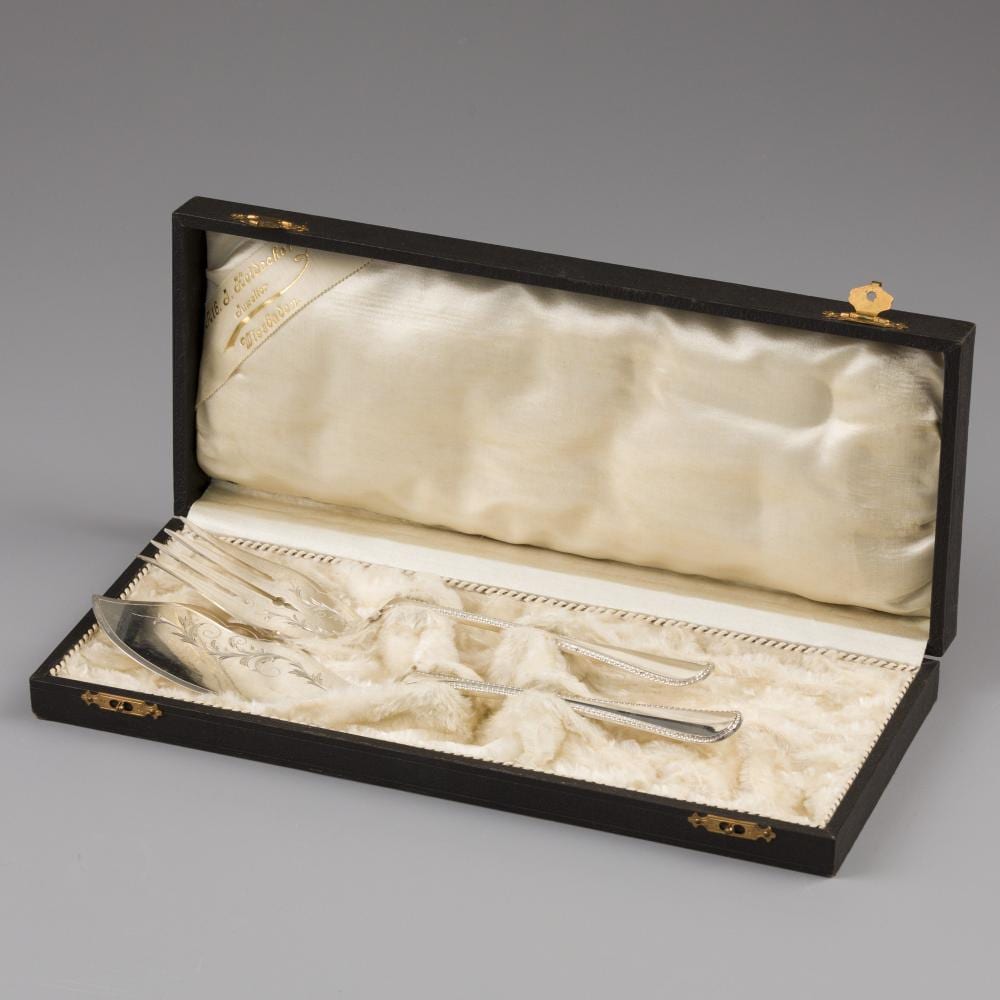
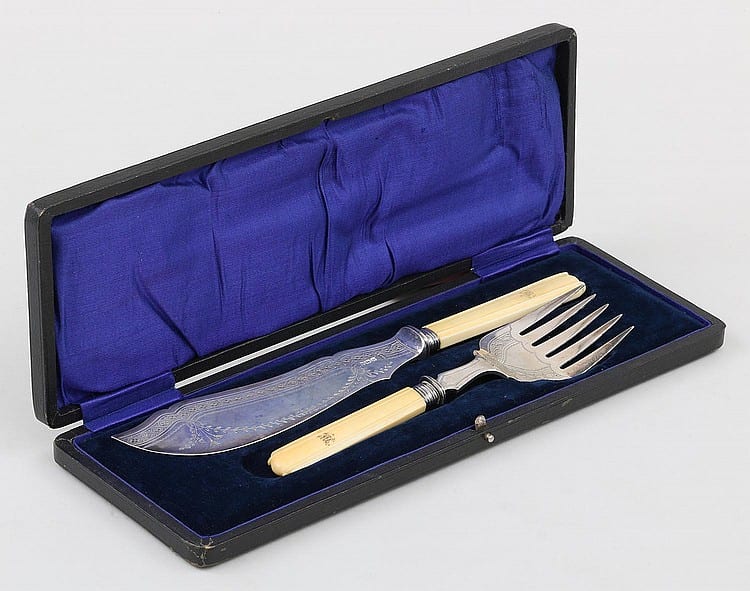
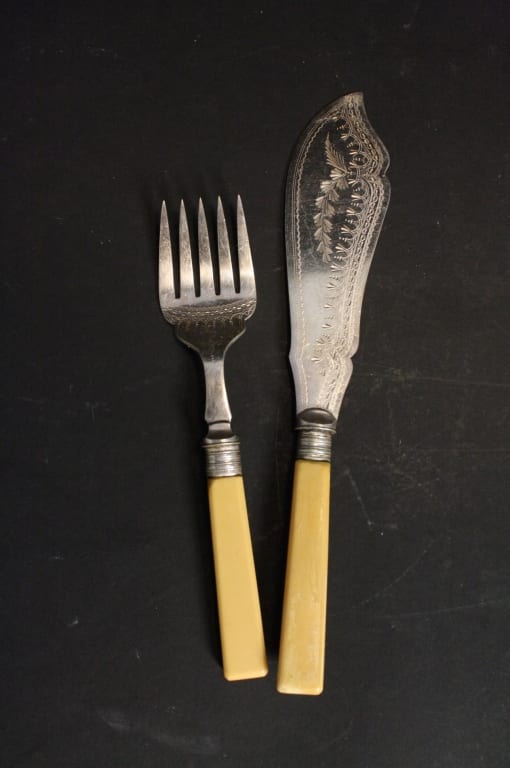
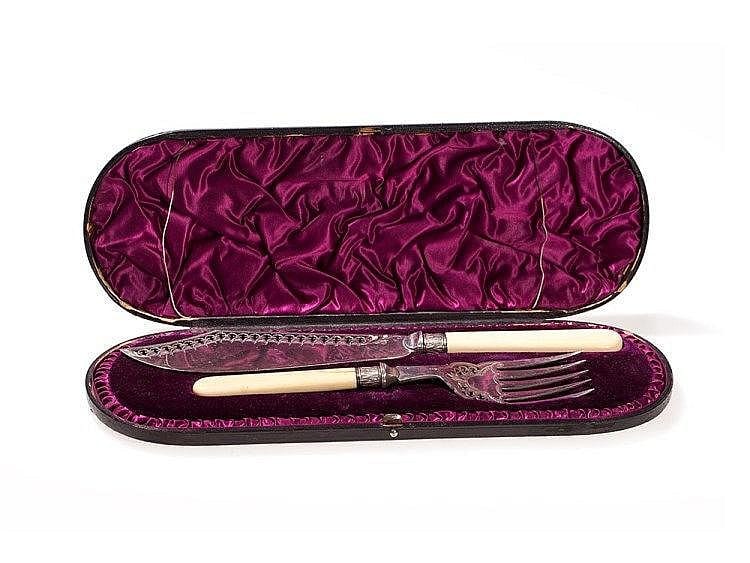
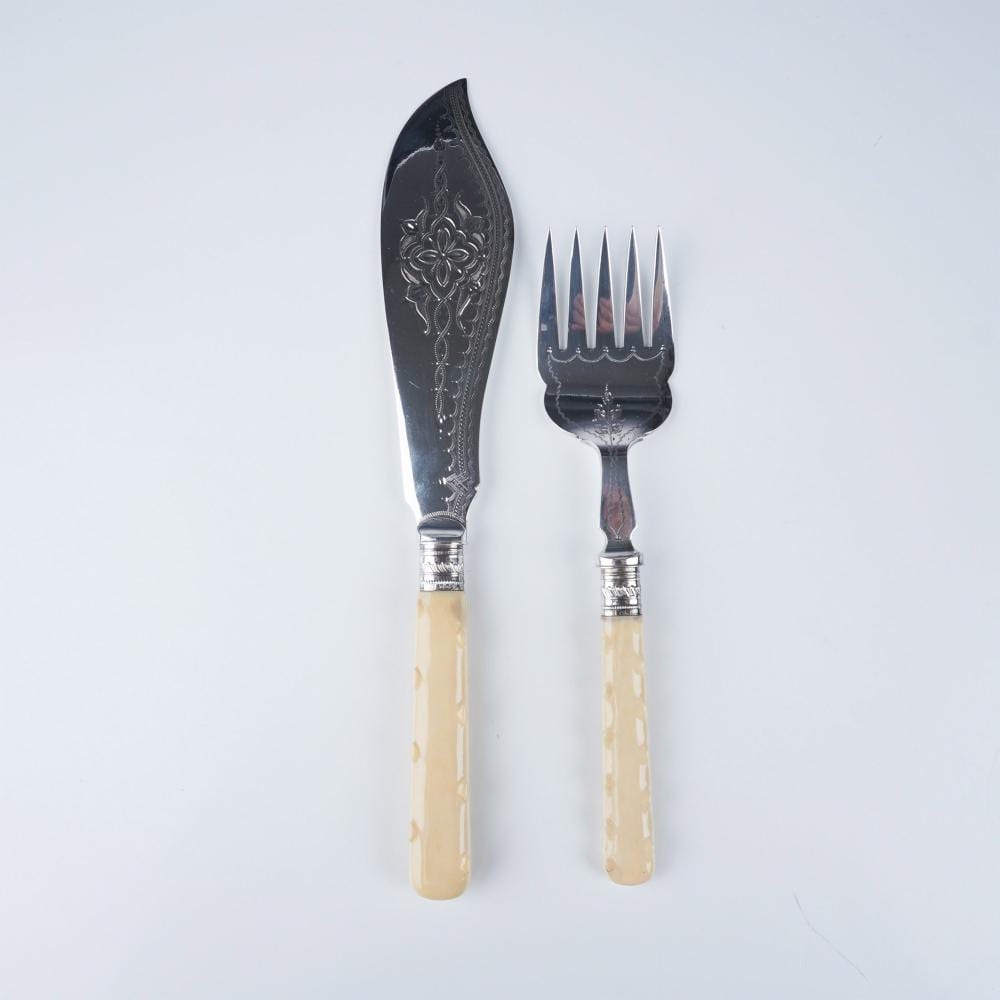
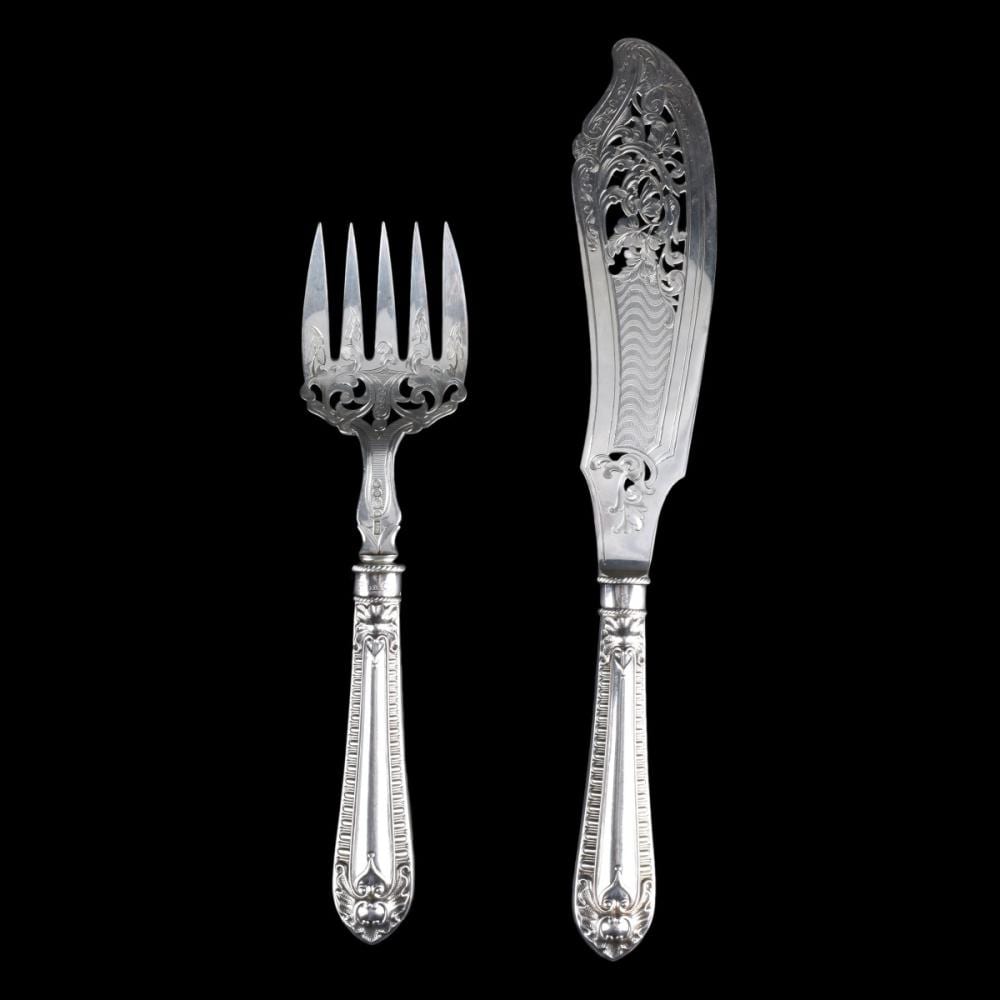
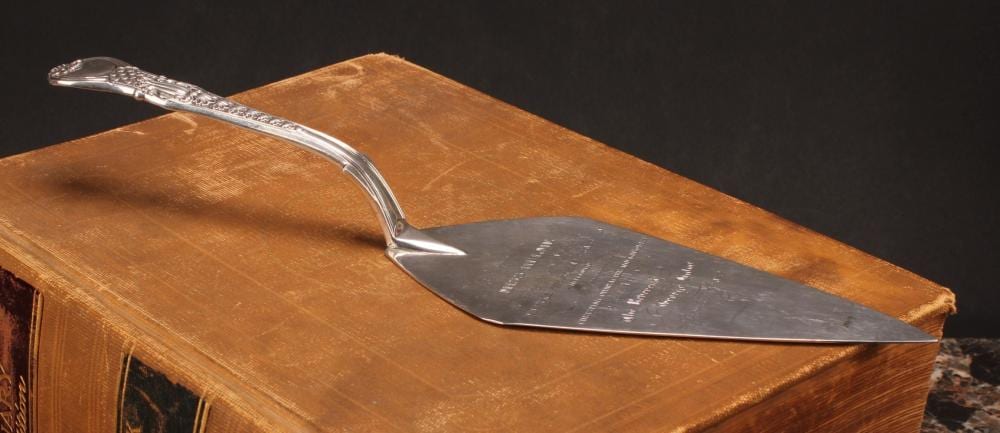
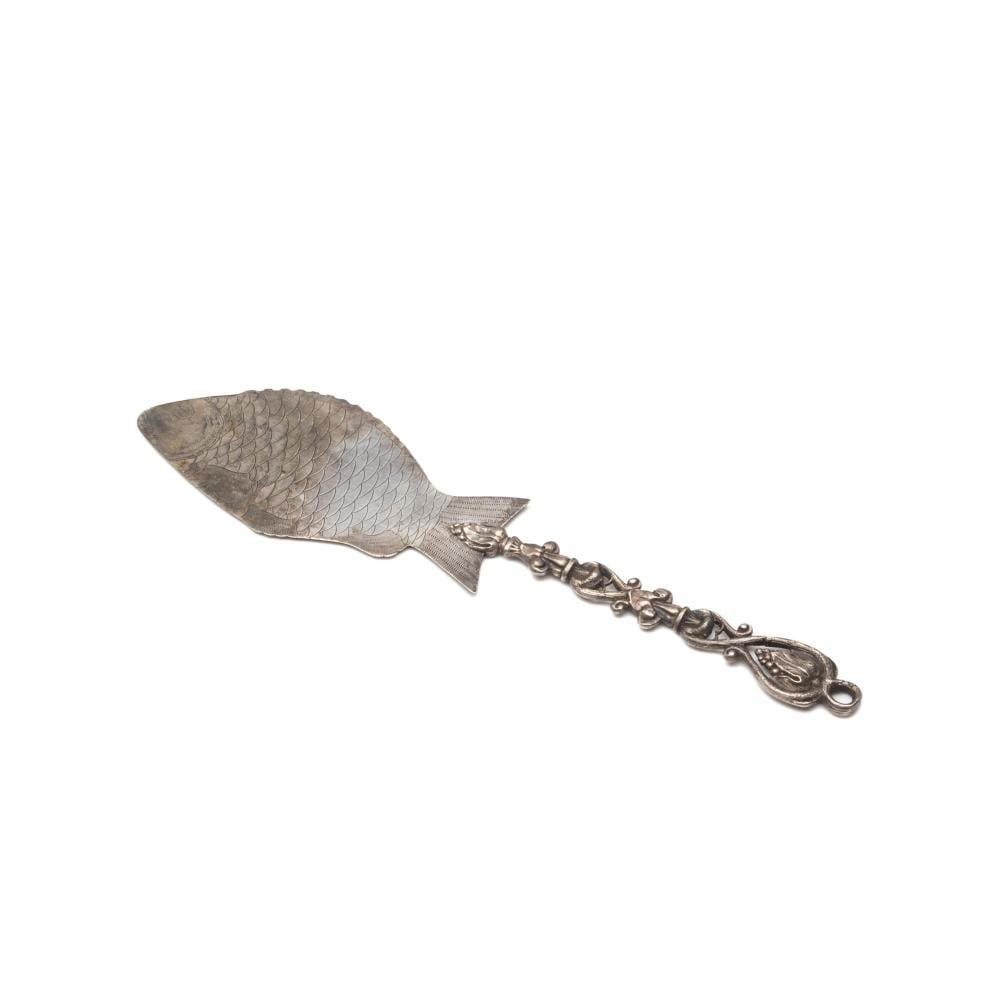
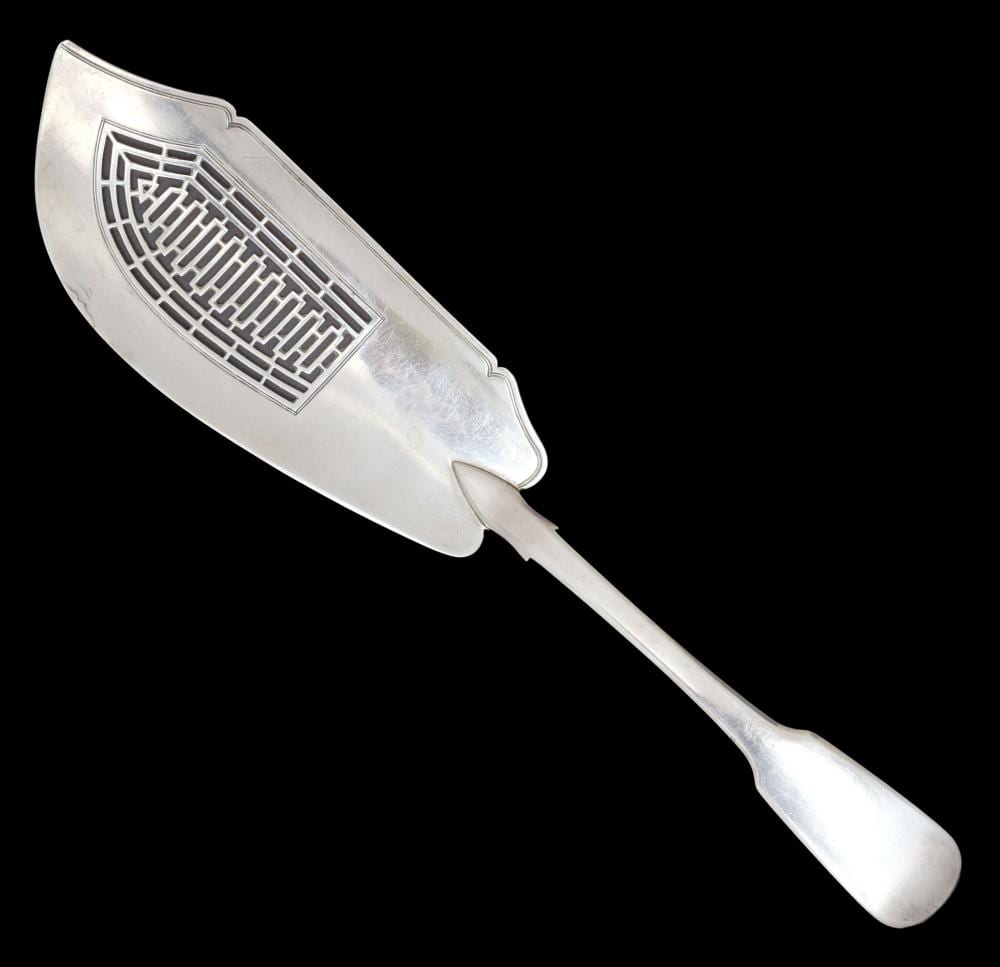
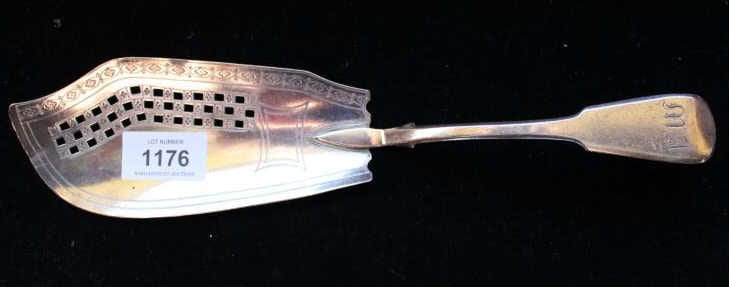
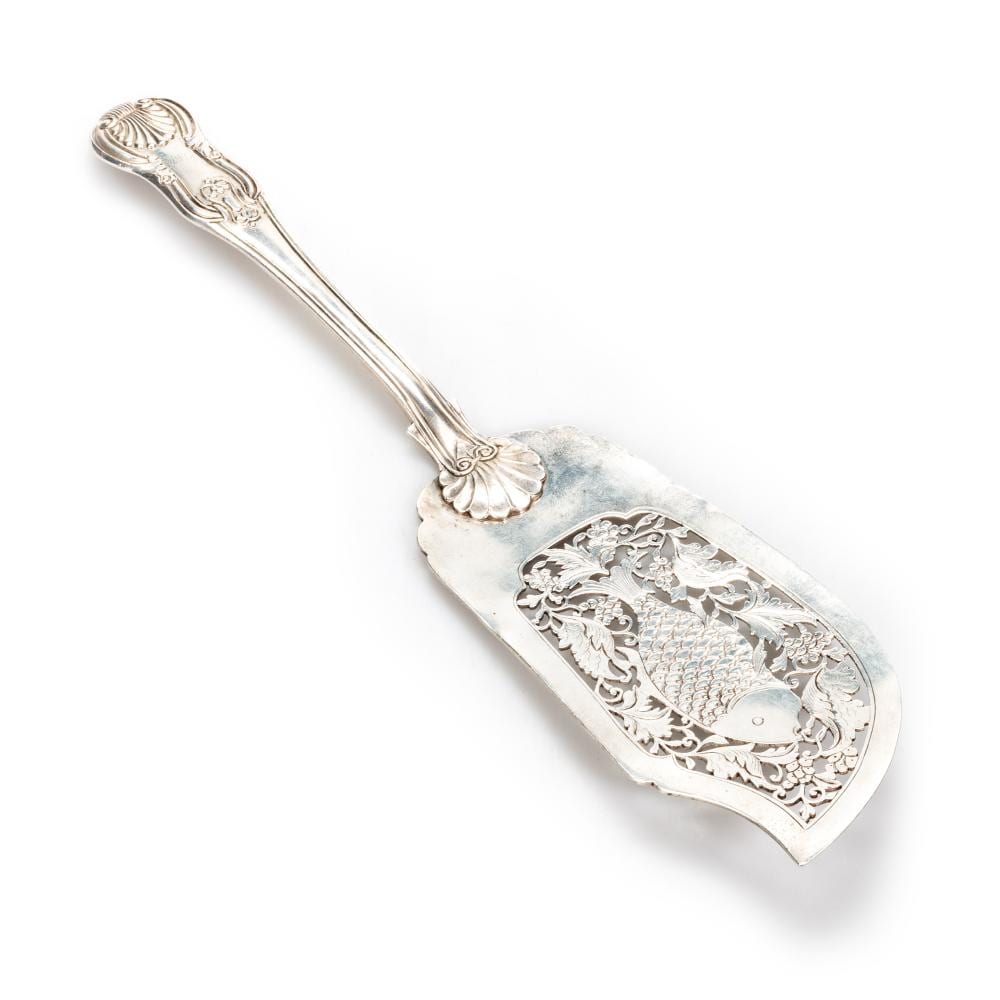
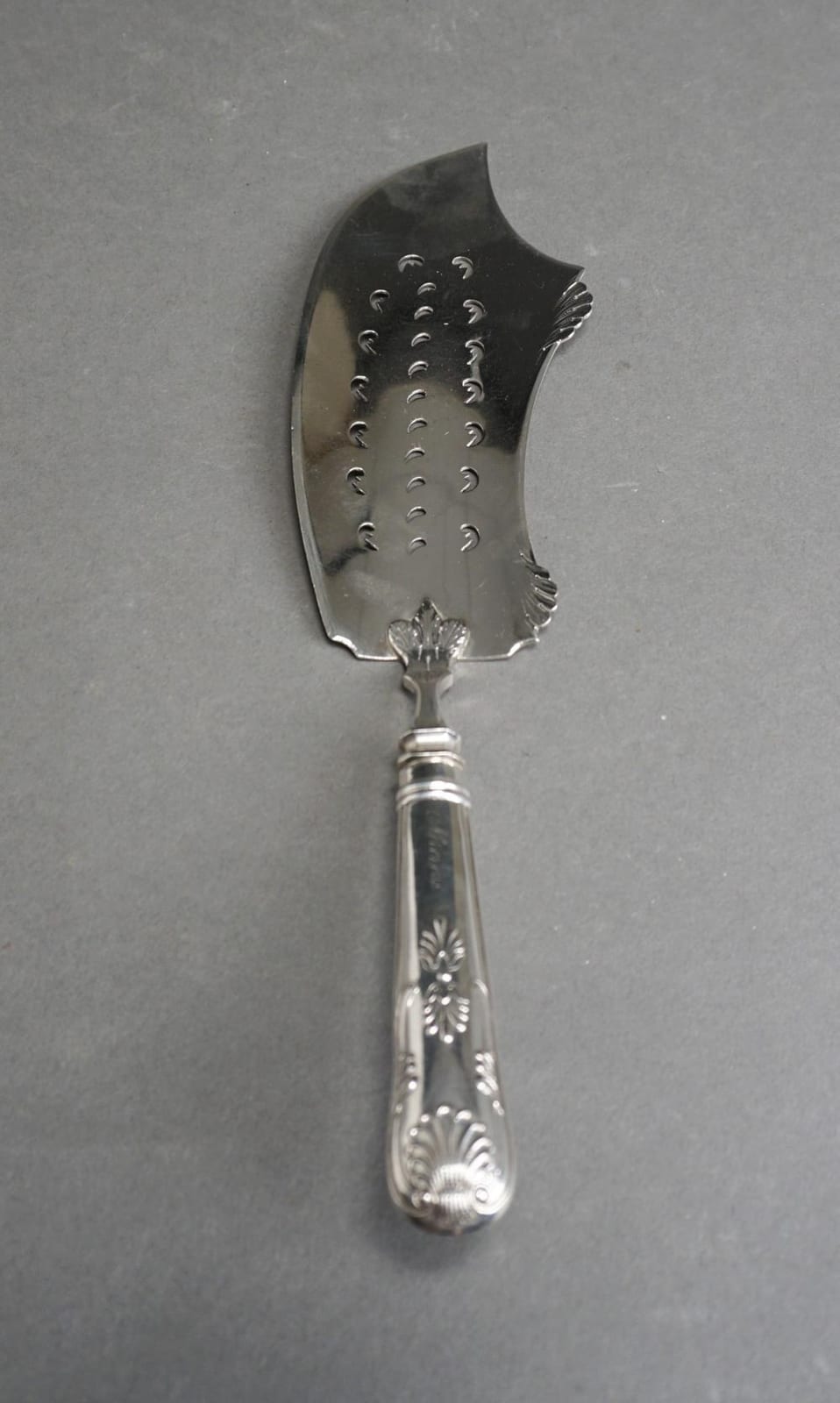
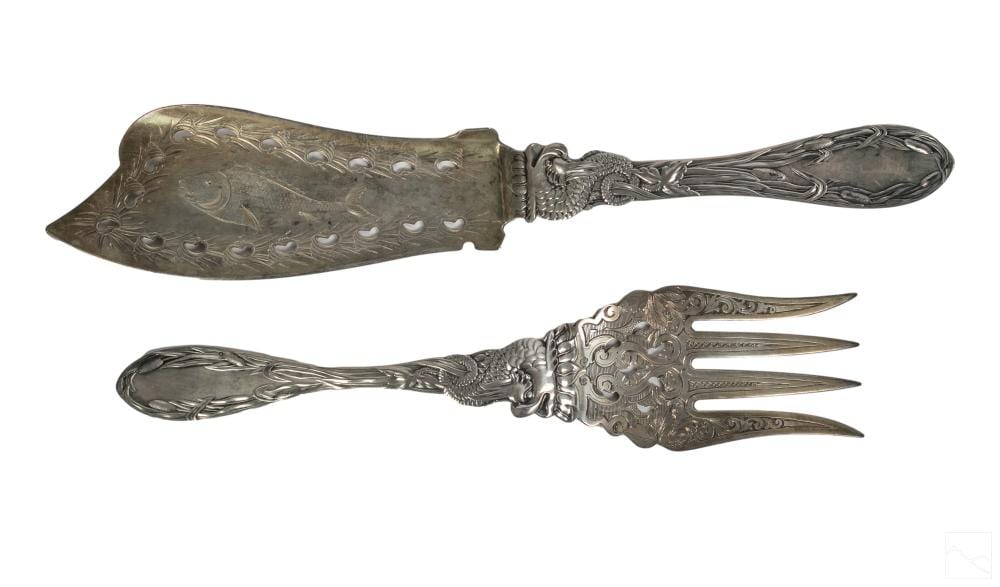
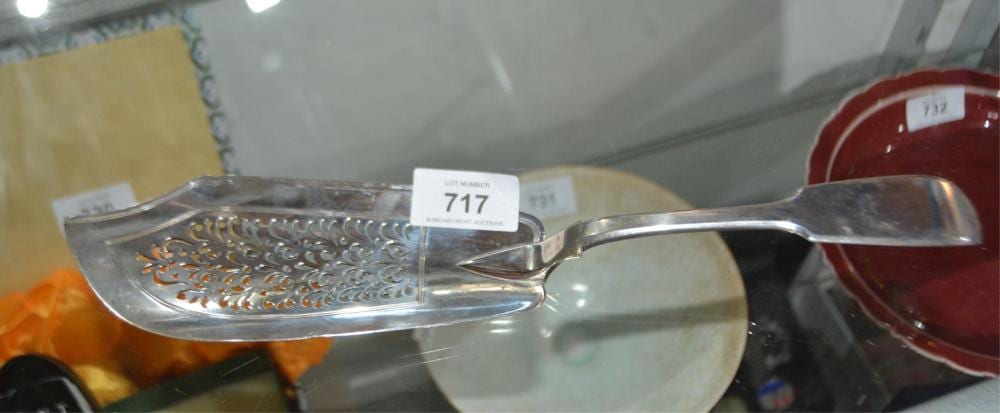
How these auction records were verified
These sales are market context, not an object estimate.
Each row retains its exact source URL, lot identity, retrieval time, access result, and immutable record hash. Live source access was blocked; the exact record matched Appraisily's immutable pipeline provenance. Inspect the public comparable provenance record.
Need a comp-backed number for your own piece?
The fastest useful photo set is both sides of the handle, the blade heel, any ferrule marks, total length, weight if available, and one clear full-length image. A free screener can tell you whether the marks and condition justify a paid written report.
How to sell a silver fish serving knife
Once you’ve confirmed whether the piece is sterling or plate, choose a selling channel that matches the value tier:
- Under $50: bundle with similar flatware on eBay/Etsy, or sell locally.
- $50–$200: list as a verified sterling piece with close-ups of marks and a clear weight.
- $200+ or rare maker: consider a specialty silver dealer or an auction house that sells decorative arts.
Photograph (1) both sides of the handle, (2) blade heel/ferrule, (3) any cartouche or monogram, (4) the piece on a scale, and (5) one full-length image for shape. In your listing title, prioritize what buyers search: “sterling fish serving knife,” maker name, pattern name (if known), and approximate date.
Care and storage
Collectors often devalue silver by over-cleaning. If you plan to sell or insure the knife, avoid harsh abrasives and do not buff marks away. A gentle hand wash, thorough drying, and storage in an anti-tarnish cloth or drawer liner is usually enough.
- Avoid dishwashers and long soaks—hollow handles can trap moisture.
- If the handle is loose, do not glue it; document the issue and let a professional repair it.
- Keep any matched fork or case with the knife; completeness adds value.
Key takeaways
- Hallmarks on fish knives are often on the back of the handle or at the blade heel.
- Sterling handles with non-sterling blades are normal—confirm the handle metal first.
- Unverified “unmarked silver” should be treated cautiously in valuation.
- Sets and matched knife/fork pairs command stronger premiums than single pieces.
Search variations collectors ask
Readers often Google:
- how to tell if a fish serving knife is sterling or silverplate
- where are hallmarks on Victorian fish servers
- unmarked silver fish knife value
- sterling handle with stainless blade fish knife
- late 19th century English fish knife hallmark guide
- selling single silver serving pieces online
- what does 925 mean on antique flatware
- is silverplate flatware worth anything
Each question is answered in the valuation and identification steps above.
References
- Ian Pickford, Silver Flatware: English, Irish, Scottish, Antique Collectors’ Club.
- Judith Banister, Jackson’s Hallmarks: English, Scottish, Irish Silver and Gold Marks from 1300 to the Present Day.
- A Small Collection of Antique Silver and Objects of Vertu: English electroplate and silverplate mark references, including EPNS and related trade marks.
- Invaluable: sold-lot comps for sterling silver fish serving knives, cased fish sets, and maker-specific examples.