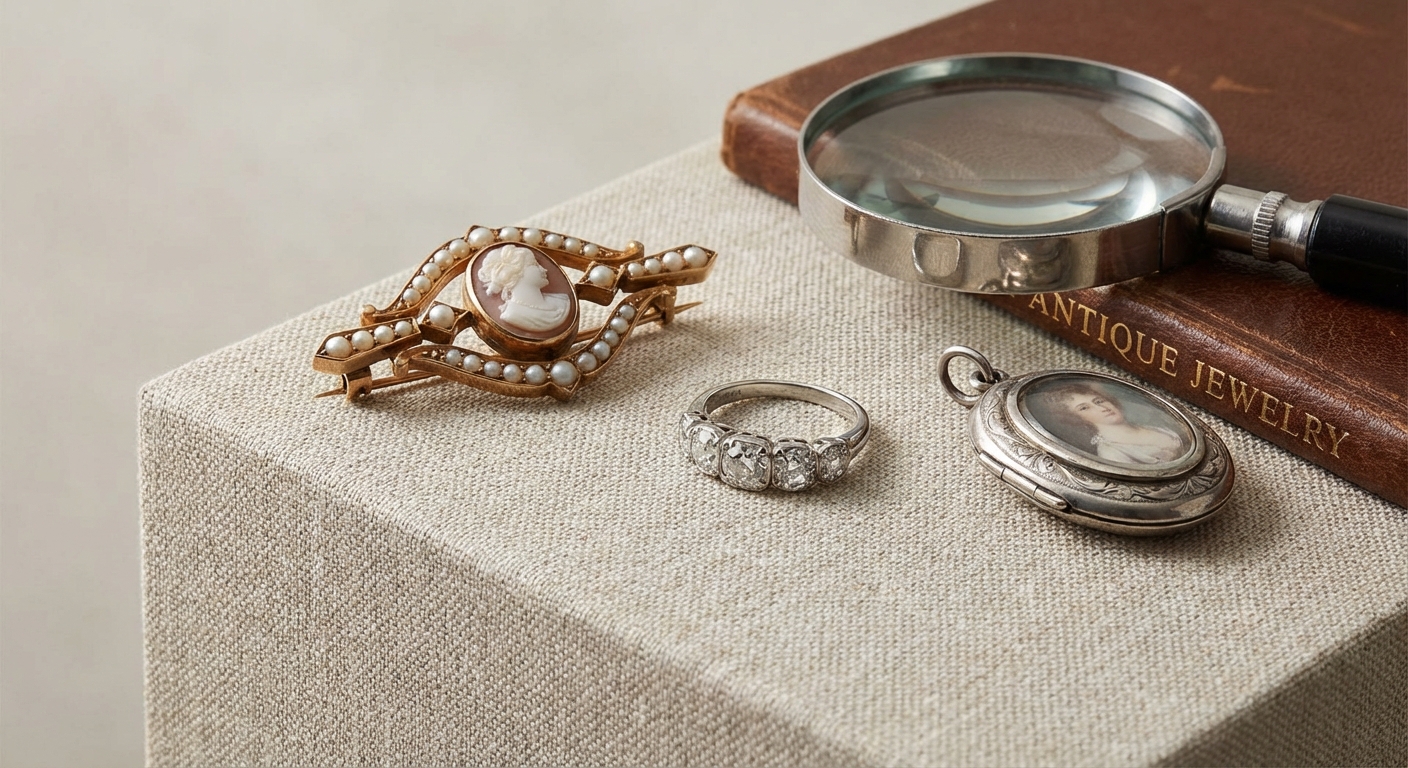
Original Portrait Painting Appraisal: appraisal and value basics
Original Portrait Painting Appraisal research should start with identification, condition, provenance, and recent comparable sales. Use this guide to compare the signals that matter before paying for a formal appraisal or deciding whether to sell.
Original portrait painting checklist
Original portrait paintings sit at the intersection of art history, personal biography, and market taste. Appraising them well demands a blend of connoisseurship, technical observation, documentary research, and current-market savvy. This guide explains how to evaluate authenticity, quality, and condition; how to weigh sitter importance; and how to align findings with comparable sales to produce a defensible valuation.
What Drives Value in a Portrait?
While artist name often dominates value, portraits have additional variables that can move prices dramatically—up or down.
- Artist, authorship, and period: A securely attributed work by a sought-after artist carries the highest weight. Authenticated lifetime works outrank later copies, workshop pieces, or posthumous repetitions.
- Sitter identity and significance: Portraits of historically important figures, patrons, or identifiable family members can command premiums. Uniforms, orders, and regalia often signal status and aid identification.
- Format and scale: Traditional portrait formats influence desirability:
- Head or bust (commonly around 20 x 16 or 24 x 20 inches in British standards)
- Half-length (about 30 x 25 inches)
- Kit-cat (approximately 36 x 28 inches)
- Three-quarter length (around 40 x 30 inches)
- Full-length (often 50 x 40 inches) Larger formats, especially full-lengths, can be more valuable but require condition to be strong and subject matter compelling.
- Quality and condition: A crisp, characterful likeness with skilled handling of flesh tones, costume, and background generally outranks a routine commission. Sound condition with original surface, minimal overpaint, and legible brushwork preserves value.
- Provenance and exhibition history: Documented chains of ownership, sitters’ family provenance, exhibitions, and literature references substantiate authenticity and desirability.
- Market context: Demand for specific schools (e.g., Dutch Golden Age, British 18th-century, American Federal), media (oil, pastel, miniature), and styles ebbs and flows. Fresh-to-market works with compelling stories tend to outperform.
Materials, Techniques, and Dating
Knowing how a portrait was made—and with what—helps date, authenticate, and price it.
- Supports:
- Canvas: Linens vary in weave; hand-laid grounds and tacking margins can hint age. Pre-20th-century canvases are typically tacked with hand-forged or cut nails; staples indicate 20th century onward.
- Panel: Oak is common in Northern Europe, poplar or lime elsewhere. Panel construction, saw marks, and edge bevels aid dating. Dendrochronology on oak can offer earliest felling dates.
- Paper and vellum: Used for pastels, drawings, and miniatures; condition is highly sensitive to humidity and light.
- Ivory for miniatures: Common in the 18th–19th centuries; cross-border trade may require documentation due to wildlife regulations.
- Grounds and priming: Colored grounds can be period-specific. Thick, warm-colored grounds are common in 17th–18th-century works; machine-applied primings appear later.
- Pigments and binders:
- Prussian blue appears early 18th century onward.
- Zinc white becomes common mid-19th century; titanium white predominates in the 20th century.
- Anachronistic pigments signal retouching or misattribution.
- Varnish and surface: Old natural resins often yellow with age; modern synthetic varnishes can be more water-clear. “Bloom” (whitening) may appear in humidity-affected resins.
- Stretchers and strainers:
- Original stretchers often have square pegs and hand-tool marks.
- Re-stretching, replacement stretchers, and additional keys may suggest conservation history.
- Telltale studio practices:
- Underdrawing or changes (pentimenti) visible under infrared reflectography indicate original creative process.
- Squared grids, pouncing marks, or repeated templates can point to copies or workshop routines.
For pastels and miniatures, condition and originality are critical. Pastels should show intact friable surfaces and original mounts; miniatures benefit from original lockets or cases and clear artist inscriptions.
Authentication and Attribution
Rigorous attribution increases both confidence and value.
- Signatures and inscriptions:
- Genuine period signatures are usually integrated into the paint layer and exhibit age-consistent craquelure.
- Fresh, glossy signatures atop aged varnish or isolated “clean halos” around a signature are red flags.
- Back inscriptions, labels from historic exhibitions or framers, and wax seals can provide credible leads.
- Stylistic and technical comparison:
- Compare brushwork, flesh modeling, eye and hand treatment, and drapery conventions to known, documented works.
- Assess period costume, hairstyles, and accessories for chronological consistency.
- Documentation:
- Provenance files, bills of sale, family records, and sitter genealogies strengthen attribution.
- Catalogue raisonné listings, if they exist for the artist, are gold standards; studio records and period exhibition catalogues are also valuable.
- Scientific tools (as needed):
- UV illumination reveals retouching, overpaint, and varnish patterns.
- Infrared reflectography shows underdrawing and compositional changes.
- X-ray imaging can reveal earlier states or major restorations.
- XRF spectroscopy can identify pigments; dendrochronology can date oak panels. Use scientific testing strategically—choose questions first, then methods. Not every portrait needs a lab workup, and over-testing without a hypothesis wastes resources.
Condition and Conservation: How They Move the Needle
Condition isn’t just a checkbox; it’s a major value driver, especially in portraits, where subtle modeling of faces and hands is paramount.
- Common original features:
- Age-consistent craquelure with natural patterning.
- Wear at tacking edges, especially on unstretched margins.
- Slight varnish yellowing in older oils.
- Typical conservation histories:
- Lining or relining of canvas (glue-paste or wax-resin). Acceptable when well executed, but heavy wax-resin can suppress impasto and reduce value.
- Inpainting and retouching in losses or abrasion.
- Panel cradling (now often discouraged) can stabilize but sometimes causes stress.
- Condition issues that reduce value:
- Overcleaning that thins original paint, especially in flesh passages.
- Excessive overpaint masking original brushwork.
- Structural damage: tears, flaking, tenting, severe cupping, panel splits.
- Active mold, water damage, or nicotine staining.
- Frames matter:
- Original or period-appropriate frames enhance presentation and can carry significant standalone value (especially carved or gilded frames).
- Misfit, modern frames hinder presentation; frame condition affects insurability and shipping risk.
Conservation should be reversible and documented. A well-conserved portrait with transparent treatment history can be more desirable than an untouched but unstable one.
Market Comparables and Valuation Strategy
Appraisal hinges on persuasive comparables and clear adjustments.
- Selecting comparables:
- Prioritize same artist or closely related circle or school, similar date, scale, format, and medium.
- Match sitter type (military, civic, children, society portraits) and compositional strength.
- Use sales with verified condition notes. Avoid incomparable outliers.
- Making adjustments:
- Scale: adjust for full-length vs bust formats.
- Condition: discount for structural issues or heavy overpaint; premium for original surface and untouched state.
- Provenance: premiums for documented sitters, notable collections, or exhibition history.
- Freshness and timing: strong results cluster when markets are active for a school; apply conservative adjustments in thin markets.
- Venue and liquidity:
- Auction versus private sale pricing differs; hammer plus fees vs net proceeds must be considered.
- Regional markets matter: British 18th-century portraits often perform best in the UK; American Federal portraits often realize stronger results in the US.
- Reporting value:
- For insurance: replacement value (retail-oriented).
- For fair market value: price between a willing buyer and seller, without compulsion.
- For charitable donation or estate: comply with local standards and reporting requirements.
Document your rationale step-by-step so another specialist could replicate your logic.
Researching the Sitter and Story
Portraits are biographies on canvas. Identifying the sitter can materially change value.
- Visual cues:
- Uniforms, epaulettes, medals, and naval or regimental insignia suggest rank and timeline.
- Jewelry, hairstyles, and dress silhouettes can be dated within decades.
- Heraldic devices, family crests, and signet rings point to lineage.
- Back-of-canvas evidence:
- Old labels from exhibitions, frame-makers, or shipping agents.
- Chalk inscriptions with names, dates, or locations.
- Genealogical trails:
- Family records, diaries, or inventories often survive with portraits.
- Cluster research: matching companion portraits of spouses or children can confirm identities.
Even probable identifications, when supported by converging evidence, can lift demand.
Preparing for a Professional Appraisal
A solid appraisal begins with good intake and transparent documentation.
- Assemble a dossier:
- High-resolution photos of front, back, raking light, and details (signature, craquelure, damages).
- Measurements (sight size, canvas size, framed size) in both inches and centimeters.
- Material notes: support, ground, pigments if tested.
- Provenance timeline with copies of documents.
- Conservation history and treatment reports.
- What to expect:
- A USPAP-compliant or otherwise standards-based appraisal will specify intended use, scope of work, value definition, methodology, and limiting conditions.
- The report should include comparables with captions, dates, venues, prices, and adjustments—not just a price list.
- Costs and timing:
- Fees typically scale with complexity; simple single-object appraisals can be a few hundred dollars; major attributions or scientific testing add cost.
- Update appraisals every 3–5 years or after significant market events or conservation treatments.
Red Flags and Common Pitfalls
- Artificial aging: baked or induced craquelure, mechanically abraded edges, or varnish “patina” that wipes off too easily.
- Anachronisms: titanium white in a portrait claimed as 18th-century; modern Phillips screws on purportedly early stretchers.
- Cut-down canvases: altered proportions can truncate signatures or reduce format status; confirm dimensions against period standards.
- Over-attribution: “Follower of” or “Circle of” being sold as autograph in casual settings—interrogate the evidence.
- Misidentified media: oils mistaken for acrylics or vice versa; pastel over gouache misread as oil. Use magnification and side lighting.
Insist on congruence across materials, style, provenance, and condition.
Checklist: Quick Pre-Appraisal Triage
- Identify medium and support (oil on canvas/panel, pastel on paper, miniature on ivory).
- Measure accurately (sight, canvas/panel, framed); note standard portrait formats.
- Examine signatures/inscriptions under magnification and raking light.
- Inspect verso: labels, stamps, stretcher types, tacking edges, repairs.
- Assess condition: structural integrity, craquelure type, overpaint, varnish state.
- Note sitter clues: costume, insignia, heraldry, attributes.
- Compile provenance timeline with documents and any family lore.
- Photograph comprehensively (front, back, details, UV if available).
- Gather 3–6 relevant market comparables with notes on differences.
- Decide value purpose (insurance, fair market, donation) to set methodology.
FAQ
Q: How can I tell if my portrait is an original or a later copy? A: Originals often show pentimenti—subtle changes in outlines—visible in raking light or infrared, and integrated, age-consistent signatures. Copies frequently have uniform surfaces, lack underdrawing changes, and may display tracing grids. Materials should align with the claimed date; anachronistic pigments or supports are warning signs.
Q: Do frames meaningfully affect value? A: Yes. Period frames (especially carved, gilded, or ebonized with original patina) can add measurable value and enhance saleability. Conversely, poorly matched or damaged frames can depress interest. Always appraise frame and painting together, noting if the frame is original, period-appropriate, or modern.
Q: Will conservation increase the value of my portrait? A: Thoughtful, minimal, and reversible conservation that stabilizes structure and improves legibility often improves marketability. However, aggressive cleaning, heavy overpaint, or flattening from harsh relining can reduce value. Seek treatment proposals with test cleanings and clear documentation before proceeding.
Q: Should I clean a dirty varnish myself? A: No. Varnish and paint can be solubility-sensitive; over-the-counter cleaners risk irreversible damage. A conservator can test discrete areas and tailor solvents to the specific materials. DIY cleaning is a common cause of value loss.
Q: How much does a professional appraisal cost, and how often should I update it? A: For a single portrait of average complexity, expect a few hundred dollars, with higher fees for detailed research, scientific testing, or significant artists. Update every 3–5 years, or sooner if you plan to sell, insure, or if new evidence or treatments emerge.
By combining disciplined observation, informed research, and careful market analysis, you can develop a credible appraisal for an original portrait painting—one that respects the work’s history while aligning with today’s market realities.


