
Old Wine Bottles Value: appraisal and value basics
Old Wine Bottles Value research should start with identification, condition, provenance, and recent comparable sales. Use this guide to compare the signals that matter before paying for a formal appraisal or deciding whether to sell.
“Old wine bottles value” is tricky because collectors mean two different things: (1) the value of the wine still in the bottle, and (2) the value of the empty bottle itself as a piece of antique glass, advertising, or décor.
This guide helps you separate those markets, photograph the right details, date bottles using practical physical clues (punt, seams, finish, embossing), and build a defensible price range. It also includes real auction comps pulled from Appraisily’s auction datasets.
Safety/legal note: If your bottle is sealed and contains alcohol, don’t ship it casually or “taste test” for value. Selling rules vary by location, and many platforms treat wine differently than empty glass.
Free instant estimate
Not sure what your old wine bottle is worth? Let us take a look.
Upload photos of the base, neck, finish, label, and capsule, then get a free first read. If a full appraisal makes sense, we will say so.
Free. No card needed. Takes about two minutes.
How We Research Valuation Data
Our appraisal guides are based on auction results, dealer pricing data, and professional appraiser insights. We may earn a commission when you use our free professional appraisal service. Learn about our editorial standards.
Are old wine bottles worth anything?
Many are worth only a few dollars, especially modern mass-produced empties. But some old bottles are valuable because they have collectible glass traits (rarity, embossing, unusual color/shape, early handwork) or because they are part of a high-value wine lot (producer, vintage, provenance, and condition).
- Empty decorative/collectible bottles commonly sell in the $10–$150 range, with outliers higher.
- Sealed wine can sell for hundreds to thousands per lot when it’s a recognized producer and stored correctly.
- Bulk “old bottle” lots often price lower per bottle unless a rare example is identified.
Step 1: Decide which market you’re in (bottle vs. wine)
Before you research prices, decide what’s being sold:
- You’re selling the wine when the bottle is sealed and the contents are the main value driver. In that case, the “bottle” is proof of identity and storage.
- You’re selling the bottle when it’s empty (or the contents are irrelevant) and buyers care about glassmaking, historical context, rarity, or décor.
The same physical features matter in both markets, but you’ll interpret them differently. For example, a deep punt and hand-finished base can suggest age for glass collectors; for wine buyers, the more important issue is condition (cork, capsule, fill level) and provenance.
Step 2: Photograph the details that actually affect value
If you want reliable identification (and fewer “what is this?” replies), take these six photos:
- Full bottle profile (front and side), with a ruler or known object for scale.
- Base straight-on: punt depth, scars/marks, mold numbers, and any maker symbol.
- Neck/finish: the lip, seam lines, cork/crown/capsule.
- Shoulder/heel: embossing, glass bubbles, seams, and shape transitions.
- Label/capsule (if present): front, back, and close-ups of damage or tax strips.
- Contents condition (if sealed): fill level (ullage), seepage stains, and clarity/sediment.
Step 3: Date the bottle using manufacturing clues
You can often estimate a bottle’s era without any label by using a “stack” of clues. Don’t rely on one feature alone.
Punt and base scars
The base is usually the fastest place to learn how the bottle was made. Collectors look for pontil scars (hand finishing) versus smoother machine scars and mold marks.
Seams and the lip/finish
A quick rule: if a mold seam runs cleanly through the lip, that often points to later machine-made production. An applied finish (hand-applied lip) is a different feel and can indicate earlier manufacturing.
Glass color, bubbles, and embossing
Color alone doesn’t date a bottle, but it can support other evidence. Olive greens and ambers are common in wine bottles, and the “feel” of the glass (bubbles, waviness) can hint at older production.
Step 4: Grade condition (and don’t ignore the “unsexy” stuff)
Condition is where value often lives or dies.
- Glass damage: chips on the lip, cracks at the heel, and bruising on the base reduce collector value.
- Label quality: for wine, labels matter because they support identity; for empties, labels matter as ephemera.
- Closures: original cork/capsule and intact wire cage for sparkling styles generally help value.
- Ullage (fill level): for sealed bottles, low fill, seepage, or capsule stains can materially reduce sale results.
Step 5: Value drivers (sealed bottles vs. empty bottles)
For sealed wine bottles
- Producer and vintage: not all “old” wine is collectible; known producers and strong years lead pricing.
- Provenance/storage: professional cellar storage, purchase receipts, and consistent temperature matter.
- Fill level: shoulder levels, neck levels, and signs of seepage are read like condition grades.
- Channel: the same wine can sell very differently depending on whether the platform can legally sell alcohol.
For empty collectible bottles
- Rarity: unusual molds, early handwork, unique embossing, or regional history.
- Condition: clean, undamaged examples with strong embossing and good color typically sell better.
- Size and form: large demijohns/carboys and display-friendly shapes are popular for décor.
- Context: bottles tied to local businesses, ships, or historic events can attract collectors.
Note: We couldn’t find enough auction records that directly match Old Wine Bottles Value: Glass, Punt and Condition to publish a defensible price table. If you are valuing a specific item, include its maker, model, material, photos, and condition so the search can be narrowed.
What similar items actually sold for
To help ground this guide in real market activity, here are recent example auction comps from Appraisily’s internal database. These matched sales are market context only, not an object estimate or identification, and they do not guarantee a price for your specific wine bottle.
Shown GBP range: GBP 260-GBP 2,800. Median of these 6 GBP examples: GBP 1,300.
| Comparable | What sold | Auction house | Date | Lot | Source-reported amount |
|---|---|---|---|---|---|
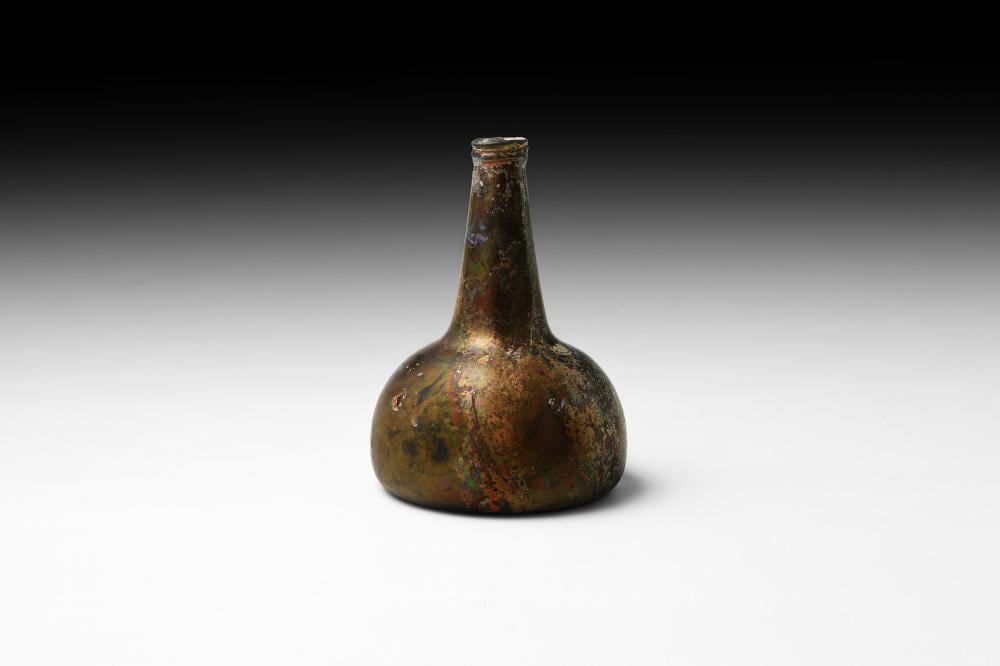 |
Post Medieval Dutch Onion Wine Bottle | TimeLine Auctions | 2021-09-07 | 594 | GBP 260 (buyer’s-premium treatment unknown) |
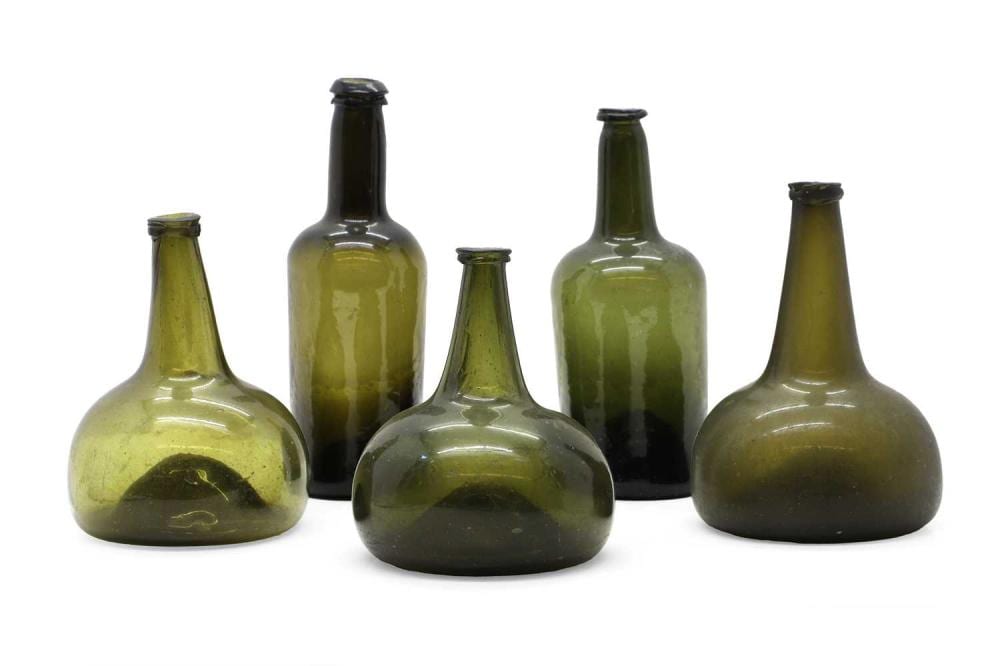 |
An antique wine bottle | Sworders | 2025-05-20 | 335 | GBP 360 (buyer’s-premium treatment unknown) |
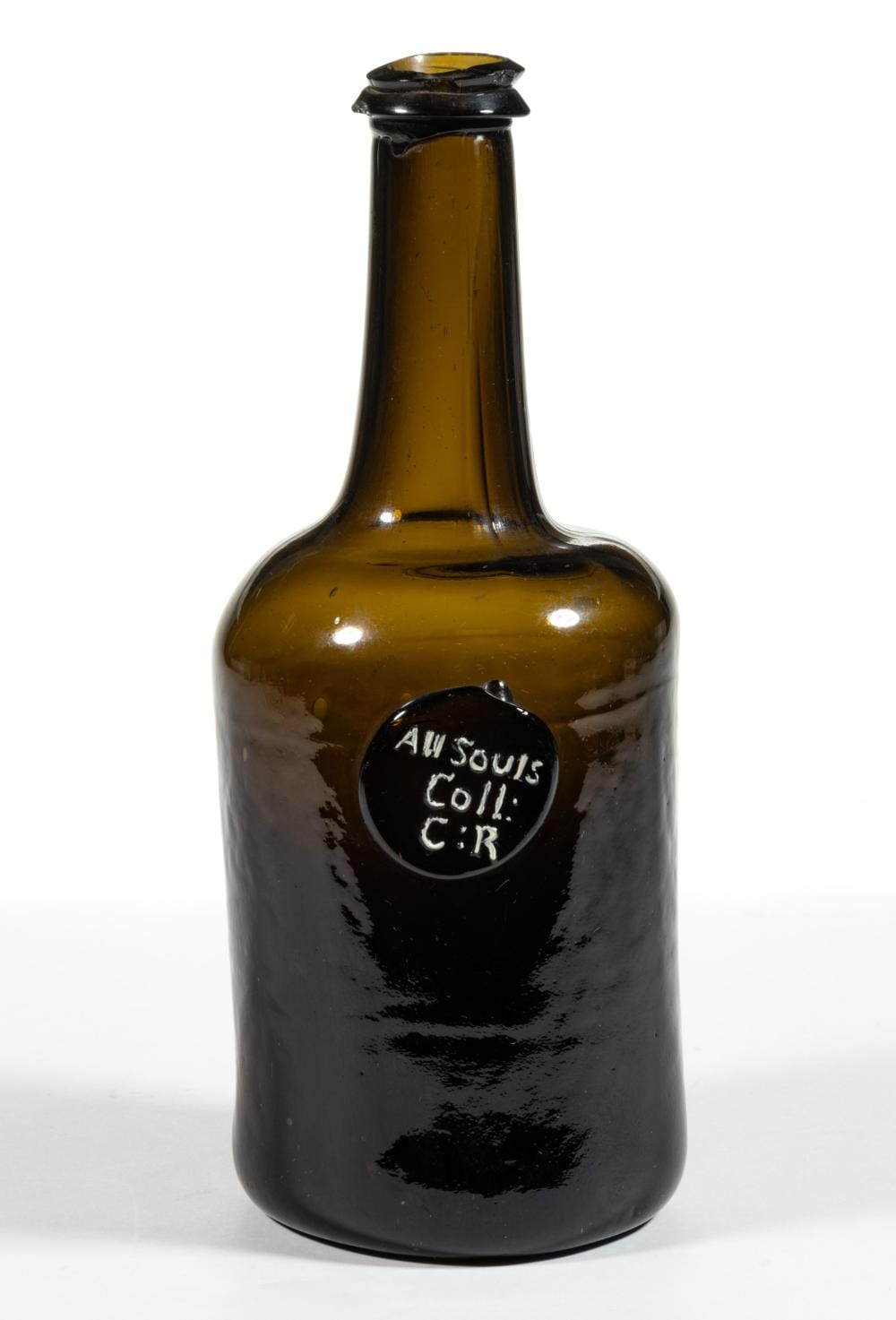 |
ENGLISH ALL SOULS COLLEGE (OXFORD) APPLIED SEAL BLACK GLASS WINE BOTTLESource blocked; provenance matched | Jeffrey S. Evans & Associates | 2024-02-09 | 374 | USD 1,062 (buyer’s-premium treatment unknown) |
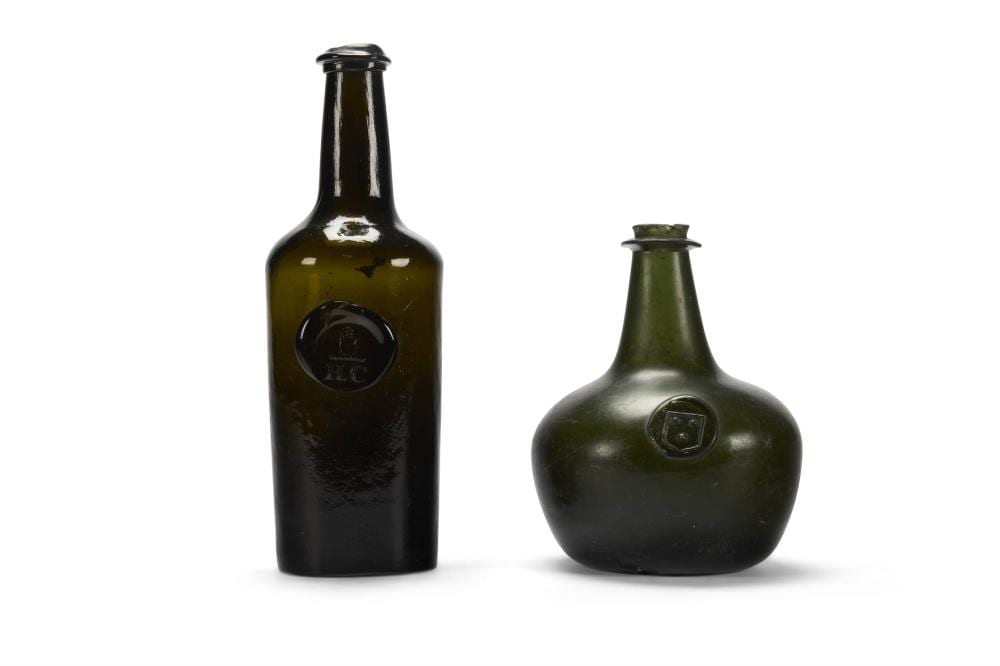 |
AN OLIVE-TINT ONION-SHAPE SEALED WINE BOTTLE BEARING THE CREST OF THE 1ST VISCOUNT COURTENAYSource blocked; provenance matched | Dreweatts 1759 Fine Sales | 2025-06-03 | 157 | GBP 1,000 (buyer’s-premium treatment unknown) |
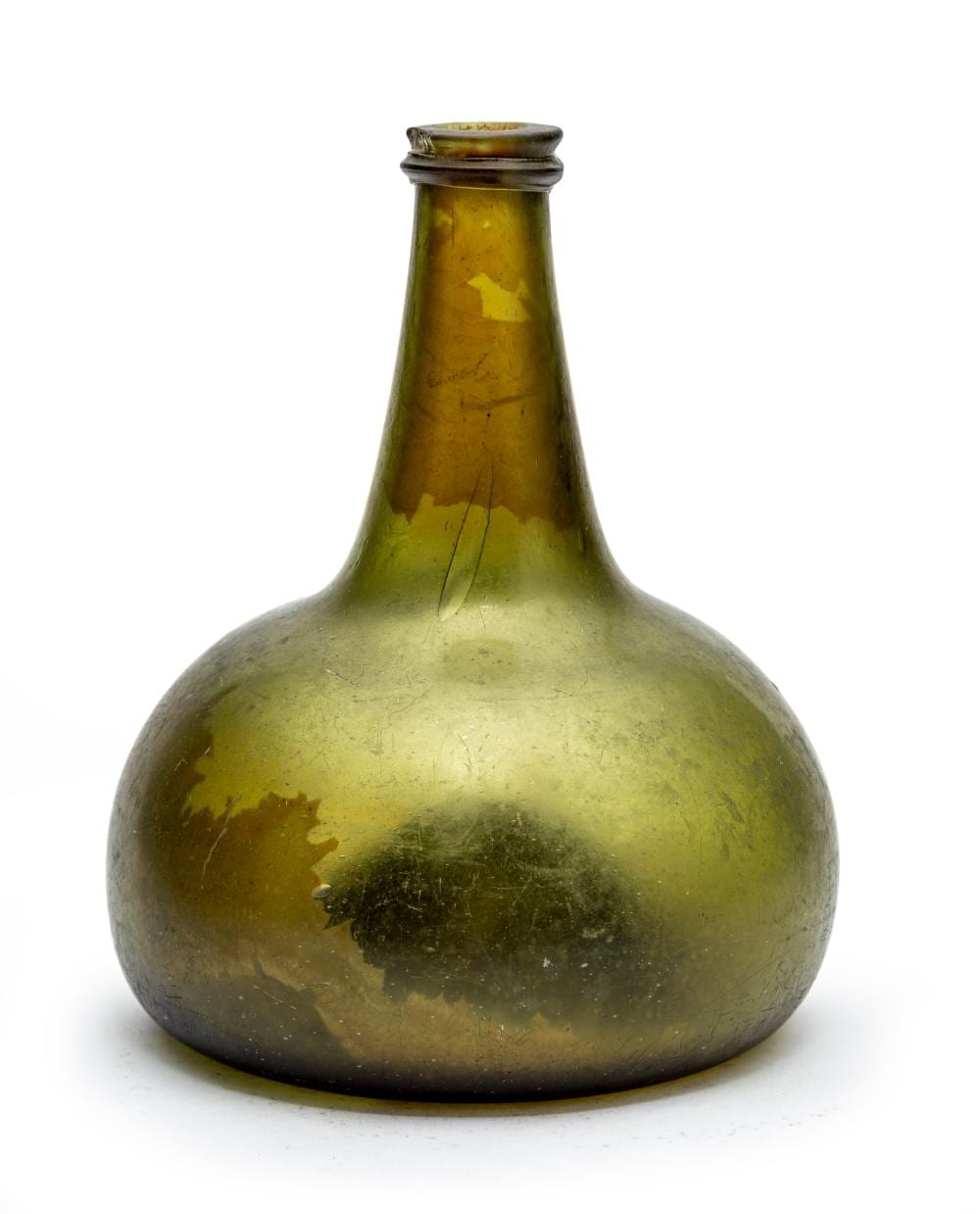 |
A Dutch onion wine bottle Holland/brussels C1720-1730 18cm high 14cm diameterSource blocked; provenance matched | For-Auction | 2024-11-13 | 137 | AUD 170 (buyer’s-premium treatment unknown) |
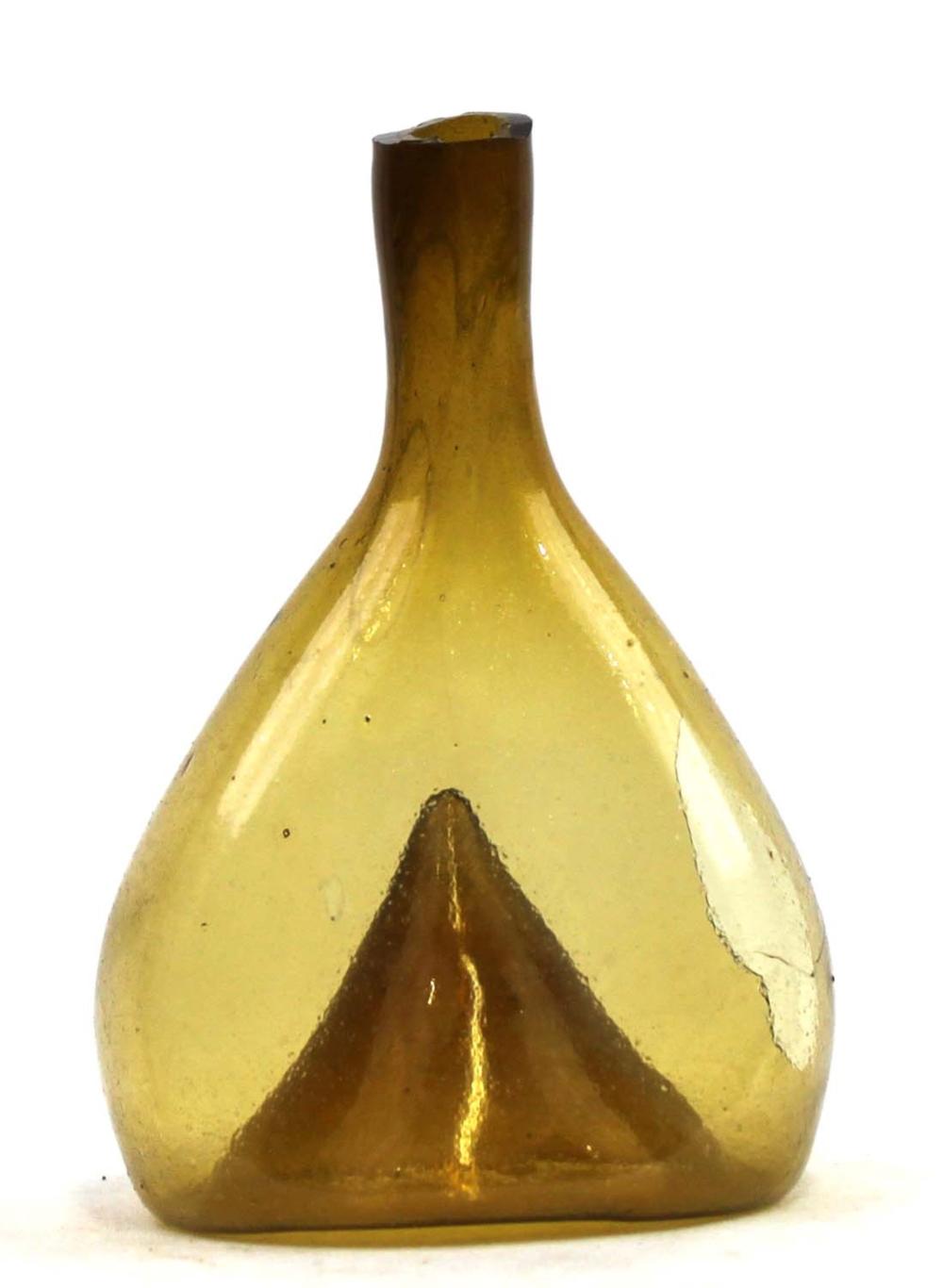 |
Antique early Dutch/ English Wine-Bottle | Hidden Treasures Antiques & Fine Arts | 2019-03-28 | 19 | USD 400 (buyer’s-premium treatment unknown) |
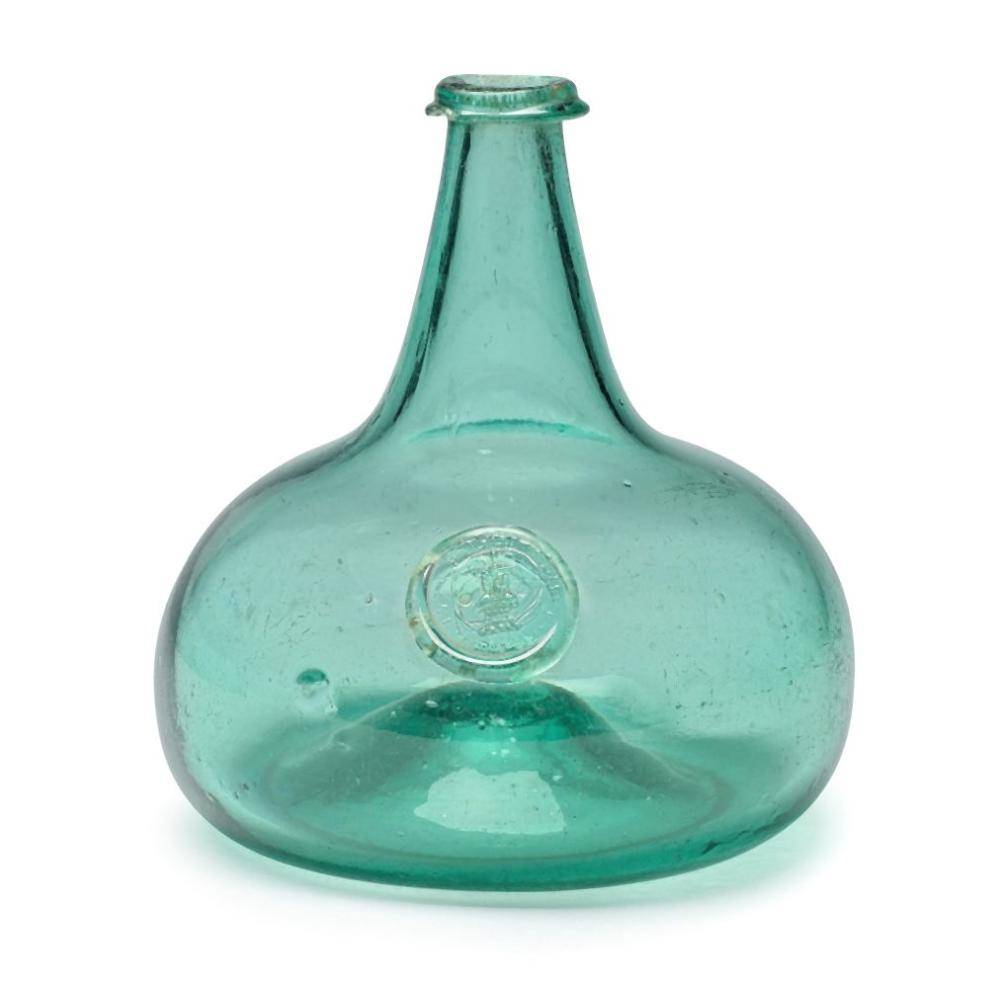 |
A very rare sealed 'Onion' wine bottle, dated 1725Source blocked; provenance matched | Bonhams | 2024-06-18 | 42 | GBP 2,800 (buyer’s-premium treatment unknown) |
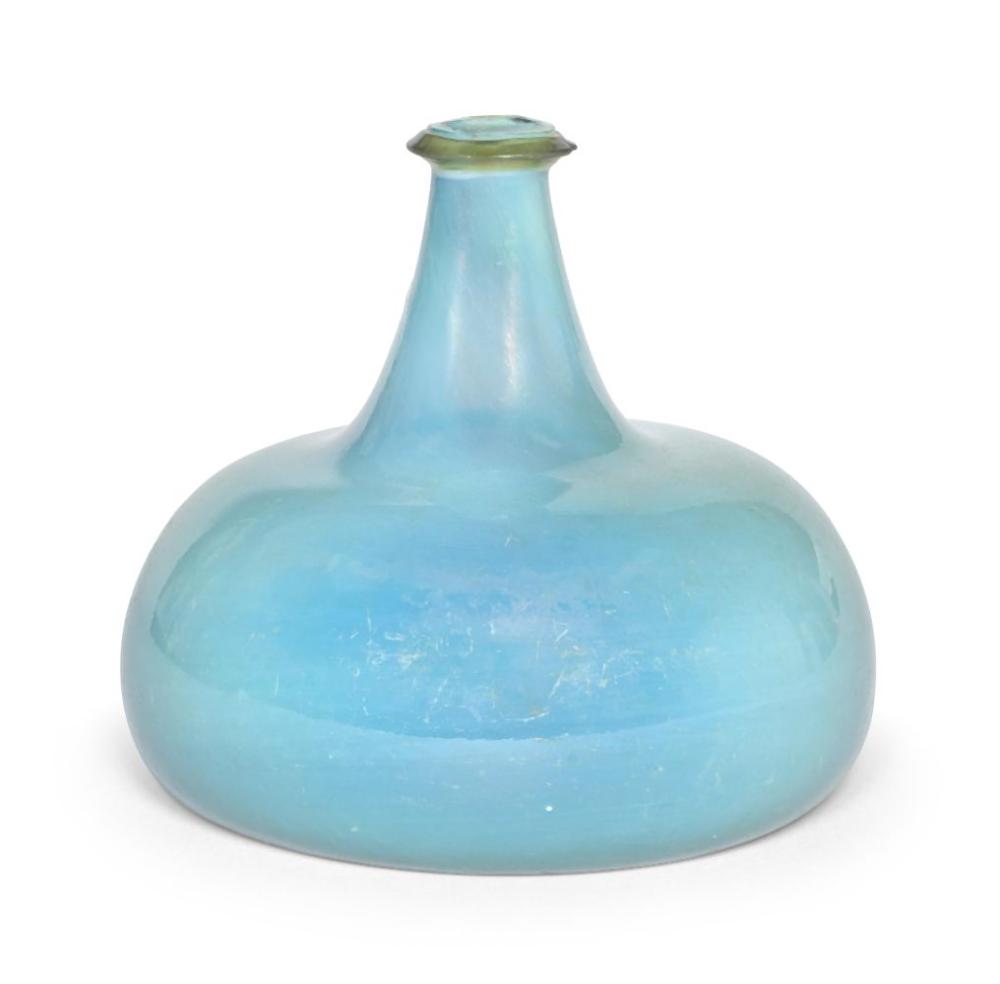 |
A rare opalescent 'Onion' wine bottle, circa 1710Source blocked; provenance matched | Bonhams | 2024-06-18 | 50 | GBP 2,200 (buyer’s-premium treatment unknown) |
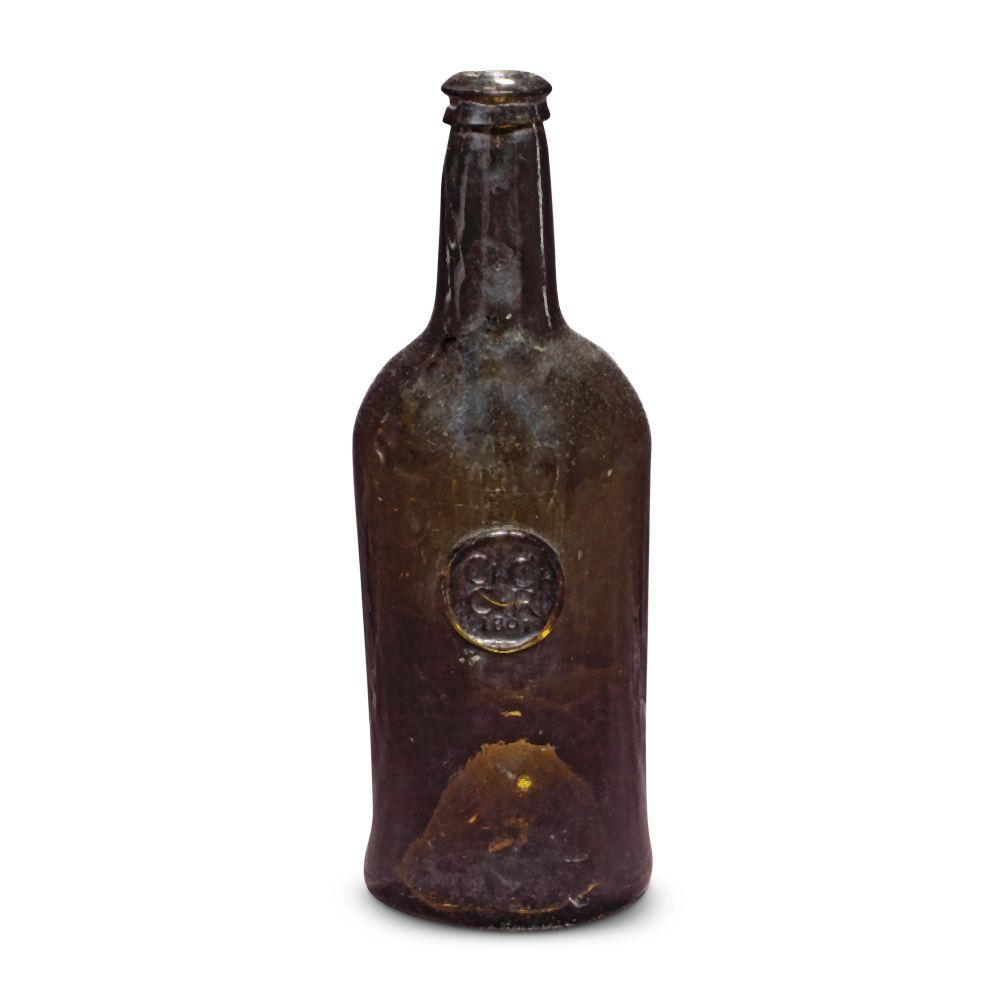 |
A sealed 'Cylinder' wine bottle, dated 1801 | Bonhams | 2024-06-18 | 61 | GBP 1,600 (buyer’s-premium treatment unknown) |
How these auction records were verified
Each row retains its exact source URL, lot identity, retrieval time, access result, and immutable record hash. Live source access was blocked; the exact record matched Appraisily's immutable pipeline provenance. Inspect the public comparable provenance record.
Disclosure: prices are shown as reported by auction houses and are provided for appraisal context. Learn more in our editorial policy.
Match your sales channel to what you’re actually selling:
- Sealed wine: wine-specialist auctions/retailers, consignment platforms that can handle alcohol, or local licensed dealers.
- Empty collectible bottles: antique bottle shows, collector groups, reputable online marketplaces, or local auctions.
- Bulk lots: local auctions and estate clean-out sales can be efficient; identify any “standout” bottles first.
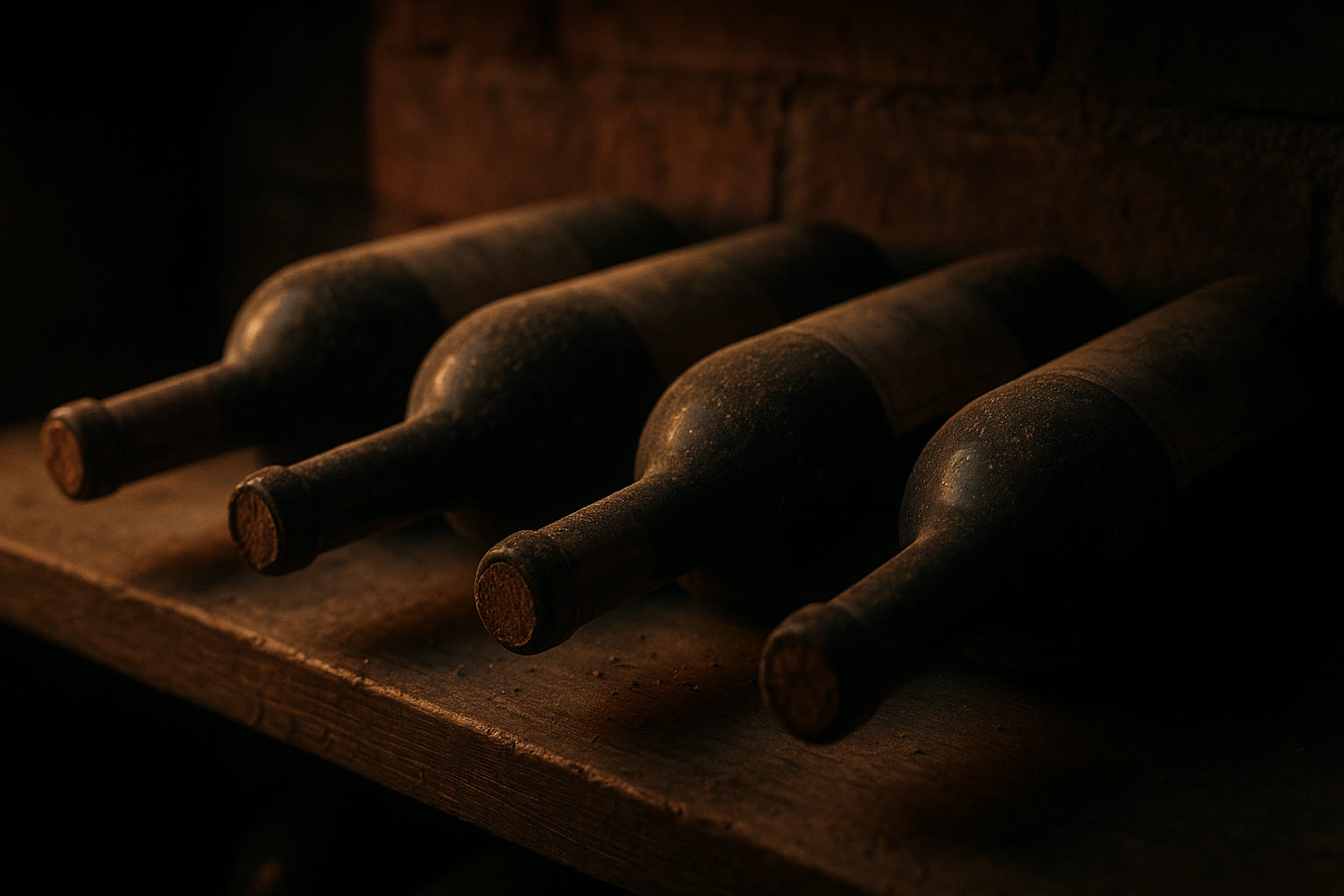
Image gallery: identification details that influence price
Use this gallery as a checklist when photographing your bottle for appraisal, sale listings, or collector forums.
Common mistakes that lead to bad “value” estimates
- Assuming “old” equals valuable: many older empties are common; rarity and desirability matter.
- Using one clue to date: punt depth alone is not a date stamp—use seams, finish, and marks together.
- Ignoring condition: chips and cracks matter for empty bottles; ullage and seepage matter for sealed bottles.
- Pricing sealed wine like décor: legal sales channels and provenance change results dramatically.
When to get an expert appraisal
Consider an appraisal when you have a sealed bottle with a recognized producer/vintage, or an empty bottle with unusual handwork, distinctive embossing, uncommon color, or strong provenance (estate history, archaeological context). A short written valuation can confirm what you have, document condition, and point you toward the best selling channel.
References & data sources
-
Appraisily auction dataset:
/mnt/srv-storage/auctions-data/bottles/(accessed 2025-12-17). Comps cited from CR Art Auctions lot 224 (2025-02-19), Christie’s lot 846 (2025-02-18), and Woodlands Auctions lot 771 (2025-02-19). -
Appraisily auction dataset:
/mnt/srv-storage/auctions-data/antique-bottles/(accessed 2025-12-17). Comp cited from Matthew Bullock Auctioneers lot 156 (2024-09-07). - Society for Historical Archaeology (SHA) glass bottle identification resources: https://sha.org/resources/glass-bottles/.
Search variations collectors ask
Readers often Google:
- how much are empty old wine bottles worth
- are vintage wine bottles worth money if unopened
- how to tell if a wine bottle is hand blown
- what does a pontil scar look like on a wine bottle
- how to date an old wine bottle by seams and lip
- does ullage reduce value for vintage wine bottles
- where to sell old wine bottles near me
- how to identify embossed markings on a wine bottle
- are demijohn wine bottles valuable
Each question is answered in the valuation guide above.