Old Japanese Coins Identification: appraisal and value basics
Old Japanese Coins Identification research should start with identification, condition, provenance, and recent comparable sales. Use this guide to compare the signals that matter before paying for a formal appraisal or deciding whether to sell.
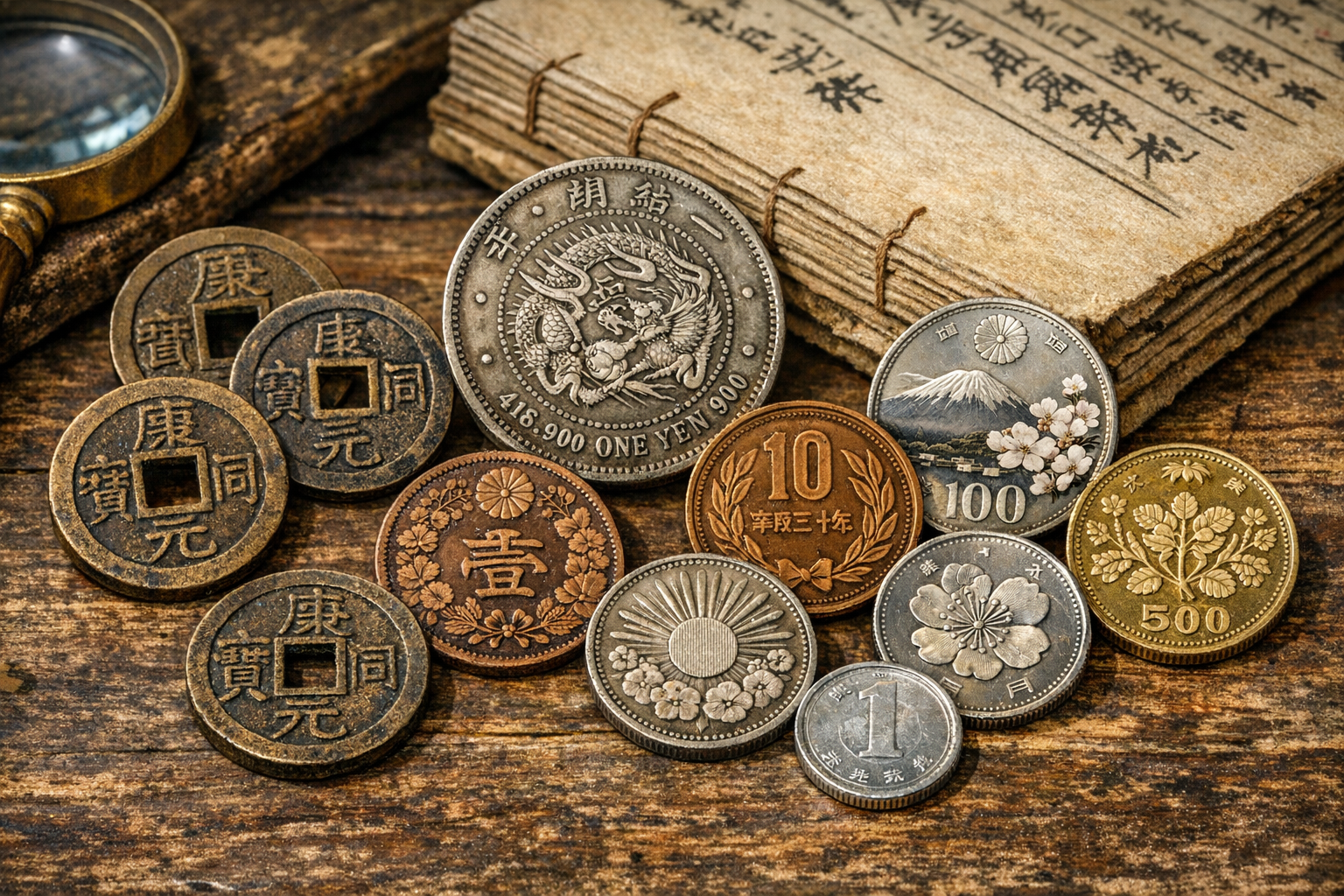
Japanese coins represent a fascinating journey through the country’s rich monetary history, from ancient Chinese-inspired cash coins with square holes to modern yen denominations. Whether you’re a seasoned collector or just discovered an intriguing Japanese coin, understanding how to properly identify these numismatic treasures is essential for determining their historical significance and potential value.
Unlike Western coins with straightforward dates, Japanese coins often feature complex dating systems based on imperial eras, different scripts, and distinctive designs that can initially seem mysterious to collectors outside Japan. This comprehensive guide will help you navigate the world of Japanese coin identification with confidence.
Table of Contents
- Understanding Japanese Coin History
- Reading Japanese Coin Dates
- Identifying Major Types of Japanese Coins
- Authentication Factors
- Valuation Guidelines
- Where to Research Further
- Frequently Asked Questions
Understanding Japanese Coin History
Evolution of Japanese Coinage
- 708-958
First Japanese Cash Coins
The first official Japanese coins appeared with the Wadōkaichin (和同開珎) in 708, inspired by Chinese Tang dynasty coins. These and subsequent cash coins featured square center holes and were cast in copper or bronze.
- 1587-1868
Edo Period Coinage
The Tokugawa shogunate established a complex monetary system including oval gold Koban, silver Chogin, and copper Mon coins. Square-holed copper coins called "Kanei Tsuho" became widespread.
- 1868-1912
Meiji Era Modernization
After the Meiji Restoration, Japan adopted a decimal currency system based on the yen in 1872, replacing traditional coins with modern round denominations inspired by Western designs.
- 1912-Present
Modern Era Coins
Japanese coins evolved through several imperial eras: Taisho (1912-1926), Showa (1926-1989), Heisei (1989-2019), and current Reiwa era. Each era's coins feature the respective era name in their dating system.
Understanding this historical progression is crucial because a coin’s era significantly impacts both its identification and value. The oldest Japanese coins (like the Wadōkaichin) are highly prized by collectors and museums for their historical significance, while Meiji-era coins represent Japan’s modernization and are somewhat more accessible to collectors.
Reading Japanese Coin Dates
Era Names and Regnal Years
Japanese coins are dated according to the reign of the emperor, using a format that combines:
- Era name (年号/nengō): Two kanji characters representing the era
- Regnal year: Numerical value showing which year of that era
- Year symbol (年/nen): The kanji character meaning “year”
For example, a coin marked “昭和六十二年” would be read as:
- 昭和 (Shōwa) - The era name
- 六十二 (rokujūni) - Year 62 of that era
- 年 (nen) - “Year” indicator
Important Dating Details
Converting to Western Calendar Dates
To convert Japanese era dates to the Gregorian calendar:
| Era Name | Era Period | Conversion Formula |
|---|---|---|
| Meiji (明治) | 1868-1912 | Meiji year + 1867 = Gregorian year |
| Taisho (大正) | 1912-1926 | Taisho year + 1911 = Gregorian year |
| Showa (昭和) | 1926-1989 | Showa year + 1925 = Gregorian year |
| Heisei (平成) | 1989-2019 | Heisei year + 1988 = Gregorian year |
| Reiwa (令和) | 2019-present | Reiwa year + 2018 = Gregorian year |
For example, a coin dated “昭和10年” (Showa 10) corresponds to 1935 (10 + 1925) in the Gregorian calendar.
Identifying Major Types of Japanese Coins
Ancient Cash Coins (708-958)
The earliest Japanese coins were modeled after Chinese cash coins with square holes. The first 12 issues are known as the Twelve Imperial Japanese Cash Coins:
- Wadōkaichin (和同開珎) - First issued in 708, represents Japan’s earliest official coinage
- Mannendōhō (万年通宝) - Issued starting in 760
- Jingūkaihō (神功開宝) - Issued starting in 765
These coins feature inscriptions arranged around a square central hole and were cast rather than struck. Authentic examples from this period are extremely rare and valuable.
Edo Period Coins (1587-1868)
The Edo period introduced a complex monetary system with multiple coin types:
- Kanei Tsūhō (寛永通宝) - Common copper coins with a square hole, minted from 1626-1867
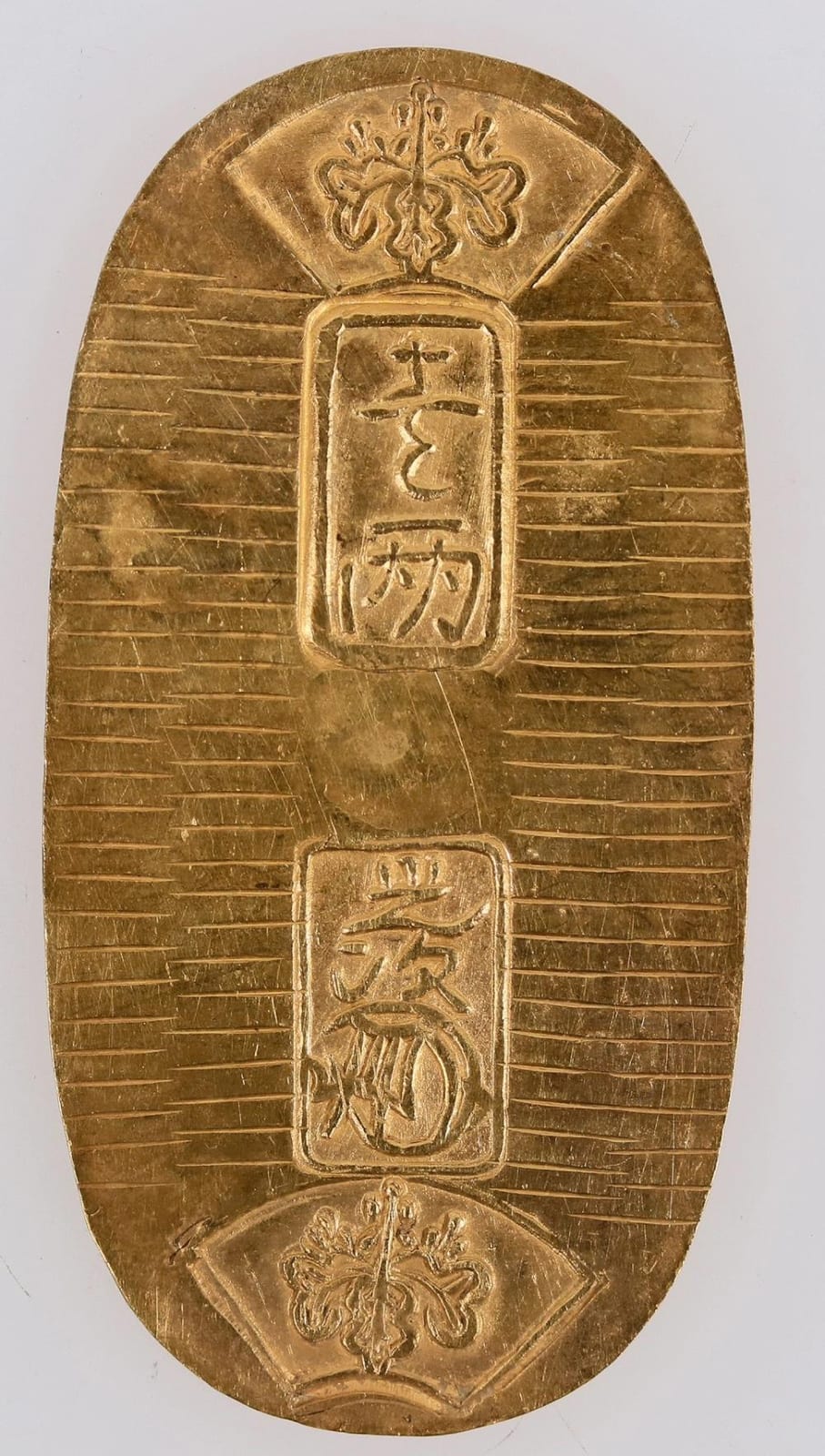
- Koban (小判) - Oval gold coins that were a high-value currency
- Chōgin (丁銀) - Large silver ingots used for major transactions
- Tempo Tsūhō (天保通宝) - Large oblong 100 Mon copper coins minted from 1835-1870
Meiji and Modern Era Coins (1868-Present)
Modern Japanese coins adopted Western-style round designs without center holes:
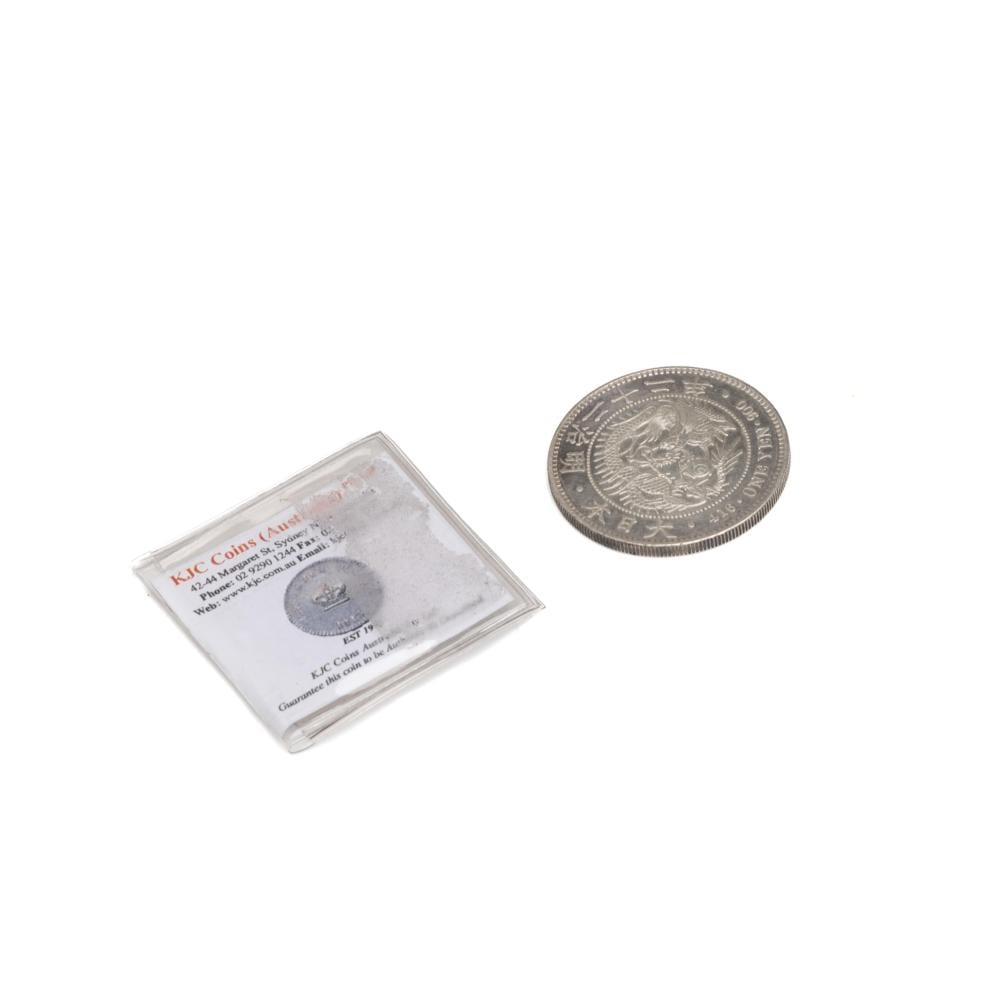
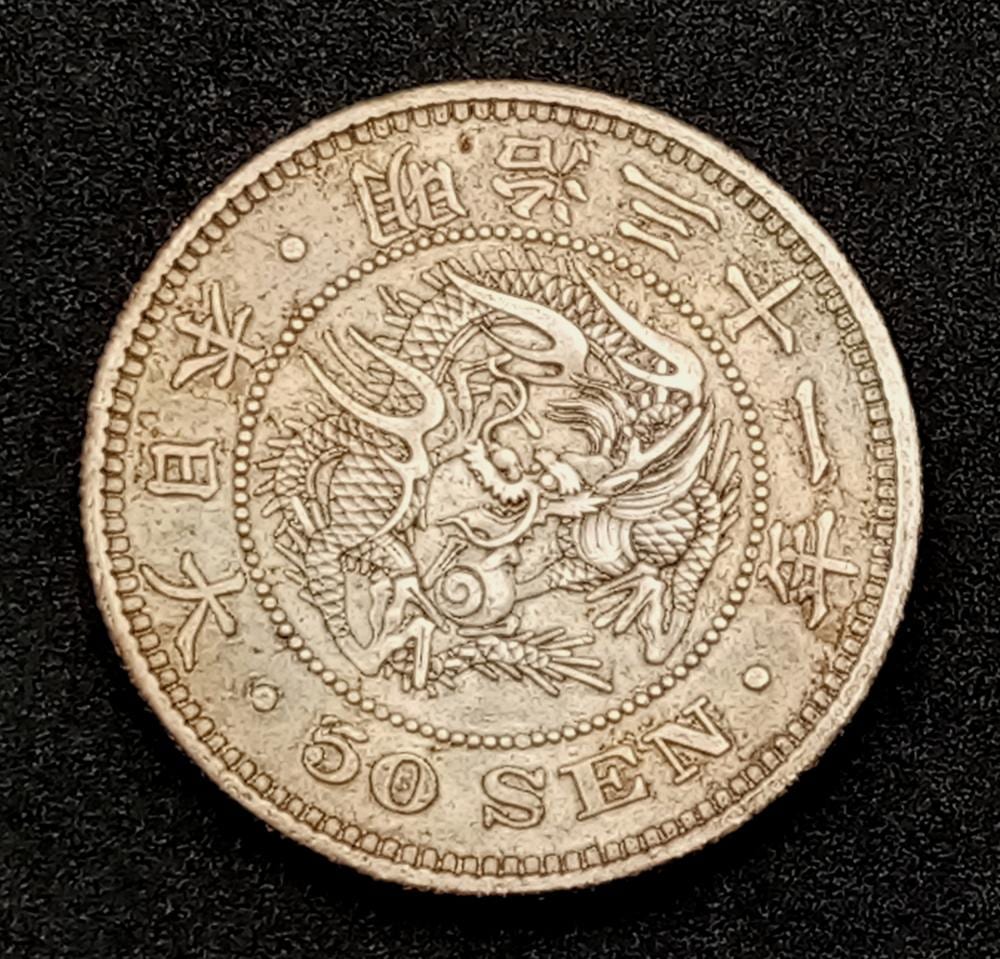
- Meiji Era Dragon Coins - Early yen denominations featuring dragons
- Taisho Era Coins - Further modernization of coin designs
- Showa Era Designs - Includes wartime currency (aluminum and clay coins during WWII)
- Contemporary Yen Coins - Current denominations: 1, 5, 10, 50, 100, 500 yen
Price Ranges for Major Japanese Coin Types
Market values vary significantly based on condition, rarity, and historical importance
Authentication Factors
Key Authentication Indicators
Authentication Checklist
Use these criteria to assess the authenticity of Japanese coins
- Material Composition Matches Era
- Correct Weight and Dimensions for Type
- Proper Character Formation and Style
- Expected Patina and Aging Patterns
- Mint Marks Correspond to Historical Records
- Casting Methods Match Period Technology
Common Counterfeiting Red Flags
Incorrect Materials: Modern replicas often use incorrect alloys. For example, authentic ancient cash coins have a distinctive patina that develops over centuries.
Casting Quality: Counterfeit cash coins may show modern casting methods, including precise edges and highly detailed characters that would be difficult to achieve with ancient techniques.
Character Accuracy: Incorrect or anachronistic character styles and arrangements are common in fakes. Research the exact character formation for the specific era.
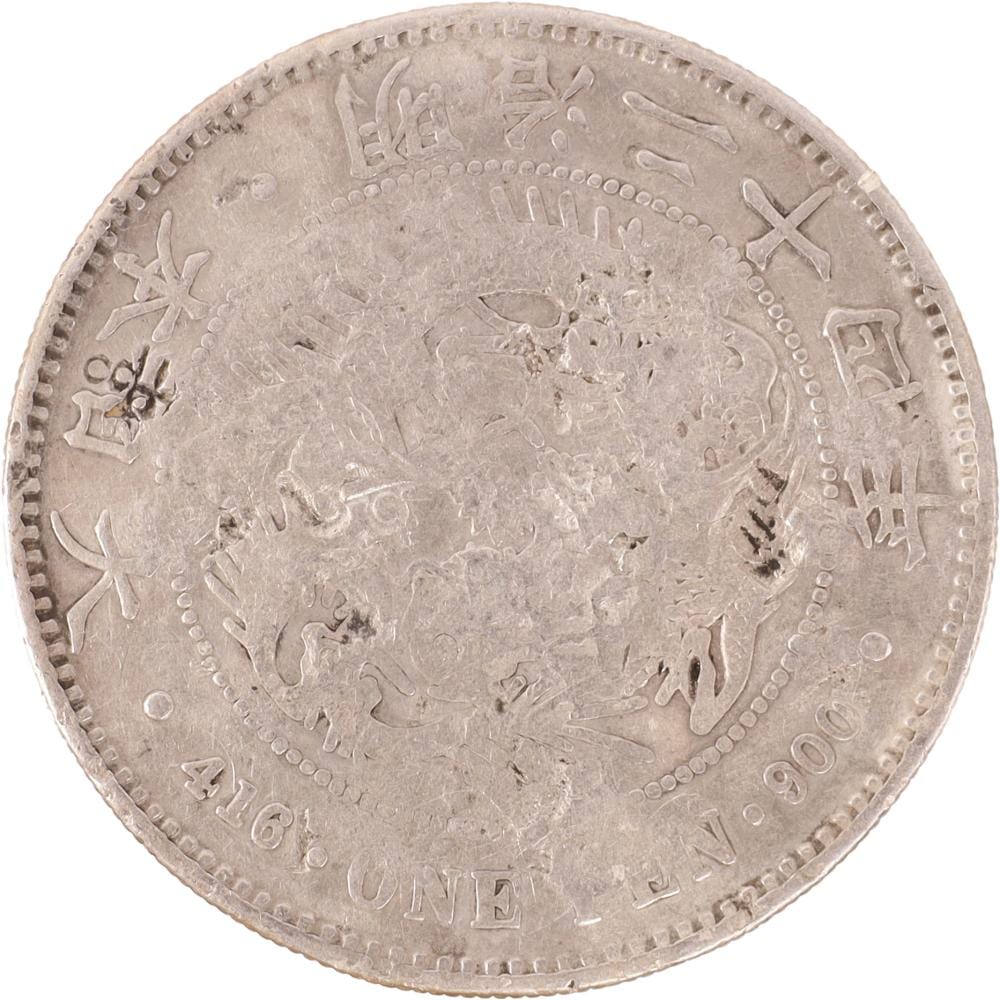
Weight Discrepancies: Each coin type had standardized weights. For instance, Meiji-era 1 yen silver coins should weigh approximately 26.96 grams.
Artificial Aging: Counterfeiters often apply chemical treatments to simulate age. This typically results in an unnaturally uniform patina rather than the irregular aging patterns of genuine coins.
When in doubt, consult with specialized Japanese coin experts or numismatic authentication services. For valuable pieces, professional certification is highly recommended.
Valuation Guidelines
Primary Value Factors
Rarity and Historical Significance: The earliest Japanese coins, particularly the Wadōkaichin and other ancient cash coins, command the highest premiums due to their historical importance and scarcity.
Condition: As with all collectibles, condition dramatically affects value. Terms commonly used include:
- Uncirculated (未使用/Mishiyō)
- Extremely Fine (極美品/Kyokubihon)
- Very Fine (美品/Bihon)
- Fine (並品/Namihin)
- Good (普通品/Futsūhin)
Precious Metal Content: Many historical Japanese coins contain significant gold or silver content. For example, early Meiji era silver yen or Edo period gold Koban derive substantial value from their metal content.
Mint Errors and Varieties: Coins with known mint errors or rare varieties often command significant premiums among specialized collectors.
Provenance: Documented history of ownership, especially from notable collections or historical contexts, can substantially increase value.
Surprise Value in Modern Japanese Coins
While most collectors focus on ancient coins, certain modern Japanese coins can be surprisingly valuable:
- The 10 yen bronze coin from 1951-1985 can be worth up to $810,000 according to some sources, though most examples sell for much less
- Commemorative issues from the Showa and Heisei eras often appreciate significantly
- Certain dates with low mintage numbers command premiums
Where to Research Further
Essential Japanese Coin Resources
Star City Homer Japanese Coin Reading Guide
Detailed guide for reading dates and inscriptions on Japanese coins, with visual aids for character identification.
World Coin Gallery Japanese Number Guide
Essential reference for understanding Japanese numerical systems used on coins and converting to Western dates.
NYPL Digital Collections - Japanese Coins
Historical illustrations and documentation of Japanese coins from the New York Public Library's extensive collection.
Bank of Japan Currency Museum
Official resource with comprehensive historical information on Japanese currency development and major coin types.
Joels Coins - Japanese Coins & Currency
Collector-focused reference with images, values, and historical context for Japanese coins from various periods.
Reddit r/JapaneseCoins Community
Active community of collectors and experts who can help with identification challenges and valuation questions.
Additionally, specialized reference books can provide deeper context:
- “Shin Kahei Zukan” (新貨幣図鑑) - The New Coin Picture Book (Japanese language)
- “The Early Coinage of Japan” by Norman Jacobs
- “Catalog of Japanese Coins and Banknotes” (日本貨幣カタログ) - Updated annually with current market values
When dealing with particularly valuable or unusual specimens, consider consulting with professional grading services like PCGS or NGC, which offer authentication and grading specifically for Japanese coins.
Frequently Asked Questions
Common Questions About Japanese Coin Identification
How do I identify old Japanese coins?
- Shape and hole: Square-holed coins are typically from earlier periods (pre-Meiji era)
- Characters: Identify the era name through the first two kanji characters
- Material: Note whether the coin is gold, silver, copper, or another metal
- Size and weight: Compare against standard references for the suspected period
How do I read the date on Japanese coins?
- Identify the era name: The first two characters indicate the era (例: 昭和/Showa)
- Locate the year number: The numerical characters indicate which year of that era
- Look for the year symbol: The character 年 (nen) means "year"
Important things to note:
- Pre-1948 coins read from right to left
- Post-1948 coins read from left to right
- 元年 (gannen) means "first year" of an era
To convert to the Western calendar:
- Meiji year + 1867 = Gregorian year
- Taisho year + 1911 = Gregorian year
- Showa year + 1925 = Gregorian year
- Heisei year + 1988 = Gregorian year
- Reiwa year + 2018 = Gregorian year
Are old Japanese coins worth anything?
Yes, many old Japanese coins hold significant value, though it varies widely based on several factors:
-
Ancient cash coins (708-958): These can be worth from hundreds to thousands of dollars for authentic specimens, with the earliest examples like the Wadōkaichin being the most valuable
-
Edo period coins (1603-1868): Gold Koban coins are valued at $1,000-$5,000+ based primarily on gold content. Copper coins like Kanei Tsuho generally range from $5-$200 depending on variety and condition
-
Meiji era coins (1868-1912): Early Meiji dragon designs can fetch $50-$1,000+, with higher denominations and better conditions commanding premium prices
-
Modern commemorative issues: Special editions and commemoratives from any era often appreciate significantly
Surprisingly, even some modern coins can be valuable - certain dates of the 10 yen coin from 1951-1985 can command high prices if in pristine condition.
For accurate valuation, consider having valuable specimens authenticated and graded by professional services.How do I date a 1 yen coin?
For modern 1 yen aluminum coins (1955-present):
- Identify the era name (昭和/Showa, 平成/Heisei, or 令和/Reiwa)
- Note the year number following the era name
- Convert to Western date using the appropriate formula:
- Showa year + 1925 = Gregorian year
- Heisei year + 1988 = Gregorian year
- Reiwa year + 2018 = Gregorian year
For Meiji and Taisho era silver 1 yen coins:
- These coins read from right to left
- Identify if it’s 明治 (Meiji) or 大正 (Taisho)
- Convert using:
- Meiji year + 1867 = Gregorian year
- Taisho year + 1911 = Gregorian year
Which 10 yen coins are valuable today?
-
Bronze 10 yen coins (1951-1985): According to some sources, these can be worth significant amounts if in perfect condition - with certain rare dates being particularly prized
-
Year-specific rarities: Certain years had lower mintage numbers, making them more valuable:
- 1951 (first year of issue) - worth more to collectors
- 1958 and 1959 - considered more scarce than other dates
-
Error coins: Any 10 yen with minting errors such as doubled strikes, off-center strikes, or wrong planchets can command significant premiums
-
Condition matters: Uncirculated (mint state) examples of any date are worth substantially more than circulated copies
For modern 10 yen coins, look for pristine condition with no signs of circulation. Professional grading can significantly increase the value of high-grade examples.
Always check current auction results and price guides for the most up-to-date valuations, as numismatic markets can fluctuate significantly.Conclusion
Identifying old Japanese coins presents unique challenges but offers rich rewards for collectors and historians alike. Unlike their Western counterparts, Japanese coins tell a complex story of cultural transitions, from ancient Chinese-inspired designs to modern denominations reflecting Japan’s emergence as a global power.
The key to successful identification lies in understanding the distinct eras, recognizing character patterns, and deciphering the date systems unique to Japanese numismatics. With practice, what initially appears as inscrutable symbols transforms into a clear chronological record spanning over 1,300 years of monetary history.
For collectors, these coins offer exceptional investment potential, with certain rare specimens appreciating significantly over time. However, the prevalence of counterfeits in the market makes knowledge and authentication crucial components of the collecting process.
Whether you’re a serious collector, investor, or simply curious about a Japanese coin that’s come into your possession, the resources and guidelines in this article provide a foundation for proper identification and valuation. As with any specialized collecting area, continued research and consultation with experts will further refine your expertise in this fascinating field.
What similar items actually sold for
Real auction sales of items like your Japanese coin. Open a sale to see the original listing.
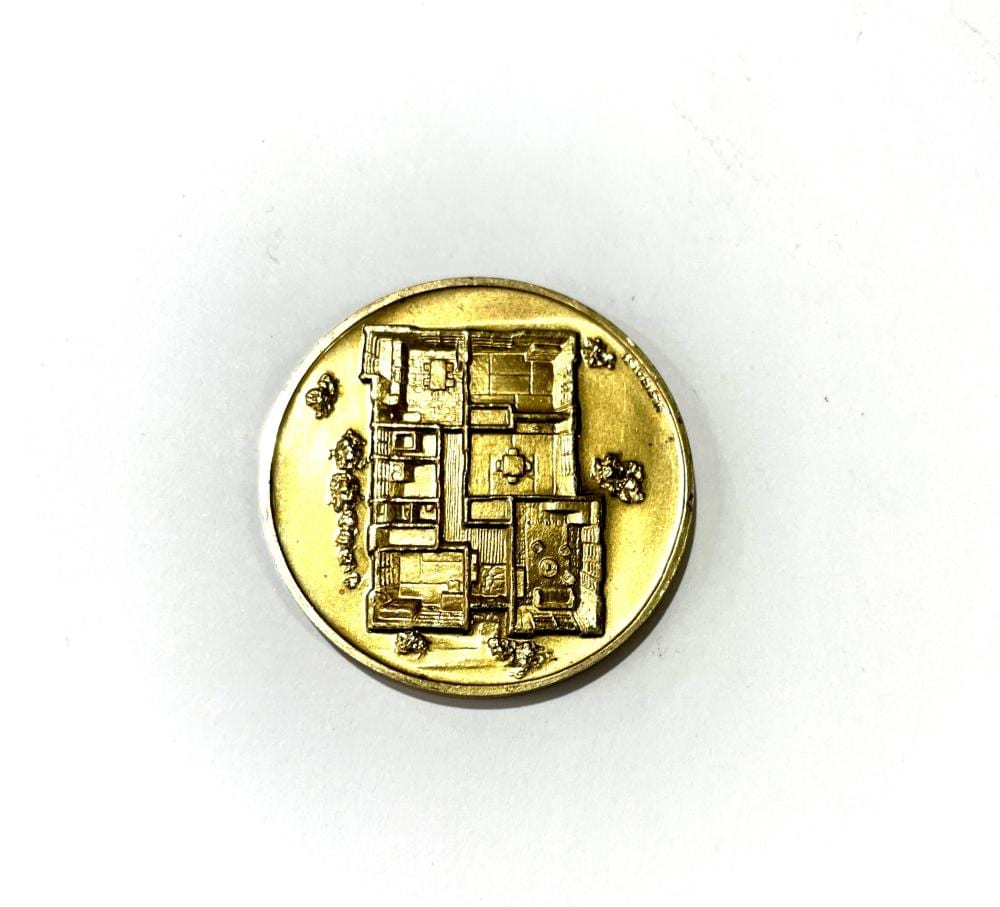
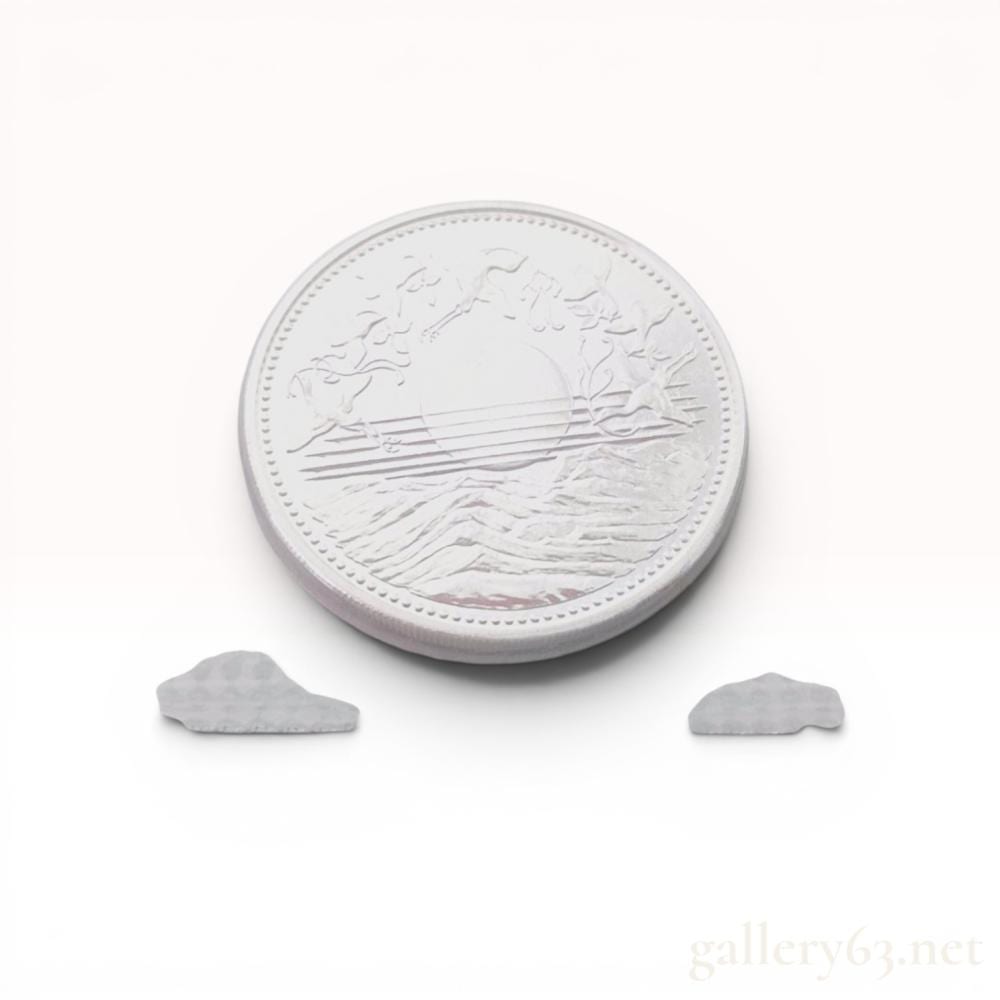
Shown USD range: USD 11-USD 1,000. Median of these 10 USD examples: USD 59.
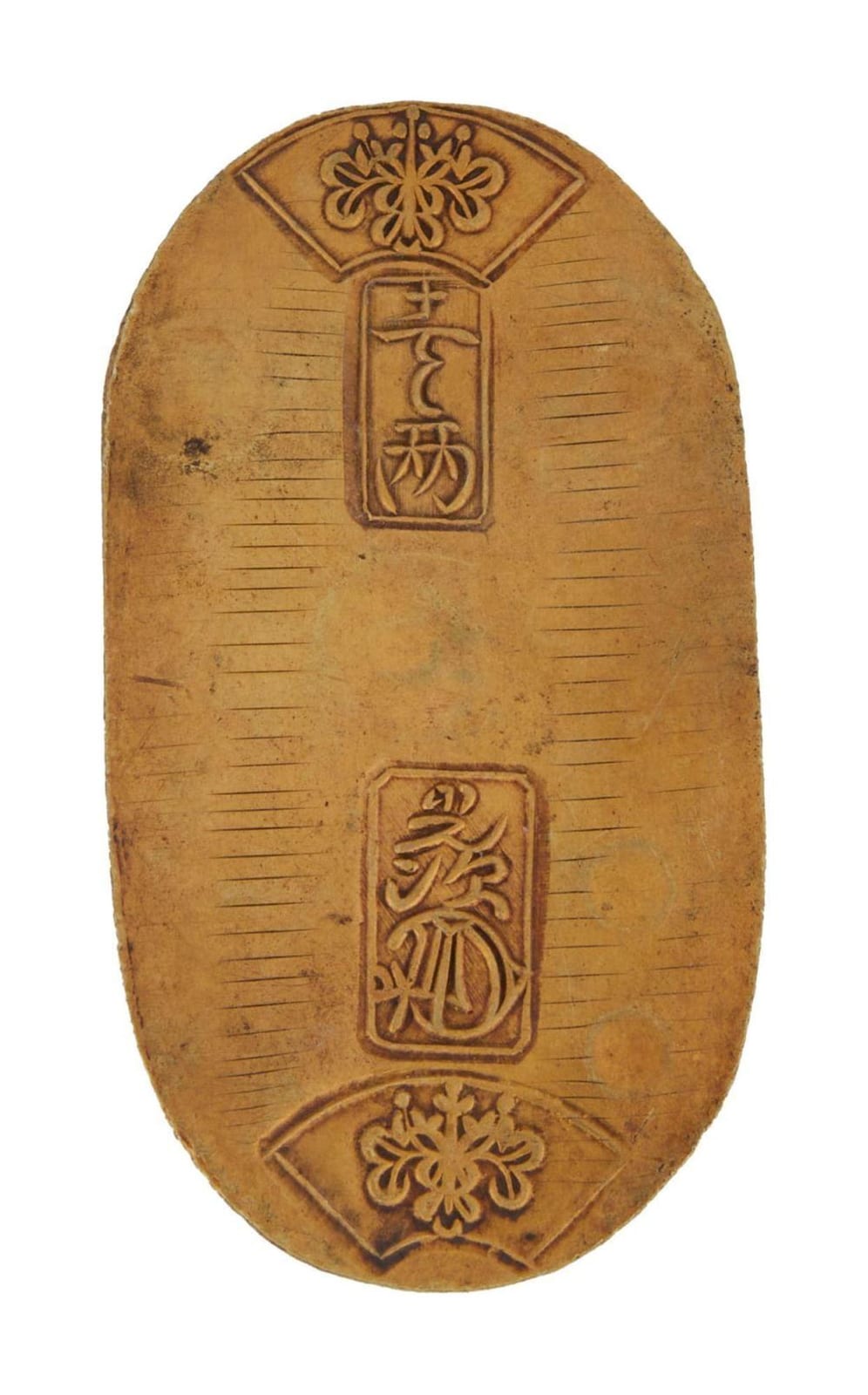
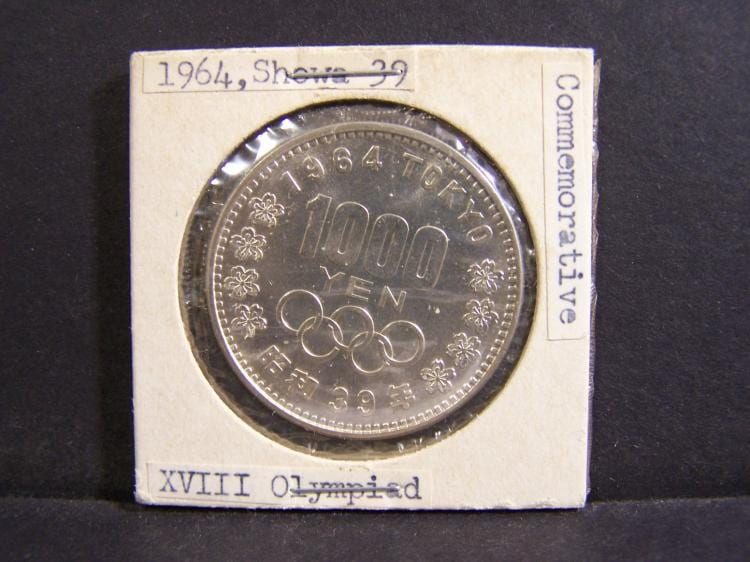
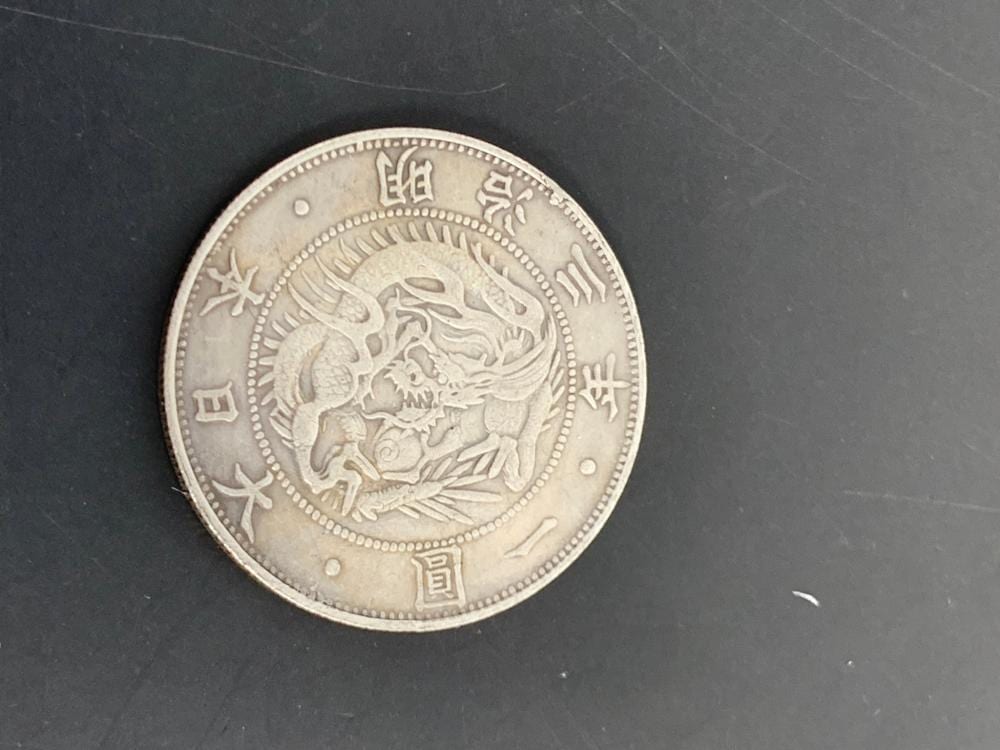
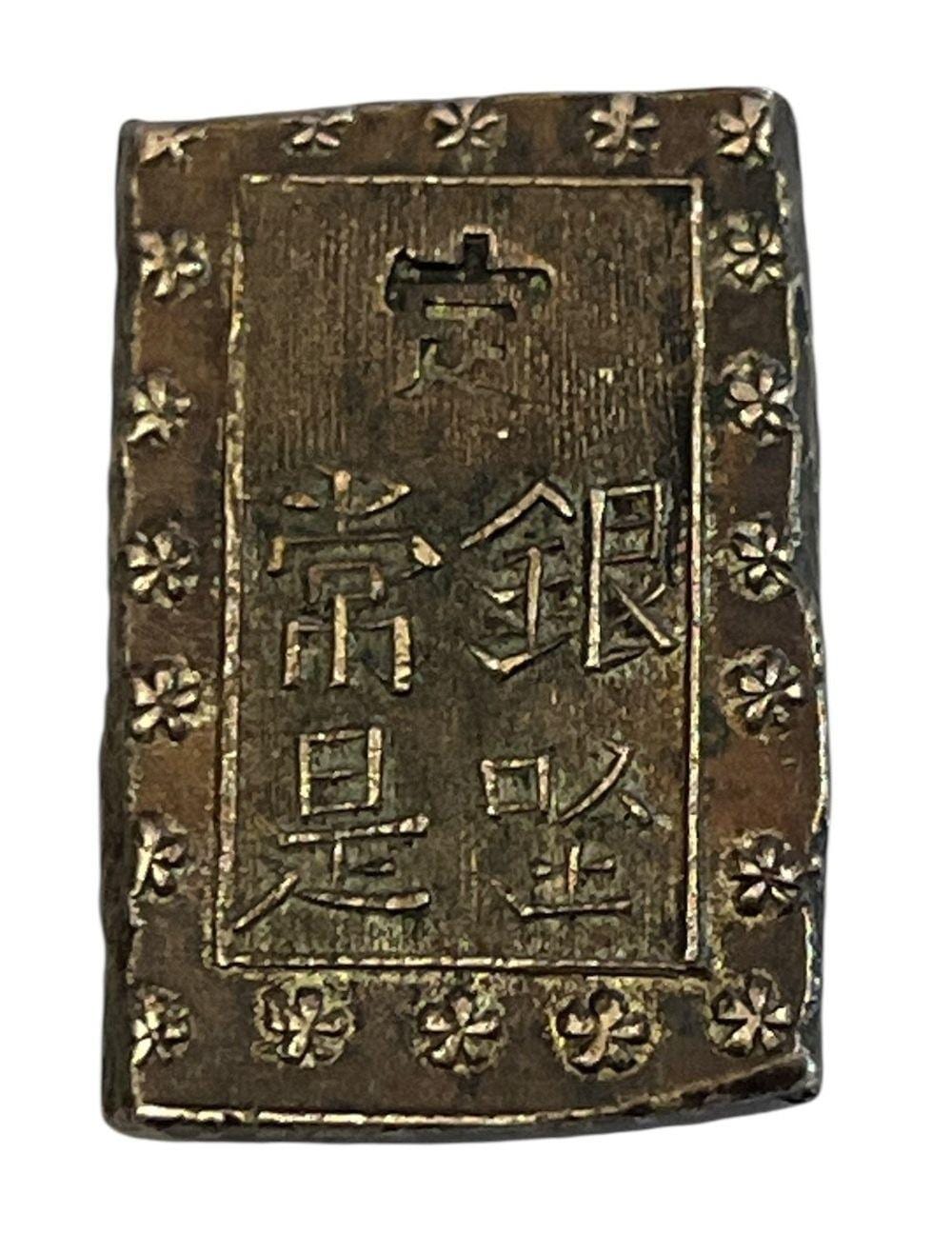
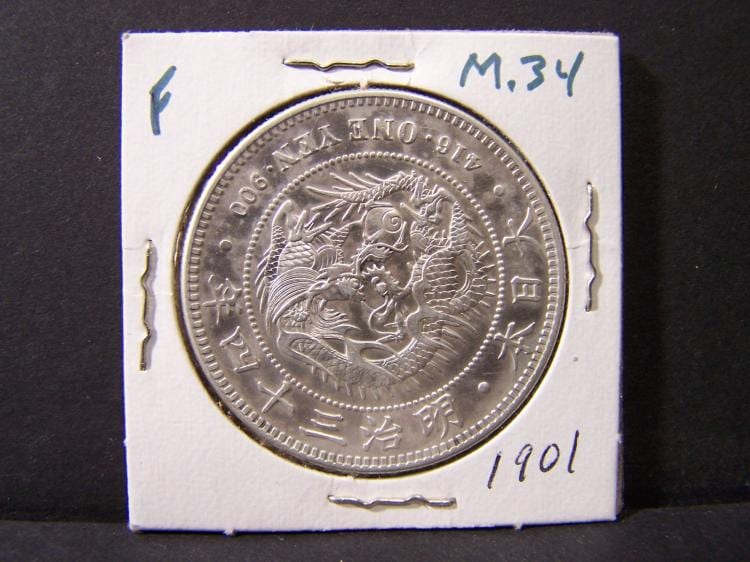
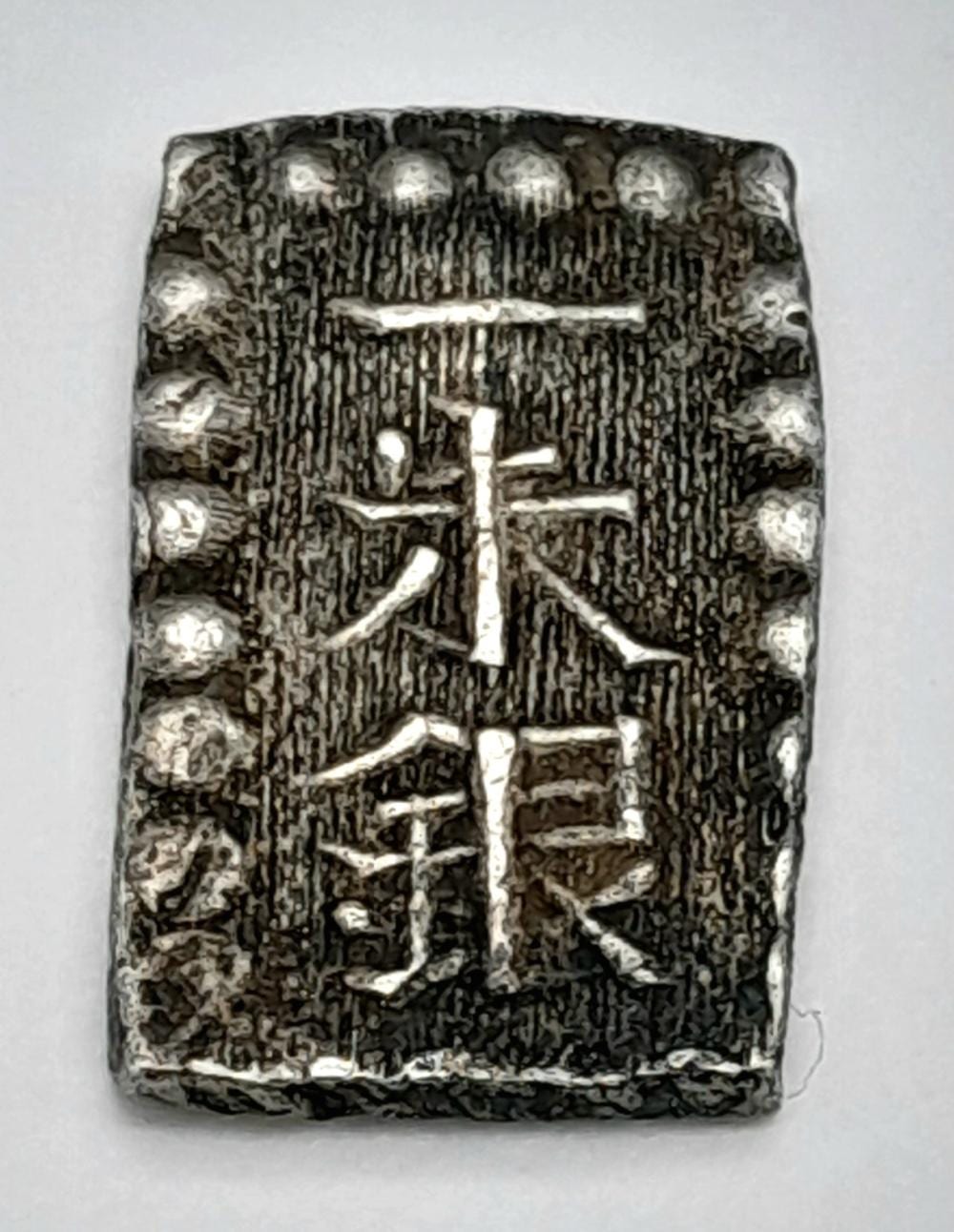
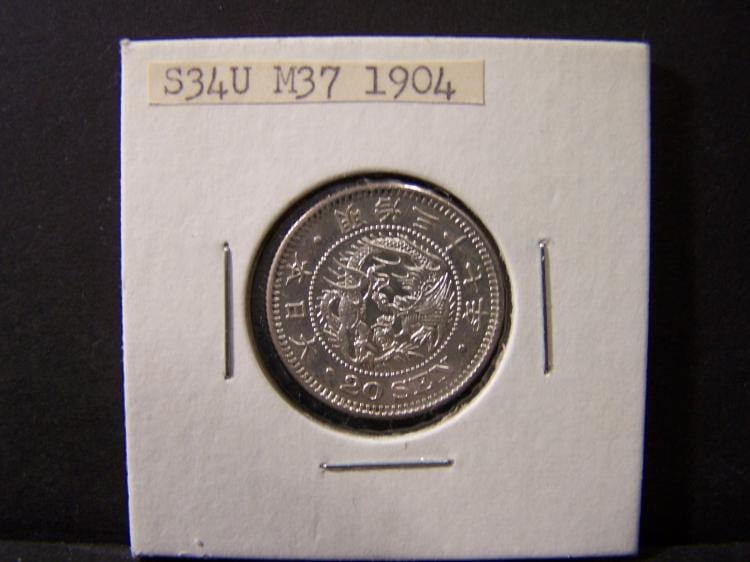
How these auction records were verified
These sales are market context, not an object estimate.
Each row retains its exact source URL, lot identity, retrieval time, access result, and immutable record hash. Live source access was blocked; the exact record matched Appraisily's immutable pipeline provenance. Inspect the public comparable provenance record.
Free photo check
Not sure if your rare coin is worth appraising? Let us take a look.
Upload a photo, tell us what you know, and get a free photo check. If a full appraisal makes sense, we will say so.
Free. No card needed. Takes about two minutes.
Get these Japanese coins identified
Upload clear photos of both sides, edge, era marks, kanji, denomination, metal color, diameter, weight if known, patina, damage, and any holder or collection notes.
- Signed report with photos and market evidence
- Delivered within 24 hours of receiving your photos
- Fixed, upfront pricing
No obligation. Secure upload.
Find a local antique or art appraiser
Ready for pricing guidance?
Start a secure online appraisal
Upload images and details. Delivered within 24 hours of receiving your photos.
Check my item from a photo — free View signed report sample