That M16 bayonet may be a serious collectible, a later commemorative piece, or a decorative reproduction that borrows the right visual language. The difference is usually visible if you slow down and record the evidence in order.
This guide turns m16 bayonet value into a practical photo checklist. Use it to decide what to document, what to compare, and when a free first read is enough versus when a signed appraisal report makes sense.

M16 Bayonet Value quick checklist
Before you chase a price, document the physical evidence. Search traffic often starts with a broad phrase like m16 bayonet value, but the useful answer comes from the small details that separate authentic, later, restored, and decorative examples.
- maker: photograph this detail in natural light and note anything that looks replaced, polished, missing, or inconsistent.
- model variation: photograph this detail in natural light and note anything that looks replaced, polished, missing, or inconsistent.
- scabbard type: photograph this detail in natural light and note anything that looks replaced, polished, missing, or inconsistent.
- military markings: photograph this detail in natural light and note anything that looks replaced, polished, missing, or inconsistent.
- edge condition: photograph this detail in natural light and note anything that looks replaced, polished, missing, or inconsistent.
- completeness: photograph this detail in natural light and note anything that looks replaced, polished, missing, or inconsistent.
Read the form before the mark
Marks matter, but they can mislead when the object shape is wrong. On a M16 bayonet, compare the overall form first: proportions, blade or object outline, hilt or handle design, mounting hardware, and any matching accessory. A convincing mark on an inconsistent object should be treated as a warning sign, not proof.
Photograph the object straight on, from both sides, and at close range. Include a ruler or coin for scale. If the item has a scabbard, case, box, ribbon, or paperwork, photograph those separately and together with the item. Completeness can change value, and mismatched accessories can change the appraisal conclusion.
For blades and military objects, avoid cleaning or sharpening. Fresh abrasion, bright polish, and replaced fasteners can reduce collector confidence. The goal is to preserve evidence, not make the item look newer.
Separate honest age from replica clues
Honest age usually appears unevenly: softened edges, darkened recesses, minor handling marks, oxidation in protected areas, and wear where a hand, scabbard, hinge, or mount would naturally contact the object. Replica clues often look too uniform. Watch for identical artificial scratches, bright modern screws, cast-in marks that should be struck, and decorative distressing that sits on top of the surface.
Condition is not just damage. It is evidence. A M16 bayonet with intact original parts, stable surface, clear marks, and a matching accessory is easier to appraise than one with aggressive cleaning, missing pieces, or unexplained replacements. Repairs should be documented plainly because they can affect both authenticity confidence and market value.
What usually moves value
Market value depends on more than age. The strongest examples usually combine identifiable origin, desirable maker or arsenal, original condition, strong form, complete accessory set, and a clean ownership story. A common example in excellent condition can outperform a rarer type that is heavily altered or missing key parts.
For appraisal purposes, compare like with like. Match object type, period, maker, size, material, condition, and completeness before using a sale result as evidence. A ceremonial item, field-used item, commemorative object, and decorative replica may look similar in a quick photo but belong in different value lanes.
Photo plan for a better appraisal read
Take one full-length image of each side, one close-up of every mark, one detail of the handle or mounting, one image of the accessory or case, and one angled image showing surface condition. Add measurements for length, width, blade or object thickness, and accessory dimensions. If there are inscriptions, include a clear image plus your best transcription.
This same photo set helps whether you use the free screener, start a written report, or compare local specialist options. It also prevents the most common mistake in m16 bayonet value searches: relying on a single dramatic photo without enough evidence to verify the object.
Build the evidence trail with related guides
If one detail is unclear, compare it against the closest guide below. A dagger may share evidence with knives and swords; a bayonet may overlap with military memorabilia; a medal group may need provenance rather than blade analysis.
- Antique Arms and Armor Identification Guide
- Antique Dagger Identification: Blade, Hilt, Marks and Scabbard
- Antique Dagger Value: Marks, Materials, Age and Condition
- Ceremonial Dagger Appraisal: Age, Origin, Decoration and Value
- Antique Knife Identification: Blade, Handle, Marks and Age Clues
- Antique Knife Maker Marks: Tang Stamps, Logos and Date Clues
When to get a written appraisal
A free estimate is useful when you are deciding whether the item deserves more work. A signed appraisal report is better when you need a documented value for insurance, estate planning, donation, resale support, or a formal family decision. If the item has strong marks, unusual provenance, or high apparent value, start with photos and then move to a written report once the evidence supports it.
For regulated or restricted items, Appraisily focuses on identification, documentation, and valuation context. Follow applicable laws for storage, transfer, and handling.
What similar items actually sold for
To help ground this guide in real market activity, here are recent example auction comps from Appraisily’s internal database. These are educational comparables (not a guarantee of price for your specific item).
Shown USD range: USD 400-USD 1,950. Median of these 4 USD examples: USD 425.
| Image | Description | Auction house | Date | Lot | Reported price realized |
|---|---|---|---|---|---|
 |
RARE PROTOTYPE M7 COLT ARMALITE BAYONET M16 RIFLE | Milestone Auctions | 2023-06-24 | 548 | USD 1,950 |
 |
WWI St. Etienne Mle M16 8mm Berthier Rifle W/ Bayonet | Vogt Galleries Texas | 2023-10-21 | 268 | USD 450 |
 |
WWI French Et. Continsouza Mle M16 8mm Berthier Rifle W/ Bayonet | Vogt Galleries Texas | 2023-10-21 | 267 | USD 400 |
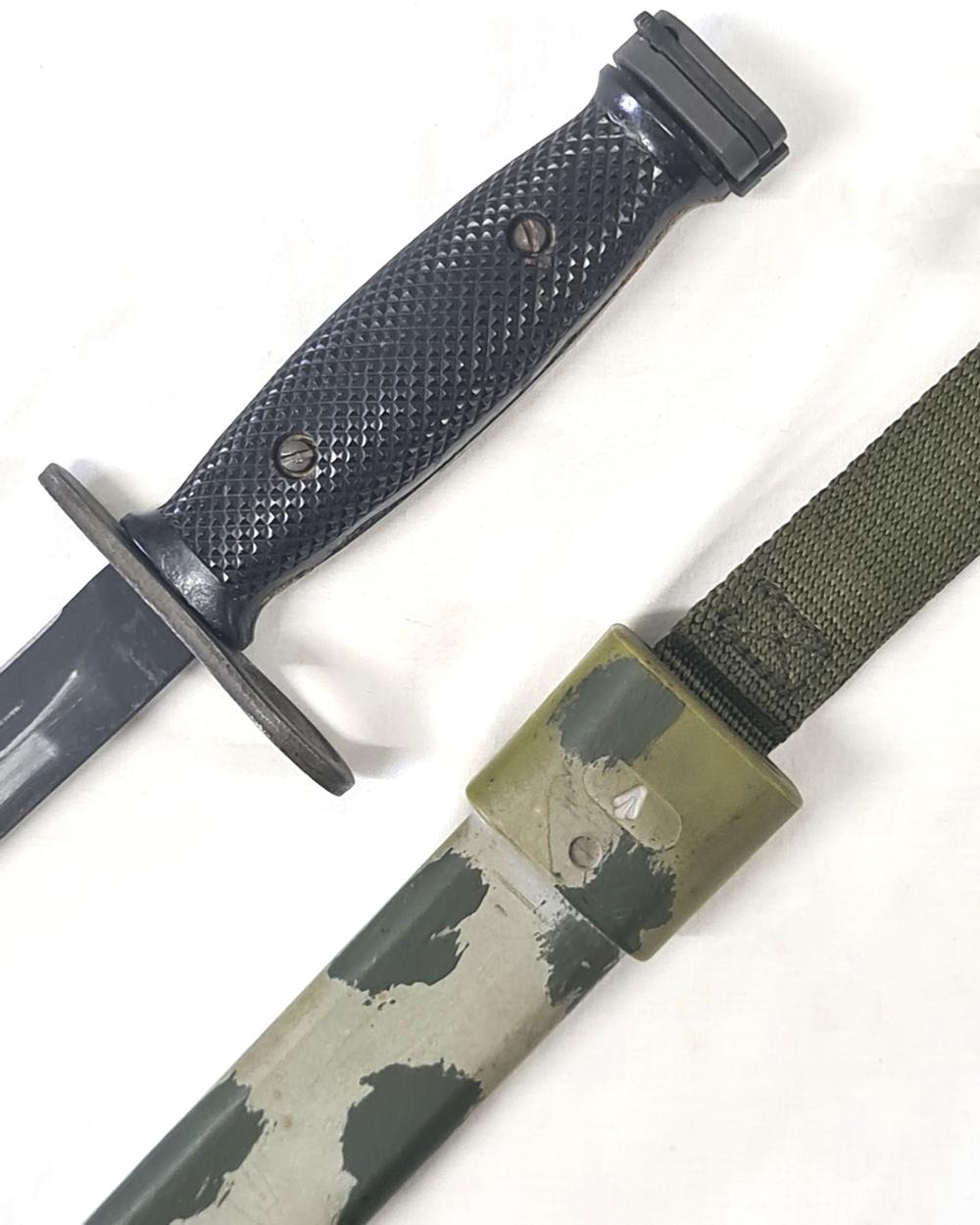 |
1991 Australian S.A.S.R. 1st Squadron Q Army M7 bayonet for the F88 AusSteyr, M16 and M4, by General Cutlery Co. U.S.A. | JB Military Antiques | 2024-03-24 | 25 | AUD 1,000 |
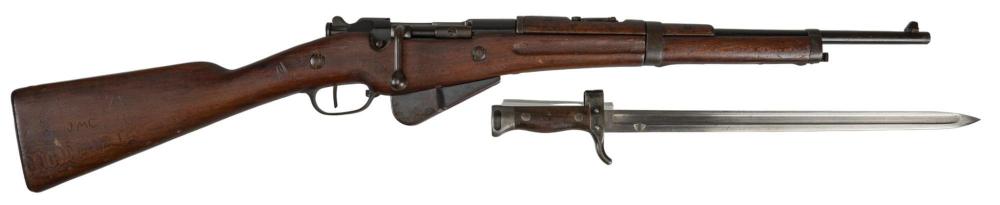 |
WWI Continsouza Mle M16 8mm Berthier Carbine W/ Bayonet | Vogt Galleries Texas | 2023-10-21 | 269 | USD 400 |
Disclosure: prices are shown as reported by auction houses and are provided for appraisal context. Learn more in our editorial policy.
Common searches this guide answers
- m16 bayonet value by photos
- M16 bayonet maker marks
- M16 bayonet value clues
- M16 bayonet scabbard or case
- M16 bayonet condition checklist
- M16 bayonet appraisal online
- M16 bayonet replica signs
- what is my M16 bayonet worth
FAQ
How do I start m16 bayonet value?
Start with clear photos of the whole M16 bayonet, close-ups of marks, measurements, and any scabbard, case, ribbon, box, or paperwork.
What details affect M16 bayonet value most?
Maker, age, originality, condition, completeness, provenance, and recent comparable sales usually matter more than a single visual clue.
Should I clean a M16 bayonet before appraisal?
No. Cleaning can remove patina, markings, or finish that help establish age and market value. Photograph the item as found first.
When is a written appraisal better than a free estimate?
Use a written appraisal for insurance, estate, donation, resale documentation, or any decision where a signed value conclusion matters.
How Appraisily approaches this topic
Appraisily evaluates objects from photos, descriptions, condition notes, and comparable market evidence. This article is educational and should not be treated as a final value conclusion without item-specific review.