The quick answer on hunting knife value
A hunting knife is worth comparing only after you know what it is, who made it, how original it remains, and whether the sheath and documentation belong with it. An ordinary used field knife and a maker-led collectible can look broadly similar in one photo but belong in different price conversations.
- Photograph the full knife and both sides of the blade.
- Keep the sheath with the item and photograph it separately.
- Note the maker, pattern information, length, repairs, and any documented ownership history.
- Compare only with sold records that share the same form, maker tier, condition, and completeness.
Start with the knife’s market category
“Hunting knife” describes a use, not a single collectible category. Start by deciding which comparison group fits the item: a modern working knife, a vintage production knife, a knife associated with a recognized maker, or an older example whose materials and history are central to the description. This avoids borrowing a price from a different kind of knife.
Form and maker come before a price range
Blade shape, construction, handle material, guard, and sheath all help establish form. A known maker or a documented pattern can narrow the search further. If the item may be old but its history is unclear, describe what is observable instead of assigning an era from appearance alone. For a wider overview of the same evidence hierarchy, see our guide to old-knife value.
Brand-oriented searches such as “old timer knife value” or “case knife values” are a useful starting point, but they are not a substitute for matching the exact pattern and condition. A related Old Timer value guide shows why model-level context matters.
The details that move a hunting knife value
Once the broad category is clear, record the details a buyer can compare. Keep the description factual: say what is present, what has changed, and what you cannot confirm from the item alone.
- Blade condition
- Look for reshaping, heavy polishing, corrosion, chips, or a changed edge profile. These observations affect comparability; they do not prove an original finish.
- Handle and hardware
- Record material, cracks, replacements, loose fittings, and construction details. A later replacement can matter even where the knife remains usable.
- Sheath and completeness
- Retain the sheath, box, paperwork, or accessories with the item. A matching sheath can change which sold examples are fair comparisons.
- History
- Keep dated receipts, catalog descriptions, or family records separate from assumptions. Documentation is most useful when it connects directly to the item.
Photos that help a remote comparison
Start with a full front view. Optional, but helpful: a full view of the reverse, close views of the blade and handle, the sheath, and any maker information. Place a ruler beside the item for scale rather than estimating length from memory. If you are sorting several old knives, our old pocket knife identification guide offers a complementary documentation workflow.
Free photo check
Get a clearer starting point from your photos
Upload a photo for a free photo check. Results usually appear within a few minutes; complex items can take longer. We can help you sort the useful comparison details before you decide whether a signed appraisal is needed.
How to use a selling record without overvaluing your item
A sold listing is evidence of one transaction, not a price promise. Treat a record as useful when its knife type, maker context, condition, completeness, sale date, and auction setting are close to yours. A low result may reflect a mixed lot or condition; a higher result may reflect a distinctive maker, rarity, or better documentation.
Read the reported amount with its sale context. Buyer’s premium treatment can vary, and the table below labels it where known rather than assuming that every stated amount means the same thing. The examples are a compact proof set, not a market-wide average.
What similar hunting knives actually sold for
A 19th-century German hunting knife was reported sold for $150 at Sofe Design Auctions, lot 6572. That record is a useful historical-form comparison, not evidence that every older knife shares its value.
A vintage c. 1930 Case bone-handle hunting knife with a leather sheath was reported sold for $65 at One Source Auctions, lot 90. The paired sheath and the item’s specific description matter when using this as a comparison.
What similar items actually sold for
Real auction sales of items like your item. Open a sale to see our record of that lot.
Shown USD range: USD 65-USD 250. Median of these 5 USD examples: USD 150.
| Comparable | What sold | Auction house | Date | Lot | Source-reported amount |
|---|---|---|---|---|---|
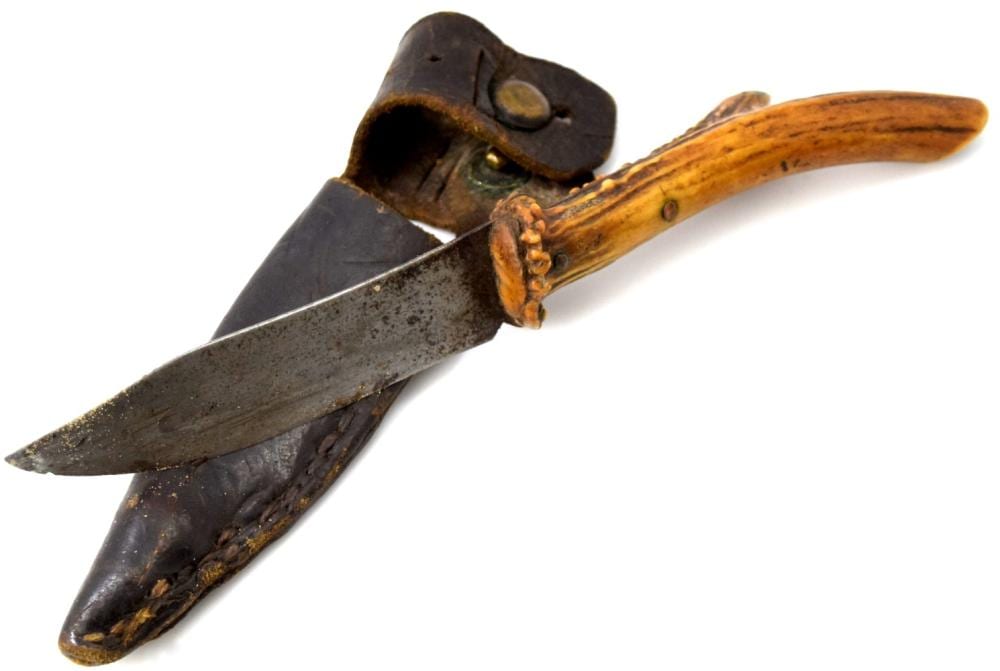 |
19th Century German Hunting Knife | Sofe Design Auctions | 2024-12-14 | 6572 | USD 150 |
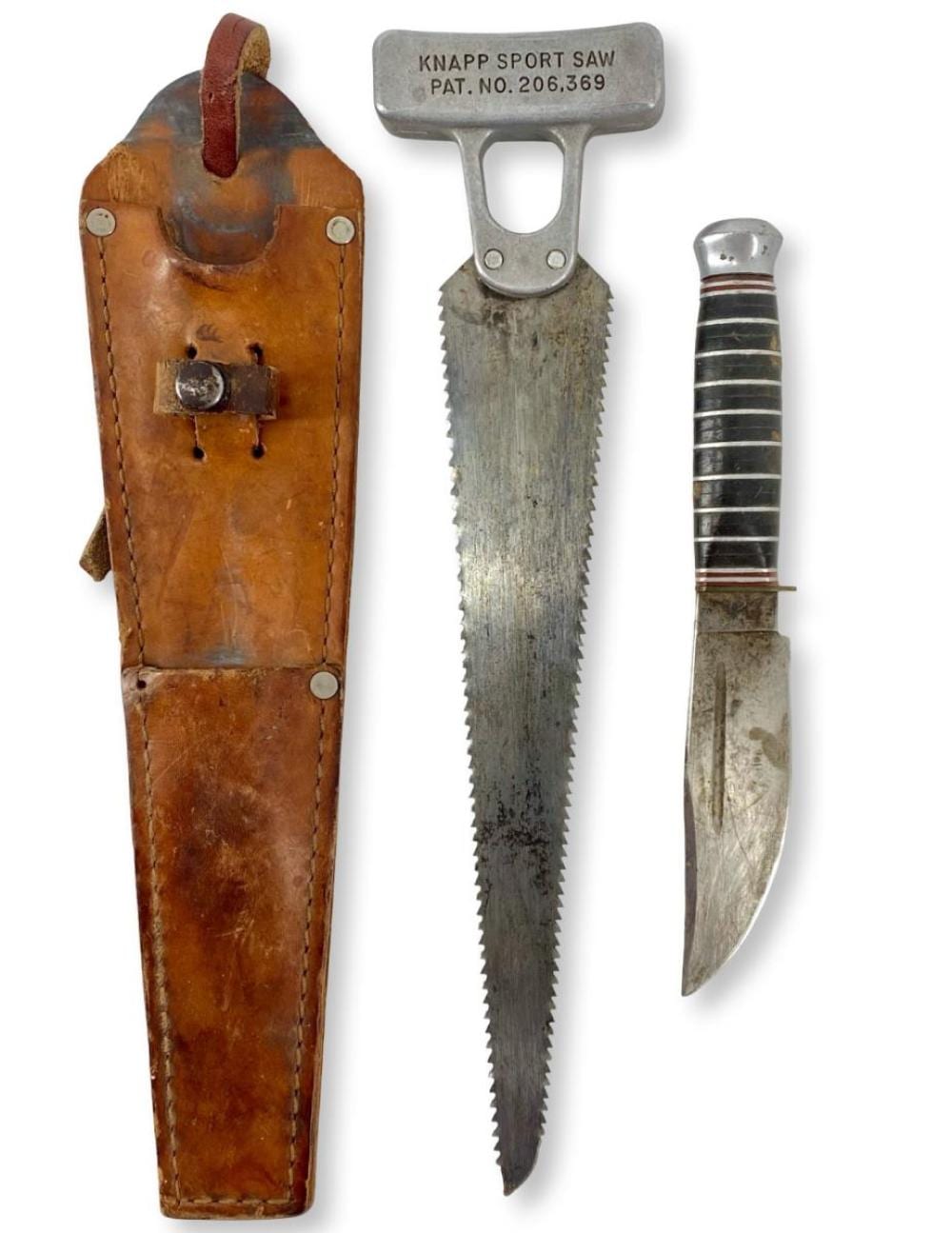 |
Vintage Hunting Knife and Saw with Leather Sheath | Monarch Auction and Estate Services | 2026-06-07 | 97 | USD 80 |
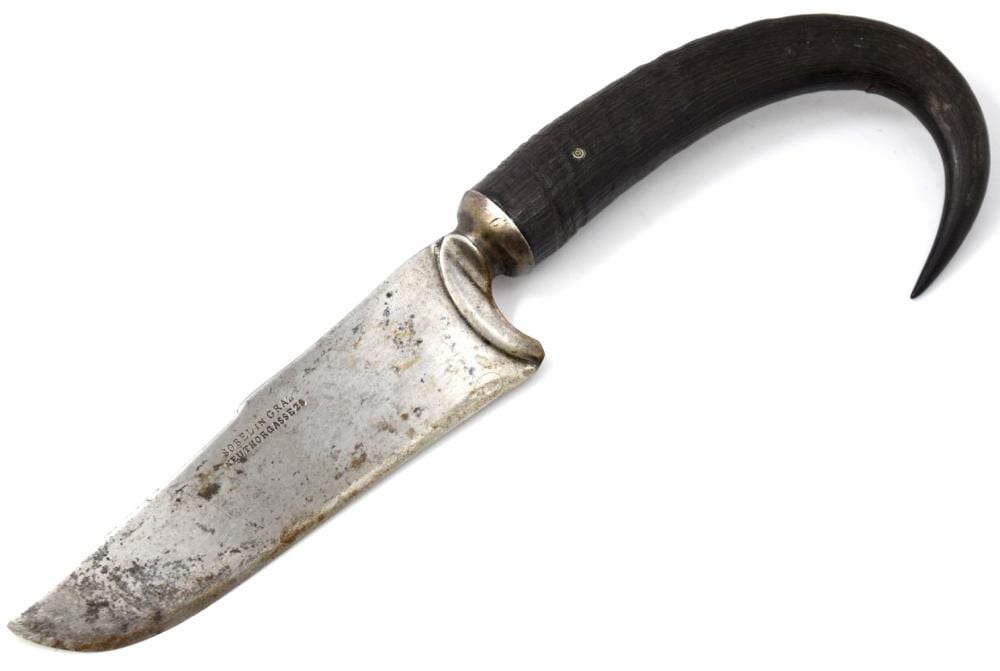 |
18th Century German or Swedish Hunting Knife | Sofe Design Auctions | 2024-12-14 | 6571 | USD 250 |
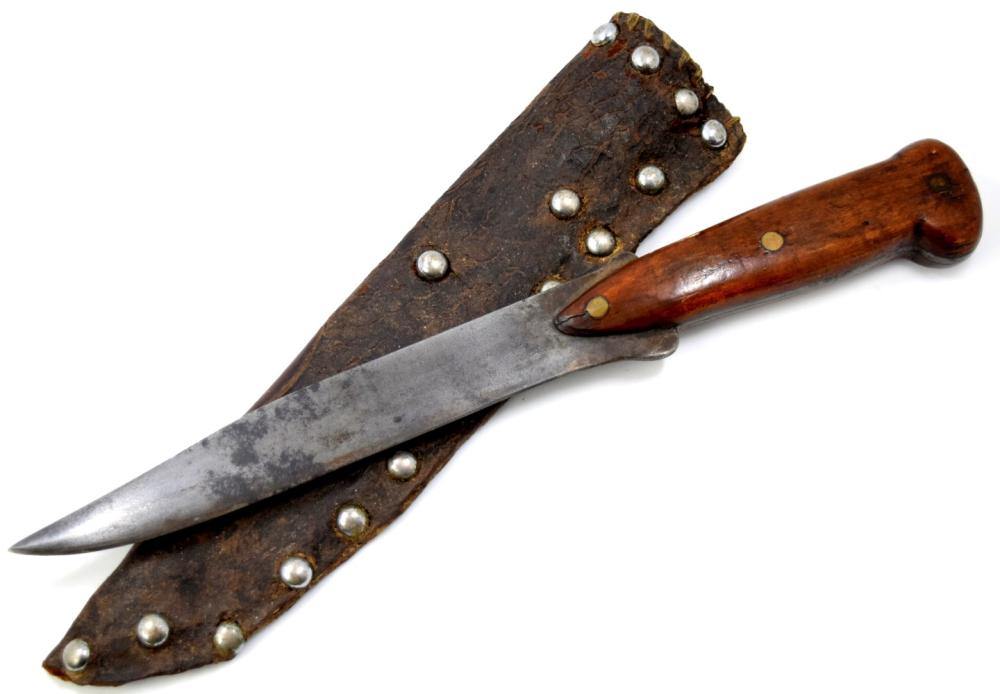 |
Large 18-19th C Native American Indian Hunting Knife | Sofe Design Auctions | 2025-09-20 | 8177 | USD 250 |
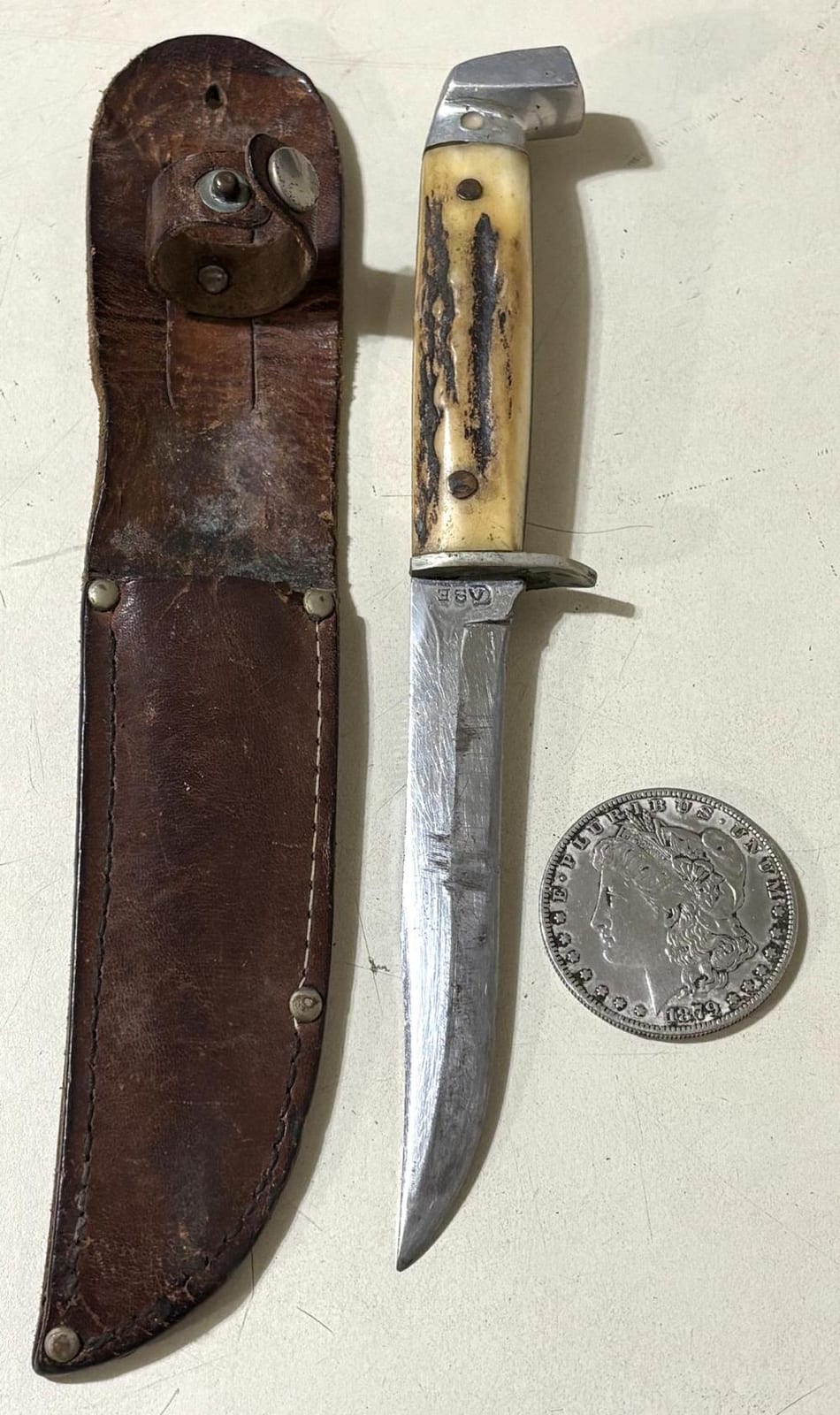 |
Vintage c. 1930 Case Bone Handle Hunting Knife w/ Leather Sheath | One Source Auctions | 2026-05-25 | 90 | USD 65 |
How these auction records were verified
These sales are market context, not an object estimate.
Each row is tied to its lot identity, retrieval time, access result, and immutable record hash. Inspect the public comparable provenance record.
Hunting knife value questions to carry into your research
- How much is an old hunting knife worth?
- How do I find the value of a vintage hunting knife?
- Does a leather sheath add value to a hunting knife?
- What affects a Case hunting knife value?
- How should I compare an Old Timer knife with sold examples?
- Does sharpening change collectible knife value?
- What photos help identify a hunting knife for valuation?
Questions people ask about hunting knife value
How much is an old hunting knife worth?
An old hunting knife may have modest utility value or collector interest. Maker, form, condition, sheath, originality, documented history, and comparable sold records determine which comparison is meaningful.
Does sharpening reduce hunting knife value?
It can. Collector interest often depends on original blade profile and finish, so aggressive sharpening, reshaping, or polishing may affect how closely a knife compares with an untouched example.
What photos help evaluate a hunting knife?
One clear photo of the front is all we need to start. Optional close views of both blade sides, the handle, the sheath, and any maker information help establish a more useful comparison.
Are Case and Old Timer hunting knives valuable?
Some examples attract collector attention, but a brand name alone is not a value conclusion. Exact pattern, era, condition, completeness, and comparable sales matter.