

The five-step answer: pause the sale, document the artwork, gather its records, choose the value purpose, and compare genuinely similar sold works. Get a signed report only when an insurer, executor, tax adviser, court, or important financial decision needs documented specialist support.
- Do not list, clean, reframe, or transport it yet. A quick intervention can remove evidence or create cost before you know the likely market.
- Photograph and inventory each work. Record the front, back, signature area, labels, frame, dimensions, medium, and any visible condition issue.
- Keep the paper trail together. Save receipts, gallery correspondence, exhibition material, prior reports, insurance schedules, and family notes.
- Name the decision. A sale estimate, insurance value, and estate or tax value are not interchangeable.
- Compare like with like. Match artist or attribution, medium, edition, size, subject, condition, date, and market before treating a sale as useful evidence.
Inherited art is not automatically valuable, and sentimental importance is not a market price. The useful question is whether the evidence is strong enough to justify the next cost.
Photograph and inventory before you move anything
Start with a record you can send to an appraiser, auction specialist, insurer, or family member without handling the work again. Use even daylight, keep the camera square to the surface, and photograph the whole object before taking details. Do not remove a work from its frame just to get a better picture.
Minimum photo set for each artwork
- one full front view with the frame visible;
- one full back view, including hanging hardware;
- a close view of the signature area, photographed as found;
- every gallery, framer, inventory, or exhibition label;
- the frame corners and any visible surface or support issue; and
- a scale view plus separate height and width measurements.
Give each work a simple ID such as A-01 and use that ID on its photo folder and document list. Record the overall framed dimensions and the visible image dimensions separately. If the medium is uncertain, write what you can observe—“work on paper behind glass,” for example—rather than guessing oil, watercolor, or print.
A typical inheritance problem is not a missing masterpiece. It is six framed works, three old receipts, and no clear match between them. A numbered inventory turns that pile into a researchable set. It also helps you ask an online art appraiser a specific question before paying for travel or moving a large piece.
Choose the value question before you choose an appraiser
The same artwork can support different numbers because the assignment is answering a different question. State the intended use in the first message. That keeps a sale decision from turning into an unnecessary formal report—and keeps an insurance or estate need from relying on a casual estimate.
| Your decision | What the evidence should answer | Likely deliverable |
|---|---|---|
| Sell | What qualified buyers have paid for closely matched works, and what a realistic channel might return after fees and logistics. | A preliminary range or auction/dealer estimate may be enough until stronger evidence appears. |
| Insure | What basis and documentation the insurer accepts for scheduled coverage or replacement after a covered loss. | A signed insurance appraisal may be required; a resale estimate is not a substitute. |
| Estate or tax | What value and effective date apply to the estate, filing, distribution, or later basis record. | Coordinate with the executor or tax adviser; property-specific signed documentation may be necessary. |
For U.S. federal tax context, the IRS says inherited property is generally not included in the recipient’s income, while the property’s basis and estate reporting can matter when it is later sold. See the current IRS Publication 559 and Gifts & inheritances FAQ. Keep the executor’s date-of-death records and ask a qualified tax professional about your facts; this guide does not calculate tax.
Free first look
Test the evidence in your photos
Upload one clear photo before paying for a report. Results usually appear within a few minutes; complex items can take longer.
Upload a photo for a free first lookFree. No card needed. The photo upload usually takes about two minutes.
Build a price range from evidence that actually matches
“Old painting” is not a market category. Begin with the strongest supported description, then narrow the evidence. Artist or attribution, medium, edition, dimensions, subject, date, condition, provenance, and sale location can each change which records belong in the comparison.
- Confirm the object type. An original work, editioned print, reproduction, and decorative canvas need different search terms.
- Match the maker carefully. “Attributed to,” “studio of,” and “after” are not the same as an authenticated work by the artist.
- Keep edition and size close. A small late edition should not anchor the range for a large early impression.
- Account for condition once. Tears, fading, staining, overcleaning, and restoration affect salability; do not repair first and research later.
- Use sold records. A dealer’s asking price shows an offer, not what a buyer paid.
- Keep currency and sale terms visible. Buyer’s premium treatment, date, and market must stay attached to the amount.
For a deeper explanation of the evidence stack, read how art appraisers determine value. If the likely route is resale, compare the research burden with the practical choices in our guide to selling artwork online. Appraisily’s art appraisal overview explains the broader category.
What similar items actually sold for
To help ground this guide in real market activity, here are recent example auction comps from Appraisily’s internal database. These matched sales are market context only, not an object estimate or identification, and they do not guarantee a price for your specific artwork.
Shown USD range: USD 450-USD 1,900. Median of these 3 USD examples: USD 550.
| Comparable | What sold | Auction house | Date | Lot | Source-reported amount |
|---|---|---|---|---|---|
 |
Leo Maranz, Counterpart, ScreenprintSource blocked; provenance matched | RoGallery | 2022-02-17 | 134 | USD 450 (buyer’s-premium treatment unknown) |
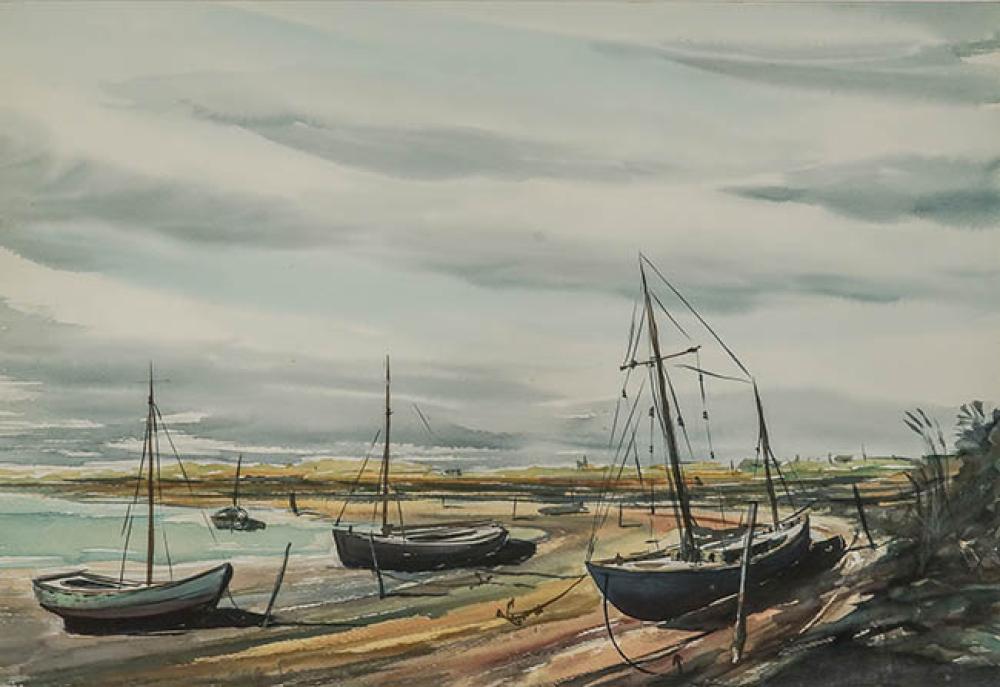 |
Paul Starrett Sample (American 1896-1974), Low Tide, Watercolor on Paper, Sight size: 19-1/2 x 28-1/4 inchesSource blocked; provenance matched | Weschler's | 2020-12-11 | 176 | USD 550 (buyer’s-premium treatment unknown) |
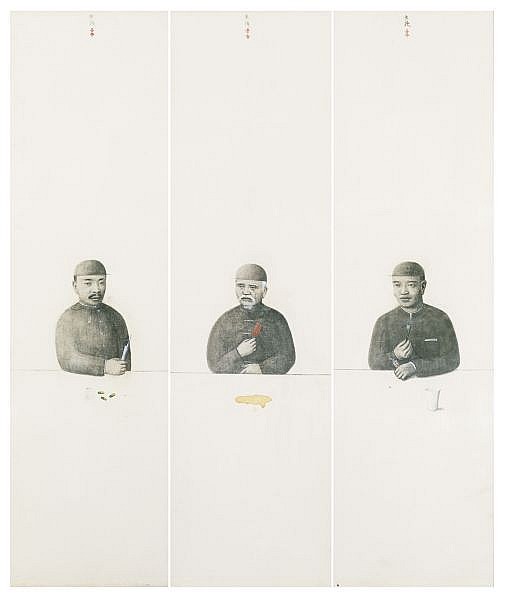 |
Ji Dachun (b. 1968), Twenty, Thirty, Forty (set of three), mixed media on canvasSource blocked; provenance matched | Sotheby's | 2007-10-07 | 638 | HKD 727,500 (buyer’s-premium treatment unknown) |
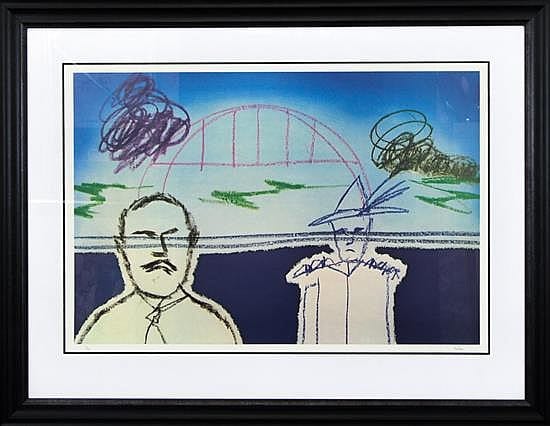 |
SIDNEY NOLAN (AUS) "Man and Bridge" Limited edition lithograph 1/96.Source blocked; provenance matched | Ozbid Auctions | 2015-01-04 | 91 | AUD 800 (buyer’s-premium treatment unknown) |
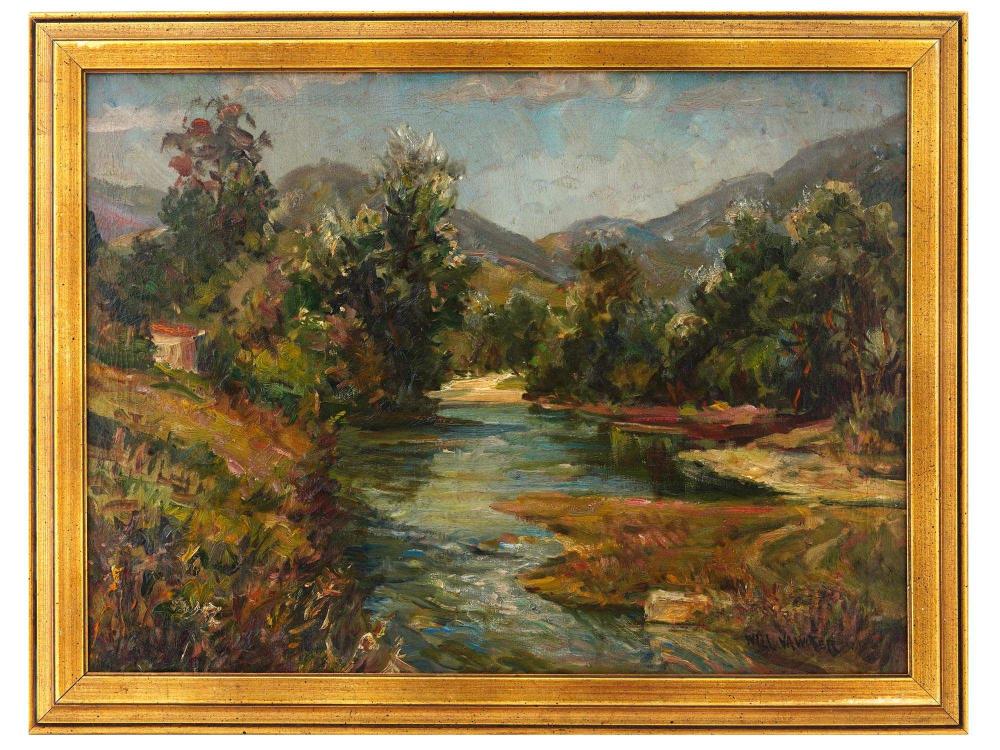 |
AMERICAN LANDSCAPE OIL PAINTING BY WILL VAWTERSource blocked; provenance matched | Antique Arena Inc | 2024-08-04 | 141 | USD 1,900 (buyer’s-premium treatment unknown) |
How these auction records were verified
Each row retains its exact source URL, lot identity, retrieval time, access result, and immutable record hash. Live source access was blocked; the exact record matched Appraisily's immutable pipeline provenance. Inspect the public comparable provenance record.
Disclosure: prices are shown as reported by auction houses and are provided for appraisal context. Learn more in our editorial policy.
Decide whether to sell, store, or request a written report
Read the sale records as a filter, not a promise. If closely matched results are scarce, inconsistent, or too low to absorb the next cost, it can be reasonable to store the work safely and stop. If the artist, edition, provenance, or result pattern creates a meaningful financial decision, a specialist’s written analysis may pay for itself in clarity.
Work from the likely net amount. Auction commission, buyer’s-premium conventions, photography, packing, insurance, shipping, conservation, storage, and taxes can all sit between a reported sale amount and what an owner keeps. Large works add another layer: custom crates, art handlers, door and elevator clearance, wall reinforcement, and specialist hanging can exceed the resale value of a decorative piece.
Use this decision test:
- Sell now when the attribution is supportable, the channel has relevant buyers, and the expected net is worth the effort.
- Pause and document when family records, edition details, or estate instructions are still missing.
- Request a signed report when a formal purpose or a material value gap makes independent documentation useful.
Selling decision: standard written appraisal
A standard written appraisal is $59 for one item when you need documented market support before a sale. Delivery timing is confirmed after the required item information is received.
Start a standard written appraisalInsurance decision: insurance appraisal
An insurance appraisal is $99 for one item when your carrier needs purpose-specific documentation. Delivery timing is confirmed after the required item information is received.
See insurance appraisal scopeEstate or tax decision: qualified appraisal support
Estate, donation, and tax appraisal support starts at $399 for one item as case review, not an automatic federal qualified appraisal. Property-specific scope is confirmed before you proceed. Delivery timing is confirmed after the required item information is received. For household contents rather than one artwork, start on estate personal-property appraisal. For Form 8283 / donation files, see donation case review. Inheritance decisions without a report yet: inherited-object guide.
Check qualified appraisal scopeFrequently asked questions
How much does it cost to appraise inherited artwork?
The fee depends on the number of works, research depth, inspection or travel needs, and whether you need a signed report. Ask for the scope and fee in writing. A free photo-based first look is a separate preliminary step, not a signed appraisal.
Do I owe tax just because I inherited art?
Receiving inherited property is generally not included in income, but basis and estate reporting can affect the calculation when property is later sold. Keep the executor’s records and get tax advice for your facts. The IRS sources linked above explain the general federal rules.
Can inherited artwork be appraised online?
Clear photographs can support a preliminary category or identity read and a first comparison with market records. A signed report may still require more photographs, measurements, provenance, or direct examination.
What should I do with a large inherited painting?
Photograph and measure it in place before moving it. Ask a specialist about handling, packing, and transport, then compare those costs with the likely sale channel and value before authorizing work.
Search variations: inherited artwork appraisal
These questions map to the same evidence and decision steps explained above:
- How do I find out what inherited artwork is worth?
- Should I appraise inherited paintings before selling?
- Can I appraise inherited artwork online from photos?
- Where can I sell old paintings after an appraisal?
- Do I need a signed appraisal for inherited art?
- How are inherited paintings valued for an estate?
- What does an art appraiser need to see?
- How do I move and value a large inherited painting?