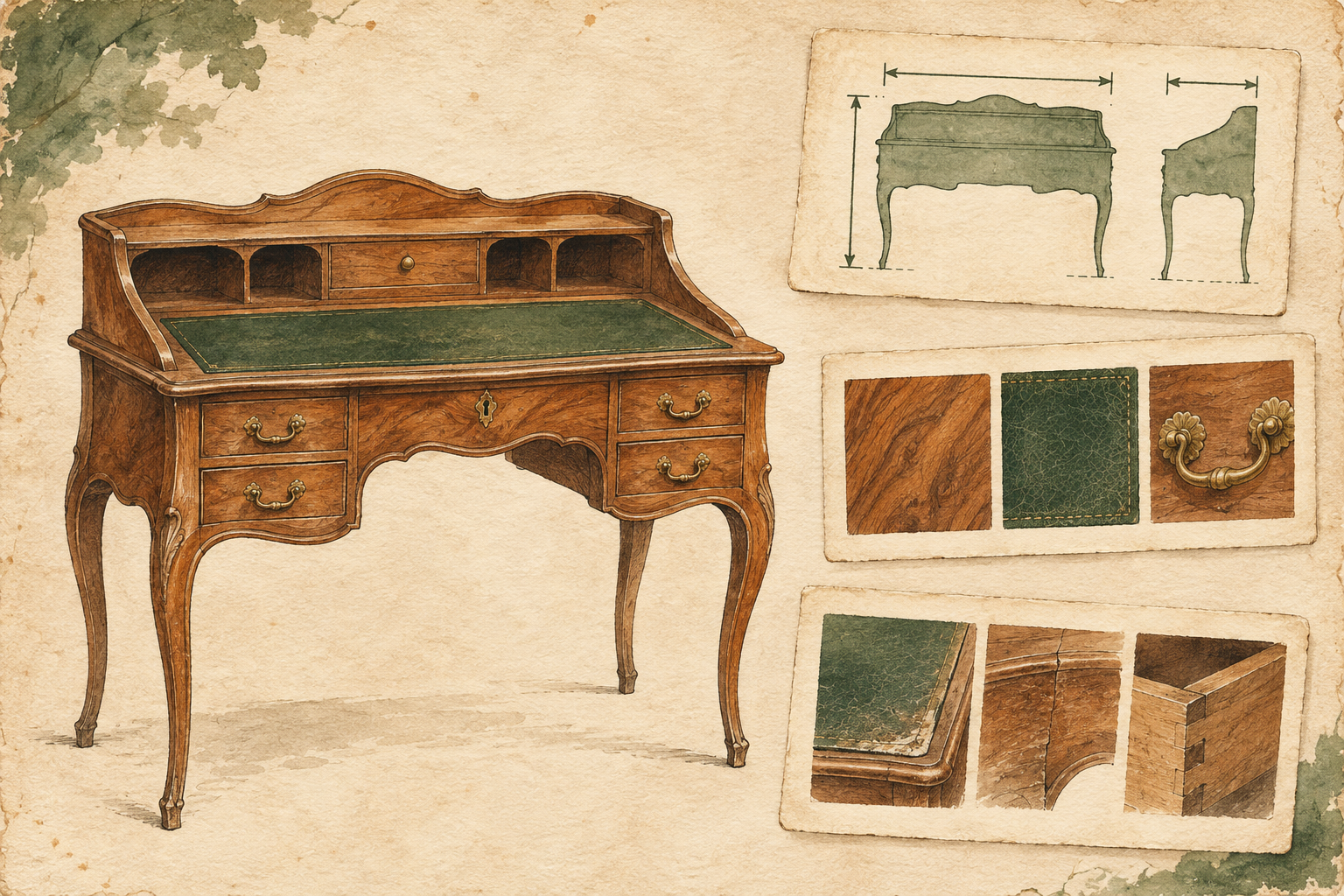
Start with the whole furniture piece, then its evidence
A Paul Sormani attribution can be meaningful, but it is not a shortcut to a price. Photograph the full object, its interior and underside, hardware, veneer or marquetry, and every label or inscription; record height, width, and depth. Then compare it with lots of the same form and materials—not merely with any French revival-style furniture carrying a similar name.
- Full front, side, back, and interior views
- Exact dimensions and a note of replacements or repairs
- Close views of construction, mounts, locks, and surfaces
- Any provenance, invoice, auction catalog, or family history
Build an identification file before you compare prices
The most useful first task is not hunting for a single “Sormani price.” It is preserving the information that lets an appraiser or specialist compare your object accurately. Photograph each face in even light, measure the object in three directions, and save closeups alongside a short condition note. One clear photo of the front is all we need to start. Optional, but helpful: photos of the back, underside, interior, hardware, and any labels or inscriptions.
Separate what you can observe from what you have been told. “Purchased in Paris” is provenance context; it is not proof of who made the object. Likewise, a name on a lockplate, an old dealer label, or an auction description should be recorded exactly and considered with construction and the rest of the furniture piece.
Match the form, materials, and condition—not just the style
Paul Sormani furniture appears in varied forms, including writing tables, occasional tables, and larger cabinet furniture. That variation is why a similar-looking piece can still be a poor comparable. A table’s purpose, woods or veneers, marquetry, gilt-bronze mounts, marble, fitted interior, and dimensions all change how useful another sale is.
Condition is part of that comparison. Note veneer losses, later finish, replaced mounts, cracks, warping, altered locks, and whether fitted parts remain. Do not assume that a more polished surface is automatically better; it may change the object’s evidence. For a general orientation to furniture appraisal, see furniture and decor appraisals. Compare the different evidence needs in this French oak draw-leaf table guide. If your piece is French provincial rather than a documented maker piece, this French provincial credenza guide shows why construction and period matter.
Free photo check
Want a second set of eyes on your furniture piece?
Upload one clear photo before deciding whether you need a signed report. Results usually appear within a few minutes; complex items can take longer.
Upload a photo for a free photo checkFree. No card needed. The photo upload usually takes about two minutes.
What similar Paul Sormani furniture actually sold for
These are dated auction records, not a universal price range. Compare their form, attribution, materials, condition, sale date, and terms with your own object before drawing a conclusion. Source-reported amounts may or may not include a buyer’s premium as stated in the table.
What similar items actually sold for
Real auction sales of items like your furniture piece. Open a sale to see the original listing.
Shown USD range: USD 2,750-USD 15,600. Median of these 5 USD examples: USD 6,000.
| Comparable | What sold | Auction house | Date | Lot | Source-reported amount |
|---|---|---|---|---|---|
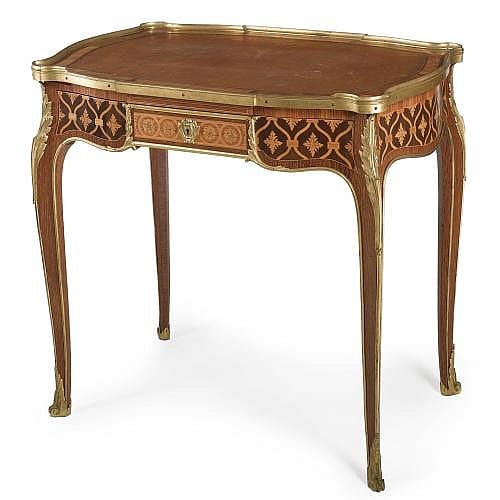 |
Paul Sormani table à écrire Paris, circa 1870 | Sotheby's | 2007-04-19 | 154 | USD 15,600 |
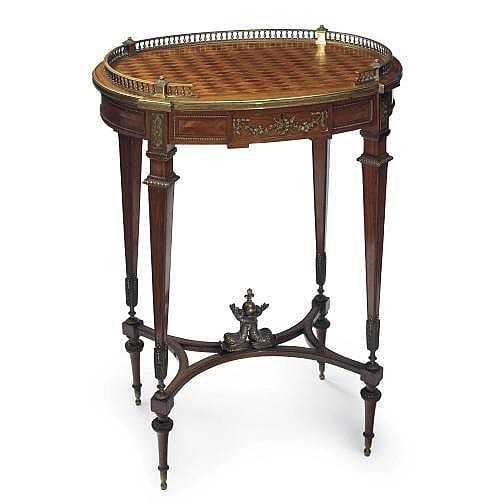 |
Paul Sormani table ambulante Paris, circa 1875 | Sotheby's | 2007-04-19 | 134 | USD 9,600 |
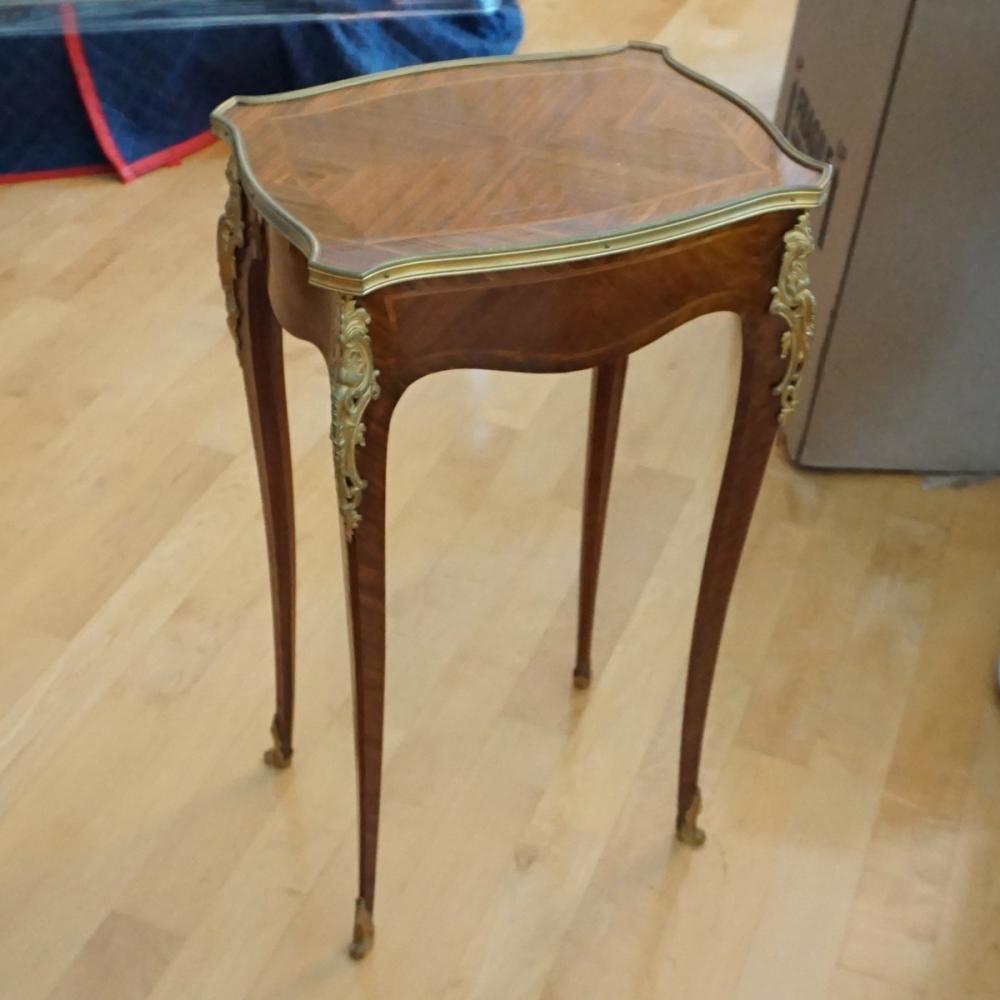 |
Paul Sormani (1817- c.1877) Table | Kodner Galleries | 2022-12-15 | 19 | USD 4,400 |
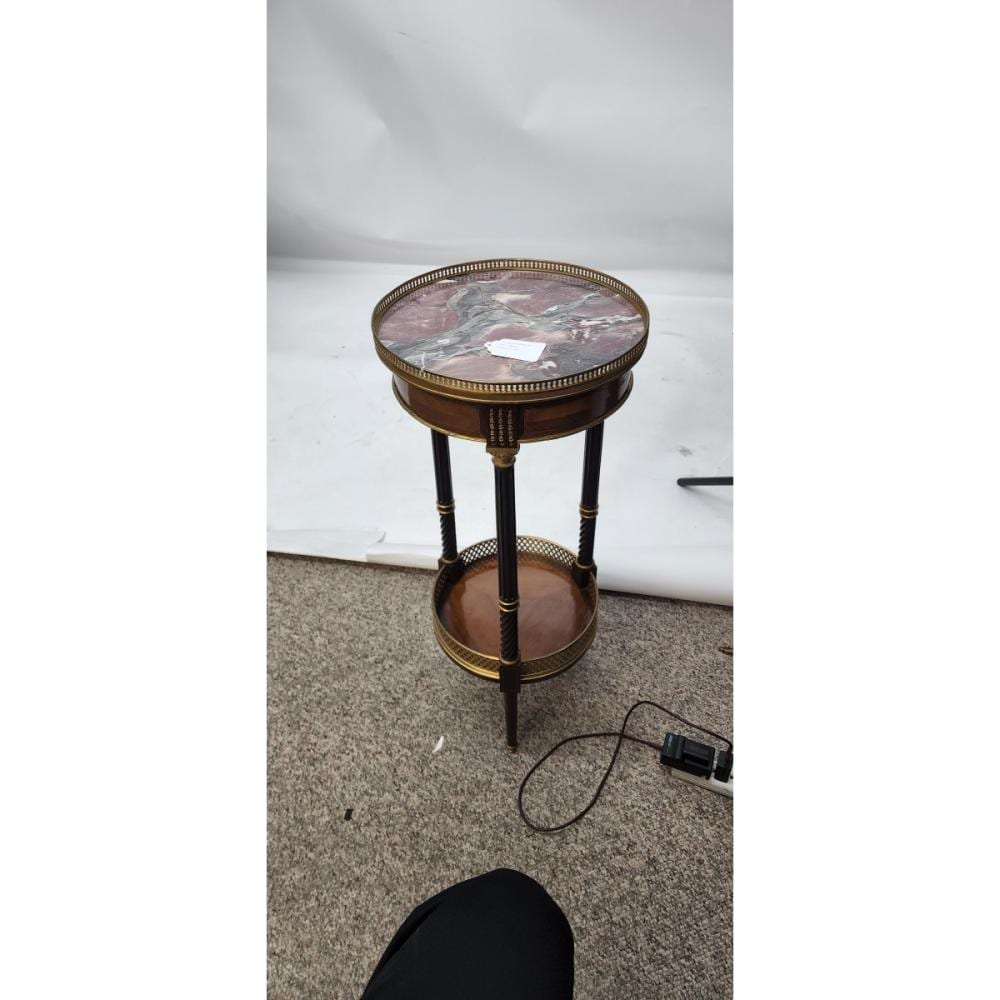 |
Paul Sormani (1817c.1877) Table | Kodner Galleries | 2022-12-15 | 21 | USD 6,000 |
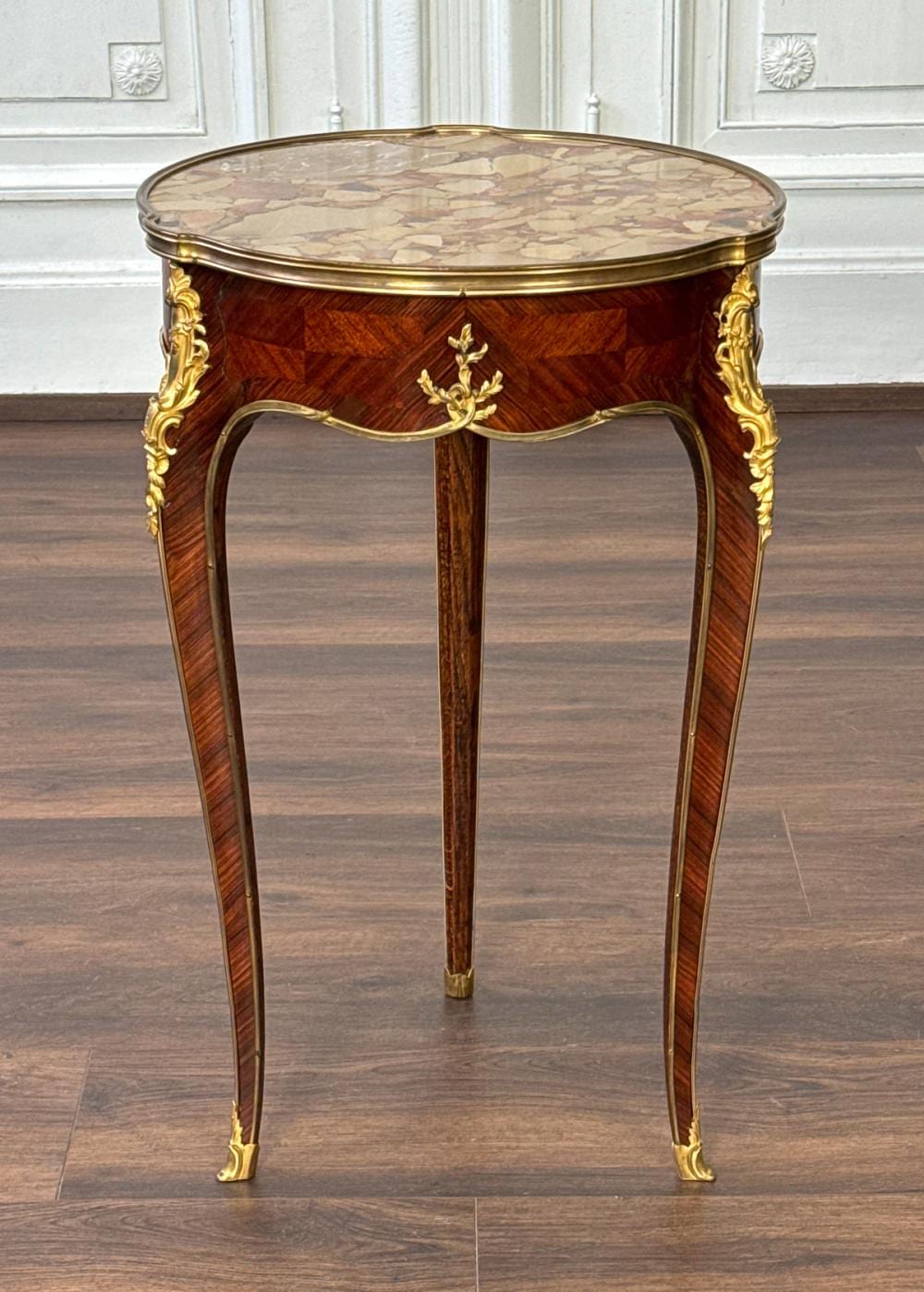 |
Paul Sormani Louis XV Style Side Table | J. Garrett Auctioneers | 2026-05-02 | 52 | USD 2,750 |
How these auction records were verified
These sales are market context, not an object estimate.
Each row retains its exact source URL, lot identity, retrieval time, access result, and immutable record hash. Live source access was blocked; the exact record matched Appraisily's immutable pipeline provenance. Inspect the public comparable provenance record.
Frequently asked questions
How can I tell whether furniture is by Paul Sormani?
Start with a full-object record: overall views, close photos of hardware and construction, dimensions, and any inscription or label. A name alone is not enough to establish authorship or value.
What affects Paul Sormani furniture value?
The furniture form, materials, decoration, condition, completeness, provenance, attribution strength, and the relevance of dated comparable sales all affect value.
Can an auction result set a value for my piece?
No. A realised price is context for one identified lot at one sale. It is most useful when form, materials, condition, attribution, date, and sale terms are comparable.
Sources and editorial note
Auction-comparable data is curated from dated sale records and linked to Appraisily’s editorial policy. Individual auction results are evidence about their own lots, not a promise of a future sale price.