Engine Order Telegraph Value Guide: Maker Plate, Dial, Brass, Ship Context and Condition
Review an engine order telegraph by documenting maker plate, dial, handles, brass or bronze details, ship context, condition, repairs, and documents.
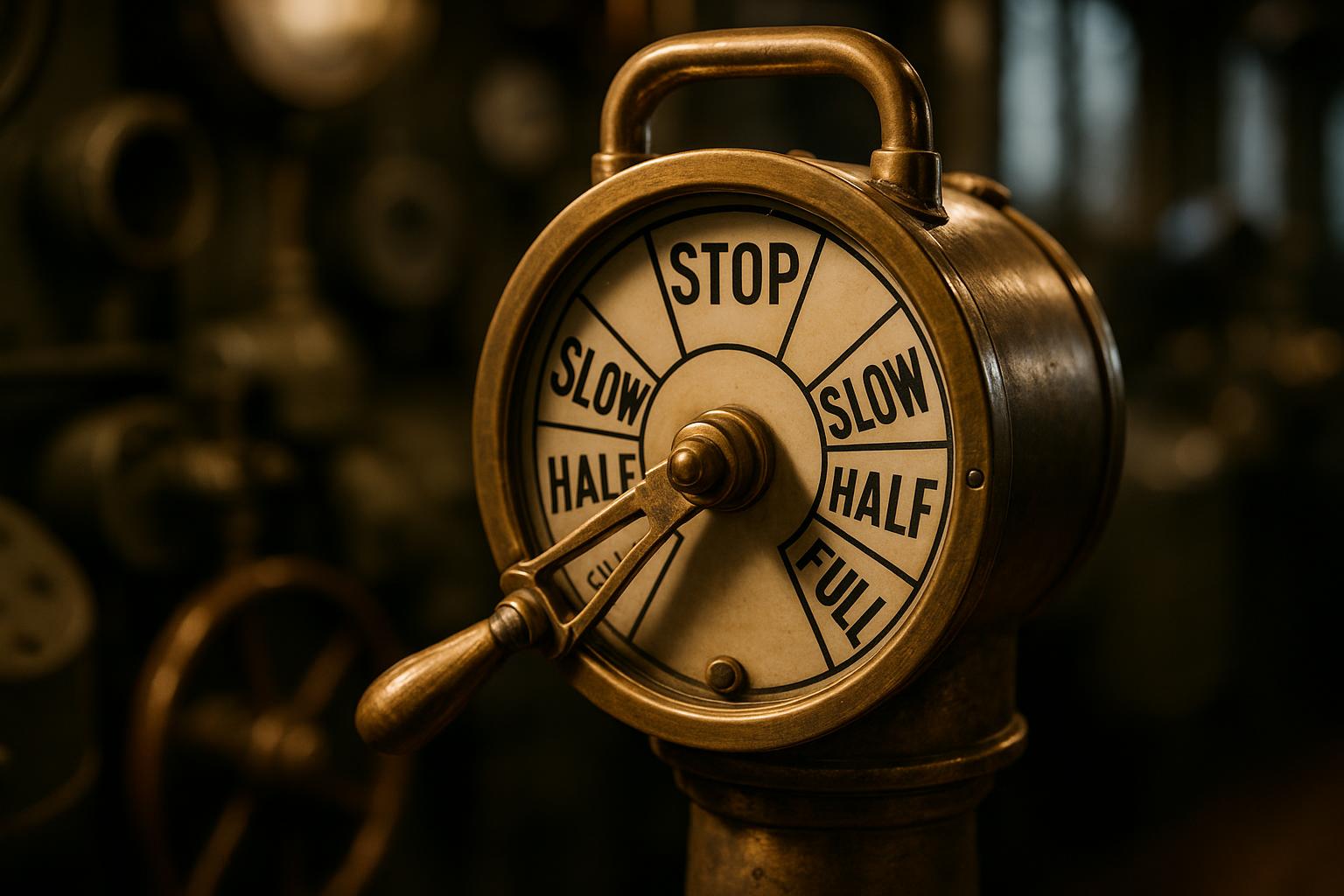
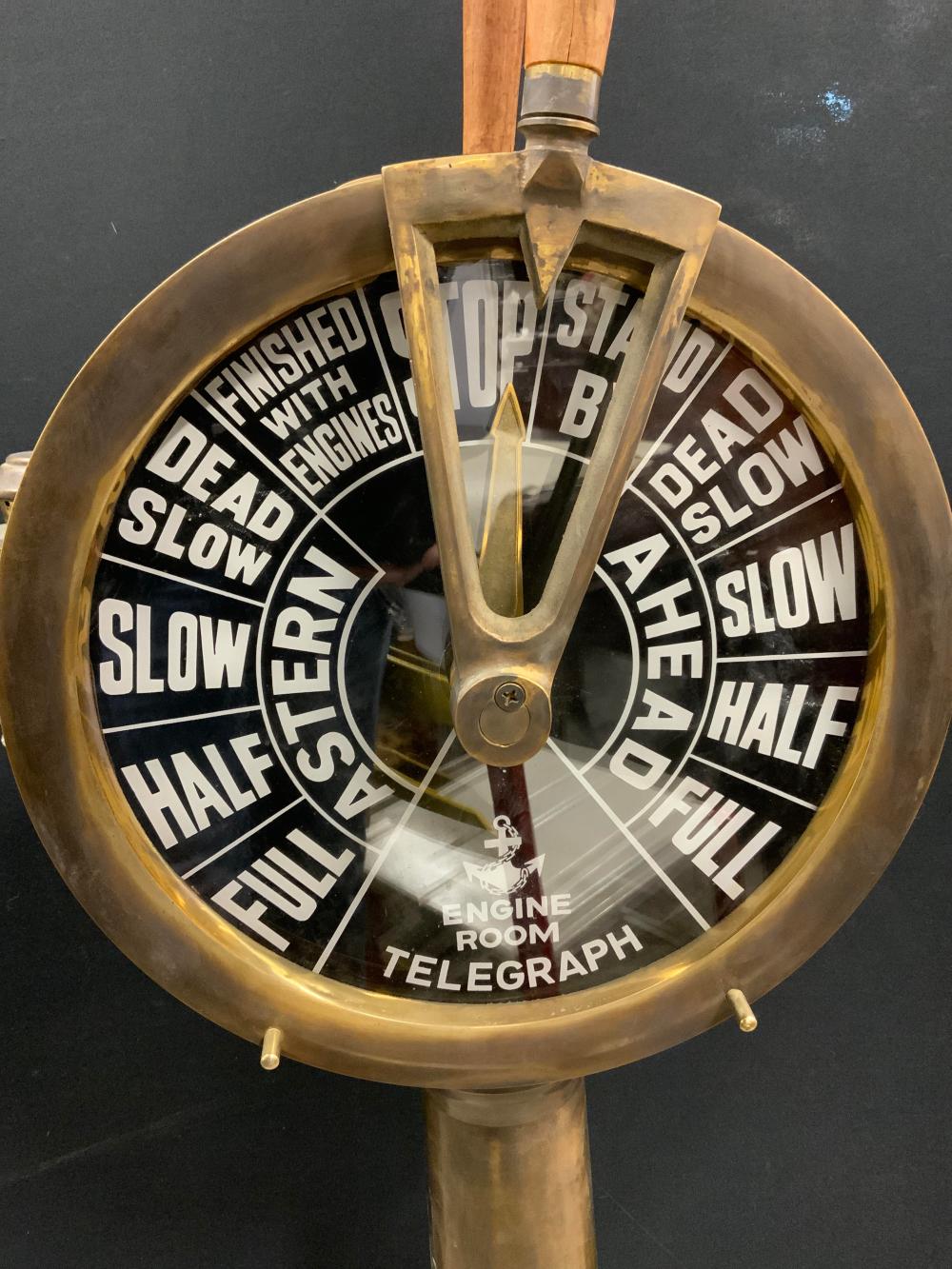
Engine order telegraph value reference with maker plate, dial, handles, brass or bronze details, ship context, condition, repairs, and documents. Reference image; item-specific appraisal depends on submitted photos and documentation.Contextual engine order telegraph image for documenting maker plate, dial condition, bridge provenance, restoration, and market demand.
What to document first
Start with clear photographs of the front, back, labels, inscriptions, signatures, edition numbers, maker plates, condition issues, and any documents that connect the object to its ownership history. Those details determine whether the appraisal can move beyond a broad identification into a defensible value opinion.
For Engine order telegraph appraisal, the strongest file separates confirmed facts from assumptions. Record dimensions, materials, visible marks, restoration, damage, and acquisition history before comparing the object with market examples.
Value factors
Value depends on attribution, originality evidence, condition, rarity, subject matter, date, completeness, and buyer demand. A signed or well-documented example usually needs closer review than an unsigned object because small differences in medium, edition, or condition can materially change the value range.
No public market evidence are asserted here. Use verified sold records, specialist databases, and object-specific evidence before relying on any market range.
When to request an appraisal
Request a professional appraisal when the object may be insured, donated, sold, inherited, divided in an estate, or reported for tax purposes. Include provenance and condition photographs so the appraiser can decide whether a desktop review is sufficient or whether additional inspection is needed.
Need a documented value opinion?
Upload photos and object details so Appraisily can review the evidence and recommend the right appraisal path.
Note: We couldn’t find enough auction records that directly match Engine Order Telegraph Value Guide: Maker Plate, Dial, Brass, Ship Context and Condition to publish a defensible price table. If you are valuing a specific item, include its maker, model, material, photos, and condition so the search can be narrowed.
What similar items actually sold for
To help ground this guide in real market activity, here are recent example auction comps from Appraisily’s internal database. These matched sales are market context only, not an object estimate or identification, and they do not guarantee a price for your specific engine order telegraph surfbird mine sweeper.
Shown GBP range: GBP 3,125-GBP 1,750,000. Median of these 4 GBP examples: GBP 6,250.
Source-reported amounts. Buyer’s-premium treatment is stated in each row when known; otherwise it is unknown. Native currencies are not normalized.
Each row retains its exact source URL, lot identity, retrieval time, access result, and immutable record hash. Inspect the public comparable provenance record.
Disclosure: prices are shown as reported by auction houses and are provided for appraisal context. Learn more in our editorial policy.
Free instant estimate
Not sure if your item is worth appraising? Let us take a look.
Upload a photo, tell us what you know, and get a free first read. If a full appraisal makes sense, we will say so.
Free. No card needed. Takes about two minutes.
Choose your next step
Use the path that matches the decision you need to make about the item.
Not sure it is worth appraising?
Start with a lower-friction screen to understand the likely category, evidence, and next step.