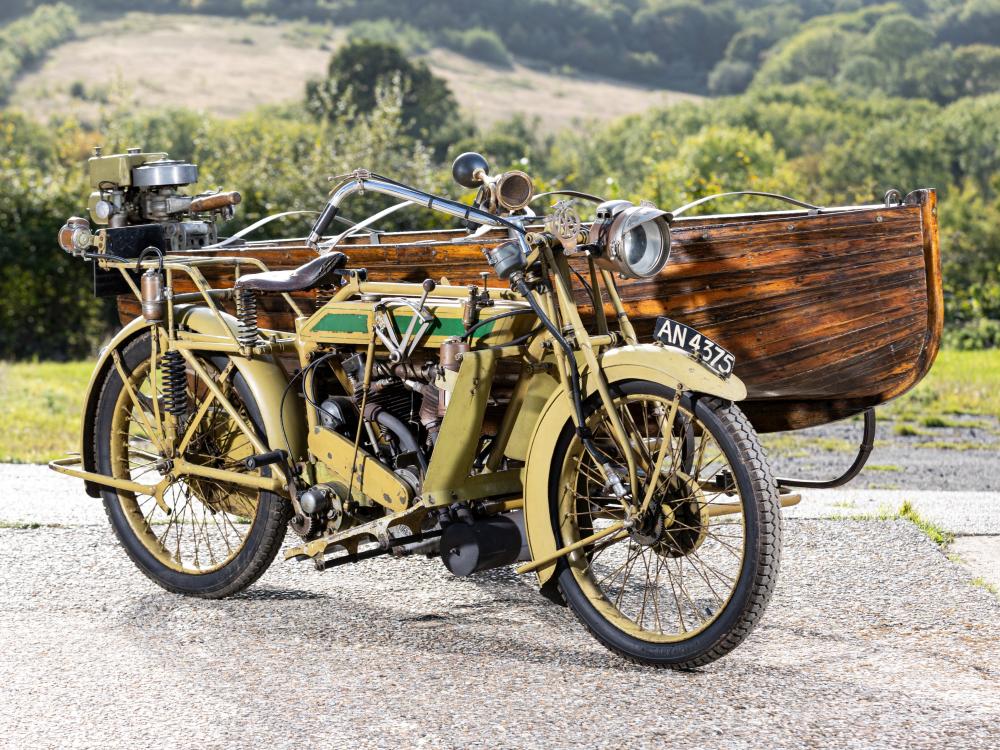
Antique boat motors appeal to collectors, restorers, and display buyers. The strongest values usually come from complete examples with clear maker identification, desirable models, good compression, original tanks or decals, and documented restoration work.
Identify the exact model
Look for maker plates, serial numbers, casting marks, tank graphics, and lower-unit details. Small model differences can matter, especially for early outboards, racing motors, and limited-production examples.
Condition is both cosmetic and mechanical
A clean painted housing is not enough. Buyers also look for compression, missing controls, cracked tanks, damaged skegs, seized parts, replaced decals, and whether the motor has been run recently.
Compare against the right buyer market
Display-only motors, restorable projects, and running examples sell to different buyers. Match against sold examples with the same maker, horsepower, year range, and completeness before setting a price.
What a defensible value needs
Record the serial plate, all sides of the motor, controls, propeller, tank, and any restoration receipts. Those details make the valuation more defensible.
Need a documented value?
Upload photos and details. Appraisily checks identity, condition, and market evidence, then prepares a signed appraisal report you can share.