Antique fainting couches are valued as furniture, design objects, and sometimes decorative statement pieces. Style, frame quality, wood, upholstery, maker evidence, originality, and structural condition set the value range.
Identify the style and frame
Victorian, Empire, Rococo Revival, Eastlake, and later revival forms each have different markets. Check carving, legs, rails, springs, and joinery before assigning a period.
Originality matters
Original upholstery can support historic value when intact, but many couches were reupholstered. Refinished wood, replaced legs, weak frames, and modern foam should be documented.
Condition affects usability and value
Loose joints, broken springs, upholstery loss, odor, pest damage, veneer issues, and past repairs change both marketability and restoration cost.
Quick appraisal checklist
- Photograph full couch, frame underside, legs, upholstery, and damage
- Measure length, height, depth, and seat height
- Record wood, style, spring type, and maker labels
- Note reupholstery, refinishing, repairs, and odors
- Compare sold couches by style, size, condition, and originality
Note: We couldn’t find enough auction records that directly match Antique Fainting Couch Value: Frame, Style, Upholstery, Wood, Maker, Condition and Repairs to publish a defensible price table. If you are valuing a specific item, include its maker, model, material, photos, and condition so the search can be narrowed.
What similar items actually sold for
To help ground this guide in real market activity, here are recent example auction comps from Appraisily’s internal database. These matched sales are market context only, not an object estimate or identification, and they do not guarantee a price for your specific discovering the worth of elegance unveiling the true.
Shown EUR range: EUR 500-EUR 1,950. Median of these 3 EUR examples: EUR 800.
| Comparable | What sold | Auction house | Date | Lot | Source-reported amount |
|---|---|---|---|---|---|
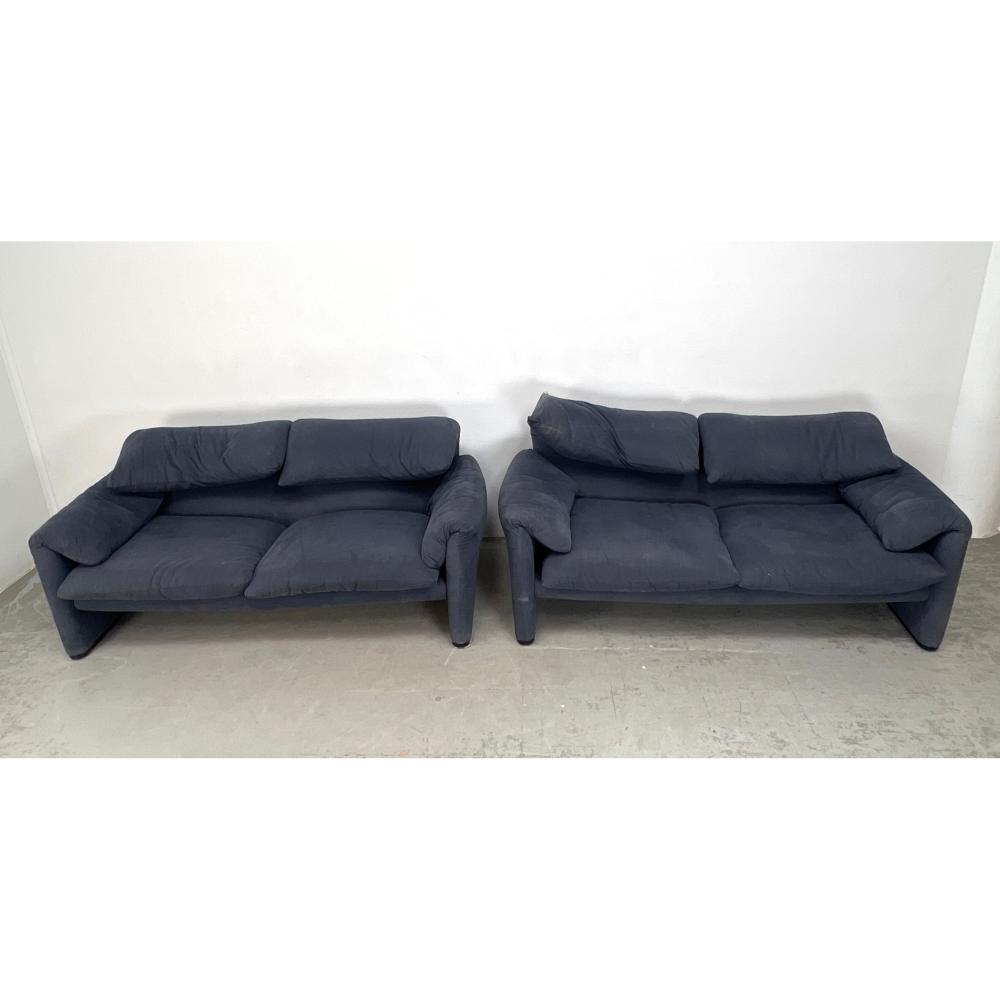 |
PAIR VICO MAGISTRETTI MARALUNGA SOFA COUCHES. | Uniques & Antiques | 2025-12-04 | 1531 | USD 1,900 (buyer’s-premium treatment unknown) |
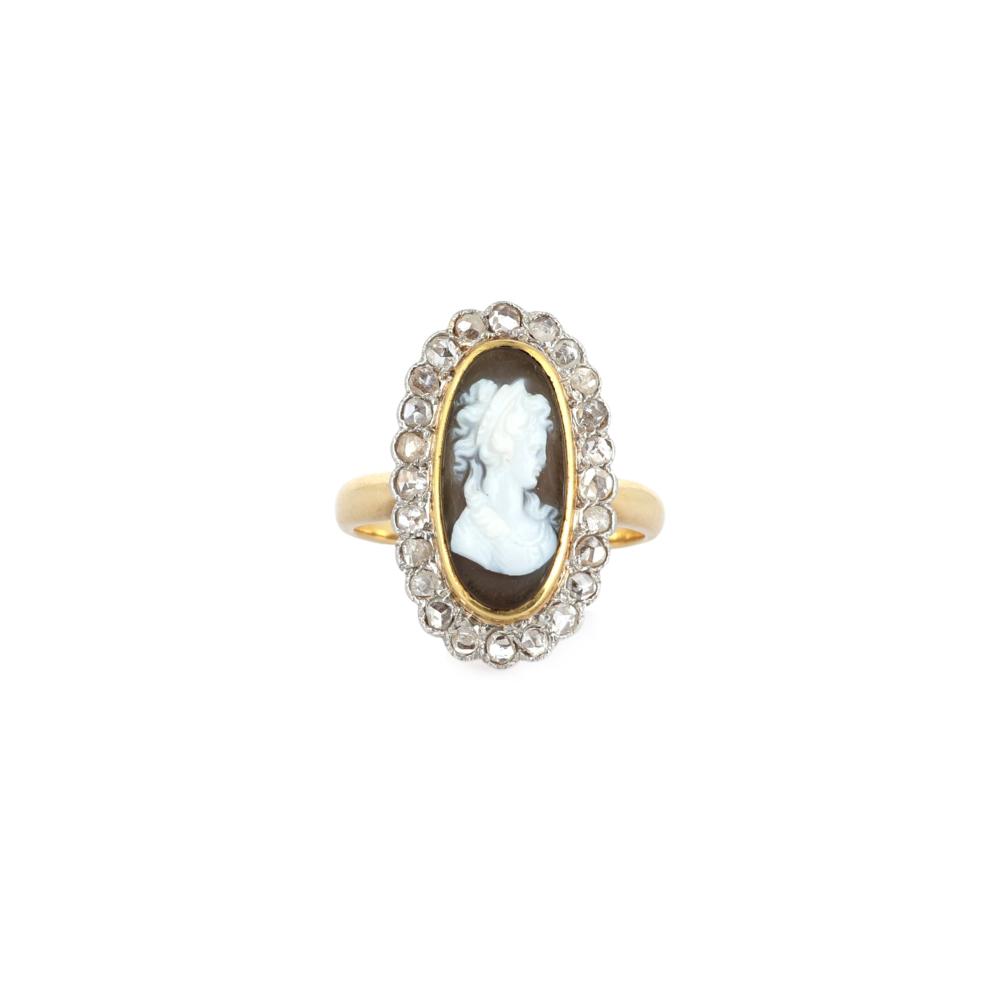 |
Bague en or jaune 750‰, platine 850‰ et camée agate deux couches à profil féminin | Gros-Delettrez | 2026-03-13 | 118 | EUR 800 (buyer’s-premium treatment unknown) |
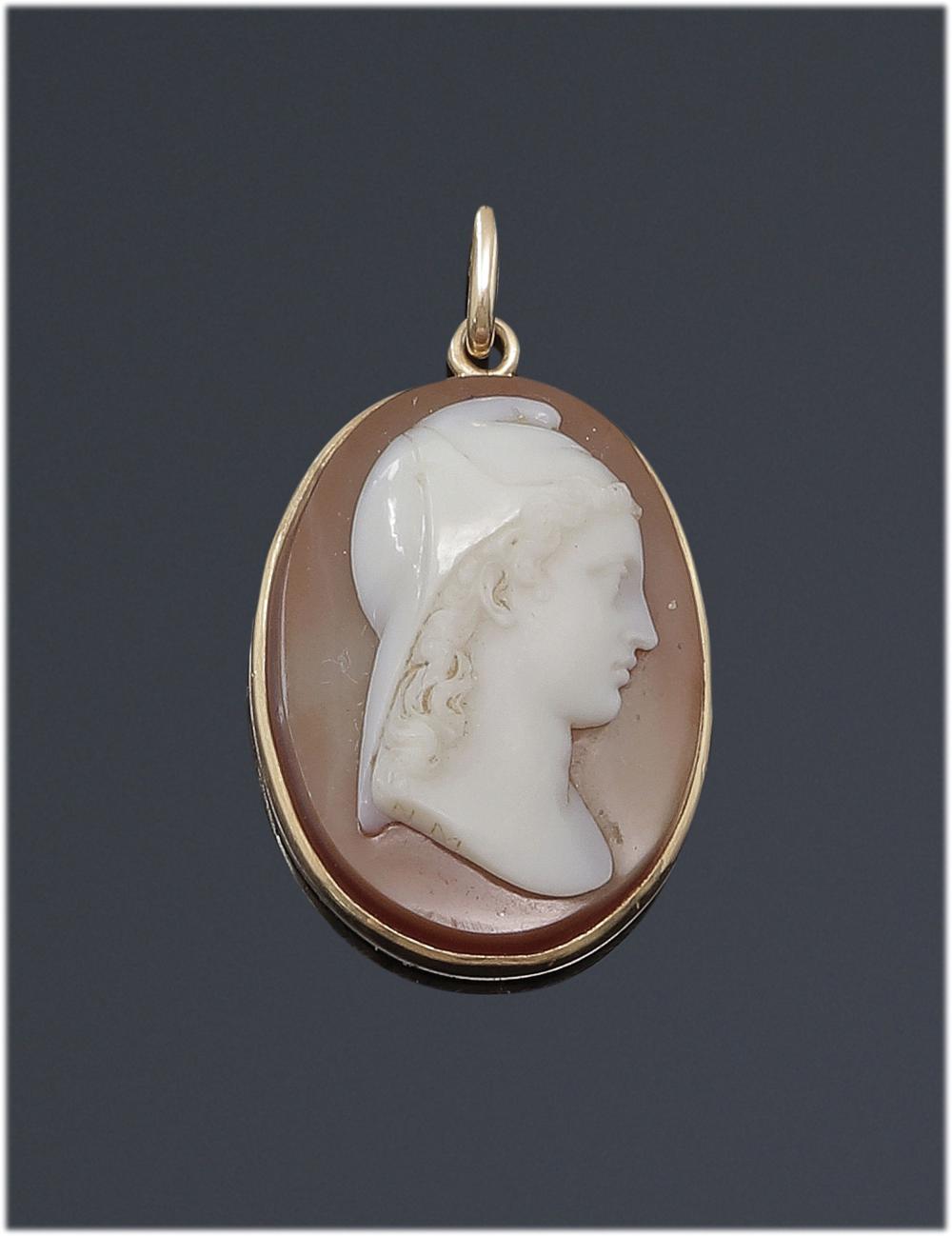 |
Camée ovale en agate deux couches représentant une femme en buste vers la gauche portant le bonnet phrygien. | Phidias | 2025-10-30 | 44 | EUR 500 (buyer’s-premium treatment unknown) |
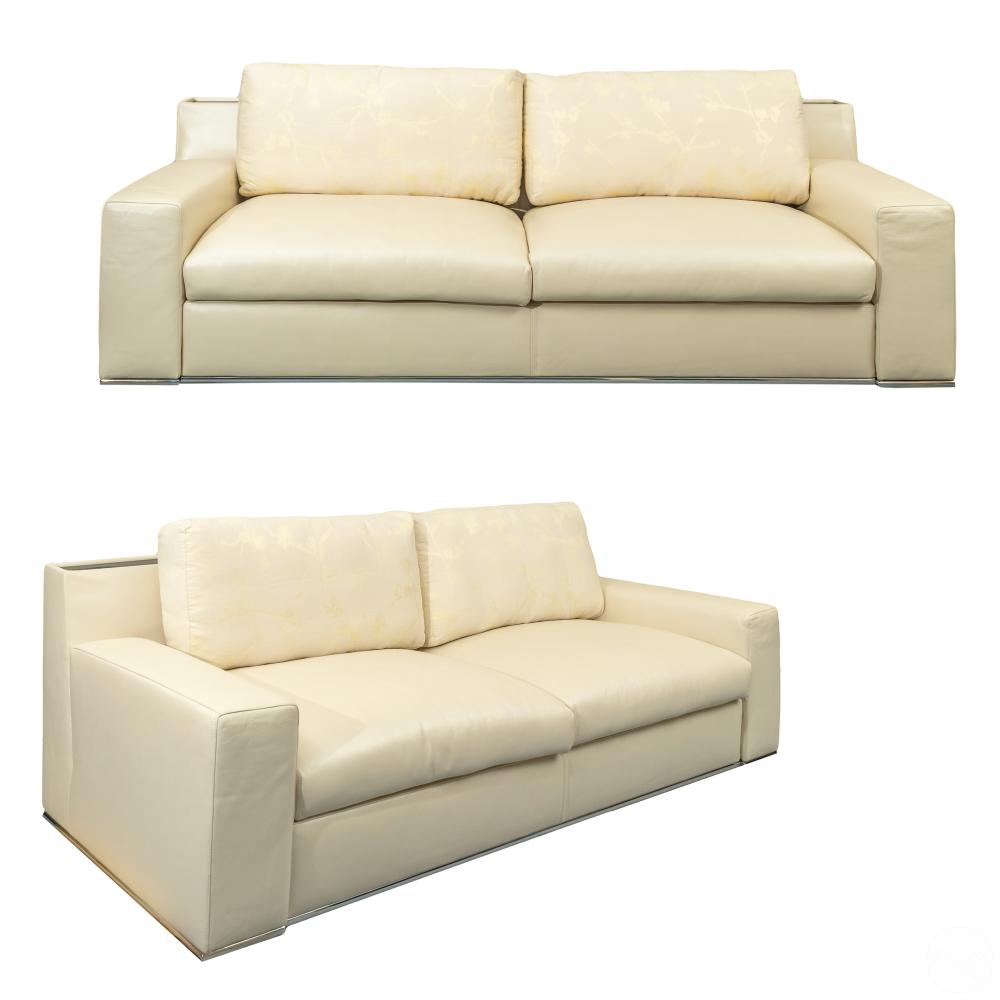 |
Fendi Casa Pair Beige Ivory Leather Sofa Couches | Hill Auction Gallery | 2024-08-28 | 162 | USD 1,900 (buyer’s-premium treatment unknown) |
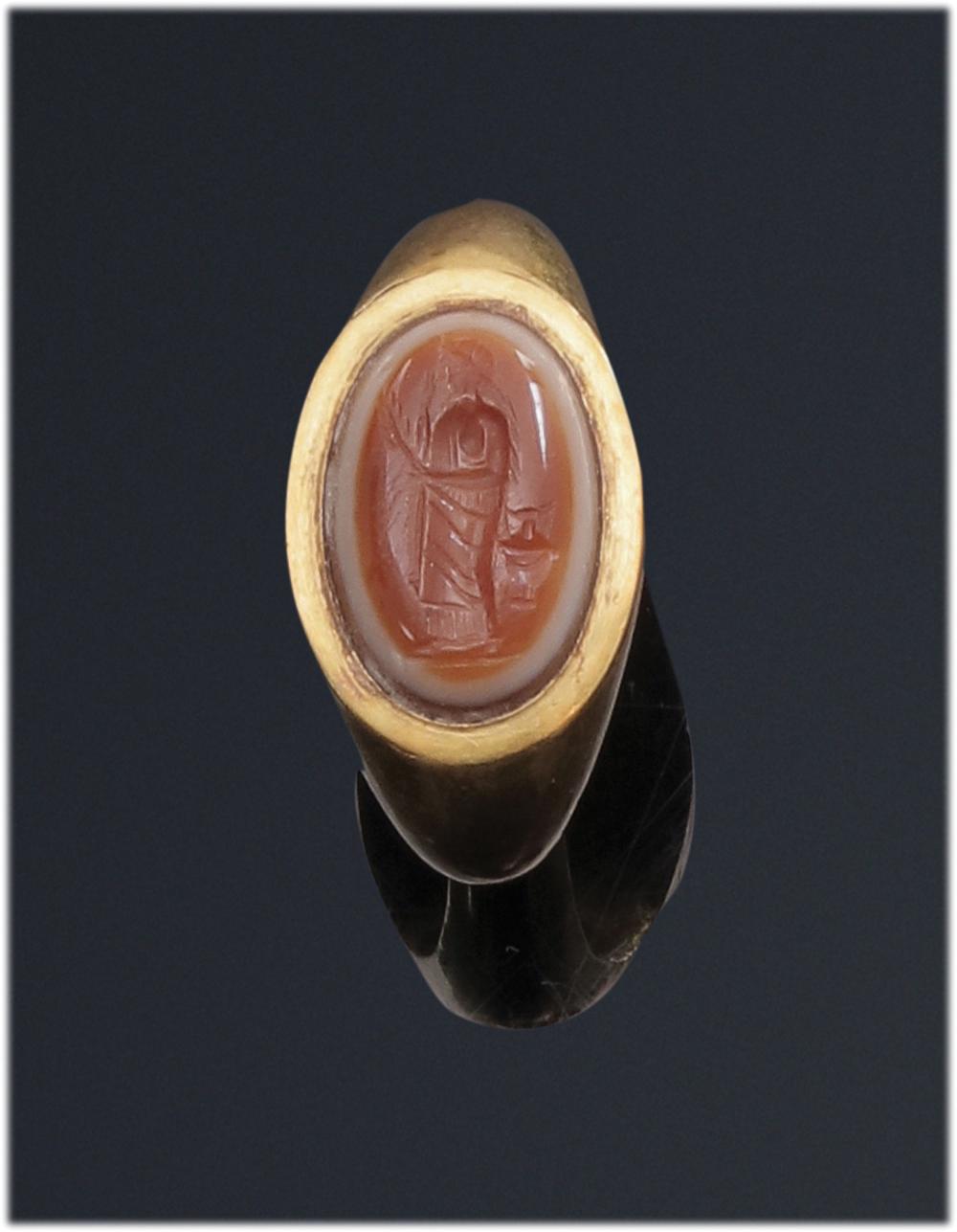 |
Bague en or jaune à chaton ovale sertie d'une intaille ovale en agate trois couches gravée d'un personnage archaïsant debout vers la gauche, tenant un branchage. | Phidias | 2025-10-30 | 2 | EUR 1,950 (buyer’s-premium treatment unknown) |
How these auction records were verified
Each row retains its exact source URL, lot identity, retrieval time, access result, and immutable record hash. Inspect the public comparable provenance record.
Disclosure: prices are shown as reported by auction houses and are provided for appraisal context. Learn more in our editorial policy.
Free instant estimate
Not sure if your fainting couch is worth appraising? Let us take a look.
Upload a photo, tell us what you know, and get a free first read. If a full appraisal makes sense, we will say so.
Free. No card needed. Takes about two minutes.
Choose your next step
Use the path that matches the decision you need to make about the item.
Not sure it is worth appraising?
Start with a lower-friction screen to understand the likely category, evidence, and next step.
Upload photos for a free first lookWant proof before paying?
See how a signed report documents photos, comparable evidence, condition notes, and value conclusions.
View signed report sampleNeed a signed report?
Use this for insurance, estate, donation, resale, or documented value decisions.
Need documentation now? Start signed appraisalNeed local or specialist help?
Compare directory options when the work needs in-person review or a specialist near you.
Find local specialistsSee what the report looks like
Sample reports show how photos, comparable evidence, condition notes, and a value conclusion are documented.
Need a documented value?
Upload clear photos, marks, measurements, condition notes, and any provenance so Appraisily can review the item against relevant market evidence.
Start furniture appraisal