
Value of Old Furniture: Style, Wood, Maker, Construction, Surface and Condition
Evaluate old furniture value by documenting style, wood, maker labels, joinery, hardware, surface, repairs, measurements, photos, and condition.
Free first step
Found old furniture and want to know if it matters?
Upload photos. We identify the object, check real sales, and show the right appraisal path.
Quick old furniture value checklist
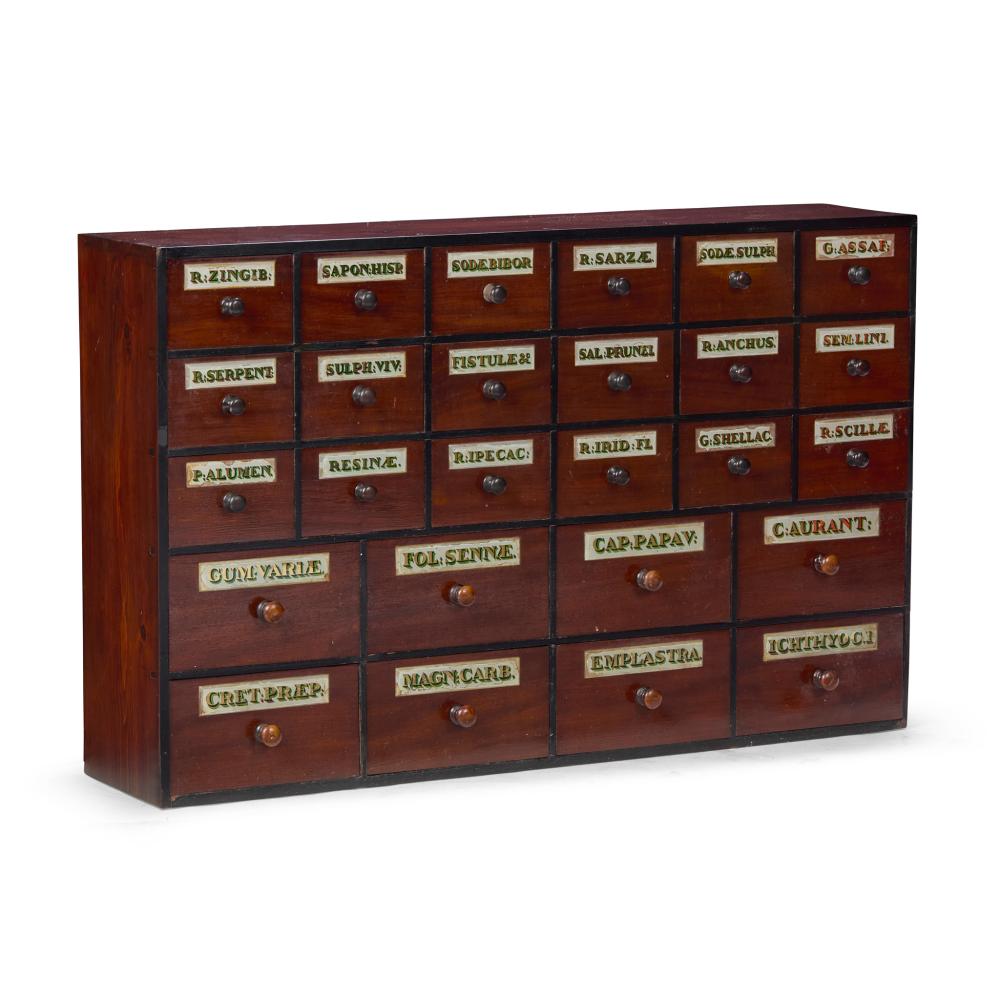
- Form and style: chest, table, chair, desk, cabinet, sideboard, settee, campaign piece, apothecary cabinet, or regional form.
- Wood and surface: walnut, mahogany, oak, rosewood, huali, pine, veneer, lacquer, paint, ebonized finish, or later refinishing.
- Construction: dovetails, pegs, secondary woods, drawer bottoms, saw marks, hardware, locks, feet, and joinery.
- Condition: missing hardware, replaced parts, veneer loss, cracks, stains, refinishing, repairs, instability, and insect damage.
- Context: maker label, retailer stamp, family provenance, set completeness, dimensions, and local demand.
What drives old furniture value
Strong furniture values usually come from the right combination of design, material, condition, originality, and demand. A complete set can matter. A specialized form can matter. Original hardware and surface can matter. Size also matters because large furniture can be expensive to move and harder to place.
Do not refinish, replace hardware, sand, repaint, or repair before identification. Those choices can change value and remove useful evidence.
When a free screener is enough
Use the free screener when you need help identifying style, age clues, wood, condition issues, and whether market evidence exist. It is useful before moving, refinishing, donating, or selling inherited furniture.
When to get a professional appraisal
Use a professional appraisal for insurance, estate division, donation, resale of a significant piece, or furniture with maker, provenance, or originality questions. For format expectations, see the professional sample report.
Photo checklist before you upload
- Full front, back, sides, top, underside, feet, and interior.
- Drawer sides, bottoms, dovetails, locks, hardware, hinges, labels, stamps, and repairs.
- Close-ups of wood grain, surface, veneer, paint, lacquer, damage, and replaced parts.
- Measurements: height, width, depth, and seat height where relevant.
- Any receipts, family notes, maker documentation, prior appraisals, or restoration records.
What similar items actually sold for
To help ground this guide in real market activity, here are recent example auction comps from Appraisily’s internal database. These are educational comparables (not a guarantee of price for your specific item).
Shown USD range: USD 260-USD 525. Median of these 4 USD examples: USD 325.
| Image | Description | Auction house | Date | Lot | Reported price realized |
|---|---|---|---|---|---|
 |
Furniture: Antique Sheraton softwood two-door work table – 23 ½” W X 17 ¾” D X 29’ T; faded surface with some sun bleaching, light finish/surface loss & wear NO SHIPPING | Roan Inc. Auctioneers & Appraisers | 2024-03-17 | 365 | USD 260 |
 |
Furniture: Antique New England style softwood blanket chest- lift top with one drawer; in old natural refinish; 37 ½” W X 33” T X 17 ½” D; good warm appearance with finish color variation throughout NO SHIPPING | Roan Inc. Auctioneers & Appraisers | 2024-03-17 | 385 | USD 300 |
 |
Antique Wood Chippendale Style 10' Dining Table | GWS Auctions | 2020-12-04 | 92 | USD 525 |
 |
ALTAR TABLE - Antique Chinese dark stained Zitan wood construction (as per consignor) of rectangular form, supported by two wide lat... | Pacific Galleries | 2017-10-07 | 117A | USD 350 |
Disclosure: prices are shown as reported by auction houses and are provided for appraisal context. Learn more in our editorial policy.
Free instant estimate
Not sure if your item is worth appraising? Let us take a look.
Upload a photo, tell us what you know, and get a free first read. If a full appraisal makes sense, we will say so.
Free. No card needed. Takes about two minutes.
Choose your next step
Use the path that matches the decision you need to make about the item.
Not sure it is worth appraising?
Start with a lower-friction screen to understand the likely category, evidence, and next step.
Upload photos for a free first lookWant proof before paying?
See how a signed report documents photos, comparable evidence, condition notes, and value conclusions.
View signed report sampleNeed a signed report?
Use this for insurance, estate, donation, resale, or documented value decisions.
Need documentation now? Start signed appraisalNeed local or specialist help?
Compare directory options when the work needs in-person review or a specialist near you.
Find local specialistsSee what the report looks like
Sample reports show how photos, comparable evidence, condition notes, and a value conclusion are documented.
We identify the piece, check real sales where available, and tell you whether a free screen or signed appraisal makes sense.
Try the free screener