
Chinese incense burner bowl: appraisal and value basics
Chinese incense burner bowl research should start with identification, casting quality, condition, base marks, provenance, and item-specific market evidence. Use this guide to compare the signals that matter before paying for a formal appraisal or deciding whether to sell.
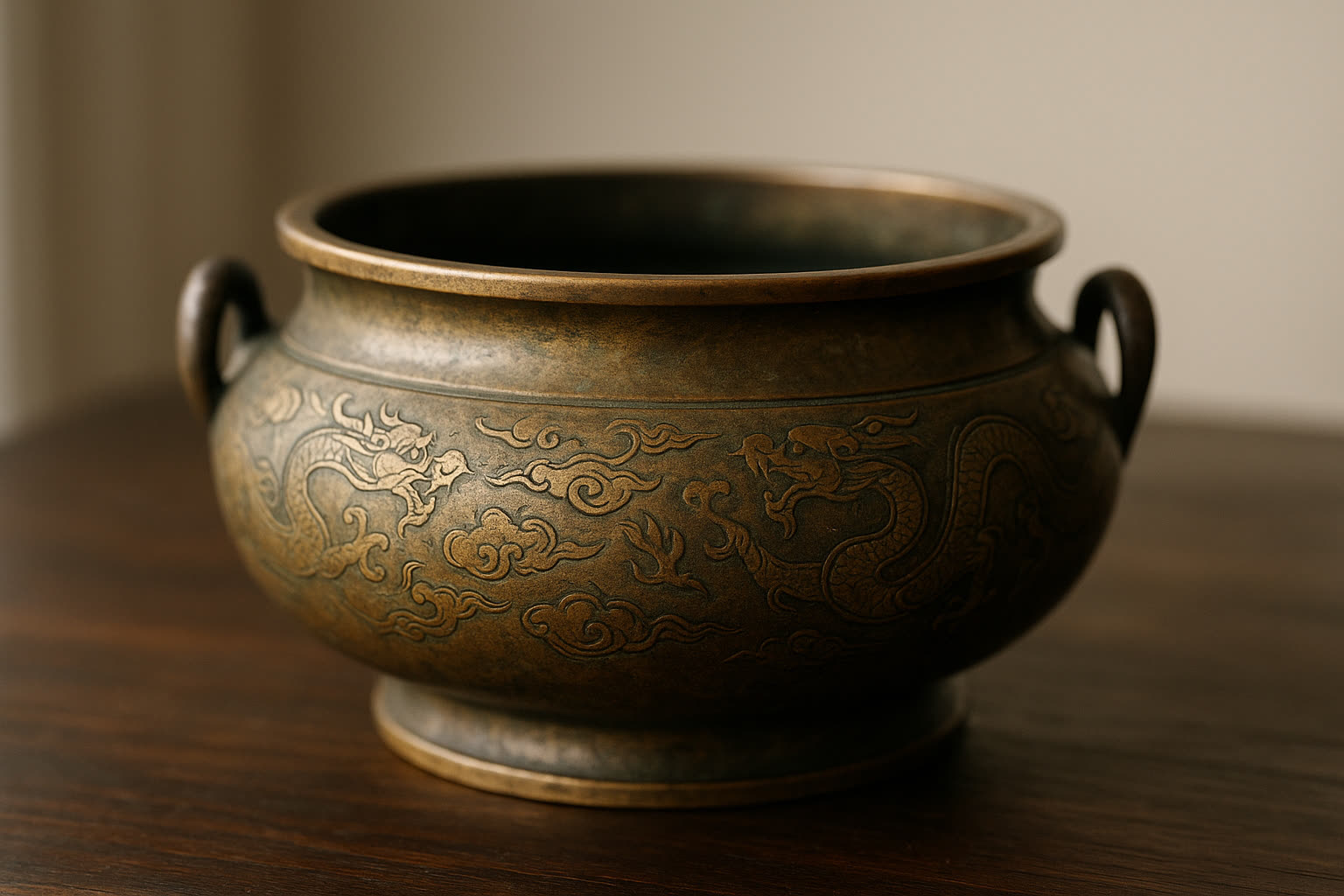
When people say “antique Chinese incense burner,” they’re usually picturing a lidded tripod xianglu (censer) used on home altars or in temples. In real estate finds, you often see the bottom half only: a heavy brass bowl with handles (sometimes dragons), a footring or three feet, and a stamped or cast mark on the base.
With the lid missing, these pieces are frequently repurposed as decorative bowls or planters. That doesn’t automatically make them modern —but it does change the collector market. Intact, signed, high-quality bronzes trade in a different tier than incomplete brass examples.
Free first read
Check whether your censer deserves a full appraisal
Upload photos of the base mark, handles, interior wear, and profile for a free first read on likely age signals and whether the comps support paid documentation.
Free first read · Private upload · No checkout required to start
How We Research Valuation Data
Our appraisal guides are based on auction results, dealer pricing data, and professional appraiser insights. We may earn a commission when you use our free professional appraisal service. Learn about our editorial standards.
What you’re looking at: censer, planter, or “incense burner base”?
Many Chinese censers were designed as lidded forms. If you only have the bowl, it may be:
- The bottom of a lidded censer (lid lost over time).
- A bowl-form censer made without a lid (common in later export and decorative markets).
- A decorative brass bowl borrowing censer motifs (dragons, archaistic bands) for export décor.
Value comes from workmanship, age, and buyer demand—not from the label “incense burner” alone. Missing lids typically reduce value, but they don’t automatically make an item worthless.
Identification checklist (5 minutes on a table)
Start with construction before you obsess over marks. You’re looking for consistency: do the materials and finishing choices match the story the object is trying to tell?
1) Casting and finishing
- Older cast brass/bronze usually shows hand-finishing: subtle file marks and uneven wear where hands touched it.
- Modern decorative castings often have crisp, repeated texture and uniform “antiquing” in recesses.
2) Weight and wall thickness
Many modern bowls are thin and light. Antique examples (even brass) often feel dense for their size. If the walls ring like sheet metal, it may be later decorative ware rather than a cast censer.
3) Handles and feet
Dragon handles are common. What matters is attachment. Integral handles are a better sign than obvious modern screws or bright solder lines. Repairs happen, but they should be disclosed when selling.
4) Interior evidence
True censers often show heat-related wear: darkening, ash residue in pores, and micro-pitting. A perfectly clean, uniformly polished interior doesn’t prove it is modern, but it can suggest decorative use.
Brass vs bronze (and why green corrosion appears)
Collectors often say “bronze censer” for any yellow-to-brown metal. Technically, brass is copper + zinc (often more yellow) while bronze is copper + tin (often redder/browner). Both are copper alloys and both can develop green corrosion (copper salts/oxides) when exposed to moisture, salts, or acidic plant soil.
If your bowl was used as a planter, small green patches are unsurprising. They don’t automatically mean “ancient,” but they do confirm copper alloy content as expected. Avoid aggressive polishing before selling—buyers use patina as an age clue and polishing can highlight repairs.
Interpreting the base mark (and common misunderstandings)
Many Chinese metalwork pieces carry reign-style marks (for example “Xuande” or “Qianlong”). A crucial nuance: marks are often honorific and were copied for centuries. A Xuande mark does not confirm a Ming dynasty date.
When a mark looks modern (very uniform font, shallow stamping, or unfamiliar symbol), it can indicate later manufacture—often early 20th century or export décor. Some later marks can still be legitimate foundry/workshop marks.
- Wear consistency: does the mark show similar wear/oxidation as surrounding metal?
- Placement: centered within a recessed base vs randomly stamped.
- Photos: take a straight-on photo plus raking light close-ups.
Appraisal value range for Chinese incense burner bowls
For a typical Chinese brass or bronze incense burner base with no lid and a non-imperial mark, value usually depends on casting quality, size, condition, patina, and whether the base mark is convincing. The Valuer comps below show everyday bowl-form and tripod censers selling from about CAD 900 to USD 1,000, while stronger Xuande-marked bronze examples reached GBP 2,200 to EUR 3,800.
- Decorative or incomplete brass bowl: often a low-to-mid three-figure object when casting is ordinary or the lid is missing.
- Sound bowl-form or tripod bronze censer: recent comparable sales support roughly CAD 900 to USD 1,000 for appealing but accessible examples.
- Strong Xuande-marked bronze examples: better casting, age signals, and specialist demand can push values into the low thousands.
Your bowl can land above or below those figures depending on size, condition, and how convincingly it reads as antique Chinese work rather than generic export décor.
Note: We couldn’t find enough auction records that directly match Chinese Incense Burner Bowl: Form, Metal, Marks, Patina, Condition and Provenance to publish a defensible price table. If you are valuing a specific item, include its maker, model, material, photos, and condition so the search can be narrowed.
What similar items actually sold for
To help ground this guide in real market activity, here are recent example auction comps from Appraisily’s internal database. These matched sales are market context only, not an object estimate or identification, and they do not guarantee a price for your specific chinese incense burner.
Shown USD range: USD 30-USD 1,700. Median of these 11 USD examples: USD 87.
| Comparable | What sold | Auction house | Date | Lot | Source-reported amount |
|---|---|---|---|---|---|
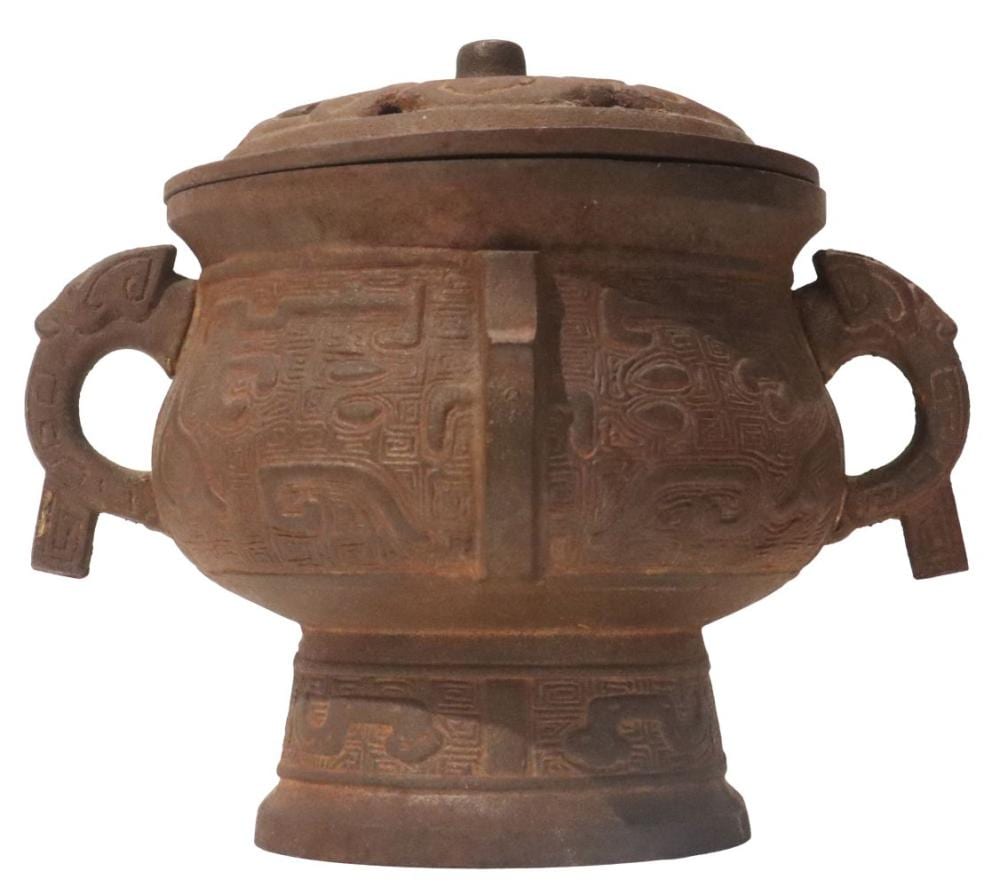 |
Antique Chinese Bronze Incense Burner CenserSource blocked; provenance matched | Sarasota Estate Auction | 2025-06-08 | 1821 | USD 30 (buyer’s-premium treatment unknown) |
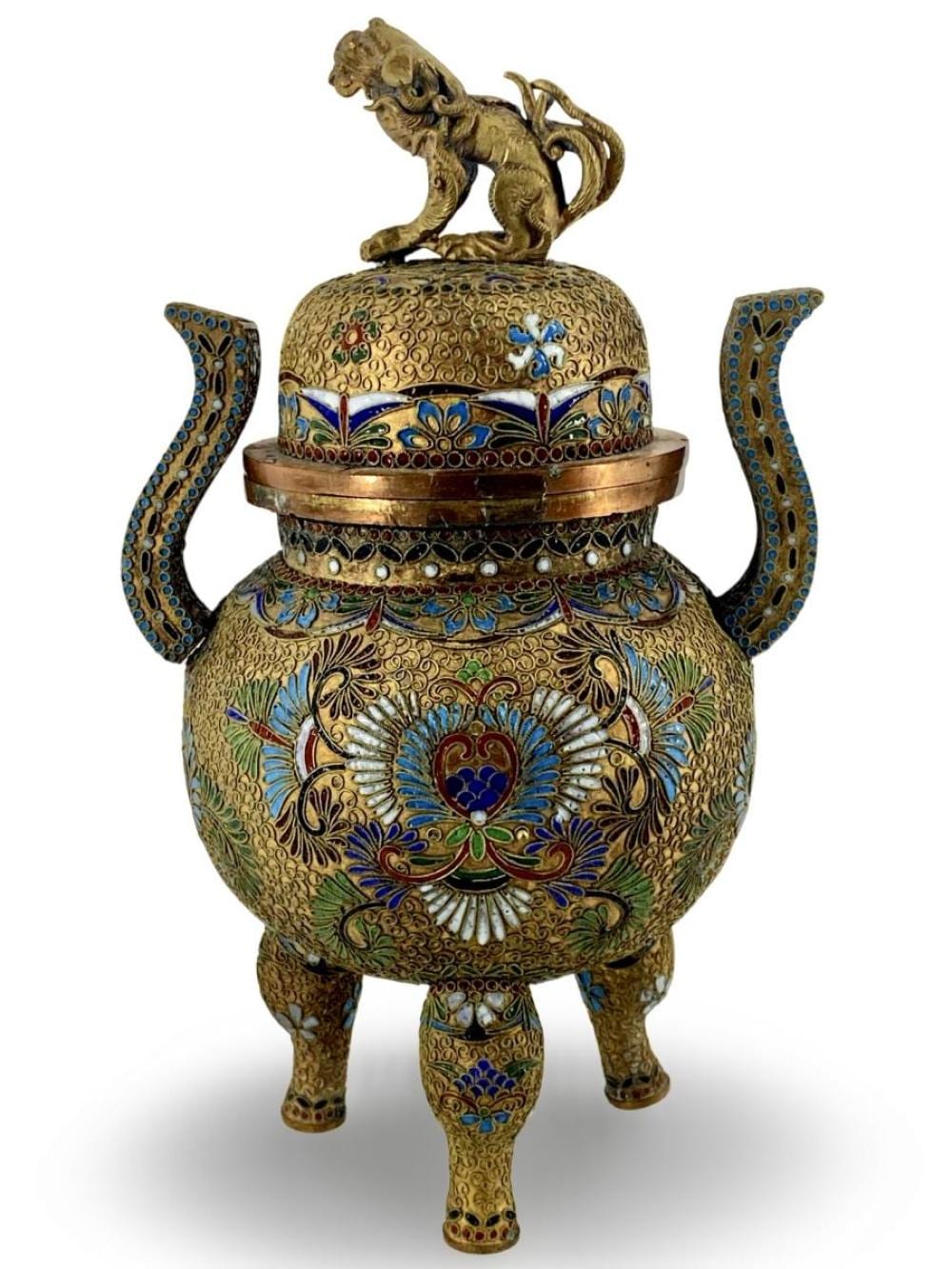 |
Vintage Cloisonné Enamel Chinese Incense BurnerSource blocked; provenance matched | Monarch Auction and Estate Services | 2026-05-17 | 165 | USD 200 (buyer’s-premium treatment unknown) |
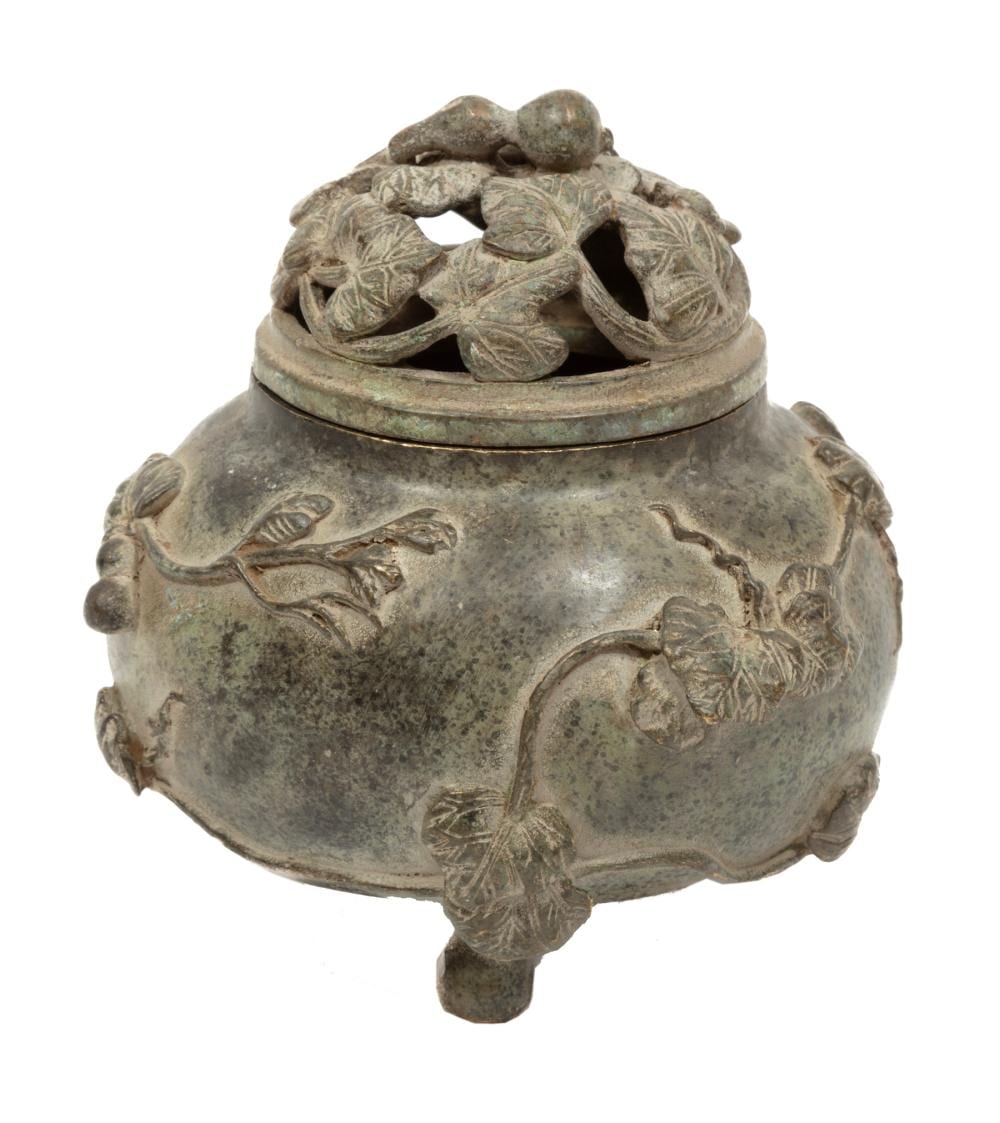 |
Antique Chinese Bronze Incense BurnerSource blocked; provenance matched | Neal Auction Company | 2025-12-18 | 518 | USD 87 (buyer’s-premium treatment unknown) |
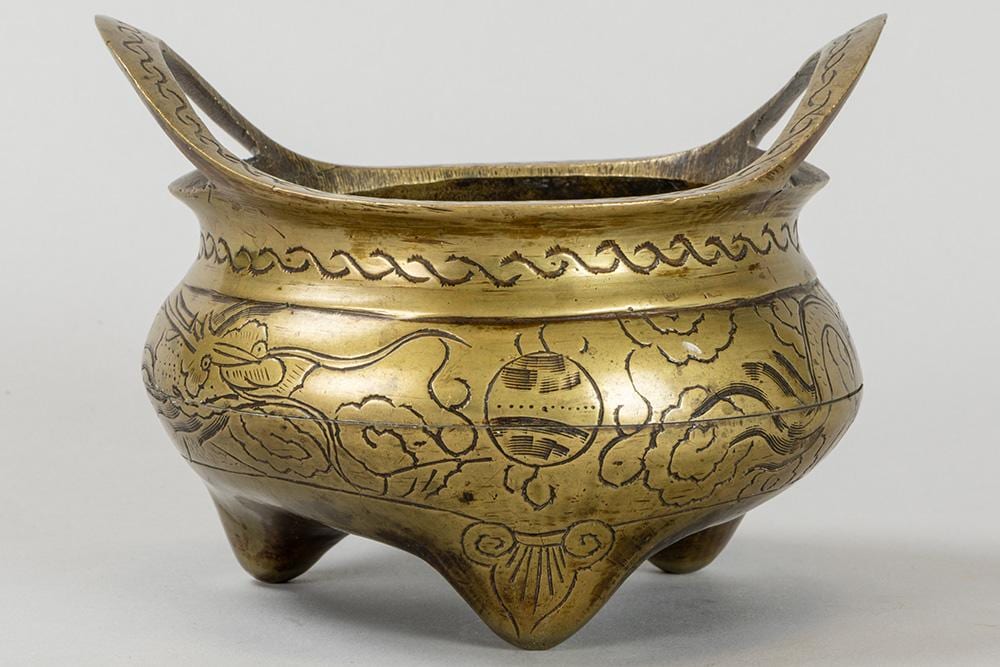 |
marked Chinese bronze incense burnerSource blocked; provenance matched | DVC | 2025-12-06 | 284 | EUR 120 (buyer’s-premium treatment unknown) |
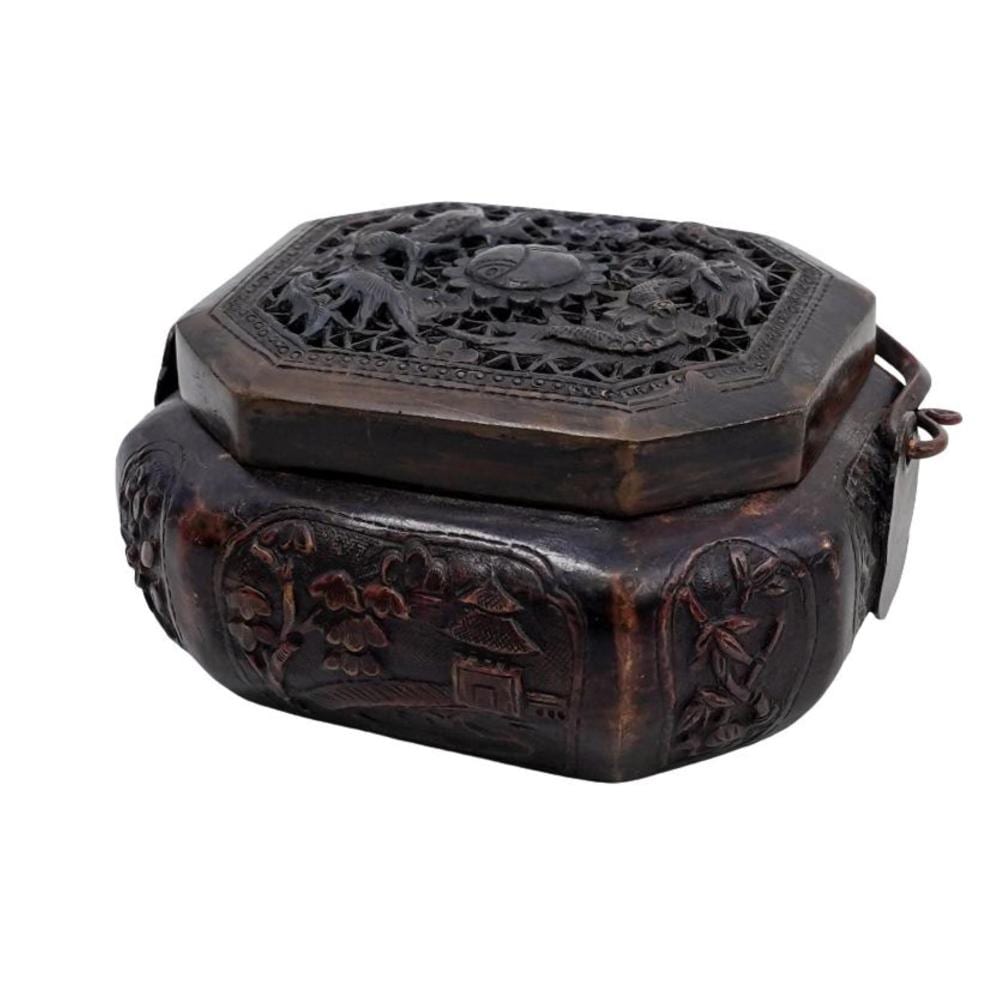 |
Antique Chinese Bronze Lidded Incense BurnerSource blocked; provenance matched | Akiba Galleries | 2025-12-30 | 449 | USD 125 (buyer’s-premium treatment unknown) |
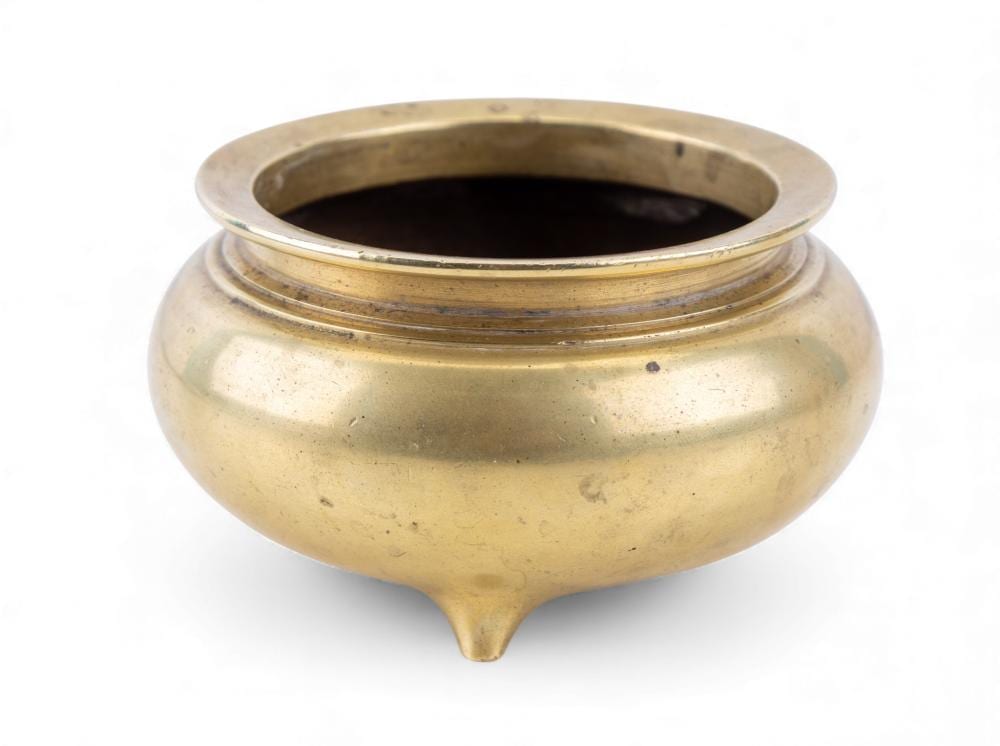 |
Vintage Chinese Bronze Incense BurnerSource blocked; provenance matched | Keystone Auctions LLC | 2026-01-11 | 153 | USD 40 (buyer’s-premium treatment unknown) |
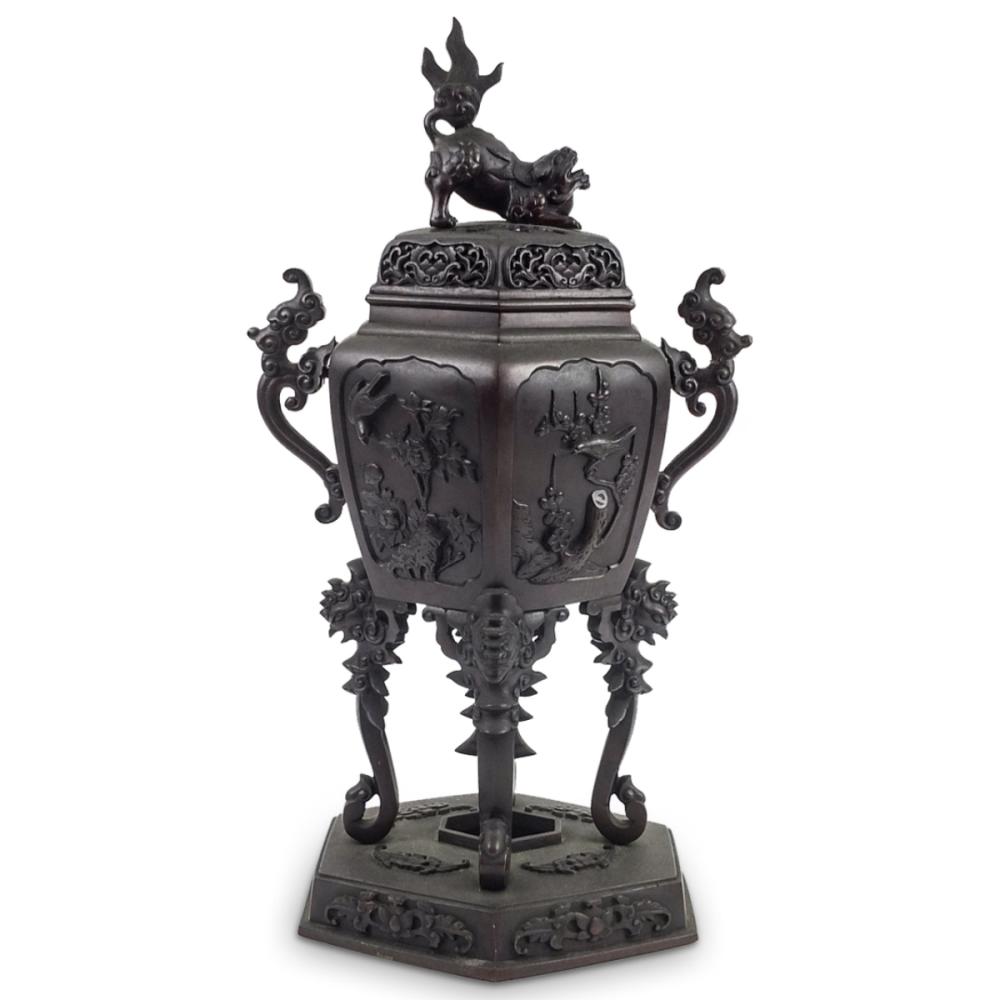 |
Antique Chinese Bronze Incense BurnerSource blocked; provenance matched | Orion Antiques | 2024-10-24 | 92 | USD 250 (buyer’s-premium treatment unknown) |
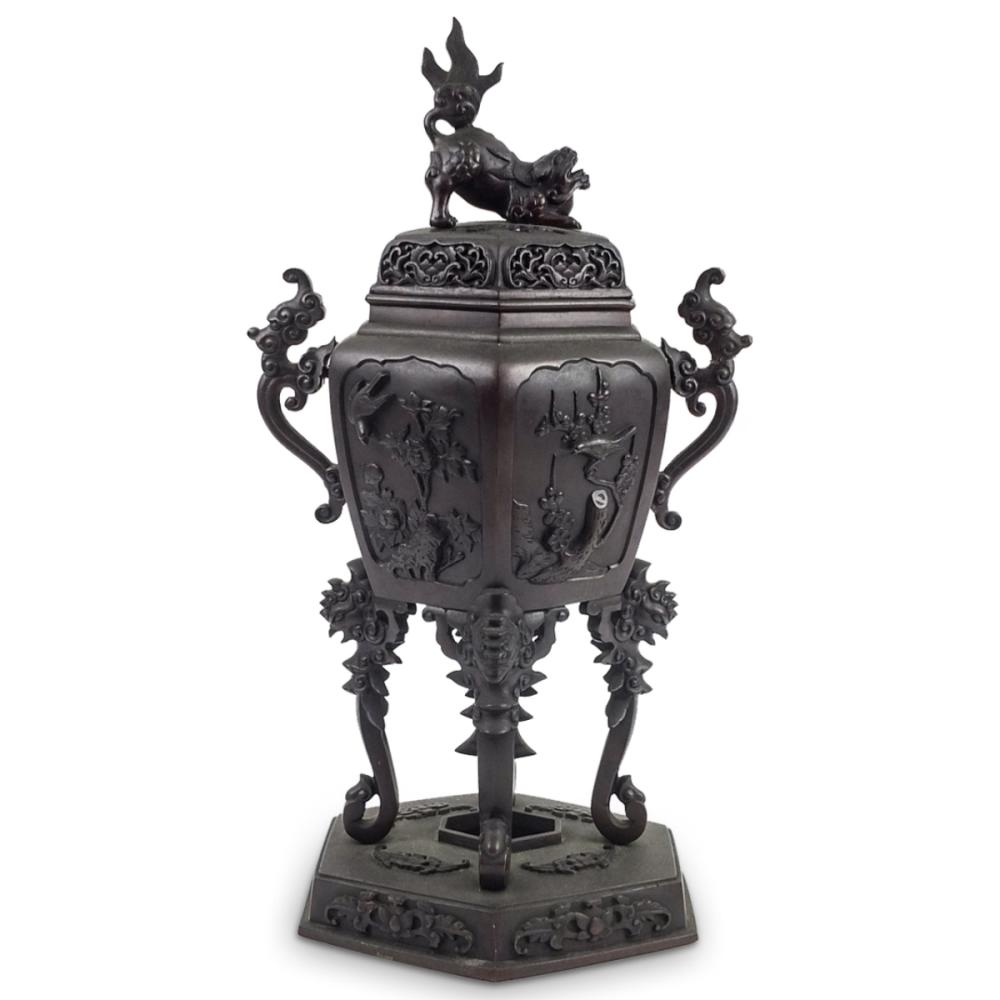 |
Antique Chinese Bronze Incense BurnerSource blocked; provenance matched | Orion Antiques | 2024-08-22 | 47 | USD 250 (buyer’s-premium treatment unknown) |
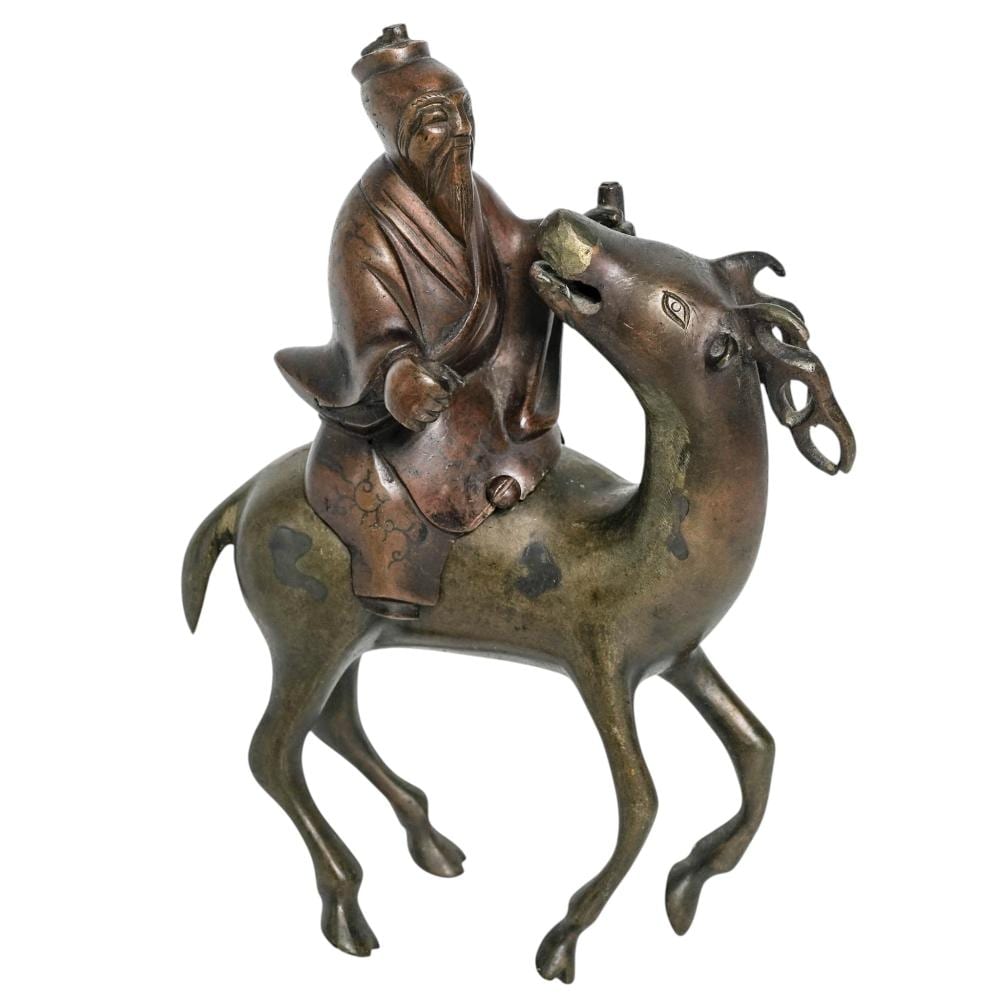 |
Antique Chinese Bronze Shoulao Incense BurnerSource blocked; provenance matched | Akiba Galleries | 2026-04-28 | 385 | USD 50 (buyer’s-premium treatment unknown) |
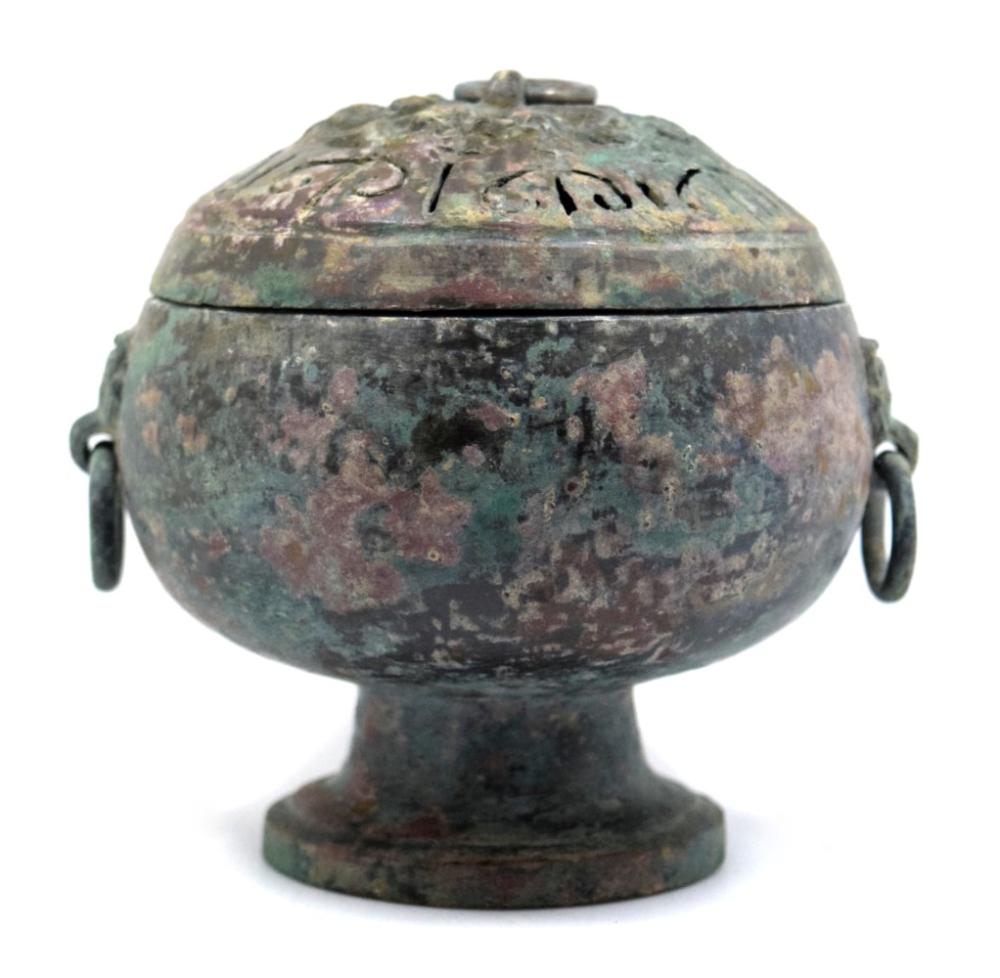 |
Antique Chinese Han Dynasty Bronze Incense BurnerSource blocked; provenance matched | Sofe Design Auctions | 2024-09-21 | 4165 | USD 1,700 (buyer’s-premium treatment unknown) |
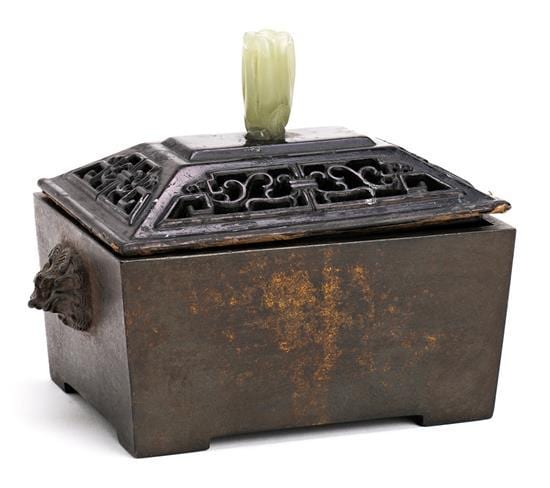 |
Chinese bronze incense burner, 18th-19th CenturiesSource blocked; provenance matched | Balclis | 2015-05-19 | 604 | EUR 2,500 (buyer’s-premium treatment unknown) |
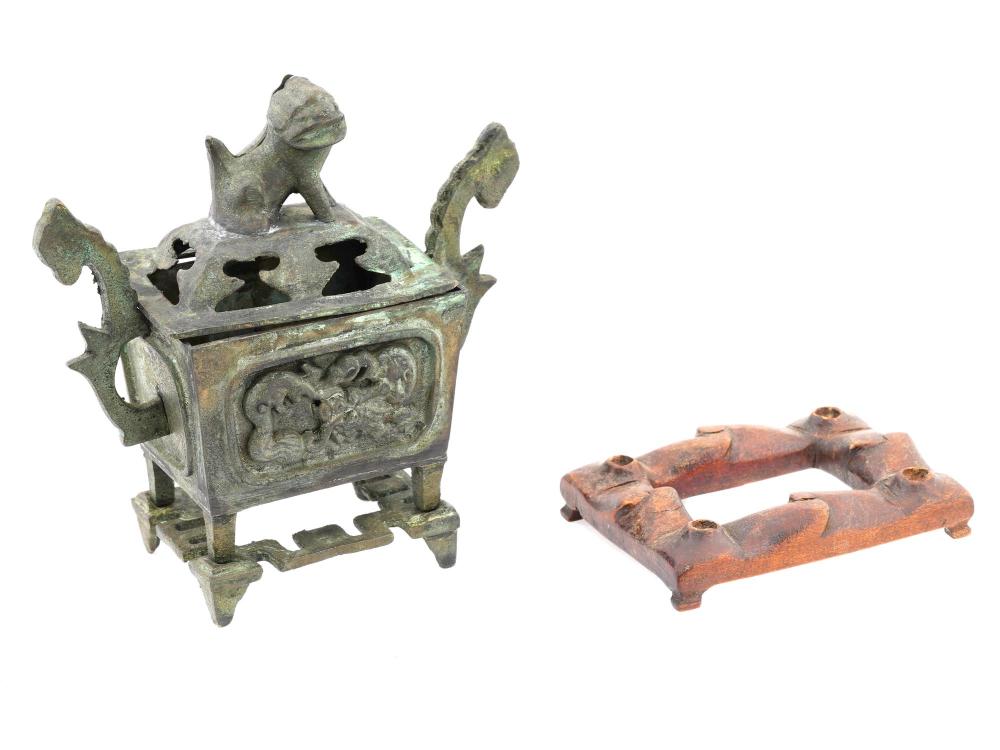 |
ANTIQUE CHINESE BRONZE INCENSE BURNER WITH STANDSource blocked; provenance matched | Antique Arena Inc | 2025-02-09 | 748 | USD 50 (buyer’s-premium treatment unknown) |
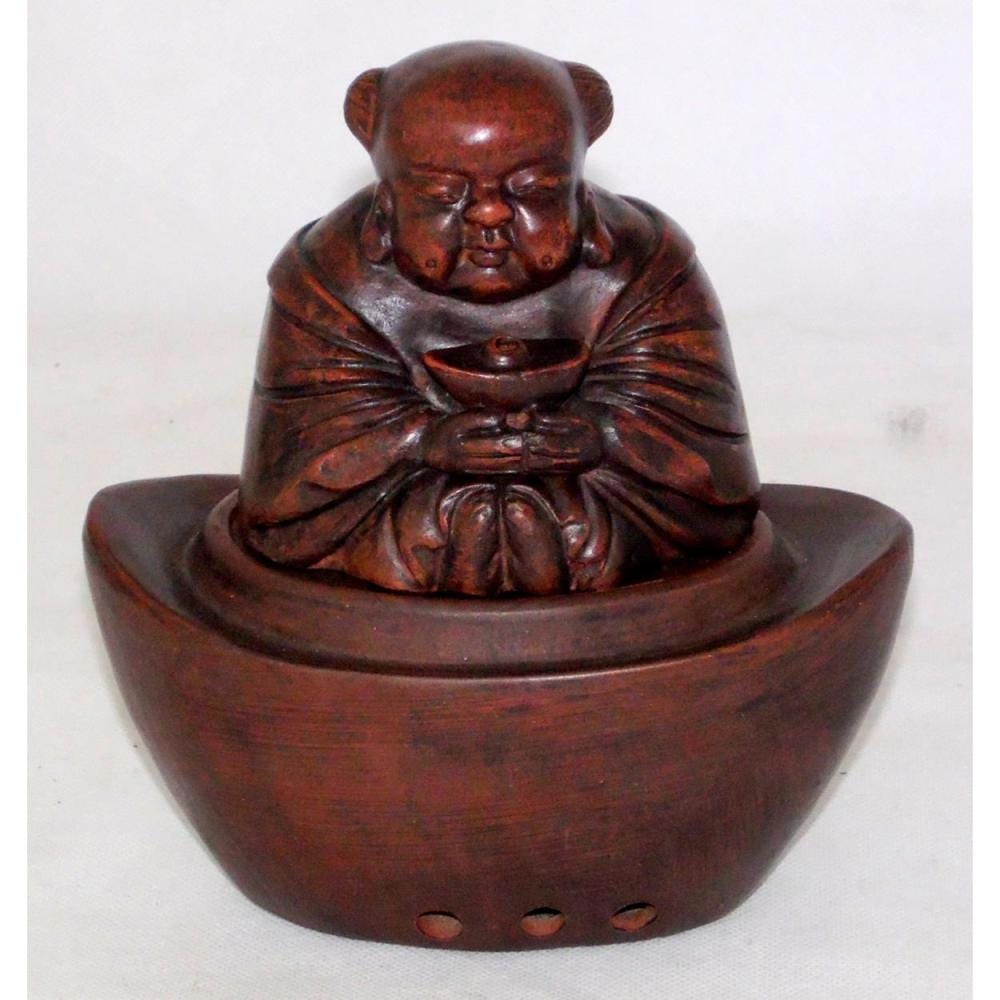 |
Chinese Terracotta Yixing Zisha Incense BurnerSource blocked; provenance matched | Cooper Barrington LLP | 2021-01-23 | 227 | GBP 14 (buyer’s-premium treatment unknown) |
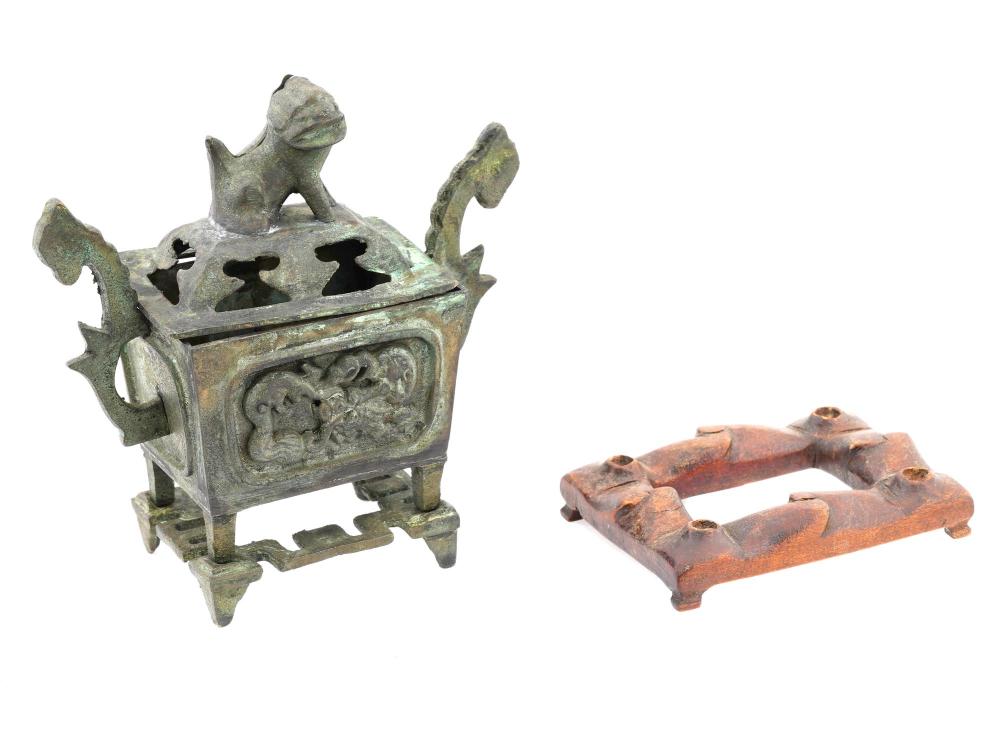 |
ANTIQUE CHINESE BRONZE INCENSE BURNER WITH STANDSource blocked; provenance matched | Antique Arena Inc | 2024-12-21 | 327 | USD 80 (buyer’s-premium treatment unknown) |
How these auction records were verified
Each row retains its exact source URL, lot identity, retrieval time, access result, and immutable record hash. Live source access was blocked; the exact record matched Appraisily's immutable pipeline provenance. Inspect the public comparable provenance record.
Disclosure: prices are shown as reported by auction houses and are provided for appraisal context. Learn more in our editorial policy.
Need to compare your censer against these sales?
Upload the base mark, handles, interior, underside, measurements, and weight if available. The free screener can tell you whether the form and condition justify paid written documentation.
How to sell it safely (online works best)
Because these objects are heavy and commonly misidentified, selling online usually gives you the widest buyer pool. eBay and Etsy are common for decorative examples; regional auction houses can also work well when you have multiple Asian décor items.
- Photograph the base mark, handles, interior, and profile in natural light.
- Disclose missing lid and any repairs.
- Pack for weight: double-box, protect handles, and prevent movement inside the box.
If you sell locally, meet in a public place. If you ship, use insured service and declare value accurately. If a buyer’s behavior seems suspicious, it’s better to decline.
Search variations people ask
These are common questions collectors search while identifying Chinese brass censers and incense burner bowls:
- how to identify an antique Chinese incense burner bowl
- what does a Xuande mark mean on a brass censer
- is my Chinese brass bowl an incense burner base
- value of antique Chinese brass censer without lid
- how to date Chinese bronze incense burners by mark
- how to clean an antique brass censer without ruining patina
- dragon handle Chinese censer bowl appraisal value
- green corrosion on brass bowl is it bronze disease
Each question maps to the inspection steps and valuation guidance above.
References
- Example of a lidded Chinese brass bowl-form incense burner (reference listing)
- Example of censer bowls repurposed as planters (reference listing)
- Guide: taking good photos for online listings
Wrap-up
For most “incense burner bowls” found without a lid, the safest approach is a practical one: document construction, photograph the base mark clearly, preserve patina, and price against comparable everyday censers—not against museum-grade bronze burners.