Antique Steamer Trunk Value Guide
Learn how maker labels, hardware, canvas or leather, size, interior trays, condition, restoration, and travel history affect trunk value.
For trunks other than steamers, see what old trunks are worth.

What 1920 steamer trunk actually sell for
A common example is a different sale from a high-end named piece.
Typical sales. Wall Brand Flat Top Steamer Trunk sold for $10.
Wall Brand Flat Top Steamer Trunk sold for $20.
Flat Top Steamer Trunk with Original Hangers 9” H closed x 28 1/2” W x 19” D sold for $21.
steamer trunk flat top nice! sold for $25.
Wardrobe Steamer Trunk sold for $35.
Mid 20th Century Flat Top Steamer Trunk sold for $35.
High-value outlier. 1920's Louis Vuitton Wardrobe Steamer Trunk sold for $12,000.
Photograph maker marks, model, condition, and completeness before treating any one sale as yours.
What similar items actually sold for
To help ground this guide in real market activity, here are recent example auction comps from Appraisily’s internal database. These matched sales are market context only, not an object estimate or identification, and they do not guarantee a price for your specific antique steamer trunk.
Shown USD range: USD 10-USD 3,500. Median of these 14 USD examples: USD 60.
| Comparable | What sold | Auction house | Date | Lot | Source-reported amount |
|---|---|---|---|---|---|
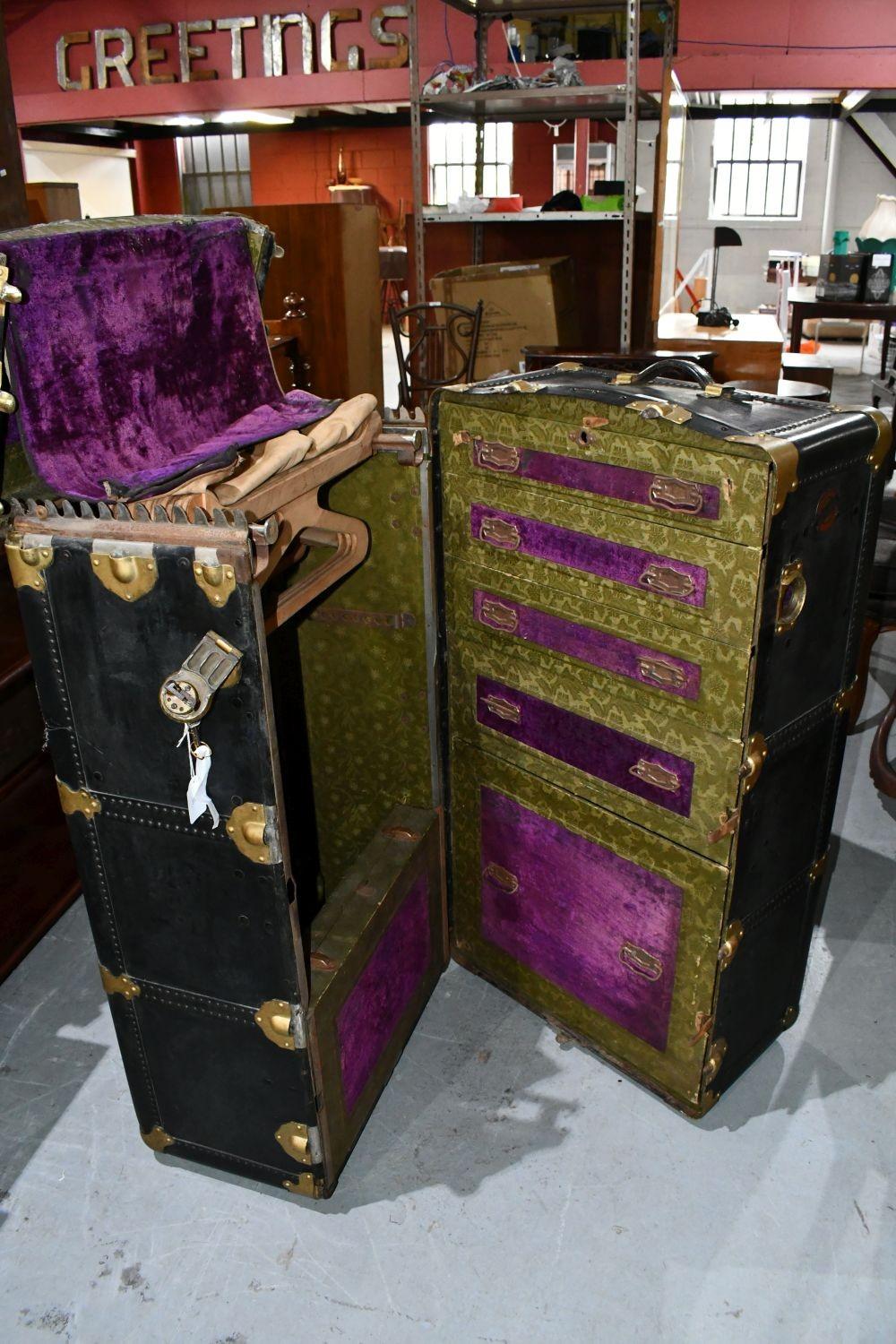 |
Antique Steamer Trunk Wardrobe/Cabin Wardrobe by Meyering, Chicago - fully lined interior with 5 assorted drawers with internal storage compartments and lift out trays, 108cm high x 57cm wide x 62cm deep | Bargain Hunt Auctions | 2022-11-13 | 70 | AUD 320 (buyer’s-premium treatment unknown) |
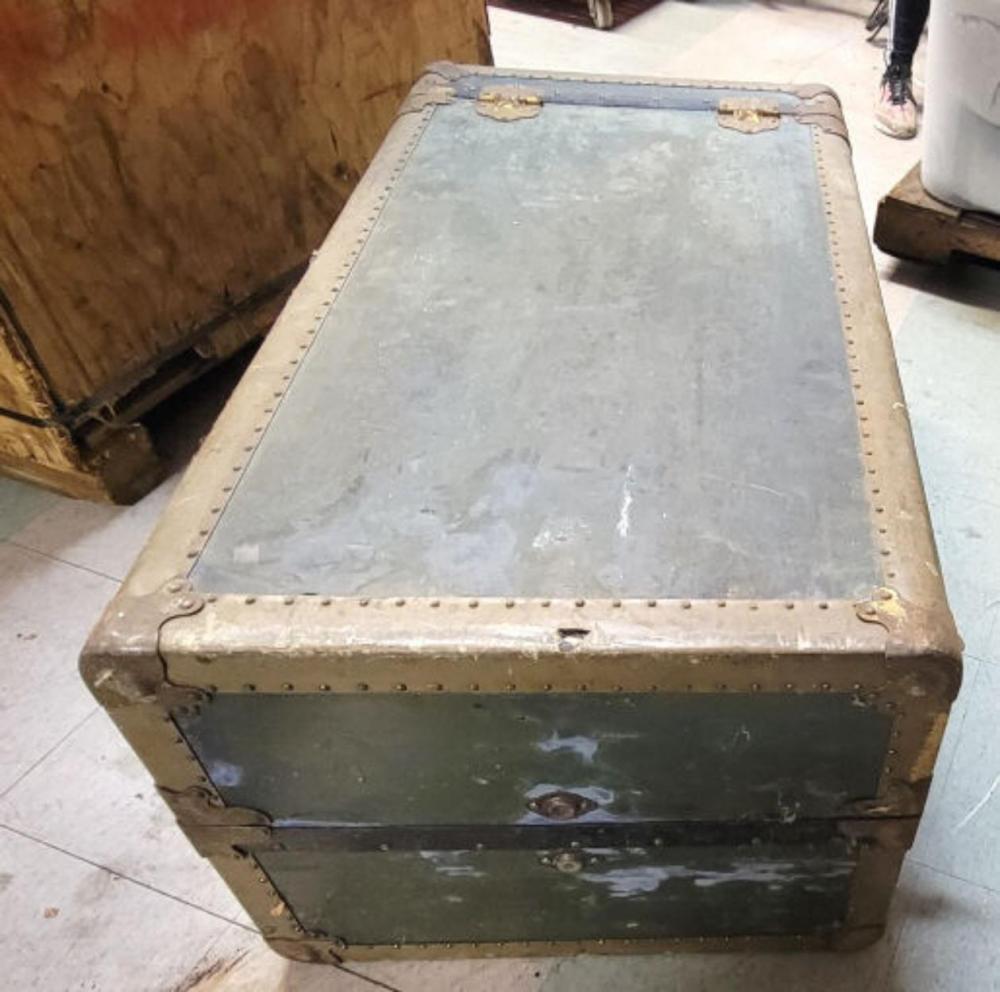 |
Antique Wardrobe Steamer Trunk | California Auction Company LLC | 2023-10-07 | 530D | USD 10 (buyer’s-premium treatment unknown) |
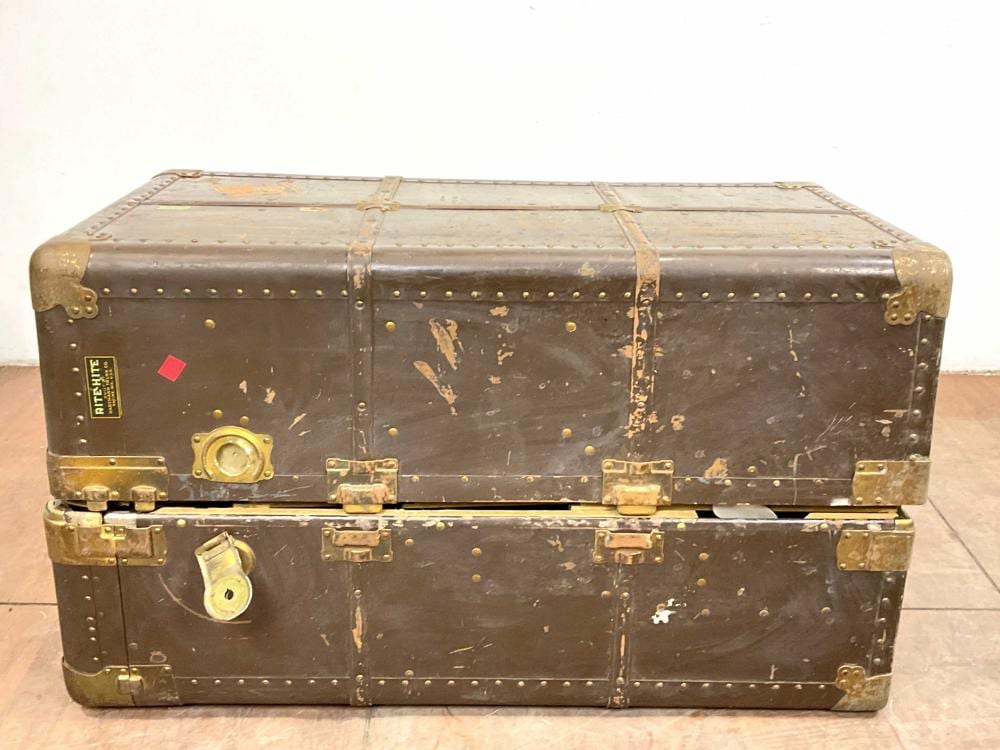 |
Vintage Wardrobe Steamer Trunk | EJ'S Auction & Appraisal | 2022-12-10 | 2065 | USD 40 (buyer’s-premium treatment unknown) |
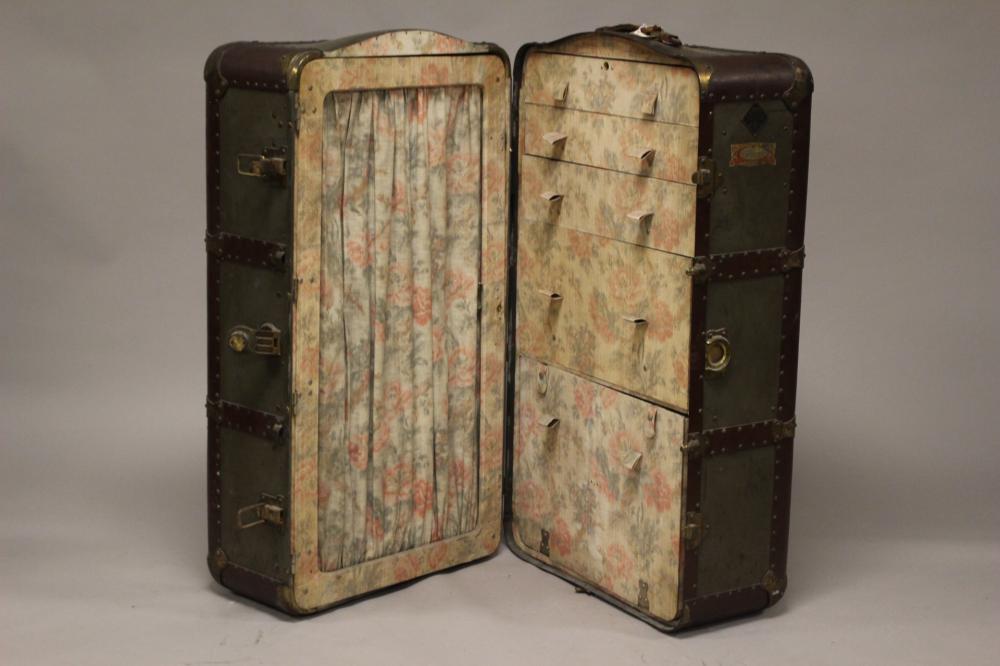 |
Vintage Wardrobe Steamer Trunk | Premier Auction Galleries | 2018-10-28 | 333 | USD 35 (buyer’s-premium treatment unknown) |
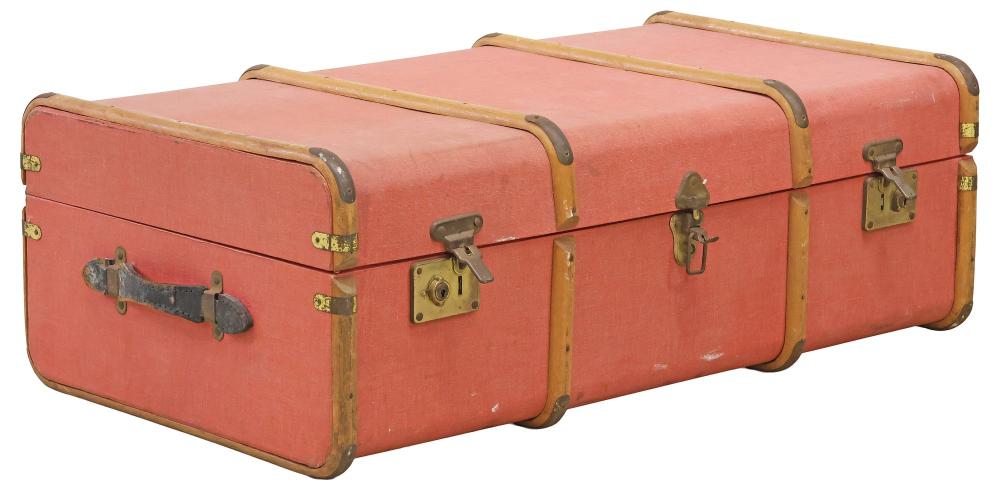 |
ENGLISH COATED CANVAS-CLAD PINK STEAMER TRUNK / TRAVEL CHEST | Austin Auction Gallery | 2025-07-18 | 1439 | USD 350 (buyer’s-premium treatment unknown) |
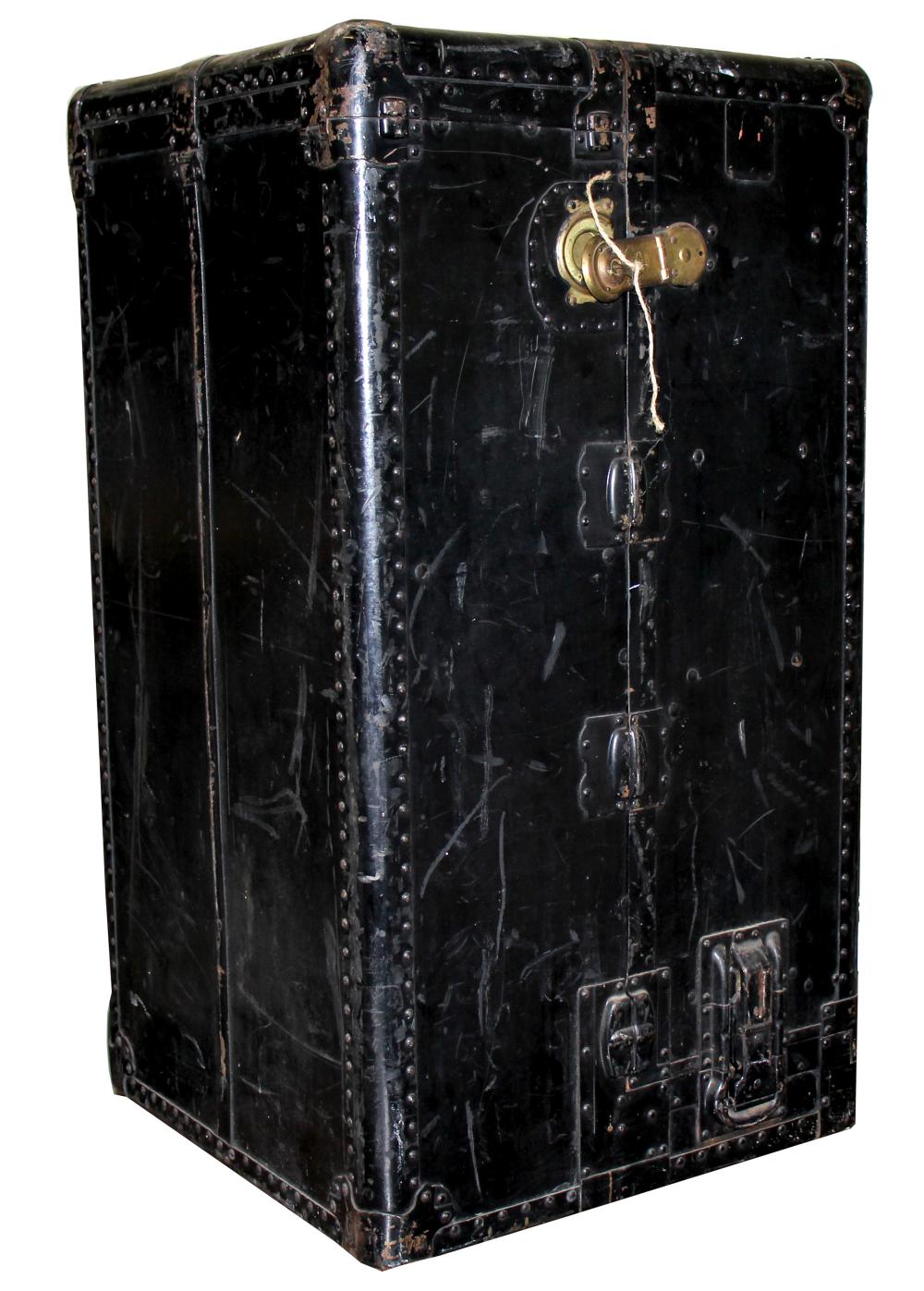 |
Trunk / Steamer Wardrobe / " Weary Wardrola" (106257) | Holabird Western Americana | 2020-04-16 | 1321 | USD 50 (buyer’s-premium treatment unknown) |
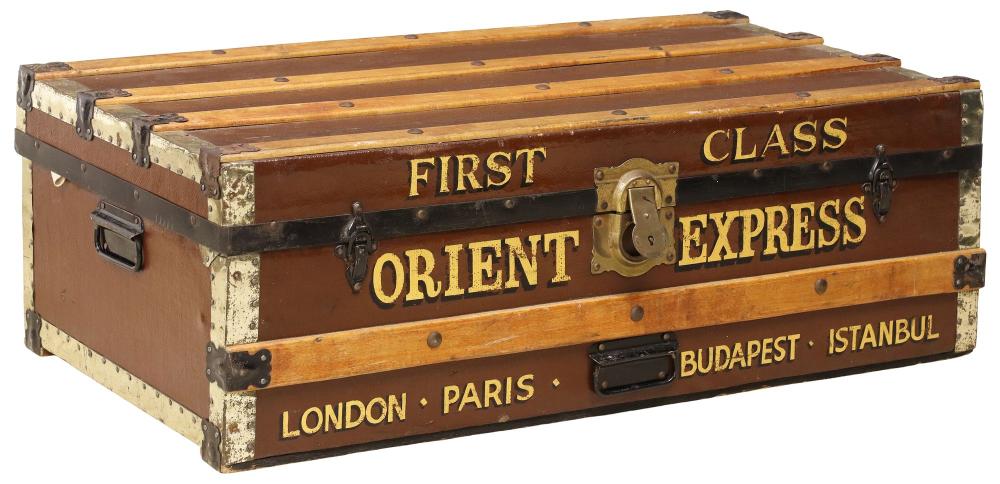 |
ENGLISH PAINTED 'ORIENT EXPRESS' STEAMER TRAVEL TRUNK | Austin Auction Gallery | 2025-07-18 | 1284 | USD 3,500 (buyer’s-premium treatment unknown) |
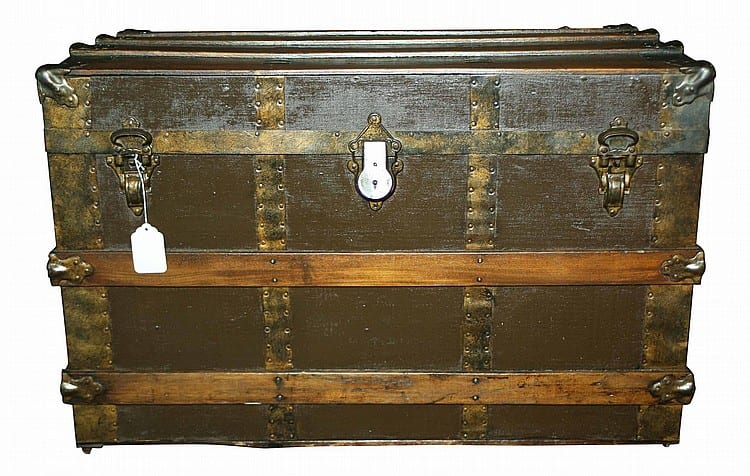 |
Trunk, Steamer, Oak & Brass Bound, late 19th C | Louis J. Dianni, LLC | 2015-02-15 | 2040 | USD 70 (buyer’s-premium treatment unknown) |
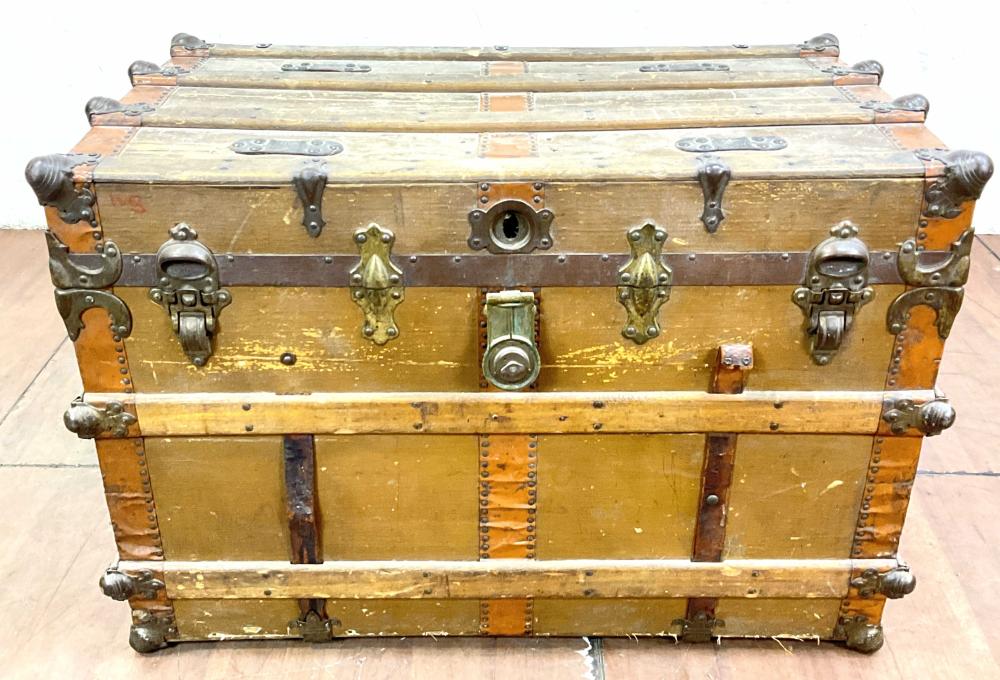 |
Antique Wood Steamer Trunk With Metal Accents | EJ'S Auction & Appraisal | 2024-06-15 | 2178 | USD 35 (buyer’s-premium treatment unknown) |
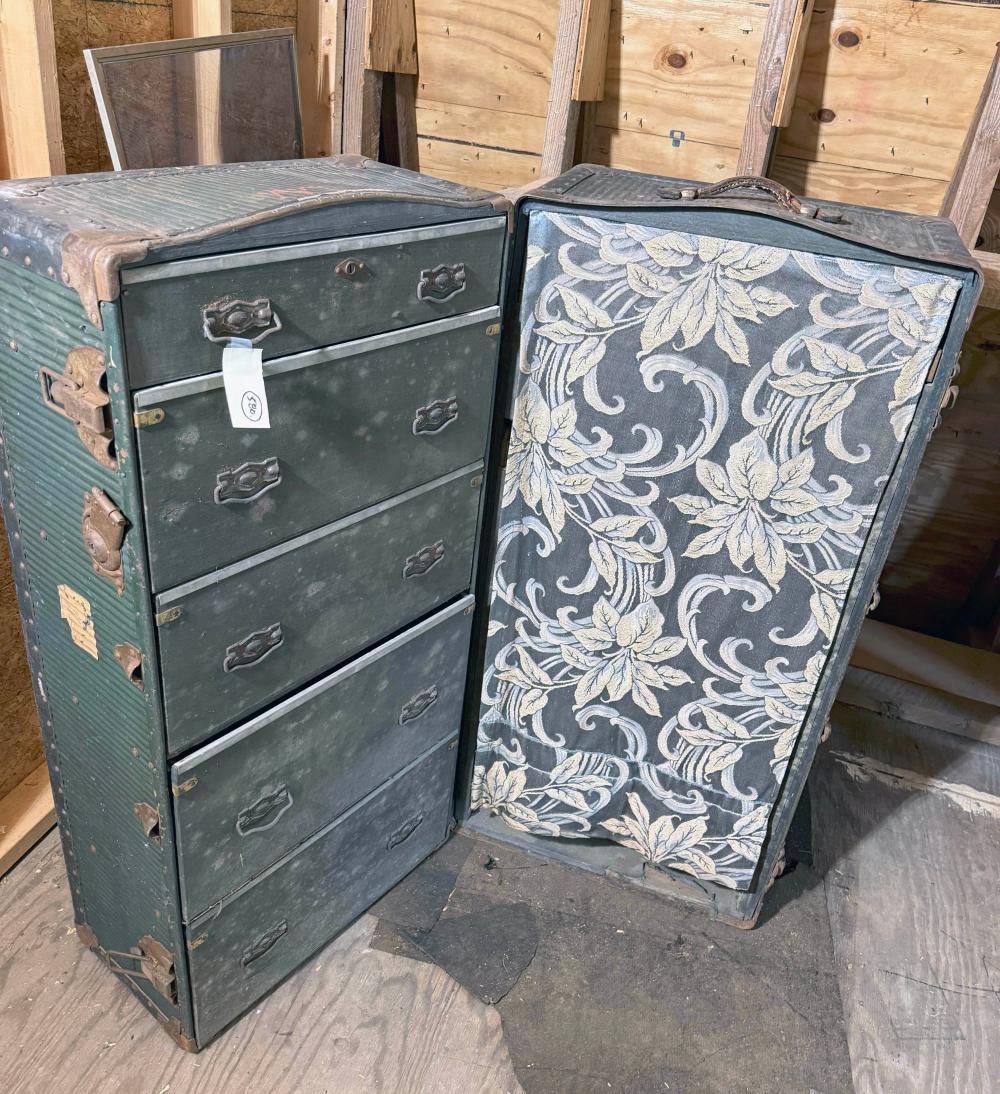 |
NO SHIPPING :FURNITURE: Large antique steamer trunk with drawers at (1) side wardrobe at the other side | Roan Inc. Auctioneers & Appraisers | 2025-07-27 | 580 | USD 70 (buyer’s-premium treatment unknown) |
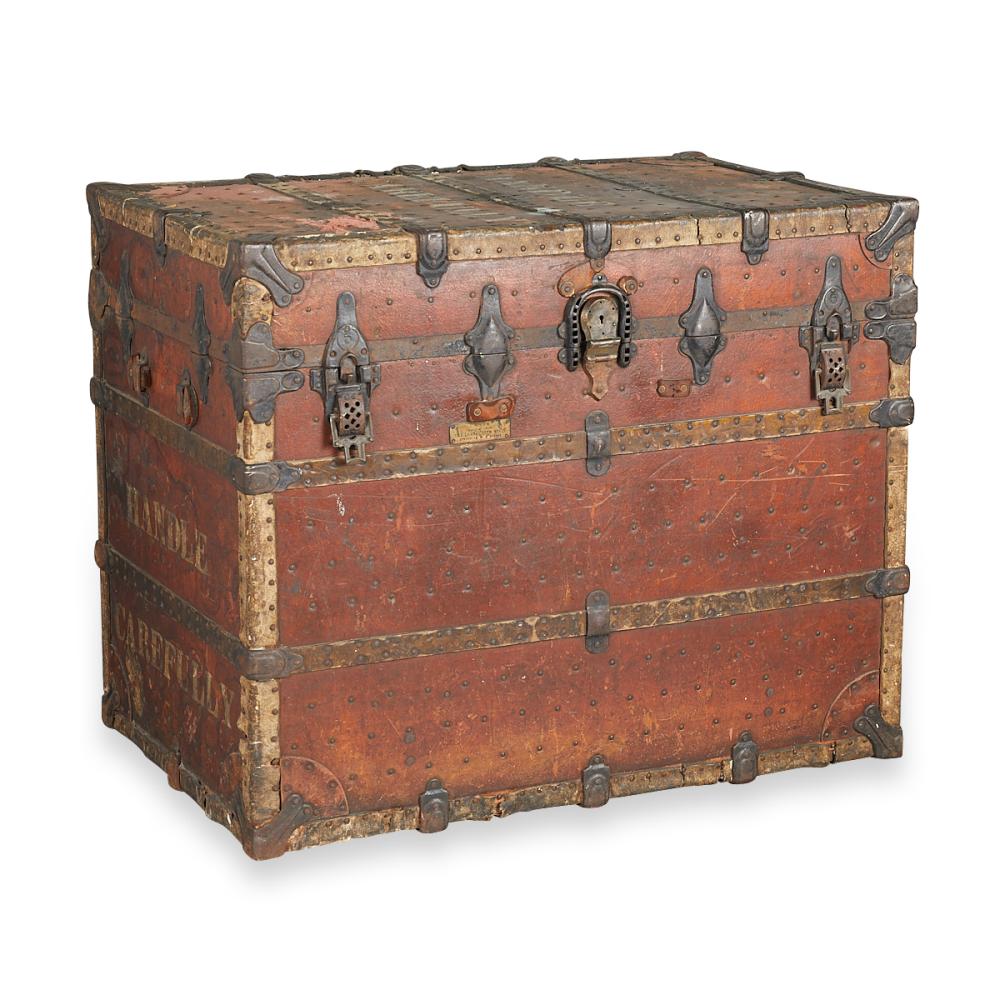 |
Antique Leatheroid Travel Steamer Trunk | Revere Auctions | 2023-07-19 | 668 | USD 100 (buyer’s-premium treatment unknown) |
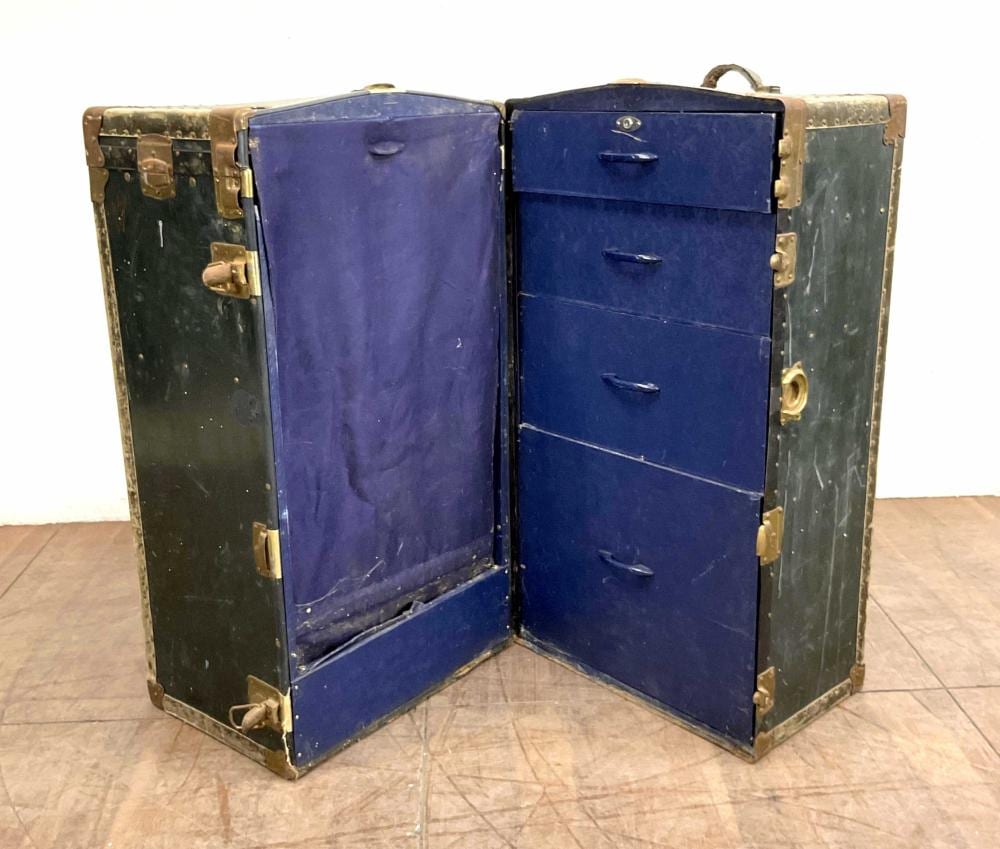 |
Vintage Wardrobe Steamer Trunk | EJ'S Auction & Appraisal | 2021-11-20 | 2144 | USD 25 (buyer’s-premium treatment unknown) |
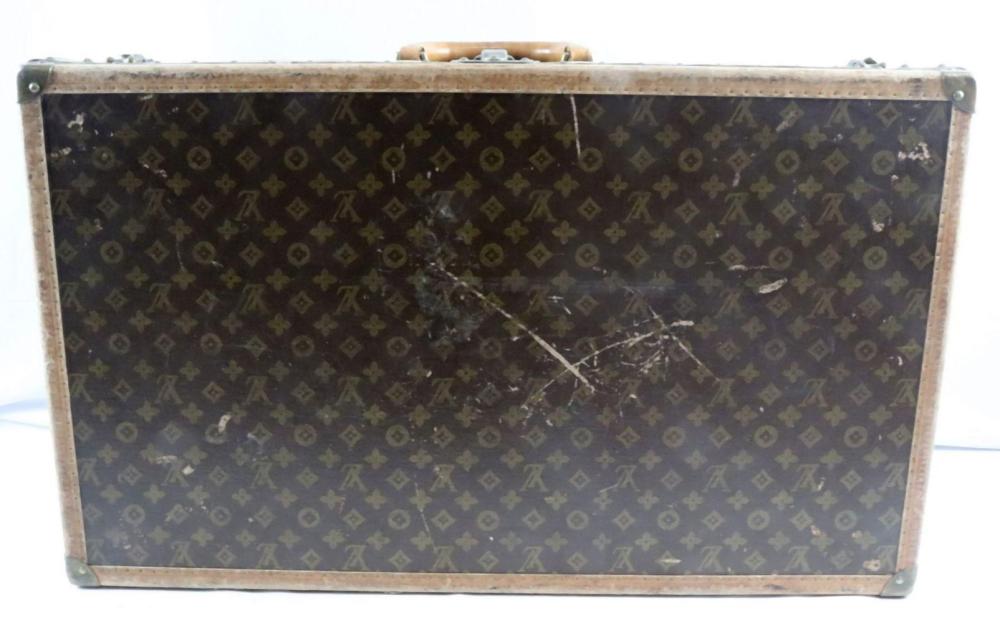 |
Vintage Louis Vuitton Cabin Steamer Trunk | Market Auctions | 2026-05-06 | 56 | USD 600 (buyer’s-premium treatment unknown) |
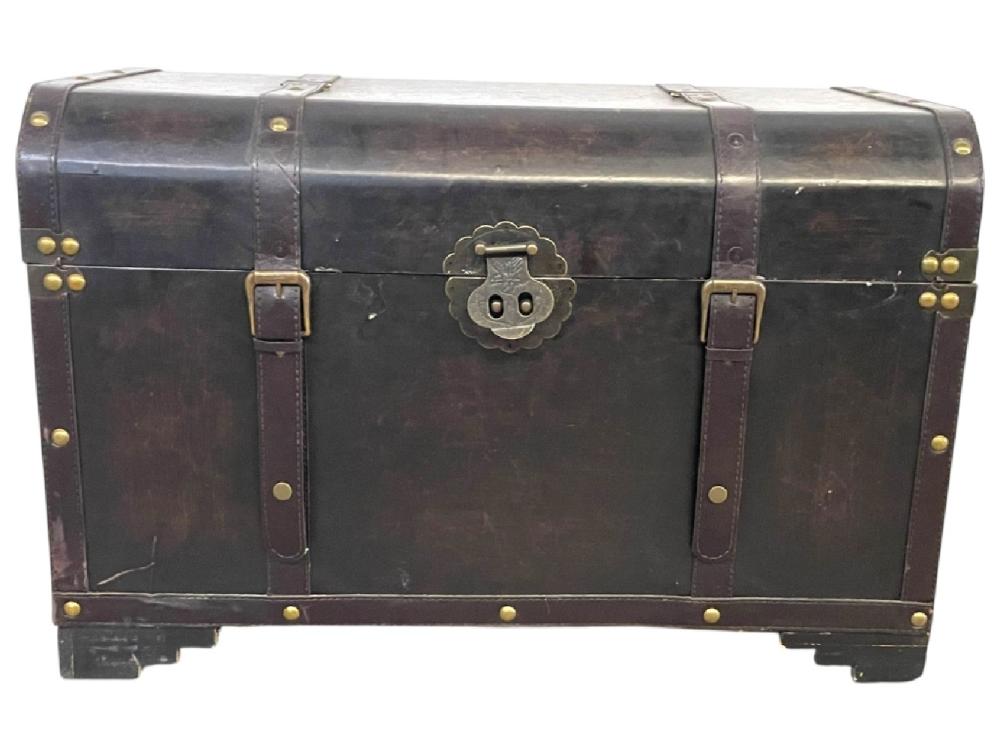 |
BLACK LEATHERBOUND DOME TOP STEAMER TRUNK 28" | DejaVu Estate Sales & Auctions | 2025-05-12 | 527 | USD 50 (buyer’s-premium treatment unknown) |
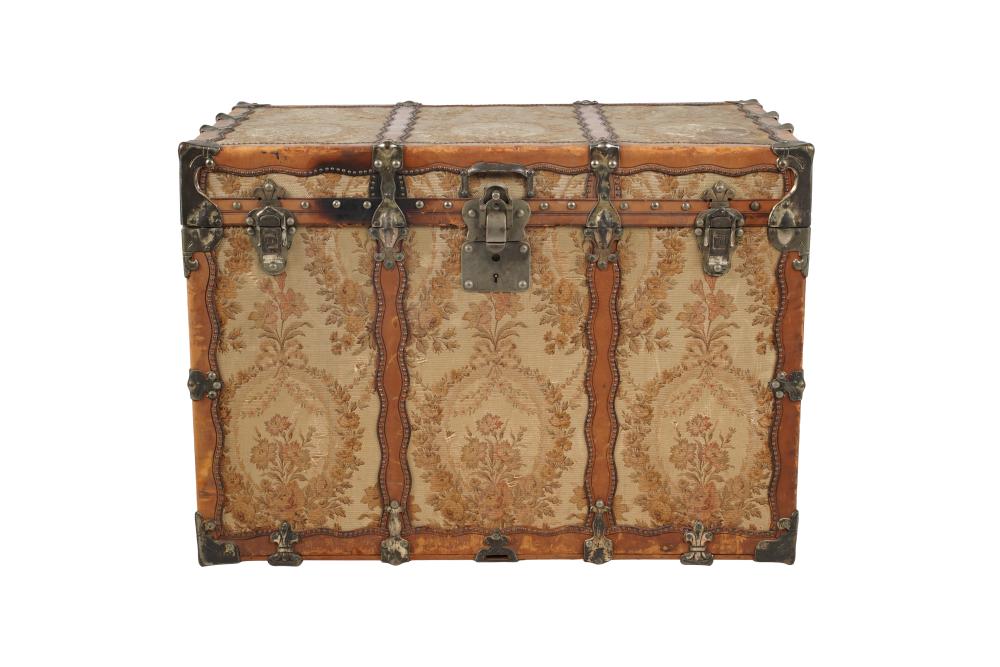 |
A Drucker Brocade and Leather-Clad Steamer Trunk | Abell Auction | 2024-09-26 | 191 | USD 900 (buyer’s-premium treatment unknown) |
How these auction records were verified
Each row retains its exact source URL, lot identity, retrieval time, access result, and immutable record hash. Inspect the public comparable provenance record.
Disclosure: prices are shown as reported by auction houses and are provided for appraisal context. Learn more in our editorial policy.
Get a written antique steamer trunk appraisal
Upload photos of your antique steamer trunk and any marks, repairs, or provenance. Appraisily returns a written report with market context.
- Specialist review with relevant market checks
- Fast turnaround
- Fixed, upfront pricing
No obligation. Secure upload.
Free first look
Not sure whether this antique trunk needs an appraisal?
Photograph the whole piece, base mark, material or glaze, pattern, dimensions, repairs, chips, cracks, and any lid or matching parts. The photo-based Screener can help identify the likely category and visible evidence gaps before you pay for documentation.
Upload photos for a free first lookFree. No card needed. The photo upload usually takes about two minutes.
The free first read is a separate photo-based Screener, not this educational article. Results usually appear within a few minutes; complex items can take longer. From photographs of your antique trunk, it returns a preliminary category or identity read, visible evidence gaps, rough comparable market signals, and whether a human appraisal looks worthwhile; it is not a signed value conclusion. Material or construction can remain uncertain without direct examination, dimensions, provenance, or complete condition details. A written appraisal is useful when your antique trunk needs documented specialist support for insurance, tax, an estate, authentication, litigation, or a consequential sale, but you may not need one.
The term “steamer trunk” refers to a specific style of travel luggage popular from approximately the 1870s through the 1920s. These trunks were constructed to be sturdy enough to withstand rough handling during ocean voyages and train travel, yet compact enough to fit in small spaces like under a cabin bunk.
Unlike earlier dome-top trunks, true steamer trunks typically featured:
- Flat tops (to allow for stacking)
- Reinforced corners and edges
- Interior compartments and trays
- Canvas, leather, or metal exteriors
- Strong locks and hardware
Steamer trunks served as the primary luggage for upper and middle-class travelers during this era, before being gradually replaced by more lightweight suitcases in the mid-20th century.

Identifying Valuable Antique Steamer Trunks
Age Determination
Most valuable steamer trunks date from the 1870s to 1920s, with earlier examples typically commanding higher prices. Here’s how to estimate your trunk’s age:
- Construction methods: Hand-forged nails and hardware suggest pre-1900 manufacturing
- Materials: Canvas-covered trunks became popular in the 1880s, replacing all-leather designs
- Paper linings: Examine any interior paper for printing styles and design elements typical of certain periods
- Hardware styles: Brass hardware was common in higher-end trunks, while earlier examples might feature iron fittings
- Patent dates: Look for patent information stamped on locks or hinges, which can provide exact dating
Manufacturer Identification
The maker of your trunk significantly impacts its value. Prestigious makers can increase value tenfold or more:
Value by Manufacturer
Price ranges for antique steamer trunks by maker (good condition)
Look for manufacturer labels inside the lid or stamped on hardware. Some prestigious makers like Louis Vuitton included serial numbers that can help authenticate and date your trunk.
Trunk Styles and Their Values
Different trunk styles command varying values in today’s market:
Key Factors That Determine Steamer Trunk Value
Condition Assessment
Condition remains the single most important factor in determining a steamer trunk’s value. Use this checklist to evaluate your trunk:
Steamer Trunk Condition Checklist
Check all items that apply to your trunk to assess its condition and potential value
- Original hardware intact and functioning
- Canvas/leather covering in good condition without major tears
- Interior compartments and lining present and intact
- Original lock with working key
- Wood structure sound without warping or damage
- Original tray/compartments present
- Free from major odors, mold, or pest damage
- Original manufacturer labels or markings visible
Rarity and Unique Features
Several features can significantly increase a trunk’s value:
- Uncommon materials: Unique covering materials like alligator skin or rare woods
- Special compartments: Secret drawers, specialized storage areas, or unusual interior designs
- Historical provenance: Documented connection to historical figures or events
- Rare manufacturers: Trunks from less common but prestigious makers
- Original documentation: Original purchase receipts, shipping labels, or ownership papers
Restoration Impact on Value
Restoration efforts can either enhance or diminish a trunk’s value:
- Positive restorations: Careful cleaning, minor repairs to maintain functionality, gentle preservation of original materials
- Negative restorations: Replacement of original hardware, complete refinishing, stripping of original coverings, modern materials used for repairs
According to wikiHow’s guide on valuing antique trunks, “Black, brown, maroon, or golden trunks show an oxidized finish and also go for a better price than trunks painted in other colors.” This demonstrates how original finishes typically command higher values than repainted examples.
Antique Steamer Trunk Market Statistics
70-85%: Value reduction for trunks with replaced hardware
300%: Potential value increase for trunks with provable prestigious ownership
Current Market Values for Antique Steamer Trunks
Recent Auction Results
Examining recent sales helps understand the current market for antique steamer trunks:
Current Retail Pricing
Current retail market prices for antique steamer trunks vary significantly based on venue:
Steamer Trunk Historical Timeline & Value Trends
- 1930-Present
Collector's Market Develops
Steamer trunks transition from utilitarian items to collectibles and decorative pieces. Market values rise steadily since the 1970s, with premium examples increasing 300-500% in the past three decades.
Tips for Getting Your Steamer Trunk Appraised
When to Seek Professional Appraisal
Consider professional appraisal under these circumstances:
- You’ve identified a prestigious manufacturer’s mark
- The trunk has exceptional or unusual features
- You’re planning to insure, sell, or donate the trunk
- You need documentation for estate or tax purposes
- The trunk has potential historical significance
According to Prestige Estate Services, “Determining the value of an antique steamer trunk requires specialized knowledge of historical contexts, manufacturing techniques, and current market conditions.”
Preparing for Appraisal
Before seeking a professional assessment:
- Document the trunk: Take clear photographs of all sides, interior, hardware, and any maker’s marks
- Research its history: Gather any information about previous owners or provenance
- Check for marks: Carefully examine all hardware and interior for manufacturer stamps
- Preserve condition: Don’t attempt major cleaning or restoration before appraisal
- Collect documentation: Gather any original paperwork, receipts, or family records
Finding Qualified Appraisers
For reliable valuation, seek experts with specific experience in antique luggage:
- Certified appraisers: Look for credentials from organizations like the International Society of Appraisers (ISA) or American Society of Appraisers (ASA)
- Auction houses: Major auction houses like Christie’s and Sotheby’s offer appraisal services
- Specialized dealers: Antique dealers who specialize in vintage luggage or trunks
- Museum curators: Some museum professionals provide consultation on historical pieces
- Online appraisal services: Virtual appraisals are available but typically less comprehensive
Restoring vs. Preserving Your Antique Trunk
Preservation Best Practices
For maintaining maximum value, follow these preservation guidelines:
- Gentle cleaning: Use soft cloths and appropriate cleaners for specific materials (leather, canvas, wood)
- Climate control: Store in stable temperature and humidity conditions
- Avoid direct sunlight: Prevent fading of materials and deterioration of leather/canvas
- Support structure: Store with proper support to prevent warping
- Periodic maintenance: Regular light cleaning and hardware lubrication
- Documentation: Keep records of the trunk’s condition and any conservation efforts
When Restoration Makes Sense
Consider restoration under these circumstances:
- The trunk has significant structural damage affecting usability
- Key hardware components are missing or non-functional
- You prioritize functional use over maximum collector value
- The trunk has limited collector value but strong decorative potential
DIY vs. Professional Restoration
For valuable trunks, professional restoration is strongly recommended. If pursuing DIY approaches:
- Research thoroughly: Study appropriate techniques for your trunk’s specific materials
- Document before/after: Photograph all aspects before beginning work
- Start conservatively: Begin with the least invasive techniques
- Use appropriate materials: Source period-appropriate replacement parts when possible
- Consider reversibility: Avoid permanent alterations that future conservators cannot undo
A cautionary note from Columbus Architectural Salvage: “Improper restoration can significantly diminish an antique trunk’s value. Original hardware, even if tarnished, generally contributes more to value than modern replacements.”
Essential Resources for Antique Trunk Collectors
Collectors Weekly: Antique Steamer Trunks and Chests
Comprehensive resource featuring auction listings, information on trunk styles, and collector stories.
The Pirates Lair: Antique Trunk Identification
Detailed guide to identifying trunk manufacturers, styles, and ages with illustrated examples.
1stDibs: Antique Steamer Trunks Marketplace
High-end marketplace featuring premium antique trunks with detailed descriptions and pricing.
WikiHow: How to Value Antique Trunks
Step-by-step guide to assessing trunk value with identification tips and condition assessment methods.
Maine Steamer Trunk Company: Historical Context
Detailed historical information about trunk manufacturing periods and style evolution.
Reddit r/Antiques Community
Active community for posting trunk identification questions and receiving expert feedback.
Selling Your Antique Steamer Trunk
Best Selling Venues by Trunk Type
Different selling platforms are optimal depending on your trunk’s characteristics:
Luxury/Designer Trunks (Louis Vuitton, Goyard, etc.)
- Specialty auction houses (Christie’s, Sotheby’s)
- High-end antique dealers
- 1stDibs or similar premium online marketplaces
- Chairish, Ruby Lane
- Antique shows and specialty dealers
- Local antique malls
- Estate sales and consignment shops
- Yard sales
- Upcycling markets
Preparing Your Trunk for Sale
To maximize sale value:
- Clean appropriately: Remove dust and grime without damaging original finishes
- Document history: Provide any known provenance or history
- Highlight key features: Note original hardware, maker’s marks, and unique characteristics
- Professional photography: Take well-lit photos showing all aspects of the trunk
- Accurate description: Be honest about condition issues while emphasizing positive attributes
- Set reasonable expectations: Research comparable sales to establish a realistic price range
Marketing Strategies for Higher Returns
When listing your trunk for sale:
- Emphasize rarity: Highlight any uncommon features or limited production elements
- Tell its story: Share historical context about the style, maker, or era
- Suggest uses: Mention decorative or functional applications (coffee table, storage, etc.)
- Target collectors: Use terminology and details that appeal to serious collectors
- Provide measurements: Include precise dimensions for potential buyers
Common Questions About Antique Steamer Trunk Values
How do I know if my steamer trunk is valuable?
Features that increase an antique steamer trunk’s value include:
- Original hardware and canvas/leather covering
- Established manufacturer name (Louis Vuitton, Goyard, Innovation, etc.)
- Complete interior with original compartments and lining
- Rare features like specialized compartments or unique materials
- Documented provenance or historical significance
- Good overall condition without major damage or repairs
If your trunk has several of these characteristics, it may be worth having it professionally appraised.
What is the most valuable type of antique steamer trunk?
- Goyard trunks with their distinctive chevron pattern
- Moynat trunks, which are exceptionally rare
- Early dome-top trunks with original leather and hardware (pre-1880)
- Custom-made trunks for notable historical figures
- Specialized trunks with unique compartments (e.g., artist’s trunks, jewelry trunks)
The condition, rarity, and provenance significantly impact value regardless of manufacturer.
How old does a steamer trunk need to be to be considered antique?
Generally, a steamer trunk should be at least 100 years old to be considered truly “antique.” This places most collectible antique steamer trunks in the period between approximately 1870 and 1920, which corresponds to the golden age of ocean liner and railway travel.
Trunks from the 1920s-1940s are typically classified as “vintage” rather than antique. However, exceptional examples from this later period, especially from prestigious manufacturers, can still command significant values.
The term “steamer trunk” specifically refers to a style popular during this era, designed for travel aboard steamships and trains.
How can I tell how old my steamer trunk is?
To determine the age of an antique steamer trunk, examine these key elements:
- Construction methods: Hand-forged nails and hardware suggest pre-1900 manufacturing
- Hardware styles: Certain lock and hinge designs were common in specific periods
- Materials: Canvas-covered trunks became popular in the 1880s, replacing all-leather designs
- Interior paper linings: Patterns and printing techniques changed over time
- Patent dates: Look for patent information stamped on locks or hinges
- Manufacturer marks: Research when specific makers were active
- Trunk style: Dome-top trunks generally pre-date flat-top steamer trunks
The Maine Steamer Trunk Company notes that “Steamer Trunk is a broad term, used to cover trunks ranging from the mid-late 1800s to early 1900s. The true steamer trunk or cabin trunk was small in size, perfect for stowing under a cabin bunk.”
Should I restore my antique trunk or leave it as is?
For maximum value, it’s generally best to leave your antique trunk in its original condition with minimal intervention. Aggressive restoration often reduces collector value. However, there are exceptions:
When to preserve as-is:
- The trunk has significant collector value
- Original hardware and materials are intact
- The trunk is from a prestigious manufacturer
- You plan to sell to serious collectors
When restoration might be appropriate:
- The trunk has limited collector value but good decorative potential
- Structural issues compromise usability
- You intend to use the trunk functionally rather than display it
- Key components are missing or severely damaged
If you do restore, document the process and use period-appropriate materials whenever possible.
What's the difference between a steamer trunk and other antique trunks?
Several key features distinguish steamer trunks from other antique trunk styles:
Size and shape: Steamer trunks are typically rectangular with flat tops (though early examples may have dome tops) and designed to fit in compact spaces on ships or trains.
Purpose: Specifically designed for travel aboard steamships and trains, unlike camelback trunks or blanket chests intended for home storage.
Construction period: Most true steamer trunks date from 1870-1920, coinciding with the golden age of steamship travel.
Materials: Typically covered in canvas, leather, or metal with reinforced corners and substantial hardware.
Interior design: Often feature removable trays, compartments, and sometimes specialized storage areas for specific items.
Other common antique trunk styles include dome-top trunks (earlier, more ornate design), camelback trunks (curved top), Jenny Lind trunks (distinctive slat design), and wardrobe trunks (designed specifically for hanging clothes).
Where is the best place to sell an antique steamer trunk?
The best venue for selling your antique steamer trunk depends on its value and condition:
- Specialty auction houses (Christie’s, Sotheby’s, Bonhams)
- High-end online marketplaces (1stDibs, Ruby Lane)
- Antique dealers specializing in vintage luggage
- Online platforms like eBay, Etsy, or Chairish
- Regional auction houses
- Antique shows and fairs
- Facebook Marketplace
- Local classified ads
- Yard sales or flea markets
For the highest return, thoroughly research your trunk’s value before selling, provide detailed photographs and descriptions, and target venues frequented by collectors rather than casual buyers.
How much does trunk condition affect its value?
Condition is the single most important factor affecting an antique steamer trunk’s value. The impact can be dramatic:
- Excellent condition (original hardware, intact covering, clean interior): Commands full market value
- Good condition (minor wear, all original parts): Usually 70-85% of full value
- Fair condition (visible wear, some repairs, missing minor elements): Usually 40-60% of full value
- Poor condition (significant damage, major repairs, missing key components): Usually 20-30% of full value
Specific condition issues that significantly reduce value include:
- Replaced hardware (especially locks and hinges)
- Water damage to wood structure
- Torn or extensively damaged exterior covering
- Missing interior components
- Repainted or refinished surfaces
As wikiHow’s trunk valuation guide notes, “Trunks in good condition with all their original parts intact are the most valuable.”
Conclusion
Antique steamer trunks represent a fascinating intersection of practical history and decorative art. Their value stems not only from their craftsmanship and materials but also from the golden age of travel they represent. Whether your trunk is a modest piece worth a few hundred dollars or a rare Louis Vuitton valued in the thousands, understanding its unique characteristics helps preserve both its monetary and historical significance.
For collectors and sellers alike, taking the time to properly identify, preserve, and value these travel artifacts ensures they continue to tell their stories for generations to come. By maintaining their authenticity and respecting their historical context, we keep alive the romance of an era when travel was as much about the journey as the destination.
If you’re uncertain about your trunk’s value, consider consulting with professional appraisers who specialize in antique luggage. Their expertise can help you make informed decisions about preservation, restoration, or sale. Whatever path you choose, these durable pieces of history deserve appreciation for both their form and function.
Choose your next step
Use the path that matches the decision you need to make about the item.
Not sure it is worth appraising?
Start with a lower-friction screen to understand the likely category, evidence, and next step.
Upload photos for a free first lookWant proof before paying?
See how a signed report documents photos, comparable evidence, condition notes, and value conclusions.
View signed report sampleNeed a signed report?
Use this for insurance, estate, donation, resale, or documented value decisions.
Need documentation now? Start signed appraisalNeed local or specialist help?
Compare directory options when the work needs in-person review or a specialist near you.
Find local art specialistsSee what the report looks like
Sample reports show how photos, comparable evidence, condition notes, and a value conclusion are documented.
Get a written antique steamer trunk appraisal
Upload photos of your antique steamer trunk and any marks, repairs, or provenance. Appraisily returns a written report with market context.
- Specialist review with relevant market checks
- Fast turnaround
- Fixed, upfront pricing
No obligation. Secure upload.
Continue your valuation journey
Find the right local specialist
Compare antique and art appraisers by location and specialty in one directory.
Antique & art specialists
Browse the Antique & Art Appraisers Directory
Choose a local specialist when the assignment needs in-person inspection or a specific credential.