Antique Chifferobe Value Guide
Value antique chifferobes by style, wood, joinery, mirror, drawers, hardware, finish, condition, originality, size, and demand.

Signed appraisal from photos
Get a price-ready appraisal for your item
Answer three quick questions and we match your submission with a reviewer familiar with the relevant category. Delivery timing is confirmed after the required item information is received.
Secure Stripe checkout · $59 for one item · No appointment
Value My ChifferobeHow We Research Valuation Data
Our appraisal guides are based on auction results, dealer pricing data, and professional appraiser insights. Our professional appraisal service provides paid signed reports. The Screener offers a free first look. Learn about our editorial standards.
What similar items actually sold for
Real auction sales of items like your antique chifferobe. Open a sale to see the original listing.
Shown USD range: USD 50-USD 400. Median of these 10 USD examples: USD 147.50.
| Comparable | What sold | Auction house | Date | Lot | Source-reported amount |
|---|---|---|---|---|---|
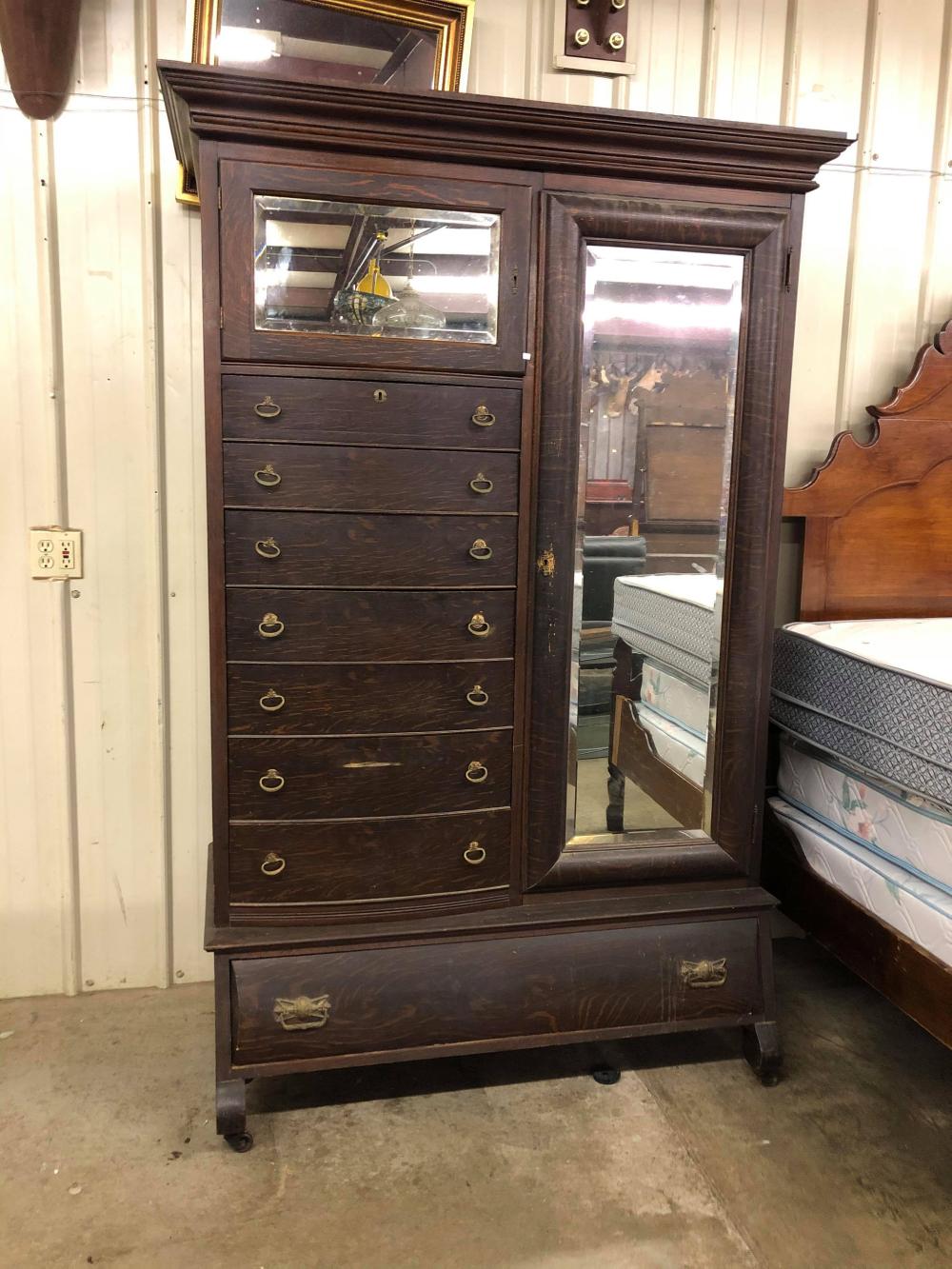 |
ANTIQUE CHIFFEROBE | Swisher Bros. Auction | 2021-06-11 | 240 | USD 150 |
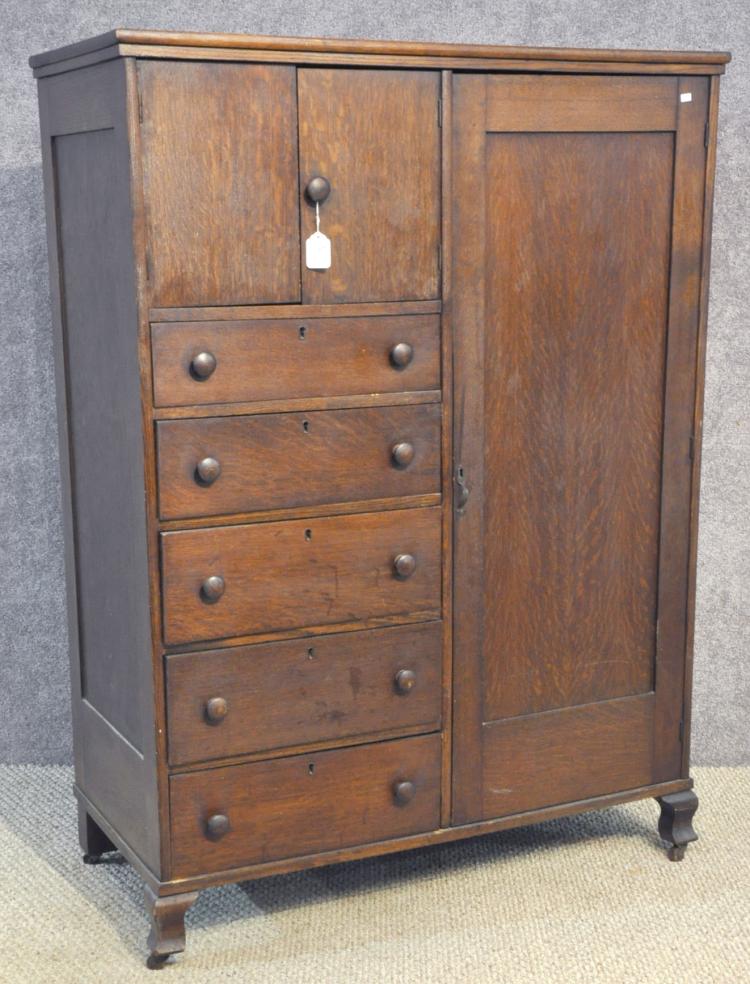 |
Oak Chifferobe | Farmer Auctions | 2015-02-18 | 145 | USD 110 |
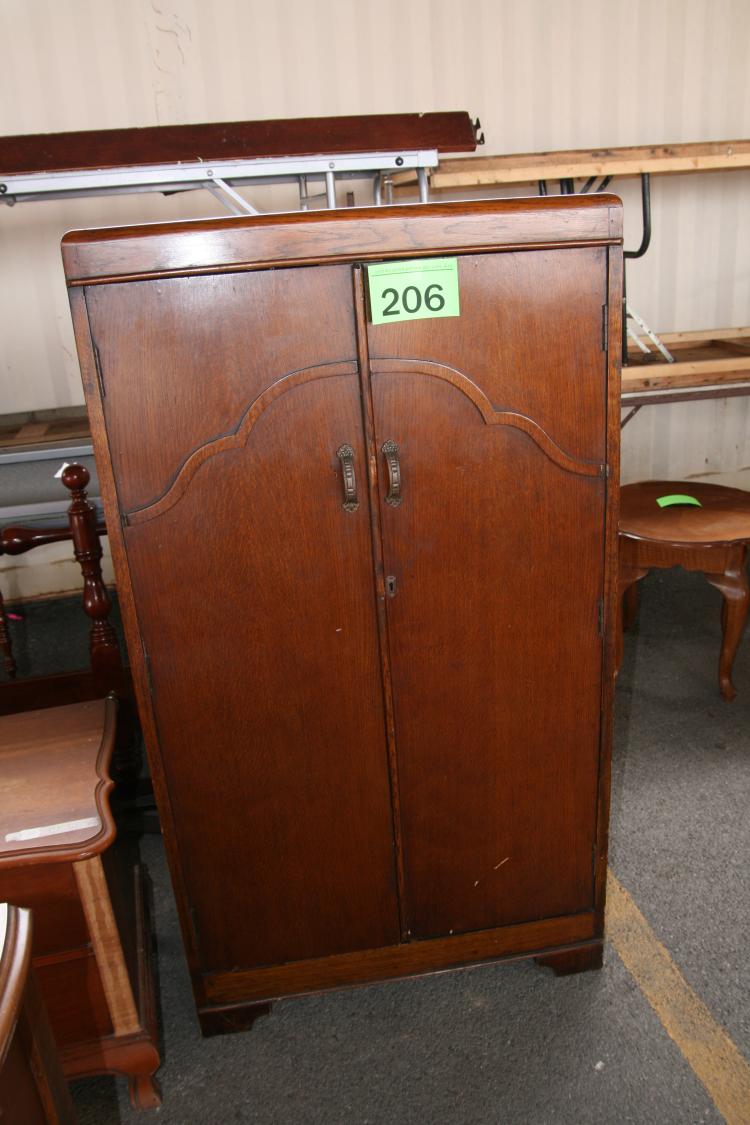 |
ANTIQUE CHIFFEROBE | Chad McCarter Auction Center | 2014-12-13 | 206 | USD 85 |
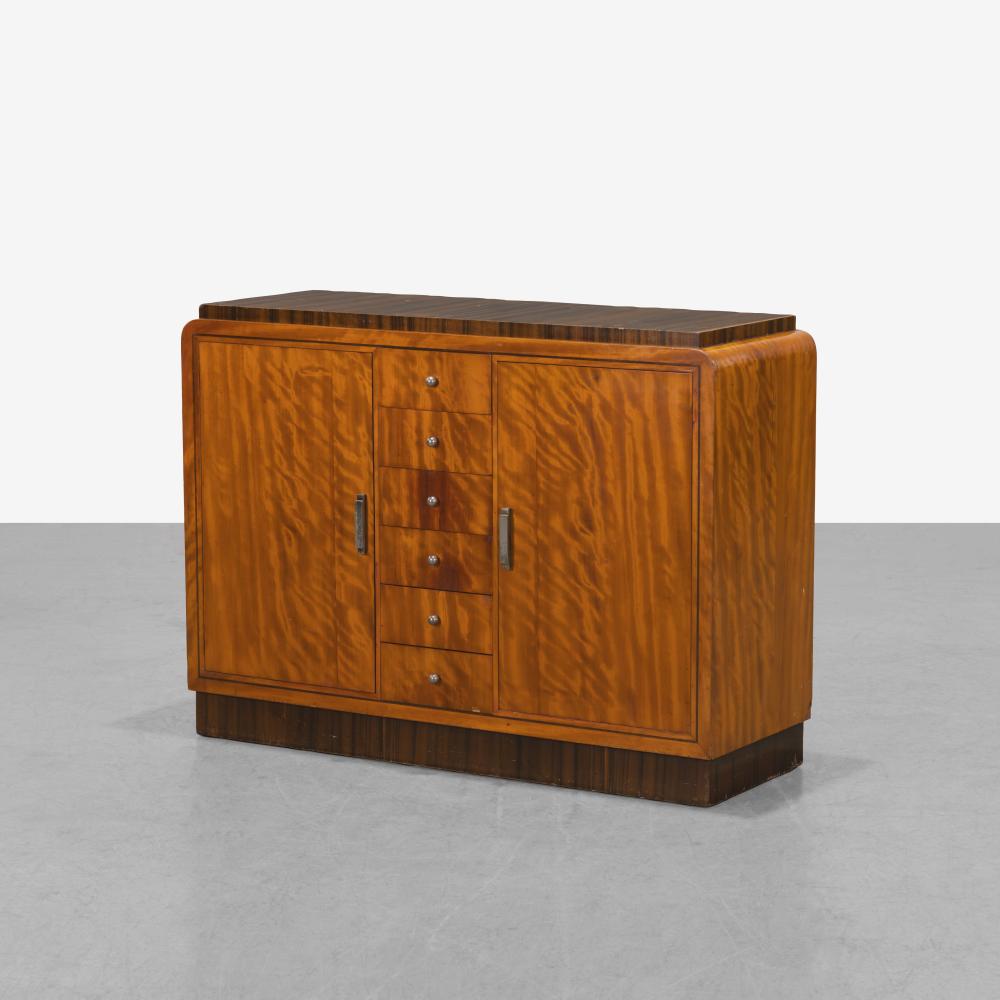 |
Deco Chifferobe | Barton's Auction | 2024-09-15 | 459 | USD 325 |
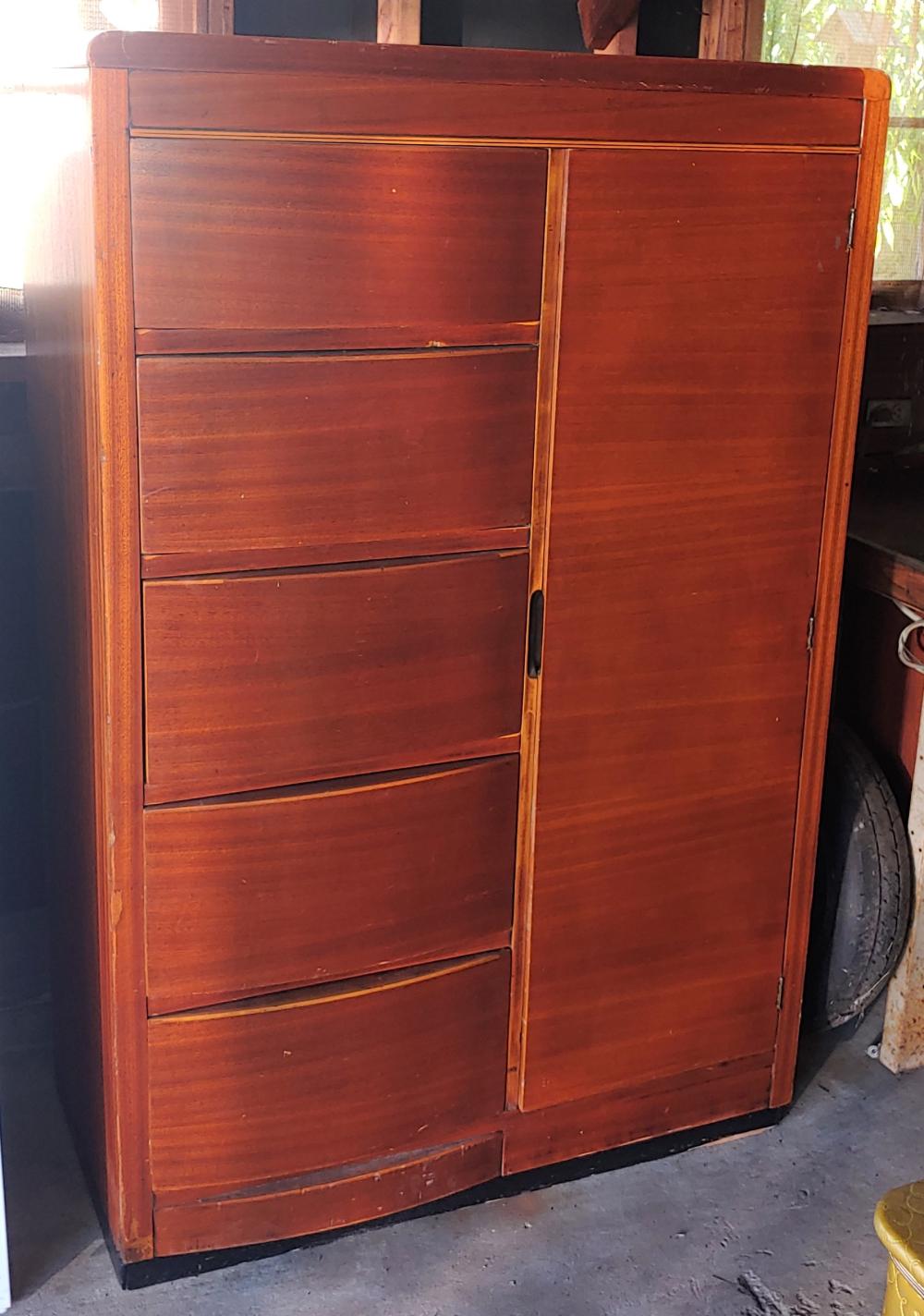 |
wood chifferobe | Don R. Wallick Auctions | 2022-07-07 | 100 | USD 50 |
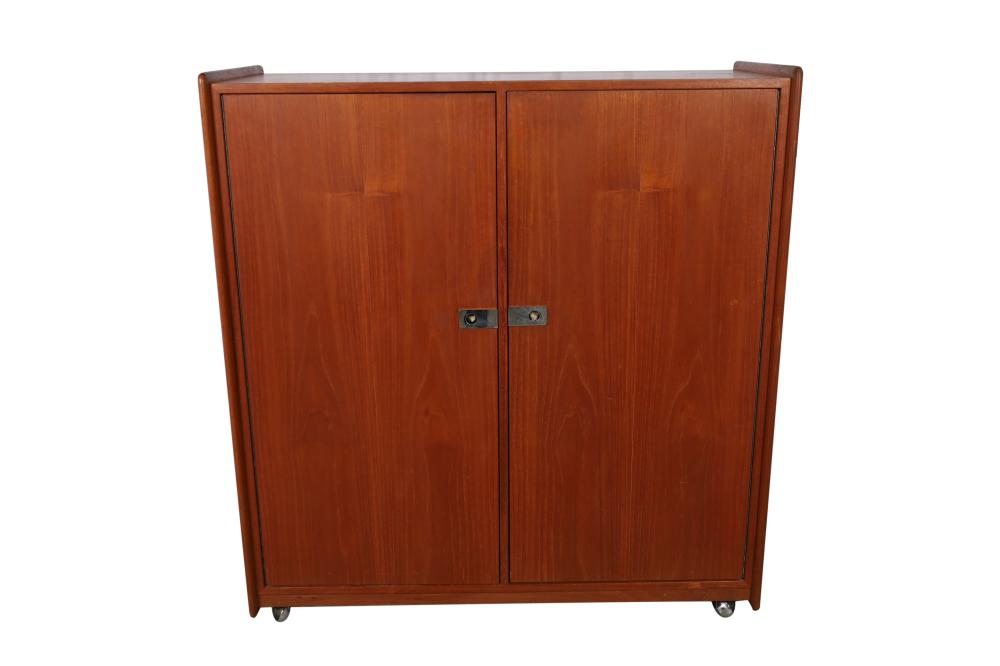 |
Teak Chifferobe | Regency Auction House | 2022-05-14 | 342A | USD 200 |
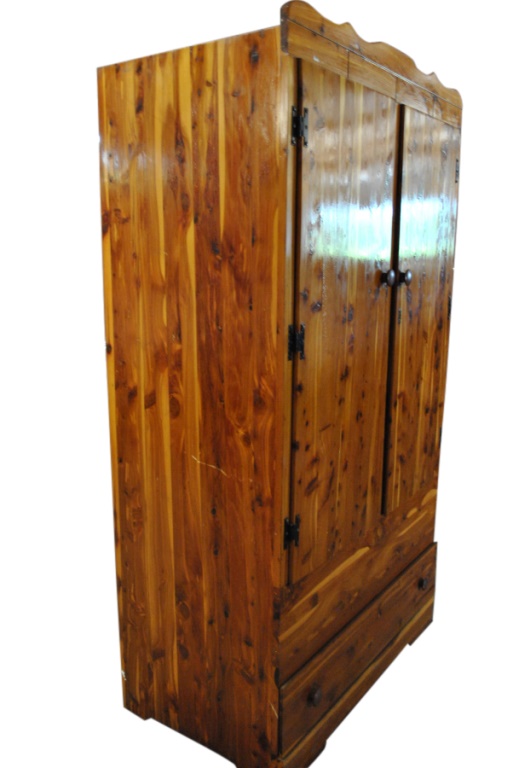 |
Antique Cedar Chifferobe, Wardrobe | Four Seasons Auction Gallery | 2017-08-20 | 124 | USD 55 |
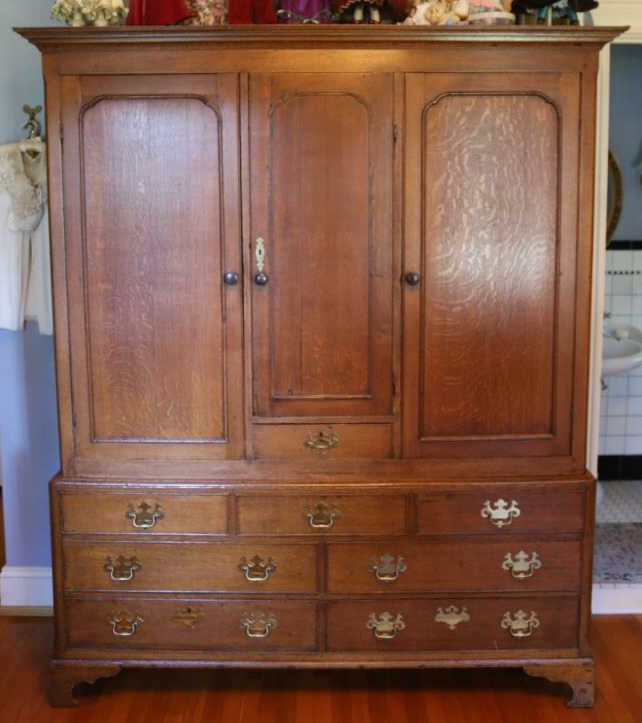 |
ENGLISH ANTIQUE OAK CHIFFEROBE | Chandler's International Auction | 2016-11-05 | 203 | USD 400 |
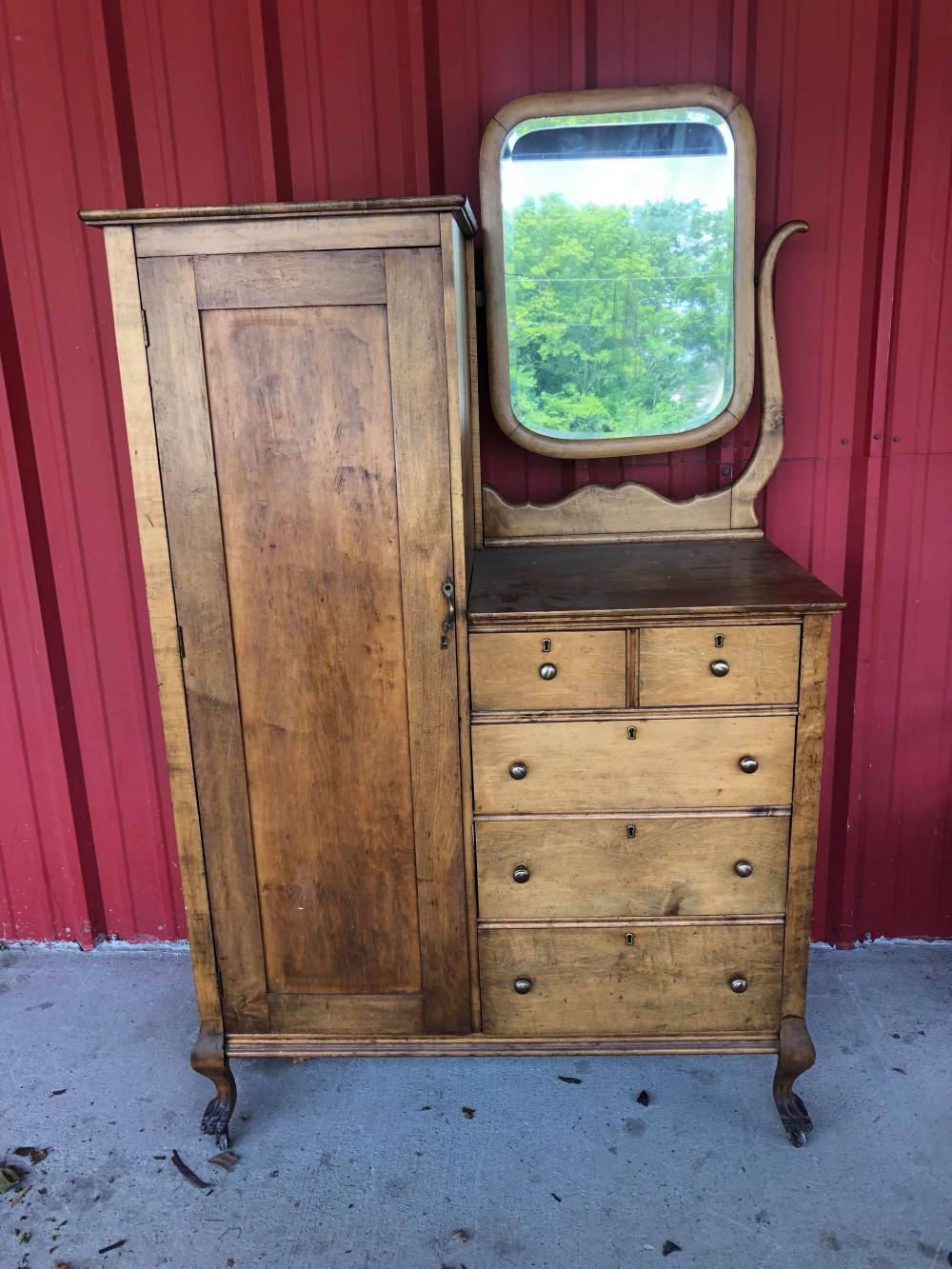 |
ANTIQUE CHIFFEROBE DATED APRIL 18, 1910 | Swisher Bros. Auction | 2021-07-23 | 342 | USD 145 |
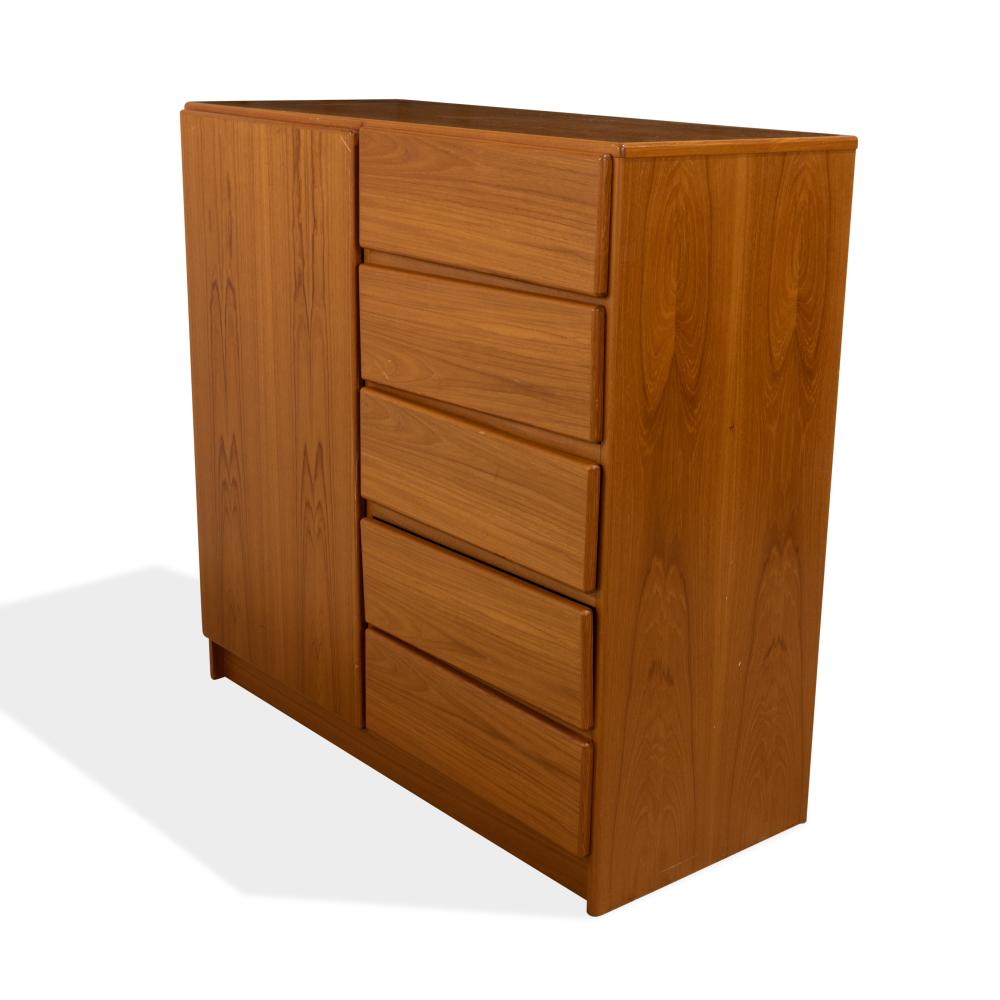 |
Teak Chifferobe | Regency Auction House | 2021-03-13 | 527 | USD 225 |
How these auction records were verified
These sales are market context, not an object estimate.
Each row retains its exact source URL, lot identity, retrieval time, access result, and immutable record hash. Live source access was blocked; the exact record matched Appraisily's immutable pipeline provenance. Inspect the public comparable provenance record.
Free photo check
Not sure if your item is worth appraising? Let us take a look.
Upload a photo, tell us what you know, and get a free first read. If a full appraisal makes sense, we will say so.
Free. No card needed. Takes about two minutes.
What Is a Chifferobe?
A chifferobe (sometimes spelled chifforobe or chiffarobe) is a hybrid furniture piece that combines elements of a chiffonier (a tall chest of drawers) and a wardrobe (a cabinet for hanging clothes). Typically featuring a combination of drawers and a compartment with a hanging rod, chifferobes were particularly popular in American homes from the early 1900s through the 1950s.
The term itself first appeared in the Sears Roebuck catalog around 1908, marking it as a distinctly American furniture innovation. These versatile storage pieces were designed to provide comprehensive clothing storage in homes that lacked built-in closets, which were uncommon in older houses.
Key Chifferobe Facts
Origin Period: Early 1900s
Peak Popularity: 1920s-1940s
Primary Materials: Oak, walnut, mahogany
Distinguishing Feature: Combined drawers and hanging space
Average Height: 5-6 feet tall
Typical Width: 3-4 feet wide
Factors That Determine Antique Chifferobe Value
Antique chifferobes can range dramatically in value from as little as $200 for basic models in poor condition to $3,000 or more for exceptional examples. Here are the primary factors that determine their market worth:
Age and Authenticity
True antique chifferobes date from the early 1900s through the 1950s. Those from the 1920s-1930s often command the highest prices, particularly if they showcase distinctive Art Deco or Arts and Crafts design elements. Pieces from this era typically fall into the $500-$1,500 range, depending on other factors.
Material and Construction Quality
The wood type significantly impacts value:
- Oak: Particularly quarter-sawn oak examples from the Arts and Crafts period can bring $500-$1,200
- Walnut: Art Deco pieces in walnut may fetch $800-$2,000
- Mahogany: Fine mahogany examples can command $1,000-$3,000
- Pine: More utilitarian pine pieces typically bring the lowest values ($200-$500)
Hand-crafted pieces with dovetail joints and other signs of quality craftsmanship command premium prices compared to mass-produced examples.
Condition
Condition critically impacts value, with original hardware, unaltered finishes, and minimal damage being particularly important. According to research from ThriftyFun, condition can affect value by as much as 50-70%.
Condition Assessment Checklist
These factors significantly impact chifferobe value
- Original hardware intact (handles, hinges, locks)
- Doors and drawers function properly
- Original finish preserved (not stripped/refinished)
- Minimal scratches, dents, or veneer damage
- No water damage or wood rot
- Mirror (if present) without significant silvering issues
- Original back panels intact
- Interior compartments clean and undamaged
Style and Design Features
Specific design elements can significantly increase a chifferobe’s value:
- Original mirrors: Intact beveled mirrors can add $200-$400 to value
- Ornate carvings: Detailed decorative elements may increase value by 30-50%
- Unusual configurations: Rare or unique drawer and door arrangements
- Art Deco elements: Geometric patterns and stylized designs from the 1920s-30s
- Quarter-sawn oak: Distinctive tiger-stripe grain patterns highly valued by collectors
Provenance and History
A documented history, particularly linking the piece to notable owners or manufacturers, can significantly enhance value. Pieces with their original sales receipts, manufacturer labels, or documented history may command 25-40% higher prices than similar examples without provenance.
Regional Variations
Chifferobes were manufactured across the United States, with certain regions developing distinctive styles:
- Southern-made pieces: Often feature heavier proportions and local woods
- Midwest manufacturers: Grand Rapids furniture companies produced high-quality examples
- East Coast styles: May show more European influence in design elements
Current Market Values for Antique Chifferobes
Based on current market data from eBay, Etsy, auction houses, and antique dealers, these price ranges represent typical values for antique chifferobes as of 2024:
Antique Chifferobe Price Ranges
Current market values by type, style, and condition
According to data from eBay’s antique furniture section, the highest-selling chifferobes typically feature exceptional craftsmanship, original condition, and distinctive design elements. For instance, a rare antique primitive chifferobe was listed at $2,500, representing the upper range of the market.
| Category | Price | Notes |
|---|---|---|
| Basic Oak (1900-1920) | $200-$600 | Everyday quality, minimal ornamentation |
| Arts & Crafts Oak (1900-1925) | $500-$1,200 | Mission style, quarter-sawn oak |
| Art Deco Walnut (1920-1940) | $800-$2,000 | Geometric designs, waterfall fronts |
| Mahogany with Mirrors (1900-1930) | $1,000-$3,000 | Beveled mirrors, ornate carvings |
| Primitive/Painted Pine | $200-$800 | Farmhouse style, often painted |
| Depression-Era (1930s) | $300-$900 | Simpler designs, mass-produced |
| Post-WWII (1940s-1950s) | $200-$700 | Less ornate, more utilitarian |

Historical Timeline of Chifferobe Development
Chifferobe Historical Development
- 1908
First Appearance
The term "chifferobe" first appears in the Sears Roebuck catalog, marking the beginning of this distinctly American furniture type.
- 1910s
Early Popularity
Chifferobes gain popularity as practical storage solutions for homes without built-in closets. Oak becomes the predominant material.
- 1920s
Art Deco Influence
The Art Deco movement introduces more geometric designs and the use of figured walnut veneers. "Waterfall" fronts become popular.
- 1930s
Depression Era
Economic constraints lead to simpler designs and more affordable construction methods. Painted finishes become more common.
- 1940s
Wartime Limitations
WWII material restrictions affect furniture production. Designs become more utilitarian with less ornamentation.
- 1950s
Declining Popularity
As built-in closets become standard in new homes, chifferobe production declines. Modernist furniture styles replace traditional forms.
- 1960s-Present
Collectible Status
Chifferobes transition from functional furniture to collectible antiques, with values increasing for quality examples.
How to Identify an Authentic Antique Chifferobe
Authenticating an antique chifferobe involves examining several key characteristics:
Construction Methods
Genuine antique chifferobes typically feature:
- Dovetail joints: Hand-cut dovetails in drawers suggest pre-1940s construction
- Solid wood components: Particularly for structural elements and drawer bottoms
- Wooden drawer glides: Metal ball-bearing glides indicate later manufacture
- Mortise and tenon joinery: Especially in door frames and cabinet construction
- Cut nails or wooden pegs: Earlier examples may use these instead of modern screws
Hardware Examination
Original hardware provides important dating clues:
- Cast brass pulls: Often feature embossed designs in earlier examples
- Steel bail handles: Common on 1920s-40s pieces
- Glass knobs: Popular in the 1930s-40s
- Skeleton key locks: Standard on most antique examples
Back Panel Construction
The construction of the back panel offers significant dating evidence:
- Solid wood panels: Earliest examples (pre-1920)
- Horizontally arranged boards: Typical of 1910s-1930s pieces
- Plywood panels: Suggests 1940s or later construction
- Fiberboard: Indicates post-WWII manufacture

Chifferobe vs. Armoire: Understanding the Difference
According to Chairish’s furniture experts, understanding the distinctions between chifferobes and armoires is crucial for proper identification and valuation:
Chifferobe vs. Armoire Comparison
Key differences between these furniture types
| Item | Price | Date | Auction House |
|---|---|---|---|
| Quarter-sawn Oak Mission Chifferobe | $1,250 | March 2024 | Local Auction House |
| Art Deco Walnut with Waterfall Front | $1,850 | January 2024 | 1stDibs |
| Mahogany with Beveled Mirror | $2,195 | December 2023 | Etsy |
| Primitive Painted Chifferobe | $425 | February 2024 | eBay |
| Depression-Era Oak | $350 | April 2024 | Facebook Marketplace |
The term “wardrobe” is sometimes used interchangeably with armoire, though wardrobes are typically English in origin while armoires are French. Both differ from chifferobes in their lack of built-in drawers.
Tips for Selling an Antique Chifferobe
If you’re looking to sell an antique chifferobe, consider these expert recommendations:
Best Selling Venues
Different venues offer various advantages:
- Specialty antique dealers: Often pay 40-60% of retail value for quality pieces
- Online marketplaces: Etsy and eBay allow direct sales to collectors, but require shipping logistics
- Local auction houses: Good for larger pieces, typically charge 20-30% commission
- Estate sale companies: Handle the entire process but may take 30-50% commission
- Facebook Marketplace/Craigslist: Good for local sales without shipping concerns
Preparation for Sale
To maximize value when selling:
- Clean gently: Use appropriate wood cleaners for the finish type
- Minor repairs: Fix loose hardware and small issues, but avoid major restoration
- Research comparable sales: Check recent auction results and retail listings
- Document history: Provide any known provenance or background information
- Take quality photographs: Capture overall views, details, and any maker’s marks
- Create detailed descriptions: Note wood type, age, measurements, and condition details
Setting Realistic Expectations
Sellers should:
- Recognize that antique furniture currently sells for less than in previous decades
- Understand that shipping costs significantly impact buyer decisions on large pieces
- Be prepared for the market to take 3-6 months to find the right buyer
- Consider starting with higher asking prices but be willing to negotiate
How to Restore an Antique Chifferobe
When considering restoration of an antique chifferobe, balance preservation of value with functionality:
Restoration Best Practices
- Assessment first: Thoroughly examine the piece to determine necessary repairs
- Minimal intervention: Focus on structural stability rather than cosmetic perfection
- Document original features: Take photos before beginning any work
- Use period-appropriate materials: Match wood species, finishes, and hardware styles
- Preserve original finish: Clean and revive rather than strip and refinish when possible
- Consult experts: For valuable pieces, seek advice from professional restorers
Common Restoration Issues
Several issues typically require attention:
- Loose joints: May need regluing with hide glue (traditional formula)
- Hardware replacement: Source authentic period hardware when originals are missing
- Mirror silvering: Specialists can restore deteriorated mirror surfaces
- Wood repairs: Address veneer damage, splits, or missing elements
- Finish revival: Use appropriate treatments based on the original finish type
- Door alignment: Adjust hinges and catches for proper operation
According to restoration experts at Short Girl Farm, taking a systematic approach to chifferobe restoration helps preserve both authenticity and value.
Decorating with Antique Chifferobes
Antique chifferobes offer versatile storage and decorative possibilities in modern homes:
Creative Uses for Antique Chifferobes
- Bedroom storage: Their original purpose remains practical today
- Entryway statement piece: Storage for coats and accessories
- Home office storage: Convert interior to hold office supplies and files
- Dining room service piece: Store linens, serving pieces, and barware
- Living room entertainment center: Modify to hold media equipment
- Nursery storage: Provides ample space for baby clothes and supplies
- Craft room organization: Adaptable storage for various craft materials
Design Integration Tips
To successfully incorporate these substantial pieces into contemporary interiors:
- Allow adequate space: These are substantial pieces that need room to breathe
- Balance with other furniture: Pair with more modern pieces to avoid a museum-like appearance
- Consider placement: Position away from direct sunlight and heat sources
- Highlight with lighting: Use accent lighting to showcase beautiful wood grain or carvings
- Personalize with accessories: Style the top with meaningful objects that complement the piece
Common Questions About Antique Chifferobe Values
How much is my antique chifferobe worth today?
- Age and authenticity (1900s-1950s)
- Materials (oak, walnut, mahogany)
- Condition (original hardware, finish, minimal damage)
- Style (Arts & Crafts, Art Deco, etc.)
- Special features (beveled mirrors, carvings)
- Provenance (documented history)
What's the difference between a chifferobe and an armoire?
- Chifferobes combine drawers and hanging space in one piece
- Armoires primarily offer hanging storage with minimal or no drawers
- Chifferobes originated in early 1900s America
- Armoires have European origins dating back several centuries
- Chifferobes are typically smaller (5-6 feet tall)
- Armoires are often larger and more imposing (6-8 feet tall)
What is the history of the chifferobe?
- First appeared in the Sears Roebuck catalog around 1908
- Gained popularity during the 1910s-1930s
- Designed to provide comprehensive clothing storage in homes without built-in closets
- Combined elements of a chiffonier (drawer chest) and wardrobe (hanging cabinet)
- Produced widely during the Arts & Crafts and Art Deco periods
- Declined in popularity after the 1950s as built-in closets became standard
How can I tell if my chifferobe is a valuable antique?
- Construction methods: Look for dovetail joints, mortise and tenon joinery, and solid wood components
- Hardware: Original cast brass pulls, skeleton key locks, and period-appropriate hinges
- Back panels: Solid wood or horizontal boards suggest earlier manufacture
- Wood type: Quarter-sawn oak, figured walnut, and mahogany are typically more valuable
- Maker’s marks: Check for manufacturer’s stamps, paper labels, or branded marks
- Design elements: Distinctive period features like waterfall fronts or Mission-style details
Where is the best place to sell an antique chifferobe?
- For convenience: Consignment shops or estate sale companies (though they take 30-50%)
- For maximum value: Direct sales through Etsy, eBay, or Facebook Marketplace
- For quick sales: Local antique dealers (though they typically pay wholesale prices)
- For valuable pieces: Specialty auction houses that focus on period furniture
Should I refinish my antique chifferobe before selling it?
- Original finishes are prized by collectors and preservation-minded buyers
- Patina develops over decades and cannot be authentically recreated
- Refinishing can damage original surfaces and historical integrity
- Modern finishes often look inappropriate on period pieces
Are 1940s-1950s chifferobes considered true antiques?
- 1940s-1950s chifferobes are generally classified as "vintage" rather than true antiques
- They typically sell for less than earlier examples (usually $200-$700)
- Some exceptional mid-century pieces may command higher prices
- Post-WWII examples often feature simpler construction and less ornamentation
- Later pieces may incorporate plywood or other modern materials
What should I look for when buying an antique chifferobe?
- Structural integrity: Check for stability, square corners, and proper door/drawer function
- Original components: Verify original hardware, mirrors, and interior fittings
- Wood condition: Examine for water damage, extensive repairs, or active wood boring insects
- Finish quality: Assess whether the finish is original or later refinishing
- Interior condition: Inspect drawer interiors, hanging rod, and compartment linings
- Odors: Be wary of musty or chemical smells that may indicate damage or poor storage
- Measurements: Confirm the piece will fit your intended space (height, width, depth)
Additional Resources for Antique Chifferobe Research
eBay Antique Chifferobe Listings
Browse current listings and completed sales to research recent market prices for antique chifferobes.
Chairish: Chifforobe vs. Armoire Guide
Comprehensive explanation of the differences between these similar furniture pieces with identification tips.
1stDibs Antique Wardrobe Collection
High-end dealer marketplace featuring premium examples of antique storage furniture with detailed descriptions.
ThriftyFun: Selling a 1920 Chifferobe
Practical advice on valuing and selling antique chifferobes from the 1920s era.
DutchCrafters: History of the Chifforobe
Detailed historical timeline of chifferobe development and evolution throughout the early 20th century.
Short Girl Farm: Chifferobe Restoration Guide
Step-by-step instructions for appropriate restoration techniques that preserve antique chifferobe value.
Etsy Antique Chifferobe Marketplace
Curated selection of antique and vintage chifferobes from independent sellers, with various styles and price points.
Conclusion: Investing in Antique Chifferobes
Antique chifferobes represent a fascinating chapter in American furniture history. Their hybrid design—combining the storage efficiency of drawers with the practicality of hanging space—made them indispensable in early 20th-century homes lacking built-in closets.
For today’s collectors and homeowners, these versatile pieces offer multiple benefits:
- Practical storage solutions with period charm and character
- Investment potential, particularly for rare or exceptional examples
- Historical connection to early 20th-century American domestic life
- Decorative statement pieces that add architectural interest to modern interiors
Whether you’re a serious collector, a casual antique enthusiast, or simply appreciate well-crafted furniture with a story to tell, understanding the factors that determine antique chifferobe values helps you make informed decisions about buying, selling, or preserving these distinctive furniture pieces.
As with all antiques, condition, provenance, and authenticity remain the cornerstones of value. By developing a discerning eye for quality construction, original features, and distinctive design elements, you’ll be well-equipped to assess the true worth of these charming and functional pieces of American furniture history.
Get a Professional Appraisal
Unsure about your item’s value? Appraisily provides a signed report with documented market evidence and stated limits.
- Signed report with photos and market evidence
- Timing confirmed after intake
- Fixed, upfront pricing
No obligation. Secure upload.