Antique Cast Iron Trivets Value Guide
Value antique cast iron trivets by maker, pattern, feet, casting detail, size, condition, paint, rarity, age, and collector demand.

What similar items actually sold for
To help ground this guide in real market activity, here are recent example auction comps from Appraisily’s internal database. These matched sales are market context only, not an object estimate or identification, and they do not guarantee a price for your specific cast iron trivets.
Shown USD range: USD 7-USD 50. Median of these 10 USD examples: USD 32.50.
| Comparable | What sold | Auction house | Date | Lot | Source-reported amount |
|---|---|---|---|---|---|
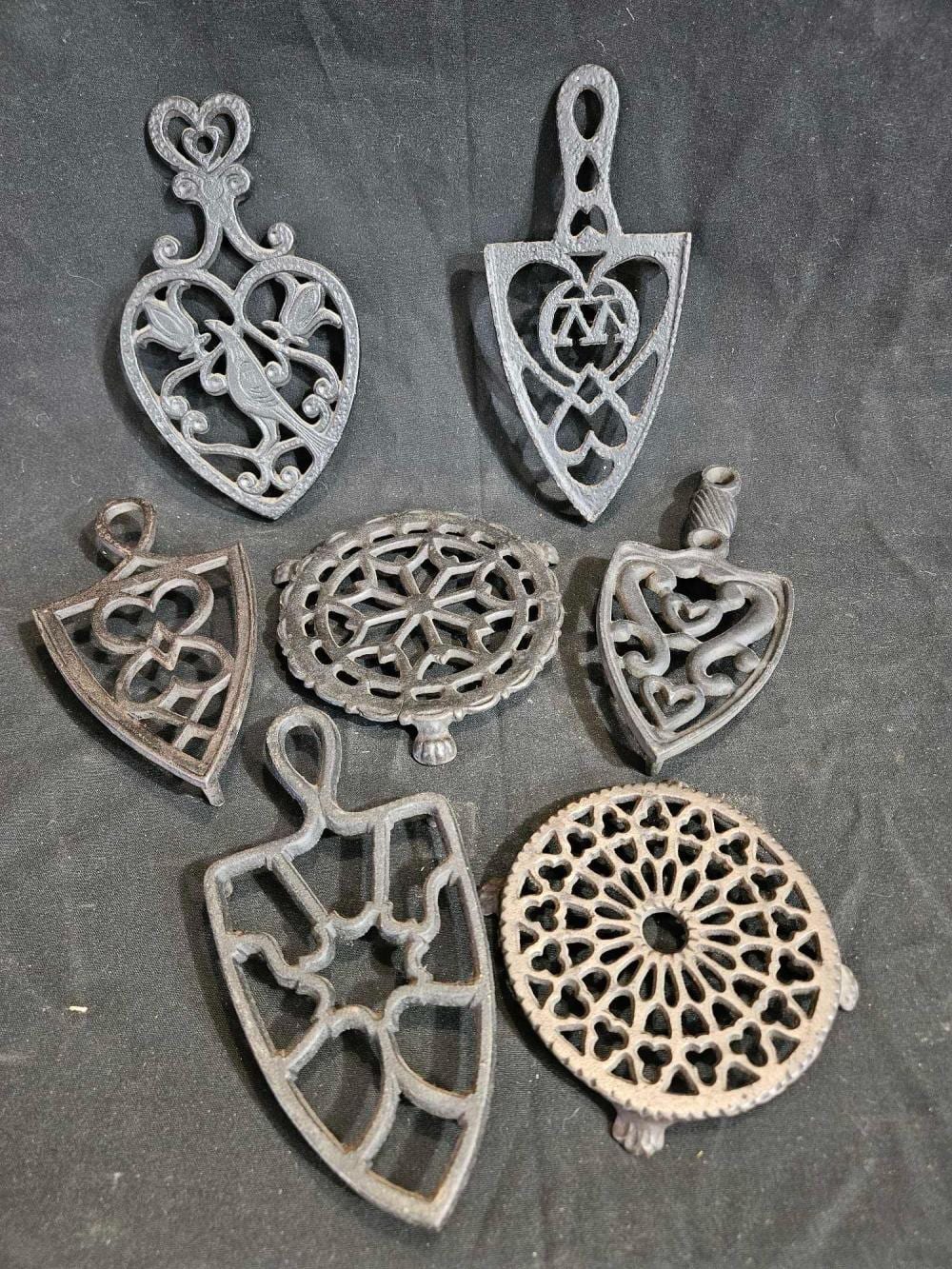 |
Cast Iron Trivets | Atlee Raber Auctioneer | 2023-05-22 | 271 | USD 30 (buyer’s-premium treatment unknown) |
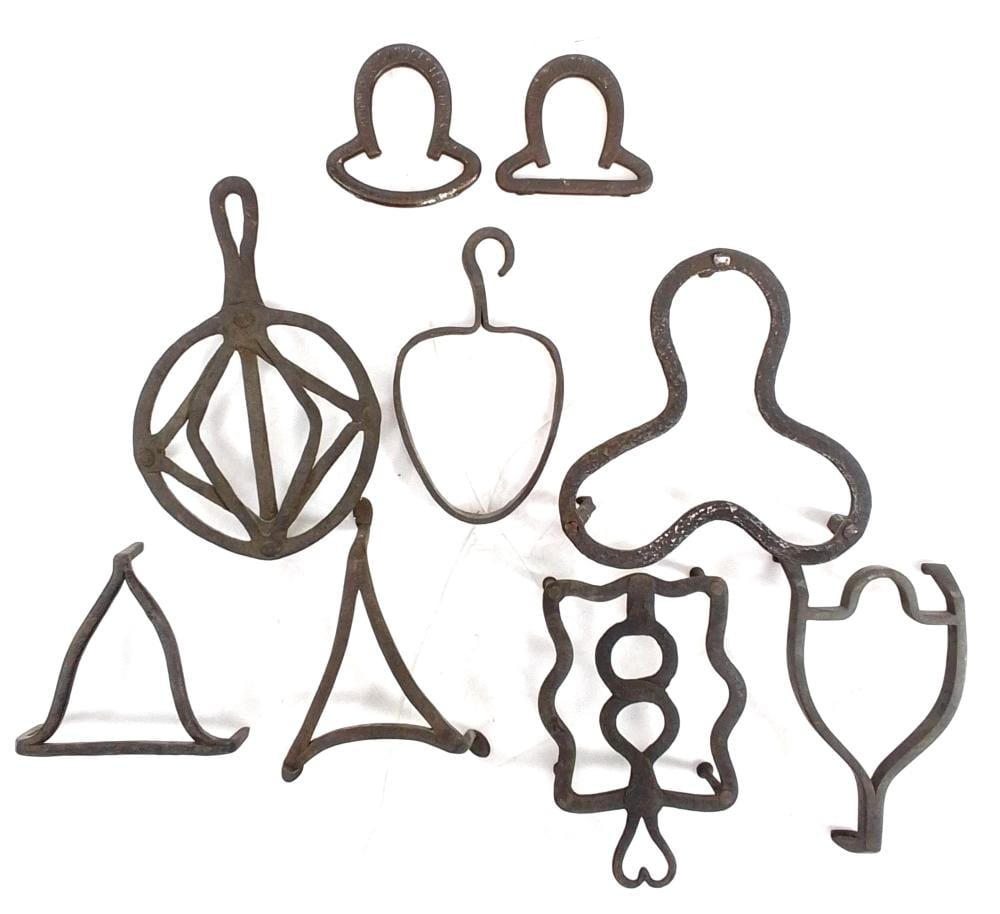 |
(7) Cast Iron Sad Iron Trivets & Horseshoes | EJ'S Auction & Appraisal | 2024-03-23 | 3086 | USD 35 (buyer’s-premium treatment unknown) |
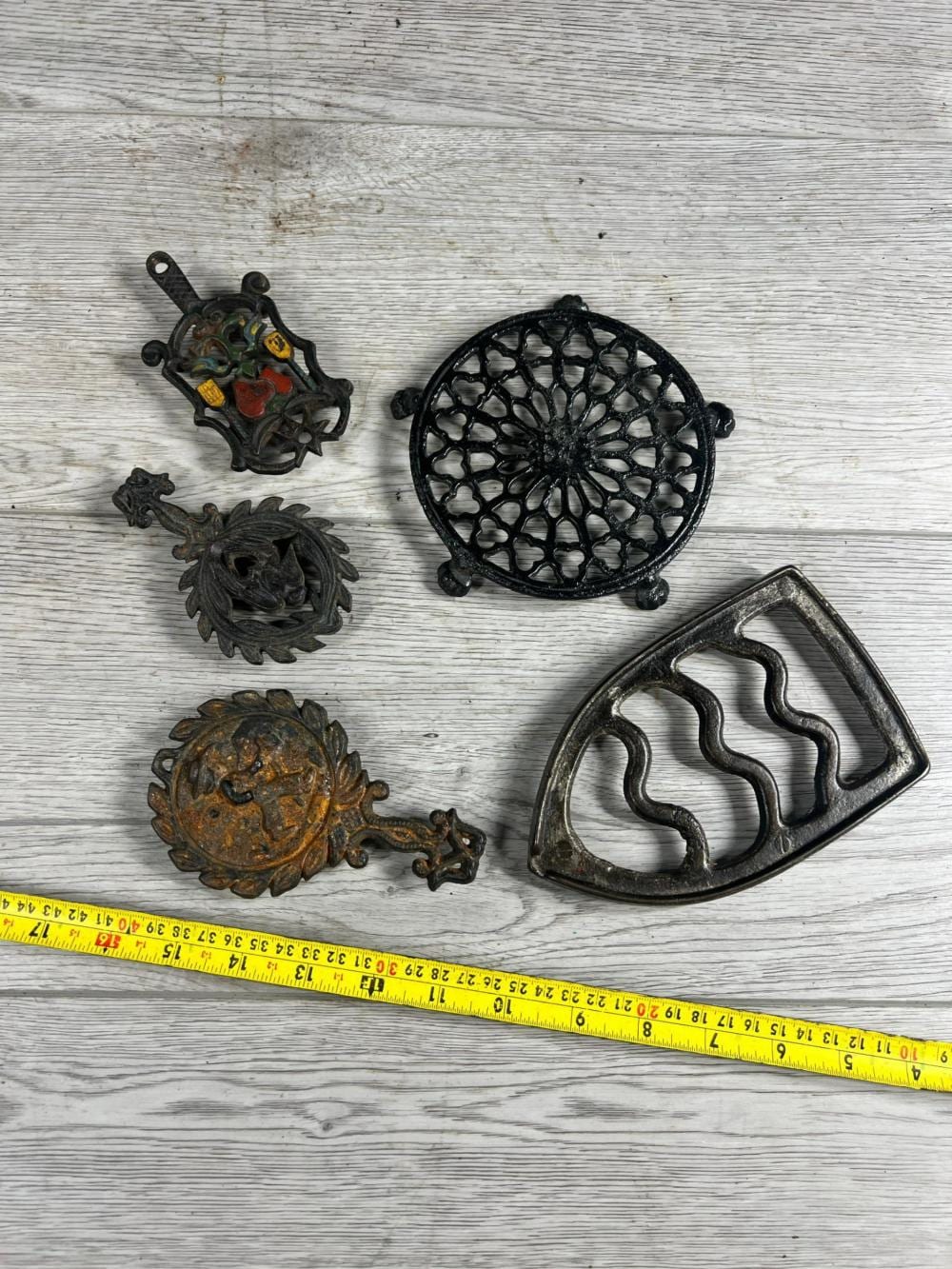 |
5- Cast Iron Trivets | Air Works Consignment Auction Ltd. | 2024-02-15 | 11378 | USD 50 (buyer’s-premium treatment unknown) |
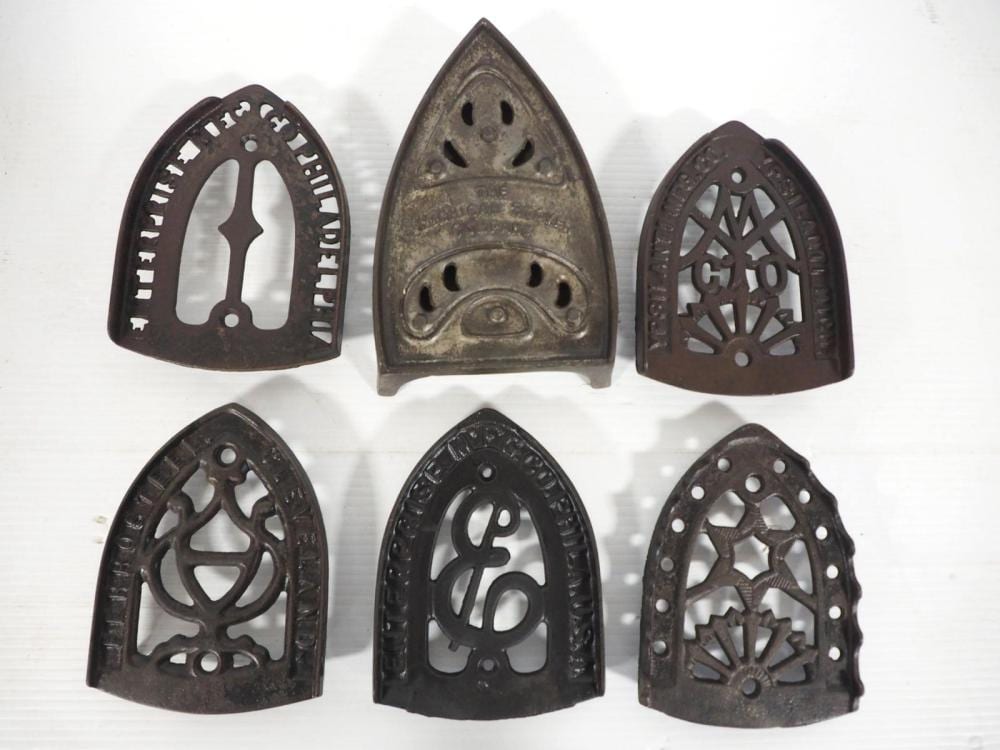 |
(6) Cast iron trivets | Chupp Auctions & Real Estate, LLC | 2020-03-12 | 2441 | USD 35 (buyer’s-premium treatment unknown) |
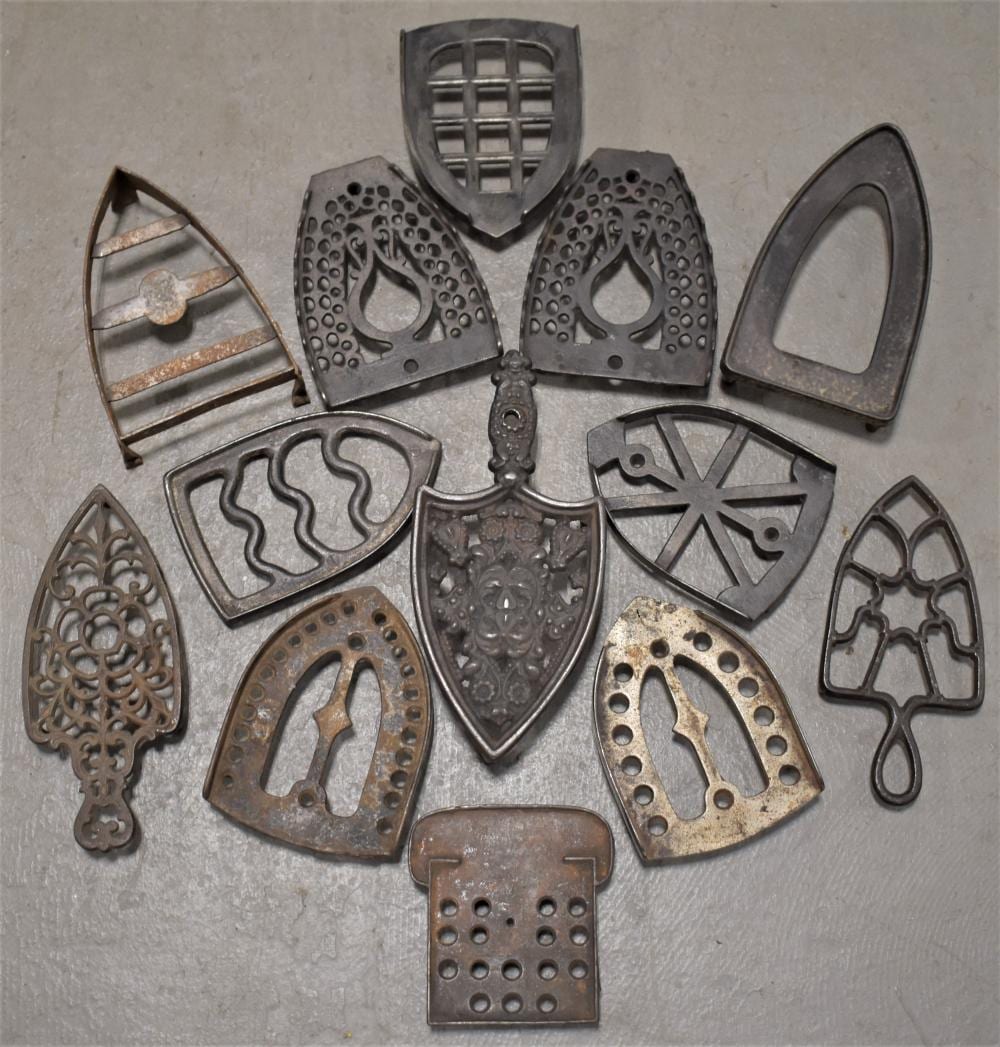 |
Lot (13) Cast Iron Trivets | Keene Auctions | 2020-08-16 | 170 | USD 40 (buyer’s-premium treatment unknown) |
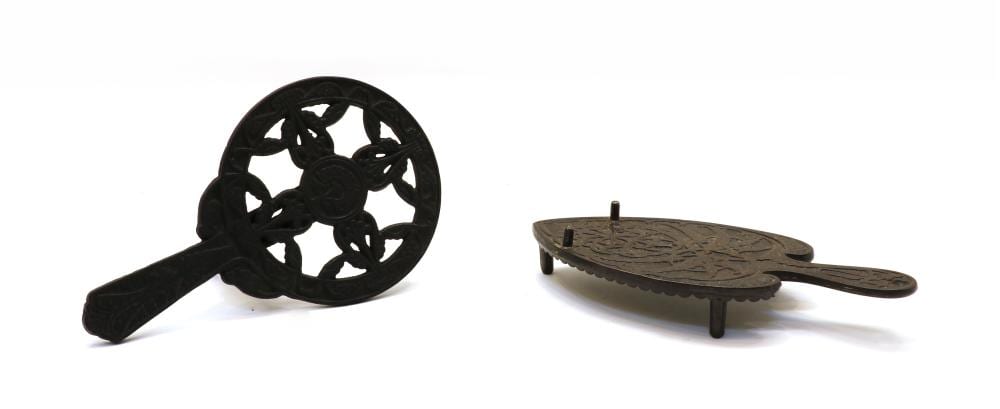 |
Two cast iron trivets, | Sworders | 2021-07-06 | 84 | GBP 70 (buyer’s-premium treatment unknown) |
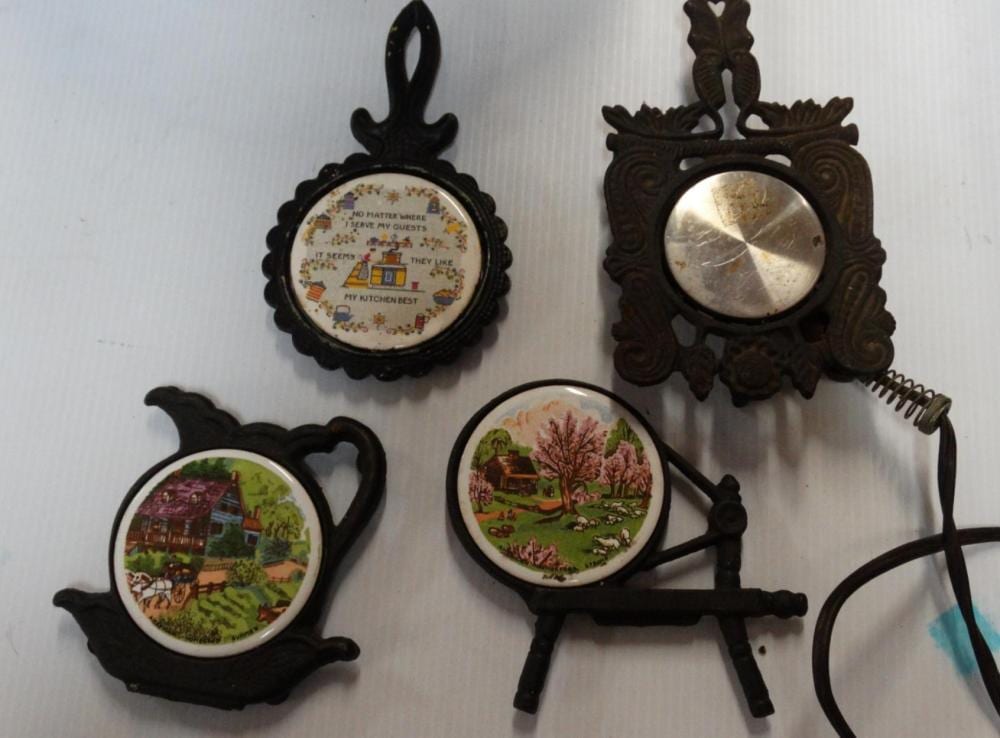 |
3 Vintage Cast Iron Trivets +1 Cast Iron Food Warm | California Auction Company LLC | 2024-03-30 | 12 | USD 10 (buyer’s-premium treatment unknown) |
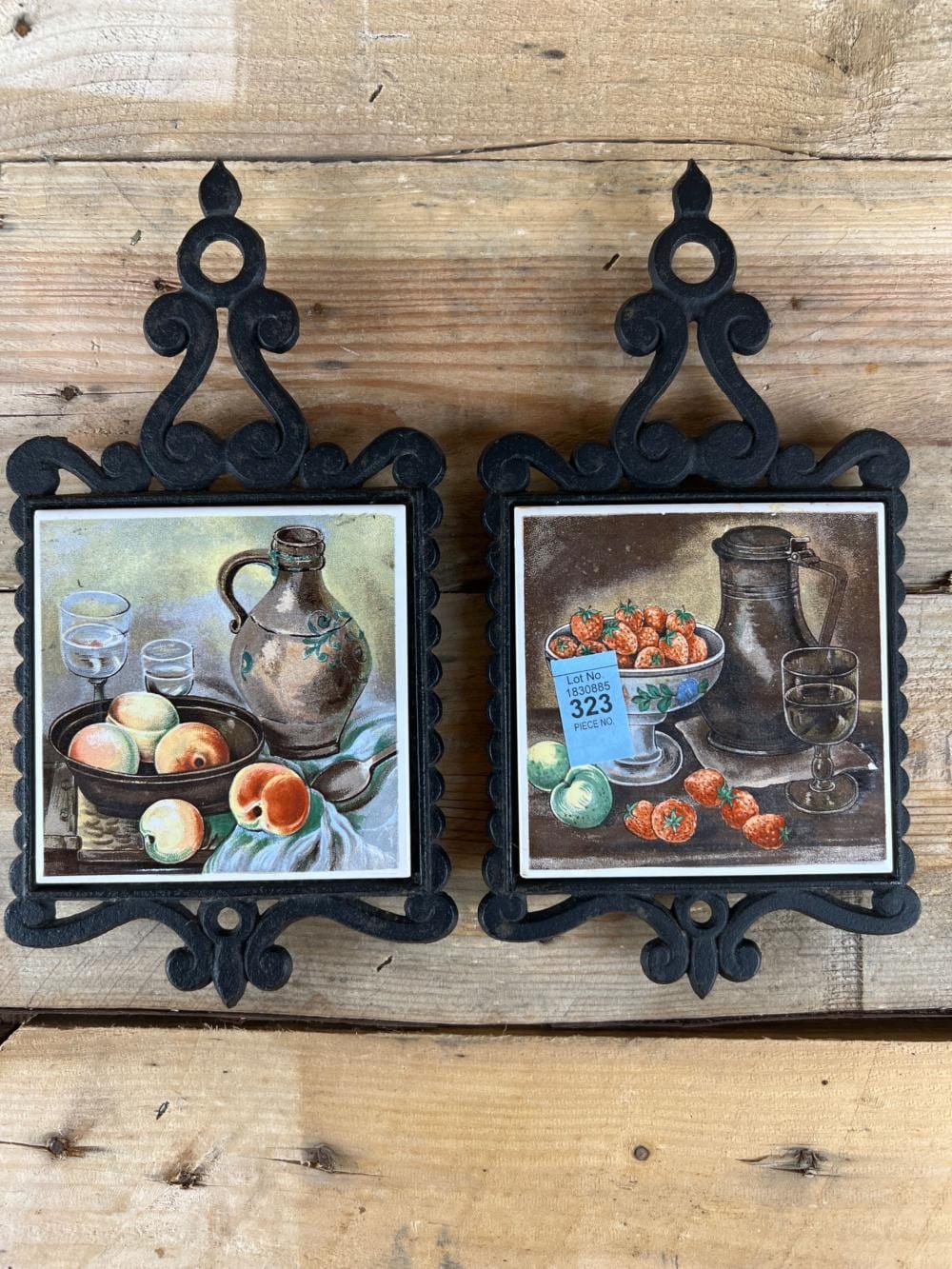 |
Vintage Cast Iron Trivets | Aether Auctions | 2022-09-15 | 323 | USD 7 (buyer’s-premium treatment unknown) |
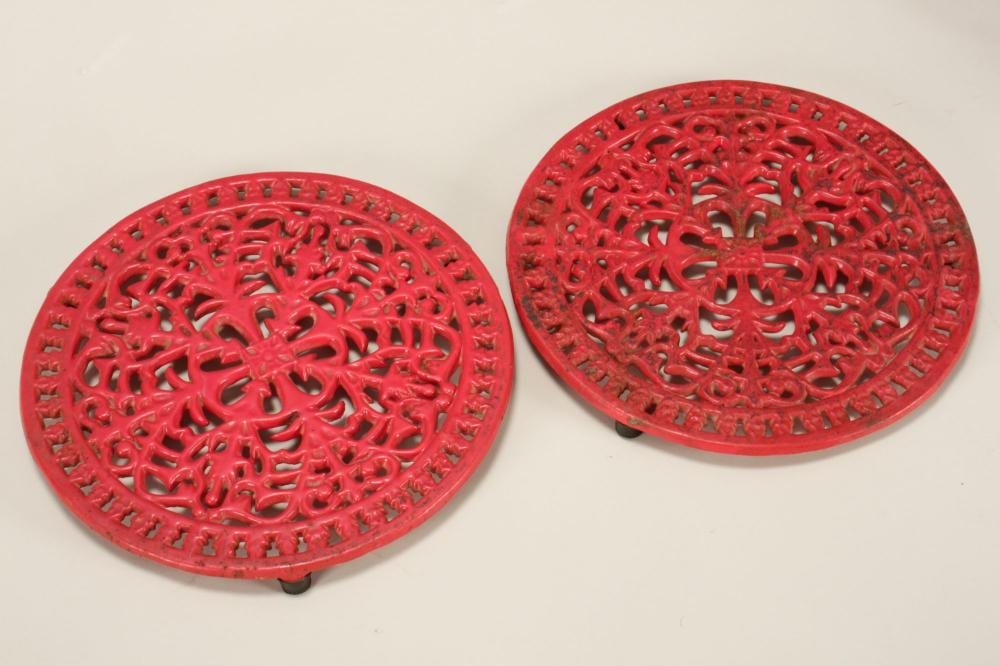 |
Pair of Cast Iron Trivets, | Aalders Auctions | 2022-08-25 | 2580 | AUD 10 (buyer’s-premium treatment unknown) |
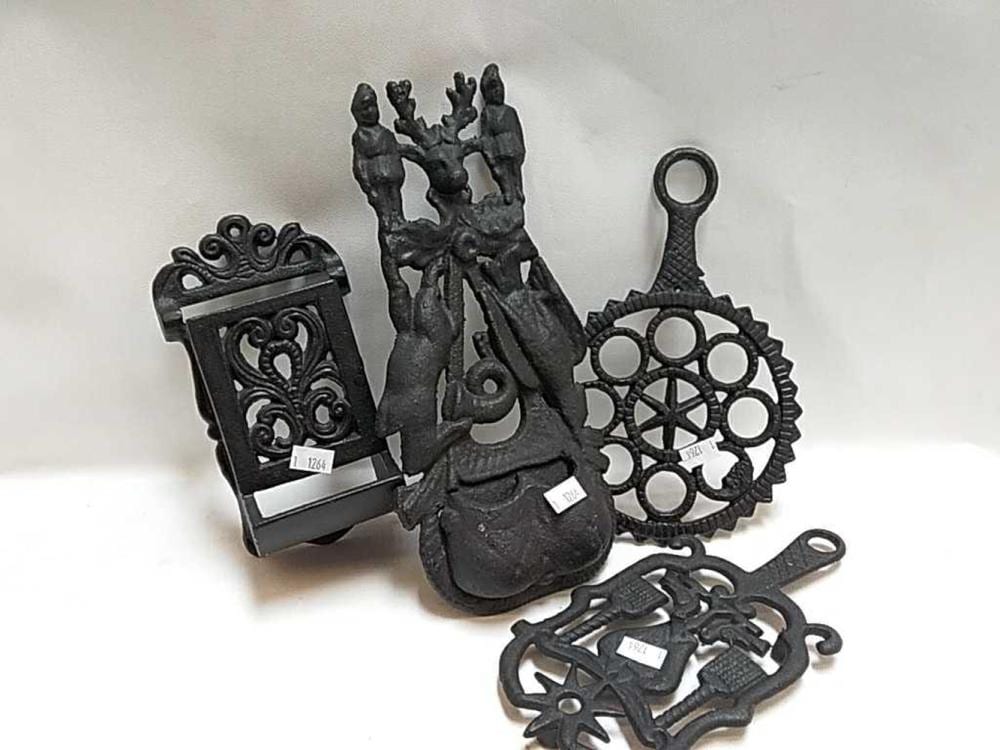 |
Vintage Cast Iron Trivets, Vintage Cast Iron Match | R & R Auction INC | 2020-06-14 | 228 | USD 10 (buyer’s-premium treatment unknown) |
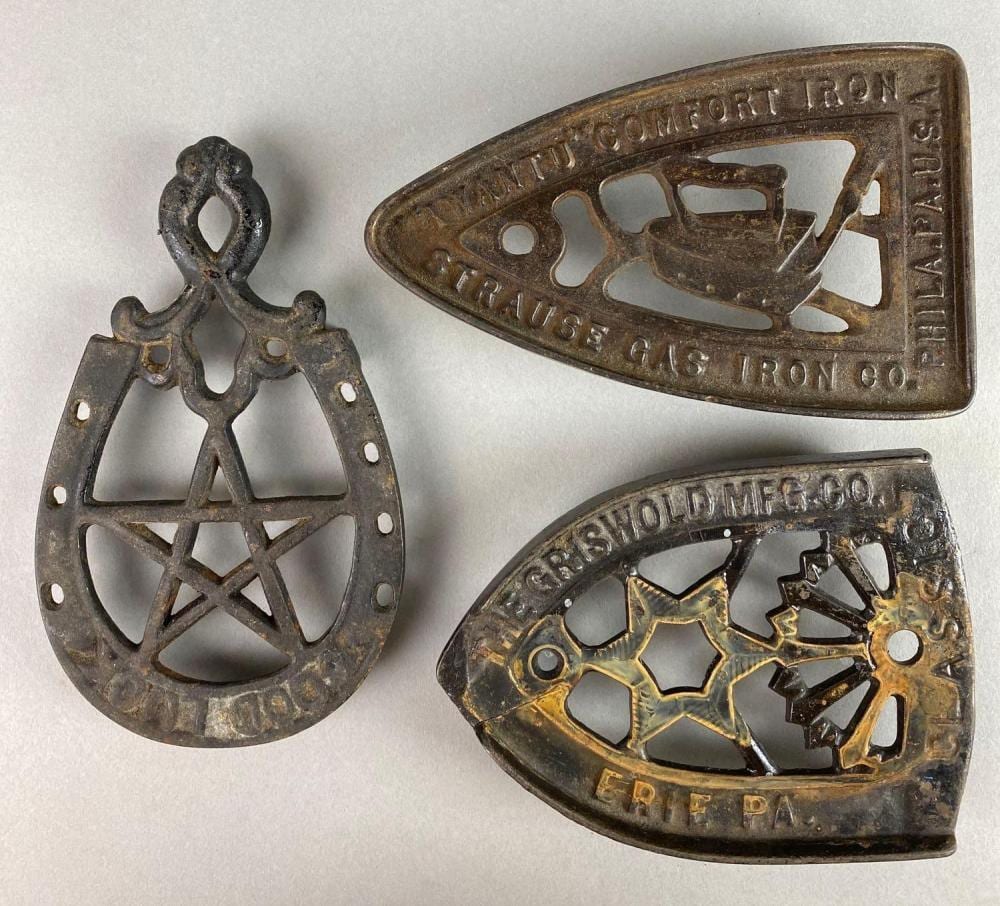 |
Group of 3 Cast Iron Trivets | Matthew Bullock Auctioneers | 2023-05-20 | 307 | USD 45 (buyer’s-premium treatment unknown) |
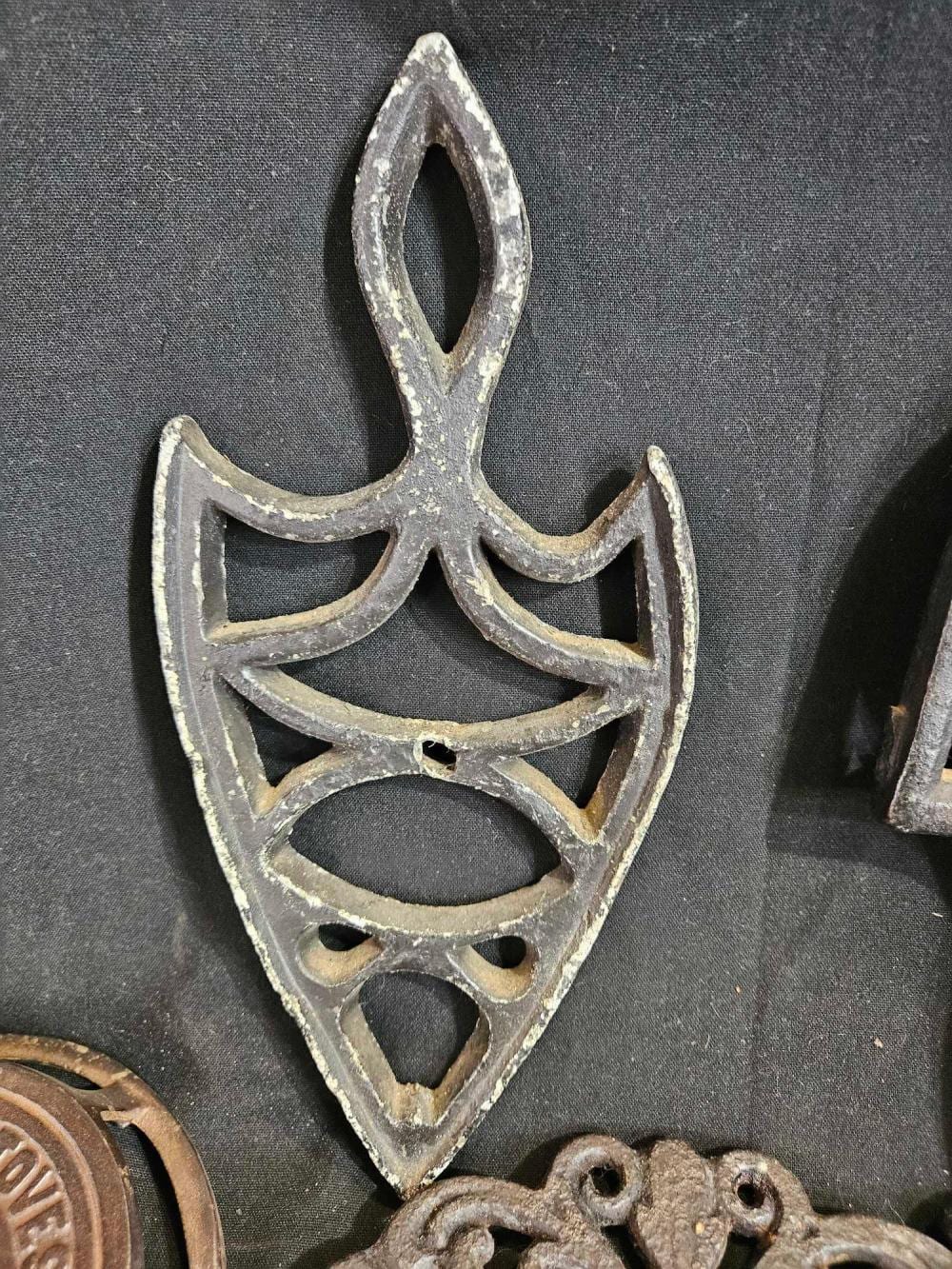 |
Cast Iron Trivets | Atlee Raber Auctioneer | 2023-05-22 | 273 | USD 25 (buyer’s-premium treatment unknown) |
How these auction records were verified
Each row retains its exact source URL, lot identity, retrieval time, access result, and immutable record hash. Inspect the public comparable provenance record.
Disclosure: prices are shown as reported by auction houses and are provided for appraisal context. Learn more in our editorial policy.
Free first look
Not sure whether this cast-iron trivet needs an appraisal?
Photograph the whole object, maker and model marks, dimensions, attachments, wear, repairs, completeness, and working condition where safe. The photo-based Screener can help identify the likely category and visible evidence gaps before you pay for documentation.
Upload photos for a free first lookFree. No card needed. The photo upload usually takes about two minutes.
The free first read is a separate photo-based Screener, not this educational article. Results usually appear within a few minutes; complex items can take longer. From photographs of your cast-iron trivet, it returns a preliminary category or identity read, visible evidence gaps, rough comparable market signals, and whether a human appraisal looks worthwhile; it is not a signed value conclusion. Material or construction can remain uncertain without direct examination, dimensions, provenance, or complete condition details. A written appraisal is useful when your cast-iron trivet needs documented specialist support for insurance, tax, an estate, authentication, litigation, or a consequential sale, but you may not need one.
Antique Cast Iron Trivet Market Statistics
How to Identify Genuine Antique Cast Iron Trivets
Dating Methods for Cast Iron Trivets
Evolution of Cast Iron Trivet Production
- Pre-1865
Early Hand-Cast Period
Trivets from this era frequently show sprue marks (casting marks where liquid metal entered the mold). These marks indicate hand-casting methods predating industrial manufacturing. Trivets from this period are among the most valuable to collectors. - 1865-1900
Victorian Industrial Era
Production methods improved, leading to cleaner castings. Victorian designs became more elaborate with decorative patterns including hearts, stars, and geometric designs. Many featured three legs rather than four. - 1900-1940
Early 20th Century
Designs became more standardized. Many trivets from this period include manufacturer markings. Wilton trivets gained popularity during this era with their distinctive heart and floral patterns. - 1950s-1970s
Mid-Century Production
Machine manufacturing became standard. Many trivets were imported from Japan and featured tile inserts or painted designs. These remain popular but are generally less valuable than earlier examples.
Physical Characteristics of Authentic Antique Trivets
Antique Trivet Identification Checklist
Look for these characteristics when examining a potential antique trivet:
- Casting/Sprue Marks
- Appropriate Weight and Thickness
- Signs of Hand Finishing
- Period-Appropriate Design Elements
- Natural Patina and Wear Patterns
- Manufacturer Marks (when present)
As collector interest in antique trivets has increased, so has the market for reproductions. According to the Real Or Repro guide, authentic antique trivets generally have a substantial weight and feel to them, with casting and finishing details that reflect their handmade origins.
True antiques typically show signs of age-appropriate wear and patina that cannot be easily faked. The iron surface should have a distinctive texture and coloration that comes from decades of proper use and care.
Factors That Determine Antique Cast Iron Trivet Value
Value Factors for Antique Cast Iron Trivets
How different attributes impact market value
Rarity and Design
According to trivet collectors on the Cast Iron Collector Forums, some of the most sought-after designs include:
- Early American patriotic motifs (eagles, shields, stars)
- Unusual figural designs (animals, people, buildings)
- Trivets with interesting mottos or sayings
- Hearts, especially intricate or unusual variants
- Specialized designs related to specific industries or activities
The presence of a maker’s mark can significantly increase value, particularly from well-known manufacturers like Wilton. However, many early trivets were unmarked, so the absence of a mark doesn’t necessarily indicate a reproduction.
Condition Assessment
Condition Factors Affecting Value
Evaluate these aspects when assessing a trivet's condition:
- Original surface intact (not repainted or refinished)
- No cracks, chips, or repairs
- Legs intact and level (no wobbling)
- Appropriate patina for age
- No excessive rust or pitting
- Clear, readable design elements
Current Market Values for Antique Cast Iron Trivets

Antique Cast Iron Trivet Value Guide (2025)
Current market value ranges based on age, design, and condition
| Category | Price | Notes |
|---|---|---|
| Age | Significant Impact | Pre-1865 trivets command highest premiums |
| Condition | High Impact | Original surface with minimal damage or repairs |
| Rarity | Very High Impact | Unusual designs or limited production examples |
| Design Complexity | Moderate Impact | Intricate or unique patterns increase value |
| Manufacturer | Moderate Impact | Known makers like Wilton often command premiums |
| Historical Significance | Variable Impact | Provenance or historical context can boost value |
</tbody> </table>
For specialized collectors, certain categories command higher values:
Where to Buy and Sell Antique Cast Iron Trivets

Popular Marketplaces for Antique Trivets
Online Platforms:
Traditional Sources:
- Antique stores and malls
- Estate sales and auctions
- Flea markets and antique shows
- Specialized collector shows
According to answers from experienced dealers on JustAnswer, collectors with large trivet collections often face the question of whether to sell individually or as a group. The consensus among experts is that selling individually typically yields higher returns, especially for rarer or more desirable pieces, though it requires more time and effort.
Tips for Buying Authentic Antique Trivets
Buyer's Checklist for Antique Trivets
Consider these factors before purchasing:
- Research comparable sales prices before buying
- Examine casting quality and detail
- Look for appropriate patina and wear patterns
- Check for proper weight and thickness
- Verify that feet align properly (no wobbling)
- Ask about provenance and history when available
The Trivetology blog recommends that new collectors start with a specific focus area—such as heart designs, mottos, or specific manufacturers—to develop expertise and avoid becoming overwhelmed by the variety available in the market.
Care and Maintenance of Antique Cast Iron Trivets
Cleaning Methods for Antique Trivets
For regular maintenance:
- Dust regularly with a soft brush or cloth
- Avoid harsh chemicals that can damage original finishes
- Clean lightly soiled trivets with a slightly damp cloth and dry immediately
- Apply a light coat of mineral oil occasionally to prevent rust (for unfinished cast iron)
For trivets with surface rust or more significant soil:
- Consult an expert before attempting aggressive cleaning
- Never use steel wool on antique pieces
- Consider professional restoration for valuable examples
- Preserve original paint and finishes whenever possible
Remember that signs of age and use (patina) actually add value to antique trivets, and overly aggressive cleaning can significantly reduce their worth. The goal is preservation, not making the piece look new.
Display Ideas for Trivet Collections
Popular display methods include:
- Wall displays - Hanging trivets in groupings on kitchen or dining room walls
- Open shelving - Arranging trivets by design, age, or color on visible shelves
- Specialized display cases - Custom cases with proper supports for valuable collections
- Functional displays - Using trivets as intended while showcasing their beauty
- Theme-based groupings - Arranging by motif (hearts, stars, etc.) or period
Designers often recommend maintaining visual harmony by grouping similar trivets together or creating deliberate contrasts between different styles and periods.
Common Questions About Antique Cast Iron Trivets
How do you date a cast iron trivet?
Antique iron trivets can be dated by examining several characteristics:
- Sprue marks - Visible casting marks indicate production before 1865
- Design elements - Certain motifs were popular in specific eras
- Manufacturing techniques - Hand vs. machine production indicators
- Maker’s marks - When present, can provide specific date ranges
- Material composition - Early iron has different characteristics than later production
Looking at these elements collectively can help narrow down the production period of your trivet.
Are old trivets worth anything?
The value depends on several factors:
- Age (pre-1865 examples are most valuable)
- Rarity of the design
- Overall condition
- Presence of maker’s marks
- Historical significance
- Collector demand for particular styles
As with many antiques, the value has increased over time, leading to more reproductions entering the market.
How do I know if my cast iron is valuable?
To determine if your cast iron trivet is valuable, examine these aspects:
- Condition - Mint or near-mint condition commands premium prices
- Age - Older pieces (pre-1900) generally have higher value
- Rarity - Unusual designs or limited production examples are more valuable
- Maker - Pieces from well-known manufacturers like Wilton may be worth more
- Authenticity - Genuine antiques vs. reproductions (check for casting marks)
- Historical significance - Items with documented history or provenance
Consider consulting a specialized appraiser for valuable pieces, as they can provide detailed evaluation based on current market conditions.
Is vintage cast iron valuable?
Yes, vintage cast iron items, including trivets, can be quite valuable. While not all vintage cast iron commands high prices, certain pieces are highly sought after by collectors.
Like other antiques, value depends on:
- Craftsmanship and design quality
- Rarity and uniqueness
- Historical significance
- Original condition
- Maker and period
How can I tell if a cast iron trivet is antique or a reproduction?
Distinguishing genuine antiques from reproductions requires examining several key characteristics:
- Weight and feel - Authentic antiques typically have substantial weight and heft
- Casting details - Look for hand-finishing marks and period-appropriate casting methods
- Patina and wear - Natural aging is difficult to fake convincingly
- Design accuracy - Compare with known authentic examples in reference books
- Feet and back design - Reproductions often have modern finishing on the underside
- Sprue marks - Visible casting marks on pre-1865 pieces
Resources like the Cast Iron Collector Forums and specialized reference books can help identify reproduction “tells” for specific designs.
External Resources for Antique Cast Iron Trivet Collectors
Real Or Repro: Trivets New and Old
Detailed guide to identifying authentic antique trivets and spotting modern reproductions, with value information.
Cast Iron Collector Forums
Active community of cast iron collectors sharing knowledge about identification, values, and authentication.
Trivetology
Specialized blog dedicated to the study and collection of antique trivets with detailed historical information.
eBay Cast Iron Antique Trivets
Large marketplace with constantly updating inventory of antique trivets at various price points.
Etsy Antique Trivets Collection
Curated selection of vintage and antique trivets from specialized sellers, with many unique pieces.
1stDibs Antique Trivets
High-end marketplace featuring premium antique trivets, including museum-quality examples.
Conclusion: The Enduring Appeal of Antique Cast Iron Trivets
Whether you’re a seasoned collector looking to add rare examples to your collection or a newcomer drawn to the rustic charm of these historical kitchen tools, understanding the factors that determine value will help you make informed decisions.
The market for antique cast iron trivets shows no signs of slowing, with rare and exceptional pieces continuing to appreciate in value. By focusing on authenticity, condition, and design, collectors can build meaningful collections that preserve this unique aspect of domestic history for future generations.
Remember that beyond monetary value, these items represent the craftsmanship and daily life of earlier eras, making them not just collectibles but tangible connections to our shared cultural heritage.
Choose your next step
Use the path that matches the decision you need to make about the item.
Not sure it is worth appraising?
Start with a lower-friction screen to understand the likely category, evidence, and next step.
Upload photos for a free first lookWant proof before paying?
See how a signed report documents photos, comparable evidence, condition notes, and value conclusions.
View signed report sampleNeed a signed report?
Use this for insurance, estate, donation, resale, or documented value decisions.
Need documentation now? Start signed appraisalNeed local or specialist help?
Compare directory options when the work needs in-person review or a specialist near you.
Find local specialistsSee what the report looks like
Sample reports show how photos, comparable evidence, condition notes, and a value conclusion are documented.
Get a Professional Appraisal
Unsure about your item’s value? Our certified experts provide fast, written appraisals you can trust.
- Expert report with photos and comps
- Fast turnaround
- Fixed, upfront pricing
No obligation. Secure upload.
Continue your valuation journey
Find the right local specialist
Compare antique and art appraisers by location and specialty in one directory.
Antique & art specialists
Browse the Antique & Art Appraisers Directory
Choose a local specialist when the assignment needs in-person inspection or a specific credential.