Evelyn Clouston painting: appraisal and value basics
Start by treating the artist name as an attribution to verify, then document the signature, medium, support, condition, provenance, labels, subject, size, and item-specific market evidence before deciding whether to sell or insure the work.
Evelyn Clouston Painting Guide
For collectors and appraisers, the words “an original painting by listed artist Evelyn Clouston” are an invitation to look closer. “Listed” suggests the artist appears in recognized art references or has public auction records—two pillars that influence originality, demand, and value. This guide outlines how to verify, assess, and position a Clouston work in today’s market with practical steps seasoned appraisers use every day.
What “Listed Artist” Means—and Why It Matters
“Listed artist” is shorthand for an artist who is documented in one or more credible sources. In practice, this usually means at least one of the following applies:
- Inclusion in published artist dictionaries, biographical indexes, or exhibition catalogues.
- Verifiable auction records with published hammer prices or estimates.
- Representation in museum collections or mention in institutional archives.
- A recognized gallery history or catalogued solo/group exhibitions.
Why it matters:
- Liquidity: Works by listed artists tend to be easier to sell because buyers can consult published records.
- Pricing anchors: Auction data and catalogues provide reference points for comparables (market evidence).
- Confidence: Documentation enables clearer attribution review pathways and reduces risk.
Caveat: “Listed” is not quality control. Listing confirms documentation, not artistic merit. Two paintings by the same listed artist can differ widely in quality and price.
Authenticating an Evelyn Clouston Painting
Approach attribution review as a convergence of evidence. No single factor (not even a signature) should stand alone.
- Build a secure reference set
- Gather images and details of confirmed Clouston works: titles, dates, media, dimensions, signatures, and verso inscriptions.
- Note consistencies: typical signature placement, brushwork characteristics, palette tendencies, subject preferences, and supports used.
- Confirm from primary sources when possible (e.g., exhibition catalogues, estate inventories, documented auction lots).
- Examine the signature and inscriptions
- Compare letterforms: pressure, slant, spacing, and idiosyncrasies. Artists often vary signatures across periods, but recurring traits persist.
- Inspect under magnification and raking light: documented signatures tend to integrate with the paint layer; late-added signatures may sit atop varnish.
- Verso details: titles, dates, inventory numbers, or labels can be revealing. Check for coherence with known formats used in other Clouston works.
- Analyze materials and construction
- Support: canvas, panel, or board type; weave pattern; age-consistent stretcher or strainer. Reused stretchers or mismatched tacking holes warrant scrutiny.
- Ground and paint: ground color, layering, and drying cracks (craquelure) patterns should align with age and technique.
- Varnish and surface: UV light can reveal overpaint, signatures added later, or uneven varnish fluorescences.
- Stylistic and comparative analysis
- Brushwork: speed, edge quality, and transitions. Even when themes vary, the artist’s hand manifests through handling.
- Composition and palette: compare to documented works from similar periods. Look for anachronisms.
- Quality threshold: within an artist’s oeuvre, workshop pieces, studies, and minor works may differ in finish and value.
- Labels, stamps, and paperwork
- Gallery labels, exhibition stickers, framers’ tags, and customs labels can corroborate history. Check dates and addresses for historical accuracy.
- Beware transplanted labels: alignment, adhesive aging, and impression marks should match the support’s wear.
- When to escalate
- If the work could be materially important or discrepancies persist, seek a written opinion from a qualified appraiser or the most authoritative scholar(s) on Clouston, if such expertise is recognized. Forensic testing (pigment analysis, binder identification) may be warranted when value justifies cost.
Condition, Materials, and Conservation Review
Condition is value-critical. Two equally documented Evelyn Clouston paintings can vary dramatically in price based on stability and surface integrity.
Key checkpoints:
- Structural soundness: canvas tension, panel warping, splits, or cupping; evidence of relining or cradling.
- Paint layer: active flaking, lift, or tenting; inherent vice like excessive bitumen use; areas of abrasion or loss.
- Varnish: yellowing, blanching, or bloom. Old, oxidized varnish may mute colors and affect perceived quality.
- Inpainting and retouching: map with UV light. Note scale of intervention—minor losses vs large-scale integration.
- Frame and glazing: frames can be period-correct or later. Ultraviolet-filtering glazing can slow fading in works on paper; for oils, glazing is optional but sometimes used in high-traffic areas.
Condition terminology (helpful for reports):
- Excellent: minimal wear; no structural issues; conservation not required.
- Very good: minor, stable issues; localized retouching or light varnish aging.
- Good: moderate restorations; stable but visible interventions.
- Fair: significant losses or structural problems; active restoration recommended.
- Poor: unstable; major restoration required; high risk.
Conservation economics:
- Estimate the cost of cleaning, consolidation, or tear repair before deciding to proceed. Align conservation budgets with realistic market value for the specific Clouston work (period, size, subject).
Provenance and Documentation: Building a Credible Chain
Strong provenance is a market accelerator and a risk reducer.
Prioritize:
- Primary-source documents: original invoices, gallery letters, consignment agreements, exhibition checklists, and estate records.
- Chronology: compile a timeline from creation to current ownership. Fill gaps with plausible, documented transitions; avoid speculative leaps.
- Exhibition and publication history: appearances in catalogues, reviews, or monographs materially influence value.
Red flags and pitfalls:
- Documents that reference the work incompletely (mismatched dimensions, alternate titles without cross-reference).
- Retroactive “certificates” without credentials or verifiable issuer.
- Grafted histories: labels or notes that echo known catalogues but lack verifiable specifics.
If provenance is partial:
- Collate all physical evidence (labels, inscriptions).
- Seek corroboration through related owners, estates, or galleries.
- Keep a clear line between documented facts and informed inference in your report.
Valuation: Market evidence, Rarity, and Market Position
Valuation hinges on relevant comparables and qualitative scoring.
- Choose meaningful market evidence
- Same artist (Evelyn Clouston), similar medium (oil vs watercolor), period, size, and subject.
- Similar venue tier (regional vs national vs international auctions).
- Prefer realized prices over estimates. Adjust for buyer’s premium where necessary.
- Weight the value drivers
- Subject matter: top-tier subjects often command premiums (e.g., signature views, key motifs).
- Size and presence: larger, resolved compositions often outperform small studies.
- Date/period: “peak period” works within the artist’s career typically lead.
- Condition and freshness to market: untouched examples with long-held provenance can outpace restored or frequently traded works.
- Signature and inscriptions: fully signed and dated works usually trade better than unsigned or vaguely attributed pieces.
- Rarity: scarce themes or pivotal works can outstrip routine pieces.
- Interpreting price signals
- Outliers: a single exceptional result may reflect a bidding anomaly. Look for clusters and medians.
- Market cycle: artist markets can be cyclical. Consider a multi-year view of results to avoid over-weighting a single season.
- Regional bias: works may perform differently depending on geographic exposure and collector base.
- Setting expectations
- For insurance: use retail replacement value (cost to replace with a similar work in a reasonable time), typically higher than fair market value.
- For sale: use fair market value (between willing buyer and seller without compulsion), informed by recent realized prices.
Collecting, Care, and Exit Strategies
If you’re acquiring or deaccessioning an Evelyn Clouston painting, planning reduces risk and maximizes outcome.
Collecting tips:
- Buy the best example you can afford: clear provenance, strong subject, and stable condition.
- Demand clarity: ask for high-resolution recto/verso images, condition notes, and any paperwork upfront.
- Think long-term: consider compatibility with your collection’s theme and the artist’s market trajectory.
Care and storage:
- Climate: aim for stable temperature and humidity; avoid attics and basements.
- Light: avoid direct sunlight; for light-sensitive media (watercolors, gouache), use UV-filtering glazing and limit lux exposure.
- Handling: always handle by the frame or edges; use cotton or nitrile gloves; avoid touching painted surfaces.
- Framing: use acid-free backings, spacers to keep glazing off the surface, and secure but reversible mounting.
Selling and consignment:
- Choose the right venue: match the work’s value and audience to the venue’s strengths (specialist auctions or a gallery aligned with the artist’s market).
- Pre-sale conservation: light cleaning or revarnish can materially improve outcome if conservator-approved; avoid last-minute invasive work.
- Documentation packet: prepare a concise dossier with provenance, condition summary, and high-quality images. Clear documentation builds buyer confidence.
- Pricing and reserves: set realistic reserves based on conservative market evidence; avoid overreaching, which can chill bidding or stall private sales.
Practical Checklist: Evelyn Clouston Original Painting
- Verify “listed” status via reliable references or auction records.
- Compare signature and inscriptions against documented examples.
- Inspect under magnification, UV, and raking light; document findings.
- Assess support, ground, and paint layer for age-consistent materials.
- Map condition issues; estimate conservation costs vs value.
- Assemble provenance documents; build a chronological ownership chain.
- Select tight market evidence (same medium, period, subject, size, venue tier).
- Decide on insurance value type (replacement vs fair market).
- Package a sale-ready dossier with images, condition, and provenance.
- Choose selling venue and set a reserve aligned with recent results.
Note: We couldn’t find enough auction records that directly match Evelyn Clouston Painting Guide to publish a defensible price table. If you are valuing a specific item, include its maker, model, material, photos, and condition so the search can be narrowed.
What similar items actually sold for
To help ground this guide in real market activity, here are recent example auction comps from Appraisily’s internal database. These matched sales are market context only, not an object estimate or identification, and they do not guarantee a price for your specific an original painting by listed artist evelyn clouston.
Shown USD range: USD 400-USD 2,700. Median of these 5 USD examples: USD 1,750.
| Comparable | What sold | Auction house | Date | Lot | Source-reported amount |
|---|---|---|---|---|---|
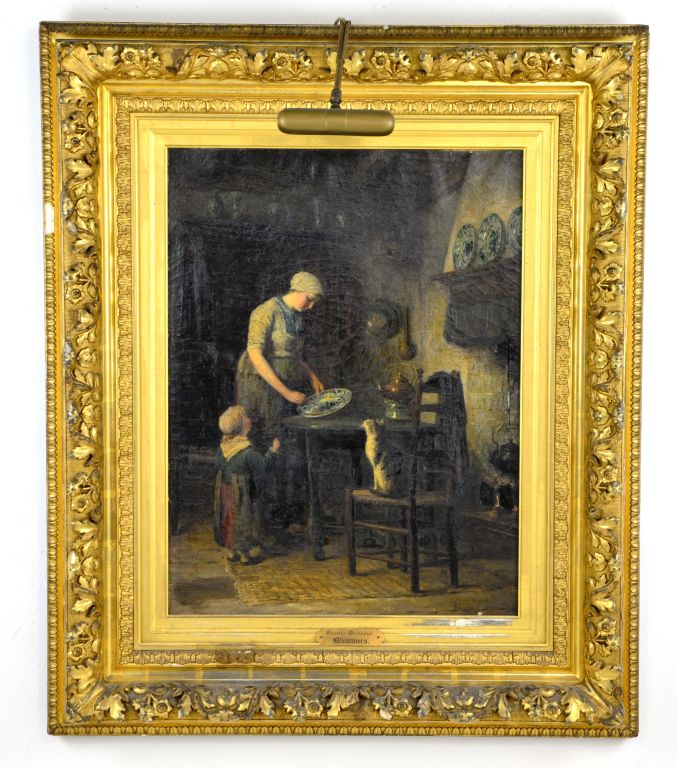 |
Oil Painting “Pussies Breakfast” by Listed Artist Bernard Johannes Blommers, (1845 - 1914) | Great Expectations Auction Company | 2016-10-22 | 125 | USD 2,700 (buyer’s-premium treatment unknown) |
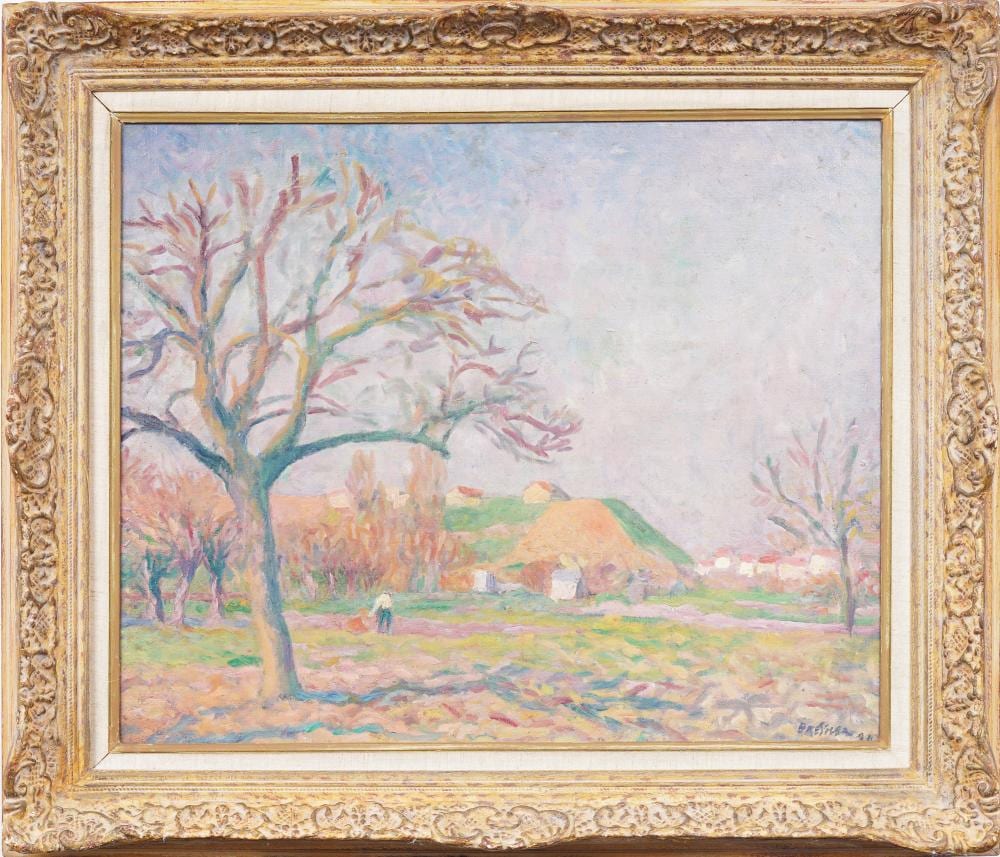 |
Emile Bressler (1886-1966) Listed Antique Swiss Landscape Modernist Original Landscape Oil Painting | Curated Gallery Auctions | 2025-10-19 | 338 | USD 450 (buyer’s-premium treatment unknown) |
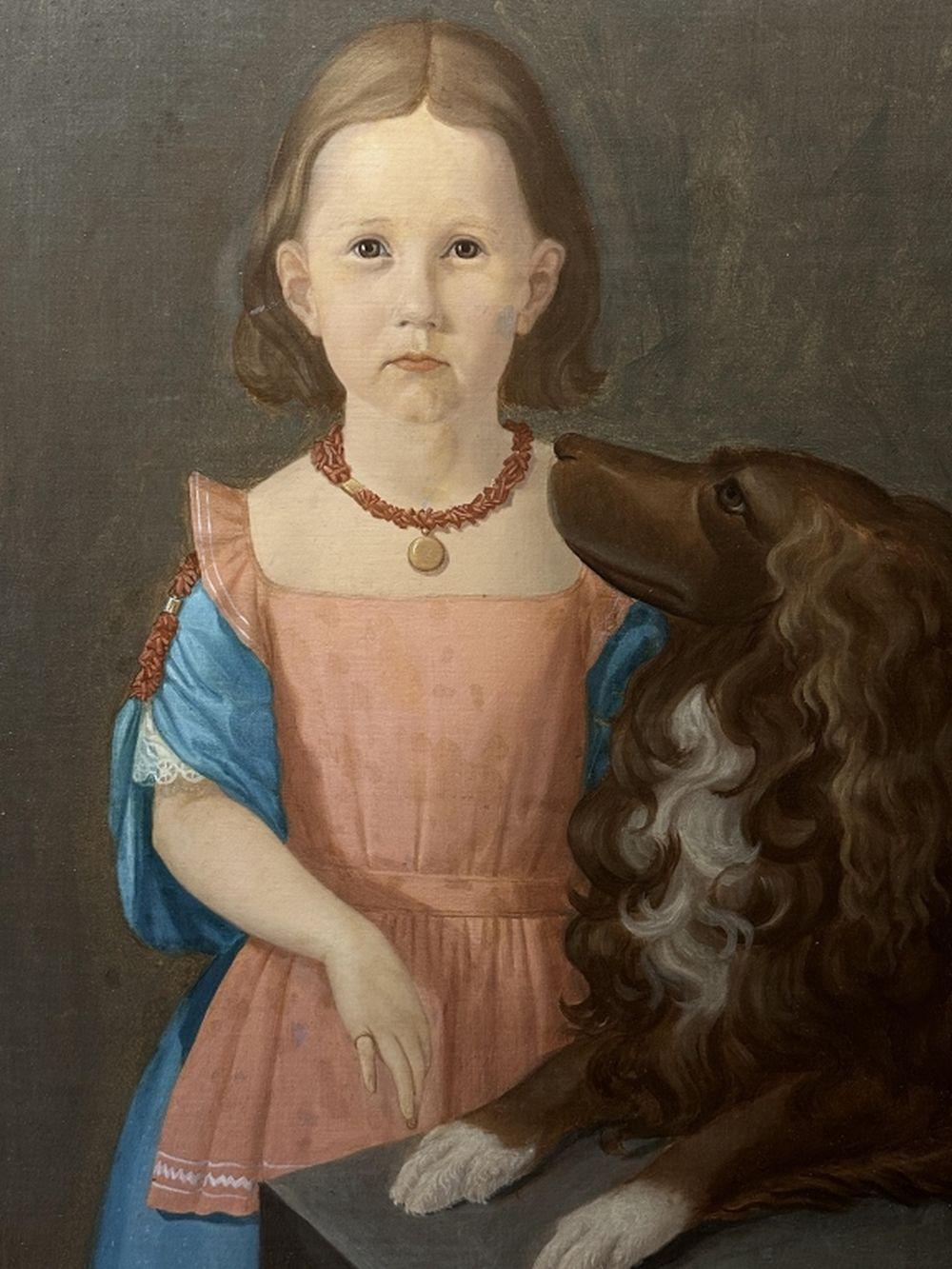 |
Listed Artist L. Ransom Folk Art Painting "Girl w/ | Terri Peters & Associates | 2024-04-13 | 299 | USD 1,750 (buyer’s-premium treatment unknown) |
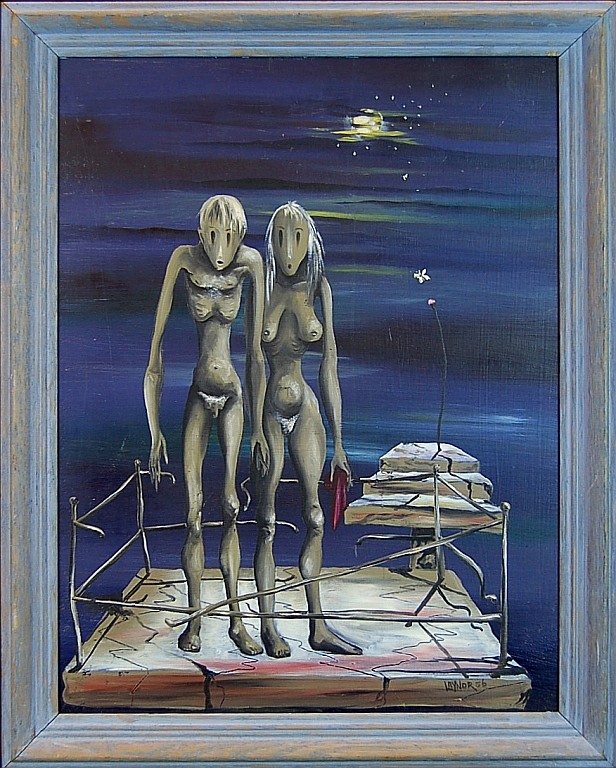 |
Harold Laynor (1992-1991) Mid-Century Original Oil Painting, Nude Figures, Signed | J Levine Auction & Appraisal LLC | 2014-05-01 | 1075 | USD 400 (buyer’s-premium treatment unknown) |
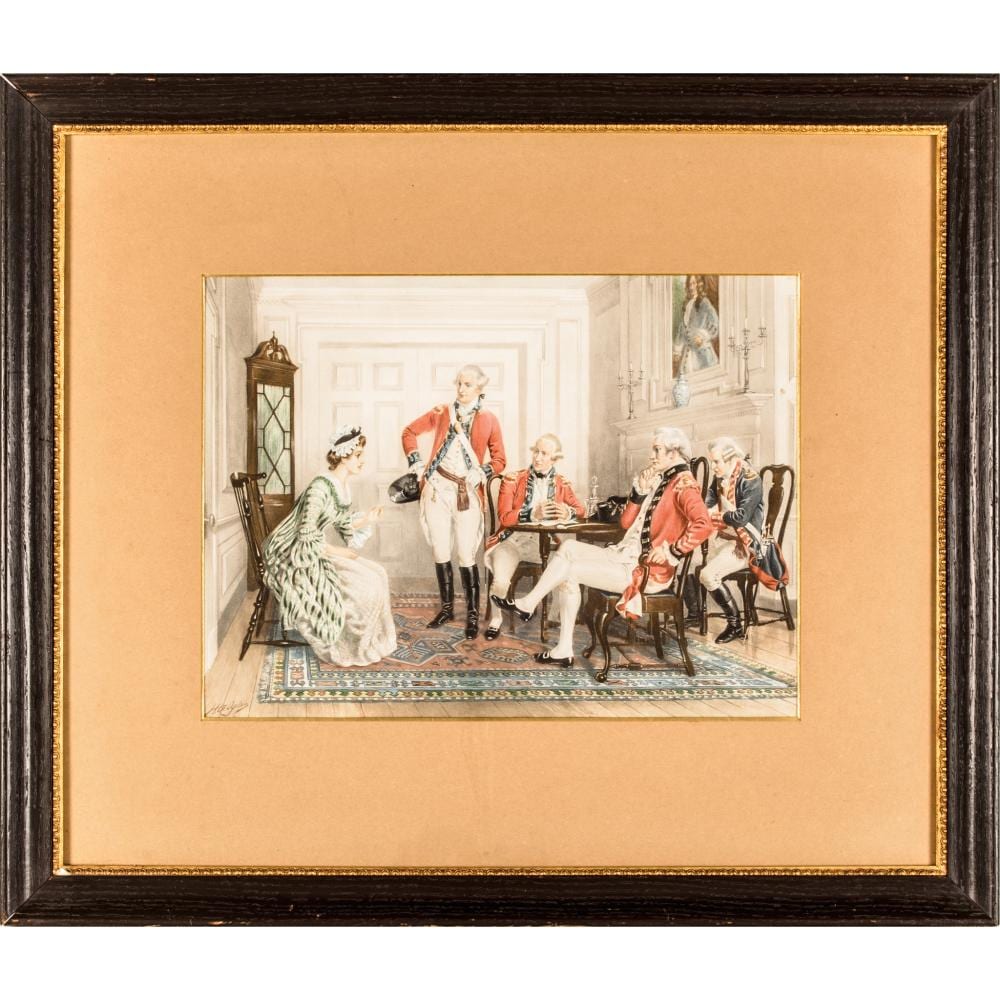 |
Artist H.A. Ogden Signed Original Watercolor Revolutionary War Parlor Painting | Early American History Auctions | 2018-12-15 | 157 | USD 2,000 (buyer’s-premium treatment unknown) |
How these auction records were verified
Each row retains its exact source URL, lot identity, retrieval time, access result, and immutable record hash. Inspect the public comparable provenance record.
Disclosure: prices are shown as reported by auction houses and are provided for appraisal context. Learn more in our editorial policy.
Free instant estimate
Not sure if your painting is worth appraising? Let us take a look.
Upload a photo, tell us what you know, and get a free first read. If a full appraisal makes sense, we will say so.
Free. No card needed. Takes about two minutes.
Want help checking an Evelyn Clouston painting?
Upload front, back, signature, medium, support, labels, dimensions, provenance notes, and condition photos. We can help separate a documented Evelyn Clouston painting from a loose attribution, name-only match, reproduction, or unrelated Clouston-family result before a paid report.
FAQ
Q: How can I quickly tell if my Evelyn Clouston is a print rather than a painting? A: Use magnification. Prints often show uniform dot patterns (for mechanical reproductions) or plate impressions (intaglio) around the image. Paintings show varied brush texture, impasto, and directionally distinct strokes. Check edges: many reproductions stop short of the canvas edge; original paintings carry paint to or around the tacking edge.
Q: Does a signature confirm originality? A: No. Signatures can be forged or later-added. Treat the signature as one data point alongside materials, technique, provenance, and stylistic consistency. Signatures that sit atop varnish or look mechanically uniform require extra scrutiny.
Q: Should I clean the painting before appraisal or sale? A: Not without professional advice. Even “simple” surface cleaning can damage original glazes or unset oxidized varnish. A conservator can test-solvent sensitivity and advise on safe treatment that preserves value.
Q: What if the provenance is incomplete? A: Partial provenance can still be valuable if it’s reliable. Present the verified elements clearly and avoid filling gaps with speculation. Strengthen the dossier with technical analysis, comparative research, and any exhibition or publication references.
By approaching an original painting by listed artist Evelyn Clouston with disciplined research, technical observation, and market-aware strategy, you’ll arrive at a well-supported opinion—one that serves you whether you’re buying, insuring, or selling.