
Art, Painting and Artist Signature Guides: Attribution Clues, Medium, Edition Details, Condition and Provenance
Browse art, painting, and artist signature guides for attribution clues, medium, edition details, condition, provenance, value signals, and appraisal paths.
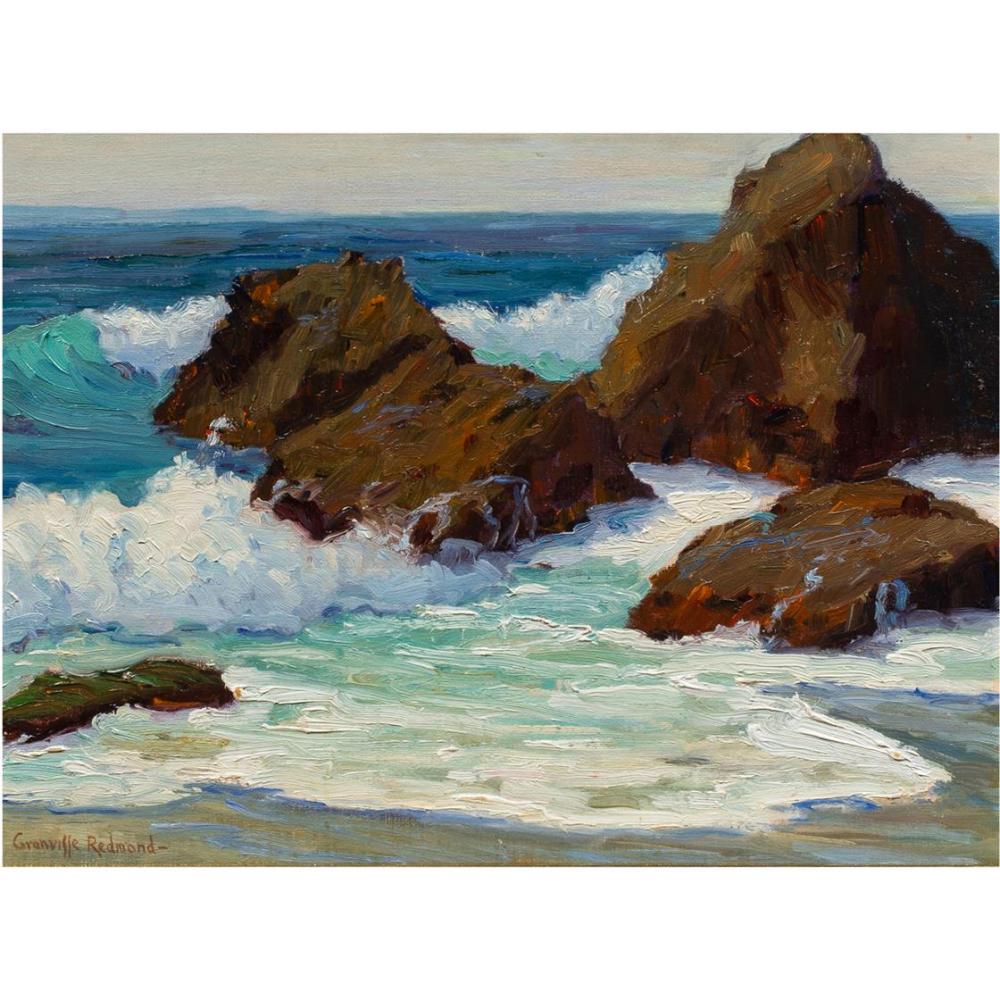
Found art and want to know if it matters?
Upload photos. We identify the work, check real sales, and show the right appraisal path.
See art appraisal optionsStart with the closest guide
| What you found | Best next guide | What to check first |
|---|---|---|
| Unknown art or mixed artwork | Free art appraisal app and art appraisal options | Medium, size, signature, subject, condition, labels, and provenance. |
| Old painting | Value of old paintings and free painting appraisal app | Artist, surface, medium, frame labels, condition, restoration, and market evidence. |
| Hard-to-read artist signature | How to identify artist signatures and artist signature identification | Signature placement, handwriting, date, medium, labels, and whether the work matches the artist's known market. |
| Print, edition, or poster | Limited edition print example, Wayne Thiebaud print guide, and estate-stamped print guide | Edition number, signature, publisher, paper, printing method, condition, and documented originality. |
| Sculpture or bronze | Bronze sculpture marks identification and bronze sculpture appraisal example | Artist signature, foundry mark, edition, patina, material, size, and base. |
| Donation, insurance, estate, or sale need | Qualified appraisals, professional sample report, and art donation tax benefits | Intended use, documentation standard, provenance, fair market value, and replacement value differences. |
Value drivers
- Artist and attribution: signed, attributed, studio, school of, after, and reproduction are not the same.
- Medium and support: oil, watercolor, acrylic, pastel, print, bronze, mixed media, canvas, board, paper, and panel each need different review.
- Condition: tears, craquelure, flaking, overpaint, relining, foxing, fading, frame damage, and old repairs matter.
- Provenance: gallery labels, receipts, exhibition history, estate records, and prior appraisals can support research.
- Market evidence: the closest market evidence match artist, medium, size, date, subject, condition, and sale venue.
When to use the free screener
Use the free screener when you need quick triage from photos: likely medium, whether the signature is worth deeper research, and whether a paid report makes sense.
When to get a professional appraisal
Use professional appraisal for listed artists, insurance, estate, donation, sale, unclear originality, complex provenance, or works with possible high value. For art-specific paths, start at /art.
Photo checklist
- Whole front and back, including the frame.
- Signature, date, edition number, foundry mark, labels, stamps, inscriptions, and paperwork.
- Close-ups of surface, brushwork, paper texture, canvas, stretcher, and frame labels.
- Condition photos: tears, cracks, flaking, repairs, staining, fading, overpaint, dents, and losses.
- Measurements of artwork and frame.
FAQ
Does a signature mean the painting is original?
No. A signature is a clue, not proof. The medium, surface, provenance, and artist's known work need to agree.
Can Appraisily identify an unreadable artist signature?
Photos can often support signature research, especially when paired with images of the whole work, back, labels, and close-up surface details.
Are prints valuable?
Some are. Value depends on artist, edition, publisher, signature, print type, condition, provenance, and demand.
Should I clean or restore a painting before appraisal?
No. Photograph it first. Cleaning or restoration can change value and should be reviewed before work is done.
Note: We couldn’t find enough auction records that directly match Art, Painting and Artist Signature Guides: Attribution Clues, Medium, Edition Details, Condition and Provenance to publish a defensible price table. If you are valuing a specific item, include its maker, model, material, photos, and condition so the search can be narrowed.
What similar items actually sold for
The current auction search does not contain at least three clean, directly matched sales for Art, Painting and Artist Signature Guides: Attribution Clues, Medium, Edition Details, Condition and Provenance yet. If you’re valuing a specific item, use the free estimate flow so the search can be narrowed by maker, material, photos, and condition.
| Image | Description | Auction house | Date | Lot | Reported price realized |
|---|---|---|---|---|---|
| No relevant auction comps found for this topic right now. | |||||
Disclosure: prices are shown as reported by auction houses and are provided for appraisal context. Learn more in our editorial policy.
Free instant estimate
Not sure if your painting is worth appraising? Let us take a look.
Upload a photo, tell us what you know, and get a free first read. If a full appraisal makes sense, we will say so.
Free. No card needed. Takes about two minutes.
Choose your next step
Use the path that matches the decision you need to make about the item.
Not sure it is worth appraising?
Start with a lower-friction screen to understand the likely category, evidence, and next step.
Upload photos for a free first lookWant proof before paying?
See how a signed report documents photos, comparable evidence, condition notes, and value conclusions.
View signed report sampleNeed a signed report?
Use this for insurance, estate, donation, resale, or documented value decisions.
Need documentation now? Start signed appraisalNeed local or specialist help?
Compare directory options when the work needs in-person review or a specialist near you.
Find local art specialistsSee what the report looks like
Sample reports show how photos, comparable evidence, condition notes, and a value conclusion are documented.
Found an old item and want to know if it matters?
Upload photos. We identify the object, check real sales, and show the right appraisal path.
See art appraisal optionsStart a professional appraisal