Edwardian Stained Glass Window Guide
Identify and value an Edwardian-era stained glass window around 2x5 ft by checking lead came, glass type, panel size, repairs, frame, condition, and comps.

Need a documented value?
Get a category-matched appraisal review for your stained glass window
Upload photos of the full panel plus closeups of the lead joints, glass texture, and any labels. You’ll get a written value range and selling strategy with timing confirmed after the required information is received.
No obligation. Secure upload and next steps on screen.
Free photo check
Not sure if your item is worth appraising? Let us take a look.
Upload a photo, tell us what you know, and get a free photo check. If a full appraisal makes sense, we will say so.
Free. No card needed. Takes about two minutes.
Quick appraisal range for a 2×5 ft Edwardian stained glass window
For a typical early-20th-century geometric stained glass panel in excellent condition (no missing pieces, minimal cracks, and tight leading), a common retail/salvage market range is:
Estimated market value: $800–$1,200 (USD)
That range matches the reality that stained glass windows are often priced more like architectural salvage than fine art: size, condition, transport logistics, and local demand can matter as much as the design.
- Insurance replacement value is often higher (because custom replication is costly).
- Wholesale/dealer buy is often lower (because shipping risk is high).
- Provenance or maker attribution can push values well beyond the range.
What “Edwardian era” means for stained glass
The Edwardian era is anchored to the reign of Edward VII (1901–1910), though in decorative arts it’s often used more loosely for the early 20th century. In the stained-glass world, that period overlaps with:
- Arts & Crafts influence (simplified forms, honest materials, less Victorian heaviness).
- Art Nouveau carryover (curves, botanicals) in some panels.
- Architectural boom (row houses, stair landing windows, churches, civic buildings).
A geometric pattern doesn’t automatically mean Edwardian (geometric designs exist across decades). Dating relies on a cluster of physical clues: glass type, leading style, frame/sash details, and how the panel was reinforced.
How early-20th-century stained glass windows are constructed
Stained glass starts as clear glass colored in the melt by metallic oxides (for example, cobalt for blues, copper for greens). Pieces are cut to a pattern, then assembled with lead cames (the H-shaped channels that grip each glass edge). Joints are typically soldered with a tin/lead solder.
For most architectural panels you’ll also see:
- Cementing/putty worked into the lead channels to stiffen and weather-seal the panel.
- Reinforcement such as saddle bars with tie wires, especially on larger panels.
- Edge came (often lead or zinc) used as a perimeter frame, sometimes with mounting tabs.
Knowing these parts matters because condition issues usually show up first in the lead network (bowing, looseness, fatigue) long before the colored glass itself looks “damaged.”
What to photograph to authenticate and price your window
If you want reliable feedback (from a buyer, a salvage dealer, or an appraiser), take photos that answer the questions they actually price:
- Full front view (straight-on, evenly lit) to show pattern and completeness.
- Full back view to show reinforcement bars, old putty, and any repairs.
- Lead joint closeups (multiple spots): crisp older solder can look slightly domed; modern repairs may look flatter or shinier.
- Glass texture closeups: ripples, seeds/bubbles, and pressed textures can suggest older glass stock.
- Edge came + frame: zinc edging, nails, sash paint layers, and glazing methods are dating clues.
- Any defects: cracks, chips, bulges, loose lead, missing cement, or broken ties.
Condition checklist (the biggest price driver)
For a 2×5 stained glass panel, even “minor” issues can be expensive because of shipping risk and restoration labor. Check for:
- Bulging/bowing (panel not flat): usually means lead fatigue or missing reinforcement.
- Loose leading: pieces shift slightly when gently pressed (do not force it).
- Cracked panes: one crack is common and not fatal, but multiple cracks lower value quickly.
- Edge weakness: broken perimeter came or failing frame joints.
- Heavy paint or “smoke” film: often cleanable, but sometimes etched or baked on.
- Evidence of re-leading: can be positive if done well, but the market often pays less for heavy restoration.
If the panel is in a wood sash, also inspect the sash: paint loss, rot, splits, missing stop molding, and any warping that could stress the glass.
What makes one Edwardian stained glass window worth $150 and another $1,500?
Stained glass values aren’t purely “age-based.” Buyers pay for what they can install and enjoy. These are the biggest valuation levers:
| Driver | Why it matters |
|---|---|
| Size (and shape) | Large panels cost more to crate/ship but also create more impact in an interior. |
| Design complexity | Figurative, pictorial, or highly detailed work typically commands more than simple geometry. |
| Glass type | Opalescent, iridescent, and specialty textures can increase appeal (and replacement cost). |
| Condition | Cracks, bulges, and failing lead reduce buyer confidence (and raise install cost). |
| Original frame / sash | A strong, original sash helps installation and reduces damage risk. |
| Maker / provenance | Signed studio work or a known building origin can move the panel into a different market tier. |
Visual: Edwardian stained glass quick ID & value checklist
Use the checklist below as a “photo shot list” for your own documentation. If you’re selling, this is also the set of details serious buyers ask to see.

What similar items actually sold for
Real auction sales of items like your stained glass window. Open a sale to see the original listing.
Shown USD range: USD 25-USD 1,100. Median of these 12 USD examples: USD 187.50.
| Comparable | What sold | Auction house | Date | Lot | Source-reported amount |
|---|---|---|---|---|---|
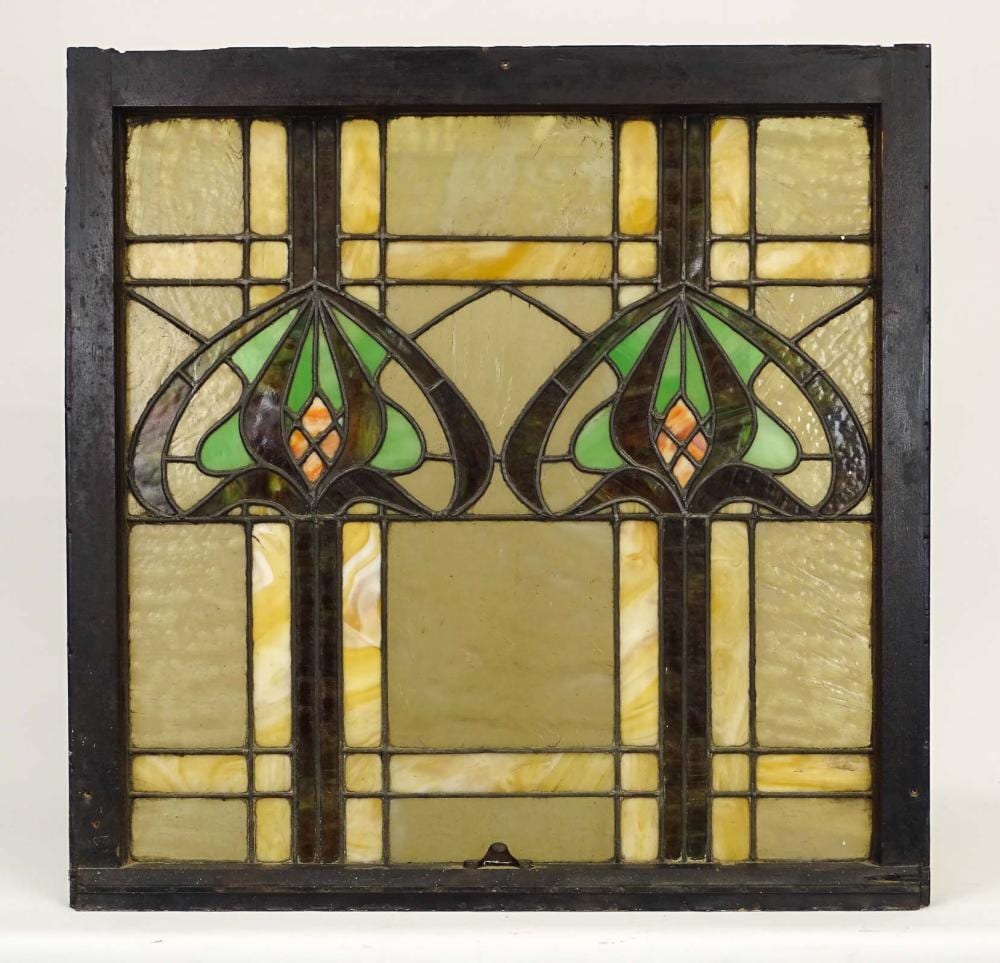 |
Stained Glass Window | Copake Auction Inc. | 2018-09-29 | 596 | USD 175 |
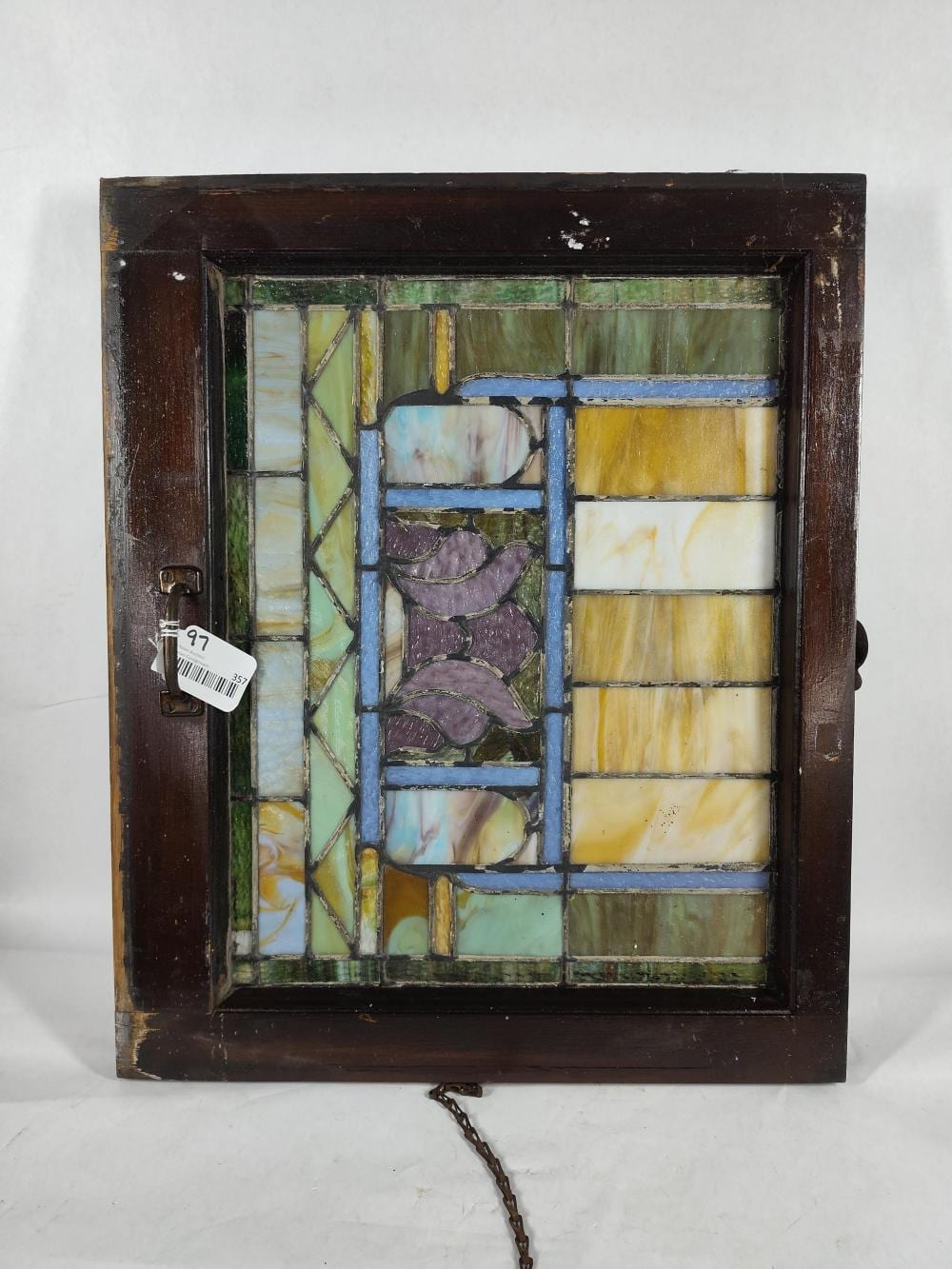 |
Stained Glass Window | Atlee Raber Auctioneer | 2025-09-01 | 357 | USD 90 |
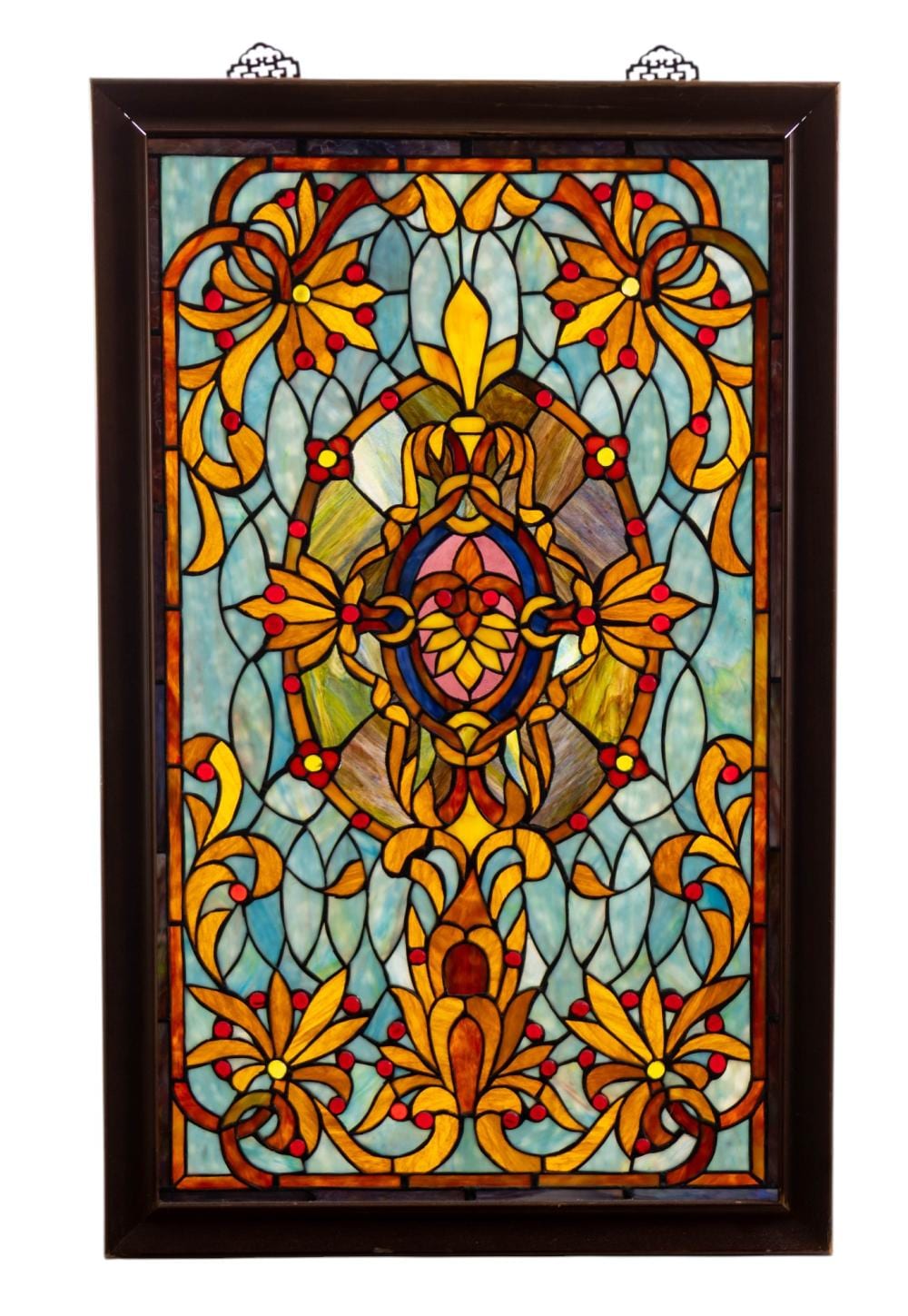 |
Contemporary Stained Glass Window | Keystone Auctions LLC | 2025-09-18 | 245 | USD 130 |
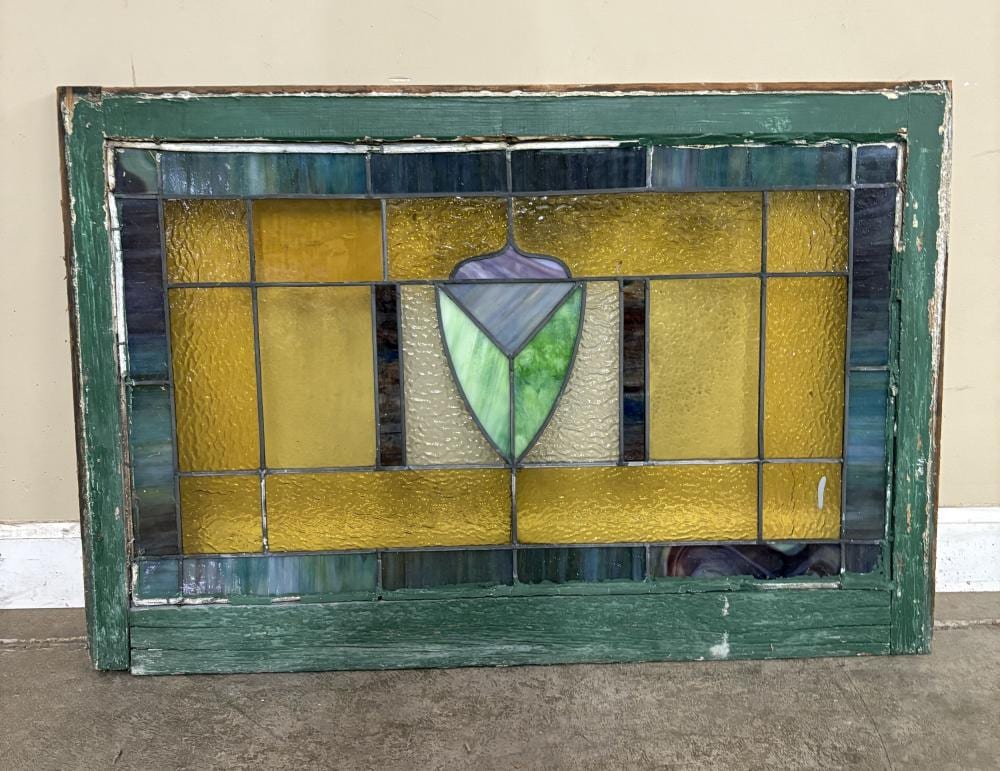 |
Antique Stained Glass Window 36"X24" | Swisher Bros. Auction | 2025-10-12 | 172 | USD 95 |
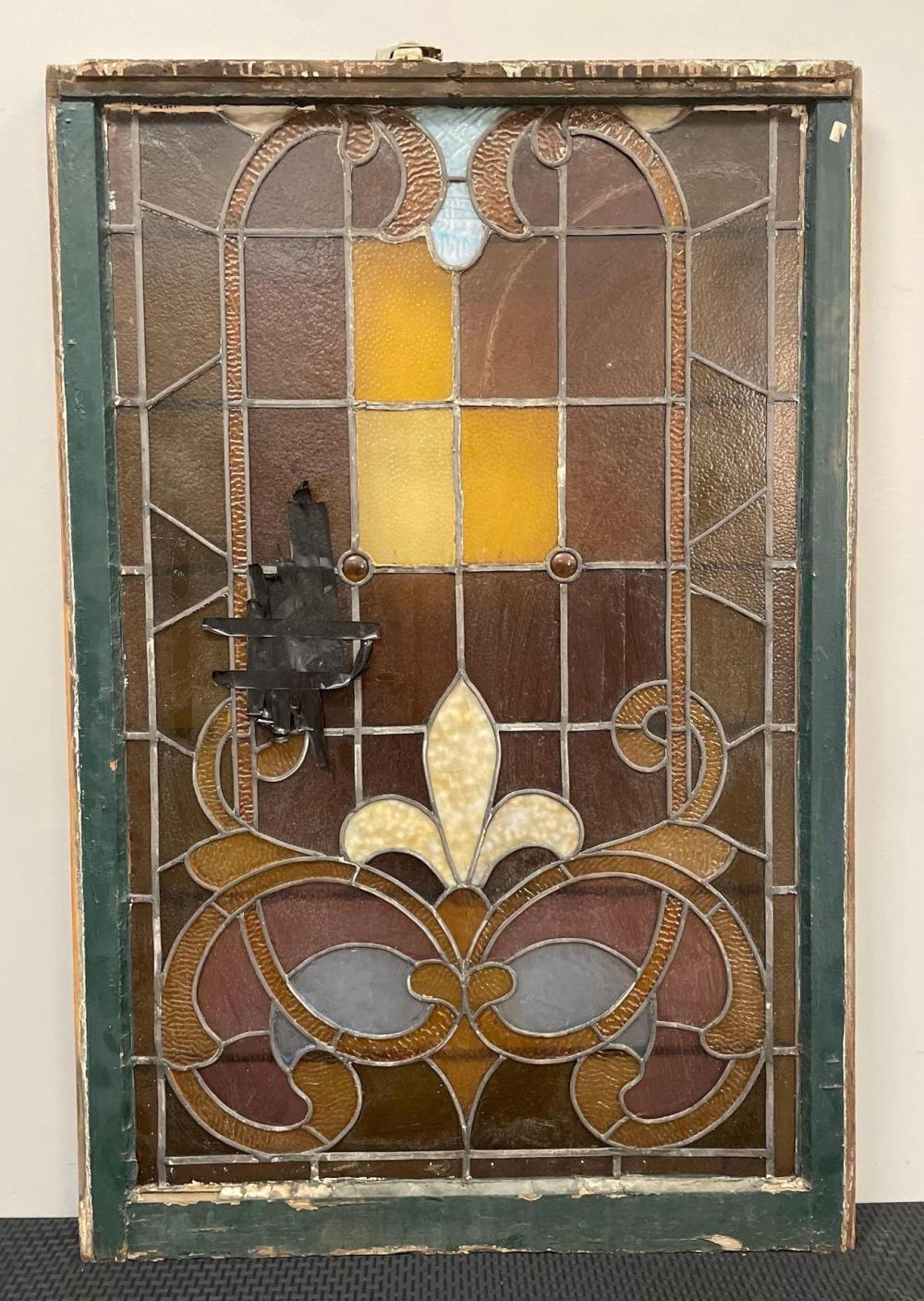 |
Antique Stained Glass Window | Matthew Bullock Auctioneers | 2023-07-15 | 186 | USD 25 |
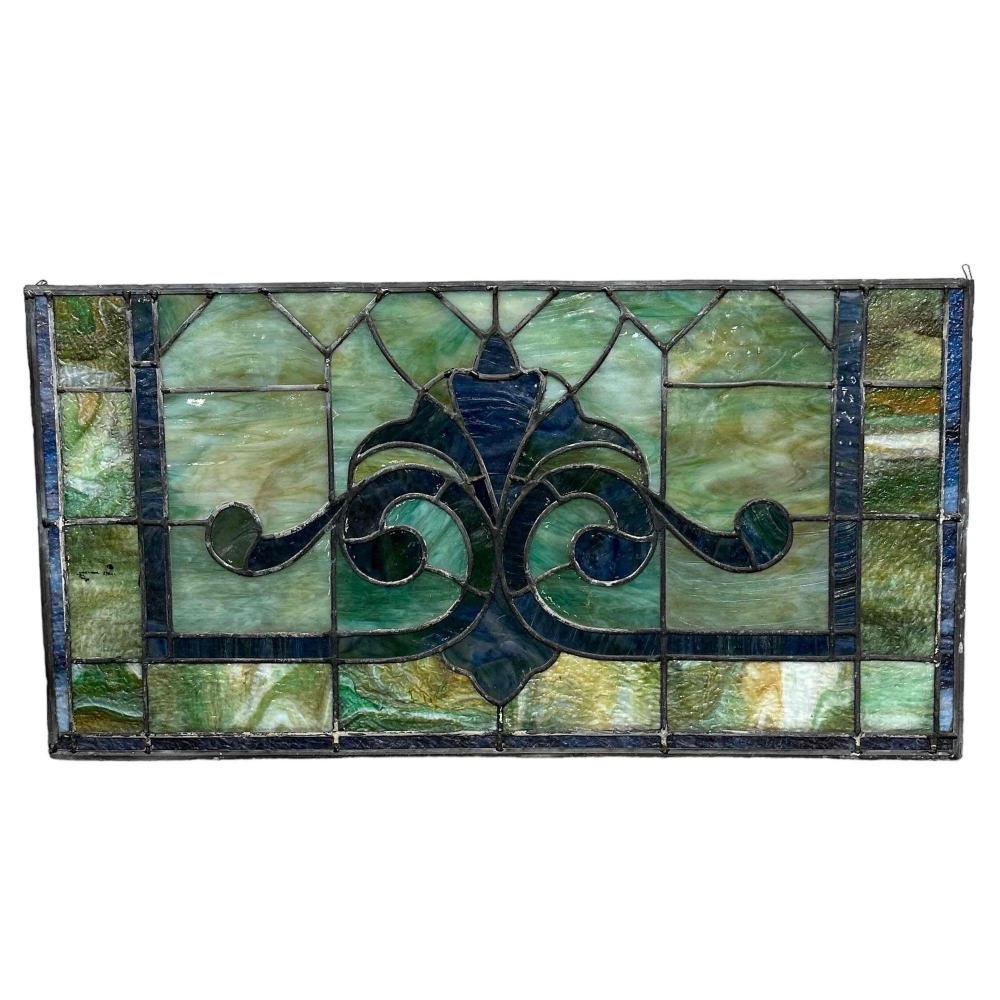 |
Arts and Crafts Stained Glass Window Panel | Premier Auction Galleries | 2024-06-22 | 186 | USD 325 |
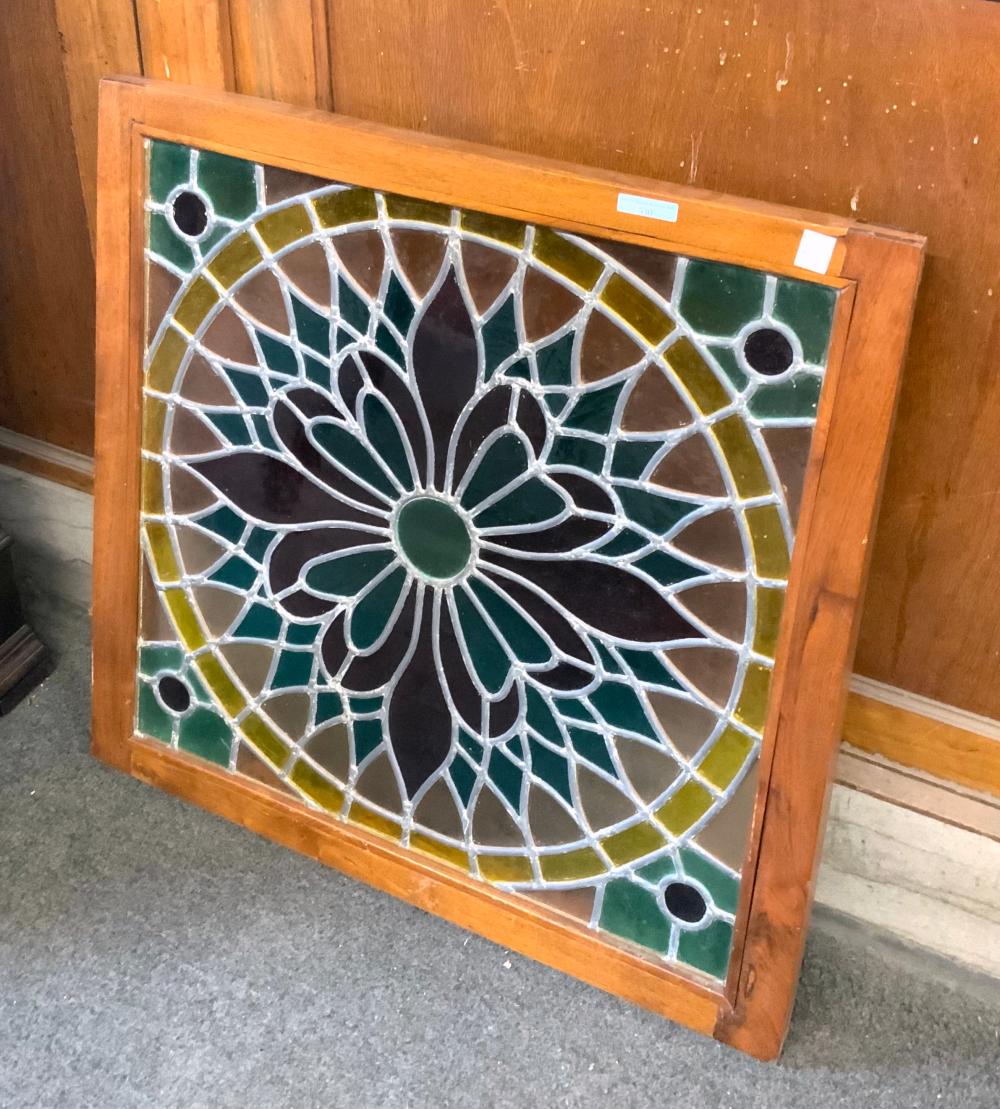 |
Antique Square Stained Glass Window. | Direct Auction Galleries, Inc. | 2022-01-22 | 530 | USD 160 |
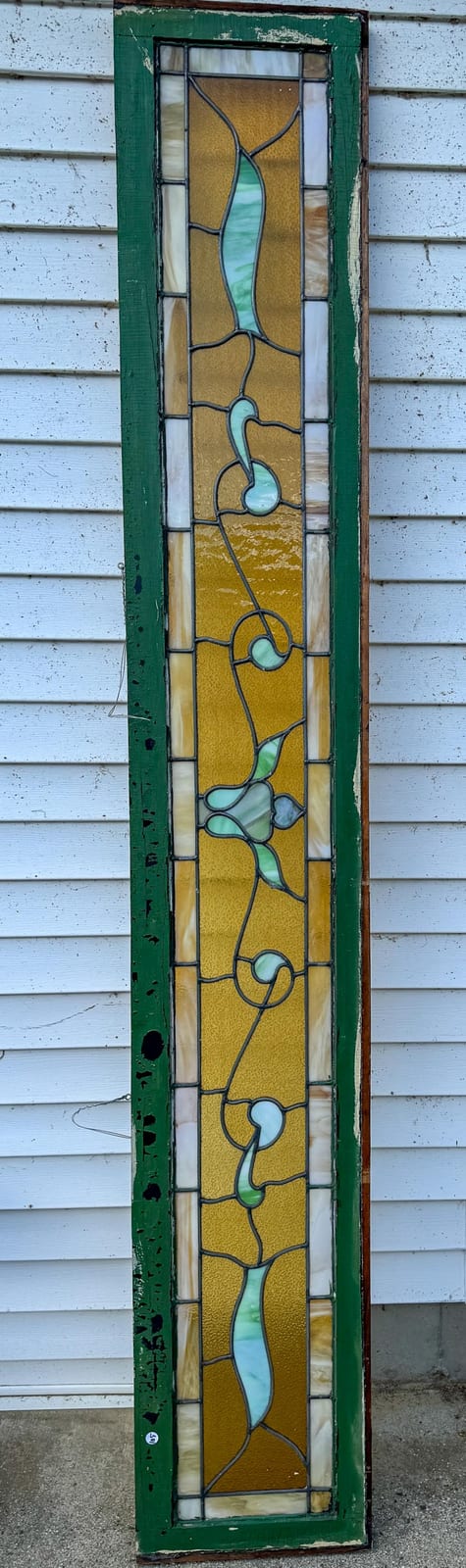 |
LARGE ANTIQUE STAINED GLASS WINDOW, 15.5" X 92" | Kimball's Auction | 2025-09-28 | 105 | USD 200 |
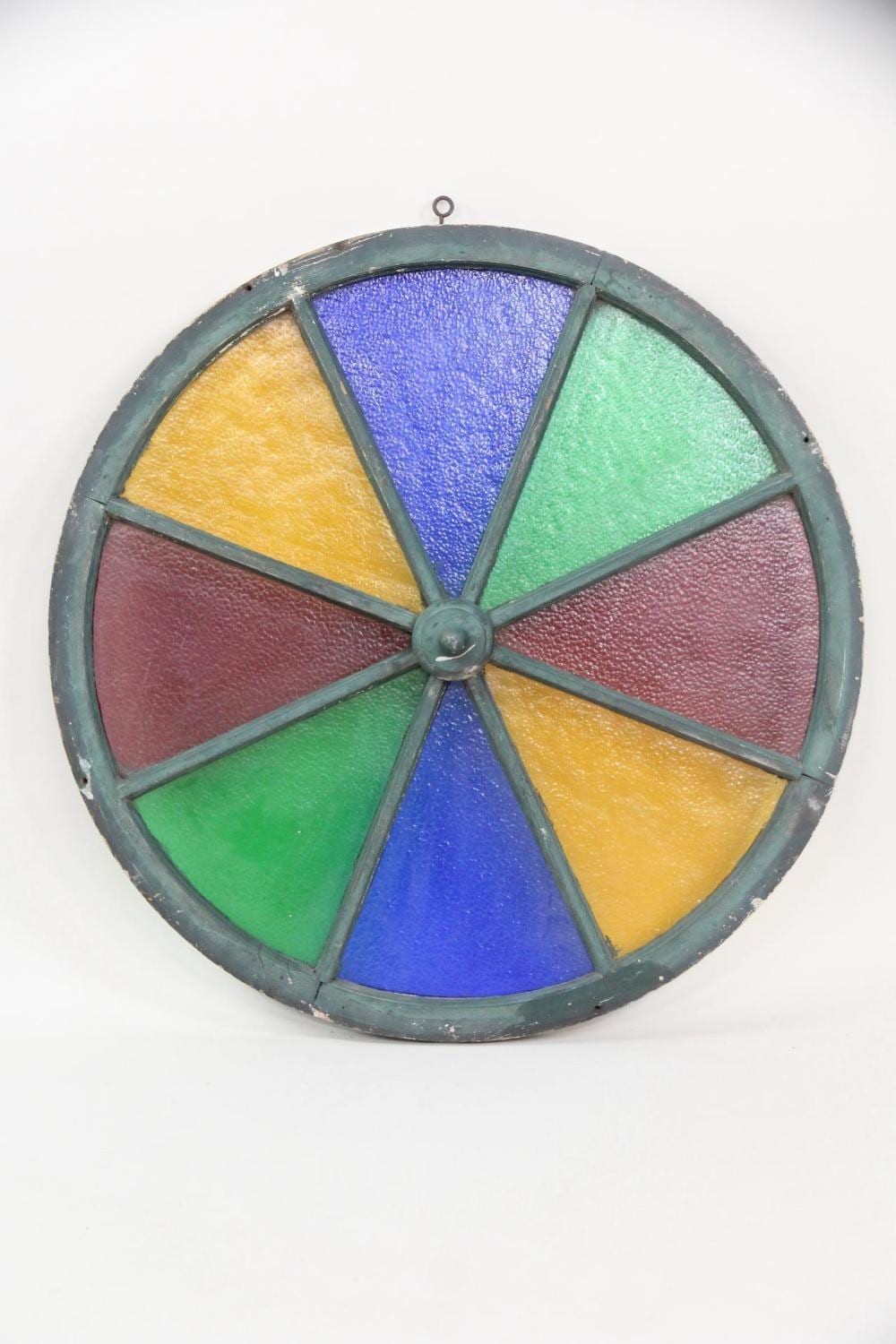 |
Round Wagon Wheel Multicolor Stained Glass Window | Public Sale Auction House | 2026-04-25 | 167 | USD 275 |
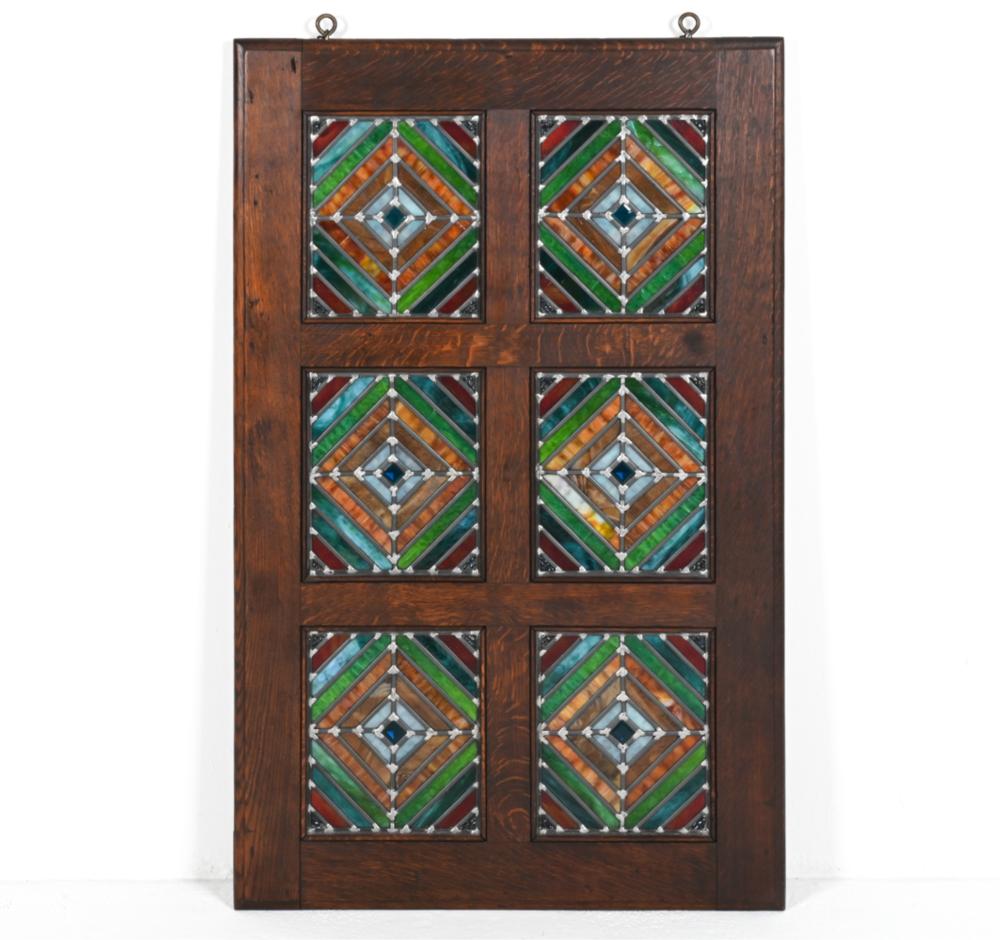 |
PRAIRIE STYLE STAINED GLASS WINDOW PANEL | Westport Auction | 2023-12-05 | 33 | USD 300 |
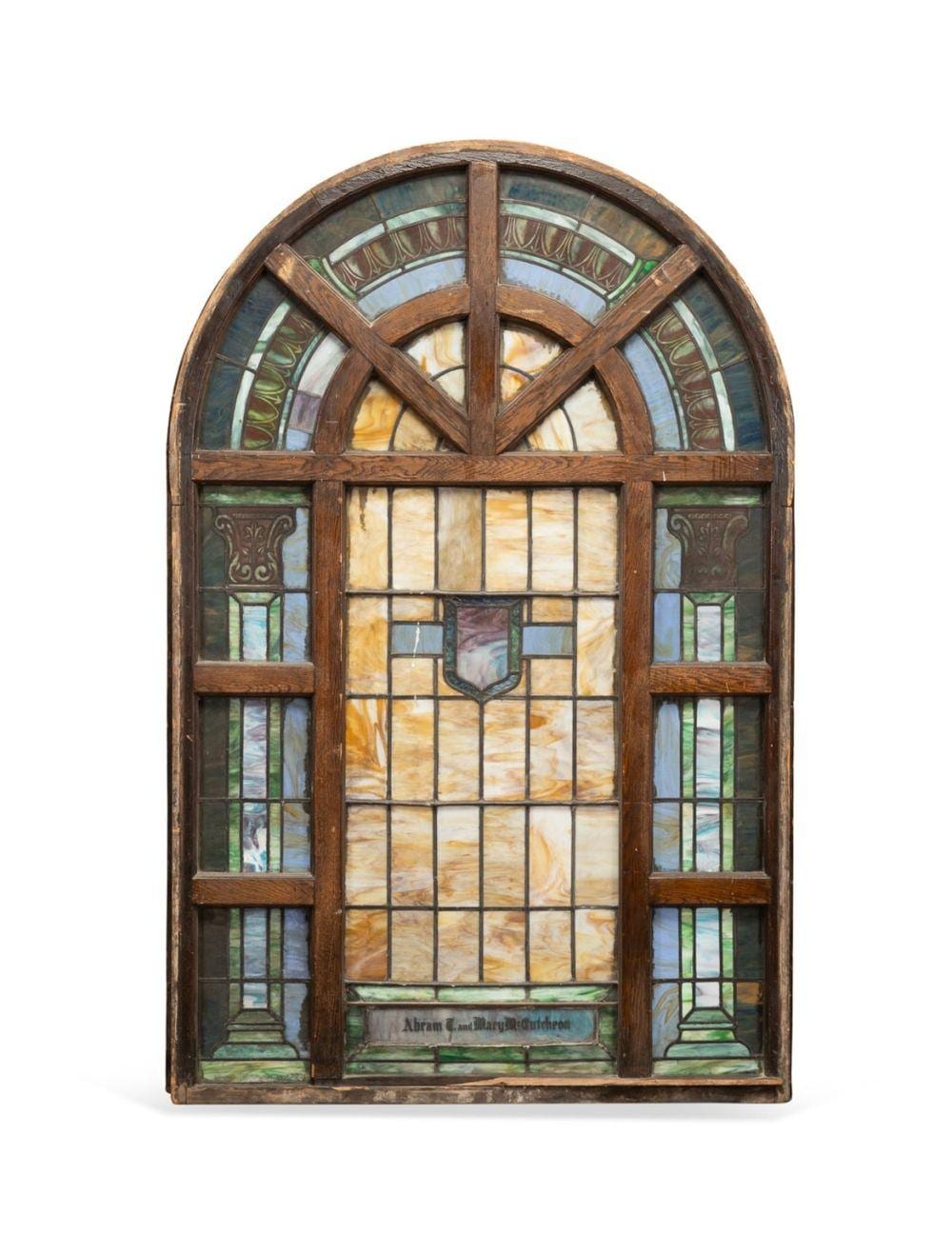 |
LARGE BEAUX ARTS STAINED GLASS WINDOW, C. 1910 | Ahlers & Ogletree Inc. | 2025-10-09 | 535 | USD 500 |
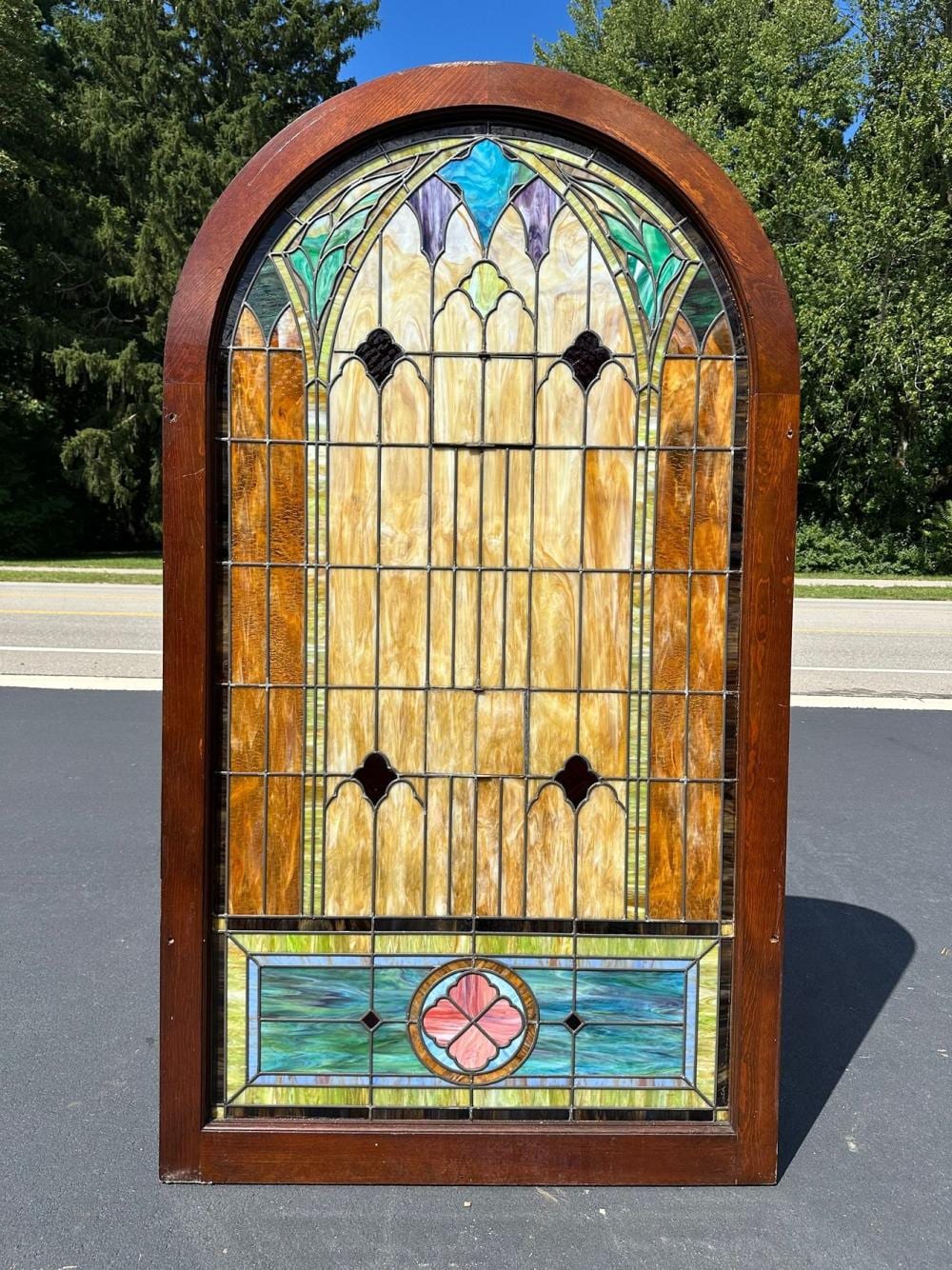 |
Large Antique Leaded & Stained Glass Window | Rivich Auction | 2025-10-05 | 327 | USD 1,100 |
How these auction records were verified
These sales are market context, not an object estimate.
Each row retains its exact source URL, lot identity, retrieval time, access result, and immutable record hash. Live source access was blocked; the exact record matched Appraisily's immutable pipeline provenance. Inspect the public comparable provenance record.
How to sell a 2×5 stained glass window (and avoid shipping disasters)
Because glass is high-risk to ship, many successful sales are local. Practical options include:
- Architectural salvage dealers: quickest sale, lower payout, minimal hassle.
- Local marketplace + pickup: best net price if you can wait and communicate clearly.
- Specialist auction: good for higher-end or maker-attributed windows (but fees apply).
If you must ship, use a double-crate approach: glass panel stabilized in an inner crate (foam and rigid backing), then floated inside an outer crate. Photograph packing steps for insurance.
Care, cleaning, and conservation
- Do not pressure-wash or soak the panel (water can wick into the lead channels).
- Dry dust first with a soft brush; then use a lightly damp microfiber cloth if needed.
- Avoid ammonia on painted/enameled details; test in a corner.
- Don’t “straighten” a bulge: bowing should be addressed by a stained glass conservator.
If the lead is fatigued (loose or severely bowed), a professional may recommend re-leading. That can preserve the window for decades, but it also changes originality—so document the piece thoroughly before any work.
Search variations collectors ask
Readers often Google:
- how to date an Edwardian stained glass window panel
- 2x5 stained glass window value for architectural salvage
- how to tell if a leaded glass window is early 1900s
- what is zinc came and does it help date stained glass
- how to ship a large stained glass window safely
- should I re-lead an antique stained glass window
- where to sell old stained glass windows near me
- insurance replacement value for antique stained glass window
Each question is answered in the valuation guide above.
References
- Background definitions: Edwardian era timeframe (decorative arts usage) and early 20th-century architectural trends.
- Stained glass construction fundamentals: lead cames, soldering, cementing, and reinforcement (general conservation guidance).
- Auction comp dataset entries cited in-text (Rivich Auction; Nadeau’s Auction Gallery; Public Sale Auction House).
Continue your valuation journey
Choose the next best step after reading this guide
Get a second opinion on authenticity, restoration needs, and selling strategy before you list.
Glass appraisals
Get an expert value range
Upload photos of the full panel and closeups. Receive a written range and next steps.
Selling strategy
Plan the best selling route
Decide between local pickup, salvage dealers, or specialist auction placement.

