
1970s Chandelier Value: appraisal and value basics
1970s Chandelier Value research should start with identification, condition, provenance, and recent comparable sales. Use this guide to compare the signals that matter before paying for a formal appraisal or deciding whether to sell.
Vintage ceiling chandeliers from the 1970s–1980s are easy to overlook because they’re so common—but that’s exactly why buyers still hunt for them. They’re often solidly made, visually distinctive, and sized perfectly for dining rooms, foyers, and bedrooms.
The challenge is that many examples are unmarked and frequently altered (especially the glass shades). This guide shows how to date a 1970s–1980s ceiling chandelier, what condition details actually move value, and how to document it for insurance or resale.
Free photo check
Not sure if your item is worth appraising? Let us take a look.
Upload a photo, tell us what you know, and get a free first read. If a full appraisal makes sense, we will say so.
Free. No card needed. Takes about two minutes.
How We Research Valuation Data
Our appraisal guides are based on auction results, dealer pricing data, and professional appraiser insights. Our professional appraisal service provides paid signed reports. The Screener offers a free first look. Learn about our editorial standards.
Quick value ranges for 1970s–1980s ceiling chandeliers
Vintage 1970s–1980s ceiling chandeliers are usually valued as decorative vintage lighting. In most everyday cases, fair market value sits in the $150–$650 range, with real upside when the fixture is complete, clean, and original.
For the common “Victorian revival” semi-flush style (brass-tone arms with tulip glass shades), a practical private appraisal anchor in excellent condition with original shades is often around $400–$500.
- Basic builder-grade (very common brass look): often $75–$200.
- Vintage with original shades and intact finish: often $200–$650.
- Large, heavy, or designer-marked examples: often $650–$1,500+.
- Art glass / Murano / studio fixtures: can exceed $2,000+ with strong provenance.
If you’re valuing for insurance, you’ll usually want replacement cost (what it costs to replace with a comparable vintage fixture from a reputable dealer), which can be higher than what you might net in a fast local sale.
What counts as a “ceiling chandelier” from the 1970s–1980s?
In listings, “ceiling chandelier” is a catch-all term. For this era, it most often means a fixture that hangs close to the ceiling while still using multiple arms.
- Semi-flush chandelier: hangs a short distance from the ceiling via a stem/rod or a very short chain.
- Close-to-ceiling / flush mount: hugs the ceiling, often with a compact armature or a bowl shade.
- Mini chandelier: smaller scale, sometimes described as a “semi-flush pendant.”
Style-wise, you’ll see Victorian revival (tulip shades, polished brass tone), Mediterranean/Spanish revival (wrought-iron look), Hollywood Regency (crystal accents), and early contemporary.
How to date it quickly (labels, sockets, and hardware)
When there’s no clear maker’s mark, dating becomes a probability exercise. Use a cluster of cues instead of relying on any single detail.
- Canopy label or plate: with power off, remove the canopy and look for paper labels, UL stickers, or stamped plates.
- Socket shells: molded markings and part numbers can sometimes be traced to a time window.
- Shade fitter and hardware: mismatched rings/adapters can indicate later shade replacement.
- Wiring: cloth wiring suggests earlier; PVC insulation is common later. But rewiring is common, so treat wiring as a clue—not proof.
Maker attribution (including “Emerson”)
Many family attributions are honest but fuzzy: the fixture may be unmarked, while a component (socket, switch, ballast, or electrical part) has branding. It’s also common for the same style to be produced by multiple manufacturers.
Practical takeaway: if you have a label, photograph it (and keep it in the listing). If you don’t, value the piece as an unmarked vintage ceiling chandelier unless construction and documentation support a specific maker.
Condition checklist (what actually moves the price)
Buyers tend to pay premiums for completeness and safety. These are the most common value movers:
- Original matching shades: a complete set of tulip shades (no chips, no hairline cracks) is a major plus.
- Finish integrity: brass plating that isn’t flaking or deeply pitted; consistent patina across arms and canopy.
- Complete canopy and mounting hardware: missing parts are solvable, but buyers discount for friction.
- Electrical safety: working sockets, tight connections, and a clean rewire (if rewired).
- Scale: larger fixtures and higher light counts usually perform better than very small “builder” fixtures.

Does rewiring reduce value?
In most cases, a professional rewire is a net positive because it makes the fixture safe and usable. What hurts value is sloppy work (visible loose wiring, incorrect sockets, missing strain relief, or a canopy that doesn’t seat correctly).
If you’re selling, it’s usually better to disclose “rewired for safety” than to sell a non-functioning fixture. If you’re unsure, consult a licensed electrician.
Photo checklist (for fast identification and better listings)
- full fixture from below (installed or staged)
- side view showing drop/height
- each shade (one photo per shade showing rim + fitter)
- inside the canopy (label/UL sticker if present)
- socket close-ups (markings, wear)
- arms/joints (cracks, repairs, repainting)
- mounting plate / hardware
- overall shot lit (shade color + diffusion)
Selling vs insuring: which value do you need?
“Appraised value” can mean different things. Decide which value type matches your goal:
- Fair market value: typical buyer/seller price (often anchored by completed sales).
- Replacement cost: what it costs to replace with a comparable fixture from a reputable source (insurance).
- Liquidation value: quick-sale number (often the lowest).
Where vintage chandeliers sell best
Glass shades are fragile, so local pickup is often the best venue for common vintage chandeliers (Facebook Marketplace, estate sale, local auctions). Higher-end or designer-marked fixtures do well via curated consignment or specialty decorative arts auctions.
If you ship: remove shades, wrap each shade individually, and photograph the packing process. Buyers pay more when they trust the fixture will arrive intact.
What similar items actually sold for
Real auction sales of items like your 1970s chandelier. Open a sale to see the original listing.
Shown USD range: USD 110-USD 1,900. Median of these 14 USD examples: USD 462.50.
| Comparable | What sold | Auction house | Date | Lot | Source-reported amount |
|---|---|---|---|---|---|
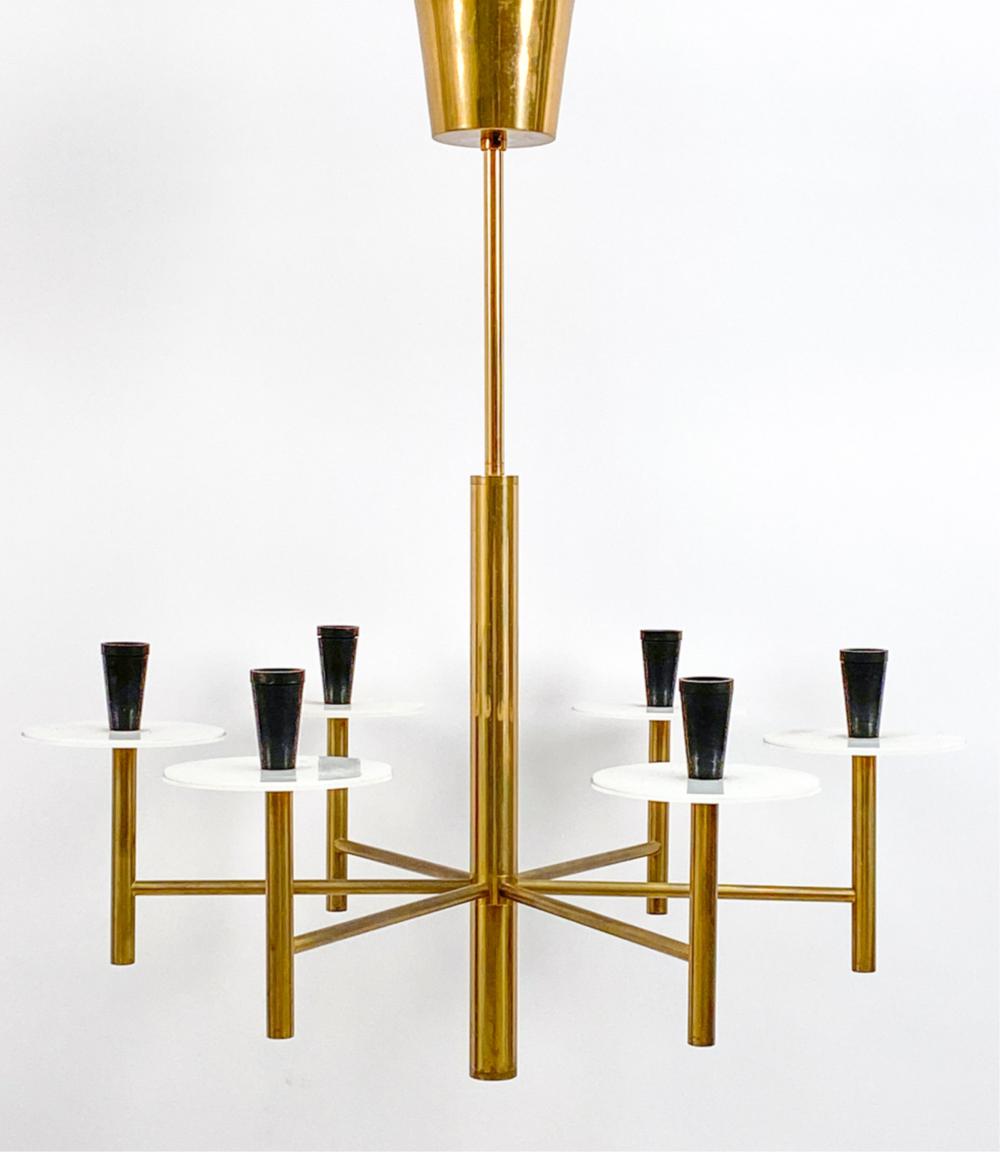 |
MID-CENTURY DANISH BRASS CHANDELIER C. 1970S Why it matches: Danish brass ceiling chandelier dated c. 1970s: the guide’s period and its most common material. |
Westport Auction | 2024-07-09 | 152 | USD 300 |
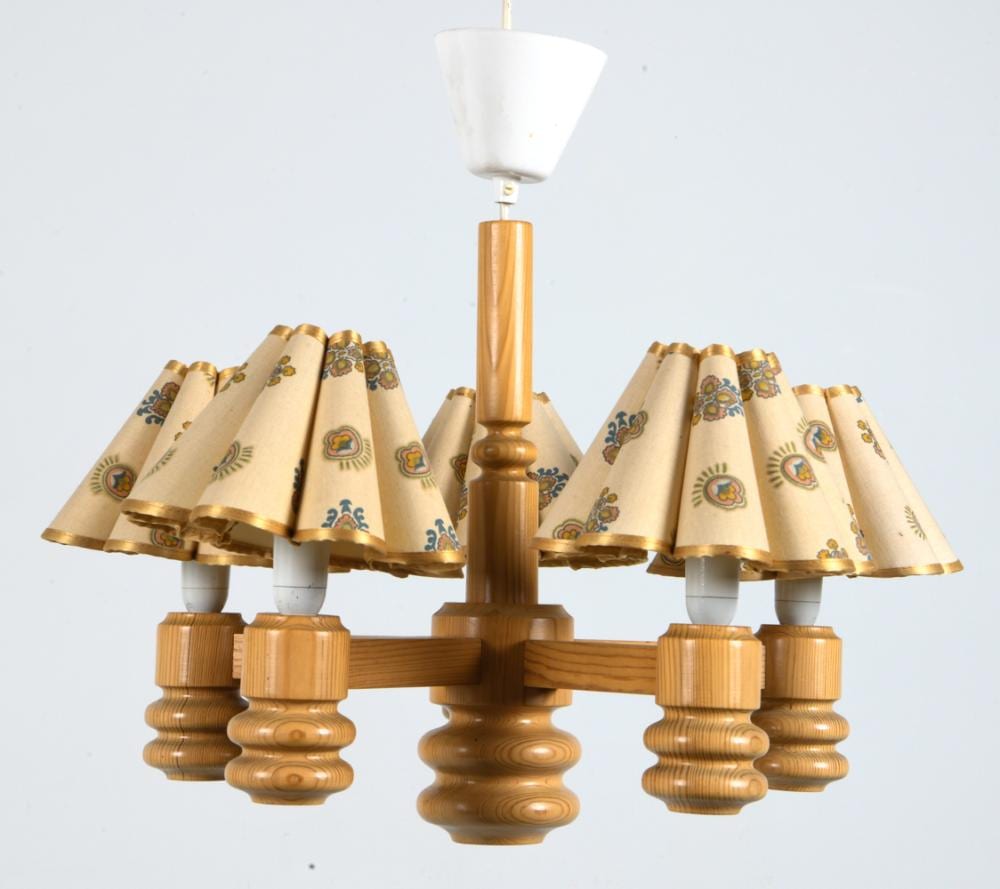 |
SWEDISH PINE CHANDELIER C. 1970S Why it matches: Swedish pine chandelier dated c. 1970s: a typical Scandinavian ceiling fixture of the period. |
Westport Auction | 2025-12-16 | 148 | USD 200 |
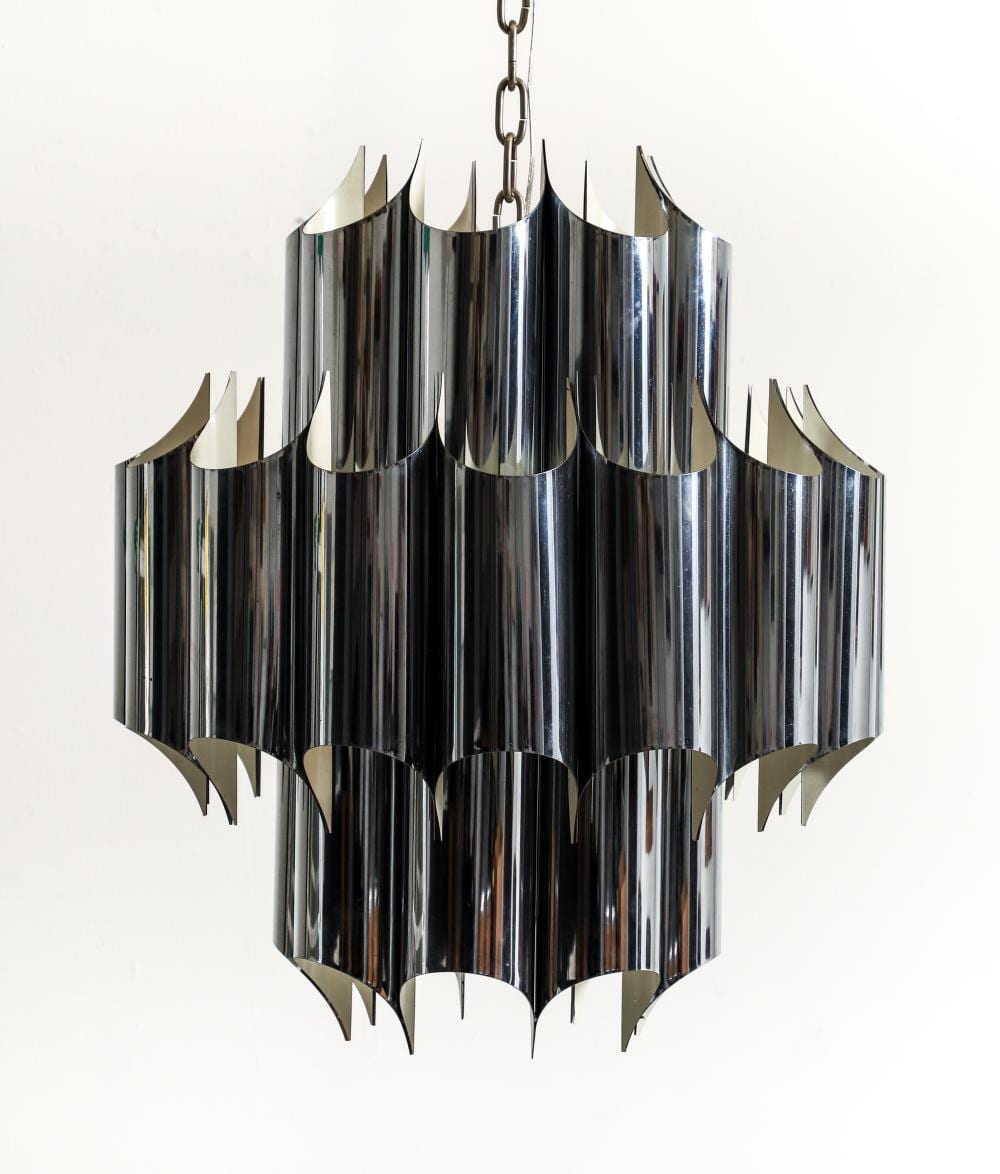 |
Robert Sonneman Cathedral Chandelier 1970s Why it matches: Robert Sonneman chandelier, 1970s: a named American maker of the period; shows what attribution adds. |
Concept Art Gallery | 2024-04-27 | 166 | USD 800 |
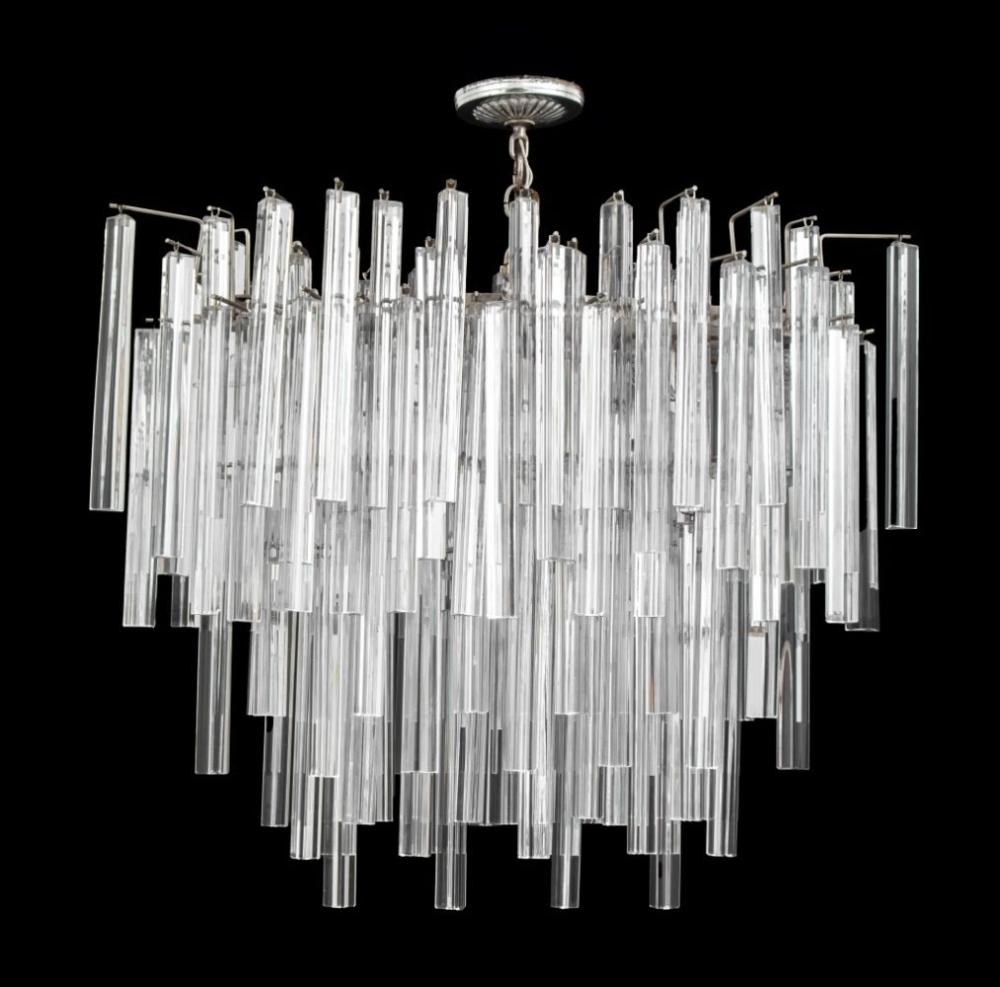 |
Venini for Camer Triedri Glass Chandelier, 1970s Why it matches: Venini for Camer “Triedri” glass chandelier, 1970s: Italian Murano-type glass of the guide’s period. |
Auctions at Showplace | 2025-08-07 | 140 | USD 500 |
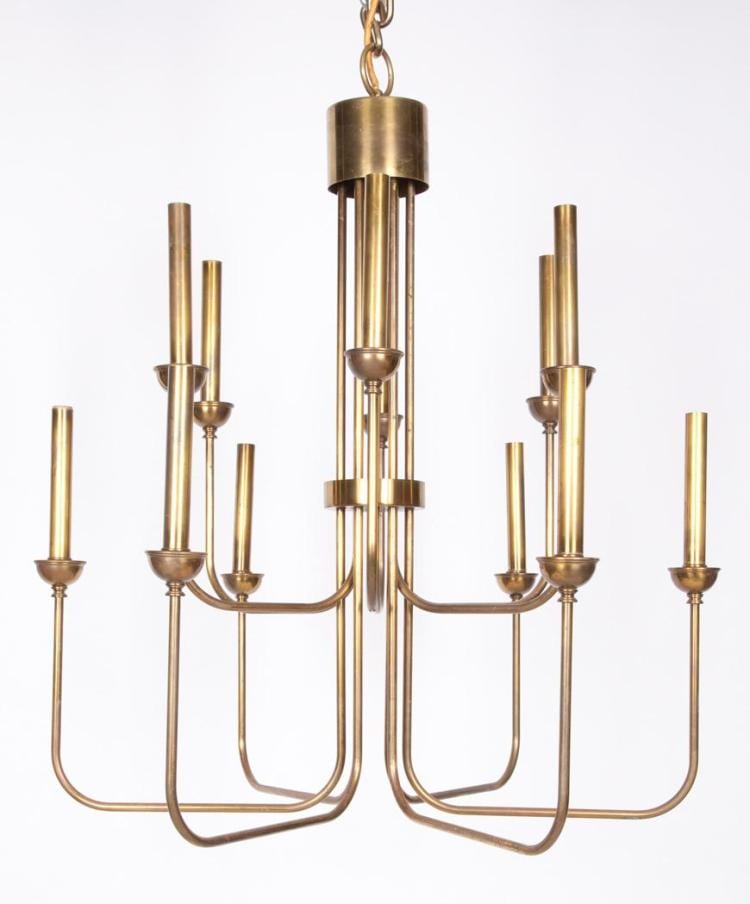 |
Tommi Parzinger Brass Twelve-Light Chandelier, 1970s Why it matches: Tommi Parzinger brass twelve-light chandelier, 1970s: a named designer brass fixture of the period. |
DOYLE Auctioneers & Appraisers | 2017-03-29 | 443 | USD 625 |
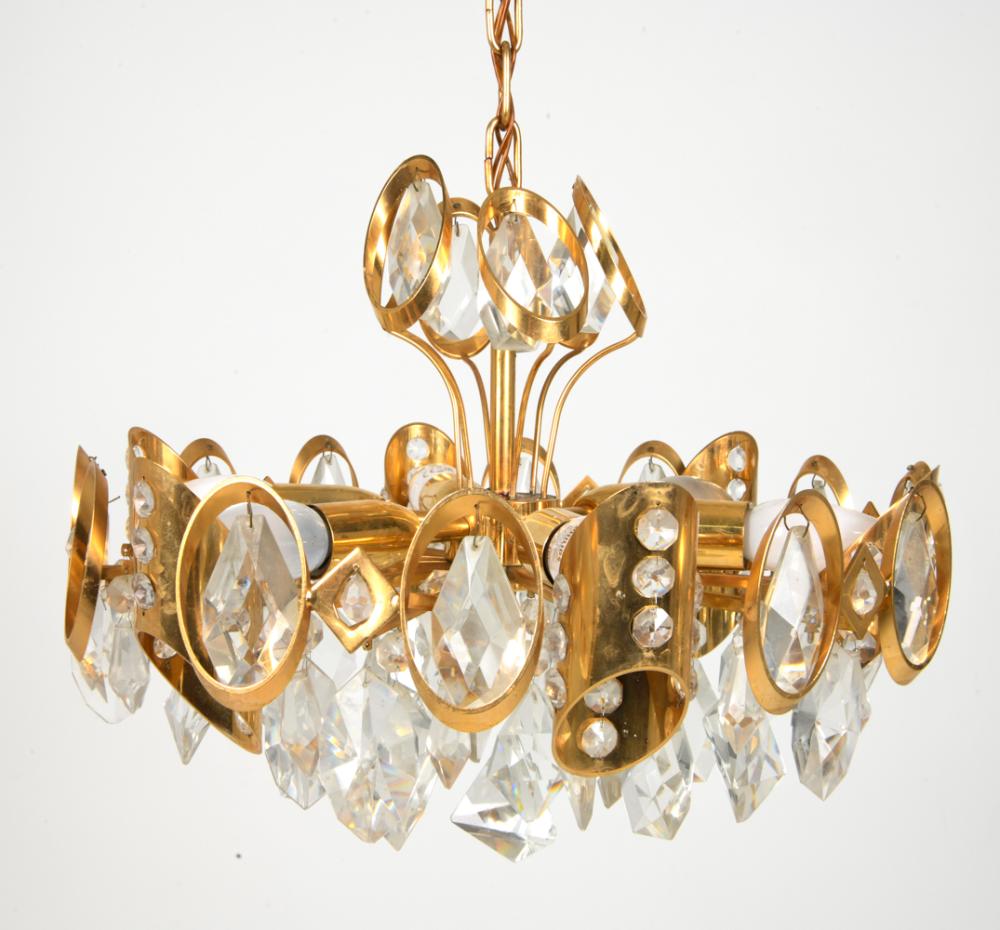 |
PALWA GERMAN BRASS & GLASS CHANDELIER C. 1970S Why it matches: Palwa German brass and glass chandelier, c. 1970s: brass-and-glass fixture of the period. |
Westport Auction | 2025-12-09 | 30 | USD 110 |
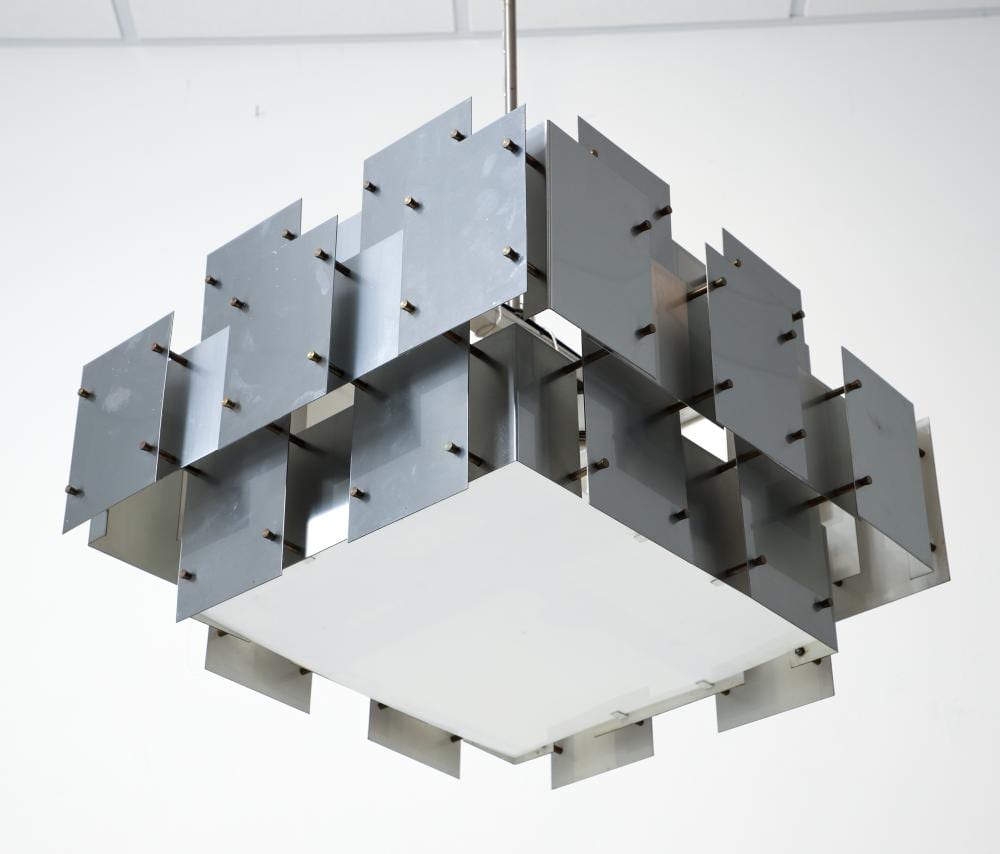 |
Robert Sonneman Cityscape Chandelier 1970s Why it matches: Robert Sonneman “Cityscape” chandelier, 1970s: same maker and period, a second Sonneman model. |
Concept Art Gallery | 2024-04-27 | 165 | USD 1,000 |
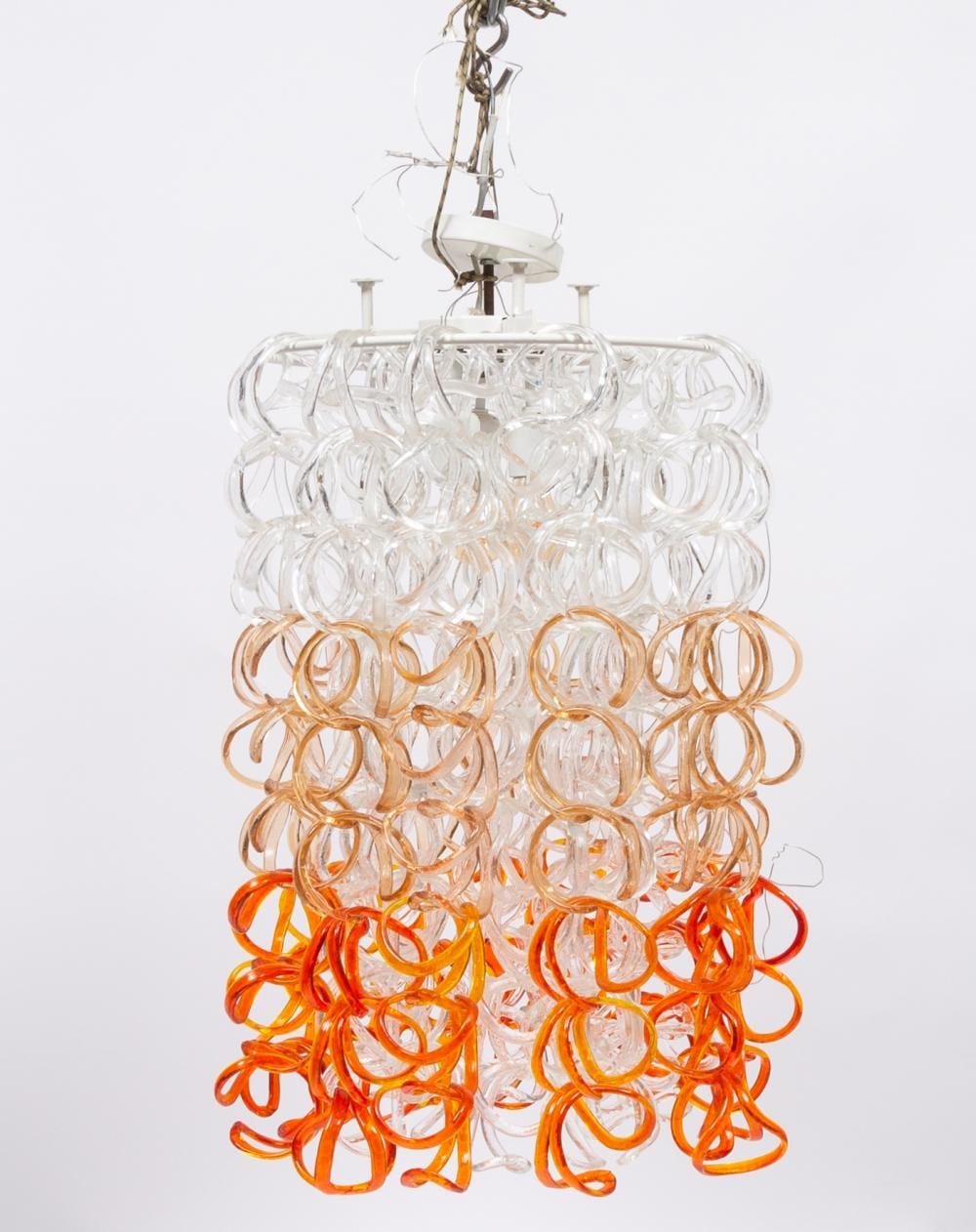 |
Angelo Mangiarotti Giogali Chandelier 1970s Why it matches: Angelo Mangiarotti “Giogali” chandelier, 1970s: Italian glass design-period chandelier. |
DOYLE Auctioneers & Appraisers | 2023-12-07 | 591 | USD 1,000 |
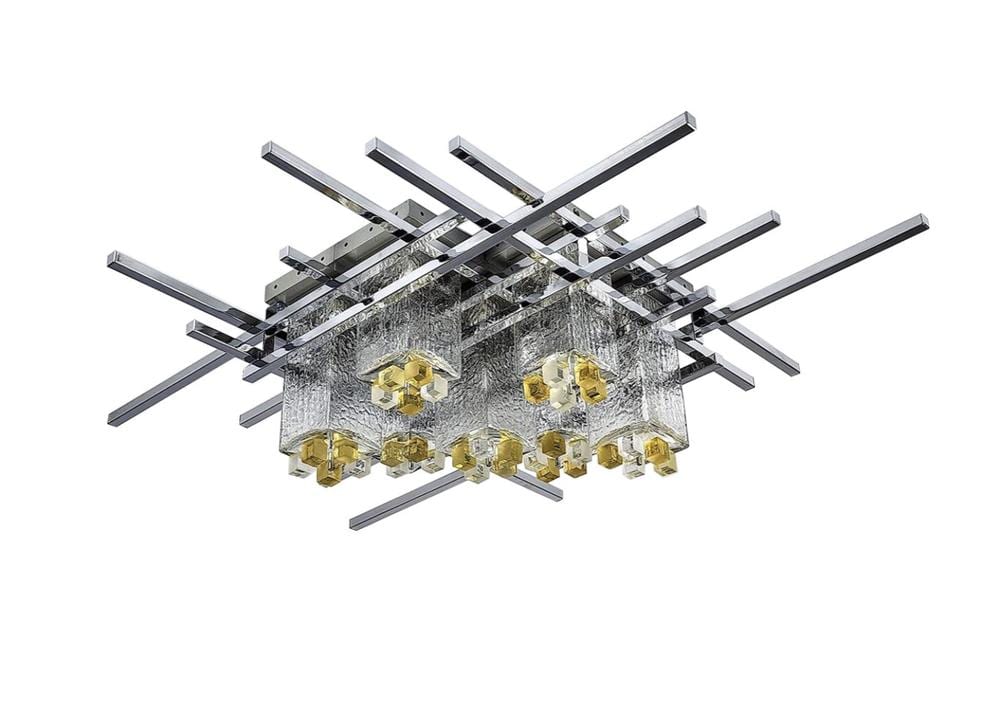 |
1970s Poliarte Mid-Century Modern Chandelier Why it matches: Poliarte chandelier, 1970s: Italian mid-century modern ceiling fixture of the period. |
Dallas Auction Gallery | 2025-08-26 | 140 | USD 1,500 |
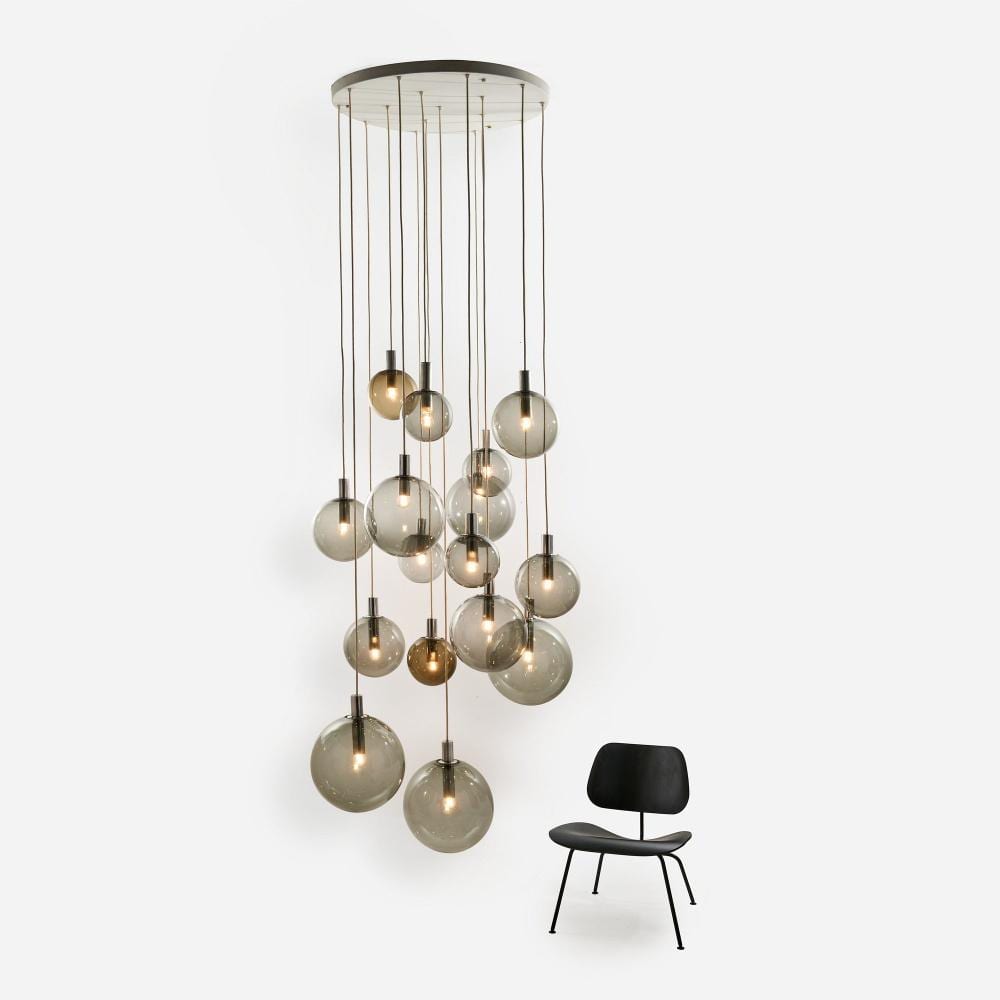 |
RAAK (Amsterdam) Large 16-Globe Chandelier (ca. 1970s) Why it matches: RAAK Amsterdam 16-globe chandelier, ca. 1970s: a named European maker of the period. |
Circle Auction | 2024-08-24 | 139 | USD 1,900 |
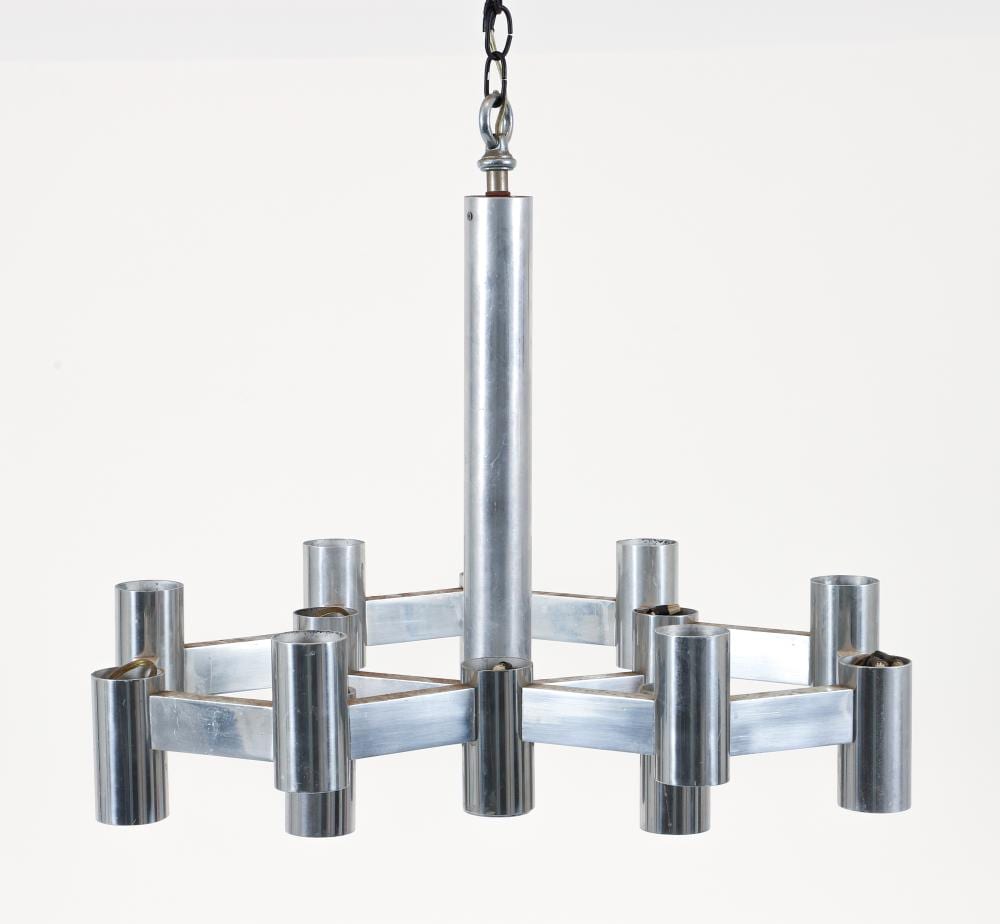 |
Attr. Gaetano Sciolari 16 Light Chandelier 1960s-1970s Why it matches: Attributed to Gaetano Sciolari, 16-light, 1960s–70s: attribution case the guide discusses. |
Concept Art Gallery | 2026-04-11 | 29 | USD 375 |
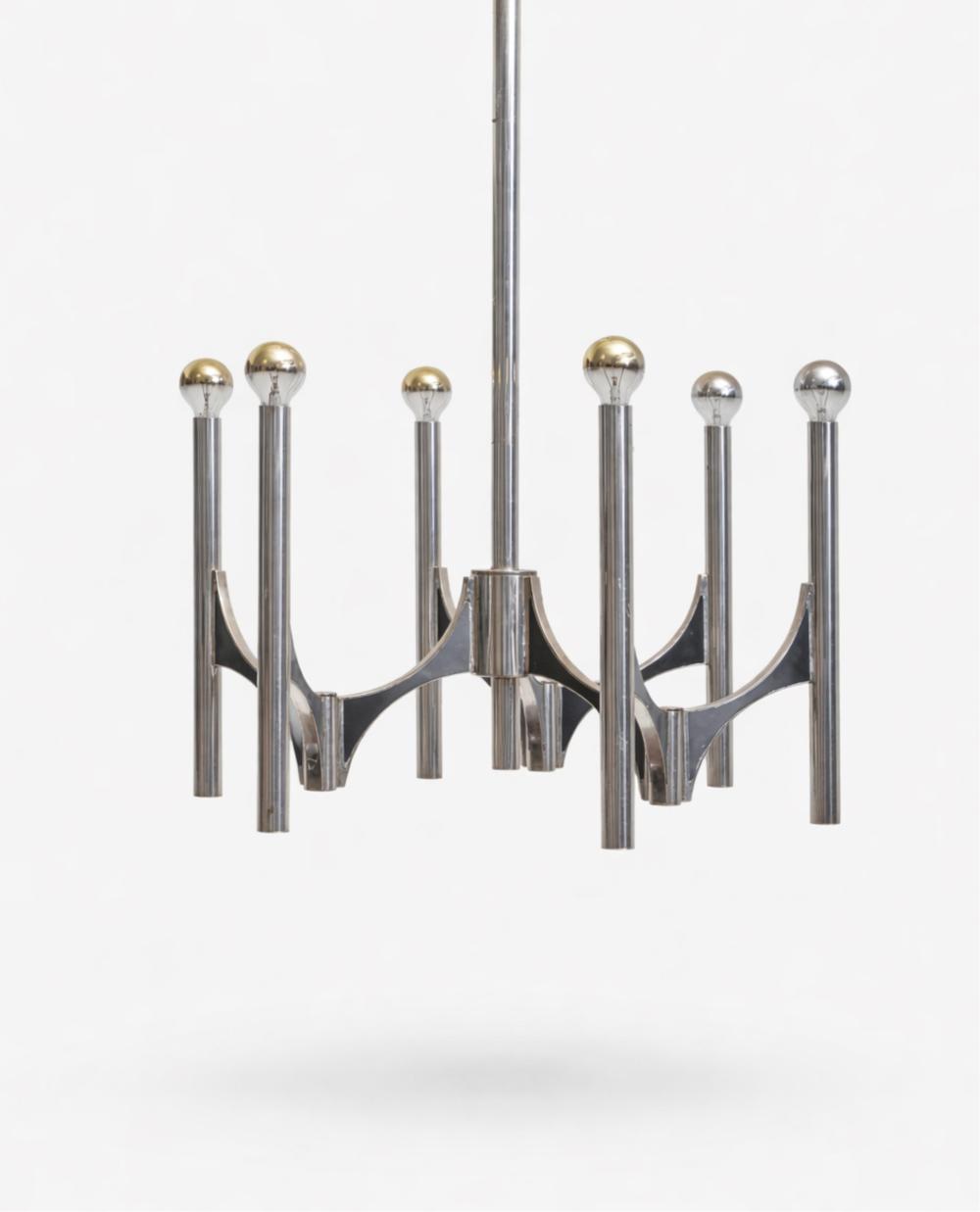 |
Gaetano Sciolari Mid Century Modernist Chandelier Model 105, 1970s Why it matches: Gaetano Sciolari model 105, 1970s: the same maker with a model number. |
Collective Hudson, LLC | 2026-02-15 | 194 | USD 275 |
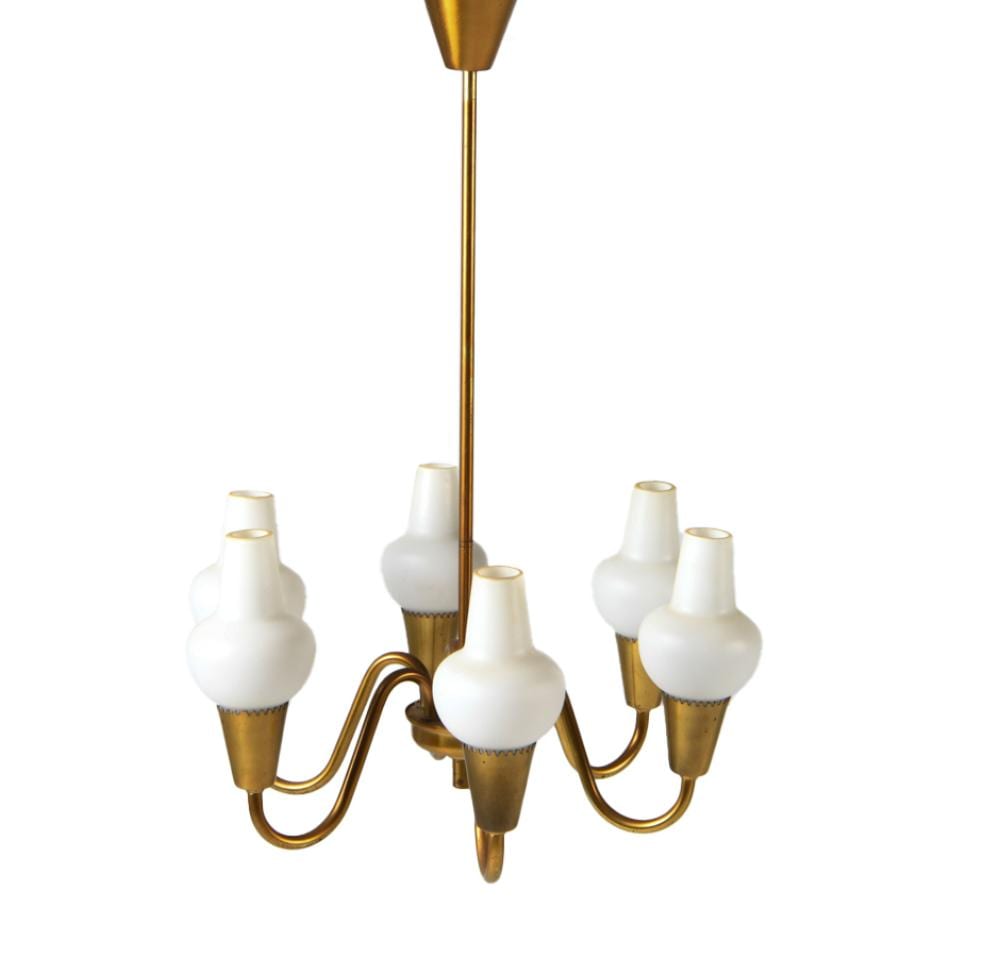 |
SCANDINAVIAN BRASS CHANDELIER C. 1970S Why it matches: Scandinavian brass chandelier, c. 1970s: brass ceiling fixture of the period. |
Westport Auction | 2025-05-15 | 64 | USD 425 |
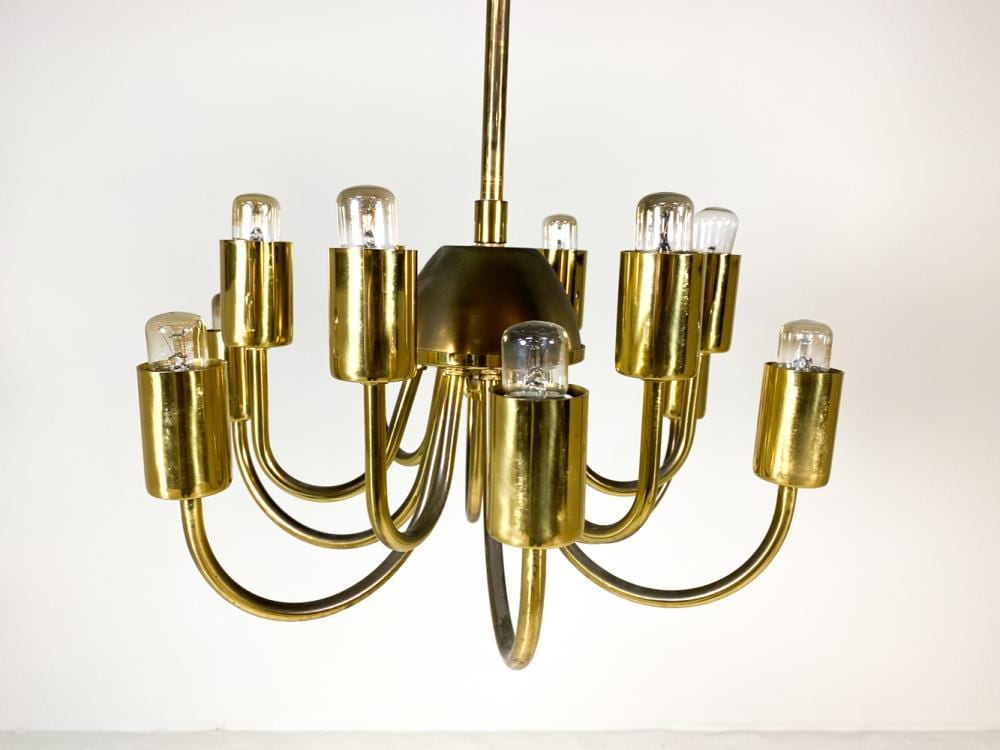 |
HANS AGNE JAKOBSSON BRASS CHANDELIER C. 1970S Why it matches: Hans-Agne Jakobsson brass chandelier, c. 1970s: a named Scandinavian designer of the period. |
Westport Auction | 2026-02-17 | 64 | USD 120 |
How these auction records were verified
These sales are market context, not an object estimate.
Each row retains its exact source URL, lot identity, retrieval time, access result, and immutable record hash. Live source access was blocked; the exact record matched Appraisily's immutable pipeline provenance. Inspect the public comparable provenance record.
Search variations collectors ask
Readers often Google:
- how to tell if a chandelier is from the 1970s or 1980s
- vintage tulip glass shade chandelier value
- where to find a maker label on a ceiling chandelier
- does rewiring a vintage chandelier hurt value
- what size fitter do tulip chandelier shades use
- brass plated chandelier worth anything
- best way to sell a vintage ceiling chandelier locally
- how to pack glass chandelier shades for shipping
- semi flush chandelier appraisal for insurance
Each question is answered in the valuation guide above.
References
- UL label guidance and general consumer electrical safety resources (consult a licensed electrician for installation).
- Emerson Electric Co. public company overview and corporate history (background only; maker attribution requires a fixture label).
Continue your valuation journey
Choose the next best step after reading this guide
Get help confirming the era, shade originality, and a defensible value for sale or insurance.
Decorative arts & lighting
Browse the Art Appraisers Directory
Connect with decorative arts appraisers who can review your chandelier photos remotely.
Fast written report
Start an online appraisal
Upload your chandelier photos and details. Get a documented valuation. Delivered in hours once we have your photos.