Note: We couldn’t find relevant auction comps in our database for this topic right now. If you’re valuing a specific item, try searching by maker/model/material and we’ll expand coverage over time.
What similar items actually sold for
To help ground this guide in real market activity, here are recent example auction comps from Appraisily’s internal database. These matched sales are market context only, not an object estimate or identification, and they do not guarantee a price for your specific a possible william bonney billy the kid original.
Shown USD range: USD 400-USD 8,000. Median of these 5 USD examples: USD 1,900.
| Comparable | What sold | Auction house | Date | Lot | Source-reported amount |
|---|---|---|---|---|---|
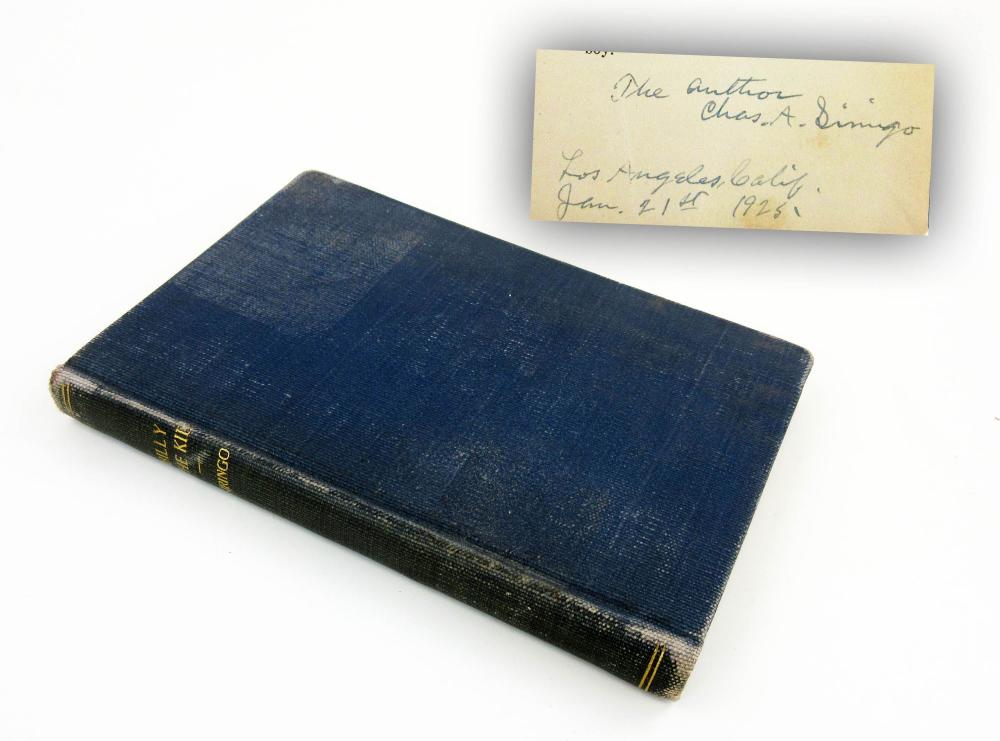 |
1st Ed. "History of Billy the Kid" Signed by Author Charles Siringo | University Archives | 2022-05-04 | 389 | USD 400 (buyer’s-premium treatment unknown) |
![OUTLAW BILLY THE KID COLLECTION (32) [182486] sold by Holabird Western Americana, lot 3411 — auction record photograph](https://assets.appraisily.com/comps/auction-lots/193089808/thumb/h19286-l389474475.jpg) |
OUTLAW BILLY THE KID COLLECTION (32) [182486] | Holabird Western Americana | 2024-11-23 | 3411 | USD 3,000 (buyer’s-premium treatment unknown) |
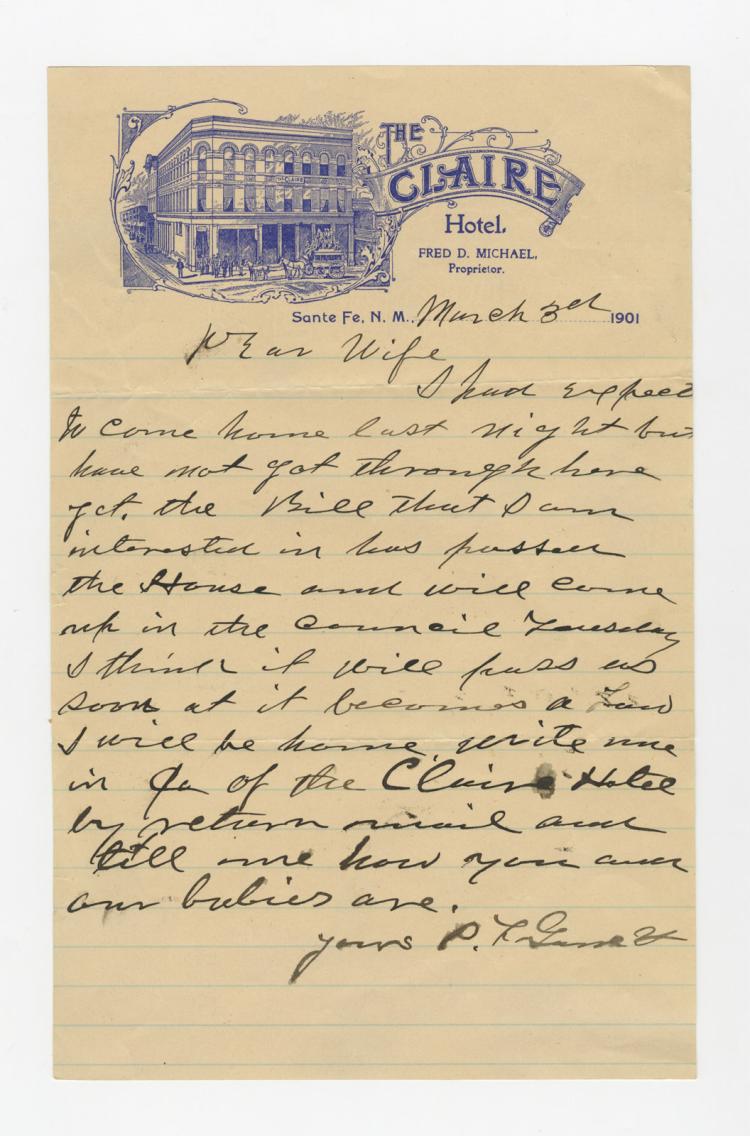 |
Pat Garrett, Lawman who killed Billy The Kid, writes to his wife | University Archives | 2017-02-28 | 72 | USD 1,900 (buyer’s-premium treatment unknown) |
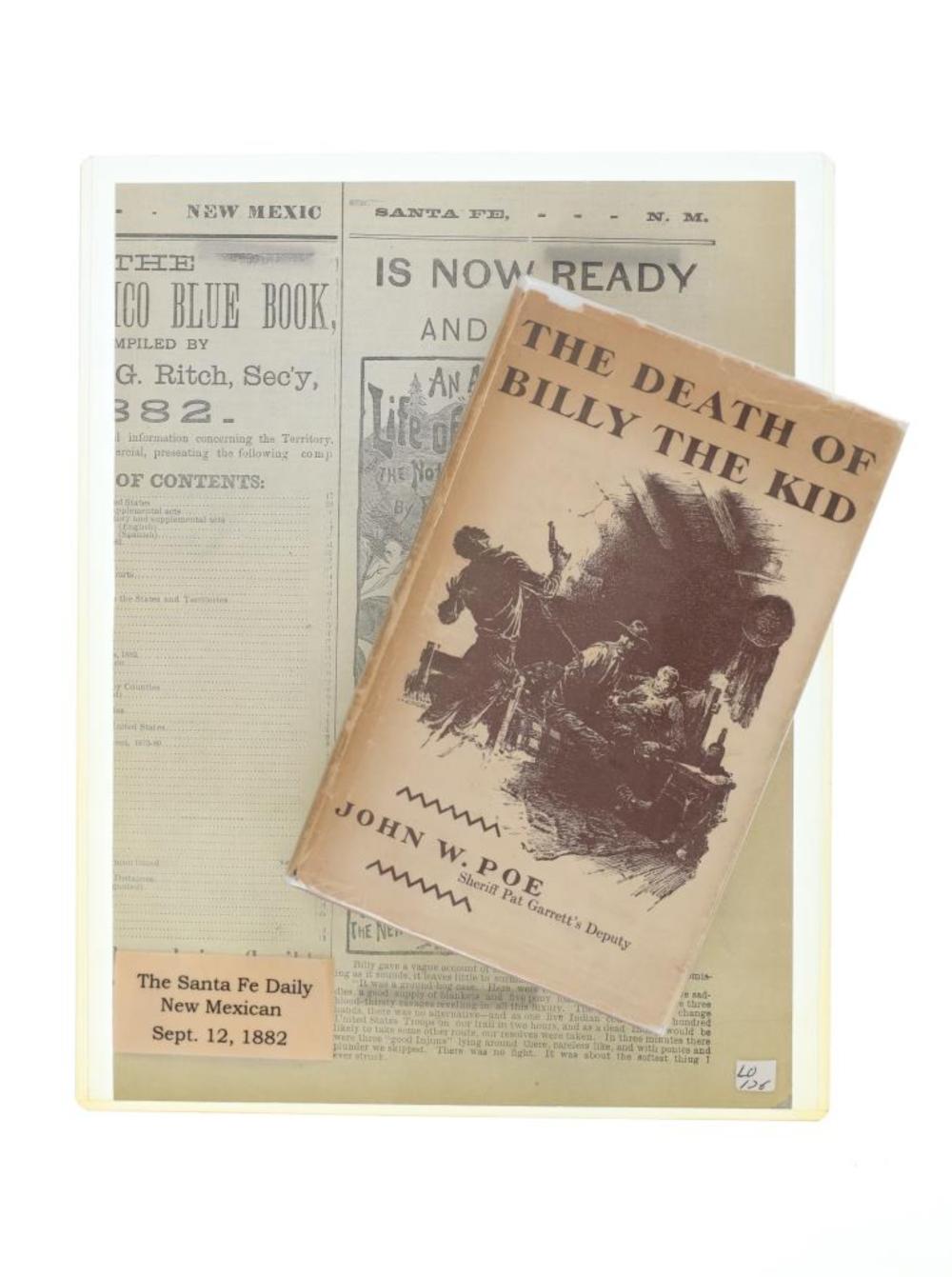 |
"Death of Billy the Kid" John W. Poe Rare 1st Ed. | North American Auction Company | 2025-07-26 | 320 | USD 400 (buyer’s-premium treatment unknown) |
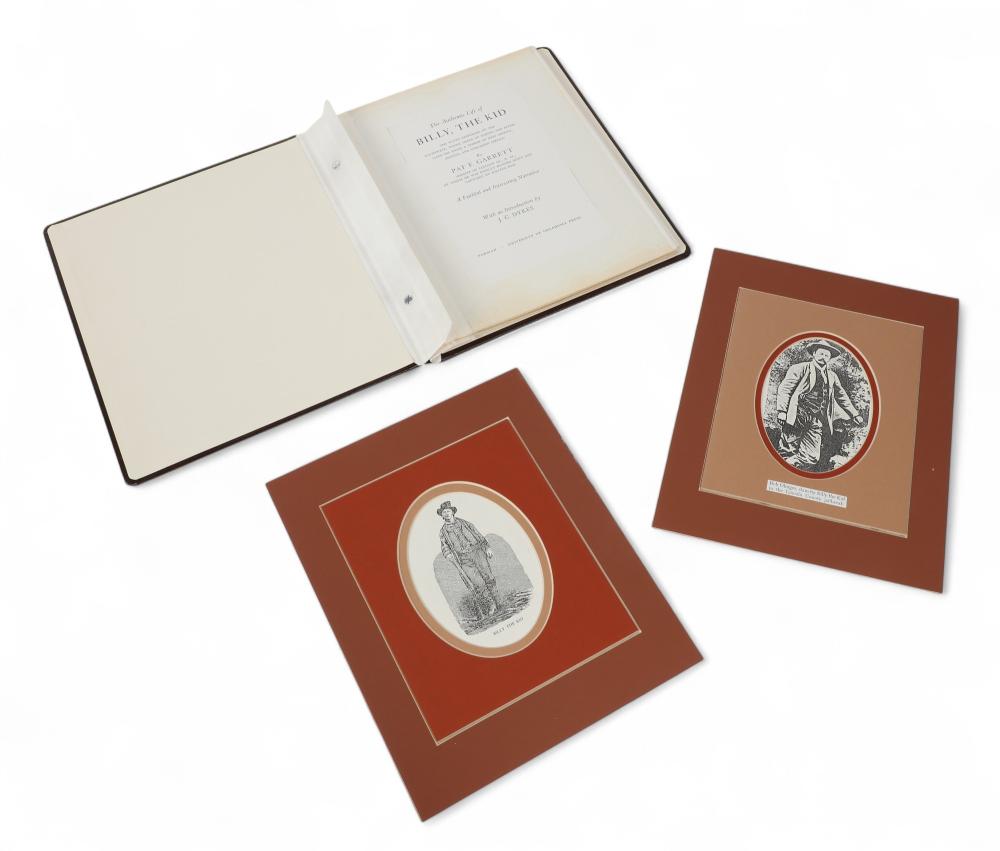 |
A group of Billy the Kid, Robert Olinger, and Sheriff Pat Garrett related autographed documents from 1879-1881 | Andrew Jones Auctions | 2025-05-21 | 84 | USD 8,000 (buyer’s-premium treatment unknown) |
How these auction records were verified
Each row retains its exact source URL, lot identity, retrieval time, access result, and immutable record hash. Inspect the public comparable provenance record.
Disclosure: prices are shown as reported by auction houses and are provided for appraisal context. Learn more in our editorial policy.
A Possible William Bonney Billy The Kid Original Photograph
Why This Find Matters
A single photograph can reset the market for an entire category of Americana. With William H. Bonney—better known as Billy the Kid—the bar is especially high: there is only one widely accepted, fully authenticated photograph of him, a small tintype taken in New Mexico Territory circa 1879–1880. That image, sold at public auction in 2011 for a multi‑million‑dollar price, created a benchmark. Any new “possible Billy” photograph must stand up to exceptional scrutiny across history, science, and provenance.
For antiques and appraisal professionals, the significance is twofold:
- The value delta between “authentic” and “not proven” is enormous (seven figures versus low three figures).
- The cost and time needed to test a hypothesis can be substantial, and the process must be staged to manage risk, conserve the object, and build a defensible report.
Before calling the press—or dismissing a family heirloom—learn what is already known, what can be tested, and how a well‑designed authentication workflow proceeds.
The Known Image—and Why Most New “Finds” Fail
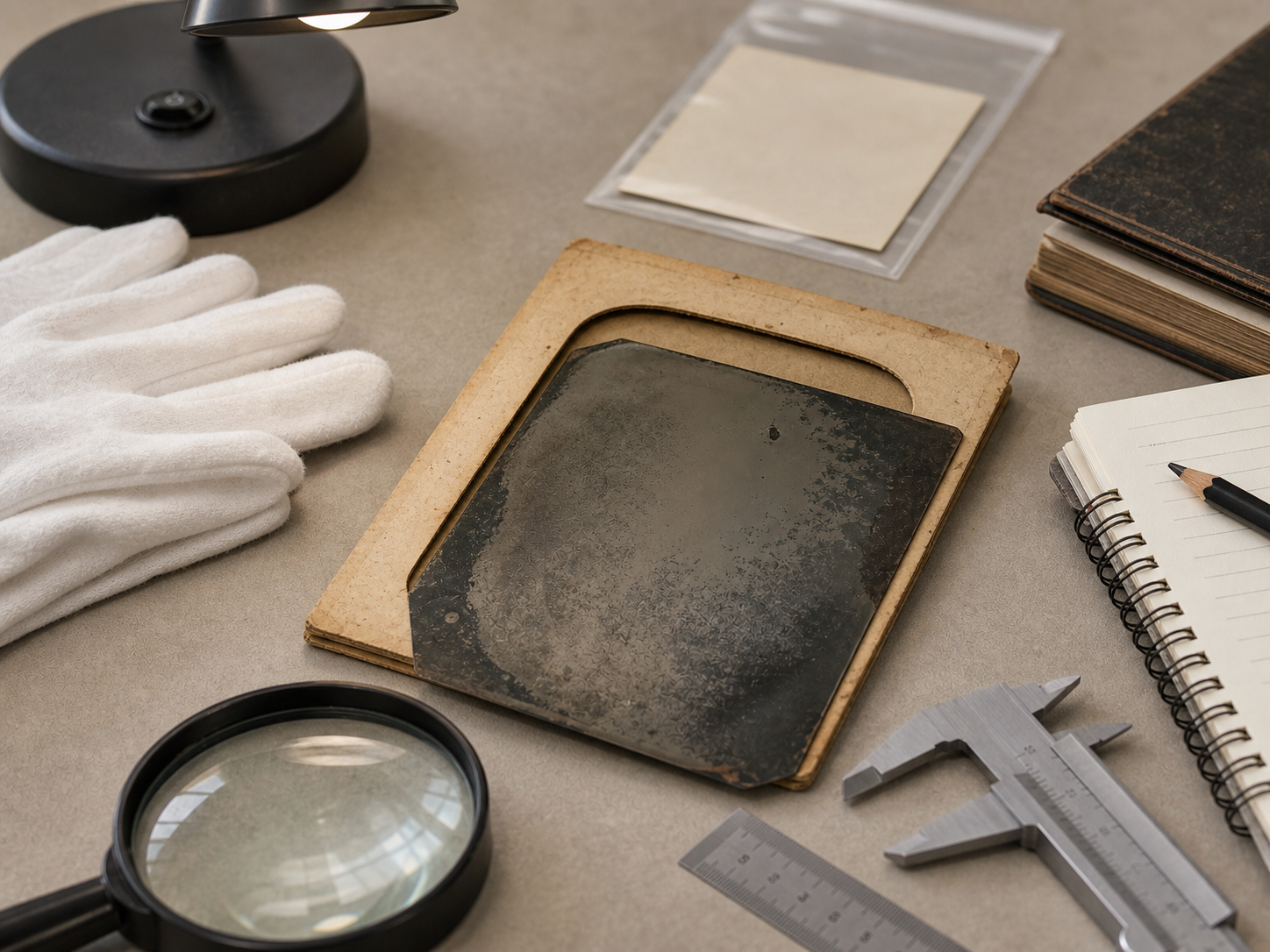
The only broadly accepted, authenticated photograph shows Billy the Kid standing full‑length, wearing a felt hat, sweater, vest, and scarf, with a Winchester Model 1873 rifle and a holstered revolver. The picture is a tintype (also called a ferrotype): a direct‑positive image on a thin iron plate with a dark lacquer backing. Period lore indicates that multiple near‑identical tintypes were produced from the same sitting; one example with rock‑solid provenance surfaced and sold in 2011. Its chain of custody, often summarized as the Dedrick/Upham lineage, links back to a friend of Billy’s in the era and runs unbroken through that family to sale.
Recurring pitfalls that sink most later claims:
- Wrong medium or print technology for the claimed date (e.g., modern copy prints, halftone reproductions from books/newspapers, or silver gelatin enlargements masquerading as originals).
- Inadequate or circular provenance (statements repeating a family story without independent, time‑appropriate documentation).
- Misidentification driven by resemblance, costume, or props rather than biometric consistency and contextual fit.
- Background settings and objects that don’t align with the New Mexico Territory timeframe or with Billy’s known movements and associates.
- Overreliance on software “facial recognition” without controlling for lens distortion, pose, age, and the mirror reversal inherent in tintypes.
A critical historical note: the famous tintype is reversed left‑to‑right (as direct‑positive processes often are), which helped create the “left‑handed gun” myth. In the image, the Winchester’s loading gate appears on the left; in reality, it is on the right, consistent with a right‑handed shooter. Any comparative analysis must account for mirror reversal.
Physical and Period Diagnostics
Start with the artifact itself—its materials, construction, and physical aging. Period correctness is the first gate.
Medium and support
- Tintype/ferrotype: A thin iron sheet (slightly magnetic), coated with black or chocolate‑brown lacquer on the reverse, with a collodion‑based light‑sensitive layer on the face. Typical thickness ~0.15–0.25 mm; edges may be clipped. A weak magnet should attract at the very edge; do not drag a magnet across the surface.
- Ambrotype: Glass support, not magnetic; often cased.
- Albumen paper prints (CDVs, cabinet cards): Paper photograph mounted on cardstock; common in the 1860s–1880s. If your candidate is on paper, it must be demonstrated to be a period print from a period negative—an uphill battle for a subject without a known studio sitting.
- Copy photographs: 20th‑century silver gelatin prints have fiber or resin‑coated papers, optical enlarger artifacts, and surface gloss not consistent with 1870s field work. Halftone dot patterns indicate a print derived from a magazine/book, not a photograph.
Surface and image characteristics
- Collodion tintypes exhibit a unique, slightly granular image with low gloss and sometimes visible flow lines or “swirls” under raking light. Varnish may fluoresce under UV.
- Longitudinal scratch patterns, edge bending, and oxidation “speckling” are normal on 19th‑century tintypes; uniform modern abrasion or inkjet micro‑dotting is not.
- Mounts and sleeves: Late‑1870s tintypes are often found in simple paper sleeves or loose; earlier examples might be in small cases. Any inscriptions should be period‑appropriate in ink and hand, and ideally dated.
Dating via clothing and hardware
- Weapons: A Winchester Model 1873 in the frame is plausible for 1878–1880; look for the loading gate position (right side in reality, left in a mirrored tintype). Assertions of unusual or later firearms should be cross‑checked with manufacturer release dates.
- Attire and hats: Evaluate construction details (stitching, buttons, weave) rather than generic “old‑time” appearance. A mélange of styles from different decades is a red flag for staged reenactment imagery.
Image geometry and pose
- Mirror reversal is expected in tintypes and ambrotypes. Hair part, hat tilt, and holster side must be corrected in your mind before comparing to the known image or to descriptions.
If your object fails medium or period checks, there is no reason to proceed further; document the reasons and redirect attention to its own category value.
From Story to Proof: Building Provenance
A compelling chain of custody is a narrative anchored by verifiable, time‑appropriate documents—preferably created close to the events they describe.
What strong provenance looks like
- Named associates: Daniel (Dan) Dedrick and other historically documented friends or contemporaries of Billy the Kid are credible touchpoints, especially if linked by letters, inscriptions, bills of sale, or estate inventories.
- Dated paperwork near the period: Diaries, correspondence, or photograph sleeves with period ink and period orthography referencing “Kid” or “William Bonney,” preferably with location markers (Fort Sumner, Lincoln County, Mesilla, Las Vegas NM, etc.).
- Public mentions before the modern market: Newspaper references, exhibition catalogues, or museum/lodge displays from the early 20th century citing the photograph.
- Unbroken line of descent: Transfers documented across heirs, complete with addresses and dates that can be corroborated by census, probate, or city directories.
What weak provenance looks like
- “It’s always been in the family” with no corroborating documents or photographs of the object in situ.
- Recent inscriptions naming Billy on obviously modern materials.
- Claims of studio sittings in places Billy never visited or at dates post‑1881.
Provenance research tools and tactics
- Cross‑check names and locations in territorial censuses, land records, probate files, and period newspapers.
- Align the object’s journey with known biographical timelines (e.g., Lincoln County War in 1878; Billy’s presence around Fort Sumner in 1879–1880).
- Seek independent corroboration: Multiple, unrelated sources supporting the same fact carry more weight than a single family letter.
Free instant estimate. No card needed. A specialist review is only the next step if the evidence supports it.