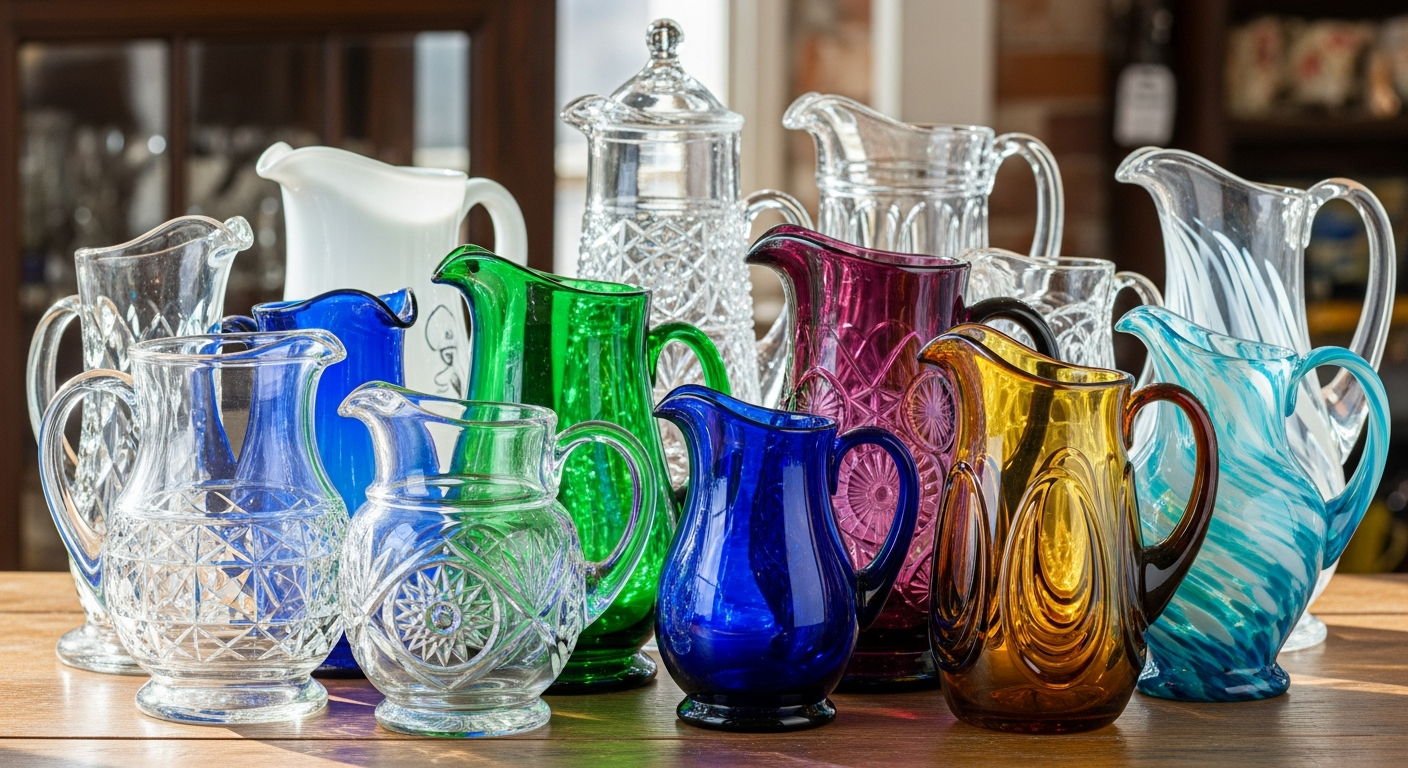
6 Factors to Consider in Antique Glass Pitcher Identification: appraisal and value basics
6 Factors to Consider in Antique Glass Pitcher Identification research should start with identification, condition, provenance, and recent comparable sales. Use this guide to compare the signals that matter before paying for a formal appraisal or deciding whether to sell.
6 Factors To Consider In Antique Glass Pitcher Identification
Antique glass pitchers are more than attractive tableware—they’re clues to the technology, taste, and trade of their era. Pinpointing age, origin, and method of manufacture is essential for accurate appraisal and for separating genuine antiques from later reproductions. Use the six factors below as a structured approach to identify antique glass pitchers confidently.
1) Manufacturing Method and Construction
Start by deciding how the pitcher was made. The production method is the backbone of age and value assessment.
- Free-blown: Hand-shaped with no mold seams. Expect asymmetry, tool marks, and a pontil scar on the base. Handles are separately applied and may show a “tail” or excess glass at the terminal.
- Mold-blown: Blown into a mold for pattern or shape, then finished by hand. Mold seams may fade at the neck and rim, which were tooled after removing the piece from the mold.
- Pressed glass (EAPG and later): Molten glass pressed into a mold with a plunger. Look for continuous mold seams that run up the body and through the lip on earlier examples; many rims were ground smooth after molding. Patterns repeat uniformly.
- Cut glass: Body often started as thick, clear blank (frequently lead crystal), then decorated with wheel-cut patterns. No mold seams should cut through decoration; the edges feel sharp and crisp. The Brilliant Period (c. 1876–1917) favors high-relief, sparkling cutting with polished surfaces.
- Blown and cut hybrids: Some pitchers combine blown bodies with later cutting or engraving; inspect under magnification to see whether decoration crosses any seams (it shouldn’t).
Handle construction is highly informative. Applied handles leave a distinct join at the shoulder and often show tool lines. Pressed handles can be integral, with visible seams. A tooled spout on a blown body shows stretch and tool marks; a pressed spout mirrors the mold pattern and seam alignment.
2) Glass Composition and Color Cues
Glass chemistry shifted with technology and fashion. Composition and color can help narrow date ranges and identify types.
- Lead crystal vs soda-lime: Lead glass (often called flint in early American contexts) is heavier and has a clear bell-like ring when gently tapped (never push this test on cracked pieces). It also has higher brilliance and sparkle. Soda-lime is lighter with a duller ring.
- Decolorizers and age: Manganese dioxide was widely used as a decolorizer in the late 19th century; prolonged sunlight can turn such glass amethyst (“sun-purpled”). Selenium and arsenic decolorizers became common in the early 20th century; these do not purple in the same way. Purple coloration alone doesn’t prove age—it may be intentional or induced.
- Uranium/vaseline glass: Uranium glass typically glows bright green under a handheld UV-A light. Vaseline glass is the yellow-green subset. Many 19th–early 20th century pitchers and creamers were made in uranium glass. Not all green glass fluoresces, and not all uranium glass is green; test to be sure.
- Colorants as dating hints:
- Cobalt blue (long usage, but certain shapes/patterns can signal 1890s–1930s).
- Cranberry/ruby (gold chloride), often Victorian through early 20th century; expensive and used for higher-end items.
- Opalescent and milk glass saw strong Victorian popularity.
- Amber and amethyst appear in EAPG and later Depression-era lines.
- Solarization and irradiation: Intense purple or unusually even coloration can be a sign of modern irradiation rather than age. Compare with expected wear and construction clues before concluding.
Note the optical effects: optic ribs, swirls, and honeycomb are usually mold-formed (optic molds) on blown pieces. These patterns can help attribute a pitcher to a factory or era.
3) Surface Decoration and Finishing Techniques
Decoration is a roadmap to both maker and period. Train your eye to distinguish tooling, cutting, etching, and enameling.
- Wheel cutting: V-shaped or rounded channels with polished surfaces; high sparkle on lead crystal. Deep, intersecting cuts with brilliant polish are hallmarks of American Brilliant Period pieces. The inside of cuts can show tiny wheel striations under magnification.
- Engraving: Shallower, matte cuts, often depicting flowers, scrolls, or monograms. Fine engraving appears on European and American wares across the 19th and early 20th centuries.
- Acid etching: Uniform, frosted designs achieved via resist and acid bath. Edges of motifs are smooth and consistent. Acid-etched company signatures also occur (e.g., on crystal).
- Pressed pattern vs cut: Pressed patterns flatten at high points and show mold seams; cuts involve material removal and sparkle distinctly. Run a fingernail across; pressed decoration feels rounded, cut feels sharp. Beware later pressed “cut-look” patterns designed to imitate cutting.
- Enamel and gilding: Cold-applied enamels (usually fired to fuse) and gold trim were common on late 19th-century lemonade sets. Check for paint wear consistent with age at high-contact points.
- Applied decoration: Prunts, rigaree, threading, and pincered crimping are typically hand-applied; tool marks should be visible.
Finishing clues matter: fire-polished rims look soft and slightly rounded; ground rims are flat with micro-scratches. Stoppers are rare on pitchers but pewter- or tin-lidded syrups exist; hinge style and metal composition can date those pieces.
4) Base, Pontil, and Wear Patterns
The underside reveals how a pitcher was made and how it lived.
- Pontil marks (for blown ware):
- Rough/open pontil: early to mid-19th century and artisan ware.
- Ground and polished pontil: later 19th century and higher-grade pieces; the circular area is smooth and reflective.
- Snap pontil “scar”: faint centering mark from a holding rod.
- Pressed glass bases: Often have ground rims to level the piece post-molding; look for radial grinding lines. Mold seams may meet in a “Y” or cross under the base.
- Wear patterns: Genuine age wear appears as fine, soft scratches and a satin-like ring where the base contacts surfaces. Expect directional consistency—circular rings or clustered micro-scratches—not random, deep, fresh gouges. Overly uniform “sandblasted” wear can signal artificial aging.
- Straw marks and annealing lines: Straight or slightly curved lines within the glass can result from molding and cooling; common in pressed glass and not necessarily damage. However, check for stress fractures or poorly annealed areas that reflect light differently.
- Sickness/cloudiness: Alkali leaching from prolonged water storage creates interior haze or iridescent “bloom,” especially on older soda-lime. Some haze is permanent; evaluate carefully as it affects value.
- Polished bases: A heavily polished base that erases expected wear may indicate restoration or an attempt to remove damage. Compare polish quality with the rest of the surface.
Document base diameter, type of foot (flat vs pedestal), and any cutting on the base; these features can be distinctive to certain makers or periods.
5) Maker’s Marks, Patterns, and Attribution
Unlike silver or ceramics, many glass houses didn’t consistently mark their wares—but when present, marks and patterns are gold for identification.
- Marks:
- Acid-etched or engraved signatures on higher-end crystal (e.g., on cut glass). These can be tiny and near the base or handle.
- Molded marks on pressed glass: company initials, patent dates, capacities.
- British registration marks: diamond lozenge (1842–1883) or “Rd No” (post-1884). These help pin down a time window for UK-made pressed pitchers.
- Paper labels: common in the 20th century; often missing, but adhesive ghosts or label outlines can hint at origin.
- Pattern identification:
- EAPG (Early American Pattern Glass, c. 1850s–1910s): Pitchers often match tumblers and covered sugar bowls in named patterns. Count mold panels, study specific motifs (stars, fans, hobnails), and note handle style. Many references arrange patterns by motif or company.
- American Brilliant cut glass: Patterns and blank shapes tie to particular cutting shops. Motif complexity, hobstar arrangements, and the presence of motifs like strawberry diamond can support attribution.
- Depression and later pressed glass: Colorways (green, pink, amber) and molded patterns link to 1920s–40s production. Some lines were reproduced late in the 20th century—compare weight, clarity, and mold crispness.
- Carnival glass pitchers: Iridescent finishes, marigold and other colors; patterns are extensively cataloged. Look for the depth of iridescence and mold sharpness.
- Reproductions and reissues: Several companies reissued popular patterns in the mid-to-late 20th century. Tells include heavier (or lighter) weight, clearer glass lacking early seed bubbles, and slightly softened pattern edges from worn molds. Known reissue makers sometimes added subtle mark changes—inspect closely.
When attributing, measure height, body width, and capacity. Some patterns exist in multiple sizes (water vs lemonade vs syrup). Cross-check handle cross-section, ice-lip presence, and spout profile.
6) Condition, Size, and Functional Features
Function-driven features help date pitchers and clarify intended use.
- Ice lip: A notched or extended inner lip to retain ice appeared widely in the 1890s onward, especially on lemonade and water pitchers. Its presence suggests late Victorian to 20th-century production.
- Syrup pitchers and jugs: Smaller capacity, often with metal (pewter or nickel silver) hinged lids and sometimes glass threads to fit collars. Lids and collars can be replacements; check fit, screw threads, and metal age.
- Tankard-form pitchers: Tall, cylindrical bodies with side handle commonly appear in Art Nouveau and early 20th-century patterns.
- Lemonade sets: Pitcher with matching tumblers and often tray; heavy use of enameling and gilding in the 1890–1915 period.
- Cream and milk jugs: Smaller, with pronounced pouring lips; used in table settings and tea services. Proportions and match to a known set can aid attribution.
- Condition checklist: Chips along cutting edges, fleabites on high points, bruises (subsurface fractures), handle cracks at terminals, and base nicks are common. Staining, especially in the lower body, suggests long-term liquid storage.
- Safety and use: Lead content is common in crystal; consider display-only for safety. Avoid sudden temperature changes to prevent thermal shock in older glass.
When appraising, condition can outweigh other factors. A rare pattern with a cracked handle may be less salable than a common pattern in pristine condition.
Practical Field Checklist
- Magnification: 10× loupe to inspect cuts, seams, and signatures.
- Light: Small flashlight and UV-A blacklight for fluorescence and interior clarity.
- Measurements: Height, diameter, capacity; note ice lip or lid.
- Construction: Count and follow seams; check rim finishing and handle joins.
- Base: Look for pontil type or ground rim; assess wear patterns.
- Decoration: Distinguish pressed vs cut; inspect enamel/gilding wear.
- Color and composition: Weight, ring, and UV response; beware “sun-purpled” and irradiated clues.
- Condition: Chips, cracks (especially at handle attachments), sick glass, repairs/polishing.
What similar items actually sold for
Real auction sales of items like your glass pitcher. Open a sale to see the original listing.
Shown USD range: USD 3-USD 1,093. Median of these 76 USD examples: USD 32.50.
| Comparable | What sold | Auction house | Date | Lot | Source-reported amount |
|---|---|---|---|---|---|
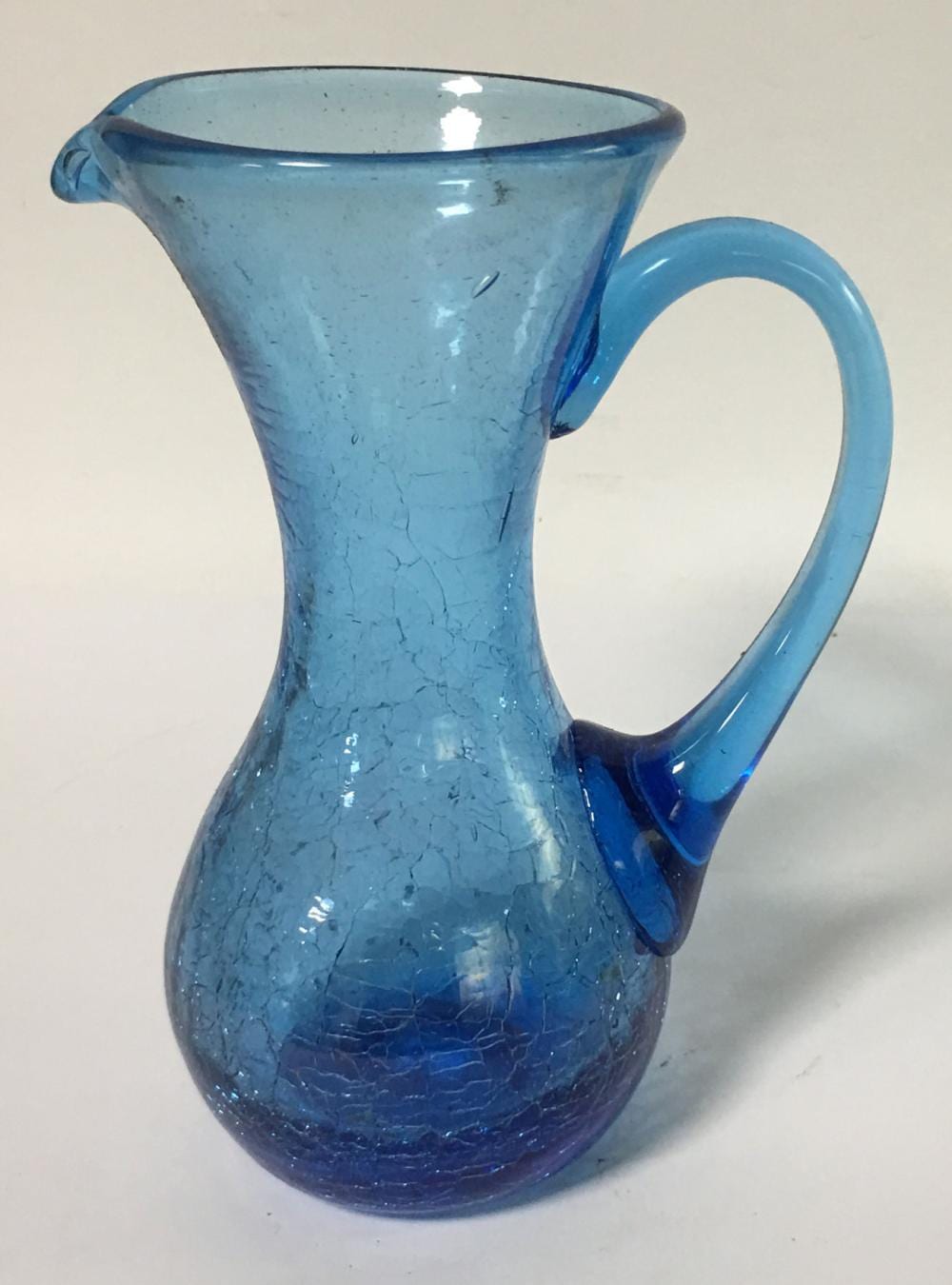 |
Blue Blown Crackle Glass Pitcher | Berner's Auction Gallery | 2021-07-29 | 4302 | USD 6 |
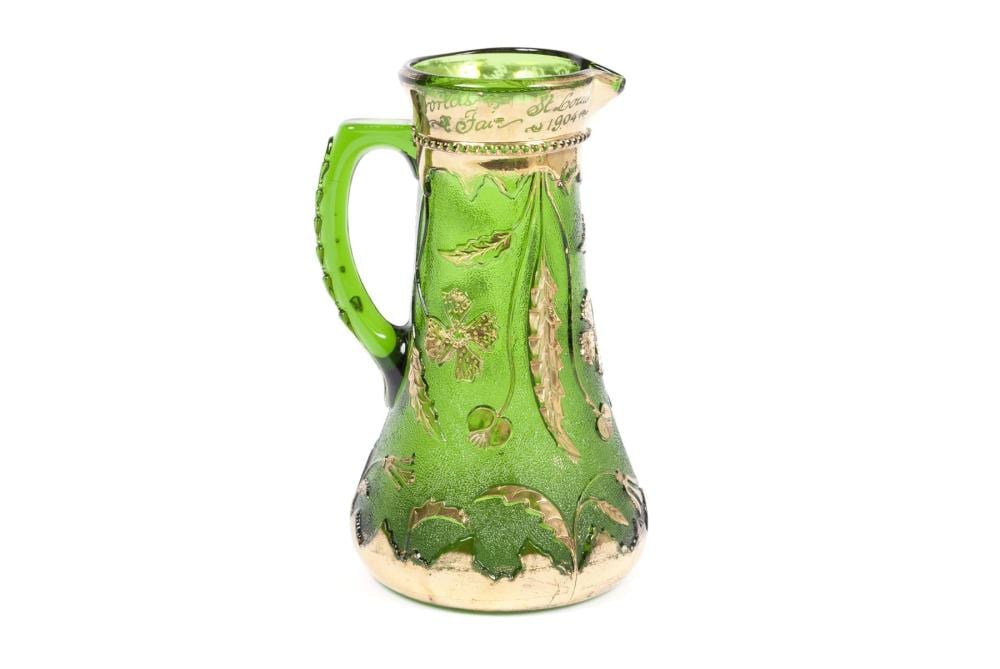 |
1904 ST. LOUIS WORLD'S FAIR CARNIVAL GLASS PITCHER | Selkirk Auctioneers & Appraisers | 2021-12-11 | 253 | USD 150 |
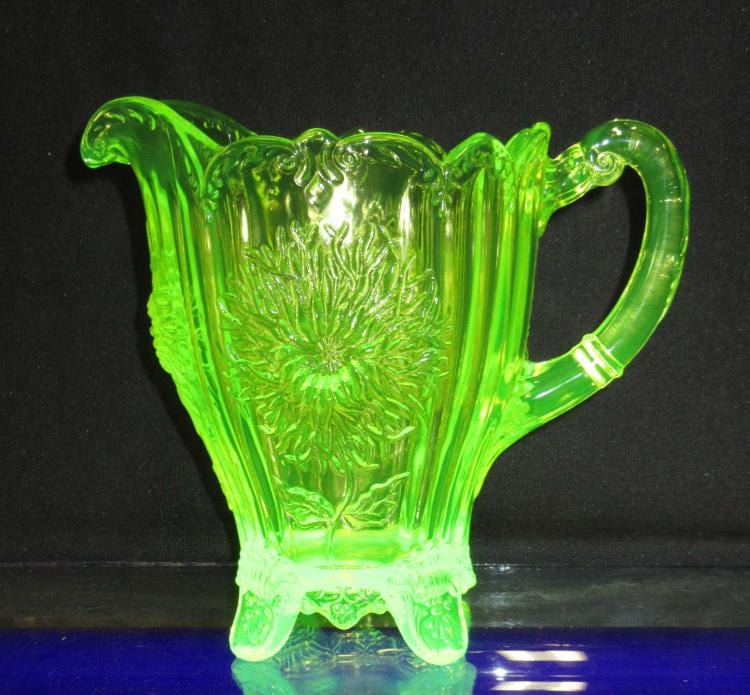 |
Vaseline Glass Water Pitcher | Martin Auction Company | 2018-04-30 | 673 | USD 60 |
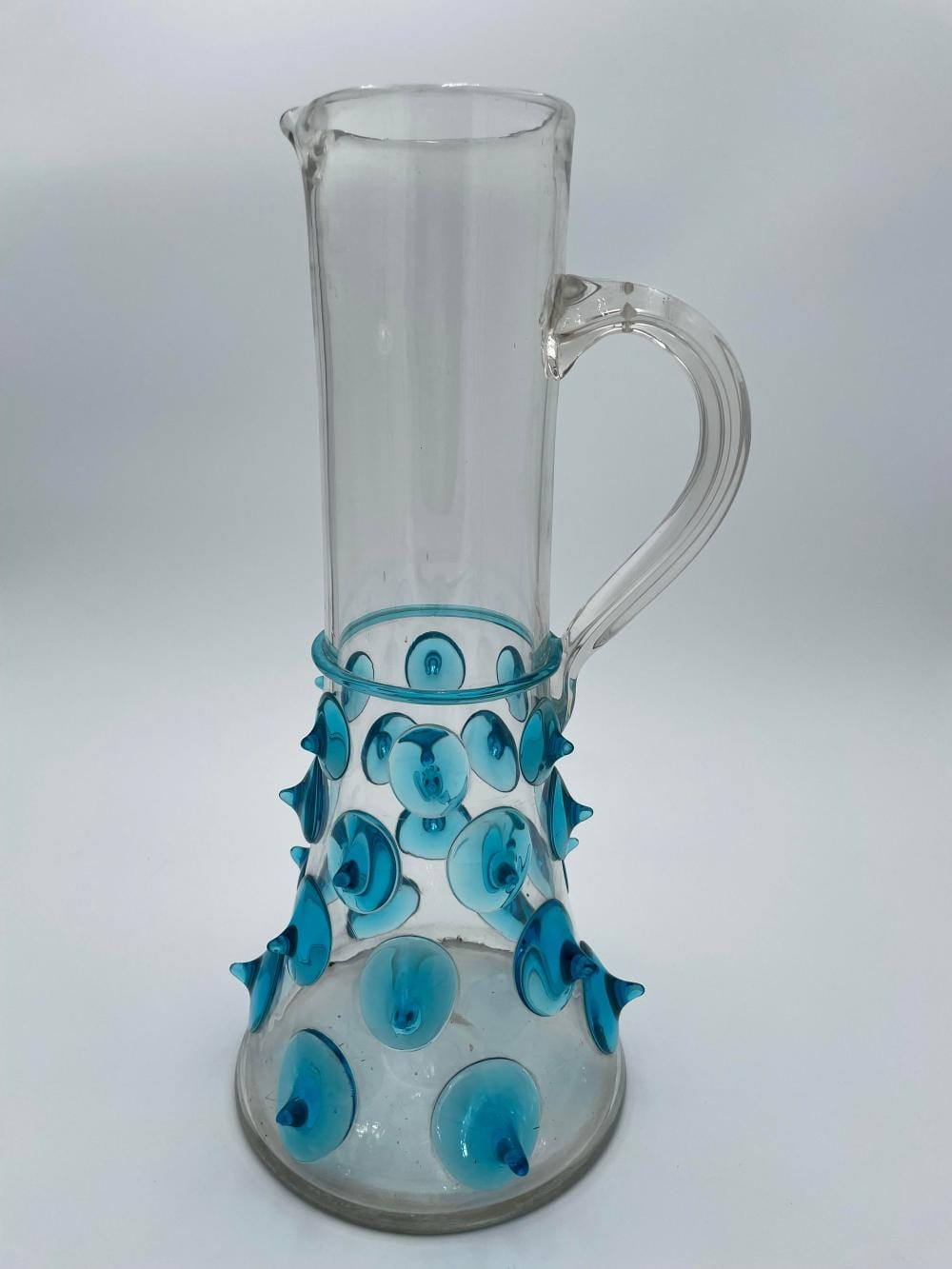 |
15" Tall Mid-Century Art Glass Pitcher, 15 in. (38.1 cm.) | Asselmeier May Auctions | 2024-03-03 | 128 | USD 30 |
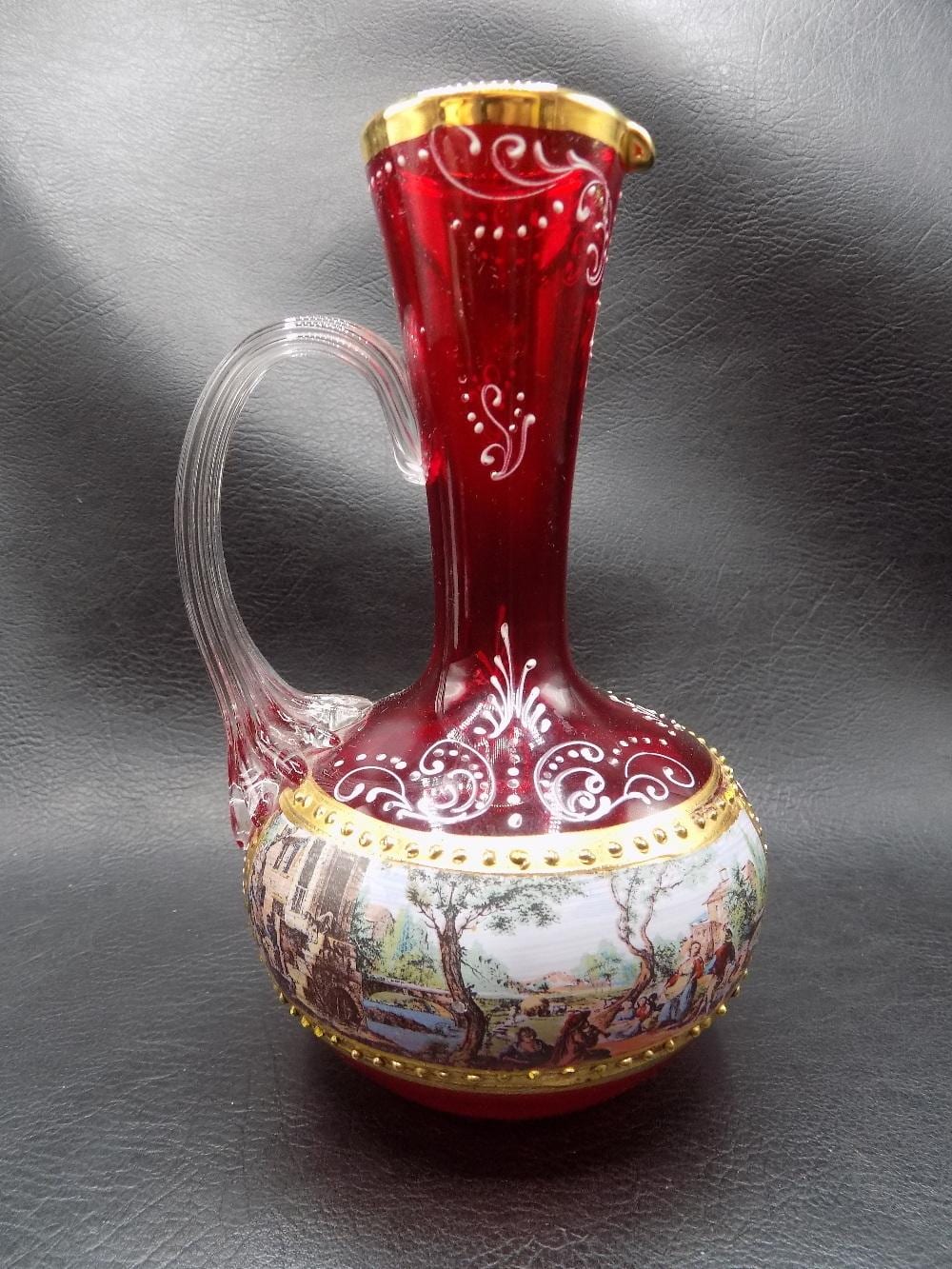 |
Lovely decorated Moser art glass pitcher. | Thriftiques of Iowa | 2025-12-07 | 70A | USD 24 |
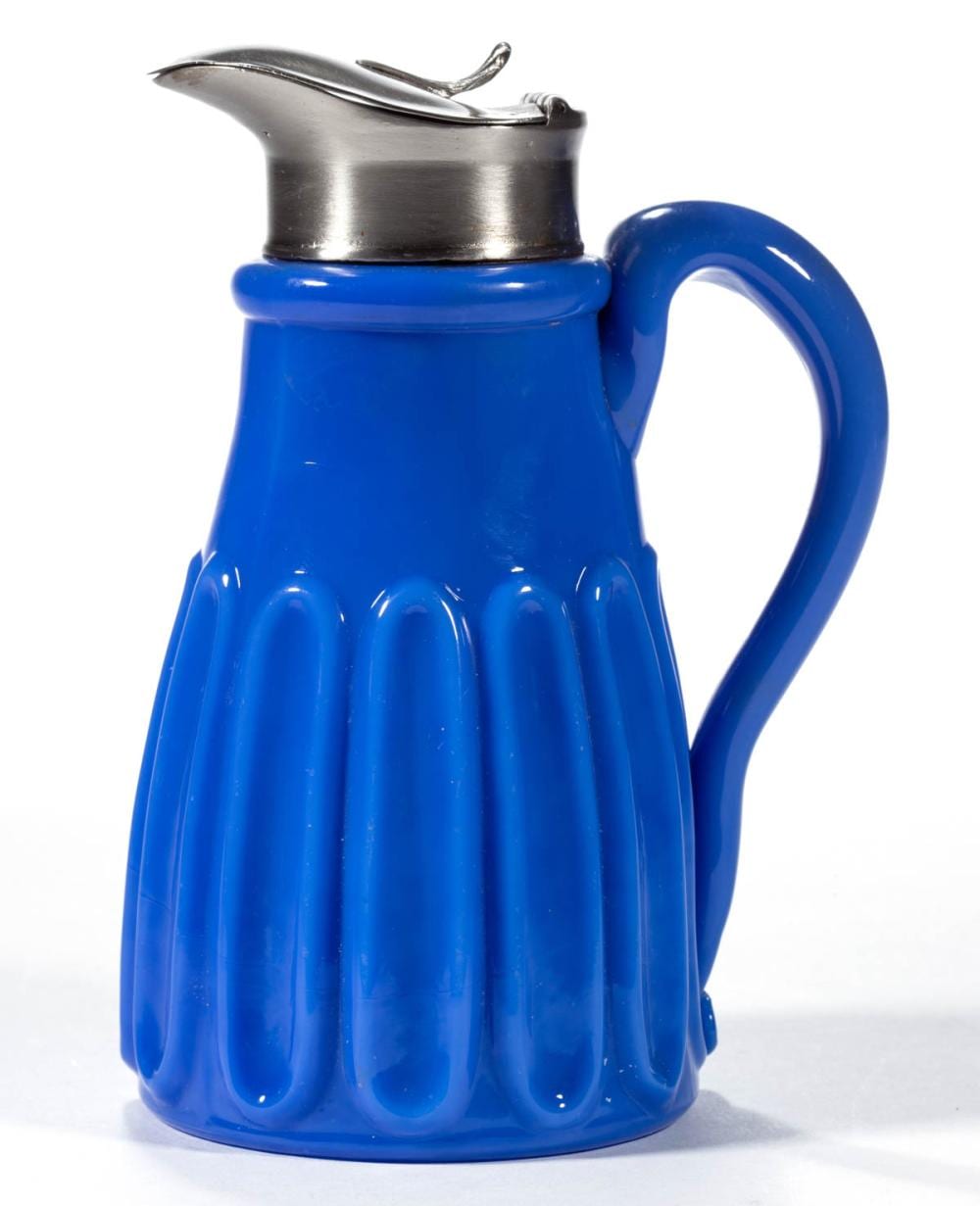 |
LOOP PRESSED GLASS MOLASSES JUG / SYRUP PITCHER | Jeffrey S. Evans & Associates | 2019-01-26 | 505 | USD 163 |
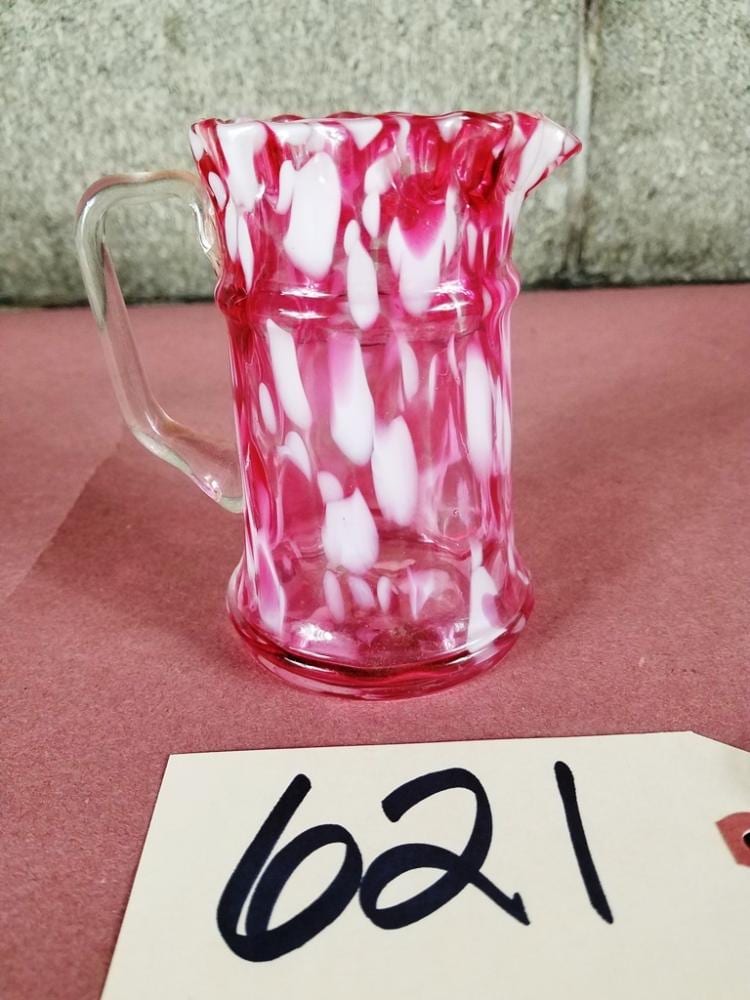 |
VINTAGE CRANBERRY OPALESCENT GLASS PITCHER | Simonetta Auction Service | 2018-04-28 | 621 | USD 26 |
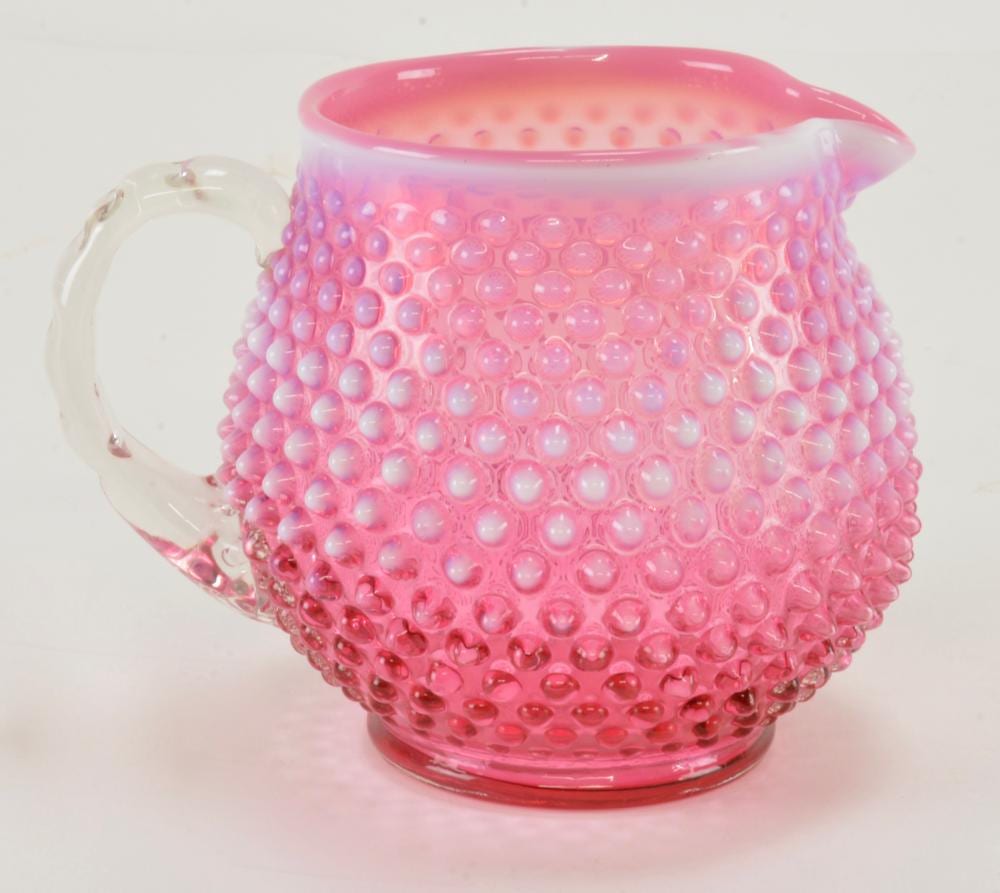 |
Fenton Art Glass Cranberry Hobnail Opalescent Pitcher | Mebane Antique Auction | 2020-09-14 | 49 | USD 20 |
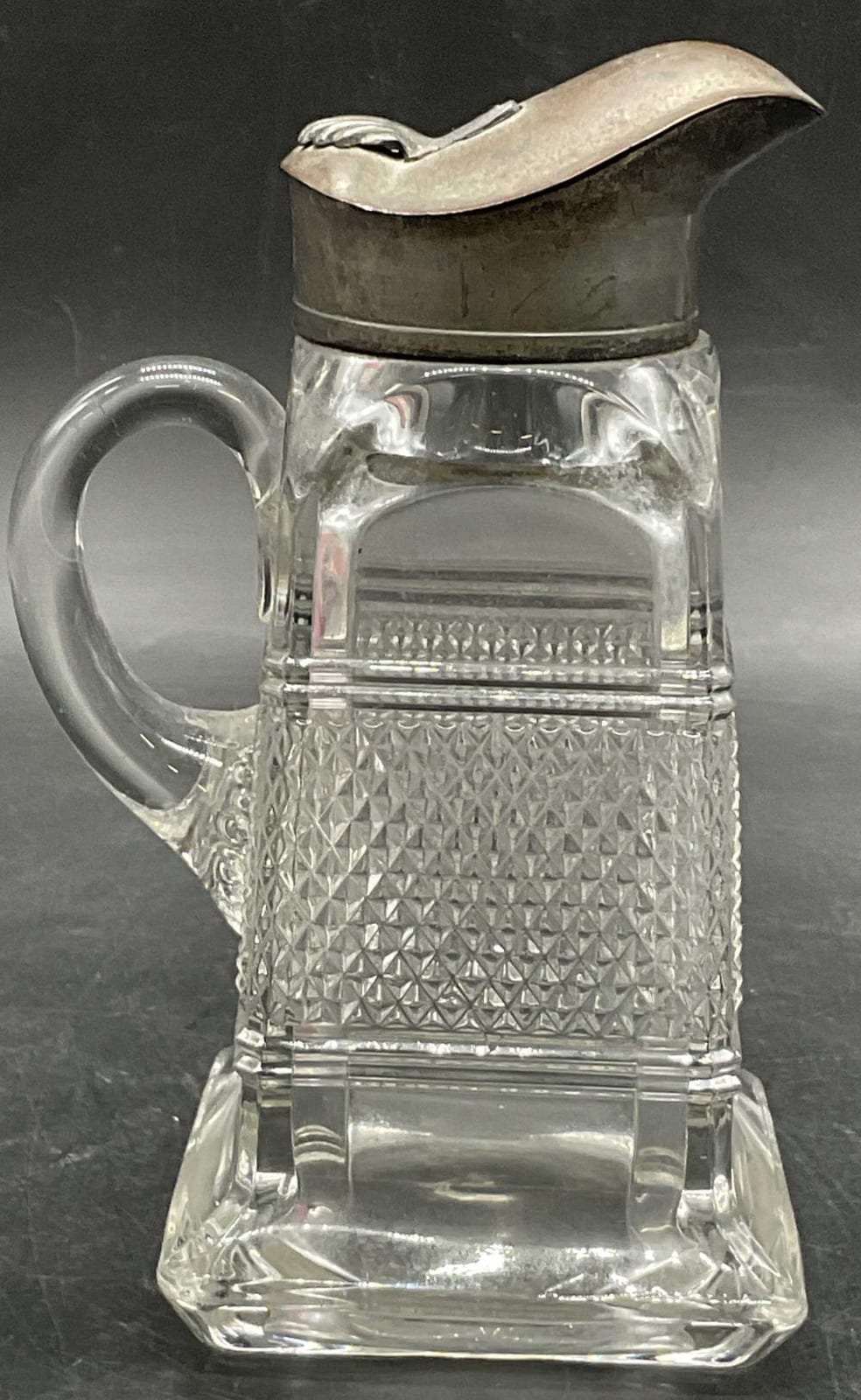 |
Vintage Cut Glass & Metal Syrup Dispenser Pitcher | The Benefit Shop Foundation Inc. | 2025-08-27 | 461 | USD 20 |
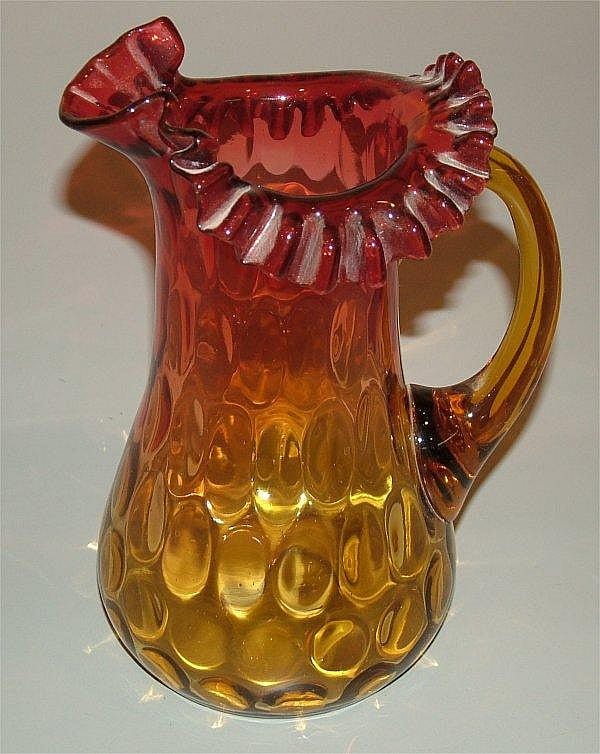 |
VICTORIAN AMBERINA ART GLASS PITCHER | Apple Tree Auction Center | 2007-11-03 | 5610 | USD 25 |
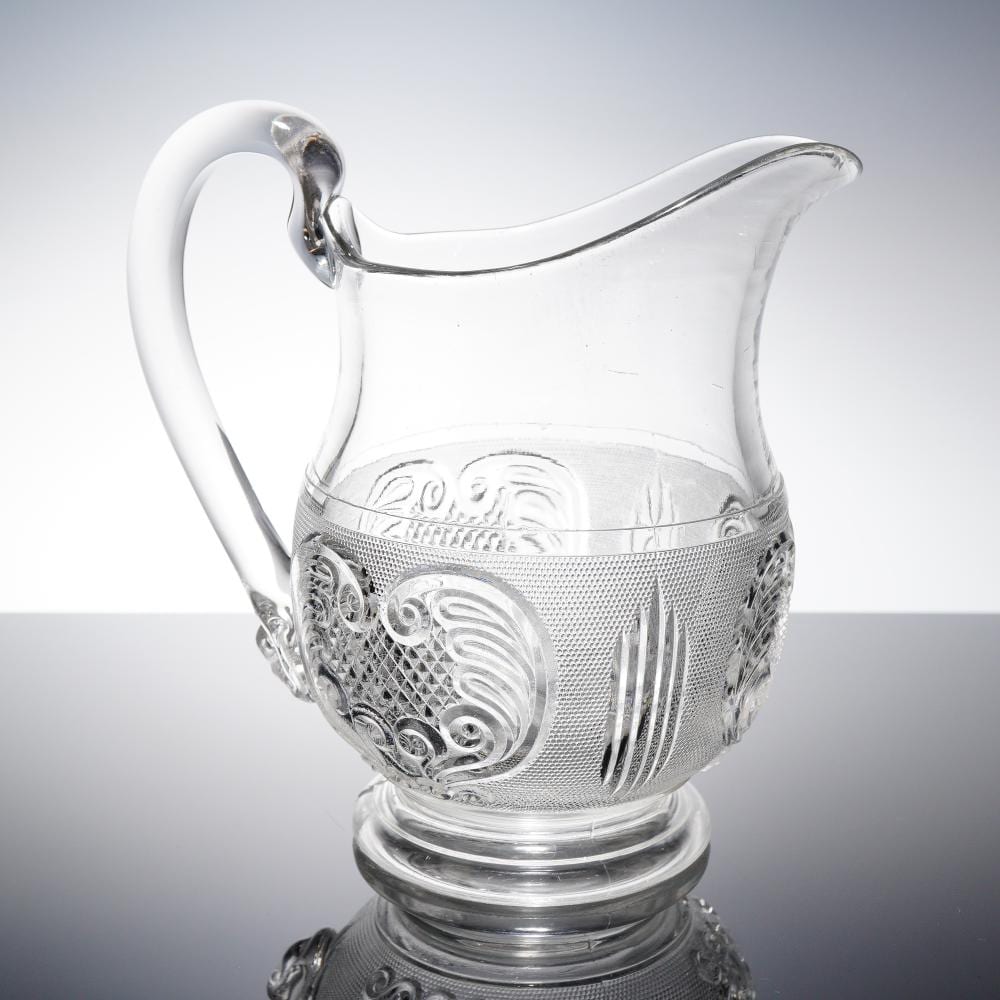 |
EAPG Bakewell Pears Rochelle Lacy Medallion Pressed Glass Pitcher | Lion and Unicorn | 2026-01-20 | 321 | USD 30 |
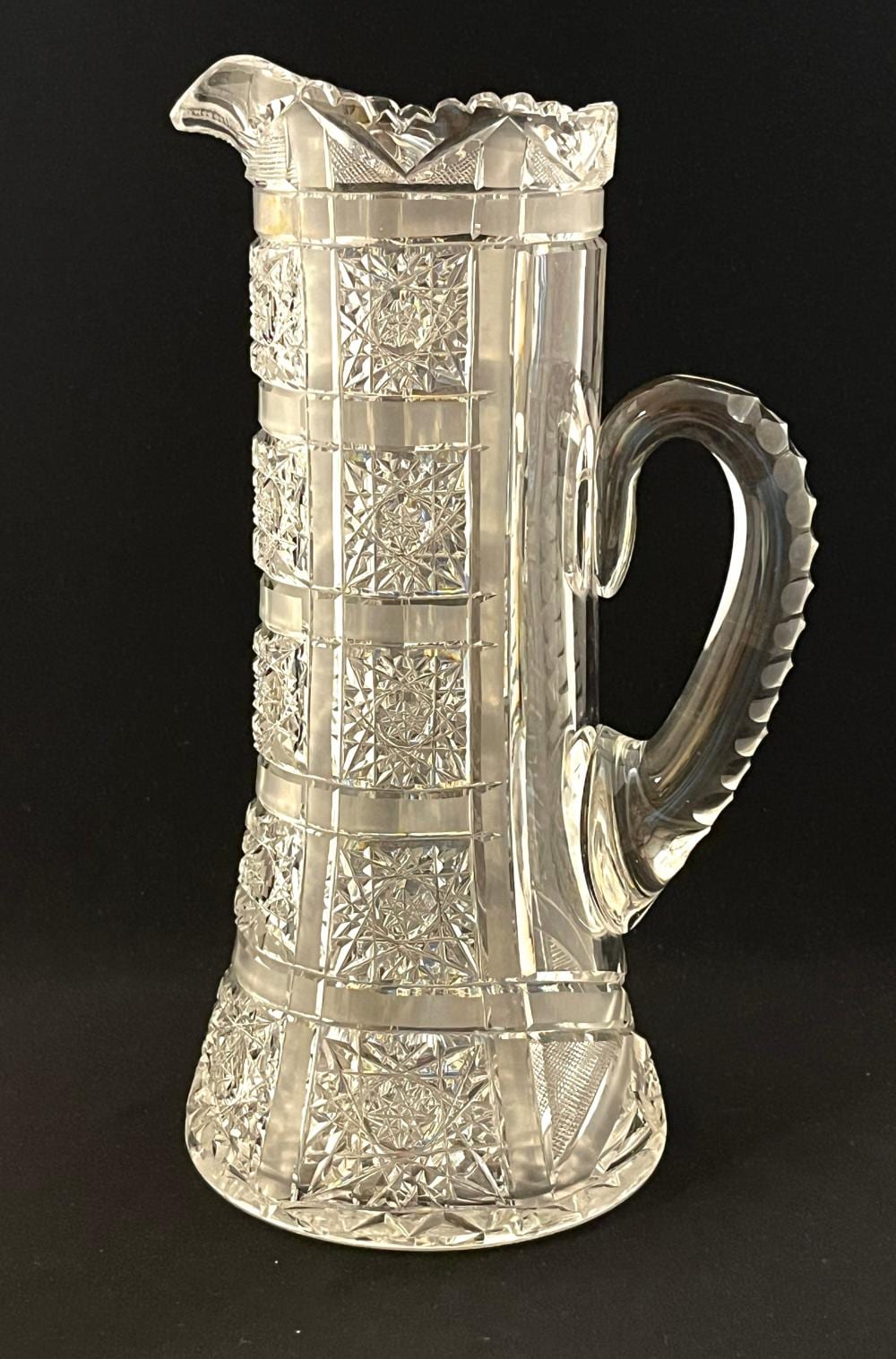 |
Cut glass tankard Pitcher | Jaremos | 2024-11-20 | 65 | USD 80 |
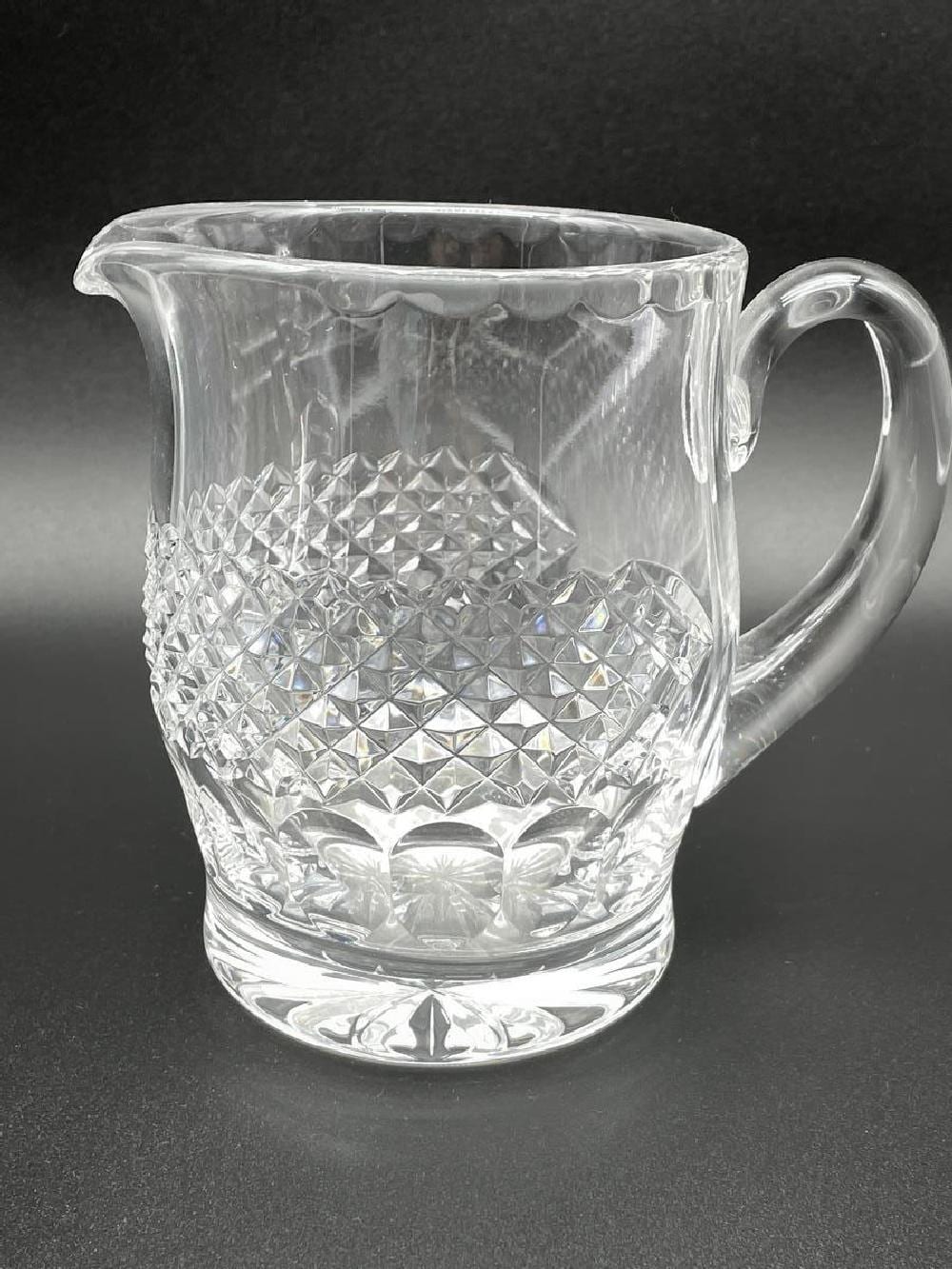 |
VINTAGE CLEAR CUT CRYSTAL GLASS PITCHER 6" | DejaVu Estate Sales & Auctions | 2021-08-09 | 913 | USD 20 |
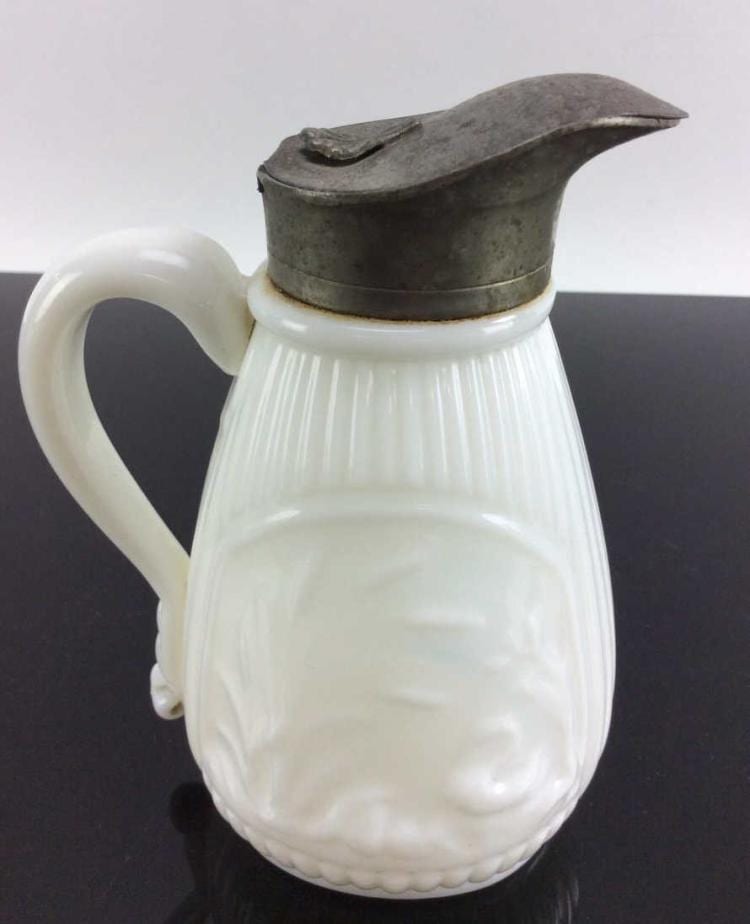 |
19th C. Milk Glass Syrup Pitcher w/ Pewter Top | J Levine Auction & Appraisal LLC | 2018-05-20 | 2391 | USD 20 |
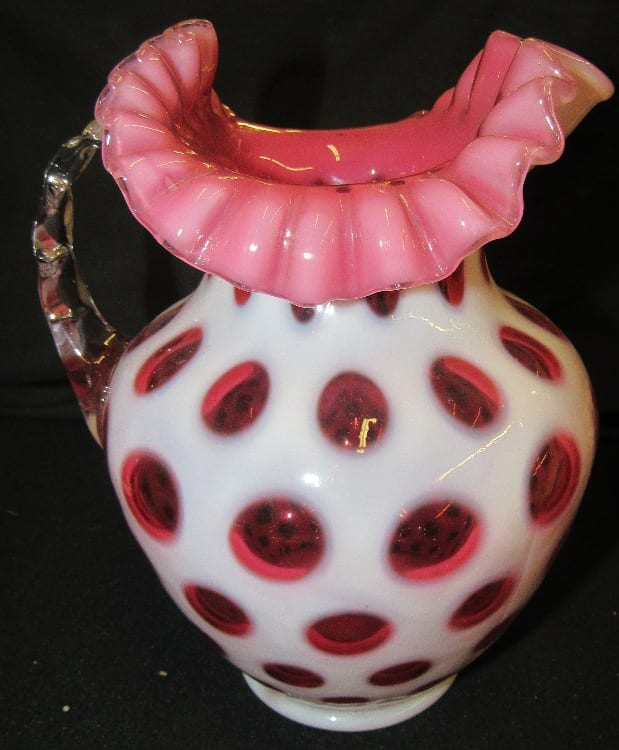 |
Vintage Fenton Coin Dot Pitcher Cranberry Opalescent Glass, 9"H x 6" Dia., EC | Homestead Auctions | 2015-09-12 | 1201 | USD 120 |
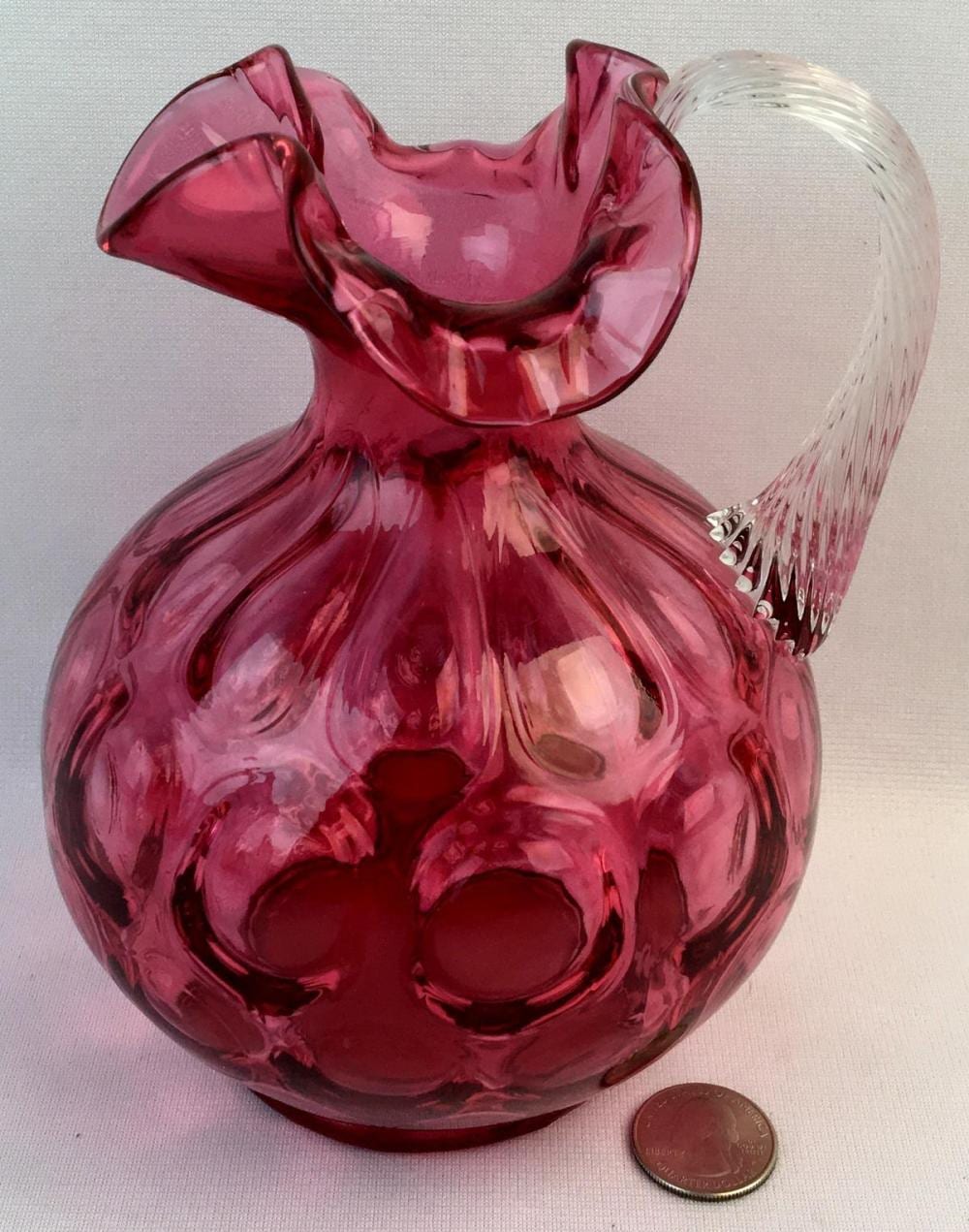 |
Vintage Fenton Art Glass Cranberry Coin Dot Ruffle Top Pitcher w/ Applied Ribbed Clear Handle | One Source Auctions | 2020-07-20 | 72 | USD 30 |
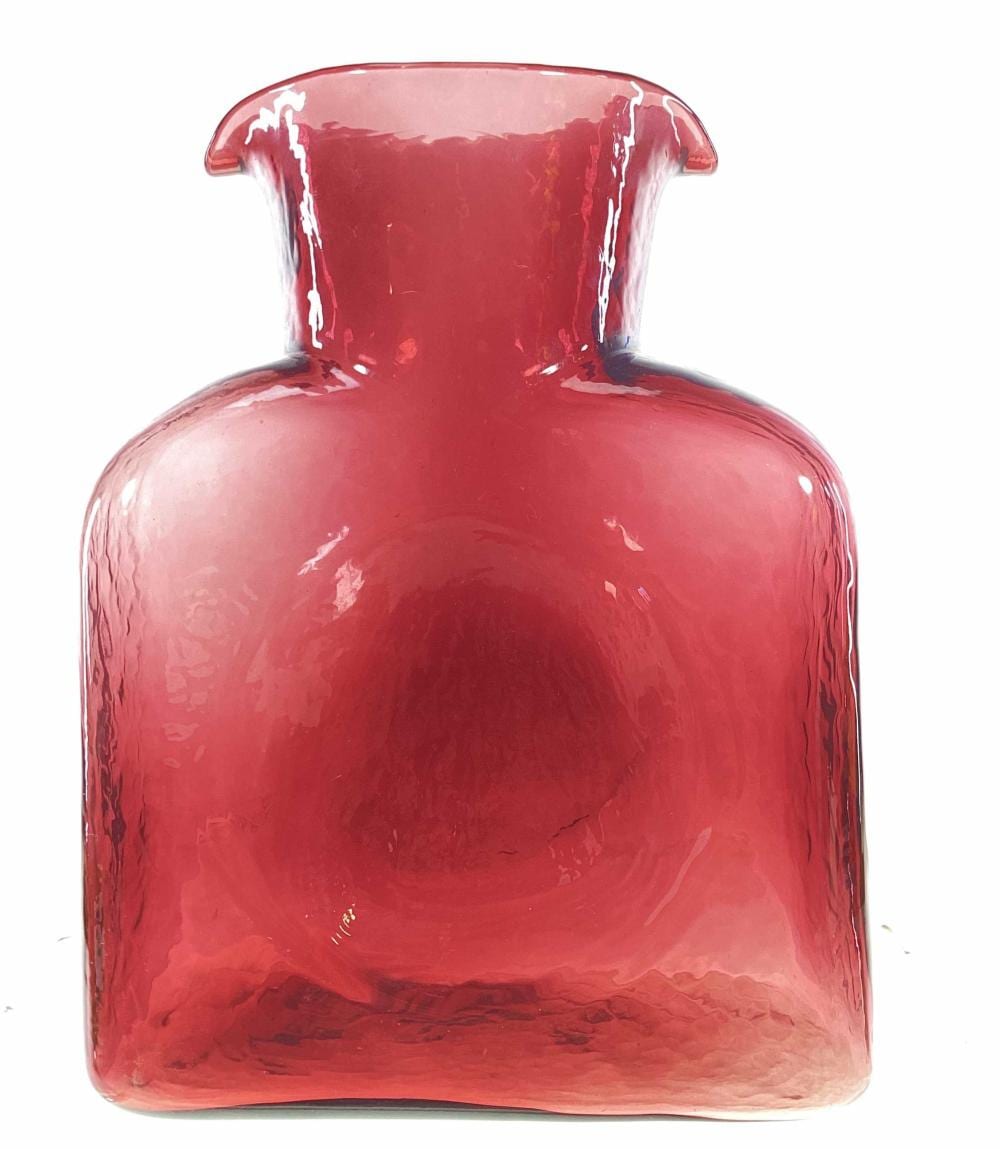 |
Vintage Blenko Double Spout Art Glass Pitcher | EJ'S Auction & Appraisal | 2024-05-04 | 1059 | USD 65 |
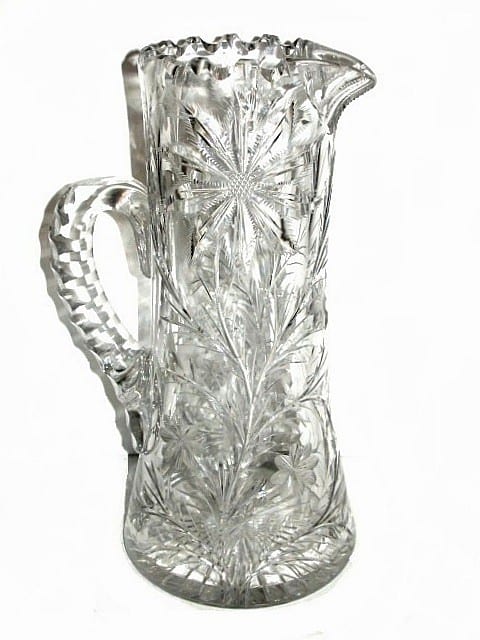 |
Fine American Brilliant Cut Glass Tankard | Premier Auction Galleries | 2016-03-20 | 30P | USD 150 |
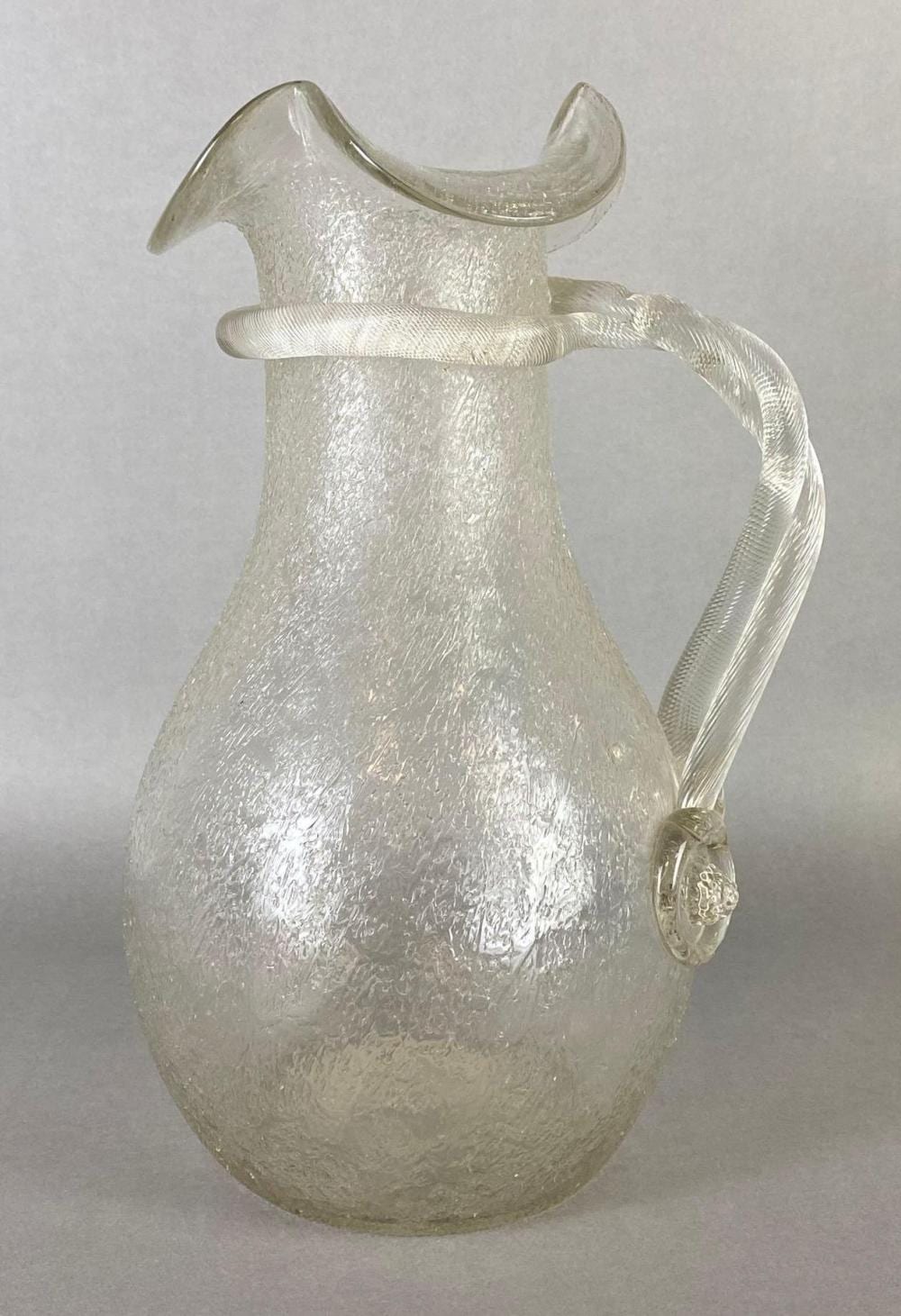 |
Bohemian Art Nouveau Iridized Clear Frosted Glass Pitcher | Matthew Bullock Auctioneers | 2024-11-30 | 42 | USD 50 |
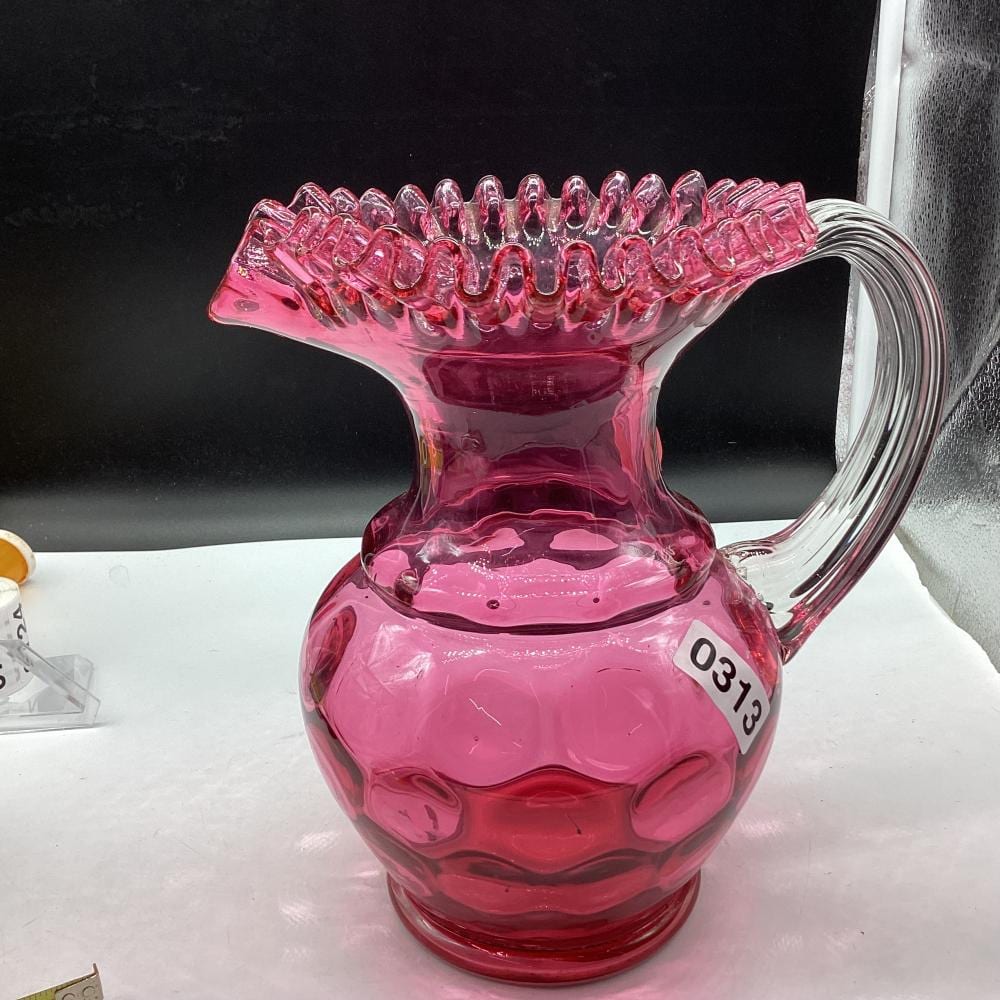 |
FENTON COIN DOT CRANBERRY RUFFLED TOP PITCHER | Dees Auction Company,LLC | 2025-10-18 | 313 | USD 60 |
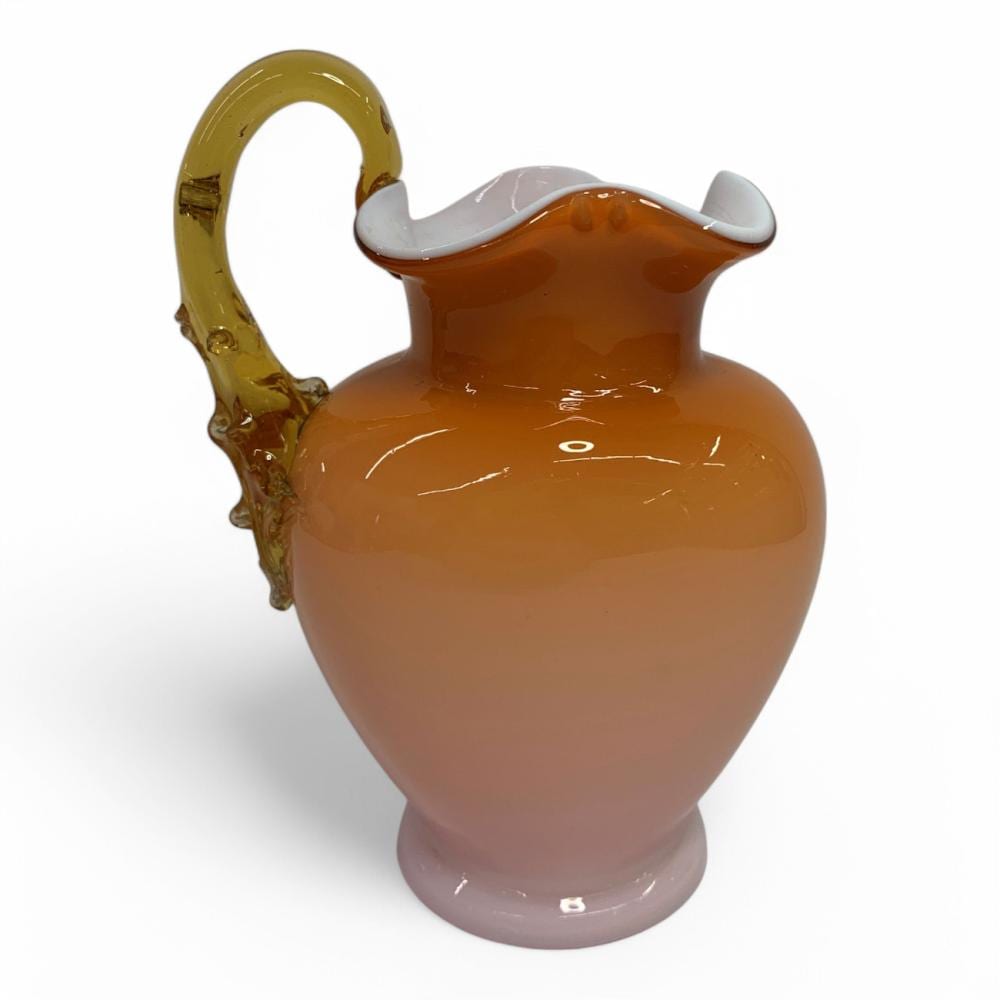 |
Victorian Art Glass Pitcher | Berner's Auction Gallery | 2025-02-27 | 3513 | USD 14 |
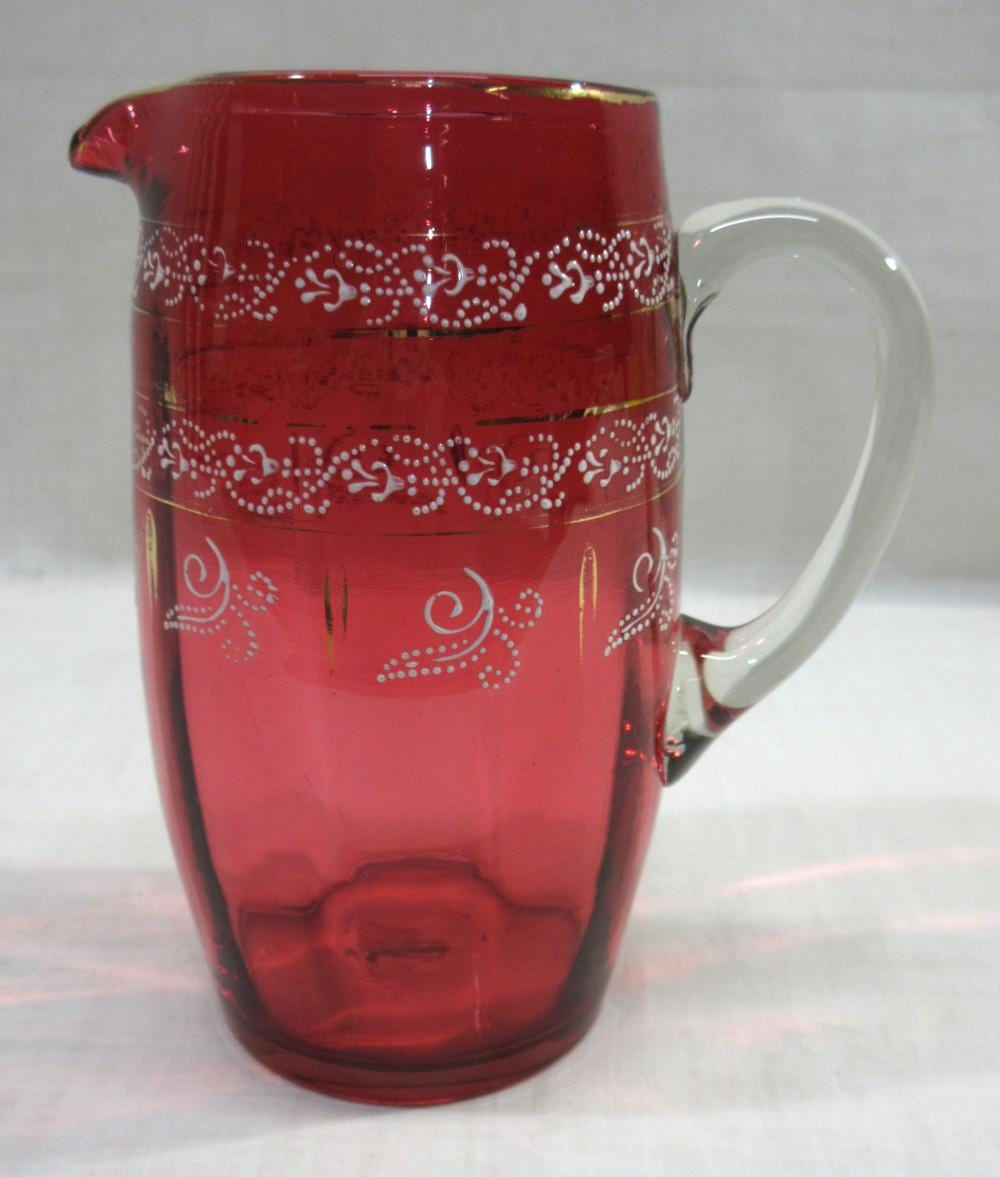 |
Blown Glass Enameled Cranberry Pitcher | Martin Auction Company | 2020-03-16 | 231 | USD 20 |
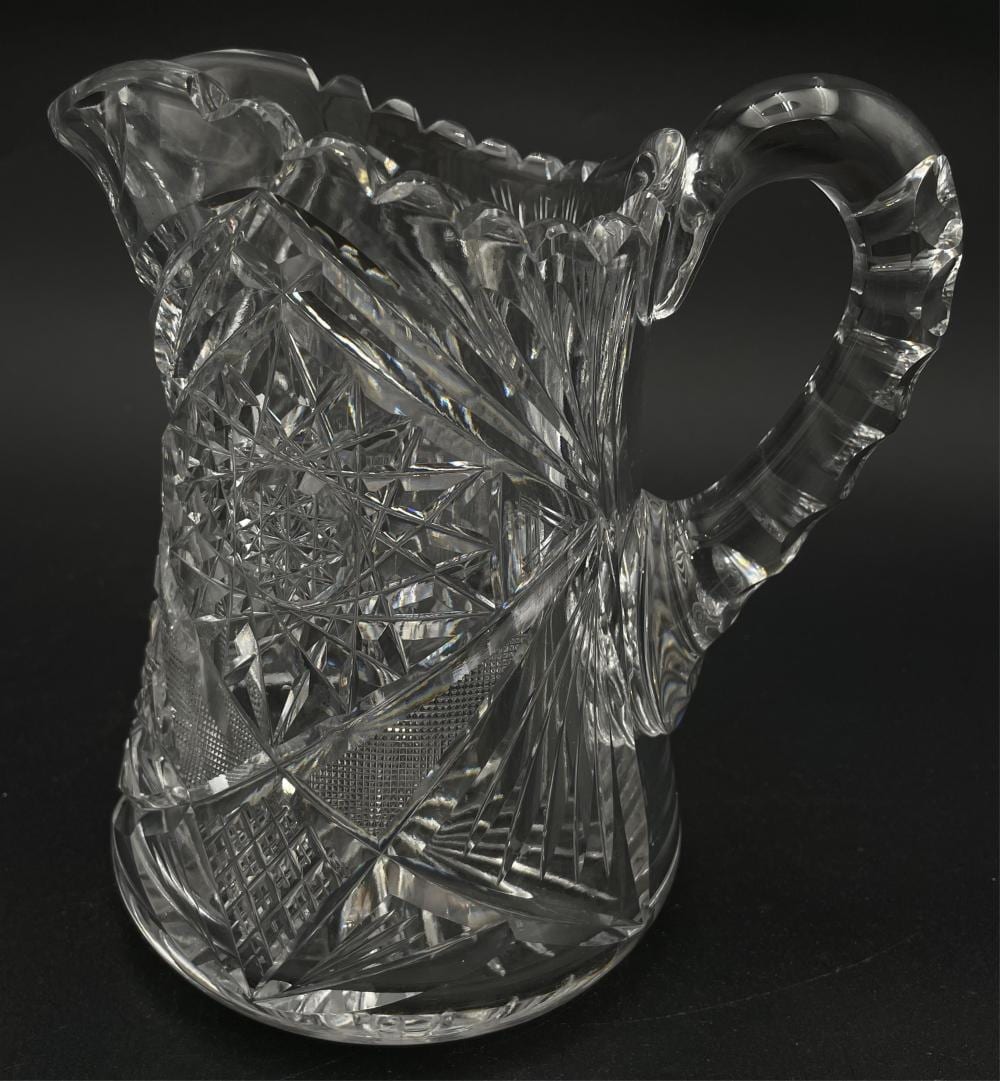 |
American Brilliant Period Cut Glass Pitcher, 1880-1917 7 1/2 in. (19.1 cm.) | Asselmeier May Auctions | 2026-03-01 | 185 | USD 40 |
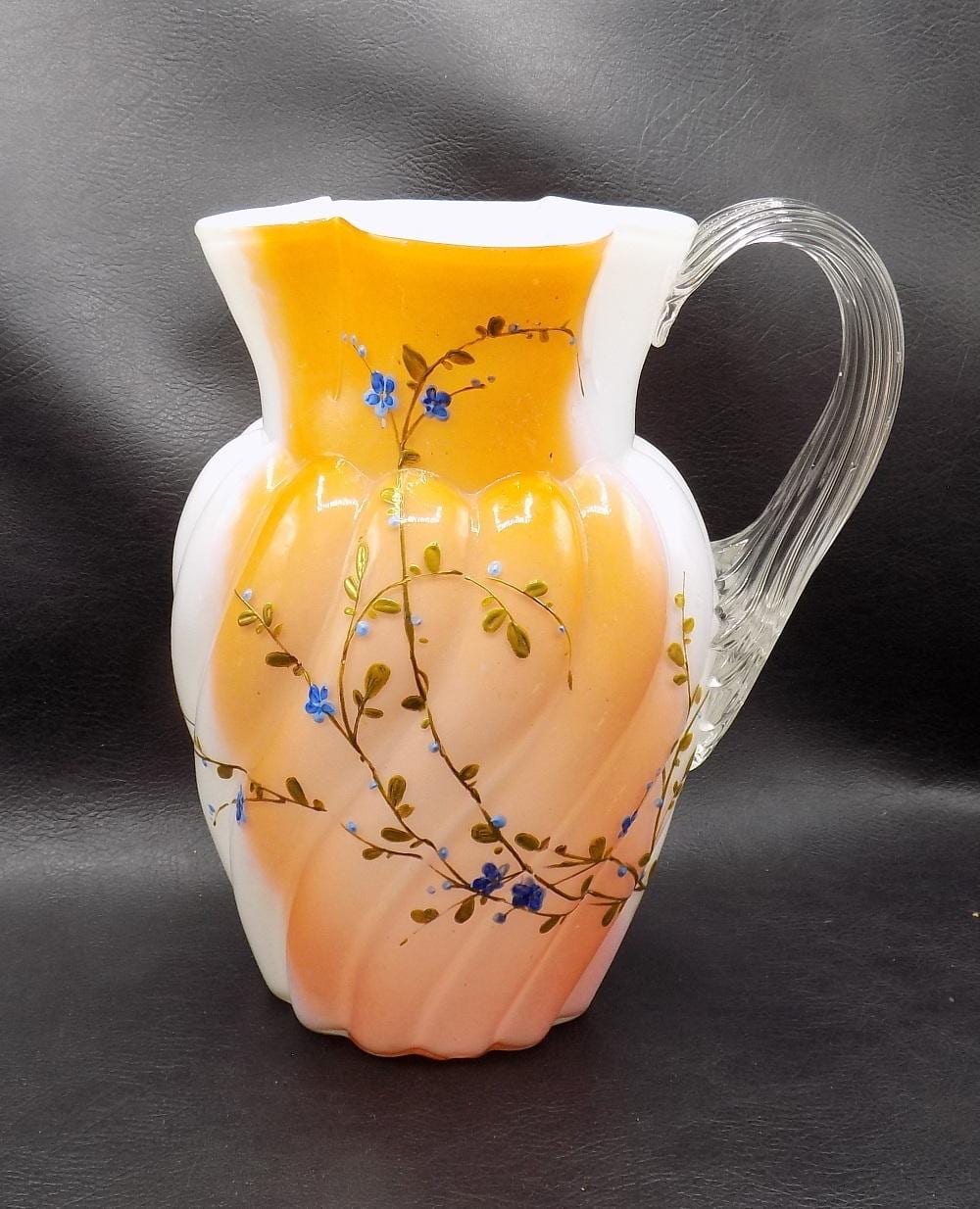 |
Vintage floral decorated art glass pitcher | Thriftiques of Iowa | 2026-02-08 | 18 | USD 16 |
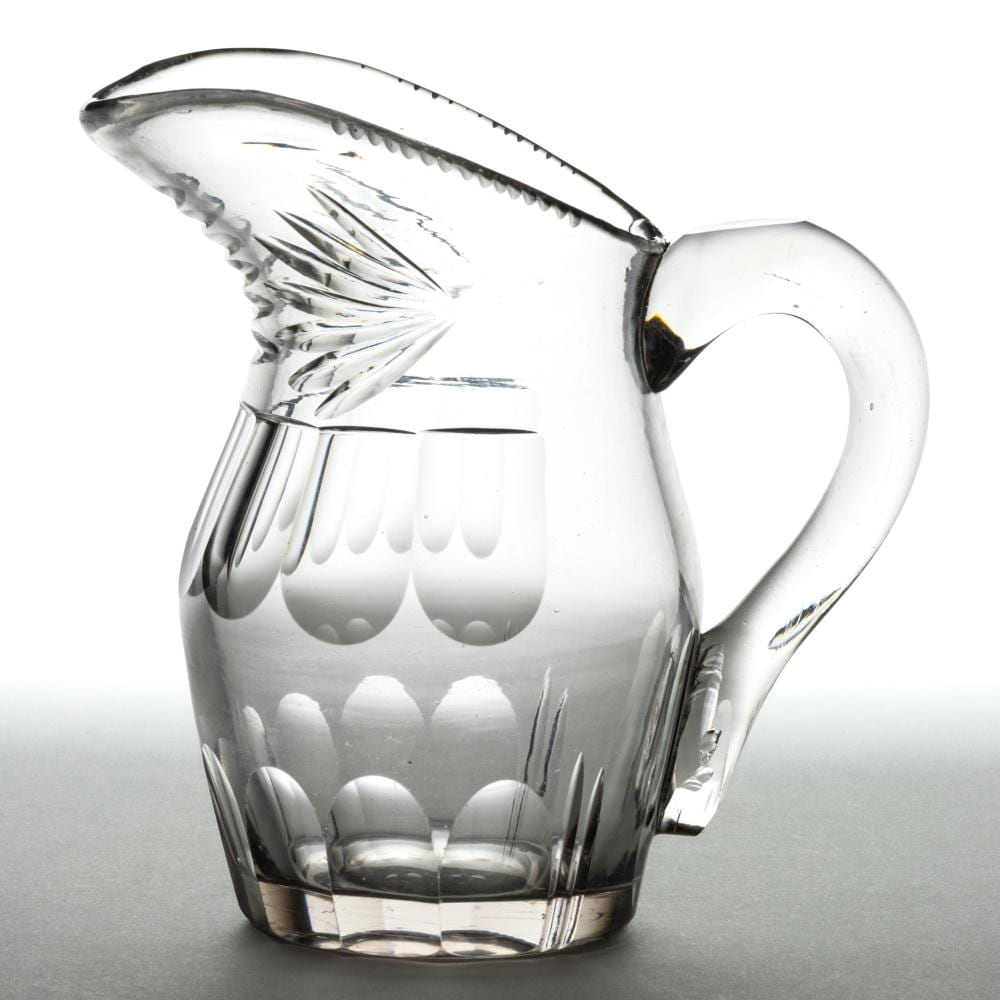 |
EARLY CUT FLUTE GLASS JUG / PITCHER | Jeffrey S. Evans & Associates | 2025-11-20 | 231 | USD 97 |
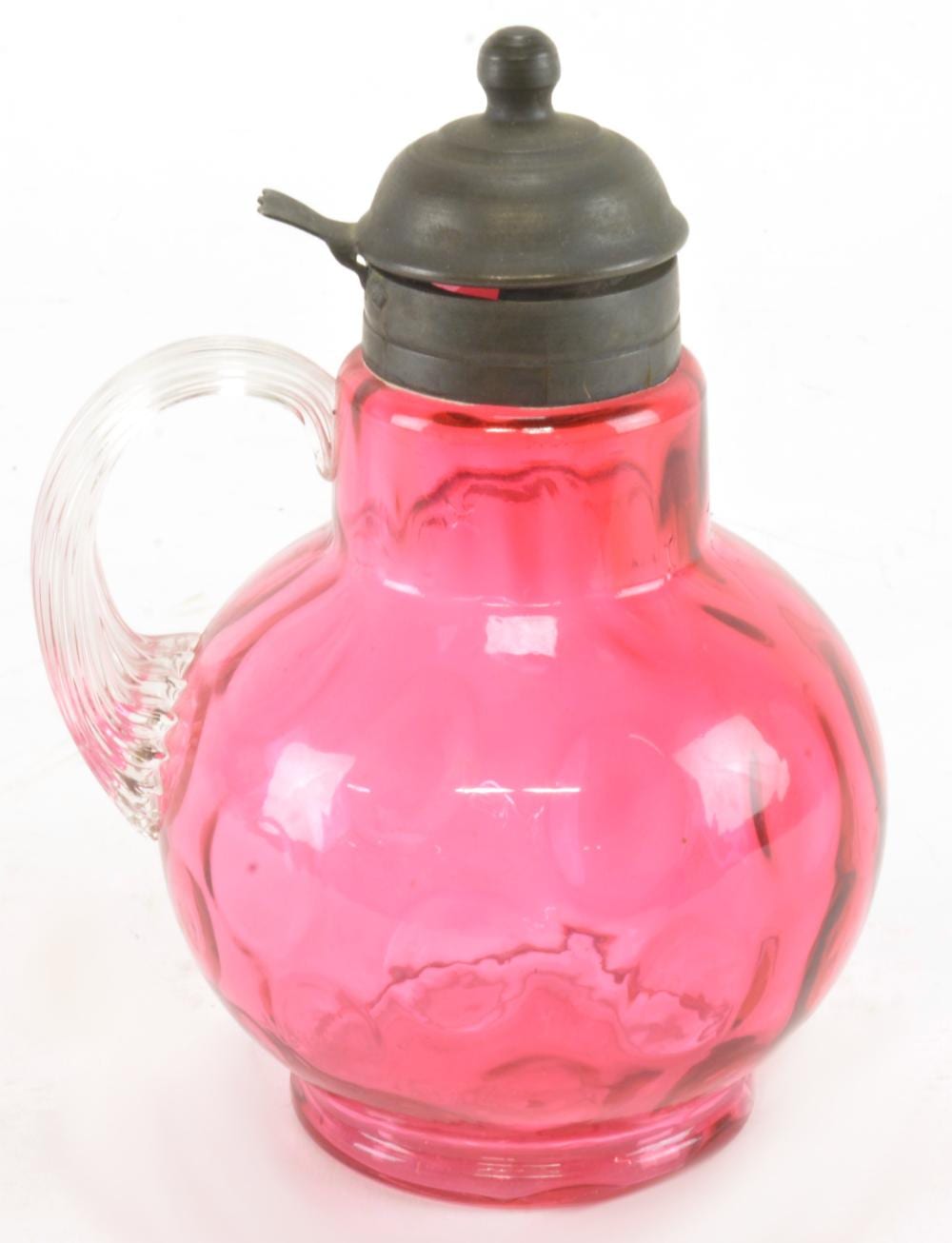 |
Fenton Art Glass Cranberry Coin Dot Signed Syrup Pitcher | Mebane Antique Auction | 2020-09-14 | 42 | USD 25 |
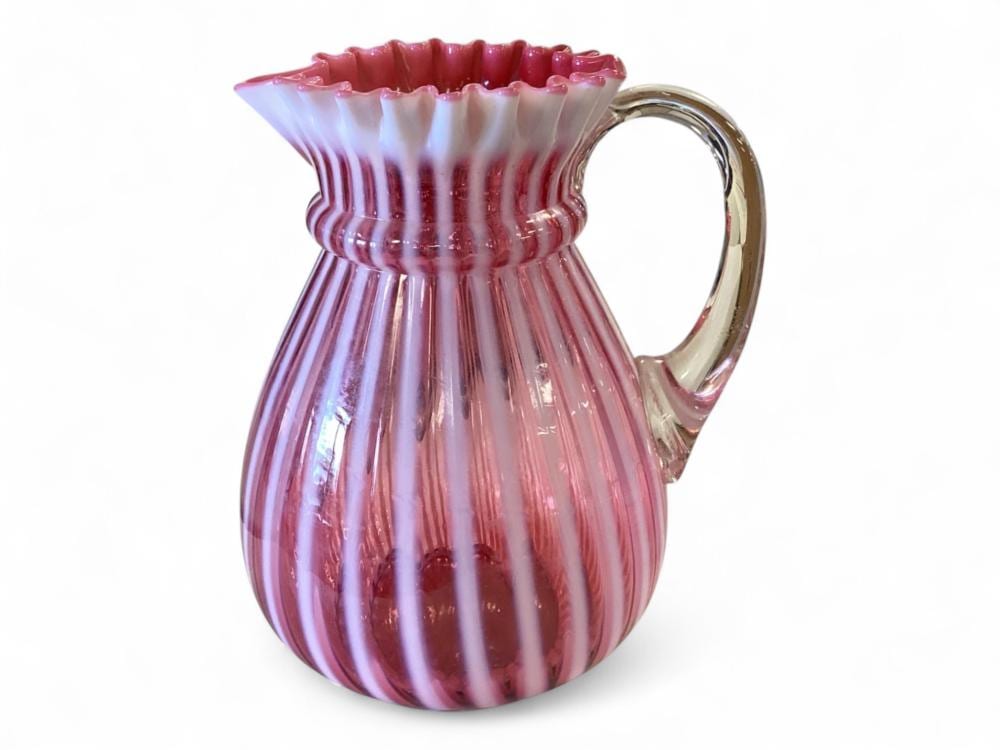 |
Cranberry and White Glass Pitcher - Possibly Northwood Approximately 9” | Apple Tree Auction Center | 2025-07-31 | 4192 | USD 95 |
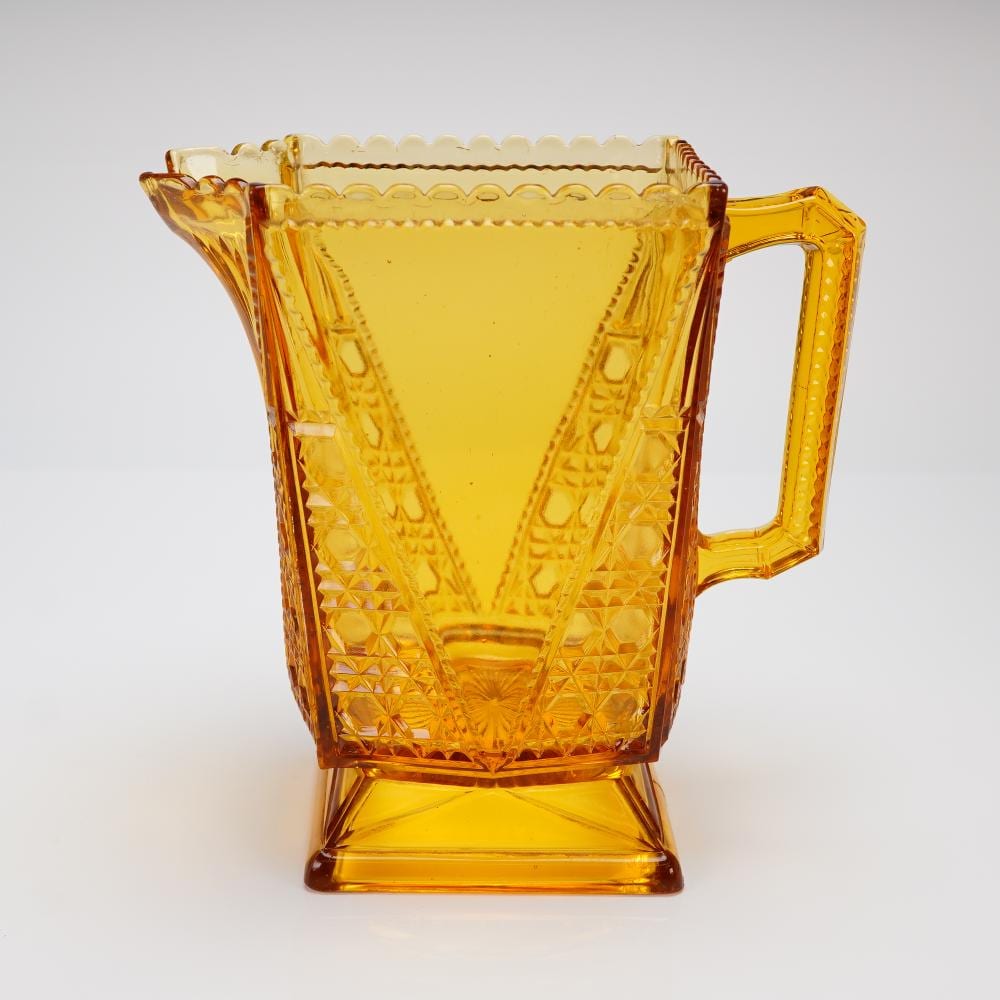 |
An Early American Pressed Glass Amber Pitcher | Lion and Unicorn | 2026-01-22 | 3 | USD 50 |
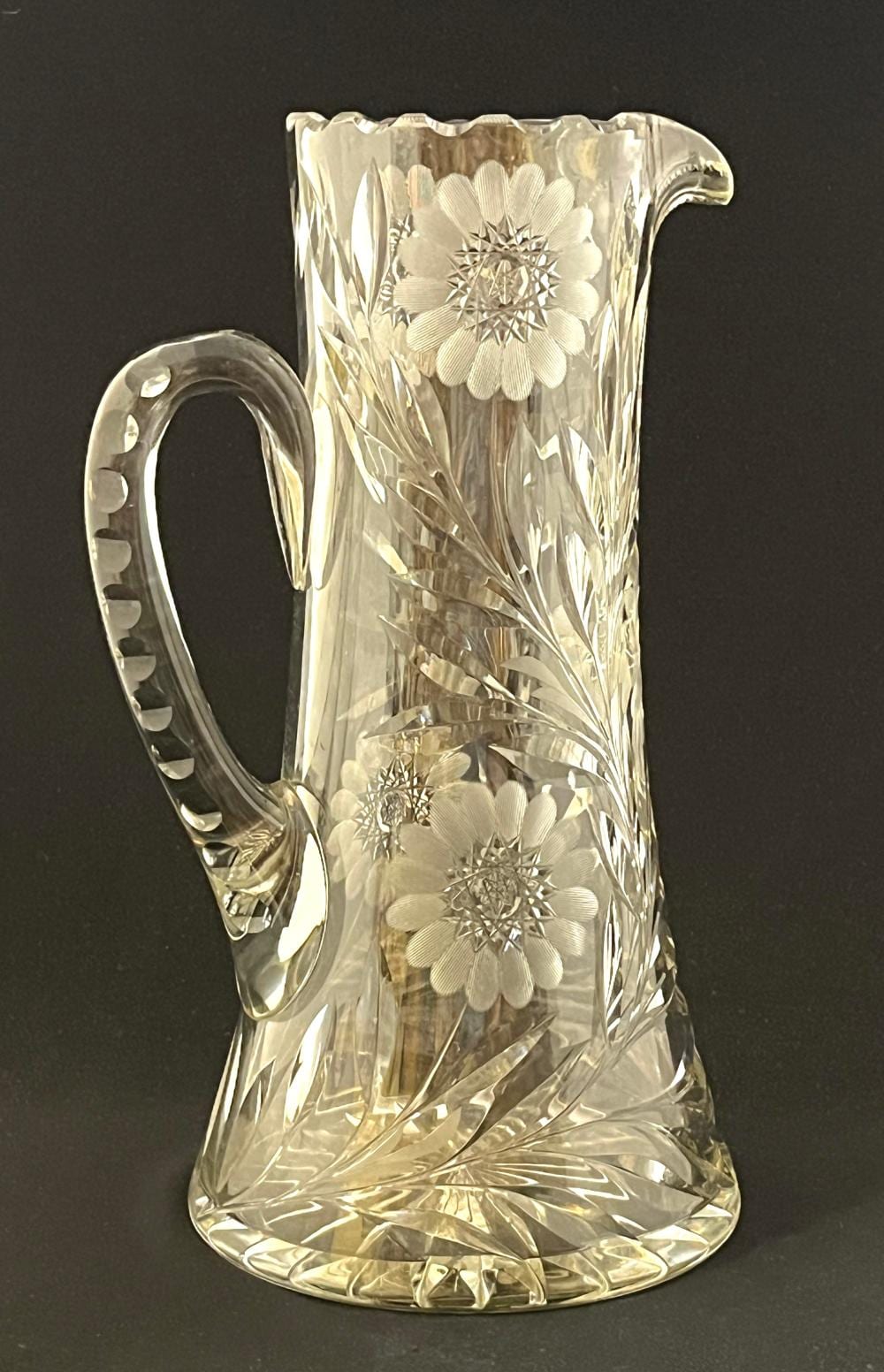 |
Tall Cut Glass Tankard Pitcher | Jaremos | 2024-11-20 | 70 | USD 50 |
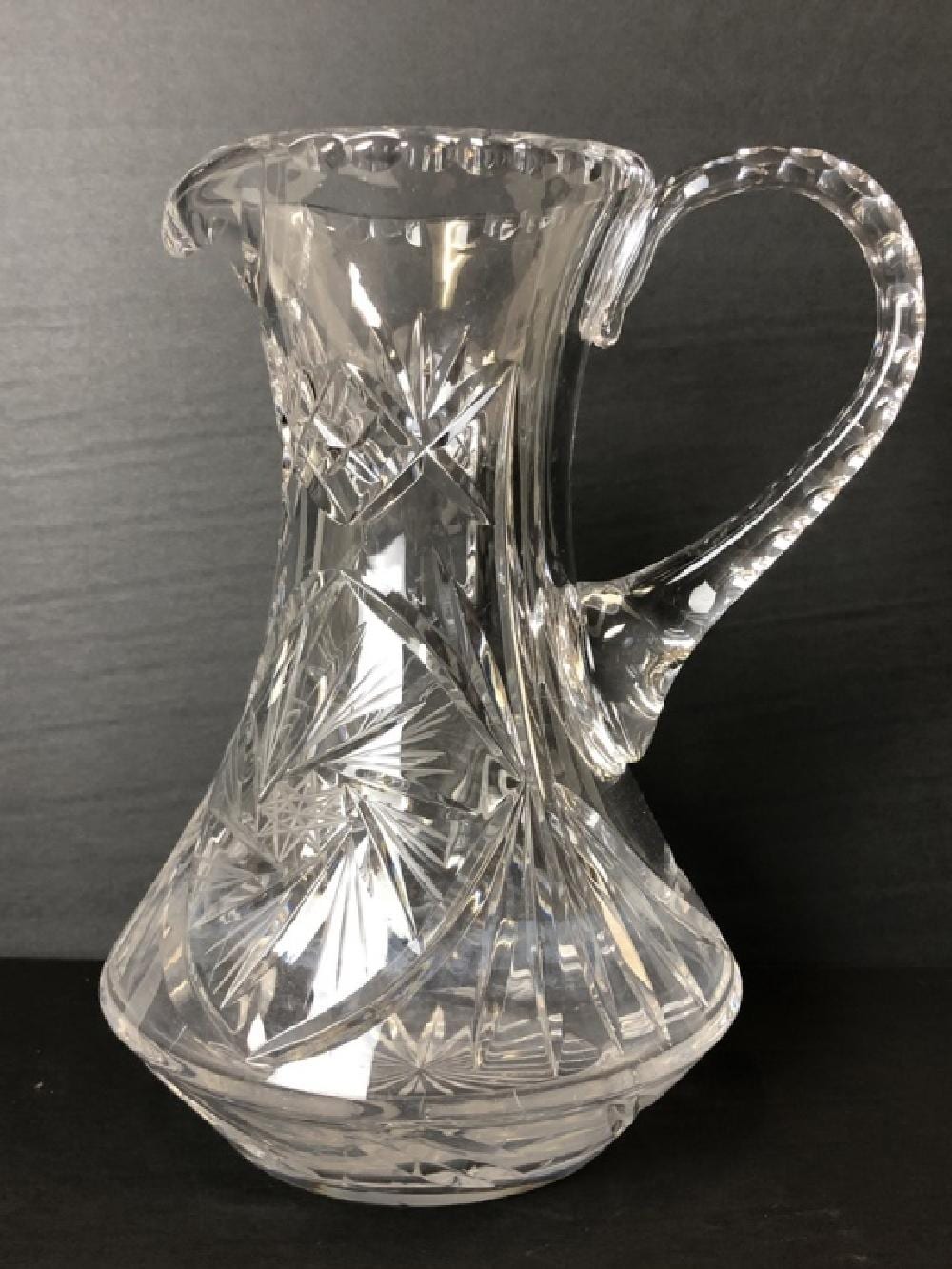 |
VINTAGE CLEAR CUT CRYSTAL GLASS PITCHER 10" | DejaVu Estate Sales & Auctions | 2020-10-26 | 450 | USD 10 |
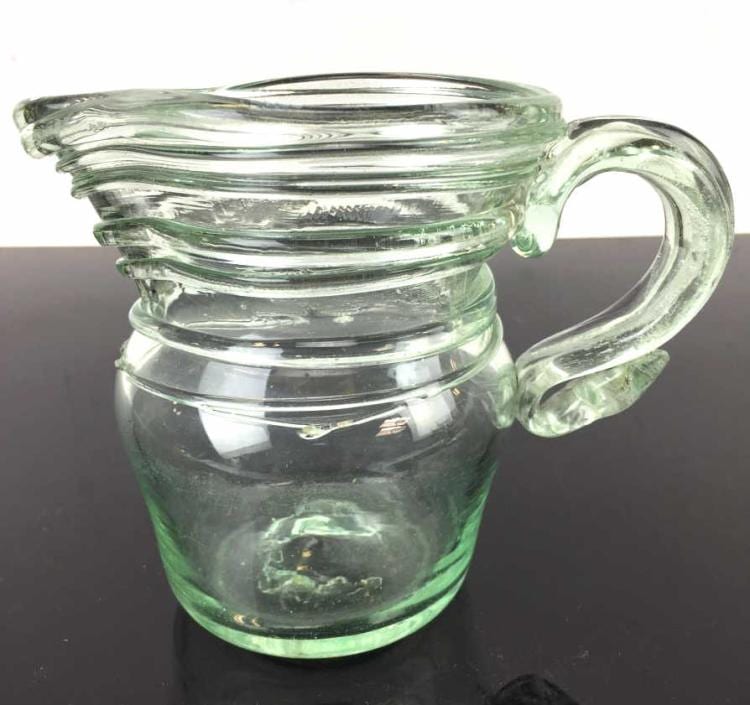 |
19th C South Jersey Hand Blown Glass Syrup Pitcher | J Levine Auction & Appraisal LLC | 2018-05-20 | 2568 | USD 425 |
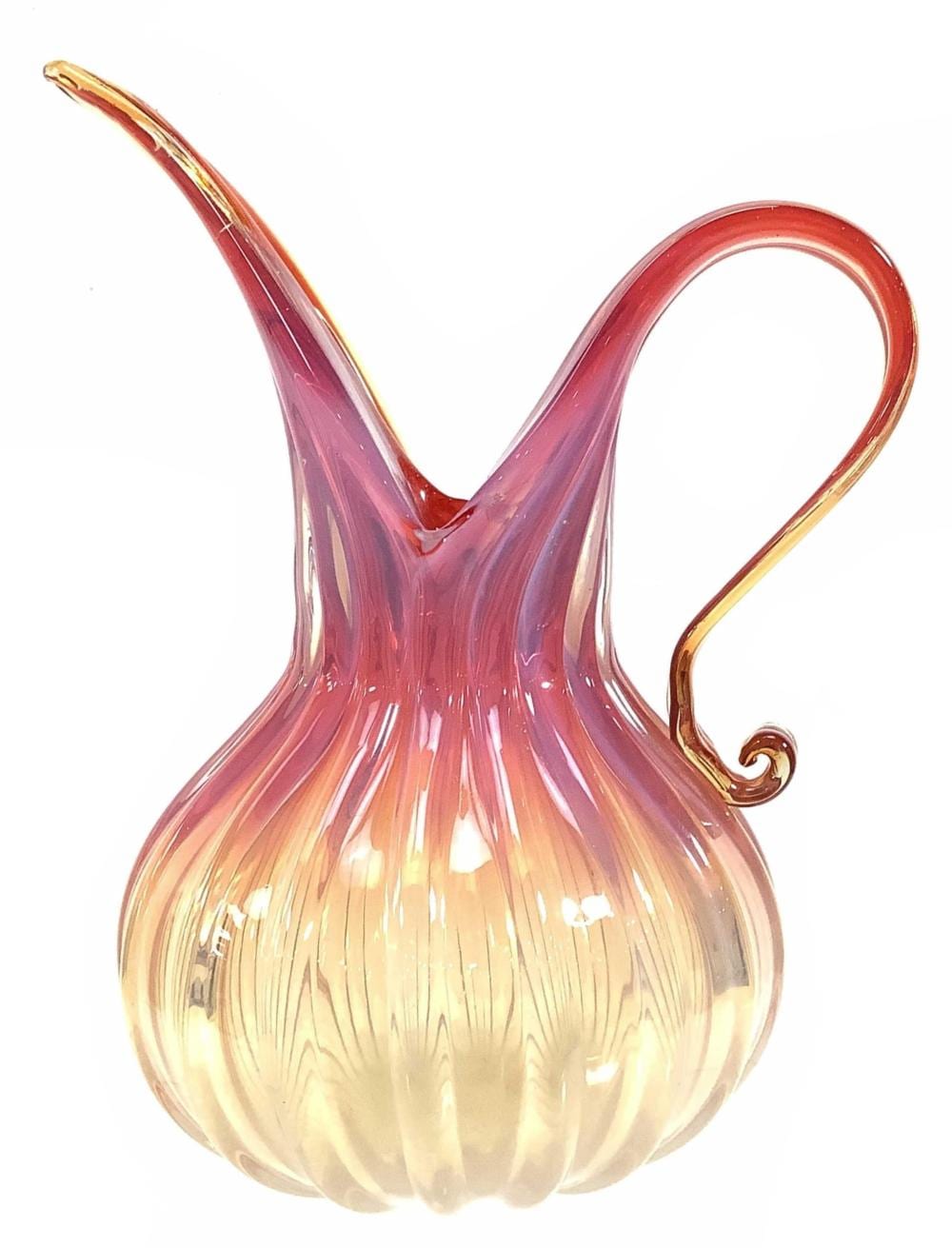 |
Vintage Amberina Opalescent Art Glass Pitcher | EJ'S Auction & Appraisal | 2022-12-03 | 1004 | USD 35 |
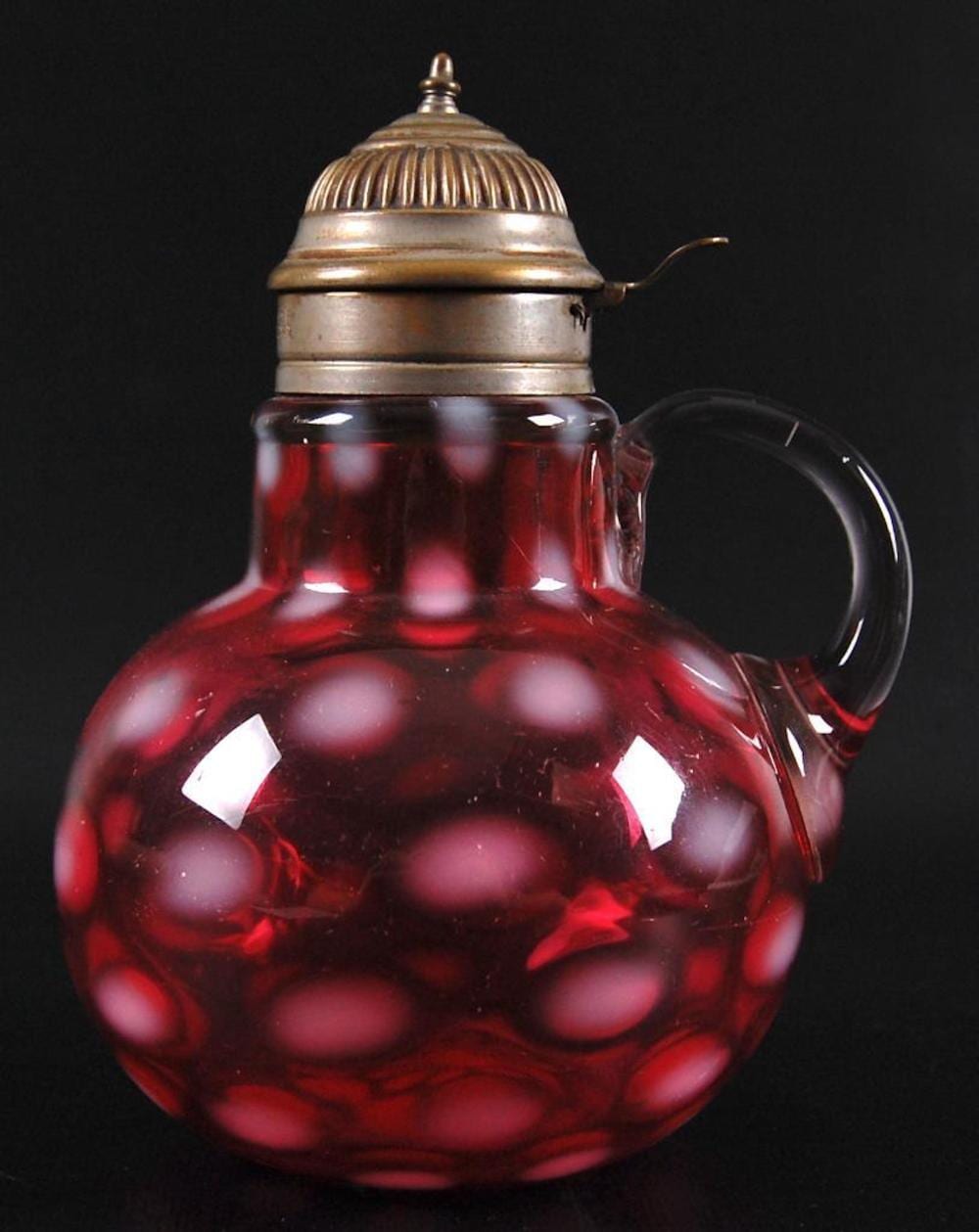 |
Antique Cranberry Opalescent Coin Dot Syrup Pitcher | Matthew Bullock Auctioneers | 2018-09-01 | 82 | USD 100 |
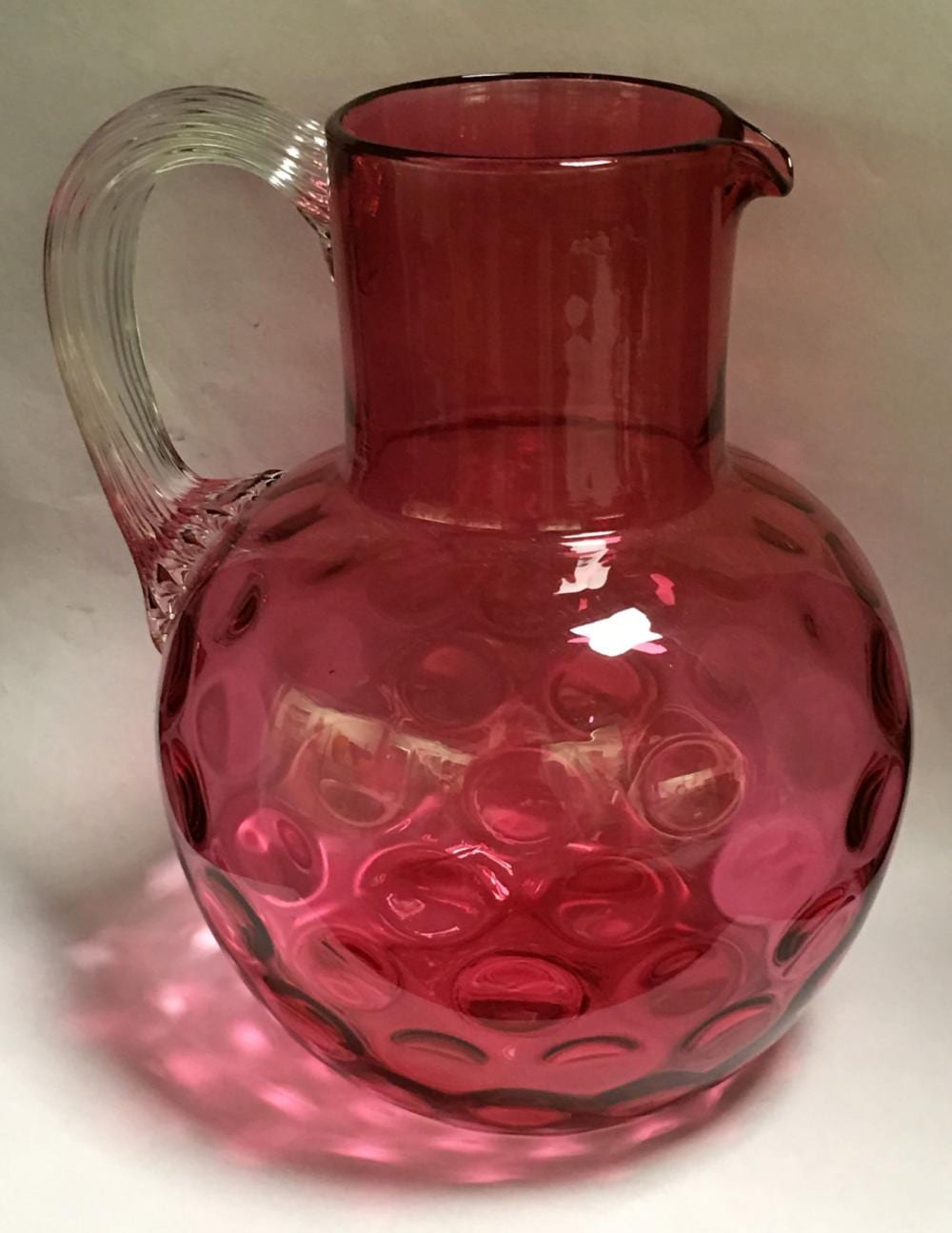 |
Blown Glass Cranberry Pitcher | Berner's Auction Gallery | 2019-03-21 | 2611 | USD 20 |
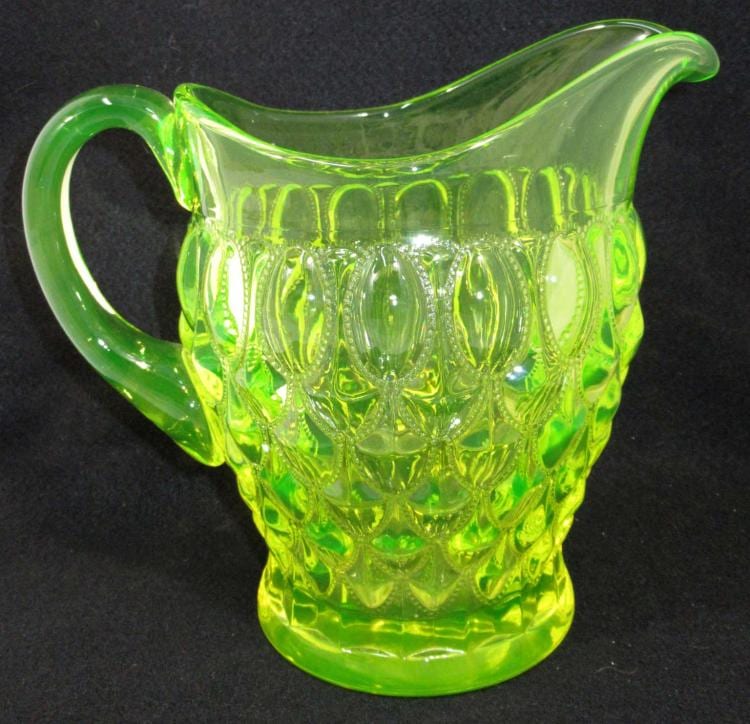 |
Vaseline Glass Eyewinker Pitcher | Martin Auction Company | 2018-04-09 | 290D | USD 40 |
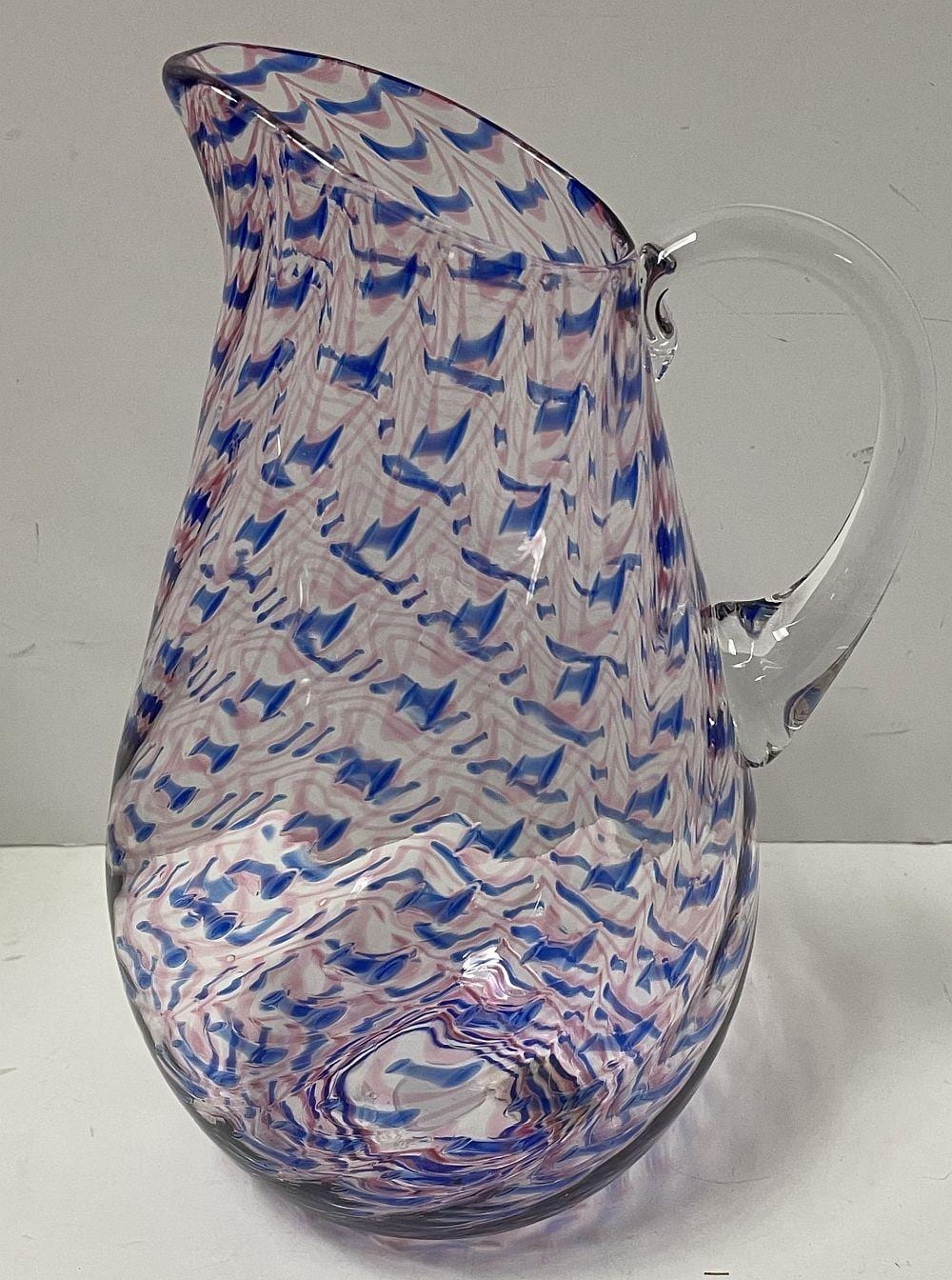 |
Venetian Art Glass Pitcher, Murano, Italy | Asselmeier May Auctions | 2023-01-15 | 79 | USD 45 |
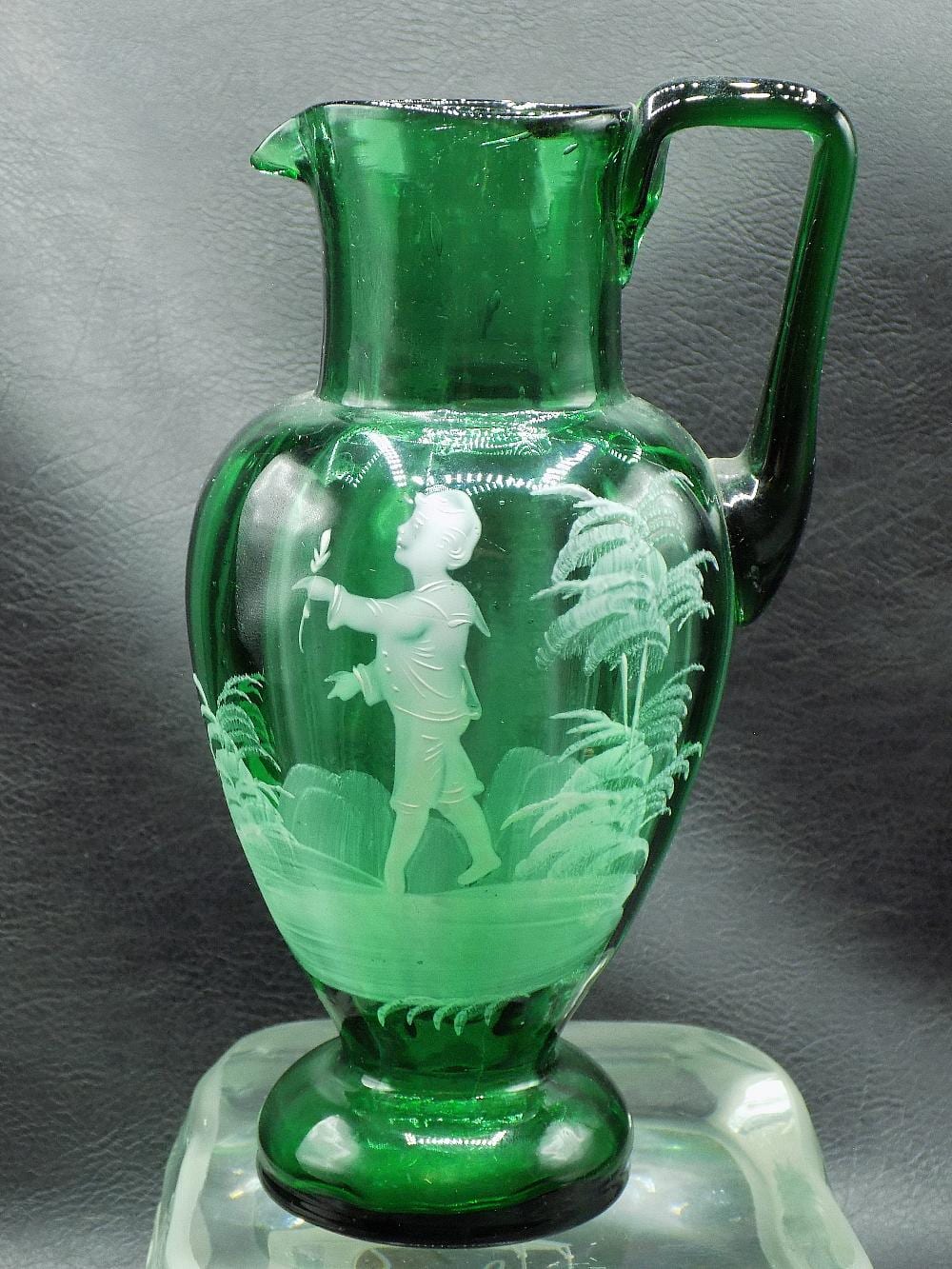 |
Lovely vintage art glass pitcher with enamel decoration | Thriftiques of Iowa | 2023-01-29 | 248 | USD 44 |
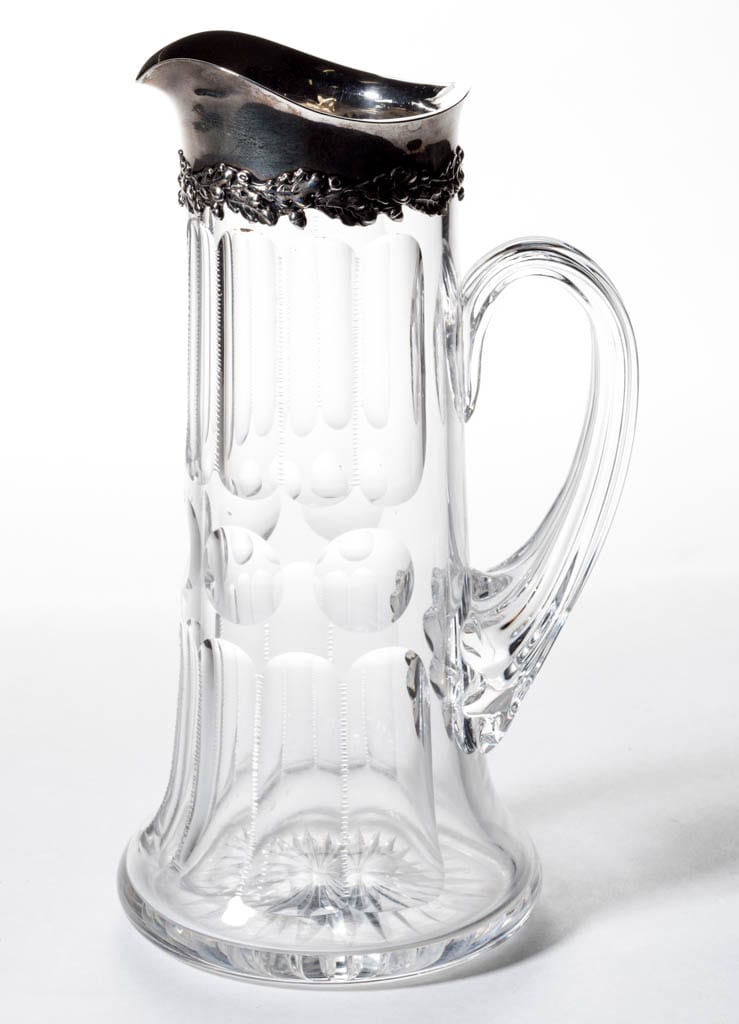 |
CUT GLASS AND STERLING SILVER TANKARD PITCHER | Jeffrey S. Evans & Associates | 2017-10-14 | 1732 | USD 81 |
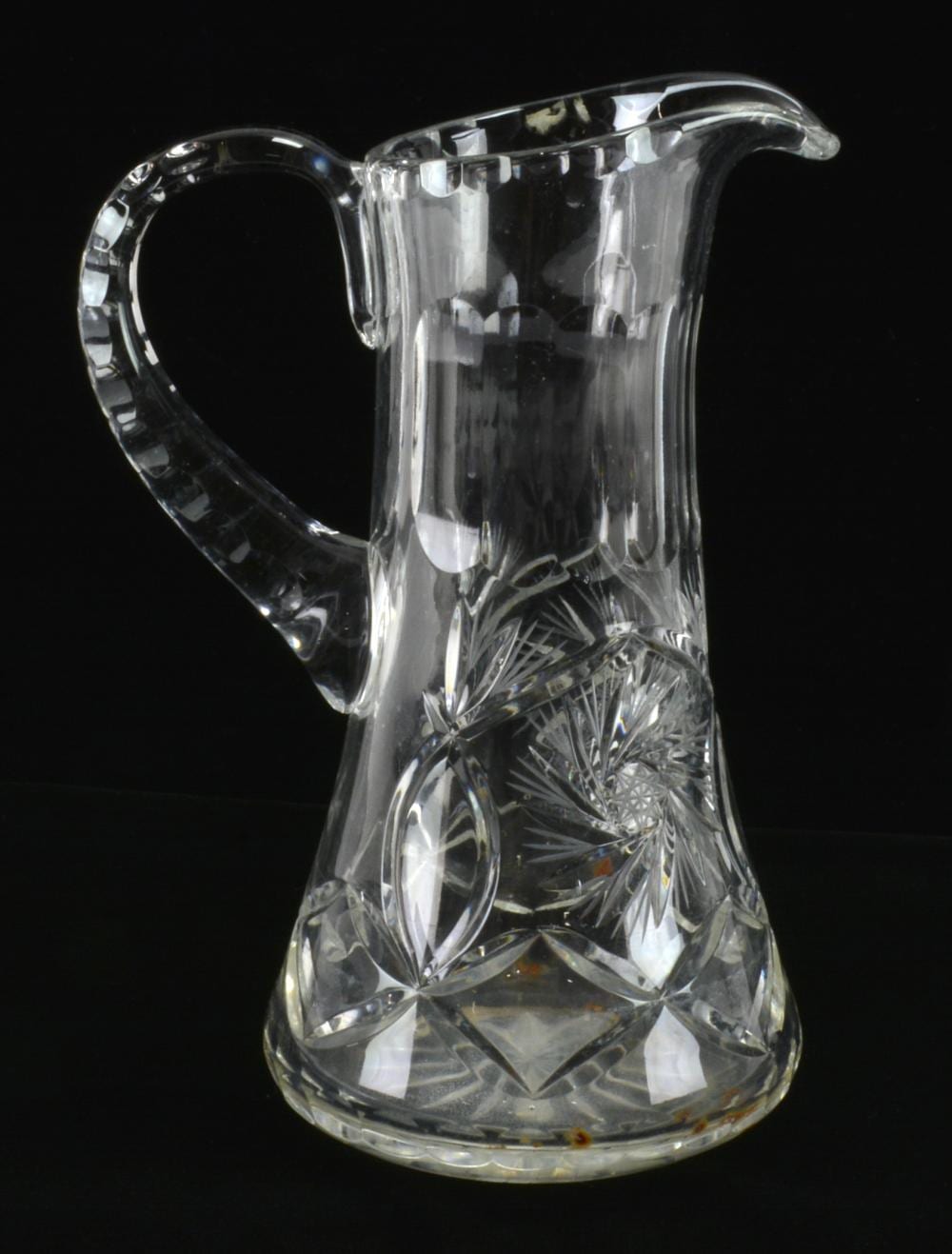 |
American Brilliant Cut Glass Tankard Pitcher | Mebane Antique Auction | 2020-10-17 | 70 | USD 10 |
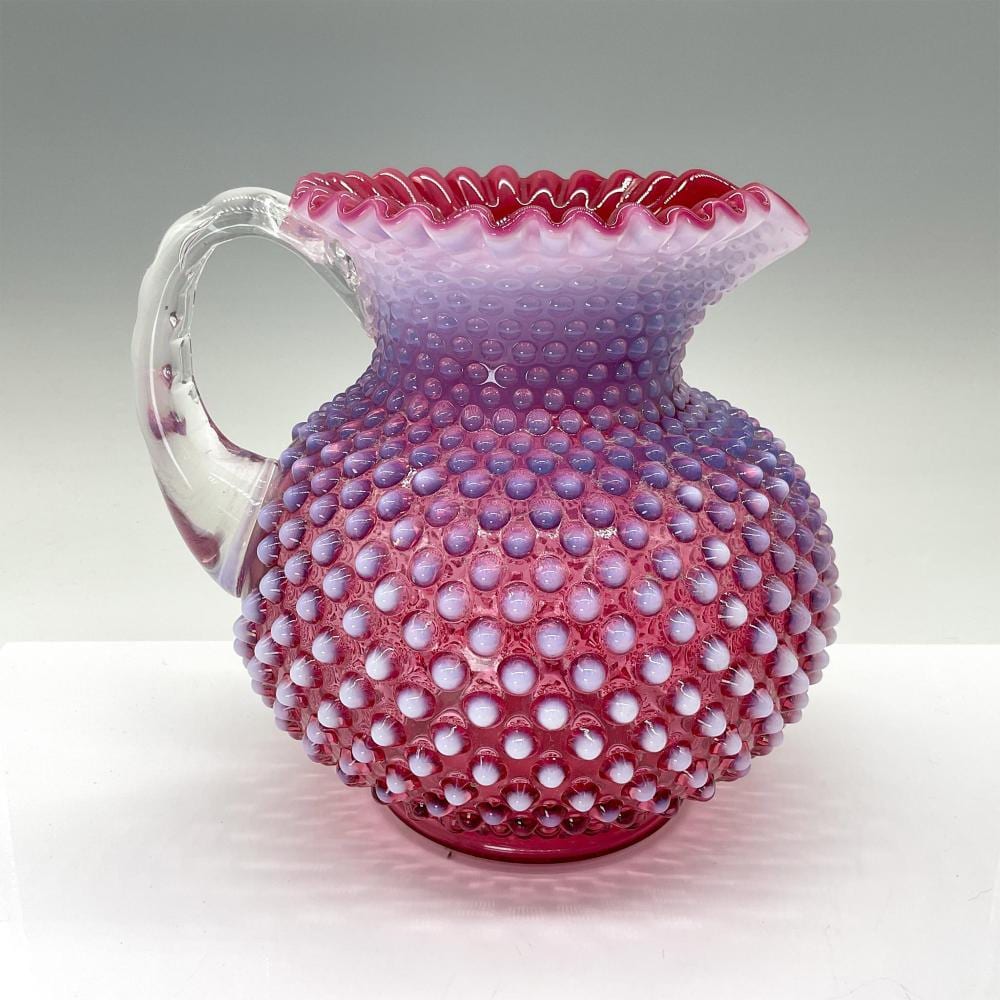 |
Fenton Hobnail Cranberry Opalescent Glass Pitcher | Lion and Unicorn | 2024-12-05 | 138 | USD 80 |
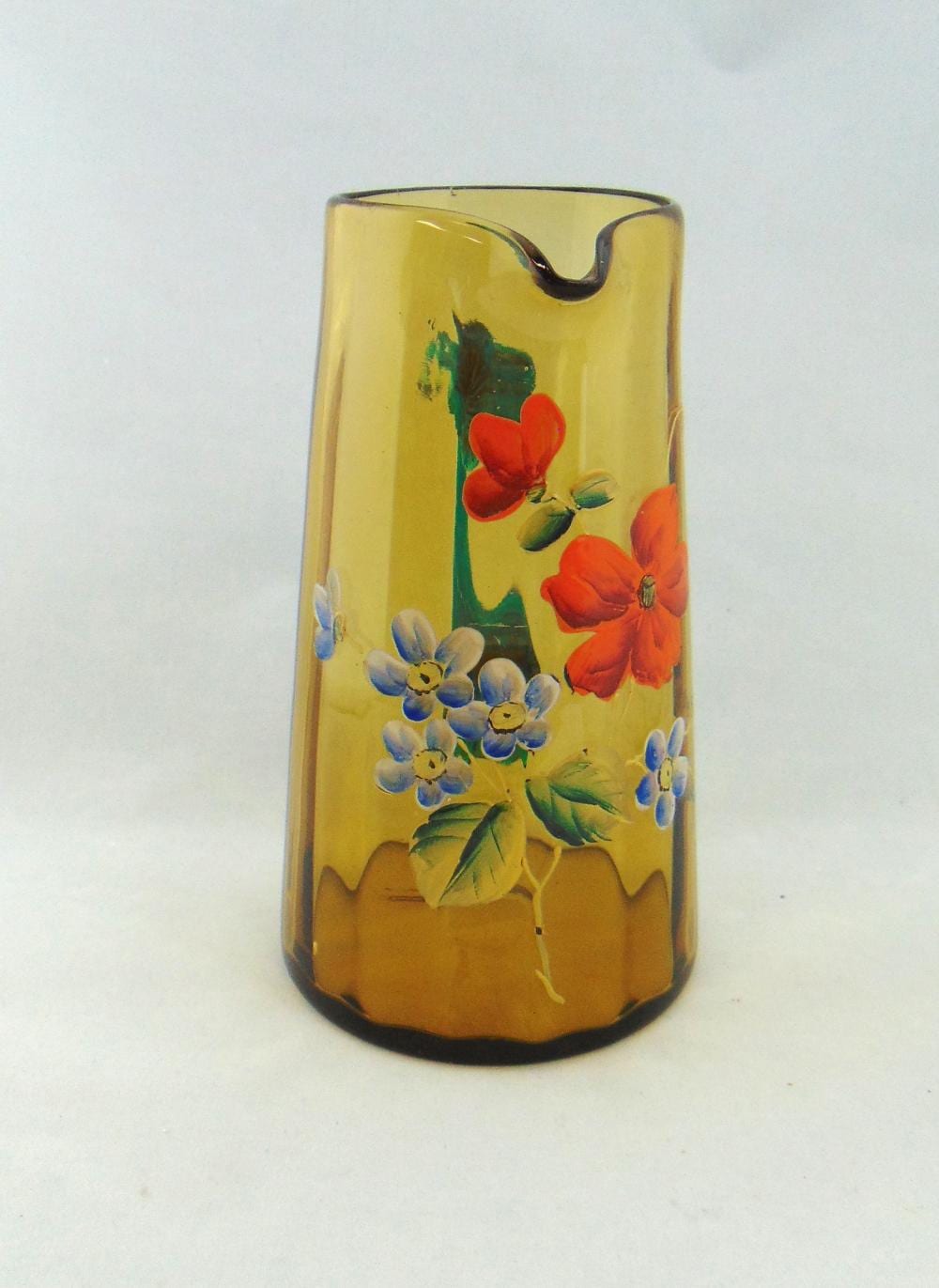 |
Harrach amber glass tankard pitcher | Jaremos | 2020-09-10 | 100 | USD 30 |
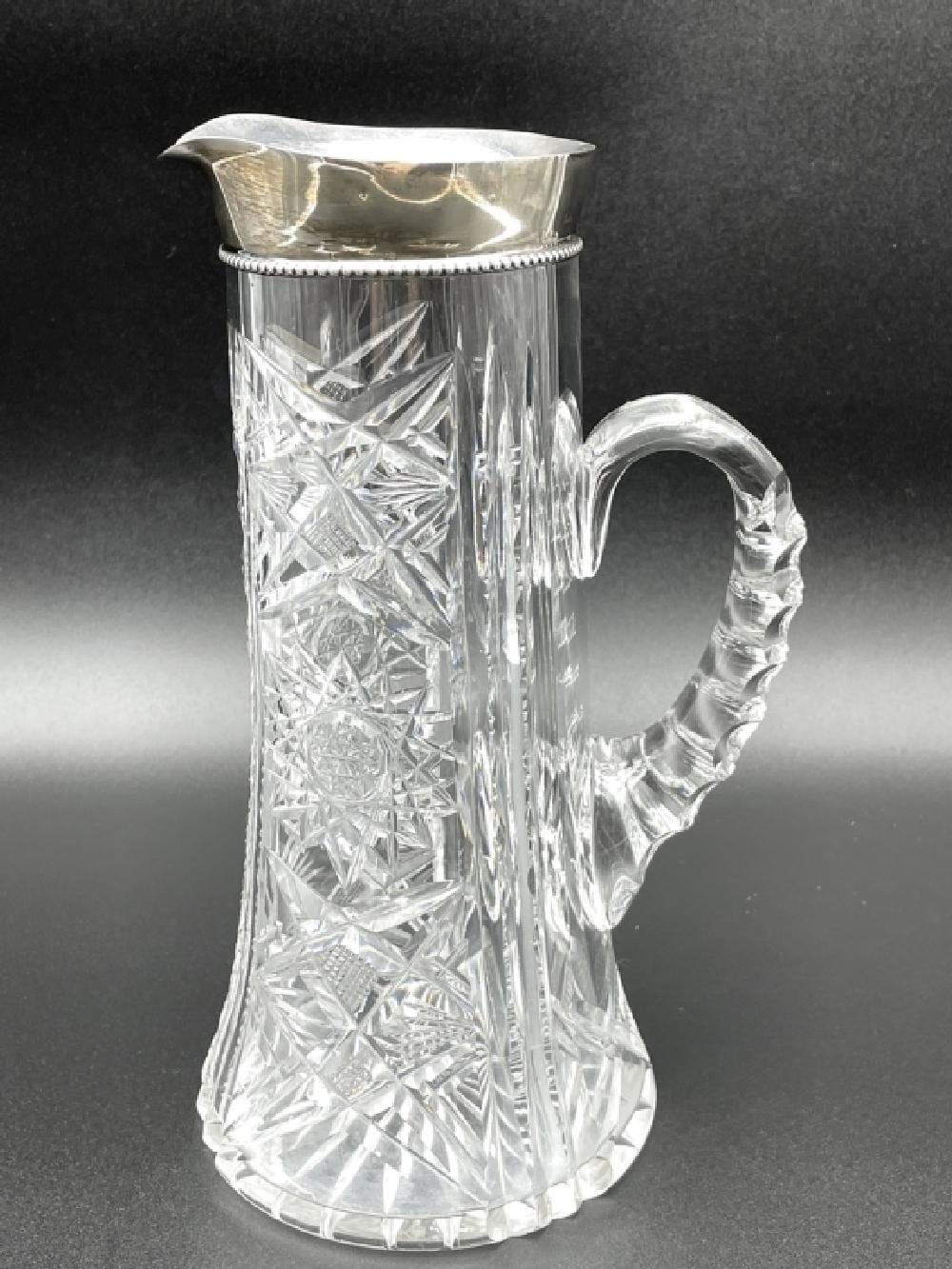 |
VINTAGE CLEAR CUT CRYSTAL GLASS PITCHER 10" | DejaVu Estate Sales & Auctions | 2021-08-09 | 559 | USD 20 |
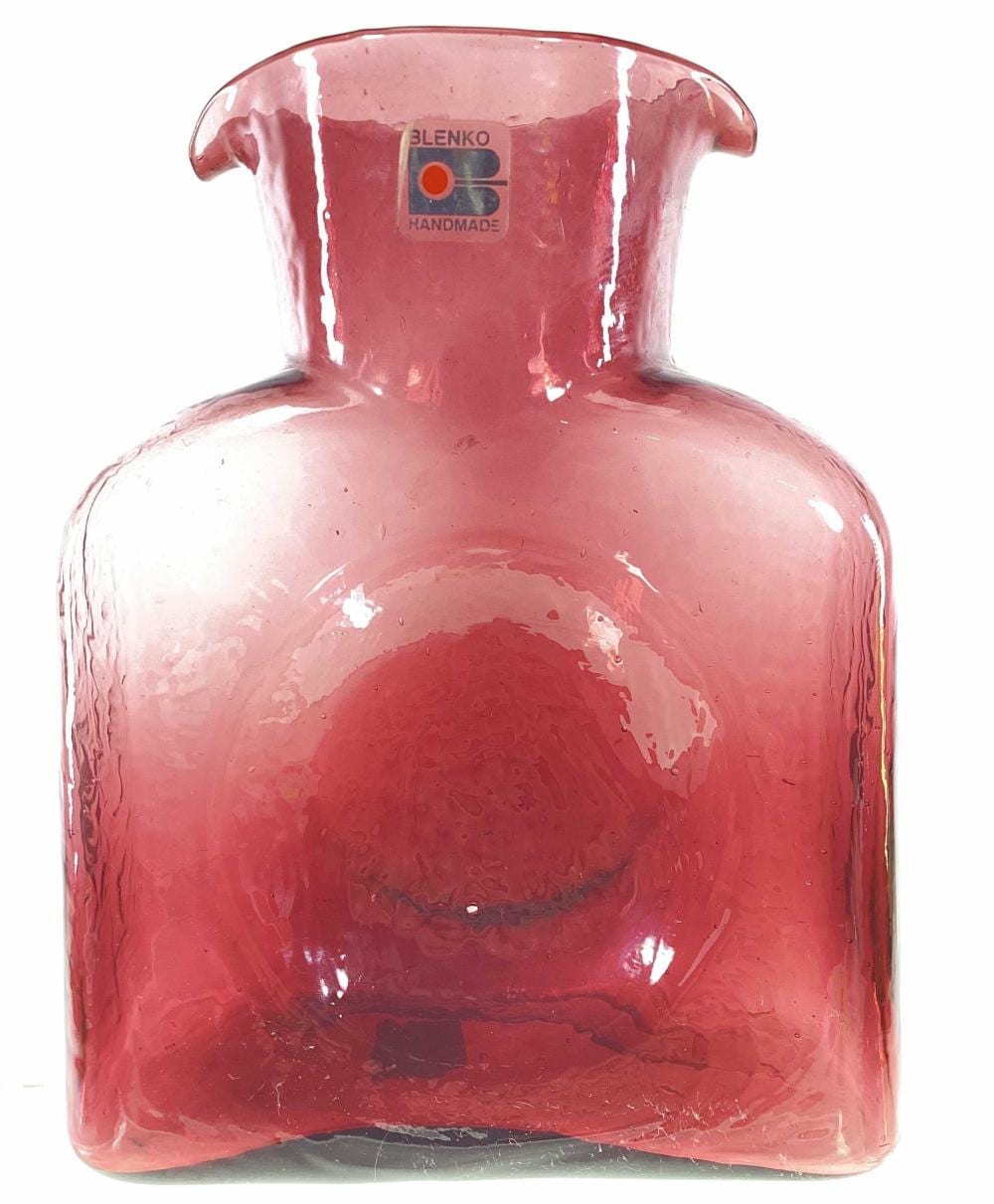 |
Vintage Blenko Double Spout Art Glass Pitcher | EJ'S Auction & Appraisal | 2024-05-04 | 1053 | USD 65 |
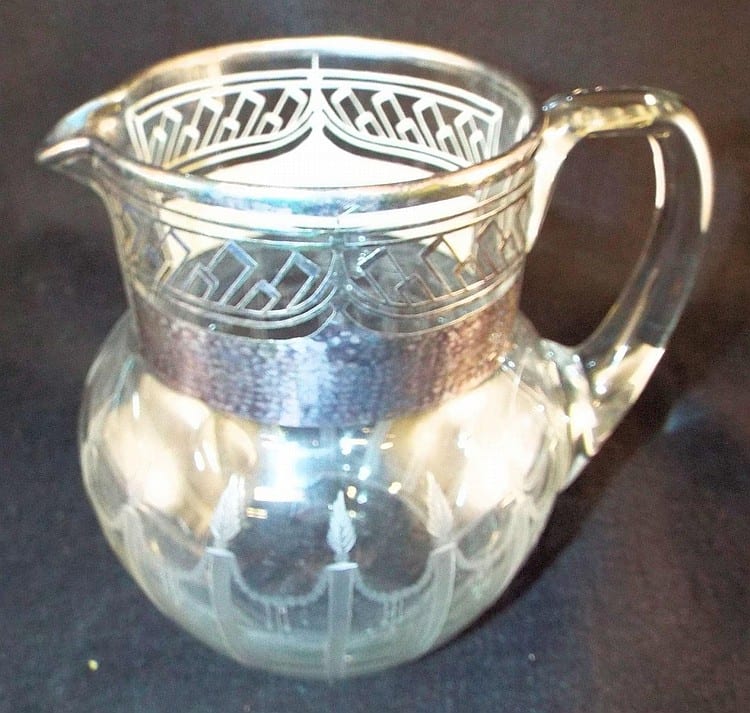 |
Etched Glass Pitcher with Silver Overlay | Berner's Auction Gallery | 2015-02-14 | 260 | USD 110 |
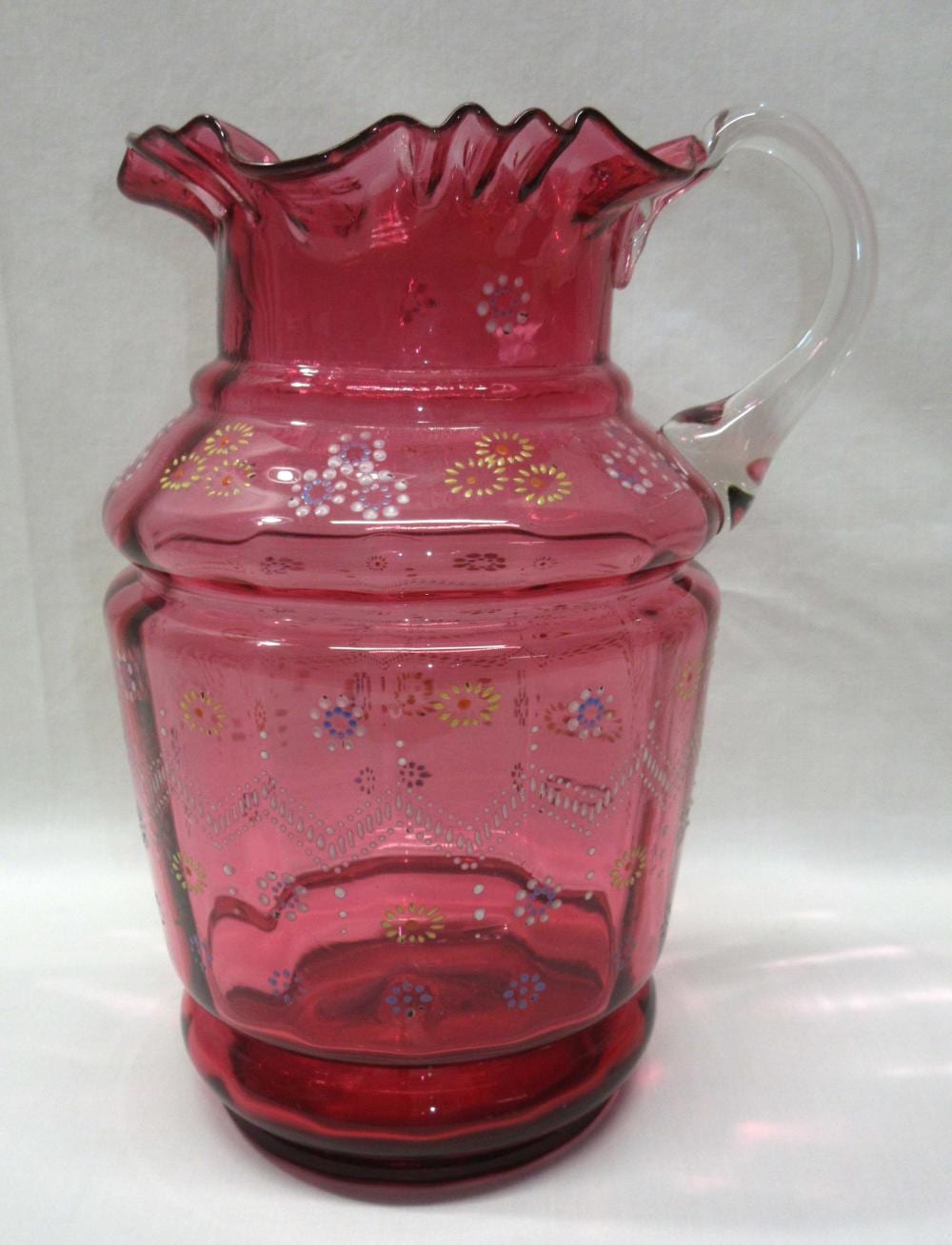 |
Victorian Cranberry Blown Glass Enameled Pitcher | Martin Auction Company | 2019-01-21 | 8 | USD 20 |
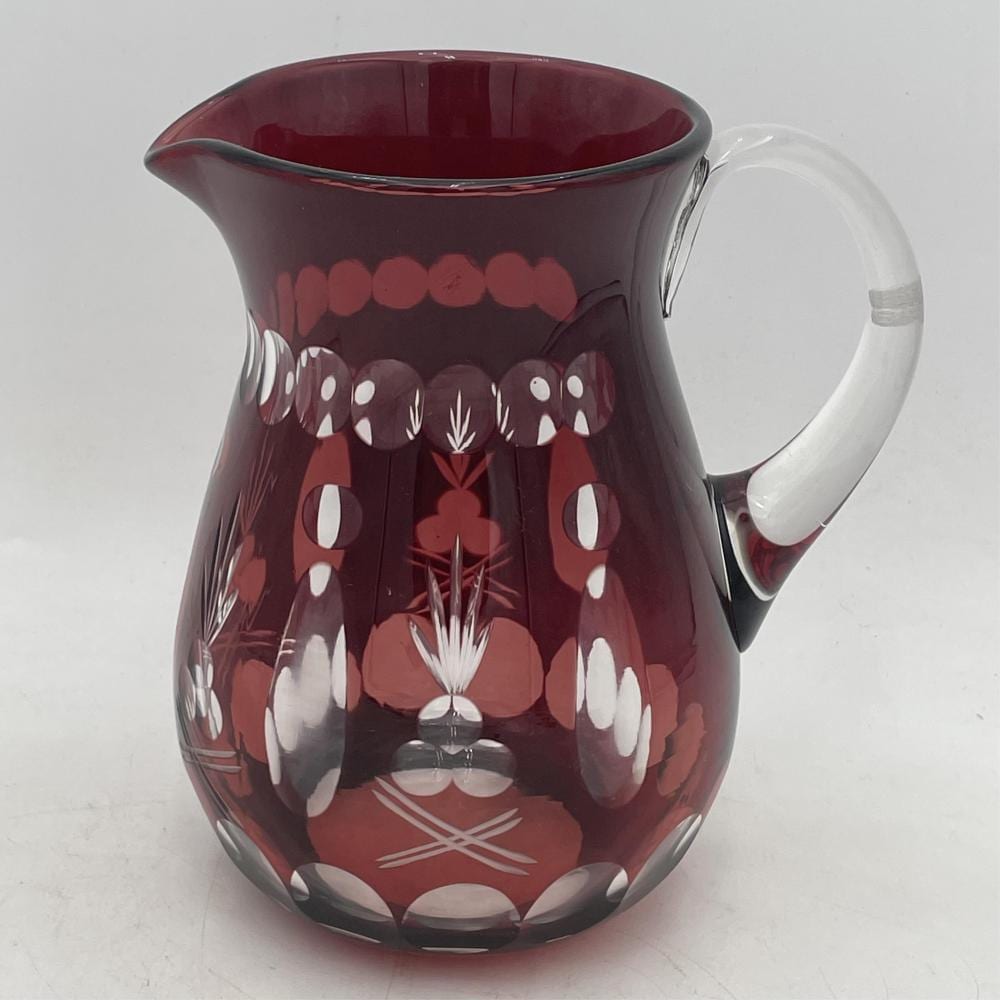 |
Bohemian Cut Glass Ruby Pitcher, 7 1/2 in. (19.1 cm.) | Asselmeier May Auctions | 2026-01-04 | 230 | USD 40 |
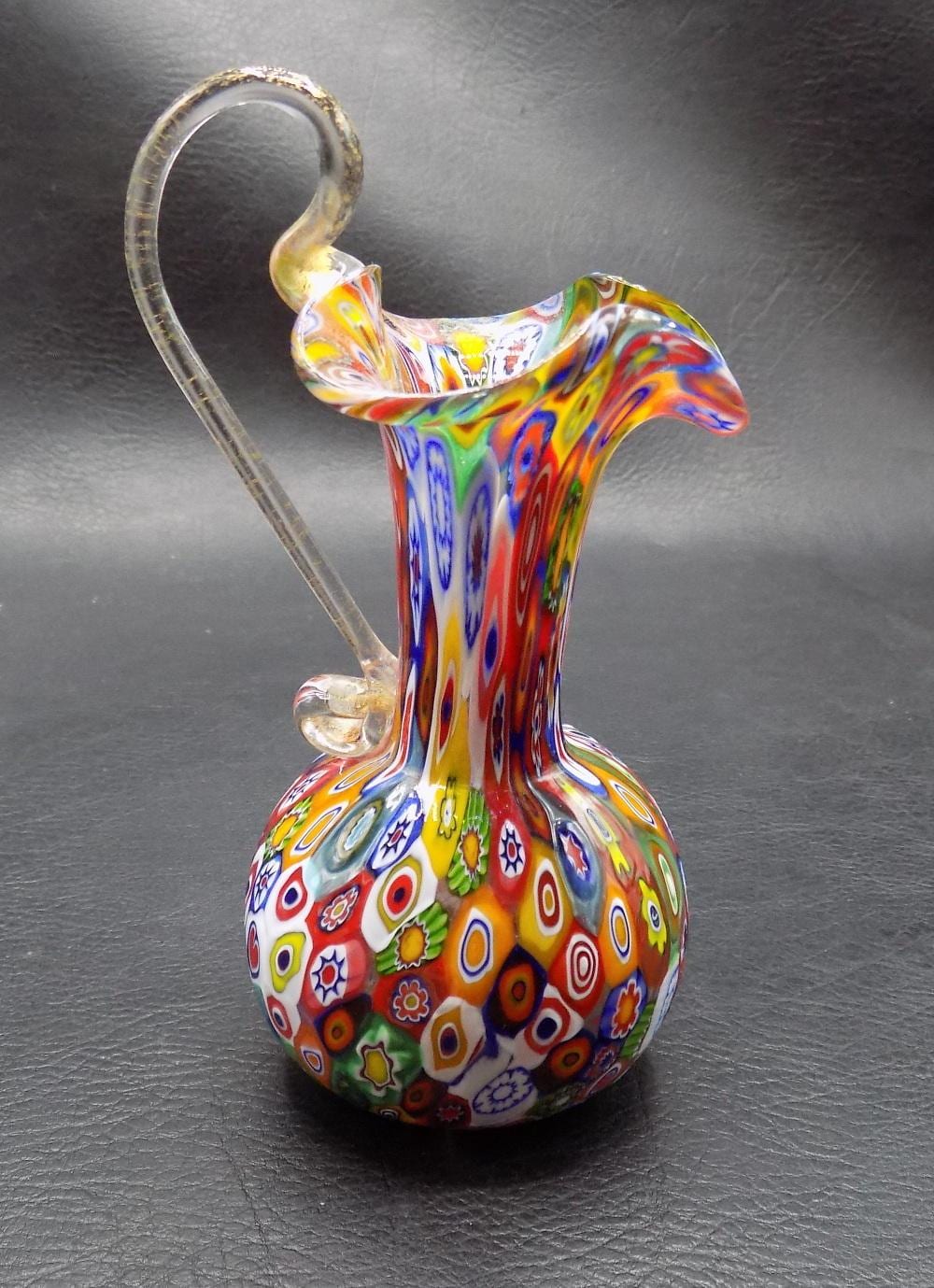 |
Vintage Fratelli Toso Murano Millefiori Small art glass pitcher. | Thriftiques of Iowa | 2026-02-08 | 38A | USD 120 |
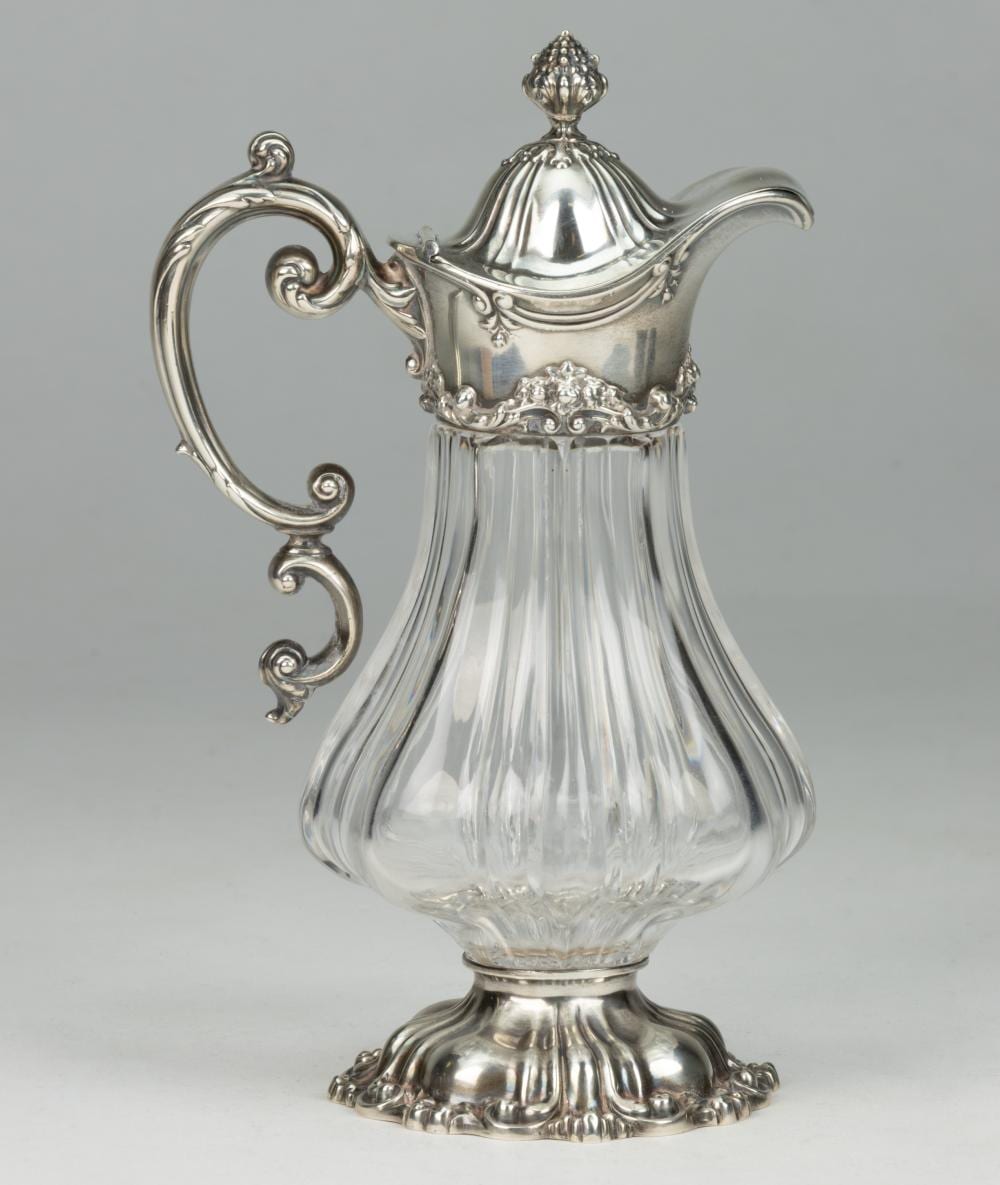 |
HOWARD & CO., NEW YORK CITY, NEW YORK STERLING SILVER AND CUT-GLASS SYRUP PITCHER | Jeffrey S. Evans & Associates | 2026-04-23 | 1234 | USD 500 |
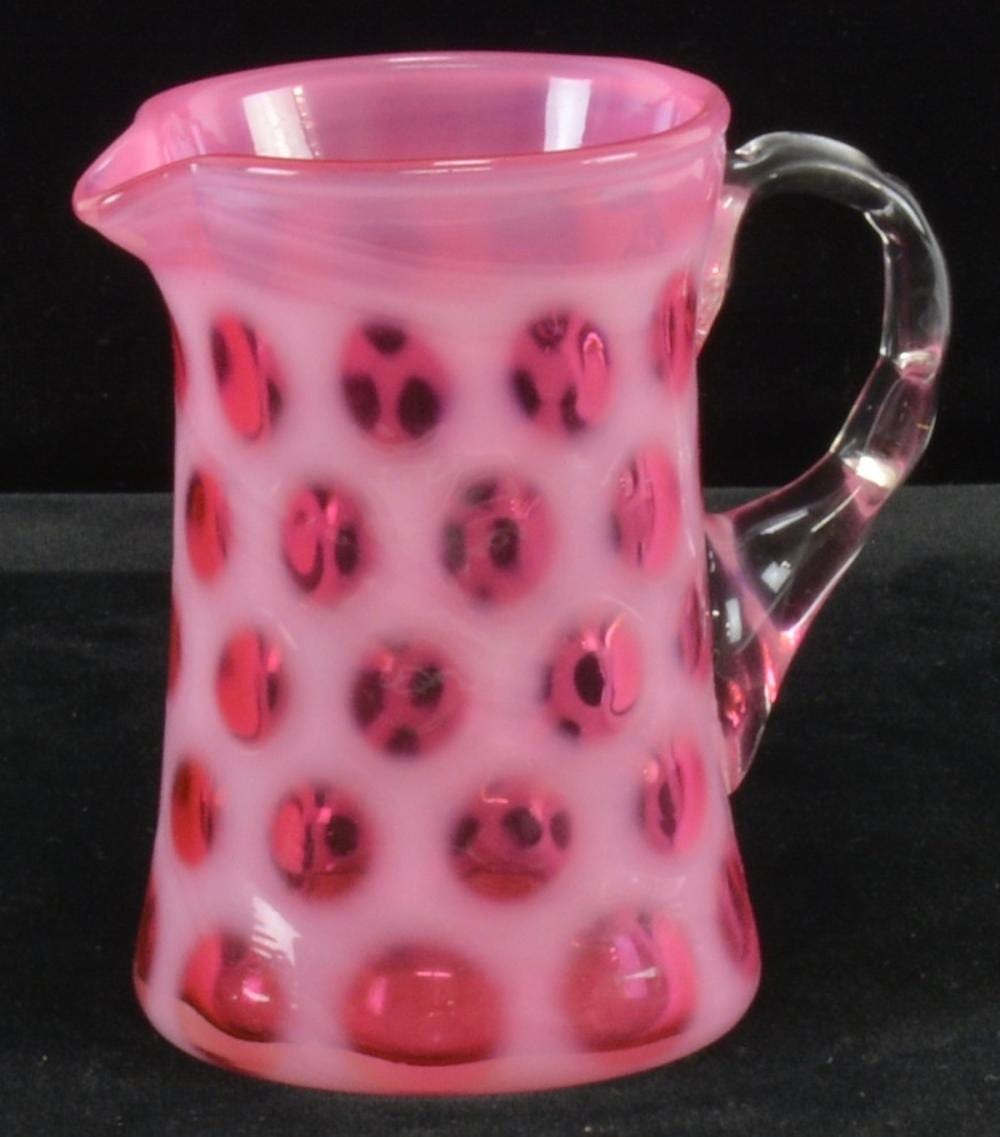 |
Fenton Cranberry Coin Dot Opalescent Art Glass Water Pitcher | Mebane Antique Auction | 2020-08-12 | 12 | USD 25 |
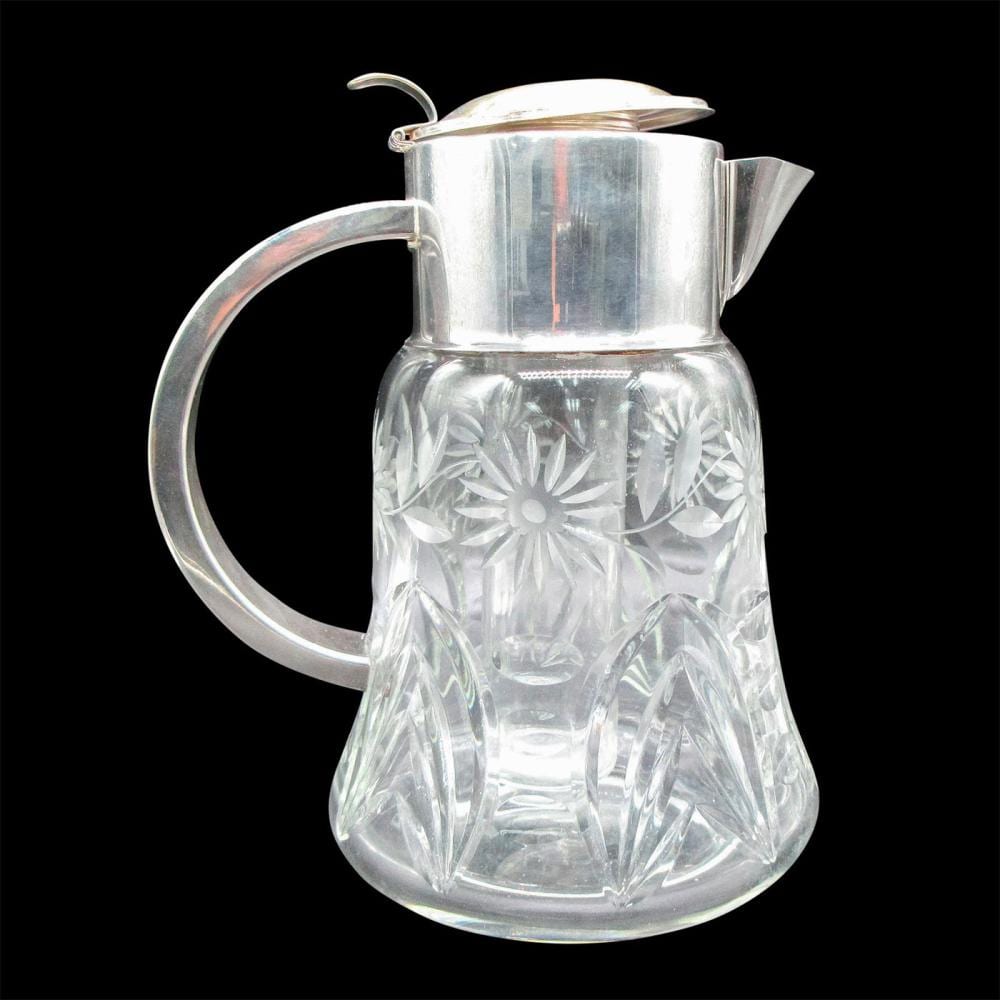 |
Vintage German WMF Cut Crystal Glass Pitcher w Ice Insert | Lion and Unicorn | 2022-09-11 | 509 | USD 30 |
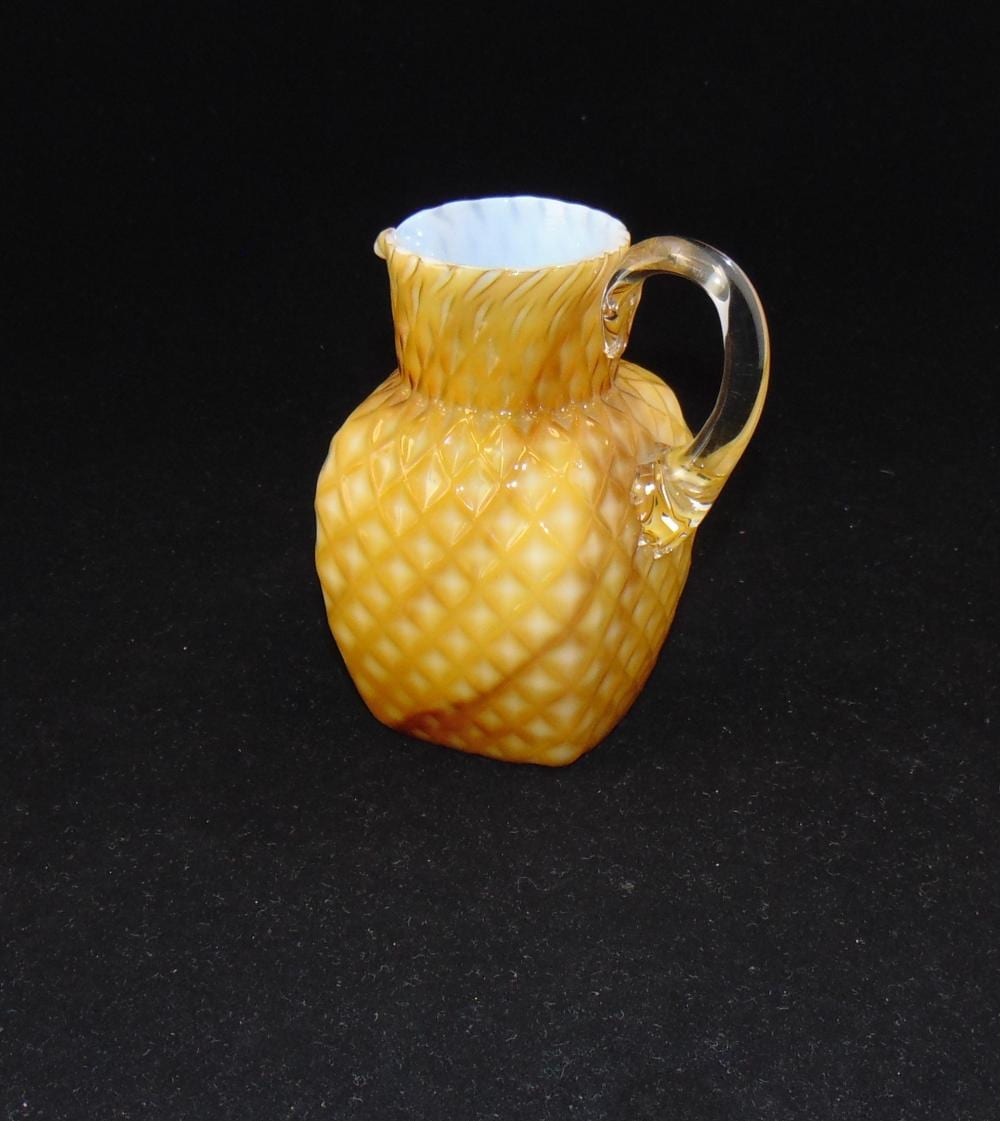 |
Cut Velvet satin glass pitcher | Jaremos | 2021-02-10 | 332 | USD 50 |
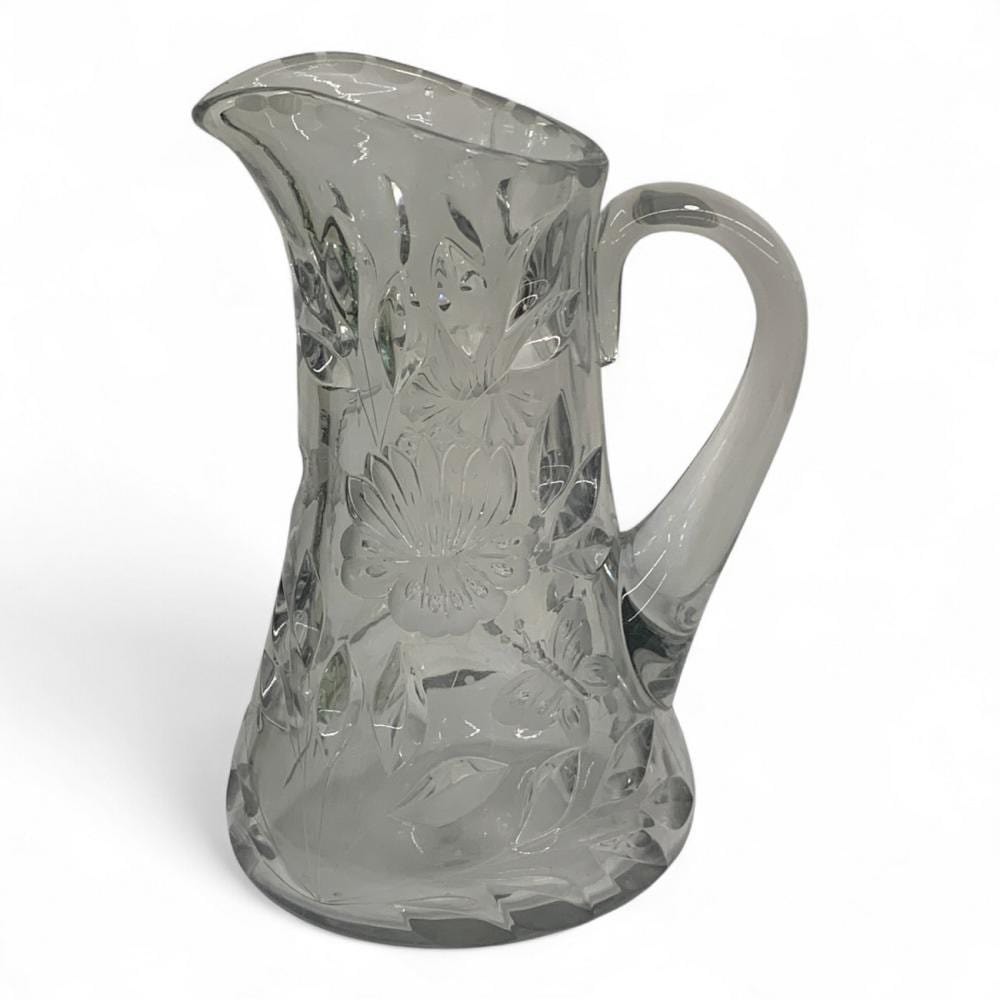 |
Cut Glass Pitcher With Flowers & Butterfly | Berner's Auction Gallery | 2025-10-23 | 3752 | USD 3 |
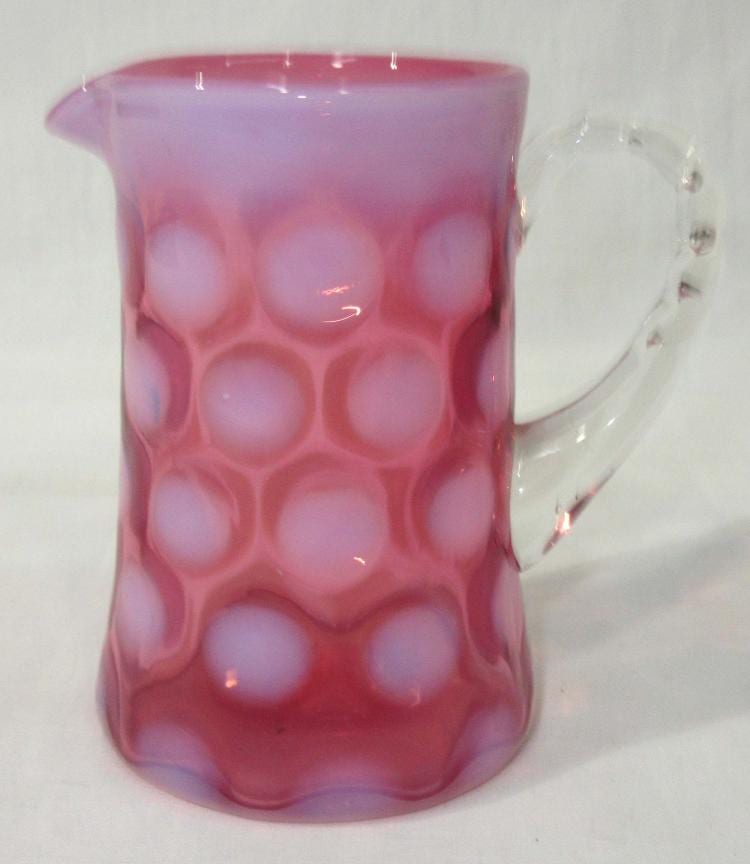 |
Cranberry Opalescent Coin Dot Pitcher | Martin Auction Company | 2018-04-30 | 432 | USD 20 |
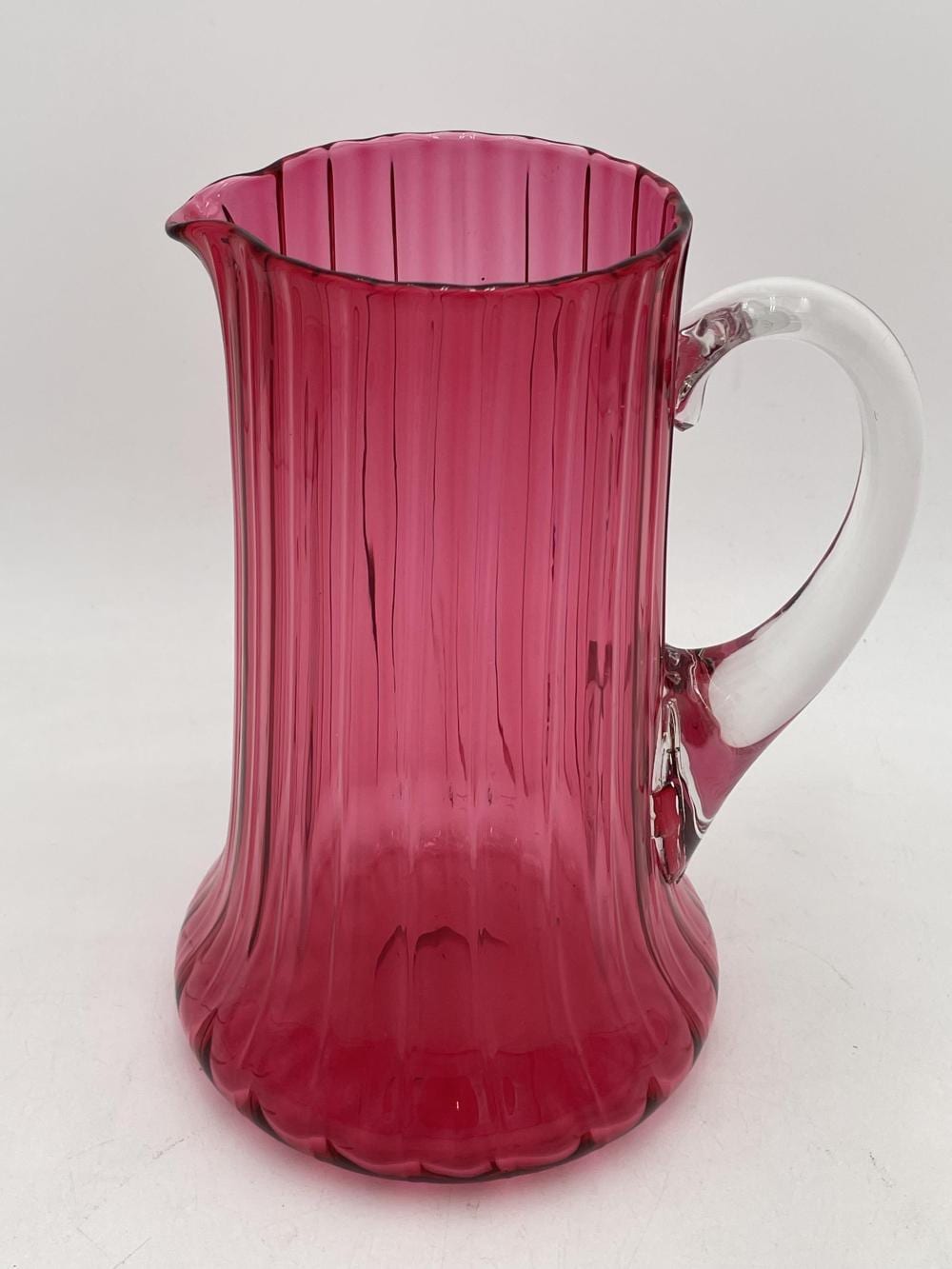 |
Cranberry Art Glass Ribbed Pitcher with Clear Handle, 8 in. (20.3 cm.) | Asselmeier May Auctions | 2025-10-05 | 119 | USD 25 |
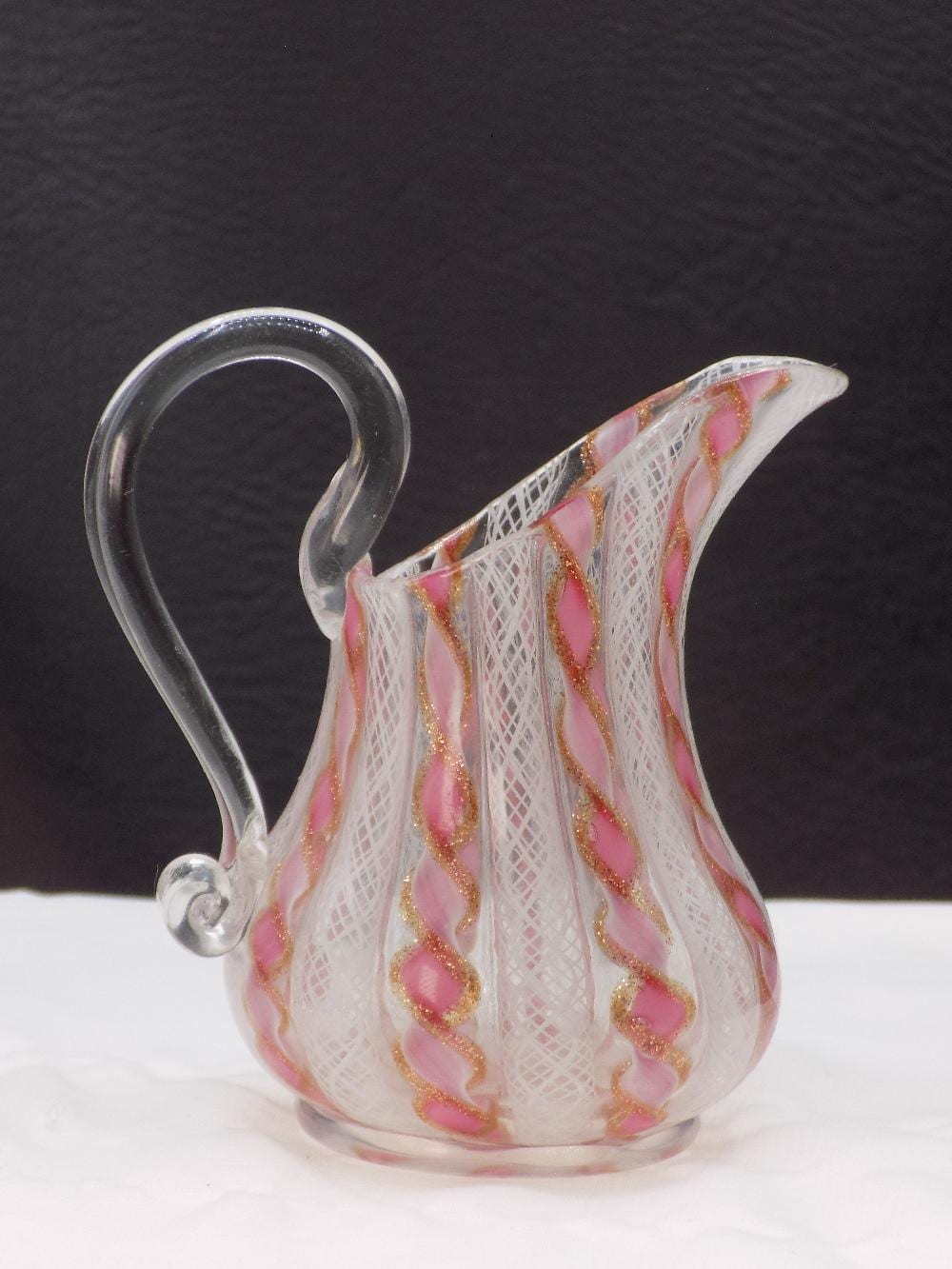 |
Beautiful midcentury Murano ribbon and latticino art glass pitcher. | Thriftiques of Iowa | 2024-12-01 | 60 | USD 48 |
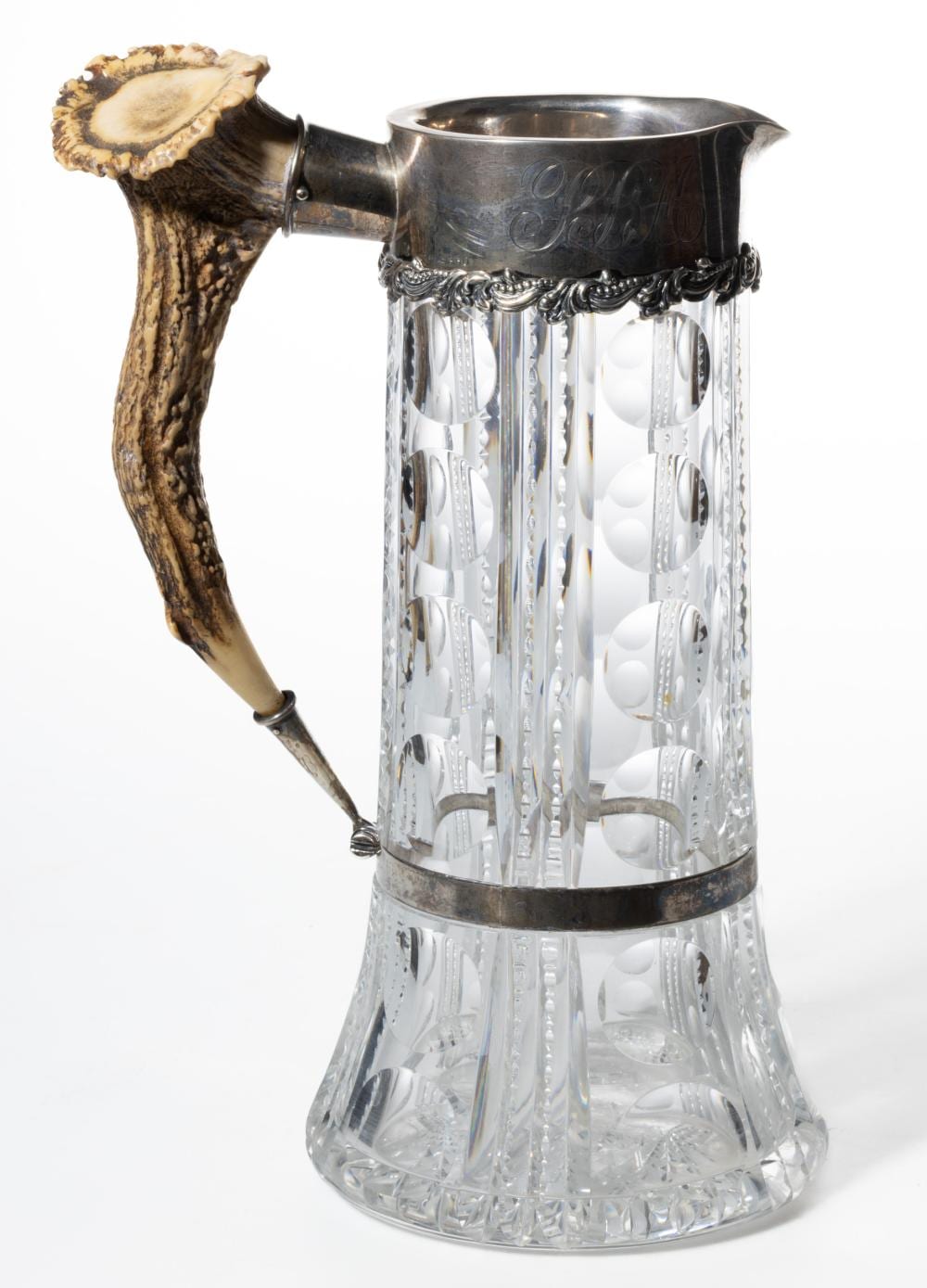 |
REDLICH & CO. STERLING SILVER, CUT-GLASS, AND ANTLER TANKARD PITCHER, | Jeffrey S. Evans & Associates | 2022-10-14 | 1064A | USD 1,093 |
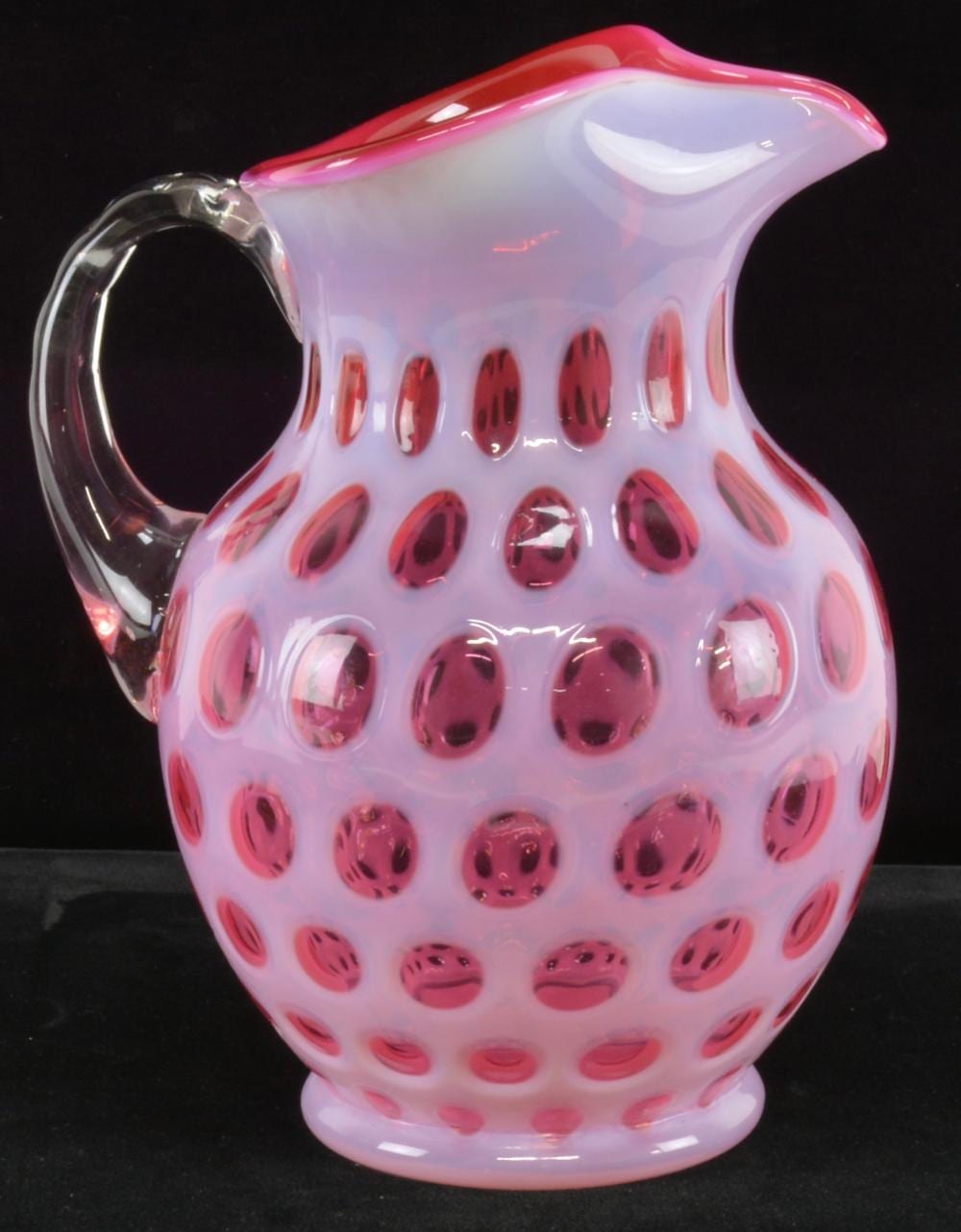 |
Fenton Cranberry Coin Dot Opalescent Art Glass Water Pitcher | Mebane Antique Auction | 2020-08-12 | 5 | USD 85 |
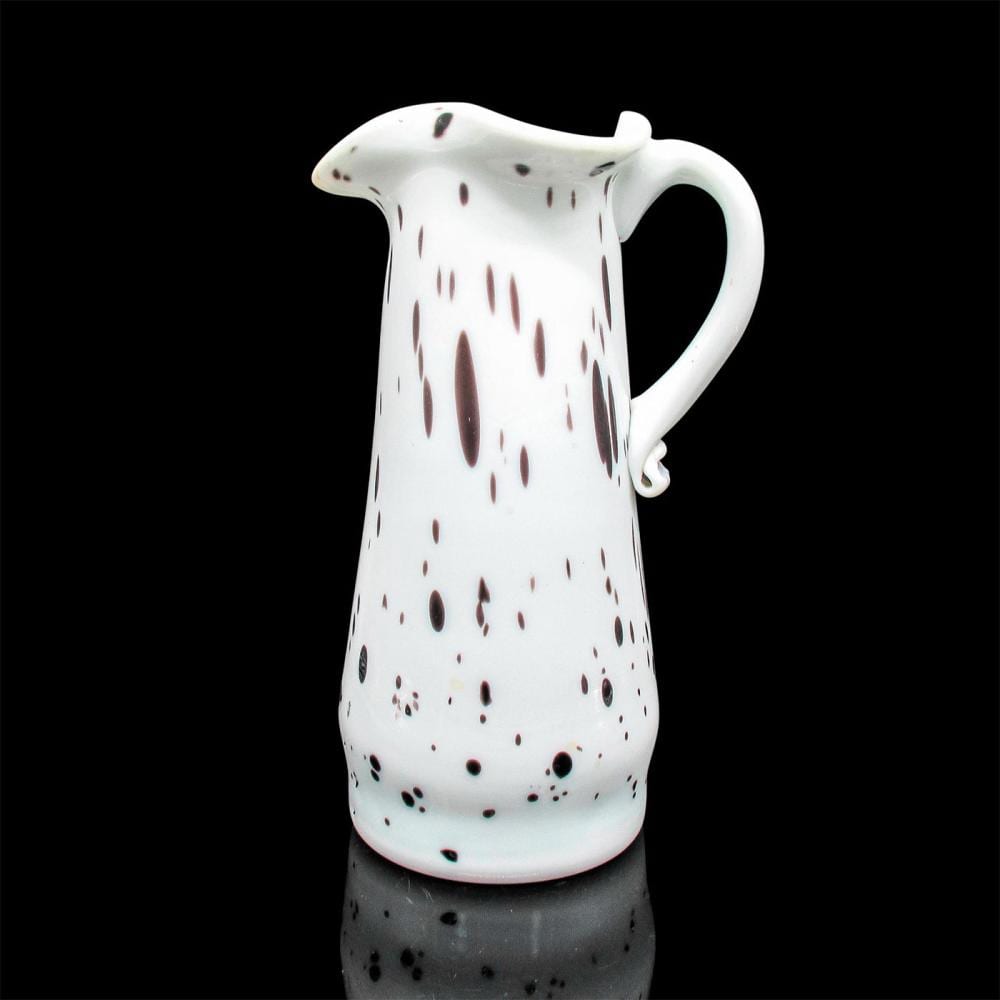 |
Vintage Art Glass Pitcher, Black Spots Over White | Lion and Unicorn | 2023-02-05 | 457 | USD 6 |
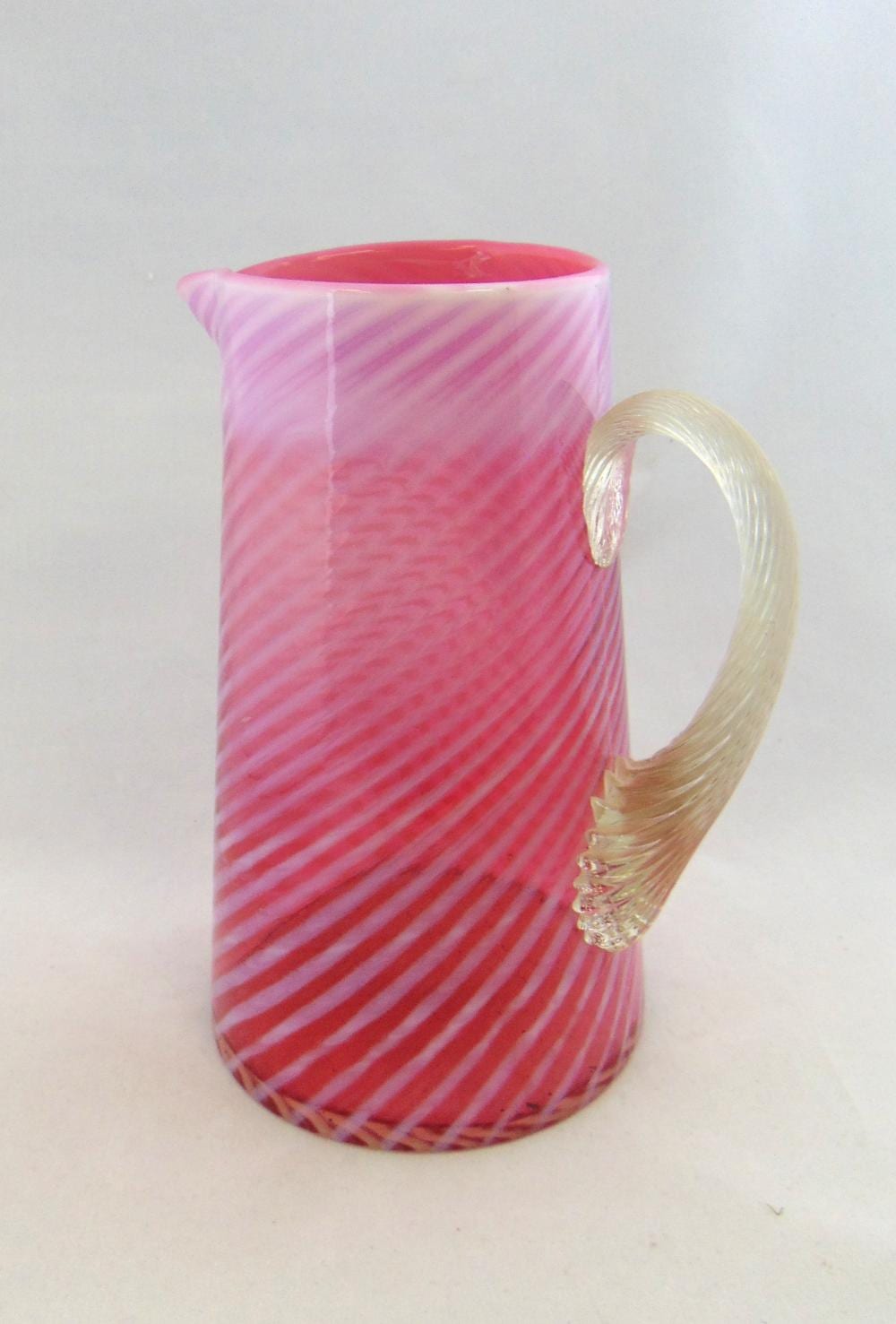 |
Cranberry opalescent tankard pitcher | Jaremos | 2020-09-10 | 65 | USD 175 |
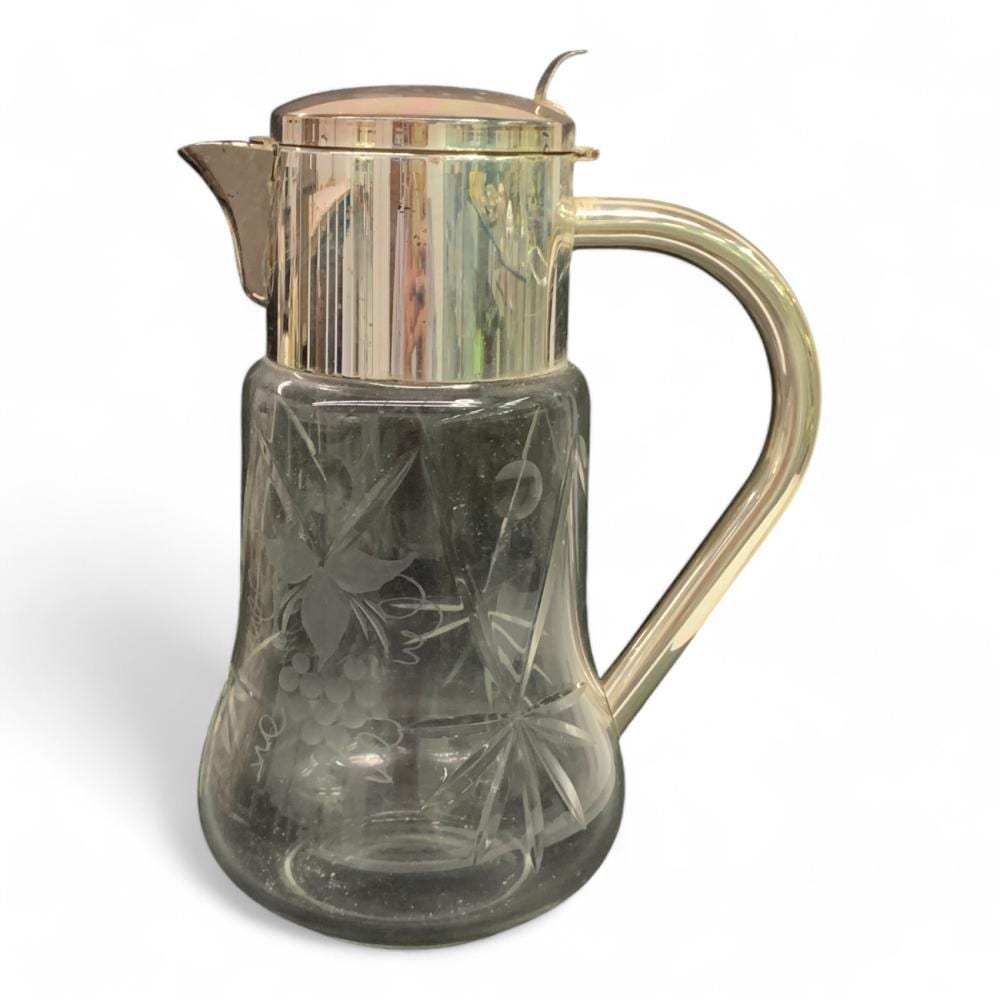 |
Cut Glass Pitcher With Silver Plate Handle & Top | Berner's Auction Gallery | 2025-01-16 | 2277 | USD 11 |
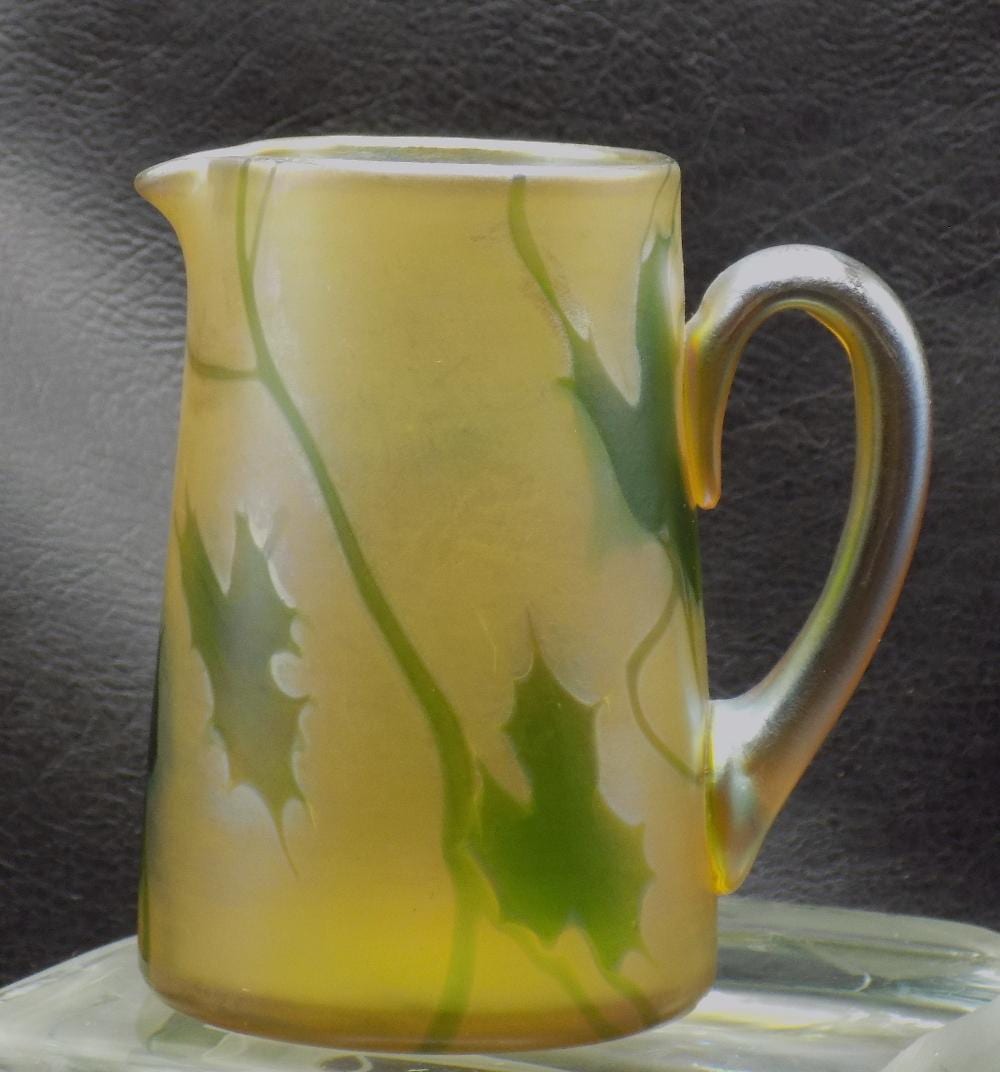 |
Marvelous Vintage Signed Tiffany decorated art glass cream pitcher | Thriftiques of Iowa | 2023-01-29 | 116 | USD 360 |
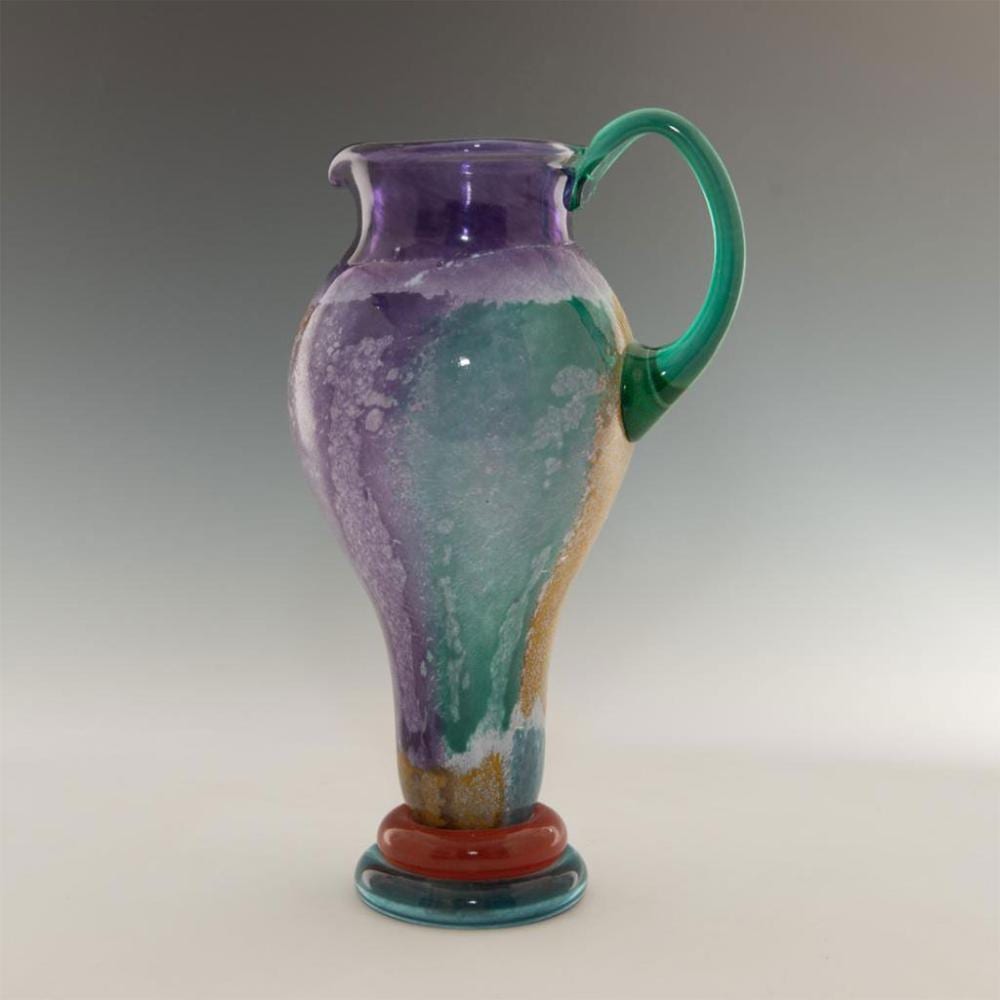 |
KJELL ENGMAN FOR KOSTA BODA ART GLASS PITCHER JAR | Lion and Unicorn | 2019-02-23 | 321 | USD 85 |
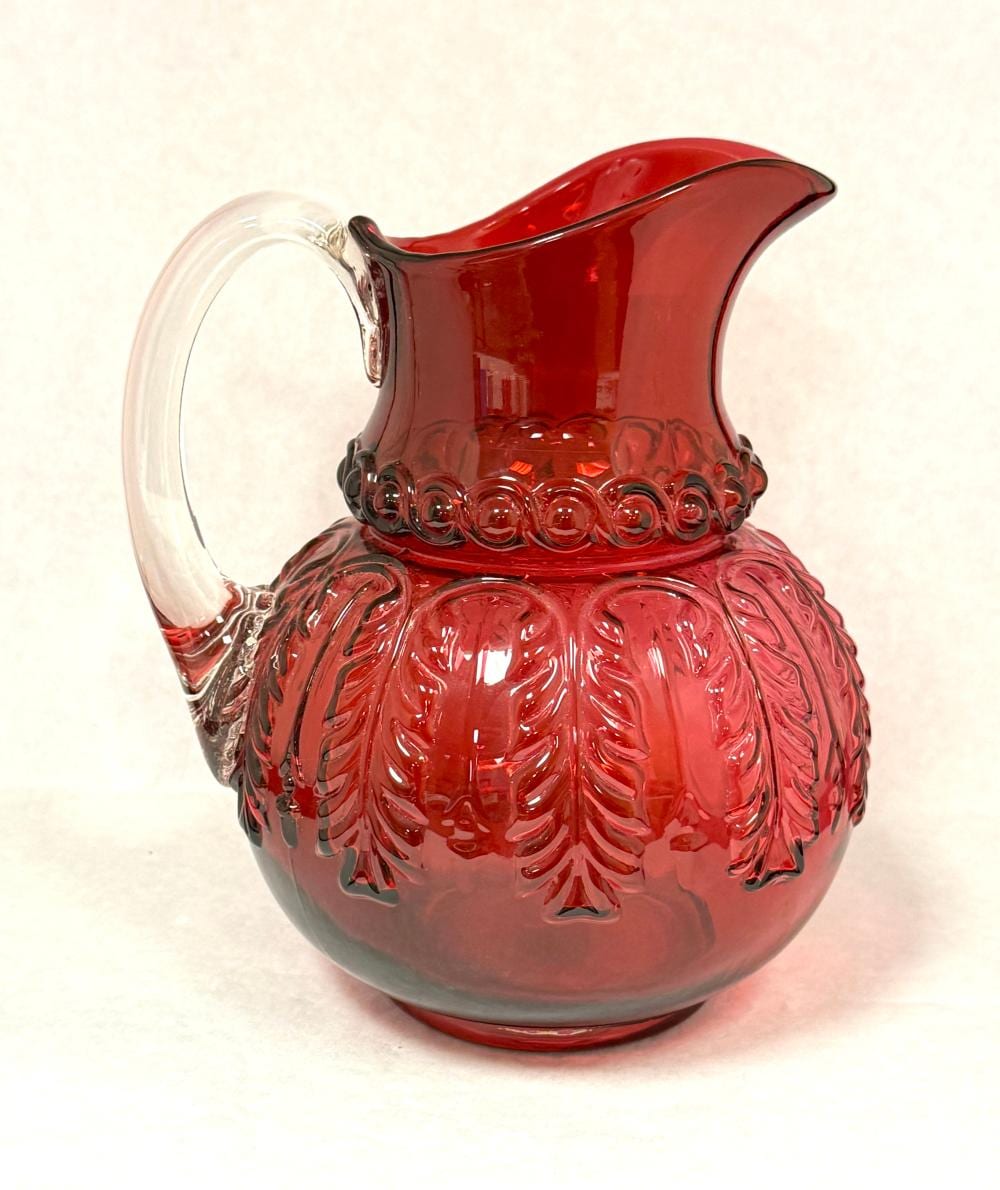 |
Cranberry Leaf Umbrella Pitcher | Jaremos | 2026-05-28 | 348 | USD 80 |
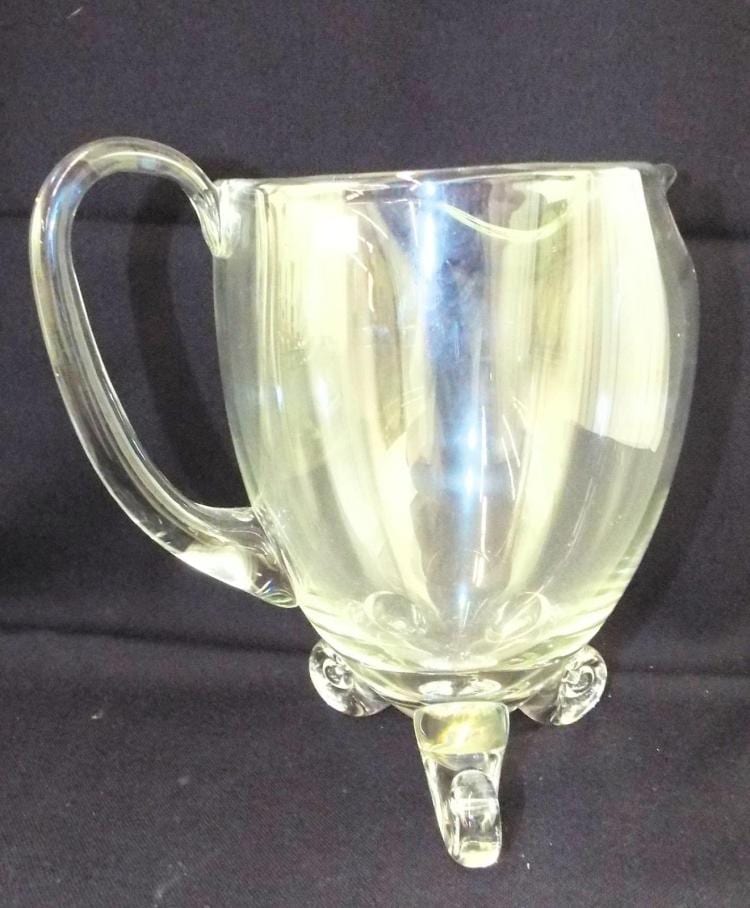 |
Manner Of Steuben Art Glass Pitcher | Berner's Auction Gallery | 2017-07-06 | 283 | USD 25 |
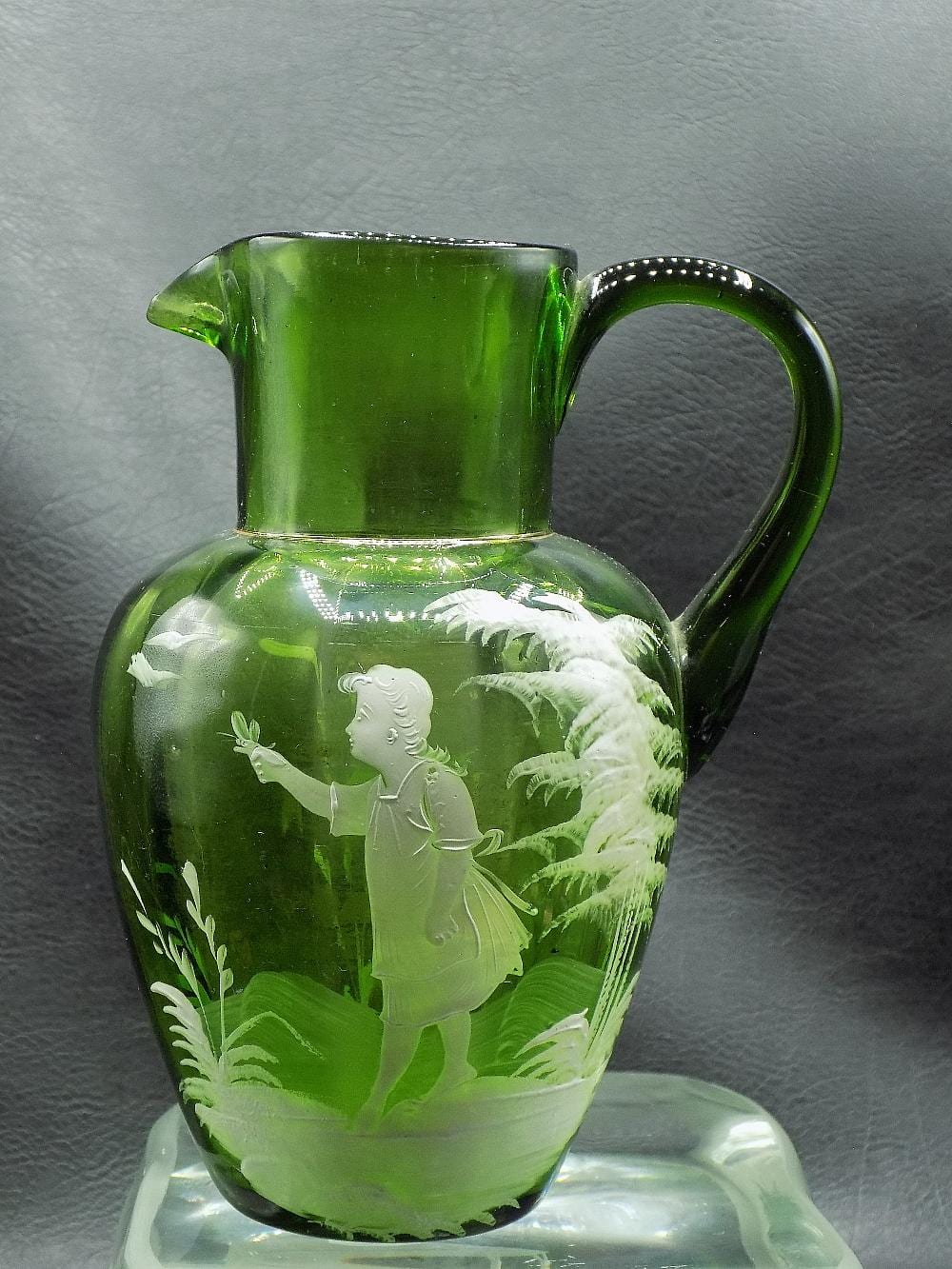 |
Lovely vintage art glass pitcher with enamel decoration | Thriftiques of Iowa | 2023-01-29 | 65 | USD 29 |
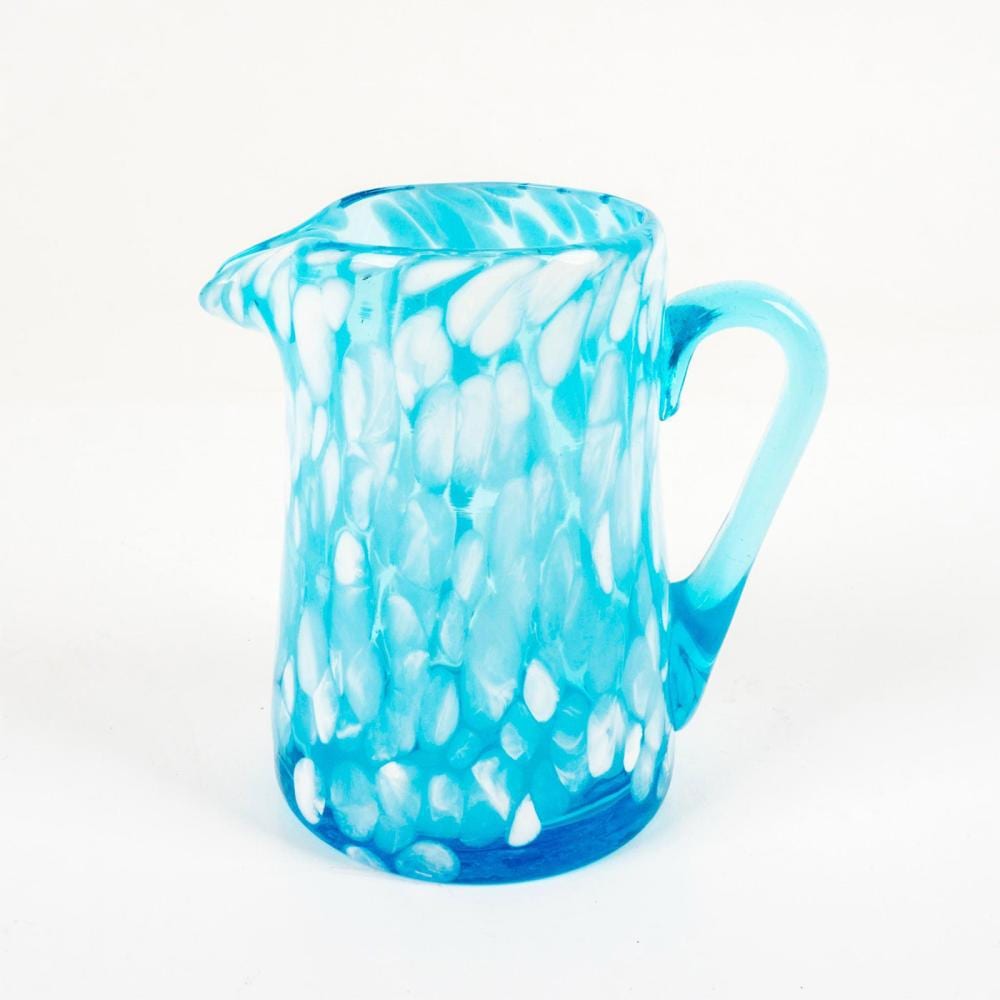 |
Vintage Art Glass Creamer or Miniature Pitcher | Lion and Unicorn | 2023-02-05 | 456 | USD 5 |
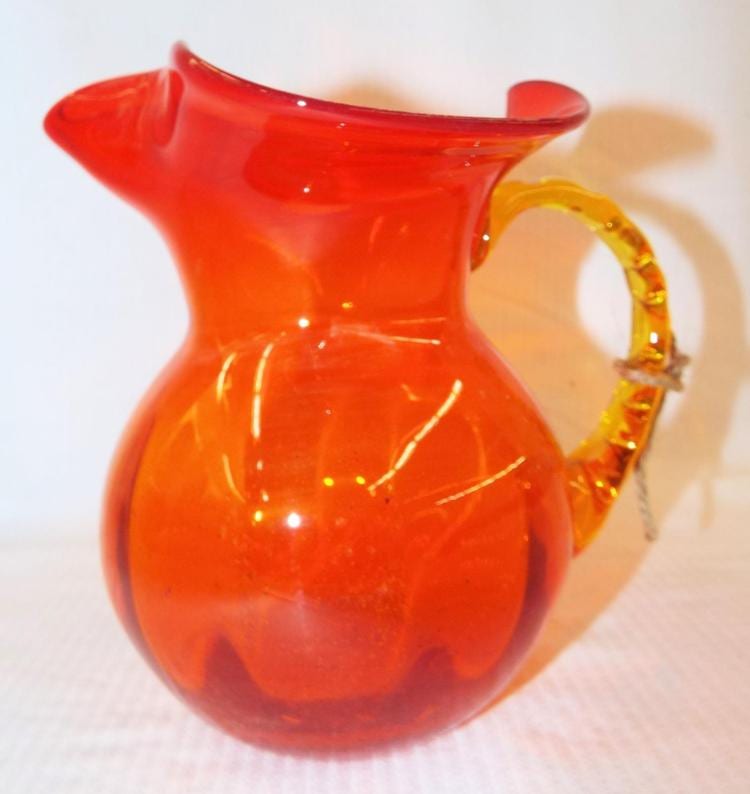 |
Handblown Amberina Art Glass Pitcher | Berner's Auction Gallery | 2017-03-09 | 1521 | USD 10 |
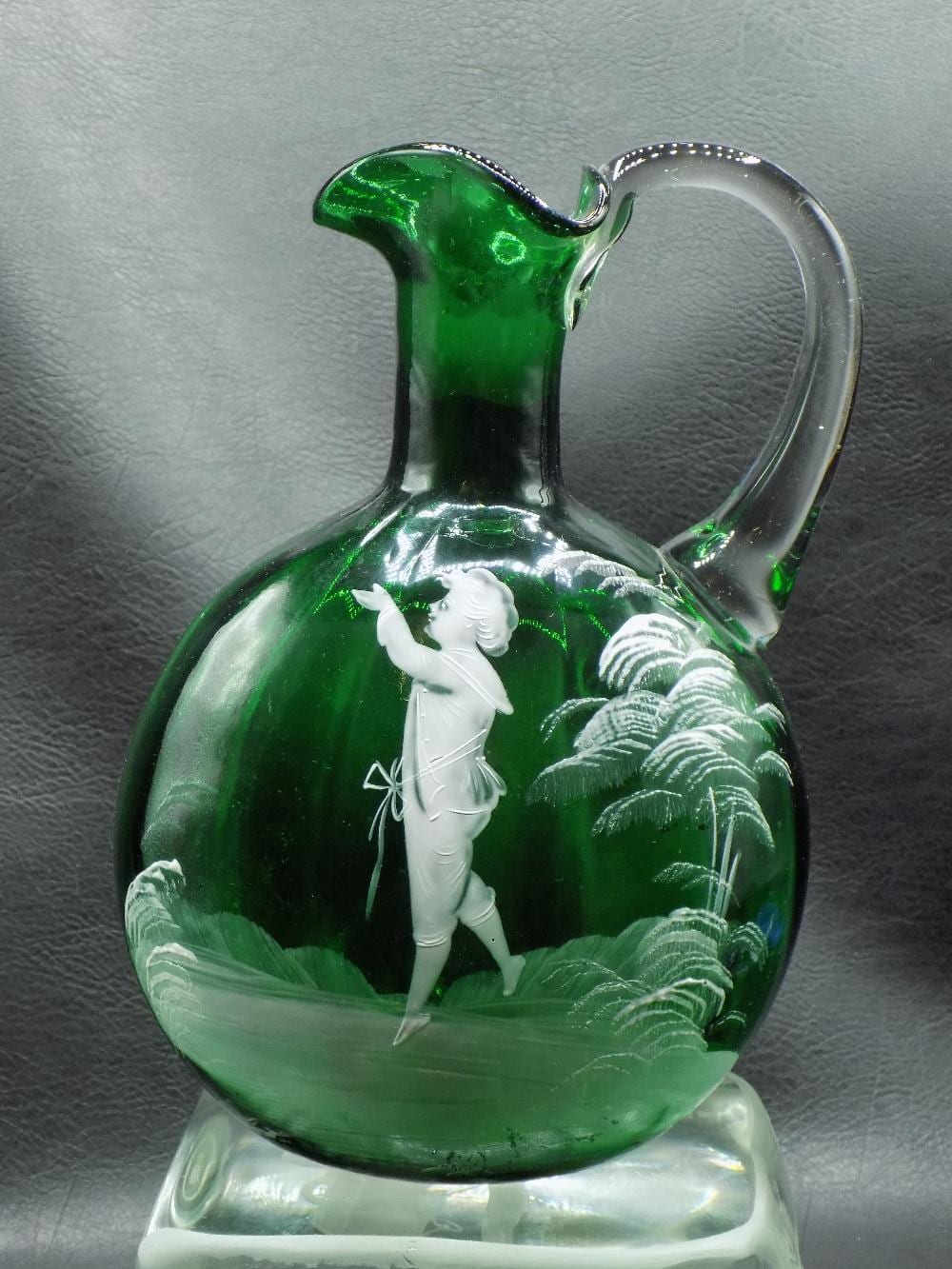 |
Lovely vintage art glass pitcher with enamel decoration | Thriftiques of Iowa | 2023-01-29 | 55 | USD 40 |
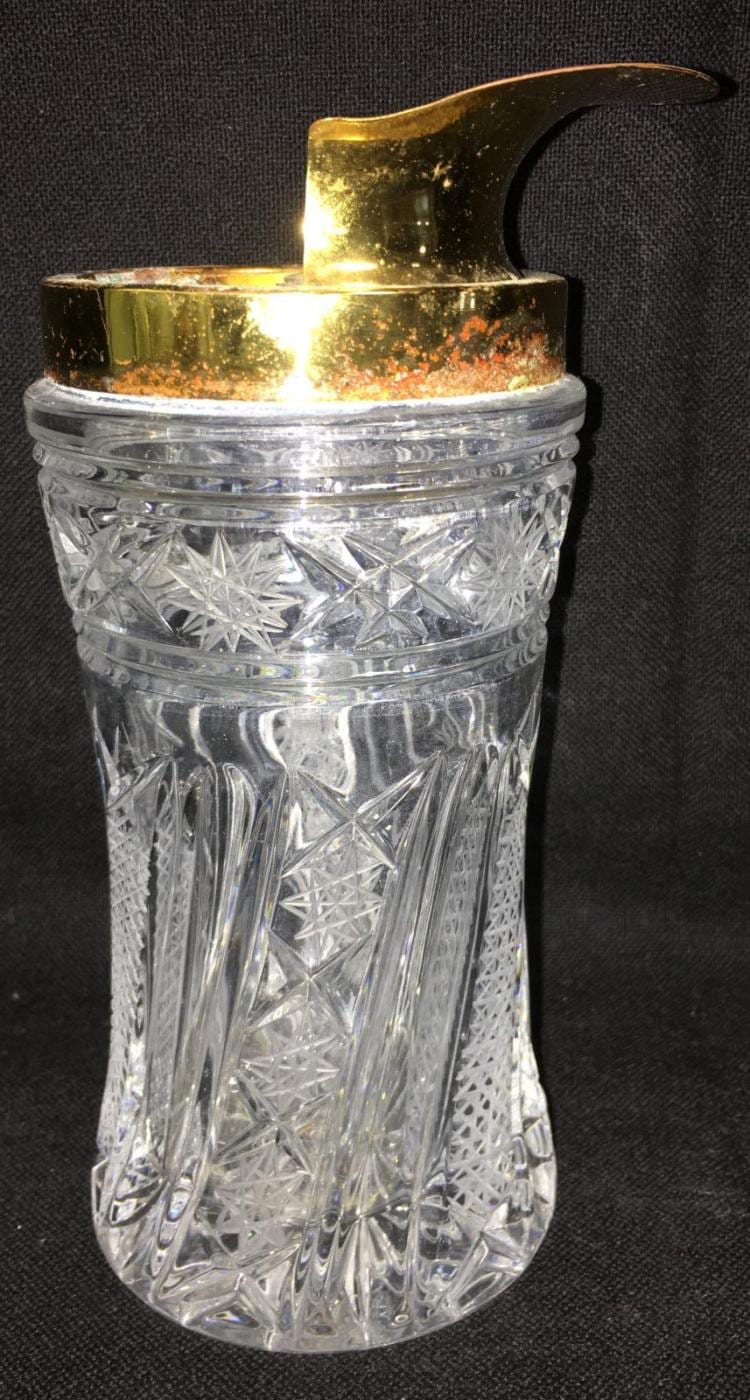 |
Cut Glass Juice Pitcher | Berner's Auction Gallery | 2018-05-10 | 1077 | USD 20 |
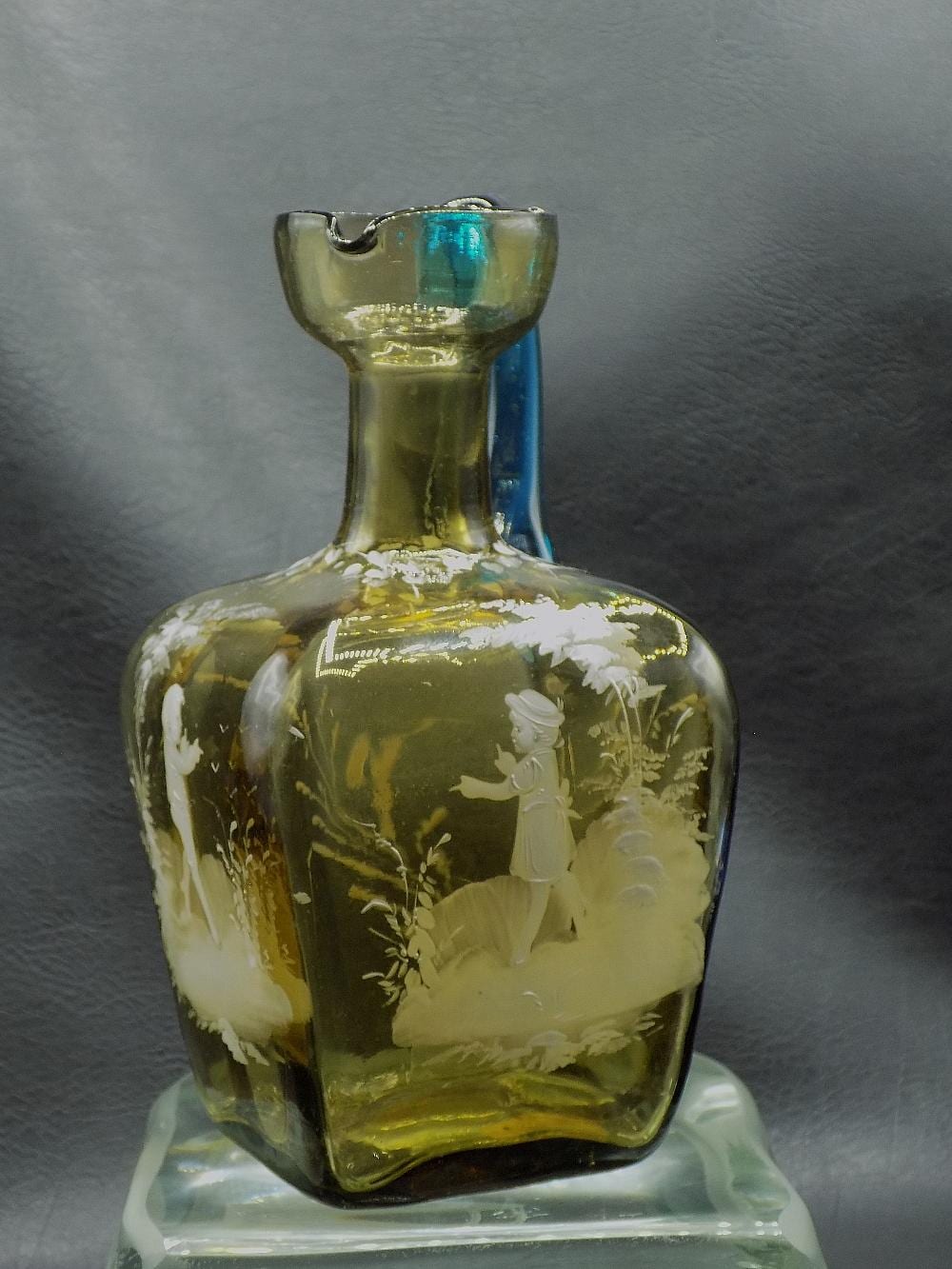 |
Lovely vintage art glass pitcher with enamel decoration. | Thriftiques of Iowa | 2023-01-29 | 72 | USD 52 |
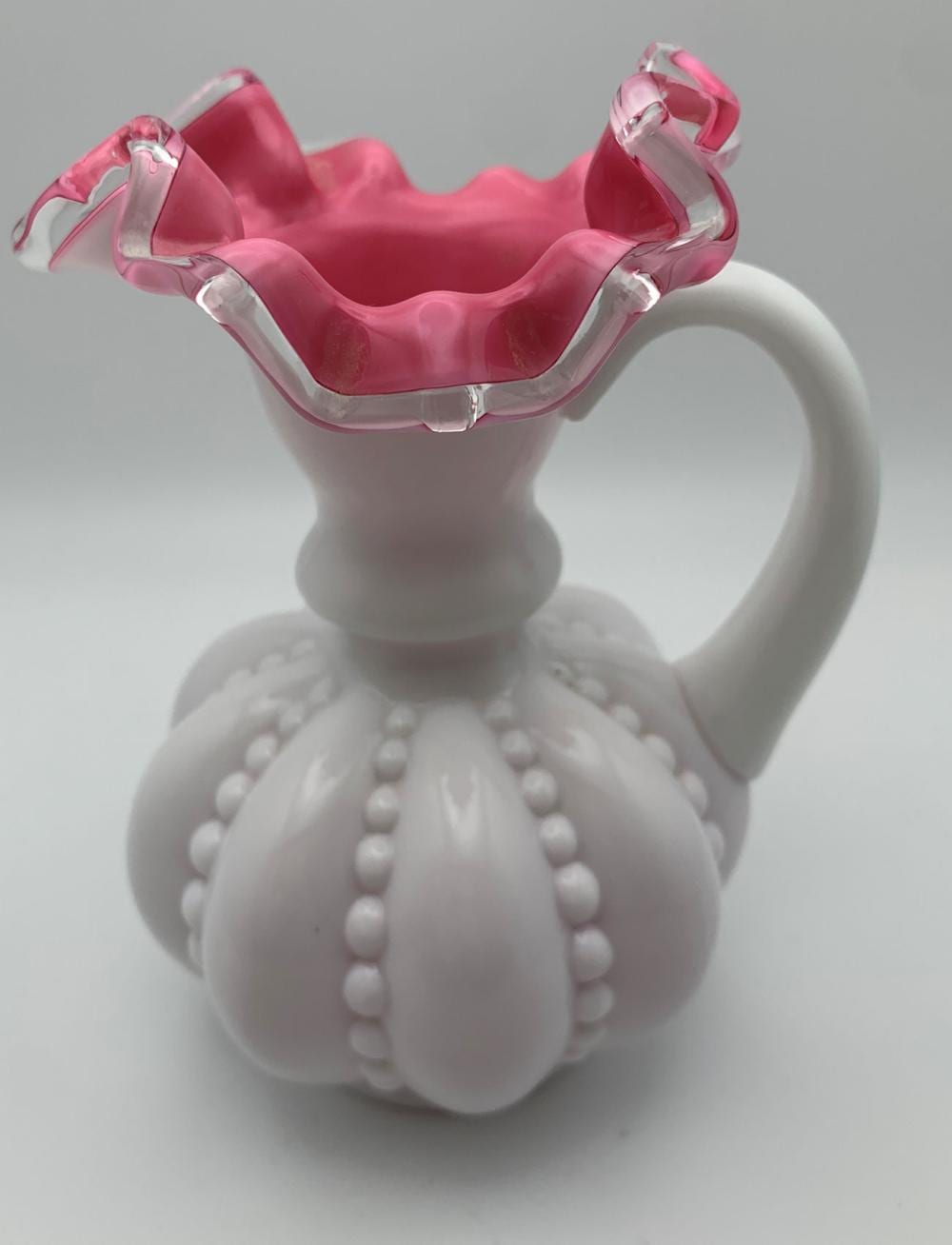 |
Fenton Cranberry Case Glass Silver Crest Pitcher | Berner's Auction Gallery | 2023-02-16 | 2602 | USD 28 |
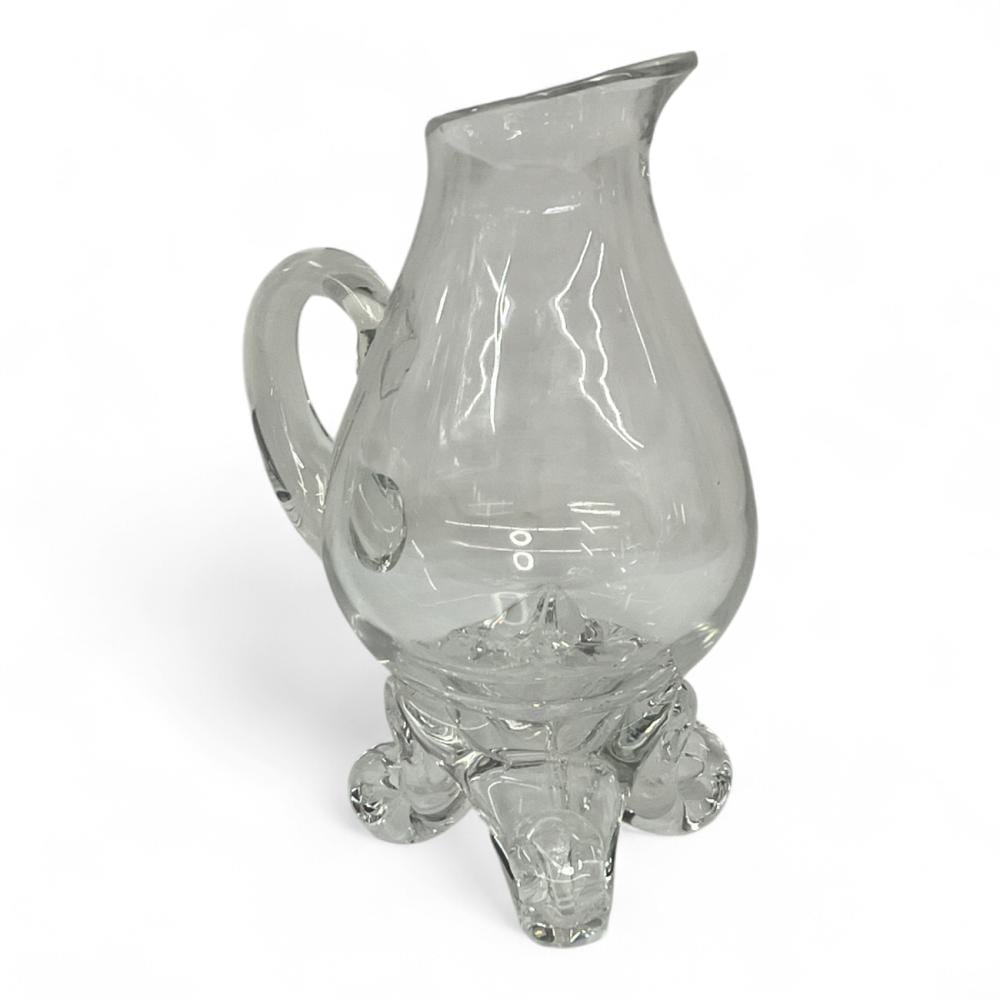 |
Val St Lambert Glass Footed Pitcher | Berner's Auction Gallery | 2025-08-28 | 3065 | USD 15 |
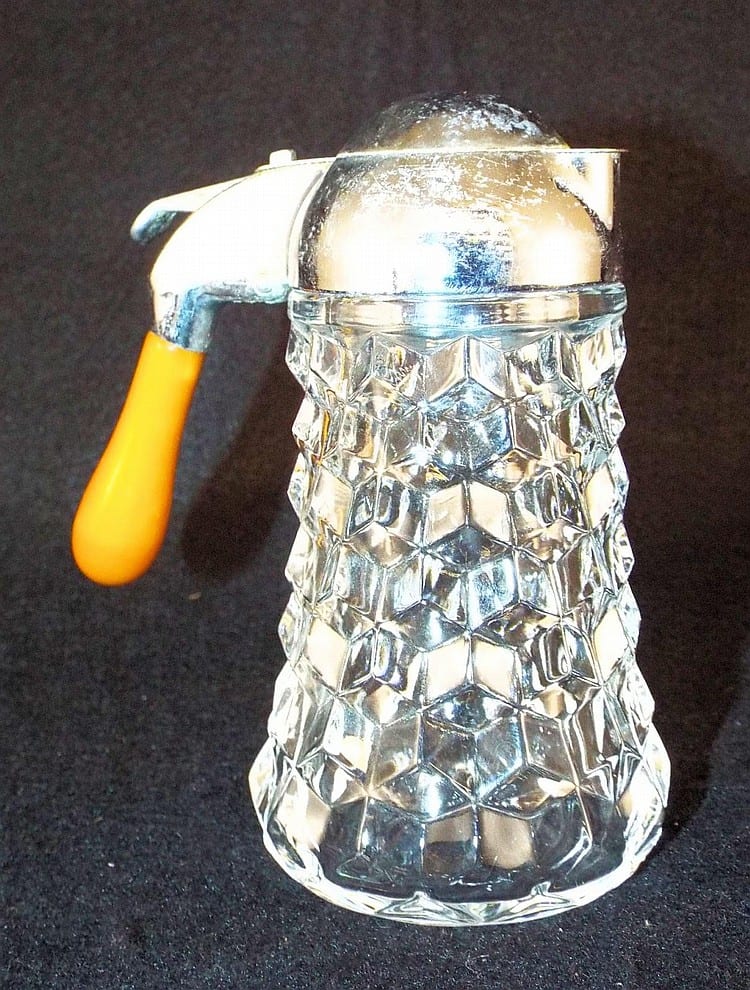 |
American Fostoria Glass Syrup Pitcher | Berner's Auction Gallery | 2015-01-17 | 452 | USD 25 |
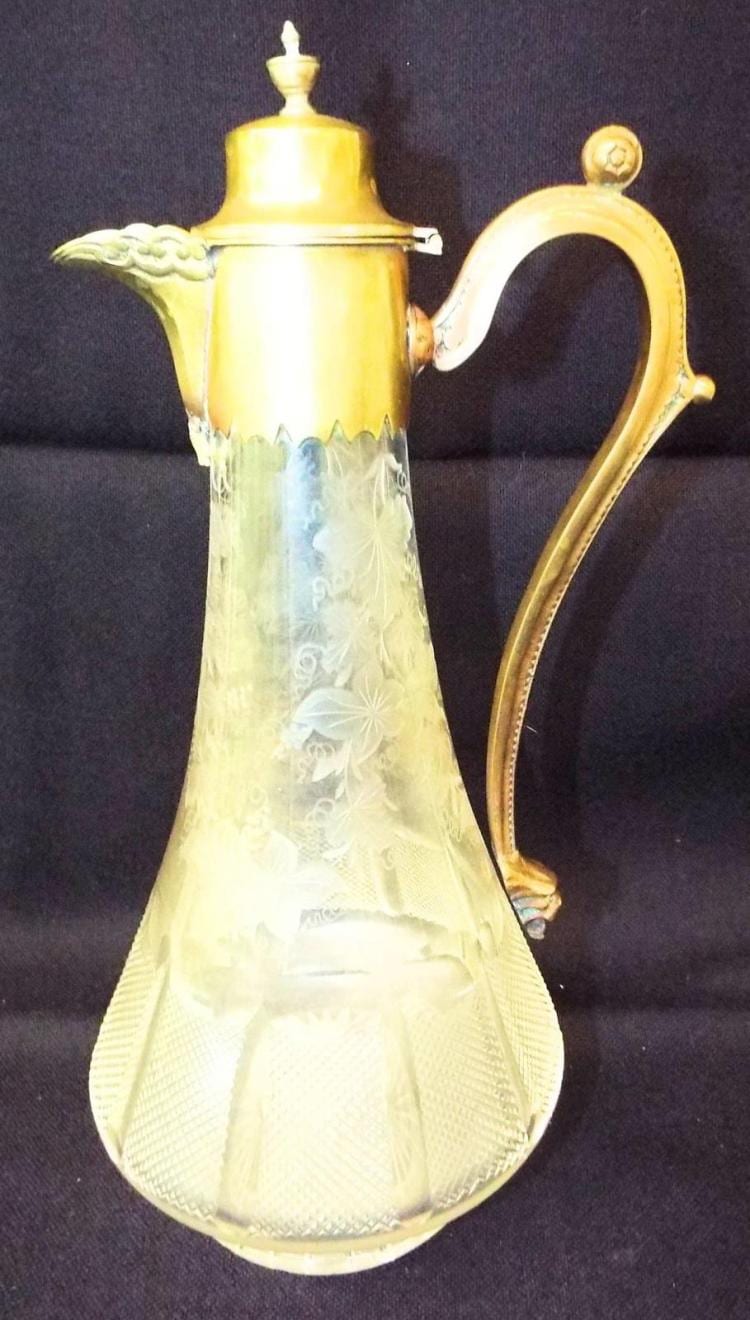 |
Cut And Incised Glass Syrup Pitcher | Berner's Auction Gallery | 2016-06-10 | 2186 | USD 10 |
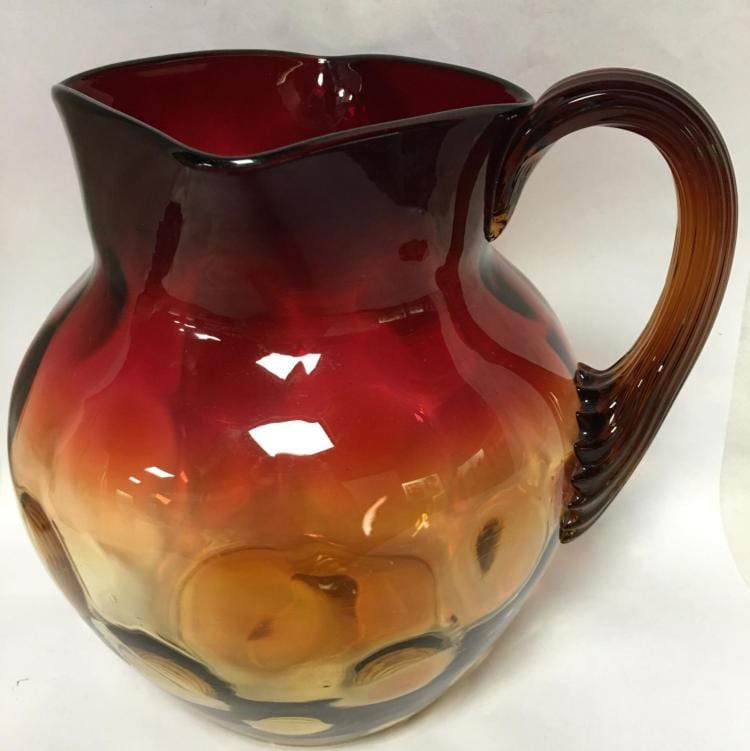 |
Art Glass Amberina Pitcher | Berner's Auction Gallery | 2018-02-22 | 3533 | USD 35 |
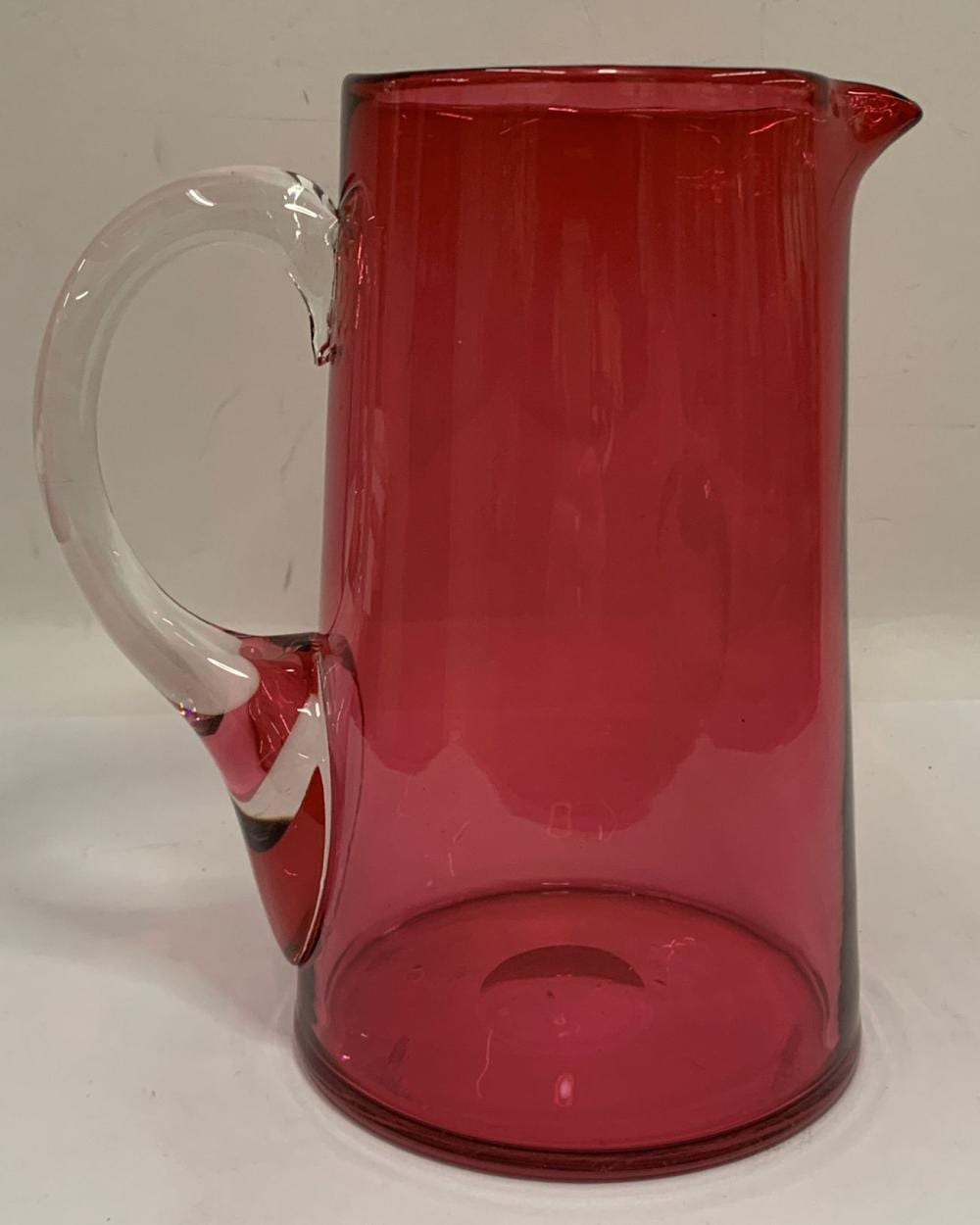 |
Cranberry Glass Pitcher | Berner's Auction Gallery | 2024-09-19 | 2795 | USD 3 |
How these auction records were verified
These sales are market context, not an object estimate.
Each row retains its exact source URL, lot identity, retrieval time, access result, and immutable record hash. Live source access was blocked; the exact record matched Appraisily's immutable pipeline provenance. Inspect the public comparable provenance record.
Check whether your glass pitcher is worth appraising
Free photo check · Private upload · No checkout required to start
FAQ
Q: How can I quickly tell pressed from cut glass on a pitcher? A: Run a fingertip or fingernail across the pattern. Pressed glass feels rounded and uniform, and seams may cross the decoration. Cut glass feels sharp where glass was removed, with crisp edges and more sparkle. Under magnification, cut channels show wheel marks, pressed patterns do not.
Q: Does purple-tinted glass always mean 19th-century? A: No. While manganese-decolorized glass from the late 1800s can turn amethyst with sunlight exposure, modern irradiation can also produce strong purple hues. Confirm with construction, wear, and pattern evidence before dating.
Q: What does an ice lip indicate about age? A: Ice lips became common on water and lemonade pitchers in the 1890s and remained popular into the 20th century. Their presence suggests late Victorian or later, though exceptions exist.
Q: Are pontil marks a guarantee of great age? A: A genuine pontil scar indicates a blown piece, which often is earlier, but pontil marks have been used across centuries, including on studio glass. Evaluate the pontil type, overall construction, and wear; a crudely “added” pontil-like grind on a pressed piece is a red flag.
Q: Is it safe to use antique crystal pitchers for beverages? A: Many antique crystal pitchers contain lead. Occasional use may present minimal risk, but for safety it’s best to use them for display and serve acidic beverages in non-leaded glass or modern alternatives.
By following these six factors—manufacturing, composition and color, decoration, base and wear, marks and pattern attribution, and functional features—you’ll build a reliable, repeatable method for antique glass pitcher identification. Combine careful observation with measurements and magnification, and document findings as you go. Over time, patterns emerge, confidence grows, and attributions become faster and more accurate.