
What washboard actually sell for
A common example is a different sale from a high-end named piece.
Typical sales. Soap Saver Glass Washboard sold for $5.
(3) Antique Washboard, Blizzard Sprayer, Coin Bank sold for $20.
Buttons, Washboard, Enamel Wash Tub, and Metal Shears sold for $21.
National Washboard Co. No. 510, Glass Panel sold for $25.
Wooden Ironing Board with National Washboard & Sad Irons, 52 x 18 1/2 x 30 1/2 in.… sold for $25.
Free. No card needed. Photo upload takes about two minutes.
1970s Washboard Ad Poster "Don't Burn Your Flag America Wash It" sold for $25.
High-value outlier. Hugh Hefner | Vintage Tankard and Washboard sold for $350.
Photograph maker marks, model, condition, and completeness before treating any one sale as yours.
What similar items actually sold for
To help ground this guide in real market activity, here are recent example auction comps from Appraisily’s internal database. These matched sales are market context only, not an object estimate or identification, and they do not guarantee a price for your specific antique washboard.
Shown USD range: USD 5-USD 650. Median of these 12 USD examples: USD 22.50.
| Comparable | What sold | Auction house | Date | Lot | Source-reported amount |
|---|---|---|---|---|---|
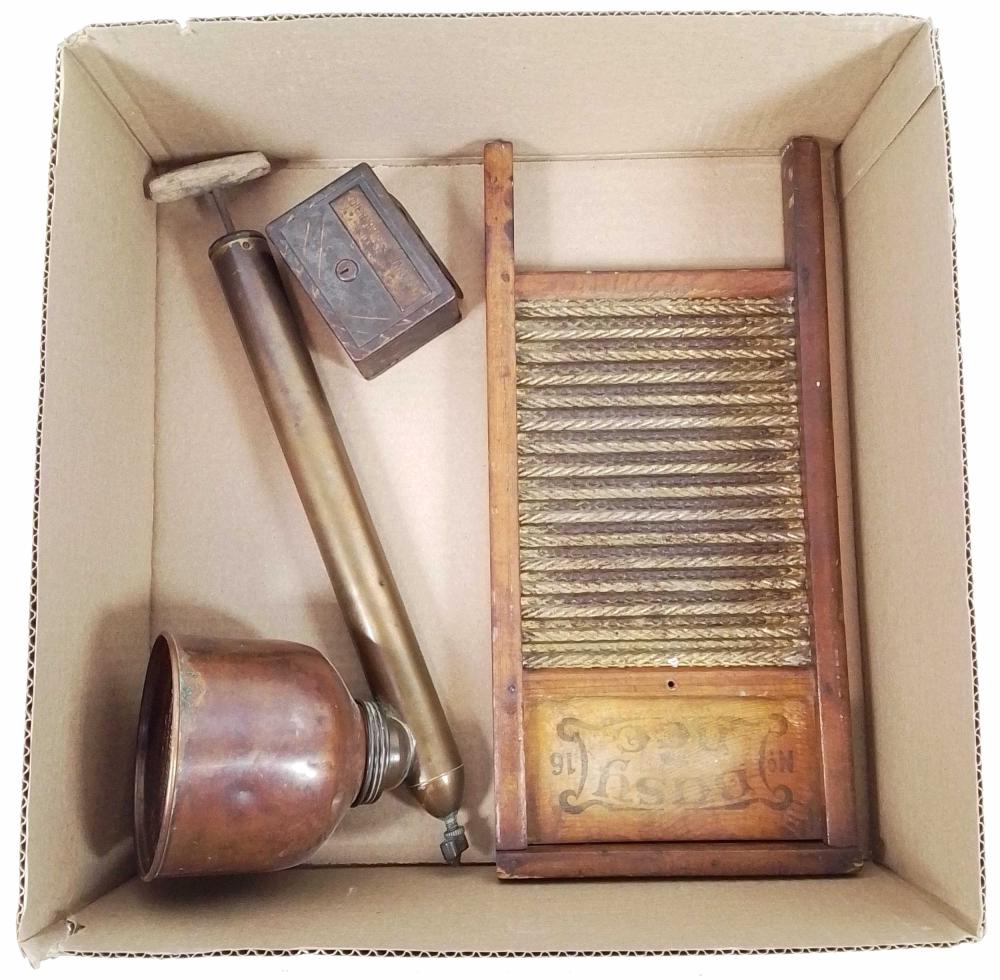 |
(3) Antique Washboard, Blizzard Sprayer, Coin BankSource blocked; provenance matched | EJ'S Auction & Appraisal | 2024-11-23 | 3011 | USD 20 (buyer’s-premium treatment unknown) |
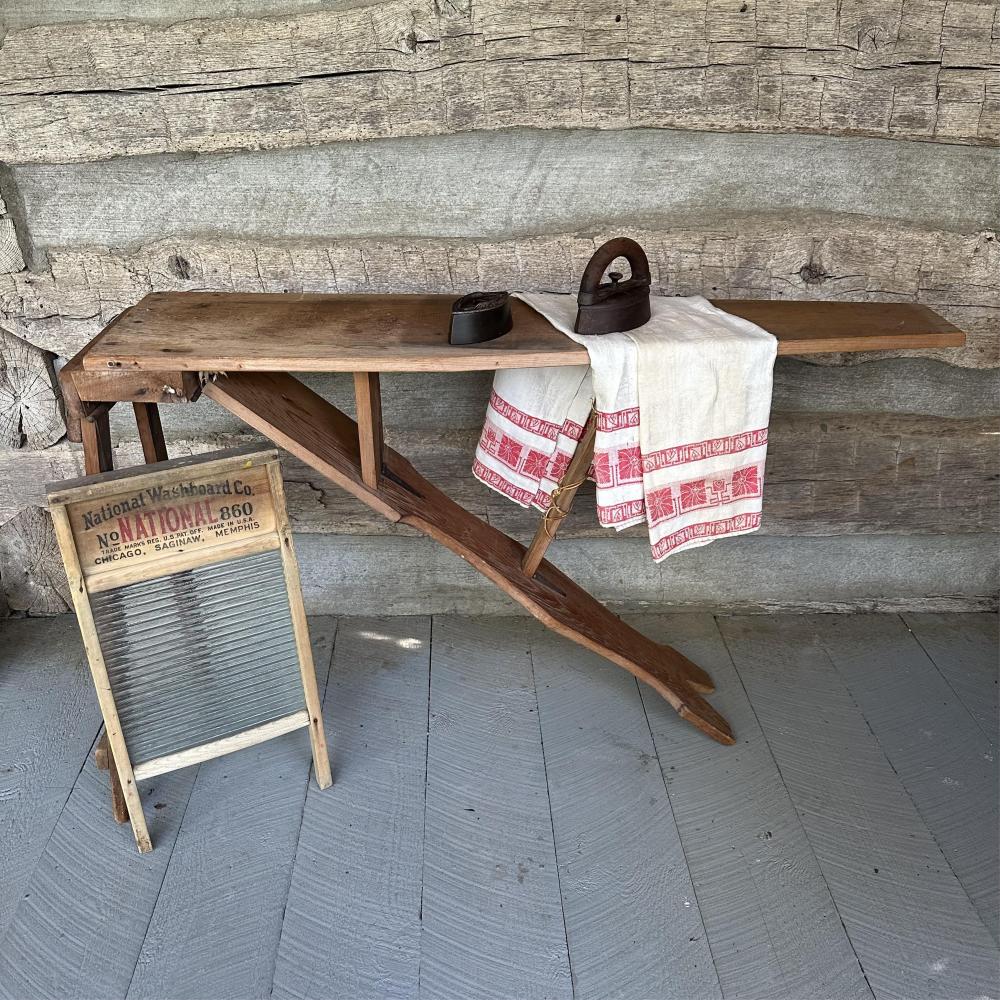 |
Wooden Ironing Board with National Washboard & Sad Irons, 52 x 18 1/2 x 30 1/2 in. (132.1 x 47 x 77.5 cm.) ironing board, 12 1/2 x 24 in. (31.8 x 61 cm.) washboardSource blocked; provenance matched | Asselmeier May Auctions | 2024-10-27 | 71 | USD 25 (buyer’s-premium treatment unknown) |
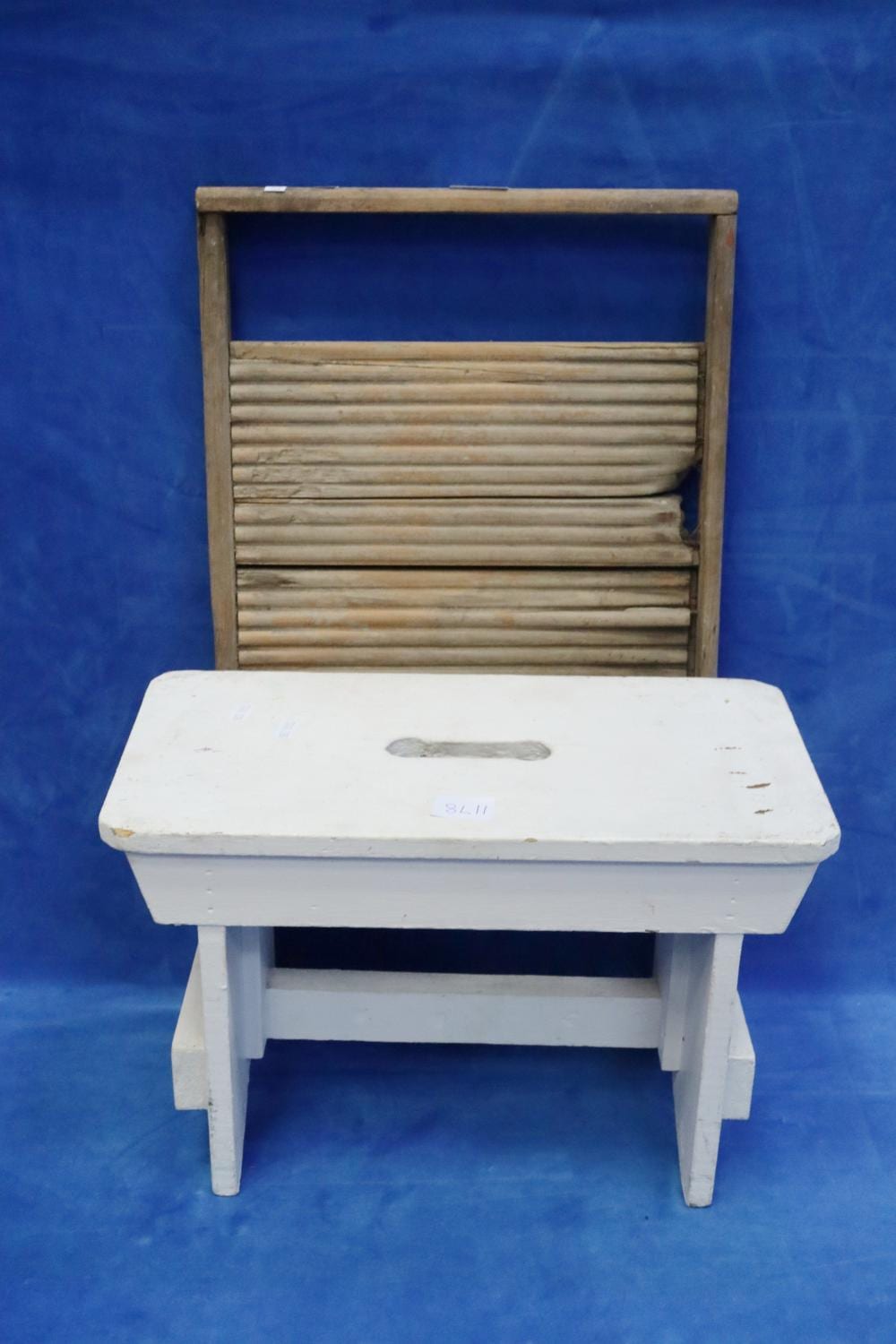 |
ANTIQUE PINE WASHBOARD, WOODEN STOOLSource blocked; provenance matched | Albion Antique Auction Centre | 2025-05-29 | 1178 | AUD 40 (buyer’s-premium treatment unknown) |
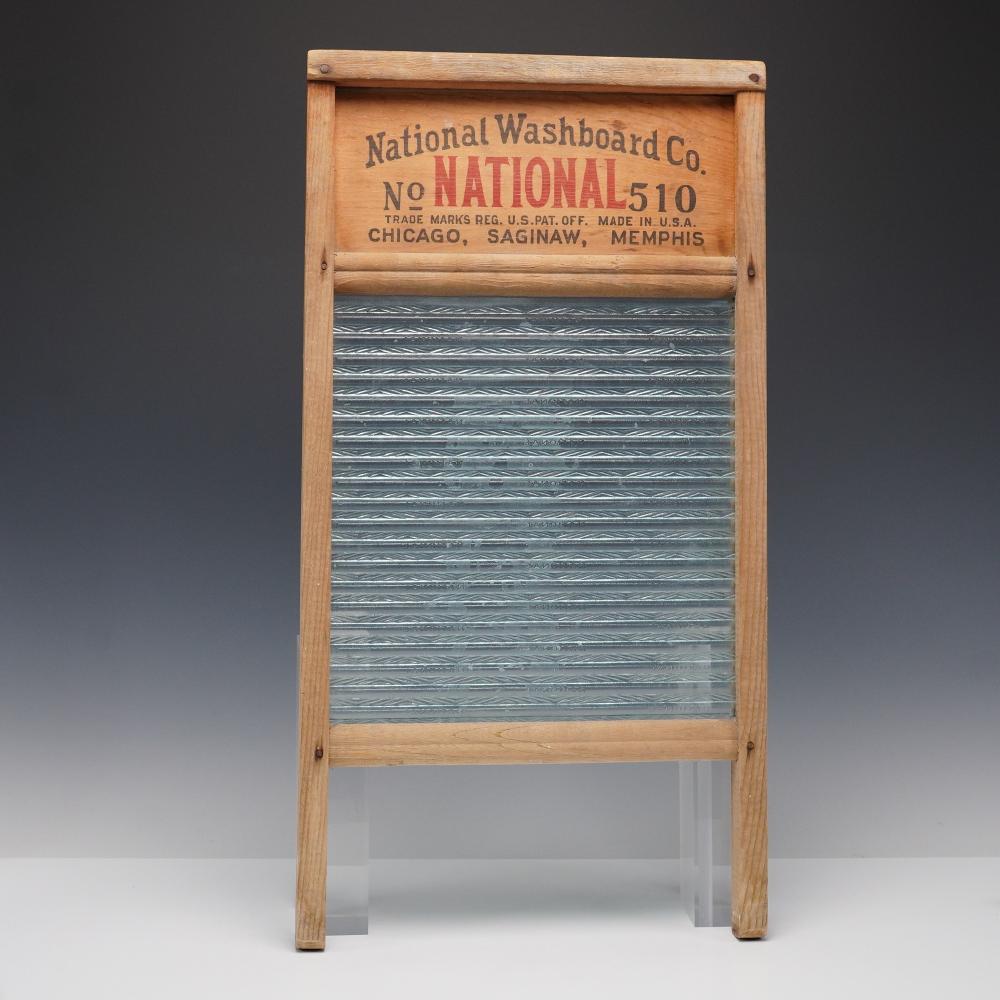 |
Vintage National Washboard Co. No. 510, Glass PanelSource blocked; provenance matched | Lion and Unicorn | 2025-08-10 | 18 | USD 25 (buyer’s-premium treatment unknown) |
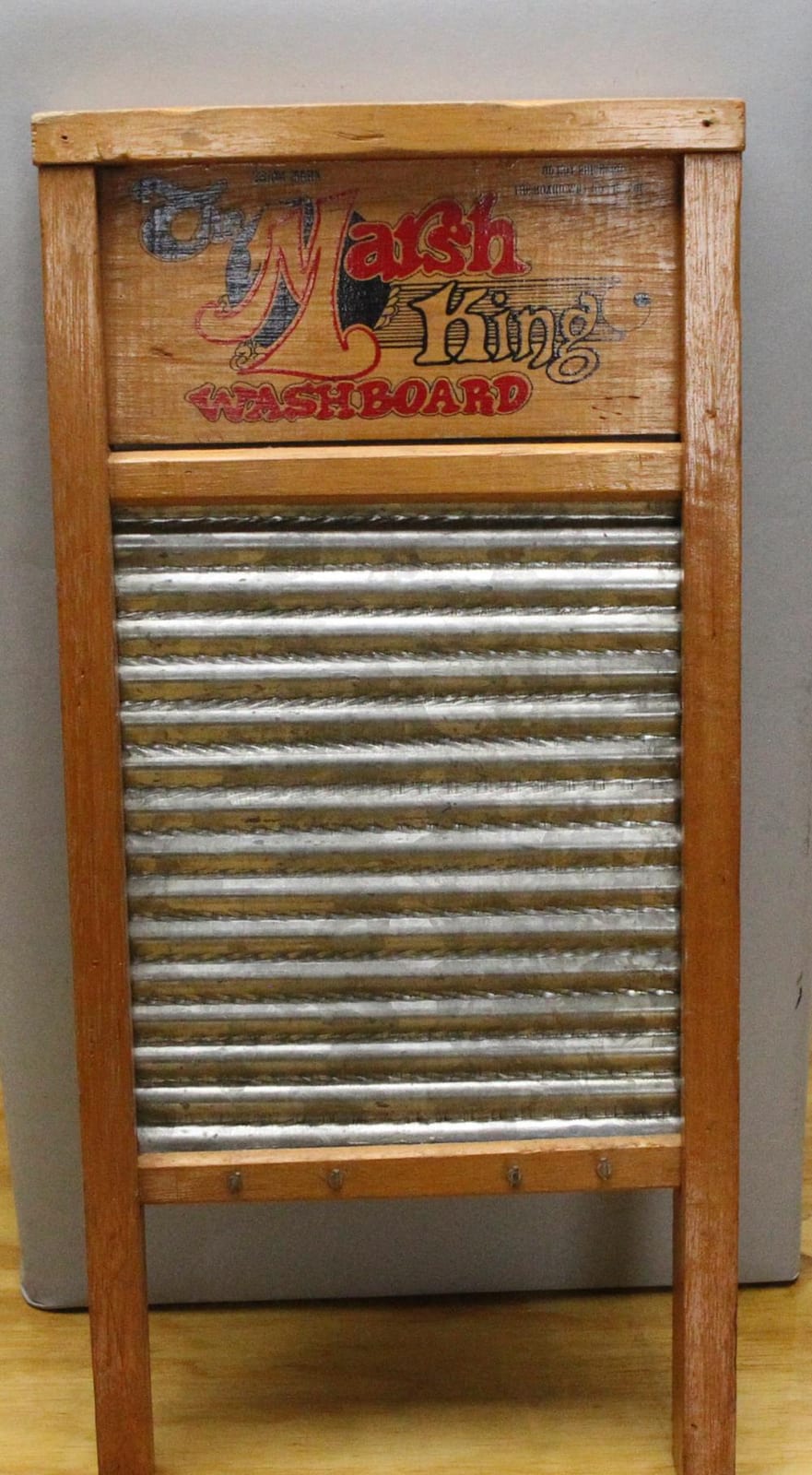 |
Antique Lingerie The Marsh King WashboardSource blocked; provenance matched | Pasadena Antique Warehouse | 2024-06-16 | 255 | USD 20 (buyer’s-premium treatment unknown) |
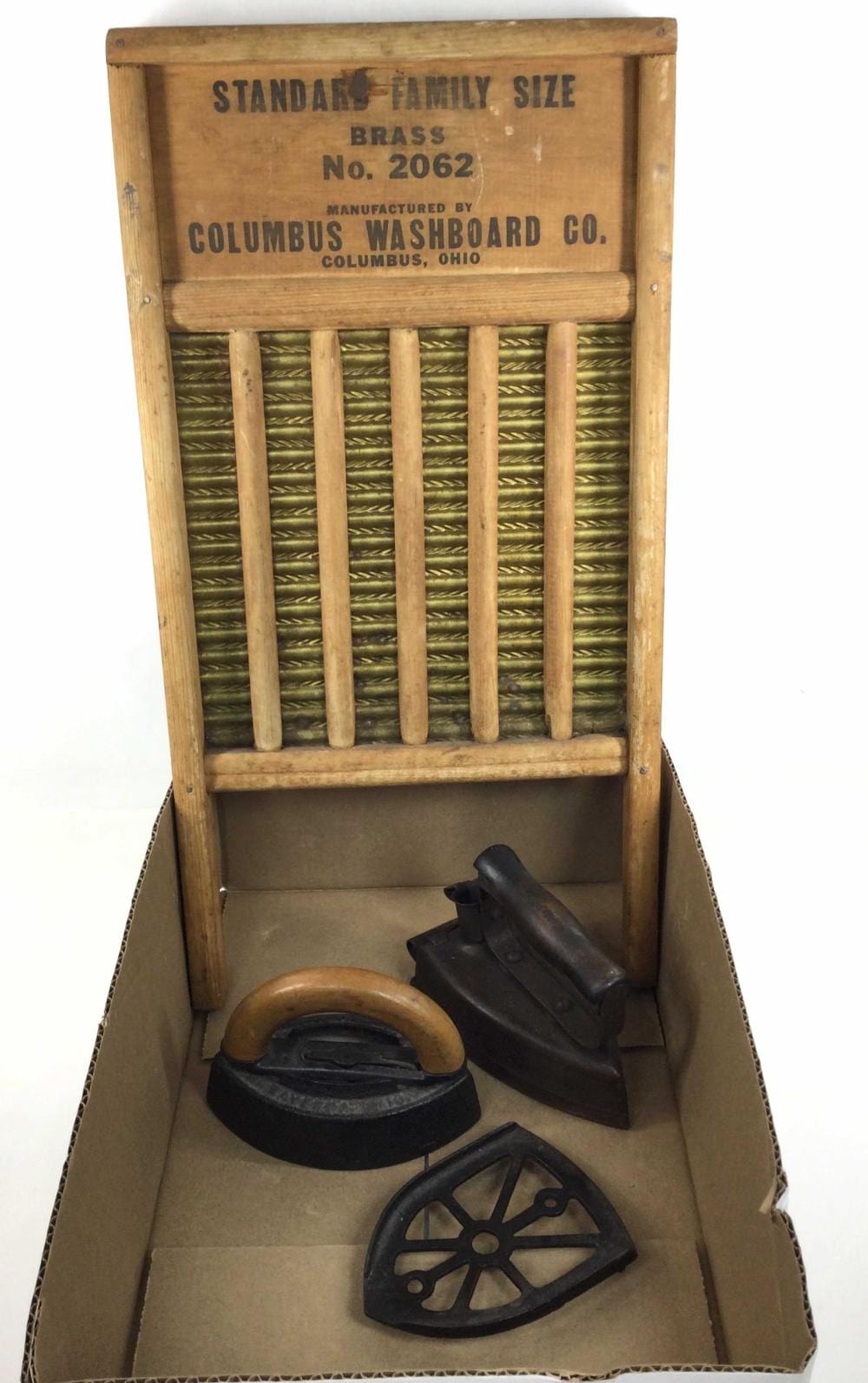 |
(4pc) Vintage Washboard, Irons, TrivetSource blocked; provenance matched | EJ'S Auction & Appraisal | 2024-02-17 | 3195 | USD 25 (buyer’s-premium treatment unknown) |
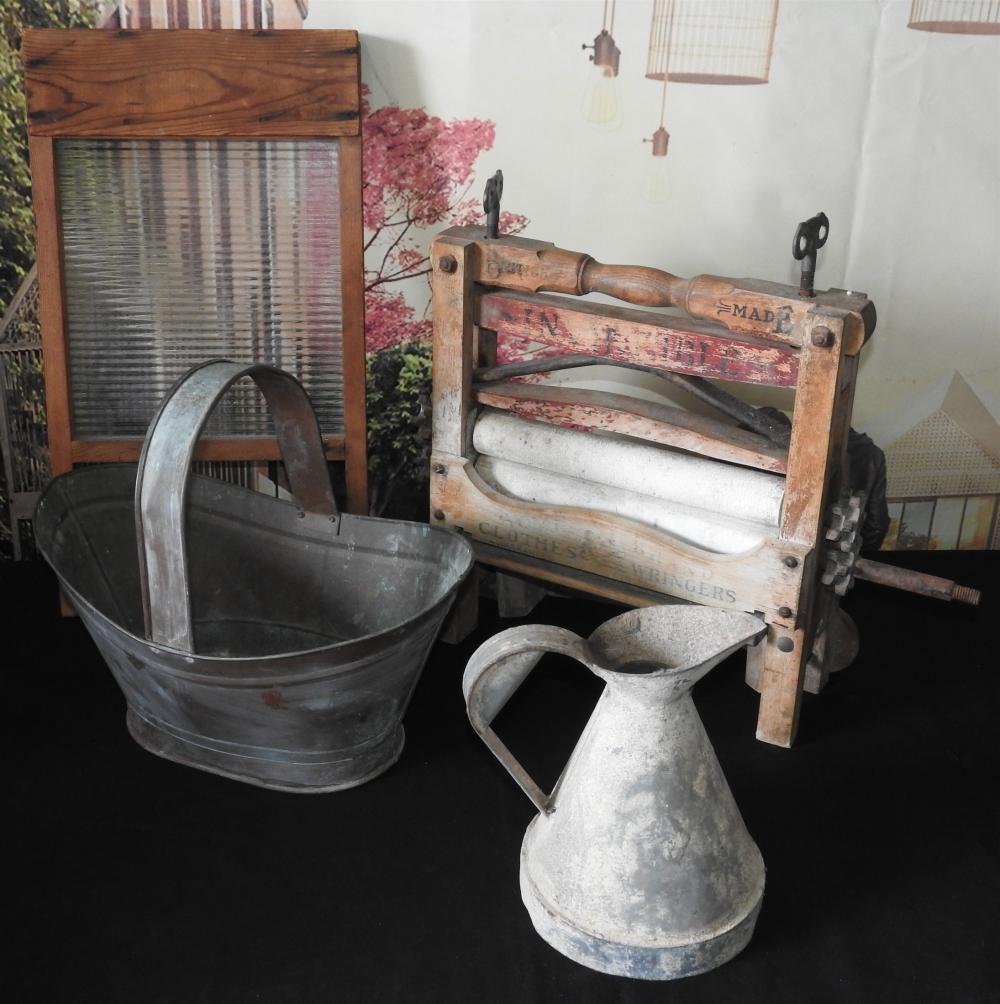 |
An Antique English Washing Lot - Washboard, Wringer etcSource blocked; provenance matched | Danielle Elizabeth Antique & Estate Auctioneers | 2022-01-15 | 8 | AUD 360 (buyer’s-premium treatment unknown) |
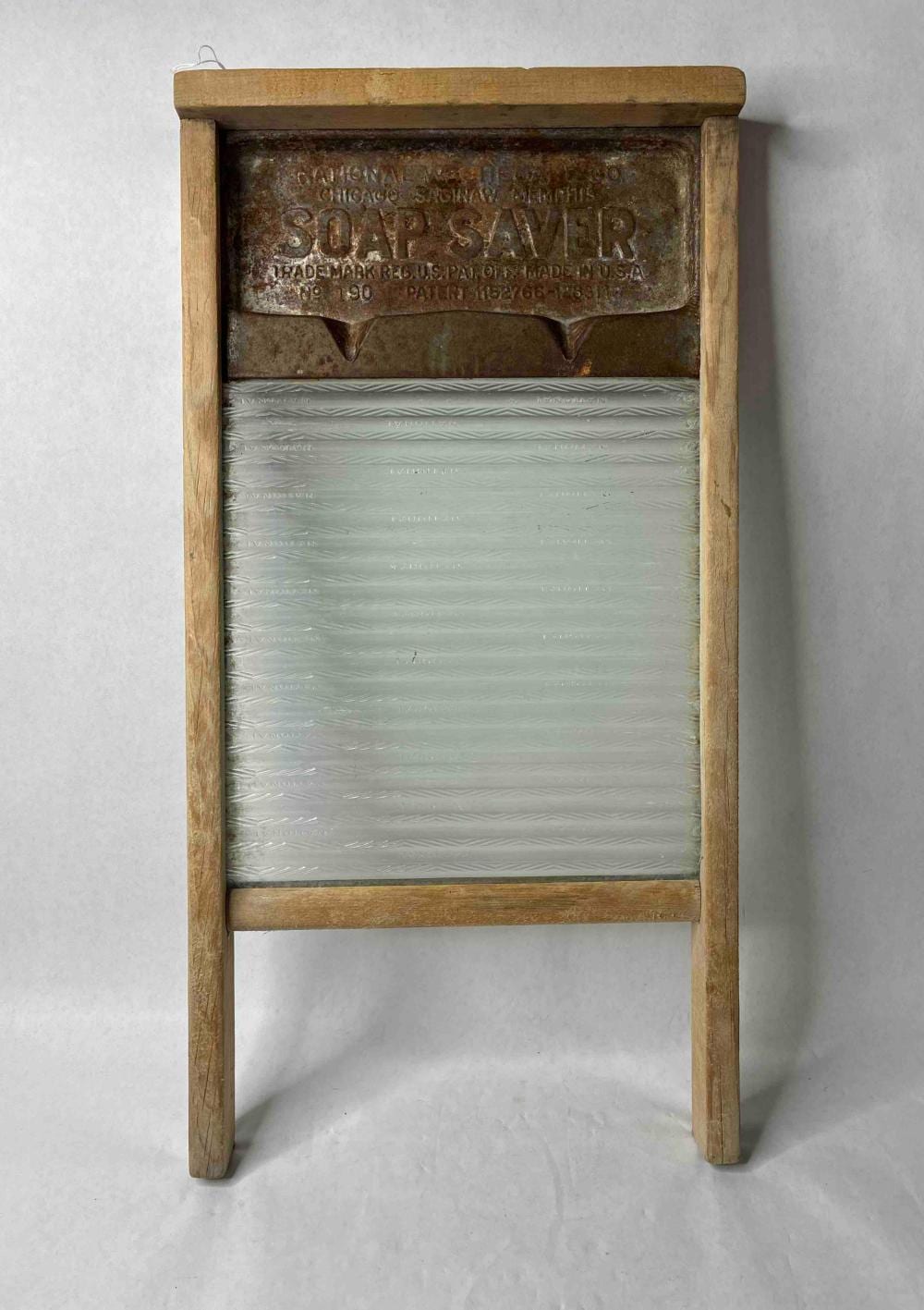 |
Soap Saver Glass WashboardSource blocked; provenance matched | Atlee Raber Auctioneer | 2025-10-13 | 108 | USD 5 (buyer’s-premium treatment unknown) |
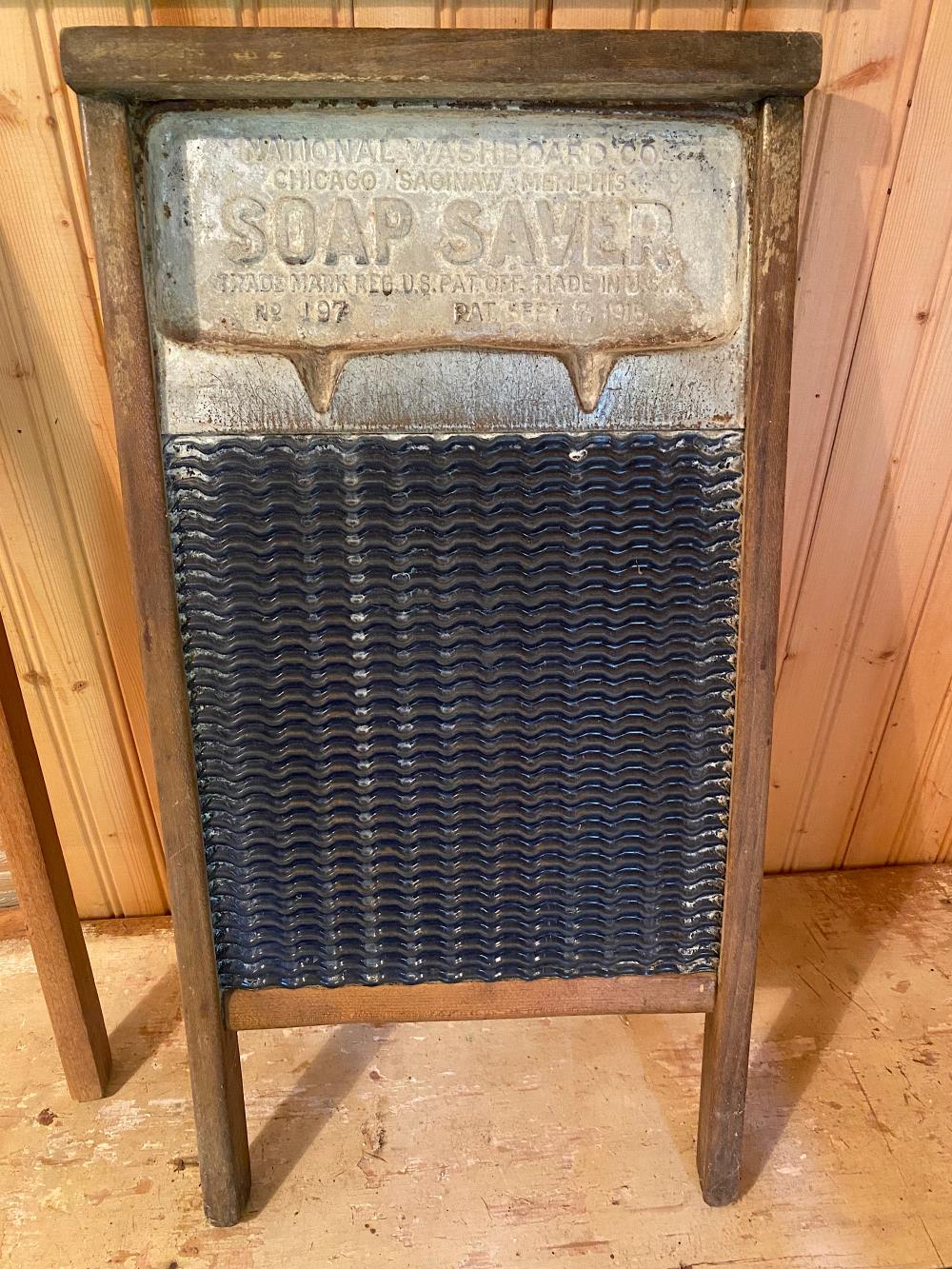 |
Antique National Washboard Co Soap Saver #197 Blue Enamel Porcelain 25 x 12 in. (63.5 x 30.5 cm.)Source blocked; provenance matched | Asselmeier May Auctions | 2023-06-25 | 161 | USD 40 (buyer’s-premium treatment unknown) |
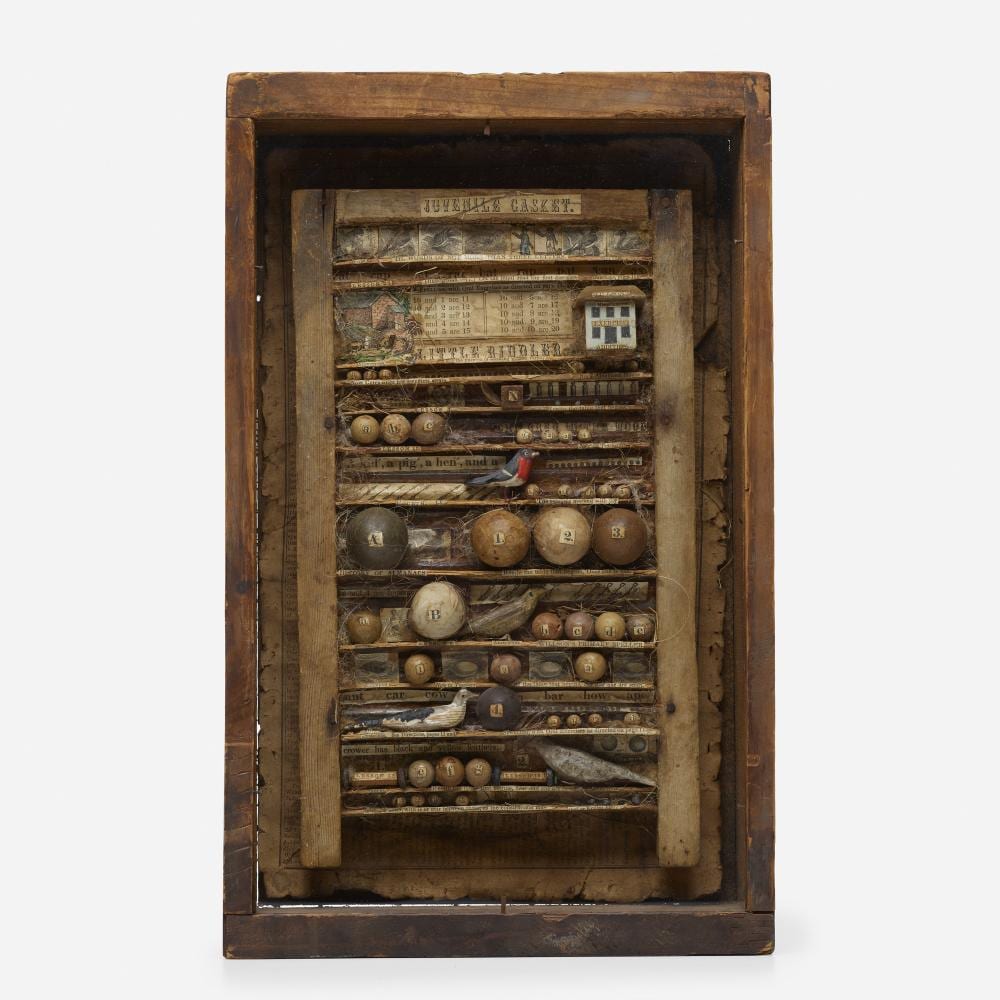 |
Barry Cohen, Washboard Bird ConstructionSource blocked; provenance matched | Rago Arts and Auction Center | 2020-03-25 | 273 | USD 650 (buyer’s-premium treatment unknown) |
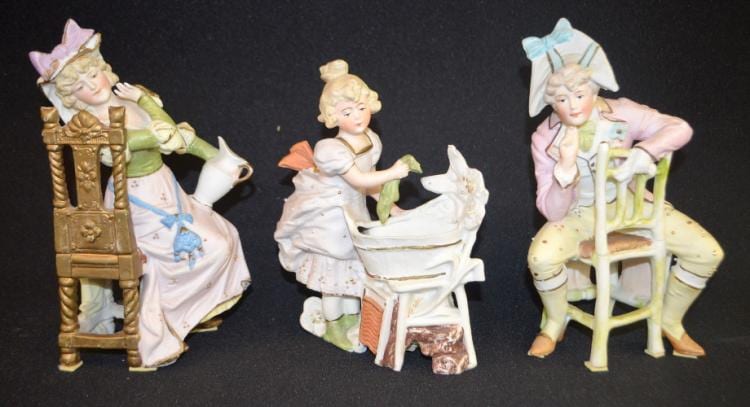 |
3 Antique Bisque Figurines: 1.) #9784, Lady holding a pitcher and seated in an ornate chair.; 2.) #8805, Man seated backwards on a kitchen chair.; 3.) Unmarked, a lady doing laundry in a tub with a washboard at her feet.Source blocked; provenance matched | Tom Harris Auctions | 2018-04-14 | 94 | USD 20 (buyer’s-premium treatment unknown) |
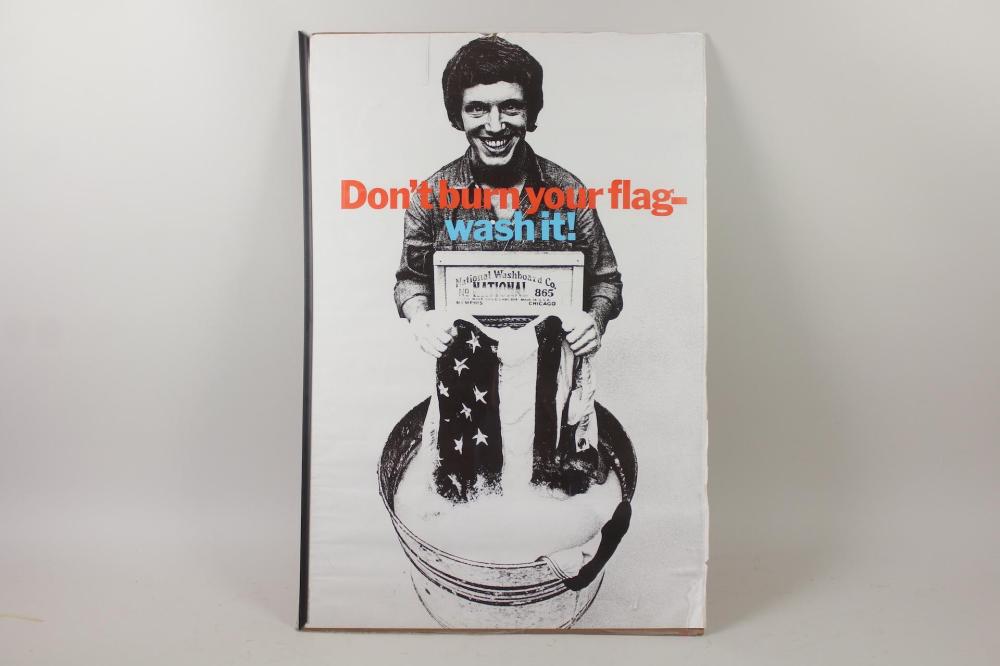 |
1970s Washboard Ad Poster "Don't Burn Your Flag America Wash It"Source blocked; provenance matched | Public Sale Auction House | 2025-06-21 | 144 | USD 25 (buyer’s-premium treatment unknown) |
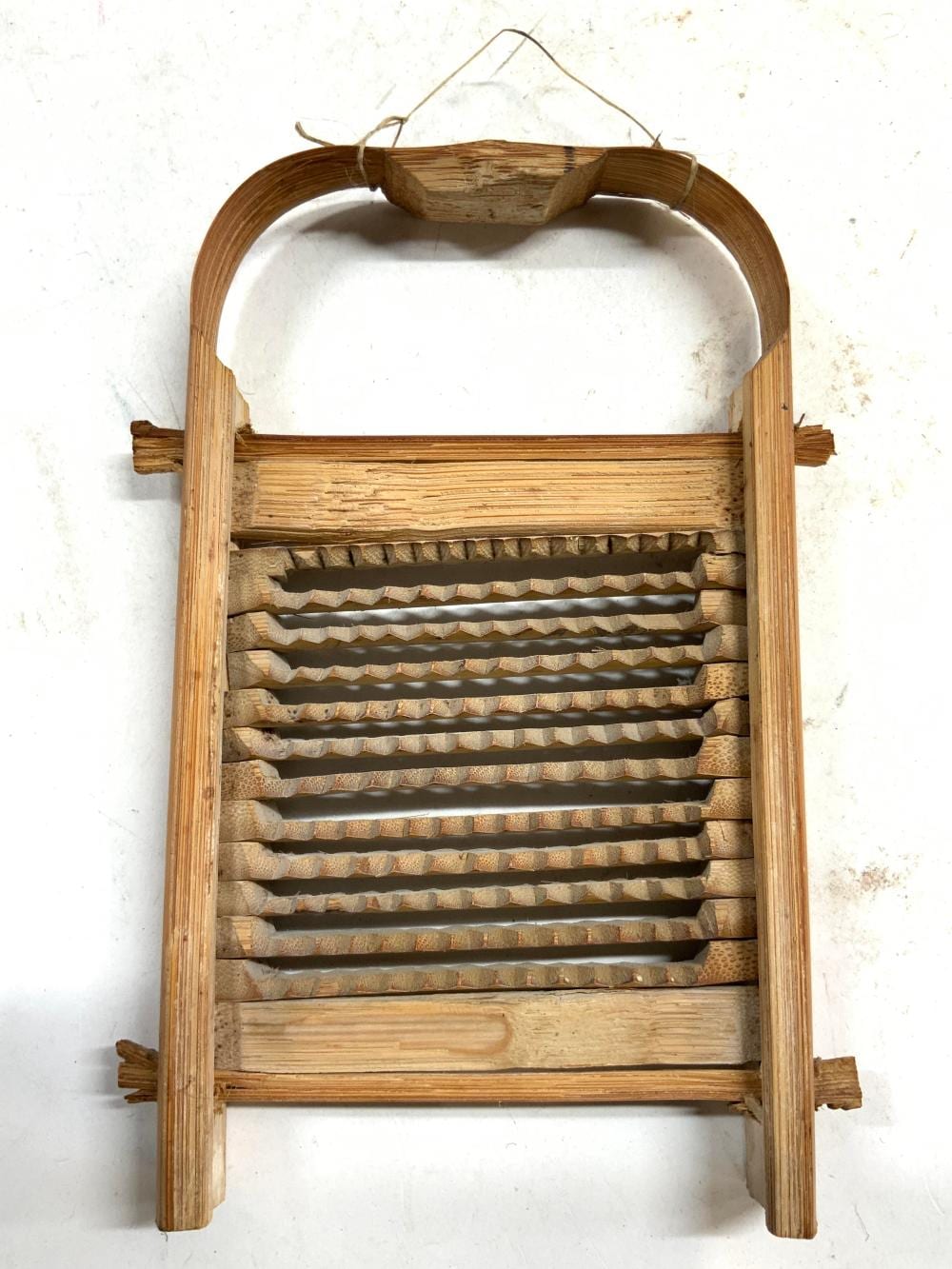 |
Antq Wooden Salesman Sample Washboard / GraterSource blocked; provenance matched | The Benefit Shop Foundation Inc. | 2025-08-27 | 620 | USD 20 (buyer’s-premium treatment unknown) |
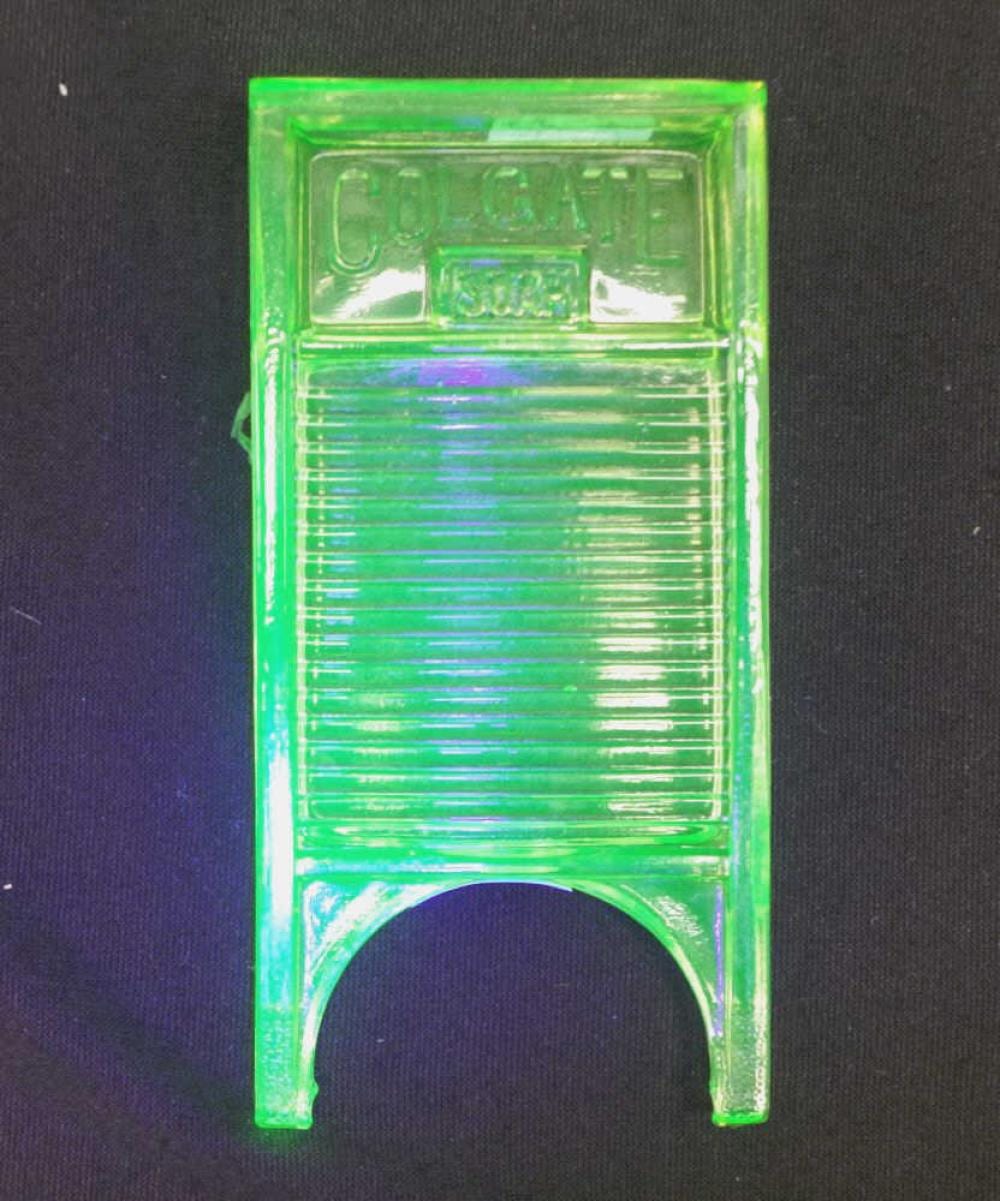 |
Colgate uranium glass soap washboardSource blocked; provenance matched | Barsby Auctions | 2024-11-17 | 1451 | AUD 280 (buyer’s-premium treatment unknown) |
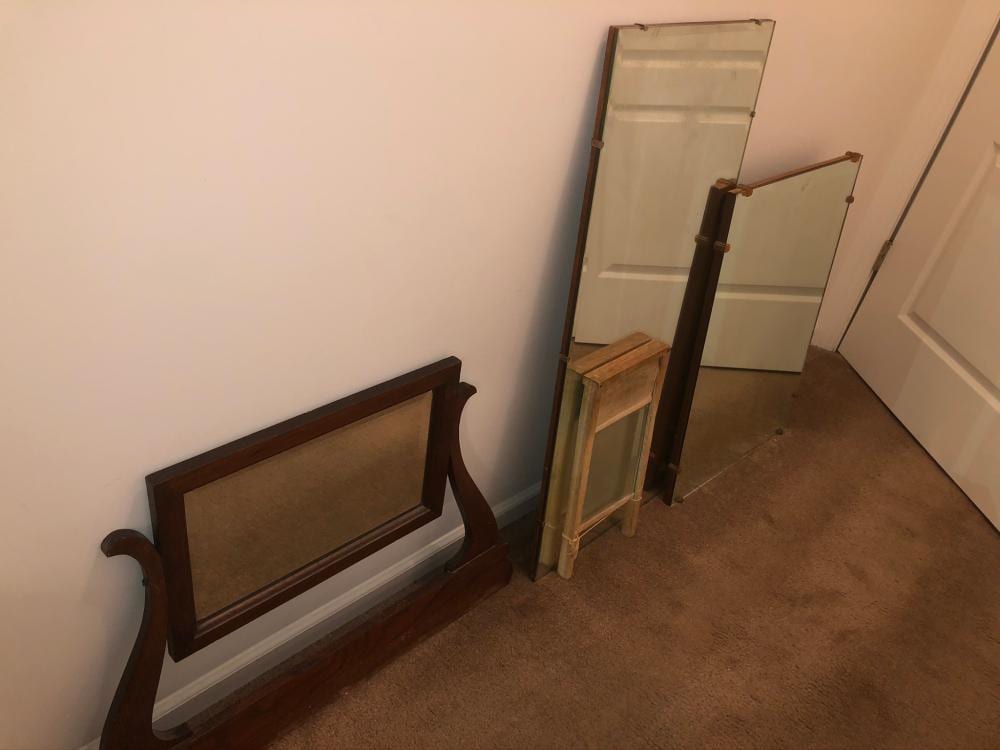 |
MIRRORS AND SMALL WASHBOARDSource blocked; provenance matched | Aether Auctions | 2020-05-10 | 315 | USD 5 (buyer’s-premium treatment unknown) |
How these auction records were verified
Each row retains its exact source URL, lot identity, retrieval time, access result, and immutable record hash. Live source access was blocked; the exact record matched Appraisily's immutable pipeline provenance. Inspect the public comparable provenance record.
Disclosure: prices are shown as reported by auction houses and are provided for appraisal context. Learn more in our editorial policy.
From practical household tool to sought-after collectible, antique washboards have enjoyed a renaissance in popularity among collectors of vintage Americana. These humble laundry implements, once a staple in homes across America, now command interest for their historical significance, craftsmanship, and decorative appeal.
Whether you’ve inherited an old washboard, discovered one at an estate sale, or are building a collection, understanding the value of these vintage laundry tools can help you make informed decisions. This comprehensive guide explores everything you need to know about antique washboard values, from identification factors to current market trends.
Table of Contents
- The History of Washboards
- Types of Antique Washboards
- Factors That Determine Washboard Value
- Price Guide for Antique Washboards
- Notable Manufacturers
- How to Identify Valuable Washboards
- Where to Buy and Sell Antique Washboards
- Caring for Your Antique Washboard
- Frequently Asked Questions
The History of Washboards
The washboard’s simple yet effective design consisted of a ridged surface mounted in a frame, against which clothing would be rubbed to remove dirt and stains. This practical tool revolutionized laundry practices and remained in common use for over a century.
Evolution of Washboards
- 1797
First Patent
The earliest known washboard-related patent was issued in France, though simple washing boards had been used for centuries before.
- 1833
Metal Innovation
Stephen Rust patented the first "fluted" metal washboard in the United States, marking a significant evolution in design.
- 1850s
Mass Production
Zinc washboards began widespread manufacturing in the United States, making the tool more accessible to average households.
- 1880s
Glass Introduction
Glass washboards emerged as a premium alternative to metal, offering better durability and resistance to rust.
- 1950s
Decline in Use
With the widespread adoption of automatic washing machines, washboards gradually became obsolete for everyday laundry.
Washboards became largely obsolete for their original purpose by the mid-20th century as electric washing machines became commonplace in American homes. However, they’ve found new appreciation as decorative pieces, musical instruments, and collectibles that represent a bygone era of domestic life.
Types of Antique Washboards
Glass Washboards
Glass washboards feature ridged glass panels set into wooden frames. These are often the most sought-after by collectors due to their aesthetic appeal and relative rarity. The glass surface was resistant to rust and offered a smoother washing experience.
Manufacturers like The National Washboard Company, The Columbus Washboard Company, and Anchor Manufacturing produced glass washboards that are highly collectible today. Some feature embossed patterns or manufacturer information directly on the glass.
Metal Washboards
Metal washboards, typically made with zinc, brass, or tin, were the most common type. They were durable and less expensive than glass varieties, making them the standard in most households.
Key features that can increase the value of metal washboards include:
- Ornate pressed designs
- Manufacturer’s marks or advertisements
- Colorful paint or decorative elements
- Unusual shapes or sizes
Wooden Washboards
The earliest washboards were often made entirely of wood, with ridged wooden surfaces. As manufacturing evolved, all-wood designs became less common, making authentic early wooden washboards quite valuable to collectors.
Later wooden washboards typically featured metal or glass washing surfaces mounted in wooden frames, with the wood used primarily for the structural elements.
Factors That Determine Washboard Value
Age and Rarity
Generally, older washboards (pre-1900) command higher prices, especially if they represent early manufacturing techniques or designs. Limited production runs or washboards from smaller regional manufacturers can be particularly valuable due to their scarcity.
Material and Construction
The materials used in a washboard significantly impact its value:
- Glass washboards typically fetch the highest prices
- Brass and copper surfaces are often more valuable than zinc
- Solid wood construction (especially in early models) can increase value
- Unusual materials or combinations may command premium prices
Condition
As with most antiques, condition is paramount:
Washboard Condition Assessment
Check applicable items to assess your washboard's condition
- Original finish intact (minimal wear or fading)
- No cracks or chips in glass surface
- No rust on metal components
- Solid, stable wooden frame (no warping or separation)
- Original manufacturer's markings visible
- No repairs, replacements, or modern additions
Historical Significance
Washboards with connections to notable events, regions, or cultural significance often command premium prices. Those with verifiable provenance (documented history of ownership) can be especially valuable to collectors and museums.
Decorative Elements
Ornate designs, colorful graphics, unusual shapes, and advertising elements can significantly increase a washboard’s value. Some collectors specifically seek washboards with particular advertisements or promotional content.

Price Guide for Antique Washboards
Antique Washboard Value Guide
Current market price ranges (as of 2023)
Recent Notable Sales
Based on auction results and marketplace transactions, here are some examples of recent washboard sales:
</tbody> </table>
Notable Manufacturers
The National Washboard Company
Founded in Chicago in 1903, The National Washboard Company became one of the largest manufacturers in America. Their products are identified by:
- “National” branding
- Model numbers (500 series for standard models)
- “Chicago - Memphis - Kansas City” location listings
- Distinct black and red logo on many models
National Washboard Company products are among the most commonly found antique washboards, though certain models and variations remain rare and valuable.
The Columbus Washboard Company
Established in 1895 in Columbus, Ohio, this company is notable for being the last remaining washboard manufacturer in the United States, still producing washboards today. Vintage Columbus washboards are identifiable by:
- “Columbus” name stamped on the board
- “Made in Columbus, Ohio” markings
- Various model names including “Dubl Handi” and “Family Size”
Older Columbus Washboard Company products from the early 20th century are particularly collectible.
Other Notable Manufacturers
- Anchor Manufacturing: Known for quality glass washboards
- The Zinc King: Specialized in durable metal washboards
- The Washboard Manufacturing Company: Produced various designs from the 1880s-1920s
- Merit Manufacturing Company: Known for colorful advertisements on their boards
- Canadian Woodenware Company: Produced distinctive designs for the Canadian market

How to Identify Valuable Washboards
Key Identifying Features
Manufacturer’s Marks: Look for company names, logos, and locations stamped or printed on the washboard. These are typically found on the upper portion of the frame or directly on the washing surface.
Patent Information: Many washboards include “Pat. Applied For” or specific patent dates. These can help establish the age of the piece.
Construction Methods: Examine how the washboard is assembled:
- Hand-cut dovetail joints suggest earlier, often pre-1900 construction
- Machine-cut joints typically indicate 20th century production
- Nails, screws, and fasteners can provide clues to age and authenticity
Material Analysis: Identify the materials used:
- Early zinc has a distinctive patina different from modern reproductions
- Genuine antique glass typically has small imperfections and bubbles
- Wooden components should show appropriate age-related wear
Common Reproduction Warning Signs
Be aware of these indicators that a “vintage” washboard might actually be a modern reproduction:
- Too perfect appearance with artificially distressed elements
- Modern fasteners or construction methods inconsistent with the purported age
- Printed (rather than embossed) manufacturer information
- Materials that weren’t commonly used in the claimed time period
- Overly bright or new-looking wood in supposedly antique pieces
Authentication Tips
- Research the manufacturer and compare your piece to verified examples
- Examine patina and wear patterns for consistency with genuine age
- Consult reference books or online resources with detailed photographs
- Consider professional appraisal for potentially valuable pieces
Where to Buy and Sell Antique Washboards
Best Places to Find Antique Washboards
Online Marketplaces
- eBay offers the largest selection of antique washboards online
- Etsy features many vintage and antique washboards, often with creative repurposing ideas
- Facebook Marketplace and local selling apps can yield good finds at reasonable prices
Physical Locations
- Antique stores and malls, particularly in rural areas
- Estate sales, particularly from older homes
- Farm auctions and country auctions
- Flea markets and antique fairs
Specialty Sources
- Antique tool collectors’ groups and forums
- Laundry memorabilia collectors
- Historical societies and museums (for viewing examples)
Selling Your Antique Washboard
If you’re looking to sell an antique washboard, consider these options:
Direct to Collectors
- Online marketplaces like eBay and Etsy reach the widest audience
- Collector forums and groups can connect you with serious buyers
- Consignment at antique shops (though expect a fee)
Auction Options
- General antique auctions (best for higher-value pieces)
- Online specialty auctions focusing on Americana or household antiques
- Local auctions in rural areas where farming and household antiques are appreciated
Best Practices for Sellers
- Provide clear, detailed photographs from multiple angles
- Include accurate measurements and weight
- Document any manufacturer’s marks, labels, or distinctive features
- Be transparent about condition issues
- Research comparable sales to set reasonable asking prices
Caring for Your Antique Washboard
Cleaning Recommendations
Different materials require different cleaning approaches:
Wooden Components:
- Dust regularly with a soft cloth
- Clean with a lightly damp cloth if necessary, avoiding excess moisture
- Apply a quality furniture wax sparingly for preservation (1-2 times yearly)
- Never soak wooden components
Metal Surfaces:
- Dust regularly with a soft cloth
- For light cleaning, use a soft cloth with mild soap and water
- For zinc or tin, avoid harsh chemicals that can damage the patina
- Consider using specialized metal cleaners only for heavily soiled pieces
Glass Components:
- Clean with a soft cloth and glass cleaner
- Avoid putting pressure on any cracked or weak areas
- Handle carefully as antique glass is often more brittle than modern glass
Display and Storage Tips
- Display away from direct sunlight to prevent fading and material degradation
- Maintain stable humidity levels (extreme dryness can crack wood)
- If hanging for display, ensure proper support for the entire frame
- For storage, wrap in acid-free paper and store in a climate-controlled environment
Restoration Considerations
While it may be tempting to restore a damaged washboard, keep in mind:
- Inappropriate restoration can significantly reduce value
- Minor damage or patina is often preferable to poorly executed repairs
- If restoration is necessary, consult with a professional who specializes in antique wood or metal restoration
- Document any restoration work for future reference or potential buyers
Frequently Asked Questions About Antique Washboards
Are glass or metal washboards older?
Zinc washboards were manufactured in the United States from the middle of the 19th century onward. Glass washboards were introduced as a premium alternative to metal because they didn’t rust and offered smoother washing surfaces.
If you’re trying to date a washboard, material alone isn’t definitive - look for patent dates, manufacturer information, and construction techniques to determine age.When did people stop using washboards for laundry?
However, in some rural areas and households without electricity, washboards continued to be used into the 1960s. Today, while largely obsolete for their original purpose, some people still use washboards for specialized cleaning tasks, stain removal, or when washing delicate items.
The Columbus Washboard Company, founded in 1895, continues to manufacture washboards today, primarily for collectors, decorative purposes, and use as musical instruments.How much is my antique glass washboard worth?
Factors that can increase the value of a glass washboard include:
- Pre-1900 manufacturing date
- Rare or short-lived manufacturer
- Unusual glass patterns or embossing
- Original labels or decals intact
- Provenance or historical significance
What makes a washboard valuable to collectors?
- Rarity - Uncommon manufacturers, limited production runs, or washboards from regions with few surviving examples
- Material - Glass washboards and those with brass or copper surfaces typically command higher prices
- Condition - Original finish, no damage, and working condition
- Advertising - Colorful or unusual advertisements printed or stamped on the washboard
- Provenance - Documented history of ownership or use in a significant context
- Age - Generally, pre-1900 washboards are more valuable than later examples
- Unusual features - Unique shapes, materials, or design elements
Do people still use washboards today?
- Stain removal - Many people still use washboards for targeted stain treatment before machine washing
- Musical instruments - Washboards are essential instruments in jug bands, zydeco, and some folk music genres
- Washing delicate items - Some people prefer washboards for lingerie, vintage clothing, or other delicate fabrics
- Off-grid living - Those without access to electricity may use washboards for laundry
- Decorative purposes - Washboards are popular as rustic home decor and wall art
- Educational demonstrations - Historical societies and museums use washboards to demonstrate historical washing techniques
External Resources
eBay Antique Washboards
Browse current listings of antique washboards for sale, including pricing and condition details.
The Saleroom Washboard Price Guide
Review realised washboard auction prices from 640+ auction lots to understand current market values.
Columbus Washboard Company
The last remaining washboard manufacturer in the United States, established in 1895 and still producing washboards today.
Washboard History at Muzeum Svitavy
Educational resource on the history of washing and washboard development through the centuries.
Washboard Information on Wikipedia
Comprehensive reference information on washboard history, construction, and cultural significance.
Etsy Antique Washboard Marketplace
Conclusion
Antique washboards represent an important chapter in domestic history, bridging the gap between hand-washing clothing and modern automatic machines. While not typically high-value antiques compared to fine furniture or art, the right washboard can be a worthwhile addition to a collection of Americana, laundry memorabilia, or primitive household tools.
For collectors, the appeal of washboards extends beyond monetary value to the appreciation of craftsmanship, historical significance, and the connection to everyday life in earlier eras. Whether displayed as decorative items, used as musical instruments, or preserved as historical artifacts, these practical implements continue to fascinate collectors and history enthusiasts alike.
If you’re considering buying or selling an antique washboard, take time to research the specific manufacturer, style, and comparable sales to ensure a fair transaction. And if you have a particularly rare or unusual example, consider professional appraisal to determine its true market value.
Choose your next step
Use the path that matches the decision you need to make about the item.
Not sure it is worth appraising?
Start with a lower-friction screen to understand the likely category, evidence, and next step.
Upload photos for a free first lookWant proof before paying?
See how a signed report documents photos, comparable evidence, condition notes, and value conclusions.
View signed report sampleNeed a signed report?
Use this for insurance, estate, donation, resale, or documented value decisions.
Need documentation now? Start signed appraisalNeed local or specialist help?
Compare directory options when the work needs in-person review or a specialist near you.
Find local specialistsSee what the report looks like
Sample reports show how photos, comparable evidence, condition notes, and a value conclusion are documented.
Get a Professional Appraisal
Unsure about your item’s value? Our certified experts provide fast, written appraisals you can trust.
- Expert report with photos and comps
- Fast turnaround
- Fixed, upfront pricing
No obligation. Secure upload.
Free first look
Not sure whether this antique washboard needs an appraisal?
Photograph the whole object, maker and model marks, dimensions, attachments, wear, repairs, completeness, and working condition where safe. The photo-based Screener can help identify the likely category and visible evidence gaps before you pay for documentation.
Upload photos for a free first lookFree. No card needed. The photo upload usually takes about two minutes.
The free first read is a separate photo-based Screener, not this educational article. Results usually appear within a few minutes; complex items can take longer. From photographs of your antique washboard, it returns a preliminary category or identity read, visible evidence gaps, rough comparable market signals, and whether a human appraisal looks worthwhile; it is not a signed value conclusion. Material or construction can remain uncertain without direct examination, dimensions, provenance, or complete condition details. A written appraisal is useful when your antique washboard needs documented specialist support for insurance, tax, an estate, authentication, litigation, or a consequential sale, but you may not need one.
Continue your valuation journey
Find the right local specialist
Compare antique and art appraisers by location and specialty in one directory.
Antique & art specialists
Browse the Antique & Art Appraisers Directory
Choose a local specialist when the assignment needs in-person inspection or a specific credential.
Machine-readable summaries
Use these machine-friendly references for AI and crawler discovery of Appraisily content.
Ready for pricing guidance?
Start a secure online appraisal
Upload images and details. Certified specialists respond within 24 hours.
Upload photos for a free first look View signed report sample