Antique Sewing Machine Value: Models, Serial Numbers and Marks
Learn how maker, serial number, decals, cabinet, attachments, condition, and working order affect antique sewing machine value.

Signed appraisal from photos
Get a price-ready appraisal for your item
Answer three quick questions and we match your submission with a reviewer familiar with the relevant category. Delivered within 24 hours of receiving your photos.
Secure Stripe checkout · $59 for one item · No appointment
Start antique sewing machine appraisal nowHow We Research Valuation Data
Our appraisal guides are based on auction results, dealer pricing data, and professional appraiser insights. Our professional appraisal service provides paid signed reports. The Screener offers a free first look. Learn about our editorial standards.
Get a written antique sewing machine appraisal
Upload photos of your antique sewing machine and any marks, repairs, or provenance. Appraisily returns a written report with market context.
- category-matched human review with relevant market checks
- Delivered within 24 hours of receiving your photos
- Fixed, upfront pricing
No obligation. Secure upload.
What similar items actually sold for
To help ground this guide in real market activity, here are recent example auction comps from Appraisily’s internal database. These matched sales are market context only, not an object estimate or identification, and they do not guarantee a price for your specific sewing machine.
Shown USD range: USD 15-USD 180. Median of these 7 USD examples: USD 25.
| Comparable | What sold | Auction house | Date | Lot | Source-reported amount |
|---|---|---|---|---|---|
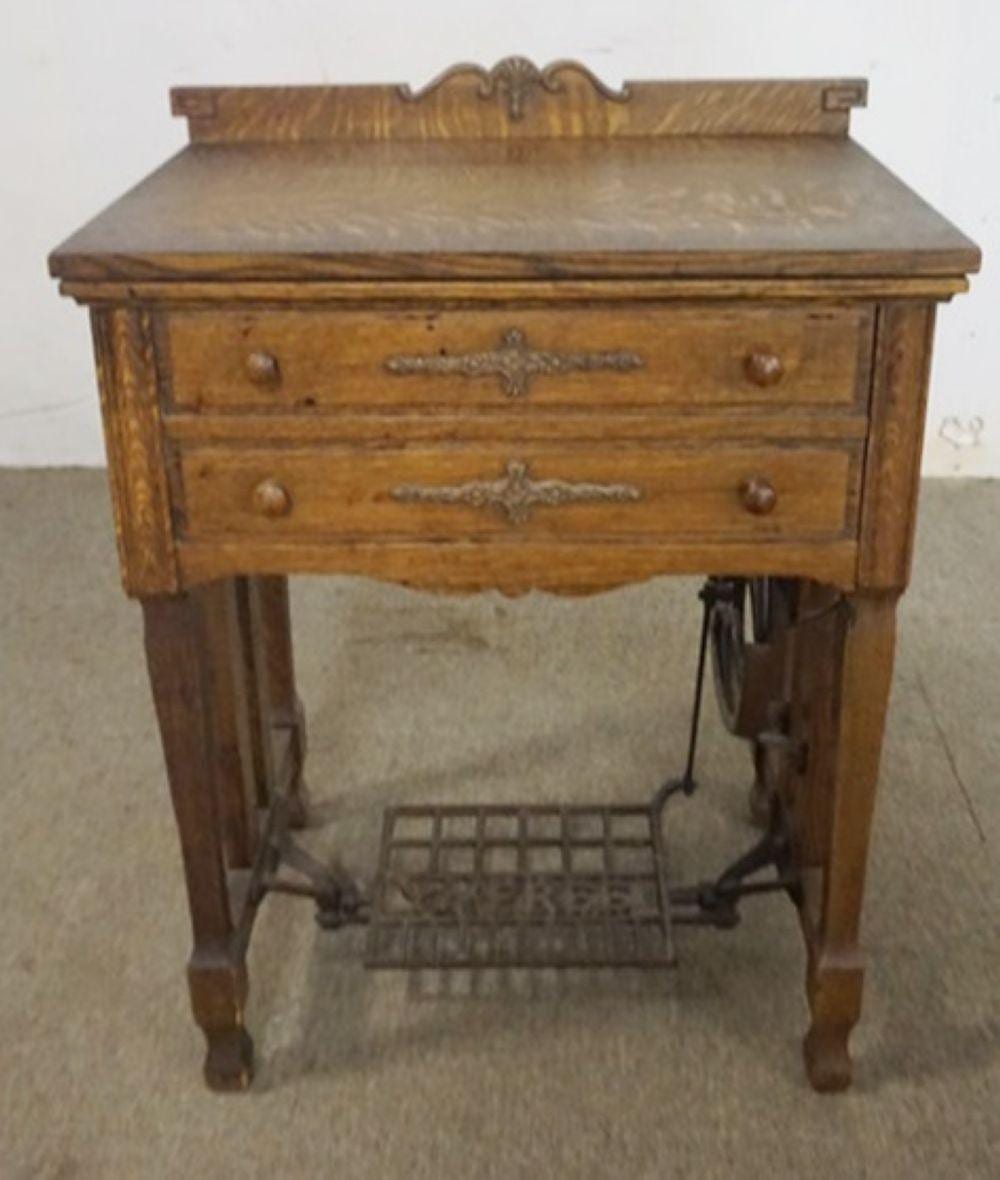 |
FREE SEWING MACHINE CO TREADLE SEWING MACHINE | Dennis Auction Service | 2025-10-10 | 1175 | USD 15 |
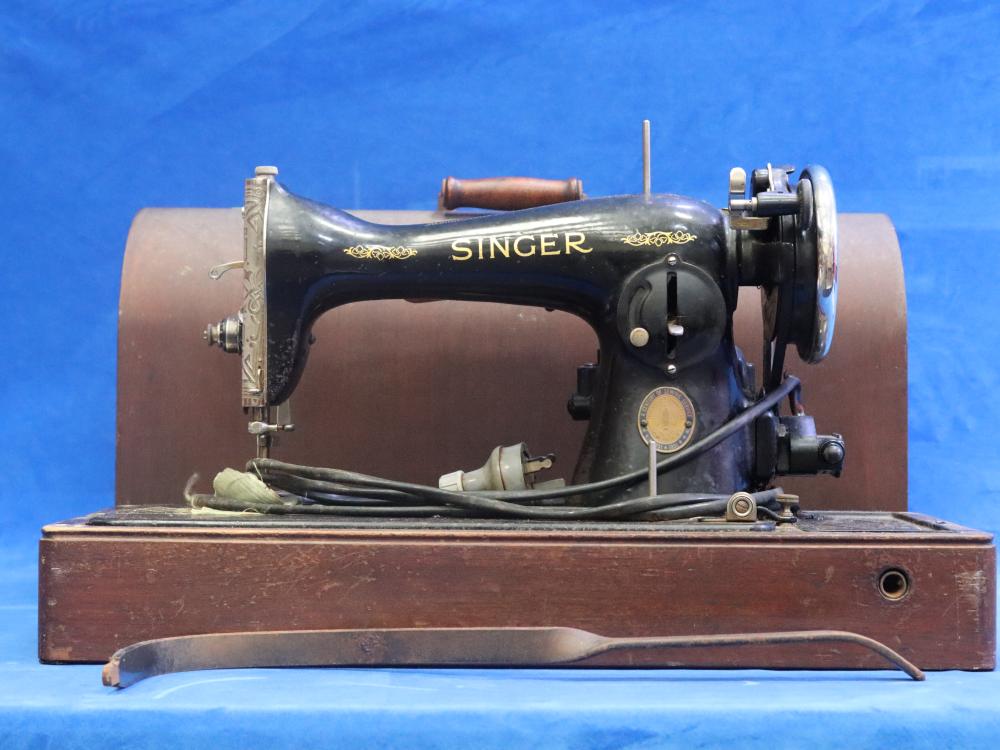 |
SINGER SEWING MACHINE IN CASE | Albion Antique Auction Centre | 2024-05-23 | 648 | AUD 25 |
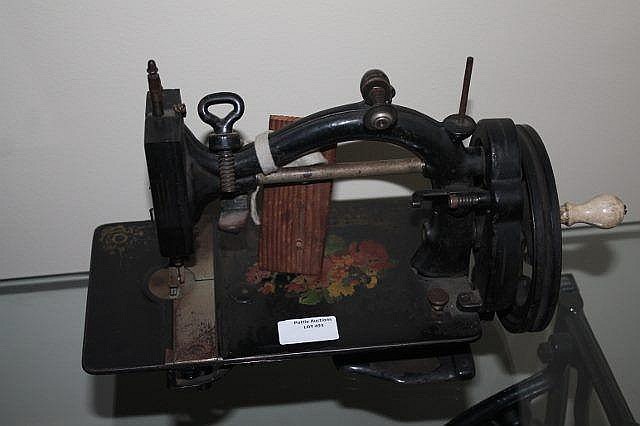 |
Small Antique Sewing Machine | Pottle Auctions | 2015-05-31 | 493 | AUD 50 |
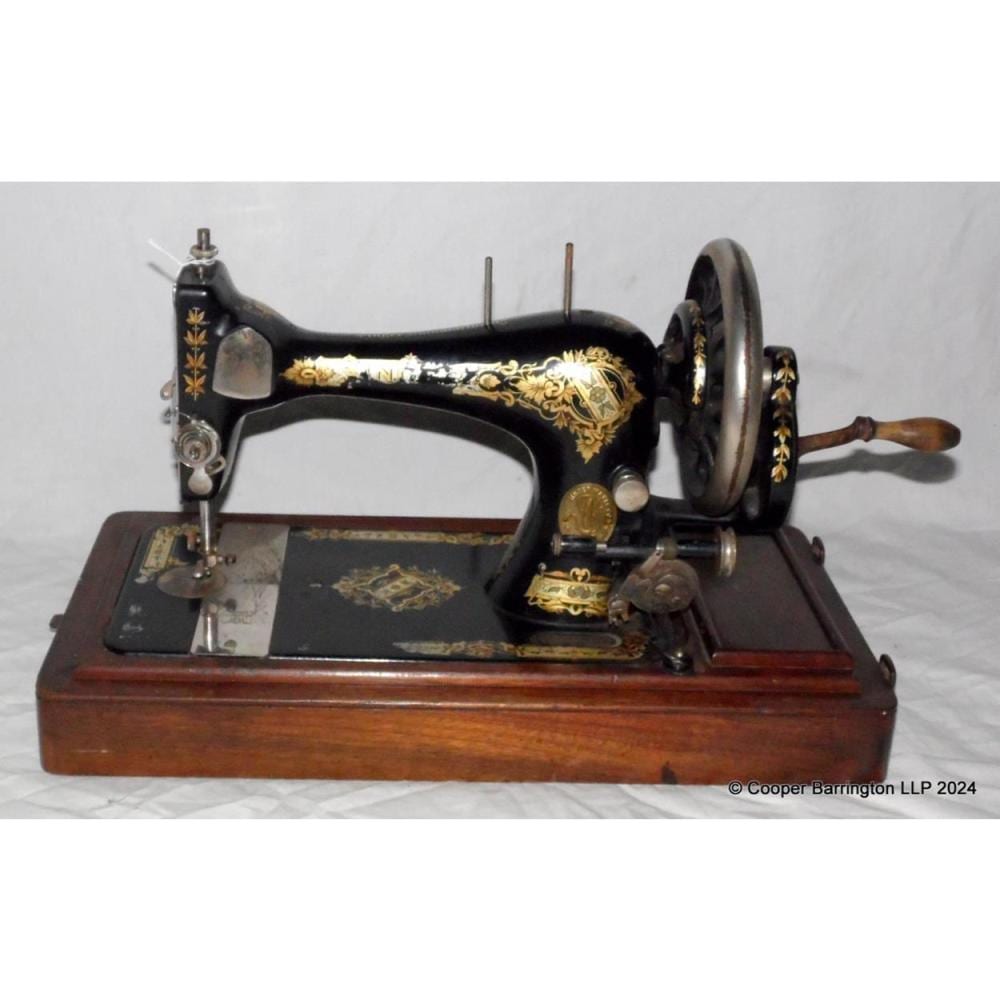 |
Victorian Singer Sewing Machine P Series | Cooper Barrington LLP | 2024-11-16 | 73 | GBP 14 |
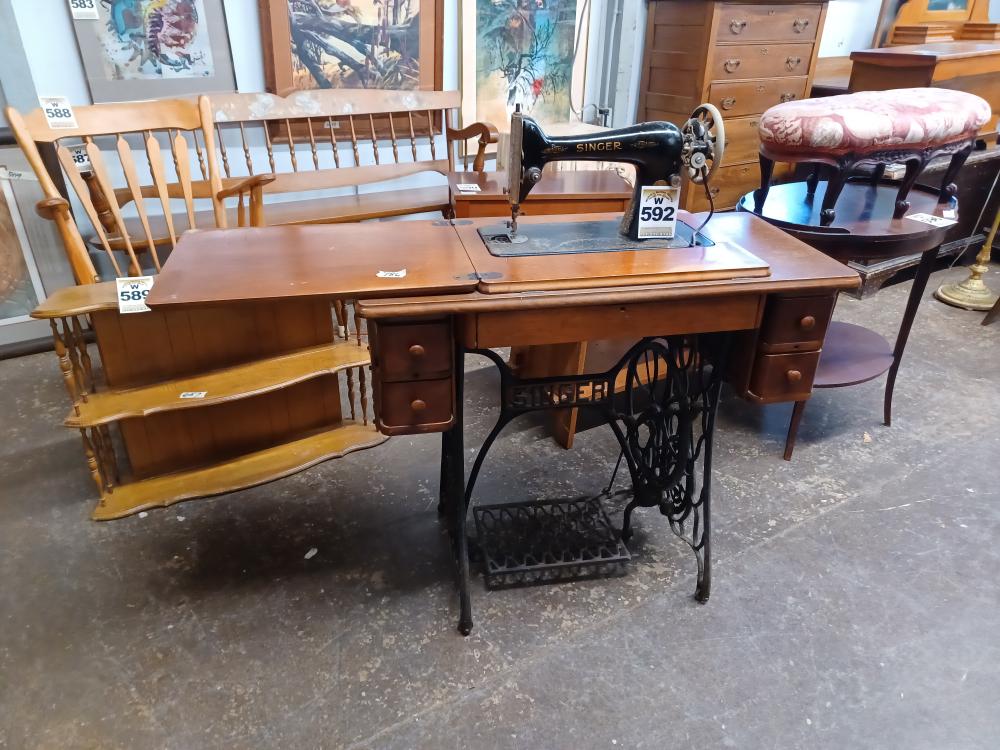 |
Singer Treadle Sewing Machine | Wehrly's Auction Service | 2022-11-29 | 592 | USD 16 |
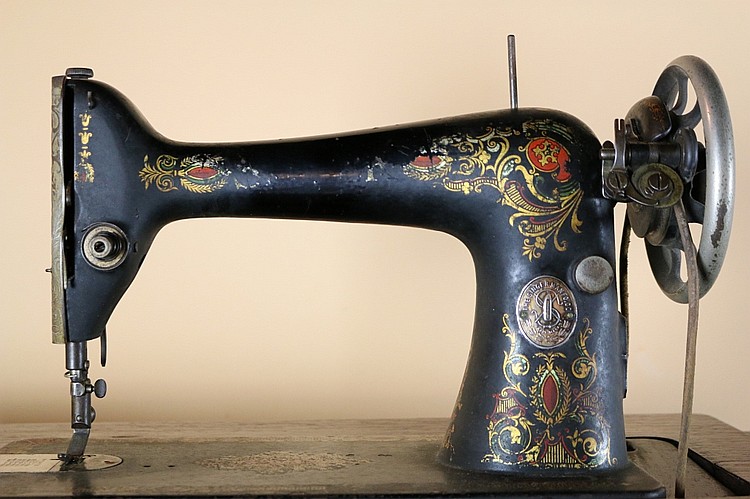 |
SINGER ANTIQUE SEWING MACHINE | Chandler's International Auction | 2014-11-23 | 672 | USD 20 |
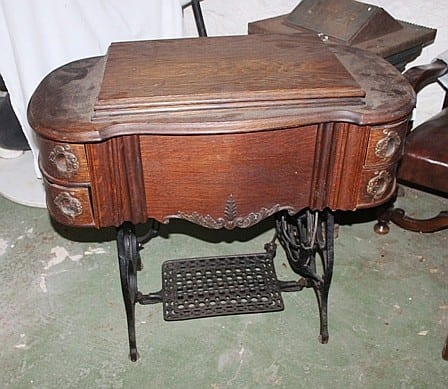 |
An Unusual Singer Sewing Machine | Ravenswick | 2015-01-18 | 289 | AUD 95 |
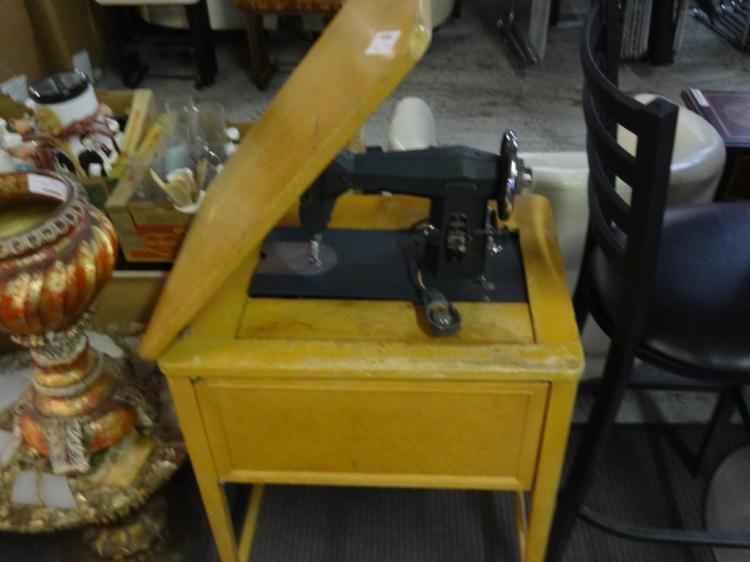 |
Kenmore Antique Sewing Machine | Nellis Auction | 2014-04-05 | 534 | USD 25 |
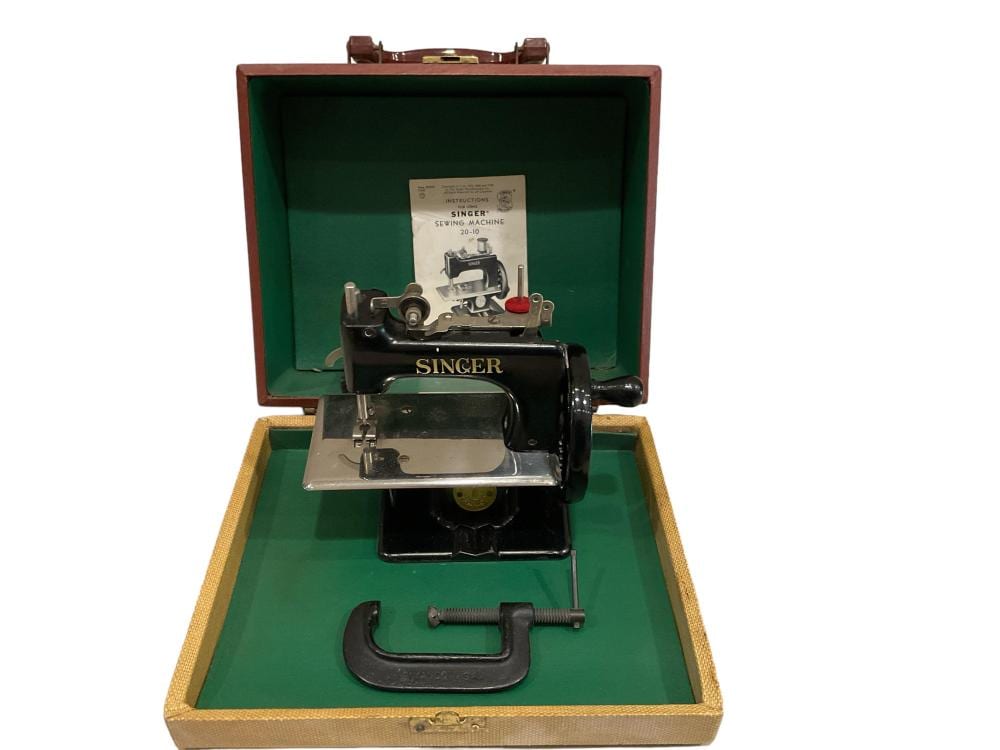 |
20 - 10 Singer Sewing Machine w/ Case | Apple Tree Auction Center | 2024-07-08 | 1489 | USD 180 |
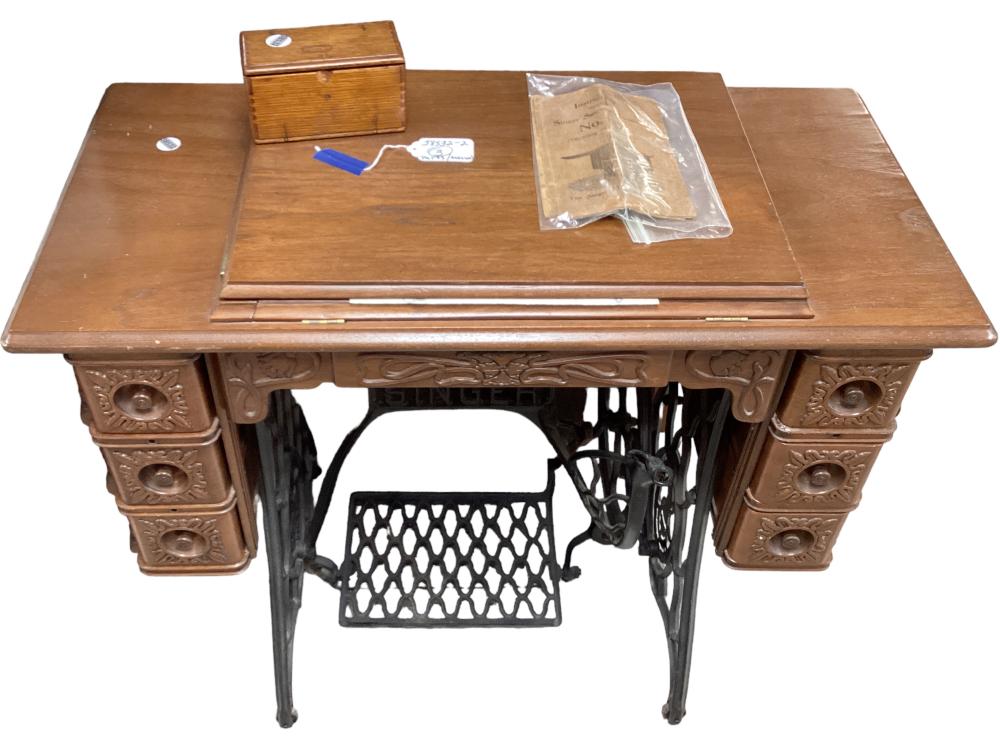 |
Singer Treadle Sewing Machine | Apple Tree Auction Center | 2023-08-17 | 3497 | USD 90 |
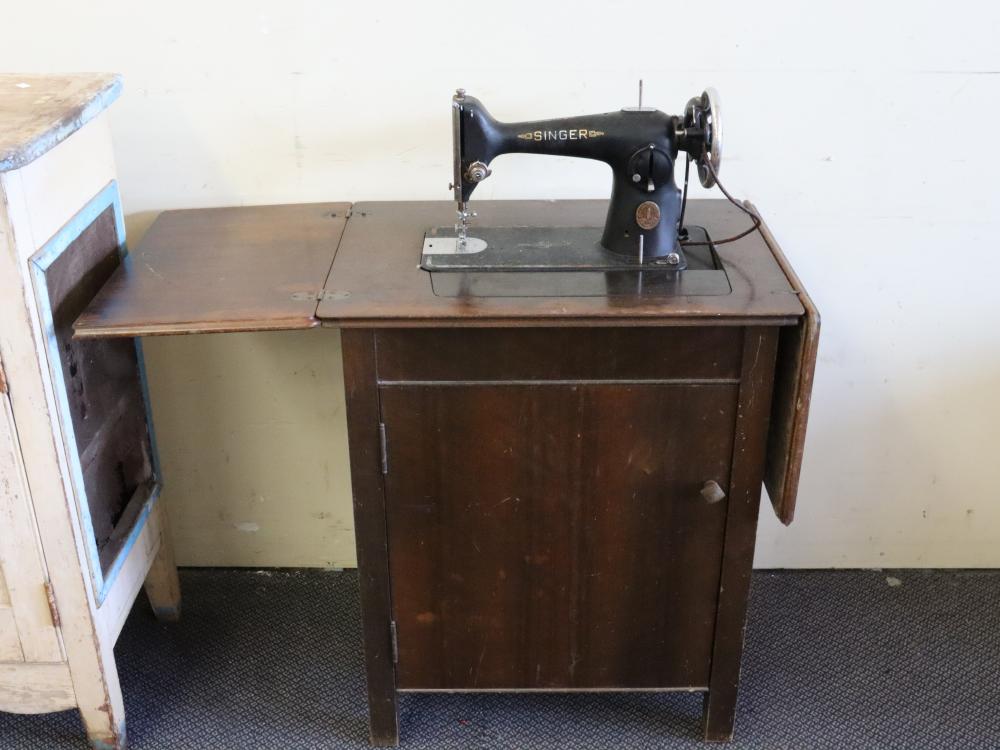 |
SINGER TREADLE SEWING MACHINE | Albion Antique Auction Centre | 2023-01-19 | 993 | AUD 30 |
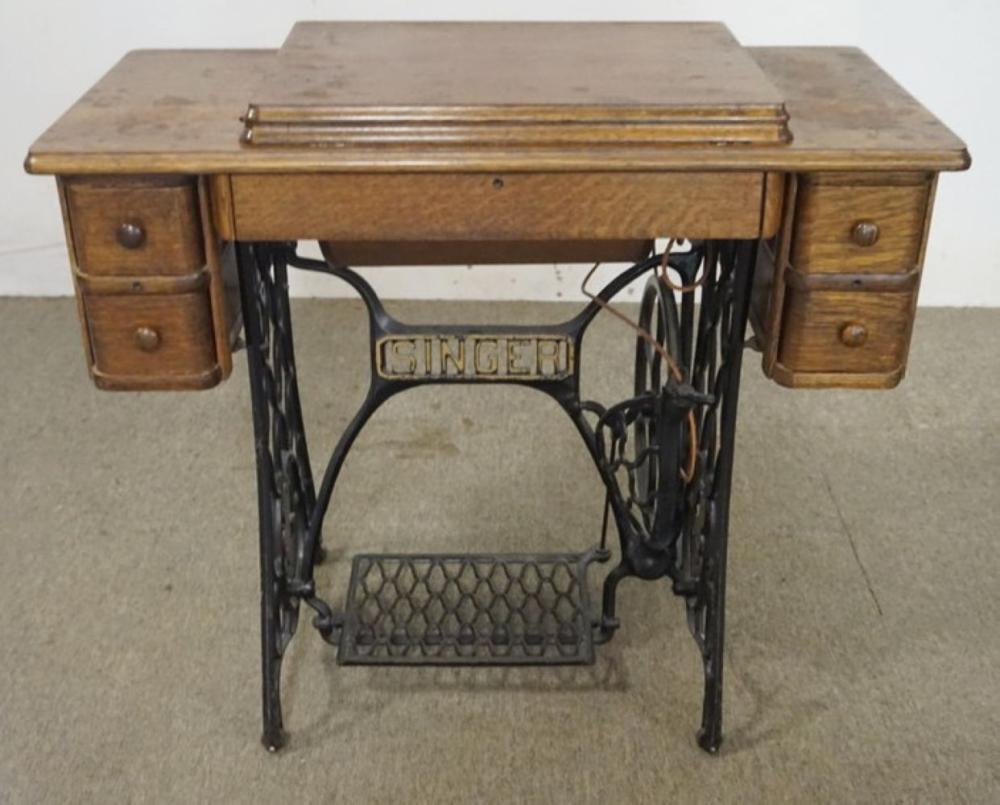 |
ANTIQUE OAK TREADLE SEWING MACHINE | Dennis Auction Service | 2025-10-10 | 1172 | USD 45 |
How these auction records were verified
Each row retains its exact source URL, lot identity, retrieval time, access result, and immutable record hash. Live source access was blocked; the exact record matched Appraisily's immutable pipeline provenance. Inspect the public comparable provenance record.
Free photo check
Not sure if your item is worth appraising? Let us take a look.
Upload a photo, tell us what you know, and get a free photo check. If a full appraisal makes sense, we will say so.
Free. No card needed. Takes about two minutes.
Antique, Vintage, or Just Old?
Generally, sewing machines fall into several categories based on their age:
- Antique: Generally considered to be machines manufactured before 1900, often treadle or hand-crank operated
- Vintage: Typically refers to machines made between 1900 and 1970
- Collectible: Newer machines (post-1970) with unique features or limited production
- Modern: Contemporary machines with electronic or computerized components
The distinction matters because true antiques—especially those over 100 years old—often command higher prices among collectors. However, certain vintage machines from the early-to-mid 20th century can also be quite valuable if they possess unique characteristics or historical significance.
Beginning in the 1980s, sewing machines started incorporating circuit boards and computerized features, marking the end of what most collectors consider the “vintage” era. These newer machines generally hold less collector value, though they may still be practical for sewing enthusiasts.
Key Factors That Determine Value
Age and Rarity
Age alone doesn’t determine value—some extremely old machines are quite common and therefore less valuable than rarer models from later periods. However, machines manufactured before 1900, especially those from the 1850s-1870s when sewing machines were still evolving, can be highly prized by collectors.
Condition
The condition of an antique sewing machine significantly impacts its value. Collectors and enthusiasts prefer machines that:
- Have their original finish intact
- Feature clear, visible decals and decorative elements
- Include original components and attachments
- Are mechanically functional or can be restored to working condition
Condition Assessment Checklist
Check all items that apply to your sewing machine to estimate its condition quality
- Original finish with minimal wear
- Decals and decorative elements intact
- All mechanical parts present and functional
- Original cabinet or case in good condition
- Original manual and accessories included
- No rust or major damage to metal components
- Machine runs smoothly (if motorized)
Completeness
Machines that come with their original cabinet, case, accessories, attachments, and instruction manual generally command higher prices. The presence of original bobbins, presser feet, oil cans, and other accessories can significantly increase value.
Brand and Model
Some brands and specific models are more sought after than others. Singer, especially certain models like the Featherweight 221, tends to be among the most valuable. However, rare models from manufacturers like Wheeler & Wilson, Willcox & Gibbs, or White can sometimes be worth even more to the right collector.
Historical Significance
Machines with connections to historical events, technological advancements, or cultural significance can be particularly valuable. For example, the first models of a revolutionary design or machines used in notable historical contexts often fetch premium prices.

Identifying Your Antique Sewing Machine
Locating the Serial Number
The first step in identification is finding the serial number, which varies in location depending on the manufacturer:
- Singer machines: Look for the serial number on the front of the machine, on the bed plate, or occasionally on the back or bottom
- White machines: Usually located on the bed plate or front of the machine
- Wheeler & Wilson machines: Often found on the slide plate or arm
- Other brands: Check the front base, bed plate, or beneath the machine
Using the Serial Number to Date Your Machine
Once you have the serial number, you can use it to determine when your machine was manufactured:
- For Singer machines, visit the Singer website or use the International Sewing Machine Collectors’ Society (ISMACS) database
- For other brands, consult collector websites or reference books specific to that manufacturer
- Many antique dealers and sewing machine repair shops can also help with identification
Dating a Singer From Its Serial Number
On most Singer treadle and early electric machines the serial number is stamped into the bed, the flat metal plate the machine sits on, usually along the front edge; on some portables it is underneath. For many years Singer serial numbers started with one or two letters followed by digits, while older machines may carry numbers only. Write down the full number, letters included.
Singer kept records of the serial numbers it issued in batches to its factories, and those records have been published. Search the full number in Singer’s own serial lookup or the Singer tables hosted by ISMACS. The record usually gives a date, the factory, and the model. The date is when that batch of numbers was allotted, so the machine may have been finished a little later. If the model doesn’t match the shape, bobbin type, and decals of your machine, the head may have been moved into a different base or cabinet.
A date alone does not set the value: Singer made millions of machines, so a century-old one can still be a common model. Our Singer serial number guide covers the lookup in more detail.
Identifying Features and Characteristics
Beyond the serial number, certain design elements can help identify your machine:
- Treadle vs. hand-crank: Earlier machines typically used these manual power methods
- Fiddle base: A violin-shaped base was common on early models
- Decal patterns: Specific decorative patterns can identify both era and model
- Bobbin system: Different types (round bobbin, long bobbin, etc.) can indicate manufacturer and era
Evolution of Sewing Machine Design
- 1850s-1860s
Early Commercial Machines
The first commercially successful machines featured treadle operation, ornate iron work, and basic stitch capabilities. These early machines often had fiddle-shaped bases and transverse shuttles.
- 1870s-1890s
Golden Age of Decoration
This period saw elaborate "Victorian" styling with gold decals, mother-of-pearl inlays, and ornate wooden cabinets. These highly decorative machines are particularly sought after by collectors.
- 1900s-1920s
Early Electric Models
The introduction of electric motors transformed sewing machines. Early electric models that retain their original motors in working condition can be quite valuable.
- 1930s-1950s
Portable Revolution
Lightweight portable machines like the Singer Featherweight gained popularity. These compact machines continue to be among the most valuable vintage models due to their practicality and design.
Most Valuable Antique Sewing Machine Brands
Singer
As the most prolific sewing machine manufacturer, Singer produced millions of machines—but certain models stand out for their value:
- Singer Featherweight 221: These portable machines from the 1930s-1960s are consistently in demand, and complete examples with their case and accessories usually sell for more than common Singer models
- Singer 301: The successor to the Featherweight, also popular with sewists and collectors
- Singer Red Eye Models: Distinctive machines with “red eye” decals from the early 1900s, which usually draw more interest than plainer machines of the same age
- Singer Turtleback: Rare models from the 1870s-1880s with a distinctive shape, which can sell well above most other Singers
Willcox & Gibbs
These distinctive chain-stitch machines with their unique curved shape are highly sought after:
- Early models from the 1870s draw steady collector interest
- Rare variations can sell for considerably more to serious collectors
Wheeler & Wilson
One of Singer’s main early competitors, these machines are relatively rare and attractive to collectors:
- Models from the 1870s-1880s are sought after by collectors of early machines
- The Wheeler & Wilson No. 8 is particularly sought after
White
Known for quality and innovation, certain White models command good prices:
- White Family Rotary models from the early 1900s
- White Peerless models, with value depending heavily on condition
Treadle Sewing Machines: Machine vs Cabinet
On common treadle models the cabinet and iron base often carry as much of the appeal as the machine head, so check each part:
- Iron base: treadle and flywheel move freely, with no cracked or welded iron. A maker’s name cast into the frame that matches the head suggests the set belongs together.
- Cabinet: original finish, a full set of matching drawers and pulls, and a working hinged top. Missing drawers, water damage, and lifting veneer lower interest.
- Head and small parts: legible decals, plus the belt, bobbins, and attachments, which often go missing.
Treadles are heavy and awkward to ship, so most sell locally through Facebook Marketplace, local auctions, or antique shops. That small pool of buyers is one reason online asking prices often run above what treadles actually sell for. If the cabinet is the stronger part of your piece, see our guide to antique Singer sewing machine table value, and check what the complete set is worth before separating the head or turning the base into a table.
Price Ranges for Antique Sewing Machines
It’s important to note that special circumstances can dramatically affect value. Machines with provenance (documented history of ownership), original accessories, or exceptional preservation may sell well above the typical results in the recent auction sales shown above.
What NOT to Expect
Despite what some sellers hope for, most common vintage machines are not especially valuable. According to collectors and dealers, the large majority of second-hand sewing machines sell for modest amounts. Only rare, exceptional, or historically significant machines command premium prices.
As one Reddit user from r/vintagesewing explains: “95% of second hand sewing machines are indeed not worth much.”
Where to Sell Your Antique Sewing Machine
Online Marketplaces
- eBay: The largest marketplace for antique sewing machines, providing access to a global audience of collectors
- Etsy: Appeals to vintage enthusiasts and collectors
- Facebook Marketplace: Good for local sales without shipping concerns
- Specialized forums: Websites dedicated to sewing machine collectors can connect you with serious buyers
Physical Locations
- Antique shops: Some specialize in vintage tools and machinery
- Auction houses: For particularly valuable or rare machines
- Sewing machine repair shops: Often purchase machines for parts or restoration
- Collector meetups: Events where enthusiasts gather to buy, sell, and trade
Getting the Best Price
To maximize your selling price:
- Clean and polish your machine without damaging original finishes
- Gather all accessories, attachments, and documentation
- Research comparable sales to set a realistic price
- Provide detailed photos highlighting condition and special features
- Be prepared to answer questions about functionality and history

Tips for Caring for Vintage Machines
Cleaning and Maintenance
- Use soft cloths and appropriate cleaners for different materials (metal, wood, etc.)
- Never use harsh chemicals or abrasives that could damage original finishes
- Apply sewing machine oil to moving parts (sparingly)
- Keep machines away from extreme temperature and humidity fluctuations
Restoration Considerations
The question of restoration is complex in the antique world. Generally:
- Light cleaning and careful maintenance is almost always appropriate
- Mechanical restoration to working condition can increase value for machines intended for use
- Cosmetic restoration like repainting or replacing decals is controversial and can actually decrease value for serious collectors
- Cabinet restoration should be approached cautiously, preserving original finishes when possible
Storage Recommendations
- Cover machines to protect from dust
- Store in climate-controlled environments when possible
- Keep original cases, cabinets, and documentation together with the machine
- Periodically oil moving parts even in storage
Common Questions About Antique Sewing Machine Values
How do I find the value of my old sewing machine?
- Find the serial number (typically on the base or body of the machine)
- Research the make, model, and age using online resources such as the Singer Help Center or ISMACS International database
- Assess the condition, completeness, and functionality
- Compare with similar machines that have recently sold on eBay, 1stDibs, or other marketplaces
- For a professional opinion, consult an antique dealer or appraiser who specializes in vintage sewing machines
What is the most valuable antique sewing machine?
- The earliest Singer machines from the 1850s
- Rare prototypes or limited production models
- Machines with documented historical significance
- Exceptionally preserved examples with original accessories
Machines with documented royal or famous ownership, and extremely rare models like the Singer "Turtle Back" from the 1870s in pristine condition, sell for far more than ordinary machines.
The Singer Featherweight 221 is not the most valuable in absolute terms, but it is consistently sought after, and complete Featherweights with their case and accessories usually sell for more than common models. The recent auction sales table above shows actual results.Are old Singer treadle sewing machines worth anything?
- Common models in average condition sell for the least
- Machines with intact original cabinets in good condition sell for more
- Rare models, or those in exceptional condition with all accessories, sell for the most
The value is affected by several factors:
- Cabinet condition (quality of wood, original finish)
- Completeness of the treadle mechanism
- Functionality of the machine
- Preservation of original decals and finish
- Presence of original accessories and attachments
What can I do with an old antique sewing machine?
-
Sell it: Online marketplaces like eBay, Etsy, Facebook Marketplace, or to local antique dealers
-
Restore and use it: Many vintage machines, particularly cast iron models, are built to last and can still be used for sewing after proper servicing
-
Donate it:
- Museums or historical societies (for rare or historically significant machines)
- Sewing programs or schools
- Repair shops that might use them for parts
-
Repurpose it: Creative repurposing as furniture or decor (though collectors generally prefer machines to remain intact)
-
Display it: Keep it as a decorative piece and conversation starter in your home
How can I tell if my Singer sewing machine is valuable?
-
Identify the model and age: Find the serial number (typically on the base of the machine) and use Singer’s online database or the ISMACS website to determine when it was manufactured
-
Look for valuable models: Some Singer models are consistently worth more, including:
- Featherweight 221 (especially rare colors like white or tan)
- Early models with the "Sphinx" decals (1890s)
- Models with rare decal patterns like "Red Eye" or "Tiffany"
- Singer 301, 401, 500 series (Rocketeer) in excellent condition
- Pre-1900 models, especially those with unusual features
-
Assess condition factors that increase value:
- Original finish and clear decals
- Complete set of original accessories
- Original manual and case
- Working mechanical condition
- No significant rust or damage
Are antique sewing machines worth anything?
Can I look up a Singer sewing machine’s value by serial number?
External Resources for Antique Sewing Machine Research
International Sewing Machine Collectors' Society (ISMACS)
Offers extensive resources for identifying and valuing antique sewing machines, including a database of serial numbers and manufacturing dates.
Singer Official Value Information
Singer's official guide to determining the value of vintage Singer sewing machines, including information on identifying different models.
Vintage Sewing Machine eBay Listings
Browse current and completed sales of antique sewing machines to gauge current market values and demand.
r/vintagesewing Subreddit
A community of vintage sewing machine enthusiasts sharing knowledge, restoration tips, and valuation advice.
Patented Antiques Sewing Machine Information
Detailed information about antique sewing machine values from an established dealer, including which models are most collectible.
1stDibs Antique Sewing Machine Marketplace
High-end antique marketplace featuring premium examples of collectible sewing machines from reputable dealers.
Conclusion: Are Antique Sewing Machines Worth the Investment?
Antique sewing machines represent an interesting intersection of history, craftsmanship, and practicality. While not all old machines are valuable treasures, certain models—particularly those that are rare, in excellent condition, or historically significant—can be worth far more than a typical machine to the right buyer.
For most people who discover an old Singer or other brand in their attic or at an estate sale, the machine will likely be worth a modest amount, depending on the model and condition. Common treadle machines sell in that same modest range, while exceptional or rare models can command much higher prices. The recent auction sales above show what comparable machines actually sold for.
Whether you’re looking to sell a family heirloom, start collecting, or simply appreciate the history of these mechanical marvels, understanding what influences their value helps you make informed decisions. Remember that beyond monetary worth, these machines tell the story of domestic life and technological innovation across generations—a value that transcends any price tag.
If you have a sewing machine you’d like to learn more about, consider consulting with a professional appraiser who specializes in antique tools and machinery, or reaching out to collector communities who can help identify rare or valuable features.
Get a written antique sewing machine appraisal
Upload photos of your antique sewing machine and any marks, repairs, or provenance. Appraisily returns a written report with market context.
- category-matched human review with relevant market checks
- Delivered within 24 hours of receiving your photos
- Fixed, upfront pricing
No obligation. Secure upload.