Copy, print, or save this worksheet
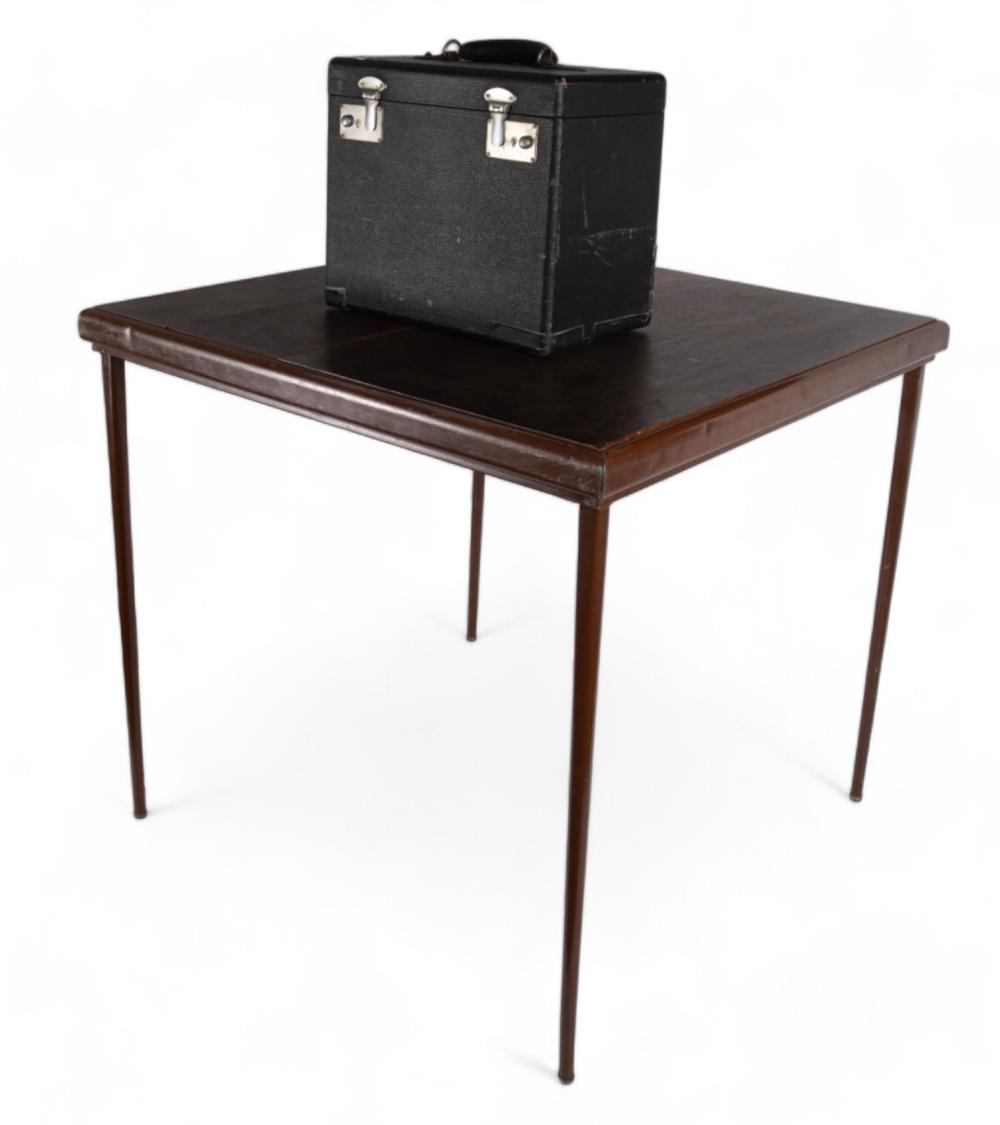
Complete the checklist before you research value
Start with identity, then completeness, condition, and market. A serial number can narrow a production period; a model tells you which sales are genuinely comparable. The cabinet, case, attachments, decals, working state, and local demand can then change what a buyer is willing to pay. Leave a field blank rather than guessing.
1. Machine identity
- Manufacturer:
- Model:
- Serial exactly as shown:
- Serial location:
- Hand-crank, treadle, or electric:
- Voltage and motor label, if electric:
2. Cabinet, table, or case
- Portable case / tabletop / cabinet / treadle table
- Overall dimensions:
- Wood, veneer, finish, and hardware notes
- Drawers, hinges, treadle, belt, pedal, knee control
- Loose joints, water damage, missing veneer, breaks
- Machine and cabinet appear to fit together: yes / no / unsure
3. Accessories and papers
- Case or cover and key
- Foot controller, power cord, light, knee control
- Presser feet, hemmers, ruffler, buttonholer
- Bobbins, bobbin cases, needles, plates, screwdrivers
- Accessory box, stitch cams, embroidery unit
- Manual, receipt, service record, family history
4. Condition and market
- Needle turns by hand: yes / no / not tested
- Motor powers on: yes / no / not tested
- Machine sews a sample: yes / no / not tested
- Rust, corrosion, flaking finish, decal loss, odors
- Known repairs or replaced parts
- Pickup city or region:
Minimum photo set: full machine, front, back, both sides, serial, model or manufacturer label, needle and bobbin area, motor label, cabinet open and closed, every drawer, all accessories together, and each damaged area.
Record the serial and model without guessing
The serial and the model answer different questions. The serial is a production identifier. The model describes the machine design you need to match when researching parts and sales. One number should not be silently substituted for the other.
Copy every letter, number, dash, and leading zero exactly. Then photograph the number in place and write down where you found it. Singer's current help guidance says a treadle or hand-crank number may be on the throat plate or bed; older electric machines may carry identifying numbers on the right side or underneath; later model numbers are commonly on the front or side. That is useful orientation, not a rule for every maker.
If the number is on the bed
Photograph enough of the surrounding machine to show its location, then take a close, sharp second photo. Side lighting often makes shallow characters easier to record without altering the surface.
If you find several numbers
Record each one with its location: machine bed, motor, controller, cabinet, or accessory. A motor number may identify the motor, not the sewing machine.
If the model is unknown
Write “unknown.” Keep clear photos of the full profile, tension assembly, bobbin area, handwheel, controls, and bed shape. Those features can help narrow the model later.
A common mistake is dating the machine from a patent date or treating family memory as the model. Keep those as separate notes. They may support the story, but they do not replace the machine's own identifiers.
Inventory the cabinet, case, and every accessory
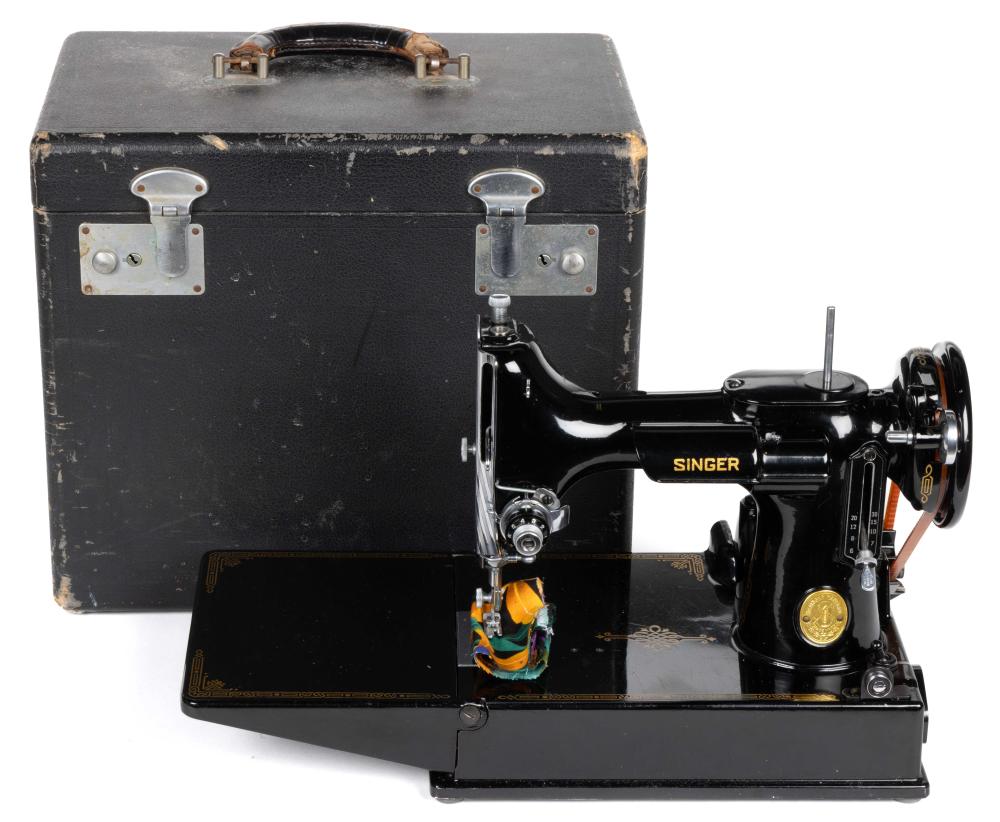
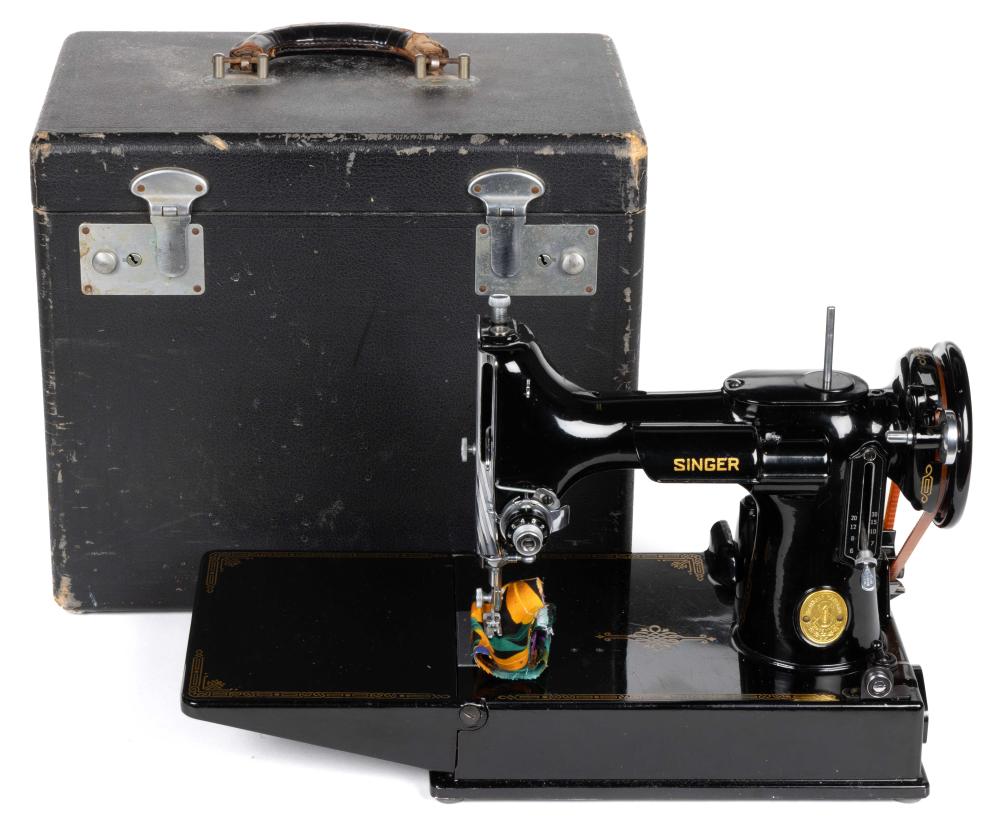
Do not describe the lot as “machine with cabinet” and stop there. Record whether the machine folds into the cabinet, lifts out, sits on a tabletop, or travels in a fitted case. Measure the complete unit. For a cabinet, photograph it closed, open, from the back, and inside every drawer.
Condition belongs to both parts of the set. Note veneer loss, swollen wood, loose joints, replaced pulls, stuck hinges, a broken lift, a missing treadle belt, or a case that no longer latches. Also say whether the machine sits correctly in the opening. Avoid declaring a cabinet original unless paperwork or model-specific evidence supports that conclusion.
Group accessories before photographing them
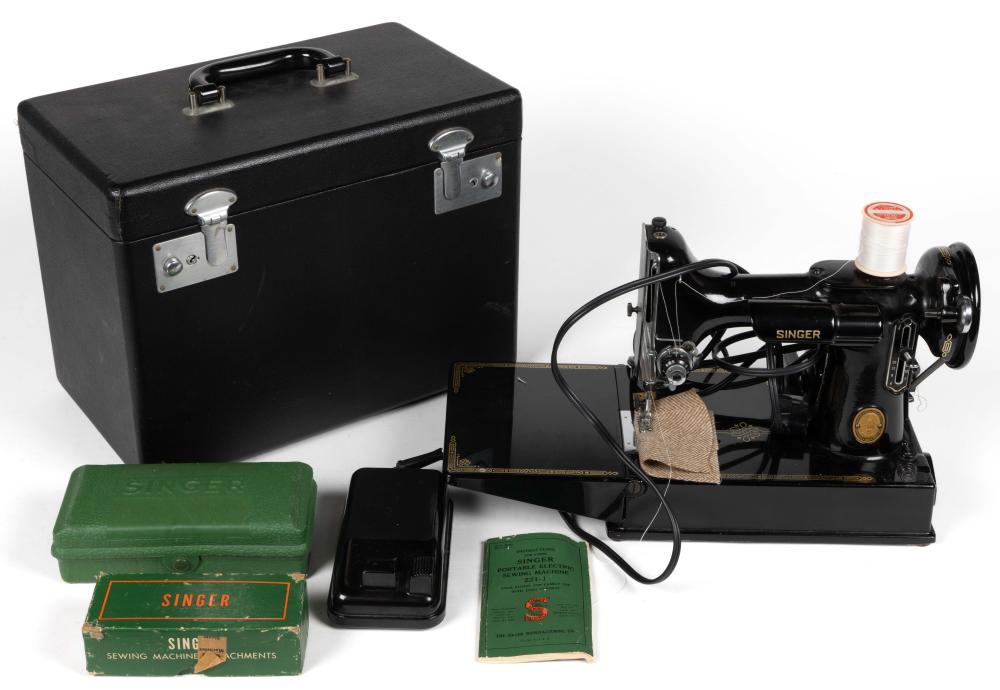
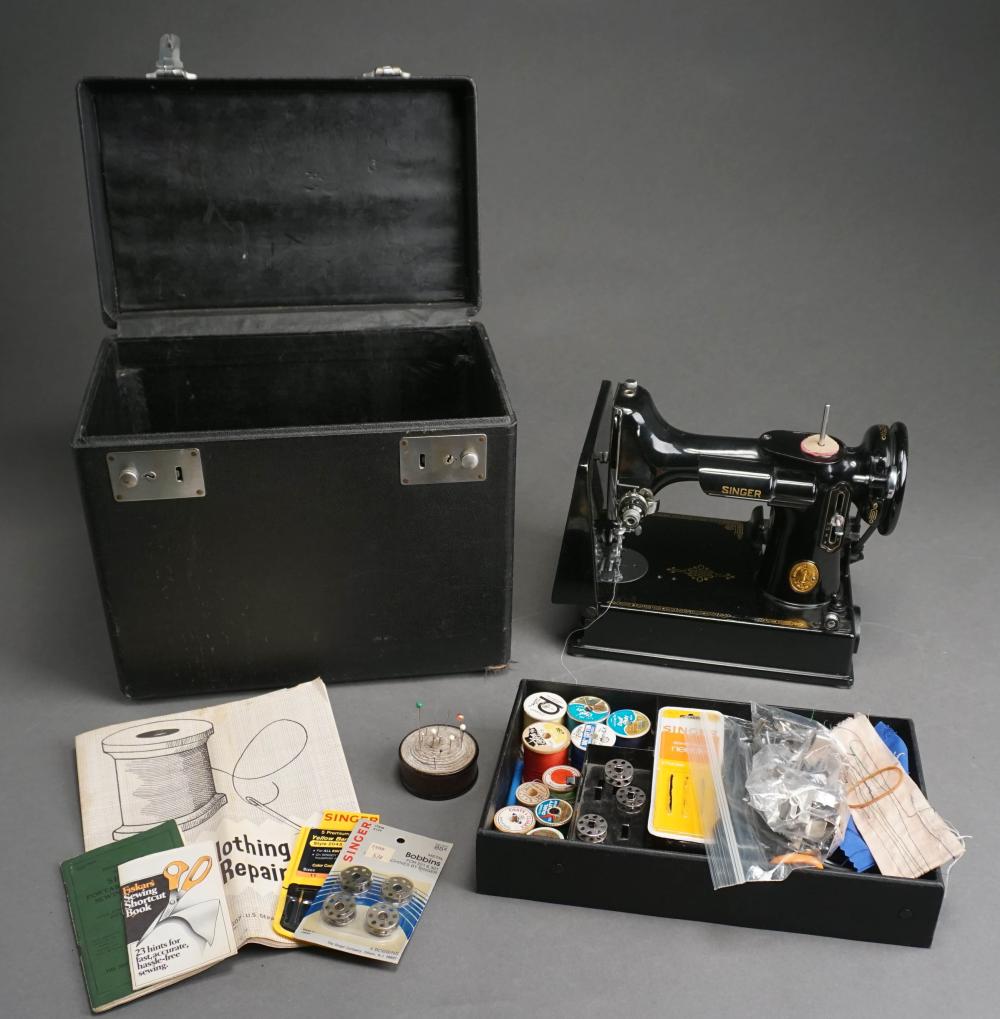
Lay the accessories on a plain surface and take one overview. Then photograph unfamiliar pieces separately. Count bobbins and presser feet. Record part numbers where visible. Keep the manual, accessory box, case key, receipts, and service notes with the machine; they help another person understand what is actually included.
The practical point is completeness. Two machines with the same model name may not be comparable if one includes its fitted case, controller, manual, attachment set, and cabinet while the other is a bare head.
Free instant estimate
Get a second read for your item
Share the serial, model, cabinet, accessories, and photographs you have. We will give you a free first read and say plainly if more work is justified.
Free. No card needed. Takes about two minutes.
Test working condition without forcing the machine
“Working” should describe an observed test, not an assumption. Start with the machine unplugged. Note whether the handwheel turns through a full cycle with gentle pressure and whether the needle bar and feed mechanism move. Stop if the mechanism is seized, scraping, or missing a critical part.
Do not energize a machine with brittle insulation, exposed wire, a damaged plug, a strong electrical odor, or an unknown voltage. In that situation, write “not powered on; wiring needs review.” That statement is more useful than an unsafe test or a vague “untested.”
Use a three-level condition statement
- Cosmetic: finish, decals, plating, rust, cabinet wear, cracks, odors, and missing trim.
- Mechanical: handwheel movement, needle movement, presser-foot control, feed movement, and obvious missing pieces.
- Sewing test: powered on, motor ran, stitched a sample, or not tested—with the reason.
Keep service work separate from testing. A recent receipt from a sewing-machine technician is evidence of service. Cleaning the exterior or turning the handwheel is not.
Photograph the evidence in one pass
A strong appraisal file lets the reviewer connect details to the same physical item. Start with orientation photos, move to identity, then record completeness and condition. Do not crop the serial so tightly that its location becomes unclear.
Orientation
Machine from the front, back, left, right, and above. Add the complete cabinet or case open and closed, plus one image showing scale or measured dimensions.
Identity
Serial and model details, manufacturer name, motor label, controller label, needle area, bobbin area, controls, and distinctive mechanical features.
Completeness
All accessories together, then unfamiliar attachments and part numbers separately. Add manuals, receipts, service records, case key, and cabinet hardware.
Condition
Rust, cracks, missing veneer, frayed wire, replaced parts, finish loss, and repairs. Include one wider photo for context and one close view for detail.
Use neutral daylight when possible. Do not polish metal, oil the finish, retouch photos, or dismantle the machine for the sake of an appraisal request.
Compare machines that actually match
Auction evidence is most useful after the identity sheet is complete. Search by maker and model first, then narrow by cabinet or case, accessory set, working description, condition, sale date, and location. Asking prices are not the same as completed sales.
A useful example of why the checklist matters: Direct Auction Galleries, Inc. reported USD 475 for lot 384, a Singer 3-110 offered with its table and accessories, on August 17, 2024. The record is evidence for that exact configuration—not a blanket value for every Singer or every cabinet machine.
Portable collector models, cabinet-mounted domestic machines, hand-crank examples, and professional machines serve different buyers. A sale for one group should not be used to price another simply because both titles contain “sewing machine.”
Account for pickup cost and local demand
Cabinet and treadle machines are heavy, awkward to move, and easy to damage. That makes the local buyer pool part of the value question. Record the pickup location, stairs, whether the machine separates safely from the cabinet, and whether the buyer must arrange transport.
Compare like with like in the closest practical market. A national auction result can show collector demand, but it may include a larger audience, professional cataloging, buyer fees, or shipping options that a local listing does not. Keep the reported sale amount separate from any estimate of what your item might bring.
When you save a comparable, record the full title, maker, model, cabinet or case, included accessories, condition statement, auction house or platform, sale date, lot number, currency, reported amount, and link. Three close matches are more useful than twenty loose ones.
Know when the checklist is enough
For a common machine being sold locally, a completed worksheet and a few close sales may be enough to set a realistic asking range. More research becomes useful when the model remains uncertain, the configuration looks unusual, the accessory set is extensive, the history is documented, or the intended use requires a written value conclusion.
Keep sentimental value separate from market evidence. A family story belongs in the file because provenance can matter, but it should be recorded in the owner's words and supported with names, dates, receipts, or photographs where possible.
Sewing machine appraisal checklist FAQ
Where is the serial number on an old sewing machine?
Location varies by maker and type. Check the bed or throat-plate area, the right side, underneath, and any manufacturer plate. Copy the number exactly and photograph it in place. Do not assume a motor or controller number identifies the machine.
Does an old sewing machine cabinet always add value?
No. Fit, style, condition, completeness, and local demand matter. A sound cabinet that belongs with a desirable model may help; a damaged, mismatched, or difficult-to-move cabinet may not.
Which sewing machine accessories should I list?
List everything: case, key, controller, power cord, manual, bobbins, bobbin cases, presser feet, hemmers, ruffler, buttonholer, stitch cams, plates, tools, and service paperwork. Part numbers are especially useful.
Should I clean the sewing machine before an appraisal?
Remove loose dust gently, but do not polish, oil, repaint, rewire, or dismantle it just for photographs. Record current condition first. If the machine needs service, use a qualified sewing-machine technician.
Do I need a written appraisal?
Often, no. A free first read or close completed sales may answer a basic resale question. A written appraisal becomes useful when a formal decision needs documented identification, condition analysis, comparable evidence, and a supported value conclusion.
Search variations this checklist also answers
- How do I appraise an old sewing machine?
- Where do I find a sewing machine serial and model number?
- Does a sewing machine cabinet add value?
- Which vintage sewing machine accessories should I keep?
- How do I photograph a sewing machine for appraisal?
- How do I describe sewing machine working condition?
- What details belong in a Singer appraisal request?
- How do I compare sold prices for cabinet sewing machines?
Sources and method
- Singer Help Center: What's my Sewing Machine Worth? — official orientation for serial/model locations and basic value research.
- Singer: Sewing Machine Value — current manufacturer guidance on model, condition, features, accessories, and demand.
- Appraisily: Old Sewing Machine Value — broader maker, serial, cabinet, condition, and market guidance.
Auction records are market evidence, not a final appraisal. Reported amounts may not include buyer's premium, tax, shipping, restoration, or later adjustments. See our editorial policy for sourcing and review standards.