
Antique Powder Flask Identification Guide
Identify antique powder flasks by material, seams, spout, charger, spring, motif, maker marks, condition, safety, and comparable sales.

Get militaria answers fast
Get a price-ready appraisal for powder flask
Upload photos of the body, seam, spout, charger, spring, suspension rings, motif, and any maker marks. Delivery timing is confirmed after the required item information is received.
Secure Stripe checkout · Full refund if we can’t help
Skip questions — start appraisal nowPowder flasks move between antique arms collections, family attics, and militaria shows, yet authentication still hinges on subtle construction clues. Miss the seam profile or spring hardware and you can mistake a 1970s reproduction for a mid-19th-century survivor worth four figures.
This guide distills what Appraisily’s arms specialists look for when evaluating flasks: the first-minute triage checks, metallurgical tells, documentation habits, and the market benchmarks that set insurance and resale values in 2025.
Free instant estimate
Not sure if your item is worth appraising? Let us take a look.
Upload a photo, tell us what you know, and get a free first read. If a full appraisal makes sense, we will say so.
Free. No card needed. Takes about two minutes.
Rapid identification checklist for antique powder flasks
Collectors often discover flasks tucked into cased pistol sets, at militaria shows, or in family trunks. Before you deep-dive into research, spend one focused minute scanning the indicators below. The goal is to separate likely 19th-century production from reproductions made for modern reenactments.
- Form and profile: Early 1800s English and French flasks skew pear-shaped with a slim waist, while post-1850 American Navy issue pieces widen at the shoulders to accommodate mechanical charging tops.
- Metallic tone and patina: Genuine copper bodies oxidize to a warm chestnut with iridescent highlights at high-touch points; modern spun brass copies carry a brighter, uniform sheen and machine tool spirals.
- Spout hardware: Look for hand-cut threads on the charger collar and a spring-loaded gate secured with domed screws. Cast zinc or Phillips screws signal 20th-century tourism pieces.
- Motif depth: Original flasks from Dixon & Sons, James Dixon, or Colt’s contract shops exhibit deep repoussé scenes with crisp interior lines. Shallow relief or air-bubble pitting often indicates sand-cast replicas.
- Leather and strap survivals: Surviving leather thongs often show hand-stitched edges and natural shrinkage. Nylon or perfectly even machine stitching is a red flag.
Document each observation in natural light photographs—front, back, charger top, spring, and base plug—so specialists can cross-reference catalogs and patent drawings.
Materials, seams, and spouts that pinpoint era
The metals and joinery techniques used to make a powder flask reveal its production decade almost instantly. Early 19th-century flasks relied on rolled copper sheets soldered along a medial seam, then planished smooth. Under magnification you will see tiny hammer ripples; those ripples disappear on later die-stamped bodies.
By the 1830s, industrialized makers such as James Dixon & Sons in Sheffield shifted to two-piece die stamping, brazing the halves, and grinding the seam. You will feel a slightly raised rib in the center line when you drag a fingernail across the body. American makers contracting for the Colt 1851 Navy pistol overbuilt their seams and often added internal lead solder reinforcement. Excess solder inside the collar is normal, but exterior blobs or recent epoxy residue suggest a repair.

Examine the spout carefully. Early adjustable chargers have finely cut graduation marks, typically in drams, struck by hand with metal stamps. After 1870, machine-knurled collars became the norm. If graduations are laser etched or the knurling is perfectly radial without tool breaks, assume a reproduction. Finally, weigh the piece: authentic copper-bodied flasks with brass chargers weigh between 6 and 11 ounces depending on capacity. Light, tinny examples usually hide thin-gauge sheet with modern solder.
Take notes on the internal spring, too. Original V-springs are blued steel and exhibit tempered rainbow hues. Newly fabricated replacements flash bright silver and lack period file marks. When in doubt, remove the spring assembly (if safe) and look for maker initials scratched into the underside.
Motifs, maker marks, and documentation tips
Iconography acts as a shortcut to attribution. Colt-contract “stand of arms” scenes feature crossed flags, drums, and trophy cannons within a laurel cartouche. Dixon favored game scenes—pointers, pheasants, and stags—while American Eagle motifs with shielded breastplates point toward 1840s militia suppliers. Use a loupe to check whether the background is neatly cross-hatched (evidence of hand-chased tooling) or grainy (indicative of recast molds).
Next, inspect the base plug and charger neck for stamped marks. Sheffield makers often struck initials—“J.D & S” or “Sykes”—inside the charger flange or on the suspension ring tabs. American military contracts sometimes carry inspector cartouches inked on surviving leather straps. Photograph every mark with scale, then build a folder containing the following:
- Full measure photograph showing height from base plug to spout tip.
- Close-ups of motifs, seams, and spout graduations.
- Weights in grams or ounces.
- Any provenance documents, including cased pistol lids or family letters.
Organizing this dossier before you approach an appraiser accelerates authentication, especially if the flask traveled separately from its original firearms case.
Authentication workflow that specialists follow
Professional arms appraisers run through a repeatable checklist before assigning value. Model your own workflow after these steps so you can spot red flags early.
- Catalog comparison: Reference Riling’s The Powder Flask Book, Dixon & Sons trade catalogs, and surviving Colt factory price lists to match silhouettes and tooling.
- Materials testing: Use a handheld XRF or consult a metals lab to confirm copper alloy composition. Reproductions often show elevated zinc content and modern stabilizers.
- Hardware audit: Verify that spring screws are slot-head and period consistent. Replacement screws reduce value sharply unless they are sympathetic restorations noted in documentation.
- Residue examination: Trace amounts of black powder or oily residue in the spout threads support field use. Sterile, bright interiors may indicate later manufacture.
- Provenance confirmation: Tie the flask to a specific regiment, pistol set, or named owner using purchase ledgers, archived letters, or photographic evidence.
Document the conclusion of each step in a shared note or spreadsheet. That record gives future conservators and insurers clarity on what was tested and by whom.
Condition grading, restoration, and safety
Condition drives price. Collectors separate flasks into three broad categories: attic fresh (original patina, intact spring), sympathetically cleaned (light polishing, working charger), and restored (replaced parts or re-soldered seams). Avoid aggressive polishing—removing centuries of patina erases evidence appraisers rely on to confirm authenticity.
Inspect for pinholes along the seam by shining a flashlight inside a darkened room. Stable seams can be consolidated by a metals conservator using low-temp solder; DIY epoxy repairs trap corrosive residue and reduce value. Always treat the flask as if it contains residual powder. Work outdoors, wear gloves, and discharge any spring tension before you begin cleaning. If the spout is stuck, do not apply heat—thermal shock can distort the body.
When storing or shipping, secure the spring lever with acid-free twill tape and wrap the flask in unbuffered tissue. Avoid bubble wrap directly on copper; the plastic traps moisture and can accelerate verdigris.
Note: We couldn’t find enough auction records that directly match Antique Powder Flask Identification Guide to publish a defensible price table. If you are valuing a specific item, include its maker, model, material, photos, and condition so the search can be narrowed.
What similar items actually sold for
To help ground this guide in real market activity, here are recent example auction comps from Appraisily’s internal database. These matched sales are market context only, not an object estimate or identification, and they do not guarantee a price for your specific antique powder flask.
Shown USD range: USD 30-USD 175. Median of these 12 USD examples: USD 75.
| Comparable | What sold | Auction house | Date | Lot | Source-reported amount |
|---|---|---|---|---|---|
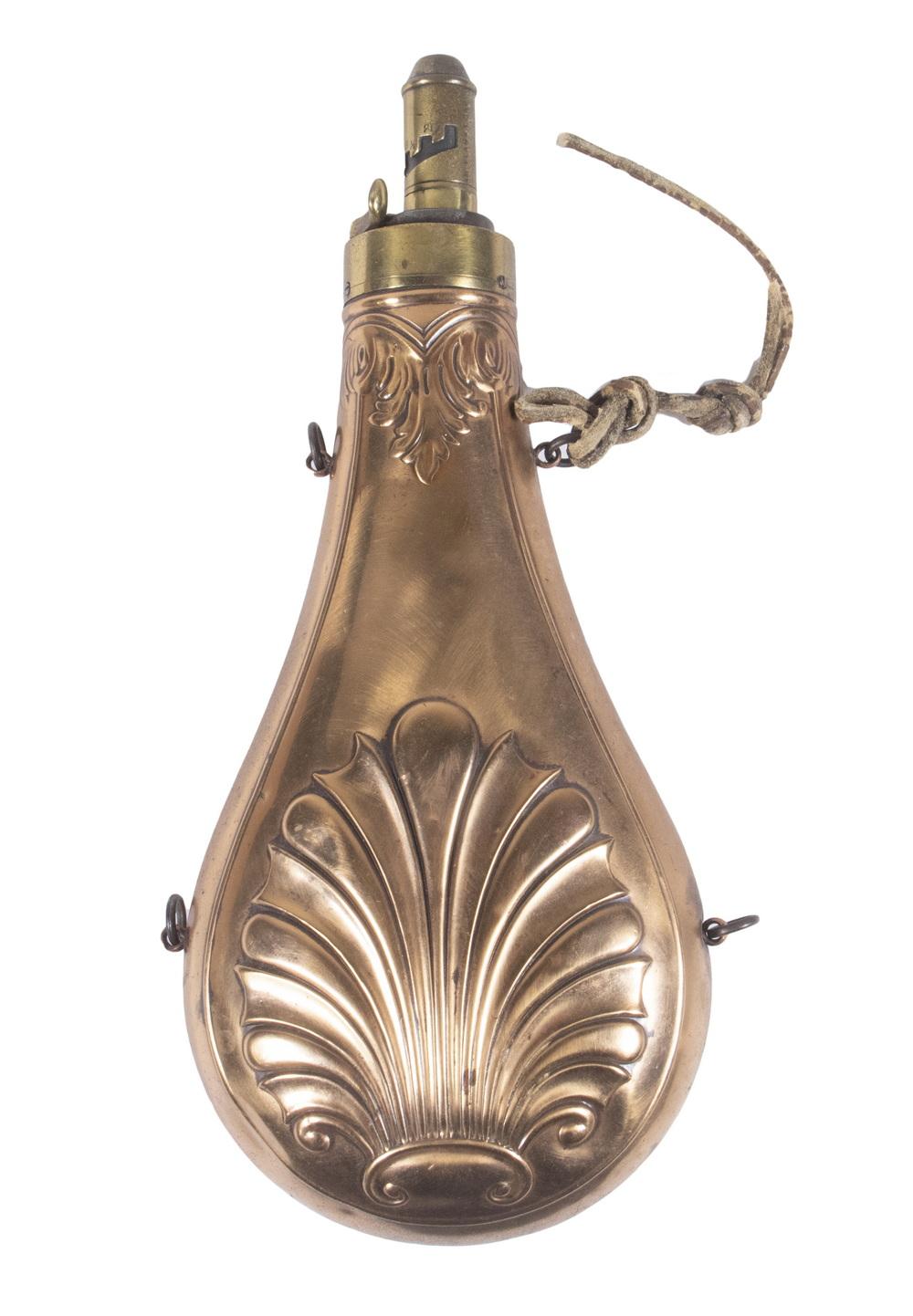 |
COPPER POWDER FLASK | Thomaston Place Auction Galleries | 2022-10-07 | 5201 | USD 70 (buyer’s-premium treatment unknown) |
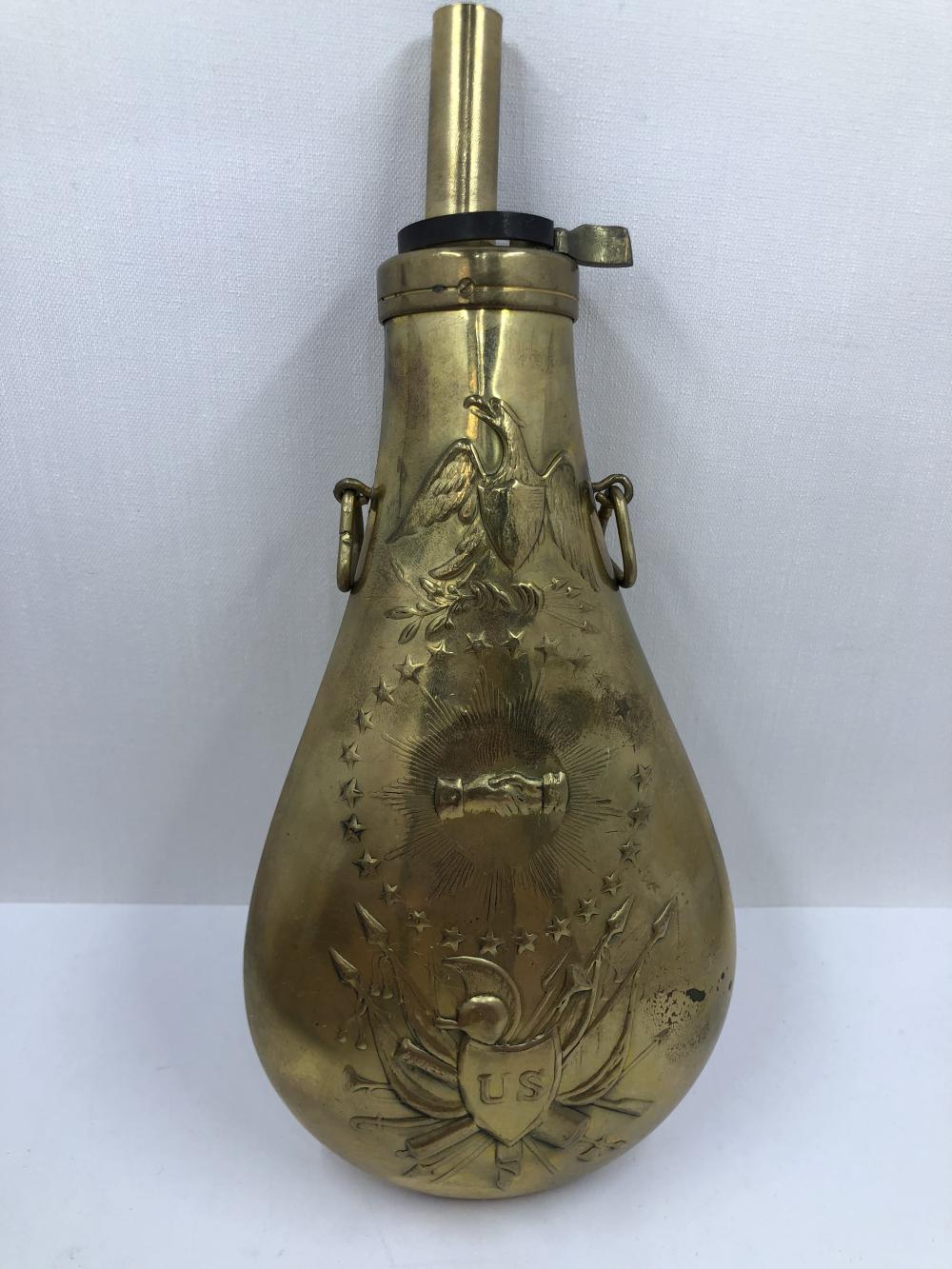 |
Antique US Brass Powder Flask | Fidelity Estate Services | 2018-12-16 | 412 | USD 30 (buyer’s-premium treatment unknown) |
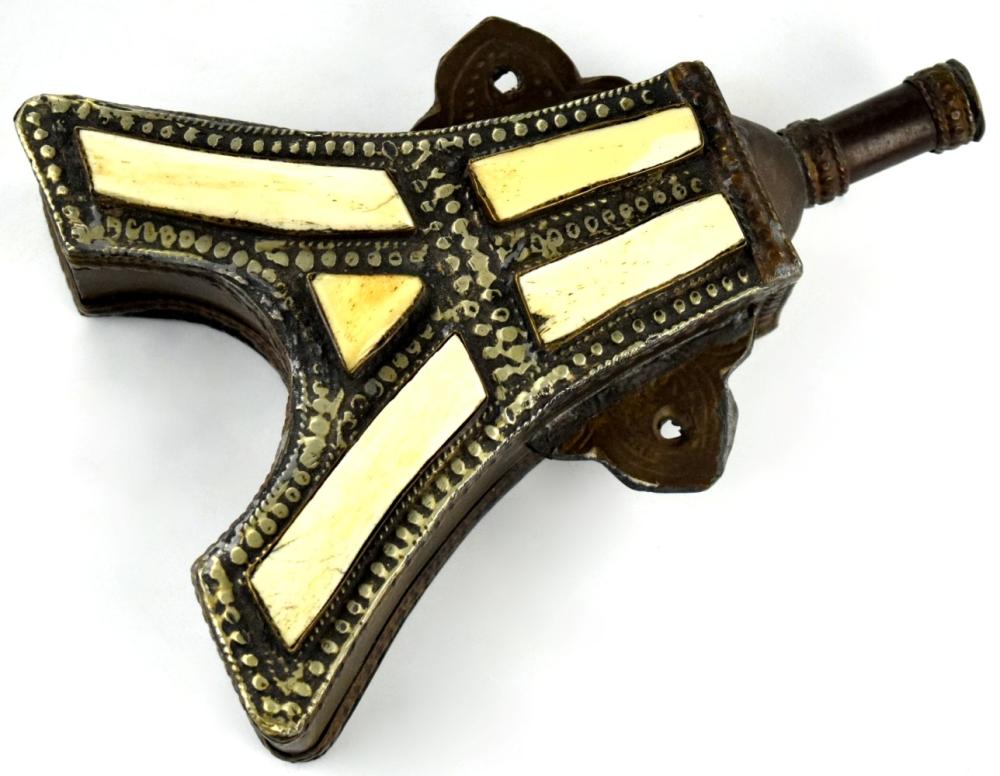 |
Antique Arabic Morocco Powder Flask Decorative Brass & Bone-Inlaid Gunpowder Flask | Sofe Design Auctions | 2026-03-14 | 9698 | USD 50 (buyer’s-premium treatment unknown) |
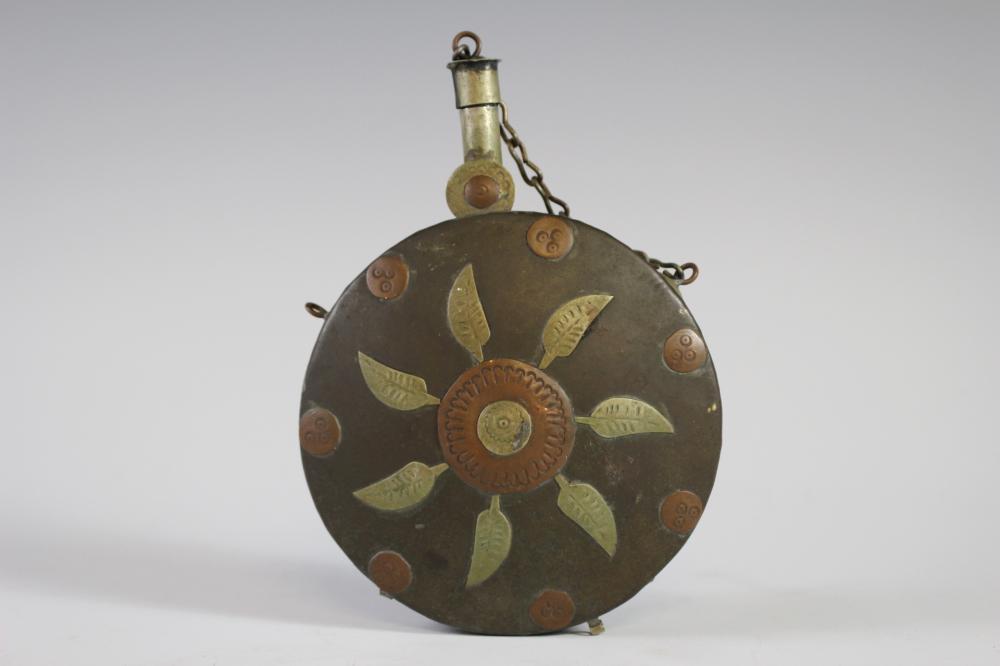 |
19th Century 1860 Copper Powder Flask | Premier Auction Galleries | 2018-10-28 | 125 | USD 55 (buyer’s-premium treatment unknown) |
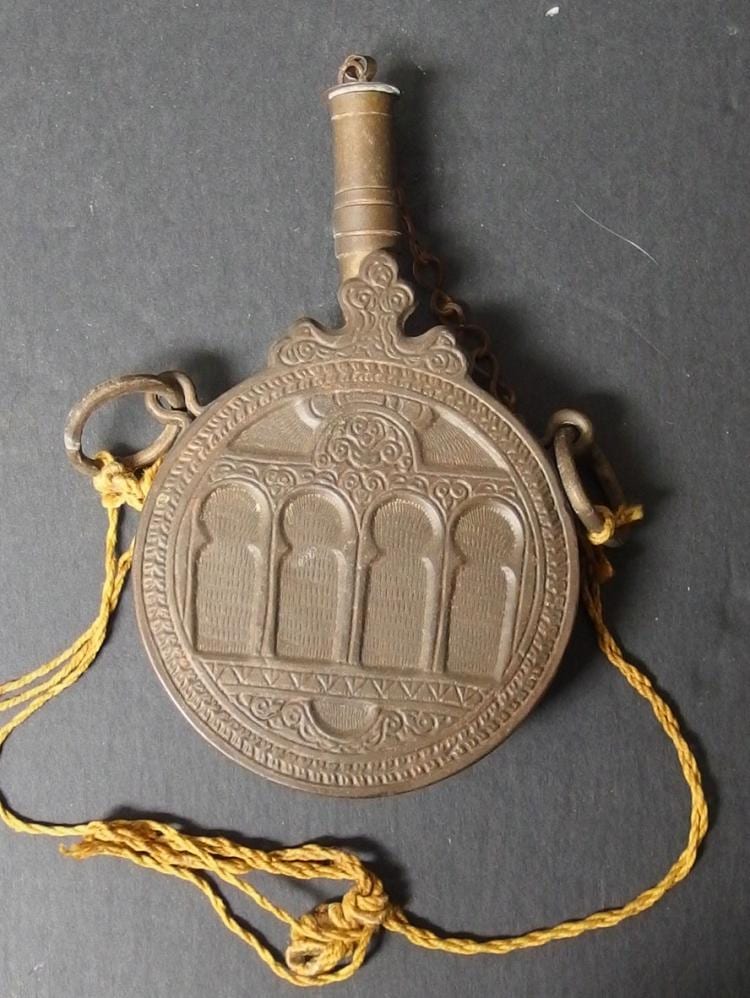 |
ANTIQUE SPANISH POWDER FLASK | Midnight Sun Antique Auction | 2017-05-27 | 165 | USD 60 (buyer’s-premium treatment unknown) |
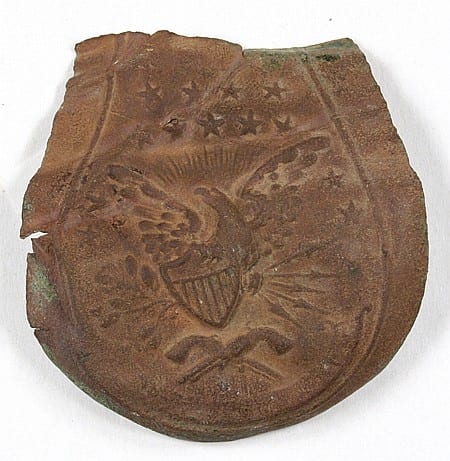 |
(UNION POWDER FLASK RELIC) - Current Bid: $20.00 | Alexander Historical Auctions LLC | 2015-07-08 | 1026 | USD 40 (buyer’s-premium treatment unknown) |
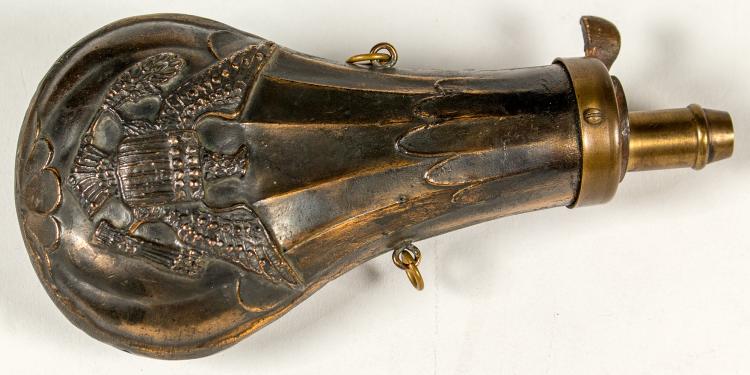 |
Copper-brass Black Powder Flask | Holabird Western Americana | 2016-05-14 | 2128 | USD 100 (buyer’s-premium treatment unknown) |
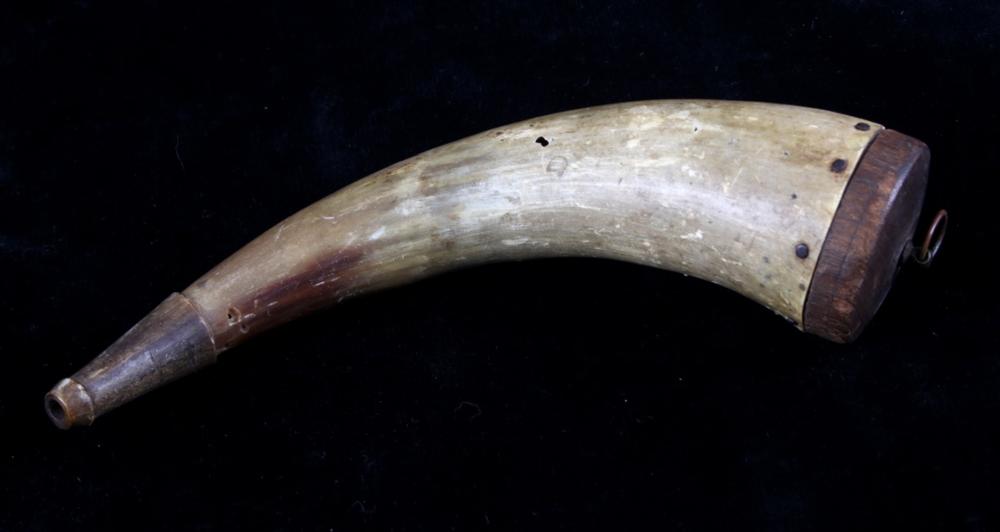 |
Antique Steer Horn Black Powder Flask | North American Auction Company | 2019-04-27 | 451 | USD 80 (buyer’s-premium treatment unknown) |
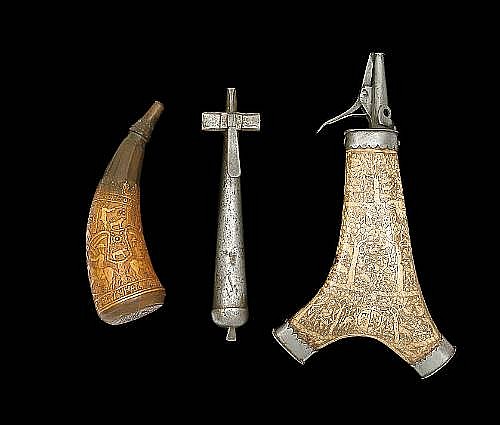 |
A Fine Norwegian Powder-Flask Dated 1770 | Bonhams | 2007-04-04 | 280 | GBP 3,600 (buyer’s-premium treatment unknown) |
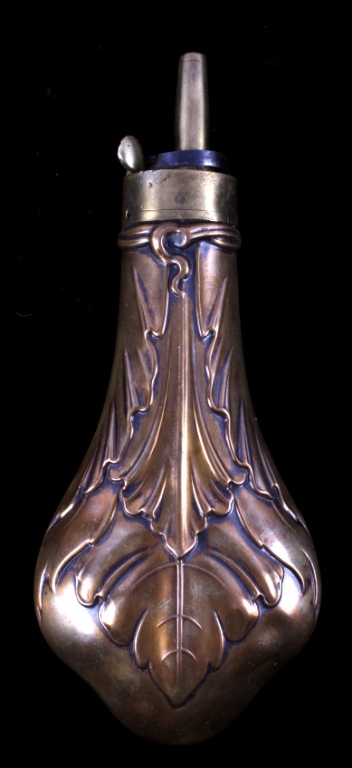 |
Antique Brass and Copper Gun Powder Flask | North American Auction Company | 2015-10-10 | 80 | USD 100 (buyer’s-premium treatment unknown) |
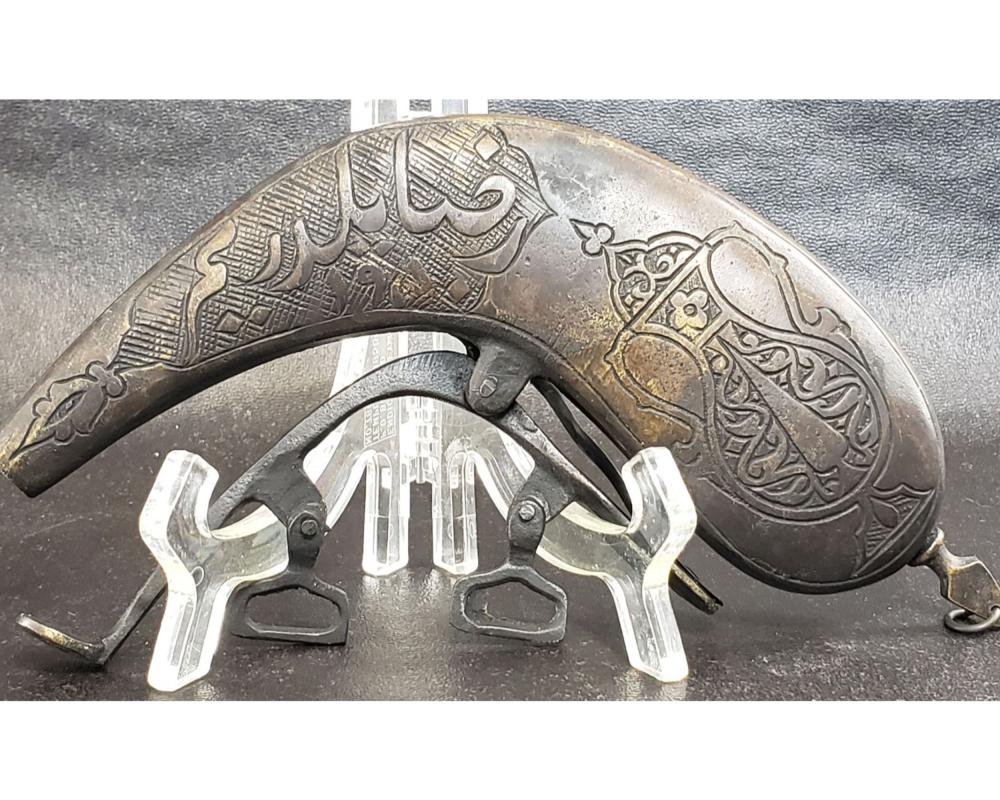 |
Antique Persian Islamic Bronze Black Powder Flask. | RB Fine Arts | 2019-08-18 | 180 | USD 175 (buyer’s-premium treatment unknown) |
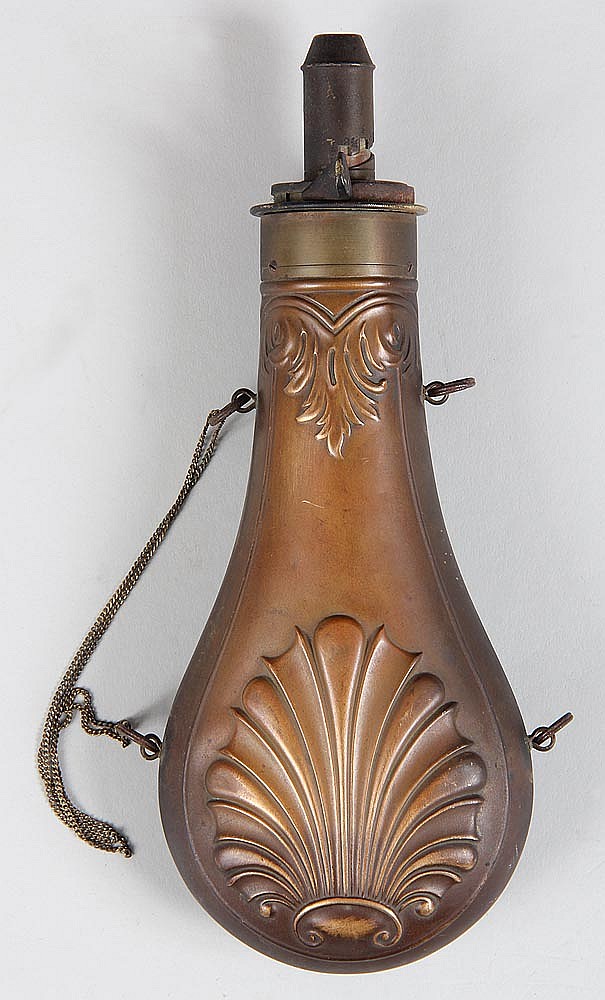 |
Civil War era copper and brass black powder flask | South Bay Auctions Inc | 2017-06-24 | 29 | USD 175 (buyer’s-premium treatment unknown) |
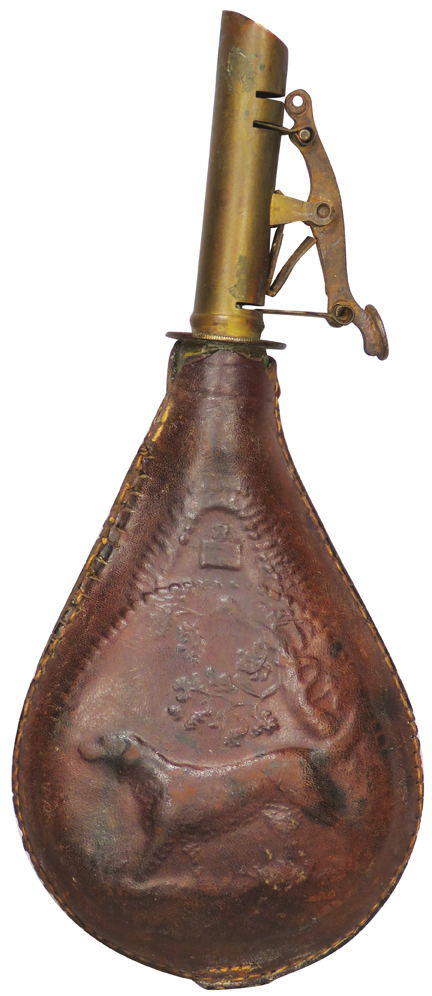 |
Antique Rare Embossed Leather Black Powder Flask | Showtime Auction Services | 2017-09-30 | 901 | USD 175 (buyer’s-premium treatment unknown) |
How these auction records were verified
Each row retains its exact source URL, lot identity, retrieval time, access result, and immutable record hash. Inspect the public comparable provenance record.
Disclosure: prices are shown as reported by auction houses and are provided for appraisal context. Learn more in our editorial policy.
Care, compliance, and long-term display
Powder flasks cross multiple regulatory categories. In the United States, empty antique flasks are typically exempt from explosive licensing, but international transport may still require customs declarations. Always ship via carriers that accept inert militaria and declare the age plus empty status in writing.
For display, maintain 40–55% relative humidity to slow corrosion. Mount the flask on an inert acrylic stand and avoid direct sunlight, which can heat residual powder particles and stress the solder seams. If you plan to reinstall the flask in a cased set, add a silica gel sachet to the compartment and inspect the wood for active insect damage.
Schedule a professional condition check every three to five years. Conservators can monitor for developing verdigris, verify that solder joints remain stable, and recommend microcrystalline wax coatings where appropriate.
References
- Victoria and Albert Museum. "Powder Flask," accession O129654.
- The Walters Art Museum. "Colt Patent Powder Flask," object 91.54.
- The Metropolitan Museum of Art. "Powder Flask," accession 26.52.1.
- Museum of New Zealand Te Papa Tongarewa. "Powder Flask," object 1283208.
- Arms Collectors Association. "Powder Flasks FAQ."
Collector search variations we cover
These long-tail questions surface in appraisal requests and are addressed in the guide above.
- how to date a Colt Navy powder flask by spout graduations
- identifying James Dixon & Sons powder flask maker marks
- market value for Civil War era stand of arms powder flasks
- authentic vs reproduction powder flask spring hardware
- cleaning verdigris on antique copper powder flasks safely
- shipping regulations for empty antique powder flasks
- matching powder flasks to cased percussion pistol sets
- insurance appraisal requirements for militaria powder flasks
Each phrase links back to identification steps, authentication workflows, and valuation benchmarks outlined above.
How We Research Valuation Data
Our appraisal guides are based on auction results, dealer pricing data, and professional appraiser insights. We may earn a commission when you use our free professional appraisal service. Learn about our editorial standards.
Continue your valuation journey
Find the right local specialist
Compare antique and art appraisers by location and specialty in one directory.
Antique & art specialists
Browse the Antique & Art Appraisers Directory
Choose a local specialist when the assignment needs in-person inspection or a specific credential.
See what the report looks like
Sample reports show how photos, comparable evidence, condition notes, and a value conclusion are documented.
Competitive Insights
Top organic results for “antique powder flask identification” lean on museum catalogs and enthusiast FAQs. They rank thanks to institutional trust or long publishing history, but they rarely combine authentication workflow, comparables, and monetization paths in one place.
- V&A Museum: Powder Flask entry — Estimated intent: object research. Strong authority and detailed provenance photography but no valuation guidance.
- Rock Island Auction: Powder Flasks primer — Estimated intent: collector education tied to auction marketing. Offers history but lacks step-by-step authentication or preservation advice.
- Arms Collectors FAQ — Estimated intent: hobbyist reference. Dense with typology notes yet light on pricing context and modern market data.
- Museum pages provide authority but focus on single exemplars, leaving gaps around condition grading and market readiness.
- Collector blogs cite vintage catalogs but seldom translate those cues into actionable valuation adjustments.
- Auction primers highlight sales highlights without offering intake checklists or lead capture for appraisal services.
Backlink Opportunities
- armscollectors.com – Long-running reference site for black powder accessories; outreach for expert guide syndication.
- americanlongrifles.org – Active forum where collectors trade identification tips; share checklist summary.
- militaryheritage.com – Retailer with educational blog posts on flasks and accoutrements; propose guest explainer.
- nramuseums.org – Curatorial resource pages often link to preservation guides; pitch a storage and safety article.
- collectorsweekly.com – Category hubs for militaria stories; provide valuation insights with modern comps.
Editorial Strategy
Action: update – Replaced legacy copy with a fully structured guide that meets 2025 publishing standards: fresh auction comps, dual AI visuals, the mid-funnel intake block, and enhanced analytics-ready CTA language.
Machine-readable summaries
Use these machine-friendly references for AI and crawler discovery of Appraisily content.
Ready for pricing guidance?
Start a secure online appraisal
Upload images and details. Certified specialists respond within 24 hours.
Upload photos for a free first look View signed report sample