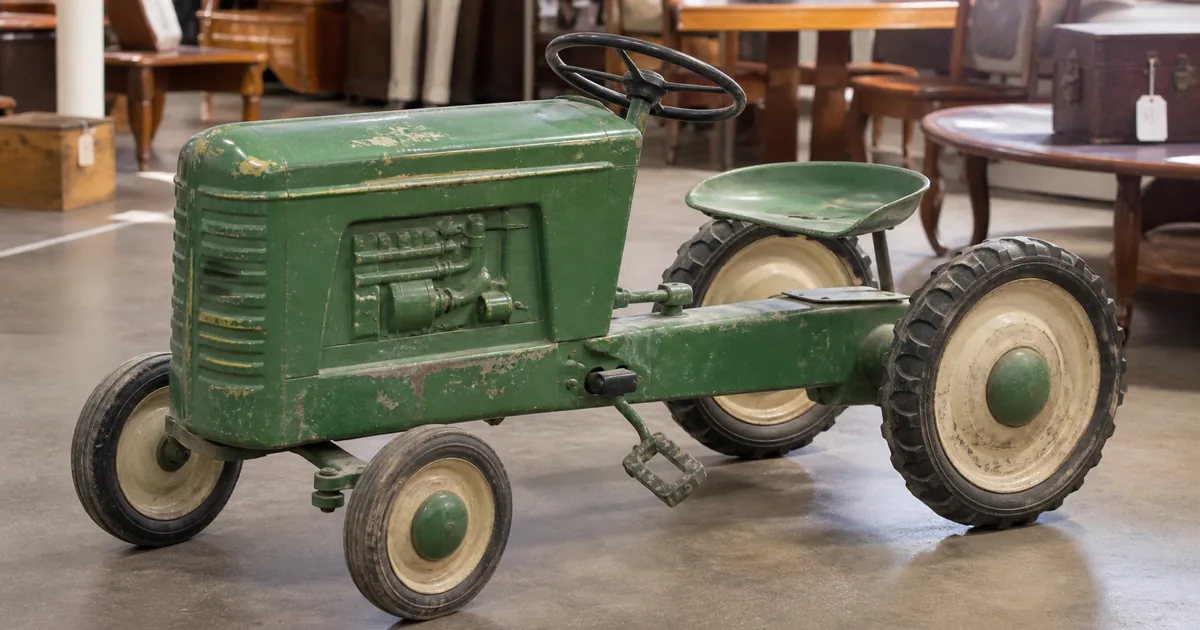
What antique pedal tractors actually sell for
A later Murray or Ertl rider is a different sale from a large Eska John Deere.
Common later riders. A Murray Trac pedal tractor with dump sold for $125.
An Ertl John Deere Model D-63 pedal tractor sold for $225.
A John Deere pedal tractor sold for $320.
An Ertl John Deere 20 pedal tractor sold for $350.
Named Eska model. An Eska John Deere NF 620 pedal tractor sold for $425.
High-value outlier. An Eska John Deere pedal tractor sold for $1,200.
Photograph the maker, model, paint, and whether a wagon is included before treating any one sale as yours.
What similar items actually sold for
To help ground this guide in real market activity, here are recent example auction comps from Appraisily’s internal database. These matched sales are market context only, not an object estimate or identification, and they do not guarantee a price for your specific pedal tractor.
Shown USD range: USD 60-USD 350. Median of these 13 USD examples: USD 125.
| Comparable | What sold | Auction house | Date | Lot | Source-reported amount |
|---|---|---|---|---|---|
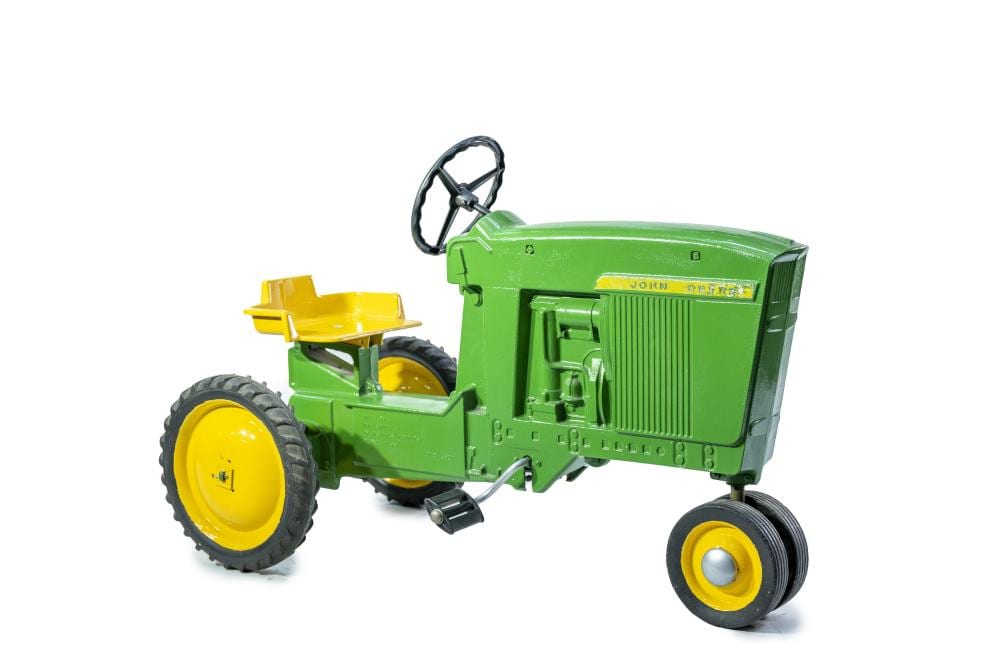 |
A John Deere Pedal tractor, | Bonhams | 2025-09-21 | 413 | USD 320 (buyer’s-premium treatment unknown) |
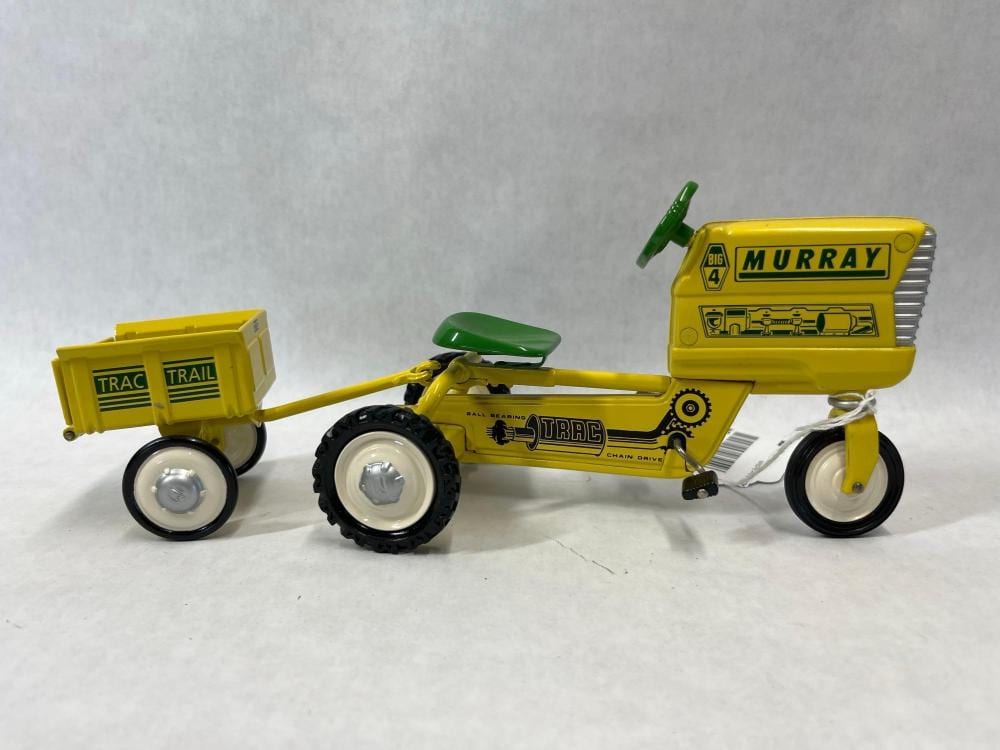 |
Hallmark 1961 Murray Pedal Tractor w/ Trailer | Atlee Raber Auctioneer | 2026-06-29 | 144 | USD 80 (buyer’s-premium treatment unknown) |
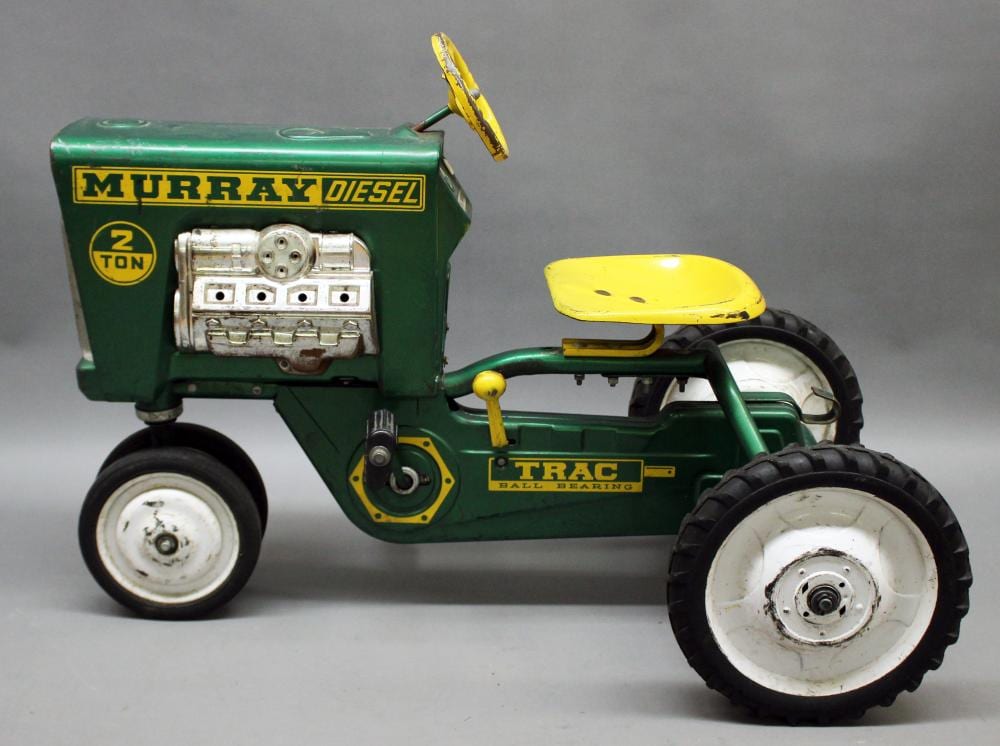 |
Steel Pedal Tractor: Murray Diesel Two-T | Roan Inc. Auctioneers & Appraisers | 2021-01-08 | 271 | USD 160 (buyer’s-premium treatment unknown) |
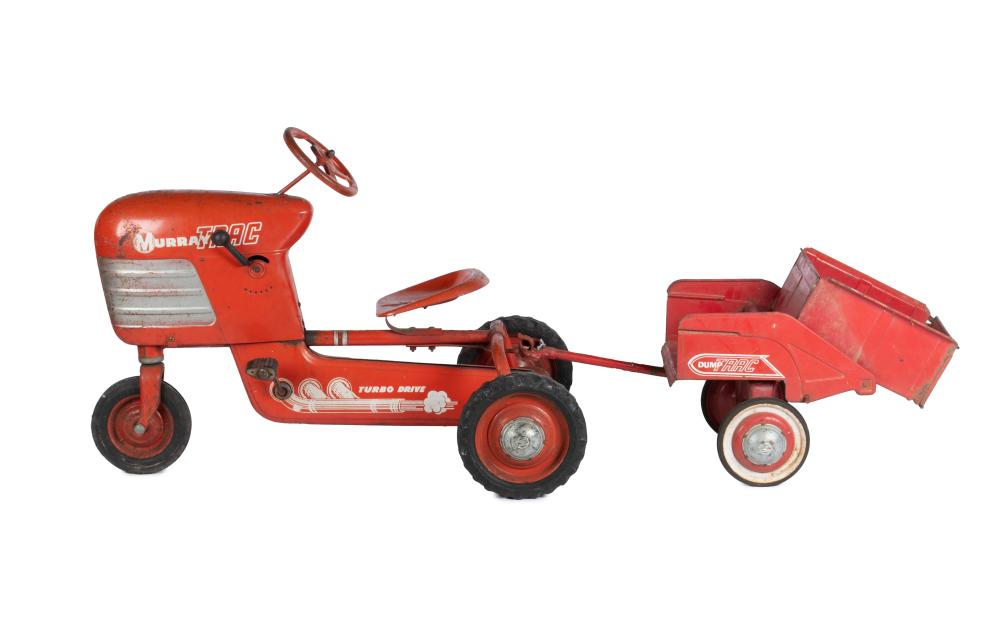 |
MURRAY TRAC PEDAL TRACTOR WITH DUMP | Selkirk Auctioneers & Appraisers | 2025-09-26 | 32 | USD 125 (buyer’s-premium treatment unknown) |
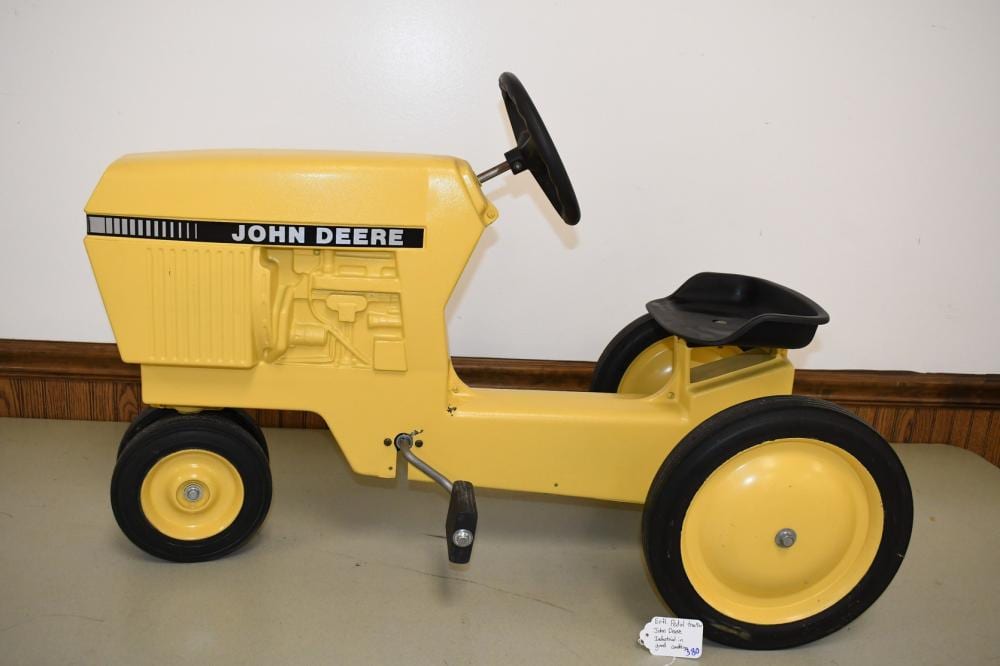 |
Ertl John Deere Industrial Model 55 Child’s Pedal Tractor – Painted Industrial Yellow – In As-New Condition – Will Not Ship, Pickup Only or You Must Arrange Your Own Shipping! | Redding Auction Service | 2025-11-22 | 380 | USD 150 (buyer’s-premium treatment unknown) |
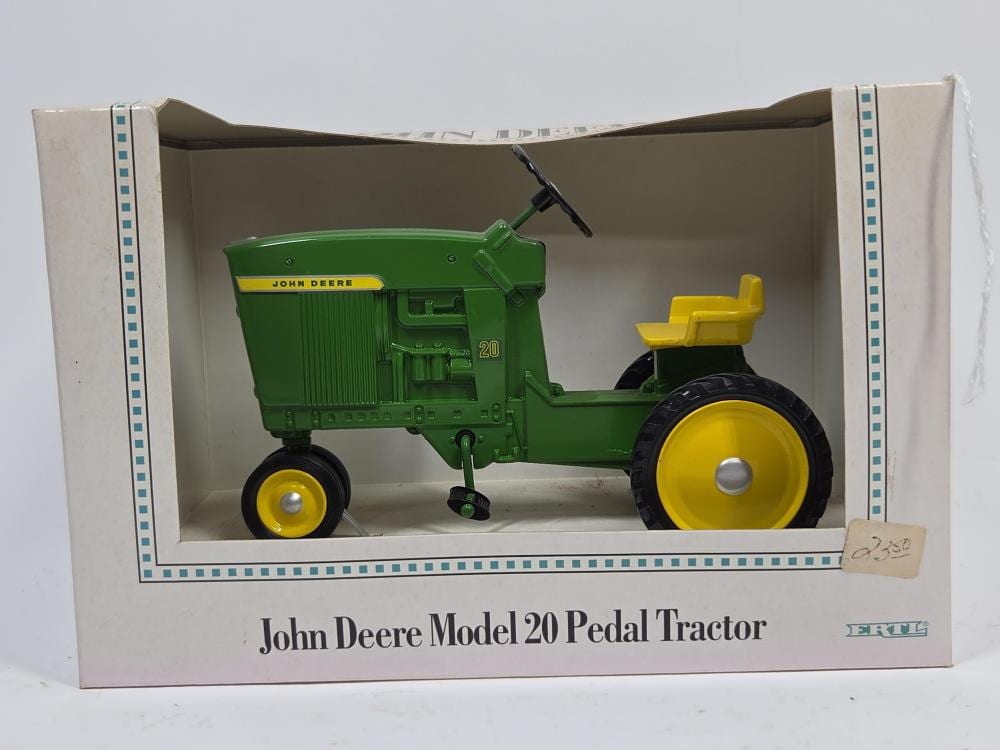 |
John Deere Model 20 Pedal Tractor | Atlee Raber Auctioneer | 2026-04-27 | 39 | USD 100 (buyer’s-premium treatment unknown) |
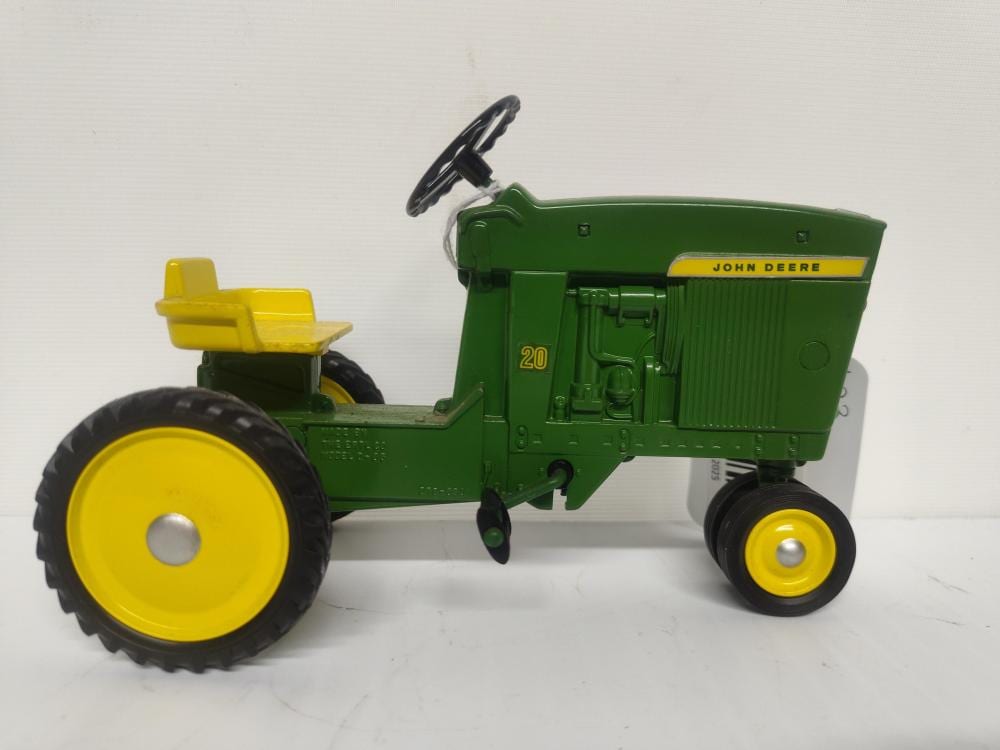 |
John Deere 20 Miniature Pedal Tractor | Atlee Raber Auctioneer | 2025-05-12 | 225 | USD 60 (buyer’s-premium treatment unknown) |
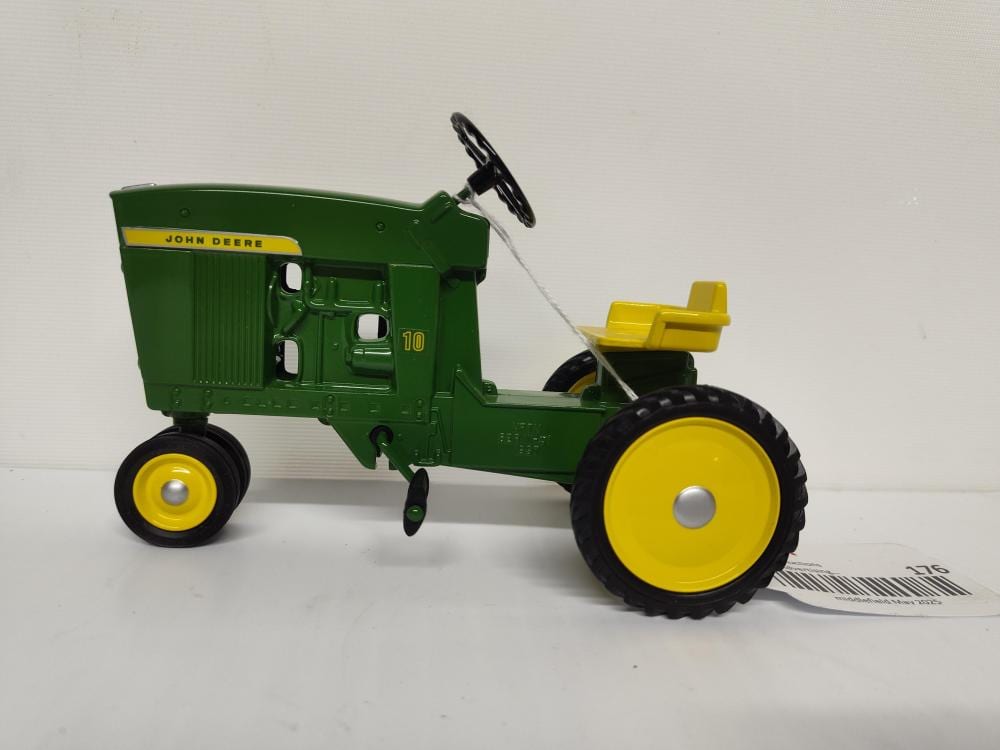 |
John Deere 10 Miniature Pedal Tractor | Atlee Raber Auctioneer | 2025-05-12 | 176 | USD 100 (buyer’s-premium treatment unknown) |
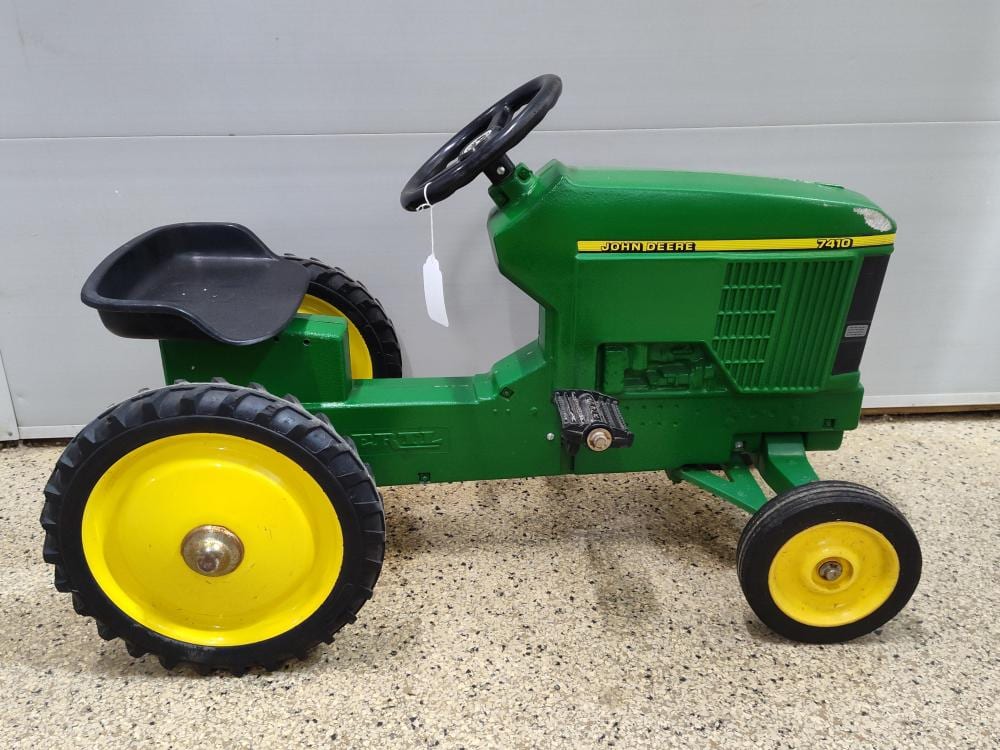 |
Ertl John Deere WF 7410 Pedal Tractor | Atlee Raber Auctioneer | 2026-04-29 | 202 | USD 275 (buyer’s-premium treatment unknown) |
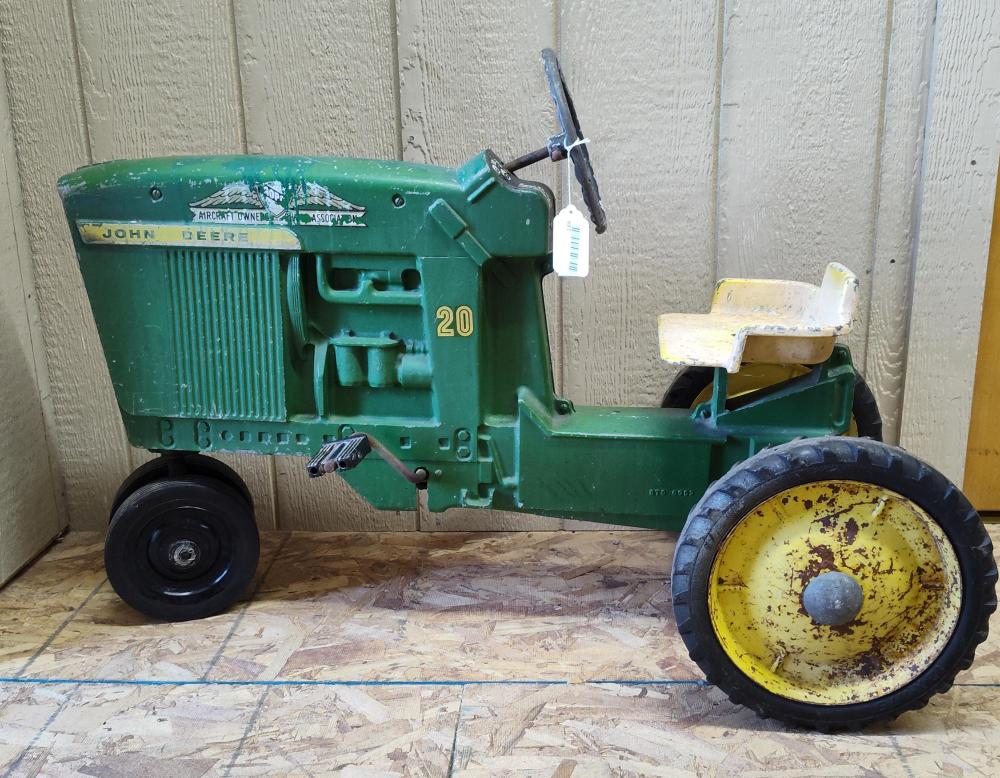 |
Ertl John Deere Model D-63 Pedal Tractor | Atlee Raber Auctioneer | 2026-06-29 | 189 | USD 225 (buyer’s-premium treatment unknown) |
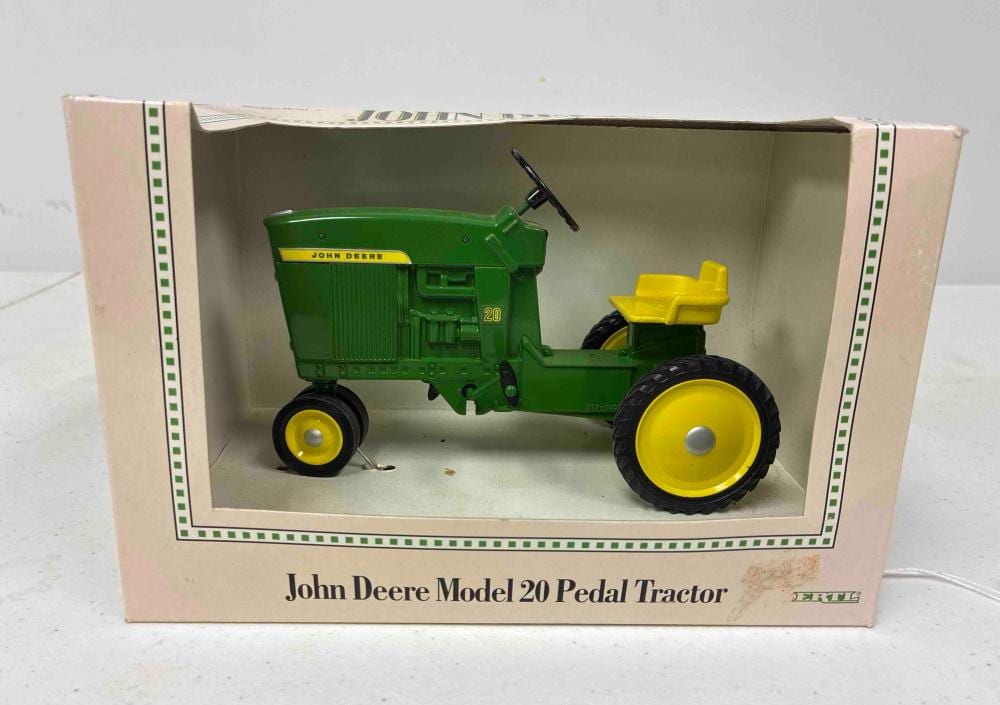 |
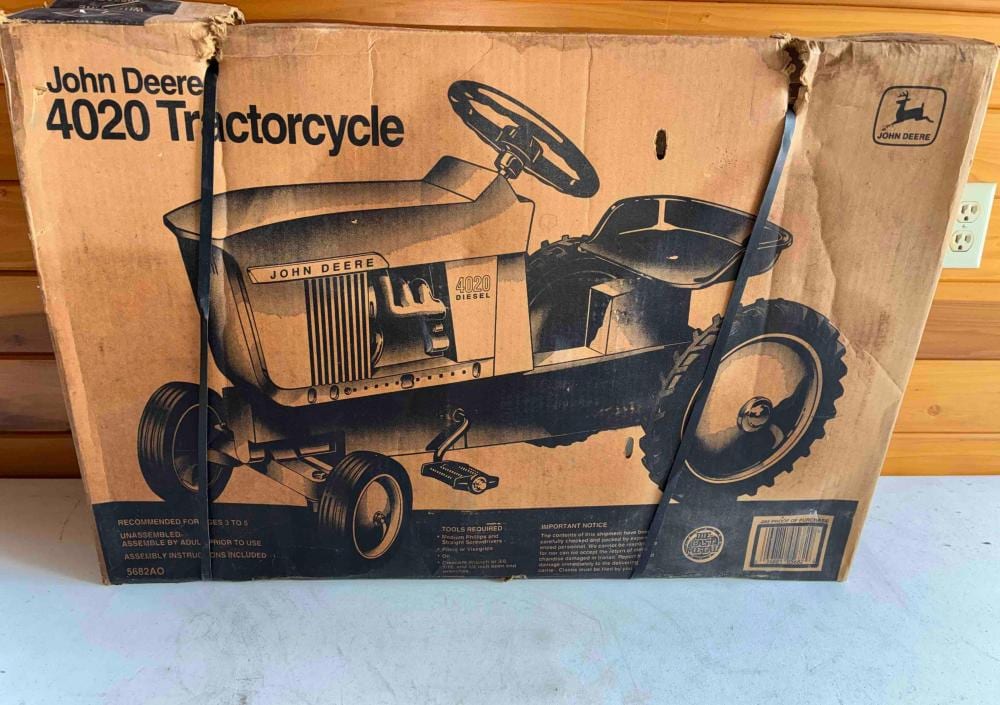
Ertl John Deere Model 20 Pedal Tractor | Atlee Raber Auctioneer | 2025-09-08 | 192 | USD 60 (buyer’s-premium treatment unknown) |
 |
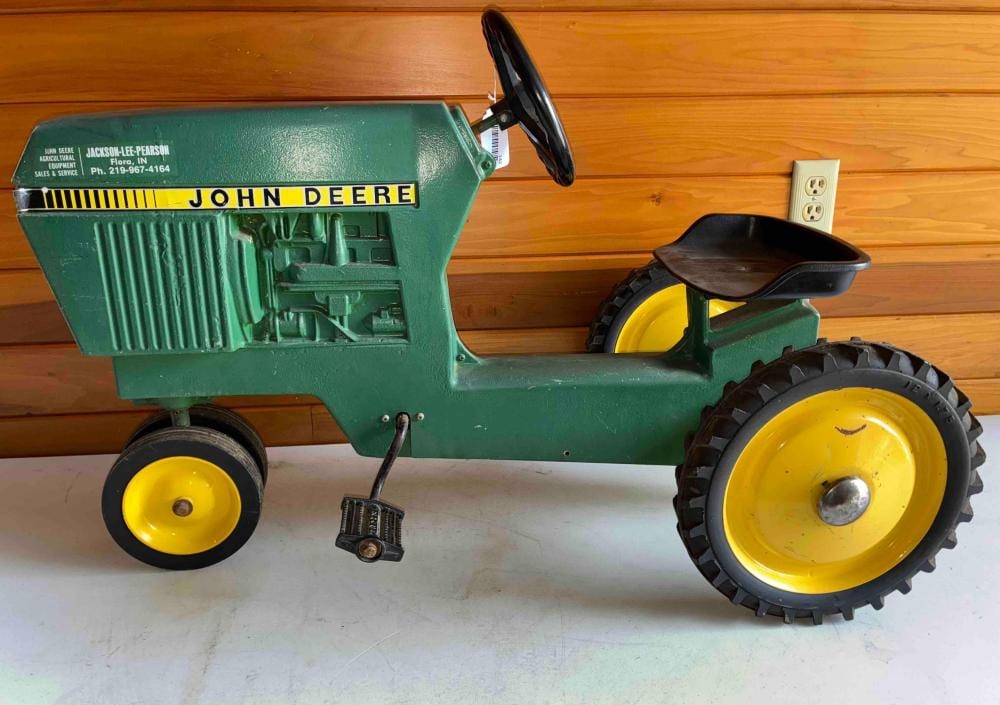
John Deere Ertle 4020 WF Pedal Tractor | Atlee Raber Auctioneer | 2025-09-08 | 208 | USD 350 (buyer’s-premium treatment unknown) |
 |
Vintage Ertl John Deere NF Pedal Tractor | Atlee Raber Auctioneer | 2025-09-08 | 142 | USD 125 (buyer’s-premium treatment unknown) |
How these auction records were verified
Each row retains its exact source URL, lot identity, retrieval time, access result, and immutable record hash. Inspect the public comparable provenance record.
Disclosure: prices are shown as reported by auction houses and are provided for appraisal context. Learn more in our editorial policy.
Introduction to Antique Pedal Tractors
Antique pedal tractors have become highly sought-after collectibles, with some rare models fetching thousands of dollars at auction. These miniature replicas of full-sized farm machines were originally created as children’s toys in the mid-20th century but have since evolved into valuable collectibles that capture both agricultural history and childhood nostalgia.
The History of Pedal Tractors
Evolution of Pedal Tractors
- Early 1900s
Early Development
As real tractors began emerging on American farms, children created makeshift toy versions to mimic their parents' work.
- Late 1940s
First Commercial Models
Inland Manufacturing Company produced the first commercial pedal tractor called the Tractall, setting the stage for an entire industry.
- 1950s-1960s
Golden Age
Major manufacturers like John Deere, International Harvester, and Case began licensing official pedal tractor replicas, creating what would become the most valuable vintage models today.
- 1970s-1980s
Transition Period
Manufacturers began using more plastic components, moving away from the all-metal construction that characterized earlier models.
- 1990s-Present
Collector's Market Emerges
Vintage pedal tractors became recognized collectibles with dedicated price guides, collector associations, and specialized auctions developing around them.
According to the Toy Farmer publication, the late 1940s marked the real beginning of commercial pedal tractor production when Inland Manufacturing began creating their Tractall model. This period through the 1960s is considered the golden age of pedal tractor manufacturing, with all-metal construction and authentic detailing that closely resembled the full-sized machines.
Factors That Determine Pedal Tractor Values
Manufacturer & Brand: John Deere, Case, International Harvester, and other major agricultural equipment brands typically command higher prices than generic models.
Age & Rarity: Earlier models from the 1940s-1960s generally fetch higher prices, with limited production runs being particularly valuable.
Condition: Original paint, decals, and parts significantly impact value—restored models typically sell for less than those in original condition.
Completeness: All original parts, including seats, steering wheels, and pedals, increase value substantially.
Authenticity: Factory-authorized models licensed by major tractor manufacturers are more valuable than unofficial replicas.
Documentation: Original purchase receipts, boxes, or paperwork can add considerable value to a vintage pedal tractor.
Provenance: A documented history of ownership or connection to notable collections can boost value.
Most Valuable Antique Pedal Tractor Models
Premium Pedal Tractor Values
Based on recent auction results and collector price guides
John Deere Pedal Tractor Values
The most valuable John Deere pedal tractors are generally those manufactured by Eska during the 1950s and 1960s. These models featured all-metal construction, rubber tires, chain drives, and accurate detailing. Early examples with “spoked” wheels are particularly prized by collectors.
Case & International Harvester Values
Condition Assessment Guide

Pedal Tractor Condition Assessment
Check applicable items to determine condition rating
- Original paint with minimal wear (no repainting)
- Factory decals intact and legible
- All original mechanical parts present and functional
- Steering mechanism works smoothly
- Original seat in good condition (no tears or replacements)
- Original tires with good tread (not cracked or perished)
- Chain drive intact and operational
- No significant rust or corrosion
- Original pedals with minimal wear
- Free from modifications or non-original parts
Pedal tractor conditions are typically classified as:
Mint/Museum Quality: Near-perfect condition with all original components, paint, and decals. No restoration.
Excellent: Very minor wear with 90%+ original paint and decals. All original parts.
Very Good: Light play wear, 75%+ original paint and decals. May have minor touch-ups.
Good: Shows normal play wear, 50%+ original paint and decals. May have some replacement parts.
Fair: Significant wear, faded paint, missing decals. May require restoration.
Poor/Project: Extensive wear, rust, missing components. Requires complete restoration.
Original vs. Restored: Impact on Value
A key consideration for serious collectors is whether a pedal tractor remains in original condition or has been restored. While restoration can make a pedal tractor look new again, it often reduces value compared to original examples in similar condition.
According to collector forums, an original pedal tractor in good condition will typically command a 30-50% premium over a professionally restored example. This preference for originality reflects the broader trend in collectibles where authenticity is highly valued.
However, a professional, historically accurate restoration can still result in a valuable piece, particularly for tractors that would otherwise be considered in “poor” condition.
Where to Buy and Sell Antique Pedal Tractors

Popular Marketplaces:
Online Auction Sites: eBay is one of the largest marketplaces for pedal tractors, with regular listings ranging from project pieces to museum-quality examples.
Specialized Auctions: Companies like TractorHouse and Purple Wave frequently feature pedal tractors in their agricultural equipment auctions.
Collector Shows and Swap Meets: Farm toy shows and agricultural memorabilia events often feature numerous pedal tractors for sale.
Facebook Groups: Dedicated groups like “Pedal Tractors FOR SALE ONLY” connect buyers and sellers in a community setting.
Antique Dealers: Specialized dealers and shops like 1stDibs offer curated selections of higher-end vintage pedal tractors.
Collector Forums: Websites like Yesterday’s Tractors forums provide classified sections where collectors buy and sell.
When selling a vintage pedal tractor, providing detailed photos, accurate condition descriptions, and any documentation of provenance will help maximize value. For buyers, researching comparable sales and understanding the factors that determine value will help ensure a fair purchase price.
Authenticating Vintage Pedal Tractors
Authentication Guidelines:
Research the Model: Investigate production years, distinctive features, and original paint colors for the specific model.
Examine Construction: Early vintage models (1940s-1960s) were typically all-metal construction with minimal or no plastic parts.
Check Manufacturer Marks: Look for maker’s marks, usually stamped into the metal or on identification plates.
Original Hardware: Authentic vintage pedal tractors use period-correct fasteners—modern hardware suggests replacement parts.
Paint Analysis: Original paint has distinct aging characteristics different from modern repaints.
Consult Reference Guides: Books like “Criswell’s Pedal Tractor Guide” provide detailed information for authentication.
Seek Expert Opinion: When in doubt, consult with established collectors or professional appraisers.
Recent Market Trends in Pedal Tractor Collecting
Current Market Trends:
Rising Premium for Original Condition: Unrestored examples with original paint and parts command increasingly higher premiums over restored tractors.
Brand-Specific Collecting: Many collectors focus exclusively on specific brands like John Deere or International Harvester, driving up prices for these manufacturers.
Documentation Value: Pedal tractors with original boxes, manuals, or documented provenance fetch significantly higher prices than identical models without documentation.
Accessories Premium: Original accessories like trailers, canopies, or implements can substantially increase a pedal tractor’s value—sometimes doubling it for rare combinations.
Online Market Growth: The advent of specialized online groups and auction platforms has expanded the market beyond traditional collector channels.
Generational Shift: As new collectors enter the market, focus has shifted somewhat from earliest models to those from the 1960s-1970s that resonate with their childhood memories.
Common Questions About Antique Pedal Tractor Values
How can I identify the age of my vintage pedal tractor?
- Look for manufacturer marks, logos, or serial numbers
- Research the specific model in collector guides
- Examine construction techniques and materials (all-metal construction generally indicates earlier models)
- Check decal and graphic styles, which changed over different production periods
- Consult with collector groups or forums like Yesterday’s Tractors
What is the most valuable antique pedal tractor?
- Limited edition or prototype models that never reached mass production
Should I restore my old pedal tractor or leave it in original condition?
Consider these factors before deciding:
- Current condition: If it retains 50%+ of original paint and most parts, preservation is usually better than restoration
- Rarity: Rarer models should almost always be preserved rather than restored
- Personal goals: If you’re collecting for investment, originality typically offers better returns
- Restoration quality: Poor restoration can permanently diminish value
How do I determine the value of my vintage pedal tractor?
- Identify the manufacturer, model, and approximate year of production
- Assess the condition using the condition scale (Poor to Mint)
- Document originality of paint, decals, and components
- Research recent sales of similar models through:
- Completed eBay auctions
- Specialized auction house results
- Collector price guides
- Forums like Yesterday’s Tractors
- Consider having it professionally appraised for insurance or sales purposes
What age are pedal tractors designed for?
However, antique pedal tractors should not be used as toys today due to:
- Their collectible value
- Potential safety issues with aged materials
- Lack of modern safety features
- Risk of damage to an increasingly valuable collectible
External Resources for Pedal Tractor Collectors
Free first look
Not sure whether this antique pedal tractor needs an appraisal?
Photograph the whole object, maker and model marks, dimensions, attachments, wear, repairs, completeness, and working condition where safe. The photo-based Screener can help identify the likely category and visible evidence gaps before you pay for documentation.
Upload photos for a free first lookFree. No card needed. The photo upload usually takes about two minutes.
The free first read is a separate photo-based Screener, not this educational article. Results usually appear within a few minutes; complex items can take longer. From photographs of your antique pedal tractor, it returns a preliminary category or identity read, visible evidence gaps, rough comparable market signals, and whether a human appraisal looks worthwhile; it is not a signed value conclusion. Material or construction can remain uncertain without direct examination, dimensions, provenance, or complete condition details. A written appraisal is useful when your antique pedal tractor needs documented specialist support for insurance, tax, an estate, authentication, litigation, or a consequential sale, but you may not need one.
Choose your next step
Use the path that matches the decision you need to make about the item.
Not sure it is worth appraising?
Start with a lower-friction screen to understand the likely category, evidence, and next step.
Upload photos for a free first lookWant proof before paying?
See how a signed report documents photos, comparable evidence, condition notes, and value conclusions.
View signed report sampleNeed a signed report?
Use this for insurance, estate, donation, resale, or documented value decisions.
Need documentation now? Start signed appraisalNeed local or specialist help?
Compare directory options when the work needs in-person review or a specialist near you.
Find local specialistsSee what the report looks like
Sample reports show how photos, comparable evidence, condition notes, and a value conclusion are documented.
Get a Professional Appraisal
Unsure about your item’s value? Our certified experts provide fast, written appraisals you can trust.
- Expert report with photos and comps
- Fast turnaround
- Fixed, upfront pricing
No obligation. Secure upload.
Continue your valuation journey
Find the right local specialist
Compare antique and art appraisers by location and specialty in one directory.
Antique & art specialists
Browse the Antique & Art Appraisers Directory
Choose a local specialist when the assignment needs in-person inspection or a specific credential.
Machine-readable summaries
Use these machine-friendly references for AI and crawler discovery of Appraisily content.
Ready for pricing guidance?
Start a secure online appraisal
Upload images and details. Certified specialists respond within 24 hours.
Upload photos for a free first look View signed report sample