
Antique Pedal Cars Value: appraisal and value basics
Antique Pedal Cars Value research should start with identification, condition, provenance, and recent comparable sales. Use this guide to compare the signals that matter before paying for a formal appraisal or deciding whether to sell.
Antique and vintage pedal cars can sell for anywhere from under $100 to five figures. That wide spread usually comes down to a small set of drivers: maker/model, original parts (wheels, steering, trim), and paint/condition.
If you’re holding a pedal car today — from an estate, a barn find, or a family attic — your best move is to price it like an appraiser: identify it first, grade it honestly, then pull comps that match the same “bucket.”


Free instant estimate
Not sure if your item is worth appraising? Let us take a look.
Upload a photo, tell us what you know, and get a free first read. If a full appraisal makes sense, we will say so.
Free. No card needed. Takes about two minutes.
Quick pedal car value ranges (2025)
Use this table as a first-pass. Your goal is to put your pedal car into the right category so your comps are relevant.
| Bucket | Typical range | What usually drives it |
|---|---|---|
| Décor / incomplete / heavily repainted | $50–$250 | Missing trim, incorrect wheels, rough repairs, or an unknown reproduction. |
| Common pressed-steel models (complete, presentable) | $250–$800 | Maker identification, completeness, and the quality of any older restoration. |
| Desirable branded models / nicer restorations | $800–$2,500 | Better model demand, correct trim, good cosmetics, and complete accessories. |
| Scarce models / exceptional originals | $2,500–$10,000+ | Rarity, provenance, top-tier originality, or famous marques and coachwork. |
If you’re insuring a pedal car, you may be looking for replacement value (what it costs to buy a comparable example today), which can be higher than an auction hammer price.
Step 1: identify maker & era (what to photograph)
A correct identification is usually built from multiple clues rather than a single “mark.” Start with a consistent photo set: front, back, both sides, top-down, underside, plus close-ups of the grille/headlights, steering wheel, pedals, wheels/hubcaps, seat, decals, and any plates or stamped text.

Clues that move value and improve identification
- Construction: pressed steel is common; fiberglass/plastic often points later (or specialty).
- Wheel type: rubber tires, cast hubs, and hubcaps vary by era and maker.
- Steering: wheel shape, horn button style, and column hardware can be signature cues.
- Trim completeness: windshield, bumpers, grille pieces, and lights are value multipliers.
- Underside mechanics: chain vs direct drive, pedal crank style, and frame geometry.
- Graphics: original decals/striping can sometimes identify a model even after repainting.
Common U.S. makers collectors look for include Murray, Garton, Steelcraft, and AMC. In Europe, some pedal cars are tied to licensed automotive marques or smaller manufacturers; authenticity and completeness become especially important in those higher-end segments.
Step 2: grade condition & originality
Pedal cars behave like other painted-metal collectibles: original paint and correct parts usually bring a premium, but severe rust or structural damage can put restoration back on the table.

A practical checklist
- Paint: original with honest wear, older restoration, or fresh repaint?
- Rust: surface oxidation vs perforation (especially on fenders and floor pans).
- Parts: correct grille, steering wheel, pedals, wheels, hubcaps, bumpers, and seat.
- Mechanicals: does it roll/steer? Are the crank, sprockets, and chain intact?
- Repairs: welded patches, filled holes, or replaced panels should be disclosed.

A common value trap is assuming a repaint always increases price. In many collecting categories, original-but-worn can outperform restored, especially if the restoration is not accurate to the original trim and graphics.
Spotting reproductions (and why they price differently)
Reproductions and modern “tribute” pedal cars can be fun display pieces, but they typically price as décor unless they’re made by a known modern maker with its own collector market. Red flags include:
- Modern hardware: bright zinc fasteners, Phillips-head screws everywhere, or mismatched metric bolts.
- Overly perfect paint: uniform gloss with no age patterns, especially on a supposedly early car.
- No wear where it should exist: pedals, steering wheel, and tires look unused.
If you suspect a reproduction, comps must match other reproductions — comparing to a rare original will inflate expectations and lead to pricing mistakes.
What similar items actually sold for
To help ground this guide in real market activity, here are recent example auction comps from Appraisily’s internal database. These matched sales are market context only, not an object estimate or identification, and they do not guarantee a price for your specific pedal car.
Shown USD range: USD 70-USD 2,500. Median of these 12 USD examples: USD 575.
| Comparable | What sold | Auction house | Date | Lot | Source-reported amount |
|---|---|---|---|---|---|
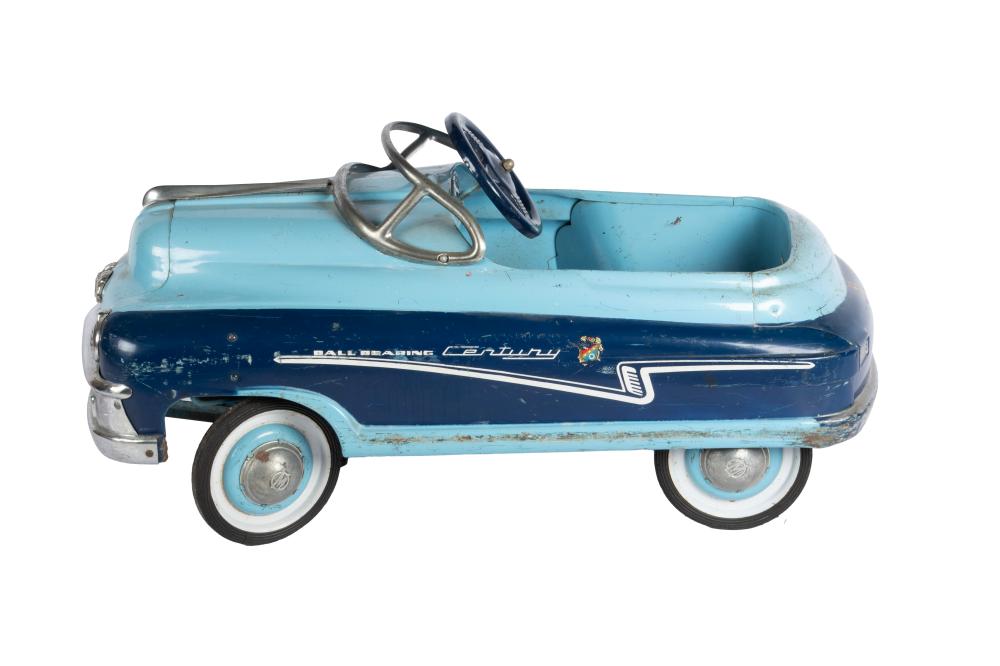 |
MURRAY "CENTURY" PEDAL CAR | Selkirk Auctioneers & Appraisers | 2025-09-26 | 17 | USD 275 (buyer’s-premium treatment unknown) |
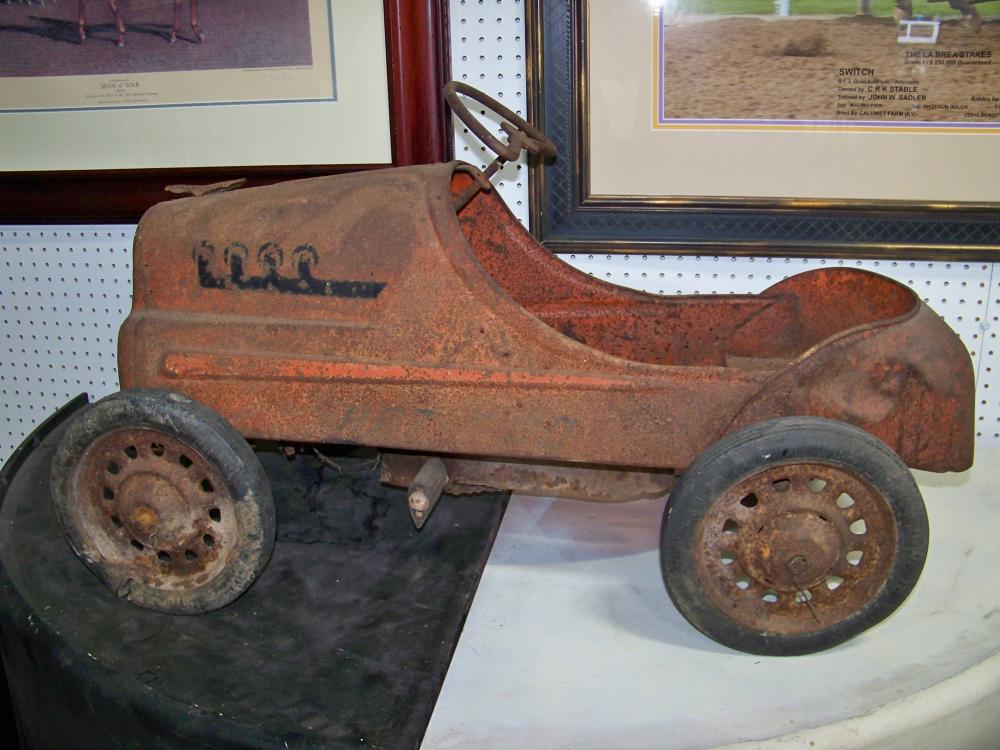 |
Vintage Garten 40's-50's Pedal Car | Caswell Prewitt Realty, INC | 2021-01-31 | 125 | USD 120 (buyer’s-premium treatment unknown) |
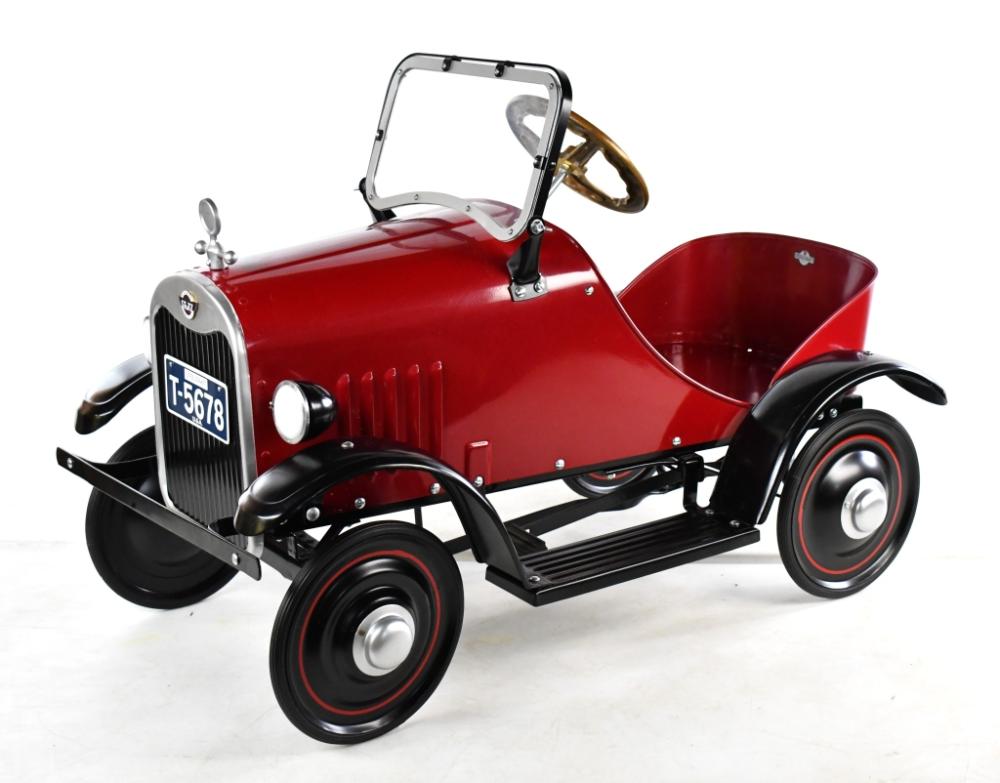 |
Restored Steelcraft Stutz Pedal Car | Kraft Auction Service | 2025-02-01 | 3065 | USD 1,000 (buyer’s-premium treatment unknown) |
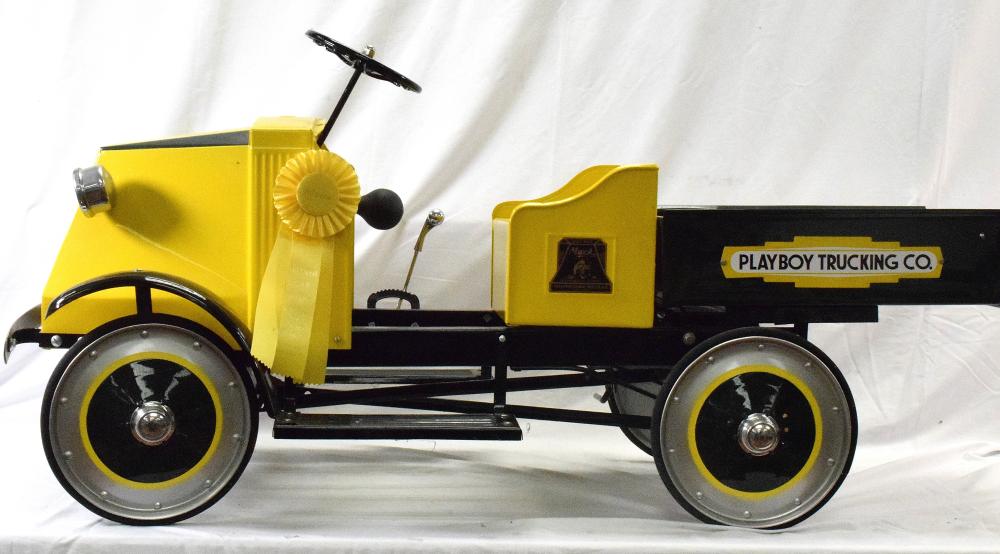 |
STEELCRAFT MACK PLAYBOY TRUCKING PEDAL CAR | White's Auctions | 2025-12-14 | 421 | USD 1,000 (buyer’s-premium treatment unknown) |
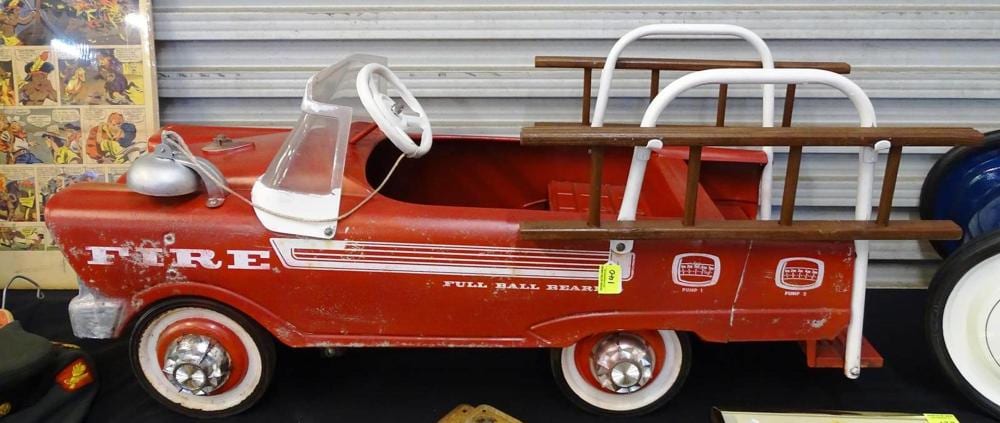 |
MURRAY FIRE TRUCK PEDAL CAR | Freedom Auction Company | 2019-02-24 | 140 | USD 70 (buyer’s-premium treatment unknown) |
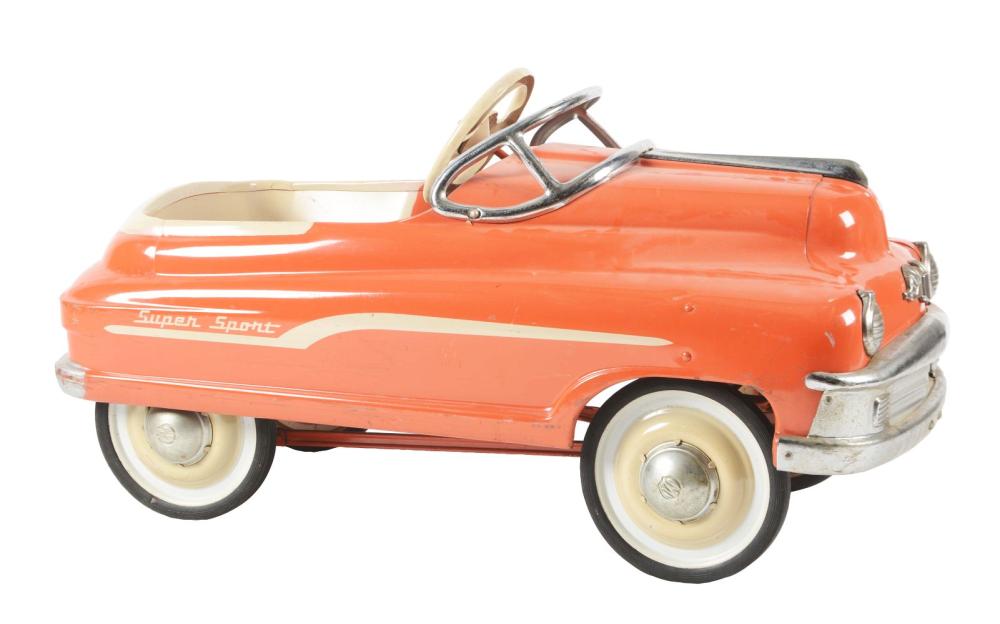 |
Pressed Steel Murray Super Sport Pedal Car. | Morphy Auctions | 2019-03-13 | 1451 | USD 2,500 (buyer’s-premium treatment unknown) |
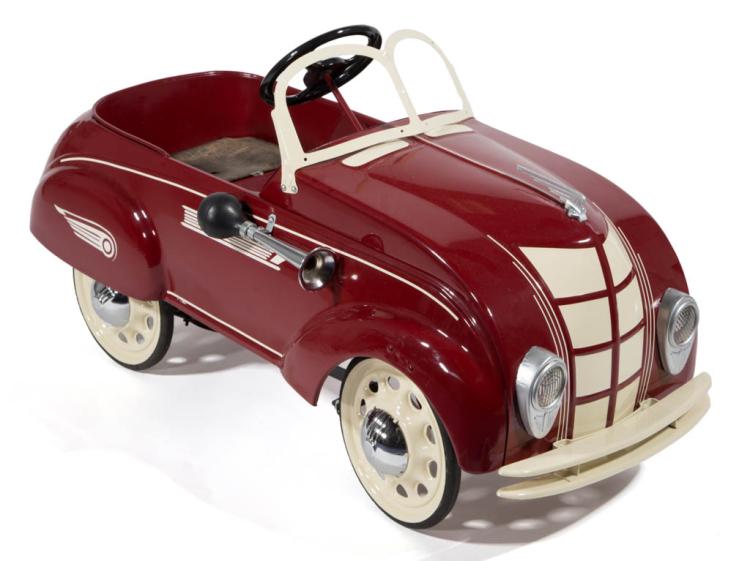 |
STEELCRAFT CHRYSLER AIR FLOW PRESSED-STEEL PEDAL CAR | Jeffrey S. Evans & Associates | 2018-02-17 | 1035 | USD 643 (buyer’s-premium treatment unknown) |
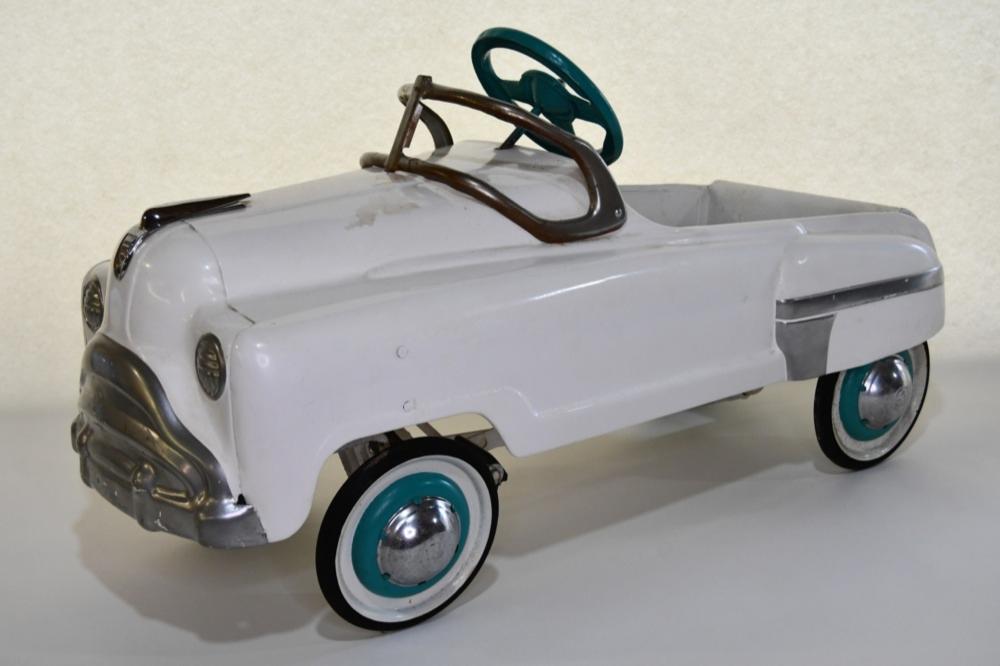 |
Murray Sadface Pedal Car | Kraft Auction Service | 2021-01-31 | 8645 | USD 225 (buyer’s-premium treatment unknown) |
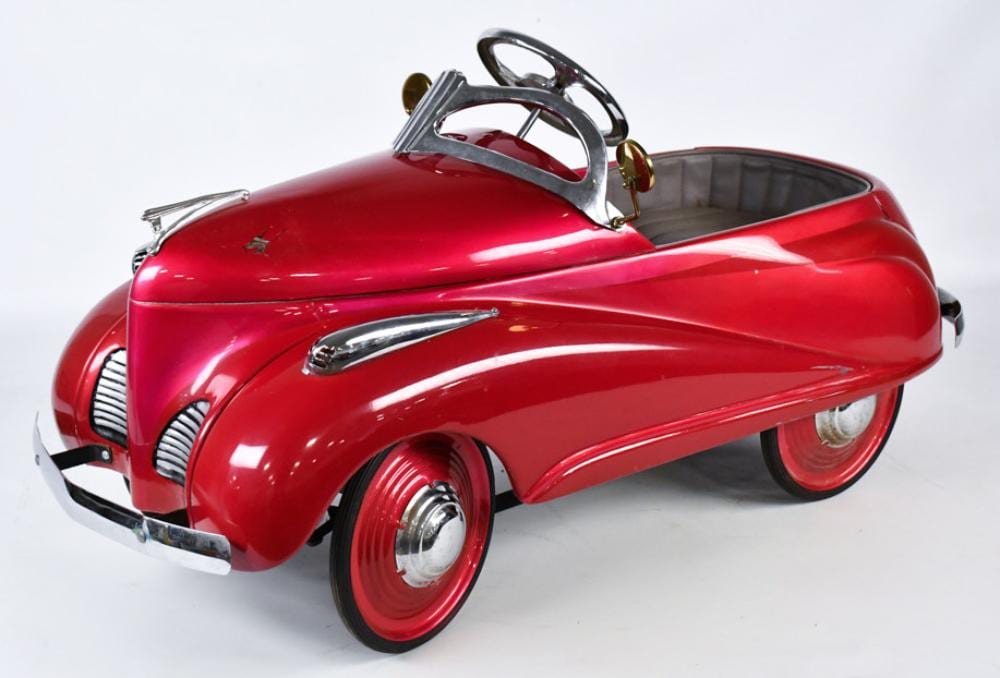 |
Restored Steelcraft Lincoln Zephyr Pedal Car | Kraft Auction Service | 2024-05-11 | 94 | USD 550 (buyer’s-premium treatment unknown) |
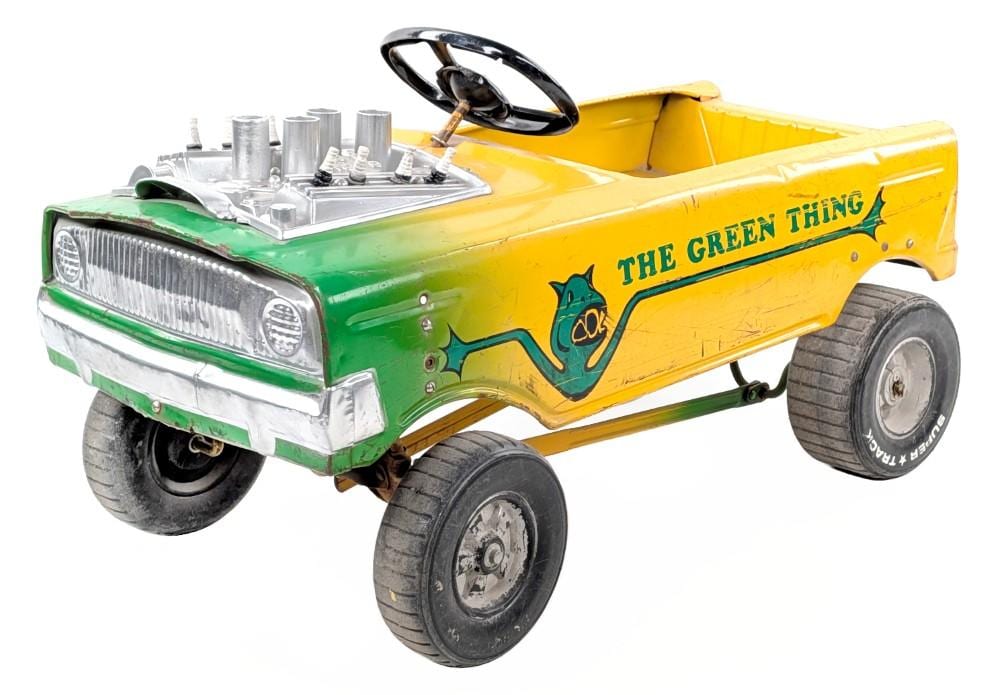 |
Murray "The Green Thing" Pedal Car | Kraft Auction Service | 2026-01-31 | 4129 | USD 600 (buyer’s-premium treatment unknown) |
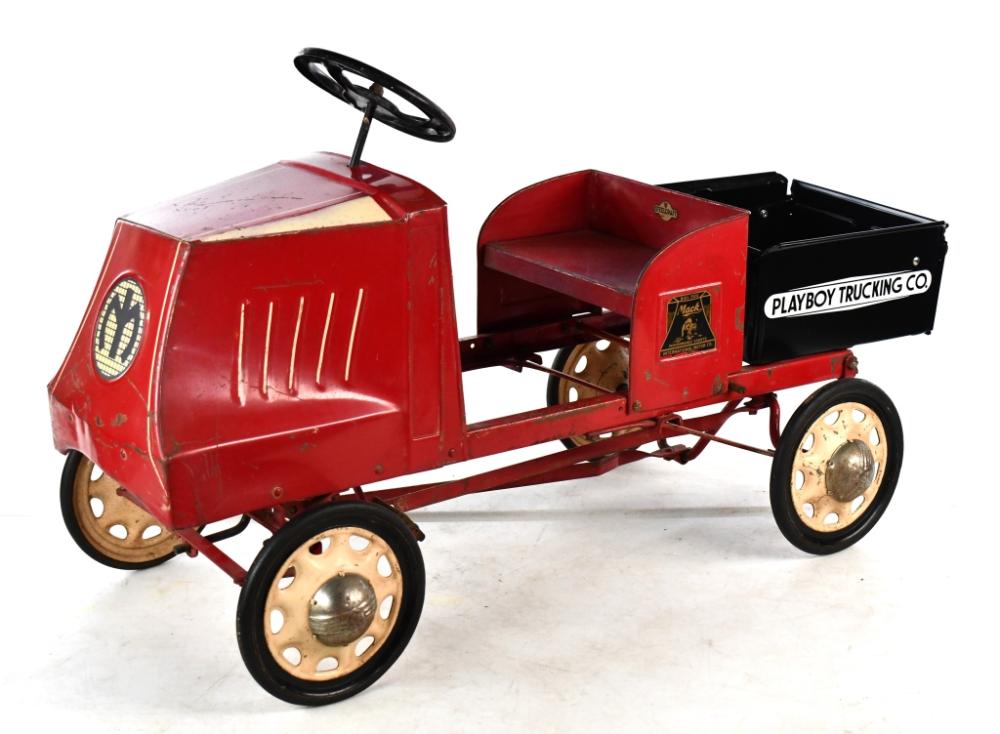 |
Steelcraft Mack Dump Truck Pedal Car | Kraft Auction Service | 2025-02-01 | 3010A | USD 550 (buyer’s-premium treatment unknown) |
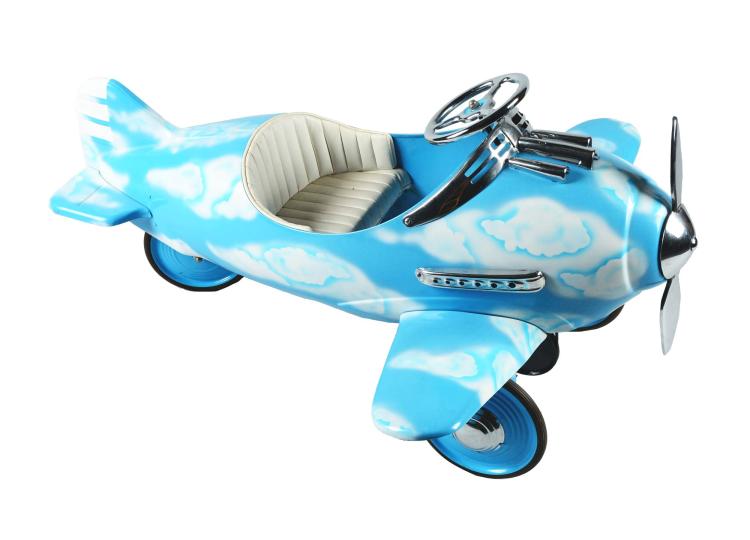 |
Pressed Steel Murray Pursuit Plane Pedal Car. | Morphy Auctions | 2018-01-28 | 987 | USD 850 (buyer’s-premium treatment unknown) |
How these auction records were verified
Each row retains its exact source URL, lot identity, retrieval time, access result, and immutable record hash. Inspect the public comparable provenance record.
Disclosure: prices are shown as reported by auction houses and are provided for appraisal context. Learn more in our editorial policy.
Selling & insurance tips (avoid common traps)
For selling
- Sell the story: include measurements and close-ups of trim, decals, wheels, and underside.
- Disclose restoration: repaint, decal replacement, and reproduction parts should be stated plainly.
- Plan shipping early: local pickup often improves net proceeds by reducing risk.
- Choose venue: rare marque cars do better in specialty auctions; common models do fine on marketplaces.
For insurance, estate, or donation values
- Document condition: your photos and notes become part of the “value proof.”
- Define value type: replacement vs fair market vs liquidation can change the number materially.
- Keep the comps: save house/date/lot/price so the valuation is auditable later.
Visual reference gallery (inspection close-ups)
Use these close-ups as a checklist when photographing your own pedal car. The goal is to capture the features that drive identification and value.


References & data sources
-
Appraisily auction dataset:
/mnt/srv-storage/auctions-data/pedal-cars/(accessed 2025-12-19). Comps cited from Worldwide Auctioneers lot 402 (2020-09-05, $25,000), Historics Auctioneers lot 101 (2024-05-11, £3,100), Bonhams lot 9 (2022-09-30, $3,000), and Morphy Auctions lot 1451 (2019-03-13, $2,500). - Identification best-practice: photograph the same views you see in auction catalogs (front/back/sides/top/underside + trim close-ups). For insurance/estate definitions, use a written appraisal.
Search variations collectors ask
Readers often search for:
- how much are Murray pedal cars worth
- Garton pedal car value by model
- is a repainted pedal car worth less
- how to identify a pedal car maker
- what year is my pedal car from
- best way to ship a pedal car safely
- pedal car replacement value for insurance
- how to tell a reproduction pedal car
Each question is answered in the valuation guide above.