What antique 10-gallon crocks actually sell for
An unmarked ten-gallon crock is a different sale from a named Red Wing piece.
Unmarked ten-gallon stoneware. A ten-gallon stoneware crock sold for $55.
An American salt-glazed 10-gallon crock sold with a 2-gallon crock for $65. That total is for both pieces, not the 10-gallon alone.
Named Red Wing, ordinary glaze. An antique Red Wing 10-gallon glazed crock sold for $70.
Decorated ten-gallon. An American cobalt-decorated ten-gallon stoneware crock sold for $175.
High-value outlier. A Red Wing 10-gallon salt-glazed stoneware crock sold for $600.
Read the gallon mark, maker stamp, and whether the lot is one crock or two before treating any one sale as yours.
What similar items actually sold for
To help ground this guide in real market activity, here are recent example auction comps from Appraisily’s internal database. These matched sales are market context only, not an object estimate or identification, and they do not guarantee a price for your specific 10 gallon crock.
Shown USD range: USD 20-USD 600. Median of these 7 USD examples: USD 65.
| Comparable | What sold | Auction house | Date | Lot | Source-reported amount |
|---|---|---|---|---|---|
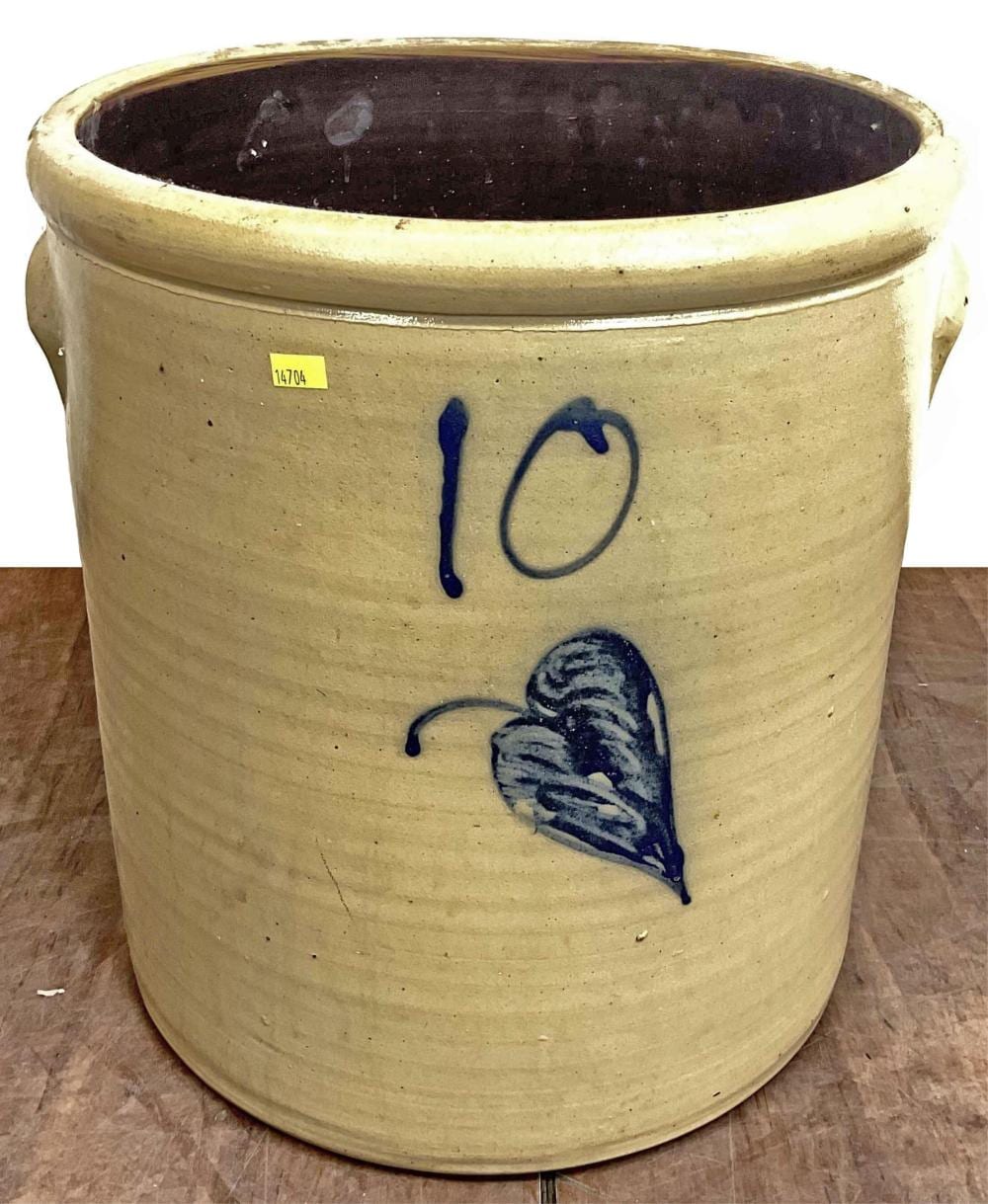 |
Red Wing 10 Gallon Salt Glazed Stoneware Crock | EJ'S Auction & Appraisal | 2022-07-16 | 2125 | USD 600 |
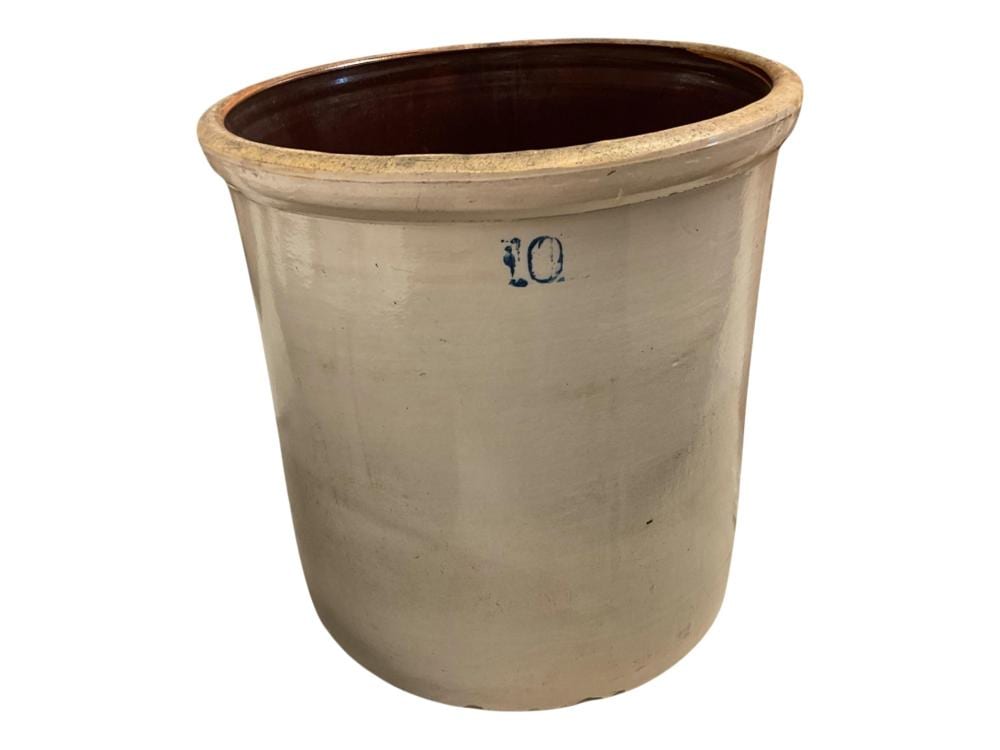 |
10 Gallon Stoneware Crock | Apple Tree Auction Center | 2026-04-09 | 578 | USD 75 |
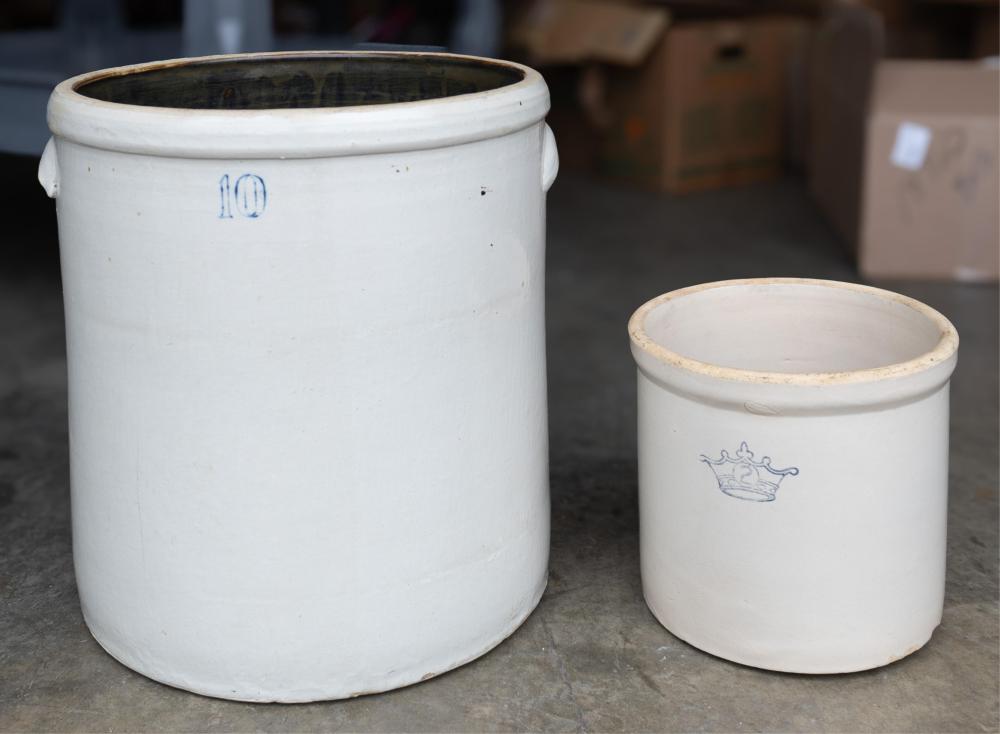 |
American Salt Glazed 10-Gallon Crock and a 2-Gallon Crock, H of Taller: 16 1/2 in. (41.9 cm.) | Weschler's | 2024-11-05 | 298 | USD 65 |
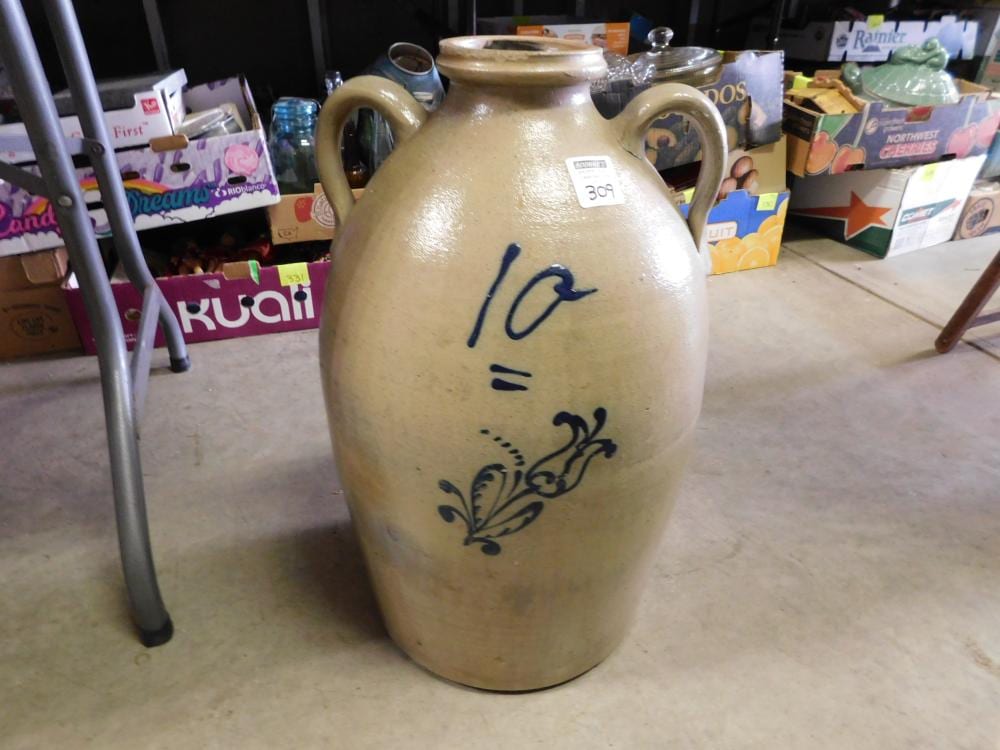 |
10 Gallon Stoneware Double Handled Crock | Bodnar's Auction Sales | 2020-09-17 | 309 | USD 300 |
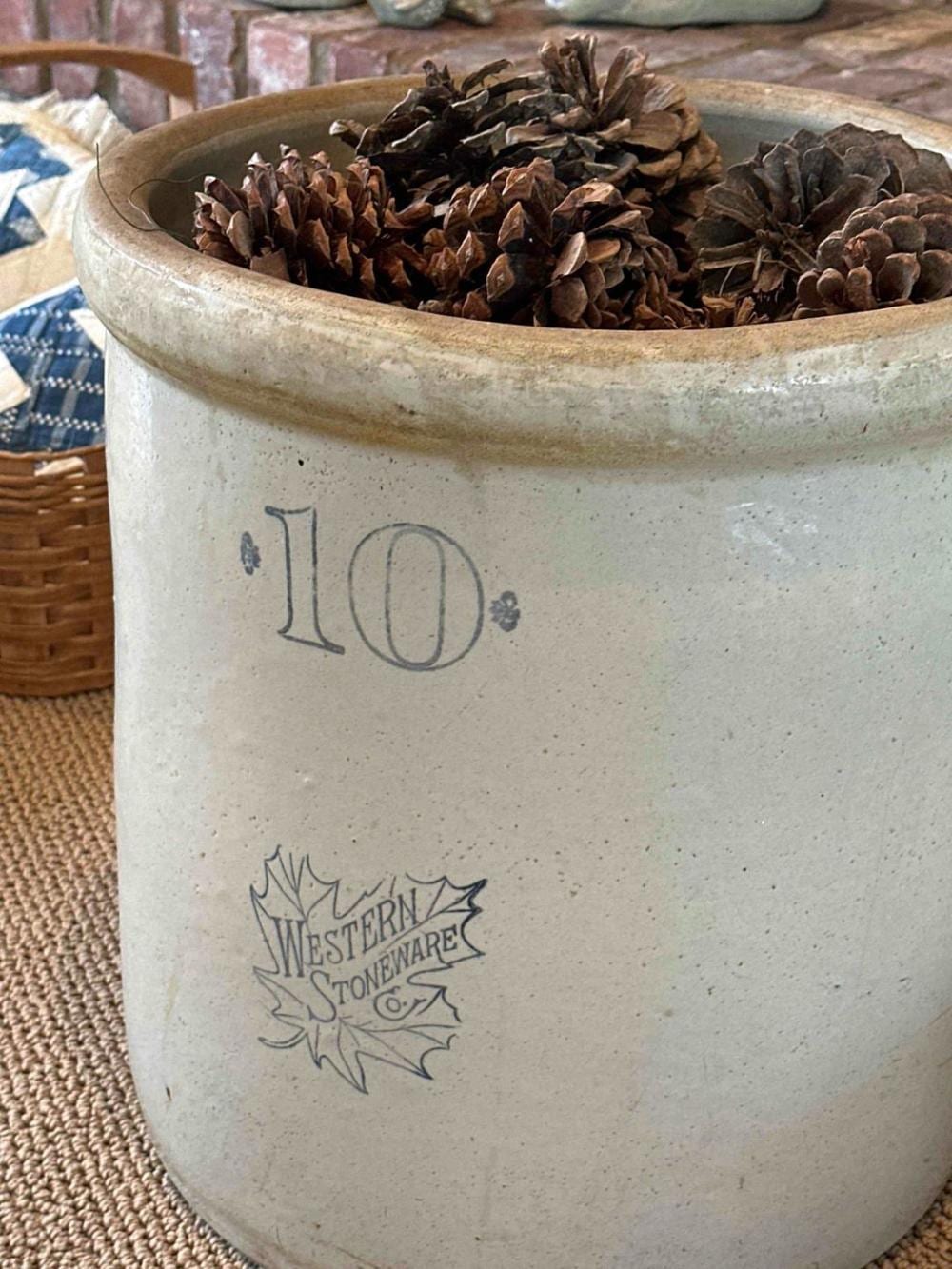 |
Western Stoneware 10 Gallon Crock With Pinecones 16" X 16" | Aether Auctions | 2024-02-27 | 129 | USD 50 |
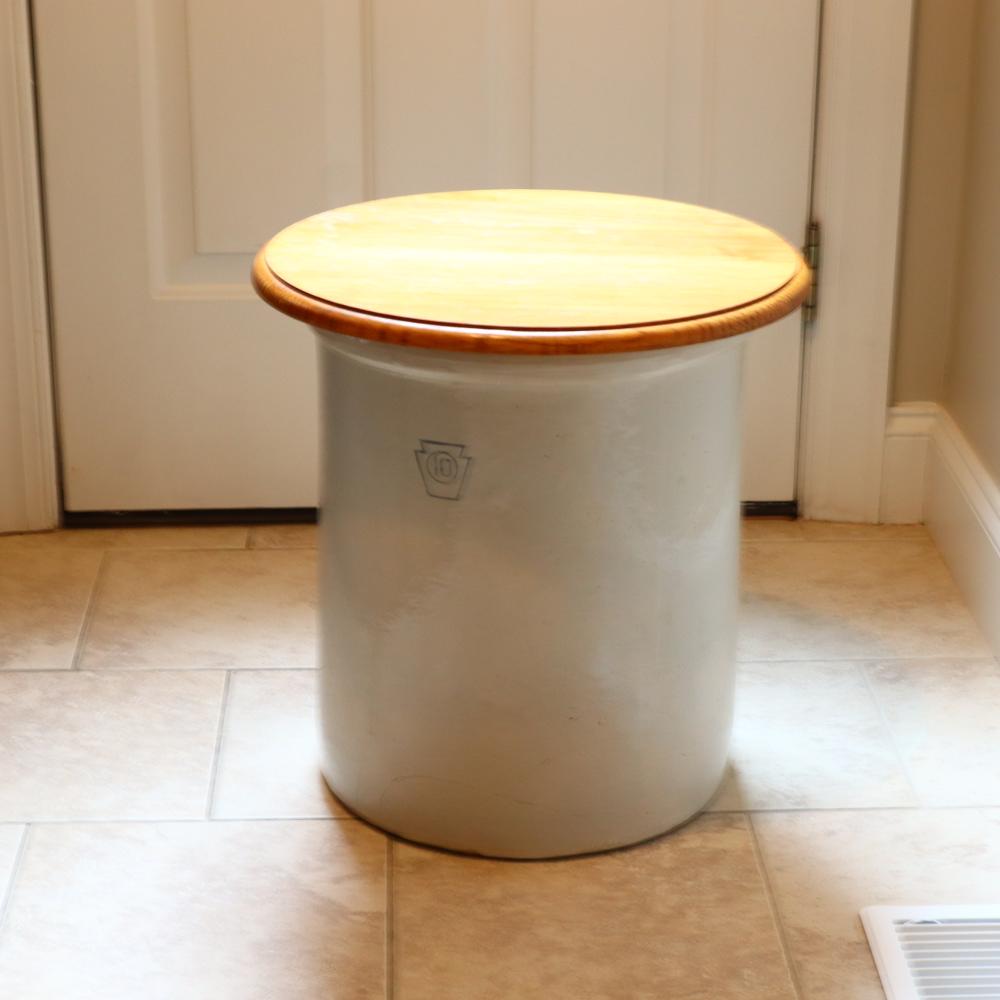 |
10-Gallon Pennsylvania Stoneware Crock with Custom Oak Wood Seat | TEG Auction Gallery | 2026-07-12 | 203 | USD 20 |
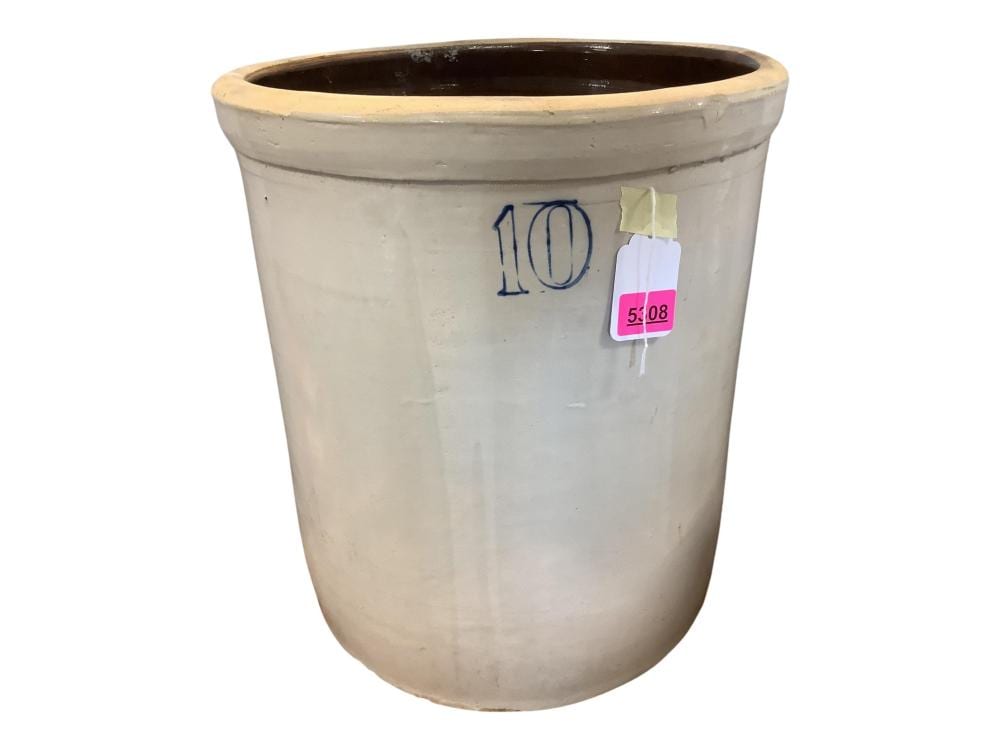 |
10-Gallon Stoneware Crock | Apple Tree Auction Center | 2026-02-25 | 5308 | USD 35 |
How these auction records were verified
Each row retains its exact source URL, lot identity, retrieval time, access result, and immutable record hash. Live source access was blocked; the exact record matched Appraisily's immutable pipeline provenance. Inspect the public comparable provenance record.
Antique stoneware crocks represent a fascinating piece of American history, serving as essential household items for food preservation long before modern refrigeration. Among these practical vessels, 10-gallon crocks stand out as particularly impressive specimens that now command significant interest from collectors and decorators alike.
A 10-gallon crock needs a comparison with other crocks of the same maker, capacity and decoration. Photograph the maker’s mark, capacity number, handles, base and any damage before comparing prices. A small crock or an asking price for an unsold example does not establish the value of a 10-gallon piece.
In this comprehensive guide, we’ll explore everything you need to know about valuing antique 10-gallon crocks, from identifying documented pieces to understanding the current market landscape.
The History of Stoneware Crocks
Stoneware crocks have been produced in America since the early 1700s, with production peaking in the 19th century. These durable vessels were made from clay fired at high temperatures (2,000°F or higher), creating a non-porous, food-safe container that was essential for food preservation.
Most 10-gallon crocks were produced between the 1850s and 1920s, coinciding with America’s agricultural expansion and before modern refrigeration became widespread. During this period, several major pottery companies emerged, including Red Wing Stoneware Company in Minnesota, Western Stoneware in Illinois, and various potteries throughout Ohio, Pennsylvania, and New York.
Evolution of American Stoneware Crocks
- 1700s
Early American Stoneware
Early American potters began producing salt-glazed stoneware, often with minimal decoration. These pieces were typically crafted by individual artisans rather than commercial potteries.
- 1800-1850
Rise of Commercial Potteries
Commercial stoneware production expanded dramatically. Crocks featured cobalt blue decorations, including flowers, birds, and simple designs.
- 1850-1900
Golden Age of Stoneware
Peak production period for large utilitarian crocks. Companies like Red Wing, Western Stoneware, and Robinson Ransbottom became major manufacturers. Standardized capacities and markings became common.
- 1900-1930
Decline Period
The introduction of glass jars, refrigeration, and other modern preservation methods led to decreased demand. Many potteries began shifting to other products.
- 1930-Present
Collectible Status
As utilitarian use declined, stoneware crocks transitioned to decorative and collectible status. Reproduction crocks entered the market in the late 20th century.
Identifying Documented Antique 10 Gallon Crocks
Maker’s Marks and Stamps
Most established pottery companies marked their wares, especially after 1850. These marks typically appear on the side of the crock near the rim or sometimes on the bottom. Common markings include:
- Red Wing Stoneware Company: Look for the iconic red wing logo or “Red Wing, Minnesota” stamp
- Western Stoneware: Often marked with “Western Stoneware Co.” and a maple leaf design
- Watt Pottery: Usually marked with “Watt” and a number indicating gallon capacity
- Ransbottom Pottery: Marked with “RRP Co.” or “Ransbottom”
- Blue Crown: Distinguished by their blue crown logo
Capacity Markings
The “10” marking on a 10-gallon crock typically appears as:
- A hand-painted cobalt blue number “10”
- Sometimes encircled by a blue ring
- Occasionally accompanied by decorative flourishes like leaves, flowers, or birds
- Usually positioned prominently on the front of the crock
Physical Characteristics
Antique Crock Attribution review Checklist
Look for these physical traits to help verify production consistency
- Salt-glazed finish with orange peel-like texture
- Slight imperfections from hand-crafting
- Signs of age on base (wear patterns, roughness)
- Subtle color variations in the clay body
- Proper weight (10-gallon crocks are substantial)
- Hand-applied handles with attachment marks
- Period-appropriate cobalt blue decorations
Red Flags for Reproductions
Be cautious of crocks that exhibit these characteristics:
- Perfectly uniform glaze with no variation
- Extremely smooth surface lacking the “orange peel” texture of salt-glazed stoneware
- Mass-produced appearance with too-perfect handles
- Contemporary maker marks (Ohio Stoneware, for example, makes high-quality new crocks)
- Artificially distressed areas to mimic age
Factors Affecting Value
Manufacturer and Age
Crocks from renowned potteries generally command higher prices. Some of the most valuable 10-gallon crocks come from:
Red Wing Stoneware Company: Record the exact stamp, logo, capacity mark and decoration. Compare with sold 10-gallon Red Wing examples with the same marking style and similar condition; the maker name alone does not set a price.
Western Stoneware: Photograph the maker’s logo and any capacity or production marks. Compare the same size and marking type, and check whether the sale included a lid, handles or repairs.
Early East Coast Potteries: A claimed early date needs support from the mark, construction, decoration and documented history. Compare with identified examples from the same pottery rather than assigning an age premium from appearance.
Regional Small Potteries: Crocks from small, short-lived local potteries might have significant regional value due to their rarity.
Condition
Condition dramatically impacts value, as collectors prefer pieces that have survived the years intact.
- Mint condition (no visible cracks, chips or repairs): photograph the rim, handles, base and interior before using an undamaged sale as a comparison
- Excellent condition (minor flaws): identify each flaw and compare with sales that disclose similar wear
- Good condition (noticeable chips or hairline cracks): show the size and location of damage; do not compare directly with an intact crock
- Poor condition (major cracks, repairs or heavy crazing): document structural concerns and restoration before discussing price
- Damaged (structural issues or extensive repairs): describe the object as damaged and seek advice before lifting, repairing or selling it
Decoration and Aesthetics
Decorated crocks are typically more valuable than plain examples:
- Hand-painted cobalt blue designs: Photograph the complete design and compare its subject, coverage and execution with documented examples from the same maker.
- Unusual or rare designs: Unique decorative elements can command premium prices
- Advertising crocks: Those with merchant advertisements are particularly collectible
Rarity and Historical Significance
Unusual characteristics or historical connections enhance value:
- Rare forms or experimental glazes: Can significantly increase collector interest
- Documented provenance: Crocks with known history, especially from significant households
- Regional significance: Items from important pottery regions like Bennington, VT or East Liverpool, OH
Market Demand
Like all collectibles, stoneware values fluctuate based on current design trends and collector interest:
- Decorative appeal: Crocks that complement popular farmhouse and rustic decor styles have seen increased demand
- Regional interest: Stronger markets exist in areas with historical pottery production
- Collector specialization: Dedicated collectors focusing on specific manufacturers may pay premiums
How to Compare 10-Gallon Crocks
Use the checks below to choose relevant sales; the table does not assign a price to your crock.
Choose the Right Crock Comparisons
| Category | Match before comparing | Notes |
|---|---|---|
| Red Wing 10 Gallon Crock | Exact maker stamp, capacity number and decoration | Check chips, cracks and any restored decoration |
| Western Stoneware 10 Gallon | Logo or mark variant, capacity and condition | Do not assume a premium from a maple-leaf logo alone |
| Other Major Manufacturers | Identified maker and comparable production type | Confirm the mark before naming the pottery |
| Pre-1850 10 Gallon Crocks | Documented maker and date, not an age guessed from appearance | Keep dating and ownership evidence with the record |
| Decorated 10 Gallon Crocks | Similar painted subject, execution and condition | Compare like decoration rather than the highest sale |
| Plain/Unmarked 10 Gallon | Comparable form, dimensions and condition | An unmarked crock needs stronger form and provenance comparisons |
| Reproduction 10 Gallon | Documented manufacturer and production period | Keep documented modern production separate from older examples |
How to Sell Your Antique 10 Gallon Crock
Online Marketplaces
eBay
- Pros: Reaches a wide audience of collectors
- Cons: Shipping large, heavy crocks can be challenging and expensive
- Strategy: Include detailed photos, clear descriptions of any damage, and accurate measurements
The eBay crock search can help locate examples, but search results include asking prices and different capacities. Check the capacity mark and dimensions, then look for a completed sale with disclosed condition before treating a listing as price evidence.
Etsy
- Pros: Audience interested in vintage and antique items
- Cons: Higher fees than some platforms
- Strategy: Emphasize decorative aspects and potential uses
Etsy offers a variety of 10-gallon crocks from various periods and manufacturers. Prices vary widely based on condition, age, and decoration.
Specialty Dealers and Auctions
Antique Dealers
- Pros: Expertise in valuation, no shipping hassles
- Cons: A dealer’s purchase offer allows for resale costs and margin; compare the net offer with other selling options.
- Strategy: Research local dealers specializing in American pottery
Auction Houses
- Pros: Can reach serious collectors, especially for rare examples
- Cons: Commission and other selling fees reduce your proceeds; request the terms before consigning.
- Strategy: Best for high-value or rare crocks with provenance
Notable auction houses like Invaluable have sold large 10-gallon stoneware crocks, including exceptional examples with salt-glazed finishes and cobalt blue decorations.
Direct To Consumer
Antique Shows
- Pros: Direct connection with buyers, immediate payment
- Cons: Booth fees, physical transportation required
- Strategy: Regional shows in areas with strong interest in American pottery
Social Media Marketplaces
- Pros: No fees, local pickup eliminates shipping concerns
- Cons: Security concerns, less specialized audience
- Strategy: Detailed posts in collector groups can find targeted buyers
Caring for Your Antique Crock
Cleaning Guidelines
- Gentle cleaning only: Use warm water and mild soap if necessary
- Avoid harsh chemicals: No bleach, abrasive cleaners, or dishwashers
- Dry thoroughly: Allow to air dry completely before storing
- Interior cleaning: For food-safe use, a solution of 1 part white vinegar to 4 parts water helps sanitize without damaging the glaze
Display Recommendations
- Avoid direct sunlight: UV rays can fade cobalt blue decorations over time
- Prevent temperature fluctuations: Extreme changes can stress the stoneware
- Support the base: Use a sturdy surface that can support the weight
- Consider interior support: If using as a planter, line with plastic to prevent moisture damage
Repair Considerations
- Minor chips: Photograph the damage before considering treatment; disclose any repair when selling.
- Hairline cracks: Can be stabilized but shouldn’t be filled for collector pieces
- Major repairs: Should only be undertaken by professional ceramic restorers
- Documentation: Keep records of any professional restoration work
Modern Uses
While maintaining their value as collectibles, antique 10-gallon crocks can serve practical purposes:
- Decorative planters (with proper drainage considerations)
- Umbrella stands in entryways
- Storage for blankets or textiles
- Decorative focal points in farmhouse-style decor
- Kitchen utensil storage for large implements
Where to Find Antique 10 Gallon Crocks
Online Sources
Specialty Antique Websites
- 1stDibs: Offers verified antique stoneware with detailed provenance information
- Ruby Lane: Vetted sellers specializing in antiques
- EBTH (Everything But The House): Online estate sales with professional photographs and descriptions
General Marketplaces
- eBay: Check maker marks, dimensions, condition and whether the example actually sold
- Etsy: Focuses on both vintage and antique options
- Facebook Marketplace: Local options with potential for great deals
Brick-and-Mortar Options
Antique Malls and Shops
- Often have knowledgeable dealers specializing in American pottery
- Allow for in-person inspection before purchase
- May offer better prices than online sources for comparable items
Estate Sales and Auctions
- Often the source for family-owned pieces with provenance
- Can find overlooked treasures, especially in regions with historical pottery production
- Weekend estate sales in rural areas often yield the best discoveries
Flea Markets and Farm Auctions
- Particularly in regions with historical stoneware production
- Early morning arrival recommended for best selection
- Bring maker-mark references and a way to record dimensions and damage
Common Questions About Antique 10 Gallon Crocks
What is my antique crock worth?
How do I know if my stoneware is valuable?
Are old crock pots valuable?
What to do with a vintage crock?
How can I tell how old my crock is?
How much does a 10 gallon crock weigh?
Where can I sell my antique 10 gallon crock?
External Resources for Antique Crock Research
Antique Stoneware Identification Guide
Comprehensive guide to identifying and valuing antique stoneware jugs and crocks, including information on condition assessment and market values.
Value of Antique Crocks - Full Guide
Detailed price guide covering the full range of antique stoneware crock values with information on identifying documented pieces.
Red Wing Collectors Society
Official organization for collectors of Red Wing stoneware and pottery, offering resources, specialist review services, and collector events.
Ohio Stoneware - Modern Crocks
Modern stoneware manufacturer producing traditional-style crocks, useful for comparison with antique examples.
Woman's World - Antique Stoneware Value Guide
Accessible guide to determining the value of antique stoneware pieces with tips on identifying valuable characteristics.
Etsy Vintage Crocks Collection
Curated marketplace featuring vintage and antique stoneware crocks from various sellers, with examples of current market prices.
The Antiqued Journey - Decorating with Crocks
Creative ideas for incorporating antique stoneware crocks into home decor, with styling tips and practical suggestions.
Conclusion: Are Antique 10 Gallon Crocks Worth Collecting?
Antique 10-gallon crocks represent a compelling intersection of American history, craftsmanship, and functional design. Their enduring appeal stems from several factors:
- Historical significance: These vessels document America’s pre-refrigeration food preservation techniques
- Regional craftsmanship: Different pottery centers developed distinctive styles and techniques
- Decorative appeal: Their substantial size and often beautiful cobalt decorations make them striking display pieces
- Investment potential: Well-preserved examples from notable manufacturers have maintained or increased in value
For collectors, the 10-gallon size represents a sweet spot—large enough to make a dramatic statement but still manageable for display. While condition remains paramount, even crocks with minor damage retain significant appeal for decorative purposes.
As with any antique, education is crucial before making substantial investments. Taking time to understand the makers, markings, and distinguishing characteristics of documented pieces will help you avoid costly mistakes and build a collection that brings both aesthetic pleasure and potential appreciation.
Whether you’re a serious collector of American pottery, a decorator seeking documented farmhouse accents, or simply the caretaker of a family heirloom, understanding the value of these impressive vessels helps preserve an important aspect of American material culture for future generations.
Get stoneware crocks appraised
Upload photos of the full crock, maker mark, capacity stamp, decoration, handles, base, provenance notes, and condition issues.
- Signed report with photos and market context
- Delivered within 24 hours of receiving your photos
- Fixed, upfront pricing
No obligation. Secure upload.
Same report as above
Get my crock report — $59
One crock · Signed PDF · Photo-based review
Get my crock report — $59 View signed report sample