Antique 20-gallon crocks are massive stoneware pieces that have become highly sought after by collectors and interior designers alike. These substantial vessels once served utilitarian purposes in American households but now command impressive prices in the antique market. Whether you’ve inherited one of these impressive crocks or are considering adding one to your collection, understanding their value is essential.
Free. No card needed. Photo upload takes about two minutes.
What Determines a 20 Gallon Crock's Value?
Maker and Manufacturer
The manufacturer of your antique crock significantly impacts its value. Some of the most collectible 20-gallon crocks come from notable American pottery companies:
- Red Wing Union Stoneware Co. - Founded in Minnesota, Red Wing crocks featuring their iconic red wing logo are among the most valuable
- Robinson Ransbottom - Known for their blue crown mark, these Roseville, Ohio crocks typically value between a value that must be established from current, topic-matched sales for 20-gallon sizes
- Western Stoneware - These substantial crocks with the distinctive maple leaf design command a value that must be established from current, topic-matched sales in today’s market
- A.P. Donaghho - Rare decorated crocks from this Parkersburg, West Virginia maker can fetch premium prices
Age and Rarity
Older crocks generally command higher prices, with pre-1900 examples being particularly valuable. Limited production runs or discontinued designs add significant premium value.
Identifying Marks and Stamps
Maker’s marks typically appear as stamps, impressed symbols, or painted designs:
- Numerical Capacity Indicators - The number “20” typically appears prominently to indicate gallon capacity
- Company Names - Often stamped or impressed into the clay (“Red Wing Union Stoneware Co.” or “Western Stoneware”)
- Distinctive Symbols - Like the Red Wing emblem, blue crown (Robinson Ransbottom), or maple leaf (Western/Monmouth)
- Location Information - Many crocks include city and state information in their marks
Decorative Elements
Decorated stoneware generally commands higher prices than plain pieces:
- Cobalt Blue Decorations - Hand-painted blue designs can significantly increase value
- Multiple Decoration Lines - More elaborate decoration typically means higher value
- Folk Art Imagery - Birds, flowers, or unique hand-painted designs add substantial value
- Regional Designs - Some manufacturers used distinctive regional decoration styles
Condition Assessment
20-Gallon Crock Condition Checklist
Use this checklist to assess your crock's condition
- No cracks or hairline fractures
- Original glaze intact with minimal crazing
- Handles present and undamaged (if applicable)
- No significant chips around rim or base
- Maker's mark clearly visible
- Original decoration preserved with minimal fading
- No repairs or restoration work
- No significant staining or interior discoloration
Minor condition issues like glaze crazing (fine networks of small cracks in the glaze) are expected in pieces over 100 years old and minimally impact value. However, structural damage like large cracks, significant chips, or missing handles can reduce value by a condition-specific range.
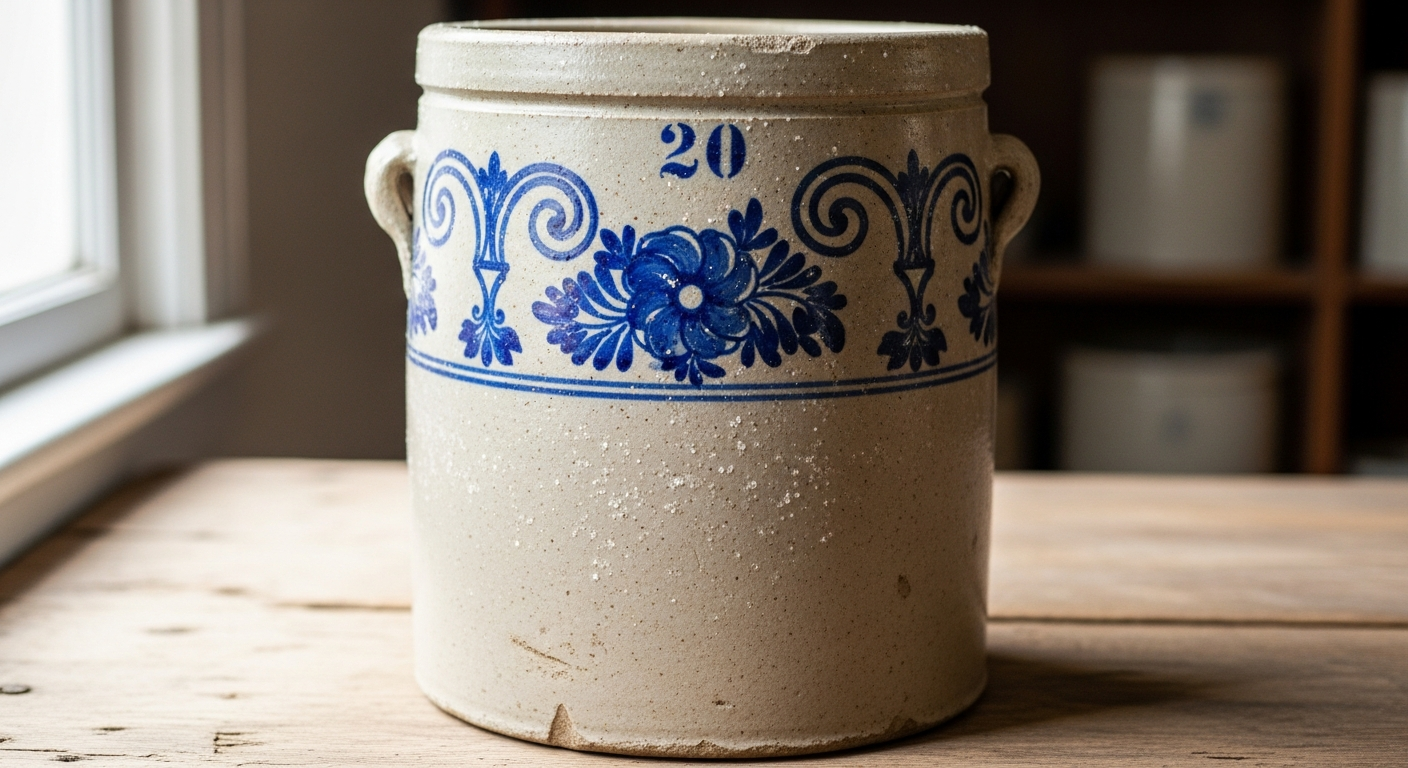
Current Market Values
Antique 20-Gallon Crock Price Guide (2024)
Current market values by manufacturer and condition
Recent Notable Sales
Several significant 20-gallon crock sales have occurred in recent years:
| Category | Price | Notes |
|---|---|---|
| Red Wing (with wing logo) | a value that must be established from current, topic-matched sales | Good to excellent condition |
| Red Wing (rare decorated) | a value that must be established from current, topic-matched sales+ | Excellent condition with original lid |
| Robinson Ransbottom (blue crown) | a value that must be established from current, topic-matched sales | Good condition |
| Western Stoneware/Monmouth | a value that must be established from current, topic-matched sales | Good to excellent condition |
| A.P. Donaghho (decorated) | a value that must be established from current, topic-matched sales+ | Rare examples with multiple decoration lines |
| Unmarked/Unattributed | a value that must be established from current, topic-matched sales | Condition dependent |
</tbody> </table>
History of 20-Gallon Crocks in America
- 1850s-1870s
Early Production Era
Large capacity crocks were handmade with salt glazes. Examples from this period are extremely rare and valuable.
- 1880s-1910s
Industrial Production Peak
Major potteries like Red Wing, Western Stoneware, and Robinson Ransbottom began mass-producing large stoneware crocks for food preservation.
- 1920s-1940s
Declining Utilitarian Use
With the rise of refrigeration and glass canning jars, production declined. 20-gallon crocks remained in production for specific agricultural uses.
- 1950s-1970s
End of Traditional Production
Most American potteries ceased or significantly reduced production of large crocks as demand diminished.
- 1980s-Present
Collector's Market Emerges
Large crocks transition from utilitarian items to sought-after decorative pieces and collectibles.
Original Uses for 20-Gallon Crocks
Before modern refrigeration, 20-gallon crocks served several crucial functions in American homes and farms:
- Food Preservation - Used for fermenting and storing large quantities of vegetables like sauerkraut and pickles
- Meat Curing - Large crocks were ideal for brining and preserving meats with salt solutions
- Butter Making and Storage - Dairy farms used large crocks for butter production and storage
- Alcohol Production - Home brewing and fermenting of beverages
- Grain and Flour Storage - Keeping dry goods protected from pests and moisture
This utilitarian heritage is partly why well-preserved examples command such premium prices today - many were heavily used and damaged during their working lives.
Modern Decorative Uses
Popular ways to display antique 20-gallon crocks:
- Statement pieces in farmhouse or country-style interiors
- Umbrella or walking stick holders in entryways
- Planters for indoor trees or large plants (with proper drainage considerations)
- Kitchen décor for storing utensils or as a focal point
- Retail display pieces in boutiques and design shops
Buying and Selling Tips
If you’re looking to purchase or sell a 20-gallon crock, consider these expert recommendations:
For Buyers:
- Check for hairline cracks by gently tapping the crock and listening for a clear, bell-like ring
- Examine the interior for staining, repairs, or damage
- Verify production quality through maker’s marks and appropriate period construction
- Compare prices across multiple platforms before purchasing
For Sellers:
- Thoroughly research your specific crock’s manufacturer and age
- Provide clear photographs of maker’s marks, decorations, and any condition issues
- Consider reputable auction houses for rare or valuable examples
- Be realistic about condition issues when setting prices
- Target specialized marketplaces like Etsy’s antiques section or 1stDibs for higher-end pieces
Common Questions About Antique 20-Gallon Crocks
How can I tell how old my 20-gallon crock is?
- Maker’s marks and stamps can be researched for production dates
- Construction methods (hand-thrown vs. mold-made)
- Glaze type (salt glaze typically indicates older pieces)
- Design elements and decoration styles
What were 20-gallon crocks used for historically?
- Fermenting and preserving vegetables (sauerkraut, pickles)
- Curing meats in brine solutions
- Storing dry goods like flour and grains
- Making and storing butter on dairy farms
- Home brewing and fermenting alcoholic beverages
How much does a 20-gallon crock weigh?
Are hairline cracks in my crock a significant problem?
- The size and visibility of the crack
- Location (structural areas like the base are more problematic)
- Whether the crack goes all the way through the stoneware
What's the difference between a crock with a blue crown mark and other makers?
- Production from the early 1900s through the late 20th century
- The distinctive blue crown with "RRP Co." marking
- Generally more affordable prices compared to older manufacturers
- Consistent quality and standardized designs
How should I clean and maintain my antique 20-gallon crock?
- Dust with a soft, dry cloth regularly
- For deeper cleaning, use only warm water and a soft cloth
- Never use harsh chemicals, bleach, or abrasive cleaners
- Avoid soaking the crock, especially if it has any repairs
- Keep out of direct sunlight to prevent fading of decorations
- Use furniture pads underneath to protect both the crock and the surface it sits on
External Resources for Antique Crock Collectors
Bargain John's Antiques: Red Wing Crocks
Features detailed information and examples of Red Wing 20-gallon crocks with original lids, providing excellent reference for collectors.
Etsy Marketplace: 20 Gallon Crocks
Browse current offerings of 20-gallon crocks from various makers to compare prices and styles in the retail market.
eBay: Antique 20 Gallon Crocks
Offers a constantly updating selection of 20-gallon crocks at auction, providing real-time market value information.
LiveAuctioneers: 20 Gallon Crock Results
Provides auction results and price history for 20-gallon crocks, offering valuable data for accurate valuations.
True Legacy Homes: Antique Crock Value Guide
Comprehensive guide to valuing antique stoneware crocks, including identification tips and price factors.
First Street Antiques: Western Stoneware Information
Detailed information about Western Stoneware 20-gallon crocks, including identification and valuation guidance.
Conclusion
Antique 20-gallon crocks represent an important piece of American domestic history. As utilitarian items that have transformed into decorative collectibles, these substantial vessels offer both historical significance and aesthetic appeal.
While values generally range from a value that must be established from current, topic-matched sales to over a value that must be established from current, topic-matched sales depending on manufacturer, condition, and decorative elements, the market remains strong for these imposing pieces of stoneware. For collectors and decorators alike, a 20-gallon crock makes a dramatic statement piece that connects to America’s agricultural and domestic past.
Whether you’re looking to value an inherited piece or add one of these impressive crocks to your collection, understanding the key value factors outlined in this guide will help you make informed decisions. With proper care, these durable pieces of history can continue to be enjoyed for generations to come.
Note: We couldn’t find relevant auction comps in our database for this topic right now. If you’re valuing a specific item, try searching by maker/model/material and we’ll expand coverage over time.
What similar items actually sold for
To help ground this guide in real market activity, here are recent example auction comps from Appraisily’s internal database. These matched sales are market context only, not an object estimate or identification, and they do not guarantee a price for your specific antique 20 gallon crock.
Shown USD range: USD 250-USD 950. Median of these 5 USD examples: USD 350.
| Comparable | What sold | Auction house | Date | Lot | Source-reported amount |
|---|---|---|---|---|---|
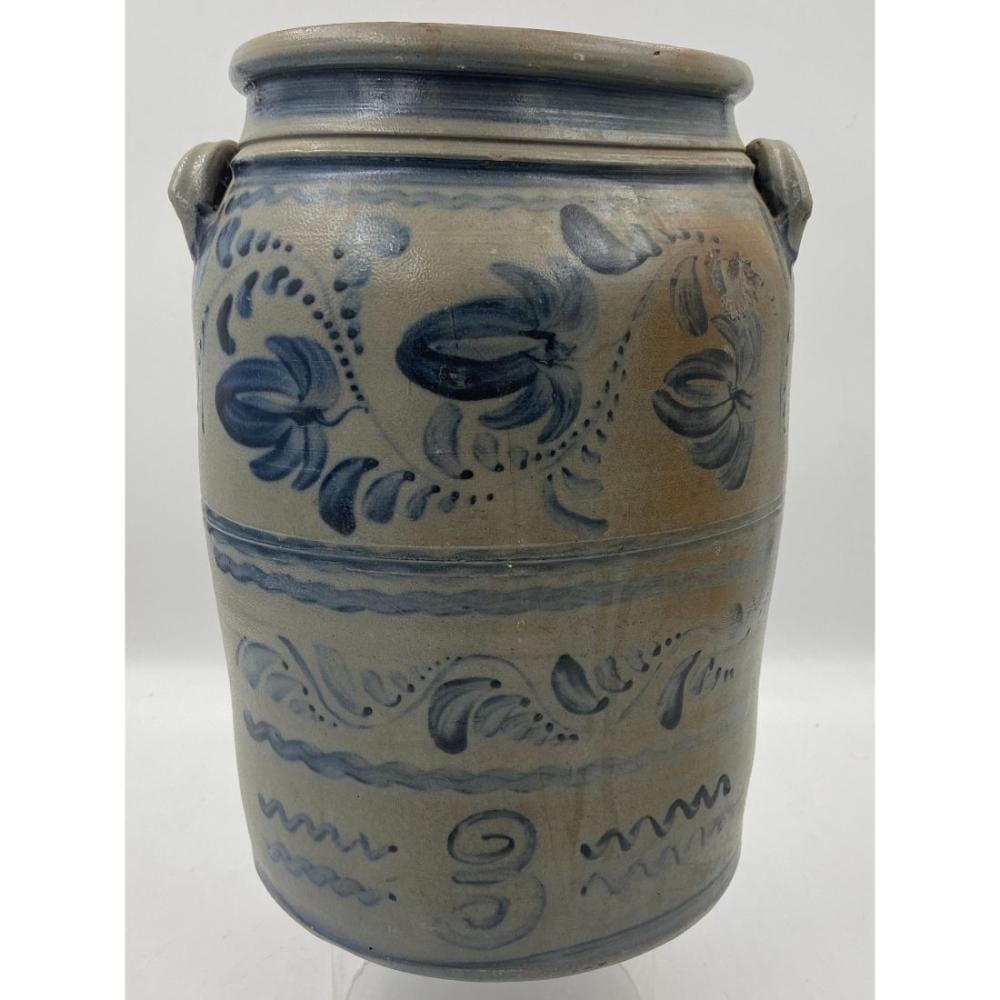 |
ANTIQUE STONEWARE CROCK/JUG 3 GALLON | RB Fine Arts | 2022-04-02 | 433 | USD 950 (buyer’s-premium treatment unknown) |
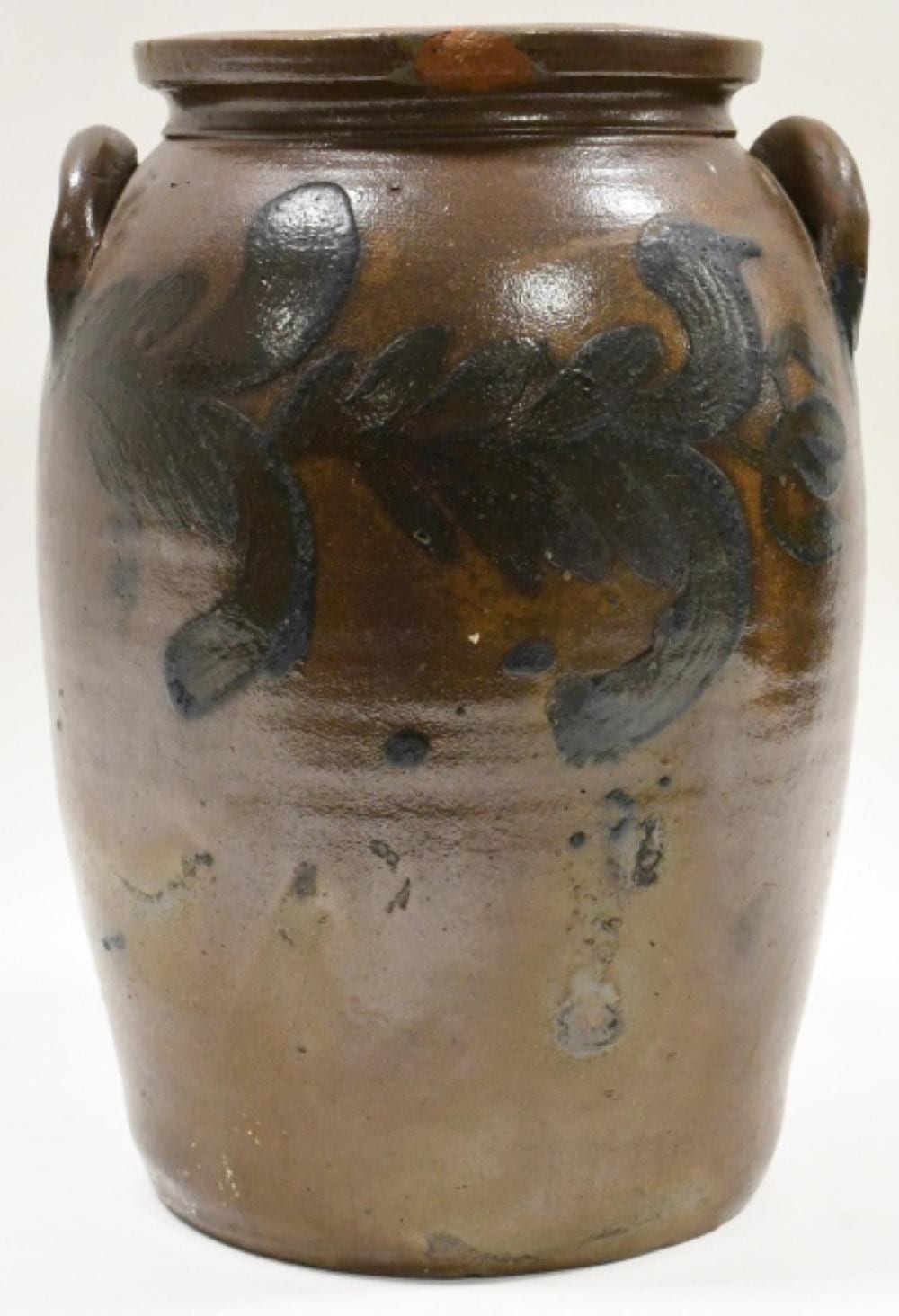 |
Antique Salt Glazed 2 Gallon Stoneware Crock | Kraft Auction Service | 2019-01-19 | 546A | USD 250 (buyer’s-premium treatment unknown) |
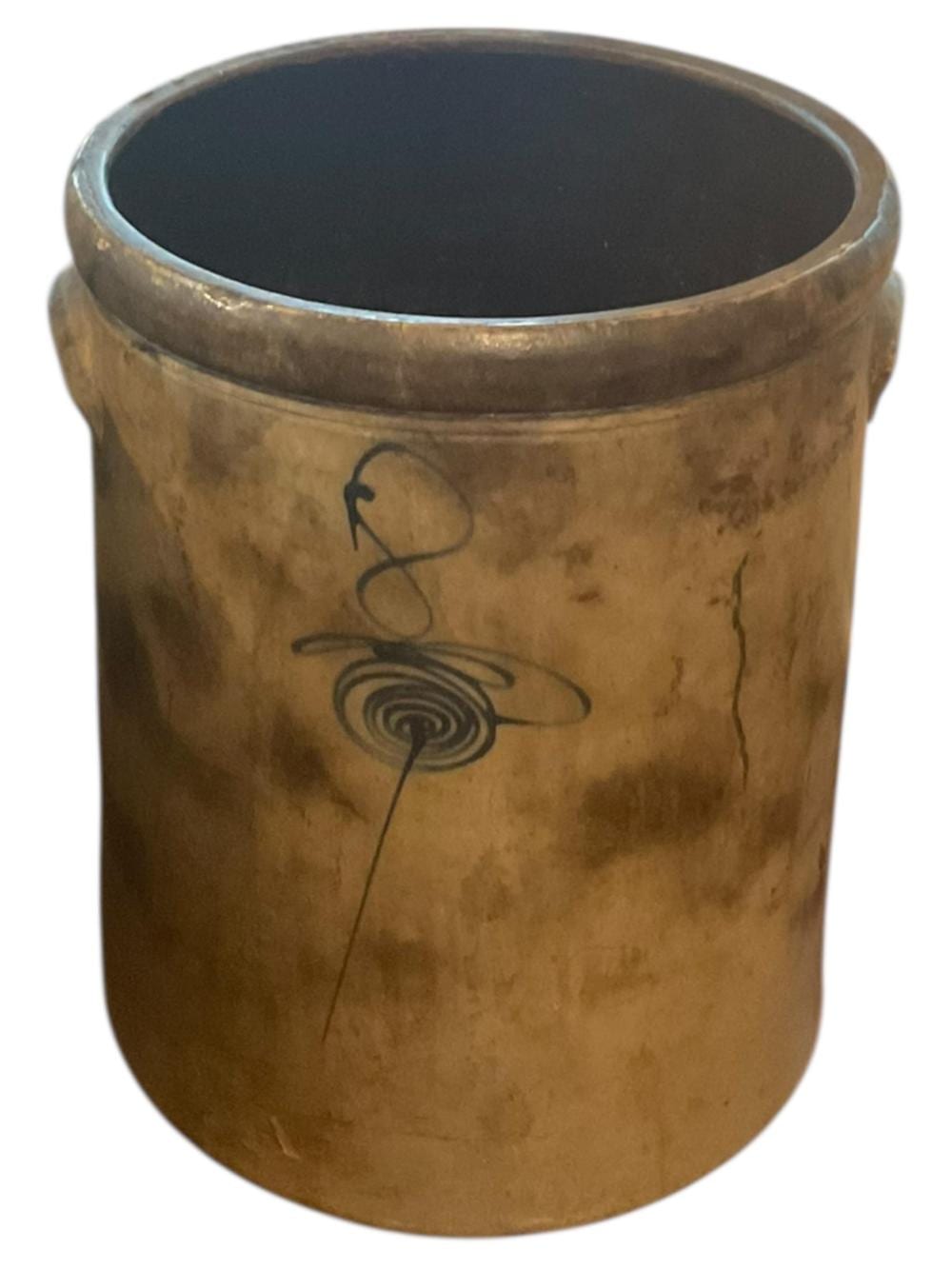 |
Antique Bee Sting 8 Gallon Stoneware Crock | Caswell Prewitt Realty, INC | 2026-04-12 | 173 | USD 525 (buyer’s-premium treatment unknown) |
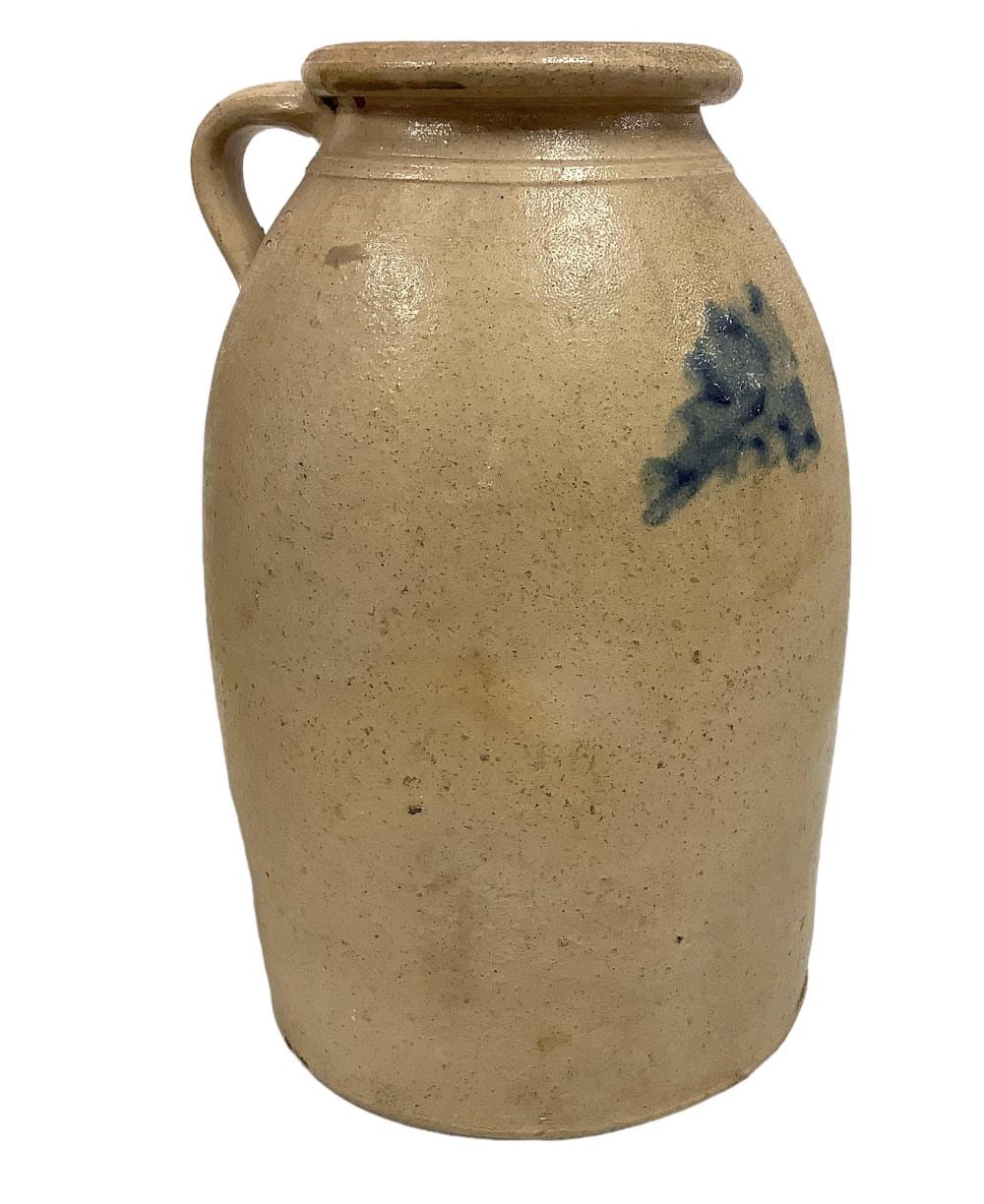 |
Antique Stoneware Three Gallon Jug Crock | Apple Tree Auction Center | 2023-10-18 | 3050 | USD 350 (buyer’s-premium treatment unknown) |
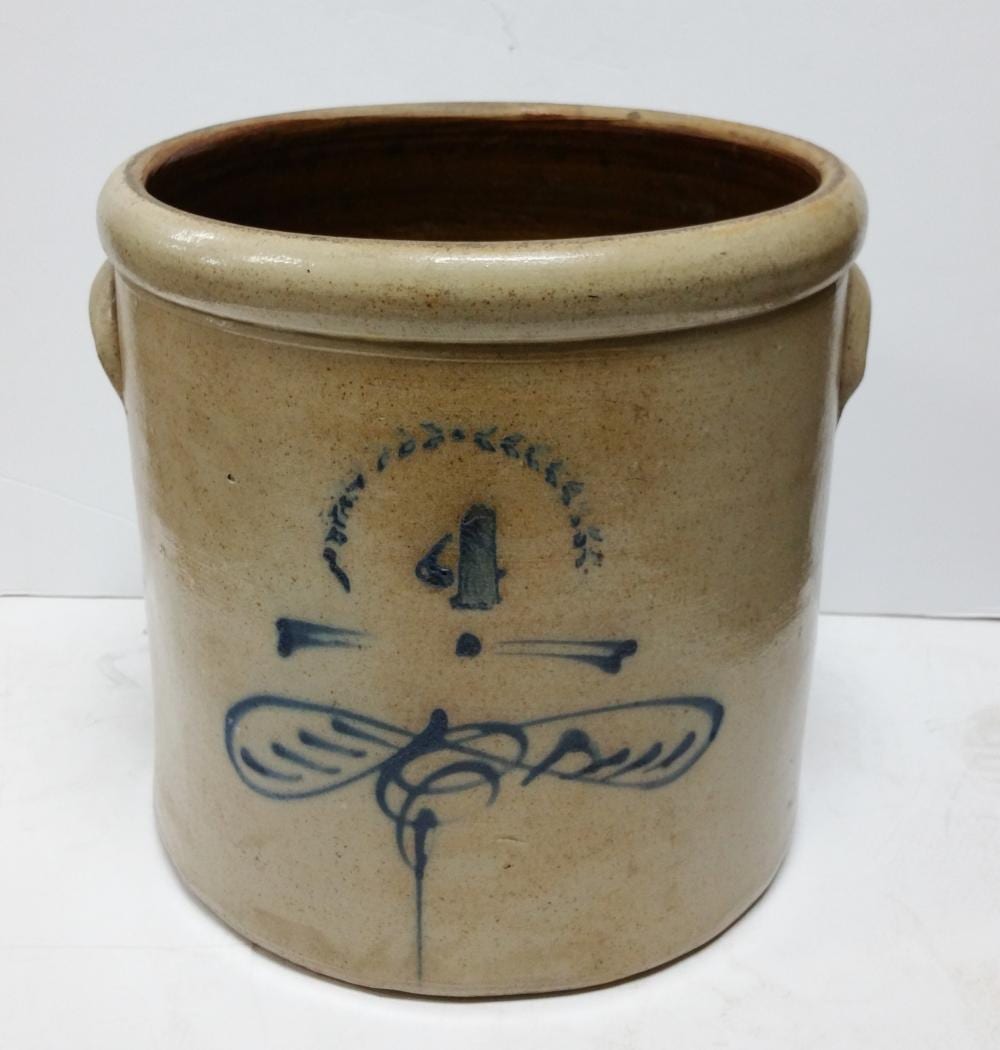 |
Antique 4 Gallon Salt Glazed Stoneware Crock Blue Decorated | Hess Fine Art | 2021-11-20 | 15125 | USD 250 (buyer’s-premium treatment unknown) |
How these auction records were verified
Each row retains its exact source URL, lot identity, retrieval time, access result, and immutable record hash. Inspect the public comparable provenance record.
Disclosure: prices are shown as reported by auction houses and are provided for appraisal context. Learn more in our editorial policy.
Free instant estimate
Not sure if your item is worth appraising? Let us take a look.
Upload a photo, tell us what you know, and get a free first read. If a full appraisal makes sense, we will say so.
Free. No card needed. Takes about two minutes.
Choose your next step
Use the path that matches the decision you need to make about the item.
Not sure it is worth appraising?
Start with a lower-friction screen to understand the likely category, evidence, and next step.
Upload photos for a free first lookWant proof before paying?
See how a signed report documents photos, comparable evidence, condition notes, and value conclusions.
View signed report sampleNeed a signed report?
Use this for insurance, estate, donation, resale, or documented value decisions.
Need documentation now? Start signed appraisalNeed local or specialist help?
Compare directory options when the work needs in-person review or a specialist near you.
Find local specialistsSee what the report looks like
Sample reports show how photos, comparable evidence, condition notes, and a value conclusion are documented.
Get stoneware crocks appraised
Upload photos of the full crock, maker mark, capacity stamp, cobalt decoration, handles, base, provenance notes, and condition issues.
- Expert report with photos and market context
- Fast turnaround
- Fixed, upfront pricing
No obligation. Secure upload.
Machine-readable summaries
Use these machine-friendly references for AI and crawler discovery of Appraisily content.
Ready for pricing guidance?
Start a secure online appraisal
Upload images and details. Certified specialists respond within 24 hours.
Upload photos for a free first look View signed report sample