An Original Impresionist Sea Scene Painting by Listed Artist Joseph Newman New York 1890 1979: appraisal and value basics
An Original Impresionist Sea Scene Painting by Listed Artist Joseph Newman New York 1890 1979 research should start with identification, condition, provenance, and recent comparable sales. Use this guide to compare the signals that matter before paying for a formal appraisal or deciding whether to sell.
An Original Impresionist Sea Scene Painting By Listed Artist Joseph Newman New York 1890 1979
Marine painting has long occupied a prized niche among collectors of American art. When the work carries the name of a “listed” artist—here, Joseph Newman, cataloged by auction houses as active in New York with life dates 1890–1979—it demands a careful, structured appraisal approach. This guide explains what “listed” means, how to examine an Impressionist sea scene attributed to Newman, what characteristics to document, how to vet authenticity, and how to position the work for valuation and sale.
Who was Joseph Newman (New York, 1890–1979)?
You may encounter seascapes attributed to “Joseph Newman (New York, 1890–1979)” across auction catalogs, estate inventories, and dealer listings. In the art market, “listed” typically indicates that the artist appears in standard reference sources and/or has recorded auction results. It does not, by itself, guarantee high value or unquestioned authenticity; rather, it signals that there is enough of a paper trail for auctioneers and appraisers to catalog the name consistently.
Key points to keep in mind:
- Multiple artists have worked under the surname Newman, and “Joseph Newman” is not an entirely unique name. Accurate attribution relies on a combination of stylistic analysis, signature comparison, and provenance, not on the name alone.
- Life dates and brief descriptors (e.g., “New York, 1890–1979”) are often carried forward from earlier sales listings. Treat them as cataloging conventions unless supported by verifiable records.
- Seascapes and coastal scenes attributed to Newman appear most commonly in oil on canvas or oil on board, painted in an Impressionist or post-Impressionist manner with broken brushwork and a focus on light over detail.
When introducing a piece to an appraiser, present the work neutrally: “Attributed to Joseph Newman (New York, 1890–1979), marine subject, oil on canvas/board,” and let the documentation carry the claim.
What makes an Impressionist sea scene by Newman?
Collectors and appraisers look for consistent markers in an Impressionist marine painting. For works attributed to Newman, note the following descriptive features:
- Subject matter: surf and breakers on rocky coasts; harbor entrances; small sail craft or working boats; distant horizon lines under expansive skies. Figures, if present, are often incidental.
- Palette: atmospheric blues and blue-greens in the water, tempered with grays, ochres, and warm whites. Sunlight or cloud breaks are handled with high-key highlights, while shadowed water leans cooler.
- Brushwork: lively, broken strokes with visible impasto in crests of waves and cloud edges; thinner scumbles in the sky; directional strokes that suggest wind and swell. Edges are more suggested than drawn.
- Composition: a low to mid horizon, a diagonal shoreline or jetty to lead the eye, and balanced masses of cloud and sea. Boats, if included, often create a focal accent without elaborate rigging detail.
- Supports and formats: common marine sizes include 9 x 12 in., 12 x 16 in., 16 x 20 in., and 18 x 24 in. Oils on academy board or canvas-over-panel are not unusual in early to mid-20th-century American painting.
These traits should be taken together, not in isolation. Stylistic congruence is persuasive only when it aligns with signature characteristics and documented provenance.
Authenticity: signatures, labels, and provenance
Attribution rises or falls on the strength of the evidence. For a sea scene attributed to Joseph Newman, assemble and analyze these components:
Signature and inscriptions
- Placement: commonly lower right, sometimes lower left.
- Form: “Joseph Newman” written legibly; watch for variations like “J. Newman” or initials with surname. Compare letterforms—how the J descends, the spacing between e-w-m, and the terminal stroke of the n.
- Medium: consistent with the paint layer; a signature embedded in the paint (not sitting starkly atop aged varnish) is usually more credible. Beware of post-factory signatures added in felt-tip or modern paint.
- Back inscriptions: titles, old price codes, or inventory numbers can be helpful. Photograph them clearly.
Labels and stamps
- Gallery labels: older New York gallery or frame shop labels can triangulate date and place. Cross-reference business addresses with city directories when available.
- Exhibition or society labels: even partial information can be valuable. Keep all fragments; do not peel labels off.
Provenance documents
- Bills of sale, auction invoices, correspondence, or estate paperwork. Trace ownership chronologically where possible.
- Family lore can be part of the narrative, but it needs corroboration through dated documents, photographs, or independent records.
Technical examination
- Under ultraviolet (UV) light, signatures that fluoresce differently from surrounding paint may indicate later additions. Overpainting and extensive restorations also become apparent.
- Under magnification, look for craquelure patterns that continue seamlessly through the signature and surrounding paint, suggesting age consistency. A signature crossing cracks may be older; one sitting cleanly in valleys may be later.
If the work’s attribution is central to value and the evidence is ambiguous, commissioning a short technical note from a conservator or a written opinion from a specialist appraiser is prudent.
Condition and conservation: what appraisers look for
Condition weighs heavily in the valuation of marine paintings, which often suffer from environmental exposure and past cleaning. Document the following:
Structural condition
- Canvas: look for tears, patches, relining, or loose tacking edges. A well-executed lining can be acceptable, but deceptive patches reduce desirability.
- Panel/board: check for warping, delamination, or corner losses. Tenting paint along panel edges suggests support movement.
Paint and varnish
- Paint layer: note losses, flaking, abrasion on impasto, and old retouching. Marine subjects often have heavy impasto in wave crests—these are vulnerable to flattening.
- Varnish: yellowed or cloudy varnish can obscure color. A professional cleaning may transform the picture’s appearance, but aggressive past cleanings can leave halos or scoured passages.
Frame and presentation
- Period frames (gilt, c. 1900–1930) can complement value and appeal, even if not original. A frame with a gallery plaque or an old label can support provenance.
- Measure the painting itself (sight and stretcher/board size) separately from the frame. Appraisers need exact measurements.
Smell and storage history
- Persistent mildew odor indicates past damp storage; inspect for mold on the reverse. Remediation is possible but affects condition grade.
A thorough condition report includes high-resolution photographs under even light: full front, back, all four corners, signature detail, any losses, and raking light to show surface texture.
Market context and how to establish comparables
Values for marine paintings turn on subject, quality, size, condition, attribution strength, and sale venue. To situate a Joseph Newman sea scene within the market:
Identify true comparables
- Match medium (oil on canvas vs. oil on board), subject (open sea with breakers vs. quiet harbor), size, and period frame type.
- Prioritize works with identical or highly similar signature forms and consistent dating, if inscribed.
- Note whether results came from regional auction houses, dealer galleries, or curated sales; venue affects prices.
Account for venue and timing
- Online-only sales with limited marketing typically realize lower prices than cataloged live auctions or dealer placements.
- Seasonality and macro trends matter: marine painting demand can be cyclical, with coastal regions seeing stronger bidding in peak seasons.
Read the lot notes closely
- Pay attention to condition disclosures, provenance statements, and expert attributions. A lot with strong provenance and clean condition can outperform larger but compromised works.
Avoid over-reliance on outliers
- Exceptional highs or lows often reflect unique factors—estate-fresh provenance, rare subject matter, or problematic condition. Build your expectations around a band of several consistent results rather than the single best price.
If you are preparing an insurance valuation, use replacement cost informed by dealer offerings in addition to auction records. For fair market or liquidation scenarios, focus on realized prices under comparable conditions.
Cataloging and presenting your painting
Clear, accurate cataloging builds trust and helps appraisers and buyers make confident decisions. Consider the following structure for a catalog entry:
- Artist: Joseph Newman (attributed), New York, 1890–1979
- Title: Sea and Sky with Breakers (or as inscribed)
- Medium: Oil on canvas (or oil on board)
- Size: 16 x 20 in. (40.6 x 50.8 cm); overall with frame: 22 x 26 in.
- Signature: Signed lower right “Joseph Newman” (compare letterforms)
- Provenance: [Brief, chronological; include invoices or estate references]
- Condition: [Summarize structural and surface condition; note retouch/varnish]
- Notes: Period gilt frame with framemaker label; label fragments on reverse
- Literature/Exhibitions: [If any; otherwise omit]
Avoid overstating. If the signature is ambiguous, write “apparently signed” or “bears signature.” If the painting is consistent with an artist’s manner but not confirmed, “Circle of” or “Attributed to” may be more appropriate designations than a firm attribution.
Selling and stewardship options
Depending on your goals:
Private sale through a dealer
- Advantages: targeted clientele, potentially higher net for quality works, confidentiality.
- Requirements: strong documentation and readiness to leave the work on consignment.
Regional or specialized auction
- Advantages: competitive bidding, transparent process. Good for works with clear attribution and broad appeal.
- Requirements: consigning lead time, auction fees, photography.
Retain and insure
- If holding the piece, obtain an insurance appraisal reflecting replacement cost and revisit every few years to adjust for market changes.
In each case, provide a full dossier: photos, provenance documents, condition notes, and any professional opinions. This preparation reduces friction and increases buyer confidence.
Checklist: evaluating a Joseph Newman Impressionist sea scene
- Confirm the basics: medium, support, exact measurements (unframed and framed).
- Photograph thoroughly: front, back, close-ups of the signature, edges, labels, and any condition issues.
- Examine the signature under magnification and UV; compare letterforms to known examples.
- Record provenance: prior owners, purchase locations, invoices, and dates.
- Assess condition: structural integrity, paint stability, varnish state; note any relining, patches, or retouch.
- Identify subject and strength: dynamic breakers, boats, and atmospheric light often enhance appeal.
- Research comparables: match medium, size, subject, and venue; avoid outlier prices.
- Choose attribution language carefully: “signed,” “bears signature,” “attributed to,” or “circle of,” as warranted by evidence.
- Decide next steps: conservator consultation, appraisal, dealer outreach, or auction consignment.
What similar items actually sold for
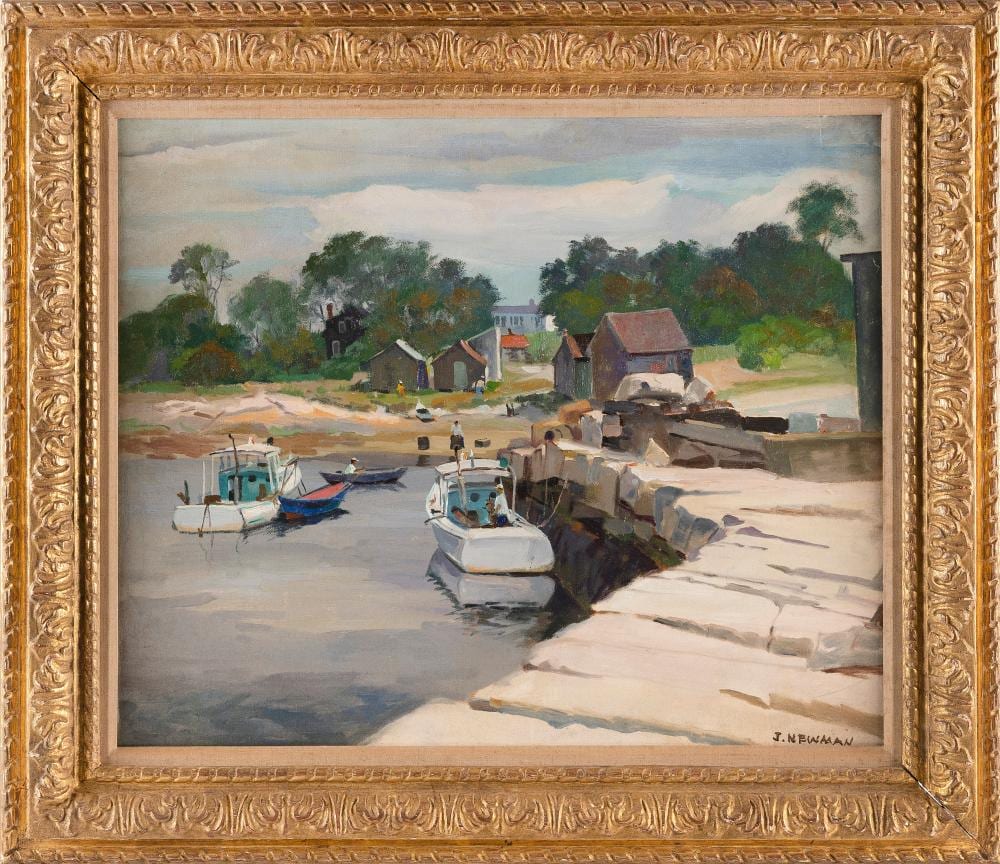
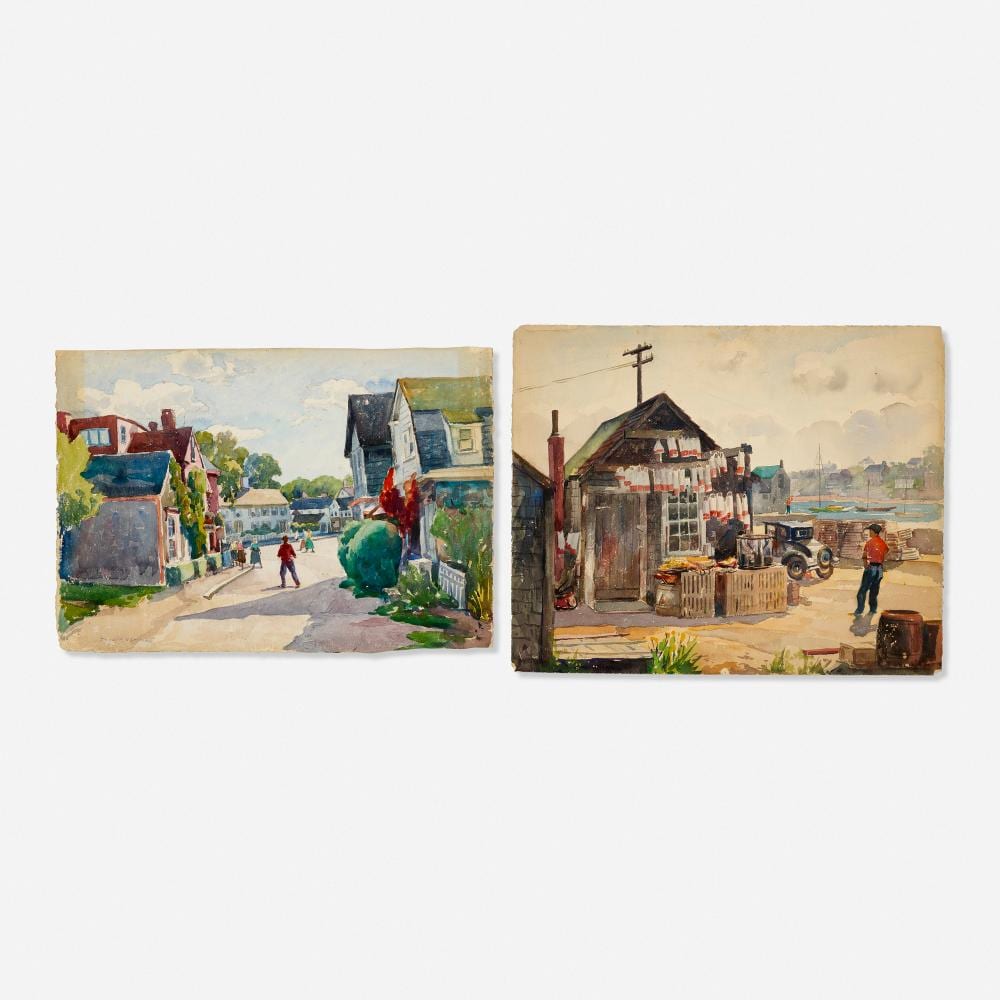
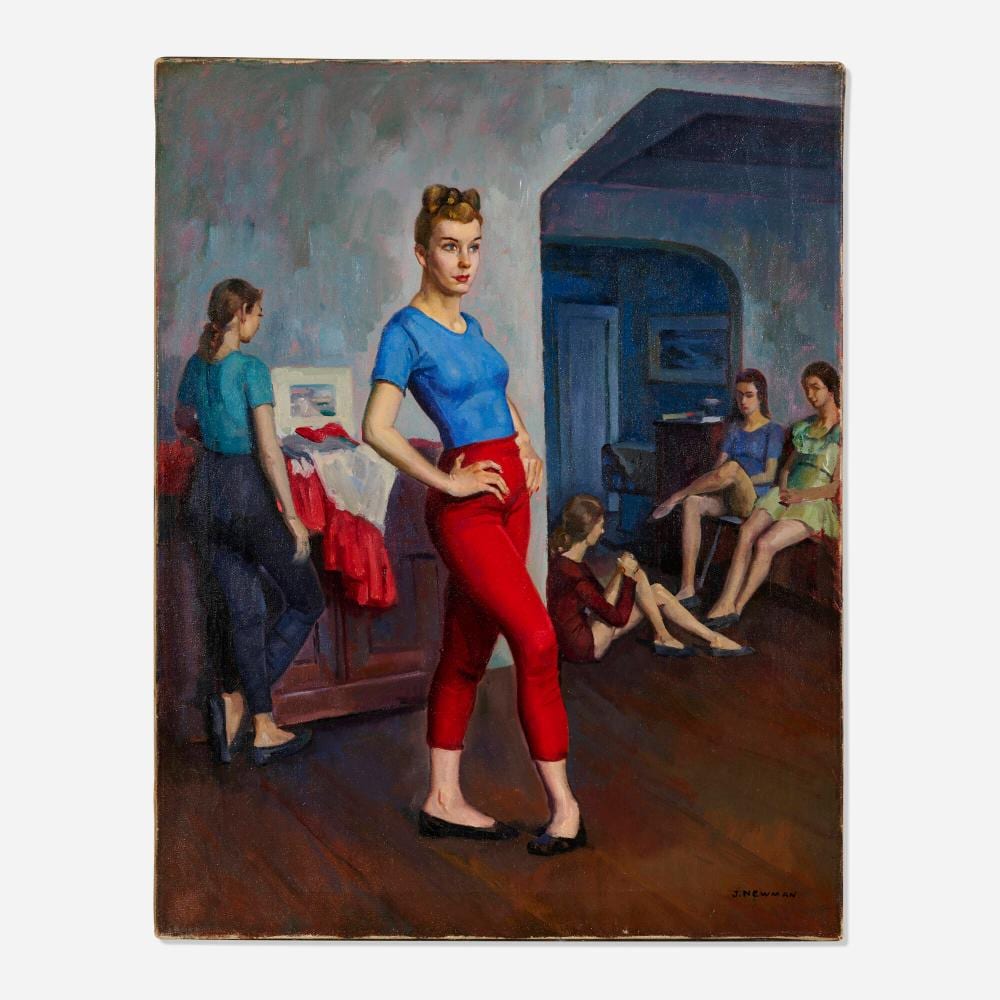
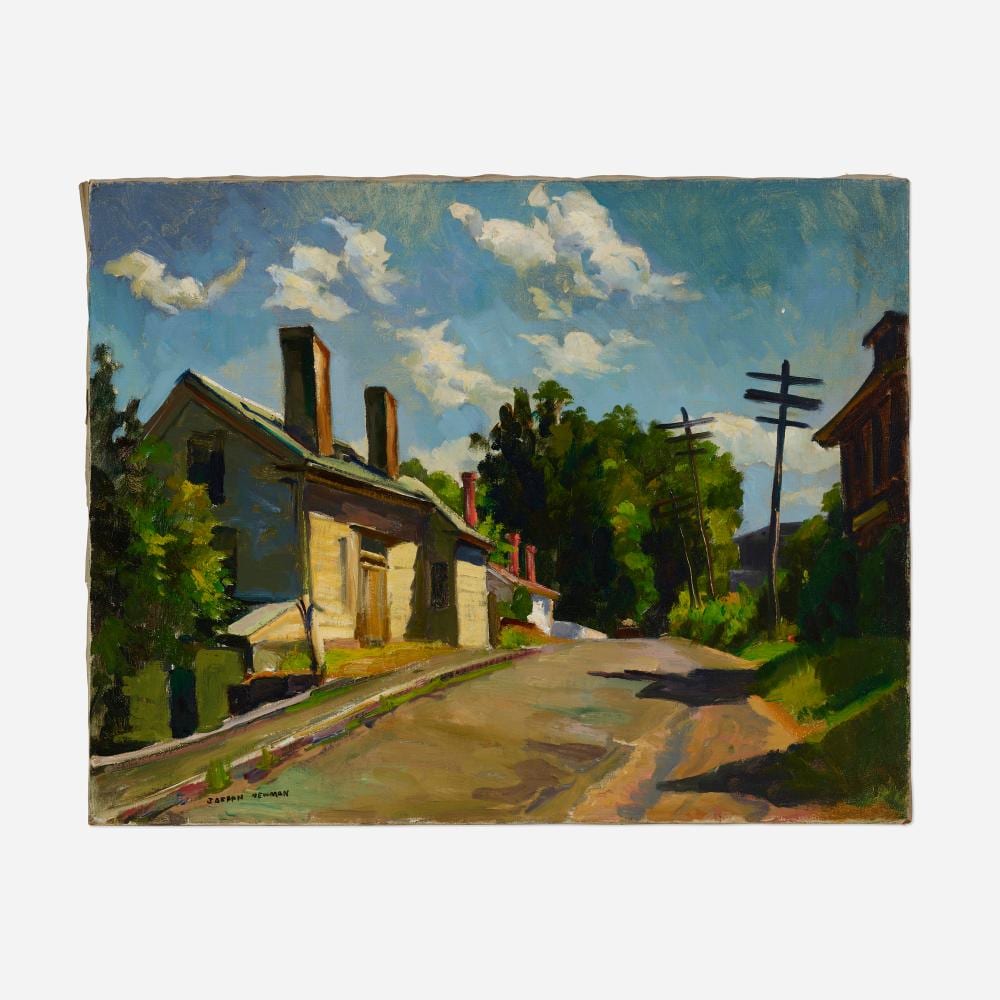
To help ground this guide in real market activity, here are recent example auction comps from Appraisily’s internal database. These matched sales are market context only, not an object estimate or identification, and they do not guarantee a price for your specific joseph newman.
Shown USD range: USD 75-USD 1,100. Median of these 15 USD examples: USD 350.
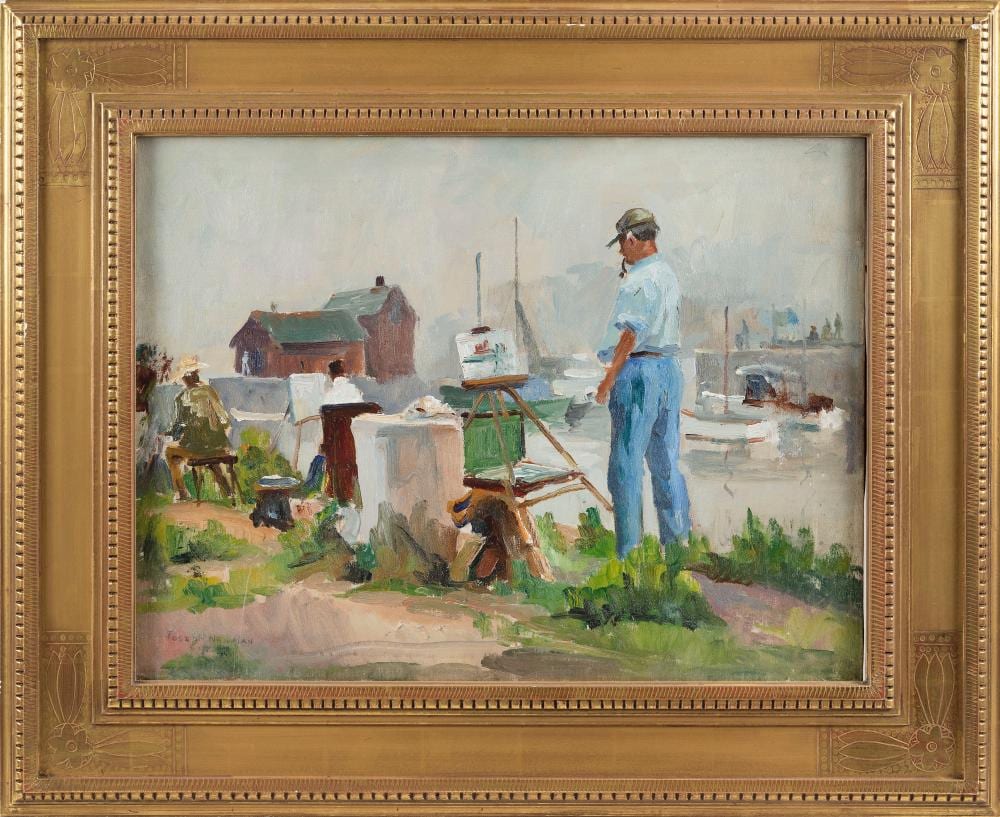
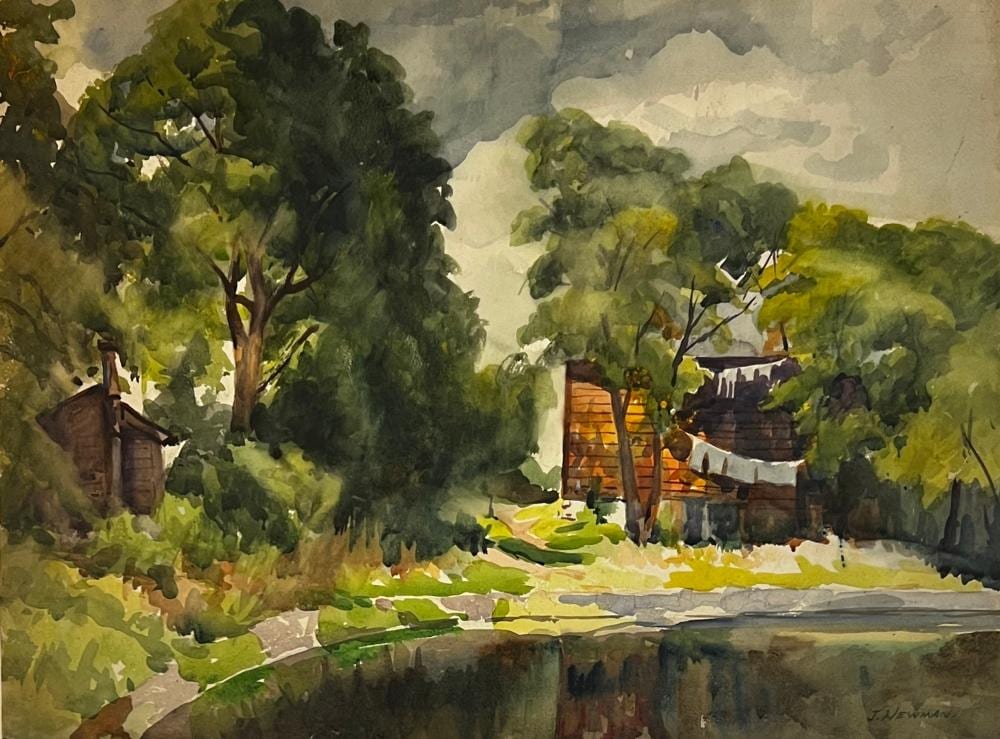

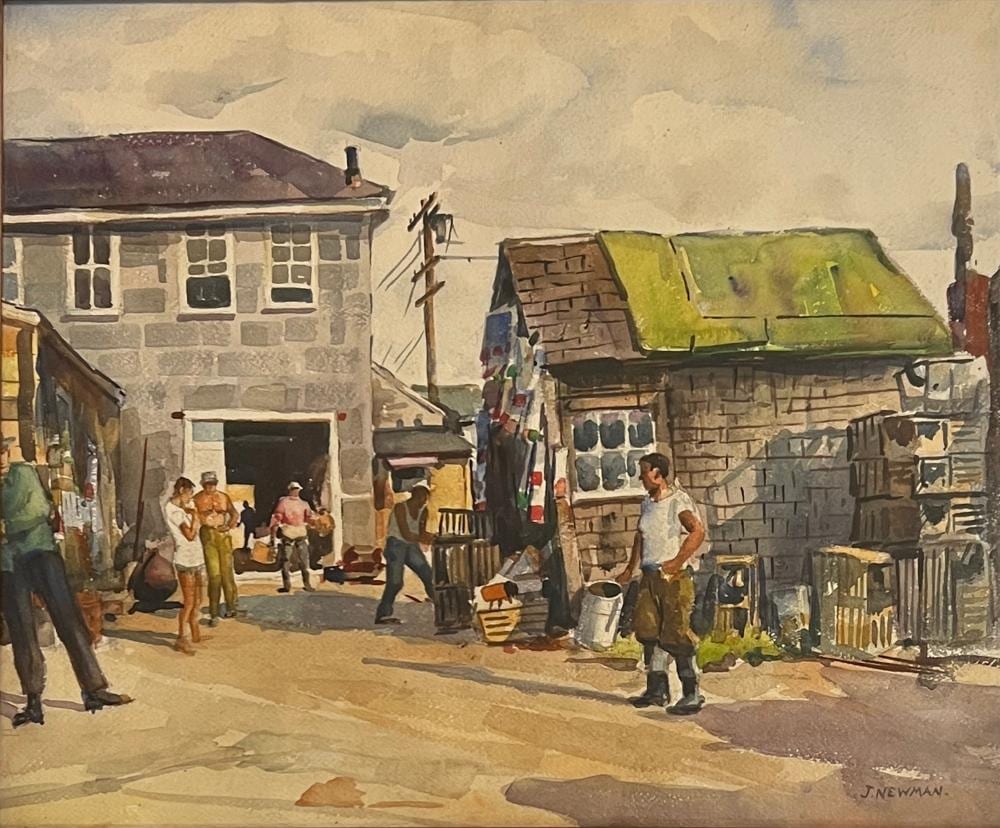

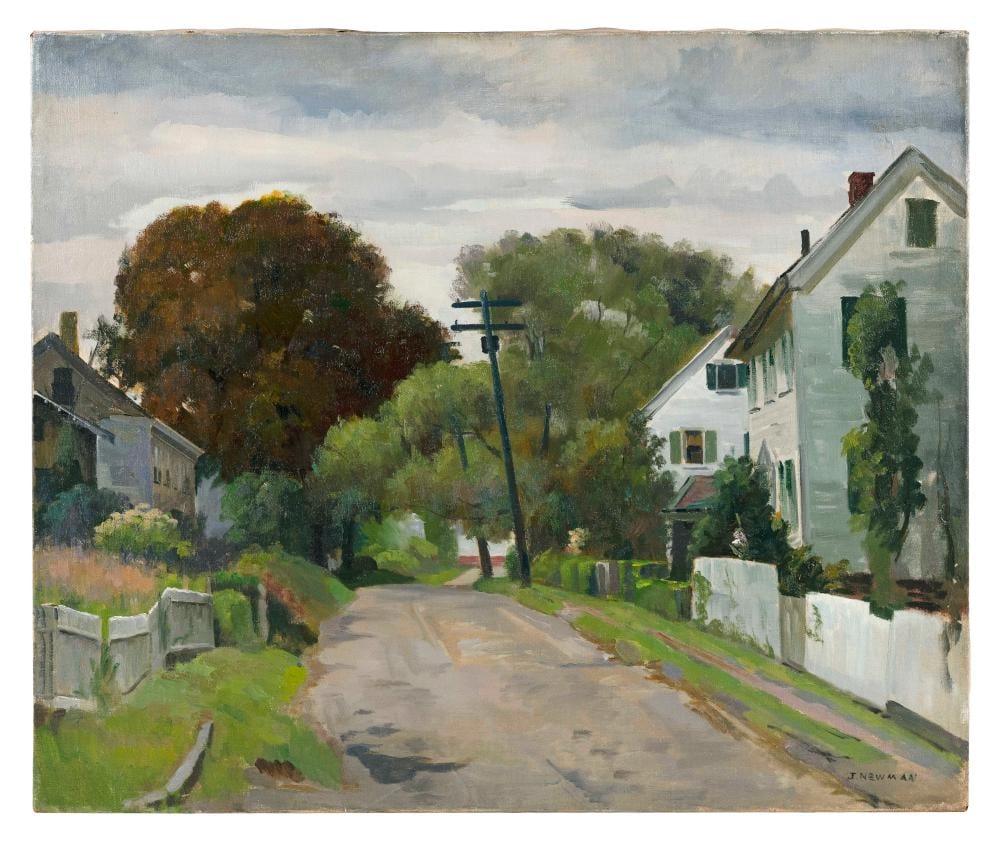





How these auction records were verified
Each row is tied to its lot identity, retrieval time, access result, and immutable record hash. Live source access was blocked; the exact record matched Appraisily's immutable pipeline provenance. Inspect the public comparable provenance record.
Free photo check
Not sure if your painting is worth appraising? Let us take a look.
Upload a photo, tell us what you know, and get a free photo check. If a full appraisal makes sense, we will say so.
Free. No card needed. Takes about two minutes.
FAQ
Q: What does “listed artist” mean for Joseph Newman? A: “Listed” indicates that the artist appears in standard references or has recorded auction results, enabling consistent cataloging. It is not a certification of authenticity or a promise of high value; the individual work still must be vetted.
Q: How important is the subject matter for a marine painting’s value? A: Very. Marine collectors often respond to dynamic seas, strong light, and the inclusion of vessels. A well-composed seascape with compelling atmosphere generally competes better than a generic shoreline.
Q: Can cleaning increase the value of my painting? A: Sensitive, professional cleaning that reveals original color and detail can improve salability. However, unnecessary or aggressive treatment can reduce value. Seek a conservator’s assessment before undertaking any work.
Q: The signature looks correct, but the paint seems newer. What should I do? A: Signatures can be added later. Use UV examination to detect inconsistencies and consider a conservator’s or specialist’s opinion. Weigh the signature alongside stylistic analysis and provenance before settling on attribution.
Q: Should I reframe the painting before selling? A: Only if the current frame is inappropriate or severely damaged. A sympathetic period-style frame enhances presentation, but buyers value originality. If the existing frame is period and stable, keep it; if replacing, retain the old frame for transfer to the buyer.
A marine painting attributed to Joseph Newman (New York, 1890–1979) can be a rewarding piece to research and present. With disciplined documentation, cautious attribution, and a clear understanding of condition and market context, you can position the work accurately for appraisal, insurance, or sale.