
Navajo Yeibichai Rug Appraisal: appraisal and value basics
Navajo Yeibichai Rug Appraisal research should start with identification, condition, provenance, and recent comparable sales. Use this guide to compare the signals that matter before paying for a formal appraisal or deciding whether to sell.
If you inherited a Navajo pictorial rug from family and it appears to depict masked dancers or “Holy People,” you may be looking at what collectors call a Yeibichai / Yeibichaii / Ye’i Be Chei rug (often spelled online as “Yei Be Chai”). These are among the most recognizable Navajo pictorial weavings, and they’re regularly collected, insured, and sold at auction.
The goal of a real appraisal is not just one number. It’s (1) confirming the weaving type and age range, (2) documenting condition and dimensions, and (3) anchoring the value using current market comparables.
Important note: spelling and terminology vary across catalogs. In scholarship and many auction listings you will see Yeibichai or Yeibichaii (from “Yeibicheii,” often translated as “Holy People”).
Quick value range (what most owners want to know first)
Market value for Navajo pictorial rugs is primarily driven by authenticity, size, design quality, and condition. As a rough starting range for many antique Yeibichai/Yeibichaii rugs in good, displayable condition:
- Smaller pictorials (approx. 2’–3’ long): often $400–$1,200
- Medium pictorials (approx. 3’–5’ long): often $900–$3,000
- Larger, high-quality pictorials (5’+ long) or exceptional examples: $2,500–$8,000+
The legacy WordPress post for this slug referenced a professional opinion in the $1,200–$1,500 range. That can be realistic for an early-20th-century Yeibichai rug of average size in good condition—especially if there are minor edge repairs or moderate wear.

What is a Yeibichai (Yei Be Chei) rug?
“Yeibichai” rugs are Navajo (Diné) pictorial weavings depicting figures associated with the Yeibichai ceremony. In many examples you’ll see a row of stylized dancers—often with a leader (sometimes described in catalogs as the “Talking God”) and an additional figure sometimes described as a “Water Sprinkler” or clown.
In the market, Yeibichai rugs tend to be valued as both textiles and cultural objects: strong composition, careful weaving, and an attractive palette matter, but so do integrity and respectful handling. Avoid aggressive cleaning and avoid “restoration” that replaces original weft/warp.
Identification checklist (non-destructive)
When an appraiser identifies a Navajo pictorial rug, they typically verify what it is before discussing price. Use this checklist:
- Motif: a procession/row of human-like figures (often in profile) with mask-like heads.
- Border structure: stepped or banded borders with consistent guard stripes.
- Materials: wool weft; warp may be wool or cotton depending on era.
- Weave quality: even edges, consistent weft count, and crisp pattern changes.
- Color story: natural wool + vegetal/chemical dyes; look for age-consistent mellowing.
- Format: many Yeibichai rugs are longer than they are wide, but sizes vary widely.
If the figures look overly modern, the colors are extremely bright without age, and the weaving feels “factory-even,” it may be a later decorative rug inspired by the motif (still attractive, but usually priced differently).
Weave structure basics (why back photos matter)
Appraisers often ask for a full back photo because it reveals repair work and weaving consistency. On many handwoven rugs, you can see pattern transitions as subtle “steps” on the back. Heavy, modern backing material can hide condition and can raise questions about repairs—so document any backing and note if it’s removable.
Dating clues: early 20th century vs. later weavings
Dating a Navajo rug from photos alone is difficult, but appraisers look at a combination of clues:
- Warp material: cotton warp becomes more common later; earlier examples may show wool warp.
- Dye behavior: some early chemical/aniline dyes can show “run” or slightly harsh saturation; older natural dyes often appear more subdued (not a rule, but a clue).
- Edge finish and wear patterns: old rugs show uneven, honest abrasion on high points and along fold lines.
- Design language: figure stylization and border rhythms can correlate with different trading post markets and eras.
Because Yeibichai designs were woven across decades, appraisers typically avoid claiming a specific year unless there’s strong provenance or published comparison material.
Condition grading (what most impacts value)
Condition can move the value more than the exact named design category. Common issues in Navajo rugs include:
- Edge wear and fringe loss: fraying is common; replacement fringe is a value negative.
- Repairs: well-done period repairs are acceptable; modern overcasting or patches reduce collector appeal.
- Stains and dye bleed: water damage or dye migration can lower value significantly.
- Moth damage: pinholes and weak areas are common in stored textiles.
- Smoke/odor: persistent odor can be a deal-breaker for some buyers.
For appraisal photos, include close-ups of the corners, edges, and any repair zones—buyers price with those details in mind.
Recent auction comps (Navajo pictorial rugs)
Below are three comparables from Appraisily’s auction dataset for the broader “Diné (Navajo) pictorial rug” category. They’re not guaranteed Yeibichai examples, but they help anchor the market range for pictorial Navajo rugs sold in mainstream auctions.
| Auction house | Date | Lot | Description (catalog title) | Hammer price |
|---|---|---|---|---|
| Bonhams | Dec 12, 2024 | 278 | A Diné (Navajo) pictorial rug | $5,500 |
| Bonhams | Dec 12, 2024 | 279 | A Diné (Navajo) pictorial rug | $1,200 |
| Bonhams | Dec 12, 2024 | 282 | A large Diné (Navajo) pictorial rug | $2,200 |


How to use comps: compare size, weave quality, condition, and design strength. A smaller Yeibichai with repairs may trend closer to the $1,200 comp, while a larger, crisp, well-preserved pictorial can move toward the higher end of the range.
How to sell (and how to avoid leaving money on the table)
- Specialist Native American / Western auctions: often the best venue for strong pictorial rugs.
- General auction houses: can work well for decorative buyers, especially for mid-range pieces.
- Private sale or dealer: fastest cash, but expect a trade discount.
- Online marketplaces: require excellent photos and clear condition disclosures; fees/returns can be painful.
Before you list, document the rug properly: full front, full back, corners, fringe, and a ruler/tape measure in frame. Avoid steam cleaning or brightening; “too clean” can look suspicious to collectors.
What to photograph for an appraisal
To produce a defensible value range (insurance, estate, or resale), appraisers usually need:
- Overall photo of the full rug (straight-on, no harsh glare)
- Full back view (shows weave structure and repairs)
- Corner/edge close-ups + fringe close-ups
- Any stains, holes, moth damage, or patched areas
- Measurements (length × width) and any provenance notes
What similar items actually sold for
Real auction sales of items like your yei rug. Open a sale to see the original listing.
Shown USD range: USD 60-USD 1,200. Median of these 11 USD examples: USD 360.
| Comparable | What sold | Auction house | Date | Lot | Source-reported amount |
|---|---|---|---|---|---|
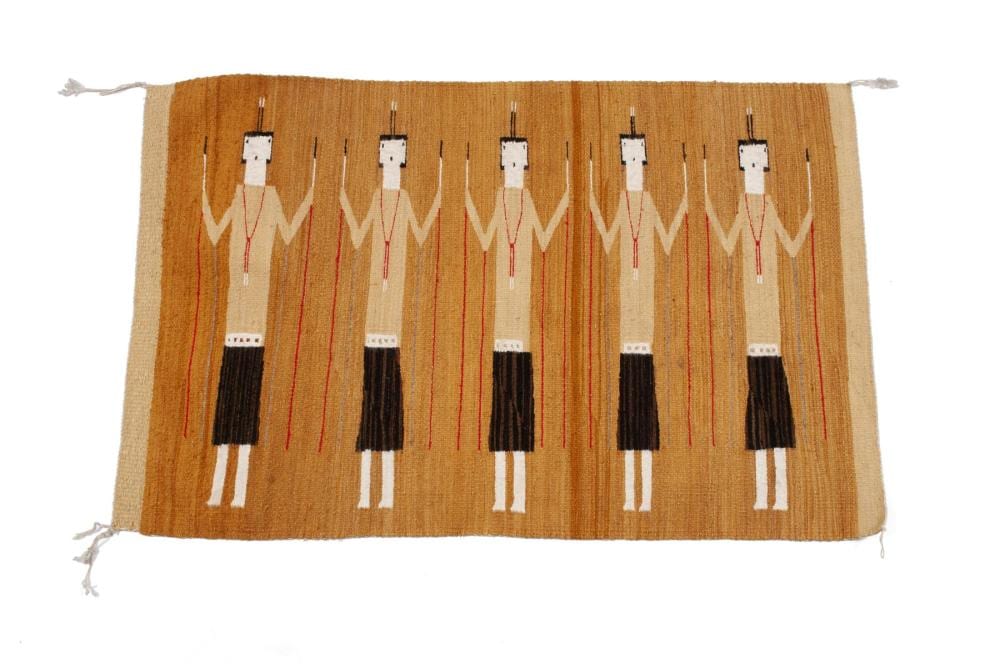 |
NAVAJO YEI RUG | Selkirk Auctioneers & Appraisers | 2020-12-12 | 188 | USD 330 |
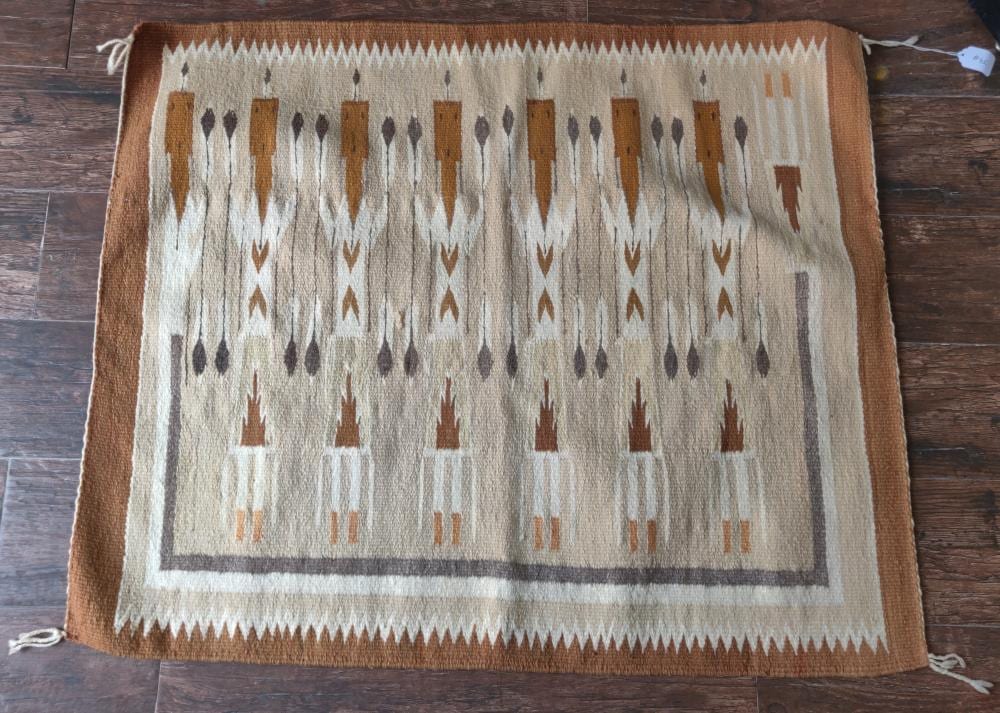 |
Navajo Yei Rug | Helm Auction, Inc | 2019-07-20 | 65 | USD 75 |
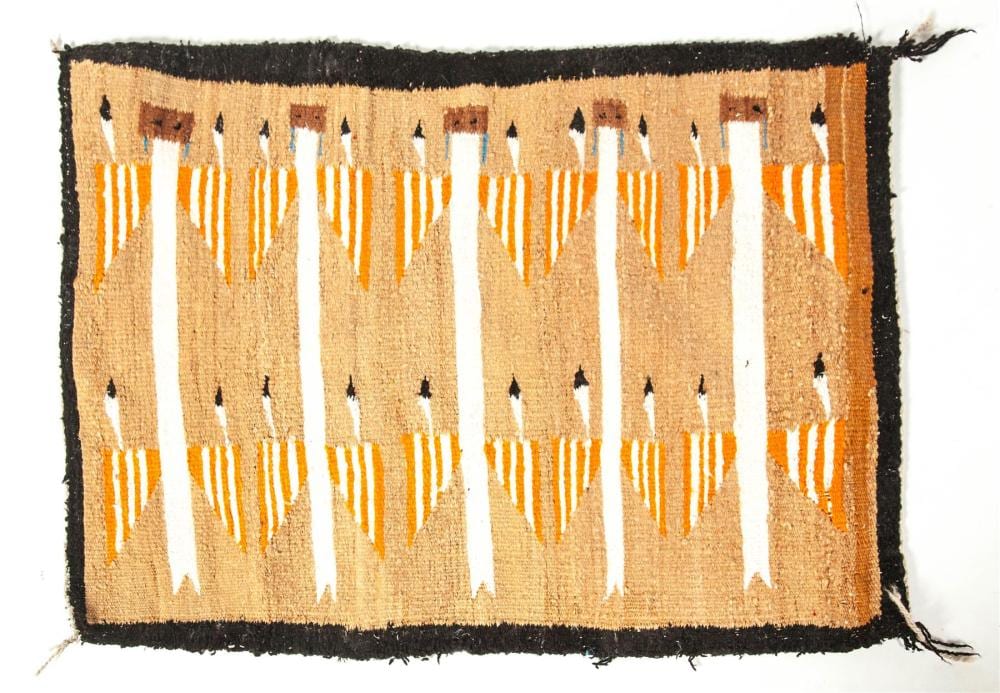 |
NAVAJO YEI RUG. | Garth's Auctioneers & Appraisers | 2019-05-10 | 200 | USD 60 |
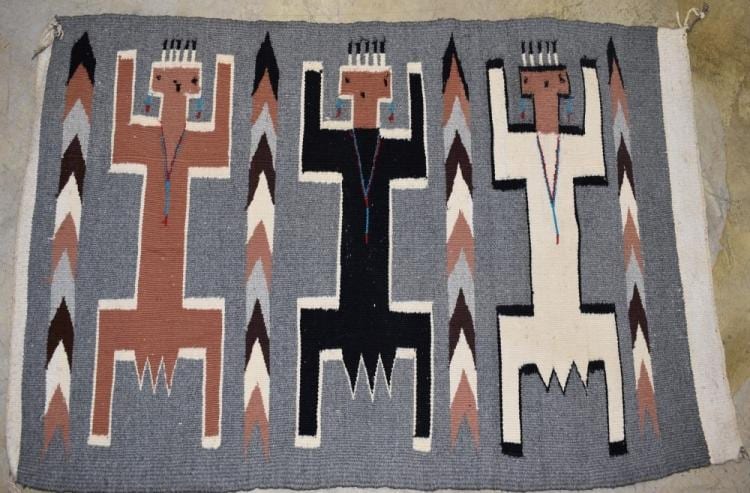 |
Navajo Yei Rug | Appalachian Trading Post & Auction Company | 2017-11-04 | 128 | USD 425 |
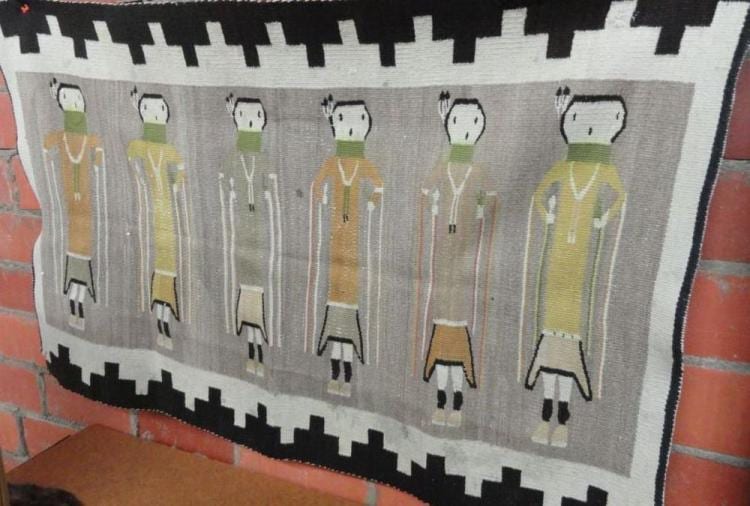 |
Navajo Yei Rug | Auctions & Services Unlimited | 2015-01-17 | 150 | USD 220 |
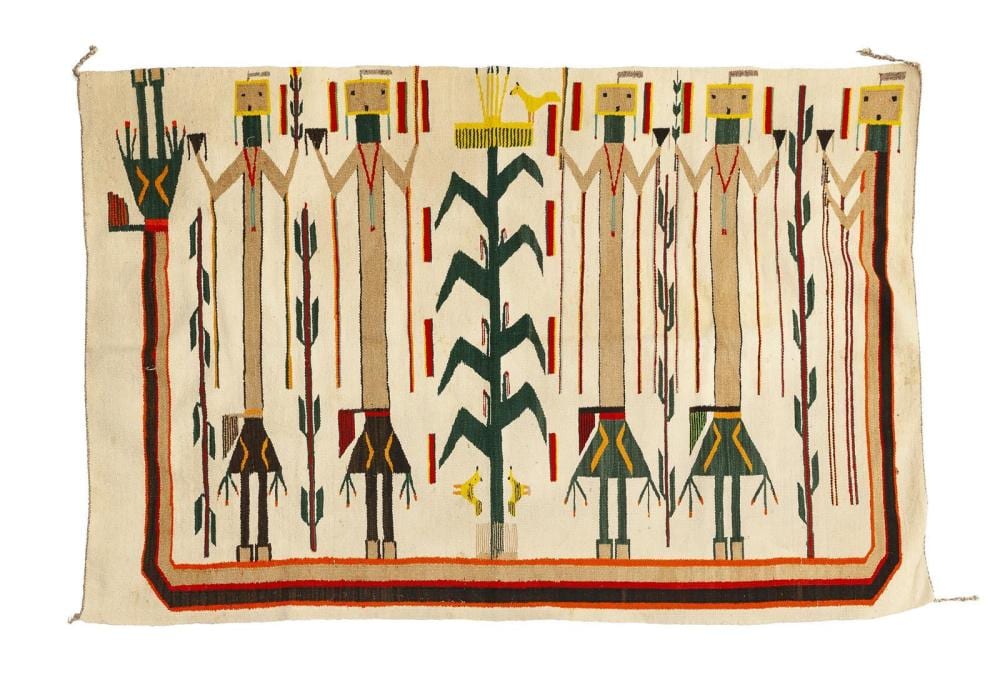 |
A Navajo Yei rug | John Moran Auctioneers | 2018-06-19 | 2157 | USD 400 |
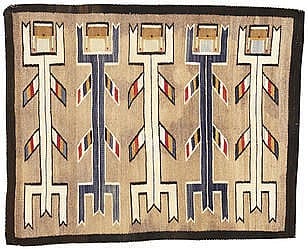 |
A Navajo Yei rug | Bonhams | 2014-12-08 | 2265 | USD 1,125 |
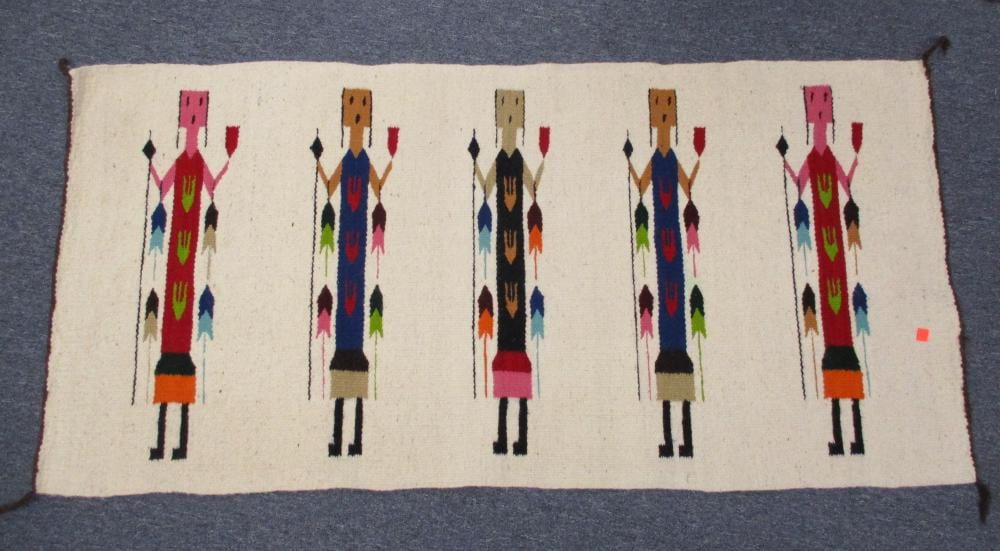 |
NAVAJO YEI RUG | Sunset Auction | 2019-05-05 | 100 | USD 95 |
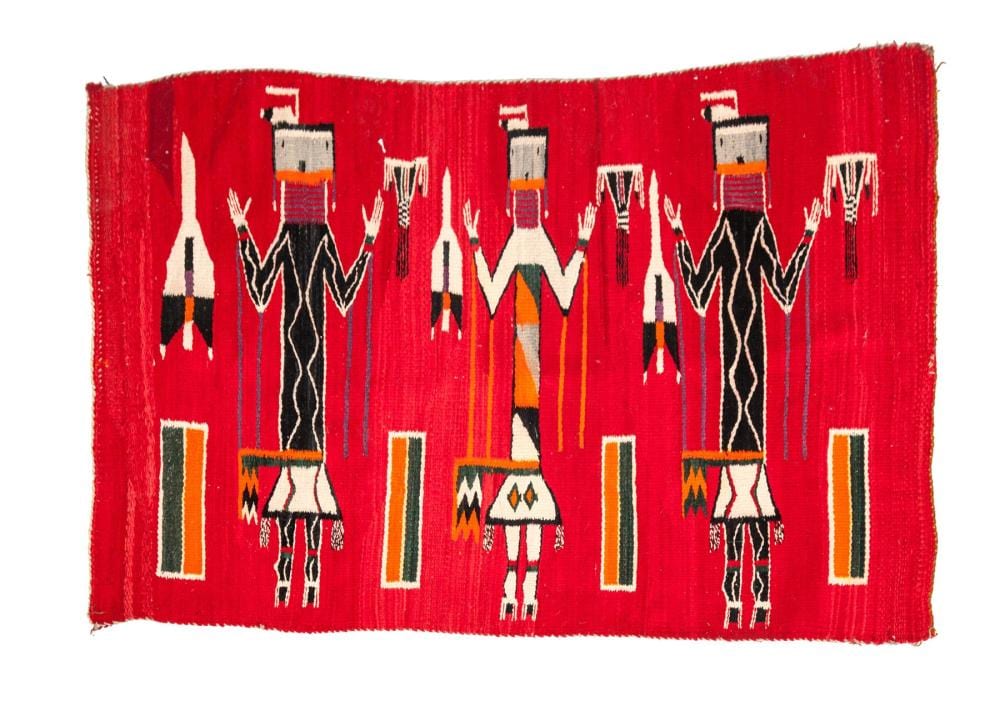 |
NAVAJO YEI RUG. | Garth's Auctioneers & Appraisers | 2019-05-10 | 193 | USD 360 |
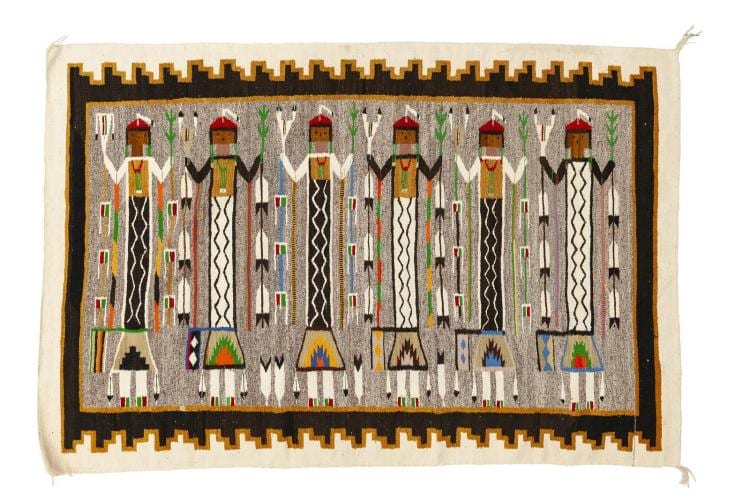 |
A Navajo Yei rug | John Moran Auctioneers | 2018-06-19 | 2158 | USD 1,200 |
 |
A Navajo Yei rug | Bonhams | 2013-09-09 | 2221 | USD 600 |
How these auction records were verified
These sales are market context, not an object estimate.
Each row is tied to its lot identity, retrieval time, access result, and immutable record hash. Live source access was blocked; the exact record matched Appraisily's immutable pipeline provenance. Inspect the public comparable provenance record.
Free photo check
Not sure if your item is worth appraising? Let us take a look.
Upload a photo, tell us what you know, and get a free photo check. If a full appraisal makes sense, we will say so.
Free. No card needed. Takes about two minutes.
References & data sources
-
Appraisily auction dataset:
/mnt/srv-storage/auctions-data/rugs/(accessed 2025-12-16). Comps cited frompage_0074.jsonlots 278, 279, and 282 (Bonhams). - General textile handling guidance: museum/conservation best practices (avoid harsh cleaning; document condition before treatment).
Search variations collectors ask
Readers often Google:
- how to identify a Navajo Yeibichai (Yei Be Chei) rug
- what is a Yeibichai rug and why is it valuable
- antique Navajo pictorial rug value range
- Yeibichai rug appraisal for insurance replacement
- how to date a Navajo Yeibichai rug by dyes and weave
- best auction house to sell a Navajo Yei rug
- does fringe replacement reduce Navajo rug value
- how to photograph a Navajo rug for appraisal online
Each question is answered in the valuation guide above.