A Vintage Circa 1970s Moulded Foam Lounge Chair: appraisal and value basics
A Vintage Circa 1970s Moulded Foam Lounge Chair research should start with identification, condition, provenance, and recent comparable sales. Use this guide to compare the signals that matter before paying for a formal appraisal or deciding whether to sell.
A vintage circa-1970s moulded foam lounge chair can be tricky to price because it sits at an intersection of design and practical condition. These sculptural seats are loved for their low profile and comfort, but value varies widely based on (1) whether you can attribute a maker, (2) how the foam has aged, and (3) whether the upholstery is original or later.
This guide walks you through quick identification clues (what “moulded foam” really means), common failure points, and how to translate recent auction comps into a realistic value range for an unmarked example.
Free photo check
Not sure if your item is worth appraising? Let us take a look.
Upload a photo, tell us what you know, and get a free photo check. If a full appraisal makes sense, we will say so.
Free. No card needed. Takes about two minutes.
What is a moulded foam lounge chair?
In many 1960s–1970s designs, the “frame” you’d expect in a traditional upholstered chair is replaced by a shaped polyurethane foam body. Sometimes foam is moulded around an internal support (wood, metal, or fiberglass), and sometimes it’s built up in layers and sculpted into one continuous form. Either way, the end result is a chair that reads like one smooth, curving volume instead of a separate seat + arms + back.
For value, the key questions are: is the chair structurally sound (foam + any internal armature), and can it be attributed (label, stamp, documented purchase, distinctive model features)?

10-minute identification checklist (no tools)
- Flip it and look for labels first. Check the underside, inside a zipper panel, and under any dust cover fabric. Photograph even partial labels or staple/glue shadows.
- Confirm “moulded foam” construction. Press the arms/back: if the form feels like one continuous mass (not a separate wooden arm structure), you’re likely dealing with a foam body.
- Trace the seam pattern. Sculptural foam chairs often have deliberate seam placement (center spine seam, perimeter seam, or segmented channeling). Seam layout can be a model clue.
- Inspect the base/feet. Many 1970s lounge chairs sit on a low plinth, a recessed platform, or short metal glides. Replaced feet affect value less than a damaged foam body.
- Look for a separate seat pad. Some moulded foam chairs shipped with a thinner removable pad; missing pads reduce value unless you can replicate them.
- Measure and photograph. Capture overall height/width/depth and seat height. Dimensions help narrow down look-alikes when there’s no label.
Dating clues for a circa-1970s example
With unmarked seating, dating is a “weight of evidence” process. These clues are supportive when they cluster together:
- Foam feel. Polyurethane foam became ubiquitous after mid-century. Extremely crumbly, powdery foam often indicates age, UV exposure, or low-density foam.
- Upholstery fabrics. Period covers are often shag, velour, vinyl, or heavy woven textures. A modern bouclé reupholstery is common on chairs still in use.
- Closures. Long hidden zippers or Velcro closures often suggest later upholstery work; original work sometimes used stitched-on panels and hand-sewn closures.
- Regulatory tags. Later flammability labels can indicate reupholstery or later manufacture (market-dependent).
Condition issues that hit value the hardest
The biggest difference between a $300 chair and a $1,500 chair is often foam health and whether it holds its sculptural shape.
- Foam breakdown. If the foam crumbles to dust when squeezed, restoration becomes more invasive (and expensive).
- Sagging in the upper back. A collapsed “head” area typically requires rebuilding or internal reinforcement.
- Odor and staining. Smoke and pet damage are major sale friction points even if the chair is structurally fine.
- Sun fading and fabric delamination. Vinyl cracking or laminated fabrics peeling can push you into reupholstery.
Does reupholstery hurt the value?
It depends on the market you’re selling into. Design collectors pay a premium for original covers on recognizable models, but many buyers prefer a clean reupholstery for daily use. For an unattributed chair, a tasteful reupholstery can actually help value—because the buyer is paying for usability and aesthetics, not museum originality.
If you suspect the chair might be a known designer model, avoid discarding old fabric without documenting it. Save any labels, receipts, or photos of the original cover, and keep the original hardware where possible.
Value range (with auction comps you can anchor to)
For an unmarked circa-1970s moulded foam lounge chair, a realistic working range in many U.S. markets is often $300–$900, with the “sweet spot” clustering around $500–$600 when the chair is attractive but needs repair and has no maker label. Recognized designer examples can exceed $1,500–$3,000+ depending on model, upholstery, and provenance.
The comps below come from recent auction datasets and illustrate how foam/upholstered lounge seating is priced when sold through established houses. Use them as anchors, then adjust for your chair’s attribution risk, condition, and local pickup realities.
| Auction | Lot | Date | Hammer | Notes |
|---|---|---|---|---|
| Simpson Galleries, LLC | 44 | Mar 23, 2024 | $3,000 (USD) | Giovanni Offredi “Wave” chaise lounge for Saporiti; named designer + model drive demand. |
| Wright | 347 | Jan 27, 2022 | $950 (USD) | Antti Nurmesniemi “Tuoli” lounge chair (Cassina), 1978/85; strong design attribution. |
| Hill Auction Gallery | 374 | May 31, 2023 | $400 (USD) | Pair of Coalesse Hosu convertible lounge chairs; usable, but less collectible. |
How to apply these comps: if your chair is unmarked and in fair condition (foam sagging, repairs needed), it typically prices closer to the lower/middle band—unless the silhouette clearly matches a sought-after designer model. If you can document original purchase, show a maker label, or match a known production detail, you can justify moving toward the upper end.


How to sell a moulded foam lounge chair without leaving money behind
- Photograph the underside and any zipper panels. These images are your best shot at proving maker and construction.
- Show the silhouette from three angles. Front, side, and back views help buyers compare to known models.
- Be honest about foam condition. “Foam feels soft but sagging in upper back” is better than “good condition.”
- Price for pickup reality. Oversize chairs can be expensive to ship; many sell best via local pickup or regional delivery.
- Choose the right channel. Designer pieces benefit from design auctions; anonymous chairs often do best locally.
What similar items actually sold for
Real auction sales of items like your lounge chair. Open a sale to see the original listing.
Shown USD range: USD 406-USD 7,000. Median of these 4 USD examples: USD 2,656.
| Comparable | What sold | Auction house | Date | Lot | Source-reported amount |
|---|---|---|---|---|---|
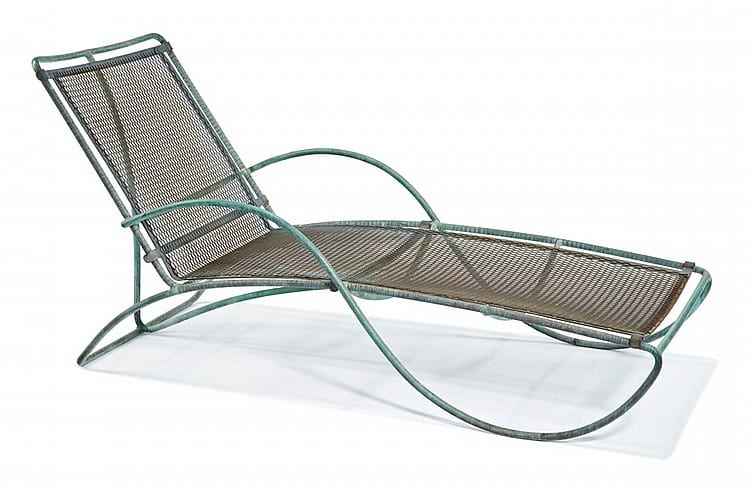 |
Lounge chair | Los Angeles Modern Auctions | 2015-03-01 | 358 | USD 4,687 |
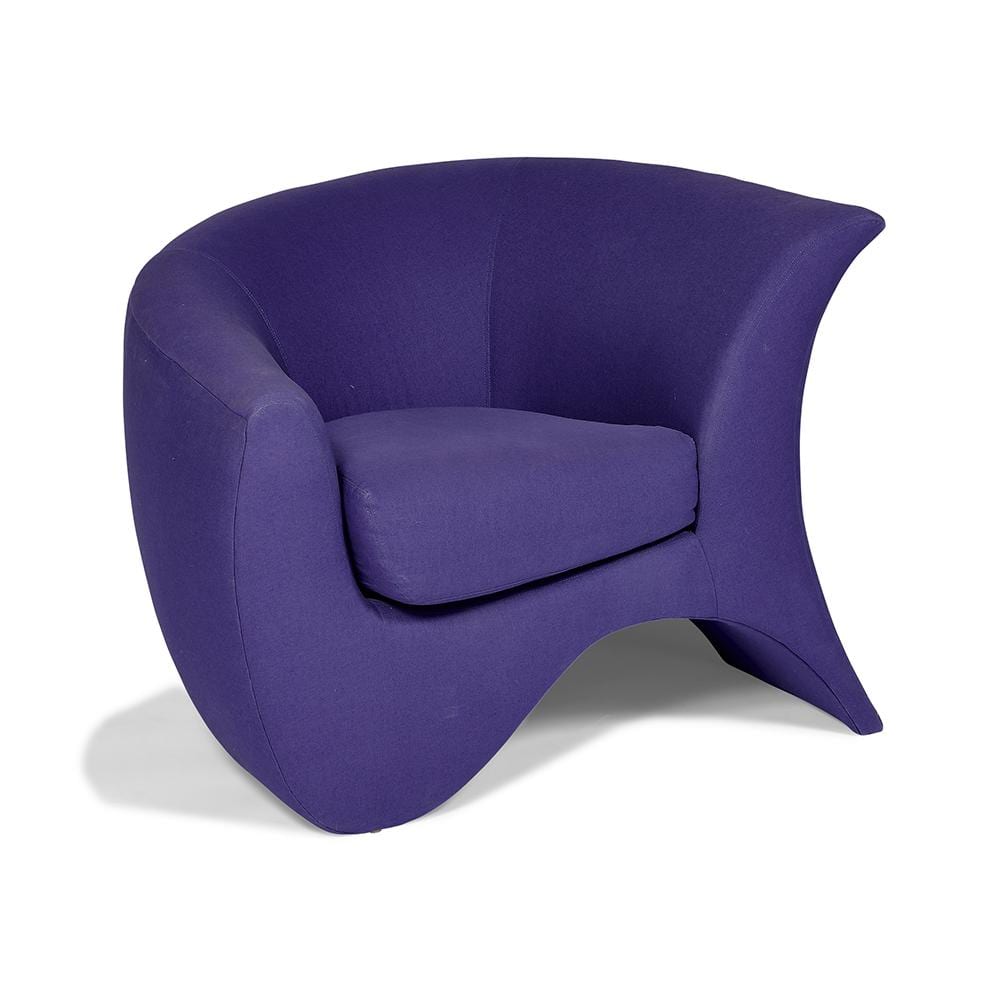 |
Vladimir Kagan (1927-2016) for Directional Hurricane lounge chair 38"w x 33"d x 29 3/4"h | Toomey & Co. Auctioneers | 2018-06-24 | 560 | USD 406 |
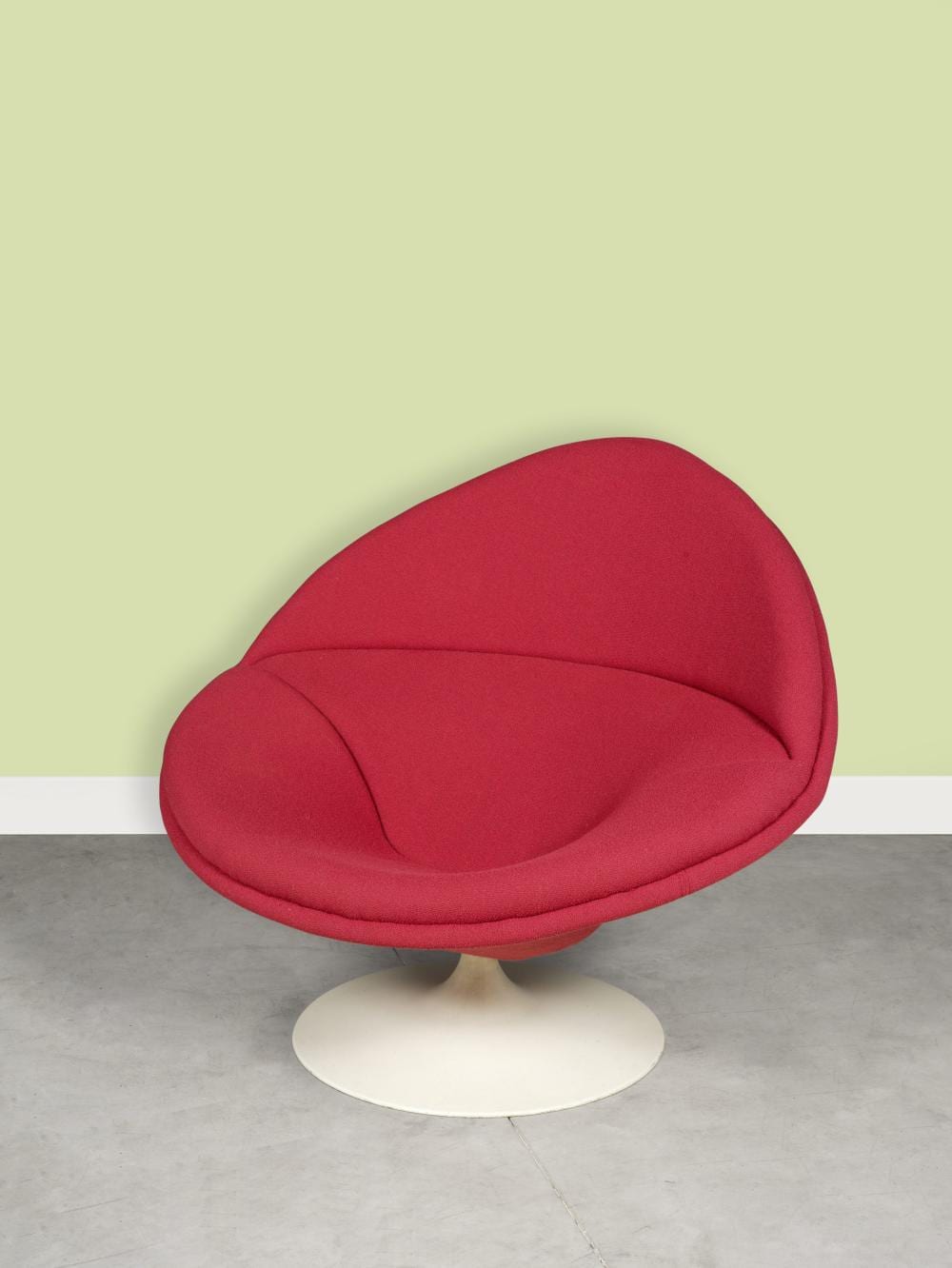 |
PIERRE PAULIN (1927-2009) Fauteuil mod. 'F553'Création en 1963Edition ArtifortFibre de verre, bois, mousse et tissuH: 80cm.(31 1/2 in.); L: 90cm.(35 7/16 in.); P: 65cm.(25 9/16 in.).A 'F553' lounge chair in fiberglass, wood, foam and fabric b... | Bonhams | 2023-11-30 | 44 | EUR 1,200 |
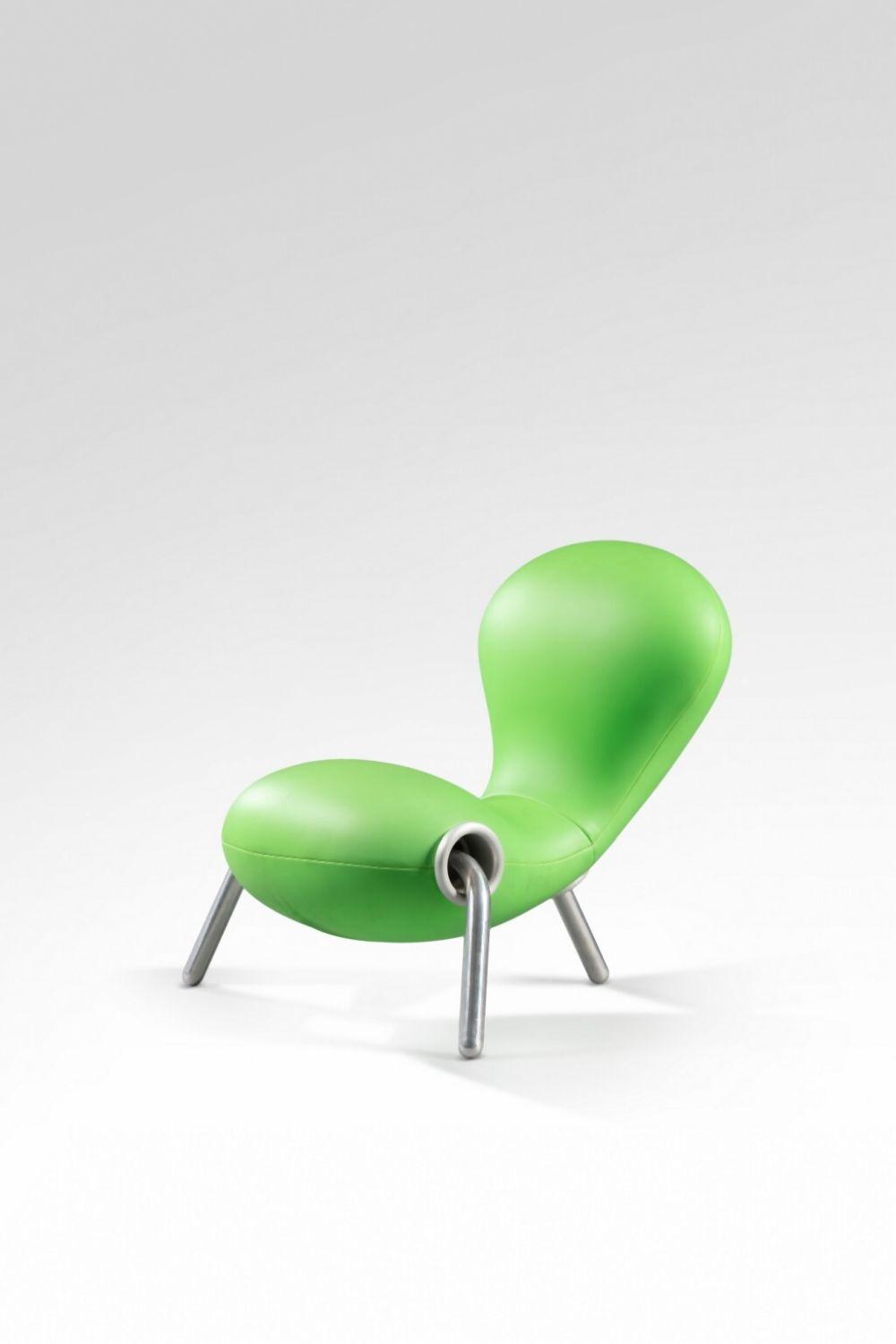 |
Embryo lounge chair | Sotheby's | 2024-11-14 | 128 | EUR 4,200 |
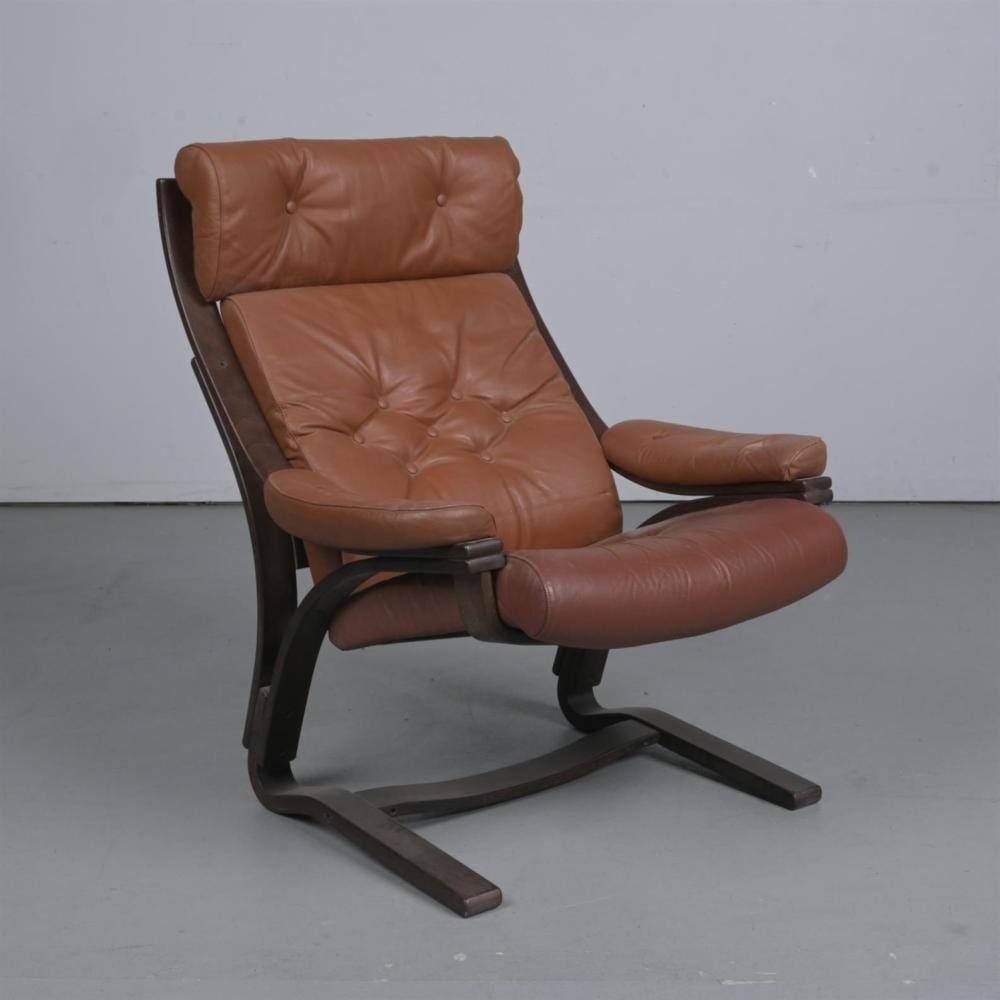 |
A DANISH BENTWOOD AND LEATHER LOUNGE CHAIR (100H X 84W X 98D CM) | Leonard Joel | 2025-08-21 | 1123 | AUD 600 |
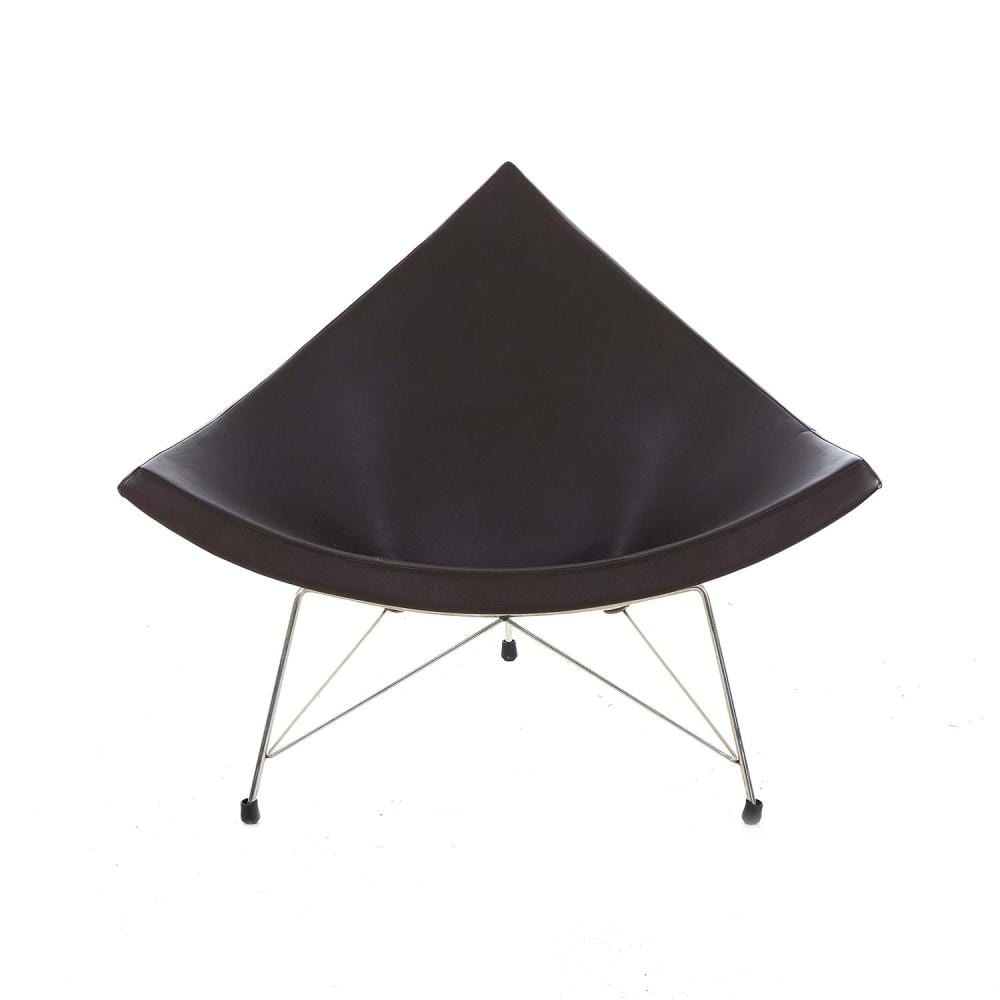 |
Coconut Lounge Chair | Charlton Hall | 2022-09-22 | 321 | USD 625 |
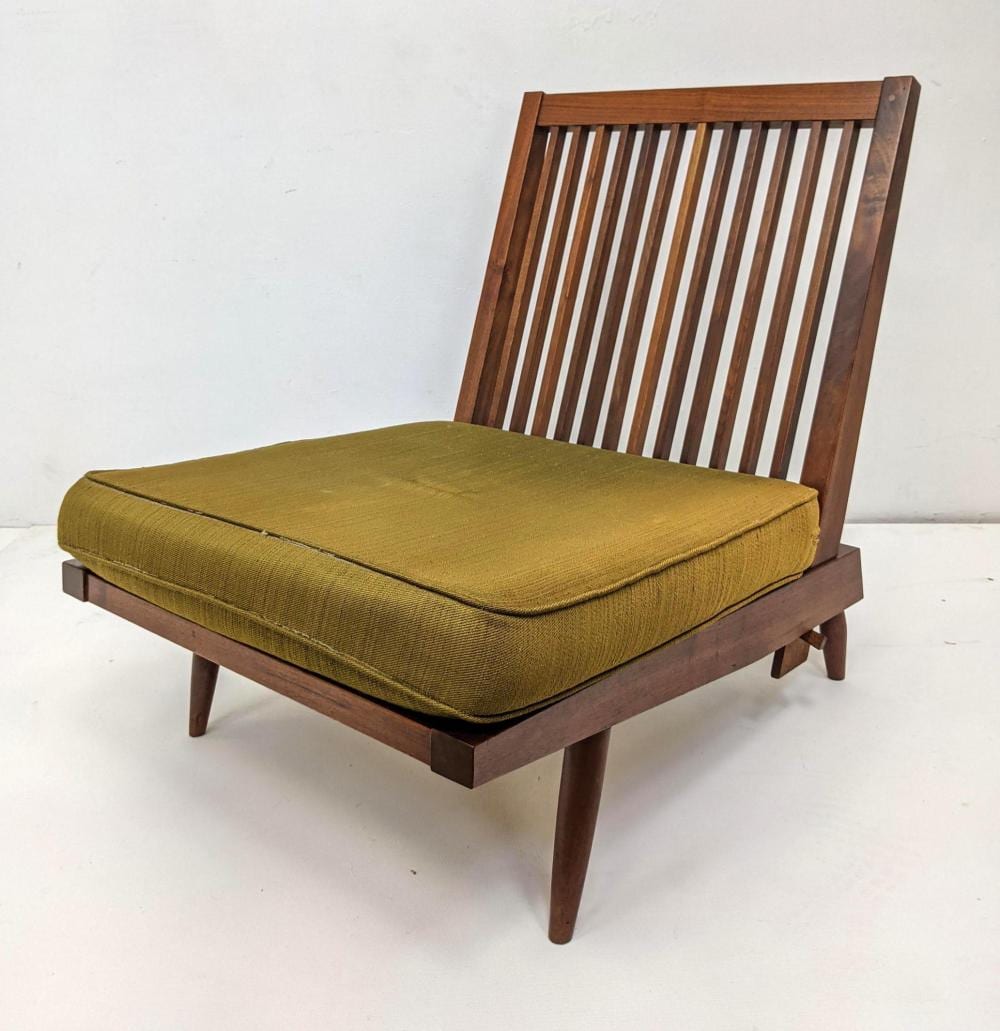 |
ORIGINAL GEORGE NAKASHIMA WALNUT LOUNGE CHAIR. ANGLE SL | Uniques & Antiques | 2021-08-04 | 714 | USD 7,000 |
How these auction records were verified
These sales are market context, not an object estimate.
Each row is tied to its lot identity, retrieval time, access result, and immutable record hash. Live source access was blocked; the exact record matched Appraisily's immutable pipeline provenance. Inspect the public comparable provenance record.
Search variations collectors ask
Readers often Google:
- 1970s moulded foam lounge chair value
- how to identify a moulded foam chair (no maker label)
- polyurethane foam chair crumbling repair vs replace
- does reupholstery reduce mid century lounge chair value
- where to find maker marks on vintage lounge chairs
- best way to sell a vintage lounge chair locally
- insurance replacement value for a 1970s design chair
- Giovanni Offredi Wave chaise lounge auction price
Each question is answered in the valuation guide above.
Key takeaways
- For moulded foam seating, foam health is a primary value driver (more than minor cosmetic wear).
- Unmarked 1970s lounge chairs often trade around $300–$900, clustering near $500–$600 when repair is needed.
- Designer attribution (label, model match, provenance) can push the ceiling into the four figures.
- Use auction comps as anchors, then adjust for condition, attribution certainty, and pickup/shipping constraints.
References
- Auction comps cited in-text: Simpson Galleries, LLC (Lot 44, Mar 23 2024); Wright (Lot 347, Jan 27 2022); Hill Auction Gallery (Lot 374, May 31 2023).
- General conservation guidance on polyurethane foam aging and upholstery replacement practices (summarized from standard furniture conservation practice).