A Victorian English Renaissance Revival Chair
Victorian England’s passion for the past produced a rich revival vocabulary, and few forms embody it as vividly as the Renaissance Revival chair. Hefty crestings, sculptural scrolls, classical masks, and grids of strapwork brought a theatrical dignity to parlors, dining rooms, and halls from roughly the 1850s through the 1880s. For appraisers and enthusiasts, this is a rewarding category: the workmanship can be superb, the stylistic signals crisp, and the market responsive to quality and originality. This article explains what to look for, how to differentiate English Renaissance Revival from other Victorian modes, and which details drive value.
What “Renaissance Revival” Meant in Victorian England
Renaissance Revival in mid-19th century Britain drew on 16th–17th century Italian and northern European precedents, translating palatial ornament into domestic scale. Key characteristics include:
- Classicizing vocabulary: strapwork, cartouches, trophies of arms, arabesques, acanthus, rosettes, egg-and-dart, and gadrooning.
- Architectural emphasis: panelled backs and seat rails framed like miniature facades; square or rectilinear silhouettes rather than serpentine Rococo lines.
- Sculptural carving: high-relief keystones, grotesque masks, herms and caryatids, fruit and foliate swags, often deeply undercut.
- Historical chair types reinterpreted: Savonarola/curule X-frames rendered as fixed rather than folding; caquetoire-inspired splayed arms; Dante chair motifs on hall seats.
- Materials and finish: English walnut was the prestige timber from the 1850s, with oak common for more robust hall and dining sets; ebonized accents and parcel gilding appear, though full ebonization is less prevalent than in Aesthetic movement pieces.
Timing: In Britain, Renaissance Revival cohered in the early 1850s and remained strong into the 1870s. Earlier Victorian decades favor Rococo and Gothic; later, the Aesthetic and Neo-Elizabethan tendencies mingle with Renaissance motifs. This makes the mid-century “sweet spot” identifiable by walnut, bold yet disciplined ornament, and excellent joinery.
Anatomy of a Victorian English Renaissance Revival Chair
While forms vary—side chairs, carvers (armchairs), nursing chairs, hall chairs—the following elements recur:
- Cresting rail: A dominant feature, often a broken or scrolled pediment centered by a carved mask, cartouche, or shell. Smaller models use a pierced crest of strapwork or a tablet flanked by volutes.
- Back panel: Either a solid, molded panel for hall/dining chairs (sometimes with a painted or carved armorial) or a framed upholstered panel for parlour pieces. Expect chamfered or paneled reverse sides on better work.
- Stiles and uprights: Square or turned, commonly carved with leaf bands, flutes, or guilloche. On higher-grade chairs, the uprights continue seamlessly into the rear legs.
- Arms (on carvers): Heavily scrolled, with acanthus terminals and shaped supports. Some use herm-form or baluster supports echoing table legs of the period.
- Seat: Rectangular or trapezoidal with a molded seat rail; upholstery in leather (often with brass dome nails), horsehair, wool tapestry, or Berlin woolwork. Needlework showing classical or floral motifs is period-correct; velvet appears in upscale parlour suites.
- Legs: Turned and fluted front legs (Tuscan or baluster), sometimes with gadrooned collars; rear legs square and raked. Barley twists are less common here than in Anglo-Indian or later aesthetic work but do appear on some flamboyant sets.
- Stretchers: H-shaped or peripheral stretchers, often carved or turned. Savonarola-inspired chairs may use an X-stretcher with a central boss.
- Feet: Toupie or bun feet on dining and hall chairs; some parlour chairs retain porcelain or brass casters set into the foot.
- Surface treatment: French-polished walnut, sometimes with ebonized stringing or gilded highlights to carvework. Oak examples may be stained to emulate walnut’s richness.
Motifs that clinch the identification include grotesque masks set into crestings, interlaced strapwork panels, and trophies (helmets, armor, musical instruments). These differ from Gothic Revival’s pointed arches and tracery, and from Rococo Revival’s C-scrolls and rocaille shells.
Materials, Construction, and Workshop Clues
Dating and attribution pivot on how a chair is made as much as how it looks. Indicators include:
- Timber: English walnut became widely available and fashionable from the 1850s. It machines and carves cleanly; look for tight, swirling figure and a warm brown cast under old polish. Oak, particularly quarter-sawn with ray fleck, signals more robust hall or dining furniture and can trend earlier or provincial. Mahogany is less typical in British Renaissance Revival than in American counterparts.
- Joinery: Expect stout mortise-and-tenon joints at seat rails and stiles, often with chamfered inner edges and well-fitted hardwood pegs. Corner blocks inside the seat are hand-cut triangular or trapezoidal, glued and screwed; machine-cut, standardized blocks suggest late-19th or 20th-century replacements.
- Carving: High-relief, crisp carving with undercuts and clean tool transitions indicates workshop sophistication. Machine-carved ornament (uniform, shallow, “flat” effect; repetitive patterns) tends to be later and lower grade.
- Upholstery structure: Original seats use webbing, hand-tied coil springs (mid-century onward), stuffed with horsehair, stitched with linen twine. Look for a double row of early tacks and irregular spacing; modern staples or chip-foam are replacements. Needlework may be tacked over a linen base; fragments retained inside are valuable evidence.
- Fasteners and hardware: Period screws have blunt tips and tapered, off-center slots; later screws are sharp-tipped and more uniform. Brass nailheads on leather seats age with soft oxidation and darkened shanks.
- Finish: Shellac French polish is standard on walnut; heavy, high-gloss polyurethane or very pale stripped wood indicates over-restoration. Ebonized details should be integrated, not a modern spray-over.
Makers and retailers: British trade practices complicate attribution—retailers often commissioned from anonymous workshops. Nonetheless, clues occur:
- Gillows of Lancaster/London: Occasionally stamped “GILLOWS LANCASTER” or numbered seat rails; assembly marks in pencil or chalk; meticulous underframing and consistent chamfers.
- Holland & Sons: Impressed “HOLLAND & SONS” or paper labels; sequential inventory numbers; refined carving and harmonious proportions suited to high-end commissions.
- Jackson & Graham: Paper labels and penciled job numbers; luxurious materials and virtuoso carving, sometimes with parcel gilding.
- James Lamb of Manchester: Paper labels “LAMB MANCHESTER” and retailer plaques; superb joinery in walnut; fashion-forward designs in the 1860s–70s.
- Provincial and cabinet-shop production: No marks, but sound joinery and honest carving; motifs may be bolder and less anatomically precise.
Absence of marks does not preclude quality; construction integrity usually says more than a stamp.
Dating and Differentiating: Renaissance Revival vs. Other Victorian Styles
Nuanced dating within 1850–1880 relies on silhouette, timber, and ornament:
- Early phase (c. 1850–1860): Heavier, more architectural backs, oak more frequent; hall chairs with armorial panels; less upholstery overall. Crestings can be massive and rectilinear.
- Mid phase (c. 1860–1870): English walnut predominates; carving becomes more fluent; parlour suites mix upholstered panels with carved frames; leather on dining chairs is common.
- Late phase (c. 1870–1880): Livelier profiles, more pierced work, ebonized accents, and occasional gilt highlights; crossover with Aesthetic/Neo-Elizabethan details.
Differentiation from other revivals:
- Gothic Revival: Lancet arches, trefoils, quatrefoils, crockets, tracery; vertical, church-like emphasis; buttresses rather than scroll pediments.
- Rococo Revival: Asymmetrical C- and S-scrolls, rocaille shells, cabriole legs; serpentine silhouettes; thinner members and more curvature.
- Aesthetic Movement: Flatter planes, incised line work, Japonesque motifs, ebonization; lighter, more rectilinear aesthetic and less baroque massing.
American Renaissance Revival chairs (often black walnut or rosewood, with incised gilding and exuberant crestings) can look similar. English examples tend toward controlled classicism and subtler profiles. Provenance and construction differences—webbing methods, screw types, and finish—help separate them.
Condition, Restoration, and Value Considerations
With revival chairs, condition and authenticity can shift value dramatically.
What hurts value:
- Recarved or replaced crestings and arm terminals; mis-matched or crudely carved replacements are common after damage.
- Overstripping and heavy re-polishing that blur carvework and erase patina.
- Reglued joints with modern adhesives smeared across surfaces; lost corner blocks and compromised seat frames.
- Upholstery that removes original textiles without retaining fragments or documentation; modern foam altering seat height and pitch.
- Woodworm (powderpost beetle) with active frass; deep structural trails in legs or stretchers.
- “Marriages” where an unrelated back is fitted to another maker’s base; inconsistent tool marks, timber species, or finishes expose these.
What helps value:
- Original or early surface with a warm, even patina; gentle waxed sheen rather than gloss.
- Crisp, undamaged carving with undercut shadows intact.
- Documented maker/retailer labels or stamps; inventory numbers that tie to known commission histories.
- Pairs or sets, which command premiums, especially dining suites retaining armchairs and side chairs with uniform upholstery.
- Original leather or period needlework in stable condition; even if worn, it signals integrity.
Market outlook: High-quality English Renaissance Revival chairs sit between décor appeal and connoisseurship. Exceptional carved walnut armchairs by major firms can realize strong four-figure prices individually, higher as pairs. Ordinary provincial examples, even attractive ones, trade modestly unless in sets or with compelling patina. Hall chairs with armorials attract interiors buyers and can spike if the crest is significant or artistically executed.
Conservation approach: Clean with a barely damp cloth, then a microcrystalline or beeswax polish; avoid silicone products. Consolidate loose joints with reversible animal glue when possible. For leather, use conservation-grade dressings sparingly; for textiles, stabilize rather than replace, and keep removed fragments bagged and labeled under the seat.
Practical Checklist: Appraising a Victorian English Renaissance Revival Chair
- Style confirmation: Strapwork, cartouches, grotesque masks, classical leaf carving; rectilinear back with strong cresting.
- Timber ID: English walnut (fine, warm brown, tight figure) or oak (visible medullary rays). Avoid confusion with stained beech.
- Construction: Mortise-and-tenon seat rails; hand-cut corner blocks; crisp, undercut carving; period screws and tacks.
- Upholstery: Evidence of hand-tied springs and horsehair; original leather or tapestry; save any textile fragments.
- Maker clues: Look for stamps/labels from Gillows, Holland & Sons, Jackson & Graham, Lamb; chalked assembly numbers.
- Condition notes: Check cresting, arms, and stretchers for breaks; examine legs for worm; assess finish for over-polish.
- Proportion and comfort: Seat height near 17–18 inches for dining; parlour chairs may be lower. Original pitch indicates authenticity.
- Comparables: Consider quality and pairs/sets when judging value; single side chairs are common, matched sets less so.
- Red flags: Machine-flat carving, sharp modern screws, polyurethane shine, mismatched timber, or mixed-style components.
What similar items actually sold for
Real auction sales of items like your renaissance revival chair. Open a sale to see the original listing.
Shown USD range: USD 4-USD 500. Median of these 9 USD examples: USD 75.
| Comparable | What sold | Auction house | Date | Lot | Source-reported amount |
|---|---|---|---|---|---|
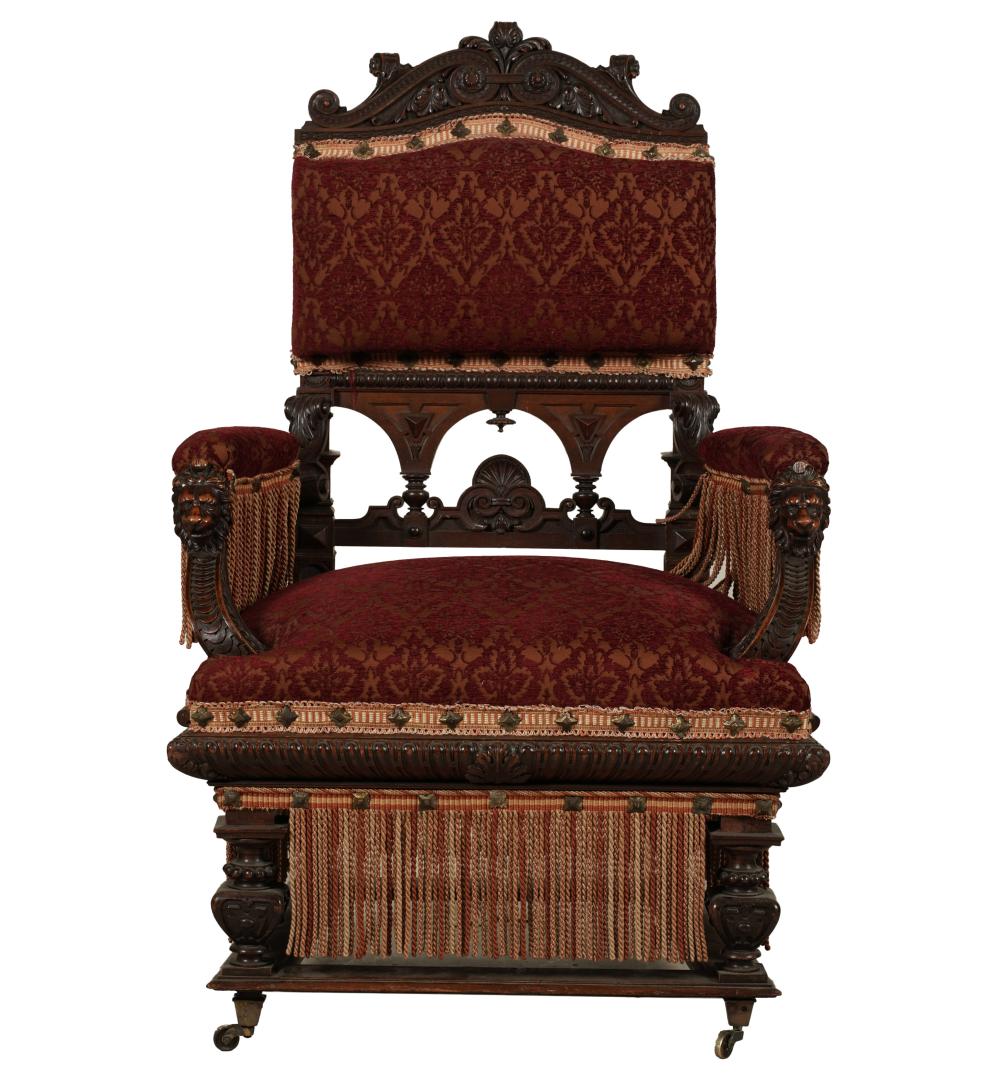 |
An English Renaissance Revival Carved Walnut Hall Chair | Abell Auction | 2026-01-22 | 378 | USD 200 |
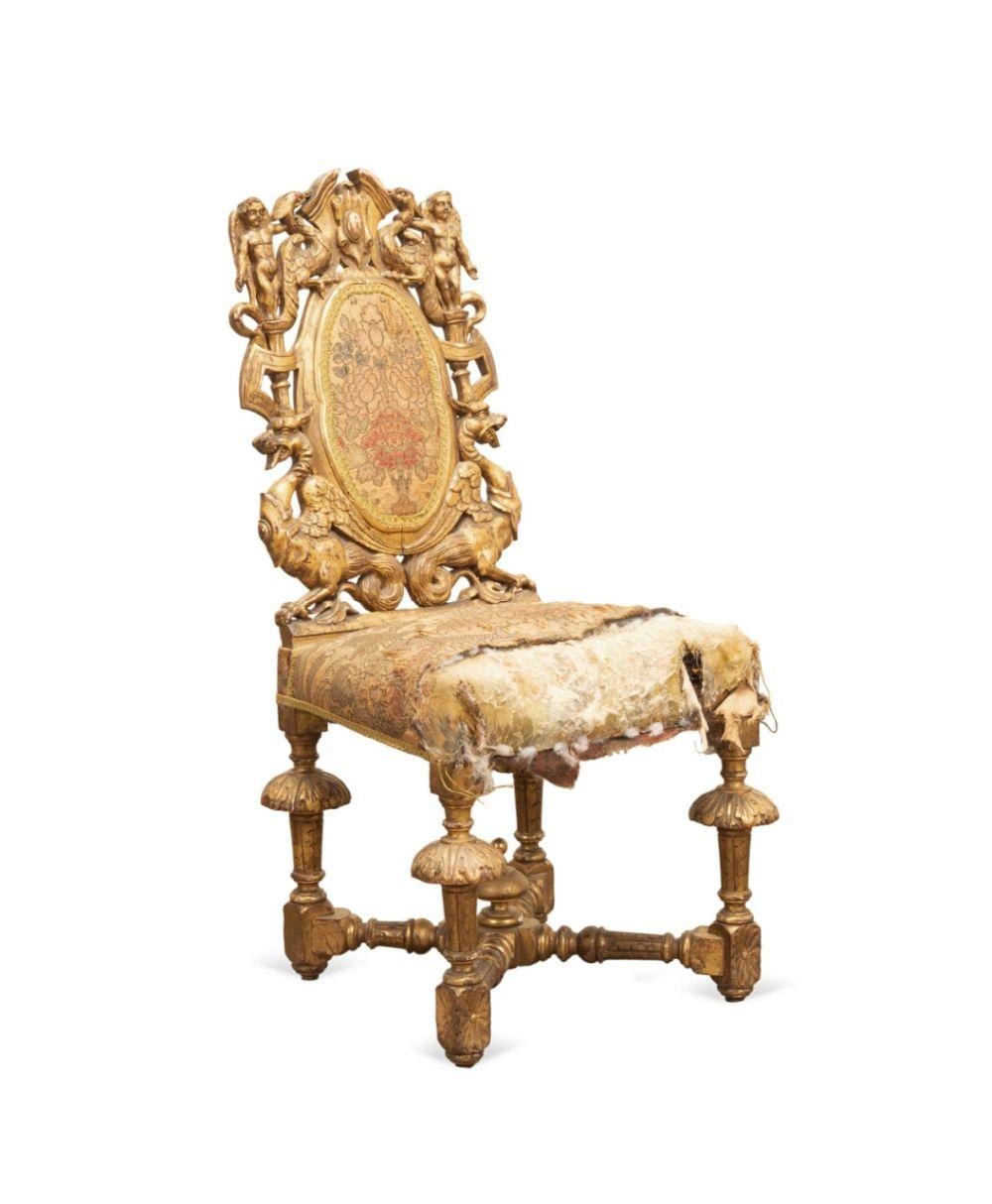 |
19TH C. ITALIAN RENAISSANCE REVIVAL SIDE CHAIR | Ahlers & Ogletree Inc. | 2025-07-31 | 490 | USD 500 |
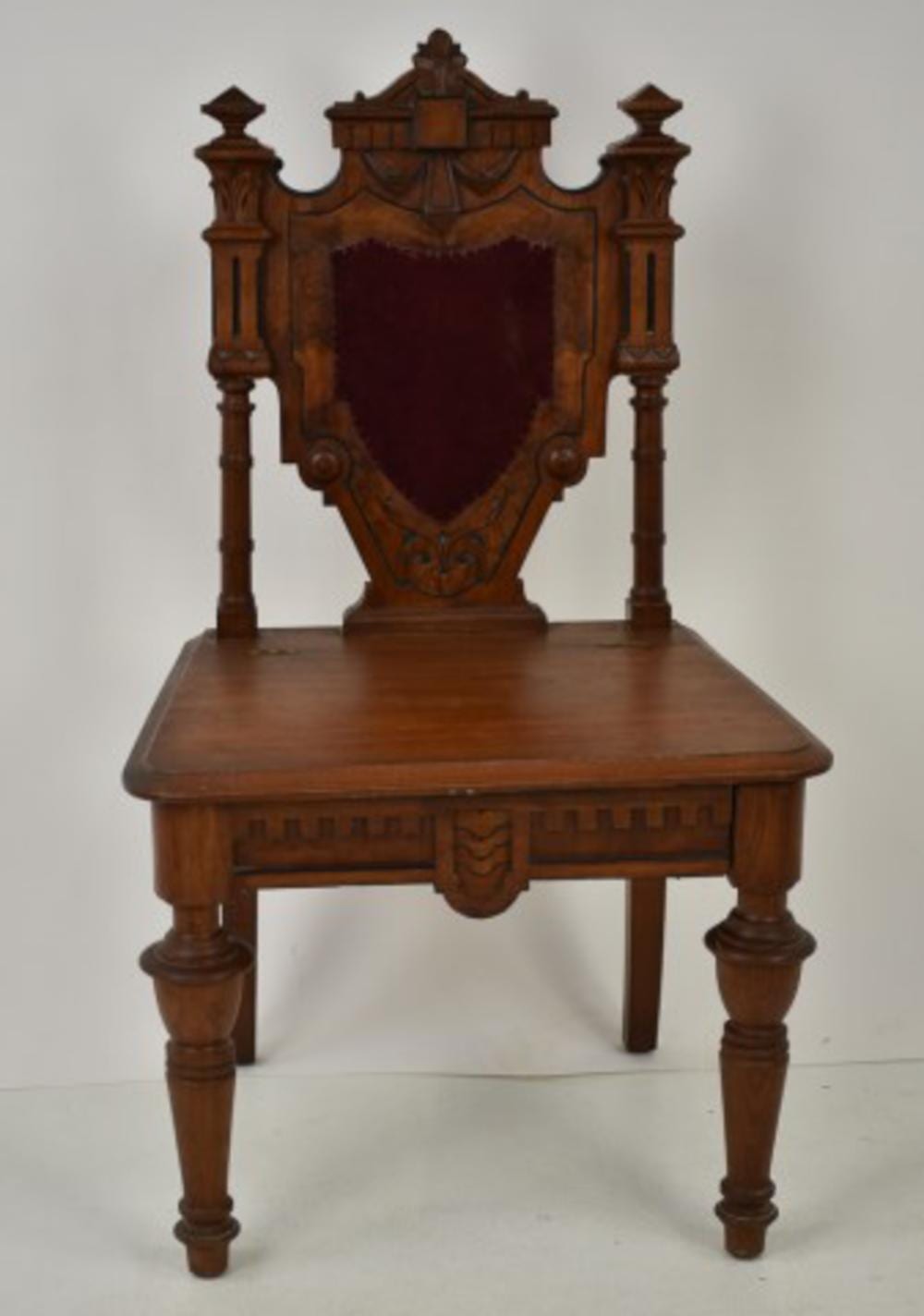 |
ORNATE RENAISSANCE REVIVAL HALL CHAIR | Ivy Auctions | 2021-06-12 | 202 | USD 50 |
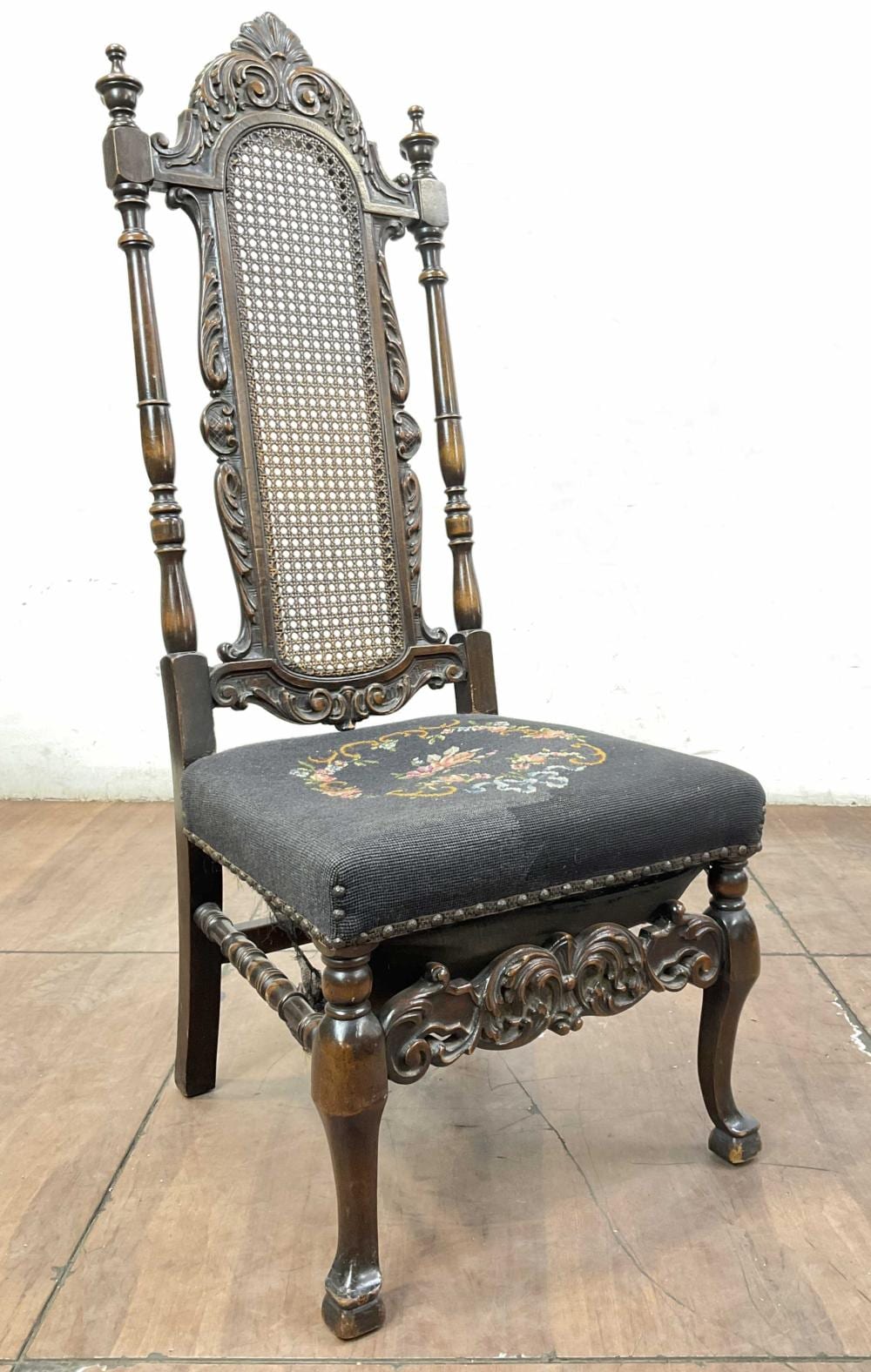 |
Victorian Renaissance Revival Walnut Side Chair | EJ'S Auction & Appraisal | 2024-06-08 | 2161 | USD 30 |
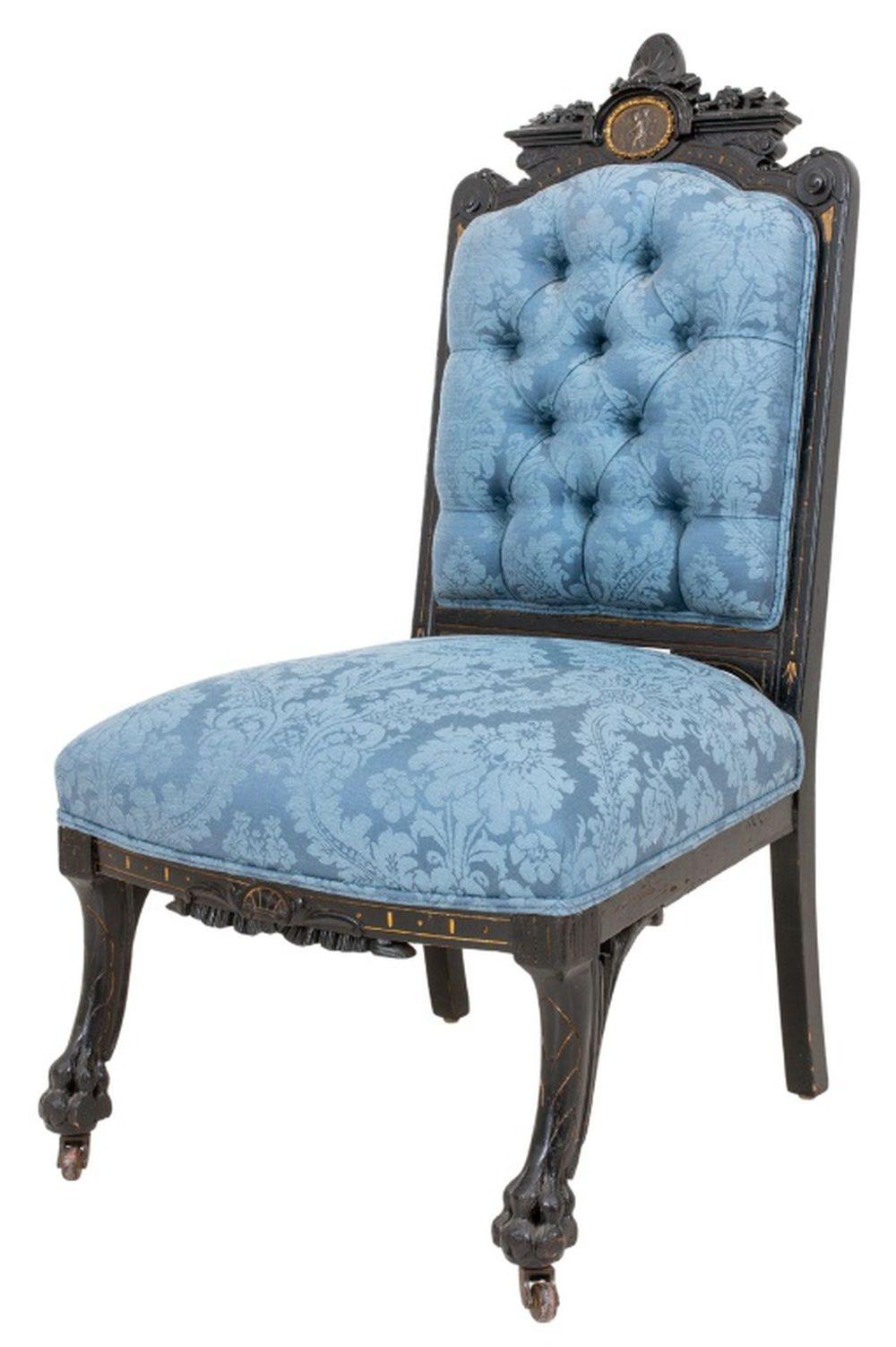 |
American Renaissance Revival Side Chair, ca. 1870 | Auctions at Showplace | 2025-03-06 | 217 | USD 350 |
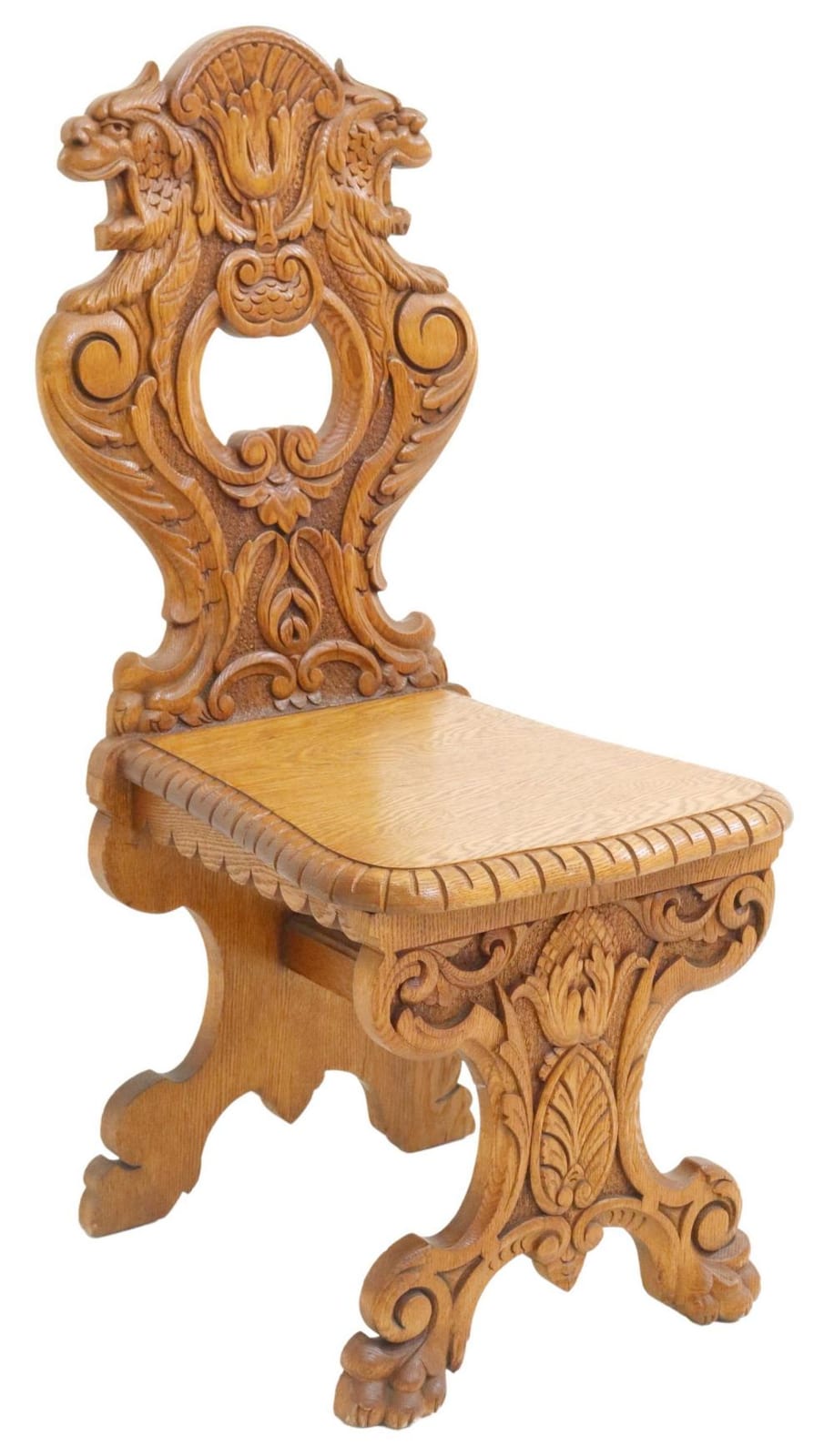 |
AMERICAN RENAISSANCE REVIVAL CARVED OAK HALL CHAIR | Austin Auction Gallery | 2022-11-19 | 1002 | USD 100 |
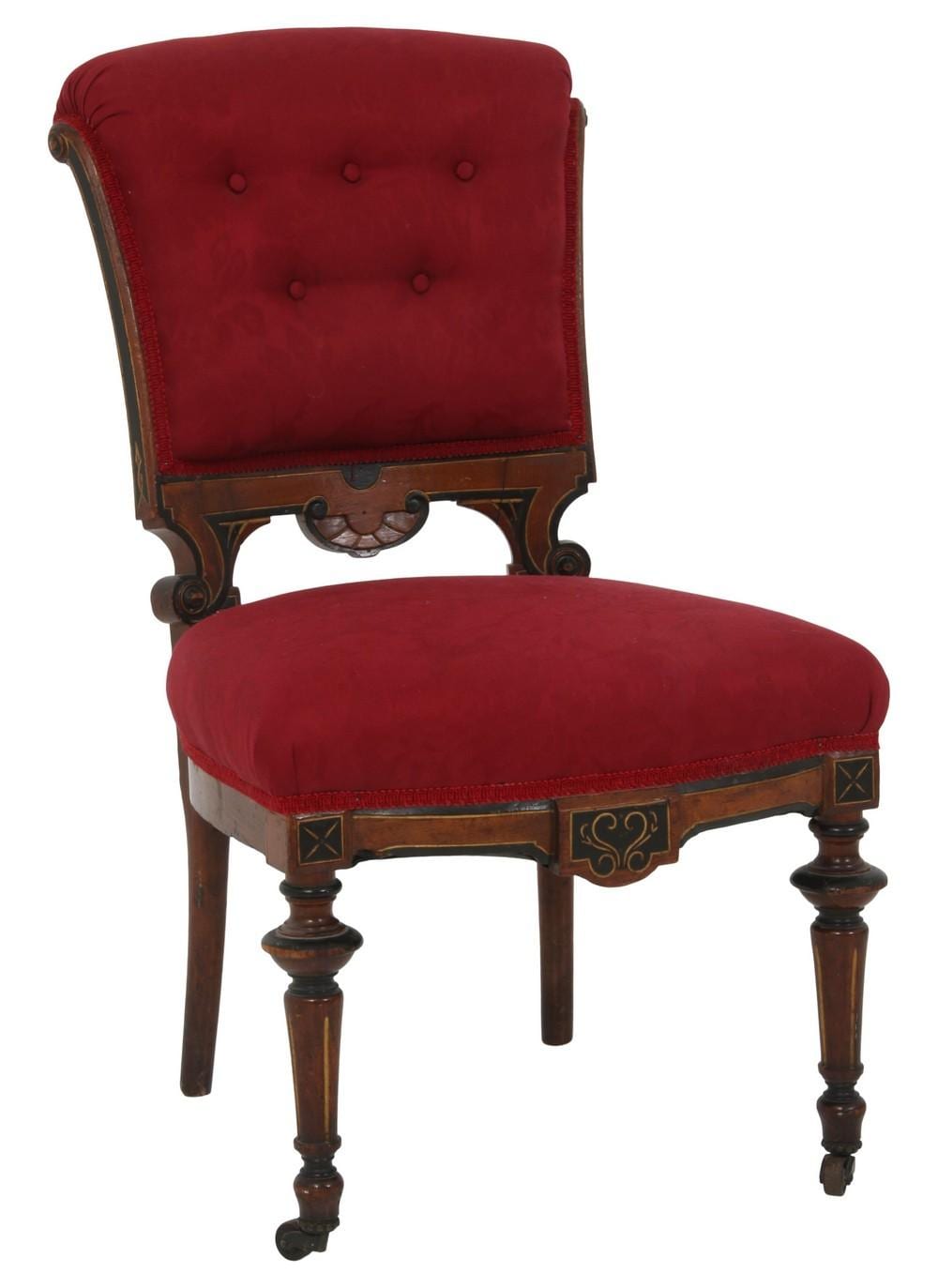 |
Renaissance Revival Walnut Side Chair | Fontaine's Auction Gallery | 2020-08-08 | 73 | USD 75 |
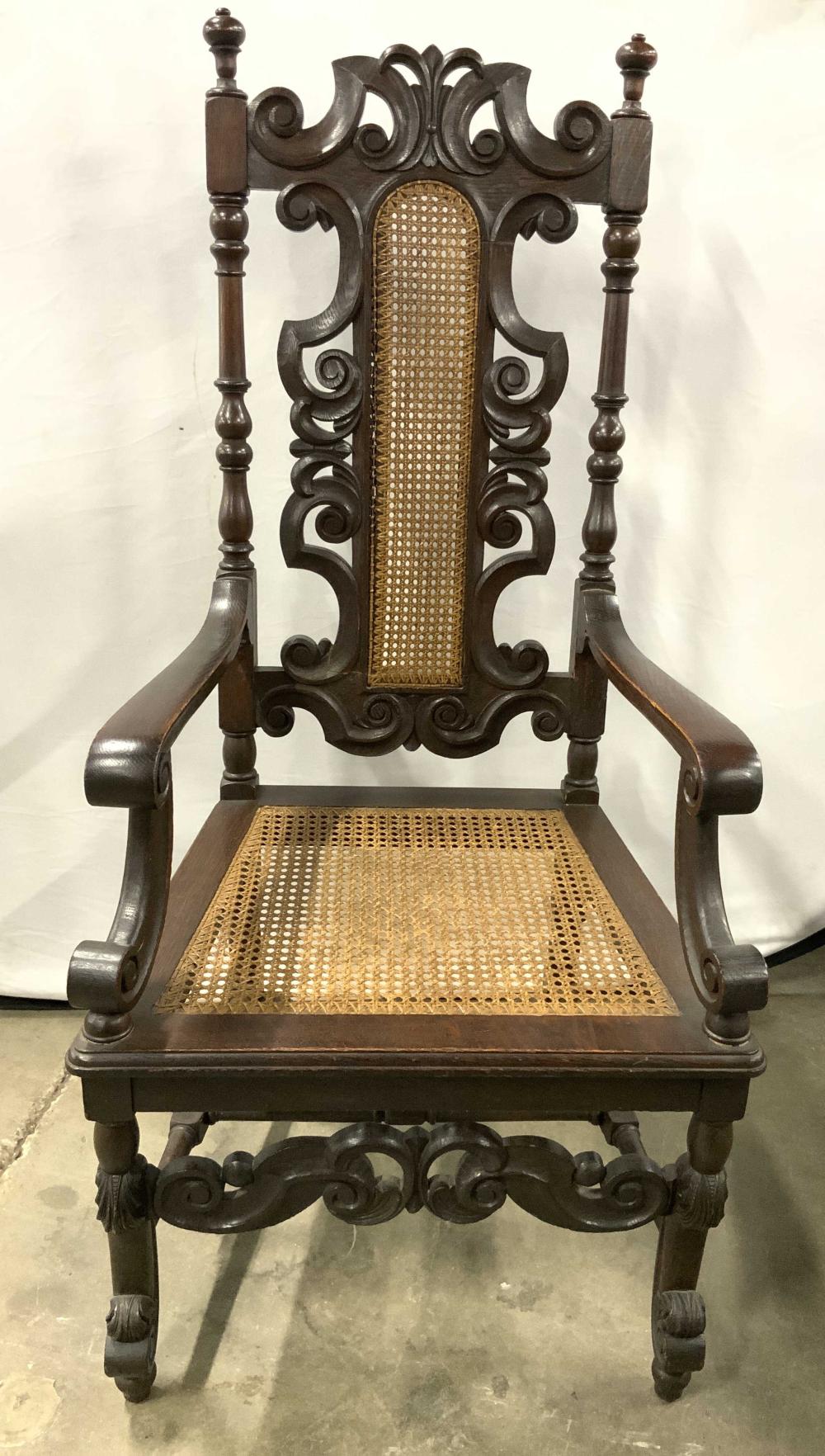 |
Antq Wooden Jacobean Renaissance Revival Chair | The Benefit Shop Foundation Inc. | 2024-09-18 | 639 | USD 4 |
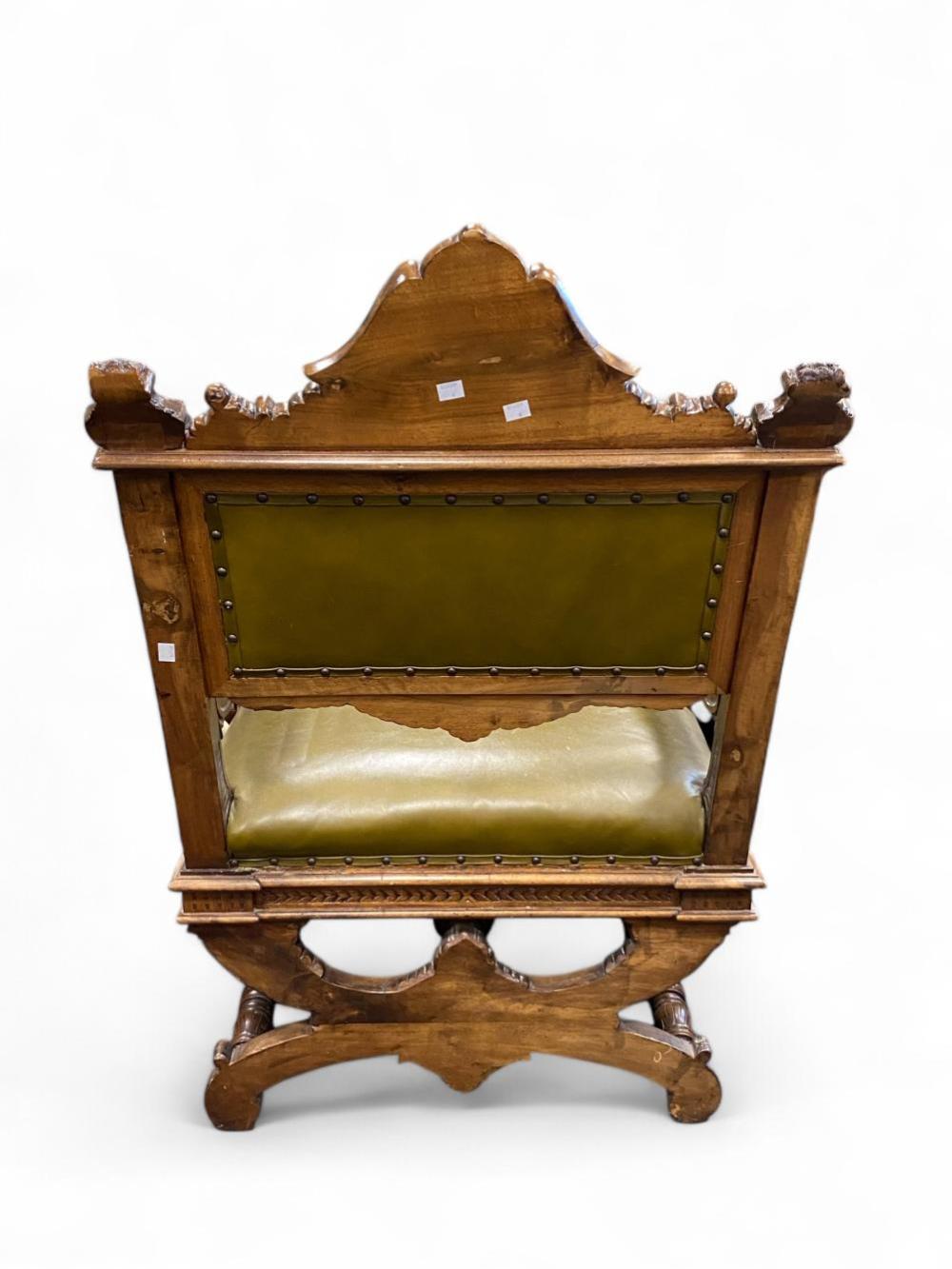 |
A Victorian Renaissance Revival carved walnut throne chair, | Cheffins | 2025-03-27 | 593 | GBP 200 |
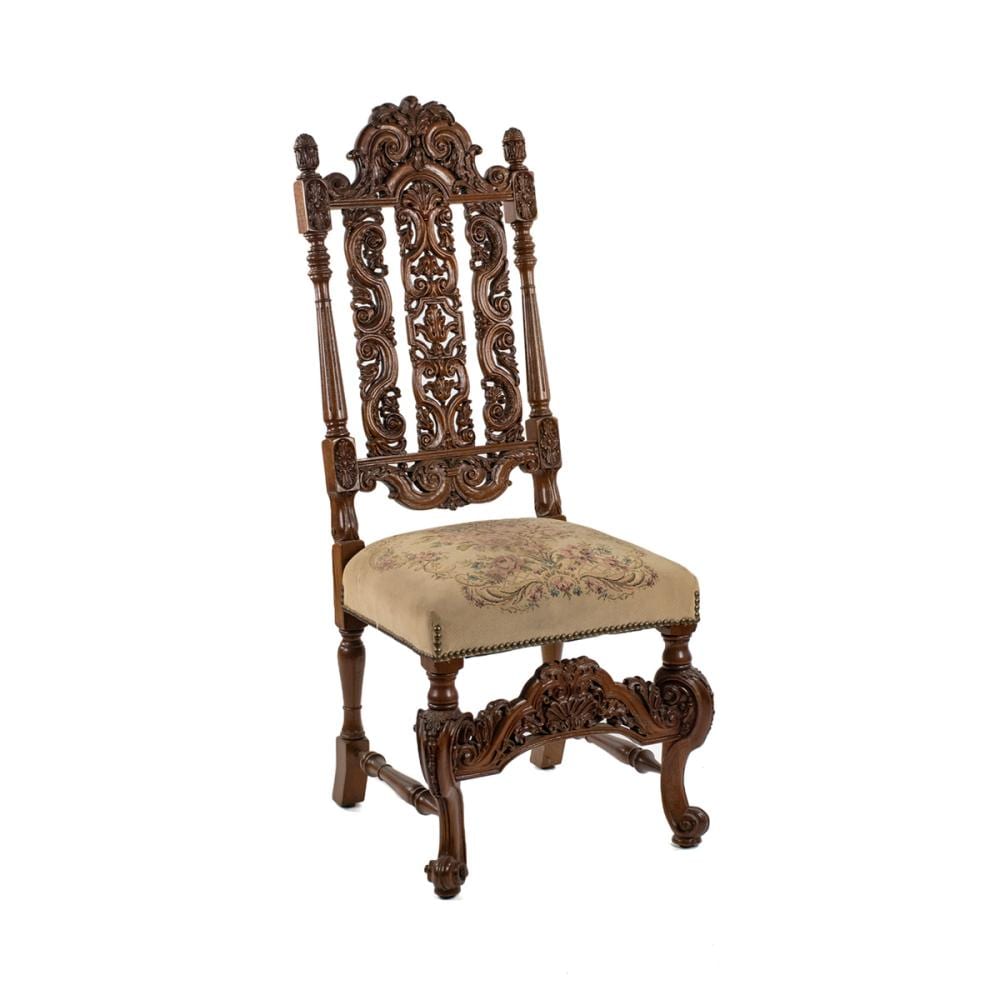 |
Renaissance Revival Chair with Needlepoint Seat | Atlanta Auction Gallery, ltd | 2021-05-22 | 242D | USD 70 |
How these auction records were verified
These sales are market context, not an object estimate.
Each row is tied to its lot identity, retrieval time, access result, and immutable record hash. Live source access was blocked; the exact record matched Appraisily's immutable pipeline provenance. Inspect the public comparable provenance record.
Free photo check
Not sure if your item is worth appraising? Let us take a look.
Upload a photo, tell us what you know, and get a free photo check. If a full appraisal makes sense, we will say so.
Free. No card needed. Takes about two minutes.
FAQ
Q: How can I quickly distinguish English from American Renaissance Revival chairs? A: English examples often use English walnut, display controlled classicism with architectural panels, and have French-polished finishes. American pieces more commonly use black walnut or rosewood, feature incised gilding, grander crestings, and can have heavier silhouettes. Construction details (screws, webbing) and provenance also help.
Q: Are ebonized and gilt details original on these chairs? A: Sometimes. Parcel gilding on carved highlights and selective ebonization do appear, especially in the 1870s. However, uniform black finishes or heavy modern gilding are often later alterations. Look for age-consistent wear in crevices and oxidized bole under old gilding.
Q: Should I reupholster a worn seat? A: Only if necessary for stability and use. If you must, document the process and retain all original materials. Conservation-grade repairs that preserve original needlework or leather are preferable to full replacements, especially for appraisal value.
Q: Do maker’s marks significantly increase value? A: Yes. Labels or stamps from major firms (Gillows, Holland & Sons, Jackson & Graham, Lamb) can raise value considerably, provided the chair’s quality matches the attribution. Even retailer labels anchor provenance and boost confidence.
Q: What is the biggest condition issue to watch for? A: Damaged or replaced crestings. These are vulnerable to knocks, central to the chair’s appearance, and expensive to restore properly. Inspect the crest joint and carving continuity closely, and compare toolwork side-to-side for consistency.
By reading the ornament fluently, corroborating with construction, and weighing condition against originality, you can place a Victorian English Renaissance Revival chair accurately and fairly in today’s market.