Mid-century still life painting: appraisal and value basics
Mid-century still life painting research should start with identification, condition, provenance, and recent comparable sales. Use this guide to compare the signals that matter before paying for a formal appraisal or deciding whether to sell.
A Still Life Painting From Circa Mid 20th Century
Mid-20th-century still lifes bridge classic domestic subjects with modernist design, materials innovation, and post-war market dynamics. Whether you’re evaluating a floral canvas from the 1940s, a cubist-leaning bottle-and-fruit arrangement from the 1950s, or a matte casein panel from the early 1960s, knowing how to decode materials, construction, style, and provenance will sharpen your appraisal and help avoid costly mistakes.
What “Mid-20th Century” Still Life Typically Looks Like
- Composition and design
- Tight tabletop groupings of fruit, bottles, vases, jugs, flowers, books, pipes, loaves, fish, or ceramics.
- Strong geometry and simplified forms influenced by Cubism and Purism; flattened spatial cues, crucial diagonals, or overlapping planes.
- Post-war modernist sensibility: reduced palettes, structured brushwork, assertive outlines; or, conversely, expressive impasto influenced by School of Paris.
- Regional flavors
- United States: American Scene and Regionalist echoes early on; by the 1950s, modernist still lifes with brighter industrial pigments and bolder knife work.
- Britain and Northern Europe: kitchen-table realism, subdued palettes, and textured grounds; Scandinavian restraint or Danish modern aesthetics.
- France and Spain: lingering Cézannist construction, Maillolesque forms, or bodegón revival with stark objects and dramatic light.
- Latin America: modernist vocabulary with rhythmic patterning and saturated color fields.
- Palette clues
- Titanium white largely replacing lead white, especially post-1930s; zinc white sometimes present (beware zinc-induced cracking in oils).
- 20th-century pigments: cadmium reds/yellows, phthalocyanine blue/green (common from late 1930s onward), Hansa/arylide yellows, and synthetic organic reds.
- Matte casein or tempera look: velvety, absorbent surfaces that appear “dry” compared to oil sheen.
Style alone rarely guarantees date or authorship, but it orients your expectations for materials and market tier.
Dating Through Materials and Construction
Examination of the support, ground, and paint is your most reliable dating tool for mid-century works.
- Supports
- Canvas: Plain-weave linen or cotton. Post-1940s, staples begin to replace tacks; by the 1950s–60s, staples on the stretcher sides are common.
- Hardboard (Masonite): Widely used from the 1920s; look for “Masonite” trademarks or fiberboard textures on the reverse. Beware support-induced discoloration (SID) where acidic boards darken adjacent paint.
- Plywood/panel: Multi-ply edges visible; often used for small still lifes; look for warping or veneer splits as a condition clue.
- Paper/board: Gouache, watercolor, and casein on rag or illustration board are frequent mid-century choices.
- Ground and priming
- Oil-primed canvases throughout period; “acrylic gesso” (acrylic polymer grounds) appears in late 1950s onward.
- Commercially primed canvases may bear edge stamps (e.g., “Fredrix”) on tacking margins.
- Stretcher and hardware
- Keyable wooden stretchers with mitred corners remain standard. Machine-milled, uniform stretchers are typical of 20th century.
- Triangular or wedge keys in the corners; clean, uniform staples suggest post-war era.
- Labels or pencil inscriptions on stretcher bars from framers or artists can date to a city and period.
- Paint and binders
- Oil remains dominant; expect damar varnish on many oils, which yellows with time and fluoresces under UV.
- Casein tempera and gouache: popular for a matte, fast-drying finish in the 1940s–50s.
- Early acrylics: Magna (solvent-borne acrylic, late 1940s) and waterborne acrylics (Liquitex from mid-1950s). Acrylic layers tend not to yellow like oils; surfaces may appear plasticky or uniformly matte/satin.
- Fast chronology anchors
- Phthalocyanine blues/greens: common after late 1930s; their presence fits mid-century.
- Titanium white is prevalent; absence doesn’t exclude mid-century, but consistent lead-only use in a modernist work can be a red flag unless purposefully chosen.
- Staples on the back of the stretcher are more characteristic of later 20th-century professional practices; side stapling is common mid-century.
- Printed labels with ZIP codes (USA) are 1963 or later; 2-letter telephone exchanges (e.g., “MUrray Hill”) suggest mid-century pre-1960s.
No single feature proves a date. Build a cumulative case: support + ground + hardware + surface + labeling.
Signatures, Labels, and Provenance Clues
- Signatures and inscriptions
- Typical placement: lower right, sometimes lower left. Monograms are not unusual. Date with a slash (e.g., 54/5) appears occasionally in European works.
- Look for consistency: signature paint, age cracks, surface dirt, and fluorescence should match the rest of the painting. A floating, unnaturally clean signature is suspect.
- Reverse inscriptions: titles, studio addresses, price codes, or exhibition numbers. Compare handwriting styles across claimed works.
- Gallery, framer, and exhibition labels
- Framers’ decals on the back of frames or stretchers can localize the painting to a city and time. Typeface and phone number formats help date labels.
- Exhibition tags from local art societies, universities, or regional museums are valuable; pencil inventory numbers often correspond to checklists.
- Artist’s materials and supplier marks
- Stamps from canvas makers (e.g., Fredrix), hardboard trademarks (Masonite), or art shop labels are not proof of authorship but align with period.
- Provenance paperwork
- Bills of sale, correspondence, or estate inventories. Chronological gaps are common but try to anchor at least two dated waypoints between creation and present.
- Photographs of the work in situ (homes, exhibitions) can verify early presence and condition.
Provenance supports authenticity and value; be wary of elaborate but undated narratives. Paper trails should contain period-consistent details (addresses without ZIPs pre-1963, pre-Euro currencies, etc.).
Condition Patterns and Conservation Considerations
Mid-century materials age in distinct ways. Condition impacts both authenticity assessment and valuation.
- Typical issues in oils
- Yellowed varnish (damar) causing color cast; UV inspection often shows greenish fluorescence.
- Craquelure varieties: age crackle, stretcher bar mark cracking, and, where zinc white is heavy, cleavage or delamination.
- Surface grime and nicotine haze common in domestic works.
- Hardboard and panel problems
- Corner losses, swelling from moisture, planar warping. Acidic hardboard can cause SID or embrittlement of ground layers.
- Casein/tempera and gouache
- Powdering or flaking in matte passages; water sensitivity is high—never wet clean.
- Framing-related issues
- Staining burns from acidic mats/backs; frame abrasion along edges; slack canvases from lost keys.
Conservation choices influence value:
- Varnish removal and revarnish can improve legibility and appeal if done professionally; amateur cleaning risks irreversible abrasion.
- Structural repairs (relining, panel reinforcement) should be minimal and documented.
- Avoid attaching dust covers or backings with tape directly to paint layers; use archival barriers.
Store in stable environments: moderate temperature and humidity, no attics/basements, and minimal direct light. For matte paints, glazing with UV-filtering glass or acrylic is advisable to limit dust and handling risks.
Market Context and Comparable Selection
Mid-century still lifes span a broad price spectrum depending on artist, medium, size, subject, and condition.
- Artist tier
- Top-tier modernists: high five figures to six or seven figures.
- Listed regional or school-affiliated artists: low four to mid five figures.
- Competent but unlisted artists: mid-hundreds to low thousands, often driven by decorative appeal.
- Subject preferences
- Lively florals and structured bottle-and-fruit compositions tend to outperform dead game or fish in many markets, though exceptions exist.
- Size and medium
- Oils on canvas generally outprice works on paper. Larger, resolved compositions usually command premiums, condition being equal.
- Condition and freshness
- Clean surfaces with minimal losses and stable paint films sell better. Newly cleaned works often achieve stronger prices, but overcleaning can depress value.
- Provenance and exhibition history
- Named galleries, museum shows, and early publication references add confidence and price leverage.
Selecting comparables:
- Match artist (or closely related circle/school), medium, size, date bracket, and subject type.
- Adjust for condition differences (e.g., a 20% downward adjustment for evident overpaint or significant repairs is common).
- Consider venue: private sales may be higher or lower than auction depending on location and period; regional markets can diverge from international ones.
Authentication Workflow for Enthusiasts
A structured method reduces bias and error.
- Macro overview
- Record dimensions, support, and medium based on direct observation. Note composition type and stylistic influences.
- Construction check
- Examine stretcher, tacking margins, ground color, and support edges. Photograph stamps, labels, and hardware.
- Surface and layer assessment
- Under raking light, map craquelure, impasto, and any planar deformations. Note varnish presence and gloss differences.
- Basic technical tests (non-invasive)
- UV light: identify overpaint, retouches, and varnish fluorescence patterns. Uniform, modern retouch often fluoresces dark.
- Magnification: evaluate brush versus printed dot patterns; look for pigment particles and natural aging to signature paint.
- Pigment and binder indicators
- If accessible, XRF screening can detect titanium, zinc, barium sulfate, or cadmium, aligning with anticipated mid-century materials. Presence of anachronistic pigments may be a red flag for earlier claims.
- Paper trail synthesis
- Cross-check labels, inscriptions, and dates with period formats (phone exchanges, currencies, typography). Align with the artist’s known studio addresses and exhibition venues, if attribution is suspected.
- Comparative analysis
- Assemble 5–10 close comparables by artist/school, date, size, and subject. Normalize for condition and venue to build a valuation range.
- Independent opinion
- For higher-value candidates, seek a conservator’s report and, where applicable, a catalogue raisonné committee opinion or estate foundation view.
Red flags:
- Suspiciously pristine signature over dirty, aged varnish; signatures that bleed into cracks differently than the surrounding paint.
- Uniform spray varnish trapping recent dust across both paint and label surfaces without age stratification.
- Non-period supports or labels with anachronisms (e.g., ZIP codes on labels claimed to be 1950s).
- Overly glossy, thick synthetic resin varnish on a painting that otherwise reads as early 1940s casein without later interventions.
Practical Checklist
- Identify support: canvas, hardboard, panel, or paper; note any maker’s stamps.
- Inspect stretcher/hardware: tacks vs staples, keyable corners, labels or inscriptions.
- Determine medium: oil, casein/tempera, gouache, or early acrylic; observe surface gloss and texture.
- Look for pigments/binders that align with mid-century (titanium white, phthalo blue/green).
- Map condition: varnish yellowing, craquelure types, overpaint, SID on hardboard.
- Document provenance: labels, receipts, exhibition tags; check for period-consistent details.
- Build 5–10 comparables matched by artist/school, medium, date, size, and subject.
- Assign value adjustments for condition, restoration, and provenance strength.
- If warranted, commission a conservator exam and basic technical analysis (UV, XRF).
- Record findings with photographs and keep a secure file for future reference.
What similar items actually sold for
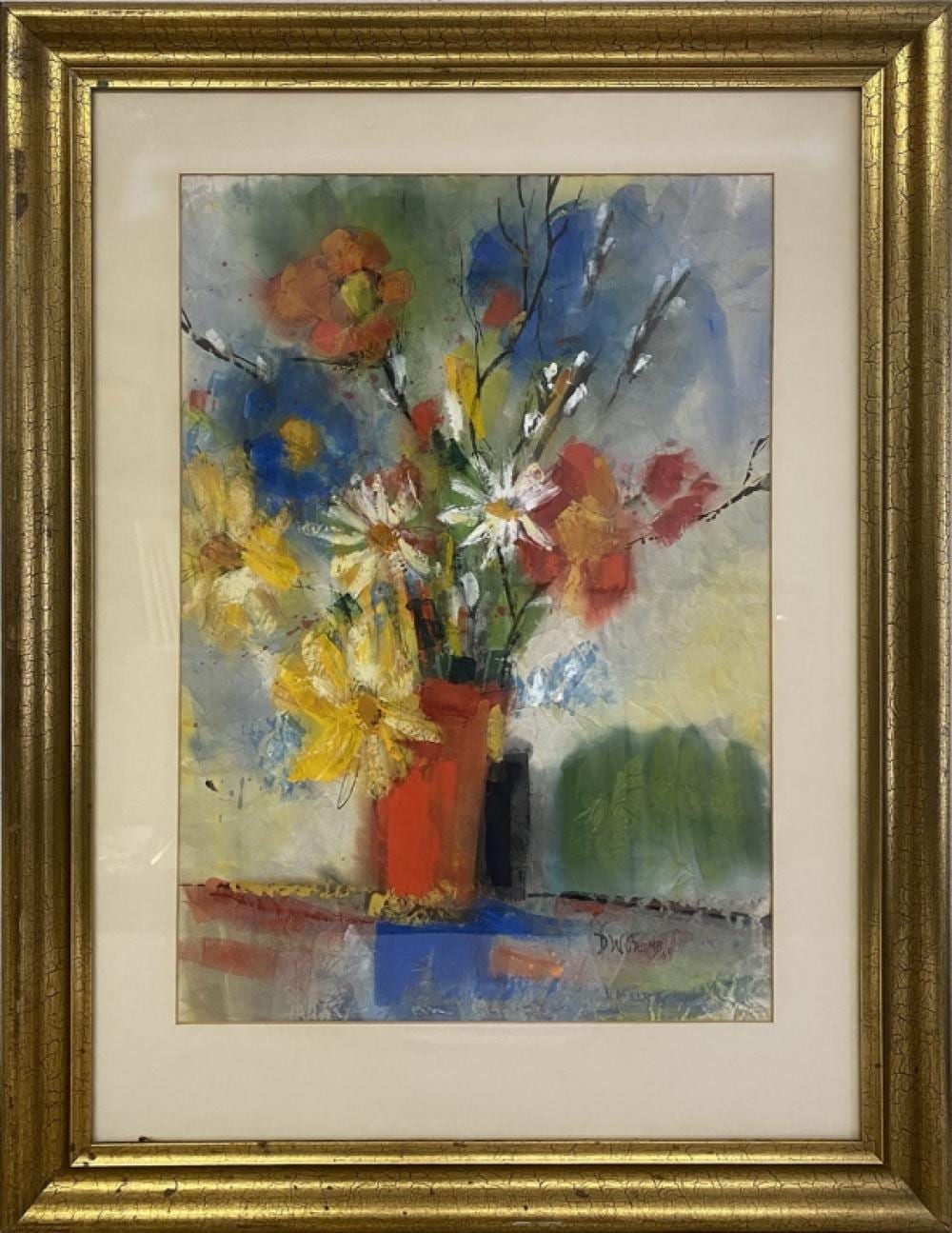
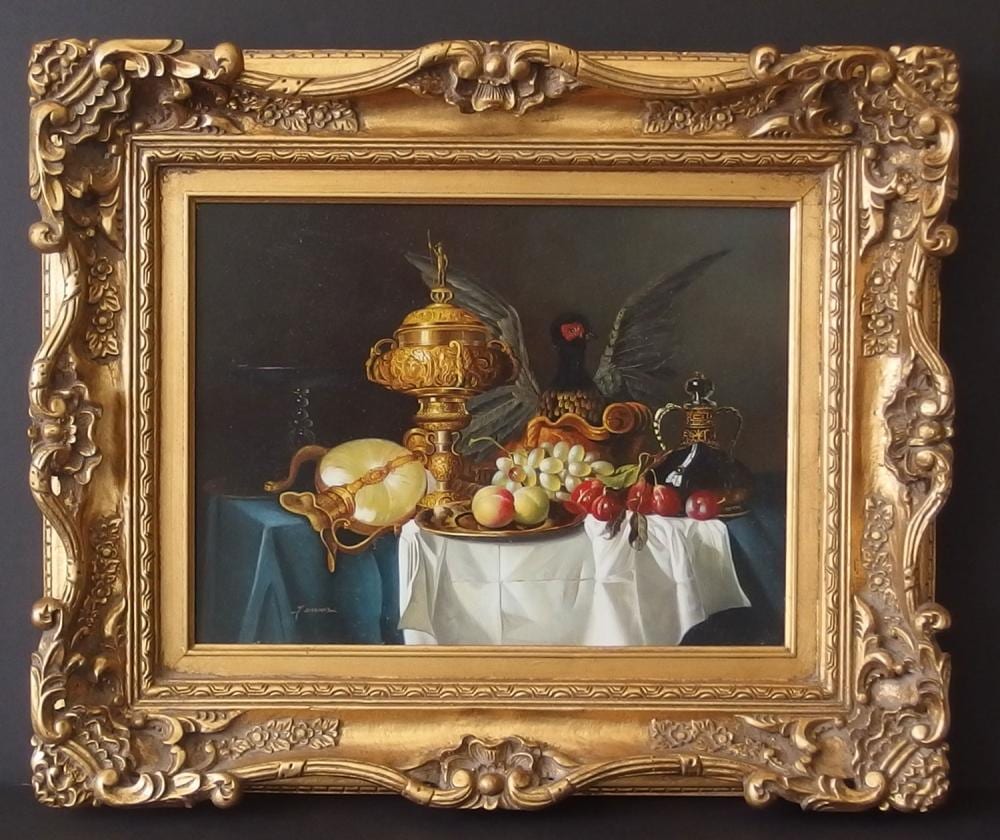
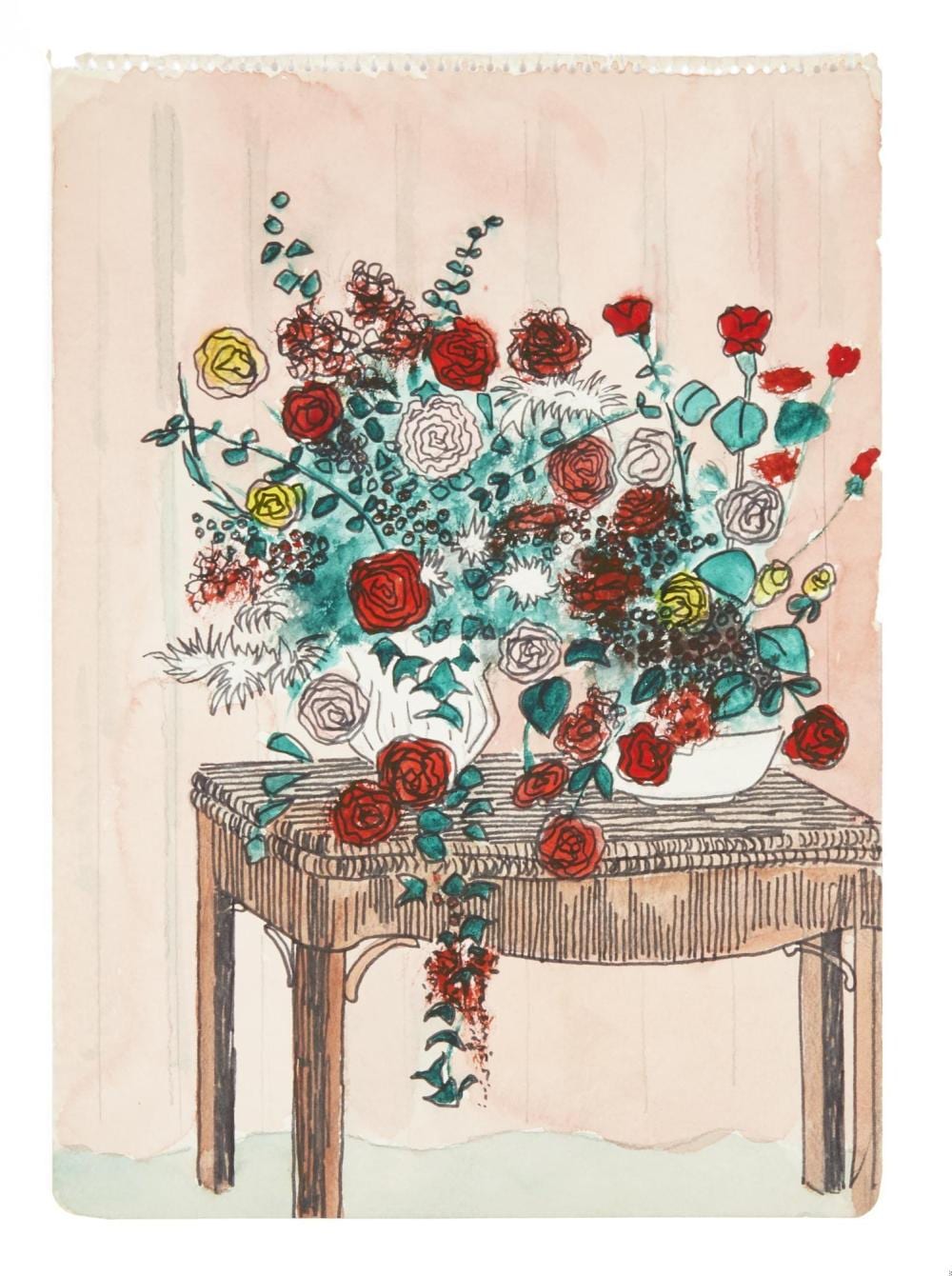
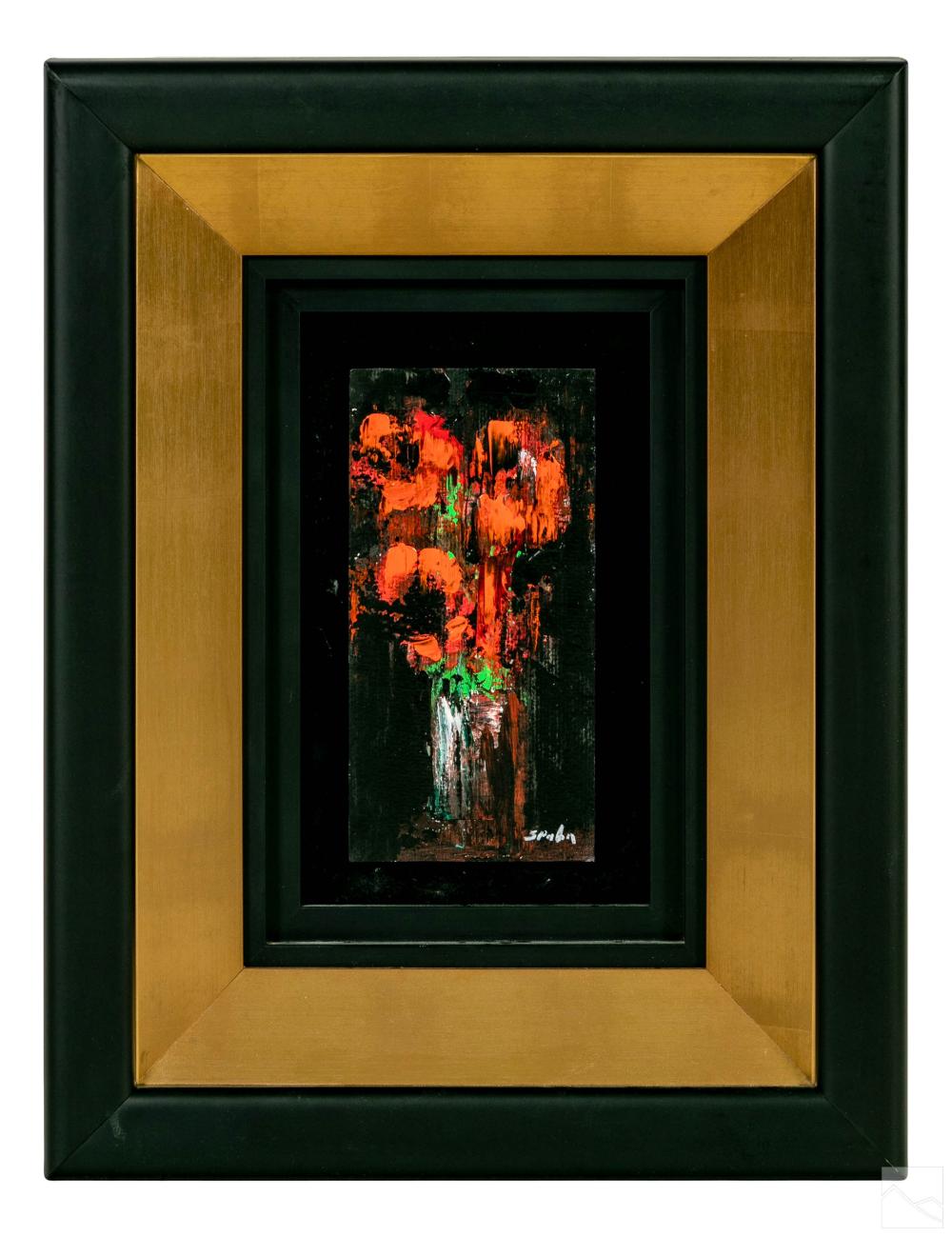
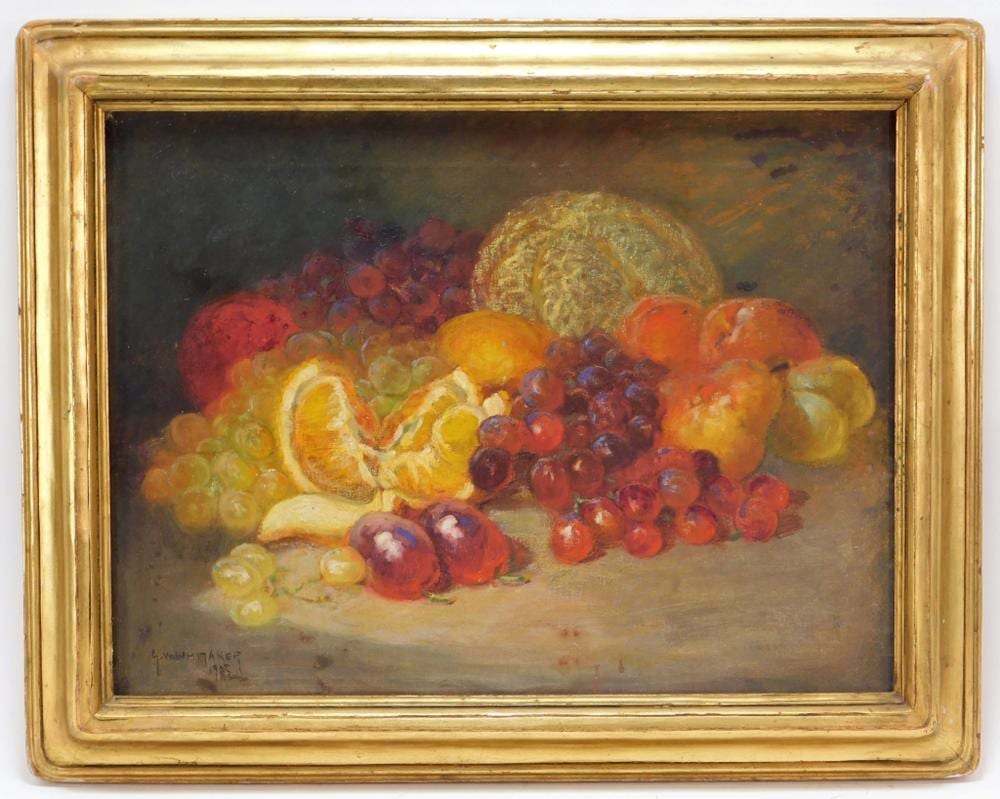
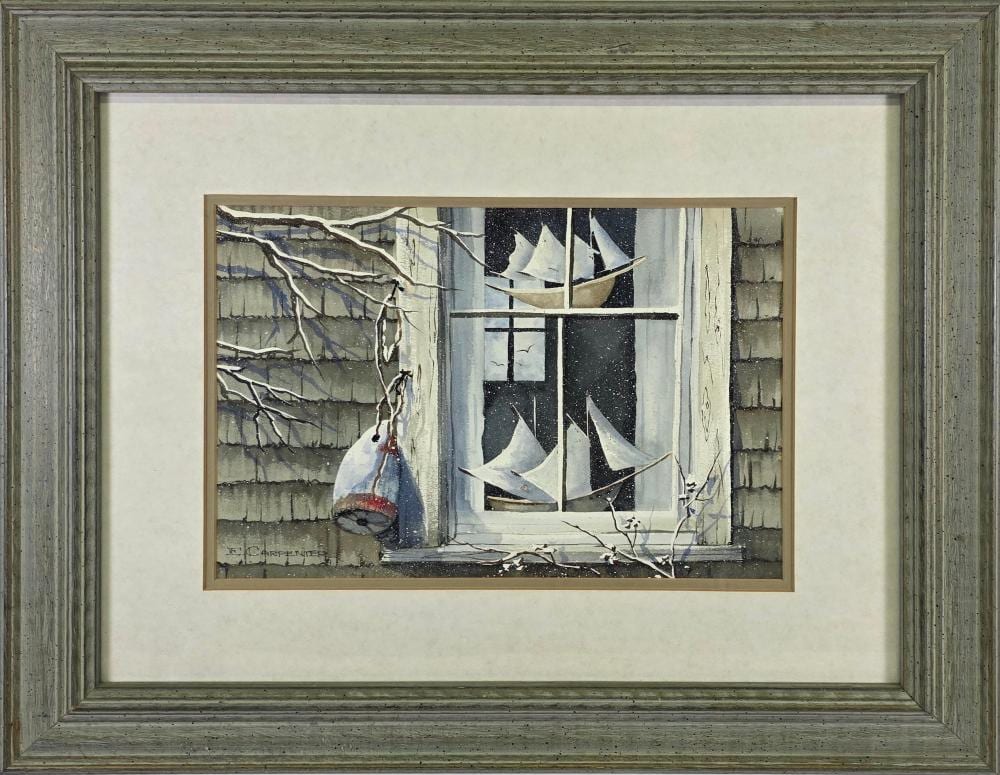
Real auction sales of items like your still life painting. Open a sale to see the original listing.
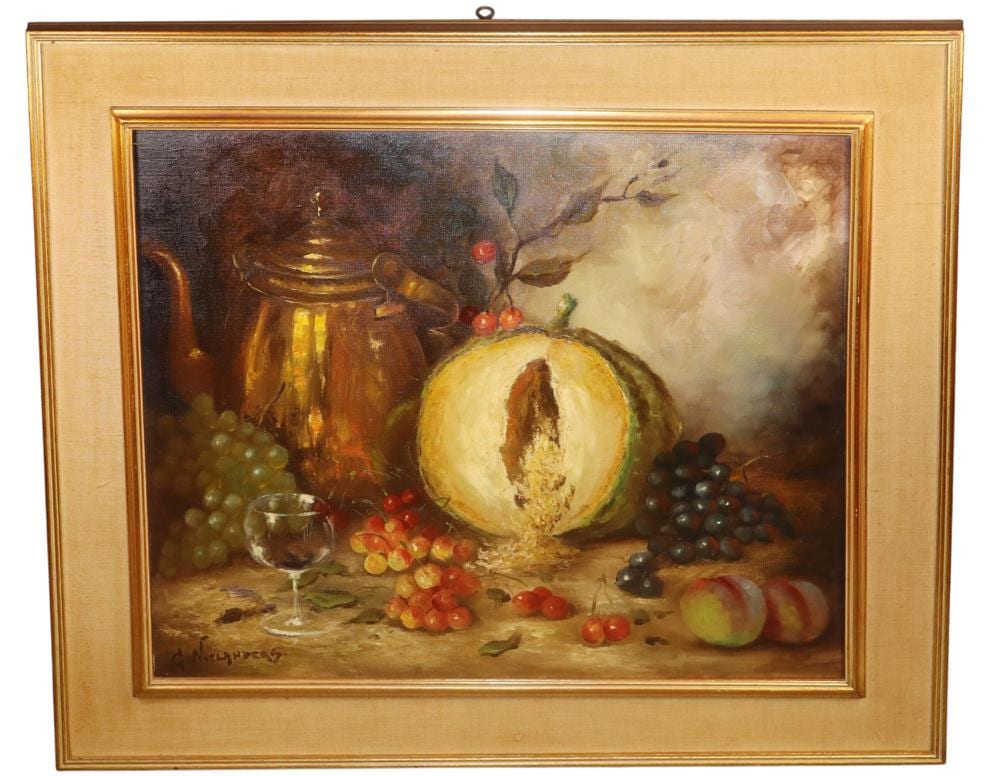
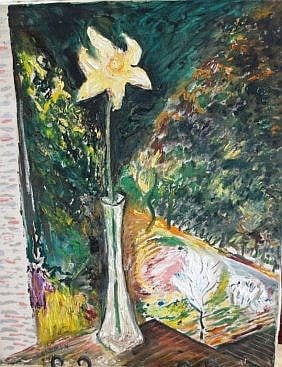
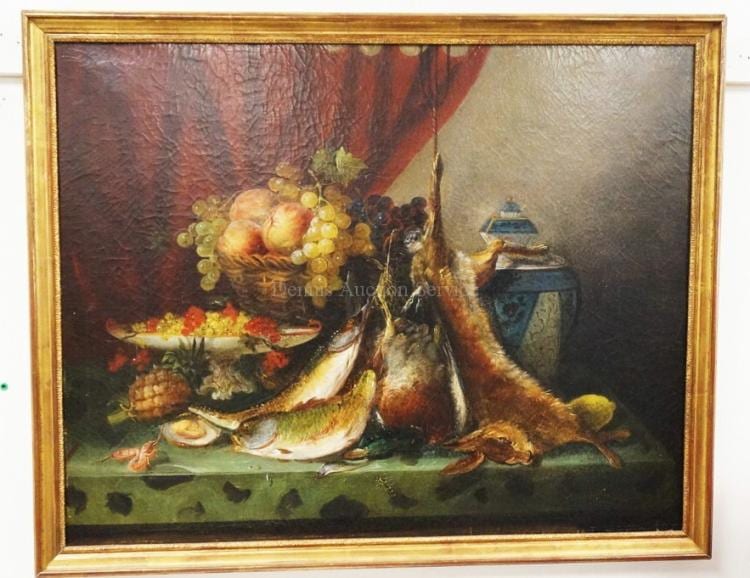
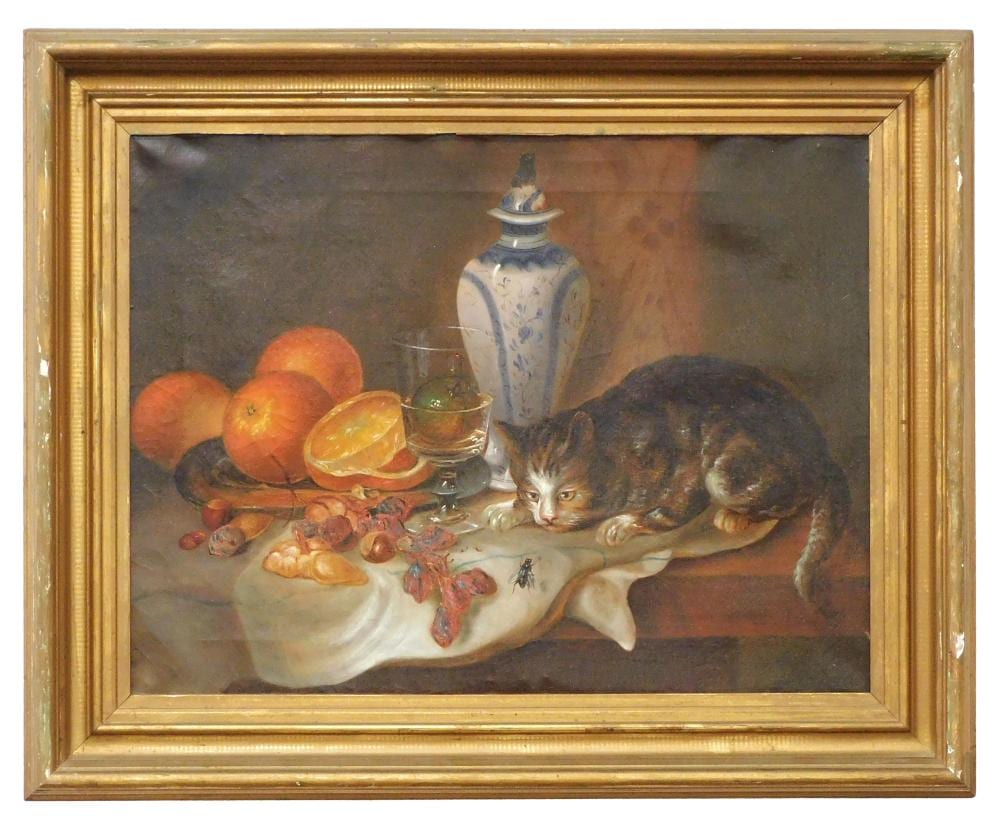
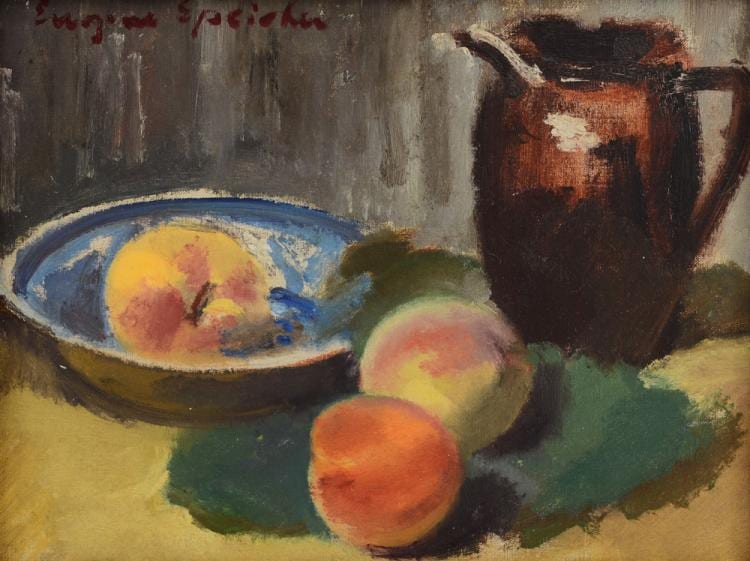
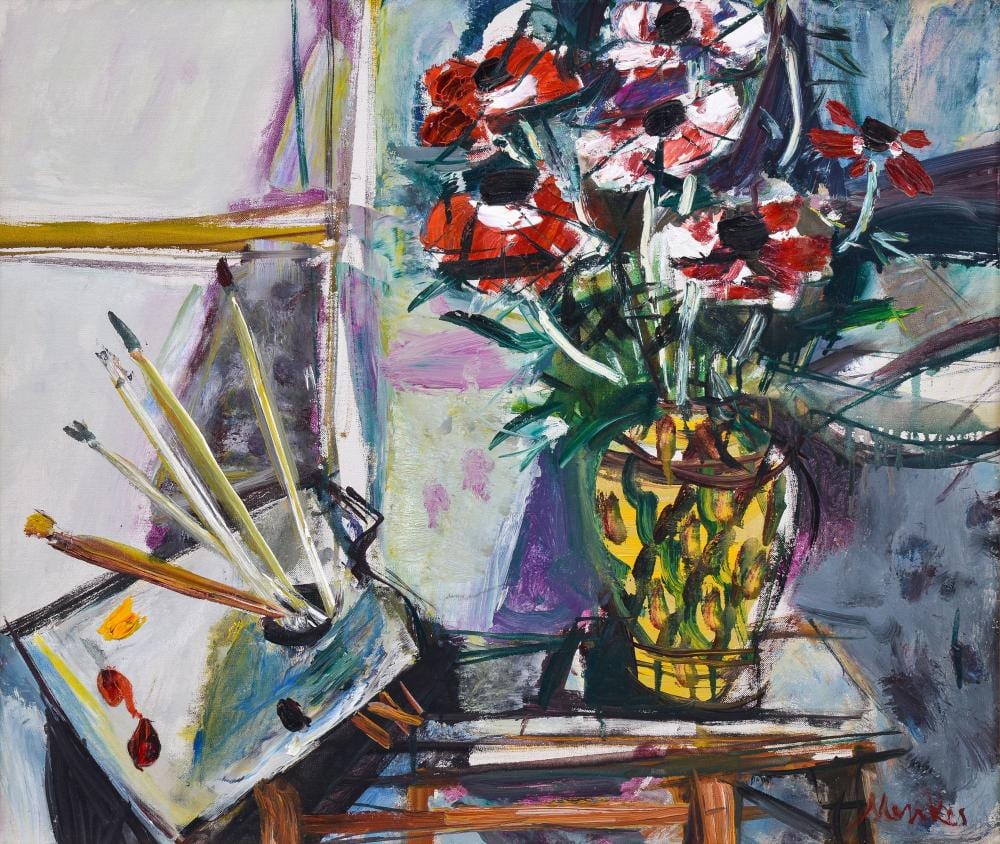
Shown USD range: USD 25-USD 4,500. Median of these 12 USD examples: USD 375.
How these auction records were verified
These sales are market context, not an object estimate.
Each row is tied to its lot identity, retrieval time, access result, and immutable record hash. Live source access was blocked; the exact record matched Appraisily's immutable pipeline provenance. Inspect the public comparable provenance record.
Free photo check
Not sure if your painting is worth appraising? Let us take a look.
Upload a photo, tell us what you know, and get a free photo check. If a full appraisal makes sense, we will say so.
Free. No card needed. Takes about two minutes.
FAQ
Q: How can I tell oil from acrylic on a mid-century still life? A: Oils often show a varied gloss with possible yellowed natural resin varnish; under UV they may fluoresce. Acrylics tend to have uniform matte/satin surfaces, minimal yellowing, and different solvent response. A conservator can confirm via spot solubility tests and microscopy.
Q: My painting is unsigned. Can it still be attributed? A: Possibly. Combine materials dating, stylistic analysis, historical labels, and provenance documents. Strong comparative matches in composition, palette, and construction—supported by period exhibitions or dealer labels—can justify attributions to a school or even an artist’s circle.
Q: Should I clean a yellowed varnish myself? A: No. Natural resin varnish removal requires controlled solvents and testing. DIY cleaning risks paint loss or abrasion, especially on matte casein or sensitive underbound passages.
Q: Does the frame add value? A: Quality period frames, especially mid-century modern or hand-carved examples with original framer labels, can add both value and context. However, damaged or ill-fitting frames can detract. Retain original labels and hardware whenever possible.
Q: Are early acrylics collectible compared to oils? A: Yes. Early acrylics, including solvent-borne Magna and waterborne formulations from the 1950s–60s, are historically important. Market value still prioritizes artist and quality over medium, but documented early acrylic works by notable artists are sought after.
A balanced appraisal of a mid-20th-century still life integrates material evidence, stylistic reading, provenance, and market context. By rigorously documenting each factor and recognizing common period-specific patterns, you can date, authenticate, conserve, and value these works with greater confidence.