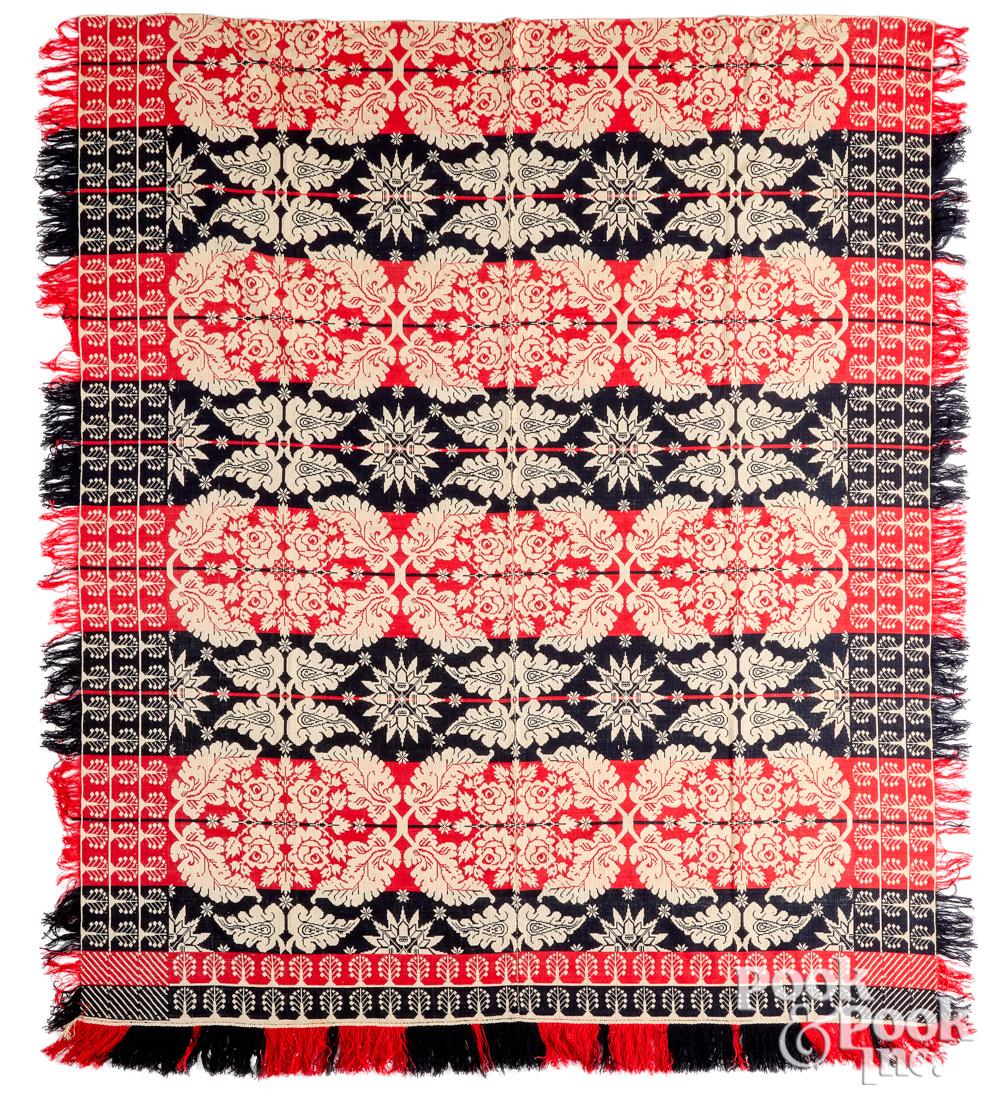
19th-Century Signed Jacquard Coverlet: appraisal and value basics
19th-Century Signed Jacquard Coverlet research should start with identification, condition, provenance, and recent comparable sales. Use this guide to compare the signals that matter before paying for a formal appraisal or deciding whether to sell.
19th-Century Signed Jacquard Coverlet
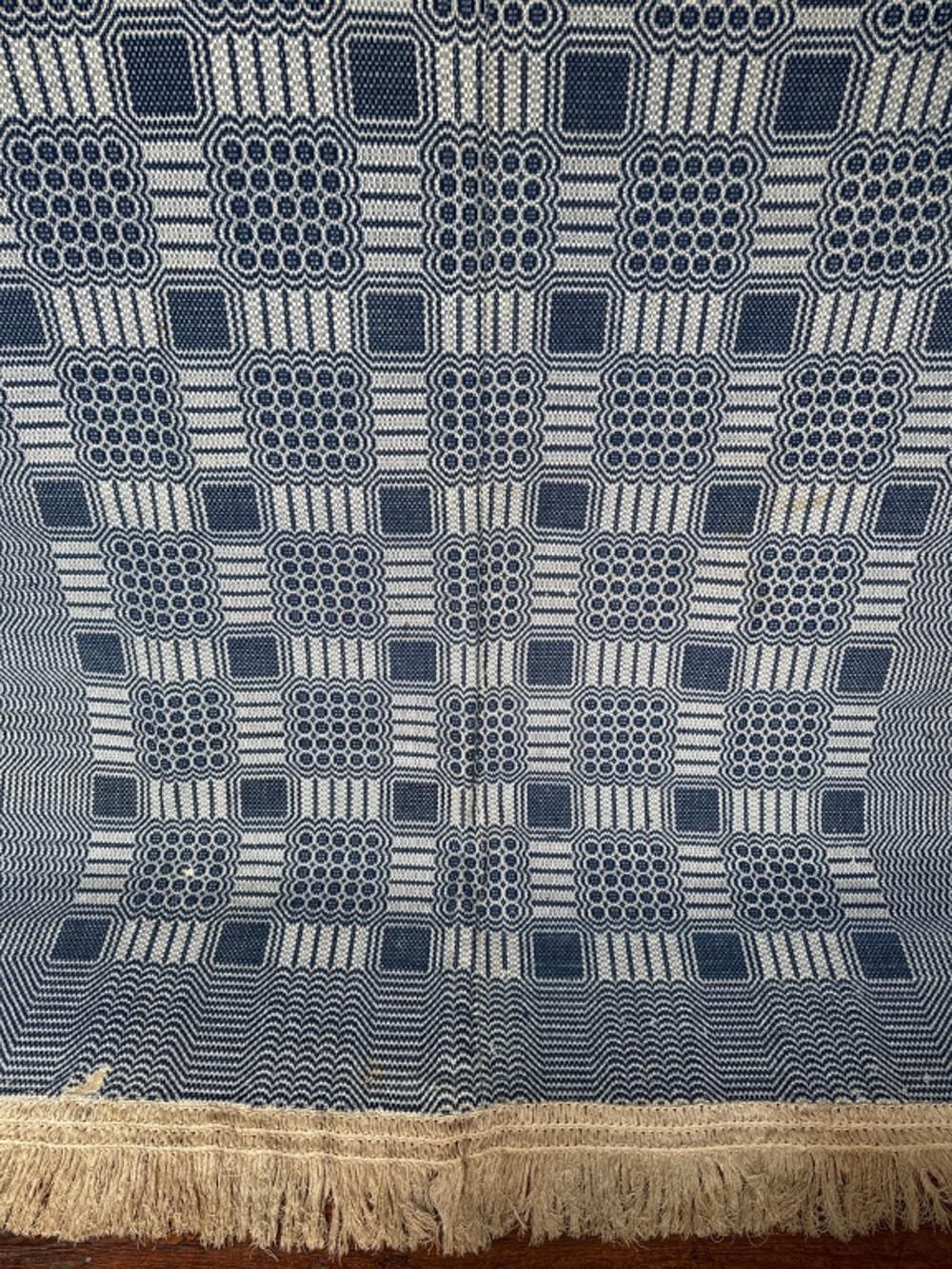
Antique Jacquard coverlets are among the most compelling American textiles: visually intricate, deeply regional, and often signed and dated by the weaver. For collectors and appraisers, a signed 19th-century example offers a rare combination of artistry and documentation. This guide explains what to look for, how to authenticate and evaluate condition, and the key factors that drive market value.
What Is a 19th-Century Jacquard Coverlet?
A Jacquard coverlet is a bedcover woven on a loom fitted with a Jacquard mechanism—an early 19th-century innovation that uses punched cards to control warp threads and produce complex figured patterns. “Jacquard” describes the patterning method, not a factory process; these were typically woven by professional handweavers who operated floor looms, often as cottage industry or small-shop enterprises.
Key characteristics:
- Era: Predominantly c. 1825–1860 in the United States (with regional peaks around the 1830s–1850s).
- Use: Bedcover or decorative throw; often made as wedding or household presentation pieces.
- Construction: Usually two loom-width panels seamed up the center to form a full bed size, with fringe at the bottom and sometimes sides.
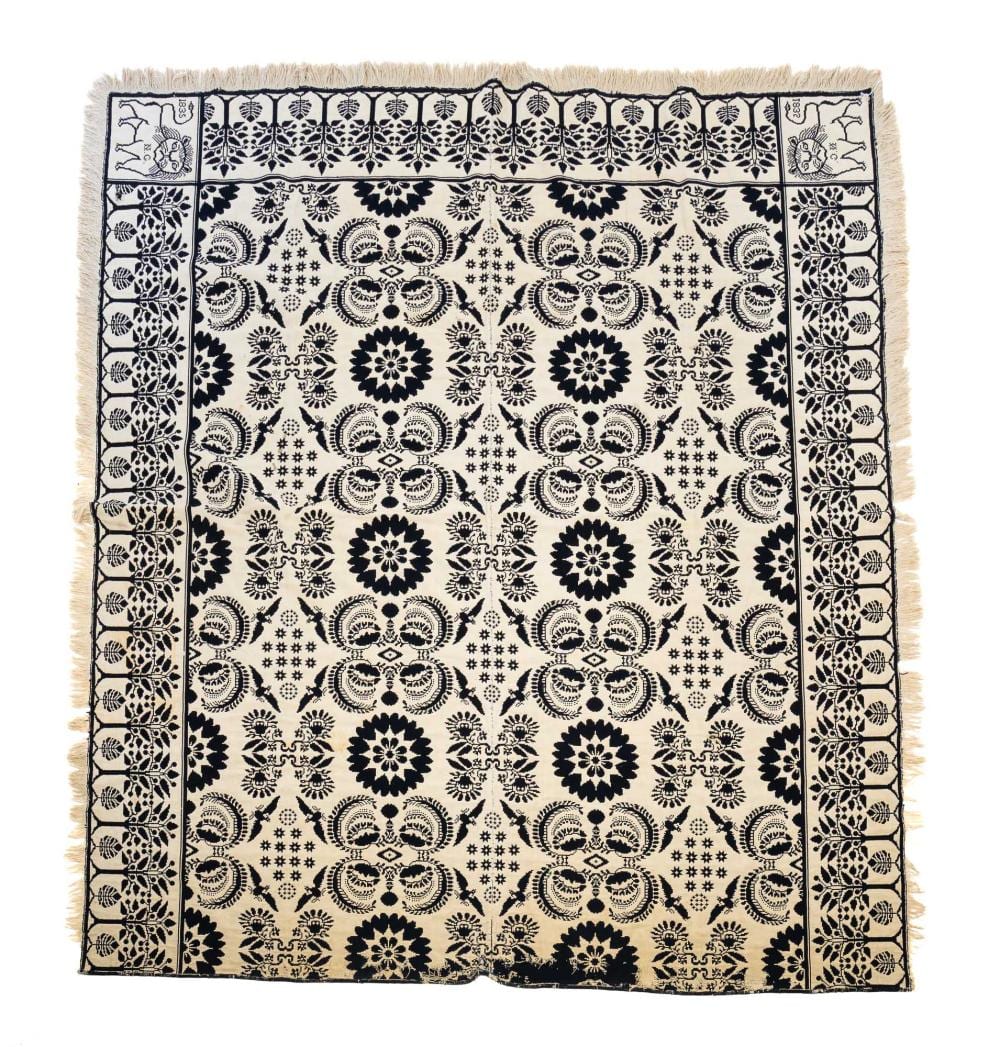
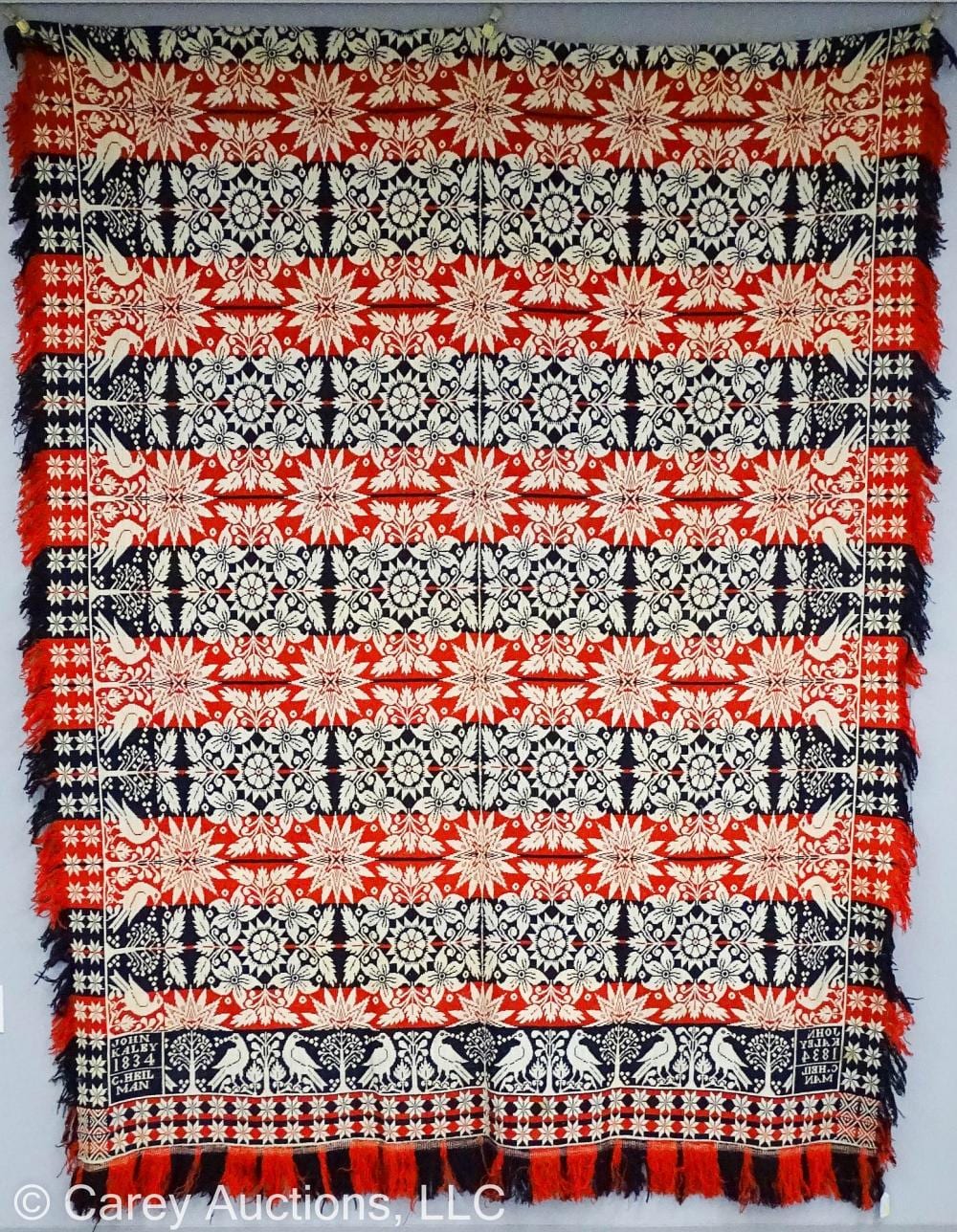
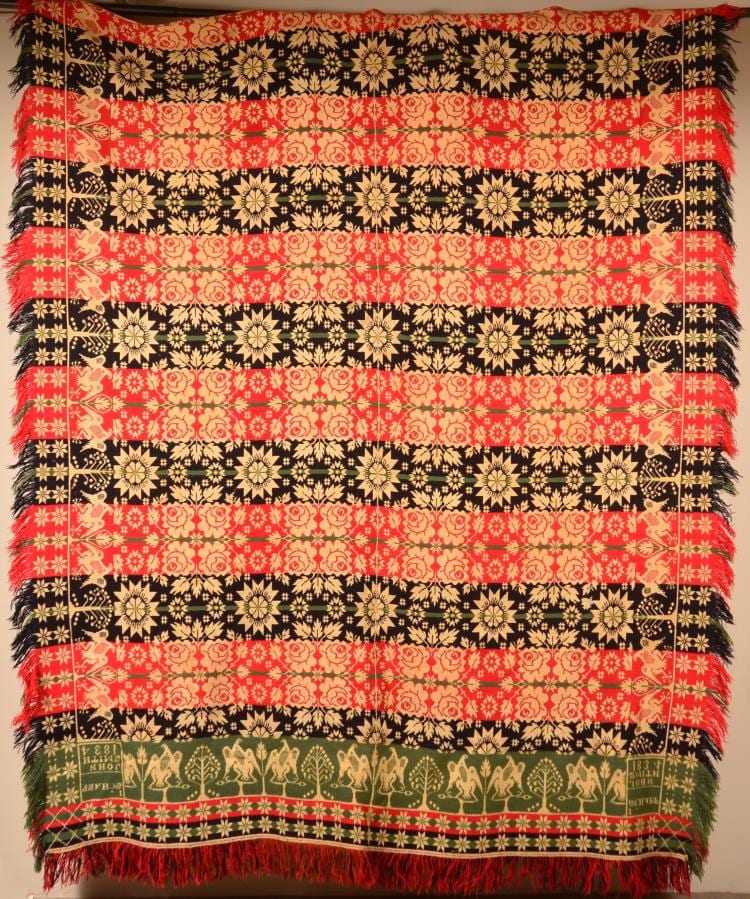
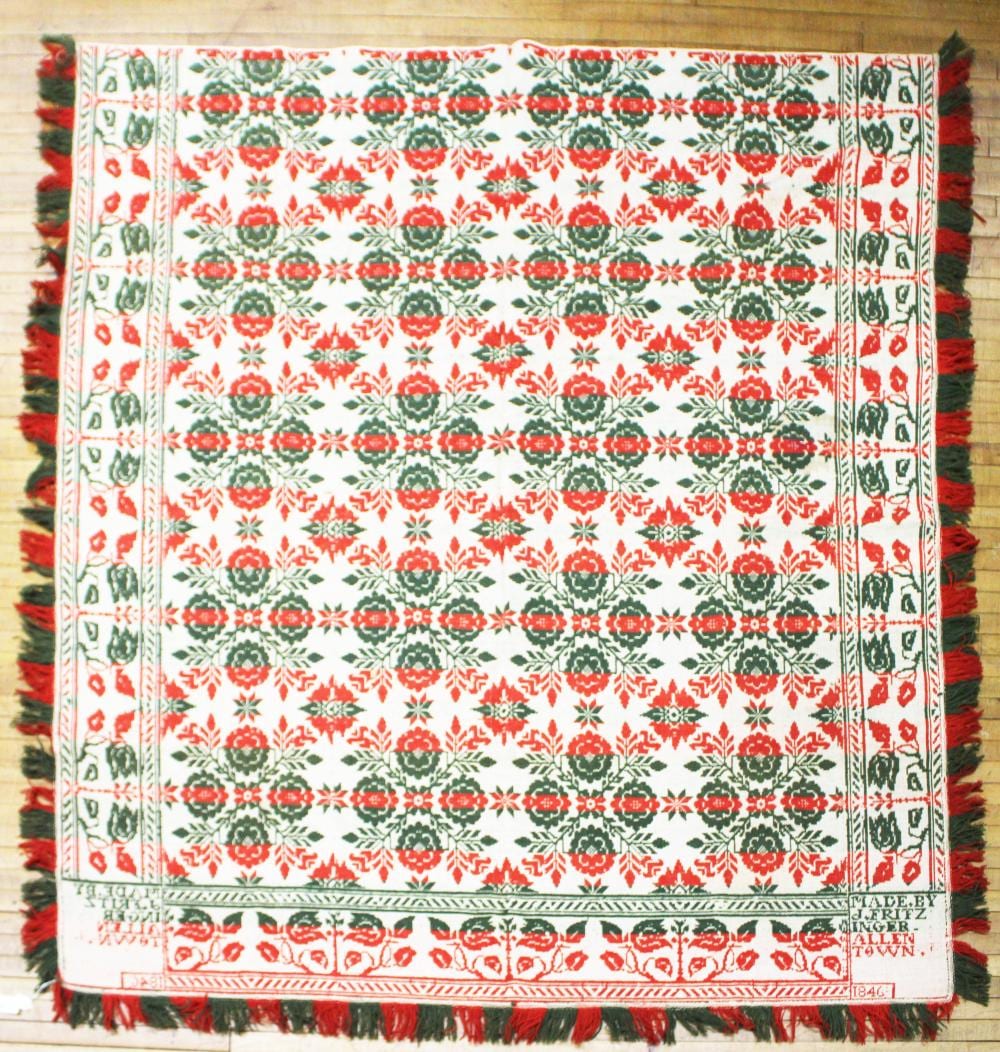
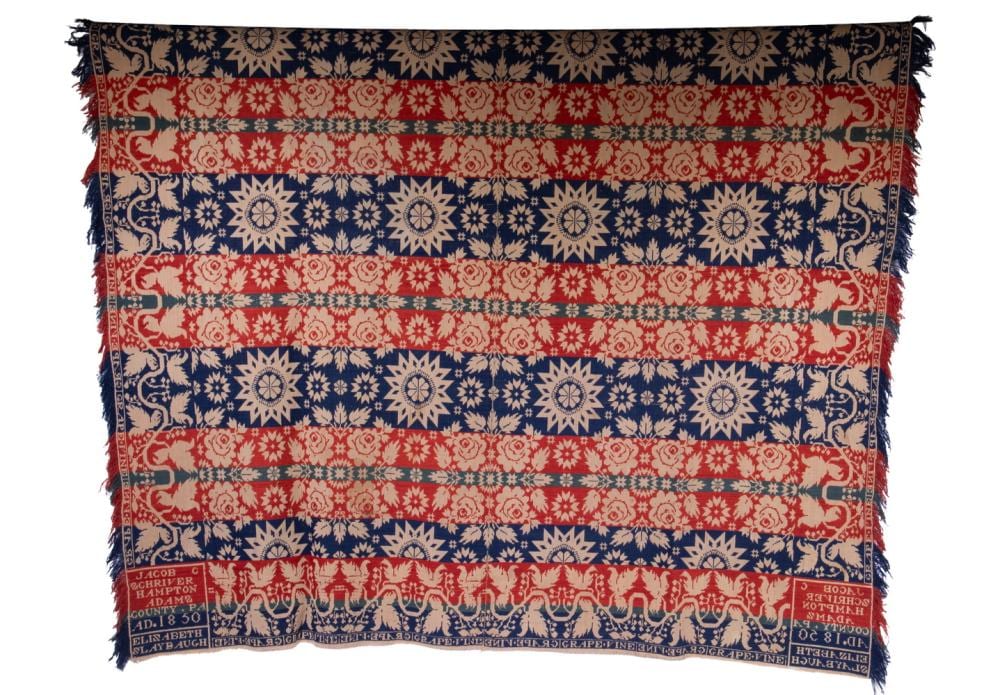
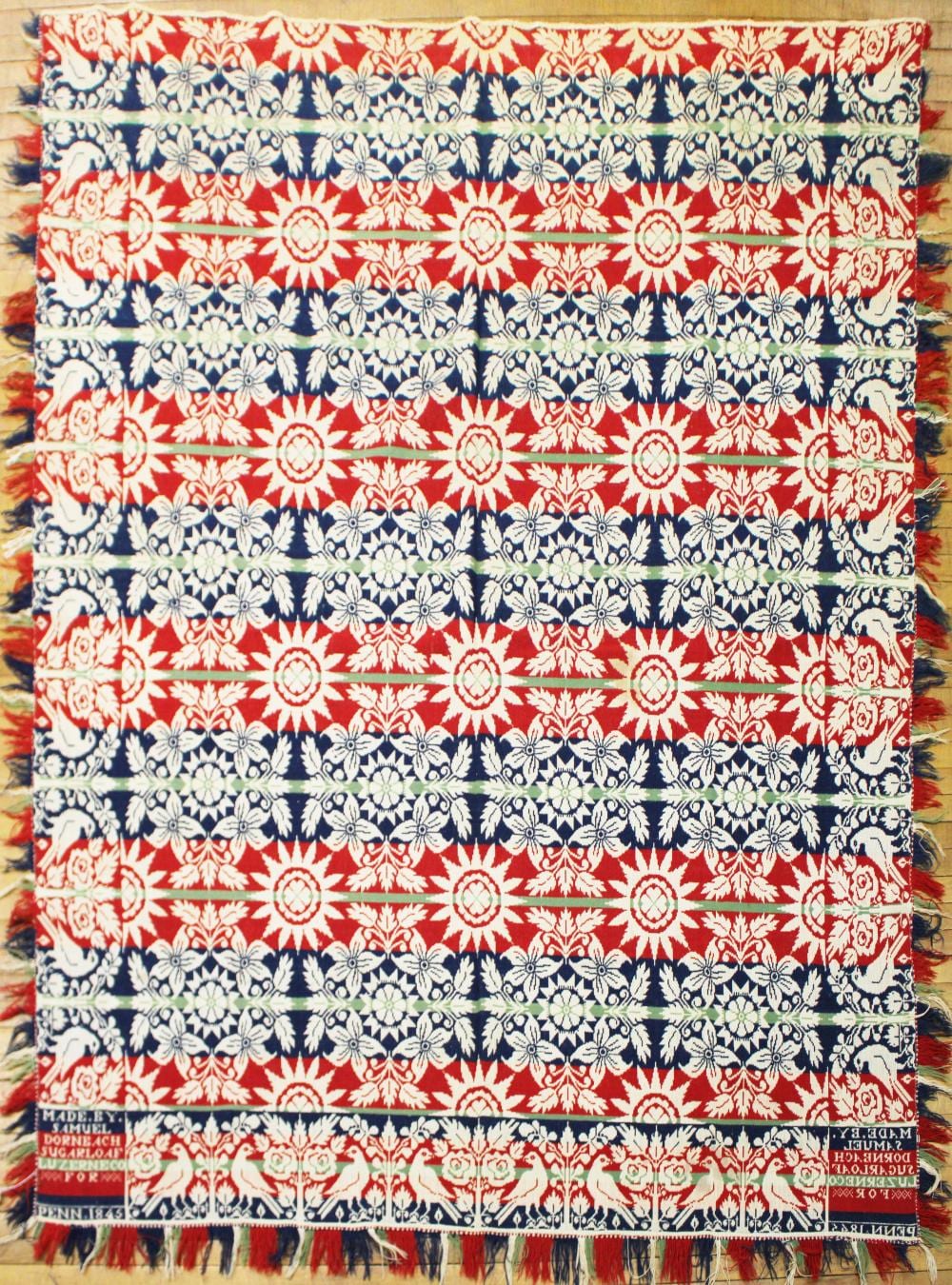
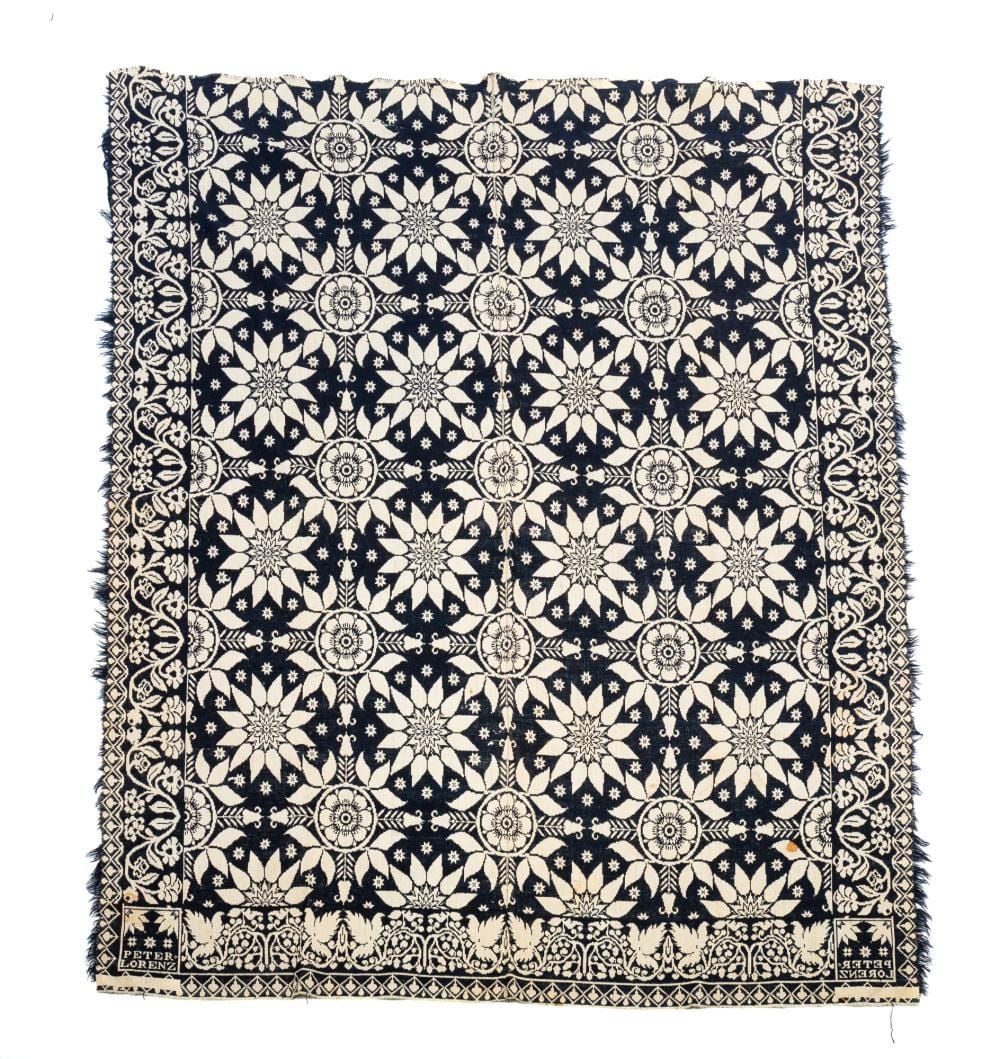
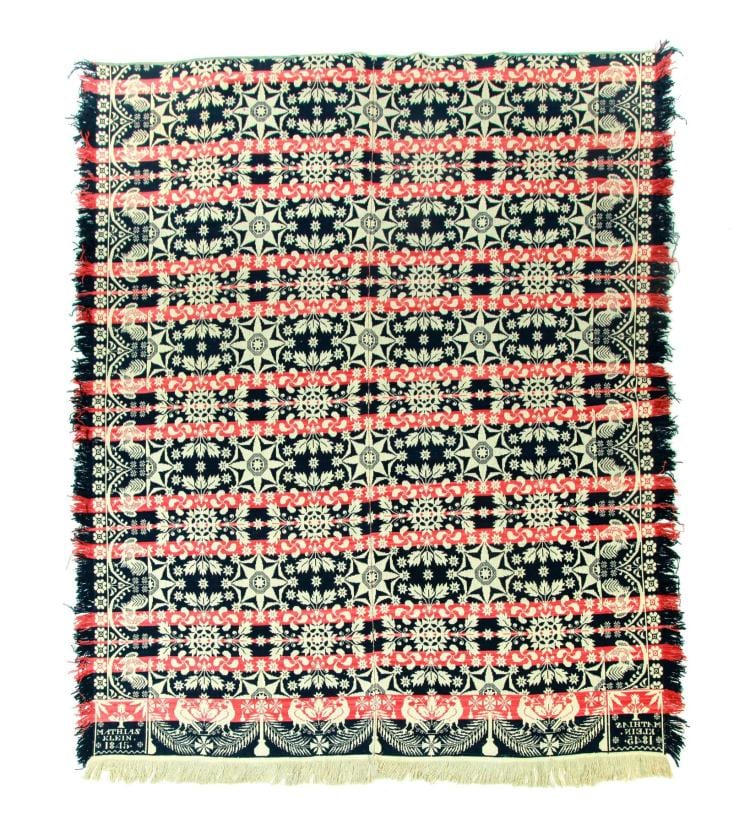
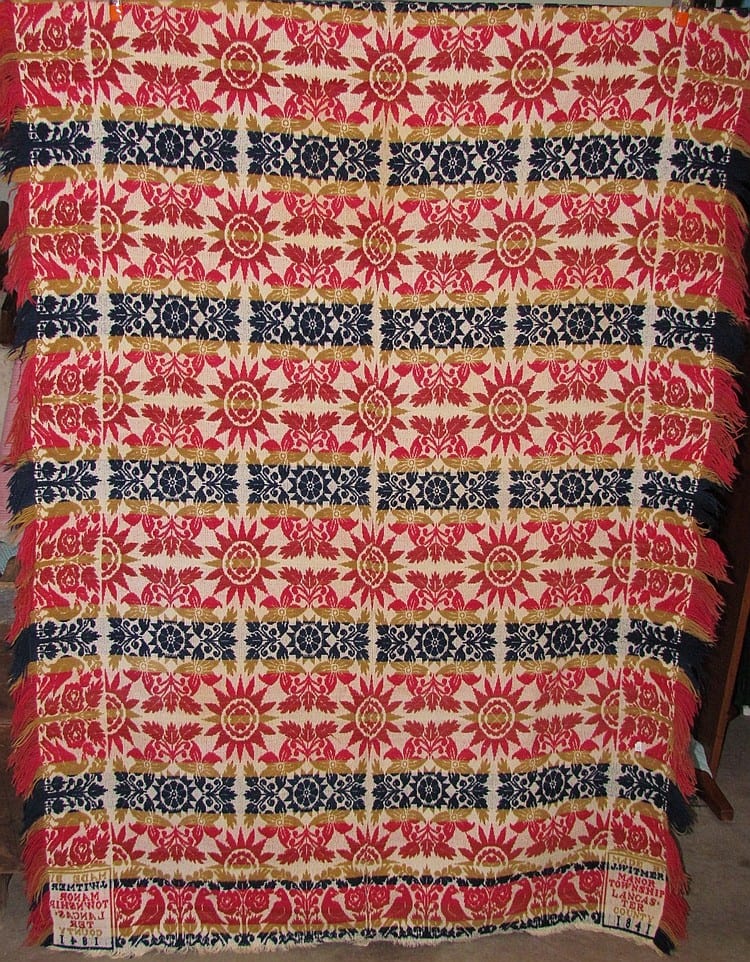
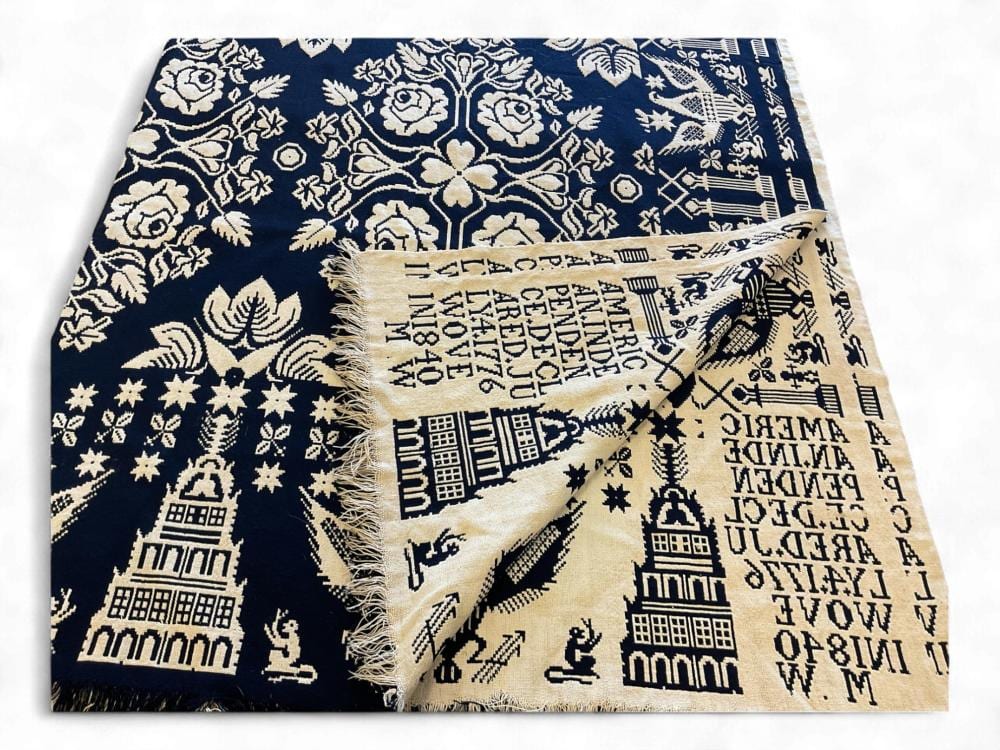
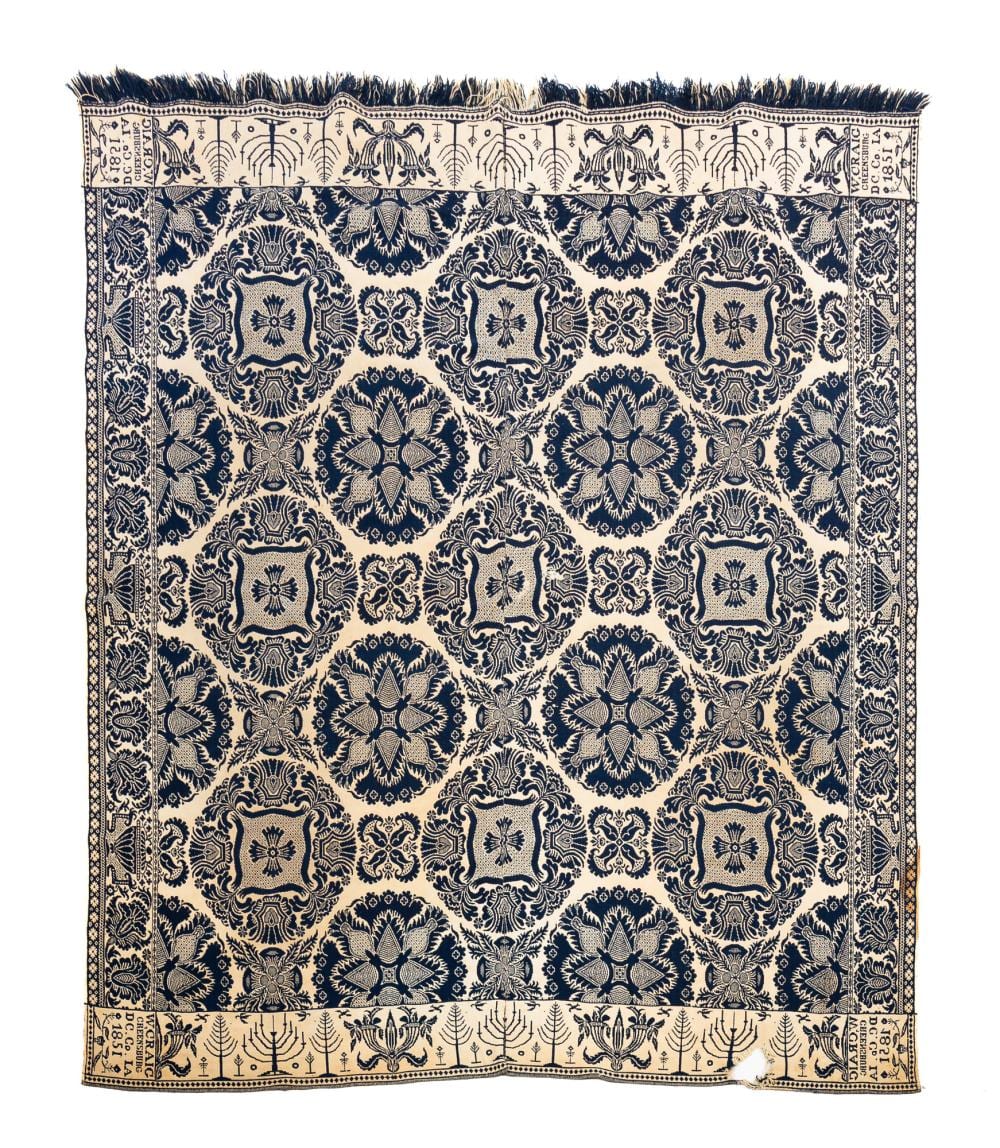
- Signature/date: Many include woven-in corner or border cartouches naming the weaver, place, client, and year.
Geography and culture:
- Strong traditions in Pennsylvania, New York, Ohio, and the Mid-Atlantic/Upper Midwest, reflecting migration patterns, regional wool production, and Germanic (Pennsylvania Dutch) design influences.
Weaves, Materials, and Motifs
Understanding structure and fiber content is foundational to accurate attribution and valuation.
Common weave structures:
- Double cloth (figured double cloth): Two layers of cloth interchanged to create pattern and reversible color effect; often heavier with bold pictorial motifs.
- Figured and fancy (tied beiderwand and related): Warp-patterned fabrics produced using Jacquard control; typically show crisp, high-contrast figures on a lighter ground.
- Summer and winter: A reversible structure with light/dark inversion; finer pattern definition, often used for everyday coverlets.
Fibers:
- Wool weft with cotton warp is typical. The cotton warp is usually natural/white; the wool weft is dyed.
- Pure wool variants exist but are less common for Jacquard figured coverlets of this era.
Dyes and colors:
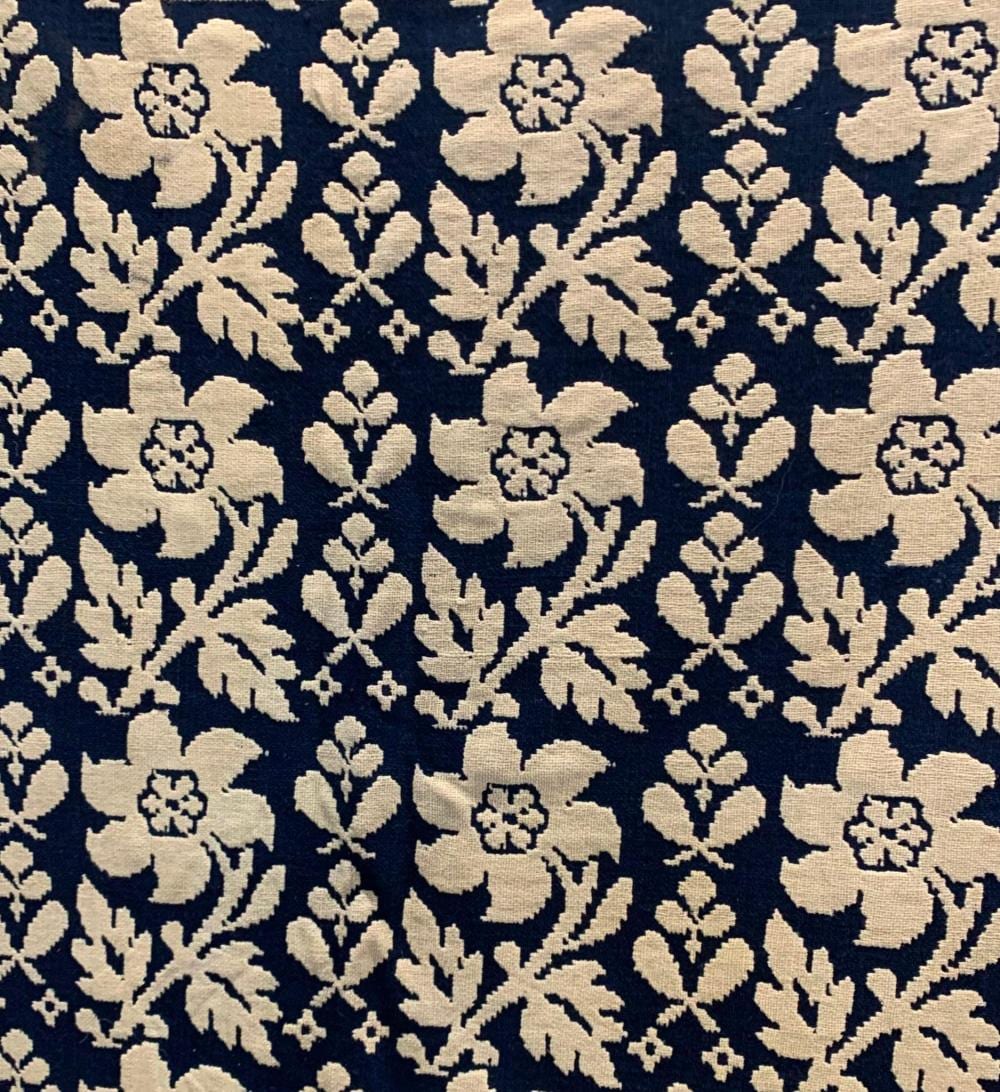
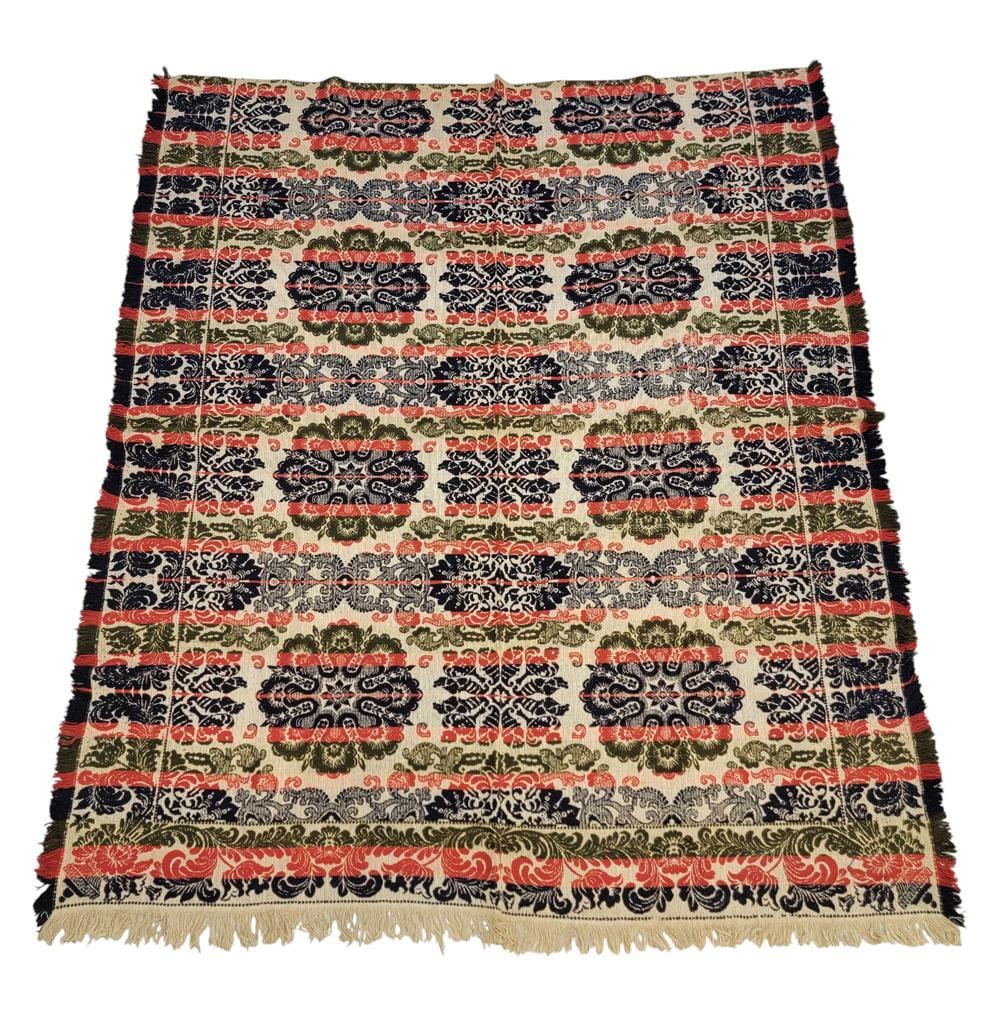
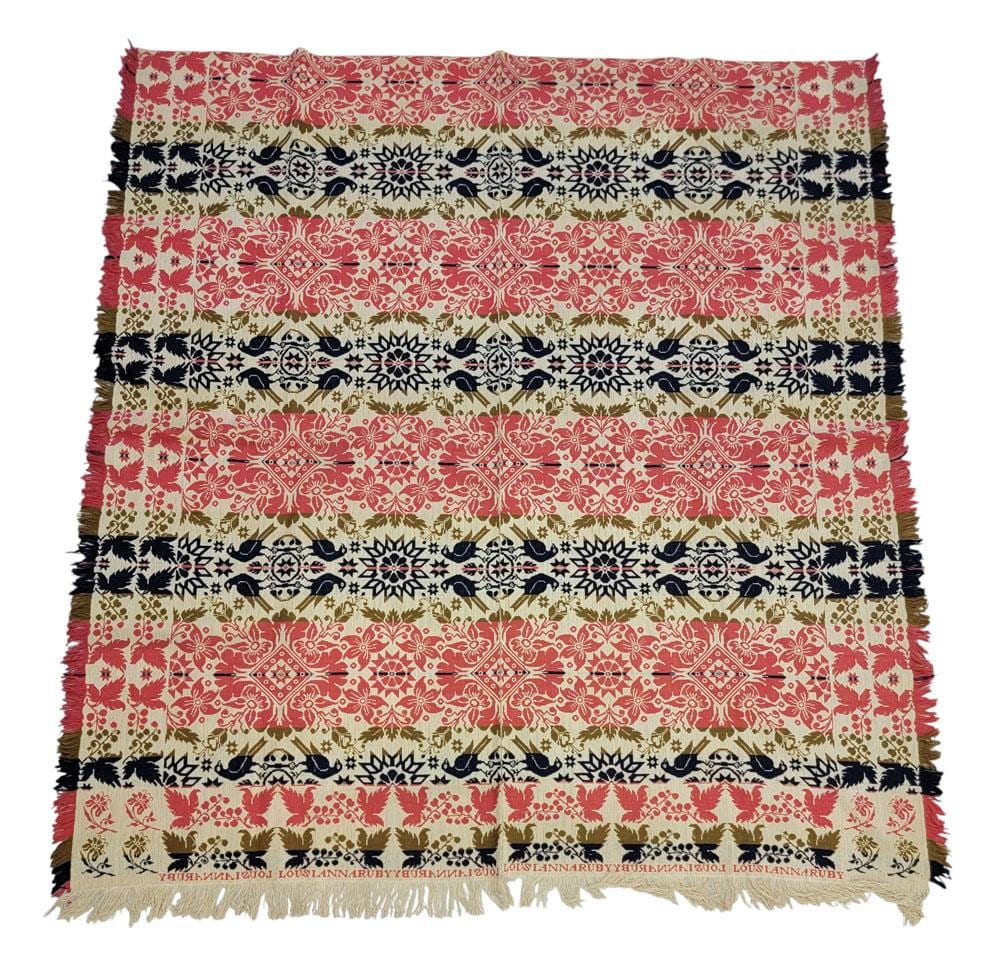
- Indigo blues and madder-based reds are most common in the 1830s–1840s.
- Greens appear mid-century via over-dyeing (indigo blue plus a yellow dye) and can fade unevenly to blue. Brilliant synthetic (aniline) hues signal post–mid-1860s or later.
- Black is rare and often unstable when present; browns from natural dyes can shift over time.
Design elements:
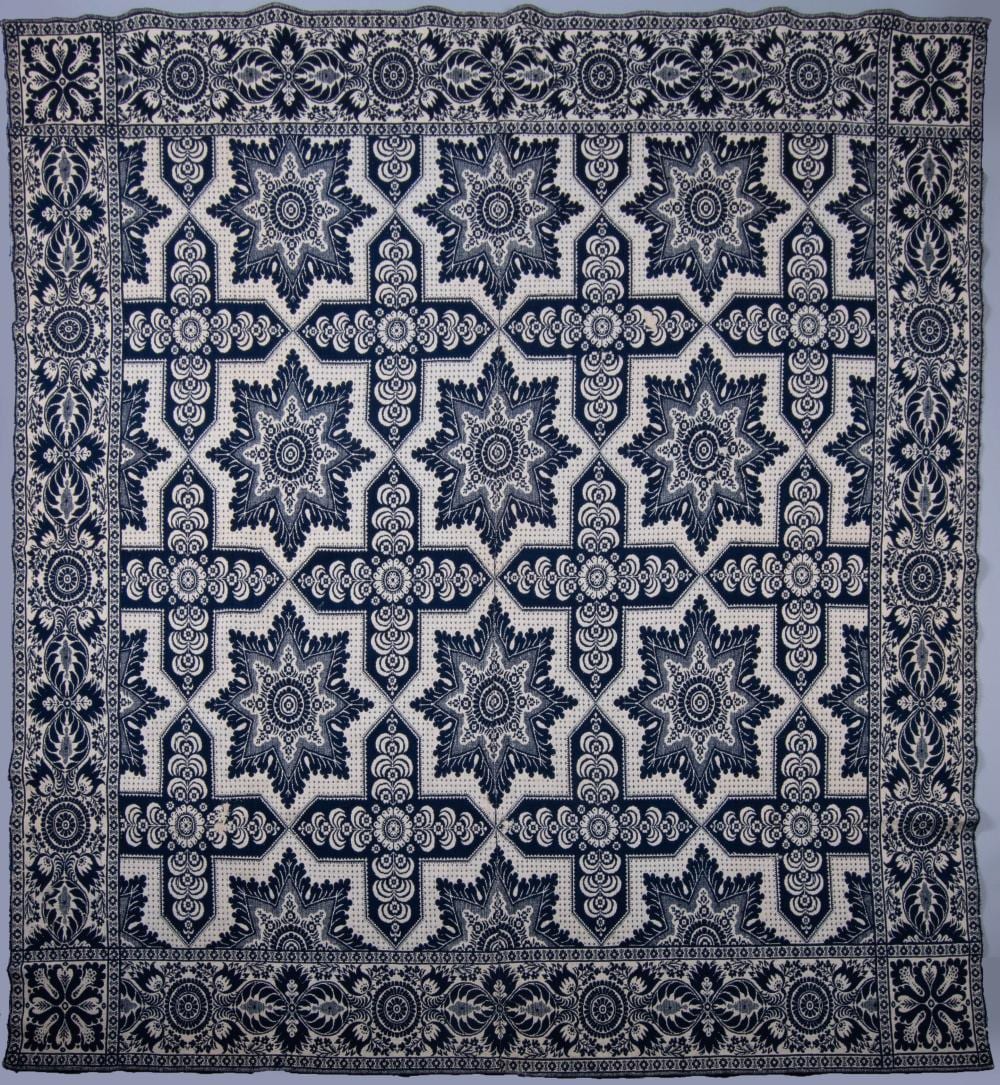
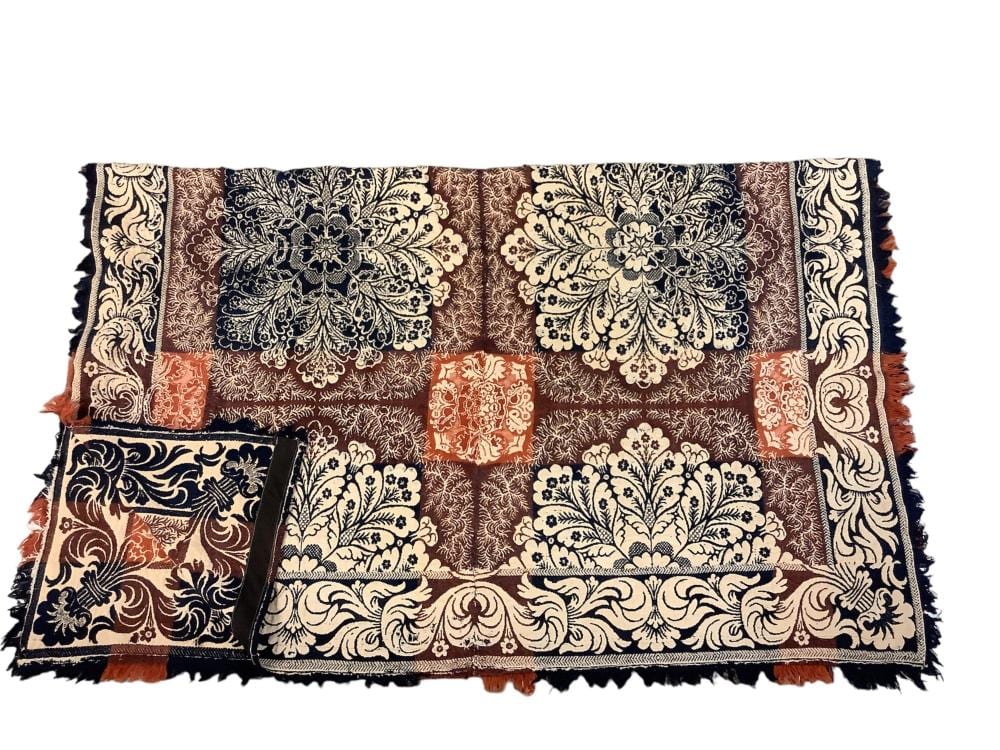
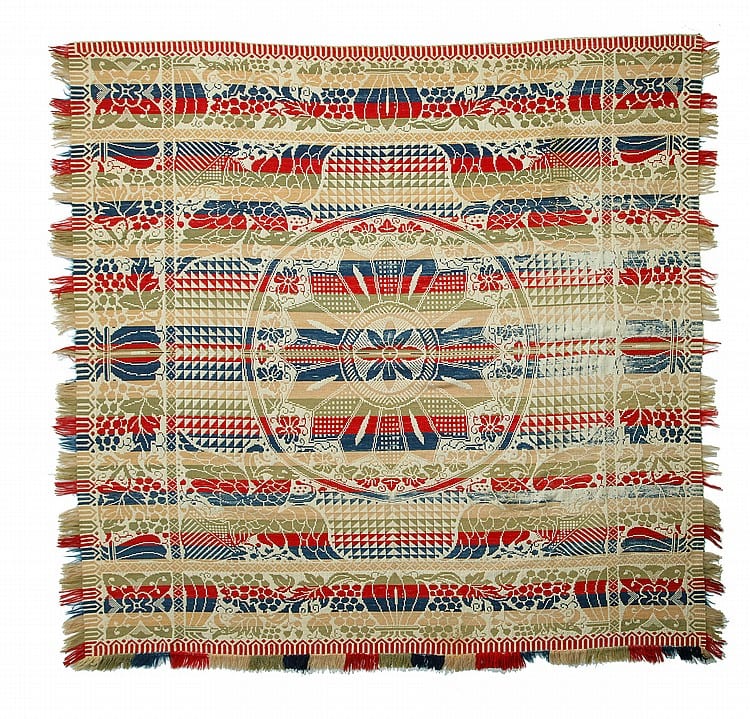
- Centerfields: Sunbursts, medallions, stars, “Princess Feather,” double roses.
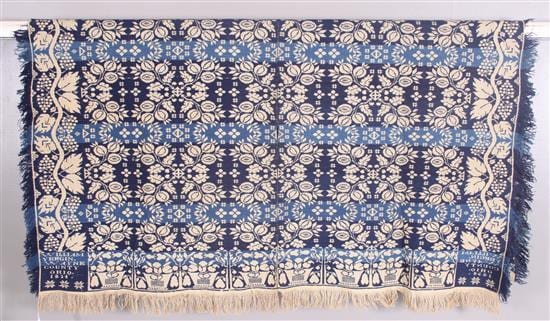
- Borders: Grapevine, tulip sprays, Greek key, oak leaf, sawtooth, rosettes.
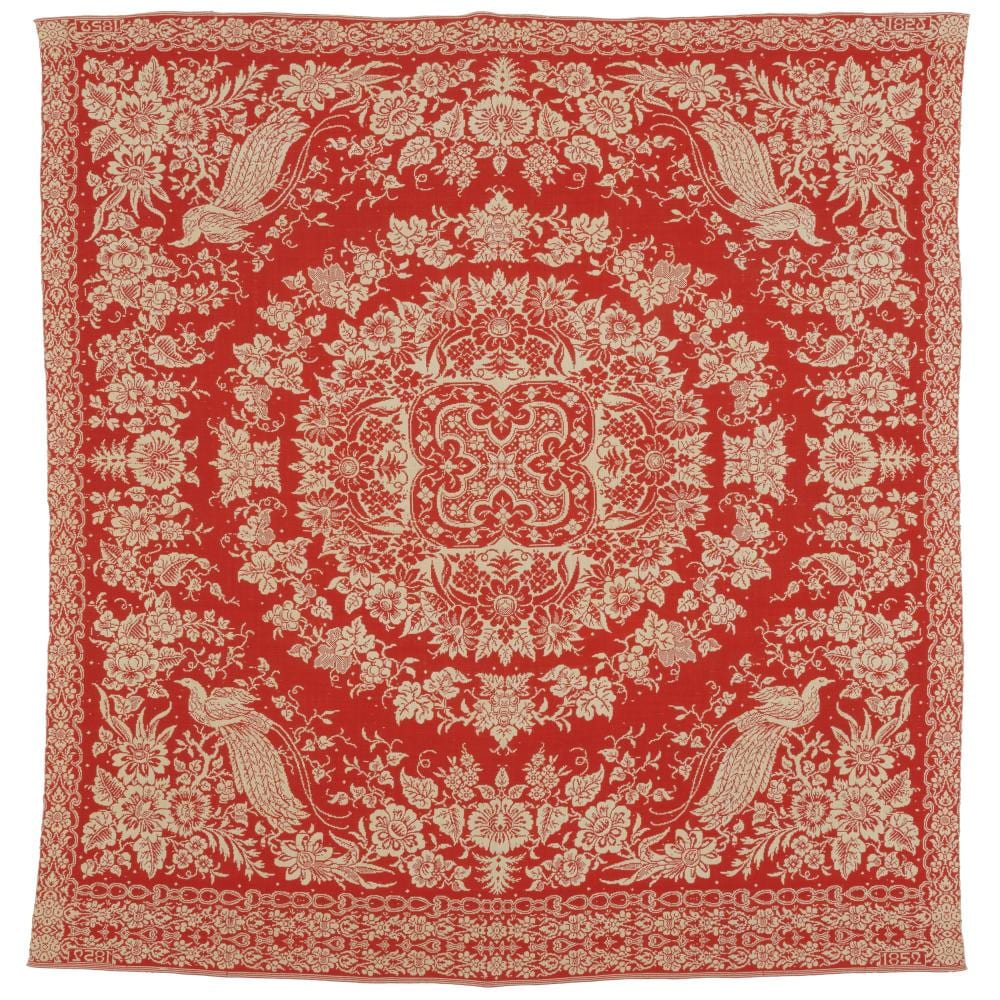
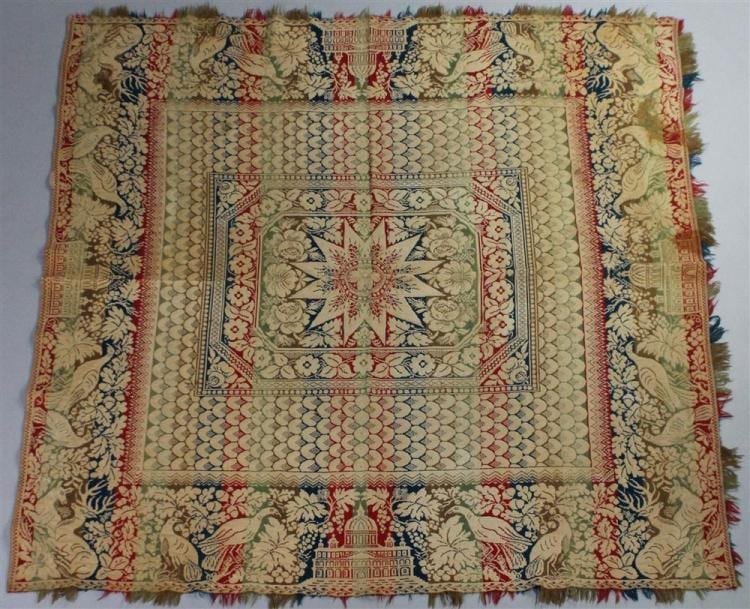
- Pictorial motifs: Spread-wing eagles with shields, Masonic emblems (square and compasses), cornucopias, urns, farm animals, stags, birds, buildings, patriotic or state symbols.
- Layout: Symmetry is typical; signatures and dates are commonly found in corner blocks, along the lower border, or integrated into a cartouche.
Dimensions and finish:
- Assembled size is often in the 72–86 in. width range by 80–100 in. length, achieved by seaming two narrow widths.
- Fringe: Self-fringe created by unwinding warp ends, or applied wool fringe; bottom fringe is most common.
Signatures, Dates, and Regional Attribution
Signed coverlets are particularly desirable because they provide direct documentary evidence.
Signature formats:
- Woven-in text blocks may include: “Made by [weaver’s name], [town/county/state], [year], for [client’s name].”
- Some include patriotic mottos, commemorative lines, or local place names.
Regional cues:
- Pennsylvania: Strong Germanic floral traditions; tulip and heart motifs; frequent use of double cloth; some weavers identified by county and township.
- New York: Sophisticated figuration, well-proportioned borders; plentiful signed examples; meticulous lettering.
- Ohio and Indiana: Bold pictorial borders, patriotic and commemorative themes; a mix of double cloth and figured weaves.
- Mid-Atlantic/Maryland: Stylized floral work and clean cartouches; sometimes finer cotton warps.
Attribution beyond the signature:
- Typeface and letter spacing in the cartouche can be distinctive.
- Repeated border patterns across known examples help tie unsigned coverlets to known workshops.
- Loom width, selvedge finish, and seam treatment can align with certain regions or weavers.
Client inscriptions:
- Owner’s names add provenance. Wedding or presentation inscriptions elevate historical interest.
Authentication, Dating, and Condition Assessment
A careful, methodical review prevents misattributions and helps establish fair value.
Authentication and dating:
- Structure: Handwoven panel construction with a central hand-sewn seam (whipstitch or overcast) is period-typical. One-piece full-width coverlets are more likely later machine products.
- Edges and hem: Hand-hemmed edges and hand-applied fringe are period-appropriate; machine-serged edges indicate later repair or reproduction.
- Fibers: Wool weft/cotton warp mix; test with a fiber burn test only if ethically justified and minimally invasive. Synthetic fibers or blends suggest later manufacture.
- Dyes: Indigo and madder tones look rich but not neon-bright. Acidic, very bright/fuchsia reds or purples often indicate later aniline dyes.
- Lettering: Woven-in signatures and dates should appear as part of the weave (not embroidered). Crisp definition is expected even when worn.
- Wear patterns: Even, age-appropriate wear with minor moth damage is typical. Perfect condition with synthetic feel can be a red flag.
Common condition points:
- Moth damage: Pinholes to larger losses; particularly in red-dyed areas (some insect preference is noted).
- Fading: Uplight fading, particularly greens shifting toward blue.
- Stains: Water tidelines, iron or tannin stains; scattered foxing-like spots.
- Weakness: Along the center seam from stress on the bed and at fold lines; broken fringe.
- Previous repairs: Darns, patches, hand-sewn stabilizations; machine-stitched patches are later and can reduce value if obtrusive.
- Felting/shrinkage: From improper washing; texture becomes compacted, pattern blurs.
Documentation for appraisal:
- Full front and back photos; close-ups of cartouches, borders, and fringe.
- Measurements: Each panel width, full dimensions, fringe lengths.
- Transcription: Exact wording of all woven inscriptions, including punctuation and case.
- Material notes: Fiber ID (if known), dye observations, and weave structure.
- Condition map: Diagram or notes locating holes, stains, seam weaknesses, and repairs.
Quick Identification Checklist
- Two handwoven panels seamed up the center; hand stitching visible.
- Wool weft on white/natural cotton warp; firm, slightly textured hand.
- Woven-in signature/date block (not embroidered), typically in a corner or border.
- Indigo blue and madder red are dominant; greens present but often softened or unevenly faded.
- Motifs consistent with 1830s–1850s taste: eagles, tulips, grapevines, medallions.
- Hand-applied or self-fringe; no modern serging; selvedges intact along long edges.
- Age-consistent wear: minor moth holes, light fading; no glaring synthetic sheen.
- Smell and handle feel natural; no plastic-like slickness from synthetics.
Care, Storage, and Market Values
Preservation best practices:
- Cleaning: Avoid wet cleaning. If surface dusty, vacuum gently through a screen on low suction. Spot testing is essential. Engage a textile conservator for any wash or stain reduction.
- Stabilization: Support weak areas with conservation net or hand couching using fine wool or cotton thread, color-matched and reversible where feasible.
- Storage: Store flat if possible on a clean, padded surface. If folding is unavoidable, interleave soft acid-free tissue and change fold lines periodically. Rolled storage on an acid-free tube with an outer muslin wrap is ideal; roll with the pile facing outward to reduce stress.
- Environment: Cool, dry, and dark. Aim for 50–55% RH; avoid attics and basements. Keep away from pests and direct sunlight.
- Display: Use a padded textile mount or Velcro hook-and-loop system sewn to a support fabric; glaze with UV-filtering acrylic. Avoid hanging by only the fringe or a single point.
Valuation drivers:
- Signature and date: Clear, complete signatures and dates add significant value; inscriptions naming both weaver and client can further enhance appeal.
- Design quality: Strong pictorial elements, patriotic imagery, and balanced borders command premiums.
- Rarity and region: Scarcer regional workshops and distinctive local iconography increase desirability.
- Condition: Fewer losses, minimal fading, stable seams, and intact fringe increase price; extensive repairs or felting reduce value.
- Color: High-contrast indigo/red combinations remain market favorites; complex palettes with well-preserved greens also perform well.
- Provenance: Documented family histories or ties to notable individuals or events can be decisive.
Current price ranges (general guidance; markets vary by region and sale venue):
- Unsigned or fragmentary examples in fair condition: roughly $150–600.
- Signed and dated, attractive motifs, moderate wear: roughly $300–1,500.
- Strongly pictorial, excellent color/condition, desirable region or weaver: roughly $1,500–4,000.
- Exceptional, rare imagery or historically significant inscription, superior preservation: can exceed $5,000–10,000+.
What similar items actually sold for
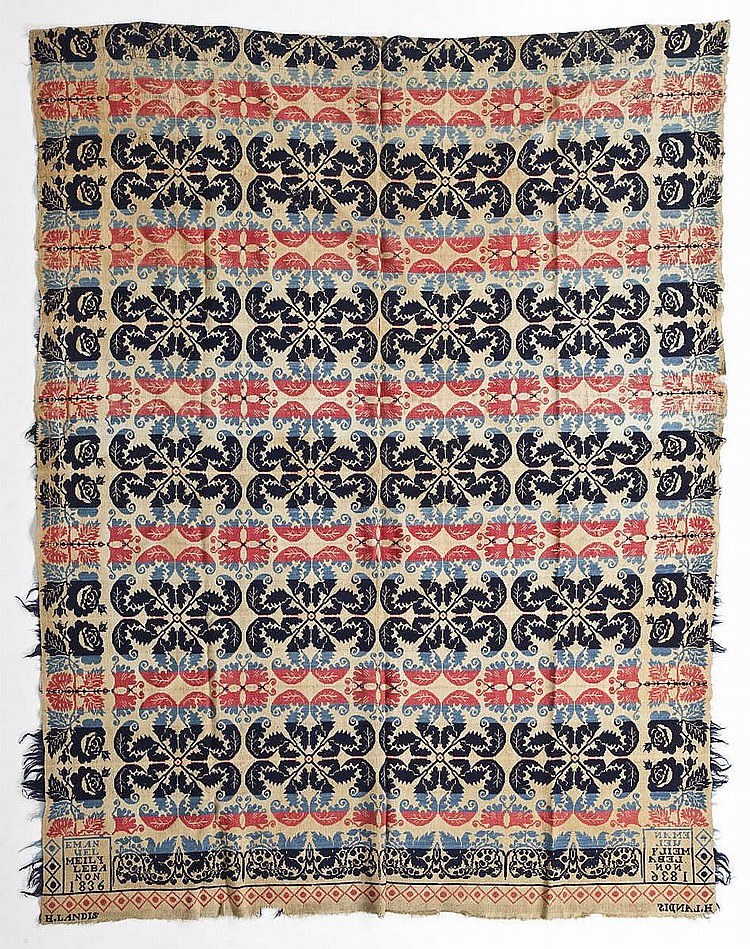
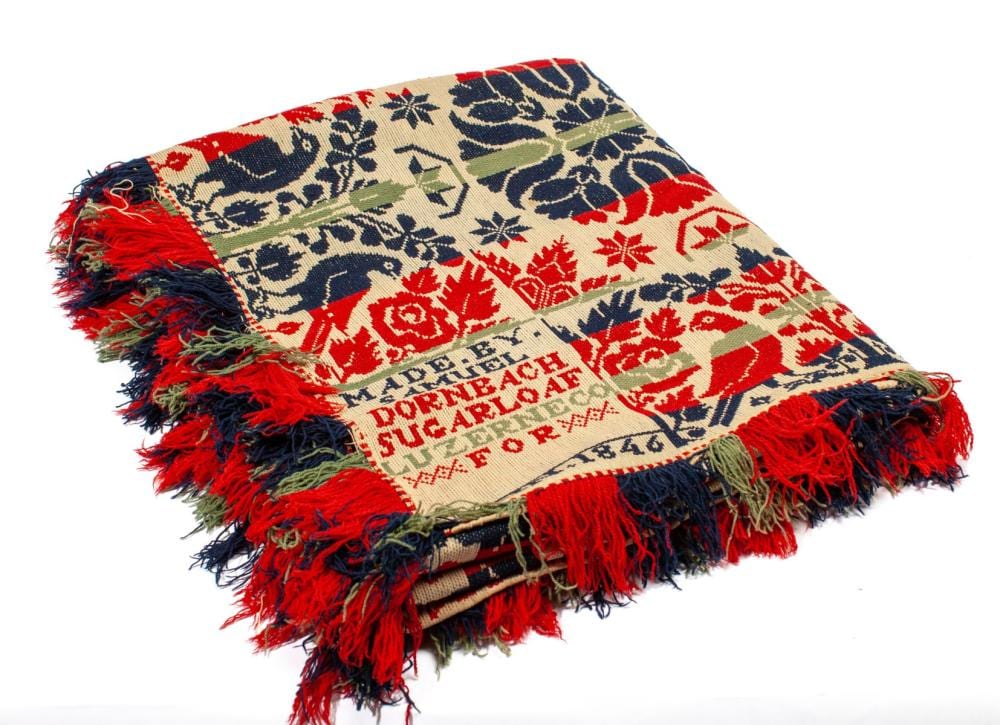
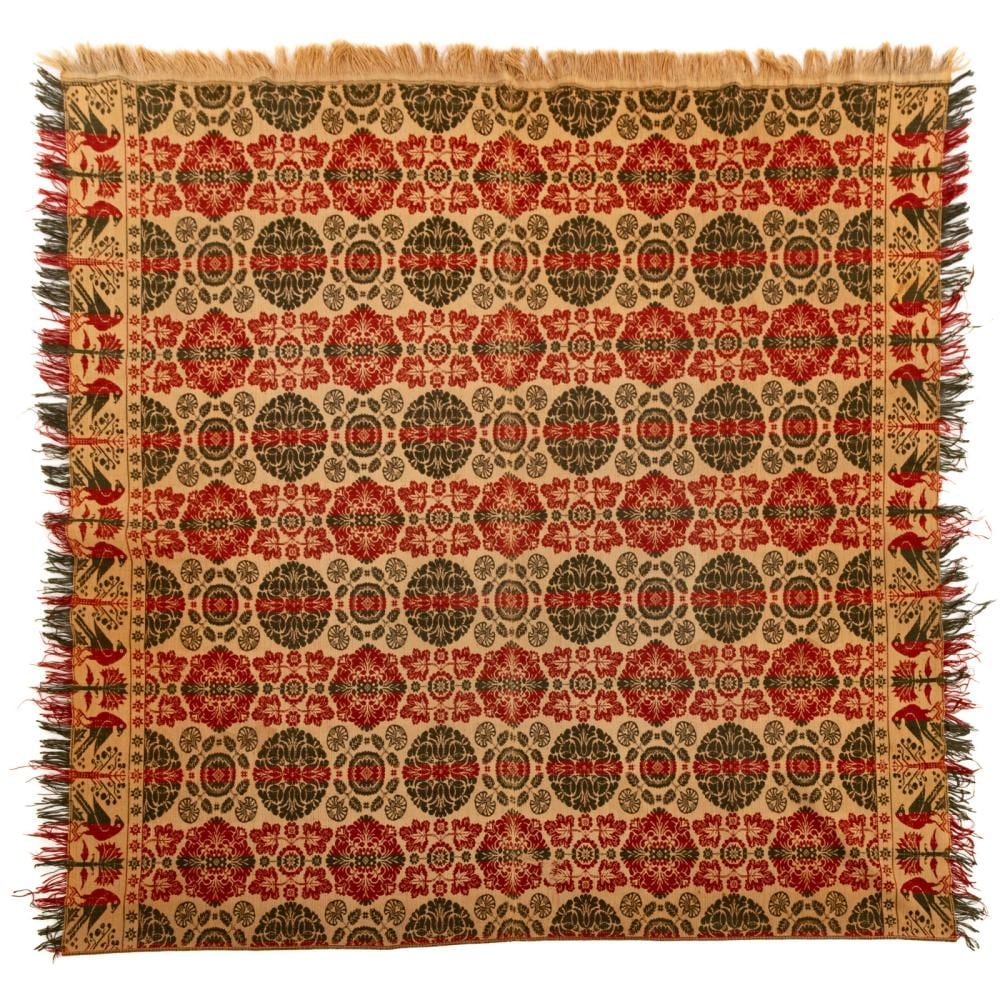
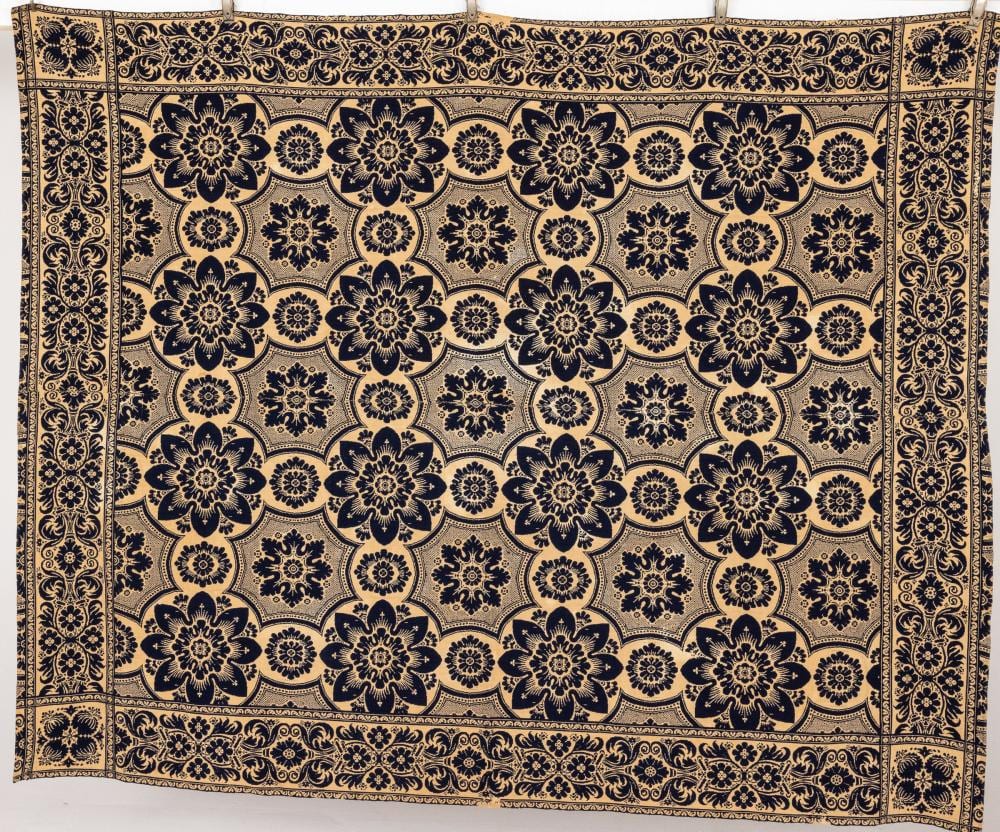
Real auction sales of items like your Jacquard coverlet. Open a sale to see the original listing.
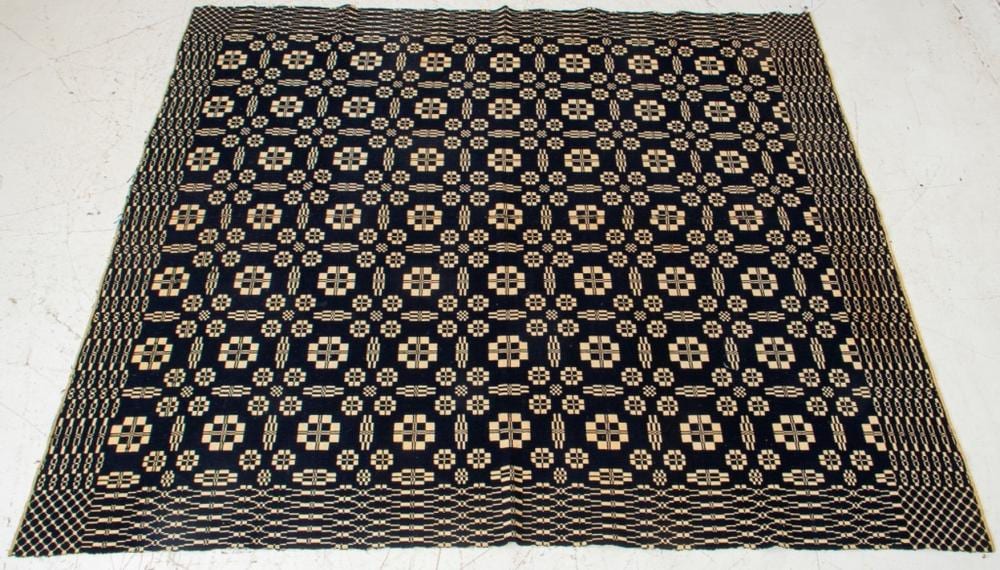
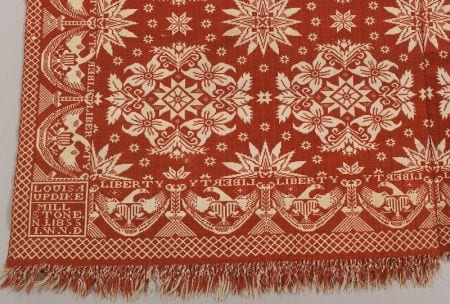
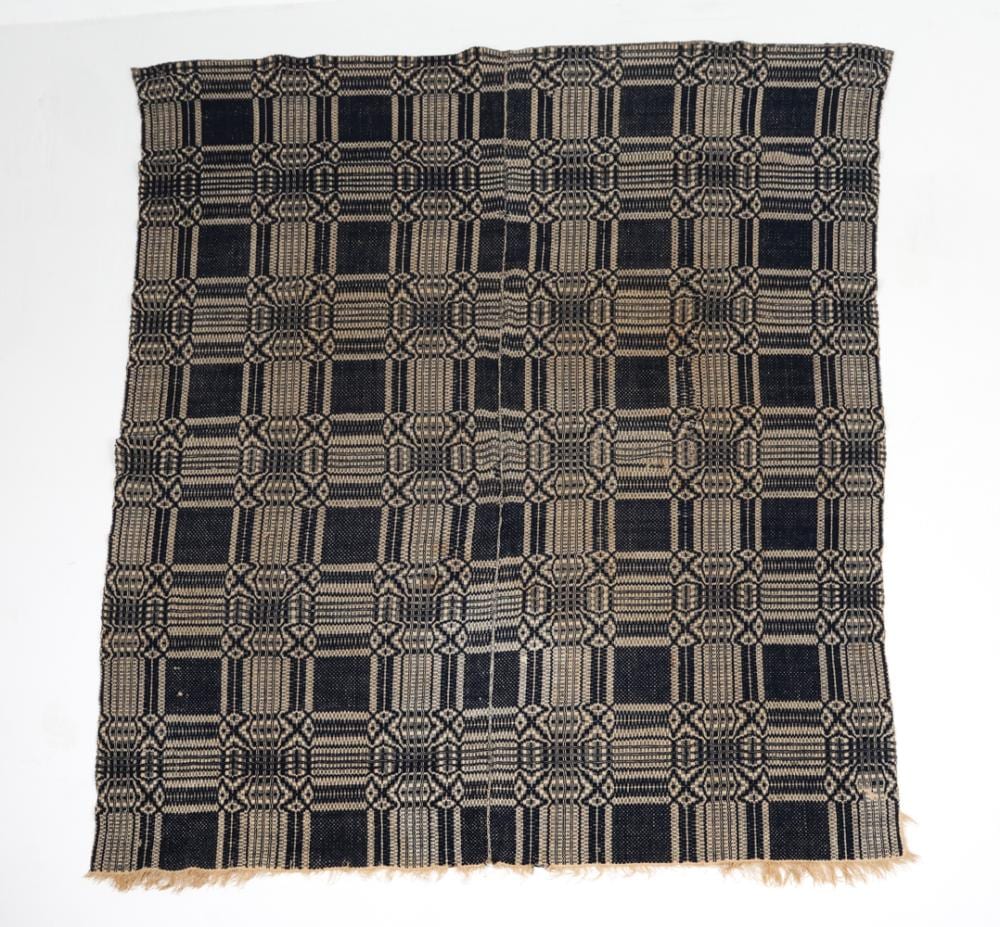
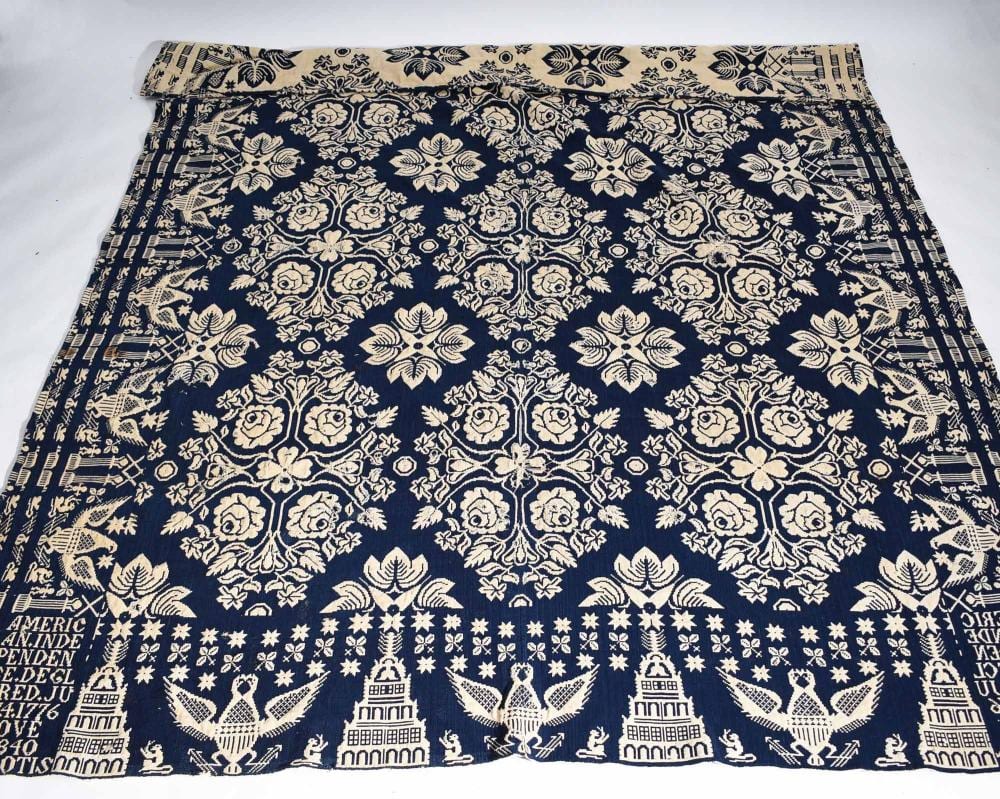
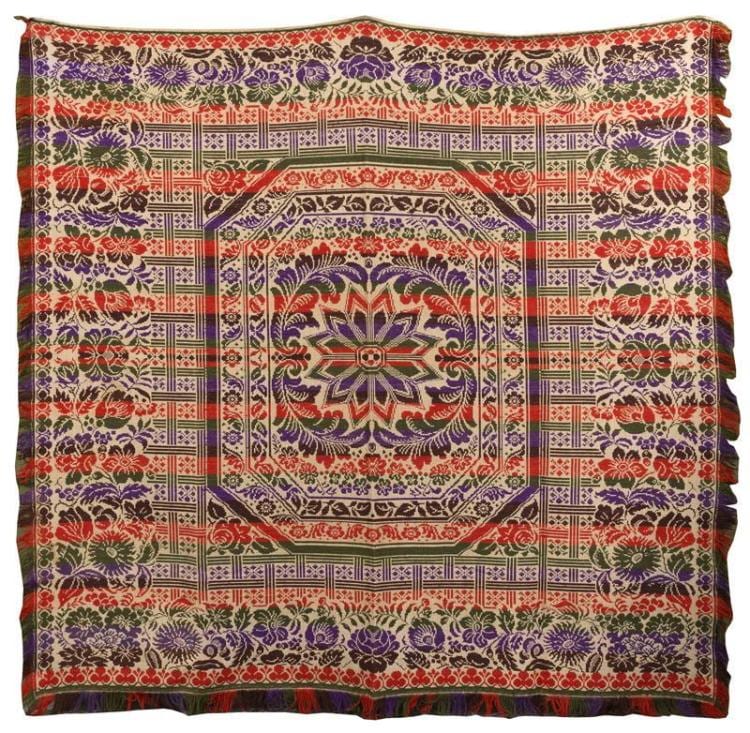
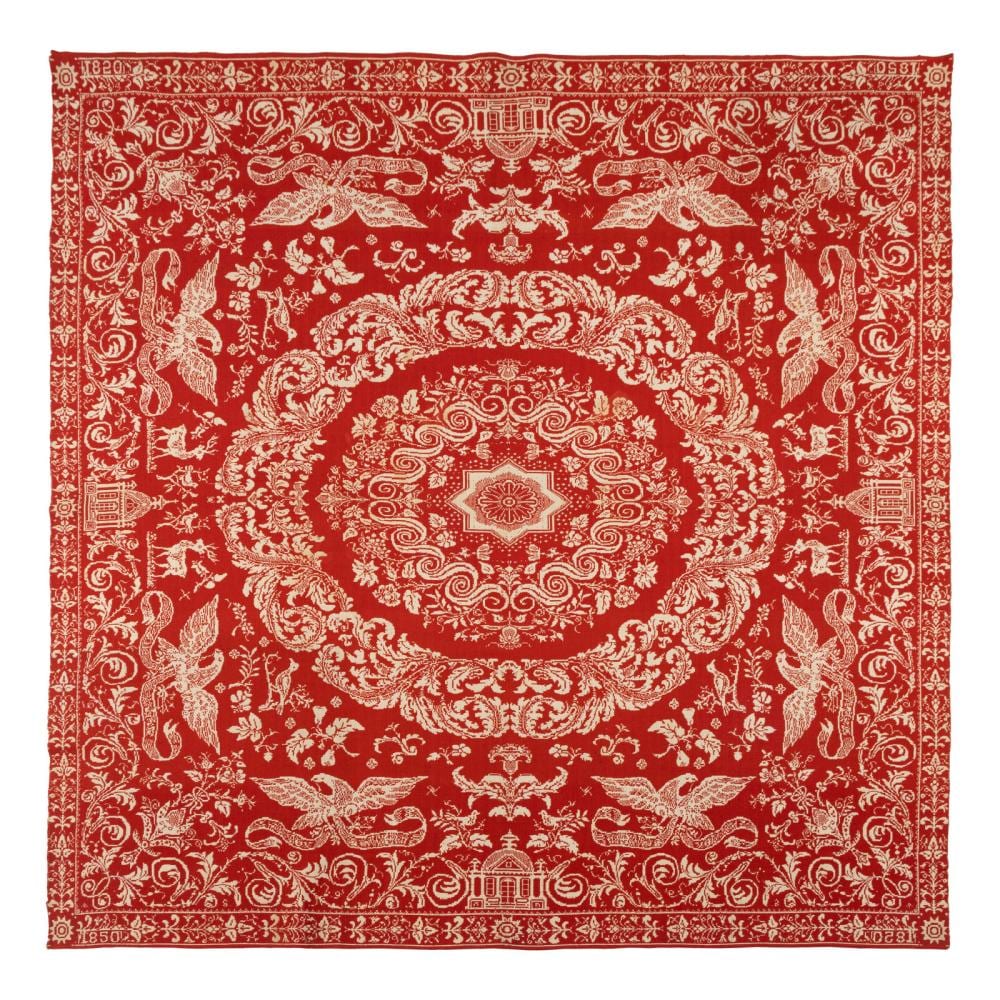
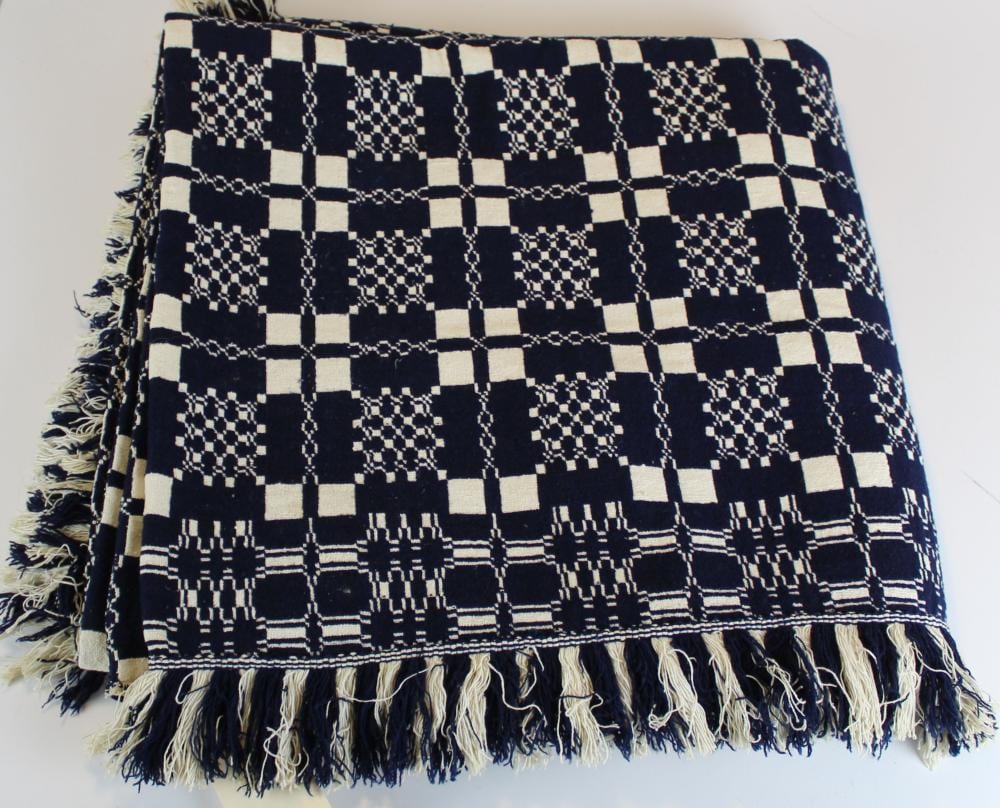
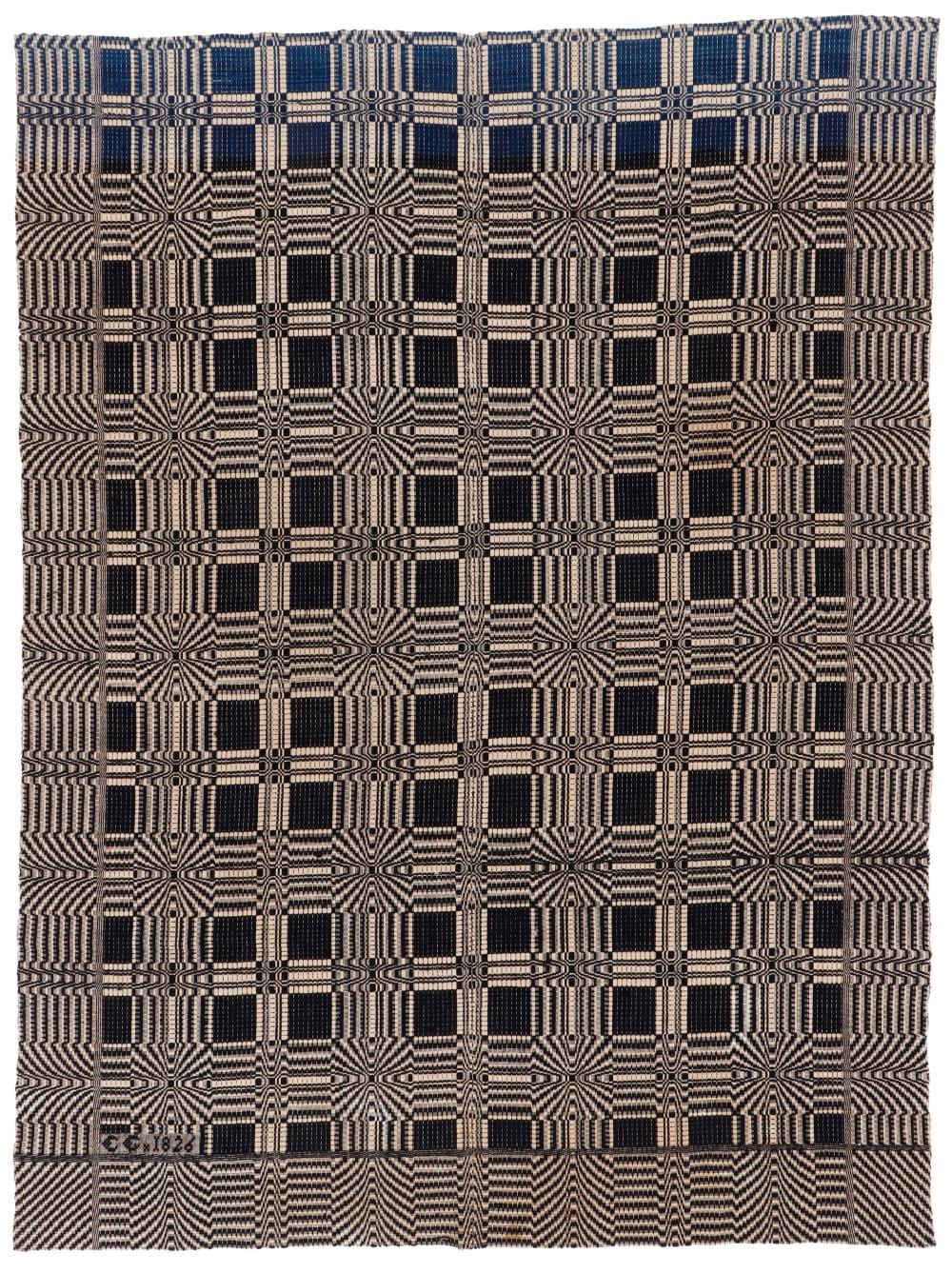
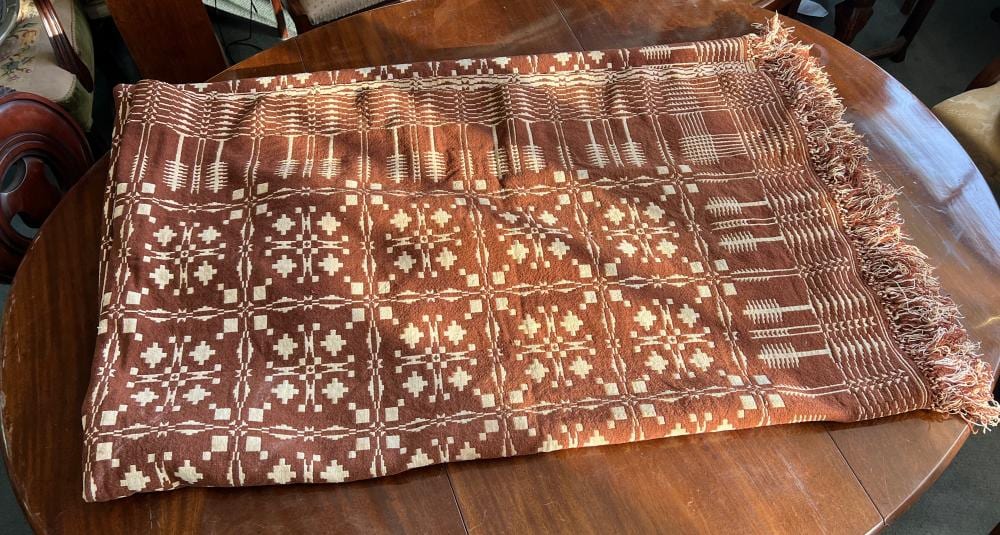
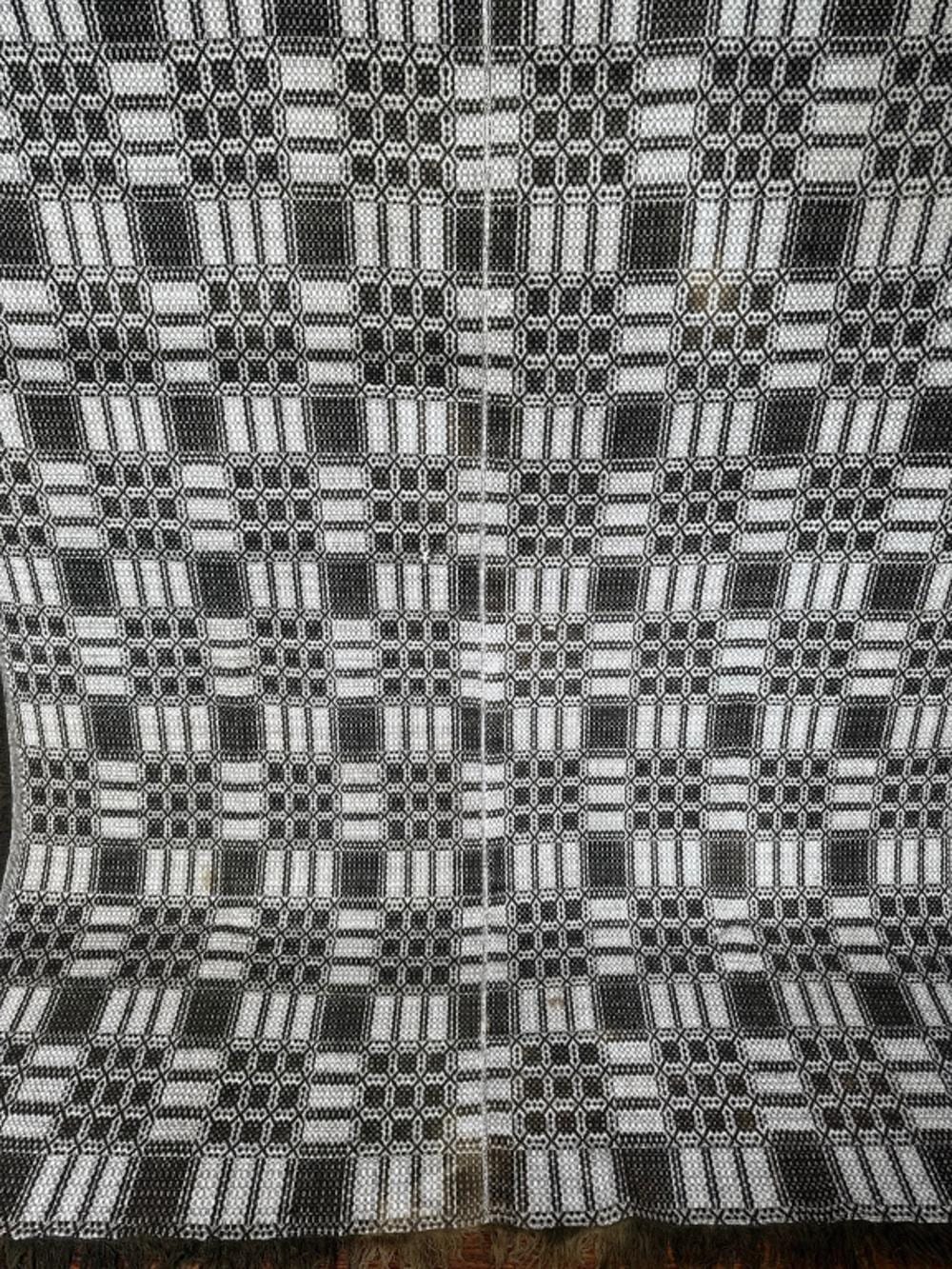
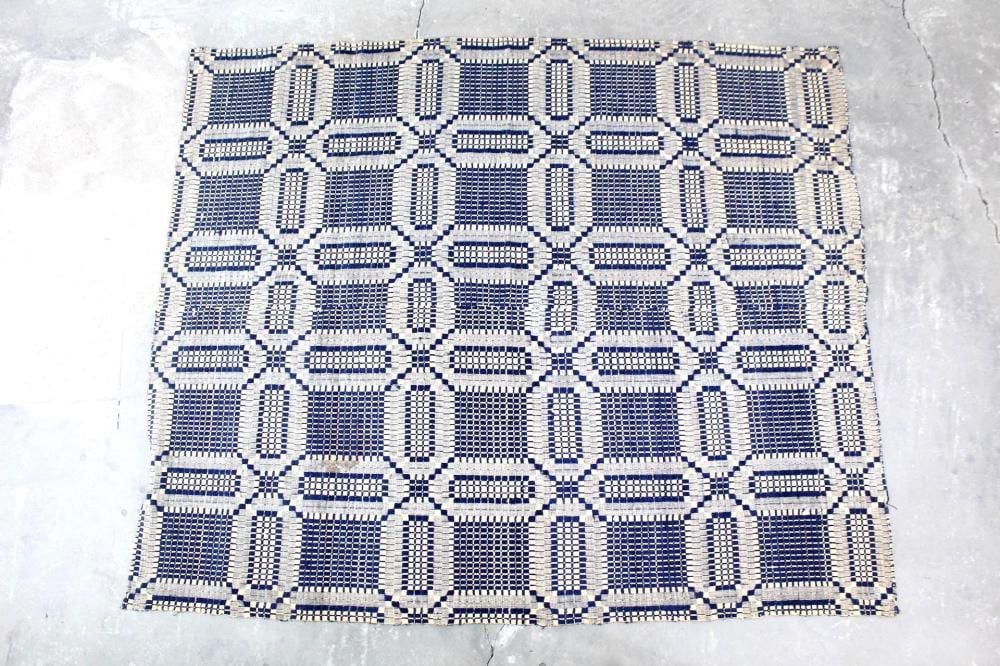
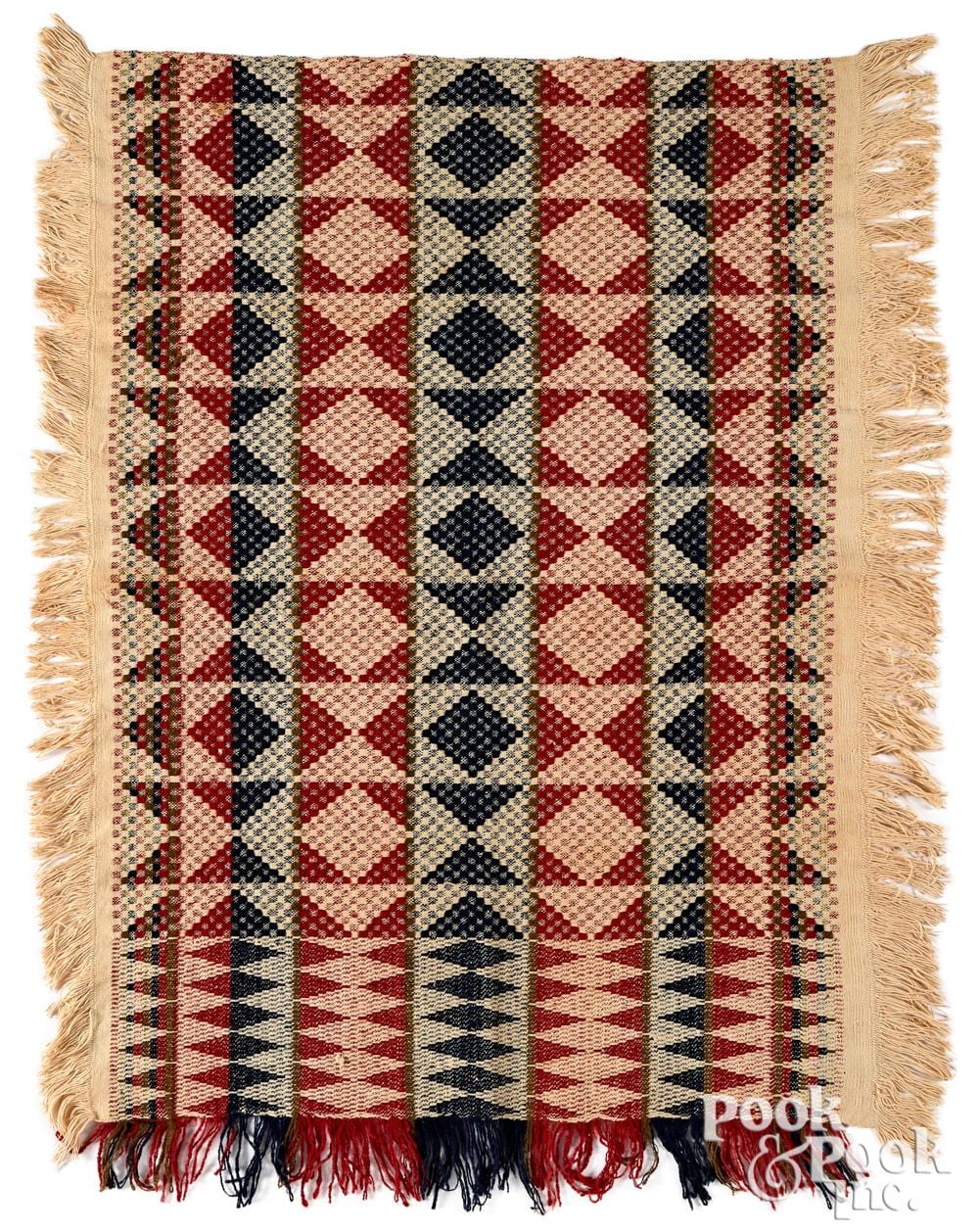
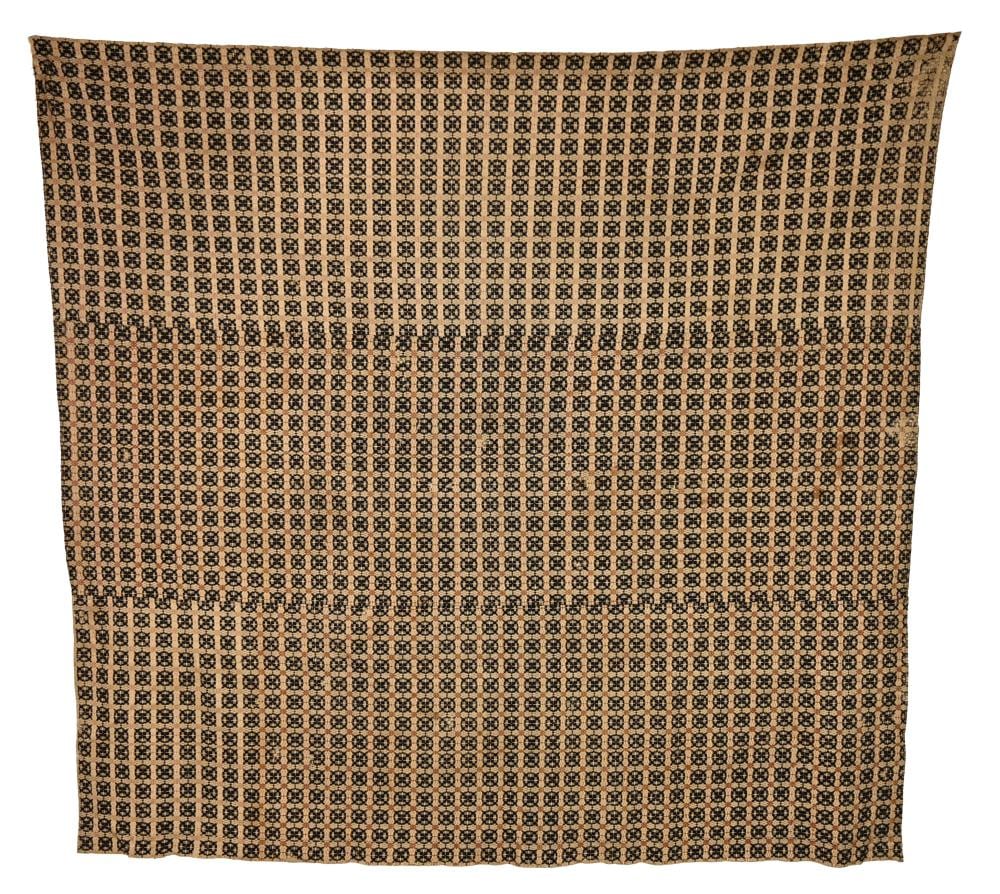
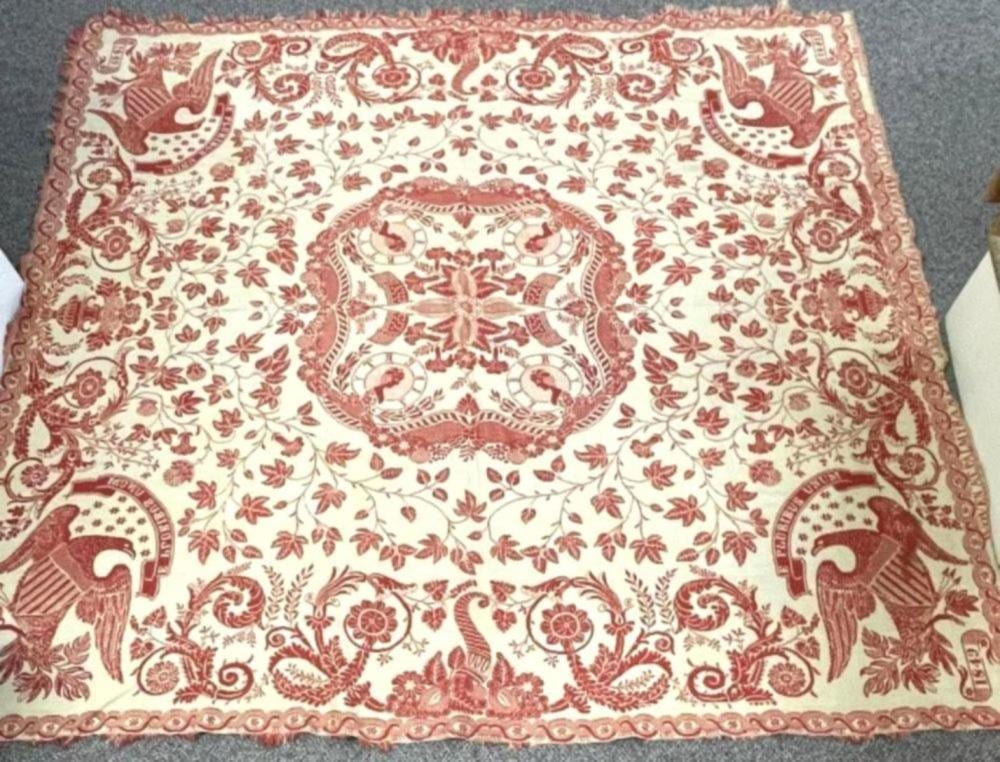
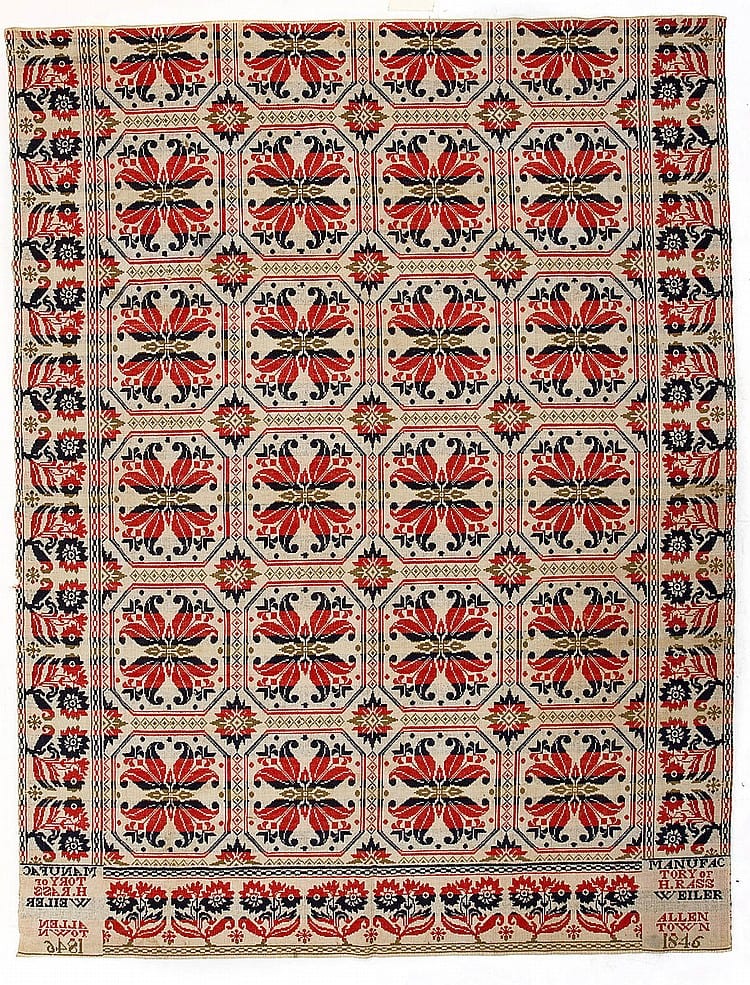
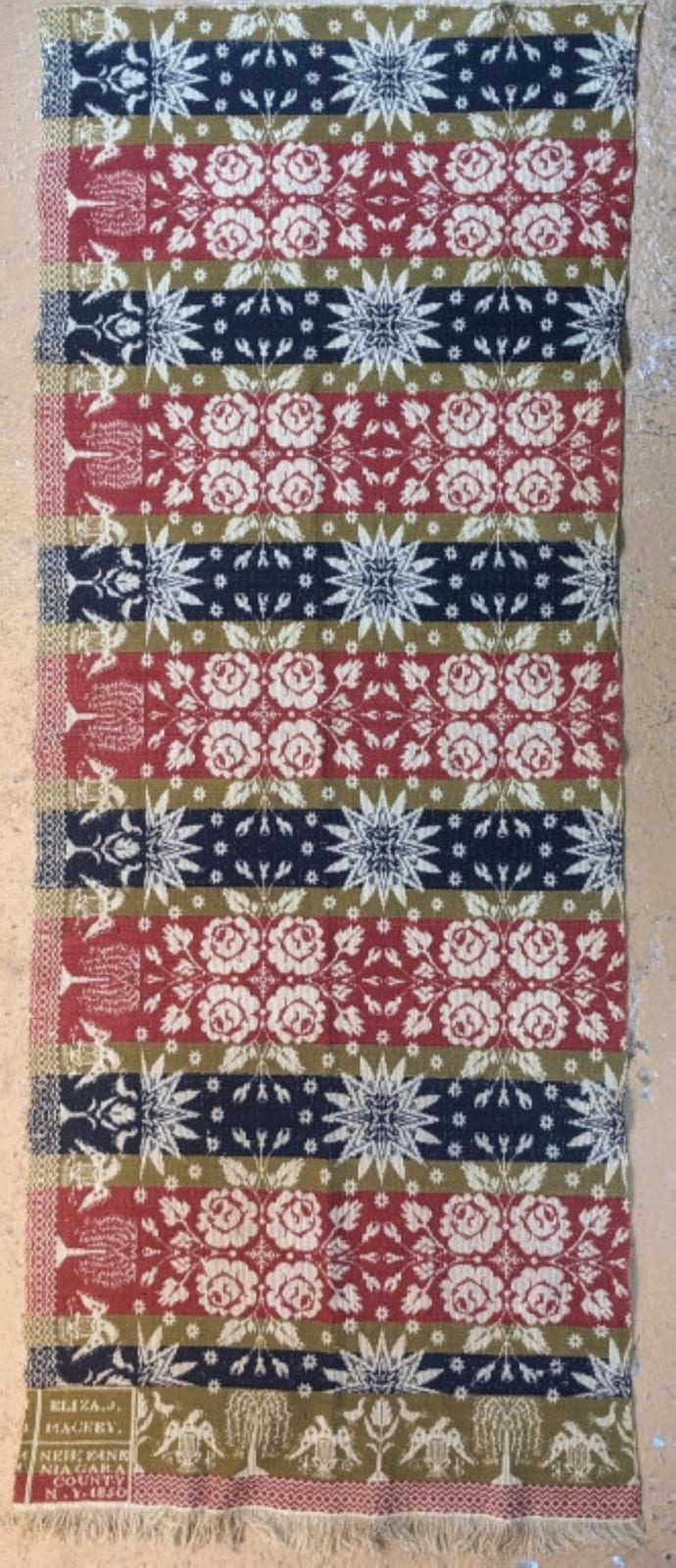
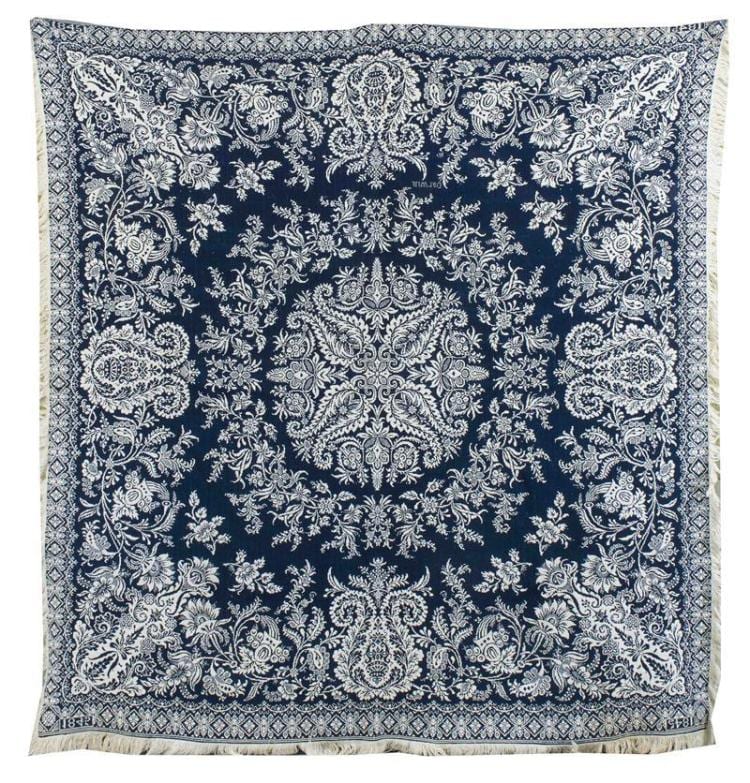
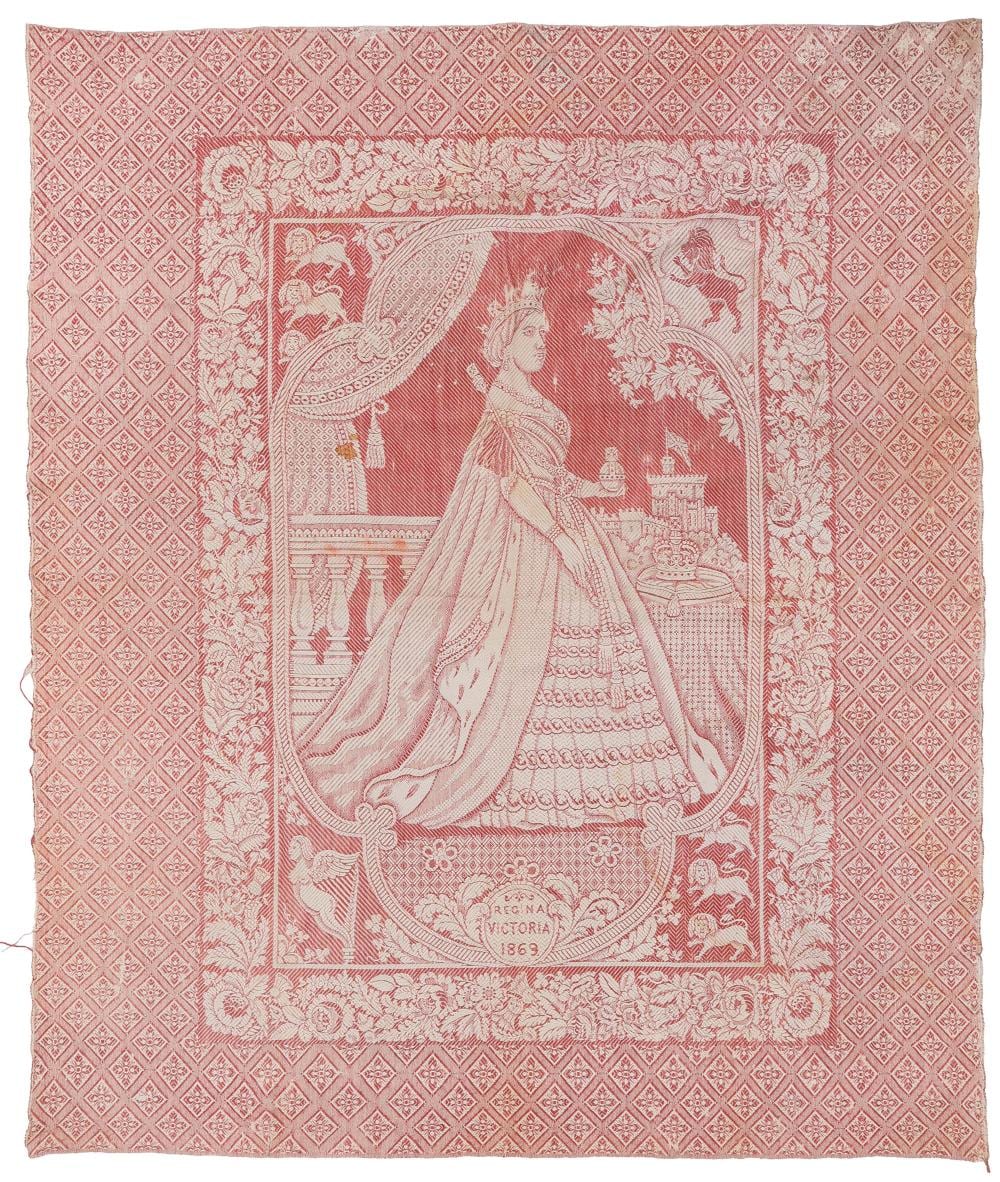
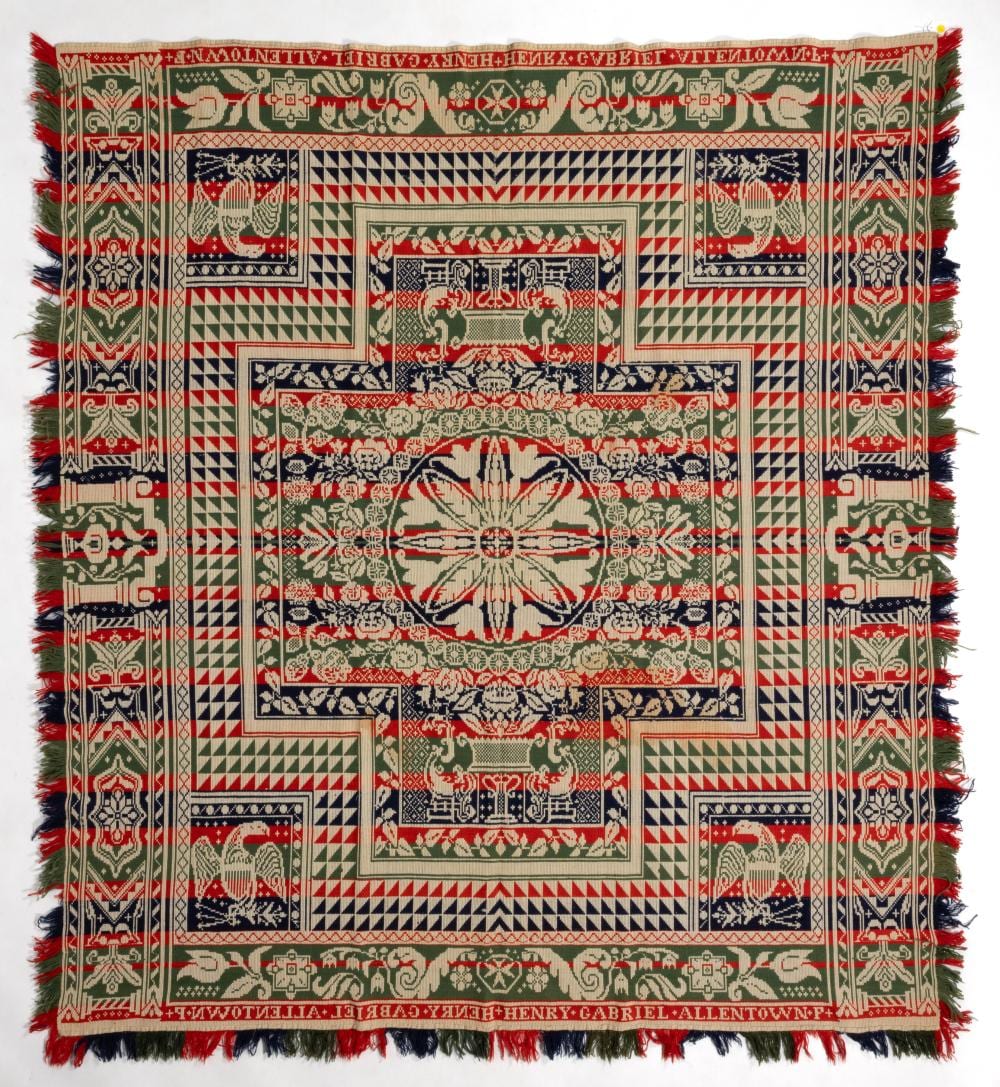
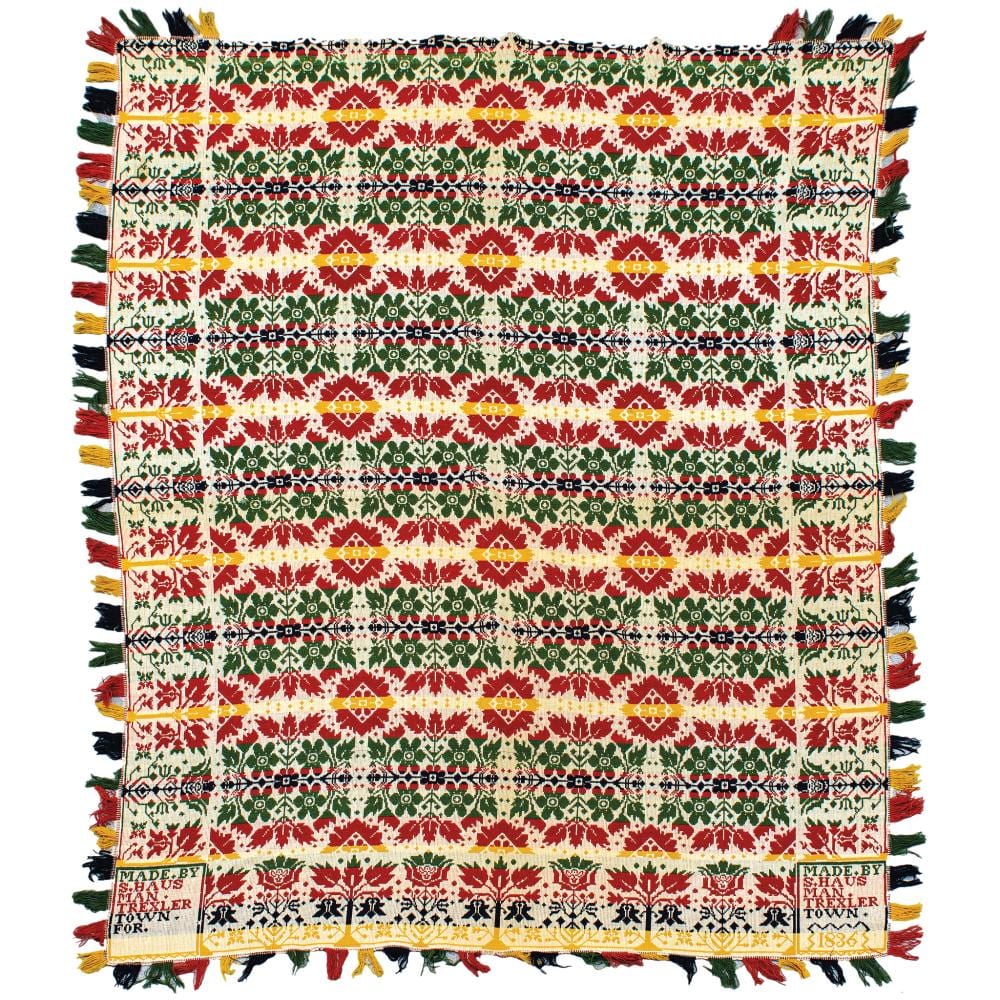
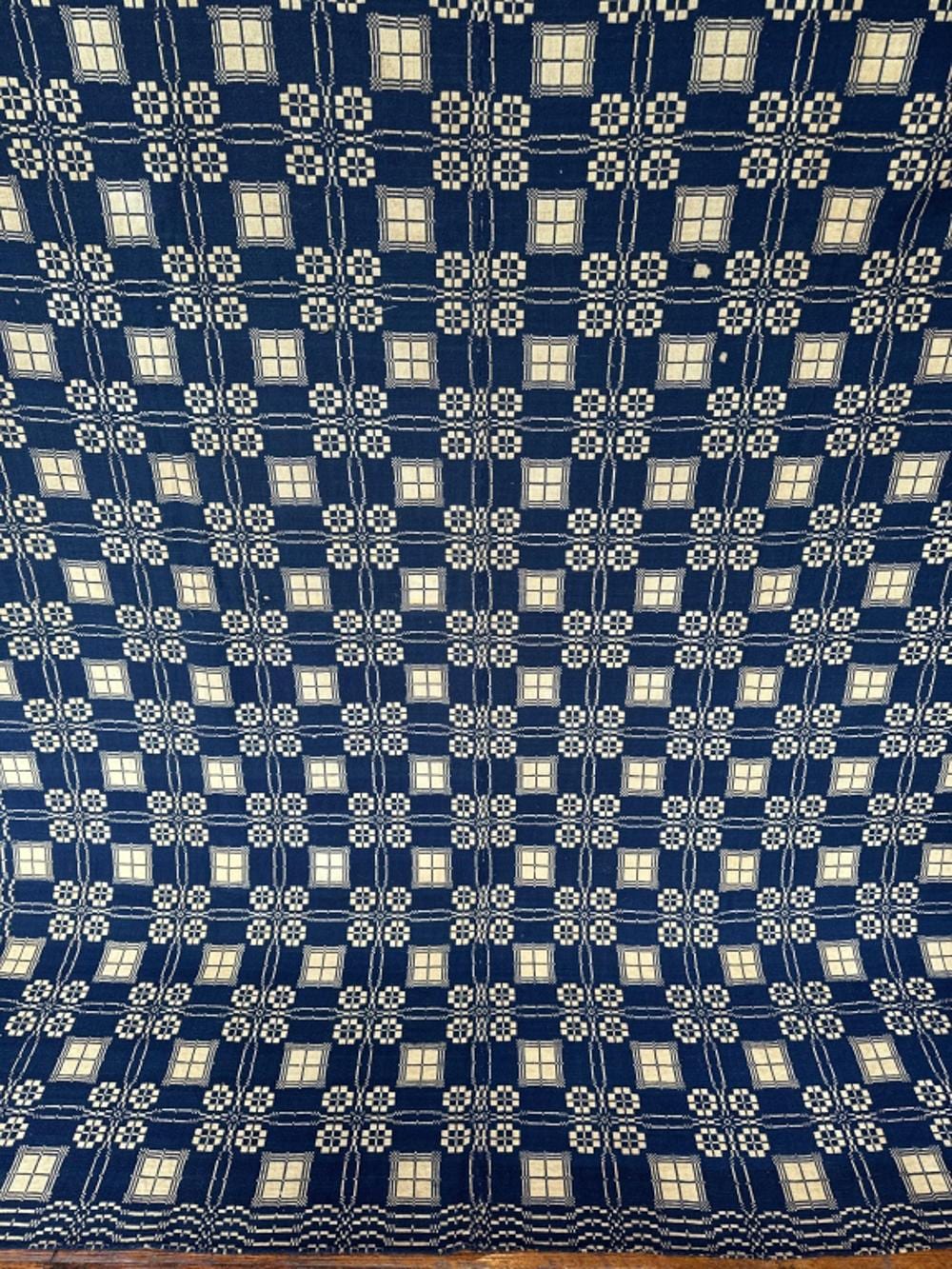
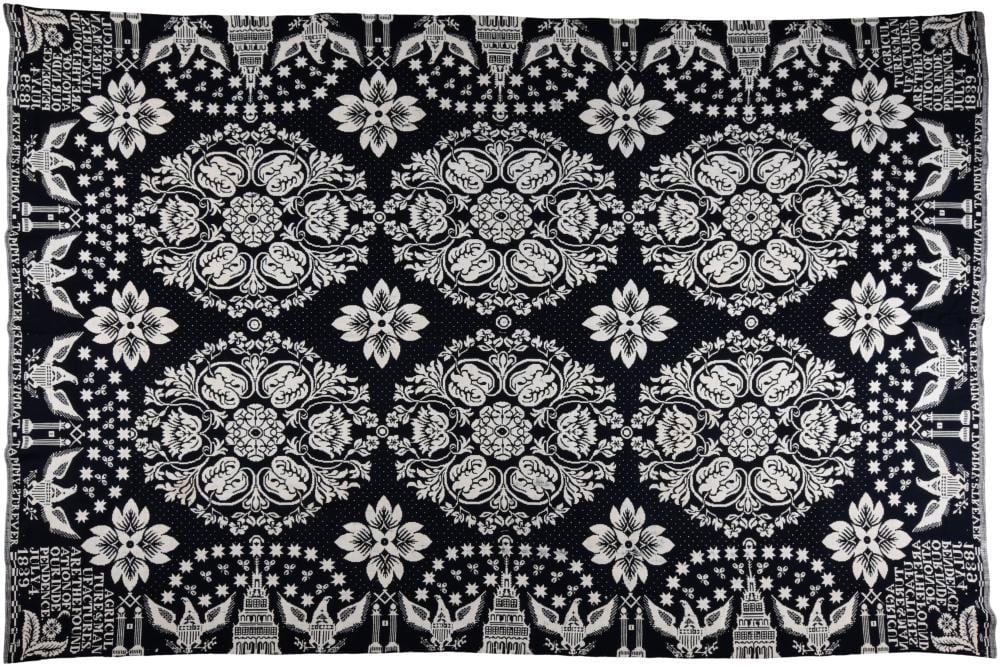
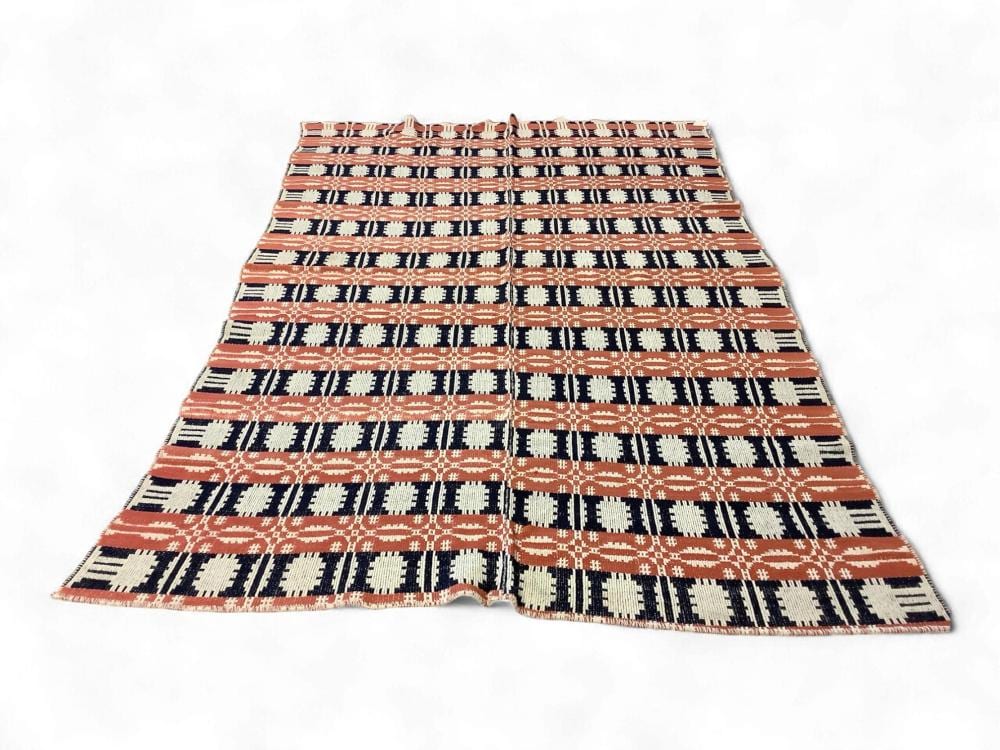
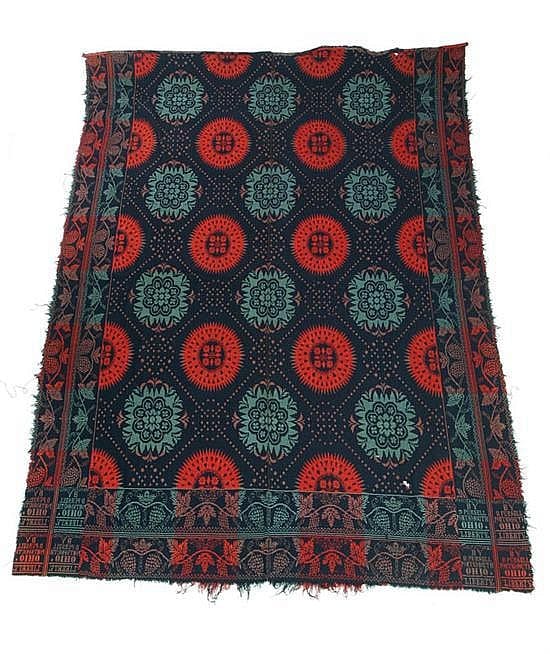
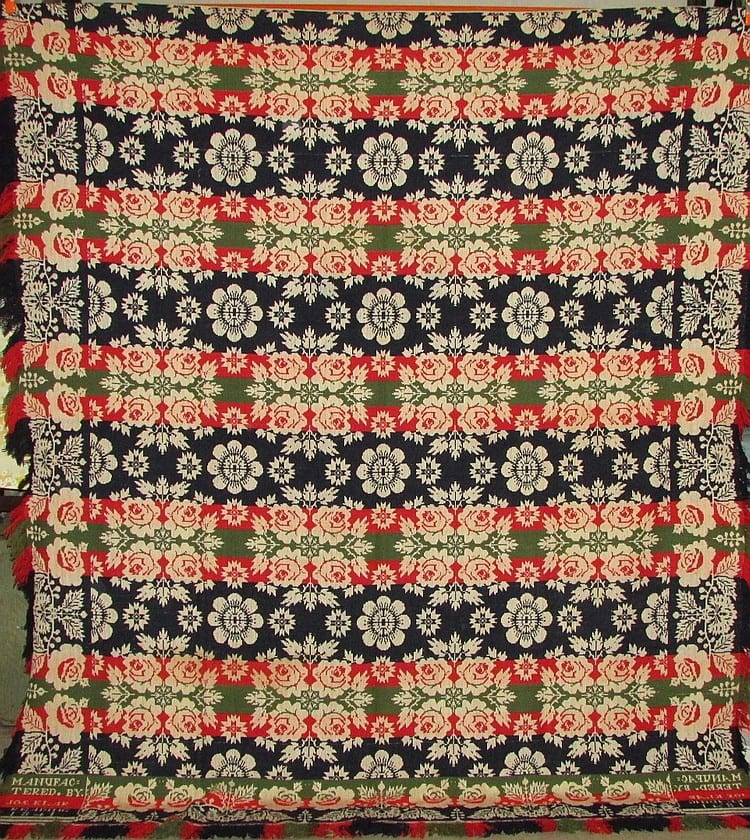
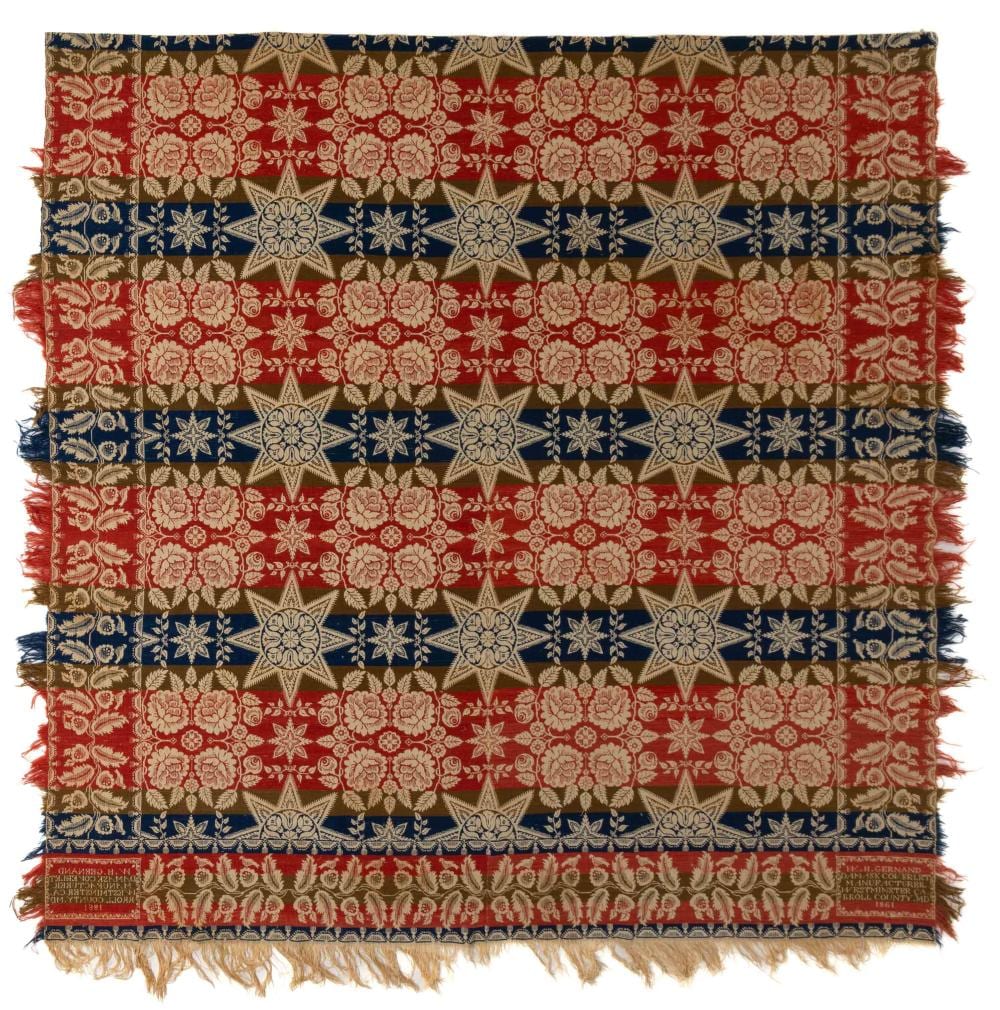
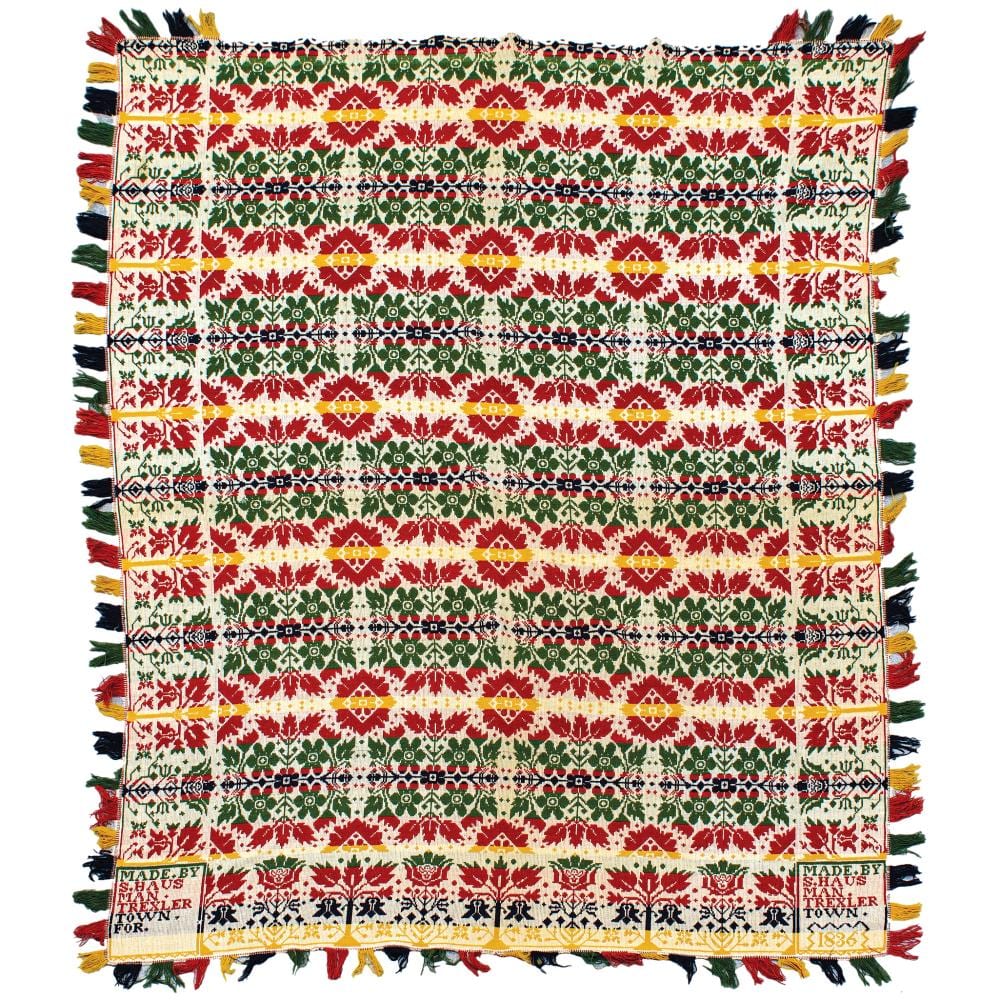
Shown USD range: USD 20-USD 3,000. Median of these 99 USD examples: USD 225.
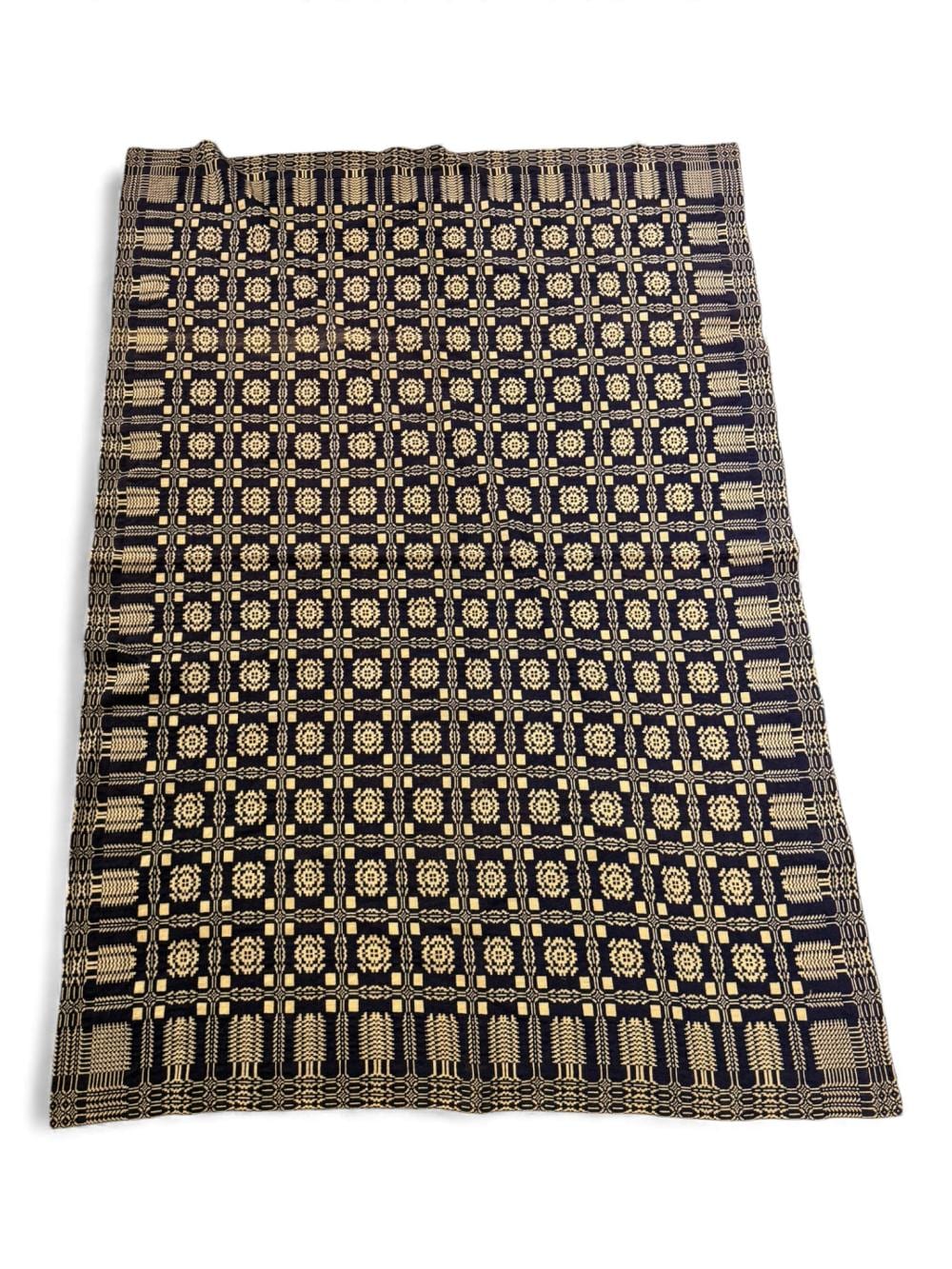
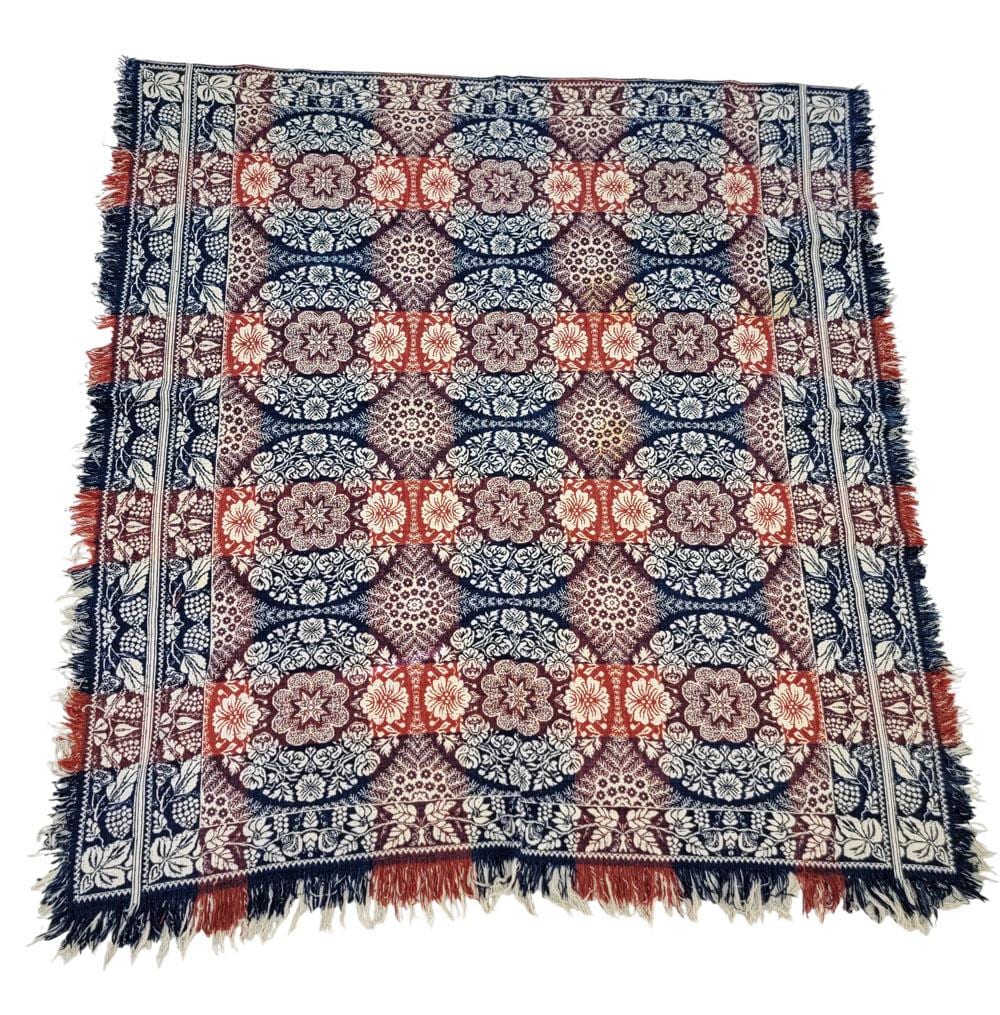
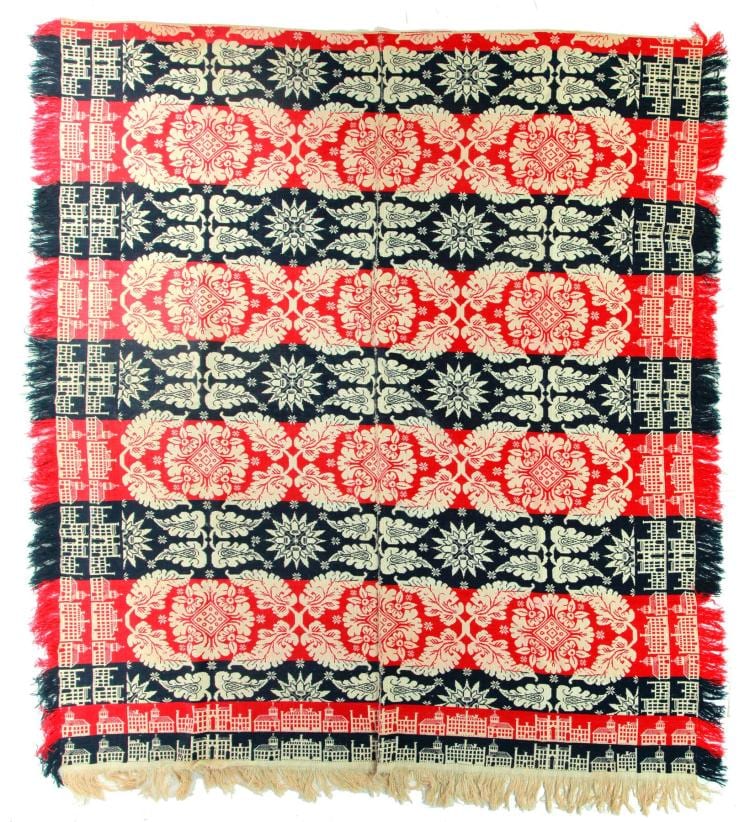
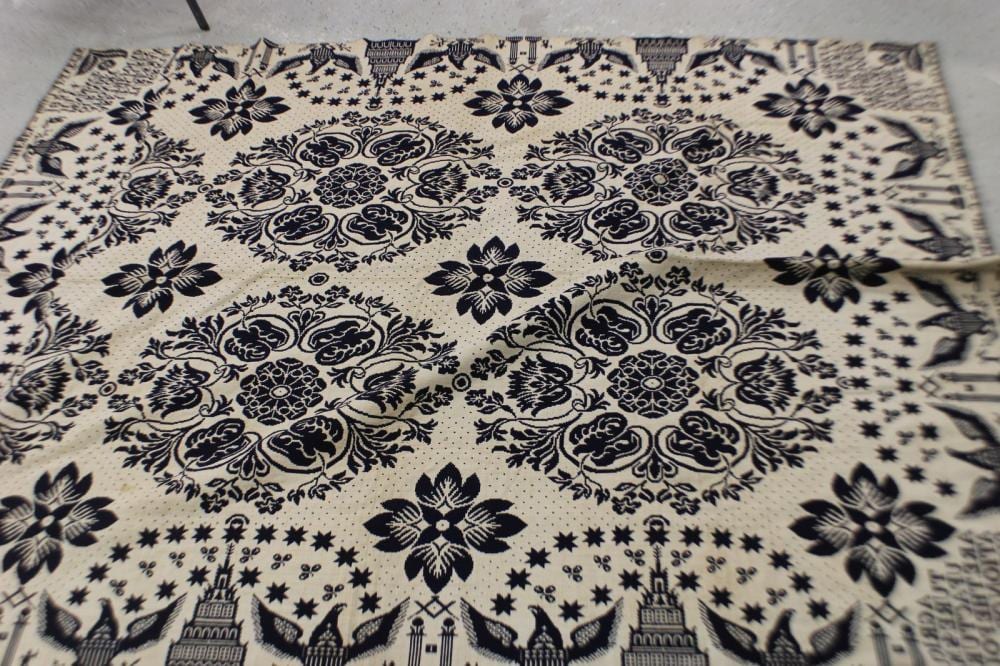
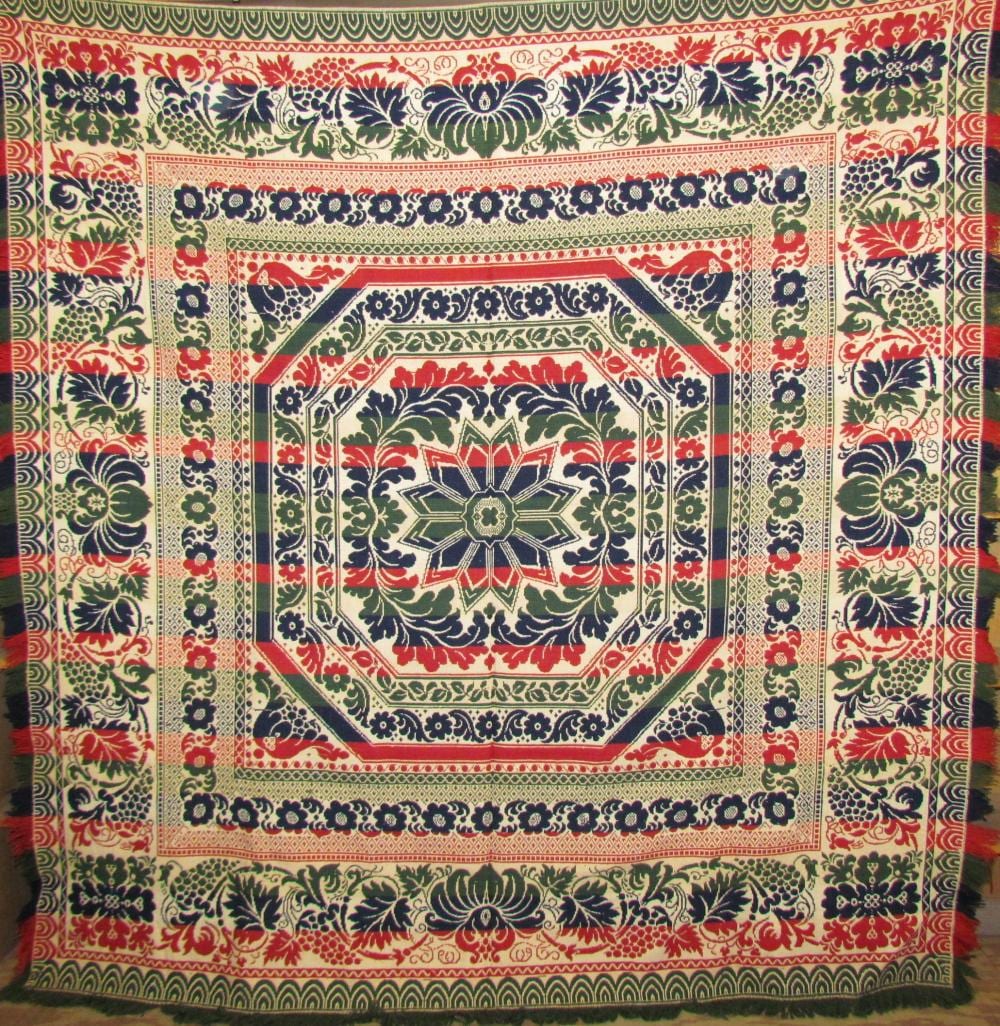
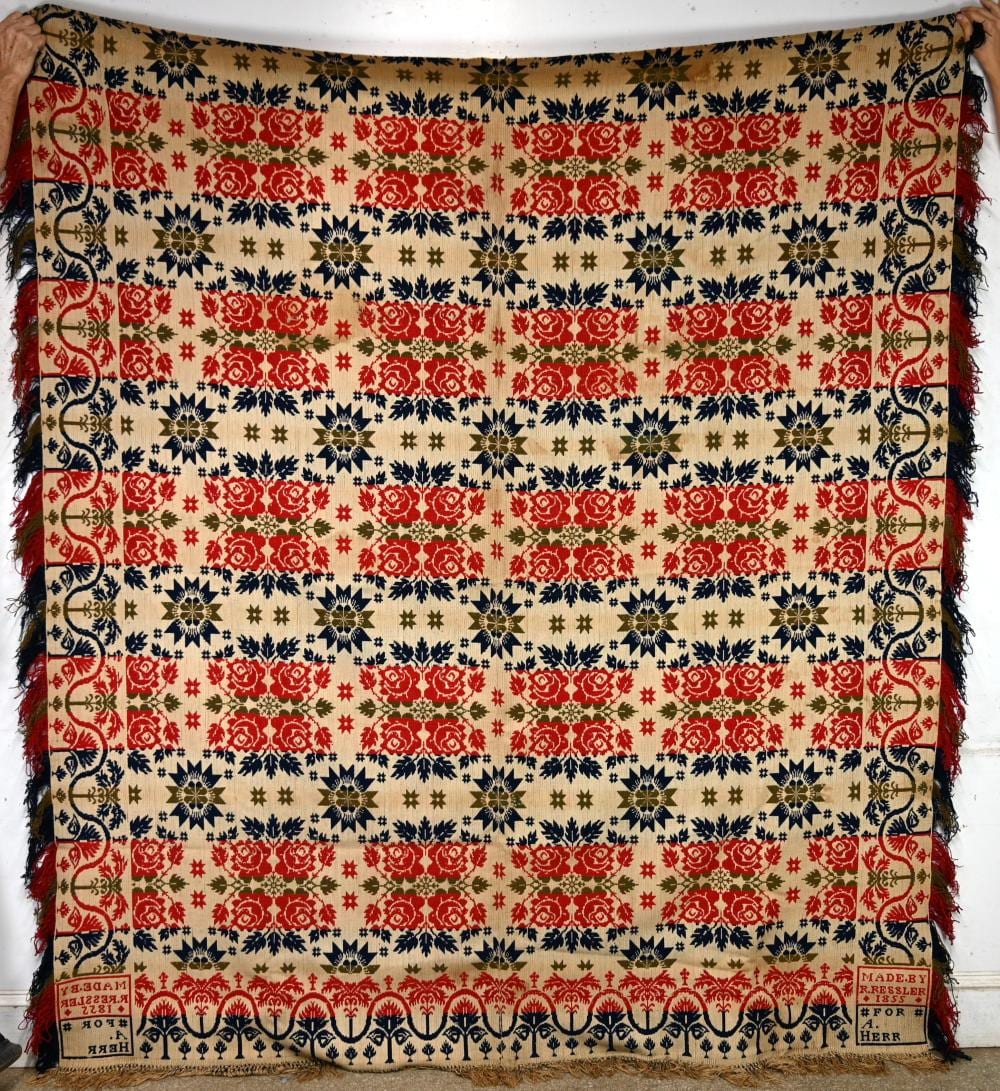
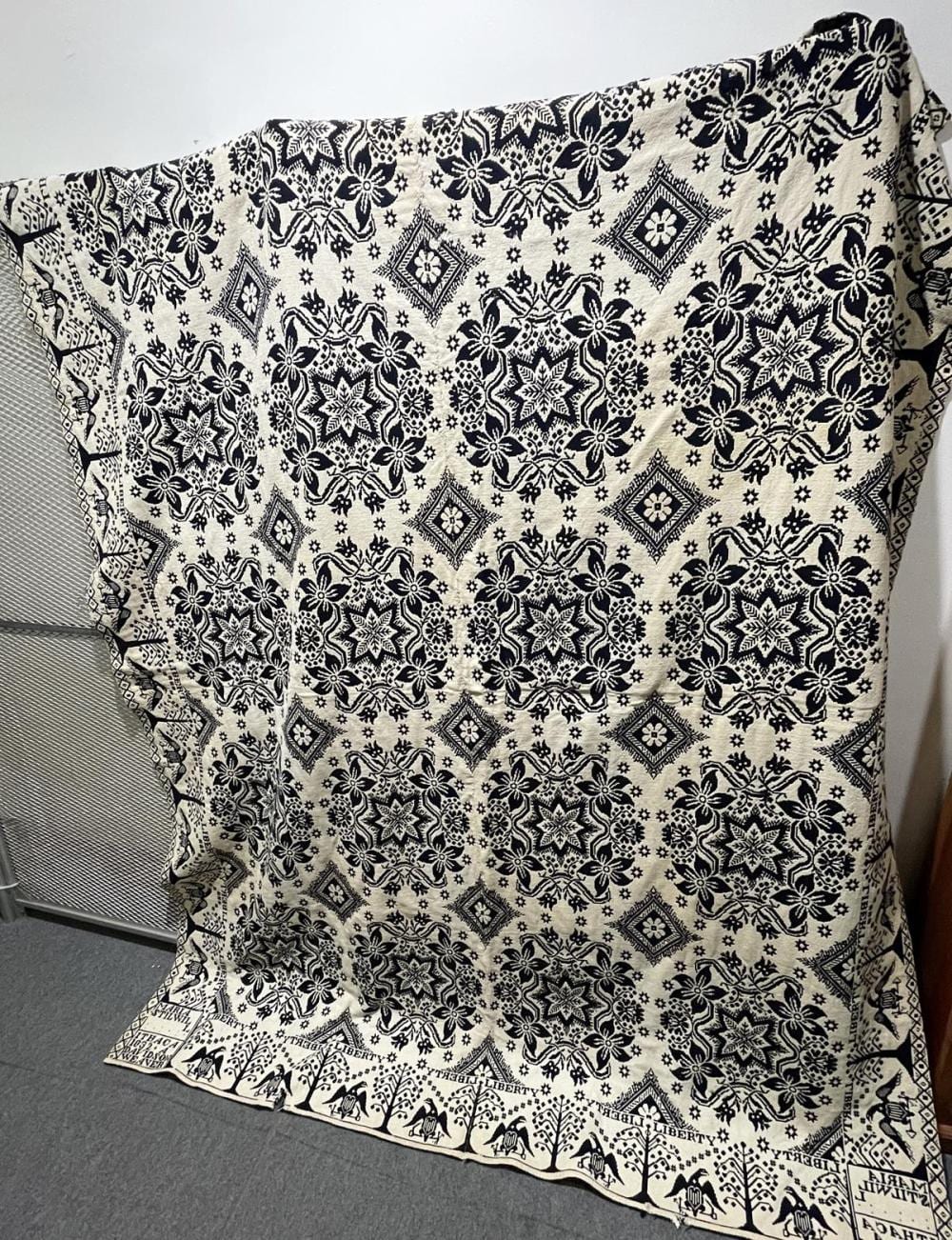
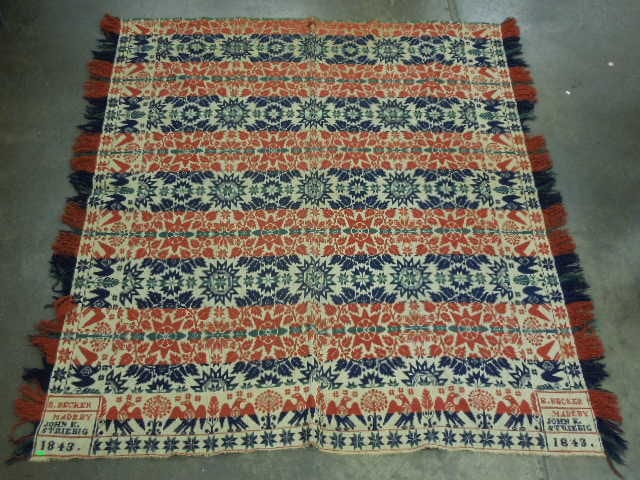
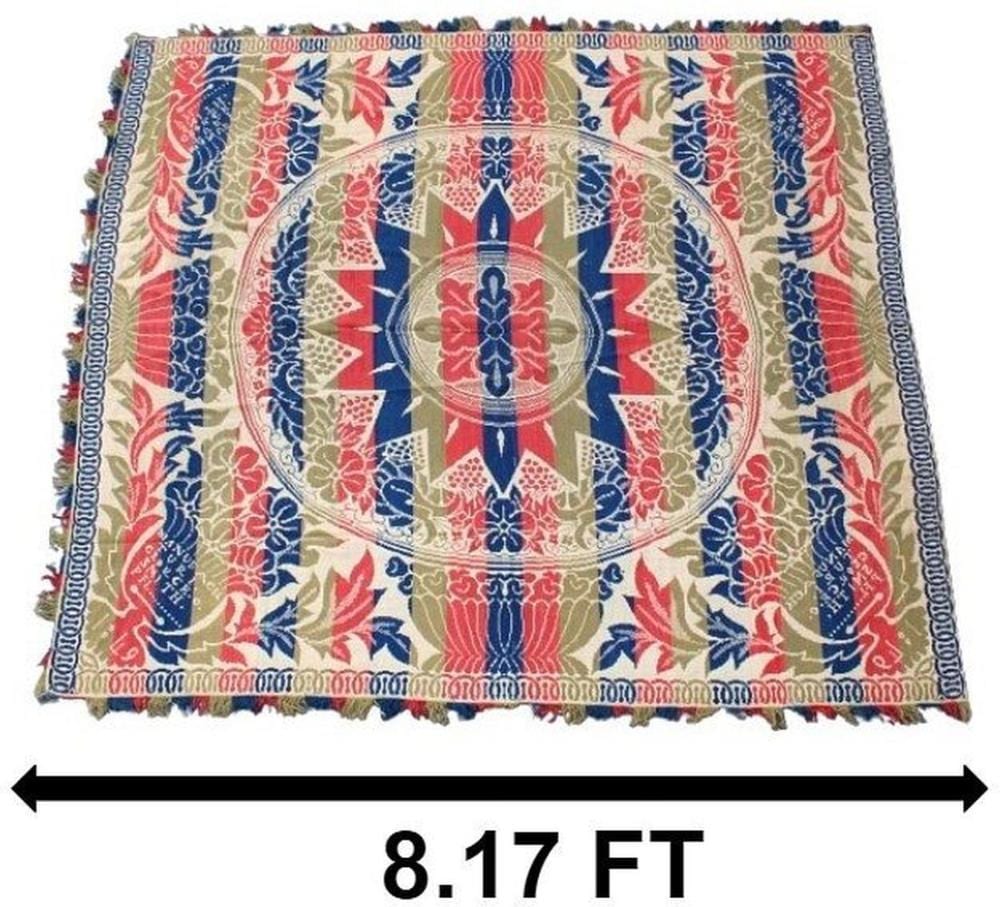
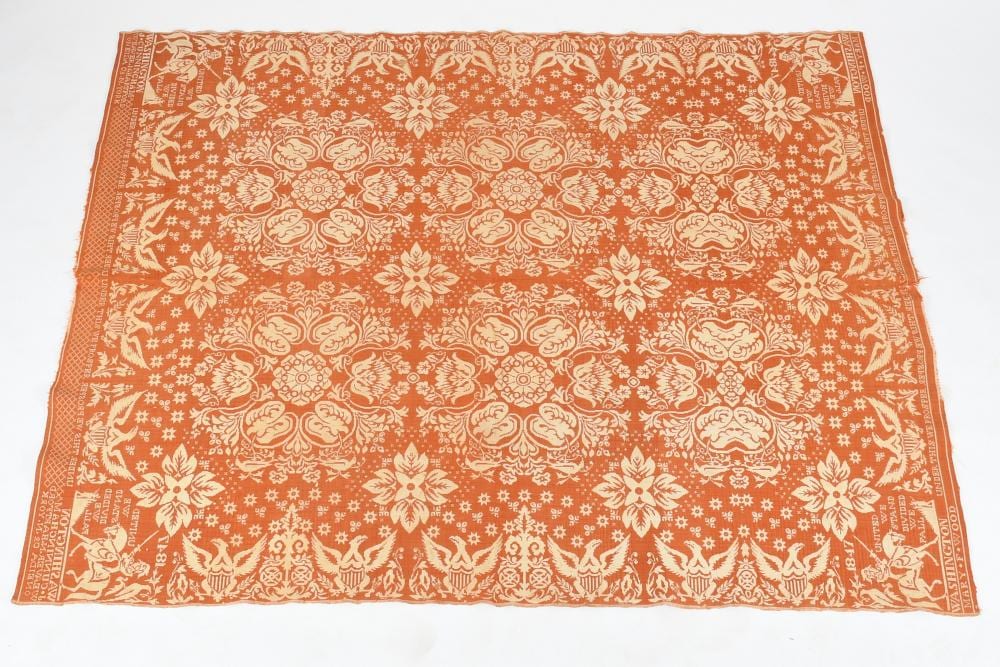
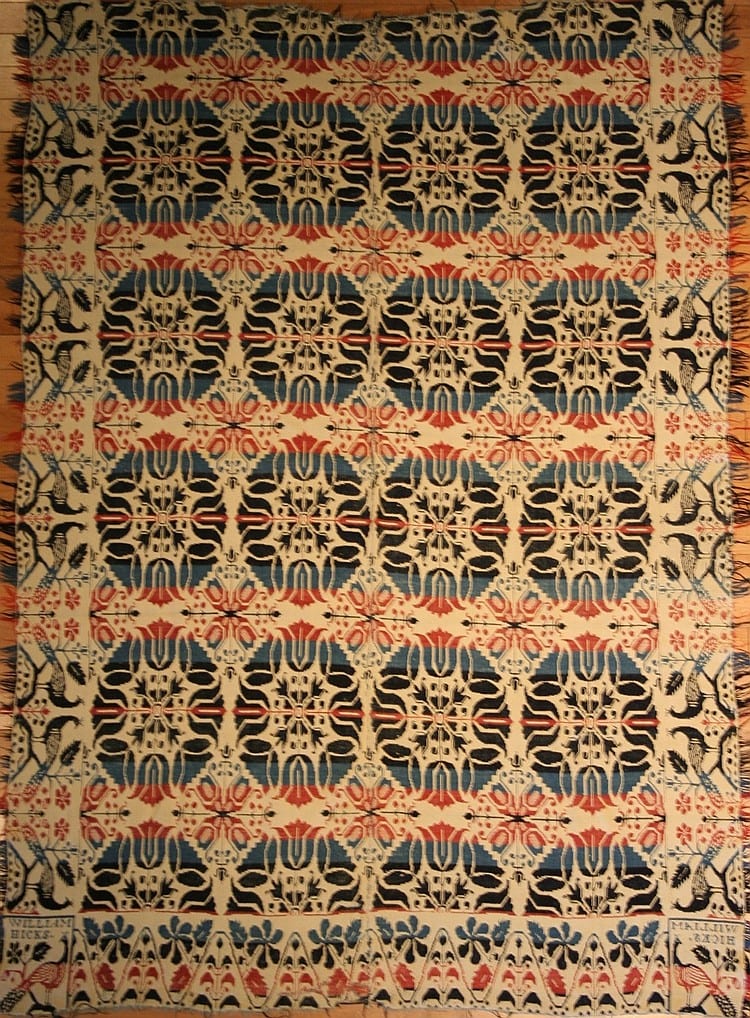
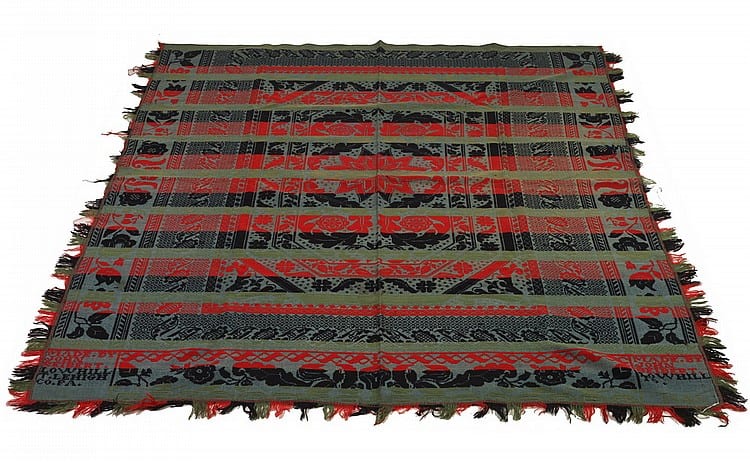
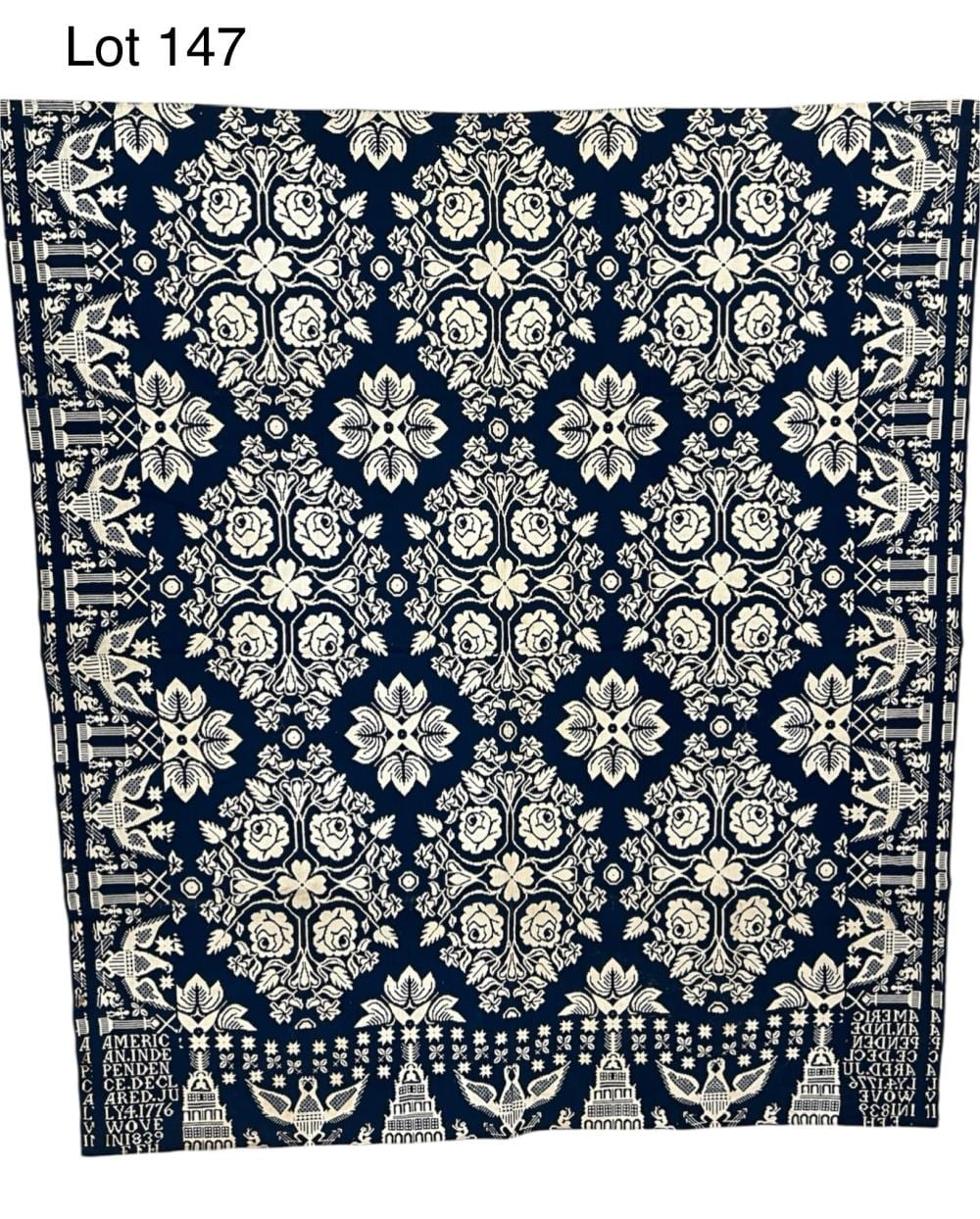
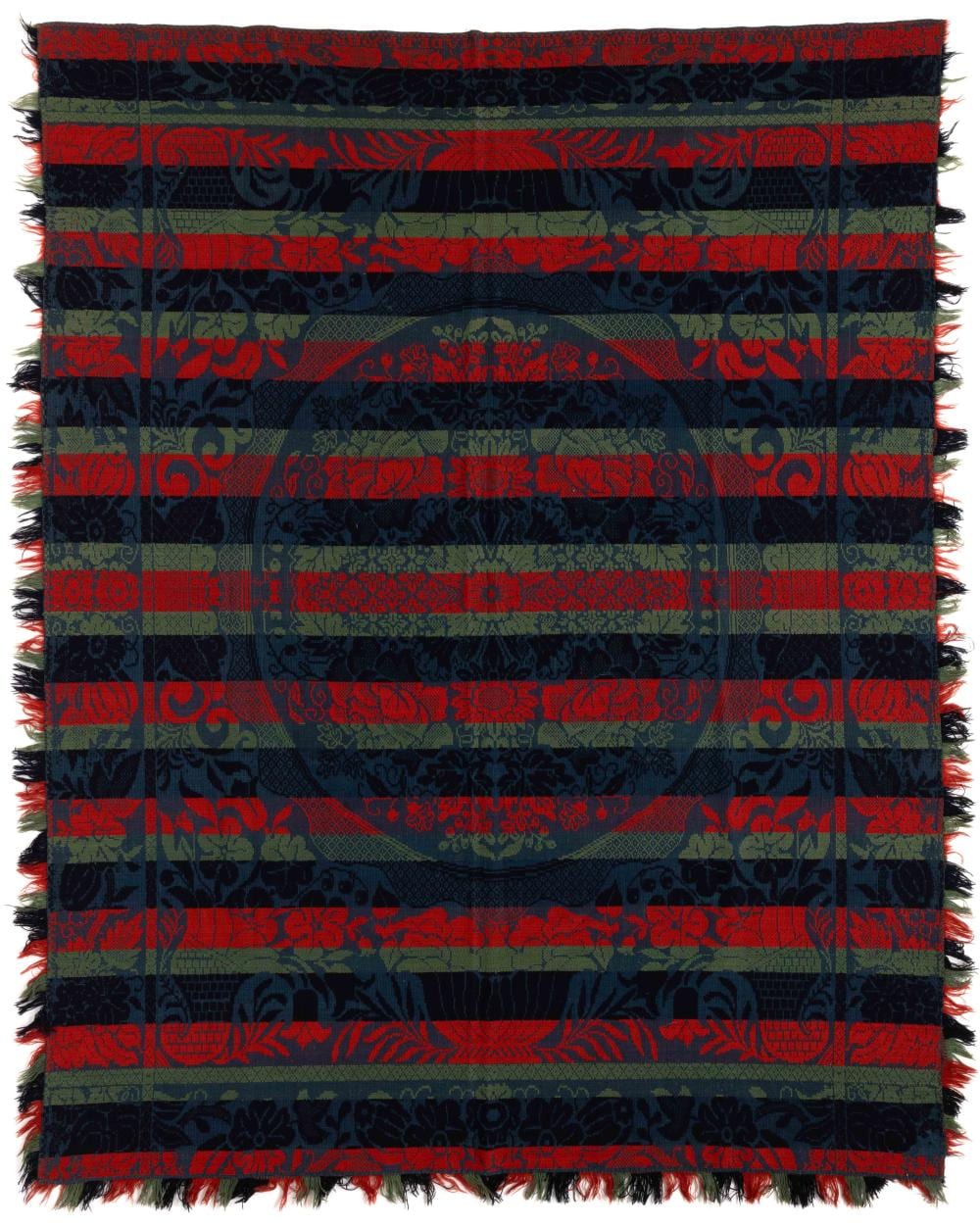
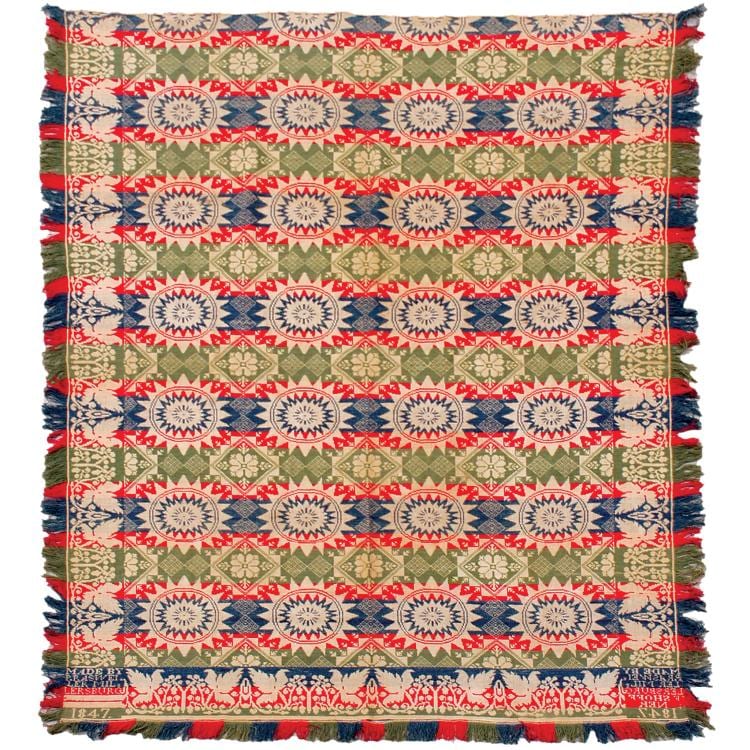
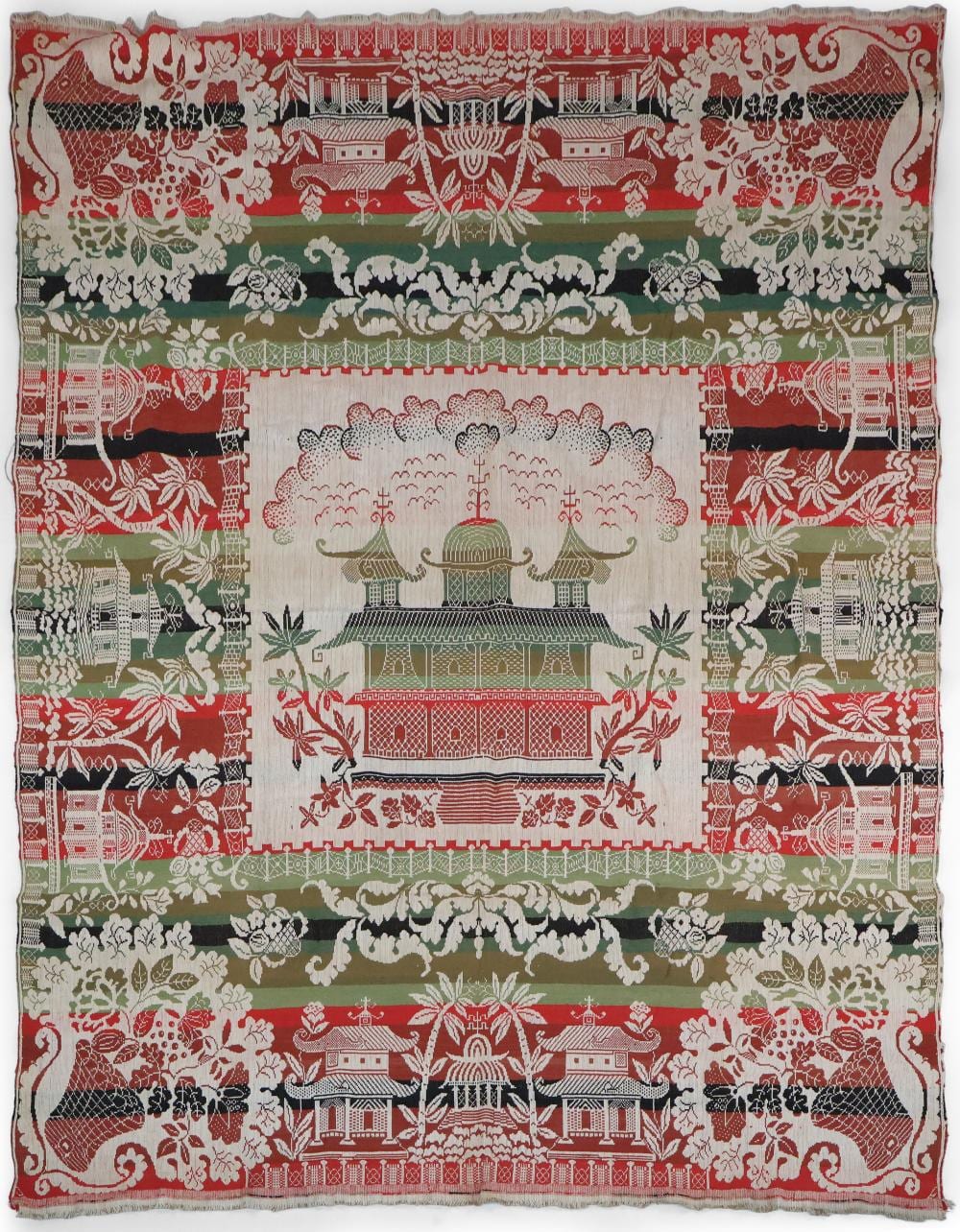
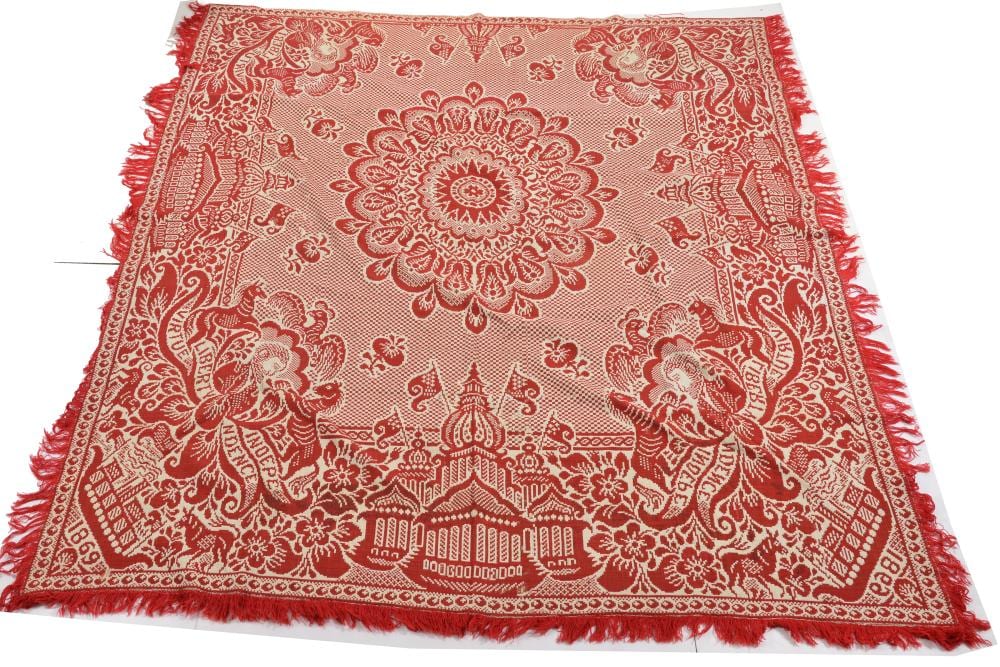
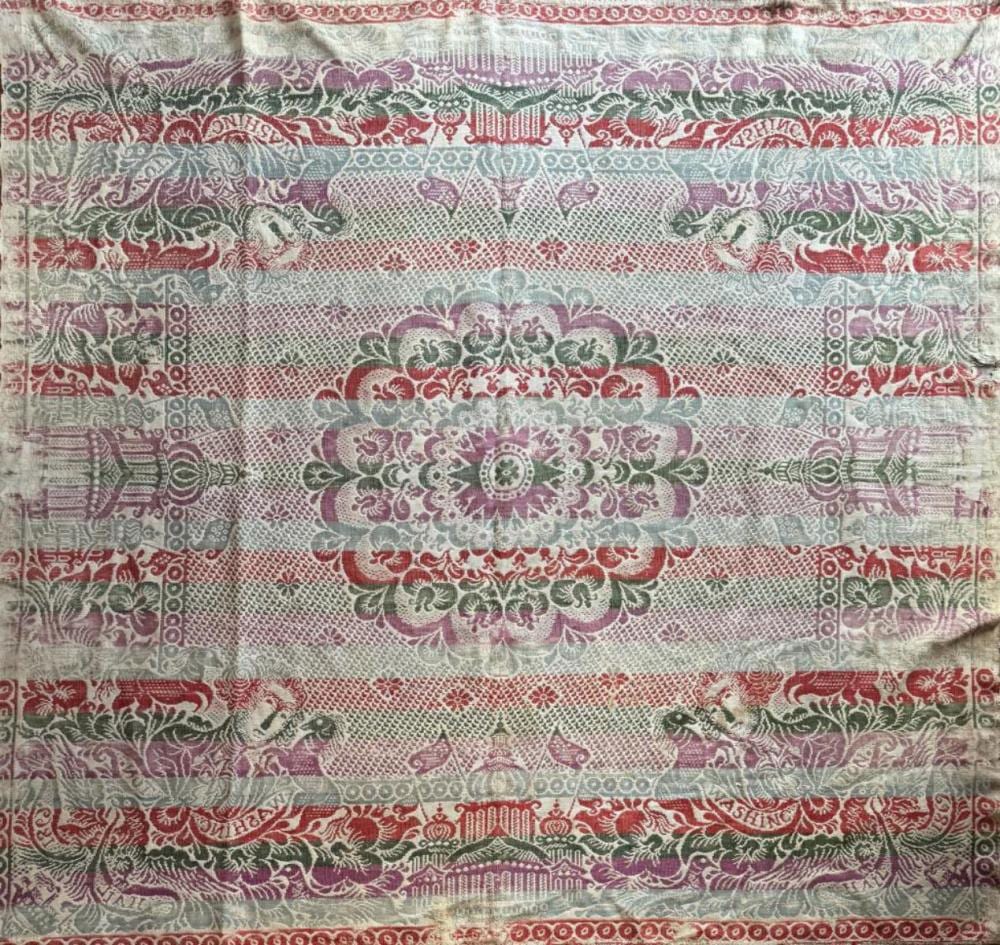
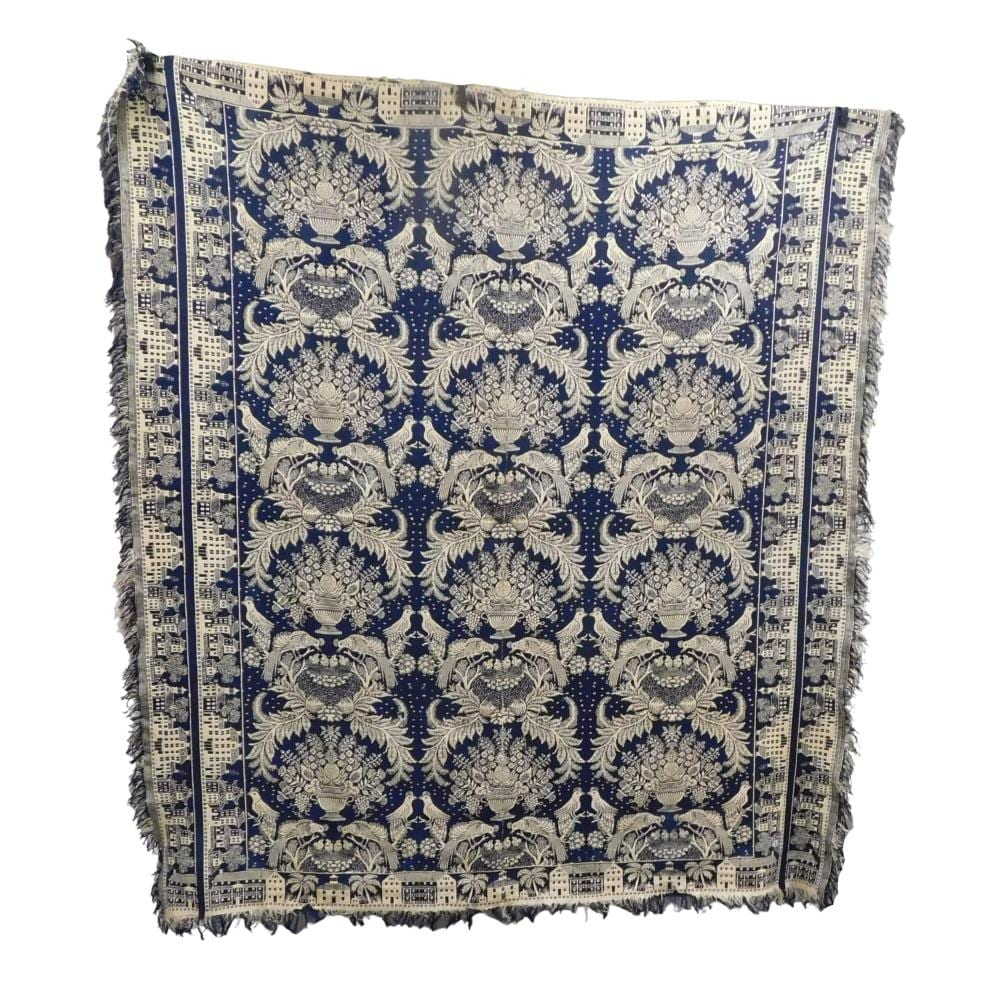
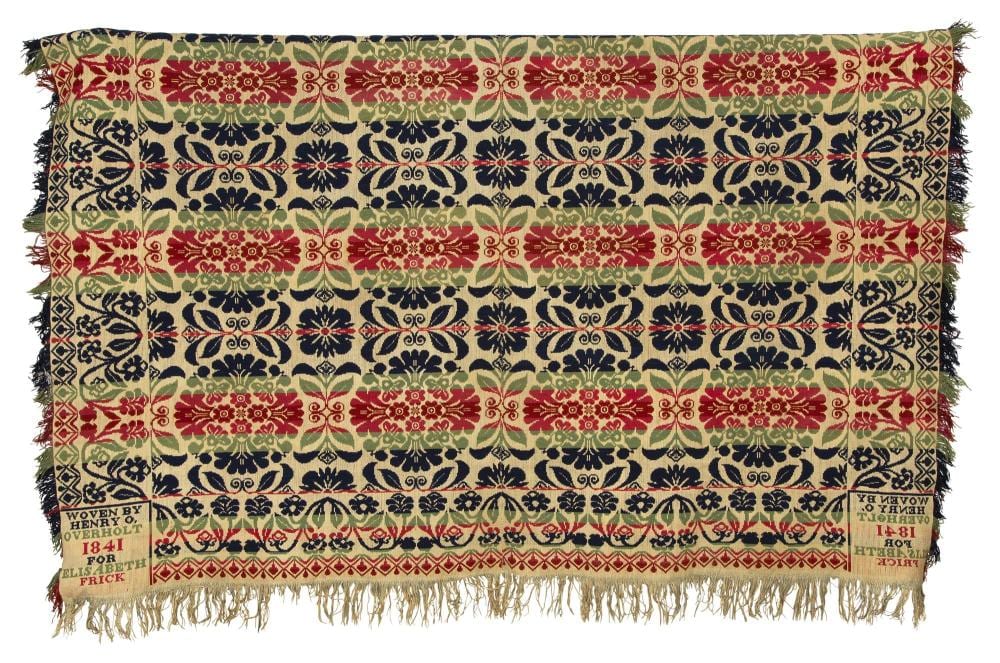
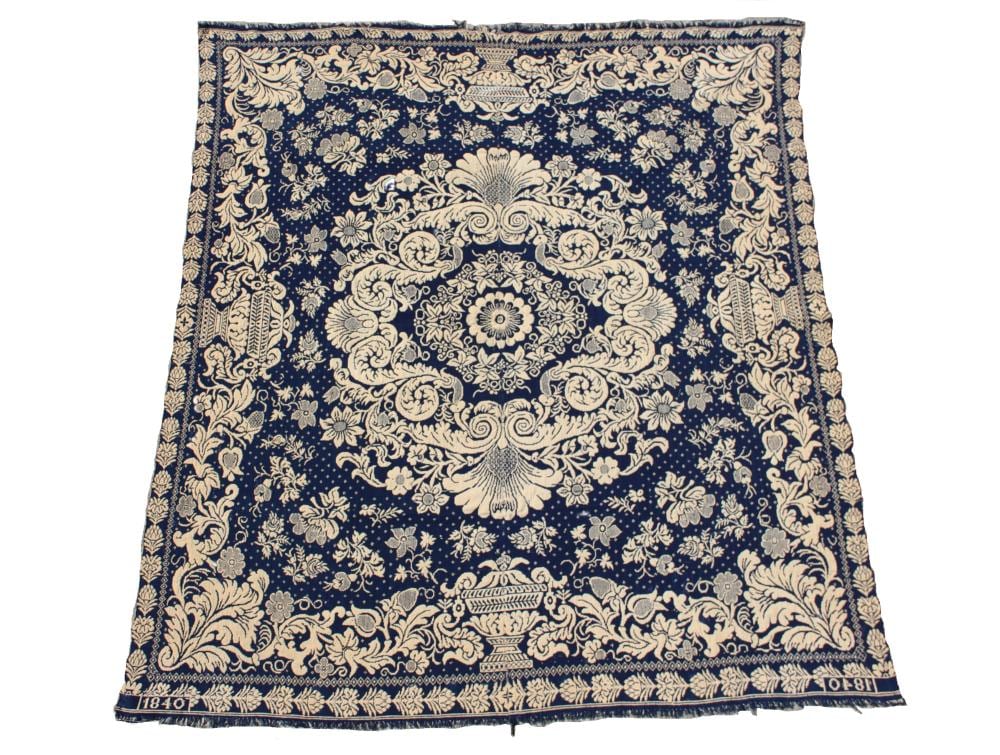
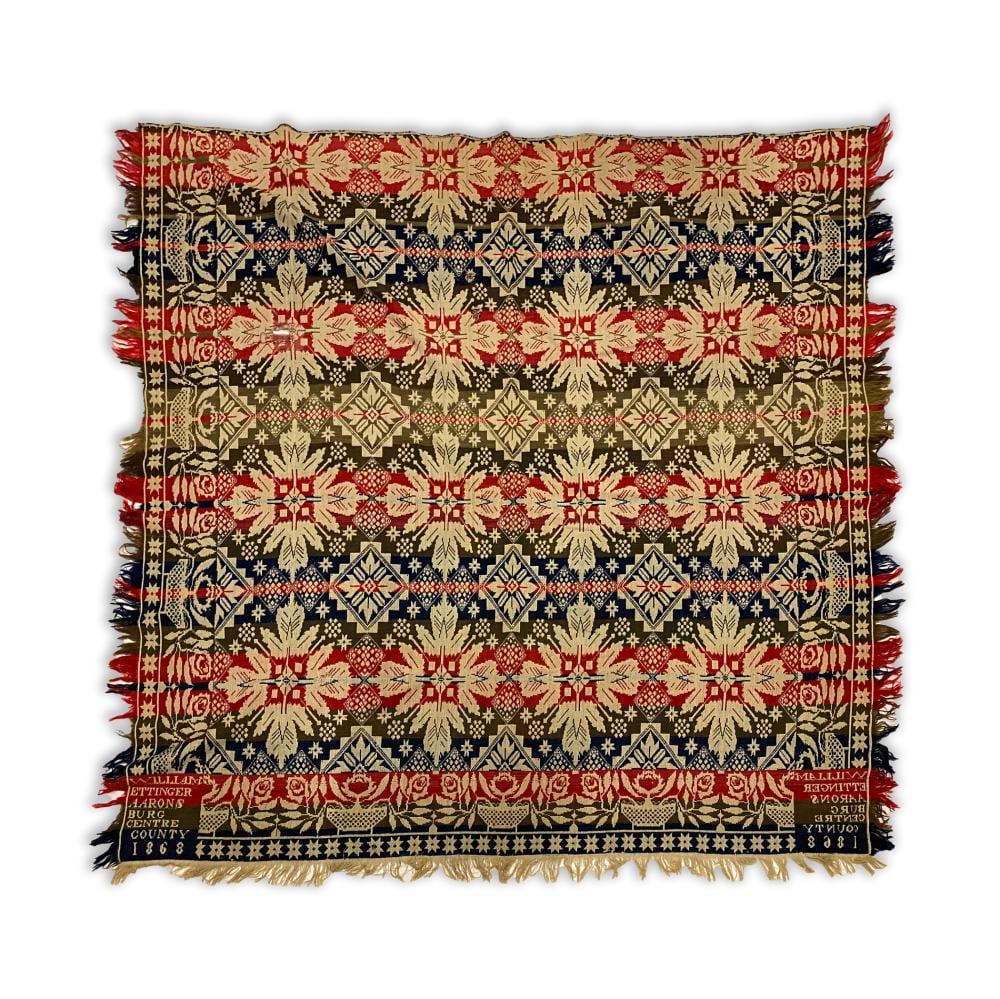
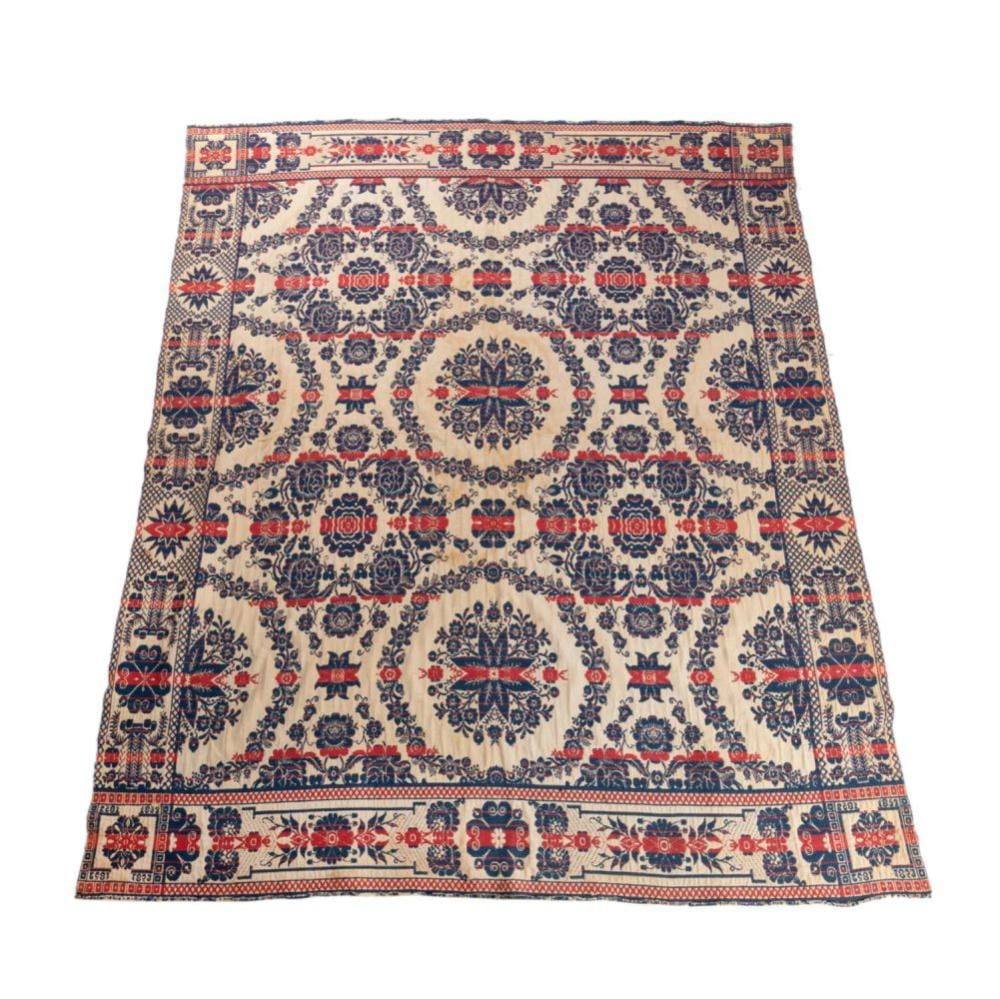
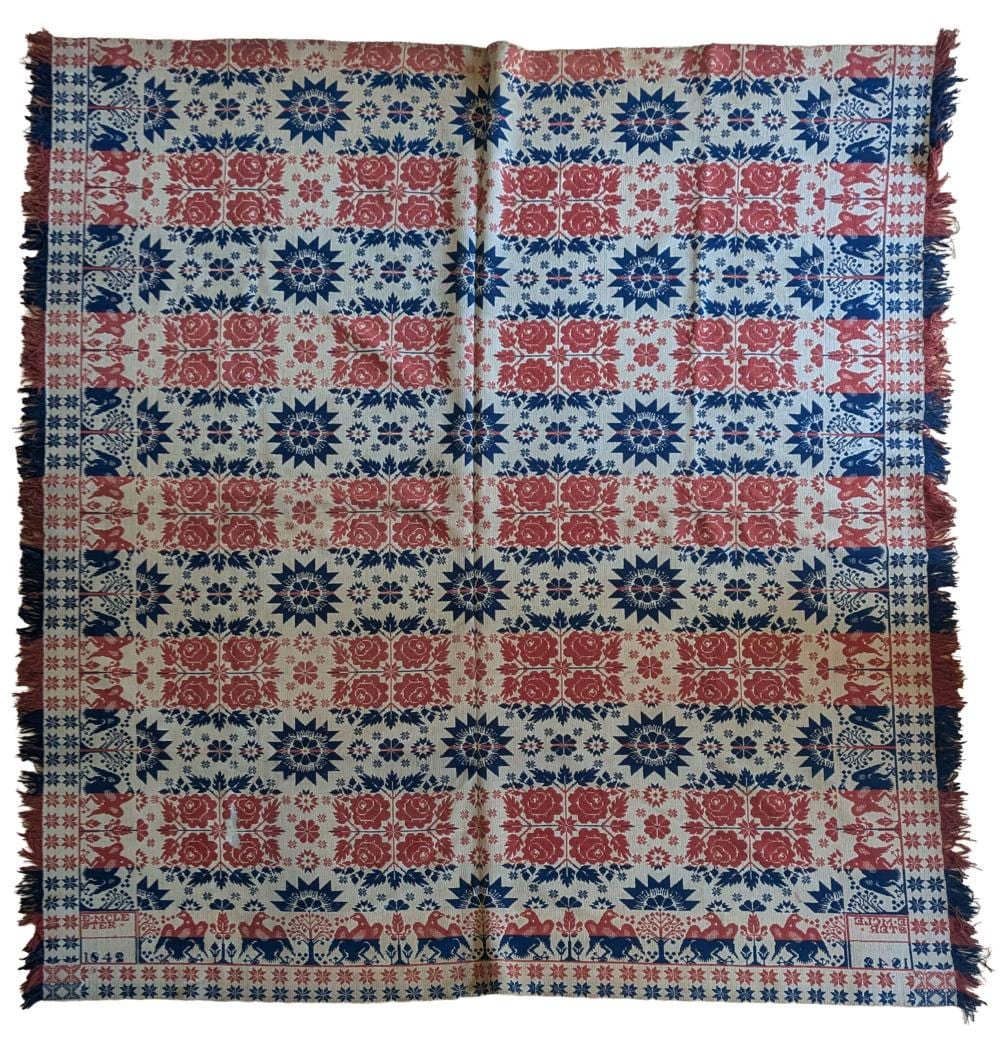
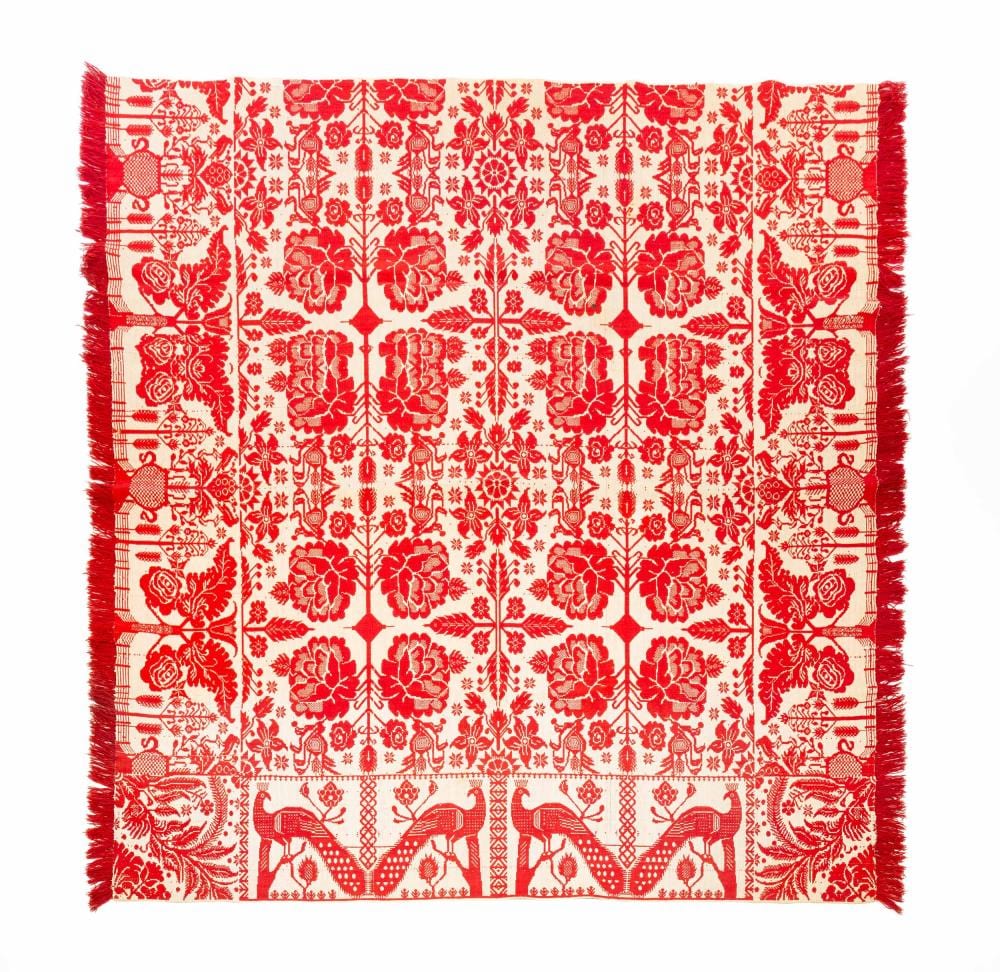
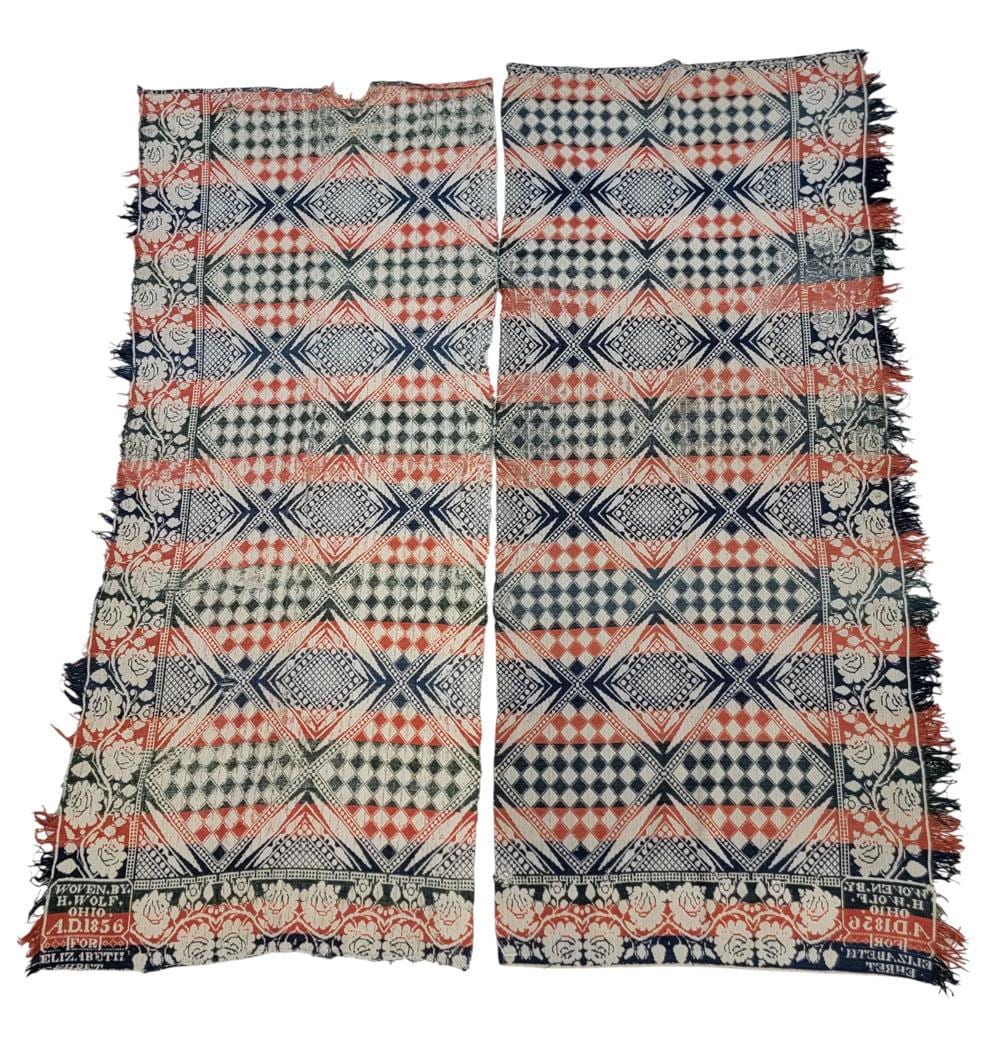
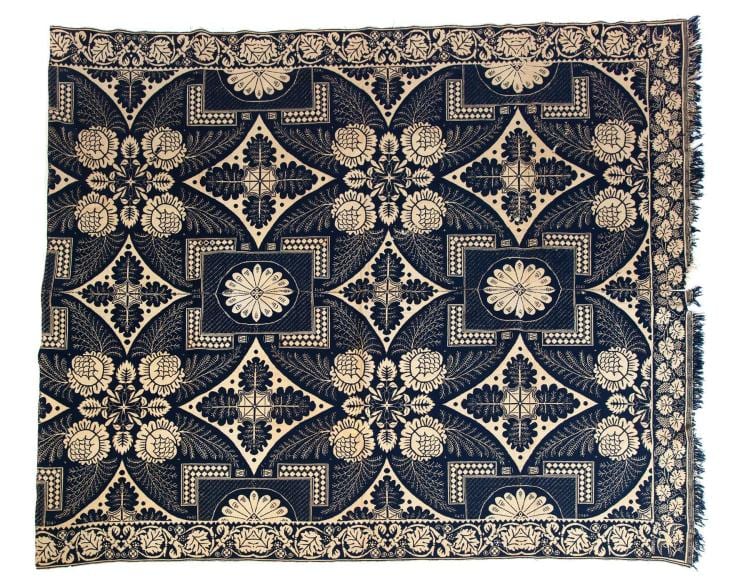
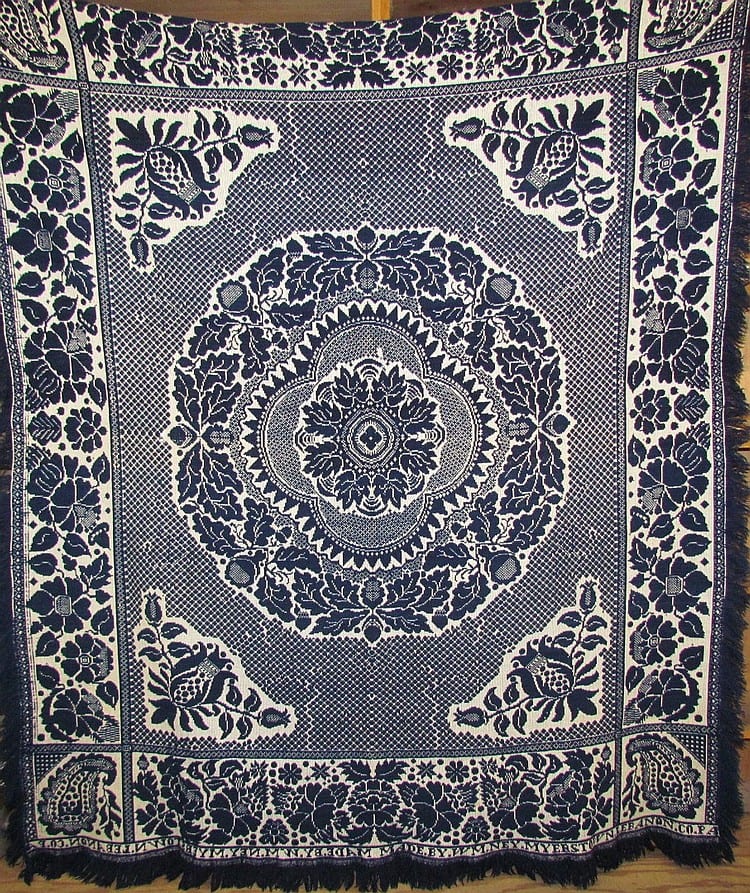
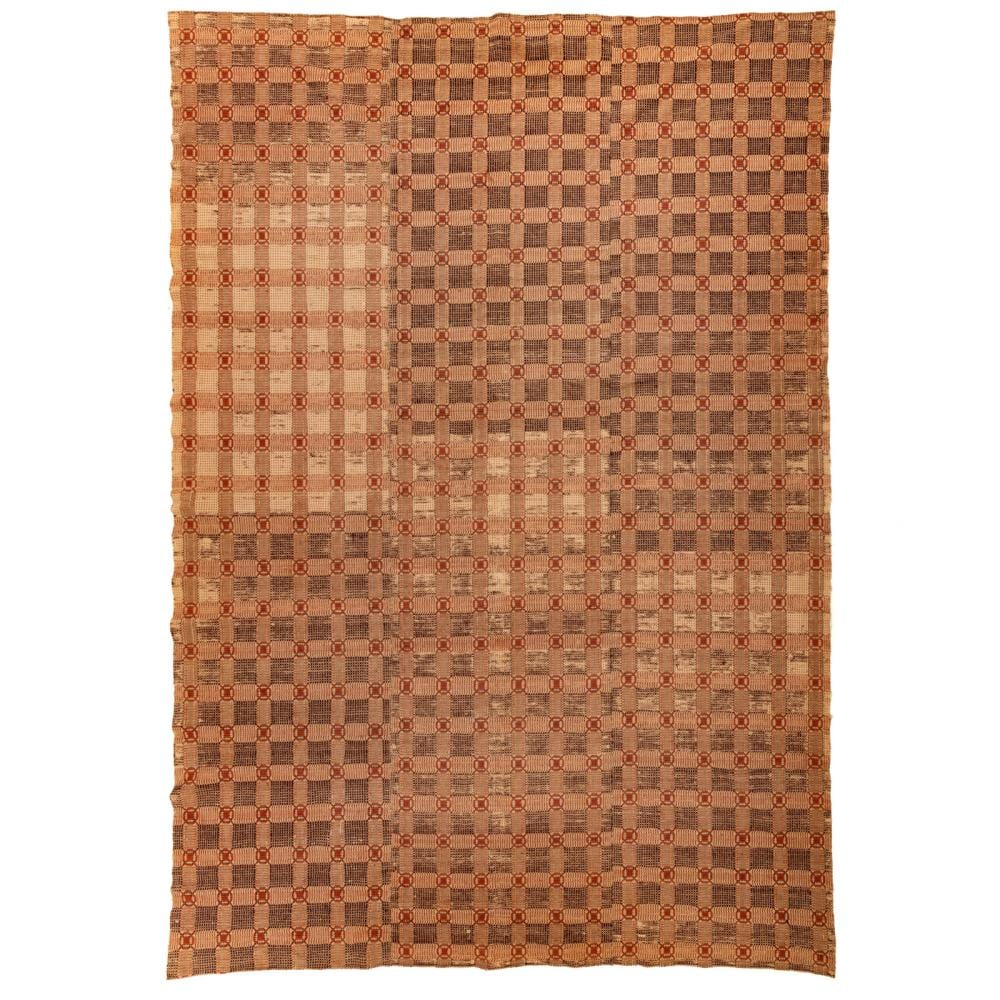
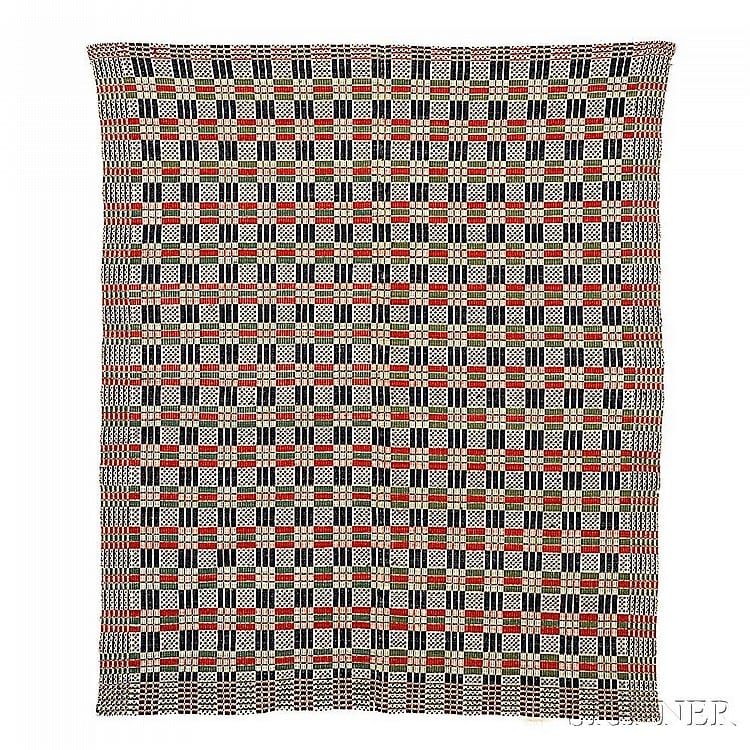
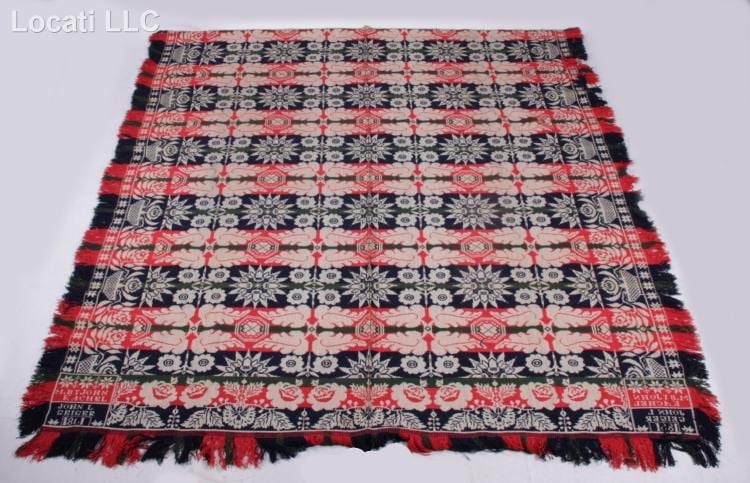
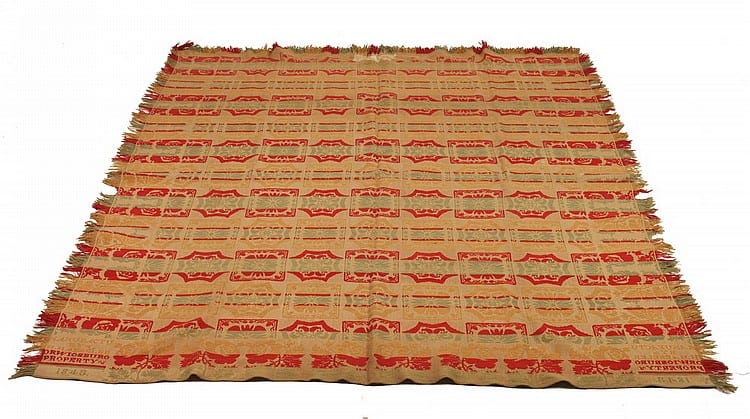
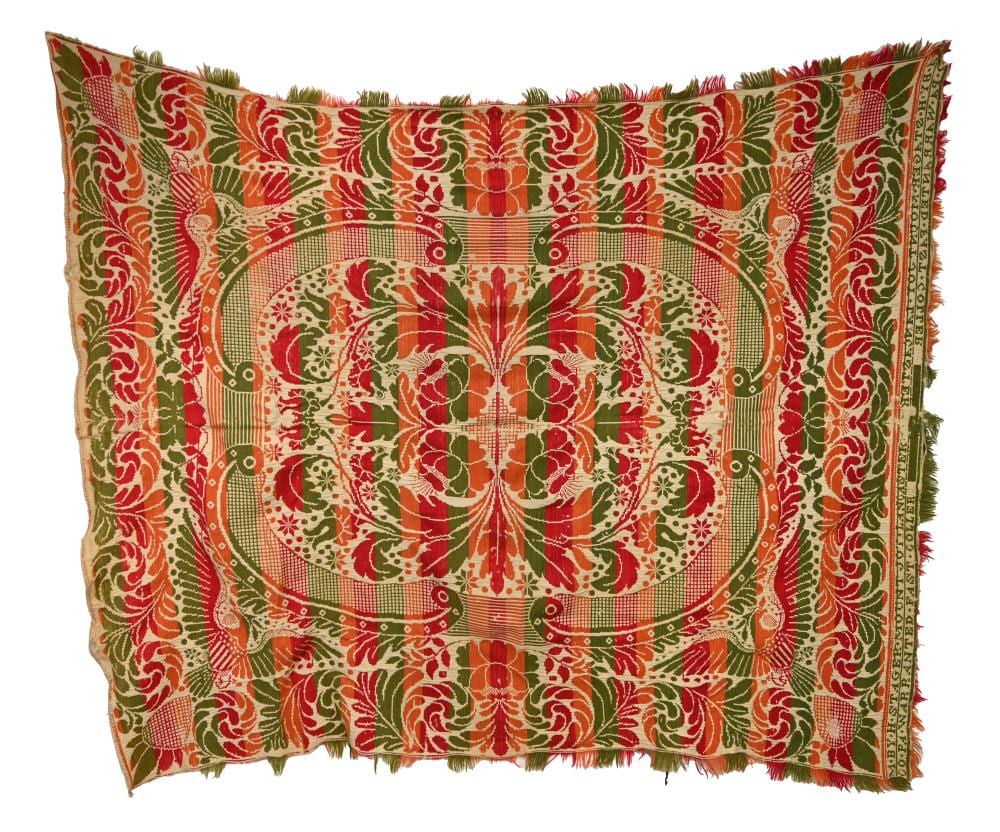
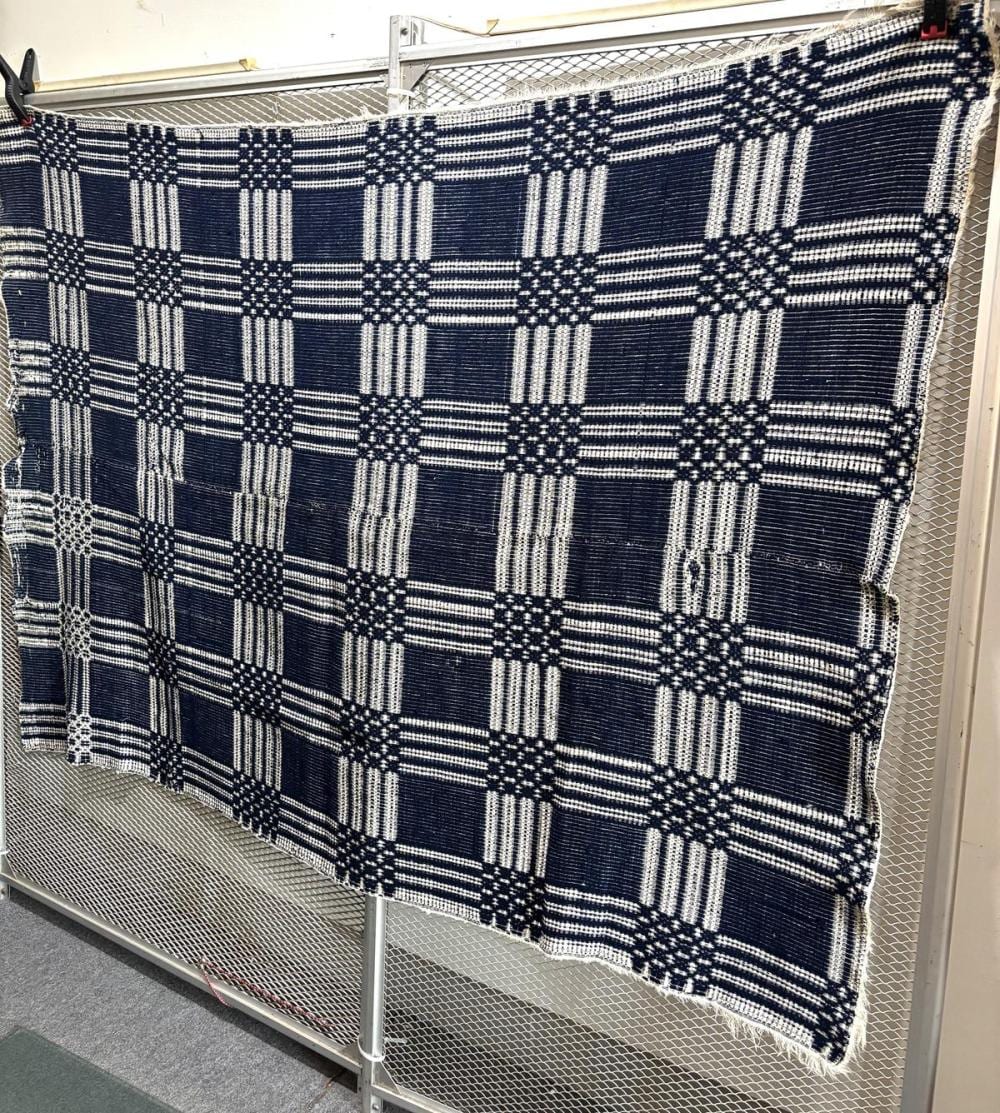
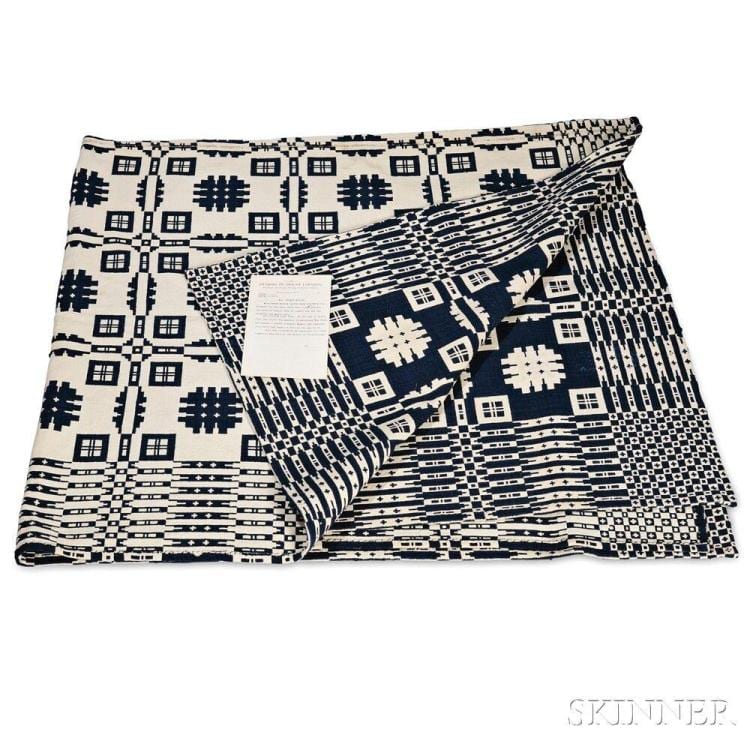
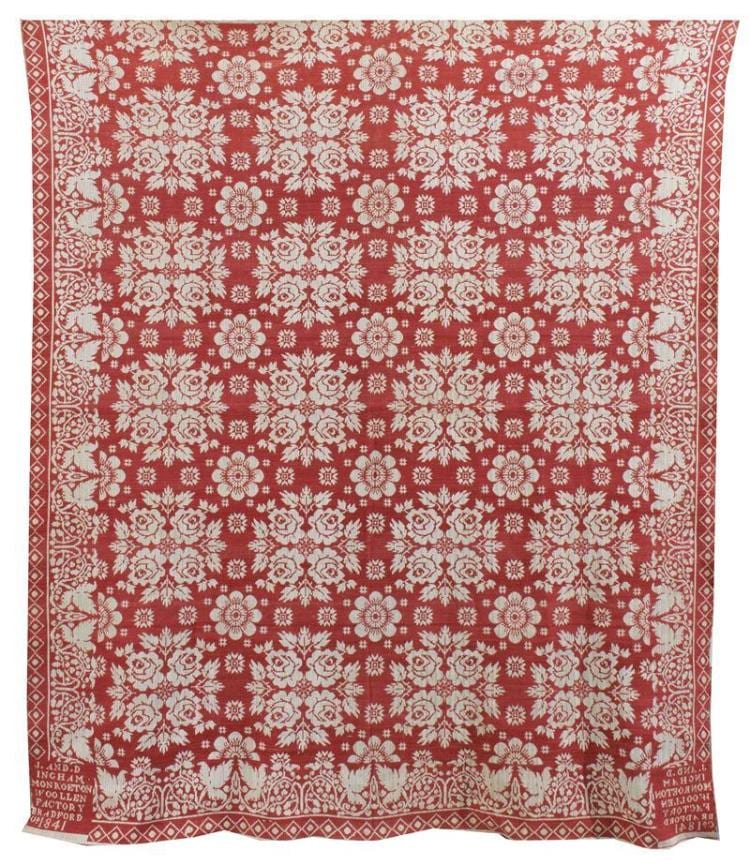
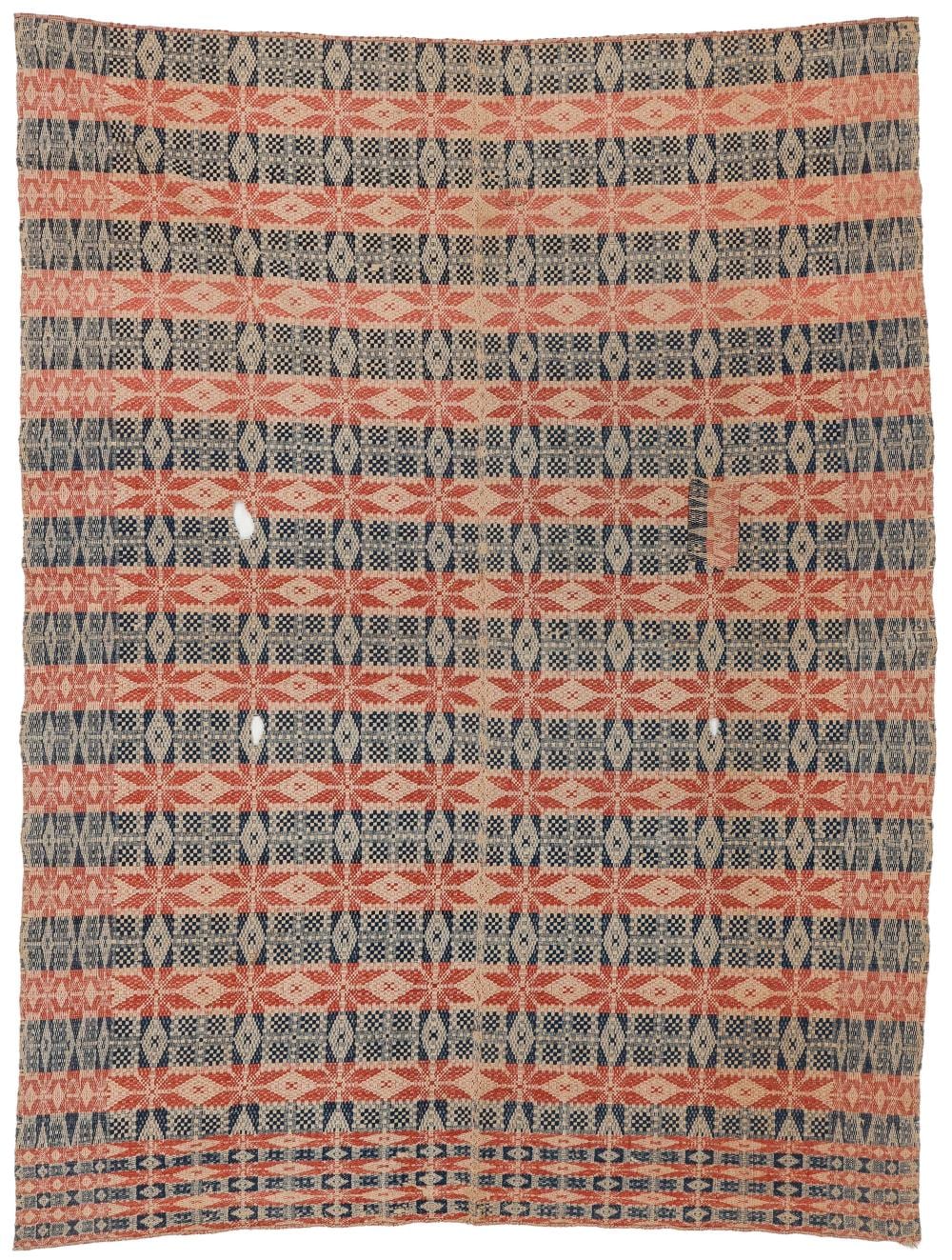
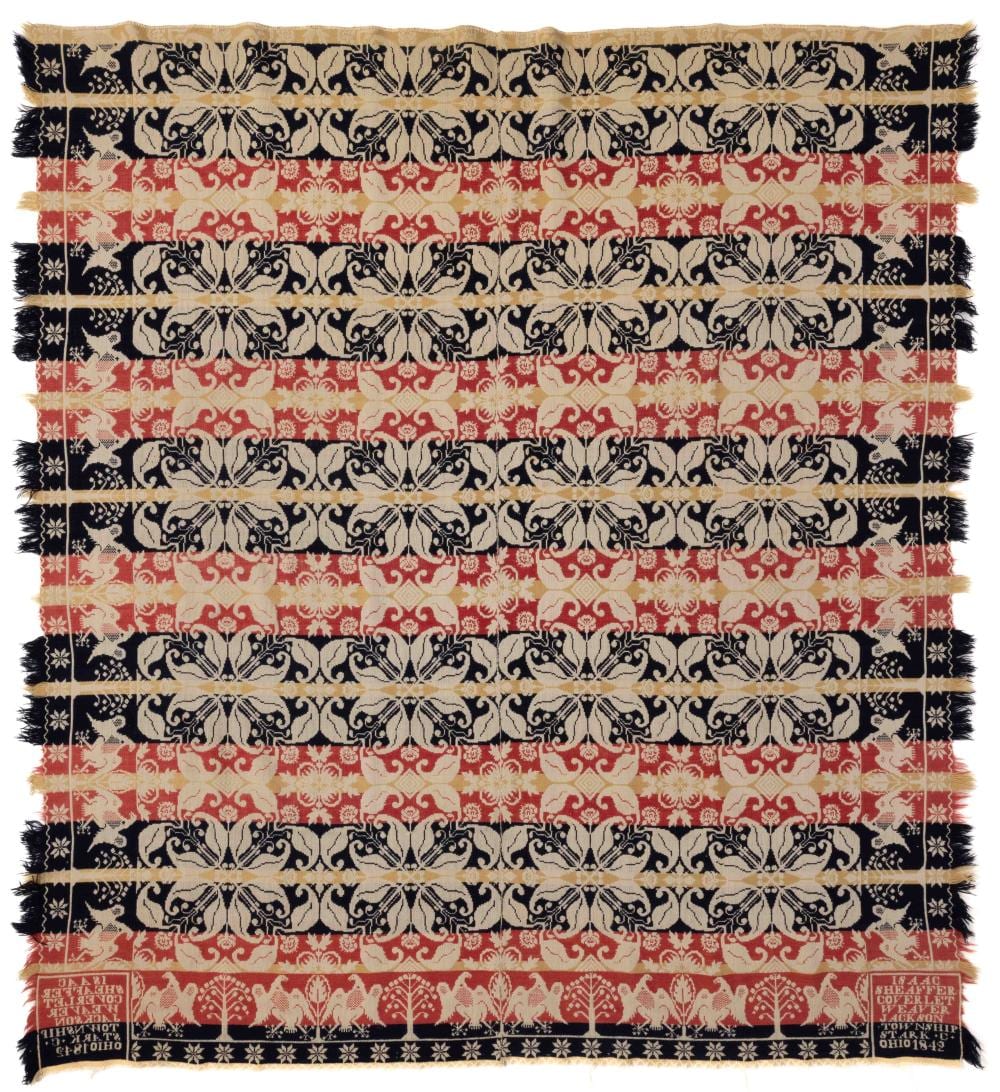
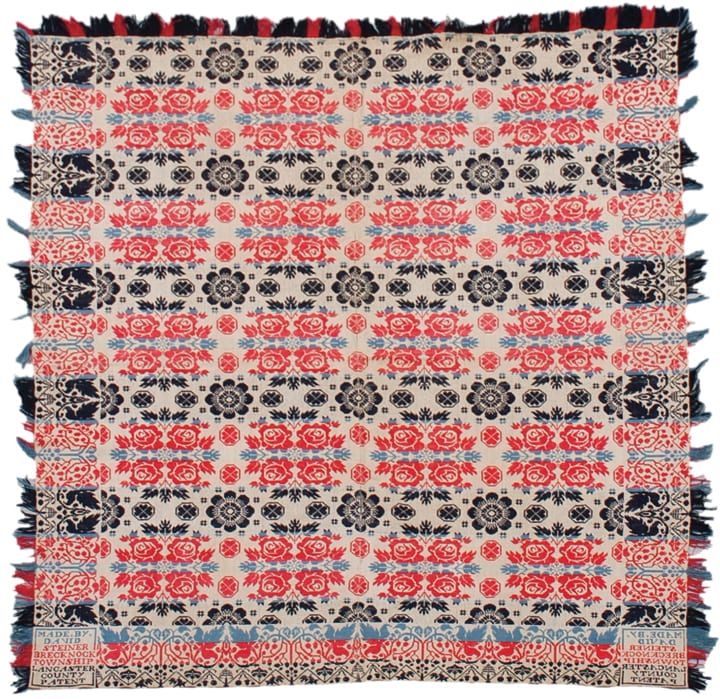
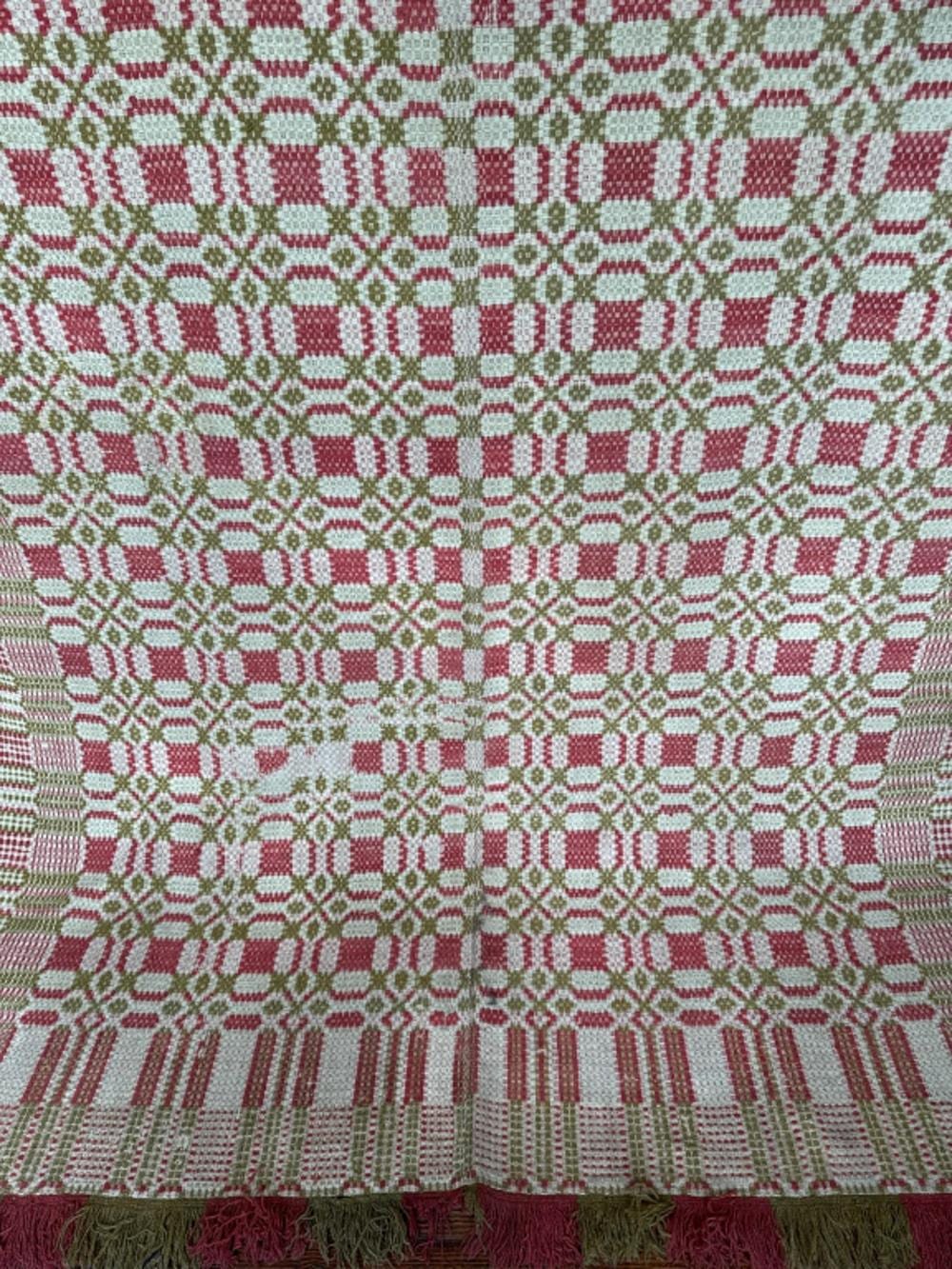
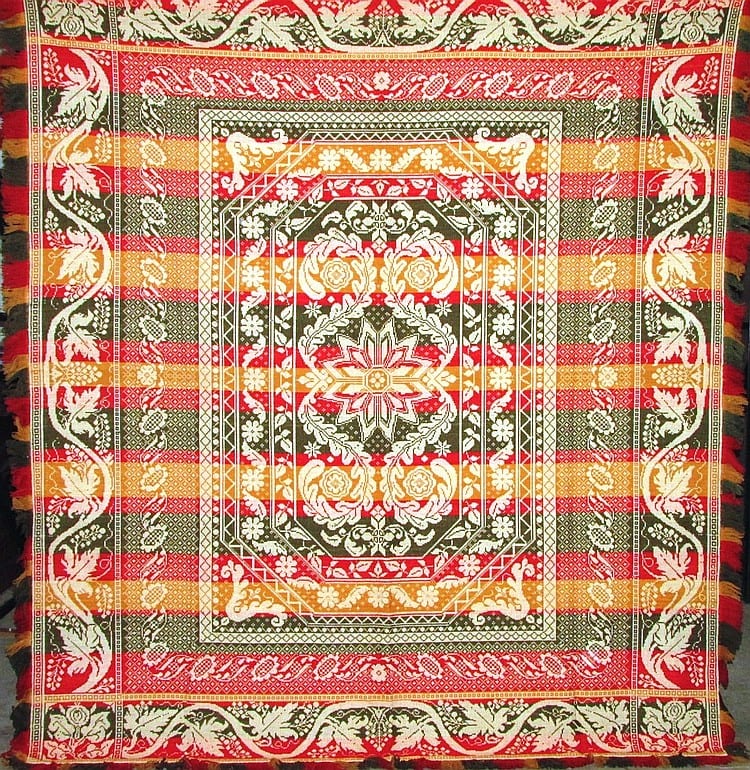
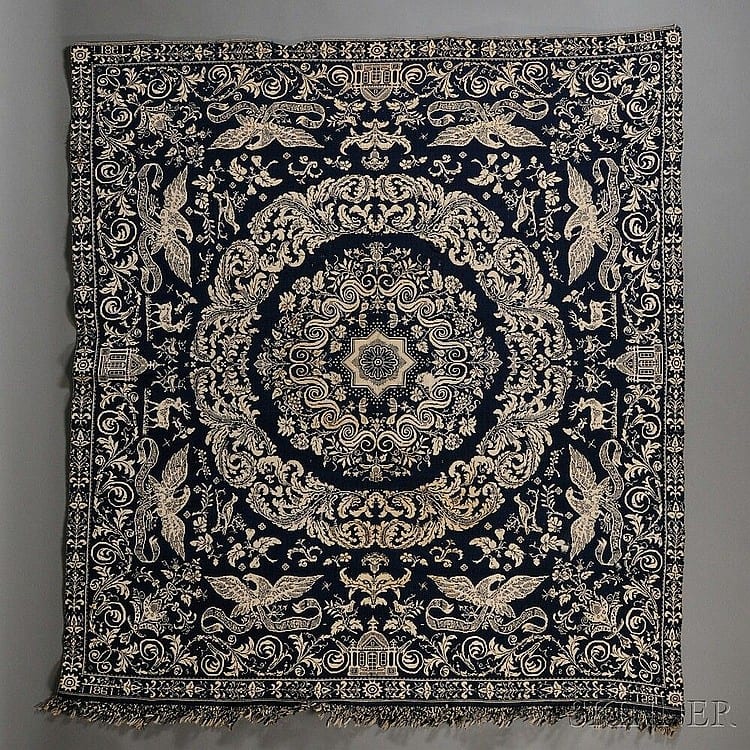
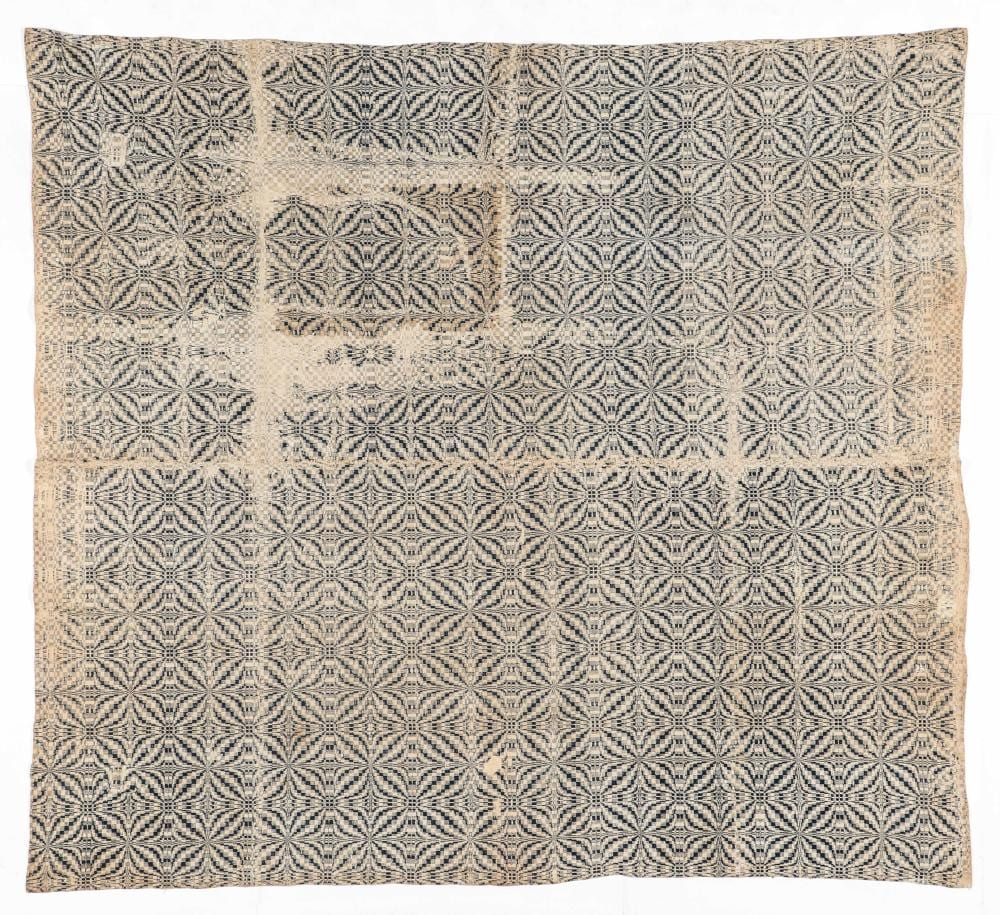
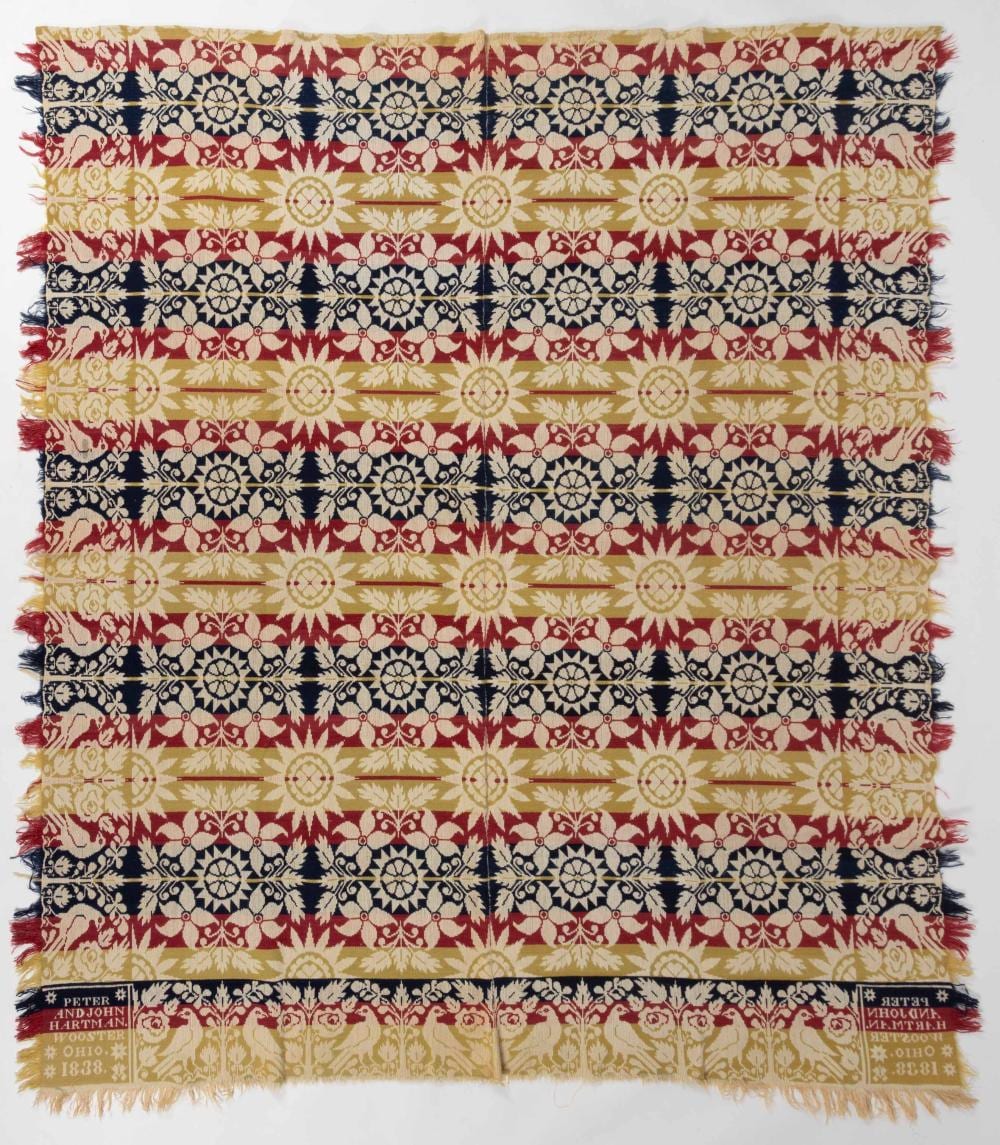
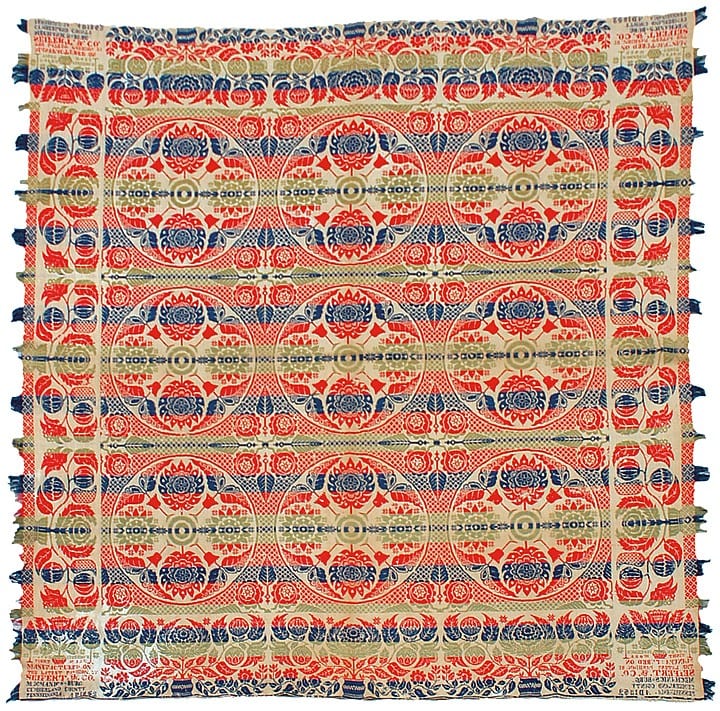
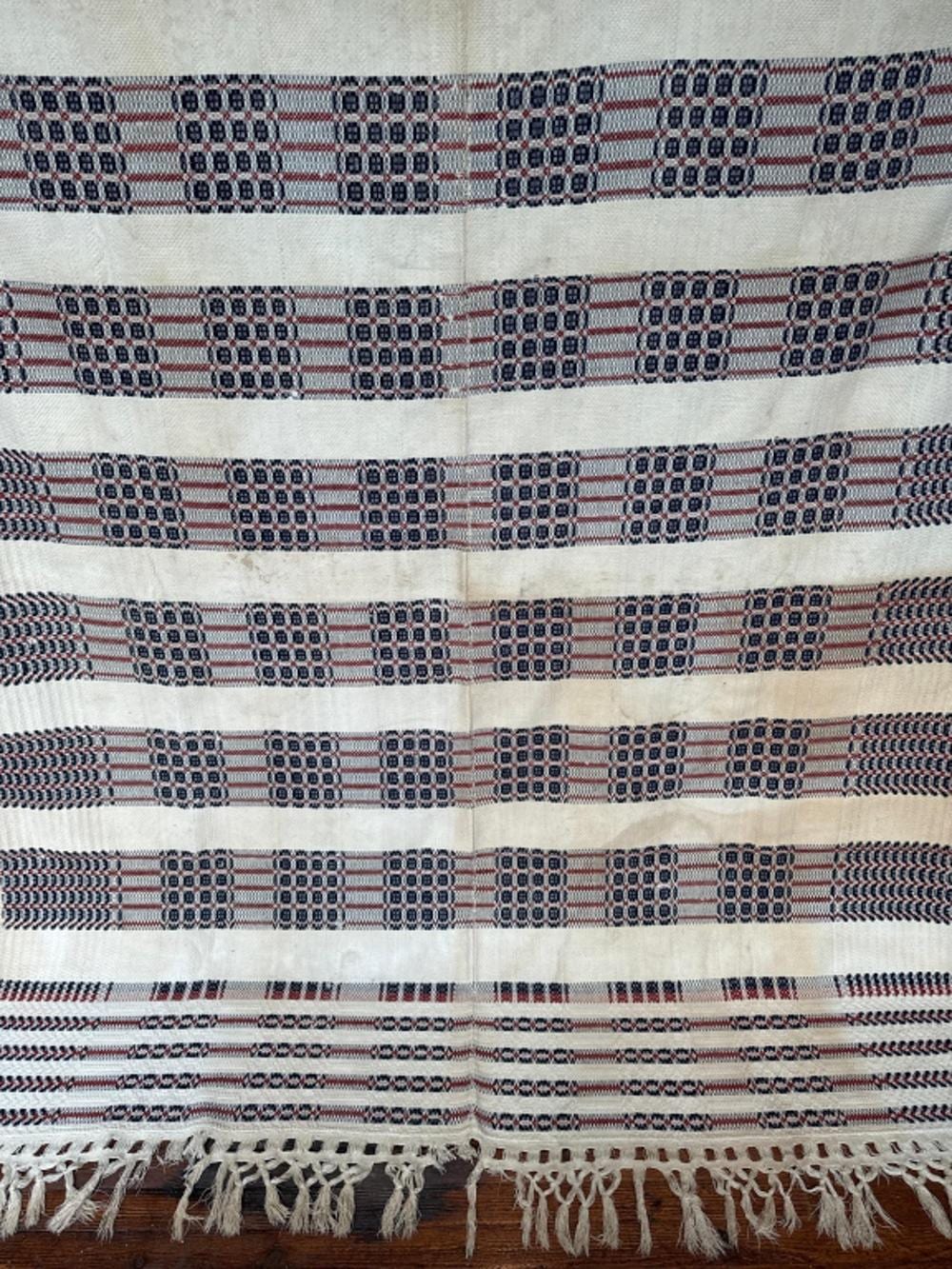
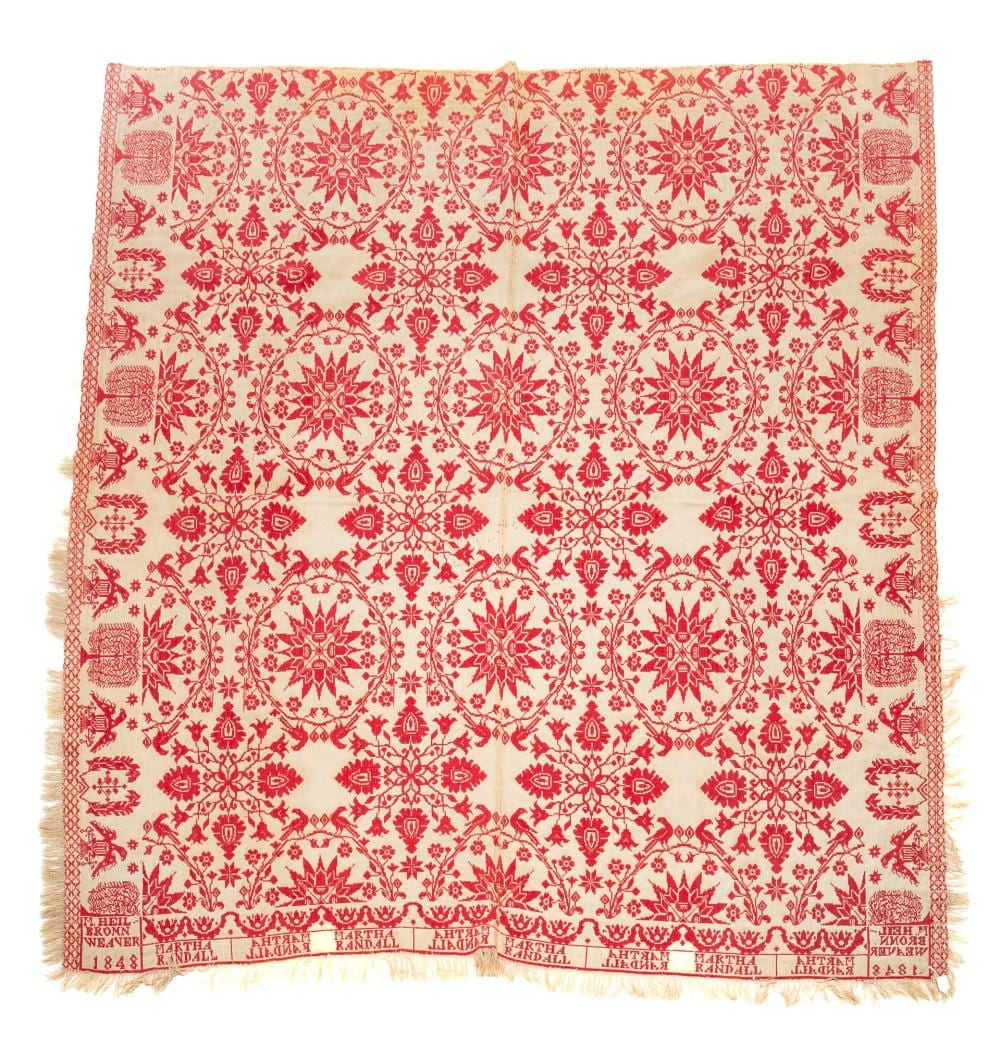
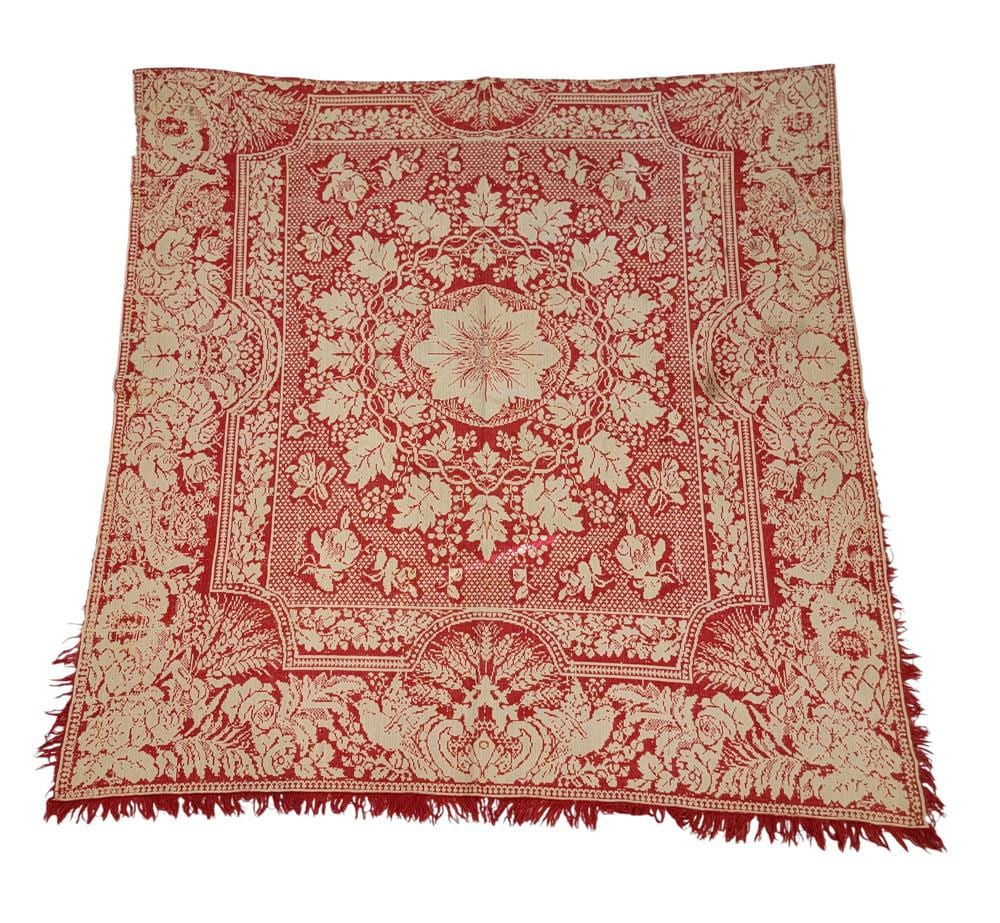
How these auction records were verified
These sales are market context, not an object estimate.
Each row is tied to its lot identity, retrieval time, access result, and immutable record hash. Live source access was blocked; the exact record matched Appraisily's immutable pipeline provenance. Inspect the public comparable provenance record.
Check whether your signed coverlet is worth a report
Use the free screener to share full front and back photos, woven names, dates, corner blocks, fringe, seam, stains, holes, and repair details before paying for a written appraisal.
Appraisal tips:
- Compare letterforms, borders, and medallions to known bodies of work from the same county or state when possible.
- Note any later edging or backing that may hide the original edges; such alterations can mask condition issues or loom widths.
- Treat anecdotal family lore as a lead, not proof. Corroborate with the woven inscription, regional patterns, and material analysis when necessary.
FAQ
Q: Does “Jacquard” mean machine-made? A: No. In this context it denotes a loom with a Jacquard mechanism enabling complex patterns; the weaving itself was hand-operated.
Q: Are all authentic pieces signed and dated? A: No. Many period coverlets lack cartouches. A lack of signature does not equal inauthenticity; it does affect documentation and usually value.
Q: How can I tell if a signature is woven rather than added later? A: Woven inscriptions are integral to the structure; letters appear crisply as part of the pattern on both faces. Embroidered or inked signatures sit on top of the fabric and are typically later.
Q: Should I repair moth holes? A: Only with reversible, conservation-grade techniques. Intrusive or machine-sewn patches can reduce value. Stabilization is often preferable to cosmetic over-restoration.
Q: What’s the safest way to display a heavy coverlet? A: Mount it on a supportive fabric panel with evenly distributed weight, using a sewn Velcro strip or a slat system. Avoid tension on fringe or localized points and glaze with UV-filtering acrylic if framing.