18th-Century Italian Louis XVI Vase
Italian interpretations of the Louis XVI style fused archaeological classicism with local flair, yielding vases that appealed to Grand Tour patrons and European courts alike. Whether rendered in porcelain with jewel-like enamels or in marble and pietre dure with crisp gilt-bronze mounts, these vases remain a rewarding field for connoisseurs. This guide synthesizes what appraisers and collectors look for: form, factory, mounts, marks, and the market.
Defining the Type: Italian Takes on the Louis XVI Vase
Louis XVI style (circa 1770–1795) is a disciplined, neoclassical language. In Italy it drew directly on antiquities discovered at Herculaneum and Pompeii and disseminated by engravings and the Grand Tour.
Typical features you’ll see on Italian Louis XVI vases:
- Symmetry and straight profiles: amphora, krater, campana and urn forms, often on square plinths.
- Classical ornament: laurel and oak garlands, guilloches, bead-and-reel borders, Greek key, acanthus collars, ram’s heads or satyr-masks for handles, and pearl beading.
- “Etruscan” and “Pompeian” palettes: matte grounds (black, rust red, ochre) with restrained gilding and profile medallions; or luminous white grounds with finely painted neoclassical trophies, cameos, and festoons.
- Covers and finials: domed covers with pine-cone or berry finials; pairs were the norm on mantelpieces and credenzas.
- Ormolu (gilt-bronze) mounts: bases, rims, handles, and mask mounts that both protect and elevate the vessel.
Italian makers applied this vocabulary across materials—porcelain foremost, but also marble, alabaster, micromosaic, and hardstones—often with mounts of exceptional quality.
Workshops and Materials You’ll Encounter
While France’s Sèvres set the fashion, several Italian workshops produced distinguished Louis XVI vases. Knowing the key centers helps narrow attribution and value.
Naples (Real Fabbrica Ferdinandea, c. 1771–1806)
- Material: High-quality porcelain; by the 1780s, true hard-paste was produced.
- Signature features: Neoclassical decoration inspired by antiquities collected by Sir William Hamilton; “Pompeian” color fields, profile cameos, and delicate burnished gilding. Forms include covered urns and amphorae with mask handles.
- Mark: Crown over a block “N,” typically in underglaze blue; can also appear painted or impressed. Beware later copies with crude marks.
Doccia/Ginori (near Florence, founded 1735)
- Material: Porcelain with a slightly warm-toned paste; both painted and relief-molded decoration.
- Signature features: Elegant neoclassical shapes, sometimes with applied reliefs; superb gilding and occasional Florentine pietre dure accents on mounted examples.
- Mark: Many 18th-century pieces are unmarked; incised numerals or painter’s marks occur. “GINORI” printed marks are generally 19th century onward.
Venice (Cozzi, 1764–1812)
- Material: Soft-paste porcelain.
- Signature features: Bright enamels, neat gilding, and a Venetian sense of color within neoclassical restraint; vase forms are often smaller than Naples.
- Mark: Painted anchor, usually in iron-red (occasionally black or gilt), sometimes accompanied by numbers.
Nove di Bassano / Antonibon (late 18th century)
- Material: Faience and later soft-paste porcelain.
- Signature features: Neoclassical motifs adapted to local taste; quality varies.
- Mark: “Nove,” “A,” and other factory marks in underglaze or overglaze.
Roman and Florentine Mount Makers
- Material: Gilt-bronze mounts for porcelain and stone vases; mercury-gilded with crisp chasing.
- Signature features: Ram’s heads, beaded collars, laurel swags, and square plinths in verde antico or marble. Roman workshops also produced micromosaic vases with antique ruins or doves.
Grand Tour Hardstone and Micromosaic
- Material: Alabaster, marble (rosso antico, giallo antico, porphyry), and micromosaic tesserae.
- Signature features: Classical forms with tight-fitting mounts; micromosaic panels or allover decoration on small to medium vases, c. 1780–1800.
The most coveted Italian Louis XVI vases are either:
- High-quality porcelain (especially Naples and Doccia) with original covers and mounts; or
- Roman Grand Tour vases in rare stones or with micromosaic.
Attribution: Marks, Motifs, and Mounts
Attribution is a synthesis exercise. Marks help, but they’re only one factor.
Marks and factory traits
- Naples (crown over N): Normally underglaze blue; look for clean, centered painting under the glaze. The paste is fine and the glaze clear. Profile cameos and “Etruscan” reserves are frequent. If the mark is large, clumsy, or sits atop the glaze with no wear, be cautious.
- Cozzi Venice (anchor): Typically iron-red, neat, and small, often near the foot. Cozzi paste is soft; a “sugary” fracture on chips and a silky glaze are clues.
- Doccia/Ginori: Expect unmarked examples; check for incised model numbers or discreet painter’s marks. The paste often has a warmer cast than Naples, and gilding can be luxurious.
- Nove/Antonibon: Varied marks; paint palette and execution can look provincial next to Naples or Doccia.
Motifs and decoration
- Cameo medallions: Female or male profiles in white on colored grounds are a Naples specialty; the best are finely shaded.
- Trophies and attributes: Quivers, torches, palm leaves, and musical instruments appear in balanced arrangements within beaded frames.
- Gilding: On top-tier pieces, burnished high lights alternate with matte fields. Over-polished or uniformly matte gold can signal later regilding.
- Ground colors: Black, terracotta, and deep blue “Pompeian” grounds were fashionable; solid turquoise and apple green grounds, while elegant, are more associated with French taste unless paired with distinctly Italian motifs.
Mounts: the dealmaker or dealbreaker
- Originality: Many porcelain vases were intended as mounted objects. Look under the base—if there are undisturbed, hand-cut bolt threads and assembly numbers scratched into the bronze, that’s a good sign of period mounts.
- Mercury gilding: Period ormolu shows warm, nuanced gold with hand-chased detail and contrasting matte/satin/burnished surfaces. Later electro-gilding looks flatter and brassier.
- Fit and proportion: Period mounts fit “like a glove,” hugging the profile without gaps. Sloppy fit suggests later additions.
- Common replacements: Covers and finials are often lost. Later lids (wood, plaster, or mismatched porcelain) depress value substantially.
Form and proportion
- Pairs: The market strongly prefers true pairs with mirrored handles or consistent decoration. A single from a split pair typically carries a 30–50% penalty.
- Scale: Mantel vases around 25–35 cm are collectible, but impressive garniture vases at 40–55 cm (with covers) draw stronger bidding if quality is there.
Tell-tale red flags
- Overly bright, thick gilding without wear; uniform color pooling in recesses.
- Modern drilling for lamps: holes through the base and body, often with modern wiring abrasions.
- Pseudo-marks applied over glaze, inconsistent with wear elsewhere.
- Painted decoration that bleeds or sinks unnaturally into the glaze on what should be overglaze enamels.
Condition and Conservation: What Matters Most
The best vases combine crisp modeling, undisturbed mounts, and original gilding. Condition nuances significantly affect appraisal.
Porcelain and glaze
- Hairlines and star cracks: Even fine, stabilized hairlines through the body are value killers. A short footrim hairline is more tolerable but still a deduction.
- Chips: Small rim or foot nicks are common; professional edge restoration is acceptable if disclosed.
- Overpainting: UV light can reveal retouched enamels and regilding. Overpainting that crosses major design elements or faces reduces desirability.
- Surface wear: Gentle gilding wear at high points is normal and preferable to heavy regilding.
Mounts
- Regilding: Widespread regilding usually reduces value 20–40% versus untouched ormolu. Partial, expert repairs are easier to accept.
- Replaced elements: New bolts, washers, or re-seated handles are common; assess the quality and reversibility.
- Missing covers: Expect a sharp discount—often 30–60%—with missing or mismatched lids.
Stone and micromosaic
- Chips and edge bruises on alabaster and marble are frequent; evaluate scale and visibility.
- Micromosaic: Look for tight tesserae with minimal losses and original black cement. Overfilled repairs stand out under magnification.
Conservation ethics
- Aim for reversible, documented treatments. Avoid aggressive polishing of ormolu and indiscriminate regilding, which erase period surfaces that connoisseurs prize.
Market Snapshot and Value Drivers
Values vary by factory, quality, scale, condition, and whether a piece is part of a pair or garniture. The following broad ranges are indicative, not prescriptive.
Porcelain
- Naples (crown N), fine quality, 25–35 cm, single vase with original cover and mounts: often mid-four to low five figures at auction. Exceptional pairs with complex neoclassical reserves and untouched gilding can achieve $30,000–60,000+.
- Doccia/Ginori, well-painted neoclassical vases: roughly $5,000–40,000 depending on rarity, relief work, and mounts. Important pairs exceed this.
- Cozzi, neoclassical forms: typically $3,000–15,000 for good examples; top decorative pairs can move higher.
- Nove/Antonibon and other provincial makers: $1,500–8,000, with outliers for particularly handsome or large vases.
Grand Tour and mounted stone
- Alabaster or marble vases with quality ormolu mounts: $2,000–12,000; rarer stones and larger scale push higher.
- Micromosaic vases: $8,000–50,000+ depending on subject, fineness, and size; the best Roman workshop pieces can exceed low six figures.
Penalties and premiums
- Pairs: True, well-matched pairs bring strong premiums over two singles combined.
- Provenance: Documented aristocratic or royal provenance, or inclusion in historic collections, meaningfully boosts value.
- Condition: Drilled-for-lamp examples can see 30–60% reductions; heavy regilding, missing covers, or extensive overpainting suppress prices.
Collecting strategy
- Focus on proportionate forms, legible neoclassical ornament, untouched mounts and gilding, and, where possible, factory marks with coherent decoration.
- Buy pairs when you can; they are harder to find and easier to sell.
- Treat outlier “bargains” with caution—especially if they combine a desirable mark with mediocre painting or suspect gilding.
Practical Checklist: 18th C Italian Louis XVI Vase
- Verify form: amphora/urn/krater with balanced proportions; check if part of a pair.
- Examine marks: crown over N (Naples), red anchor (Cozzi); expect many Doccia pieces to be unmarked. Confirm marks are underglaze and appropriately worn.
- Assess paste and glaze: hard-paste ring and clear glaze for Naples; softer paste and silky glaze for Cozzi; warmer paste for Doccia.
- Inspect mounts: look for hand-cut threads, assembly numbers, crisp chasing, and mercury-gilded surfaces. Beware poor fit or bright modern gilding.
- Check decoration: refined neoclassical motifs, clean reserves, and burnished/matte gilt contrasts. Avoid crude outlines and bleeding colors.
- Condition scan: UV for overpainting; loupe for hairlines, chips, and tesserae losses (if micromosaic). Note any drilling or replaced lids.
- Provenance and pairs: ask for history and measurements to match pairs; singletons price lower.
- Document everything: measurements, weight, mark photos, mount details, and any restorations for appraisal and resale.
What similar items actually sold for
To help ground this guide in real market activity, here are recent example auction comps from Appraisily’s internal database. These matched sales are market context only, not an object estimate or identification, and they do not guarantee a price for your specific louis xvi vase.
Shown EUR range: EUR 90-EUR 10,400. Median of these 9 EUR examples: EUR 1,300.
| Comparable | What sold | Auction house | Date | Lot | Source-reported amount |
|---|---|---|---|---|---|
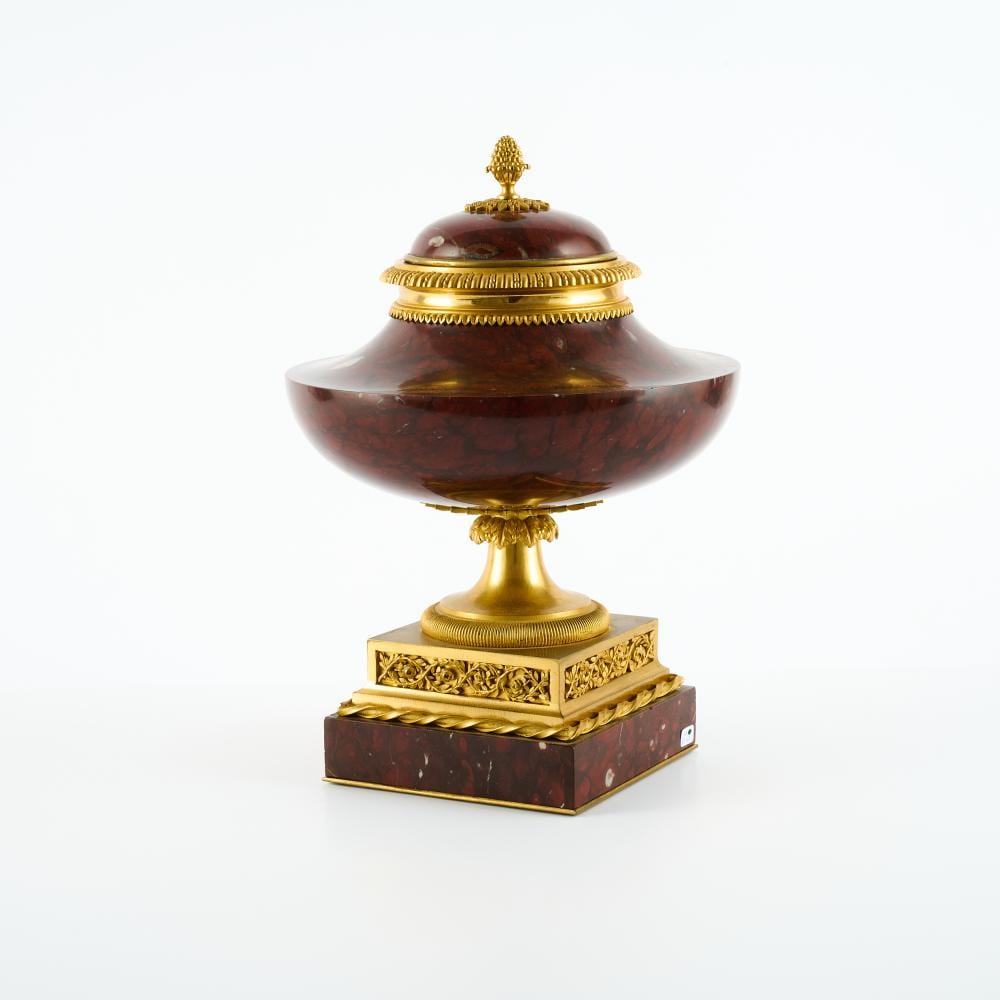 |
RARE RARE FOOTED MARBLE VASE LOUIS XVI. LOUIS XVISource blocked; provenance matched | Van Ham Kunstauktionen | 2026-05-21 | 644 | EUR 3,000 (buyer’s-premium treatment unknown) |
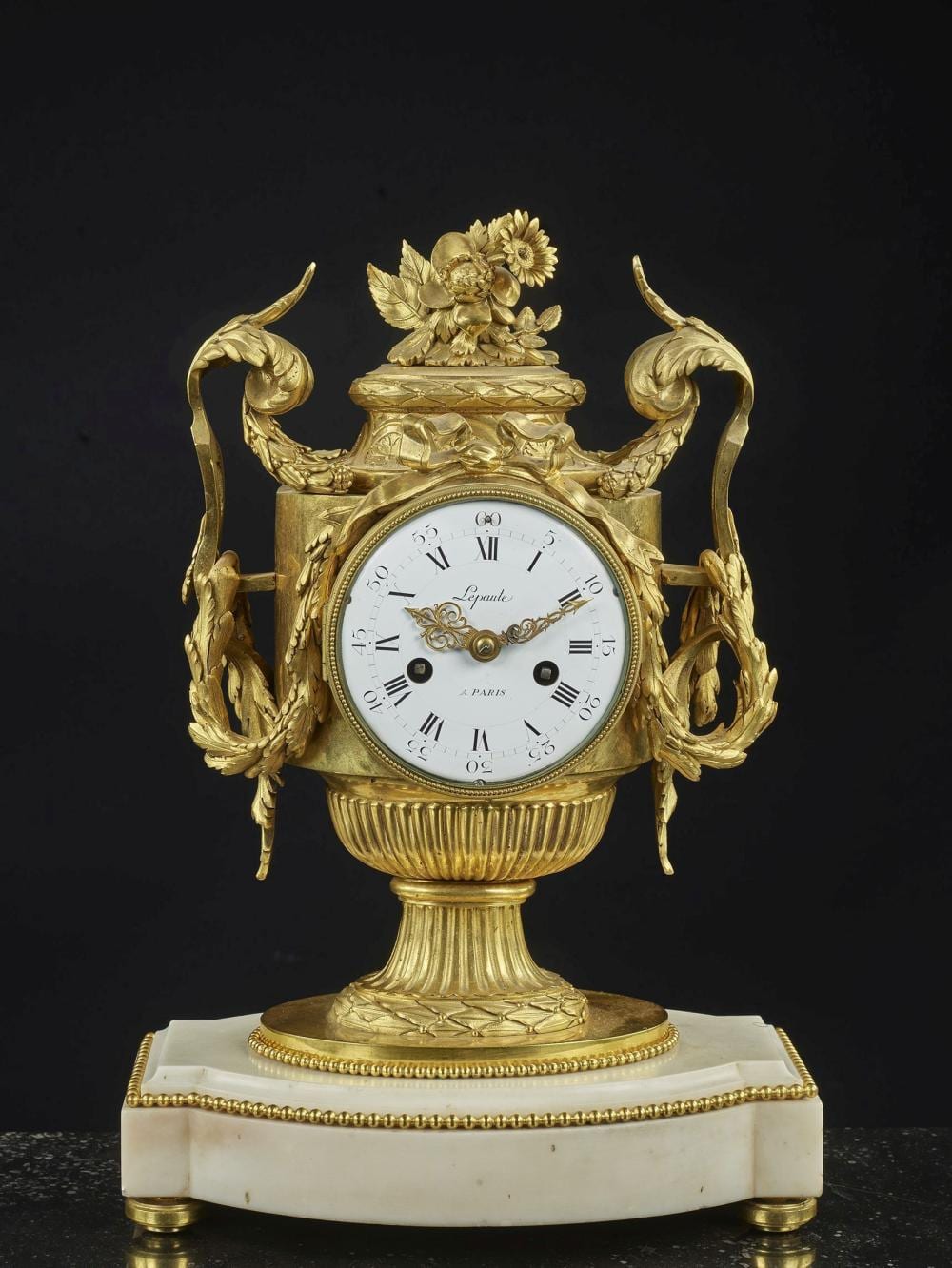 |
PENDULE VASE D'ÉPOQUE LOUIS XVISource blocked; provenance matched | Artcurial | 2023-06-15 | 318 | EUR 1,800 (buyer’s-premium treatment unknown) |
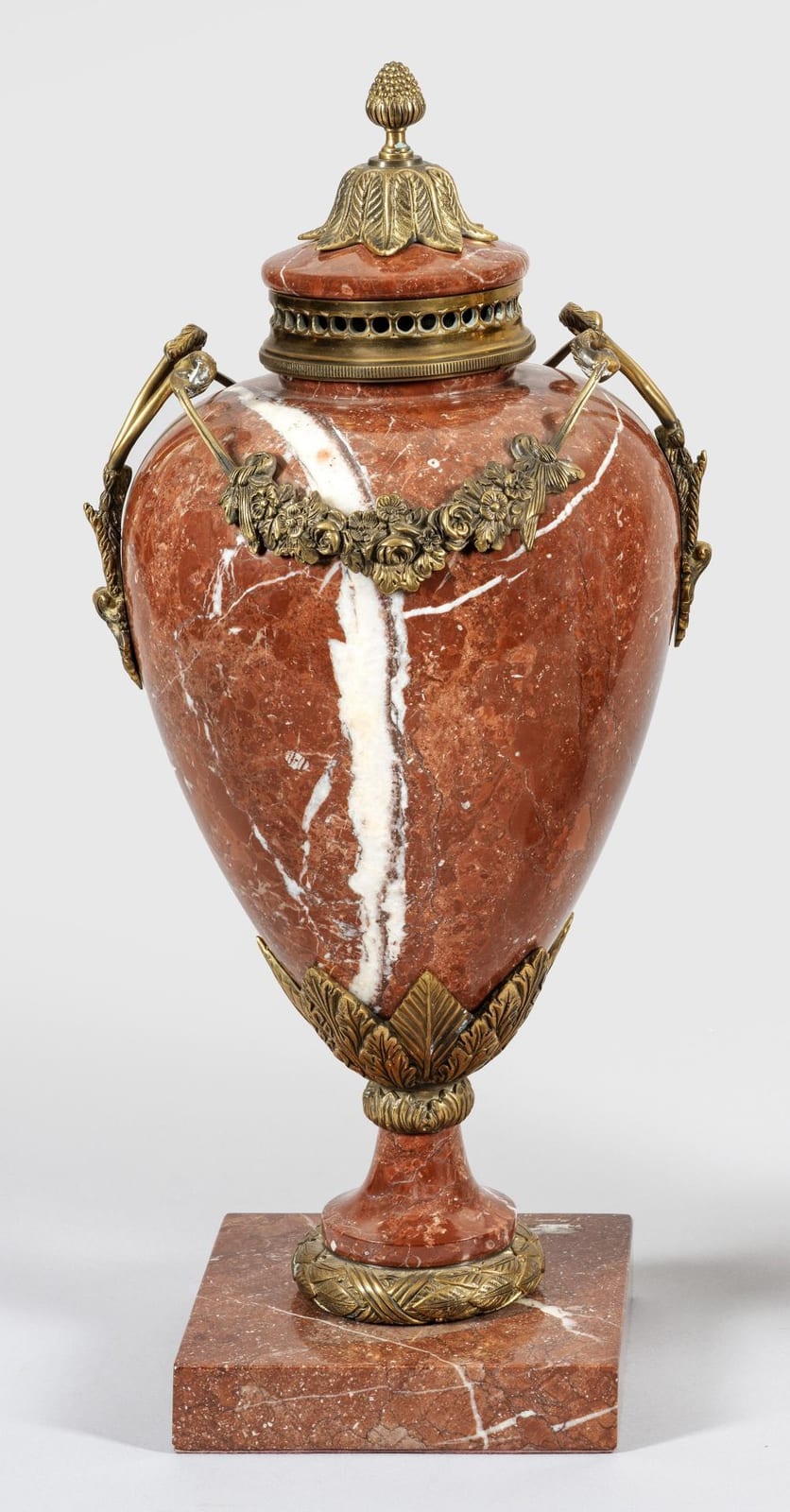 |
Große Vase im Louis XVI-StilSource blocked; provenance matched | Kunstauktionshaus Schloss Ahlden | 2024-09-07 | 1525 | EUR 600 (buyer’s-premium treatment unknown) |
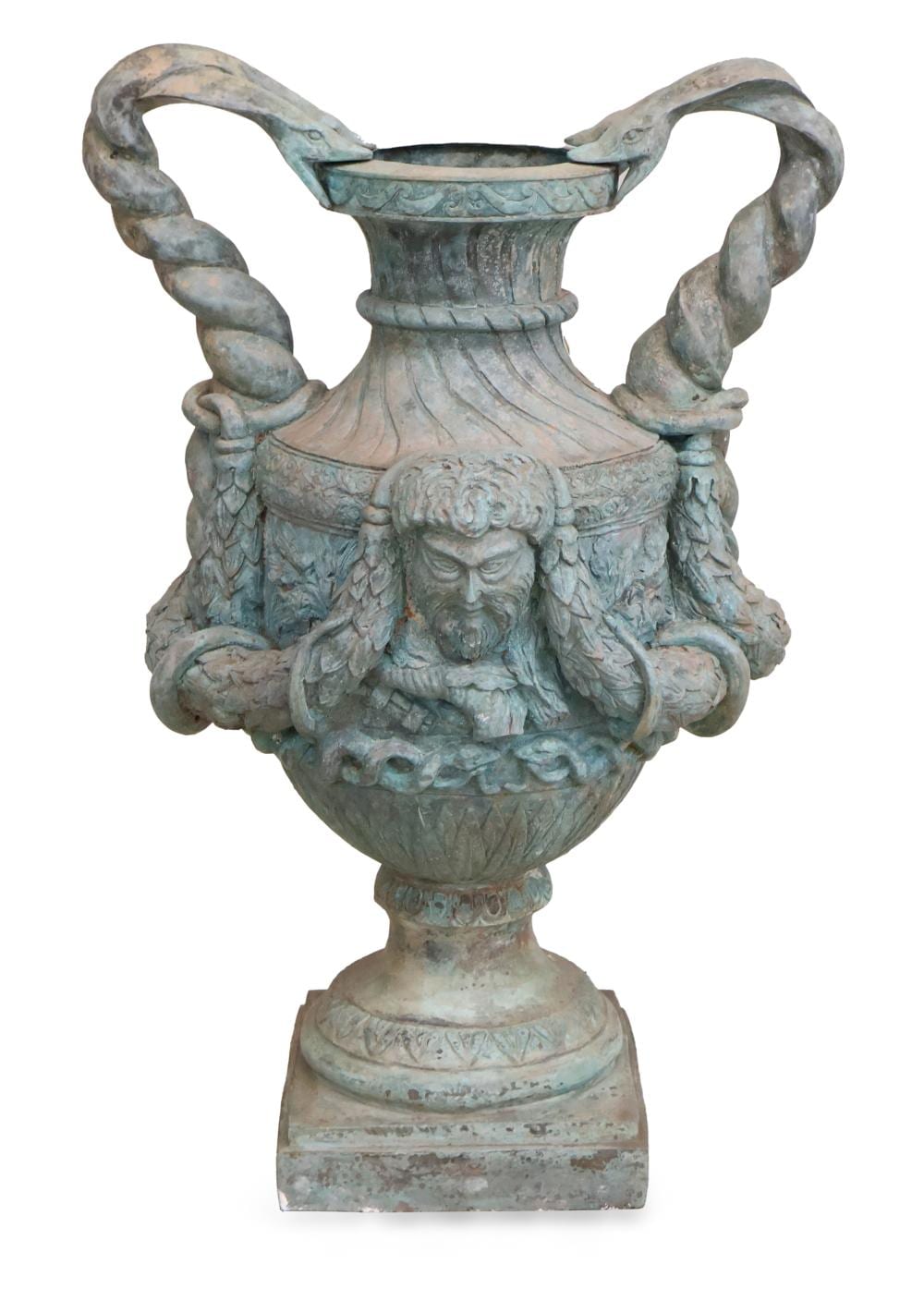 |
Louis XVI Style Cast Bronze Ornamental VaseSource blocked; provenance matched | Nye & Company | 2026-03-12 | 564 | USD 600 (buyer’s-premium treatment unknown) |
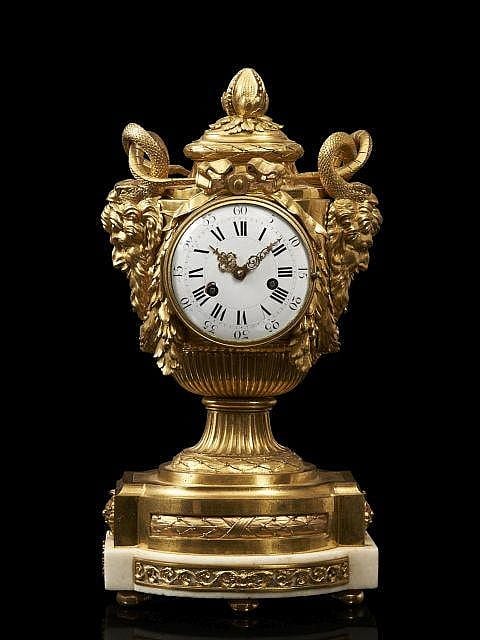 |
PENDULE VASE D''ÉPOQUE LOUIS XVI Attribuée à Robert Osmond (1711-1789) | Artcurial | 2016-12-12 | 112 | EUR 10,400 (buyer’s-premium treatment unknown) |
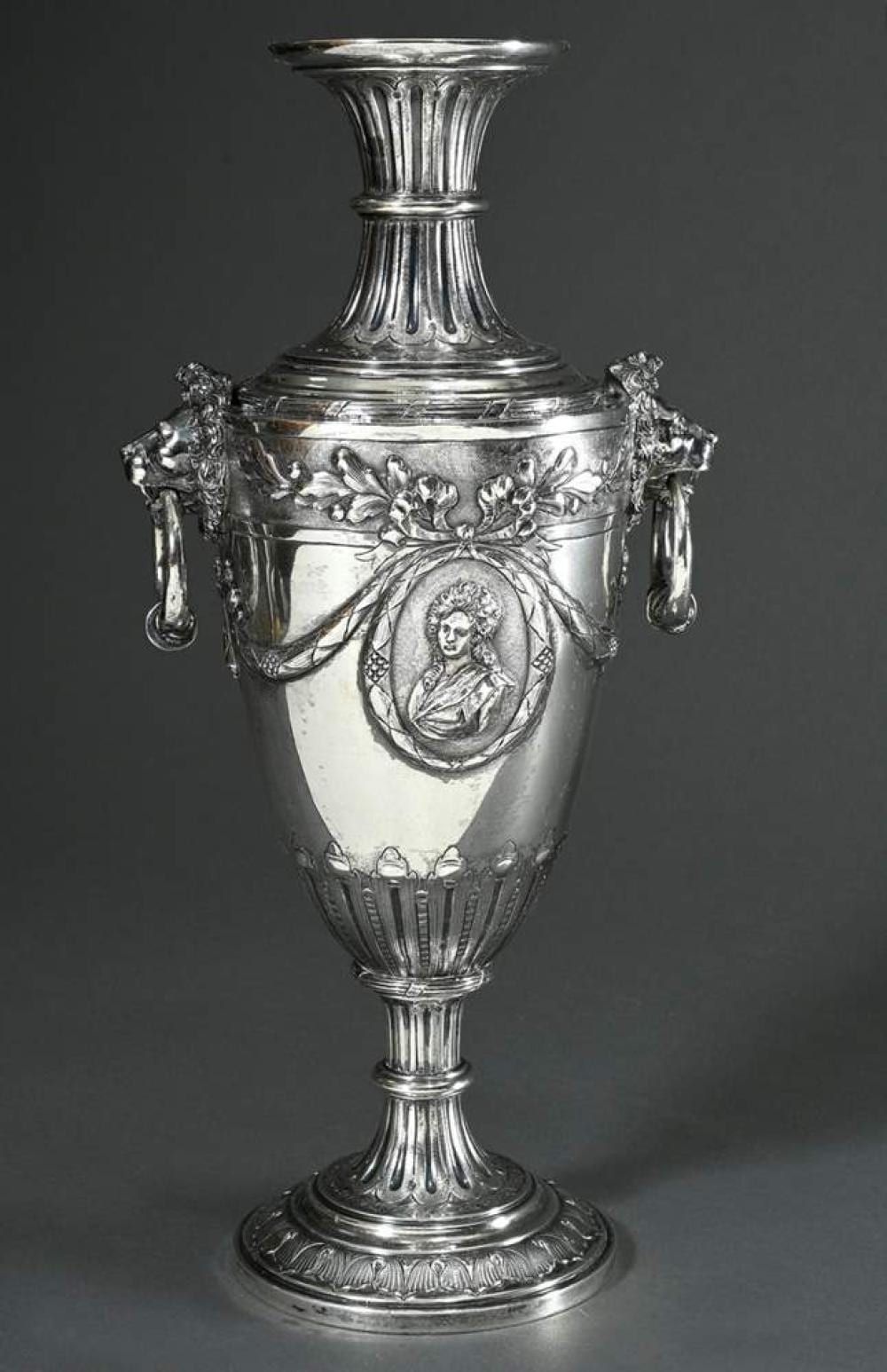 |
Large Louis XVI style vase with sculpted lion's head mascarons, ring handles and embossed portrait medallions ‘Marie Antoinette and Louis XVI’ in laurel wreaths, unmarked hallmarks, 19th century, silver, 1317g, h. 39cmSource blocked; provenance matched | Kendzia | 2025-02-28 | 454 | EUR 1,300 (buyer’s-premium treatment unknown) |
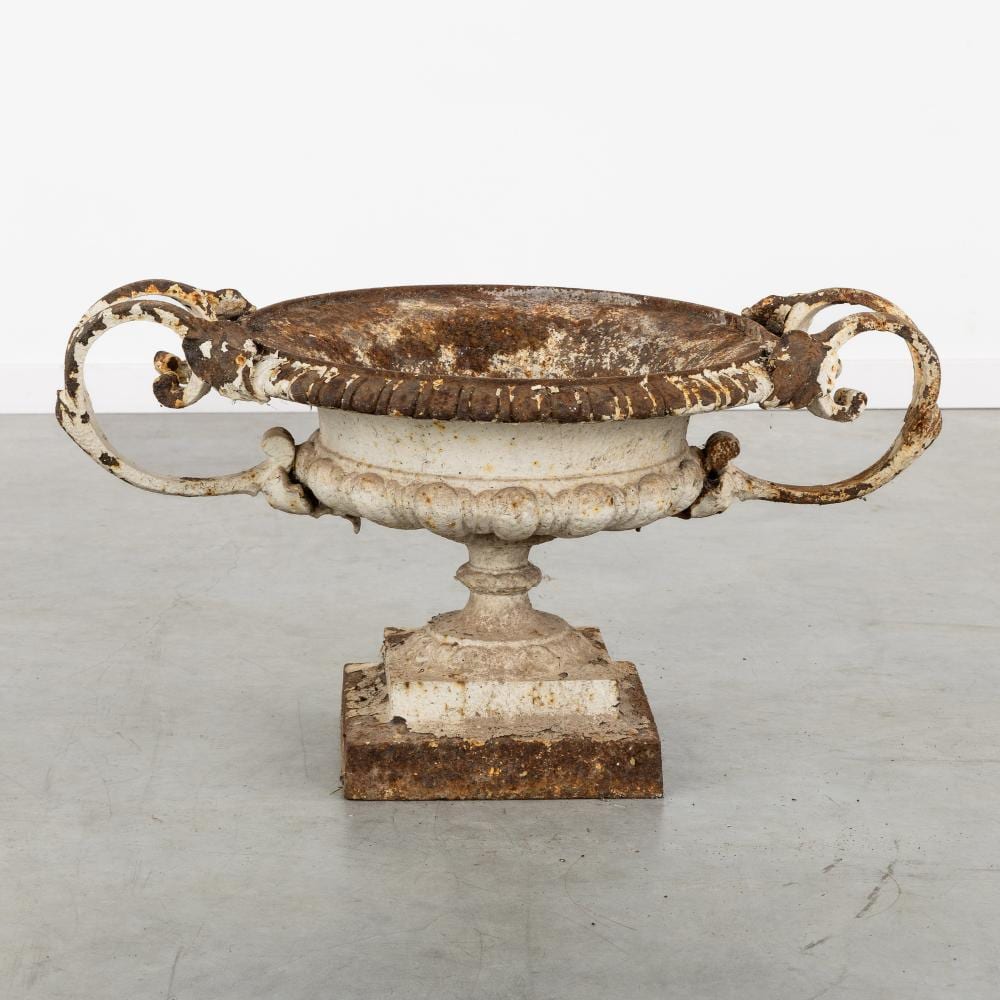 |
An Antique Garden Vase with Handles, Louis XVI style, patinated cast iron. France, 19th C.Source blocked; provenance matched | Flanders Auctions | 2026-04-01 | 539 | EUR 320 (buyer’s-premium treatment unknown) |
 |
A LOUIS XVI ORMOLU-MOUNTED BLUE PORCELAIN POT POURRI VASE AND COVER BY JEANSource blocked; provenance matched | Christie's | 2021-11-16 | 685 | GBP 8,750 (buyer’s-premium treatment unknown) |
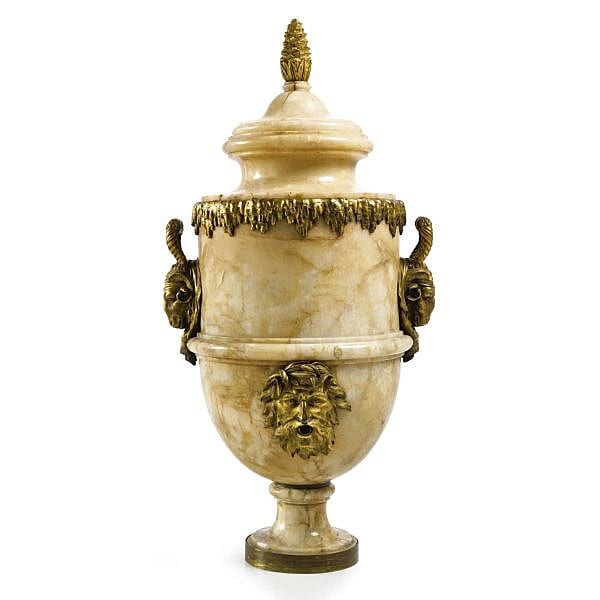 |
A Louis XVI ormolu-mounted alabaster vase late 18th century, possibly ItalianSource blocked; provenance matched | Sotheby's | 2008-10-24 | 122 | USD 43,750 (buyer’s-premium treatment unknown) |
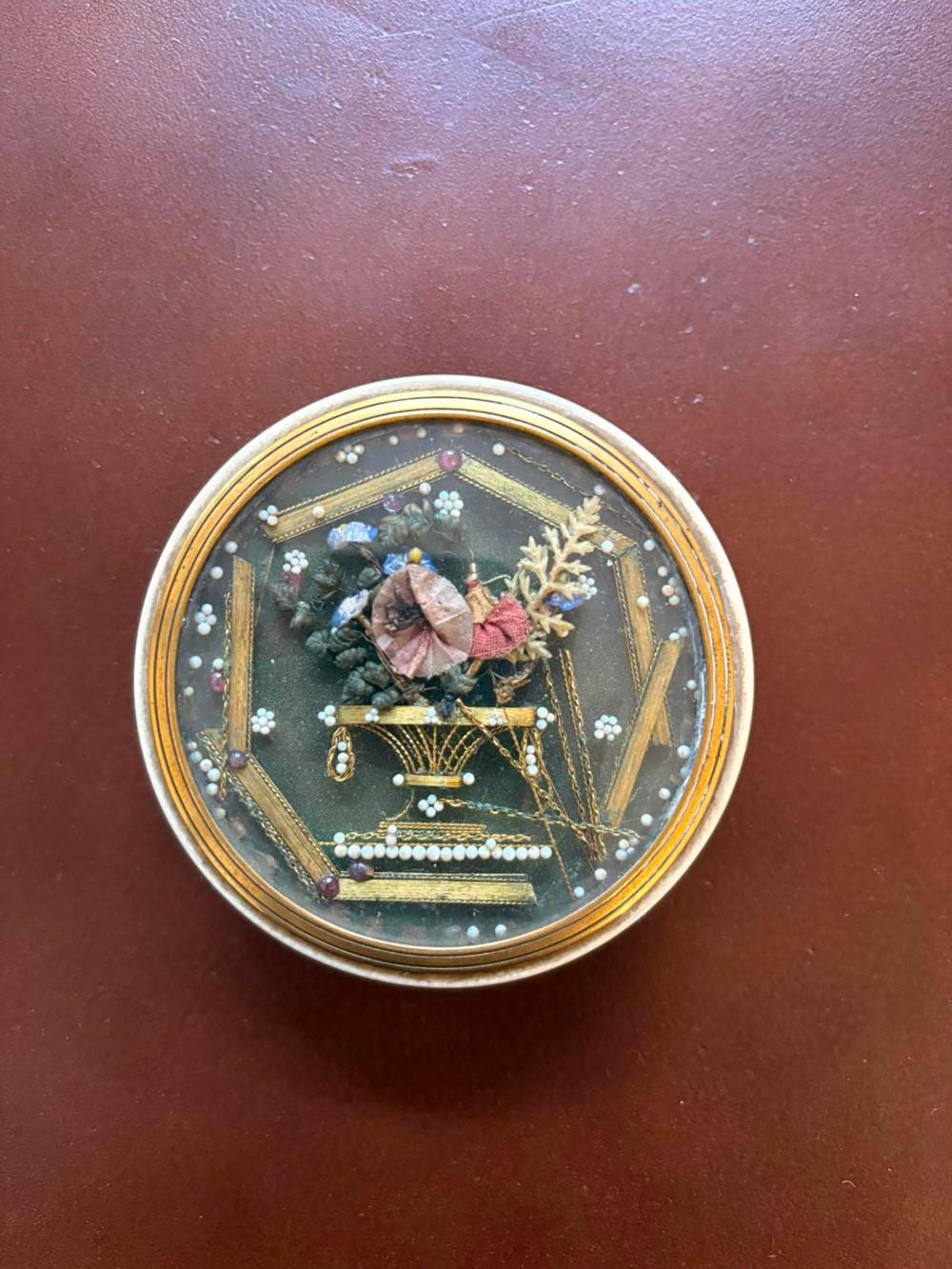 |
Boite circulaire ornée d'une vase fleuri en tissus et fils métalliques dorés. Epoque Louis XVISource blocked; provenance matched | Gros-Delettrez | 2026-04-09 | 103 | EUR 90 (buyer’s-premium treatment unknown) |
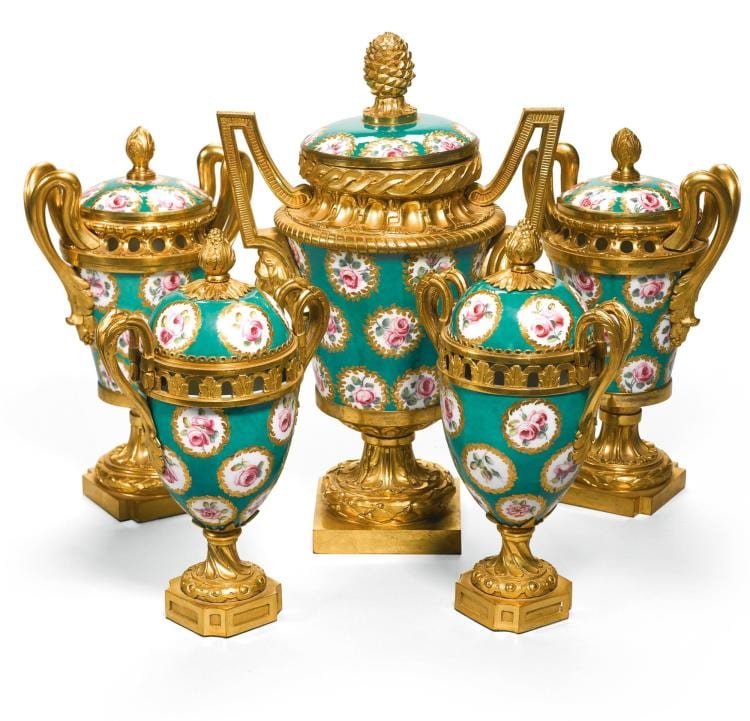 |
A COMPOSED GARNITURE OF FIVE GILT-BRONZE-MOUNTED SÈVRES PORCELAIN POT-POURRI VASES AND COVERS THE OVOID PAIR, AND THE LARGE VASE LOUIS XVI, LATE 18TH CENTURY, THE OTHER PAIR, IN LOUIS XVI STYLE AND EARLY 19TH CENTURY |Source blocked; provenance matched | Sotheby's | 2015-04-28 | 29 | GBP 21,250 (buyer’s-premium treatment unknown) |
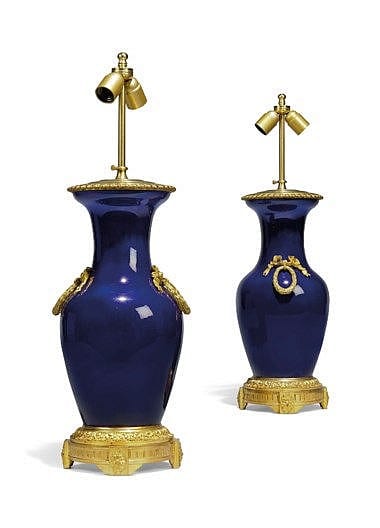 |
A PAIR OF ORMOLU-MOUNTED PORCELAIN VASE TABLE LAMPS OF LOUIS XVI STYLE, 20TH CENTURY 20 in. (51 cm.) high, excluding fitmentsSource blocked; provenance matched | Christie's | 2019-04-10 | 75 | GBP 8,750 (buyer’s-premium treatment unknown) |
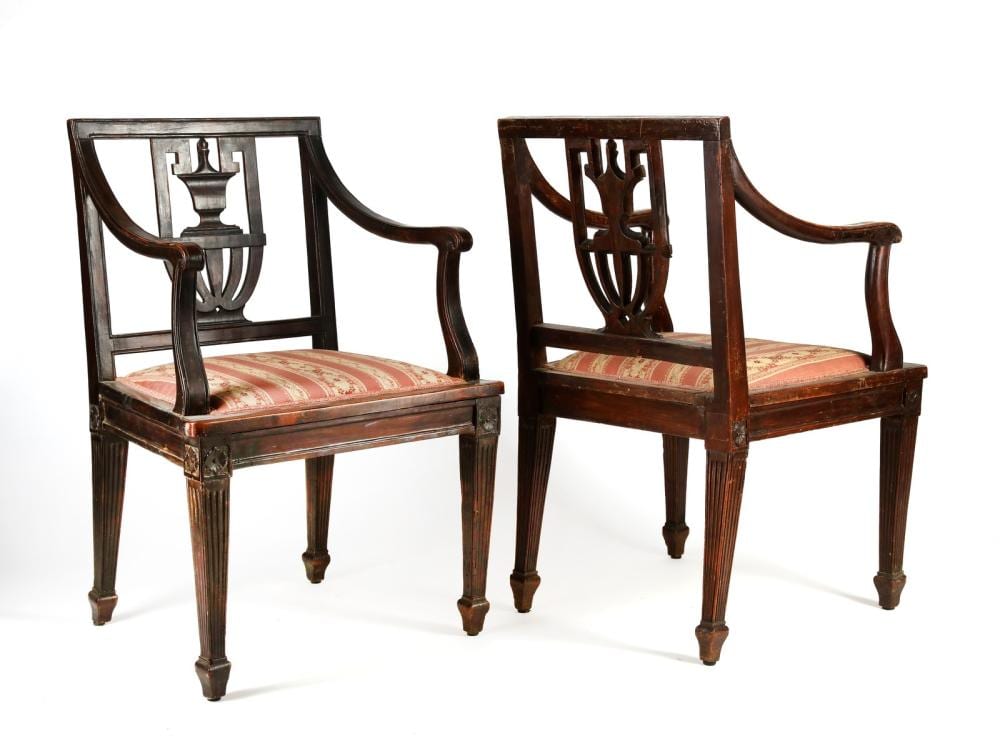 |
LOMBARDY 19th CENTURY A pair of Louis XVI wood carved armchairs with back in the shape of a flower vase, on turned feet.Source blocked; provenance matched | Capitolium Art | 2021-10-14 | 436 | EUR 120 (buyer’s-premium treatment unknown) |
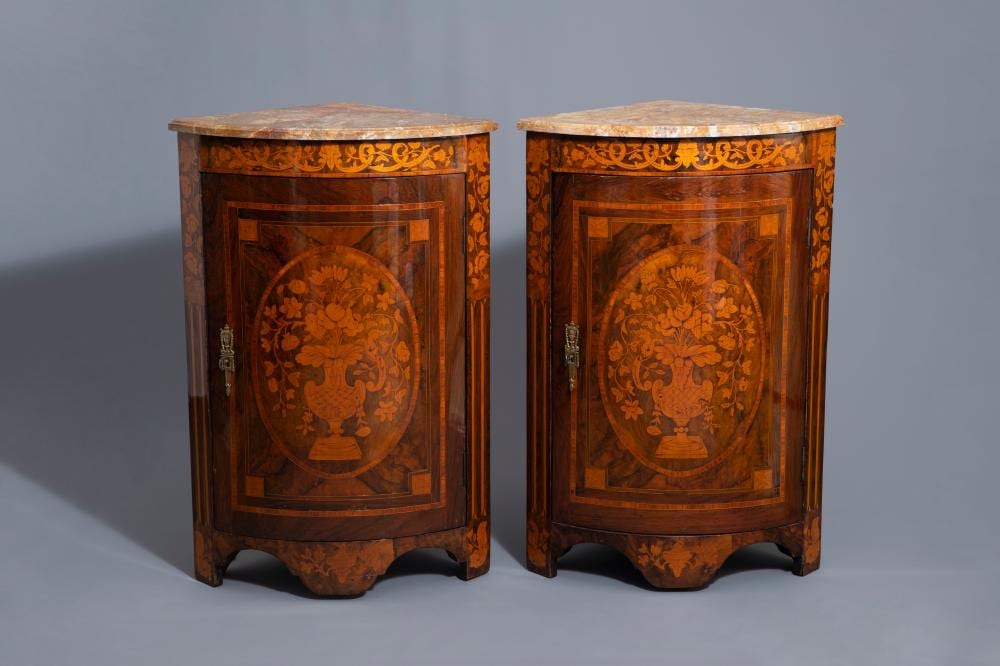 |
A PAIR OF FRENCH BURL WOOD VENEERED LOUIS XVI CORNER CUPBOARDS OR ENCOIGNURES WITH A FLOWER VASE AND A MARBLE TOP, LATE 18TH C.Source blocked; provenance matched | Coronari Auctions | 2020-04-22 | 599 | EUR 2,000 (buyer’s-premium treatment unknown) |
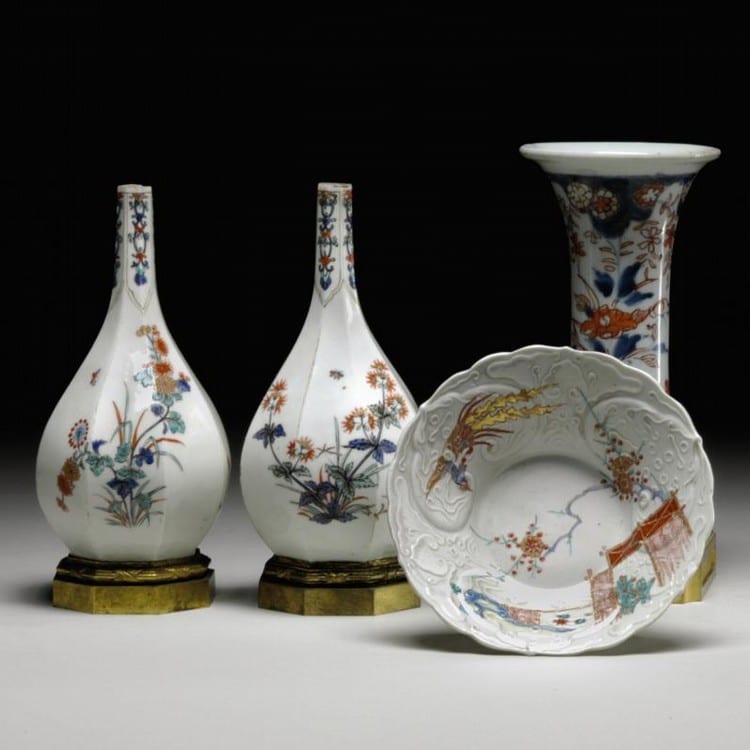 |
A PAIR OF SAMSON LOUIS XVI STYLE GILT-BRONZE MOUNTED "KAKIAMON" PORCELAIN VASES AND A JAPANESE IMARI BEAKER VASE ON GILDED BRONZE BASE, 19TH CENTURYSource blocked; provenance matched | Sotheby's | 2005-09-14 | 690 | USD 2,280 (buyer’s-premium treatment unknown) |
How these auction records were verified
Each row retains its exact source URL, lot identity, retrieval time, access result, and immutable record hash. Live source access was blocked; the exact record matched Appraisily's immutable pipeline provenance. Inspect the public comparable provenance record.
Disclosure: prices are shown as reported by auction houses and are provided for appraisal context. Learn more in our editorial policy.
Free instant estimate
Not sure if your vase is worth appraising? Let us take a look.
Upload a photo, tell us what you know, and get a free first read. If a full appraisal makes sense, we will say so.
Free. No card needed. Takes about two minutes.
FAQ
Q: How can I tell if the crown-over-N mark is period Naples and not a later fake? A: Check that the mark is underglaze (it should sit beneath the clear glaze), neatly executed, and consistent with wear elsewhere. Evaluate the overall quality: Naples decoration is refined, with controlled gilding and harmonious neoclassical reserves. A clumsy overglaze mark, poor painting, and bright new gilding are red flags.
Q: Are unmarked vases automatically later? A: No. Several Italian factories, notably Doccia, produced unmarked porcelain in the 18th century. Use paste, glaze, form, quality of painting, and mounts to build a case. Conversely, a mark alone without quality is not persuasive.
Q: How much does a missing cover affect value? A: Missing or mismatched covers typically reduce value by 30–60%, depending on rarity and overall quality. Original covers with matching gilding and fit are a major plus.
Q: Is regilded ormolu a dealbreaker? A: Not always, but it does matter. Extensive regilding can erase surface history and reduce value by 20–40%. Light, well-executed conservation on mounts is more acceptable than complete refinishing.
Q: What’s the best single indicator of quality in these vases? A: Coherence: when form, painting, gilding, and mounts all align at a high level. Crisp classical motifs, expertly chased period mounts, and untouched surfaces together signal a best-in-class example.
By combining knowledge of factories and marks with a keen eye for mounts, materials, and condition, you can confidently evaluate 18th-century Italian Louis XVI vases and separate the exceptional from the merely decorative.