1865 Eastlake Parlor Settee: appraisal and value basics
1865 Eastlake Parlor Settee research should start with identification, condition, provenance, and recent comparable sales. Use this guide to compare the signals that matter before paying for a formal appraisal or deciding whether to sell.
A circa 1865 Eastlake parlor settee sits in a sweet spot for collectors: early enough to show honest Victorian construction, but common enough that you can still find comparable sales to support a valuation. The challenge is that “Eastlake” gets used loosely. Some settees are true period Eastlake (1860–1890), others are later “Eastlake style,” and many have had upholstery, casters, or finish work changed over the last 150+ years.
This guide turns the original appraisal-style notes into a practical workflow: how to confirm Eastlake traits, how to document what’s original vs. replaced, and how to translate auction comps into a realistic value range for private sale, insurance, or estate documentation.
Free first look
Get the right appraisal for your situation
Share the basics and we’ll return a written quote with clear next steps.
Secure photo review. Clear next steps. Checkout only if you decide to proceed.
Quick facts to log before you value it
Before you compare prices, write down what you can observe without moving the upholstery. These details help you match your settee to the right comparables.
- Dimensions: 47" wide × 25" deep × 38" tall (as described).
- Frame wood: solid oak (many Eastlake suites are walnut—note species carefully).
- Upholstery: velvet, replaced circa 1995; padding reported as original horsehair.
- Structure: joints reported solid; no broken pieces.
- Mobility: check for original vs. replaced caster wheels.
What makes a settee “Eastlake” (and why 1865 matters)
Eastlake furniture is tied to the design reform ideas popularized by Charles Eastlake in the 1860s. In practice, “Eastlake” describes a Victorian look: cleaner geometry, incised line carving, turned details, and less of the heavy rococo scrollwork that dominated earlier decades.
A claimed date of circa 1865 is plausible for early Eastlake-influenced seating. It’s also early enough that you may see a mix of handwork and early machine work: crisp turning, saw marks, and period upholstery construction (tacks, webbing, and natural stuffing).

Authentication checklist (10 minutes, no tools)
- Look for Eastlake ornament. Incised line carving, shallow geometric panels, and restrained turning are better signals than “Victorian” curves alone.
- Check the underside. Use a flashlight to spot older saw marks, shrinkage cracks, and period fasteners.
- Inspect joinery. Mortise-and-tenon and pinned joints support an 1800s build; staples and plywood point to later work.
- Read the upholstery story. Reupholstery is normal; the key is whether the frame was altered and whether stuffing/webbing looks period-consistent.
- Confirm wood species. Oak vs. walnut affects comps and buyer taste.
- Document condition. Loose joints, repaired breaks, replaced casters, or refinishing should be stated in your value narrative.
Upholstery & padding: why “original horsehair” matters
Natural horsehair stuffing was widely used in the 19th century because it springs back and survives decades of use. If your settee truly retains original horsehair (even under a later velvet cover), that supports age and can make the piece more attractive to purists.
“Original stuffing” does not automatically mean “original upholstery.” Fabric frequently wears out and is replaced. For valuation, the key is whether the reupholstery was done well (tight, period-appropriate profile) and whether the frame was weakened during the work.
Value guide (USD): auction vs. private sale vs. insurance
Values for Eastlake settees vary because most of the market is local: shipping is expensive and buyer taste changes by region. Use the ranges below as a starting point, then adjust for wood species, carving quality, condition, and upholstery appeal.
| Market context | Typical range | What moves it up |
|---|---|---|
| Local auction (hammer) | $150–$400 | Ready-to-use upholstery, strong form, clean carving, desirable wood, good local attendance. |
| Private sale / local dealer | $500–$900 | Excellent condition, attractive velvet, confirmed period construction, matching parlor suite pieces. |
| Insurance replacement (retail) | $900–$1,500 | Documented quality, stable joints, professional upholstery, and comparable retail listings. |
For the described circa 1865 oak settee with solid joints, horsehair padding, and clean later velvet, a reasonable working value is often $600–$900 in many U.S. private-sale markets (with lower outcomes at auction).
What similar items actually sold for
To help ground this guide in real market activity, here are recent example auction comps from Appraisily’s internal database. These matched sales are market context only, not an object estimate or identification, and they do not guarantee a price for your specific eastlake settee.
Shown USD range: USD 25-USD 1,900. Median of these 8 USD examples: USD 115.
| Comparable | What sold | Auction house | Date | Lot | Source-reported amount |
|---|---|---|---|---|---|
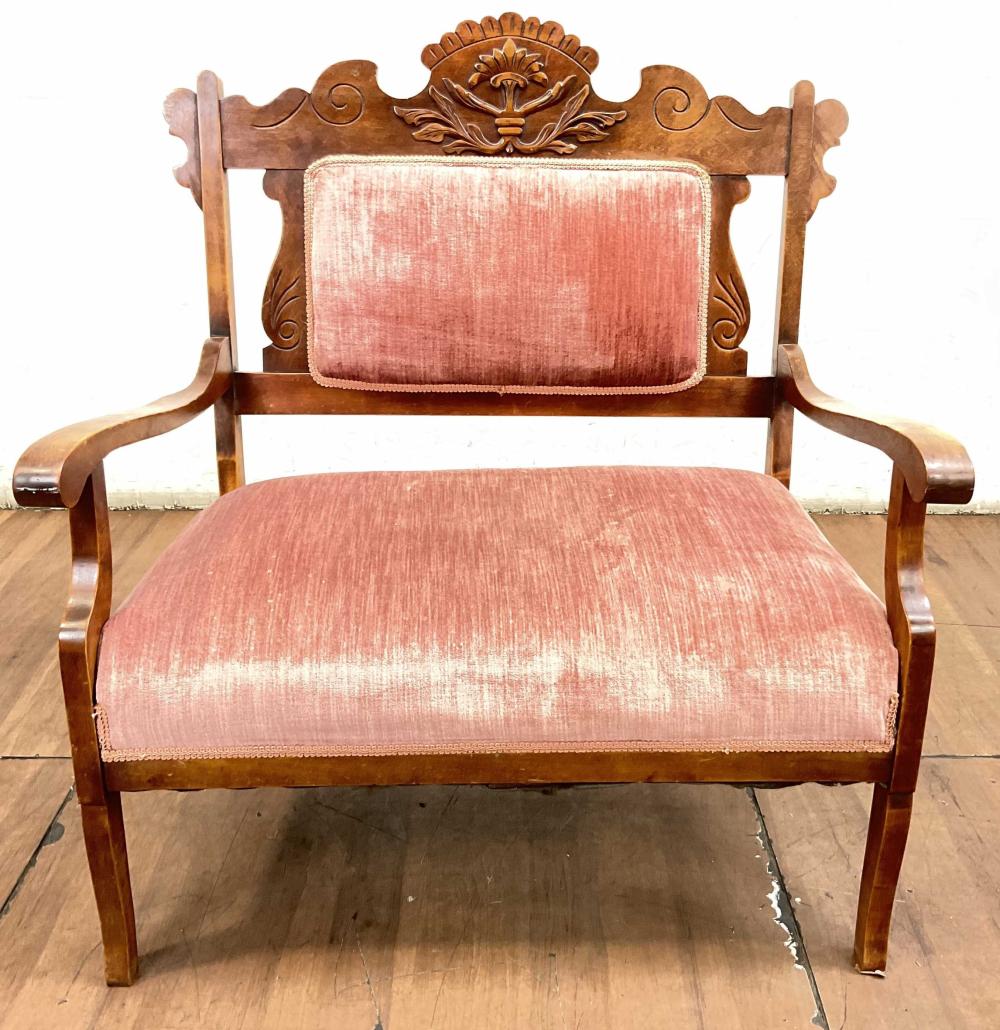 |
Antique Victorian Eastlake Walnut Parlor Settee | EJ'S Auction & Appraisal | 2023-10-28 | 2074 | USD 25 |
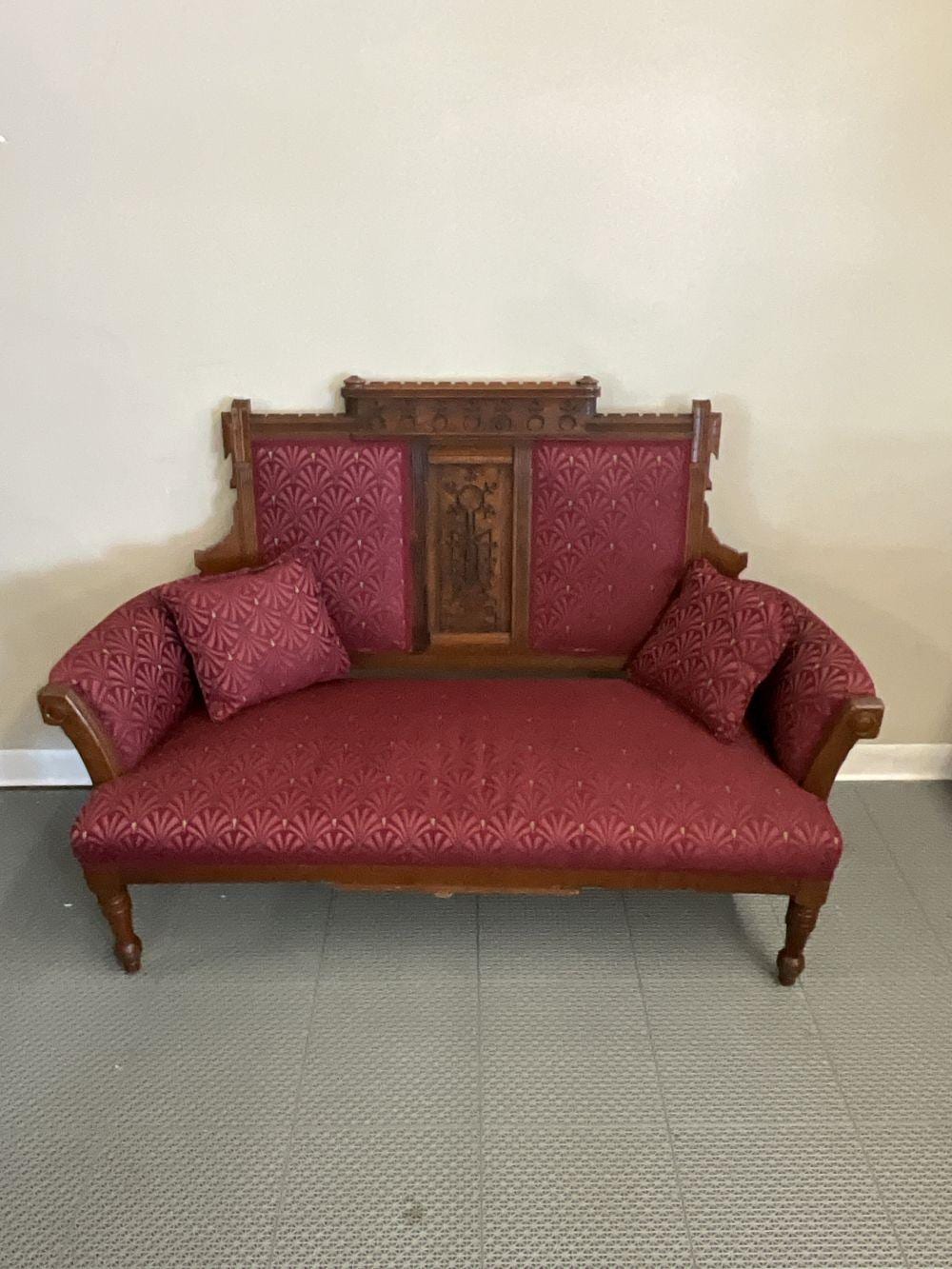 |
Victorian Eastlake Settee | Appalachian Trading Post & Auction Company | 2026-03-14 | 307 | USD 100 |
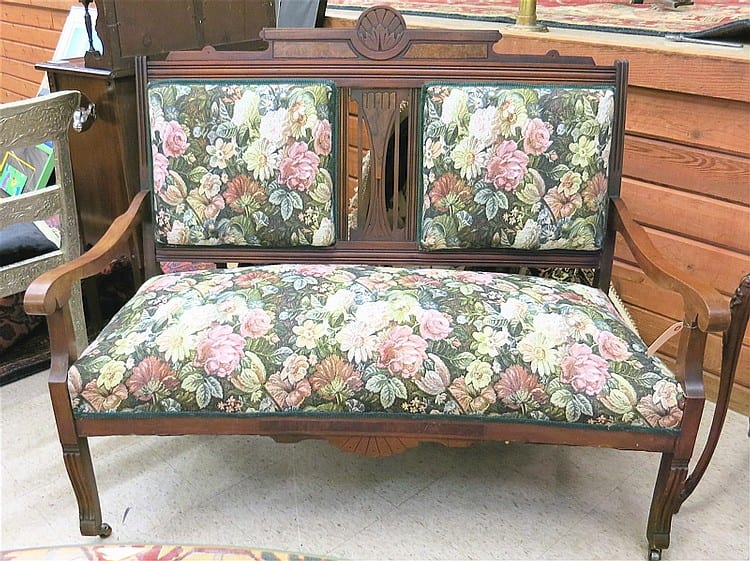 |
A VICTORIAN EASTLAKE SETTEE, American, late 19th century, having a carved and molded walnut and burl walnut frame with later floral tapestry upholstery. Dimensions: 40.5"H x 48"W. | O'Gallerie | 2014-06-09 | 280 | USD 130 |
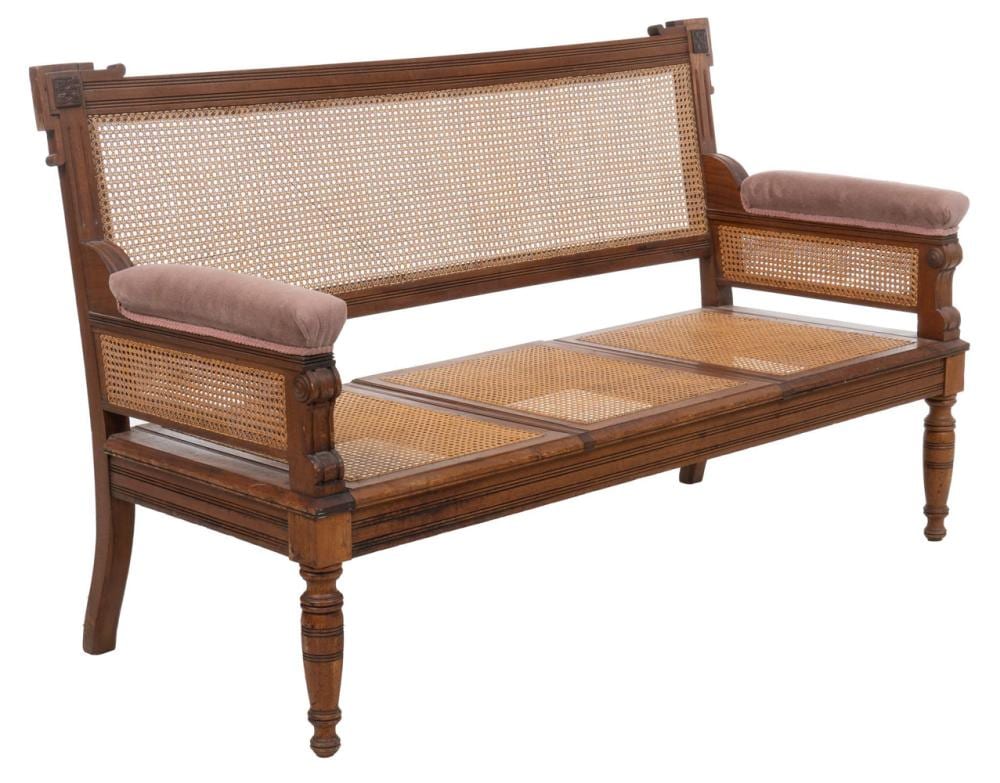 |
Eastlake Style Settee | Vogt Galleries Texas | 2023-05-29 | 138 | USD 1,900 |
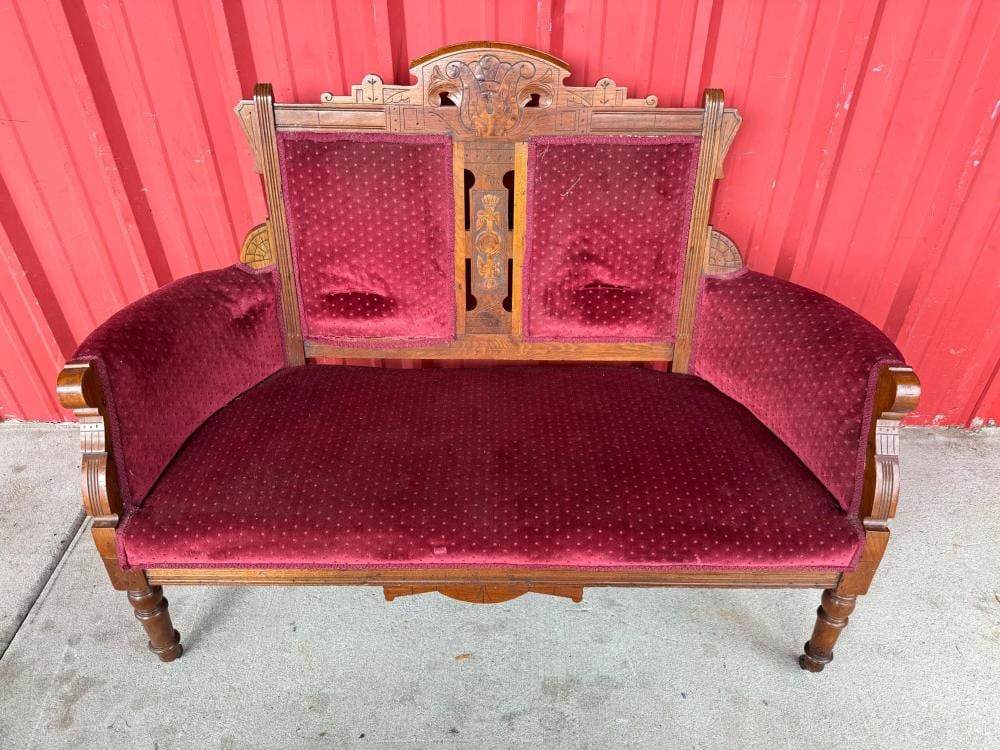 |
Eastlake Victorian Settee | Swisher Bros. Auction | 2024-08-25 | 21 | USD 35 |
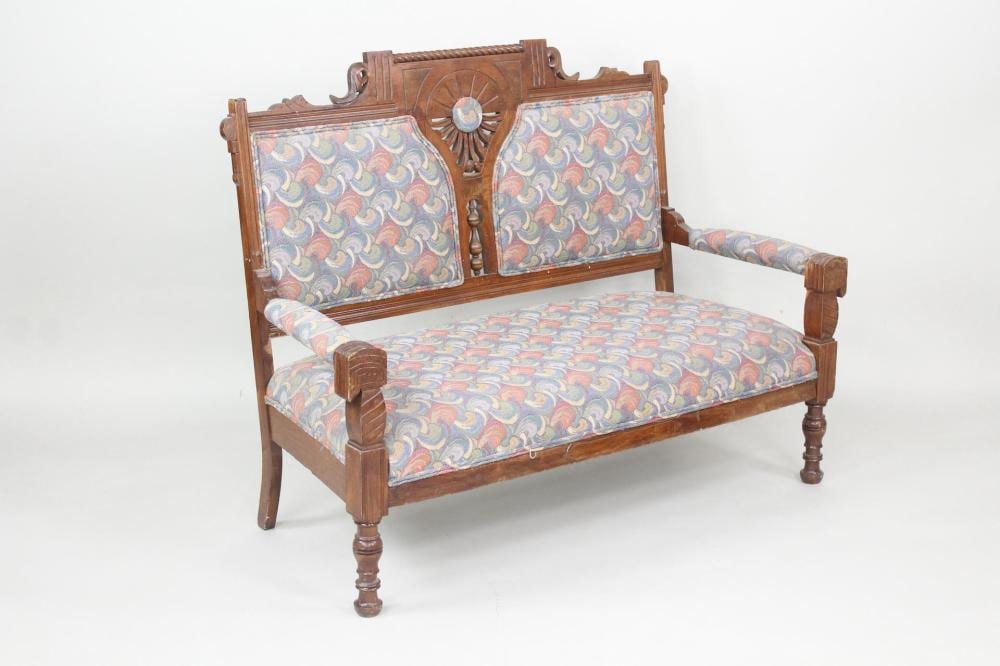 |
Eastlake Victorian Wooden Settee | Public Sale Auction House | 2025-04-12 | 580 | USD 100 |
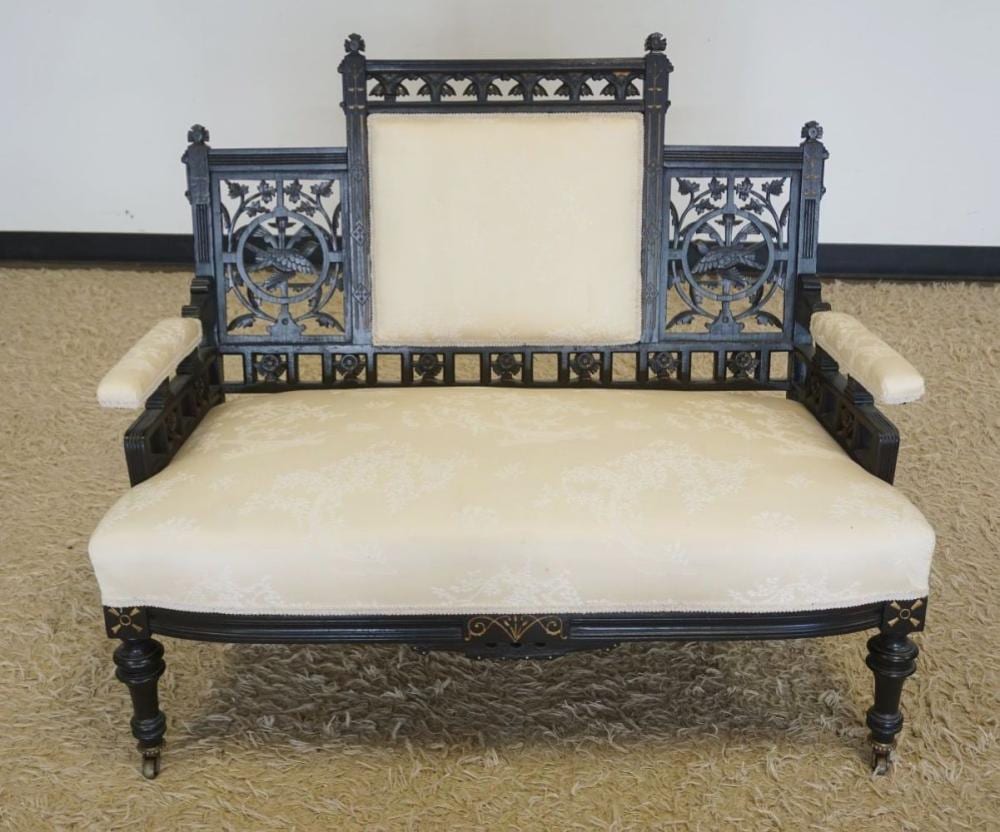 |
ORNATE EASTLAKE VICTORIAN SETTEE | Dennis Auction Service | 2025-05-02 | 1189 | USD 140 |
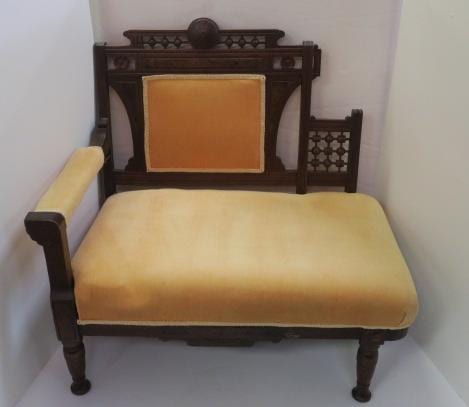 |
Victorian Eastlake One Armed Settee: | Phoebus Auction Gallery | 2016-04-17 | 67 | USD 140 |
How these auction records were verified
Each row is tied to its lot identity, retrieval time, access result, and immutable record hash. Live source access was blocked; the exact record matched Appraisily's immutable pipeline provenance. Inspect the public comparable provenance record.
How to sell an Eastlake settee without leaving money behind
- Photograph the underside. Buyers want to see rails, joinery, and whether modern plywood/staples appear.
- Show scale. Include a side profile and a tape-measure shot of overall width and seat height.
- Call out upholstery date. “Reupholstered in 1995; horsehair padding reported original” is better than “new upholstery.”
- Choose your channel. Local pickup platforms often beat national sites after shipping costs.
- Price strategically. If you want a faster sale, start around 70–80% of your private-sale value range.
Search variations collectors ask
Readers often Google:
- how to tell if an Eastlake settee is antique or reproduction
- circa 1865 Eastlake settee value with velvet upholstery
- what is horsehair padding in Victorian furniture worth
- Eastlake parlor settee on casters identification
- oak vs walnut Eastlake furniture value differences
- best way to sell an Eastlake parlor settee locally
- insurance appraisal value for Victorian Eastlake settee
- Eastlake parlor settee dimensions 47 inches wide
Each question is answered in the valuation guide above.
Key takeaways
- Eastlake identity is driven by restrained geometry: incised line carving and turned details, not just “Victorian” curves.
- Reupholstery is common; value depends on whether the frame and stuffing were preserved and the profile remains period-correct.
- Expect lower outcomes at auction; private-sale and insurance values typically run higher because they reflect retail replacement.
- Document wood species, joinery, and underside construction to match your settee to the right comps.
References
- Charles L. Eastlake, Hints on Household Taste (first published 1868).
- Victorian upholstery material references (horsehair, webbing, tacks) from furniture conservation practice notes.
- Auction comp dataset entries cited in-text (Amelia Jeffers; Apple Tree Auction Center; Dana J. Tharp Auctions).