Wwii Buy Bonds Advertising Appraisal: appraisal and value basics
Wwii Buy Bonds Advertising Appraisal research should start with identification, condition, provenance, and item-specific market evidence. Use this guide to compare the signals that matter before paying for a formal appraisal or deciding whether to sell.
WWII Buy Bonds advertising checklist
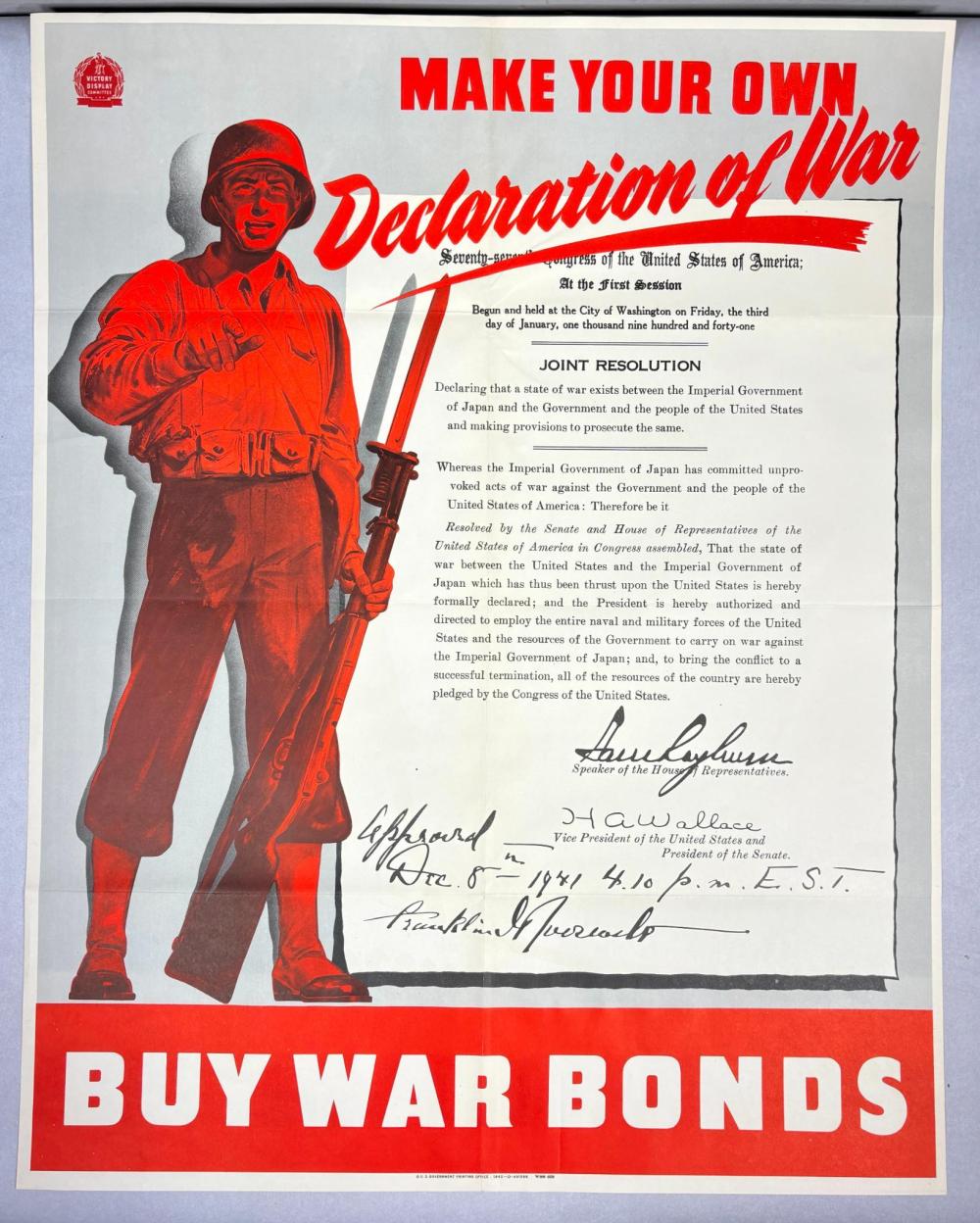
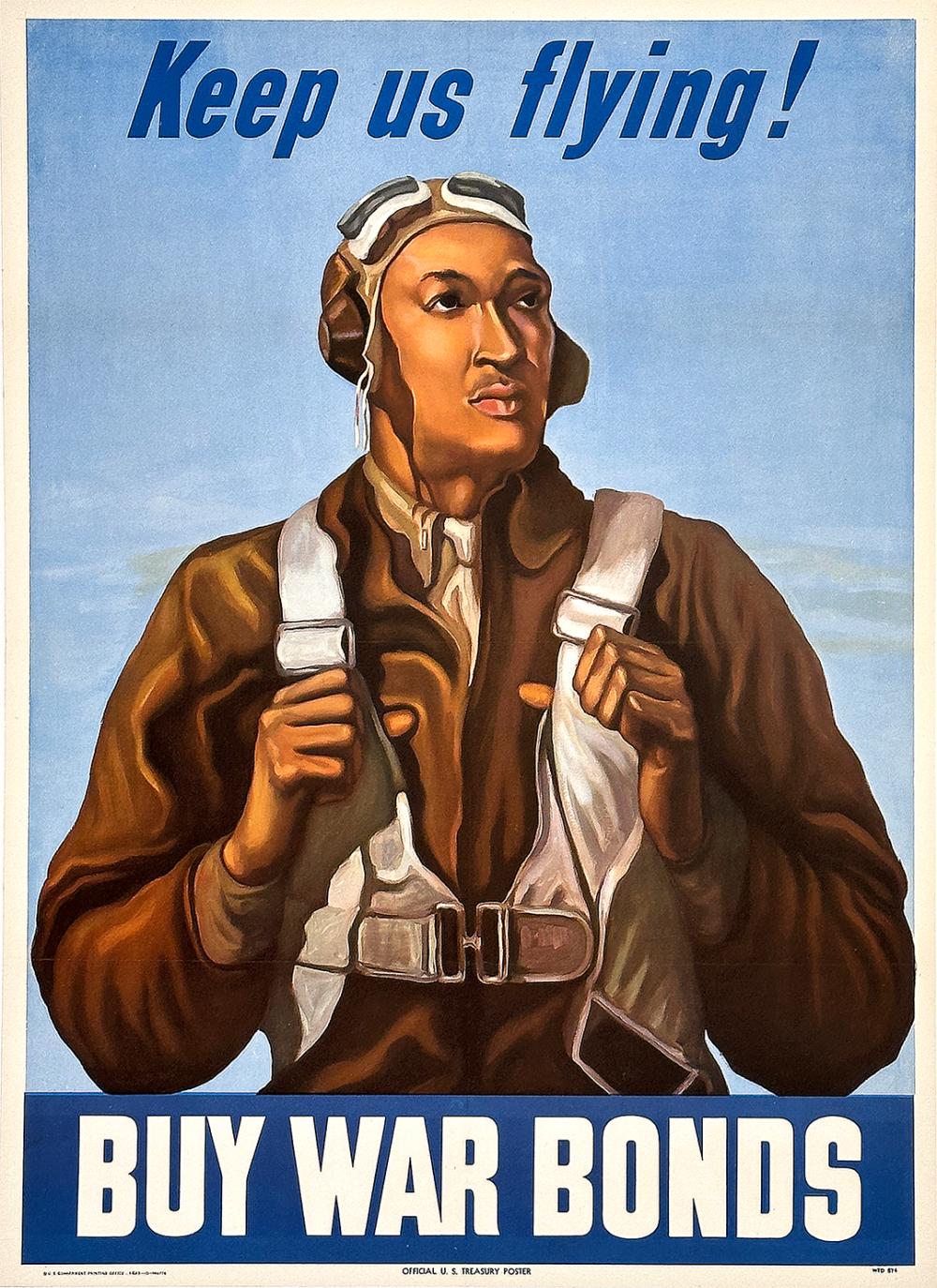
World War II “Buy War Bonds” advertising is one of the most active niches in wartime ephemera and poster collecting. From Treasury-issued posters to shop-window cards, theater tie-ins, and point-of-purchase displays, these materials blend patriotic design with compelling market demand. This guide focuses on identifying, authenticating, grading, and valuing WWII bonds advertising, with practical steps you can apply to your own pieces.
What counts as WWII “Buy Bonds” advertising?
“Buy Bonds” was a broad, nationwide campaign administered primarily by the U.S. Treasury’s War Finance Division, supported by the Office of War Information (OWI) and countless local partners. Collectors encounter:
- Treasury/OWI posters: Iconic large-format offset lithographs and smaller window pieces urging purchase of Series E War Bonds, often tied to numbered War Loan Drives.
- Store and bank displays: Die-cut standees, easel-back cards, teller window decals, lobby banners, and streamers used at banks, post offices, and retailers.
- Theater tie-ins: Posters and heralds for War Bond premieres or rallies hosted at cinemas, sometimes co-branded with studio artwork.
- Transit and shop cards: Smaller cards for streetcars and buses, and countertop “take-one” cards with bond information.
- Newspaper and magazine advertising: Original proof sheets, tear-sheets, and advertiser-supplied inserts promoting specific loan drives.
- Buttons and lapel pins: Given to bond purchasers or volunteers; while not “advertising” in print form, these often accompanied campaigns and are collectible adjuncts.
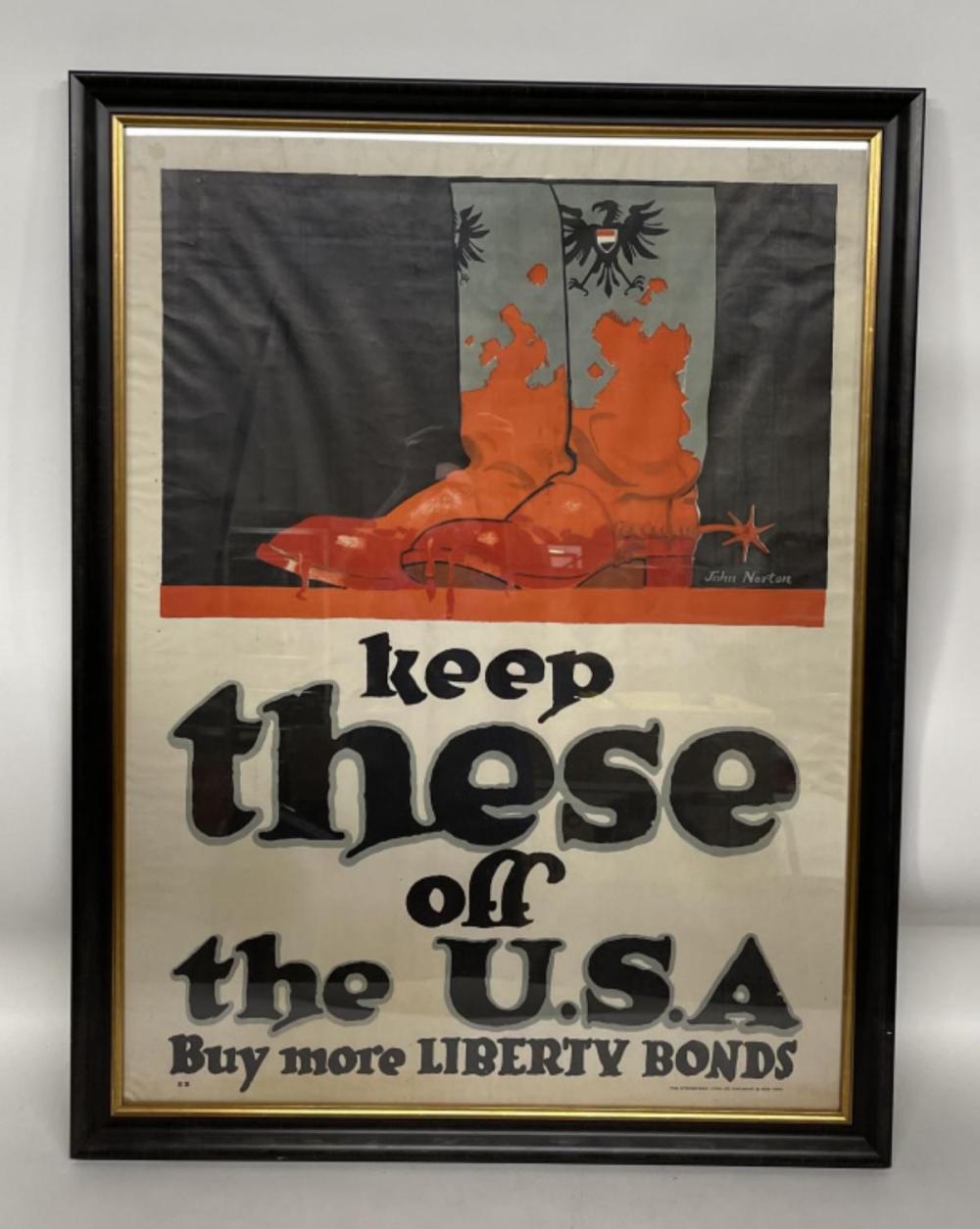
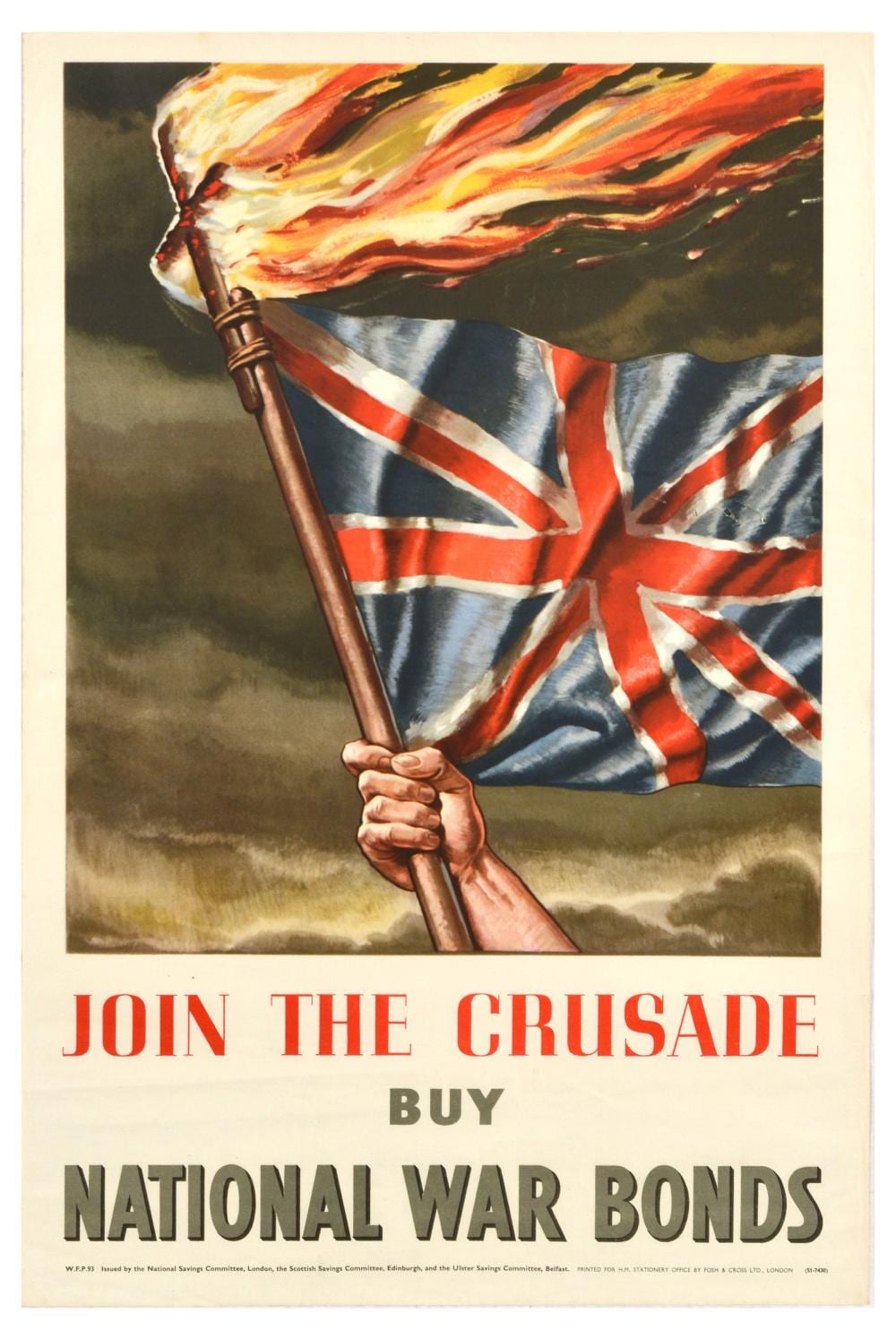
Allied nations ran parallel programs: Canadian “Victory Bonds,” British National Savings and War Savings campaigns, and similar drives in Australia and New Zealand. Their materials are appraised similarly but obey different rarity and demand curves.
Identification and dating: what to look for
Correctly placing a piece in the WWII bond-drive timeline is foundational to value.
Credit lines and agencies:
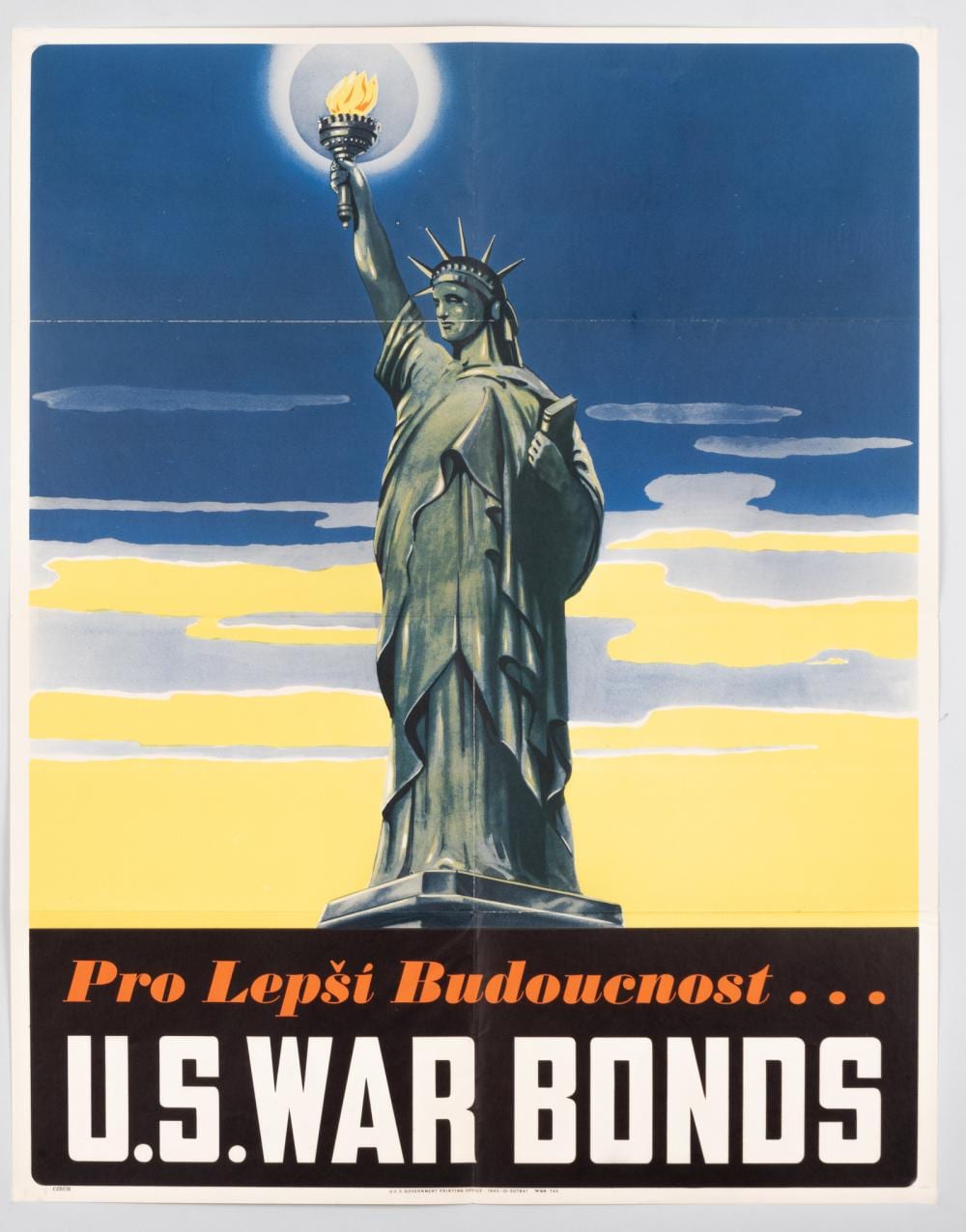
- “U.S. Government Printing Office” (GPO) credit with year and a code (e.g., “GPO 1944—O-####”) indicates government production.
- “OWI Poster No. ##” or “U.S. Treasury, War Finance Division” credits are strong attribution indicators.
- Private printers’ lines (e.g., litho houses) appear on locally commissioned or contractor-printed items; still period if tied to a loan drive.
War Loan Drive references:
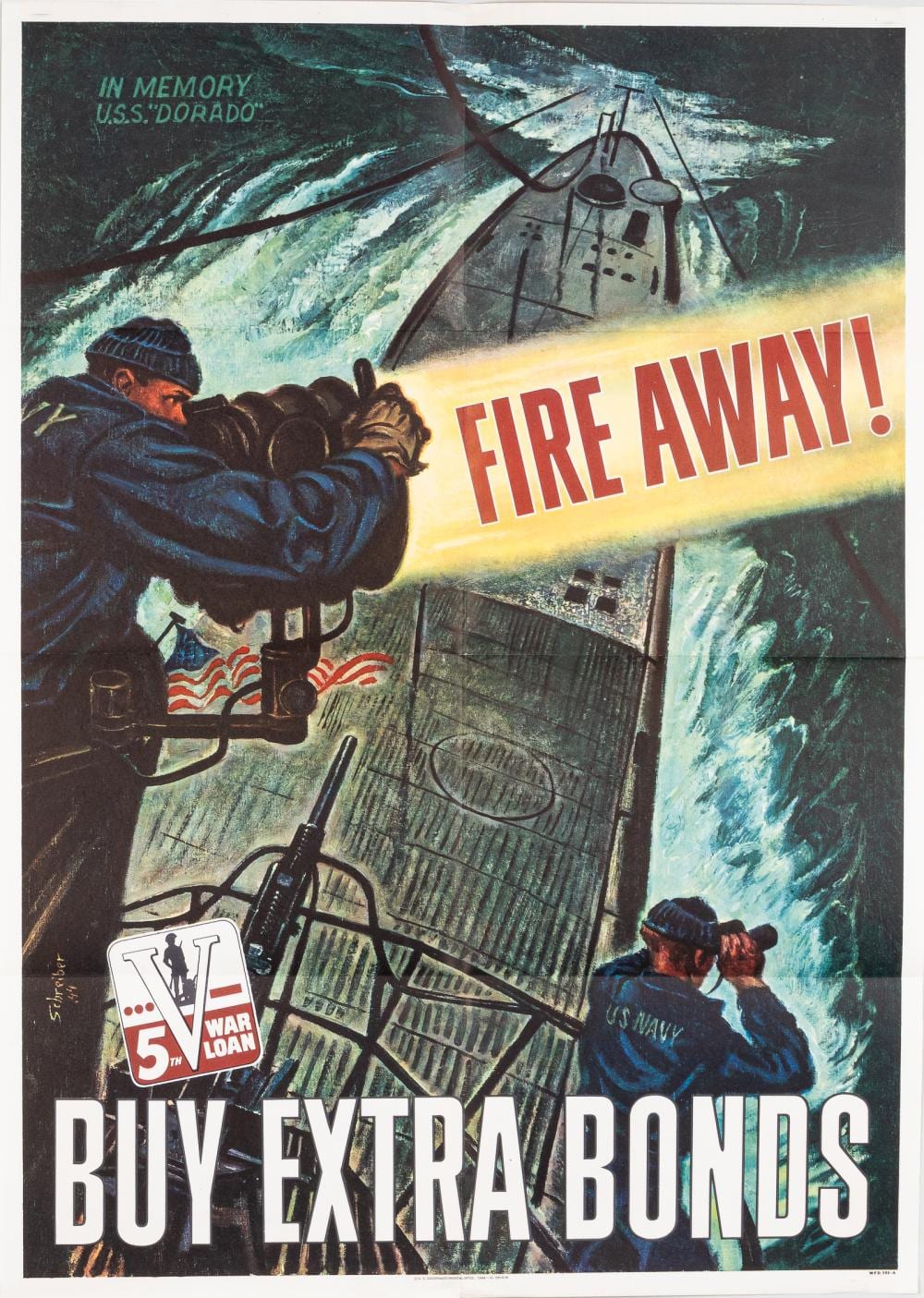
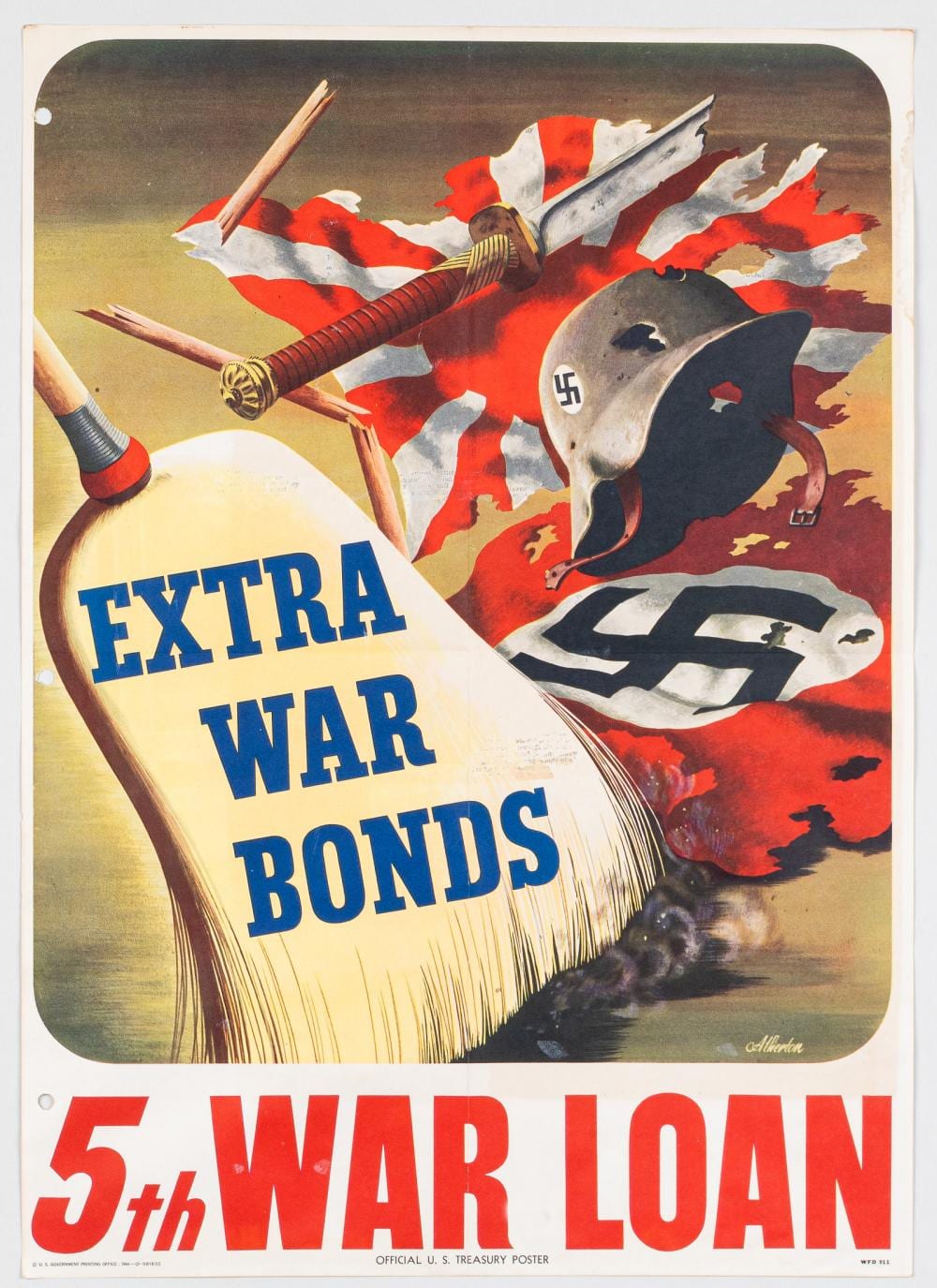
- Numbered drives (First through Seventh) span 1942–1945, culminating in the postwar Victory Loan. Posters often read “4th War Loan,” “5th War Loan,” “7th War Loan—Now… All Together,” etc.
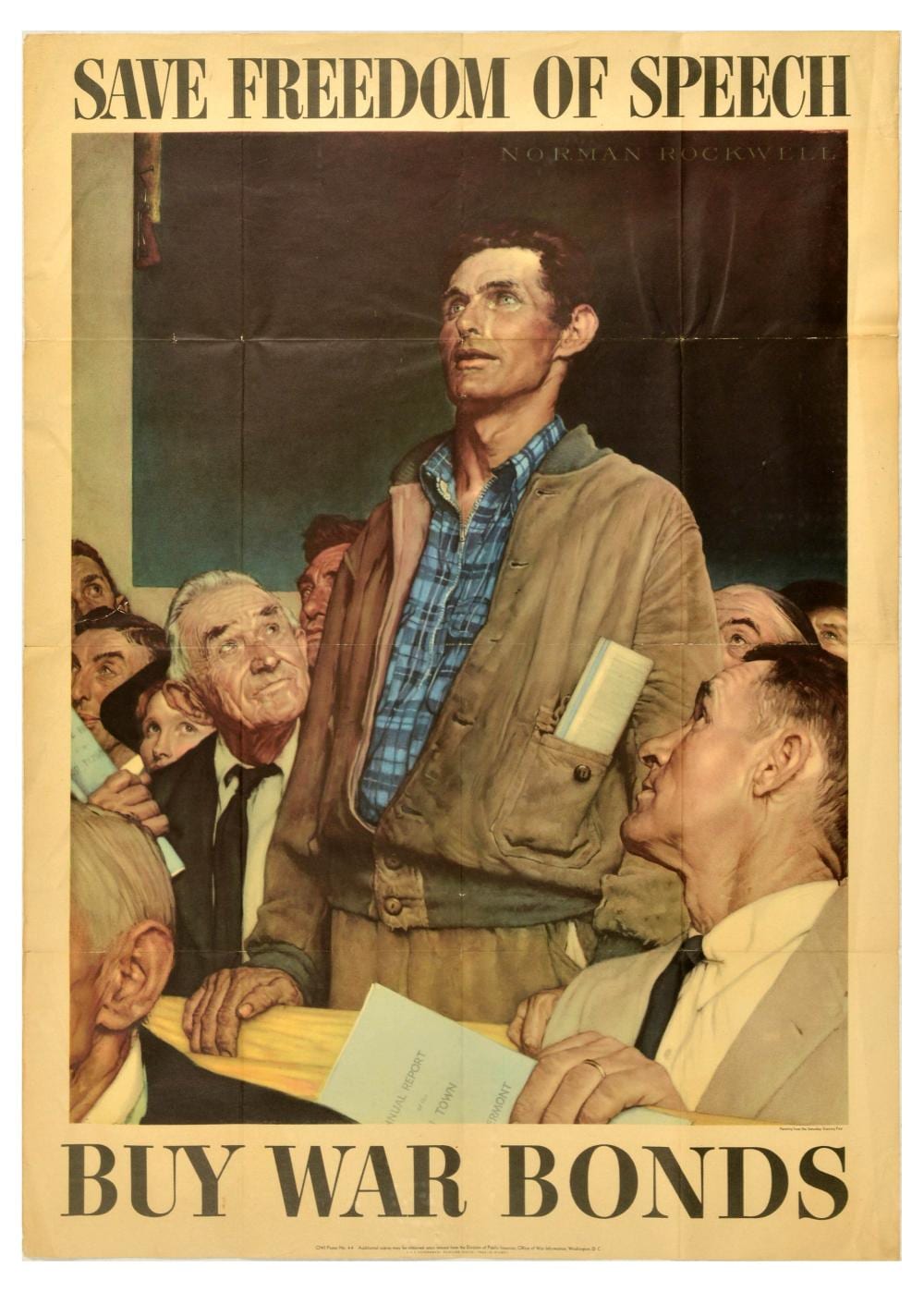
- Slogans help date: Four Freedoms (1943–44), Iwo Jima imagery (Seventh War Loan, 1945), “Back the Attack” (Fifth War Loan, summer 1944).
Series and denomination language:
- “Series E War Bonds” is the most common. Presence of specific denominations or interest terms supports WWII-era originality.
Printing method and paper:
- WWII posters are typically offset lithography on medium-weight, uncoated paper; halftone dot patterns visible under magnification.
- Stone lithography is more typical of WWI posters; glossy coated paper is a red flag for modern reproductions.
Format and size norms:
- Common poster formats include approximately 20x28 inches (often called “half-sheet”) and 28x40 inches; larger two-sheets exist.
- Window cards and countertop displays range around 11x14 to 14x22, but sizes vary by printer.
- Many government posters were originally machine-folded for mailing, often into eighths; crisp, never-folded examples are scarcer.
Artist and image clues:
- Norman Rockwell’s Four Freedoms series (used to sell bonds) carries strong attribution value, especially as a complete set.
- The “Raising the Flag on Iwo Jima” image anchors some of the most sought-after Seventh War Loan posters.
- Not all famous propaganda images are bond-specific; verify the text and loan reference.
Markings and annotations:
- Distribution stamps (banks, post offices), Treasury stamps, or rally date overprints can enhance provenance.
- Beware modern reproduction marks or microprinted publisher logos from museums or contemporary poster publishers.
Condition and conservation: grading that protects value
Condition drives price more than any other single factor. For wartime paper, expect aging—but key variables differentiate an “A” from a “B” or “C” grade.
Typical defects:
- Fold lines, corner pinholes, minor edge chips, light handling creases, and toning are common and tolerated within reason.
- More serious issues: paper losses, heavy sun-fade (color shift), brittle paper with chipping, tape stains/ghosting, water tidelines, mildew, foxing, and overpainting.
Linen backing and restoration:
- Professional linen backing (poster mounted to linen with reversible adhesives) is accepted in the poster market and can stabilize fragile paper. Properly done, it preserves rather than erases folds.
- Document any restoration (inpainting, paper fills, deacidification) on appraisal notes; undisclosed heavy overcolor can depress value.
Conservation best practices:
- Avoid pressure-sensitive tapes; prefer reversible archival mending.
- Store flat in acid-free folders or in oversized archival sleeves; if rolled, use wide-diameter, acid-free tubes.
- Control environment: moderate relative humidity, stable temperature, low UV lighting.
- Consult paper conservators for humidification/flattening and deacidification of brittle sheets.
Grading shorthand:
- A / Fine to Very Fine: strong colors, minor folds/handling.
- B / Very Good: moderate folds, small tears, light stains.
- C / Good to Fair: losses, heavy staining, strong fade; collectible if scarce.
Rarity, demand, and value: what the market rewards
Values vary by imagery, size, scarcity, and condition. The notes below describe original U.S. WWII bond advertising, assuming originality.
Treasury/OWI posters:
- Common “Buy War Bonds” designs (20x28 or 28x40): priced mainly on condition; Very Good to Very Fine examples sell best.
- Seventh War Loan Iwo Jima designs: strong demand; exceptional size or condition sells higher.
- Rockwell Four Freedoms as individual Treasury posters: priced individually on condition; matched sets command premiums, especially very fine, linen-backed sets.
Window and counter cards:
- Small window cards and countertop easels: usually modest; striking graphics or die-cut forms sell for more.
Theater bond-premiere materials:
- Theater lobby cards and one-sheets tied to specific bond events: moderate; rare studio co-brands or local rally overprints can sell for considerably more.
Store/bank displays and banners:
- Die-cut standees, fabric banners, and three-dimensional displays: priced on size and condition; elaborate, intact displays bring the most.
Proofs, tear-sheets, and press kits:
- Magazine proofs and newspaper tear-sheets: usually modest; top-tier artist layouts or complete campaign packets can bring more, but generally lag posters.
Buttons, pins, decals:
- Lapel pins and “I Bought Bonds” buttons: generally inexpensive, depending on style and condition; decals likewise.
International:
- Canadian Victory Bonds posters and British National Savings posters: commonly moderate; high-demand images, large formats, or scarce printers sell for considerably more.
Premiums accrue for:
- Iconic imagery (Iwo Jima, Four Freedoms, dramatic aircraft/naval scenes).
- High grade, strong color, and unfolded or expertly backed examples.
- Provenance to notable rallies, celebrities, or institutions.
- Matched sets and complete campaign groupings.
Discounts are typical for:
- Severe fade, paper brittleness, trimmed borders, or heavy restoration without disclosure.
- Common designs in low grade.
- Modern reproduction stock or non-period sizes.
Appraisal method: from inspection to comparables
A systematic approach yields reliable results and defensible reports.
- Describe the object:
- Title/slogan, imagery, and any War Loan or Series E references.
- Medium (offset lithograph; silkscreen; letterpress), format (poster, window card, decal), and dimensions to the nearest 1/8 inch.
- Printer/publisher credit, GPO or OWI numbers, and date codes.
- Annotations, stamps, or overprints; linen backing or conservation notes.
- Document:
- Cross-check format and size against known period norms for the design.
- Inspect paper and ink via loupe: offset halftone pattern typical; avoid glossy modern paper or inkjet dithering.
- Look for contemporaneous fold patterns and period odors/oxidation consistent with age.
- Rule out later reissues and museum repros (often carry clear modern credits or altered sizes).
- Condition grade:
- Note fold count and severity; map tears and losses; assess color saturation and UV fade.
- Record stains, tape, toning, deacidification, or inpainting.
- Position within the campaign:
- Identify loan drive and campaign theme; verify artist attribution if relevant (e.g., Rockwell).
- Determine if the item was public or trade-only (bank display, theater material).
- Market comparables:
- Gather recent auction and dealer sales for the exact design and format when possible.
- If exact matches are scarce, use market evidence by the same campaign or artist, adjusting for size and condition.
- Note premiums for matched sets or provenance.
- Conclude value:
- Provide a range reflecting wholesale and retail contexts.
- Indicate assumptions (original vs later printing, restoration level) and uncertainties.
Special categories and sleeper finds
- Four Freedoms sets: Rockwell’s quartet, used for bond drives, carries enduring demand, especially when all four are period impressions in consistent grade.
- Iwo Jima Seventh War Loan: Multiple variants exist; larger formats and brighter, unrestored copies are top-tier.
- Local silkscreen signs: Short-run silkscreens on board or heavy paper for specific rallies or parades can be scarce and undervalued compared with glossy national pieces.
- Bank and store die-cuts: Three-dimensional or articulated displays survive less often; complete, clean examples can outperform standard posters.
- Theaters and celebrity rallies: Materials tied to specific bond premieres or celebrity-led events often have strong crossover appeal to entertainment collectors.
- Allied issues: Canadian and British posters sometimes outpace U.S. counterparts when featuring striking design or noted artists; supply is thinner, so condition-sensitive price swings are common.
Red flags and common pitfalls
- Modern poster-shop reprints: Frequently 24x36 inches on glossy stock with modern distribution credits; colors can be too saturated.
- “Aged” fakes: Artificial staining or machine-fold marks without genuine oxidation patterns; fiber content appears modern under magnification.
- Trimmed borders: Reduces size below known specs and often excises credits; note in appraisal and adjust value downward.
- Over-restoration: Heavy overpaint disguising image loss; shines under raking light or UV. Transparency in reporting is essential.
- Misattribution: Not every patriotic poster is a bond advertisement; verify text and loan references before applying bond-market market evidence.
Quick appraisal checklist
- Identify campaign: War Loan number or Series E reference present?
- Confirm production: GPO/OWI or printer credit line with period date?
- Measure accurately: Compare to known period sizes for the design.
- Document medium: Offset litho on period paper; halftone dots visible.
- Inspect condition: Folds, tears, color strength, stains, trimming.
- Note extras: Stamps, overprints, matched sets, or original mounts.
- Assess restoration: Linen backing, deacidification, inpainting documented?
- Pull market evidence: Same design/format if possible; adjust for size and grade.
- Conclude range: Wholesale vs retail; state assumptions and caveats.
FAQ
Q: How can I tell if my “Buy War Bonds” poster is original or a reproduction? A: Check for period credit lines (GPO year codes, OWI numbers), offset halftone dots on uncoated paper, and period-correct sizes. Many modern reprints are 24x36 inches on glossy stock with contemporary publisher marks. Fold patterns from mailed distribution are common on originals.
Q: Do fold lines lower the value significantly? A: Light, original mailing folds are expected and acceptable. Well-pressed folds with minimal wear have a modest effect. Severe fold separations or crossfold losses reduce value more sharply; professional conservation can stabilize but should be disclosed.
Q: Is linen backing good or bad for value? A: Proper linen backing is widely accepted for WWII posters and can support higher prices if it enhances presentation without heavy overpainting. Poor, irreversible mounting or undisclosed repainting depresses value.
Q: Are small window cards and counter signs worth collecting? A: Yes. While individual prices are often lower than large posters, uncommon designs, die-cuts, and high-grade examples are in demand and can be more scarce due to heavy use and low survival rates.
Q: Do international war bond posters appraise the same way? A: The appraisal method is the same—document, grade, and compare—but value depends on local demand and scarcity. Canadian Victory Bonds and British National Savings posters with strong graphics can compete with U.S. values in similar condition.
By combining careful identification with disciplined grading and relevant comparables, you can confidently appraise WWII “Buy Bonds” advertising—from the iconic Iwo Jima Seventh War Loan to overlooked local silkscreens—and position each piece accurately in today’s market.