Antique chairs represent a fascinating intersection of art, history, and craftsmanship. Whether you’ve inherited family heirlooms, discovered a potential treasure at an estate sale, or are building a collection, understanding the value of antique chairs requires specialized knowledge. In this comprehensive guide, we’ll explore everything you need to know about identifying, authenticating, and determining the value of antique chairs in today’s market.
Understanding Antique Chair Values
Antique chairs can range from relatively affordable examples to museum-quality masterpieces worth tens of thousands. Understanding the market requires both general knowledge of furniture history and specifics about individual styles and makers.
Several key factors contribute to an antique chair’s value:
- Age: Generally, older chairs command higher prices, with pre-1700 examples being especially valuable
- Maker/Designer: Chairs by renowned cabinetmakers or designers often fetch premium prices
- Rarity: Unusual or limited production pieces typically have greater value
- Condition: Original finishes, minimal restoration, and structural integrity significantly impact value
- Provenance: Documented history, especially famous ownership, can dramatically increase value
How to Identify Antique Chair Styles
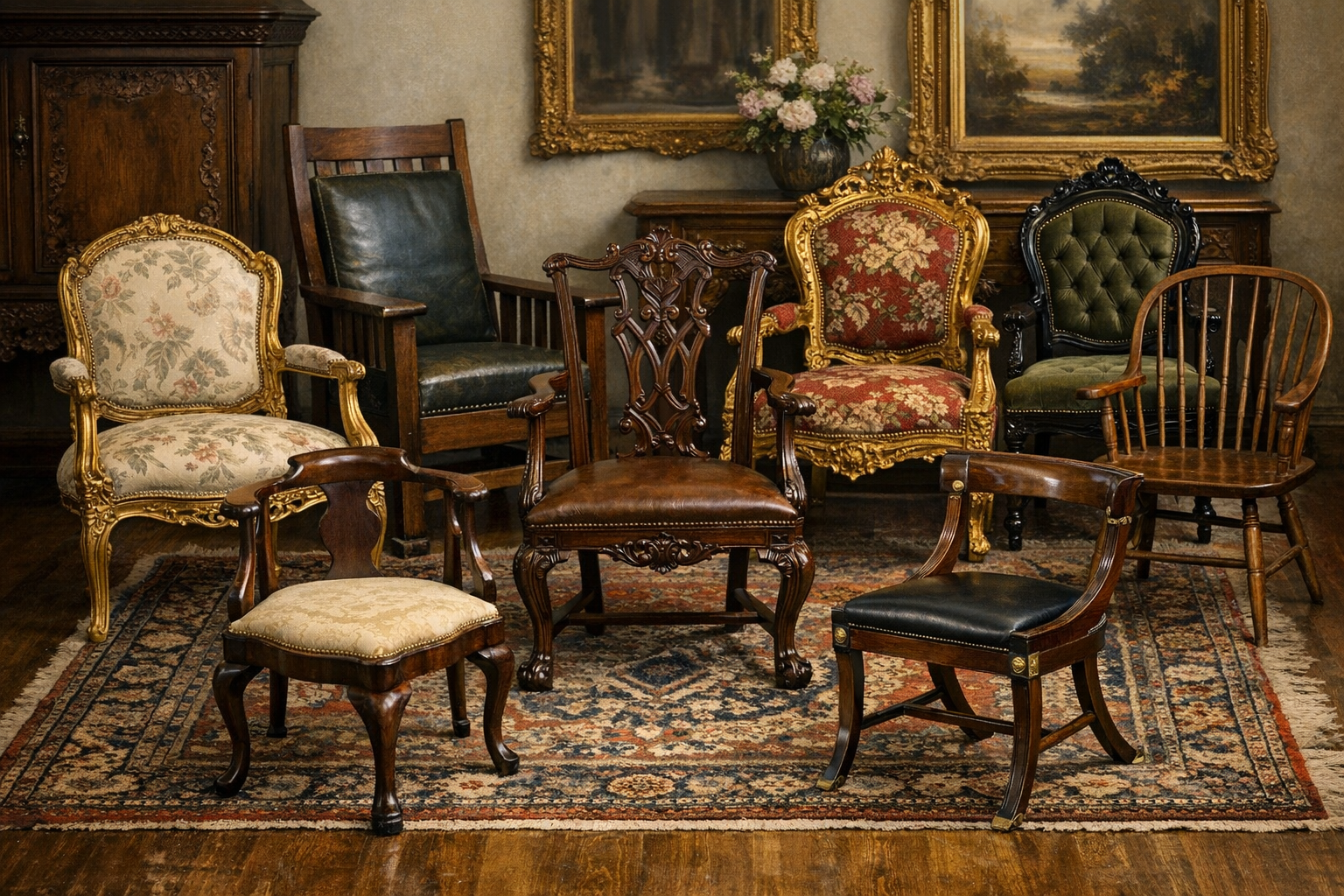
Major Antique Chair Style Periods
- 1600-1700
William and Mary
Characterized by turned legs, carved crests, and cane or leather seats. Values depend heavily on condition and provenance.
- 1700-1760
Queen Anne
Features graceful cabriole legs, fiddle-shaped backs, and shell carvings. Quality examples are strongly sought after.
- 1750-1790
Chippendale
Known for elaborate carving, ribbon-back designs, and ball-and-claw feet. Documented pieces command premium prices.
- 1780-1830
Federal/Sheraton/Hepplewhite
Distinguished by straight lines, rectangular backs, and delicate proportions. Values vary with maker, region, and condition.
- 1830-1900
Victorian
Various revival styles featuring heavy ornamentation and elaborate carving. Pricing varies widely with style and quality.
- 1880-1920
Arts & Crafts/Mission
Simple, rectilinear designs with emphasis on craftsmanship. Good examples sell well, especially when signed.
When examining an antique chair, pay careful attention to these key identifying features:
- Chair Back Design: The shape and decoration of the back often indicates the style period
- Leg Style: Ball-and-claw, cabriole, turned, or tapered legs help identify different periods
- Joinery Methods: Hand-cut dovetails, mortise-and-tenon joints, and wooden pegs indicate age
- Wood Type: Mahogany, walnut, oak, rosewood, and maple were commonly used in different periods
- Ornamentation: Carving styles, inlay techniques, and decorative motifs vary by period
Determining Originality
Originality Assessment Checklist
Use these criteria to help determine if a chair is genuinely antique
- Consistent patina and wear patterns matching the purported age
- Construction methods appropriate for the time period
- Evidence of hand tools rather than machine manufacturing
- Wood aging consistent throughout (no newer replacement parts)
- Proportions and design details accurate to the period
- Appropriate materials for the era (no anachronistic elements)
- Signs of repairs consistent with age and use
Expert attribution review considers:
- Construction Methods: Machine-cut precision typically indicates newer pieces, while slight irregularities suggest handcrafting
- Wood Aging: Genuine antiques show consistent aging throughout, including undersides and hidden areas
- Hardware: Original hardware shows appropriate wear and oxidation; replacement hardware is a red flag
- Finish: Original finishes develop a distinctive patina over time that’s difficult to replicate
- Proportions: Period-appropriate dimensions and design elements are crucial for originality
According to experts at Fireside Antiques, documented period chairs often retain subtle maker’s marks or regional characteristics that reproductions typically miss.
Factors That Influence Antique Chair Values
Value Factors for Antique Chairs
How different elements impact pricing in the current market
Beyond these factors, market trends significantly impact values. As noted by Paolo Moschino’s comprehensive guide, current design trends influence which antique chair styles command premium prices at any given time.
For example, mid-century modern chairs have seen dramatic value increases in recent years, while heavily ornate Victorian pieces have experienced more modest appreciation.
Current Market Values by Style
| Factor | Effect on value |
|---|---|
| Original Finish | Original surface treatments significantly enhance value |
| Complete Set | Matching sets of dining chairs command higher prices |
| Documented Provenance | Varies based on historical significance of previous owners |
| Original Upholstery | Rare but highly valued by serious collectors |
| Designer Attribution | Documented pieces by famous designers command significant premiums |
According to data from 1stDibs, this is how retail prices for quality examples compare across styles:
- Windsor Chairs: a wide spread, with rare examples selling for much more
- Ladder-Back Chairs: usually among the more affordable as individual chairs
- Queen Anne: armchairs sell for more than side chairs
- Chippendale: among the strongest sellers, with exceptional examples far higher
- Federal/Sheraton/Hepplewhite: priced per chair on maker, region, and condition
- Victorian: highly variable based on specific style and quality
- Arts & Crafts/Mission: steady demand (with signed examples by known makers commanding premium prices)
- Art Deco: priced per chair on design and maker
- Mid-Century Modern: unattributed pieces are modest (with designer pieces reaching much higher)
As reported on Reddit discussions, market values for antique chairs have fluctuated significantly in recent years, with many traditional styles experiencing decreased demand while designer and mid-century pieces have appreciated.
How to Research Your Antique Chair
To research your antique chair:
- Document Details: Take clear photographs from multiple angles, measure dimensions, and note all distinctive features
- Identify the Style: Use reference books or online resources to determine the period and style
- Check for Marks: Look for maker’s marks, labels, or stamps (often found underneath the seat or on the chair frame)
- Research Market Evidence: Check auction results, dealer inventories, and online marketplaces for similar examples
- Consult Experts: For valuable pieces, consider professional appraisal services
Appraisily's free photo check tells you what the item is from one photo and, when it can, a rough value band, while auction databases offer valuable data on recent sales of comparable pieces.
Valuable Research Resources
Fireside Antiques Seating Collection
Excellent reference for high-quality antique chairs with detailed descriptions and pricing.
1stDibs Rare Antique Chairs
Marketplace featuring premium antique chairs with detailed listings and asking prices.
Paolo Moschino's Antique Chair Guide
Comprehensive guide to identifying, dating, and valuing antique chairs.
LoveToKnow Antique Chair Value Guide
Detailed value guide with specific price ranges for different chair types.
Selling Antique Chairs: Best Practices
Different selling options offer varying advantages:
- Auction Houses: Best for rare, high-value pieces; expect a seller’s commission but potential for competitive bidding
- Antique Dealers: Offer immediate payment but typically at wholesale prices, well below retail
- Online Marketplaces: Provide wide exposure but require shipping logistics and may involve fees
- Specialty Furniture Consignment: Good middle ground; commission rates vary, so compare terms
- Direct to Collectors: Potentially highest returns but requires networking and marketing
Before selling, consider investing in professional cleaning or conservative restoration for damaged pieces, but avoid over-restoration which can decrease value for serious collectors.
Tips for Buyers and Collectors
Consider these tips when buying antique chairs:
- Buy What You Love: Personal appreciation should guide collecting, regardless of market trends
- Prioritize Condition: Structural integrity is crucial; cosmetic issues are less problematic
- Examine Thoroughly: Check for repairs, replacements, and structural stability
- Request Documentation: Ask for any available provenance, receipts, or attribution review
- Consider Usability: Determine if the chair will be decorative or functional in your space
- Start with Affordable Pieces: Begin with more accessible examples while developing knowledge
- Focus on Learning: Visit museums, attend auctions, and study reference materials
- Develop Relationships: Connect with reputable dealers who can guide your collecting journey
As your knowledge grows, you’ll develop confidence in spotting both exceptional values and overpriced examples in the marketplace.
Common Questions About Antique Chair Values
How do I know if my old chair is valuable?
- Age: Chairs over 100 years old have greater potential value
- Maker: Look for manufacturer’s marks or signatures
- Condition: Original finishes and minimal damage increase value
- Design: Distinctive styles or unusual features enhance worth
- Construction: Hand-crafted details and quality materials suggest higher value
How can I find out how much my antique furniture is worth?
- Professional appraisal: The most accurate method, providing detailed valuation
- Auction house consultation: Many offer free preliminary evaluations
- Antique dealer assessment: Typically provide wholesale values (what they would pay)
- Online valuation services: Appraisily's free photo check tells you what the item is from one photo and, when it can, a rough value band
- Research market evidence: Check auction results and dealer inventories
- Reference books and price guides: Provide general value ranges
- Antique shows and forums: Connect with experts who may offer insights
How to appraise an antique chair?
- Rarity: Assess how uncommon the piece is in the current market
- Aesthetics: Evaluate the design quality and visual appeal
- Desirability: Determine market demand among collectors and designers
- Originality: Verify the chair is an original period piece
- Condition: Examine for damage, repairs, and original components
- Provenance: Consider documented history of ownership
- Maker: Identify any attribution to known craftsmen or manufacturers
How to find the value of a chair?
- Identify the style and approximate age
- Take clear photographs from multiple angles
- Note all dimensions (height, width, depth, seat height)
- Document any maker’s marks, labels, or distinctive features
- Research comparable examples through:
- Online marketplaces like 1stDibs or eBay
- Auction results databases
- Antique dealer websites
- Price guides and reference books
- Consider condition factors that affect value
- Consult with a professional appraiser for valuable pieces
What makes an antique chair valuable?
- Age: Generally, older chairs (especially pre-1800) command higher prices
- Maker/Designer: Attribution to known craftsmen dramatically increases value
- Rarity: Unusual designs or limited production examples are more valuable
- Condition: Original finishes, minimal repairs, and structural integrity
- Provenance: Documented history, especially notable previous ownership
- Historical Significance: Connection to important historical events or figures
- Aesthetic Quality: Superior design and craftsmanship
- Material Quality: Use of premium woods and materials
- Completeness: All original components present
- Market Demand: Current collector and decorator interest
What are the most valuable antique chair styles?
- American Chippendale: Especially Philadelphia examples, which bring some of the highest prices
- Queen Anne: Fine examples from 1710-1750, particularly wing chairs
- Federal Period: Signed pieces by notable makers like Duncan Phyfe
- Louis XV/XVI French: Original gilt and finish
- George III English: Especially Thomas Chippendale designs
- Ming Dynasty Chinese: Huanghuali wood examples, among the most expensive chairs sold at auction
- Arts & Crafts: Signed Gustav Stickley or Greene & Greene
- Mid-Century Modern: Designer pieces by Eames, Wegner, Nakashima
Conclusion
Determining the value of antique chairs requires a blend of historical knowledge, market awareness, and attention to detail. While general guidelines provide a starting point, each piece must be evaluated individually based on its unique characteristics and current market conditions.
Whether you’re a collector, seller, or simply curious about a family heirloom, developing familiarity with different styles, construction methods, and value factors will help you make informed decisions. For particularly valuable or rare examples, consulting with professional appraisers remains the most reliable way to establish accurate valuations.
As with all antiques, the market continues to evolve with changing tastes and design trends. Staying informed through reputable resources and dealer relationships ensures you maintain current knowledge of antique chair values in today’s dynamic marketplace.
What similar items actually sold for
To help ground this guide in real market activity, here are recent example auction comps from Appraisily’s internal database. These matched sales are market context only, not an object estimate or identification, and they do not guarantee a price for your specific chairs.
Shown USD range: USD 20-USD 3,200. Median of these 9 USD examples: USD 125.
| Comparable | What sold | Auction house | Date | Lot | Source-reported amount |
|---|---|---|---|---|---|
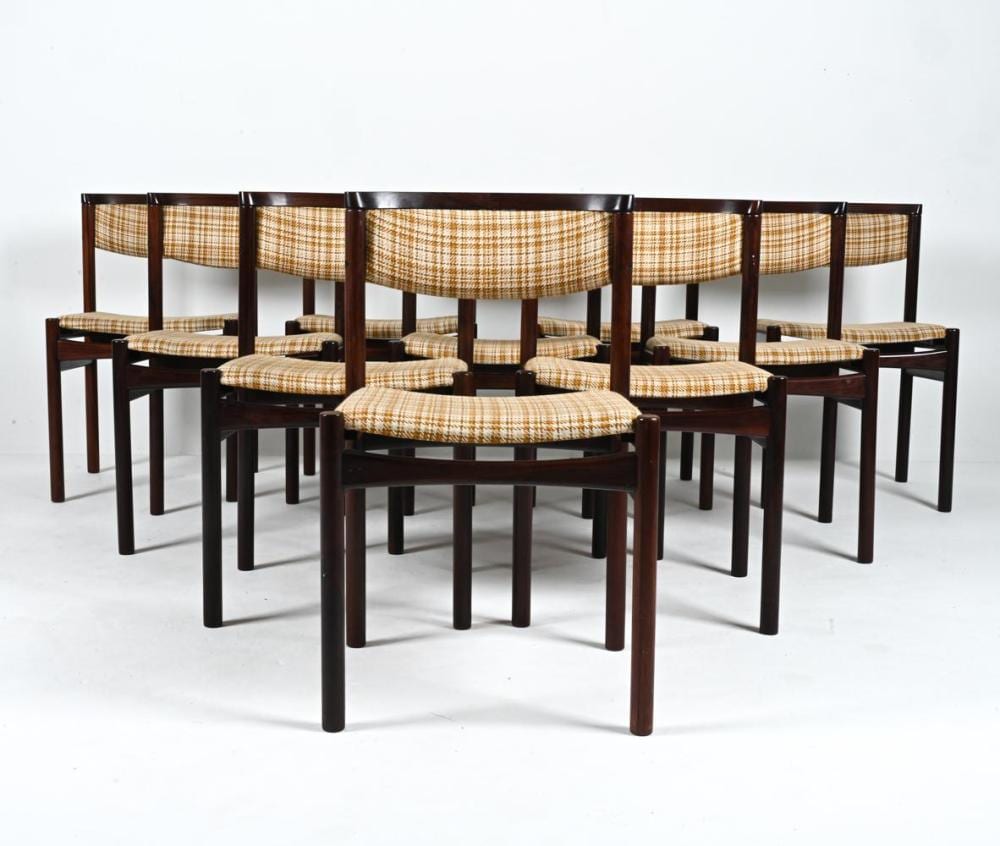 |
(10) DANISH ROSEWOOD DINING CHAIRS BY SAX | Westport Auction | 2024-11-07 | 79 | USD 900 |
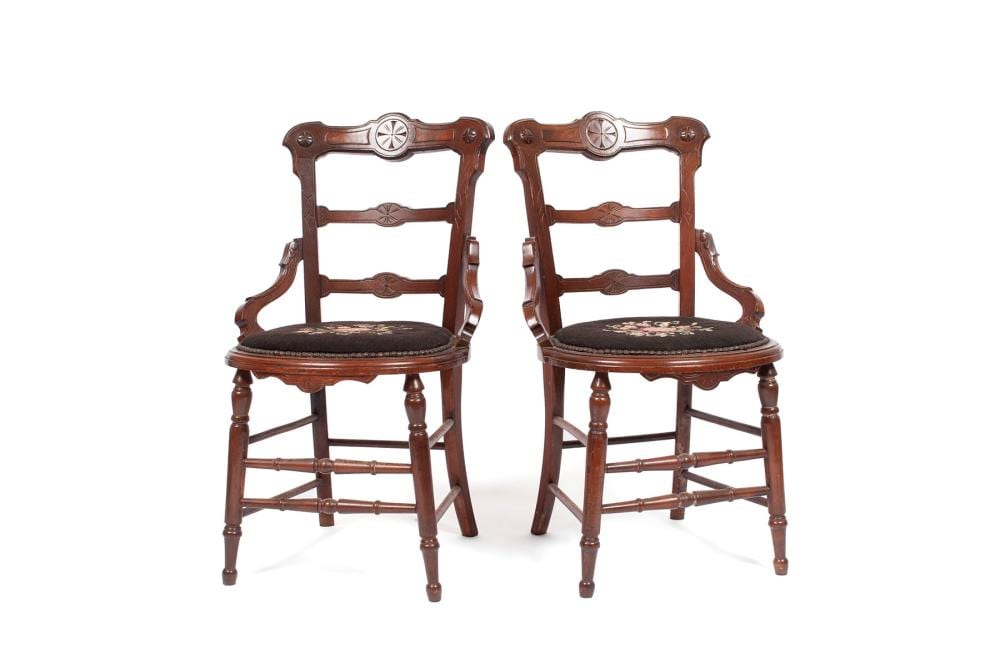 |
PAIR OF ANTIQUE SIDE CHAIRS | Selkirk Auctioneers & Appraisers | 2020-10-26 | 78 | USD 25 |
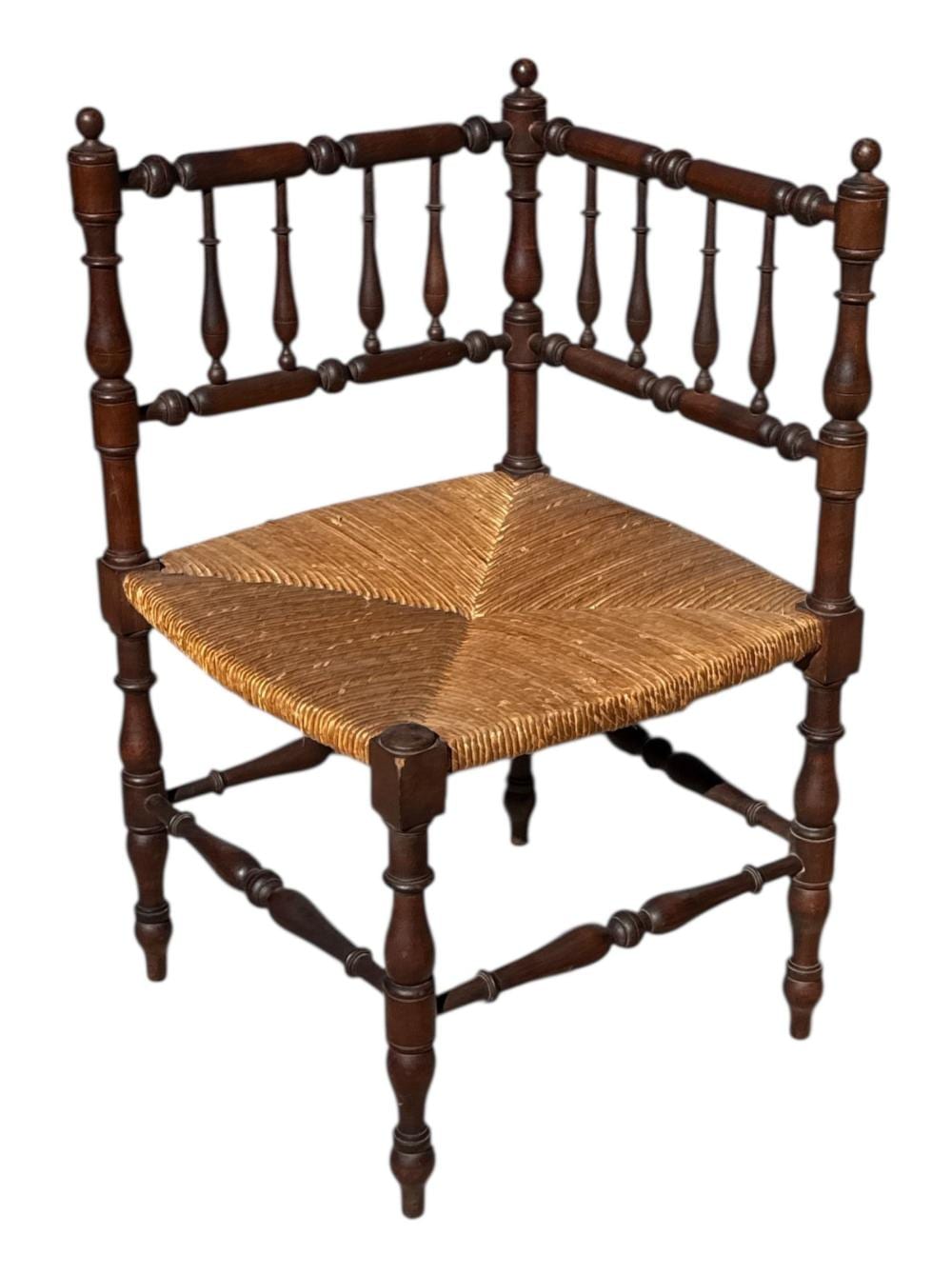 |
French Antique Bobbin Corner Chair | Rivich Auction | 2025-11-30 | 256 | USD 150 |
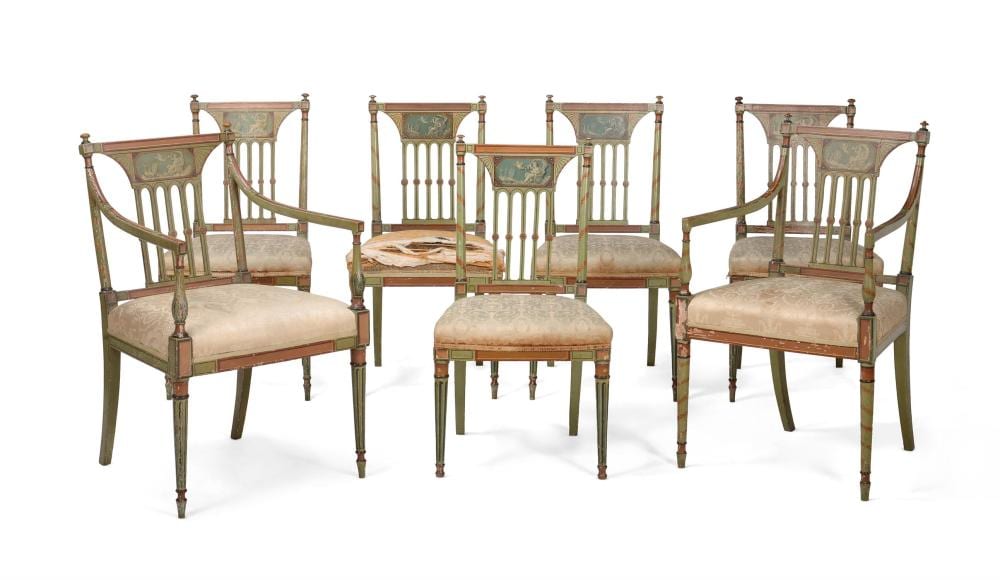 |
A SET OF SEVEN GEORGE III POLYCHROME PAINTED DINING CHAIRS, IN THE MANNER OF GILLOWS, CIRCA 1810 | Dreweatts 1759 Fine Sales | 2022-09-08 | 655 | GBP 3,200 |
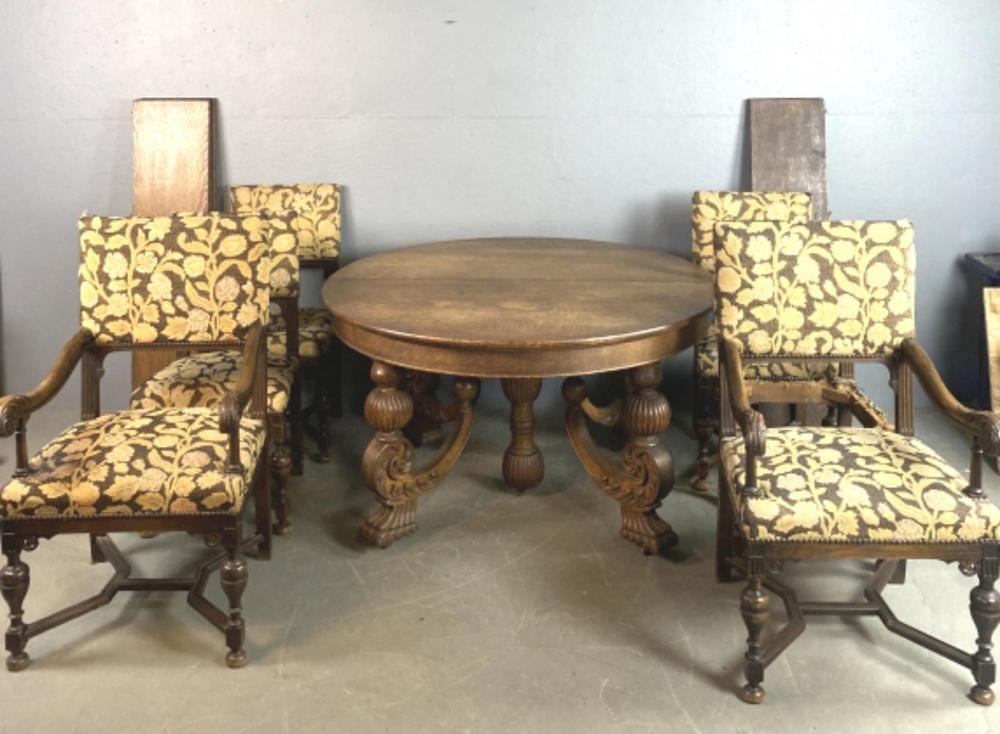 |
Antique Round Oak Table & 6 Chairs | The Auction Barn | 2025-11-16 | 39 | USD 125 |
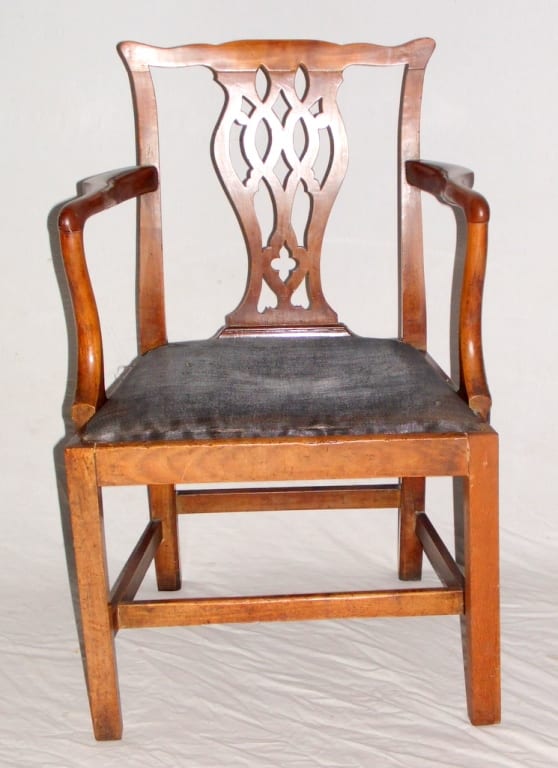 |
Georgian Antique Mahogany Hepplewhite Style Elbow/Carver Chair. Early 19thc. Height 36 inches. | Cooper Barrington LLP | 2018-04-21 | 376 | GBP 26 |
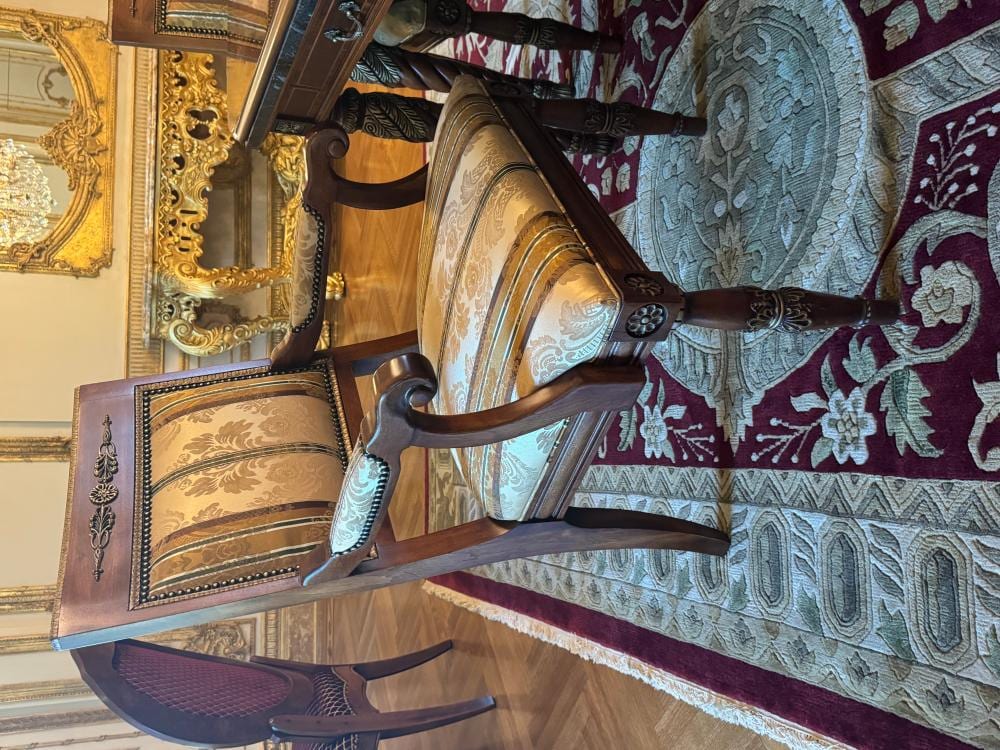 |
French Dining Table and a Set of Twelve Dining Chairs | A.B.Levy’s Palm Beach | 2024-11-21 | 208 | USD 3,200 |
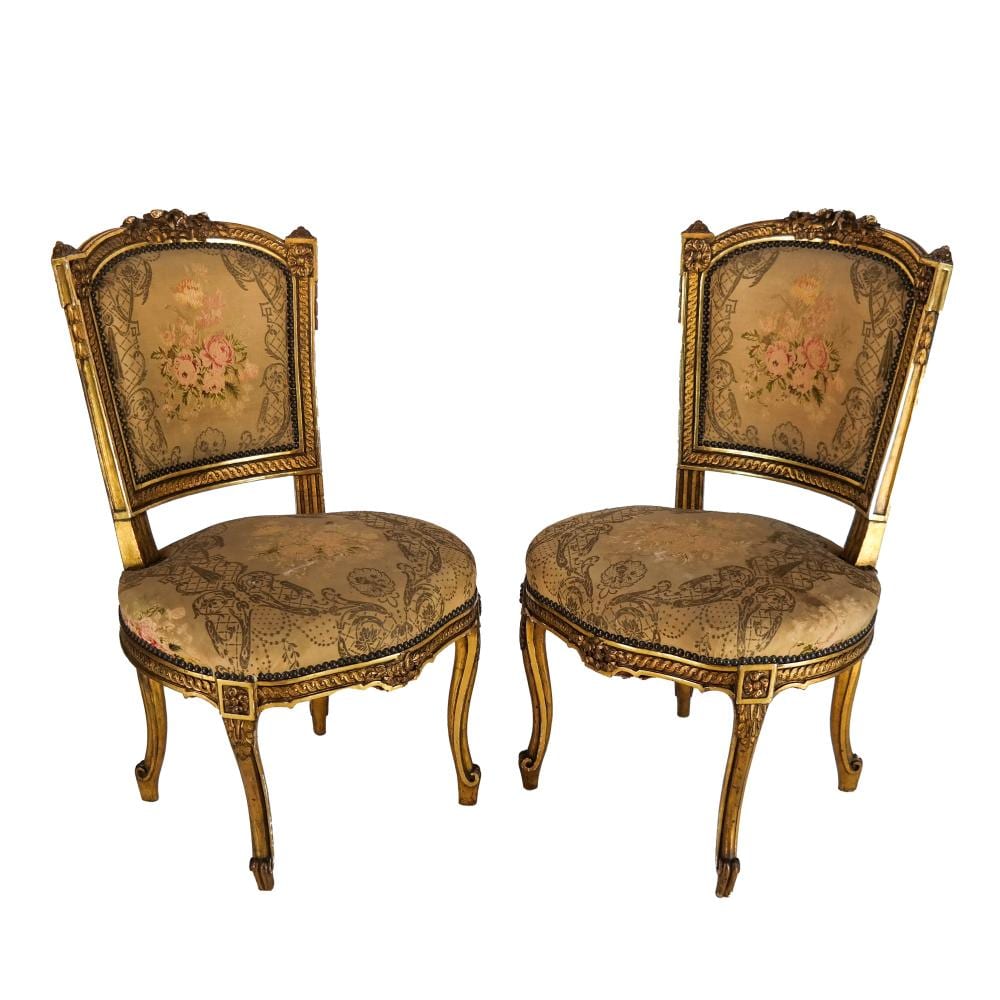 |
Pair Antique French Side Chairs | Roland Auctions NY | 2020-09-12 | 67 | USD 75 |
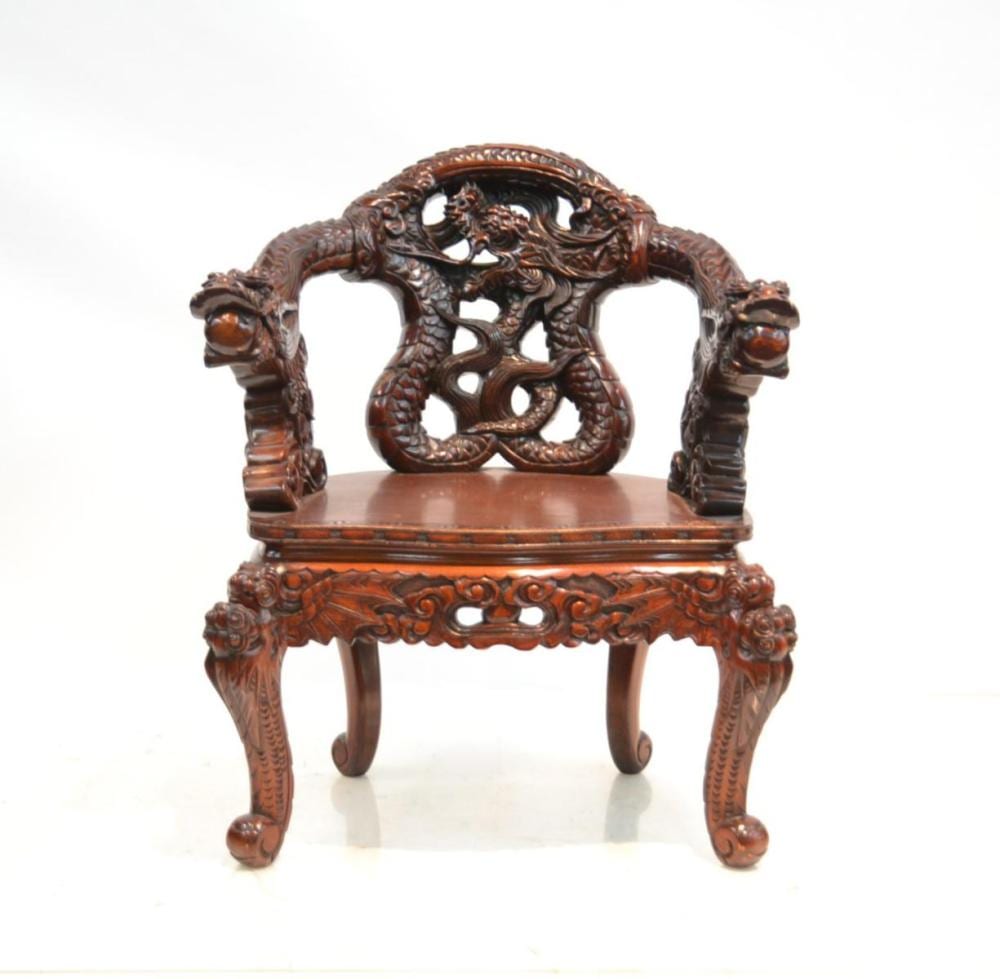 |
ANTIQUE HEAVILY CARVED WOOD JAPANESE CHAIR | Echoes Antiques & Auction Gallery | 2020-07-21 | 82 | USD 225 |
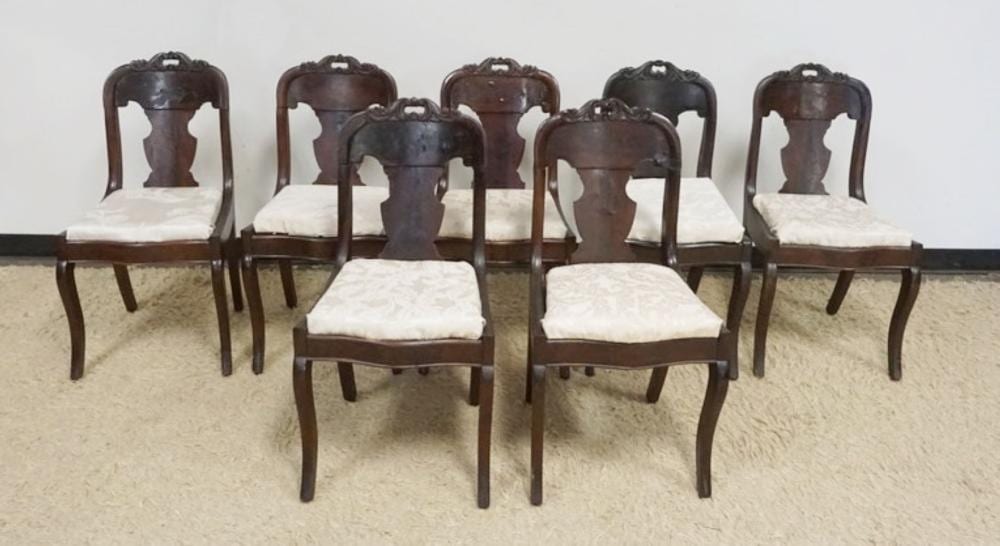 |
ANTIQUE EMPIRE SLIP SEAT CHAIRS | Dennis Auction Service | 2025-11-21 | 1226 | USD 25 |
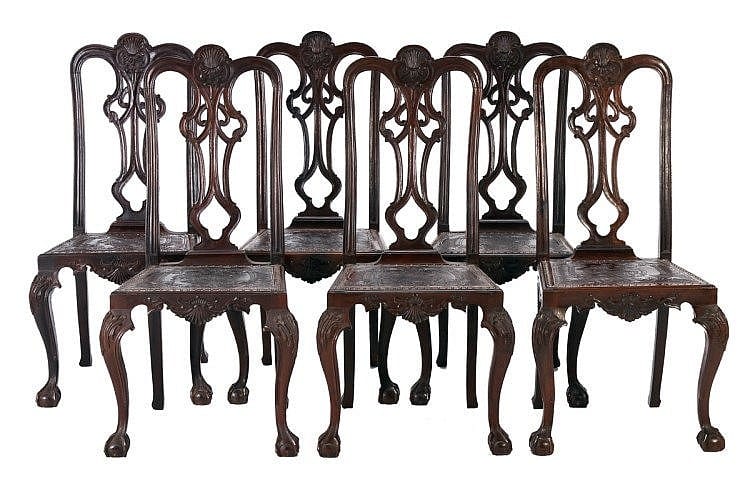 |
SIX CHAIRS D. JOSÉ | Renascimento | 2015-02-24 | 371 | EUR 900 |
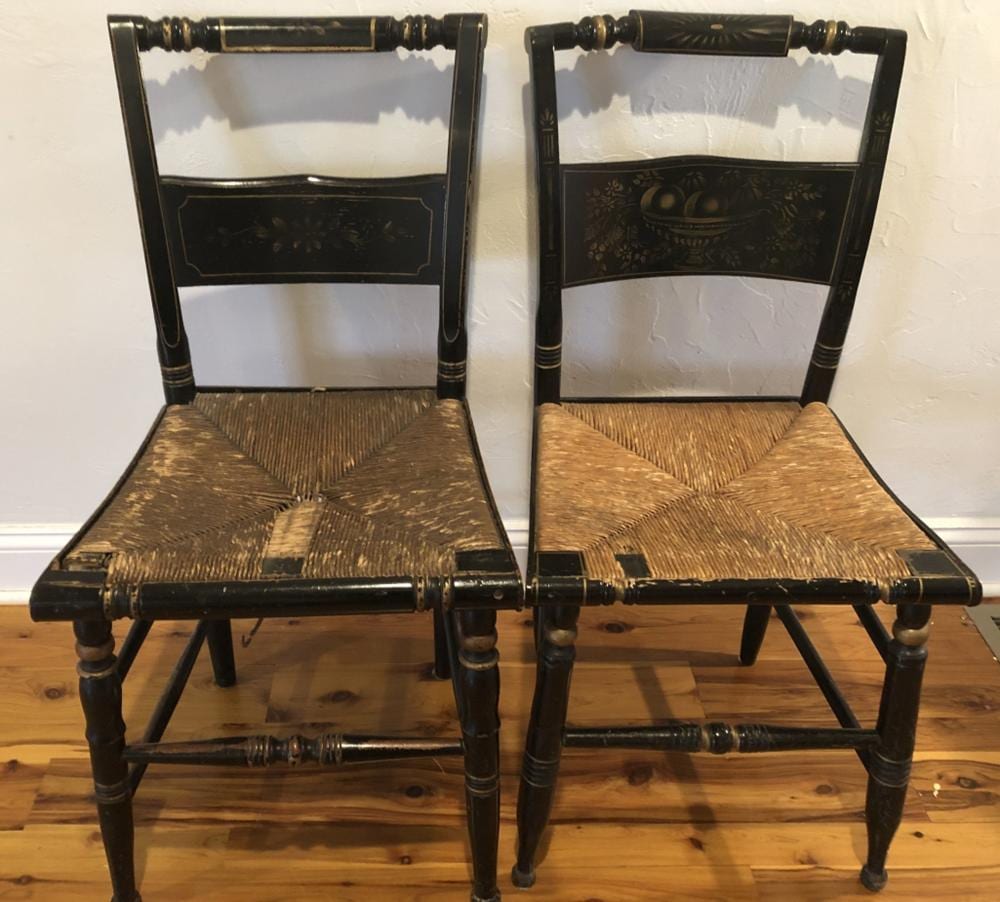 |
Pair Antique Hitchcock Side Chairs | Greenwich Auction | 2019-02-10 | 835 | USD 20 |
How these auction records were verified
Each row is tied to its lot identity, retrieval time, access result, and immutable record hash. Live source access was blocked; the exact record matched Appraisily's immutable pipeline provenance. Inspect the public comparable provenance record.
Free photo check
Not sure if your item is worth appraising? Let us take a look.
Upload a photo, tell us what you know, and get a free photo check. If a full appraisal makes sense, we will say so.
Free. No card needed. Takes about two minutes.
Get an antique chair appraised
Upload photos of the chair, underside, joinery, wood, surface, upholstery, repairs, dimensions, and condition notes.
- Signed report with photos and market context
- Delivered within 24 hours of receiving your photos
- Fixed, upfront pricing
No obligation. Secure upload.
Find a local antique or art appraiser
Ready for pricing guidance?
Start a secure online appraisal
Upload images and details. Delivered within 24 hours of receiving your photos.
Upload photos for a free first look View signed report sample