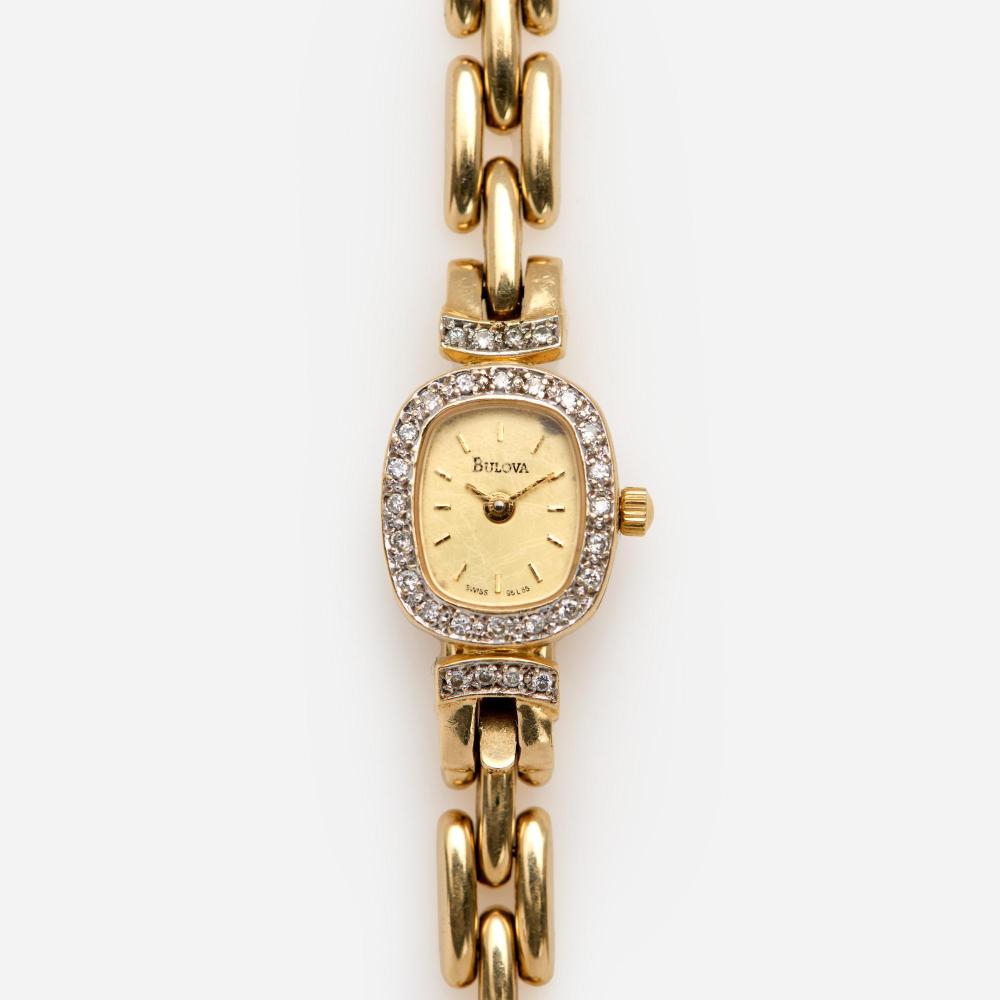
Unveiling the Worth a Comprehensive Guide to Determining the Value of Your Antique Bulova Ladies Watch: appraisal and value basics
Unveiling the Worth a Comprehensive Guide to Determining the Value of Your Antique Bulova Ladies Watch research should start with identification, condition, provenance, and item-specific market evidence. Use this guide to compare the signals that matter before paying for a formal appraisal or deciding whether to sell.
Antique Bulova ladies watch value checklist
Antique Bulova ladies watches occupy a sweet spot where American design, Swiss mechanics, and early 20th‑century styling converge. Whether you inherited a petite Art Deco cocktail watch or sourced a mid‑century piece at an estate sale, understanding what you have—and what it’s worth—requires a structured approach. This guide walks you through identifying, dating, authenticating, grading condition, and translating all of that into a realistic value range.
Why Bulova Ladies Watches Matter
Bulova is a cornerstone name in accessible luxury and technical innovation. For ladies watches in particular:
- Design history: From ornate 1920s Art Deco filigree cases to sleek 1950s cocktail watches and space‑age 1960s miniatures, Bulova mirrored the fashion of each decade.
- Swiss movements: Despite being an American brand, Bulova relied on fine Swiss movements, often compact, jeweled calibers that rivaled contemporaries.
- Breadth and availability: Bulova produced large volumes, which means ample comparables today, but also enough variation in materials (gold‑filled to platinum), jewels, and gem settings to create meaningful value tiers.
- Collectibility and wearability: Ladies pieces can be underappreciated relative to men’s, offering strong value for collectors and tasteful vintage wearers alike.
Step-by-Step: Identify, Date, and Document
Start with a methodical inspection. A clean, well‑lit table, a 3–10x loupe, and a soft pad will save time.
- Document everything
- Photograph dial, crown, case front/back, case interior, movement, clasp/bracelet, and any hallmarks or inscriptions.
- Note measurements: width without crown (typical ladies watches are 14–22 mm), lug‑to‑lug, and lug width.
- Identify signatures and markings
- Dial: Look for “Bulova” or “Bulova Accutron” printed cleanly. Uneven printing or incorrect fonts may indicate a redial.
- Case exterior: Check the back for metal marks (e.g., 10K RGP, 10K GF, 14K, PLATINUM) and sometimes a date code.
- Case interior: Often stamped “Bulova,” “Bulova Quality,” or earlier “American Standard” with metal fineness; may include a case serial.
- Movement: Should be signed “Bulova,” often with a small caliber number and a date indicator.
- Date the watch
- 1950s and later: Bulova used decade letters plus a number for the year. Commonly:
- L0–L9 = 1950–1959
- M0–M9 = 1960–1969
- N0–N9 = 1970–1979
- P0–P9 = 1980–1989
- T0–T9 = 1990–1999
- Pre‑1950: A small stamped symbol on the movement (e.g., shield, circle, triangle) corresponds to a year in Bulova’s symbol chart. These symbols are compact, so inspect under magnification.
- Cross‑check: It’s common for the movement and case to be within a year or two of each other. Large discrepancies may indicate a marriage (non‑original pairing).
- Determine the movement and jewel count
- Ladies pieces typically range from 15 to 23 jewels. Higher jewel counts can indicate a finer grade.
- Note the caliber (e.g., early Bulova calibers often start with numbers and letters; recording it helps match to period ads or parts catalogs).
- Materials and gemstones
- Gold‑filled (GF) and rolled gold plate (RGP) were widely used. Look for 10K GF or 10K RGP marks; wear at edges can expose base metal.
- Solid gold cases are marked 10K, 14K, or 18K; platinum examples (often Art Deco) may read PLATINUM or IRID PLAT.
- Diamonds in cocktail watches are usually single‑cut or small full cuts; early Art Deco pieces can feature old European cuts. Verify stones are secure and original.
- Attribution review cues
- Consistent branding: Dial, case, and movement should all be Bulova.
- Period correctness: Deco cases with Art Deco numerals (1920s–30s), minimalist dials (1950s), space‑age shapes (1960s).
- Early case maker markings: “American Standard” inside early cases is period‑correct for many 1920s–30s watches.
- Model identification (optional but helpful)
- Model names like “Miss America,” “Lady Bulova,” or “Diana” appear in period ads. Match case shape, lug style, dial layout, and bracelet type with contemporary advertisements or catalogs when possible.
Condition and Originality: The Core Value Drivers
Because ladies watches are small and delicate, condition fluctuates widely—and so does value. Break it down:
- Dial
- Original, even aging with intact printing is most desirable.
- Heavy spotting, moisture marks, or poorly refinished dials reduce value.
- Hands and crown
- Correct, period‑appropriate shapes and lengths matter. Mismatched or modern replacements are a minus.
- Crystal
- Acrylic crystals can be polished; deep gouges or yellowing detract. Mineral glass, when present, should be chip‑free.
- Case
- Sharp edges and crisp engravings suggest minimal polishing.
- Gold‑filled: Check for brassing at corners and lugs.
- Solid gold/platinum: Deep dents or solder repairs lower value; hallmark clarity matters.
- Movement
- Running strongly and keeping approximate time is ideal, but service history is equally important.
- Non‑running watches can be excellent, fair, or poor depending on cleanliness and completeness of parts.
- Bracelet/strap
- Original bracelets with decorative links or integrated designs add value, especially when matching the case’s metal.
- Many early bracelets are short; extensions or modern replacements affect desirability.
- Originality
- Matching date codes between movement and case, original dial, and correct hands collectively push the piece up a tier.
Grading shorthand used by many sellers:
- Excellent: Original dial, minimal wear, recently serviced, runs well.
- Very Good: Light wear, honest aging, service recommended but functional.
- Good: Noticeable wear or minor replacements, may need service.
- Fair/Poor: Heavy wear, non‑running, parts missing, or over‑polished.
Materials, Gemstones, and Model Nuance
Understanding what your watch is made of prevents both undervaluing and overhyping.
- Gold‑filled vs. solid gold
- Gold‑filled (GF) and rolled gold plate (RGP) are layered. They look great but don’t have melt value like solid gold.
- Solid gold cases (10K/14K/18K) have intrinsic value. Most Bulova ladies cases are 10K or 14K in the U.S. market.
- Platinum and diamond cocktail watches
- Late 1920s–1930s platinum cases with diamonds are premium. Quality depends on stone size, cut uniformity, clarity, and the craftsmanship of the setting.
- Filigree or milgrain details in good condition significantly enhance value.
- Gem verification
- Diamonds in period pieces are usually genuine, but small chips and paste stones exist. A jeweler can confirm; loose or cloudy stones reduce value.
- Accutron and tuning fork ladies models
- 1960s–70s Bulova Accutron introduced the tuning fork movement. Ladies examples are smaller and can be collectible, but require specialized service.
- Named models and scarce variants
- Recognizable models (e.g., “Miss America”) or distinctive case shapes can command premiums, especially with original bracelet and box.
Translating Features into Market Value
Values vary by venue (retail, auction, private sale) and geography. This is how typical examples compare in North America and Europe; exceptional pieces sell higher.
- 1940s–1950s gold‑filled ladies Bulova
- The most common and least expensive group. A running watch with a presentable dial sells for more than a non‑running but complete one.
- 1950s–1960s solid 14K cases (time‑only)
- Non‑running but intact: the gold content sets a floor.
- Running, tidy example: sells above that floor.
- Art Deco platinum with diamonds (1920s–1930s)
- Modest stones and nice filigree sell well; larger stones, superior craftsmanship and named models sell for considerably more.
- Ladies Accutron (gold‑filled)
- Running or freshly serviced examples sell above non‑running ones.
- Ladies Accutron in 14K
- Above gold‑filled Accutrons; running or serviced examples bring the most.
Compare recent sold listings for the same model, case metal and running condition before pricing.
Notes on melt value
- 14K gold is 58.5% pure. Many ladies cases weigh less than you’d expect once you remove the movement, crystal, and bracelet. Usable case‑only weights can be 5–15 grams, translating to a scrap floor commonly in the low hundreds of dollars depending on current gold prices.
- Avoid scrapping intact, high‑quality or platinum/diamond Art Deco watches—they typically fetch more as watches than as metal and stones.
Retail replacement vs. fair market vs. liquidation
- Retail replacement (for insurance): Highest figure; what it costs to replace with a comparable item in a retail environment.
- Fair market value: Typical price between informed buyer and seller in a secondary market.
- Liquidation value: Quick‑sale price to a dealer or gold buyer; expect well below fair market, depending on desirability.
Where to sell
- Auction houses: Good for platinum/diamond Deco or pristine solid gold. Fees apply.
- Specialized dealers/consignment: Often higher net for scarce models; slower to sell.
- Online marketplaces: Broad exposure; requires great photos, clear disclosures, and buyer vetting.
- Local jewelers/gold buyers: Fast payment; lower offers.
Care, Service, and Preservation
- Servicing mechanical ladies watches
- Get a written quote for a standard overhaul; expect more for complex or rare parts. Accutron service can be higher and requires specialists.
- Service improves both reliability and value, especially when paired with documentation.
- Handling and storage
- Keep away from moisture and magnets. Store dial‑up in a dry environment.
- Avoid winding if you feel resistance; forcing can break the mainspring.
- Cleaning
- Lightly wipe case with a microfiber cloth. Avoid harsh polishing that softens edges and removes plating.
- Original components
- Preserve original crown, dial, hands, bracelet, and box/papers. Even worn originals can be preferable to incorrect replacements.
Practical Checklist: Valuing Your Antique Bulova Ladies Watch
- Confirm signatures on dial, case, and movement all read “Bulova” (or “Bulova Accutron” for tuning fork models).
- Find the date code:
- L/M/N/P/T + number for 1950s–1990s
- Pre‑1950: small stamped symbol on the movement
- Record movement caliber and jewel count.
- Identify case metal and mark (10K GF, 10K RGP, 14K, 18K, PLATINUM/IRID PLAT).
- Inspect dial originality and printing; check for redial signs.
- Check for brassing, dents, solder repairs, or overly polished edges.
- Test function: winds, sets, runs, and keeps approximate time.
- Verify gemstones (if present) are secure and consistent with period.
- Note originality of bracelet/strap and clasp; measure length.
- Photograph comprehensively; keep any provenance (box, ads, invoices).
- Compare with sold prices for similar era, metal, and condition to set a realistic range.
Short FAQ
Q: How do I find the year my Bulova watch was made? A: Look for a date code on the movement (and sometimes on the case). For 1950s onward, a letter indicates the decade (L=1950s, M=1960s, N=1970s, P=1980s, T=1990s) followed by a number 0–9 for the year. Pre‑1950 watches use small stamped symbols on the movement corresponding to specific years.
Q: My watch doesn’t run—should I service it before selling? A: If it’s a gold‑filled mid‑century piece, servicing may not produce a strong return. For solid gold, platinum, or diamond‑set Deco watches, a professional service with documentation can lift the selling price and buyer confidence. When in doubt, get a repair estimate before deciding.
Q: Does a refinished (redialed) dial hurt value? A: Usually yes, especially for collectors who prefer originality. A well‑executed period‑correct redial is acceptable to some buyers, but original dials in good condition command premiums.
Q: How can I tell if my case is solid gold? A: Check inside the case back and outside surfaces for clear karat marks like 10K, 14K, or 18K without “GF” or “RGP.” Hallmarks should be crisp. Weight alone can mislead; thin solid‑gold cases exist, and heavy gold‑filled cases do too.
Q: The movement and case dates don’t match—does that mean it’s fake? A: Not necessarily. A one‑ to two‑year difference is common. Large gaps can indicate a marriage (replacement movement or case). Evaluate the overall originality and how well parts align with the period.
By combining accurate dating, careful condition assessment, and realistic market comparisons, you can confidently place your antique Bulova ladies watch within a value range. Preserve original elements, document what you see, and choose the right selling venue to realize the best return—especially for solid gold, platinum, or Art Deco diamond examples where craftsmanship and scarcity truly shine.


