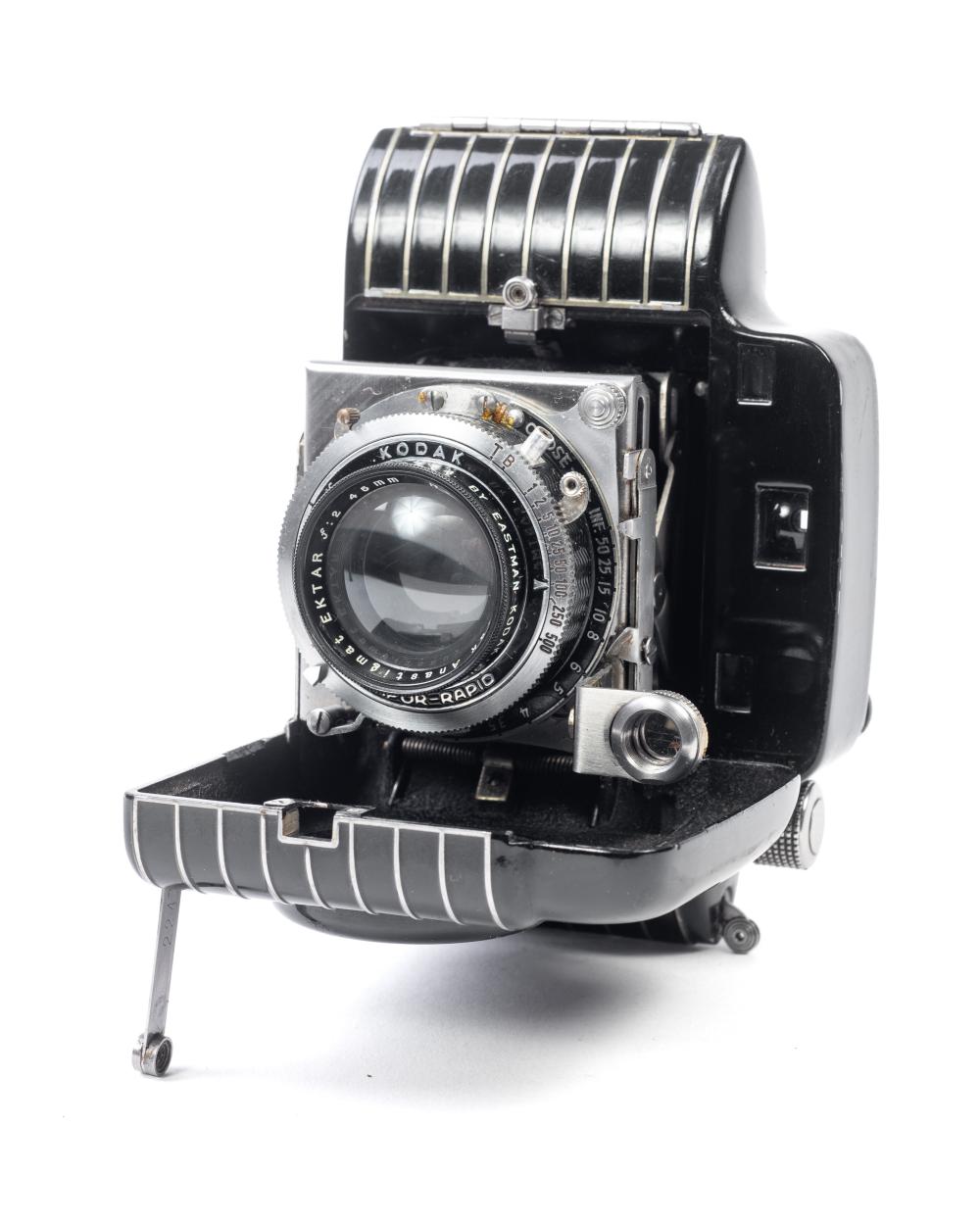
Unlocking the Worth of Nostalgia a Comprehensive Guide to Old Kodak Camera Values: appraisal and value basics
Unlocking the Worth of Nostalgia a Comprehensive Guide to Old Kodak Camera Values research should start with identification, condition, provenance, and item-specific market evidence. Use this guide to compare the signals that matter before paying for a formal appraisal or deciding whether to sell.
Old Kodak camera appraisal checklist
Old Kodak cameras sit at the intersection of design, technology, and popular culture. For collectors and appraisers, understanding which models matter—and why—can mean the difference between a charming but inexpensive shelf piece and a four-figure prize. This guide distills the brand’s sprawling catalog into identification cues, condition factors, and how models compare on price, which you can use to evaluate and price with confidence.
How Collectors Value Kodak Cameras
- Rarity and production era: Early models (1900s–1930s), wartime issues, and short-run designs tend to be scarcer. Mid-century mass-market lines (e.g., Instamatic, Disc) are common.
- Optical specification: Premium lenses and shutters carry a premium. Look for Kodak Ektar lenses, German Schneider or Rodenstock optics, and high-grade shutters (Compur, Synchro-Compur).
- Functionality and usability: Cameras that take currently available film (35mm, 120) and are easy to service attract buyers. 620 format is the same film width as 120 but uses different spools; users sometimes respool 120 onto 620 spools.
- Completeness: Original box, manuals, caps, lens hoods, filters, straps, and dealer paperwork can lift value noticeably depending on model. Full system kits (e.g., Ektra, Retina Reflex) climb higher.
- Cosmetics and mechanical health: Clean leatherette, intact bellows, clear glass, accurate shutter speeds, bright viewfinders/rangefinders—all key. Fungus, haze, separation, dents, or corrosion weigh heavily against value.
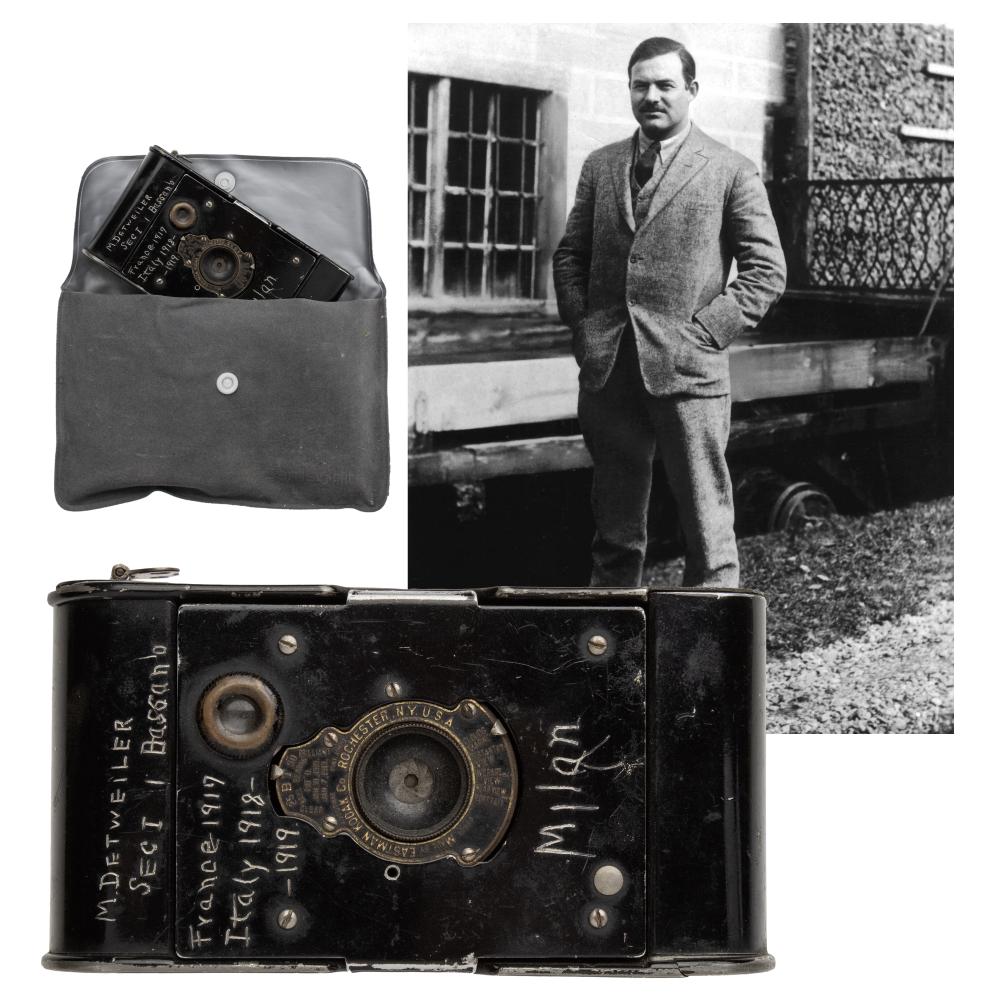
- Provenance and special variants: Military-marked units, dealer sample engravings, early patent plates, or cameras tied to notable owners or events can command premiums.
- Market channel and timing: Auction excitement, specialty camera fairs, and seasonality influence prices. Well-lit, detailed listings with test notes consistently outperform vague descriptions.
Key Kodak Families and How Prices Compare
These notes compare complete, good, working examples unless noted; check recent sold results for the exact model before pricing. Condition, completeness, version, and venue can move results up or down. Values reflect current collector markets and may shift.
Brownie box cameras
- Common mid-century (e.g., Brownie Hawkeye, Brownie Holiday): plentiful and inexpensive
- Earlier No. 2 and similar (with intact leatherette and clean faceplates): a step up
- Very early/rare variants (Brownie No. 1, special finishes, early 1900s): the most valuable Brownies
- Uncommon Art Deco designs in excellent cosmetic condition can sell well above typical box cameras.
Folding Kodaks (1900s–1950s; 120/620/116/122/3A formats)
- Vest Pocket Kodak (VP, 127 film): common; Autographic versions slightly higher if clean
- Pocket/No. 3A postcard format: price depends on lens/shutter and bellows
- 620/120 Vigilant, Tourist, and Monitor series: modest as a rule; examples with Ektar/Anastigmat Special lens and clean bellows sell for more
- Kodak Medalist I/II (620, WW2-era, Ektar 100mm): among the most sought-after folders; exceptional examples, CLA’d, with case/filters sell higher still
Retina and Retinette (Kodak AG, Germany; 35mm)
- Retinette (entry-level, fixed lens): the most affordable
- Retina I series (scale focus folders): a step up
- Retina II/IIa/IIc (rangefinder folders, Xenon/Heligon lenses): higher again
- Retina IIIc/IIIC (rangefinder with meter; “big C” framelines more desirable): the top of the folding Retinas
- Retina Reflex SLR (interchangeable lenses): bodies alone sell for less than full kits, which are priced on the lenses
- Unusual early or late variants in top cosmetic condition can sell for more.
Ektra (1941–48, 35mm system)
- Body with standard lens: a valuable camera on its own
- Complete kits with multiple lenses, finder, and case sell for well above a body alone; pristine, documented sets are rare and may go higher
Bantam series (828 film)
- Bantam Special (Art Deco, Ektar f/2): the standout of the series; price depends on finish and condition
- Other Bantams: more modest; the better the lens/shutter, the better the price
Signet and Pony (1950s, US-made 35mm/828)
- Signet 35 (Ektar 44mm): steady demand; military-marked or boxed examples higher
- Signet 40/50: usually modest
- Pony series: usually modest
Instamatic (126 cartridge; 1960s–70s)
- Common models (e.g., Instamatic 100, 104): worth little
- German-made Instamatic 500 and other higher-spec models (often Schneider lens): sell for more
- Instamatic Reflex (126 SLR, Schneider lenses): price depends on lens and condition
Disc cameras (1980s)
- Most models: inexpensive novelty items; boxed/mint examples slightly higher
Stereo and cine
- Kodak Stereo Camera (1950s, 35mm): steady interest; with viewer and slides: more
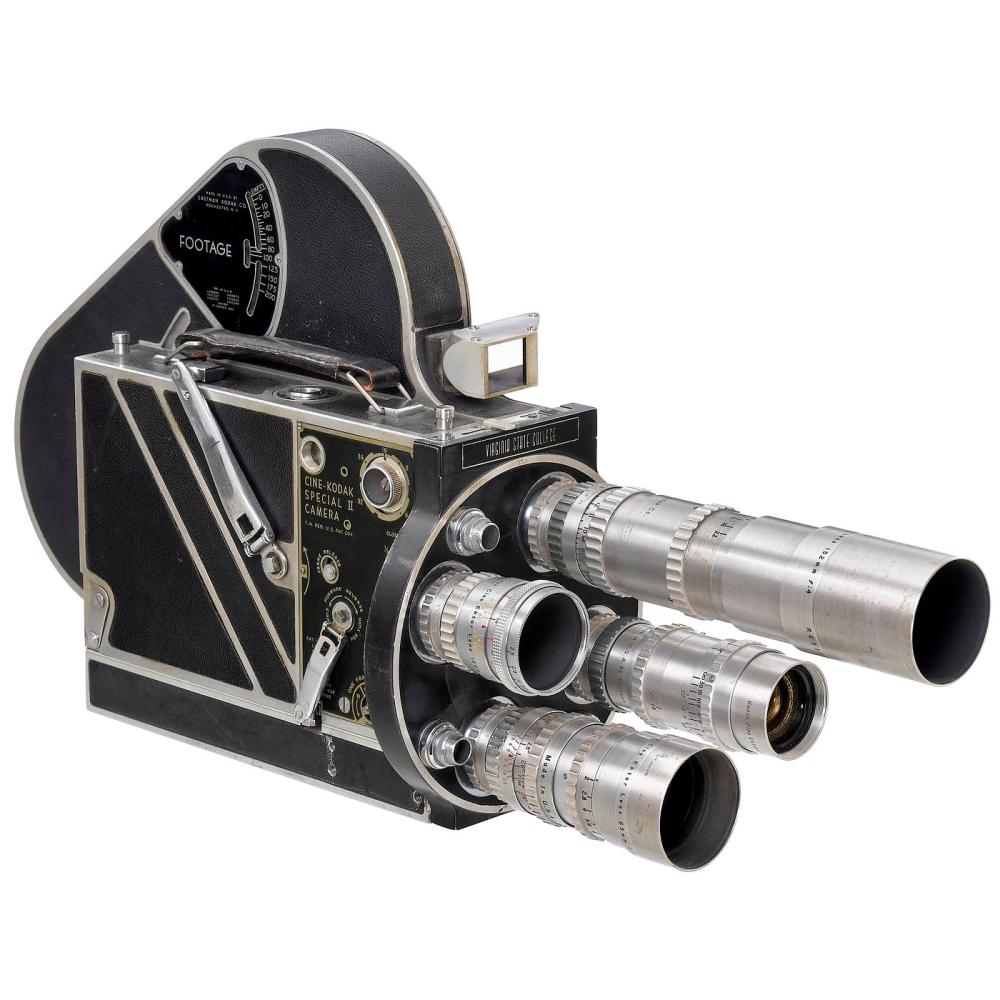
- Cine-Kodak 8mm/16mm (spring-wind movie cameras):
- Common 8mm: worth little
- 16mm Cine-Kodak Special, professional variants: sell for considerably more, depending on lens outfit and condition
Early digital (Kodak DCS, 1990s–early 2000s)
- DCS 100, 4xx, 5xx, 7xx series: price depends on completeness, working status, and host body; exceptional, documented early units sell for more
- Battery and storage media condition are critical to value
Note on 620 vs 120: Film width is the same; only spool dimensions differ. Collectors value 620-only cameras slightly lower because of usability friction, but models like the Medalist remain desirable due to optical quality and historical significance.
Dating and Identifying Your Kodak
- Model names and faceplates: Kodak typically printed model names on the face or body plate. Early boxes and folders may use series numbers (No. 1, No. 2, 3A).
- Country of manufacture: “Eastman Kodak Co., Rochester, N.Y.” (USA), “Kodak Ltd.” (UK), and “Kodak AG, Stuttgart” (Germany). German-made Retinas and higher-spec Instamatics often carry Schneider or Rodenstock lenses.
- Lens markings:
- Kodak Ektar/Anastigmat Special: premium optics; watch for serials on the lens rim.
- Schneider Xenon/Retina-Xenon, Rodenstock Heligon/Retina-Heligon on Retinas.
- Shutters: Compur and Synchro-Compur indicate higher-grade mechanisms; Kodamatic and simpler leaf shutters appear on entry-level models.
- Bellows bodies: Note body materials (leather, leatherette) and Autographic windows (small metal door and stylus slot) on some folders.
- Film format cues:
- 35mm cartridges: Retinas, Retinettes, Signet, Pony (some Pony use 828).
- 828 (paper-backed 35mm on a special spool): Bantam series.
- 120/620: Medium-format folders, Medalist (620 only).
- 126 cartridge: Instamatic.
- Serial numbers: Often on lens cells (Retinas), underneath accessory shoes, or on body plates. On some models, dating can be approximated by lens serial ranges and known production runs.
- Accessories: Interchangeable finders, auxiliary lenses, and dedicated flashes can signal higher-end systems (Ektra, Retina Reflex). Original cases often embossed with model names.
Tip: Cross-check the lens/shutter pairing with known period combinations. For example, a Retina IIc with a Retina-Heligon 50mm in a Synchro-Compur is consistent; a mismatched lens or shutter may indicate repairs or parts swapping, which can affect value.
Condition, Function, and Restoration Choices
- Grading shorthand:
- Mint: As new; extremely rare; all functions accurate.
- Excellent: Minimal wear; glass clean; shutter and focus smooth.
- User: Normal wear; minor haze/dust; functions serviceable but not perfect.
- For parts/repair: Faults like torn bellows, frozen helicals, non-firing shutter, fungus, separation.
- Optics:
- Haze, fungus, and balsam separation reduce value, especially on premium lenses (Ektar, Xenon, Heligon).
- Cleaning marks are acceptable to some buyers; deep scratches are not.
- Mechanics:
- Shutter speeds should vary audibly; T/B modes should function. Slow-speed escapements often gum up from old lubricants.
- Rangefinder brightness and alignment are crucial on Retinas and Signets. Dim or misaligned patches lower value.
- Bellows test: In a dark room, shine a small flashlight inside; look for pinholes. Replacements are possible but affect originality and price.
- Cosmetics:
- Leatherette lift, brassing, and faceplate wear matter most on display-centric models (Bantam Special, early Brownies).
- Battery compartments (Instamatic, early digital) often corrode; neutralize carefully and document any remediation.
- Restoration ROI:
- Worth it: High-end pieces (Ektra, Bantam Special, Retina IIIC big C, Medalist) can justify professional CLA (clean, lube, adjust).
- Case-by-case: Mid-tier Retinas and Monitor/Vigilant folders may benefit if you intend to sell as “serviced user.”
- Usually not: Common Instamatics, Disc cameras, and low-end Brownies seldom recover service costs.
- Cautions:
- Avoid aggressive cleaning on painted or lacquered surfaces (Bantam Special black enamel chips easily).
- Do not use household glass cleaners on coated lenses; a blower, soft brush, and proper lens solution are safer.
- Keep original parts; buyers prefer originality over over-restoration.
Selling Strategy and Market Dynamics
- Where to sell:
- Specialty camera auctions and collector forums often yield strong prices for rare or serviced items.
- General online marketplaces work for common models; detailed photos and honest function notes are essential.
- Camera fairs/dealers: Faster cash-out, slightly lower net after dealer margins.
- Presentation:
- Provide clear photos from all angles, including lens elements, shutter blades, film chamber, and bellows.
- State film format, lens/shutter type, and any service history. Note what has been tested (shutter, focus, meter, rangefinder).
- Include accessories in photos; group original box/manuals/filters for perceived completeness.
- Pricing:
- Research comparable sold results for the exact variant, lens, and condition.
- Price common items to move (within the lower-middle of market evidence); price rarities at or above recent highs if your example is demonstrably cleaner/complete.
- Seasonality and geography:
- Interest rises before holidays and camera show seasons. European demand is often stronger for German-made Retinas; US demand is strong for Medalists and Signet 35.
- Disclosures that build trust:
- “Shutter sounds accurate at all speeds” vs. “fires at one speed only.”
- “Bellows tested with flashlight; no pinholes observed.”
- “Rangefinder patch bright; infinity aligned.”
- “Meter responds but not verified for accuracy” (selenium cells are frequently weak).
Quick Appraisal Checklist
- Identify the exact model and variant (lens/shutter pairing, country of origin).
- Confirm film format (35mm, 120, 620, 828, 126, Disc).
- Inspect lens for haze, fungus, scratches, and separation.
- Test shutter on all speeds; note any sticking or uneven curtains/blades.
- Check focus mechanism and rangefinder alignment/brightness.
- Examine bellows in a dark room with a flashlight for pinholes.
- Assess cosmetics: leatherette, enamel, faceplate, and brassing.
- Verify meter response (if present); note likely selenium weakness.
- Note completeness: caps, hood, case, straps, filters, manuals, box.
- Document provenance: sales receipt, military marks, owner history.
- For 620 cameras, check if a 620 take-up spool is present.
- Decide on service: obtain estimates; weigh cost vs. value uplift.
FAQ
Q: Are old Kodak cameras still usable? A: Many are. Retinas and Signets use standard 35mm. Numerous folders take 120 film. 620 cameras can be used by respooling 120 onto 620 spools. 126 and Disc films are largely discontinued, limiting practical use, though some specialty workarounds exist. Usability often improves saleability.
Q: How can I tell if my Kodak has a premium Ektar lens? A: Look for “Ektar” engraved on the lens rim, often with focal length and maximum aperture (e.g., 100mm f/3.5). Ektars typically sit in higher-grade shutters (Compur/Synchro-Compur) and are found on Medalist, Monitor with Anastigmat Special/Ektar, Bantam Special, Signet 35, and some Retina variants.
Q: Does a professional CLA increase value enough to justify the cost? A: On high-demand models (Ektra, Bantam Special, Medalist, clean Retina IIIc), a documented CLA often pays for itself and broadens the buyer pool. On common Instamatics and Brownies, sell “as is” unless the service is minimal and inexpensive.
Q: Where do I find serial numbers and production info? A: On Retinas, serials are usually on the lens cells or inside the film door; shutters have their own serials. Folders may have numbers under accessory shoes or on bed plates. Brownies often rely on faceplate design and patent lists for dating. Production ranges are well documented in specialist references; match lens/shutter combos to known periods.
Q: What makes a Brownie more valuable than the usual one? A: Early production (turn-of-the-century), unusual finishes, intact original packaging, and top cosmetic condition. Special editions or rare faceplates, and documented provenance, can multiply the value.
By applying the criteria above—identification, optics, mechanics, completeness, and market positioning—you can turn a box of old Kodaks into a focused appraisal with realistic pricing. Nostalgia is powerful, but informed details are what unlock real worth.