Unlocking the Worth of Nostalgia a Comprehensive Guide to Antique Radio Values: appraisal and value basics
Unlocking the Worth of Nostalgia a Comprehensive Guide to Antique Radio Values research should start with identification, condition, provenance, and item-specific market evidence. Use this guide to compare the signals that matter before paying for a formal appraisal or deciding whether to sell.
Antique radio appraisal checklist
Antique radios sit at the crossroads of industrial design, engineering history, and cultural memory. For appraisers and collectors, their value can feel slippery—volatile auctions one week, estate-sale sleepers the next. This guide cuts through nostalgia to provide a clear framework you can use in the field, on consignment, or at the bench, with concrete price ranges, risk factors, and research tactics.
What Drives Value In Antique Radios
Think of radio value as a function of five pillars: desirability, scarcity, condition, originality, and presentation.
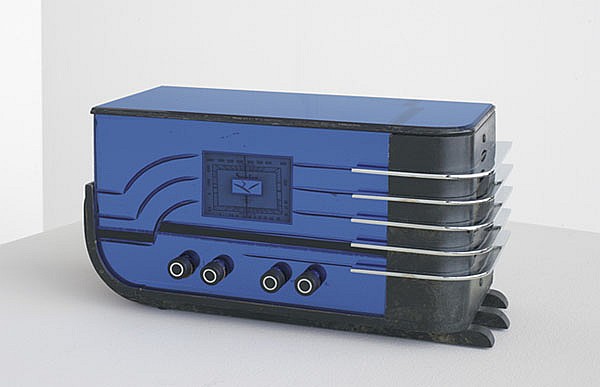
- Desirability: Brand reputation and model lore matter. Zenith “Walton” consoles, Fada Catalin “Bullet” sets, Atwater Kent breadboards, and iconic early transistor sets attract perennial demand. Exceptional design, like Art Deco silhouettes or striking plastics, commands premiums.
- Scarcity: Low production numbers, short production runs, fragile materials (Catalin), or survival rates due to wartime scrap drives amplify rarity.
- Condition: Cabinet finish, dial glass, grille cloth, lettering, chassis cleanliness, and the presence of all original knobs and back panels collectively set the tone. Clean, complete examples sit leagues above dusty, chipped, or pieced-together sets.
- Originality: Original finish, correct knobs, untouched dial scales, period-correct tubes, and unmolested chassis wiring usually trump over-restored or modified examples. “Sympathetic” electrical servicing (like replacing capacitors with discrete, neat work) is often acceptable or even expected.
- Presentation and provenance: Strong photography, clear documentation, a working demonstration, and notable provenance (e.g., museum deaccession, estate of a radio engineer) can expand the buyer pool and elevate results.
Periods, Formats, And Brands To Know
Understanding the timeline and form factors helps you quickly position a set within the market.
- 1920s battery and TRF era (approx. 1920–1927): Early sets from Atwater Kent, Grebe, and Federal include open “breadboards” (exposed components on wooden bases) and compact battery sets with horn speakers. These are historically important; condition and completeness are critical.
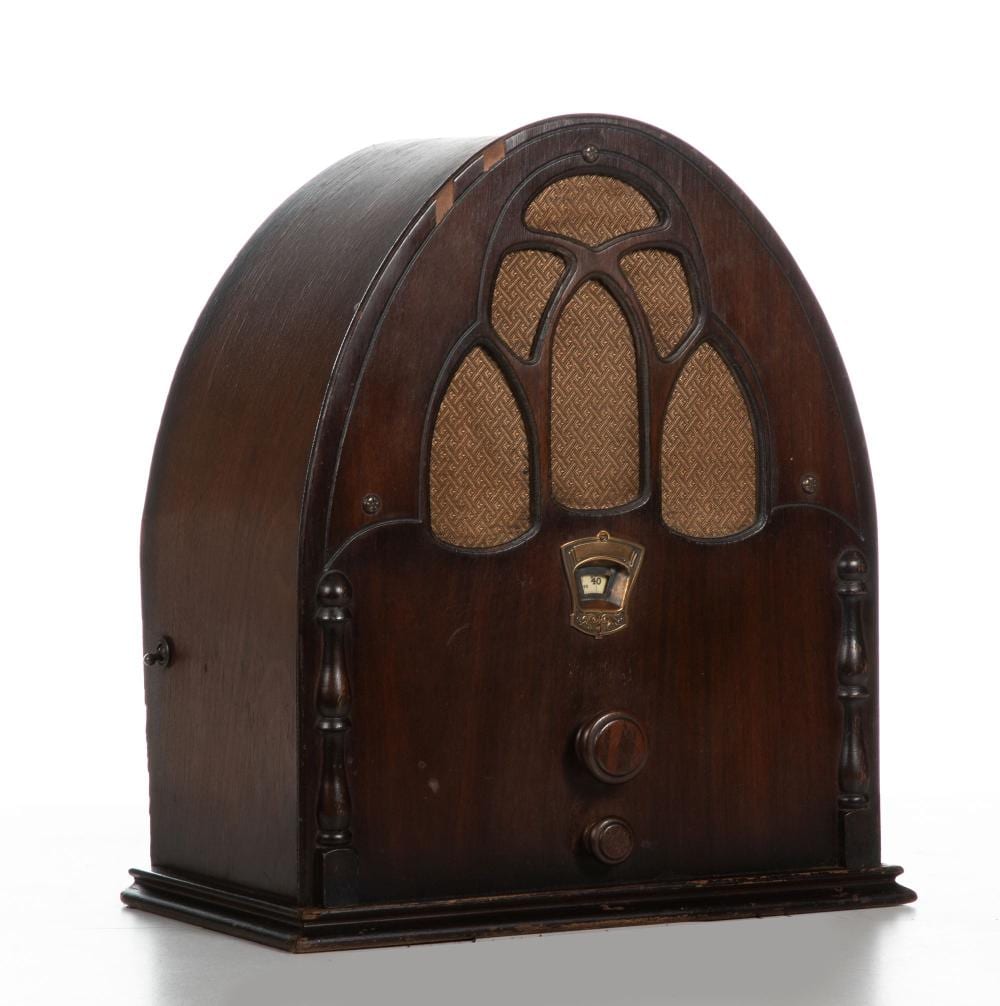
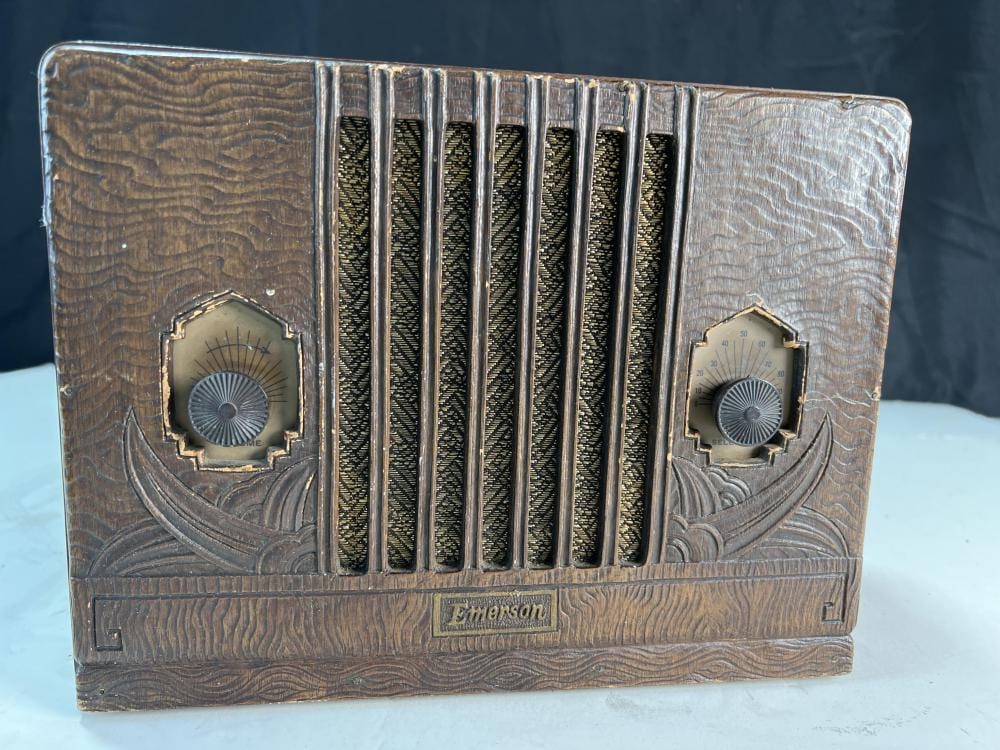
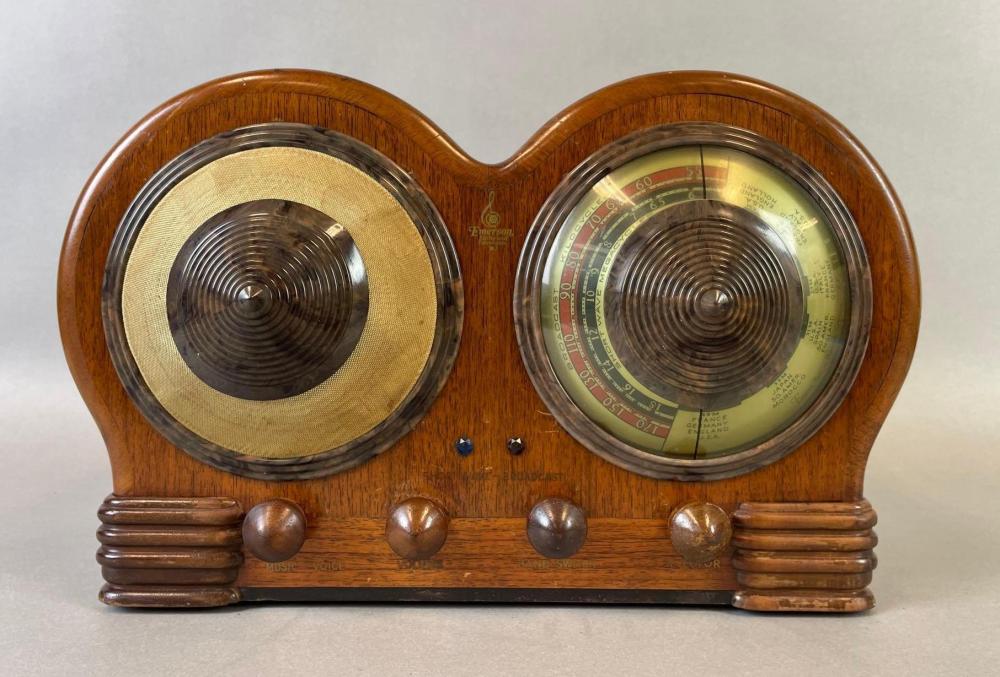
- Early superheterodyne and cathedral/tombstone (1930–1935): Iconic wooden “cathedral” (arched) and “tombstone” (upright rectangular) table sets from Philco, Zenith, and RCA. Models like the Philco 90 and 70, and certain Zenith tombstones with multi-band capability, remain evergreen.
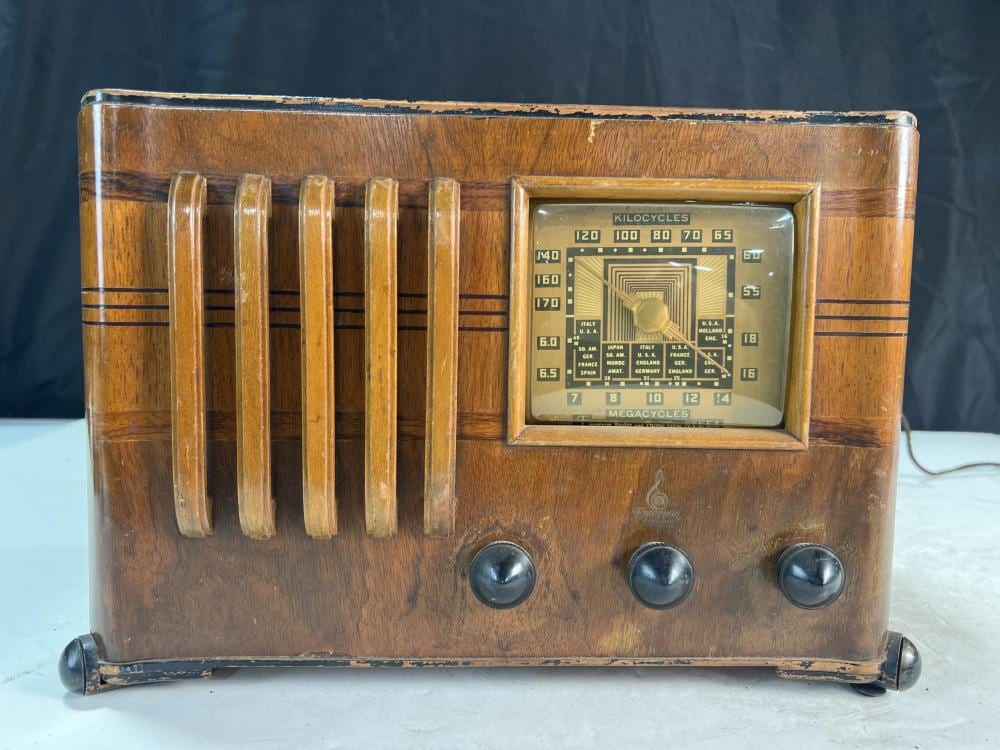
- Console golden age (mid-1930s–early 1940s): Floor-standing consoles with ornate veneers, big dials, and sometimes “magic eye” tuning indicators. Zenith shutter-dial models and the “Walton” table/console hybrid (7-S-232, 9-S-232, 12-S-232) are the headliners.
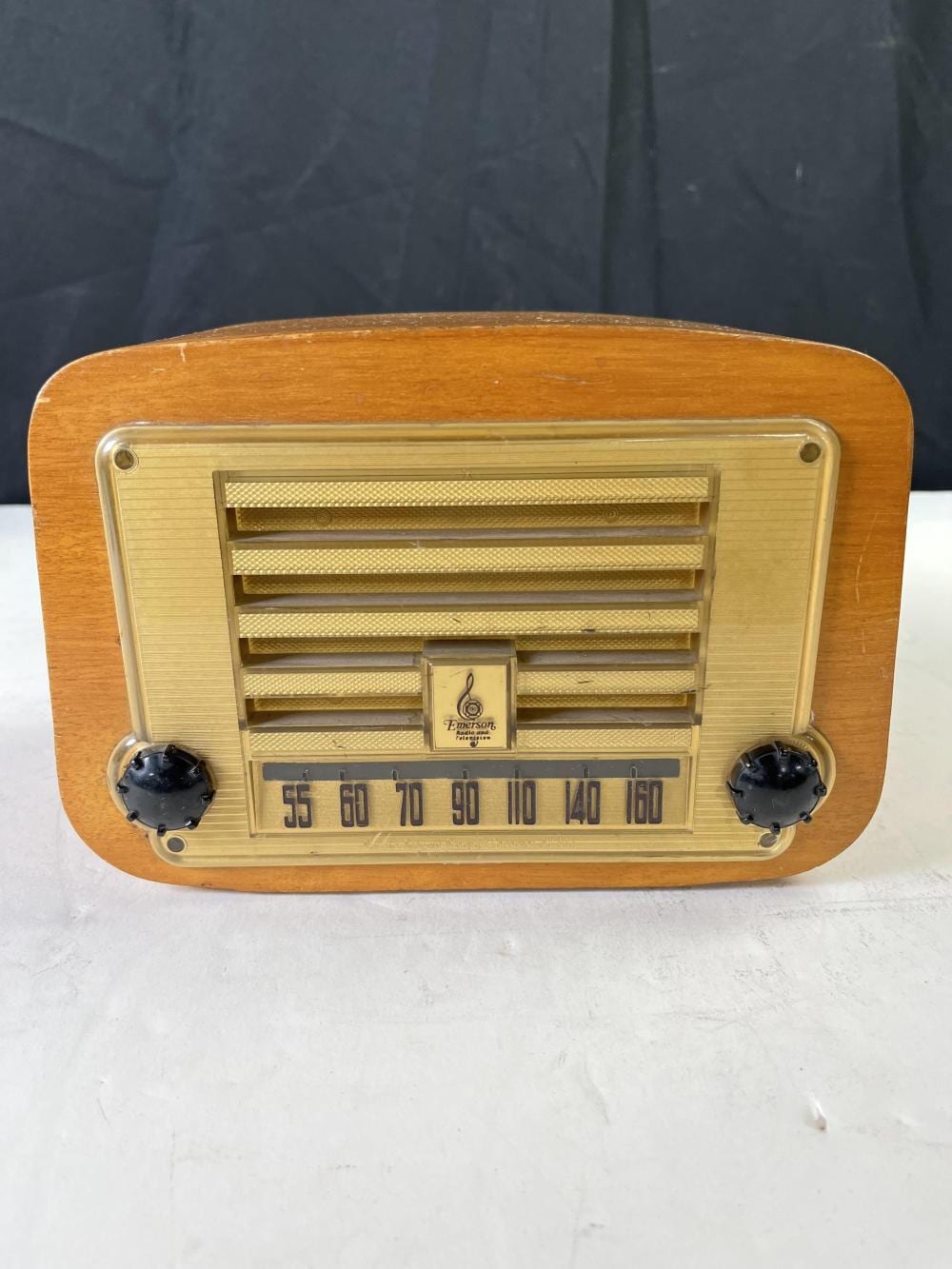
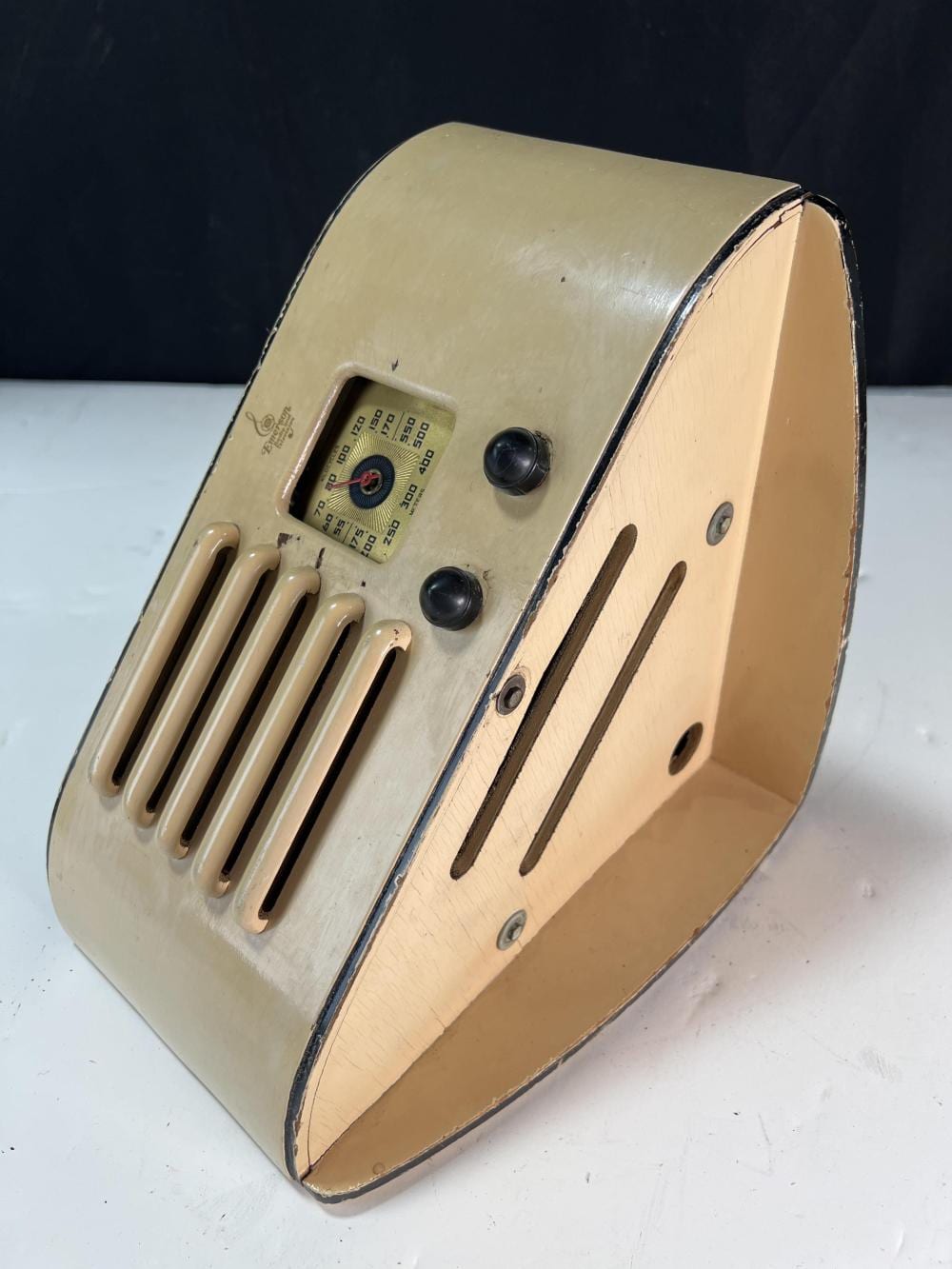
- Plastics and Deco (late 1930s–1940s): Bakelite and Catalin table radios carry strong design appeal. Catalin (cast phenolic) sets from Fada, Emerson, and others are highly color-sensitive—rare marbling and vibrant hues outpace brown or black.
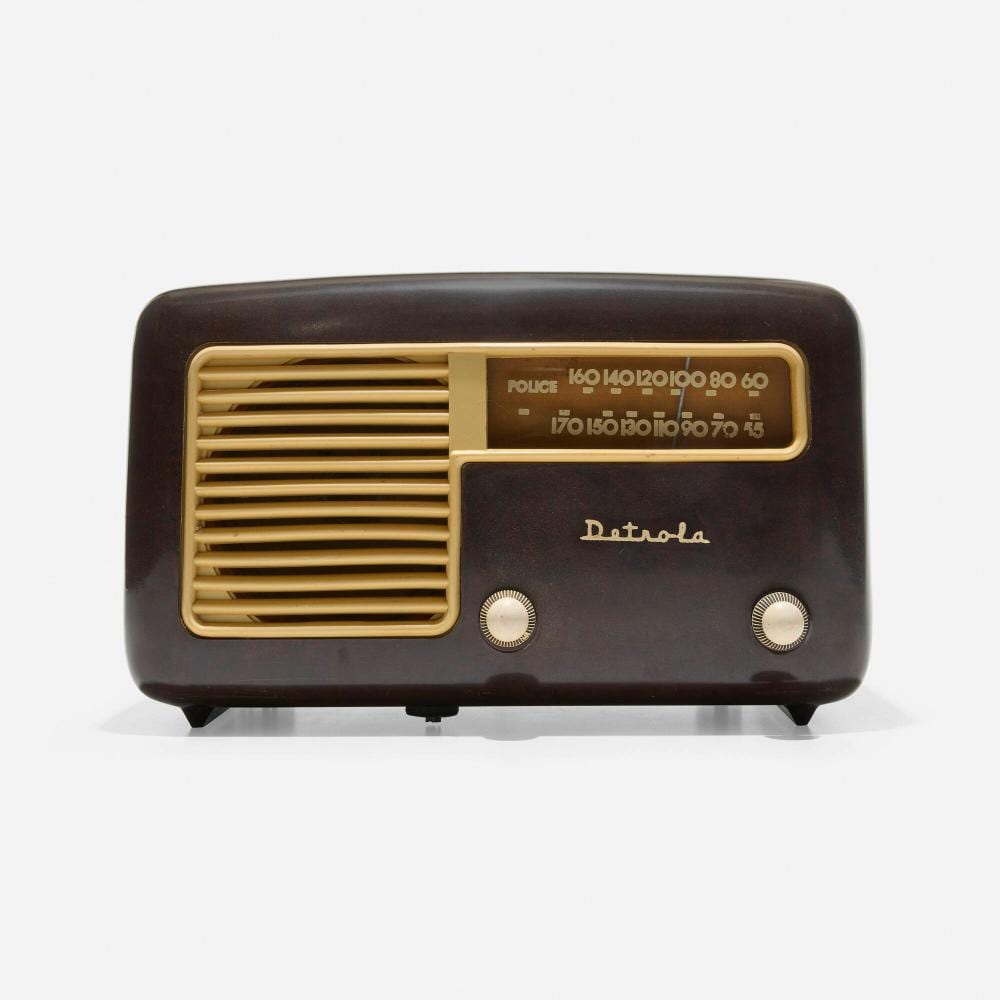
- Postwar mass-market Bakelite/wood (late 1940s–1950s): Reliable, plentiful, and often affordable; exceptions include unusual colors, designer forms, and minty examples with boxes.
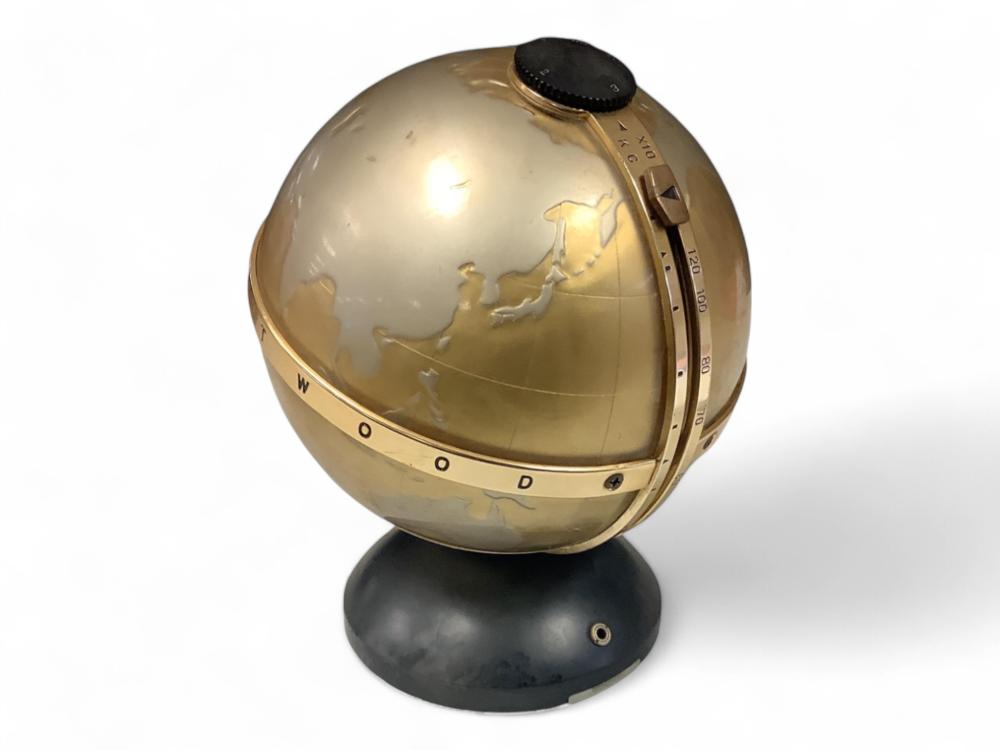
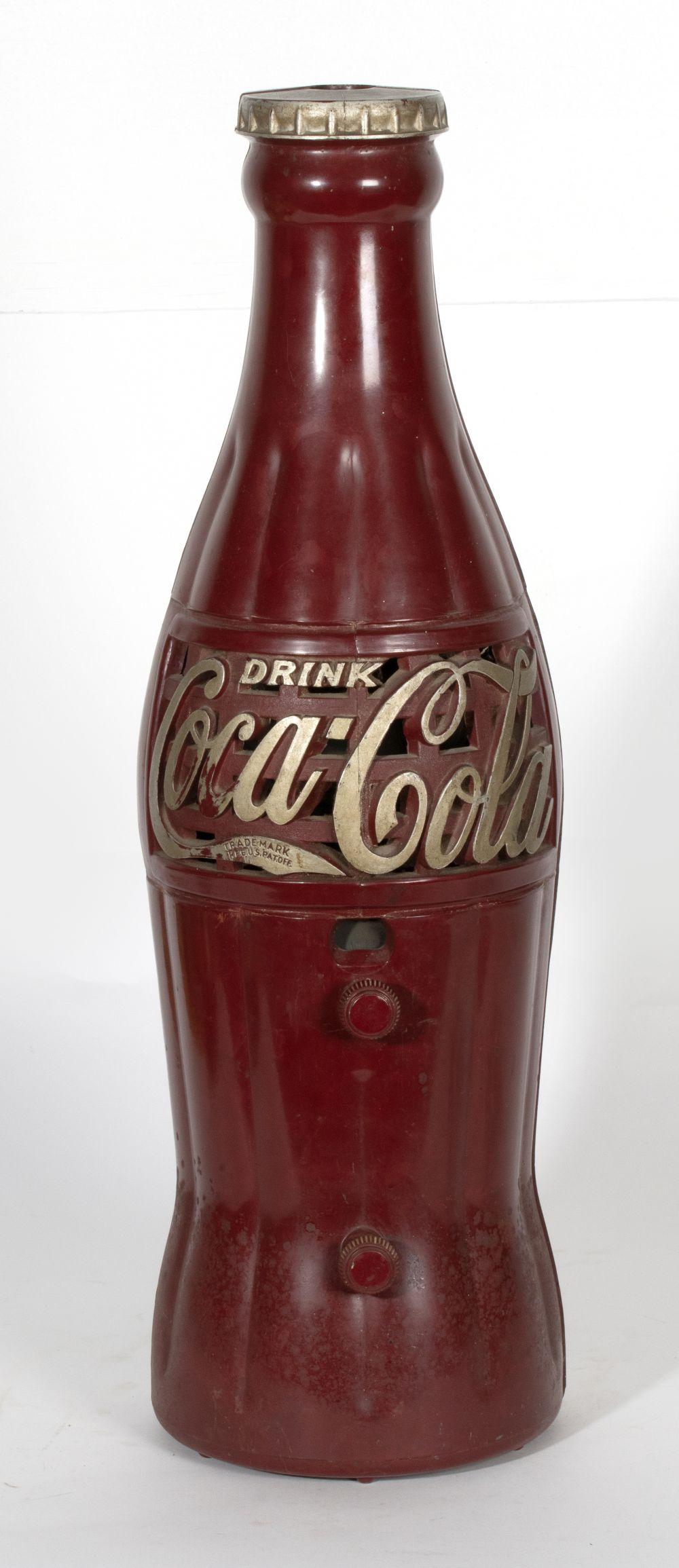
- Early transistor and mid-century design (1950s–1960s): Regency TR-1 (1954), Sony TR-63 (1957), Zenith Royal 500 series, and European design-forward sets (e.g., Braun, Brionvega) attract both radio collectors and design aficionados. Novelty and space-age forms from the 1960s–70s have a dedicated following.
Notable brands: Zenith, Philco, Atwater Kent, RCA, Fada, Emerson, Crosley, Silvertone (Sears), Scott, Collins (for communications receivers), National, Hammarlund, Hallicrafters, Telefunken, Philips, and Braun.
Condition, Originality, And Restoration Impact
Collectors and appraisers should grade across two axes—cabinet and chassis—while keeping originality front-of-mind.
- Cabinet
- Wood: Check veneer lifting, edge chips, water rings, sun fading, and refinish quality. Original lacquer with even patina is prized. Over-sanded edges and glossy polyurethane refinish can depress value.
- Plastics: Distinguish Bakelite (molded, typically brown/black, heavy) from Catalin (cast, often vibrant, translucent). Catalin can shrink, warp, or crack; stress cracks around chassis mount points are common and value-relevant. Repaired cracks and color fading significantly affect prices.
- Grille cloth and trim: Original patterns matter. Reproduction cloth and escutcheons are acceptable when disclosed, but originals command a premium.
- Chassis and electronics
- Completeness: Inspect tube shields, coils, transformer bells, tuning capacitors, and the back panel/loop antenna (often missing on postwar sets). A missing back panel can be a major deduction.
- Originality vs. service: Tasteful recapping with period-appropriate parts and careful lead dress is usually neutral to mildly positive; sloppy work or modern add-ons (blue LEDs, speakers swapped) hurt value.
- Safety: Old electrolytics and rubber wiring can fail catastrophically; never power a long-stored set without inspection. A quick visual check for burnt parts and crumbling insulation is essential.
- Knobs, dials, and labels
- Knobs must be correct for the model; reproduction knobs exist. Dial glass should be free of flaking graphics; dial pointers and bezels should align and move smoothly. Interior cabinet labels and chassis stampings help confirm identity.
- Working condition
- Working sets often sell faster and for more, but a non-working, clean, original example can still beat a heavily modified “player.” For rare sets, originality outranks functionality.
Restoration ROI: A sympathetic electrical restoration often pays back on mid-tier sets and protects rare sets from harm. Cabinet refinishing can help plain, common radios but risks devaluing uncommon, original finishes. Major resto only makes sense when scarcity and potential sale price justify the labor.
Market Realities And Price Tiers
Values fluctuate by region, sale venue, and presentation, but these comparisons help anchor expectations for honest, presentable examples:
- Early crystal and simple battery sets: generally modest, rising for unusual makers or with period horn/speaker.
- Atwater Kent breadboards (e.g., Model 10, 12): well collected, with prices depending on completeness, finish, and accessories.
- Common 1930s cathedral/tombstone (Philco 60/70/89/90; midline RCAs): plentiful and moderately priced. Clean, original cabinet finish and intact dials/knobs land toward the top.
- Desirable tombstones and tablets (select Zenith, high tube counts, multi-band with eye tubes): a clear step above the common sets.
- Zenith “Walton” 7-S-232/9-S-232/12-S-232: among the most sought-after tombstones; exceptional, documented examples sell higher still.
- Consoles (non-headliner models): often inexpensive locally; shipping and space suppress demand. Top-tier consoles (Zenith shutter dial, Scott chrome-chassis) can sell for strong prices when showcased well.
- Bakelite table radios (postwar): usually affordable; rare colors, mint in box, or standout designs can push higher.
- Catalin table radios (e.g., Fada 115/700 “Bullet,” Emerson Patriot): among the most valuable table radios, heavily color-dependent. Butterscotch, green, blue, and strong marbling elevate prices; black/brown are entry tier. Crack-free cases command premiums.
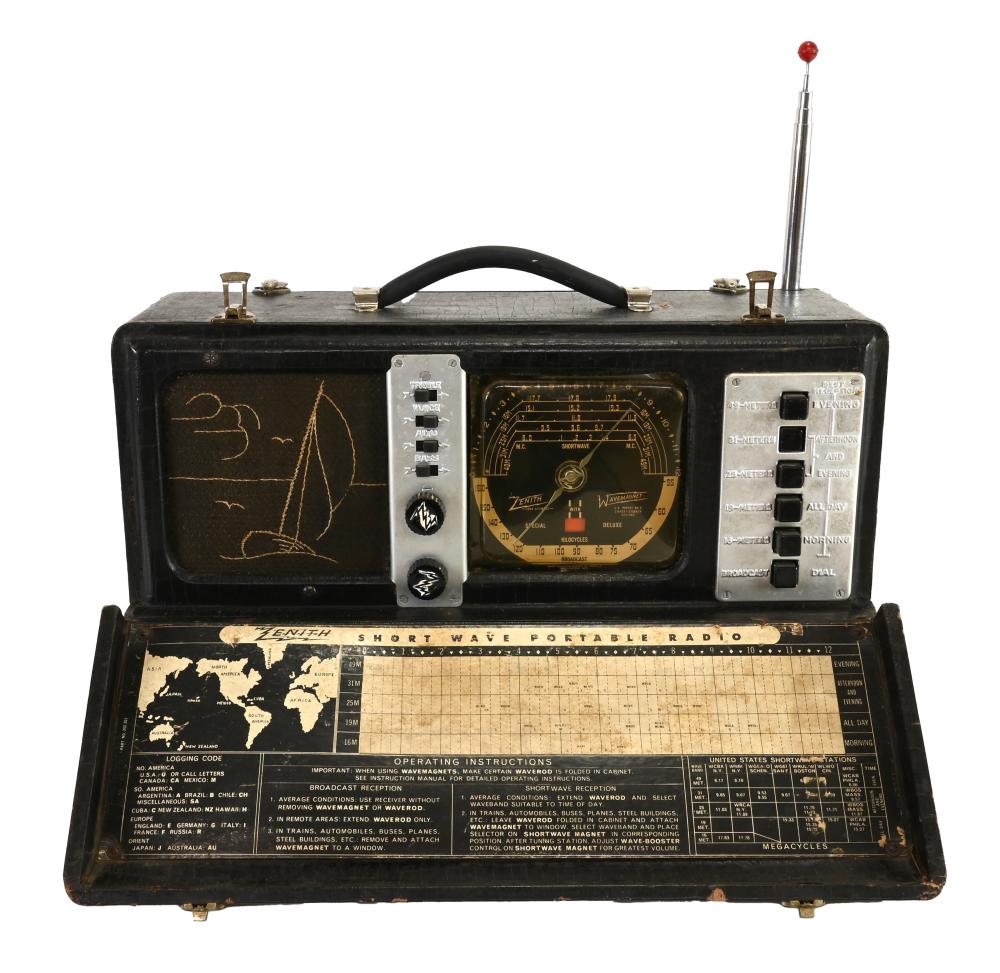
- Communications receivers (Collins 75A-4, National HRO, Hammarlund HQ series): a dedicated buyer base; exceptional cosmetics or provenance boost value.
- Early transistor icons (Regency TR-1): strong collector demand; rare colors higher. Sony TR-63 and Zenith Royal 500 “Owl Eyes”: also well collected. Designer European sets can sell for strong prices when superb.
Venue matters:
- Local pickup favors consoles and heavy sets. Estate sales and club meets can underprice bulky pieces.
- Online auctions broaden audience for Catalin, rare tombstones, and early transistor sets; professional photos and careful packing are crucial.
- Specialized radio club auctions and hamfests bring educated buyers who pay for originality but also spot issues quickly.
How To Research, Identify, And Document A Radio
Accuracy is value. Documenting identity and state reduces return risk and builds buyer confidence.
- Model identification
- Look for chassis stampings, paper labels inside the cabinet, and inked model numbers. Many US sets list the tube complement; cross-check against period schematics.
- Note tube count and features (bands, magic eye, pushbuttons, “shutter dial,” tone organ). These details differentiate close variants with different values.
- Dating and production context
- Dial design, power arrangements (battery vs. AC), and cabinet style can bracket the date. Wartime gaps and postwar styling shifts help narrow production year.
- Assessing originality
- Photograph the underside of the chassis, wiring harnesses, and filter capacitors. Original dogbone resistors and paper caps suggest low intervention; bright modern parts indicate servicing.
- Confirm knob style and dial pointer shape against known examples. Reproduction parts exist for popular models; disclosure is critical.
- Testing basics (without risking damage)
- Do not plug in a long-stored tube radio. Inspect power cord and transformer for brittleness or tar leaks. If testing is required, it should be done by someone with the appropriate equipment and safety training.
- Provenance and completeness
- Catalog accessories (back panel, loop antenna, external speaker, manuals). Save any paperwork from prior owners. Period store tags and service stickers add texture and confidence.
- Photography that sells
- Use diffuse light; shoot all sides, under-chassis, dial close-ups, and any flaws. Include ruler or coin to show scale when relevant. Photograph the set powered on only if it is safely operational.
A simple valuation framework:
- Start with a baseline comparison price for the model (recent sales of comparable condition).
- Apply multipliers:
- Scarcity: x0.8 for common, x1.2–1.5 for scarce variants/colors
- Condition: x0.5 (rough) to x1.3 (exceptional)
- Originality: x0.6 (modded) to x1.2 (highly original)
- Venue/presentation: x0.8 (local only) to x1.2 (broad, well-presented audience) Example: A clean, original Fada 700 “Bullet” in strong butterscotch with no cracks, great photos, sold online: start from the model’s baseline and apply scarcity 1.3 × condition 1.2 × originality 1.1 × venue 1.15, which lands roughly double the baseline.
Risks, Red Flags, And Ethical Considerations
- Reproduction and misrepresentation: Recast Catalin cases, reproduction knobs/bezels, and transplanted chassis exist. Be explicit about any non-original parts and repairs.
- Case repairs: Hairline cracks in Catalin are common; stabilized cracks can be acceptable if disclosed, but hidden structural repairs are a major red flag.
- Parts swapping: Popular models are sometimes “completed” from multiple sets. Watch for mismatched patina between knobs, bezel, and cabinet; verify chassis serials and labels.
- Over-restoration: High-gloss modern finishes on 1930s wood cabinets can look wrong. Collectors typically prefer period-appropriate lacquer sheen.
- Shipping risk: Bakelite and Catalin can fracture; dial glasses can shatter; veneer chips easily. Double-box, immobilize the chassis, remove and wrap knobs, and protect the dial area.
- Electrical safety: Line-operated sets with hot chassis designs pose shock risk. If fitting modern features (e.g., hidden Bluetooth), keep the modification reversible and isolated; disclose clearly.
- Regulatory notes: While most radios pose no material restrictions, some sets with exotic veneers or certain animal-derived components could raise concerns in specific jurisdictions. When in doubt, document materials and consider local regulations.
Quick Appraisal Checklist
- Identify the model: brand, model number, tube count, bands, special features.
- Verify originality: knobs, dial, bezel, back panel/antenna, labels, chassis stampings.
- Grade condition separately: cabinet (finish, cracks, veneer), chassis (completeness, corrosion), dial/glass/cloth.
- Note plastics type: Catalin vs. Bakelite; inspect for cracks, shrinkage, warping.
- Photograph thoroughly: all sides, under-chassis, close-ups of marks and flaws.
- Check for risky modifications: rewiring, speaker swaps, modern add-ons; confirm any repairs are neat and disclosed.
- Research market evidence: same model, similar condition and venue; adjust for color, rarity, and presentation.
- Consider venue strategy: local vs. national exposure; shipping feasibility and cost.
- Decide on service: leave original, or commission sympathetic electrical restoration if ROI is clear.
- Document everything: provenance, work done, and any non-original parts to build buyer trust.
FAQ
Q: Does a working antique radio always bring a higher price? A: Usually, but not always. For common sets, working condition helps. For rare or design-driven pieces (e.g., Catalin), originality and cosmetics may outweigh functionality. Sloppy repairs can depress value more than a non-working, clean original.
Q: How can I tell Catalin from Bakelite? A: Catalin is cast, often brightly colored or marbled, and slightly translucent at thin edges; it warms quickly to the touch and can yellow over time. Bakelite is typically molded, opaque, and usually brown or black. Weight alone isn’t definitive—use color, translucence, and mold lines as clues.
Q: Is refinishing a wooden cabinet a good idea? A: Only when the existing finish is severely compromised and the radio isn’t rare. Original finishes, even with honest wear, are preferred. If you refinish, use period-appropriate techniques and sheens and preserve decals and labels.
Q: What’s the best way to sell a heavy console? A: Focus on local or regional buyers: detailed photos, accurate dimensions and weight, and clear pickup logistics. Pair consoles with stylistic décor keywords to reach design buyers; radios with notable models or features may warrant consigning to a specialist auction.
Q: Are reproduction parts acceptable? A: Yes, with disclosure. Reproduction grille cloths, knobs, and dial covers are common solutions. Value depends on the model—high-end collectors may pay premiums for all-original parts, whereas mid-tier sets sell well with quality repros if clearly stated.
Antique radio collecting rewards patience, documentation, and a trained eye. Apply the framework above, respect originality, and present your set honestly. The right combination of design, condition, and narrative is what transforms a piece of technology into a compelling, valuable artifact.