Unlocking the Worth of Nostalgia a Comprehensive Guide to Antique Philco Radio Values: appraisal and value basics
Unlocking the Worth of Nostalgia a Comprehensive Guide to Antique Philco Radio Values research should start with identification, condition, provenance, and item-specific market evidence. Use this guide to compare the signals that matter before paying for a formal appraisal or deciding whether to sell.
Antique Philco radio appraisal checklist
Antique Philco radios sit at the intersection of design, engineering, and Americana. For appraisers and collectors, they offer a rich field of study: hundreds of models spanning the late 1920s to the early 1950s, iconic cabinet forms from cathedral to console, and evolving electronics that mirror the technological leaps of their era. This guide cuts through the noise and focuses on what matters most to valuation—model identification, condition, originality, and the market realities that actually drive prices.
Below you’ll find a concise history of Philco, model families and standout sets, the factors that influence value, realistic price ranges you can use as a benchmark, and actionable tips for buying, selling, and documenting your appraisal.
Why Philco Matters: A Brief History and Eras That Collectors Track
Philco (Philadelphia Storage Battery Company) rose to dominance in the late 1920s and 1930s by producing reliable, stylish home radios at scale. Understanding its product eras helps you position any set in the market:
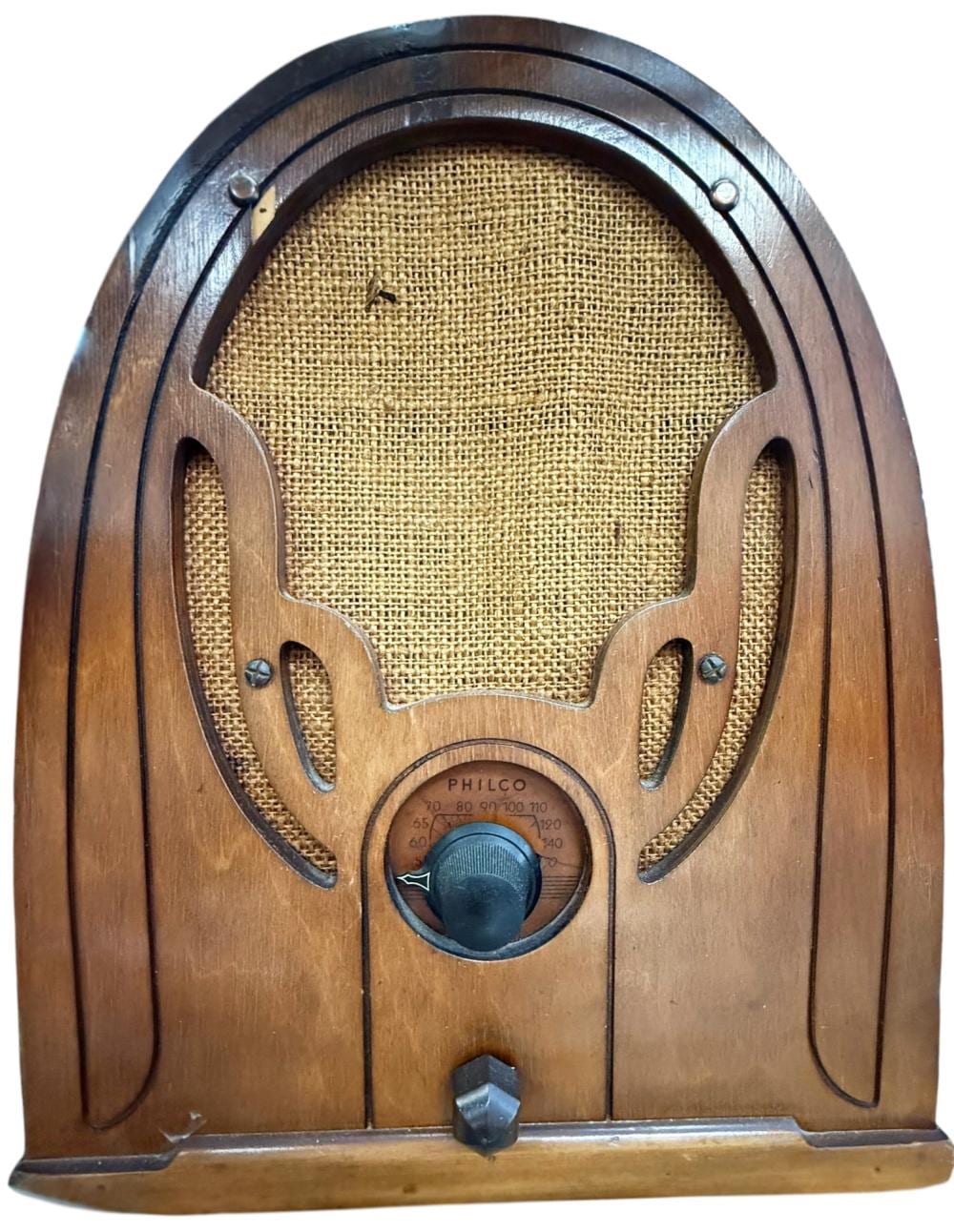
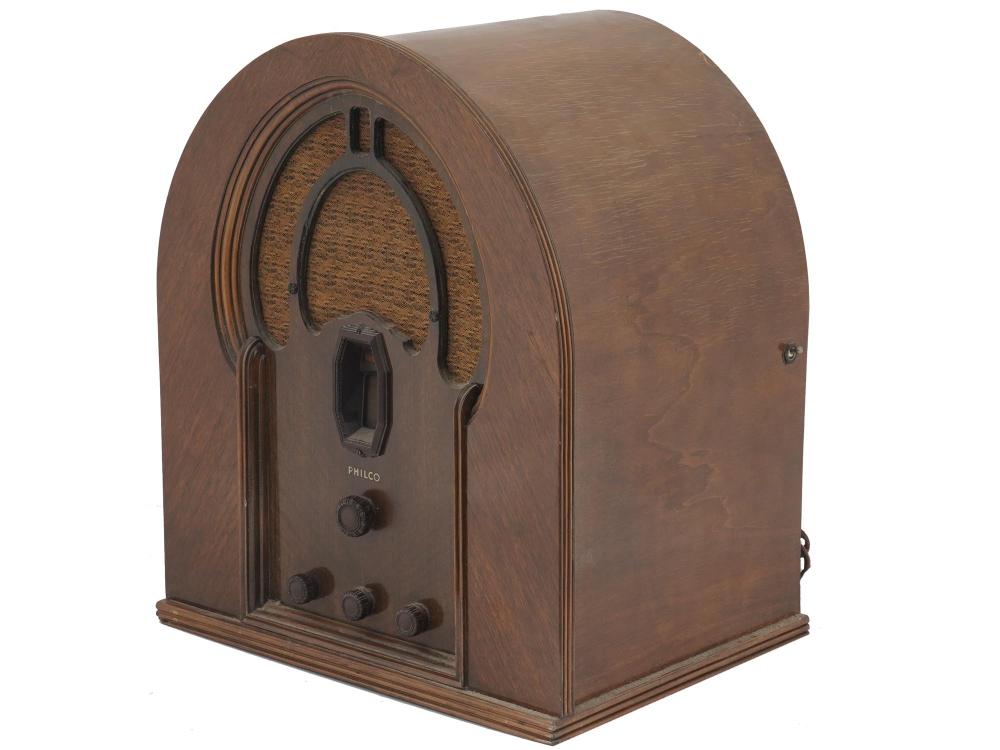
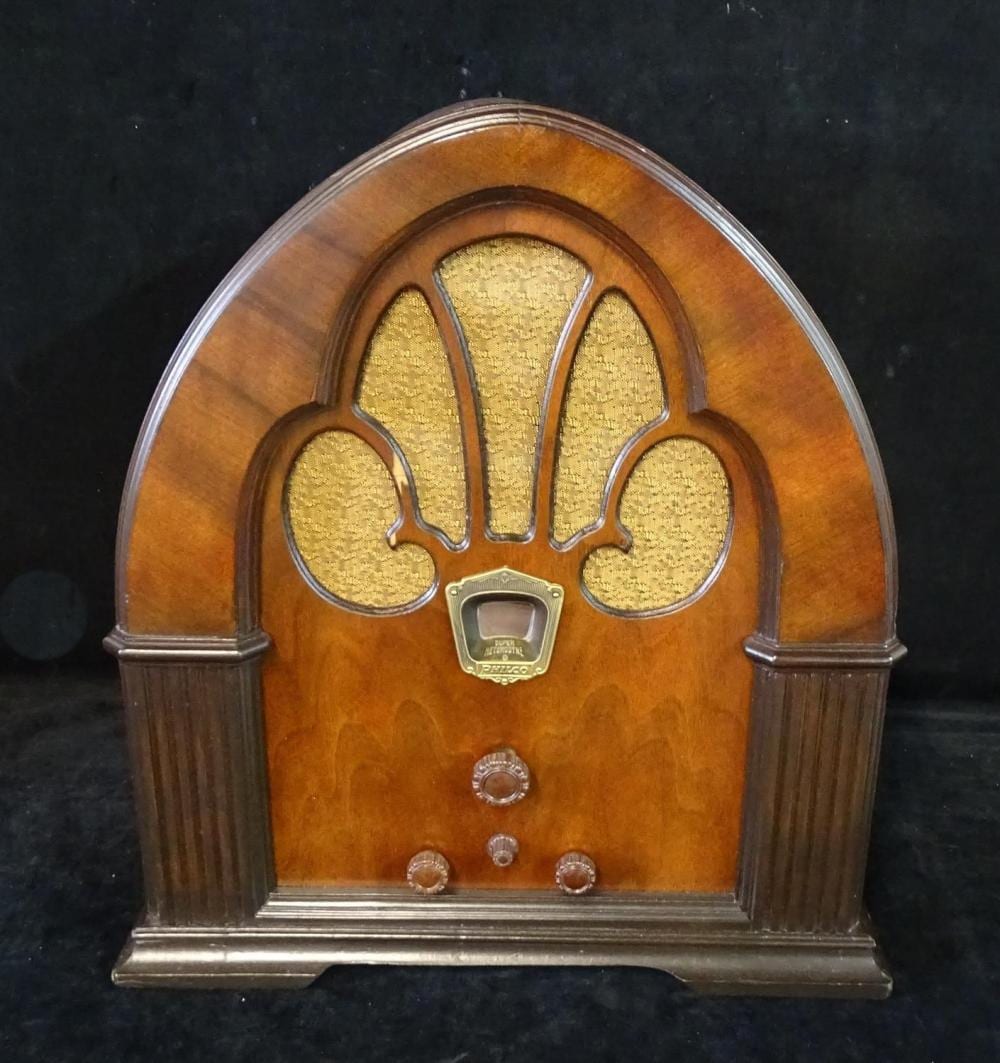
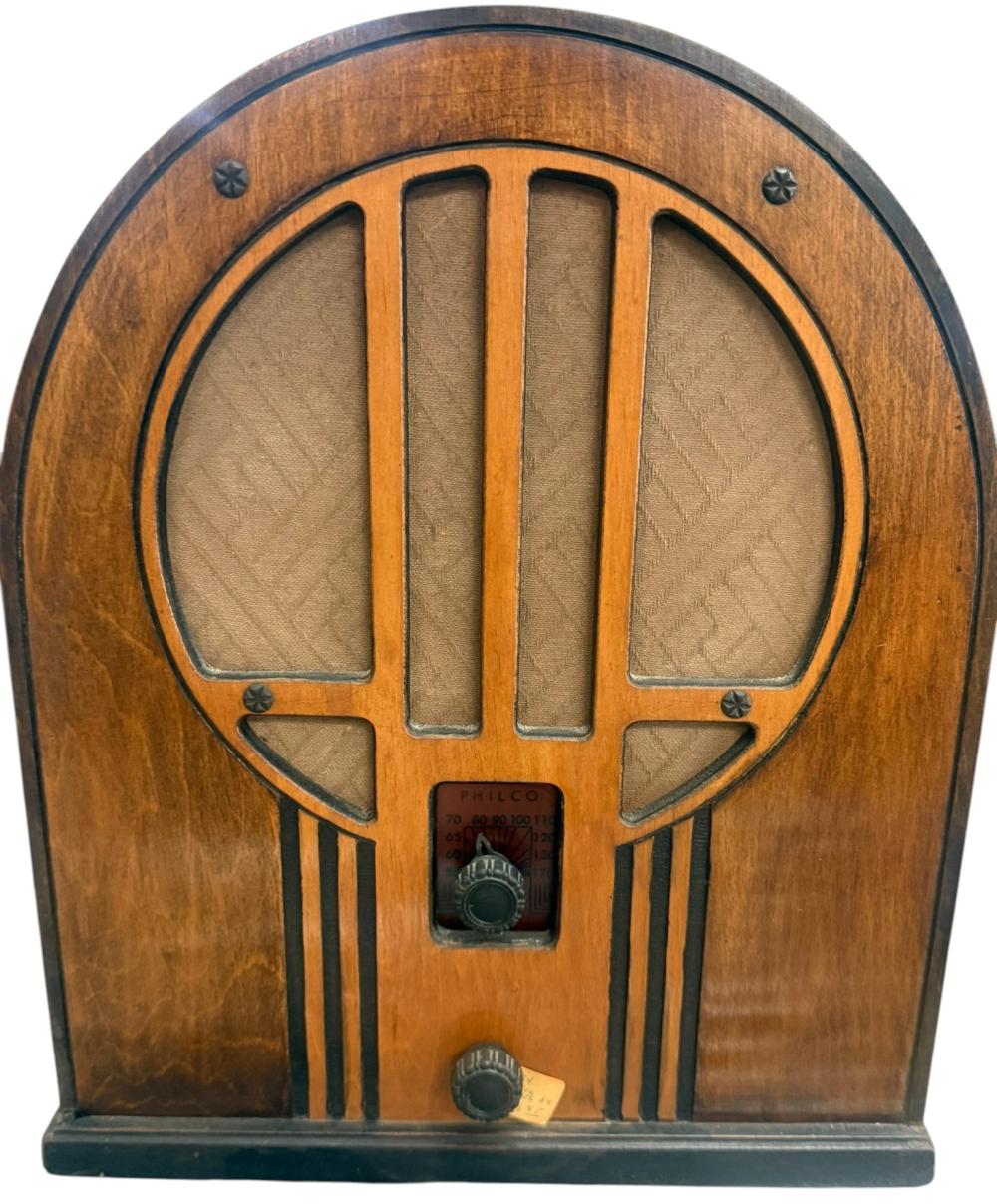
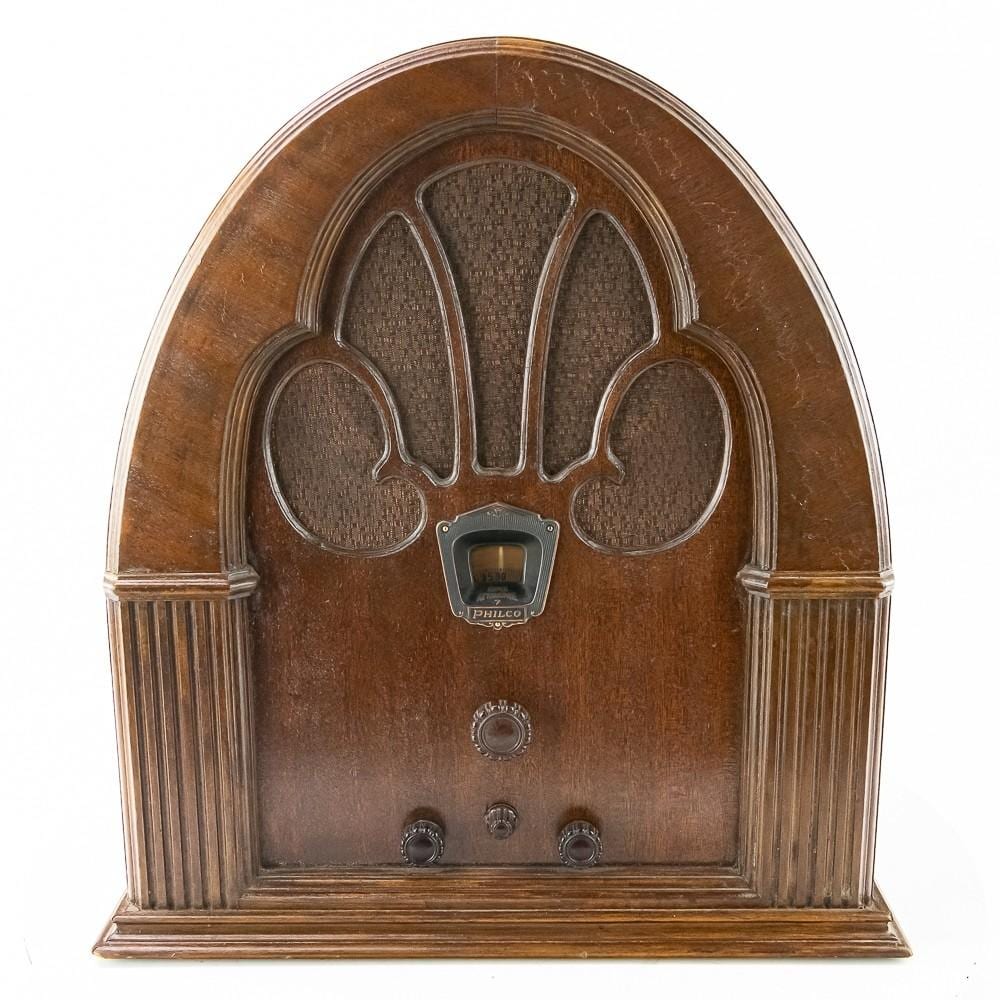
- Late 1920s–early 1930s: Early AC sets and the debut of the “Baby Grand” cathedral cabinets (round-top table sets). Models like the Philco 20, 70, and 90 defined the look of the era.
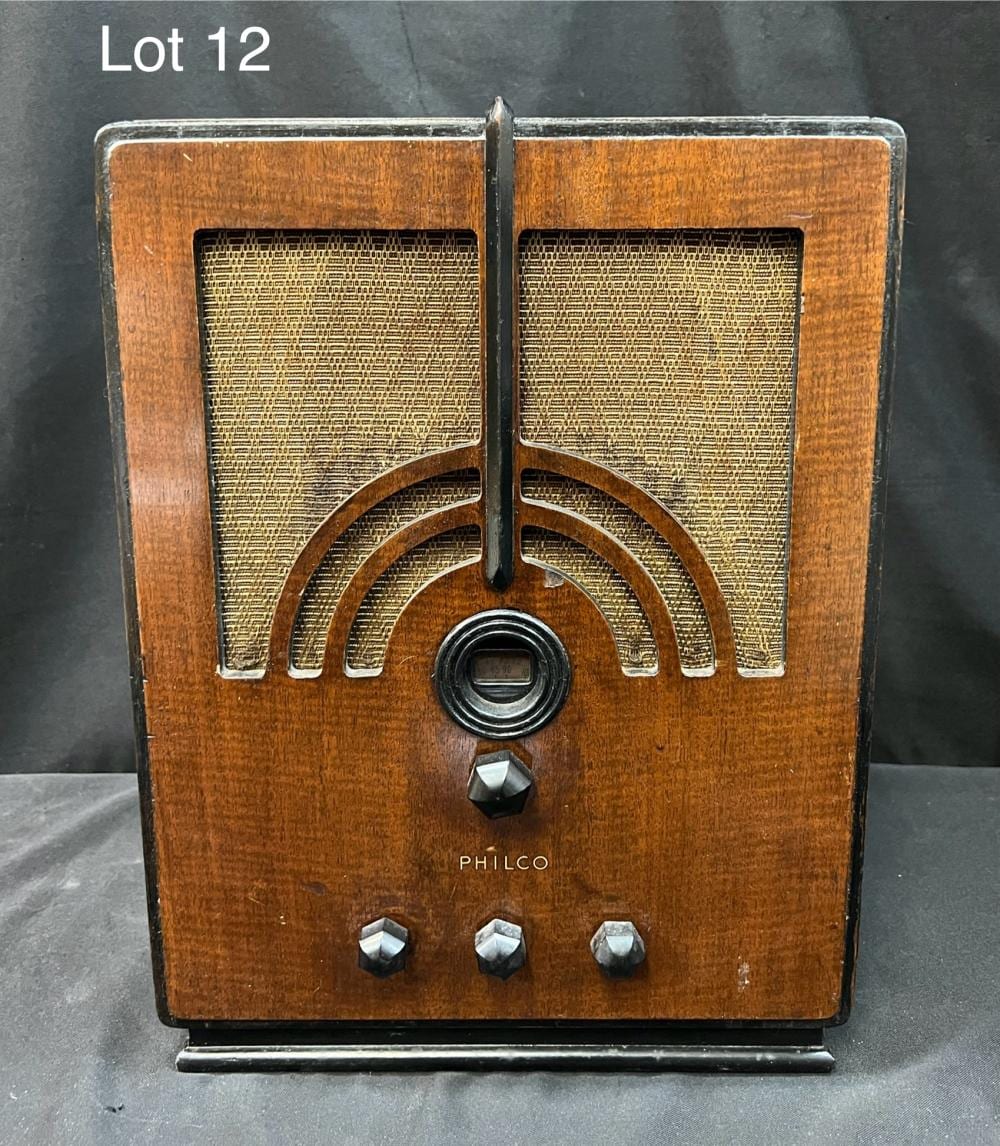
- Mid-1930s: Tombstone cabinets (upright rectangles) gain popularity. Higher tube counts and advanced features appear, including “shadow meter” tuning indicators on mid- to upper-tier sets.
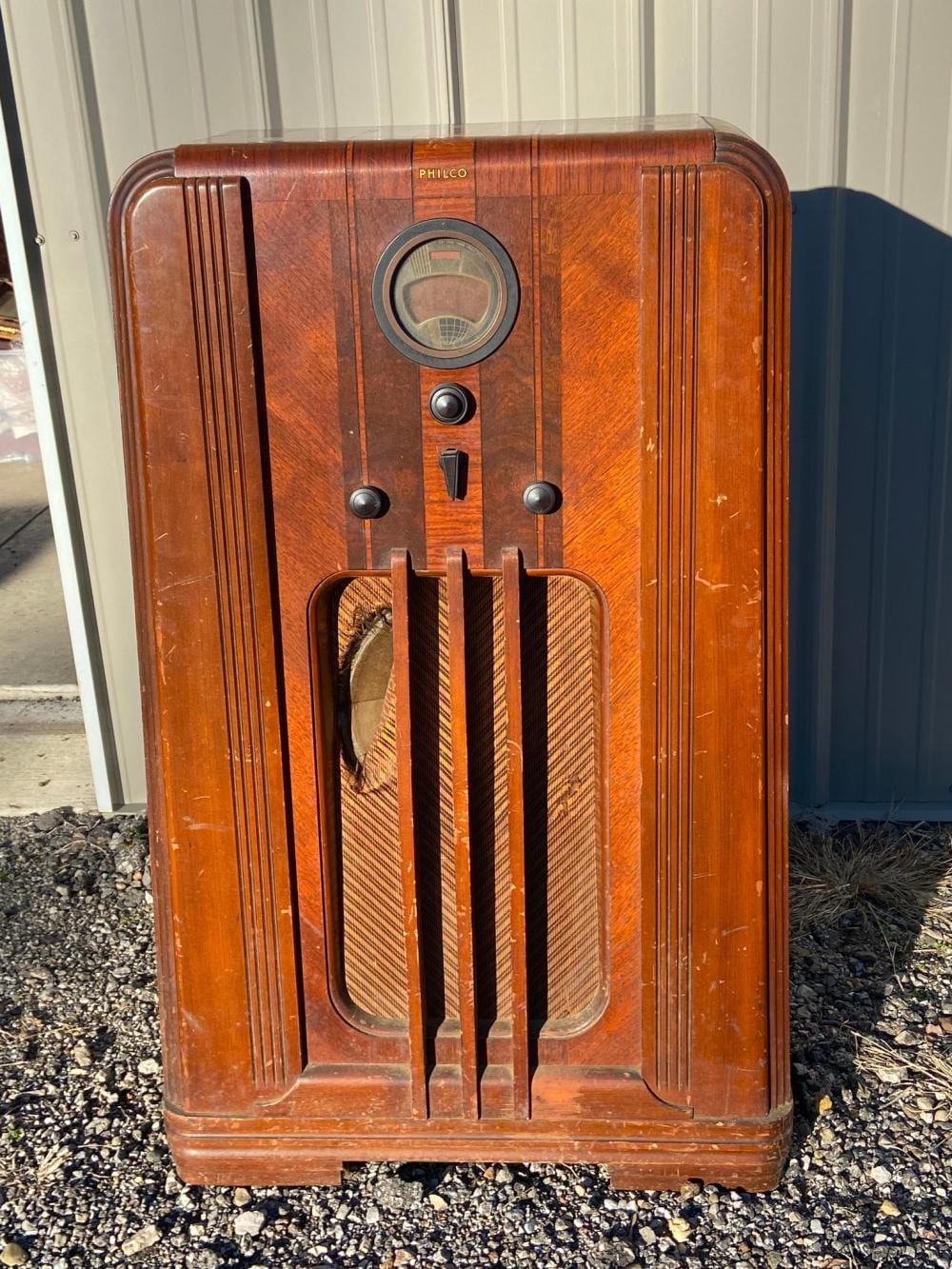
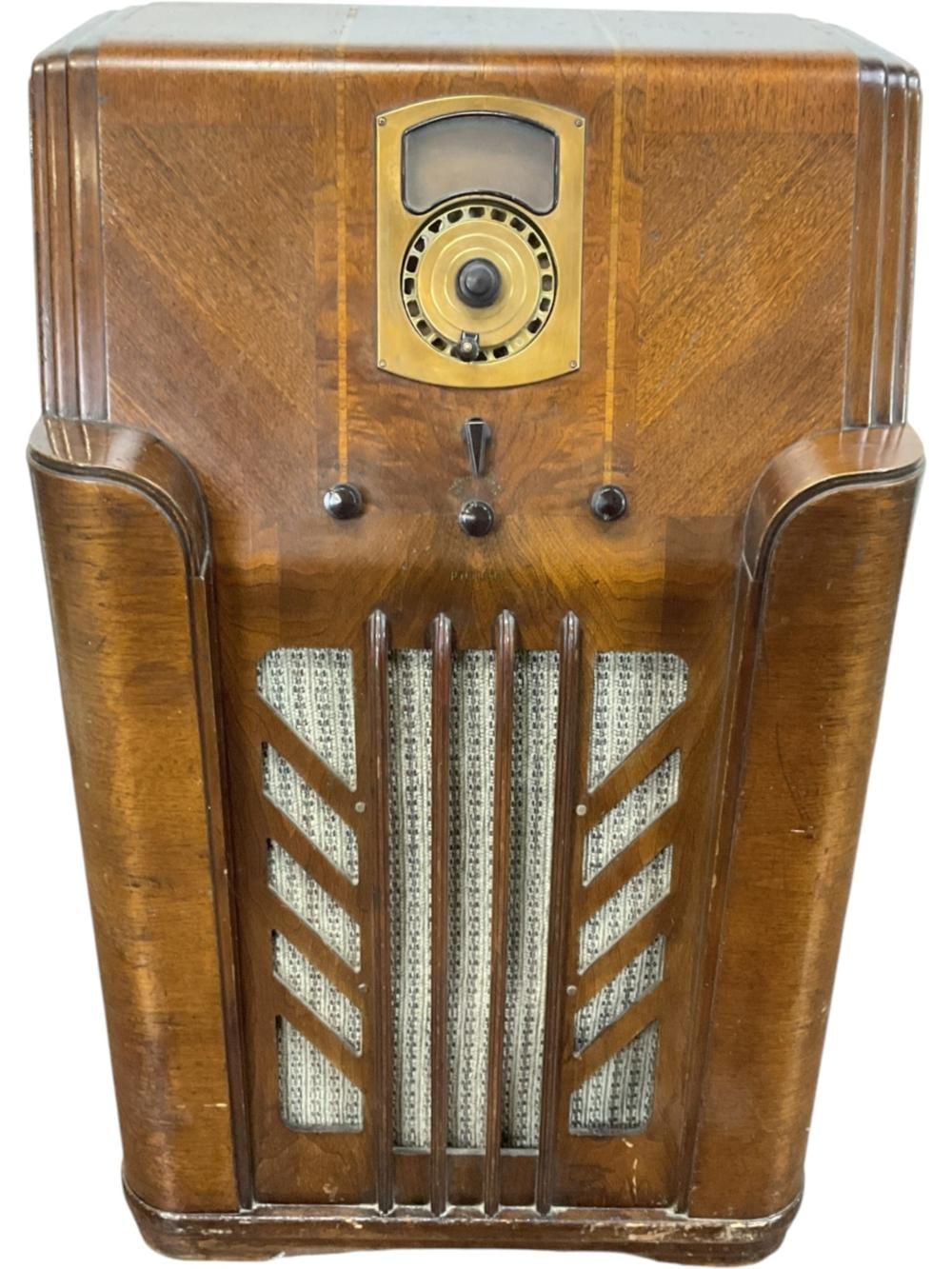
- Late 1930s: Large consoles with powerful audio and pushbutton tuning take center stage. Philco’s top-of-the-line (TOTL) consoles, like the 37-690 and 38-690, showcase multi-speaker arrays and complex chassis.
- Early 1940s: Transitional styling with increased use of plastics and pushbutton convenience. Rubber-insulated wiring appears in many models (now a known restoration challenge).
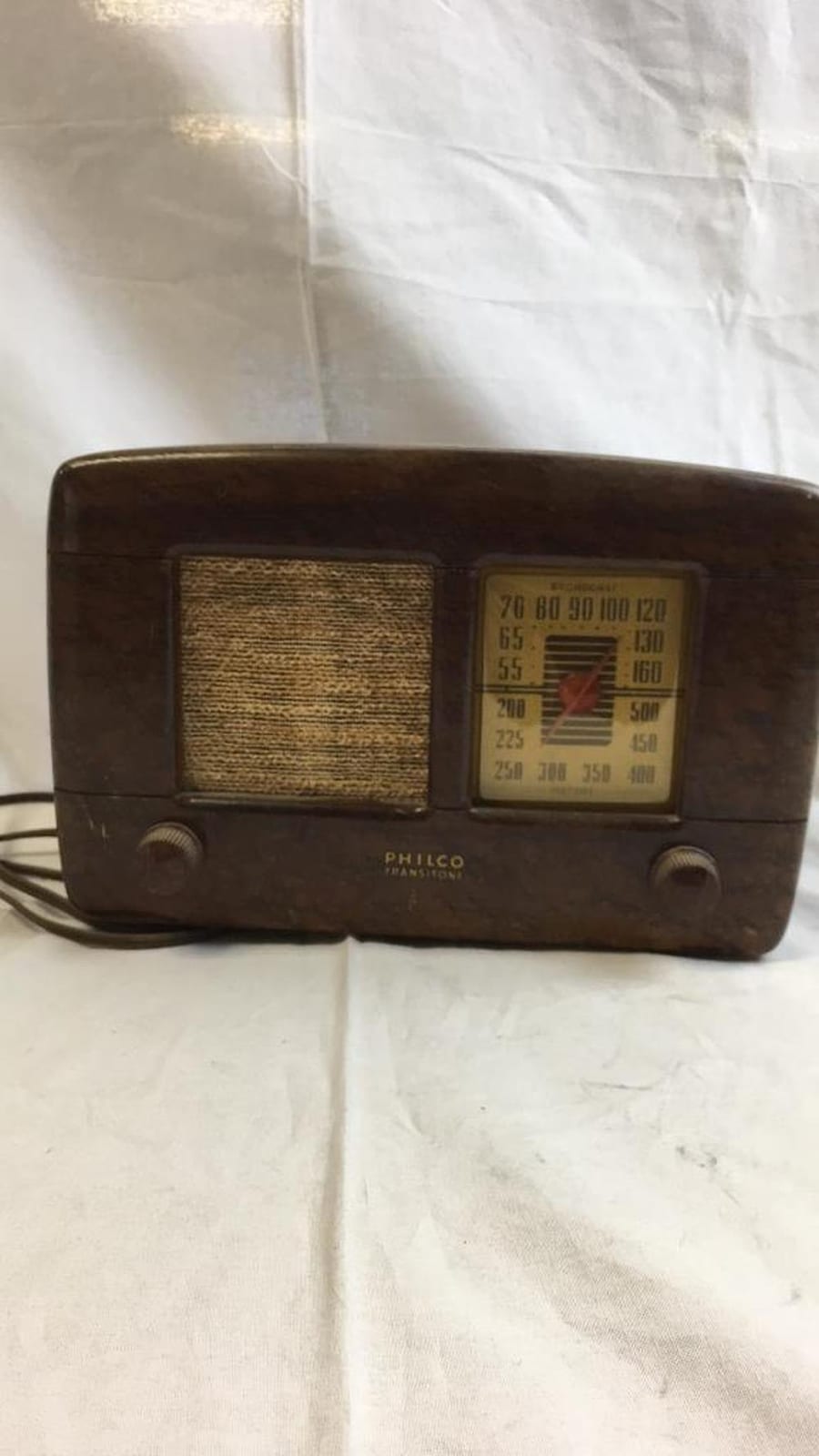
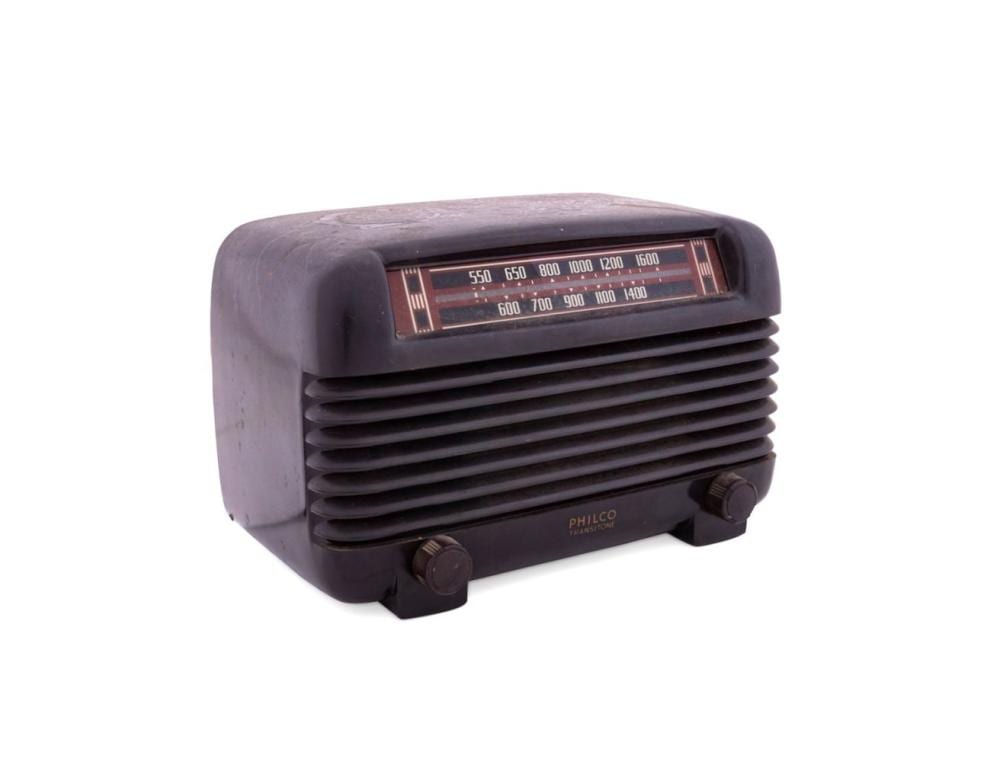
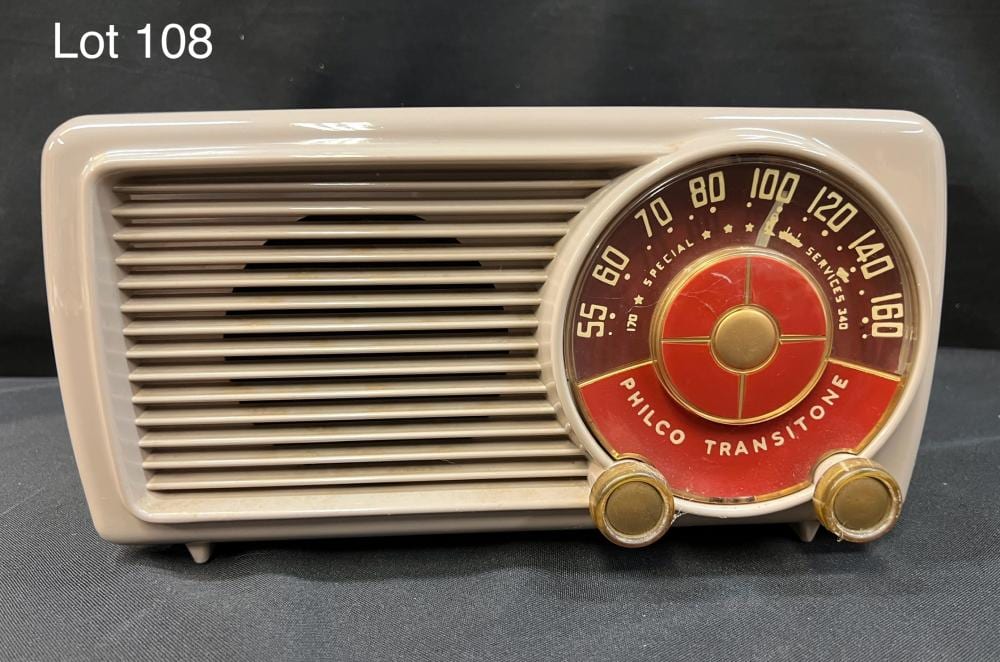
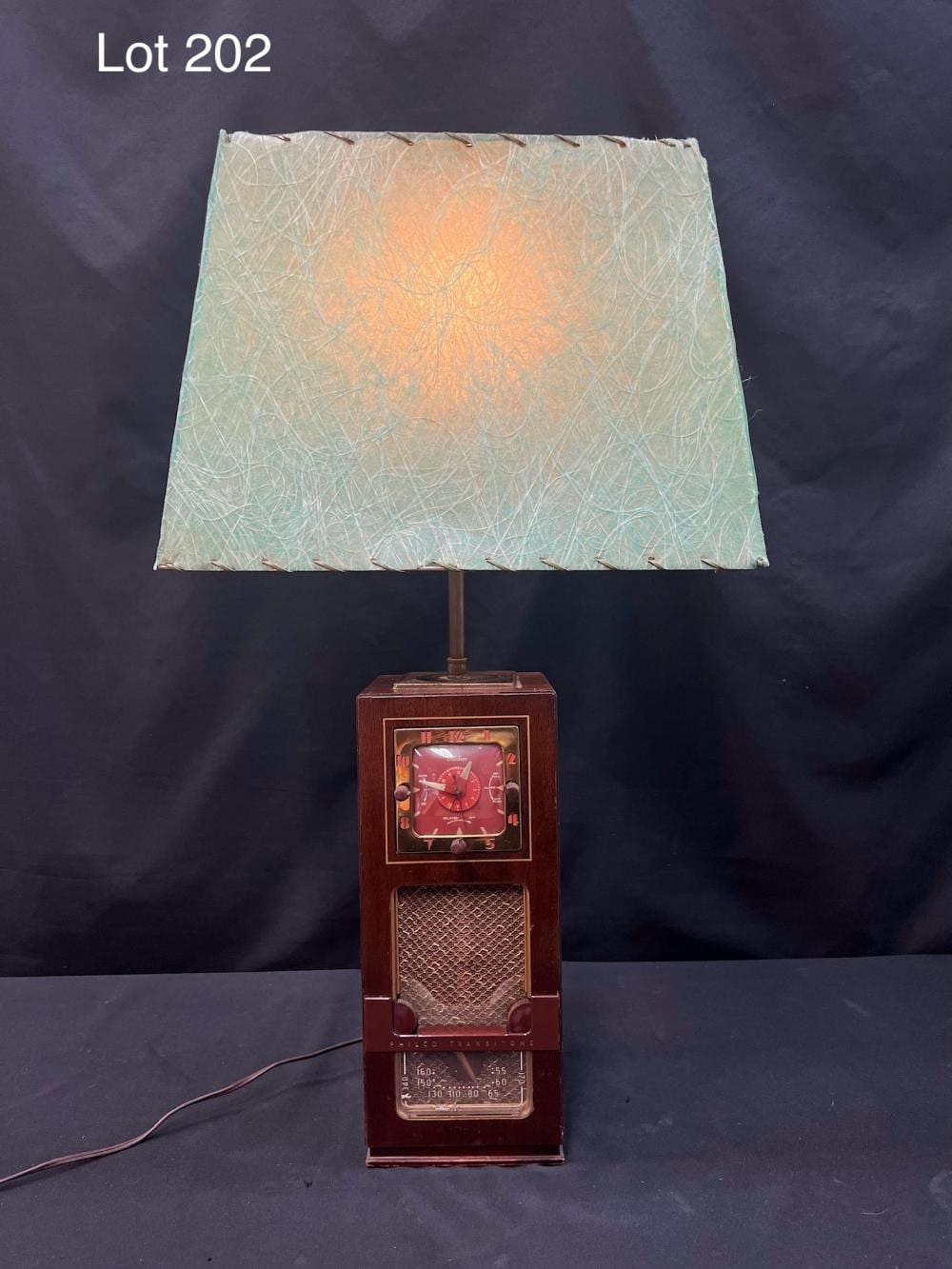
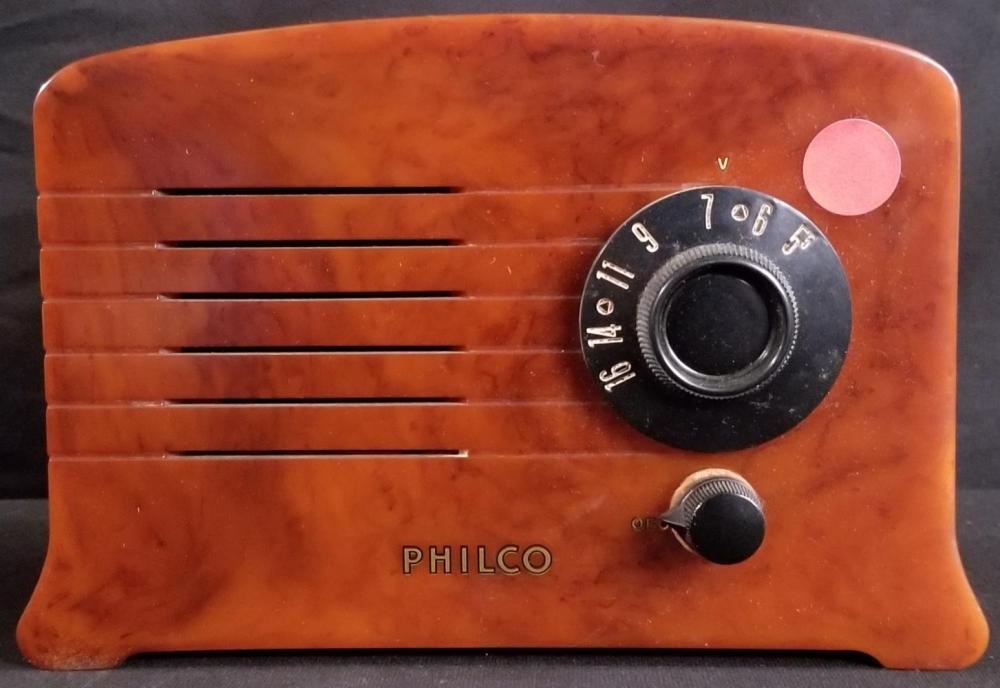
- Postwar late 1940s–early 1950s: Compact bakelite sets and portables under the Transitone banner serve the mass market. Design trends simplify; values generally trend lower except for a few quirky or stylish standouts.
Philco’s numbering helps with quick dating. Pre-1937 sets typically have model numbers like 70 or 90, while 1937–1938 models often start with the year (e.g., 37-116, 38-690). This is a first step in gathering market evidence and setting expectations.
Model Families and Standout Sets Worth Knowing
Within Philco’s enormous output, certain cabinet styles and models consistently attract attention:
- Cathedral (“Baby Grand”) table sets:
- Model 20 (early), 70, and 90 are the iconic trio. The 90, with higher tube counts and multiple variants, is especially desirable.
- Smaller cathedrals like the 84 are entry points for new collectors.
- Tombstones (mid-1930s):
- The 16B and 116B tombstones are sought-after for performance and presence.
- Late tombstones with large multi-band dials and shadow meters appeal to both listeners and display-focused collectors.
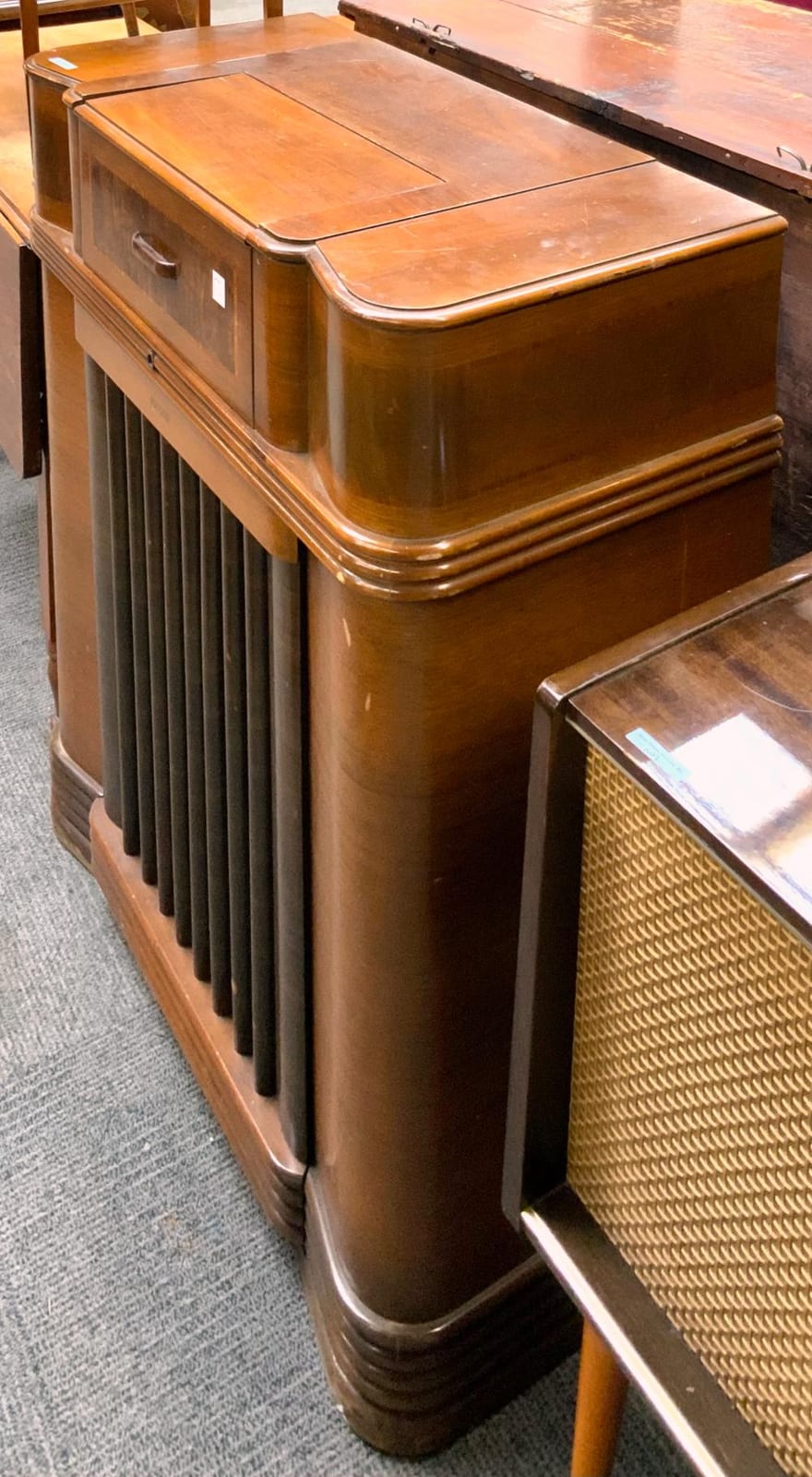
- Consoles (floor models):
- Top-of-the-line masterpieces: 37-690 and 38-690. These are among the most valuable Philco radios, combining complex amplification, multi-speaker systems, and handsome cabinetry.
- 37-116 and 38-116 consoles offer high performance at more approachable prices.
- Common consoles from 1938–1941 were mass-produced; they’re abundant and less valuable unless in exceptional, original condition.
- Transitone and bakelite table sets (1940s–early 1950s):
- Compact sets such as PT-series and postwar models like 46-350 (portable) and 50-520 (table set) are affordable and display well.
- The 49-501 “Hippo” is a fan favorite; original painted finishes (ivory, for example) can bring a premium over standard brown bakelite.
- Specialty forms:
- Chairside consoles (low cabinets designed to sit beside a chair) are relatively niche; values tend to be modest unless in exceptional condition.
- “Farm” battery sets (designed for rural customers without AC power) generally sell for less due to practical limitations and narrower demand.
If you’re appraising, anchor your model within one of these families first; desirability often follows the cabinet form, then the specific model and variant.
What Drives Value: Design, Rarity, Materials, Size, Features
Appraisers weigh a mix of design, completeness, and market friction. For Philco radios, these attributes usually move the needle most:
- Design and display appeal:
- Cathedrals and dramatic tombstones usually outpace common consoles because they display well on shelves. Exceptions exist at the top end, where TOTL consoles eclipse most table sets.
- Originality:
- Original finish, intact decals, factory grill cloth patterns, and correct knobs can add substantial value. Replaced or reproduction parts are common; the impact depends on visibility and quality.
- Cabinet materials and veneers:
- Walnut veneer with book-matched or butt veneers and inlays typically ranks higher than plainer cabinets. Some late-1930s Philco sets used “photofinish” (printed faux wood). If this is damaged or stripped, values drop considerably because it’s difficult to replicate convincingly.
- Features and tube count:
- Shadow meter tuning indicators, multi-band coverage, pushbutton presets, and higher tube counts signal upper-tier performance and collectability.
- Completeness:
- Original knobs, escutcheon (dial bezel), back panels (if originally fitted), and the correct speaker are key. A missing or replaced shadow meter on a set that originally had one is a notable deduction.
- Size and shipping friction:
- Large consoles are costly to ship and store, suppressing prices except for top-tier models. Local markets affect outcomes more for consoles than small table sets.
- Regional and seasonal demand:
- Urban markets and collector events can lift prices. Seasonal estate auction cycles and major swap meets often influence short-term market evidence.
Your appraisal should tie these factors to the actual model variant on the bench. Two sets of the same model can diverge sharply in value based on finish originality, veneer condition, and parts completeness.
Condition, Originality, and Function: How Appraisers Grade Philco Radios
Establishing condition grading is crucial. A practical, market-facing scale:
- Poor: Structural damage, missing major parts (speaker, transformer), severe veneer loss, or non-repairable cabinet issues. Typically parts value only.
- Fair: Complete enough for restoration but with notable cabinet flaws (chips, veneer peeling), missing minor trim, or significant corrosion. Value reflects risk and parts cost.
- Good: Solid cabinet with moderate wear, mostly original parts, restorable electronics. The sweet spot for many collectors who plan to restore.
- Very Good: Clean cabinet with original finish intact, minor touchups only, complete and correctly equipped. Electrically restored sets can land here if the work is neat and reversible.
- Excellent/Near Mint: Museum-quality original finish, correct knobs and cloth, minimal wear, meticulous or original internals, strong provenance.
Key Philco-specific condition notes:
- Original finish vs. refinish:
- Many collectors pay a premium for clean original finishes, even with honest patina. Refinished cabinets can still sell well if expertly done to match period toners and sheens, but heavy sanding that rounds edges or erases edges/decals hurts value.
- Photofinish caution:
- Do not strip “photofinish” cabinets. If the faux finish is compromised, value typically drops significantly unless a high-quality restoration replicates the pattern (rare).
- Plastics and bezels:
- Celluloid or Tenite escutcheons may shrink or warp; replacements exist, but originals in good shape add value.
- Electronics:
- Rubber-insulated wiring (common in late-1930s/early-1940s Philco sets) often crumbles and must be replaced for safety.
- A working, correctly restored chassis adds confidence but does not always recoup full restoration costs, especially on common models.
- Speakers and transformers:
- Original field-coil speakers and output transformers are essential. Substitutions are possible, but originality carries weight.
- Shadow meter:
- On models equipped, the presence and functionality of the shadow meter is a plus. Missing meters, nonfunctional coils, or obvious substitutions are deductions.
As a valuation heuristic, visible originality (finish, knobs, bezel, cloth) often has more immediate market impact than invisible chassis work, unless the latter is egregiously sloppy or unsafe.
Market Benchmarks: Typical Price Ranges and Where They’re Realistic
Values fluctuate with overall demand, selling venue, and condition. The notes below assume the set is complete and presentable; fair/average examples sell well below very good, original, or well-restored pieces of the same model. Check recent sold results for the exact model before pricing. Exceptional provenance or museum-grade condition can bring more.
- Philco 84 (small cathedral): a popular entry point
- Philco 70 (cathedral): rare variants and excellent originals can push higher
- Philco 90 (cathedral): watch for different tube-count variants and cabinet details
- Philco 16B (tombstone): large, purposeful cabinet and strong performance drive demand
- Mid/upper tombstones with shadow meters: value depends on model and condition
- Philco 37-116, 38-116 consoles: clean originals and documented restorations bring the most
- Philco 37-690, 38-690 TOTL consoles: the top of the Philco line; completeness, veneer condition, and locality matter greatly
- Common consoles (1938–1941, non-TOTL): generally modest; shipping distance often caps demand
- Transitone bakelite table sets (e.g., PT-series, 50-520): usually modest; original painted versions can be higher
- Philco 49-501 “Hippo”: premium for excellent original paint; repaints trail
- Portables like 46-350: value depends on cosmetics and working condition
- “Farm” battery sets (various): completeness critical due to parts harvesting
Venue matters:
- Specialty radio auctions and collector meets tend to realize the high end for notable pieces.
- Local estate auctions and classifieds often sell consoles near the low end due to pickup logistics.
- Online marketplaces broaden exposure for small table sets; photos and presentation heavily influence outcomes.
If you’re writing an appraisal, cite both a range and the venue assumptions (e.g., “expected at a regional collector auction” vs. “local pickup only”).
Smart Buying, Selling, and Documentation Strategies
- Identify precisely before pricing:
- Photograph the chassis tag and dial, and note the model number. For 1937–1938 sets, the leading digits are the model year. Record tube count and band coverage.
- Verify completeness:
- Confirm correct knobs, bezel, grill cloth, and speaker. Note the presence/function of a shadow meter where applicable.
- Assess finish honestly:
- Original finishes with minor crazing or nicks often beat glossy modern refins. Document any photofinish areas to avoid mistakes.
- Budget restoration appropriately:
- Typical bench work (recapping, wiring remediation, alignment) can run into the low hundreds; complex consoles more. On common sets, don’t expect full ROI from restoration, but it can broaden your buyer pool.
- Photograph like a pro:
- Front, sides, back, chassis top and underside, dial close-ups, and any labels or service tags. Good photos can add real dollars by reducing buyer uncertainty.
- Plan logistics:
- For consoles, local sale with careful in-home viewing often beats risky freight. For table sets, double-box and immobilize the chassis and speaker to protect the dial and grill.
- Negotiate with market evidence:
- Gather three to five recent, condition-relevant market evidence and adjust for venue and shipping. Transparency accelerates deals and reduces haggling.
Practical Appraisal Checklist
- Confirm exact model number and variant; record tube count and bands.
- Identify cabinet family (cathedral, tombstone, console, Transitone/bakelite, portable).
- Inspect finish: original vs. refinish; look for photofinish panels.
- Check completeness: knobs, escutcheon, grill cloth, back (if applicable), labels.
- Examine plastics: bezel shrinkage/warping, dial condition, cracks.
- Speaker and transformer: verify originality and continuity; note substitutions.
- Shadow meter present and functional on models that had one.
- Wiring: assess rubber-insulated deterioration; note prior repairs.
- Test cautiously with proper isolation/variac; do not “cold plug” unknown sets.
- Document provenance: receipts, dealer tags, service notes, family history.
- Photograph thoroughly: cabinet, chassis, labels, close-ups of problem areas.
- Value using venue-specific market evidence; state a range with condition notes.
FAQ
Q: Does an electrically restored Philco always sell for more than an unrestored one? A: Usually, but not always. Clean original cosmetics often drive the biggest premiums. A neat, reversible electronic restoration adds buyer confidence and widens the market, but on common models the increase may not fully cover bench costs.
Q: Is refinishing a cabinet a deal-breaker? A: Not necessarily. Expert refins that respect period toners and sheens can sell well, especially if the original finish was severely compromised. However, untouched, well-preserved originals generally command the highest prices. Never strip photofinish surfaces.
Q: How can I tell if the knobs are original? A: Compare shape, profile, material, and indexing to known-correct examples for that model line. Philco used distinct knob styles across years; mismatched sets and modern reproductions are common. Original sets often show consistent aging and matching patina.
Q: Should I power on a newly acquired Philco to “see if it works”? A: Avoid plugging it in cold. Aging capacitors and crumbling rubber wiring can short and damage transformers. Inspect first, bring up slowly on a variac or leave power-up to a qualified technician.
Q: Why are big consoles cheaper than small cathedrals? A: Storage and shipping friction. Consoles are heavy and costly to move, which limits the buyer pool. Top-of-the-line consoles buck the trend, but common consoles sell at a discount compared to display-friendly table sets.
By focusing on model identification, visible originality, and market venue, your appraisal can move beyond guesswork and into credible, repeatable valuation. Philco made a vast catalog of radios, but the forces that shape their worth are consistent: design that turns heads, condition that tells an honest story, and documentation that instills confidence. Whether you’re buying, selling, or issuing a formal valuation, those are the levers that unlock the real value of Philco nostalgia.